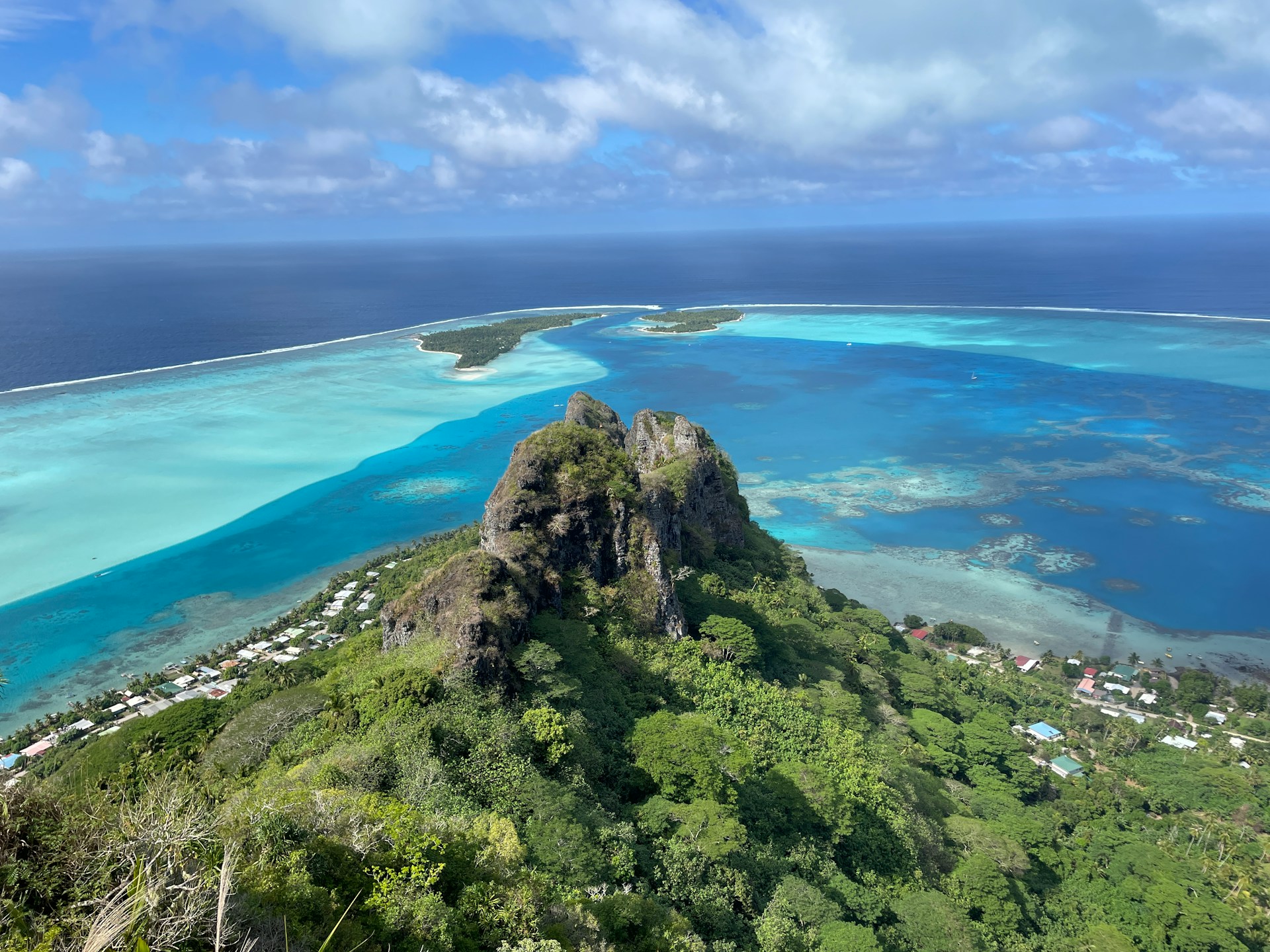
Why Visit Tahiti? What Makes This Island So Special
I still remember my first arrival into Faa’a International Airport: the doors slid open and warm, floral-scented air rushed in, carrying the sound of a live ukulele trio. It felt like walking straight into a postcard. Over a decade and several return trips later, Tahiti still has that effect on me.
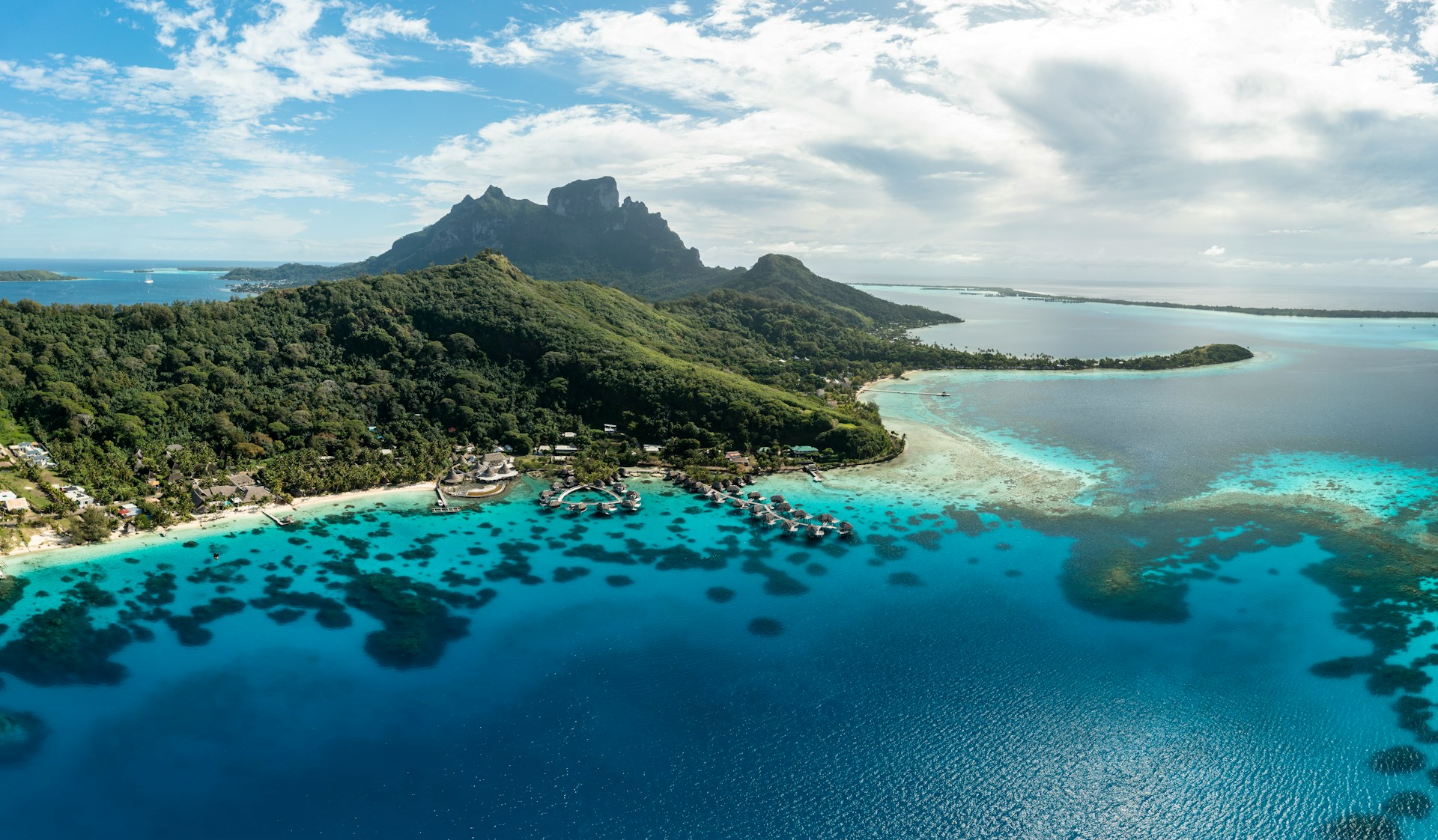
Tahiti is the largest island in French Polynesia and the main gateway to the archipelago. Many travelers treat it as a one-night layover before dashing off to Bora Bora or Moorea—but that’s a mistake. Stay a few days and you’ll find a rich cultural heart, rugged volcanic peaks, black-sand beaches, waterfalls, bustling markets, and some of the best street food in the Pacific.
In 2026, Tahiti is more exciting than ever: new eco-friendly guesthouses, revitalized cultural festivals, and improved hiking access mean you can experience both the island’s deep Ma’ohi heritage and its modern Polynesian-French fusion lifestyle.
Whether you’re planning 3 days in Tahiti, a 4 day itinerary for Tahiti, or a more relaxed 5 day itinerary for Tahiti, this guide will walk you through the best places to visit in Tahiti, authentic local food in Tahiti, and the lesser-known hidden gems in Tahiti that most visitors miss.
Table of Contents
- Why Visit Tahiti
- Essential Overview of Tahiti in 2026
- 20 Must-See Attractions & Experiences
- Suggested Itineraries (3, 4, and 5 Days in Tahiti)
- Neighborhoods & Areas to Explore
- Best Local Foods & Drinks in Tahiti
- Nightlife, Entertainment & Cultural Experiences
- Day Trips & Nearby Islands from Tahiti
- Cultural Etiquette & Local Customs
- Practical Travel Tips for Tahiti
- Summary & Best Time to Visit Tahiti
Essential Overview of Tahiti in 2026
Tahiti is actually two connected islands—Tahiti Nui (the larger, busier part) and Tahiti Iti (the smaller, wilder peninsula)—linked by a narrow isthmus. Most hotels, restaurants, and services are on Tahiti Nui, especially around the capital, Papeete. Tahiti Iti is where you go for remote surf breaks, quiet villages, and steep green valleys.
- Language: French and Tahitian (Reo Tahiti). English is widely understood in tourism.
- Currency: CFP Franc (XPF). Cards accepted almost everywhere in Papeete; cash still useful in smaller villages and roulottes (food trucks).
- Climate: Tropical. Warmer, wetter season roughly Nov–Apr; drier, slightly cooler season May–Oct.
- Best for: Culture, food, waterfalls, hiking, surfing, snorkeling, and a more “real” Polynesian experience than the classic overwater-bungalow honeymoon fantasy.
What’s New in 2026–2027
- 2026 Heiva i Tahiti (June–July 2026): The island’s biggest cultural festival with dance, traditional sports, and outrigger races. The 2026 edition is planned to be the most “eco-focused” yet, with workshops on traditional navigation and sustainable fishing.
- New coastal walking path in Punaauia (2026): A seafront promenade connecting several public beaches and viewpoints, perfect for sunset strolls.
- Teahupo’o spotlight 2026–2027: Following recent major surf events, infrastructure around Tahiti Iti (especially Teahupo’o) has improved—better road surfacing, new local cafés, and regulated surf-viewing areas.
- Increased inter-island boat services (2026): More regular ferries to Moorea and pilot services to nearby islands, making day trips and multi-island combos easier.
20 Must-See Attractions & Experiences in Tahiti
These are the must-see attractions in Tahiti I keep going back to. Each one has its own story, and I’ll share how I like to experience them, from sunrise swims to late-night snacks at the roulottes.
1. Papeete Waterfront & City Center
Most of my trips to Tahiti begin and end with a walk along the Papeete waterfront. It’s where the raw energy of the island hits you: ferries honking, kids jumping off the quay, cruise ships towering over colorful fishing boats, and mountains looming behind it all.
The city center is compact. From the ferry terminal, I usually wander through Place Vai’ete, where food trucks gather at night, then cut inland toward the Municipal Market, and loop back along the seafront promenade lined with modern sculptures and views across to Moorea’s jagged silhouette.
Why it’s special: Papeete is the cultural and political heart of French Polynesia. It’s where you feel the urban Polynesian vibe—tattooed office workers in floral shirts, teenagers with skateboards and ukuleles, grandmothers in bright muumuus bargaining over fish.
What I like to do here: Early mornings, I grab a coffee from a small kiosk and watch the city wake up. In the evenings, I join locals sitting on the sea wall, sharing snacks from nearby roulottes as the sky turns orange behind Moorea.
- Family-friendly: The waterfront playgrounds and open spaces are great for kids, and the harbor is always busy with boats to watch.
- Romantic: Sunset walks along the promenade, with a stop for cocktails at one of the bars overlooking the marina.
- Adventurous: Use Papeete as your base for planning hikes, dives, or surf trips—many operators are headquartered here.
Practical tips: Papeete is walkable, but midday can be hot. Wear light clothing, carry water, and take breaks in shaded parks like Place Tarahoi. Street parking is paid; if you’re renting a car, ask your hotel about free or discounted parking nearby.
2. Marché de Papeete (Municipal Market)
The Municipal Market is my favorite place to start any morning in Tahiti. It’s chaotic, colorful, and filled with everything from fresh tuna steaks to handmade shell necklaces. Every time I visit, I discover a new stall or snack.
History & significance: The market has been the island’s commercial heart for over a century, evolving from a simple open-air gathering place to a multi-level structure that still feels wonderfully local. It’s where rural farmers and fishers bring their goods to town and where city dwellers do their daily shopping.
What to do & eat: I usually head straight to the fish counters first, just to see the shimmering bounty of the lagoon and ocean—tuna, mahi-mahi, parrotfish. Then I make my way to the fruit and vegetable section for po’e (a pudding-like dessert made from banana or pumpkin and coconut cream) and fresh pineapple. Upstairs you’ll find souvenirs: pareos, monoi oil, vanilla, and handwoven hats.
One of my best breakfasts in Tahiti was a simple one: a fresh baguette from a tiny bakery stall, slices of ripe papaya, and a strong espresso, eaten at a plastic table while watching local aunties gossip over flower garlands.
Tips for visitors:
- Go early (6–8 a.m.) for the freshest fish and to avoid the biggest crowds.
- Bring cash—some vendors accept cards, but not all.
- Ask before taking close-up photos of vendors; most are happy if you’re respectful.
- For gifts, I always buy Tahitian vanilla pods and monoi oil here—they’re cheaper and more authentic than at the airport.
3. Roulottes at Place Vai’ete (Food Truck Park)
If you ask me about the best local food in Tahiti, I’ll point you straight to the roulottes at Place Vai’ete. This open-air food truck park by the harbor is where I’ve had some of my most memorable meals on the island—sitting at plastic tables, barefoot in flip-flops, with live music drifting in from nearby bars.
What to eat:
- Poisson cru à la tahitienne: Fresh raw tuna marinated in lime and coconut milk, with cucumber, carrot, and tomato. This is Tahiti’s national dish, and it’s somehow even better eaten outdoors under the stars.
- Chinese-Polynesian plates: Huge portions of chow mein, stir-fried vegetables, and crispy pork—legacy of the Chinese community who settled here generations ago.
- Crêpes & desserts: Nutella-banana crêpes, tropical fruit ice creams, and sometimes even churros.
One evening, I shared a long table with a local family celebrating a birthday. They insisted I try their favorite roulotte’s steak frites, and we ended up trading bites of each other’s dishes. That’s the kind of casual, welcoming atmosphere you often find here.
Budget tip: This is one of the best places to save money on food in Tahiti. Portions are big, and you can easily share a plate. Expect to pay far less than in hotel restaurants.
When to go: Roulottes start setting up around sunset and get busy by 7–8 p.m. It’s family-friendly early in the evening and a bit livelier later at night.
4. Musée de Tahiti et des Îles (Museum of Tahiti and the Islands)
Every time I bring first-time visitors to Tahiti, I try to stop at the Museum of Tahiti and the Islands early in the trip. It’s the best place to ground yourself in the region’s history, art, and traditional navigation before you start island-hopping.
Why it matters: The museum tells the story of Polynesia—from ancient voyaging canoes and sacred marae (temples) to colonial history and modern culture. In 2025 and 2026, the museum underwent upgrades, and the exhibits now blend multimedia displays with beautifully curated artifacts.
On my last visit, I spent nearly an hour in front of the section on traditional tattoos, mesmerized by the designs and the stories behind them. Later, I watched local schoolkids sketching a replica double-hulled canoe, their teacher explaining how their ancestors crossed the Pacific using stars and swells.
Practical info: Located in Punaauia, about 20–25 minutes’ drive from central Papeete (longer in traffic). Combine it with a beach stop at nearby Punaauia public beach for a half-day outing.
Tips: Allow at least 1.5–2 hours. The grounds outside are lovely for a stroll, with views across the lagoon to Moorea.
5. Pointe Vénus & Black Sand Beach
Pointe Vénus is one of the places on Tahiti that feels steeped in both natural beauty and historical weight. Located on the north coast, it’s a black-sand peninsula with a white lighthouse, calm lagoon waters, and a park where local families gather on weekends.
History: This is where Captain James Cook observed the transit of Venus in 1769, hence the name. It was also an important landing point for early European explorers and missionaries. Today, plaques and monuments explain its role in Tahiti’s contact with the outside world.
I’ve been here in all kinds of moods: once alone at sunrise, watching the sky slowly glow behind the mountains; another time on a Sunday afternoon, when the beach was alive with barbecues, kids playing soccer, and music spilling from parked cars.
What to do:
- Swim in the lagoon—it’s usually calm and shallow, ideal for families.
- Walk out to the lighthouse and around the point for panoramic views.
- Try snacks from the small food stands (grilled brochettes, fresh coconut).
Getting there: About 30–40 minutes by car from Papeete, depending on traffic. There’s a bus, but service can be infrequent; if you’re short on time, a rental car or taxi is more reliable.
6. Faarumai Waterfalls (Les Trois Cascades)
If you only visit one set of waterfalls on Tahiti, make it the Faarumai Waterfalls on the island’s northeast coast. The lush valley, the sound of falling water, the cool mist—it’s everything you imagine a tropical island interior to be.
On my first trip, it was raining lightly as I walked the short trail in. The raindrops only made the vegetation greener and the falls more dramatic. By the time I reached the main cascade, my clothes were damp and my camera lens foggy, but the scene was pure magic.
What you’ll see: A series of three waterfalls, though access to all three can vary depending on trail conditions and safety regulations. The first one is easily accessible via a short, mostly flat walk from the parking area.
Tips:
- Wear proper shoes—the trail can be muddy and slippery.
- Respect barriers and warning signs; rockfalls can occur after heavy rain.
- Combine a visit here with a drive along the scenic east coast for a full day out of the city.
7. Papenoo Valley & Tahiti’s Interior Road
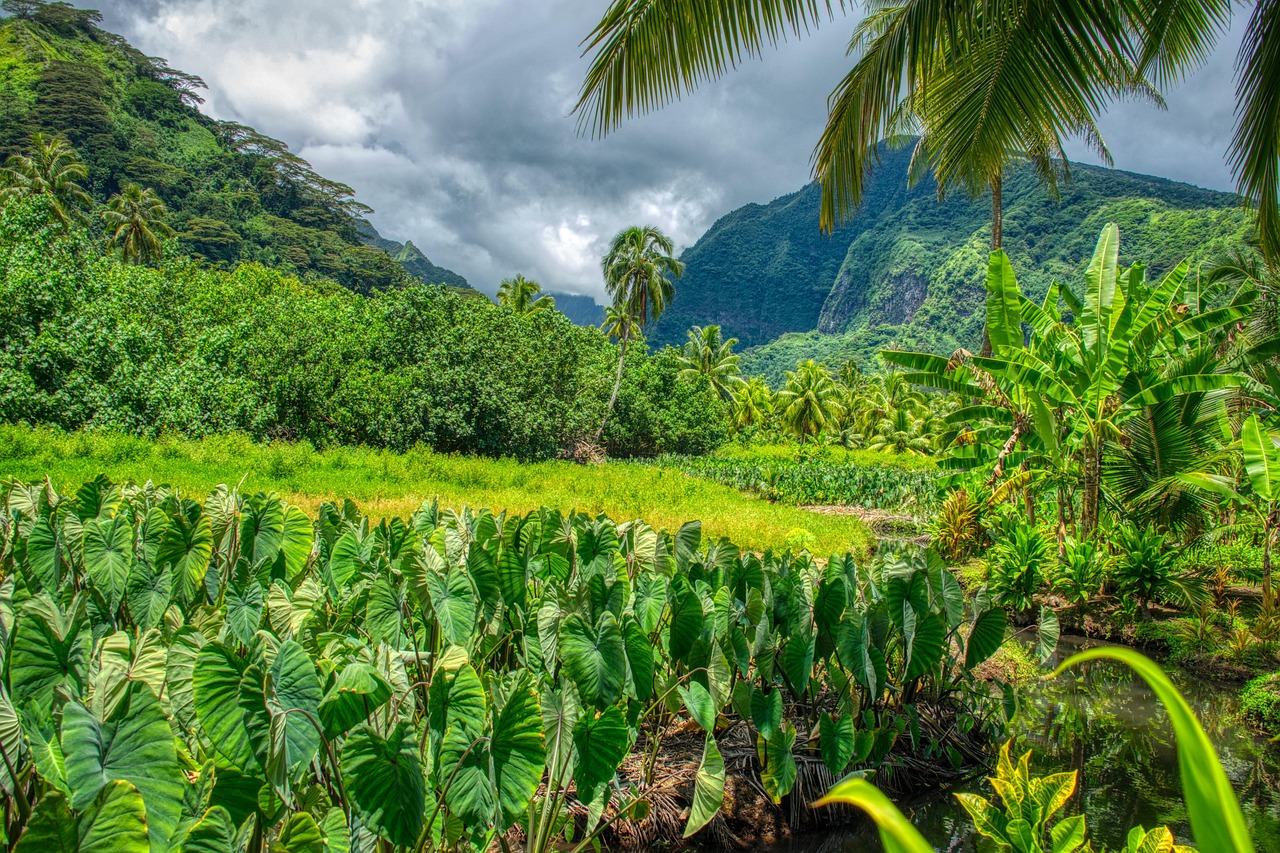
The wild, mountainous interior of Tahiti is one of the most underrated parts of the island. The Papenoo Valley, carved by a river that runs down from the central peaks, is a lush world of waterfalls, ferns, and misty ridges.
My first time through the interior road, I joined a 4x4 tour with a local guide whose grandfather had worked on the early hydroelectric projects in the valley. He pointed out ancient marae hidden in the forest, explained legends attached to particular peaks, and stopped the vehicle so we could swim in icy-cold river pools.
Why go:
- See Tahiti’s volcanic heart—towering peaks, crater-like basins, and cloud-wreathed ridges.
- Learn about traditional agriculture, taro cultivation, and local plants.
- Swim in pristine freshwater streams and cascades.
Important: The interior road is rough and can be dangerous in bad weather. Don’t attempt it with a standard rental car. Join a guided 4x4 tour (they usually include hotel pickup, lunch, and multiple photo stops).
8. Tahiti Iti & Teahupo’o Surf Break
Tahiti Iti, the smaller peninsula attached to the main island, feels like a different world—sleepy villages, fewer cars, and misty green cliffs dropping straight into the sea. At its southwestern tip lies the legendary surf break of Teahupo’o, famous for its heavy, glassy waves.
I’m not nearly brave enough to surf Teahupo’o, but I’ve visited several times to watch from a boat. On a big swell day, you’ll see elite surfers dropping down near-vertical faces, disappearing into thick barrels, and emerging to cheers from the channel.
What to do if you’re not a surfer:
- Join a boat tour from the village to watch the waves from a safe distance.
- Walk through Teahupo’o village, talk to locals, and grab a snack from a roadside stand.
- Explore other, gentler beaches along Tahiti Iti’s coast; they’re often nearly empty.
2026–2027 note: Following recent international surf events, there are more organized viewing options and better signage, but authorities are also stricter about safety. Always go with a reputable local boat captain and follow their instructions.
9. Punaauia’s Lagoon & Public Beaches
When I need an easy beach day close to the city, I head to Punaauia, on Tahiti’s west coast. The lagoon here is calm, shallow, and a perfect shade of turquoise, with a backdrop of Moorea’s dramatic peaks.
My favorite moments are late afternoons—floating in knee-deep water, watching the sun sink behind Moorea, the sky turning pink and orange. Locals bring their dogs, families set up picnics, and the whole scene feels relaxed and unpretentious.
What to expect:
- Public beaches with showers, picnic tables, and sometimes snack stands.
- Areas where you can rent kayaks or paddleboards.
- Easy lagoon snorkeling with small fish and coral (for serious snorkeling, consider a boat trip).
2026 update: A new coastal promenade connects several beaches, making it easier to walk or cycle between them without constantly crossing the road.
10. Paragliding & Panoramic Viewpoints
One of the most unforgettable experiences I’ve had in Tahiti was paragliding over the island’s west coast. Taking off from a mountainside above Punaauia, we floated silently over the lagoon, with Moorea in the distance and the reef clearly visible below.
Even if you’re not a thrill-seeker, you can still enjoy Tahiti’s viewpoints by car. Several roads climb up from the coast to ridges and antenna stations, offering sweeping views of the island.
Tips:
- Book paragliding with a certified operator; they typically provide transport from designated meeting points.
- For self-drive viewpoints, ask your hotel or host which roads are safe in current conditions; some tracks can be muddy after rain.
- Sunrise and sunset are the best times for photos.
11. The Highlands of Papenoo & Plateau Areas
Beyond the famous Papenoo Valley, Tahiti’s interior has high plateaus used for agriculture and hydroelectric reservoirs surrounded by near-vertical ridges. On one trip, I joined a small group tour that stopped at a remote plateau farm where we tasted taro, uru (breadfruit), and leafy greens cooked simply over an open fire.
These areas give you a deeper sense of how Tahitians historically lived—away from the coasts, cultivating terraces and drawing on mountain streams. The panoramic views from the plateaus, looking out toward the ocean on both sides of the island, are jaw-dropping.
12. Arahoho Blowhole & East Coast Lava Cliffs
The wild east coast of Tahiti is often windy and dramatic, with waves pounding against dark lava cliffs. The Arahoho Blowhole is a natural sea cave where waves force air and water through a narrow opening, sending up bursts of spray.
I’ve stopped here many times on road trips around the island. It’s always fun to watch kids squeal as the blowhole “breathes” and spray mists their faces. Just across the road, there’s a small black-sand cove backed by dense greenery—a nice spot to stretch your legs.
Tip: The blowhole is most active on days with bigger swell; if the sea is calm, the effect is less dramatic but the coastal views are still worth the stop.
13. Ancient Marae (Temples) Around Tahiti
Scattered around Tahiti are marae—sacred stone platforms that served as religious and social centers in pre-Christian Polynesia. Visiting them offers a quiet, powerful connection to the island’s spiritual heritage.
On a drizzly afternoon, I once visited a small marae tucked into the forest, guided by a local elder. He asked us to speak softly and avoid stepping on certain stones. We left a small offering of flowers and paused in silence. Even with the distant hum of cars, the place felt removed from time.
How to visit respectfully:
- Dress modestly (cover shoulders and midriff).
- Speak quietly and don’t climb on sacred stones.
- Follow any posted guidelines; some areas may be off-limits.
14. Paofai Gardens (Jardin de Paofai)
The Paofai Gardens, along Papeete’s waterfront, are my go-to place for a jog, a picnic, or just a quiet moment after a busy day in town. Landscaped lawns, tropical flowers, playgrounds, and exercise stations line the lagoon, with views across to anchored sailboats.
In the late afternoon, the park fills with joggers, families, and couples. I often join a casual pickup volleyball game or just sit on a bench with a takeaway snack from a nearby bakery.
Family-friendly: There are shaded playgrounds, and the paths are perfect for strollers or kids on scooters.
15. Lagoon Excursions & Snorkeling Trips
While nearby Moorea is more famous for lagoon activities, Tahiti’s own lagoon still offers great snorkeling and boating, especially off the west and south coasts.
On one trip, I joined a small-group boat tour from Punaauia. We stopped at coral gardens alive with butterflyfish, parrotfish, and the occasional reef shark; then drifted over sandbars where rays glided past. Lunch was served on a motu (tiny islet), with grilled fish and salads eaten under palm trees.
Tips:
- Ask operators about group sizes—smaller groups feel more personal.
- Bring reef-safe sunscreen and a rash guard; the sun is intense even on cloudy days.
- If you’re new to snorkeling, Tahiti’s calm lagoon spots are a good place to learn before tackling deeper sites.
16. Scuba Diving off Tahiti’s Reefs
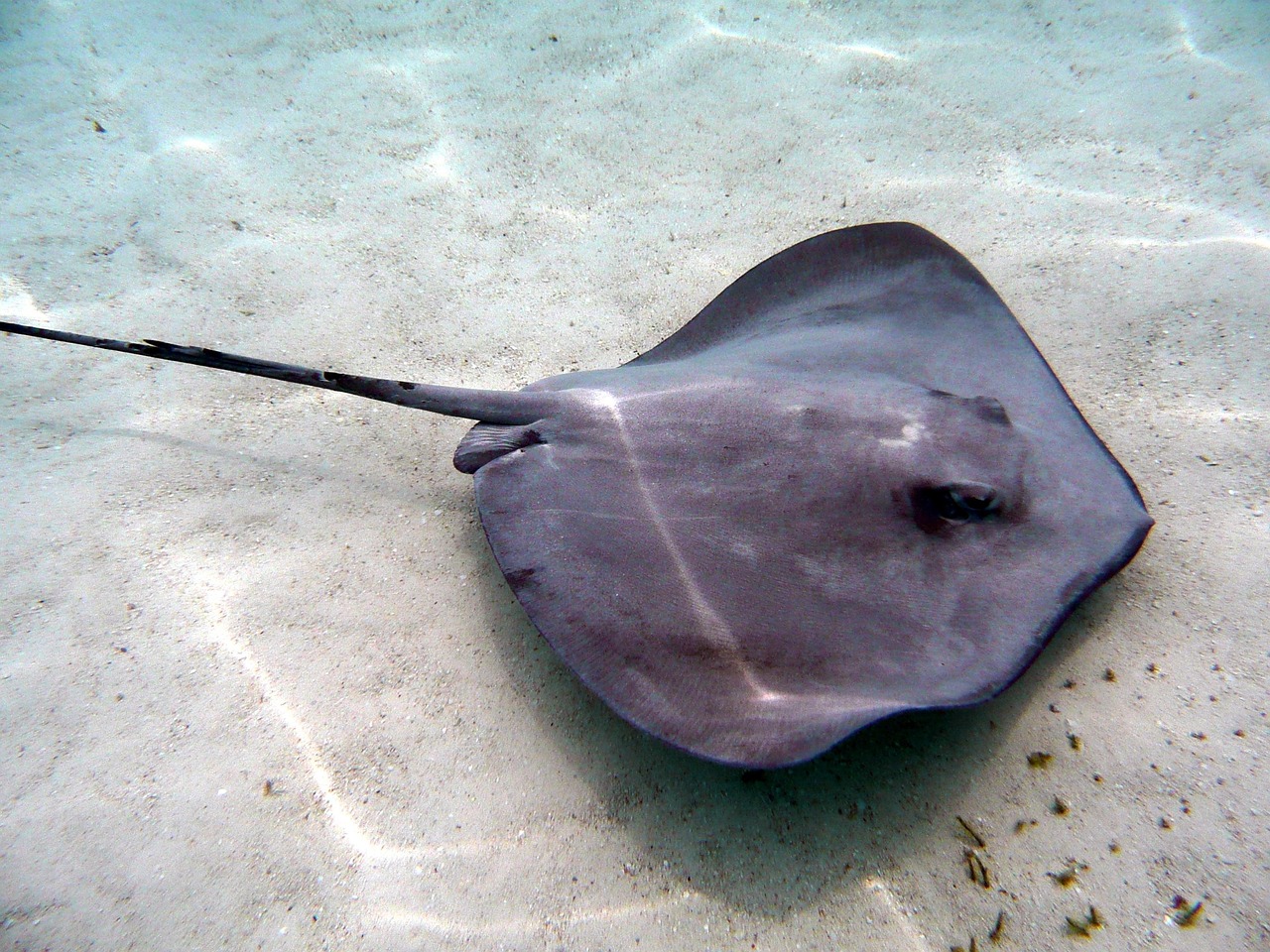
Divers sometimes overlook Tahiti in favor of its outer islands, but the island offers interesting reef and drop-off dives, especially on the west and northwest coasts. I’ve dived with schools of barracuda, curious reef sharks, and over coral formations that feel like underwater cities.
One of my favorite dives was a drift along a reef edge where the visibility seemed endless. We saw eagle rays soaring in the blue and heard the distant crackle of shrimp in the coral.
Practical: Several dive centers operate from Papeete and Punaauia, offering everything from intro dives to advanced courses. Book in advance during peak season (June–August).
17. Surfing Tahiti’s Reefs (Beyond Teahupo’o)
Not every wave in Tahiti is as intimidating as Teahupo’o. There are mellower reef breaks around the island where intermediate surfers can find their groove. I’ve had fun sessions on the west coast, paddling out with local kids who were happy to share waves and tips.
Tips:
- Hire a local surf guide if you’re unfamiliar with reef breaks; they’ll know the safest entry/exit points.
- Bring booties to protect your feet from coral.
- Respect local surf etiquette—wait your turn, don’t drop in, and be friendly.
18. Hiking Trails & Ridge Walks
Tahiti is a hiker’s dream—if you know where to go and are prepared for humidity and steep trails. I’ve done everything from short valley walks to full-day ridge hikes that left my legs jelly but my heart soaring.
Popular options include:
- Valley walks to waterfalls (some require guides; conditions change quickly).
- Ridge hikes with sweeping views of both coasts.
- Cultural hikes that visit ancient terraces and marae.
Safety: Trails can be unmarked and slippery, and flash floods are a real risk. Unless you’re very experienced with tropical hiking and know the area, go with a guide. Always check the weather forecast and never hike alone.
19. Papeete’s Street Art & Cultural Centers
Papeete has a vibrant street art scene, with large-scale murals adorning building facades. On my 2024 visit, I spent an entire afternoon wandering side streets, finding pieces that blended Polynesian motifs with contemporary styles.
Several cultural centers and galleries in town showcase local artists, tattooists, and craftspeople. Popping into these spaces between market visits and coffee stops gives you a richer sense of modern Tahitian identity.
20. Heiva i Tahiti & Other Festivals
If you can time your trip to coincide with Heiva i Tahiti (usually June–July), do it. This annual festival is a celebration of dance, music, sports, and traditional crafts. I attended Heiva a few years ago and still get goosebumps thinking about the drums and the synchronized movements of dozens of dancers under the night sky.
What to expect:
- Nightly dance competitions in the main stadium.
- Traditional sports like outrigger canoe races, stone lifting, and javelin throwing.
- Food stalls and craft markets featuring artisans from across French Polynesia.
2026–2027: Organizers are planning expanded workshops for visitors—introductory Tahitian dance classes, weaving lessons, and demonstrations of traditional tattooing (observation only, unless you book privately with an artist).
Suggested Itineraries: 3, 4, and 5 Days in Tahiti
Many travelers wonder how to structure 3 days in Tahiti or a 4–5 day itinerary for Tahiti. Here are three flexible plans based on how I actually like to organize my own stays. Mix and match depending on your interests and energy levels.
3 Day Itinerary for Tahiti: Highlights & Culture
This 3 day itinerary for Tahiti focuses on Papeete, the lagoon, and a taste of the island’s interior and history—perfect if you’re adding Tahiti onto a longer French Polynesia trip.
Day 1: Papeete, Market Life & Waterfront Evenings
Whenever I land in Tahiti early, I drop my bags at my guesthouse and head straight for the Municipal Market. It’s the best antidote to jet lag: color, noise, and delicious smells.
- Morning: Explore the market, grab breakfast (fresh fruit, pastries, coffee), and browse for vanilla and monoi oil. Walk through the nearby streets to see early-morning Papeete.
- Late morning: Stroll the Papeete waterfront and Paofai Gardens, stopping for a cooling drink at a café overlooking the marina.
- Afternoon: Check into your hotel or pension, rest, and maybe take a dip in the pool or nearby beach.
- Evening: Head to Place Vai’ete and eat at the roulottes. I usually arrive around sunset to watch the light on Moorea while the food trucks set up.
Where to stay (budget-conscious tips): I often choose small pensions or simple hotels around Papeete or Faa’a for this first night. They’re cheaper than big resorts and let you walk to the city center. Booking a place with kitchen access can save a lot if you plan to stay longer.
Day 2: West Coast Lagoon & Museum of Tahiti
On your second day, ease into island time with lagoon views, a bit of culture, and a beach sunset.
- Morning: Rent a car (I often pick up from the airport or near the ferry terminal) and drive to Punaauia. Stop at a bakery en route for sandwiches or pastries.
- Late morning: Visit the Museum of Tahiti and the Islands to understand the archipelago’s history. Spend 1.5–2 hours.
- Afternoon: Head to a nearby public beach in Punaauia. Swim, snorkel, or rent a paddleboard. I like to nap under the trees and snack on fruit from the market.
- Sunset: Stay on the beach to watch the sun go down behind Moorea. This is one of my favorite romantic spots on the island.
- Night: Either head back to Papeete for another round at the roulottes or try a local restaurant in Punaauia. Some mid-range spots offer affordable “plats du jour” (daily specials).
Day 3: Circle Island Drive & Waterfalls
On your last day, use your rental car to make a circle island drive, hitting some of the best things to do in Tahiti along the way.
- Morning: Start early and drive east from Papeete. Stop at Arahoho Blowhole and nearby black-sand coves.
- Midday: Continue to the Faarumai Waterfalls. Walk the trail, enjoy the cool air, and take photos.
- Afternoon: If time allows, continue around the south coast, stopping at viewpoints and small beaches. Grab lunch at a roadside snack stand (look for “snack” signs).
- Late afternoon: End at Pointe Vénus for a swim and lighthouse walk before returning to Papeete.
By the end of these 3 days in Tahiti, you’ll have experienced the island’s city buzz, lagoon calm, and lush interior—enough to make you want to return for longer.
4 Day Itinerary for Tahiti: Adding the Interior or Tahiti Iti
With 4 days in Tahiti, you can slow down a bit and add a deeper adventure—either a 4x4 interior tour or a day on Tahiti Iti.
Days 1–3:
Follow the 3 day itinerary for Tahiti above, but take things slower: linger longer at beaches, add an extra café stop in Papeete, or swap one roulotte dinner for a sit-down restaurant.
Day 4 Option A: 4x4 Interior Tour of Papenoo Valley
Book a full-day 4x4 tour into the interior (Papenoo Valley and beyond). I love this as a finale—it shows a side of Tahiti few visitors see.
- Expect early pickup from your hotel.
- Multiple stops at waterfalls, viewpoints, and river pools.
- Guides share legends, botanical knowledge, and historical anecdotes.
Pack a light rain jacket, swimsuit, towel, and waterproof bag for your camera. You’ll likely get splashed crossing rivers and may swim.
Day 4 Option B: Road Trip to Tahiti Iti & Teahupo’o
Alternatively, devote your last day to Tahiti Iti and Teahupo’o:
- Morning: Drive south from Papeete, enjoying views along the west or east coast (west is more lagoon-focused; east is wilder).
- Late morning: Arrive in Teahupo’o. Arrange a boat tour (preferably booked ahead) to see the surf break—whether or not the waves are huge, the reef and coastline are beautiful.
- Afternoon: Explore small beaches and viewpoints around Tahiti Iti. Have lunch at a simple local restaurant or snack shack.
- Evening: Drive back to Papeete or stay overnight in a pension on Tahiti Iti for a quieter final night.
5 Day Itinerary for Tahiti: Slow Travel & Hidden Gems
With 5 days in Tahiti, you can combine city, culture, lagoon, interior, and Tahiti Iti—and still leave time for unstructured wandering.
Days 1–3:
Use the 3 day itinerary for Tahiti as your base, but stretch it out: maybe dedicate a full day just to Punaauia’s beaches, or spend more time exploring Papeete’s street art and boutiques.
Day 4: Interior Adventure (4x4 or Guided Hike)
Choose between the 4x4 interior tour or a guided hike tailored to your fitness. A valley hike to a waterfall is a good balance of effort and reward.
Day 5: Tahiti Iti & Village Life
Spend your last day on Tahiti Iti, but instead of focusing only on Teahupo’o, explore small villages along the peninsula. I like to stop at roadside stands, chat with locals, and walk on nearly empty beaches.
If you want a truly slow finish, book a night in a simple beachside pension on Tahiti Iti and fall asleep to the sound of waves, far from Papeete’s traffic.
Neighborhoods & Areas to Explore in Tahiti
Though Tahiti is an island rather than a traditional city with districts, different areas have distinct personalities. Here’s how I think of them when planning where to stay and what to do.
Papeete City Center
Vibe: Busy, colorful, urban Polynesian. Best for markets, nightlife, and easy logistics.
Stay here if you like to walk to cafés, markets, and the ferry terminal. It’s noisier than other areas but convenient, especially for short stays.
Faa’a (Near the Airport)
Vibe: Practical and residential, with hillside views. Very convenient for early or late flights.
Some guesthouses here have stunning views over the runway and lagoon—you can watch planes land with Moorea in the background.
Punaauia & West Coast Suburbs
Vibe: Relaxed coastal strip with beaches, mid- to high-end hotels, and good lagoon access.
This is where I often stay when I want daily beach time without being far from Papeete. Good for families, couples, and anyone who wants easy swimming and sunsets.
East Coast & North Coast
Vibe: Wilder, windier, less developed. Great for road trips and waterfall stops.
Accommodation is sparser; you’ll find some pensions and holiday rentals. Ideal if you want a quieter base and don’t mind more driving.
Tahiti Iti
Vibe: Rural, slow-paced, surfy. The place to unplug.
Stay here if you’re drawn to Teahupo’o, want fewer tourists, and don’t need city amenities. Expect small groceries, local snack bars, and starry night skies.
Best Local Food & Drinks in Tahiti
One of my favorite parts of returning to Tahiti is revisiting old food haunts and discovering new ones. Tahitian cuisine blends Polynesian staples with French and Chinese influences, resulting in generous portions and bold flavors.
Must-Try Dishes
- Poisson cru à la tahitienne: Raw tuna marinated in lime and coconut milk, with chopped vegetables. Light, refreshing, and essential.
- Fafa: Taro leaves cooked with coconut milk, sometimes served with chicken or corned beef.
- Uru (breadfruit): Roasted or boiled, often served alongside fish or meat.
- Ma’a tahiti: A traditional feast cooked in an ahima’a (earth oven), featuring pork, fish, and root vegetables.
- Chinese-Polynesian plates: Chow mein, chao fan (fried rice), and “steak-frites” with island-style sauces.
- French pastries: Croissants, pain au chocolat, and fruit tarts—surprisingly good even in small bakeries.
Drinks to Try
- Fresh coconut water: Sold at roadside stands—chilled in a cooler and opened to order.
- Local fruit juices: Mango, guava, and passionfruit are my favorites.
- Hinano beer: The classic local lager, best enjoyed cold at sunset.
- Tropical cocktails: Try versions with local vanilla or pineapple, but be mindful of prices at resort bars.
Where I Like to Eat
- Roulottes at Place Vai’ete (Papeete): For affordable, hearty dinners and a fun atmosphere.
- Bakeries (boulangeries) around Papeete & Punaauia: For budget-friendly breakfasts and picnic supplies.
- Small “snacks” along the coast: Casual roadside eateries serving plates of fish, rice, and salads.
- Market food stalls: For quick bites like po’e, grilled skewers, and fruit.
Money-Saving Food Tips
- Book accommodation with a kitchenette: I often prepare simple breakfasts and some lunches, then splurge on one main meal a day out.
- Use supermarkets for yogurt, fruit, bread, and snacks; they’re significantly cheaper than hotel shops.
- At roulottes, sharing a main and a side between two people is often enough.
Nightlife, Entertainment & Cultural Experiences
Tahiti’s nightlife is more laid-back than a big city’s, but there’s still plenty to do after dark—especially in Papeete.
Evening Options
- Roulottes & live music: Many nights, you’ll find musicians playing at or near Place Vai’ete.
- Bars & lounges: Papeete has a handful of lively bars where locals and visitors mingle. Expect a mix of Polynesian pop, reggae, and international hits.
- Cultural shows: Some hotels and cultural centers host traditional dance shows with live drumming. While they can be touristy, they’re still a good introduction if you can’t visit during Heiva.
Cultural Experiences
- Heiva i Tahiti (June–July): The ultimate cultural immersion if you’re here mid-year.
- Workshops: Look out for short classes in Tahitian dance (ori tahiti), weaving, or basic language offered by community centers and some hotels.
- Tattoo studios: Tahiti is a center for traditional Polynesian tattoo. Even if you don’t get inked, visiting a high-quality studio to learn about the symbolism is fascinating.
Day Trips & Nearby Islands from Tahiti
One of the best parts of basing yourself on Tahiti is how easy it is to reach neighboring islands.
Moorea (Classic Day Trip or Overnight)
A 30–40 minute ferry ride from Papeete, Moorea is the most popular side trip. I’ve done it as both a day trip and a 2–3 night stay, and both work well.
- Day trip highlights: Lagoon tour with ray and shark snorkeling, a drive around the island, and a viewpoint at Belvedere Lookout.
- Logistics: Ferries run multiple times daily; buy tickets at the terminal. Bring your passport or ID.
Tetiaroa (Luxury Lagoon Excursion)
Once Marlon Brando’s private island, Tetiaroa is now home to an exclusive eco-resort, but there are occasionally lagoon tours available from Tahiti. These are pricey but unforgettable: pristine sandbars, bird sanctuaries, and crystal-clear water.
Outer Islands by Air
From Tahiti’s airport, you can fly to Bora Bora, Huahine, Raiatea, and the Tuamotus. While these aren’t typical “day trips,” many travelers split their time: a few days in Tahiti for culture and logistics, then a few days on a more remote island for pure relaxation or diving.
Cultural Etiquette & Local Customs in Tahiti
Understanding local customs in Tahiti will make your interactions warmer and more respectful.
Greetings & Behavior
- Say “ia ora na” (yo-rah-nah) as a friendly hello. Using even a little Tahitian is appreciated.
- A simple “bonjour” or “bonsoir” in French is also polite when entering shops or speaking to staff.
- Smiles and calm voices go a long way. Loud, aggressive behavior is frowned upon.
Dress & Modesty
- Beachwear is fine on the beach, but cover up (shirt, dress, or pareo) in towns and shops.
- At marae and during cultural events, dress modestly (no very short shorts or bare midriffs).
Visiting Marae & Sacred Sites
- Walk, don’t run or climb on stone structures.
- Keep voices low and don’t leave trash.
- Some locals leave flowers as offerings; you may do so respectfully if guided.
Tipping & Money
- Tipping isn’t mandatory or expected as in some countries, but small tips for exceptional service (in restaurants, on tours) are appreciated.
- Round up the bill or leave a few coins if you’d like to tip modestly.
Practical Travel Tips for Tahiti (2026)
Getting Around: Public Transport, Taxis & Car Rental
- Buses (Le Truck / public buses): Inexpensive but irregular, mainly running along the coastal road during daytime. I use them for short hops when I’m not in a hurry.
- Taxis: Available around the airport and Papeete, but can be expensive, especially at night. Always ask for the approximate fare before departing.
- Car rental: My preferred way to explore. Book ahead for best rates, especially June–August and December. Driving is on the right, roads are generally good, but watch for speed bumps and dogs.
Driving & Licenses
- Foreign driver’s license: Most visitors can drive with their valid home country license for short stays; an International Driving Permit can be helpful but is not always required. Check current rules with your rental agency before travel.
- Rules: Seat belts mandatory, no phone use while driving, and strict drink-driving laws.
Saving Money in Tahiti
- Stay in pensions or guesthouses instead of luxury resorts.
- Use supermarkets for snacks and some meals.
- Rely on roulottes and “snacks” for most dinners.
- Time some visits for days when museums or attractions offer reduced or free entry.
SIM Cards & Connectivity
- Local providers (e.g., Vini, Vodafone Polynésie) offer prepaid SIM cards at the airport and in Papeete. I usually pick one up on arrival for data and local calls.
- Bring an unlocked phone. Coverage is good around most of Tahiti Nui and main parts of Tahiti Iti, but can be spotty in remote valleys.
- Many hotels, cafés, and some public areas offer Wi-Fi, though speeds vary.
Visa Requirements
French Polynesia follows French/Schengen-related rules with some specificities. Many nationalities can visit visa-free for short stays. However, regulations can change—always check the latest entry requirements with your nearest French consulate or official government websites before you travel.
Health & Safety
- Tap water in Papeete and major towns is generally considered safe, but check locally for specific areas.
- Use mosquito repellent, especially at dawn and dusk.
- Reef cuts can get infected quickly; wear water shoes on rocky areas and clean any wounds promptly.
Weather & Best Seasons
- May–October (drier, cooler season): Ideal for most travelers—less humidity, clearer skies, better for hiking and surf watching. Peak season (and higher prices) in July–August.
- November–April (warmer, wetter season): More rain and humidity, but fewer crowds and often lower prices. Great for lush landscapes and waterfalls—just be flexible with outdoor plans.
- Surfing Teahupo’o: Swell peaks generally during the Southern Hemisphere winter (June–September).
- Diving & snorkeling: Good year-round, though visibility can be affected by heavy rains.
Hidden Tips from Repeat Visits
- Buy fruit at roadside stands: Often cheaper and tastier than supermarkets.
- Carry a light sarong/pareo: Works as beachwear, temple cover-up, picnic blanket, or extra sunshade.
- Plan around cruise ship days: Papeete and some attractions get busier when big ships are docked; check schedules if you prefer quieter days.
- Always have a little cash: Card systems can go down temporarily, especially during storms.
Summary: Key Takeaways & Best Time to Visit Tahiti
Tahiti is far more than just a transit stop on the way to Bora Bora. It’s a living, breathing island with mountains, waterfalls, street food, bustling markets, and deep cultural roots. Whether you follow a 3 day itinerary for Tahiti focused on highlights, stretch it to 4 days in Tahiti with an interior or Tahiti Iti adventure, or opt for a relaxed 5 day itinerary for Tahiti, you’ll find plenty of things to do in Tahiti that feel authentic and unforgettable.
Best time to visit Tahiti: For most travelers, May–October offers the best mix of pleasant weather and outdoor conditions, with June–July adding the bonus of Heiva’s cultural celebrations. If you don’t mind some rain and want lower prices and fewer crowds, the shoulder months (April–May and October–November) can be excellent.
Come for the postcard views, but stay for the people, the food, and the stories. After several trips, I still find new hidden gems in Tahiti each time—and I suspect you will too.