Why Visit Heidelberg in 2026?
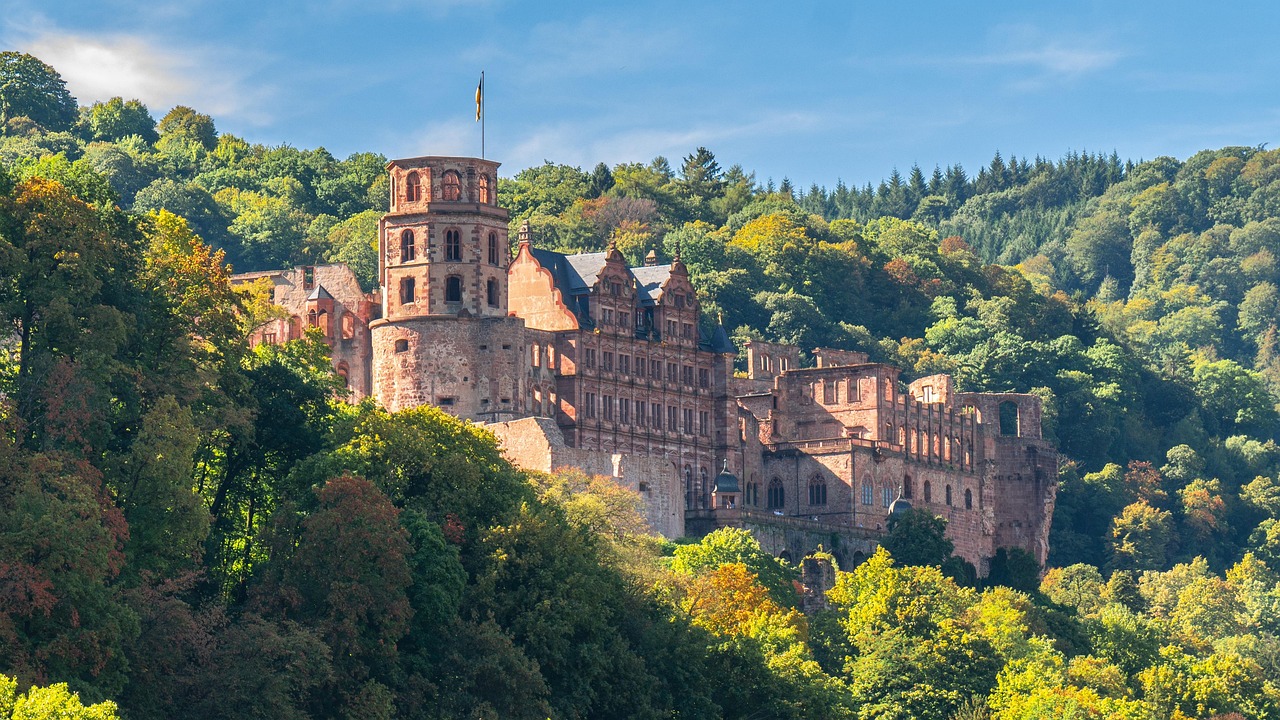
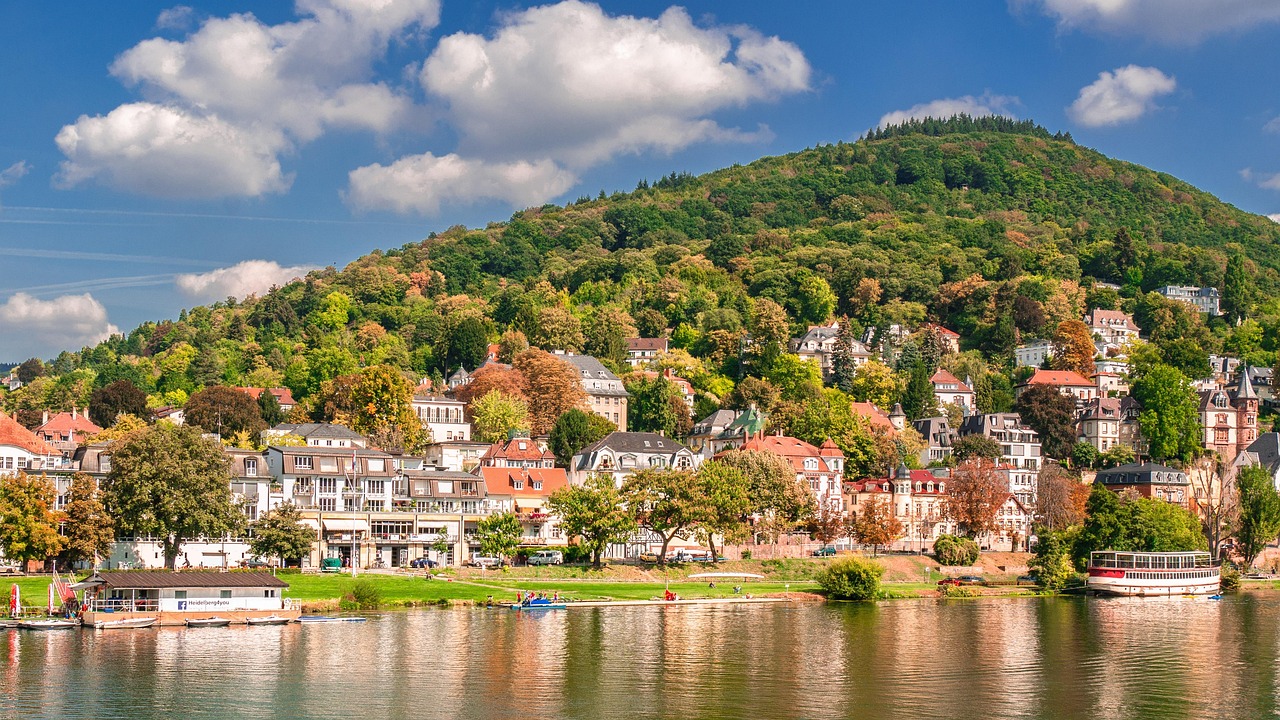
Heidelberg is one of those cities that quietly gets under your skin. It doesn’t shout like Berlin or dazzle like Munich. Instead, it leans back against the Neckar River, wraps itself in forested hills, and lets the ruins of its red sandstone castle glow at sunset. Every time I come back—usually by train, rolling into the Hauptbahnhof on a slightly grey morning—I feel like I’m arriving in an old friend’s living room.
In 2026, Heidelberg is especially interesting: the city is leaning harder into sustainable tourism, its cultural calendar is packed, and the food scene is more creative than I’ve ever seen it—without losing its hearty, Baden comfort food soul. It’s an ideal base whether you’re planning 3 days in Heidelberg, a 4 day itinerary for Heidelberg, or a slower-paced 5 days in Heidelberg.
Heidelberg offers:
- Romance: cobblestone alleys, riverside walks, and that castle view everyone falls for.
- History and culture: Germany’s oldest university, baroque Old Town, and layered intellectual history.
- Nature and light adventure: forested hills, panoramic hikes, and river activities.
- Family-friendly experiences: funicular rides, hands-on museums, and easy, safe streets.
- Food and wine: local Baden cuisine, Pfalz wines, and a surprisingly strong café and bar scene.
This travel guide for Heidelberg is written as if you had a local friend walking you through the city. I’ll share not just the must-see attractions in Heidelberg, but also the small rituals: where I grab my first coffee, which side street I always detour down at night, and how to see the main sights without feeling like you’re on a school field trip.
Table of Contents
- Why Visit Heidelberg in 2026?
- Heidelberg Overview
- Suggested Itineraries (3–5 Days in Heidelberg)
- 20+ Must-See Attractions in Heidelberg (Deep Dive)
- Heidelberg Neighborhoods & Areas to Explore
- Local Food in Heidelberg & Where to Eat
- Nightlife, Entertainment & Cultural Experiences
- What’s New & Upcoming Events 2026–2027
- Day Trips & Nearby Attractions
- Cultural Etiquette & Local Customs in Heidelberg
- Practical Travel Tips for Heidelberg
- Summary & Best Time to Visit Heidelberg
Heidelberg at a Glance
Heidelberg sits in southwestern Germany, in Baden-Württemberg, along the Neckar River. With around 160,000 residents and a huge student population, the city feels both intimate and lively. The Old Town (Altstadt) stretches for about 1.5 km along the river, hugged by the Königstuhl and Heiligenberg hills.
It’s perfect for walkers: most of your things to do in Heidelberg will be within 10–20 minutes of each other, and public transport is excellent if your feet give up. English is widely spoken, but you’ll earn smiles if you try a few German words.
Suggested Itineraries: 3–5 Days in Heidelberg
The city is compact, but you could happily stretch out a 3 day itinerary for Heidelberg into a slow 5 day itinerary for Heidelberg without getting bored. Below I outline a flexible 5-day plan, and you can compress it into 3 or 4 days depending on your pace.
3 Days in Heidelberg: Classic Highlights
If you have just 3 days in Heidelberg, focus on the essentials:
- Day 1: Old Town, Heidelberg Castle, Philosophers’ Way.
- Day 2: University quarter, museums, Neckar boat ride, sunset at Königstuhl.
- Day 3: Schwetzingen Palace or a hike to Heiligenberg & Thingstätte, plus café-hopping.
4 Days in Heidelberg: A Bit Deeper
A 4 day itinerary for Heidelberg adds time for neighborhoods and local life:
- Day 1–2: Same as above.
- Day 3: Neuenheim market, boat ride, Heiligenberg.
- Day 4: Schwetzingen day trip and brewery/beer garden evening.
5 Days in Heidelberg: Slow & Local
With 5 days in Heidelberg, you can truly settle in. Below is a detailed 5-day story-style itinerary you can adapt to your own pace. I’ll keep each day high-level here, then dive deep into the specific attractions in the next major section.
Day 1: First Glimpse – Old Town & Castle
I still remember one chilly March morning when I arrived early, dropped my bag near Bismarckplatz, and walked straight into the Altstadt. The city was just waking up: delivery vans on Hauptstraße, the smell of bread drifting from bakeries.
Morning: Start at Bismarckplatz, the main transport hub, and stroll along Hauptstraße, one of Europe’s longest pedestrian shopping streets. Before you rush to the famous spots, let yourself wander:
- Grab a coffee and a Schnecke pastry at a local bakery.
- Peek into side alleys—some of the best Old Town photos come from these quieter corners.
- Visit the Jesuitenkirche (Jesuit Church) for a serene, bright interior.
Midday: As you approach the castle funicular station at Kornmarkt, the mood shifts: the square opens, the castle looms above. Take the funicular to Heidelberg Castle.
Plan at least 2–3 hours for the Heidelberg Castle: wander the terraces, step into the courtyard, visit the Heidelberg Tun (massive wine barrel), and pause in the Apothecary Museum. I like to bring a small picnic from a bakery and eat on the castle terrace if the weather cooperates.
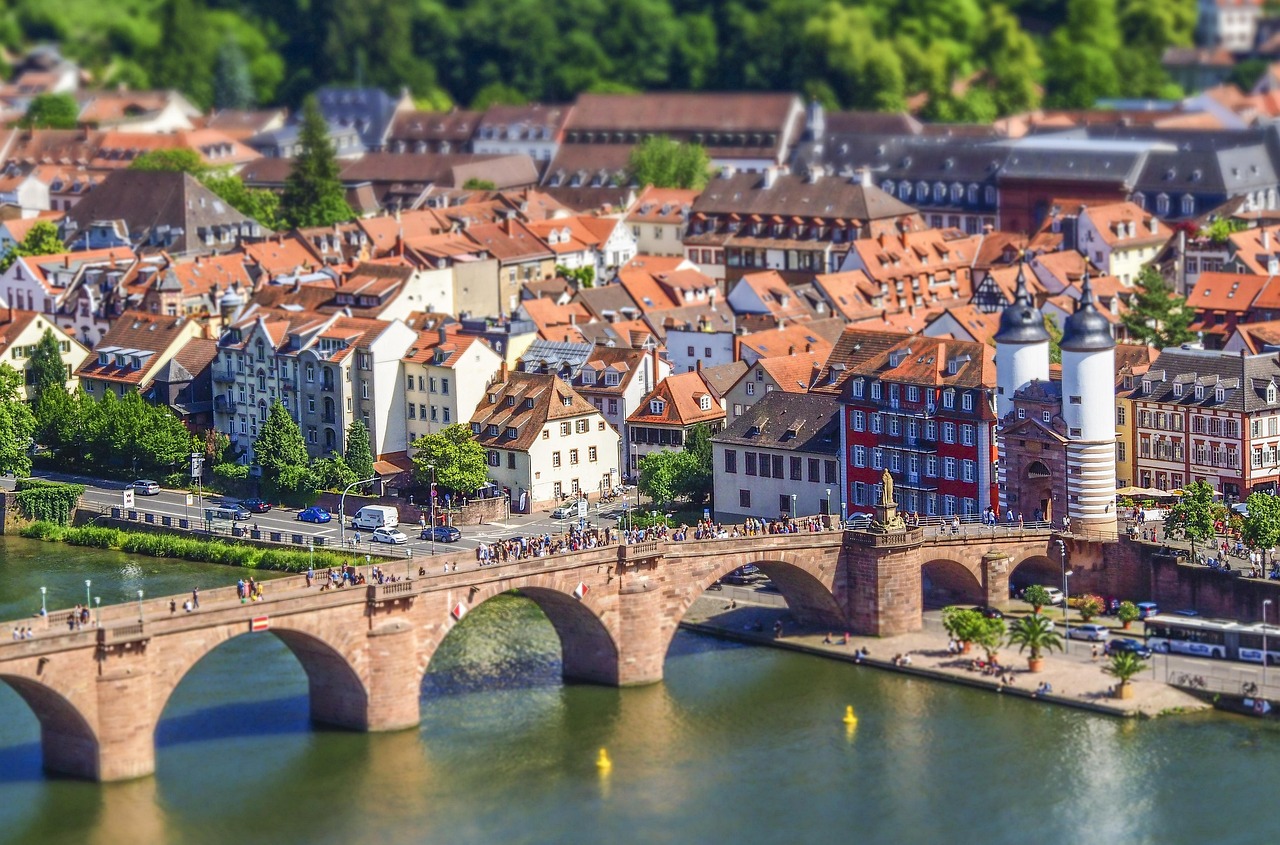
Afternoon: Walk back down to the Altstadt (the footpath is lovely and not too steep) and head towards the Old Bridge (Alte Brücke).
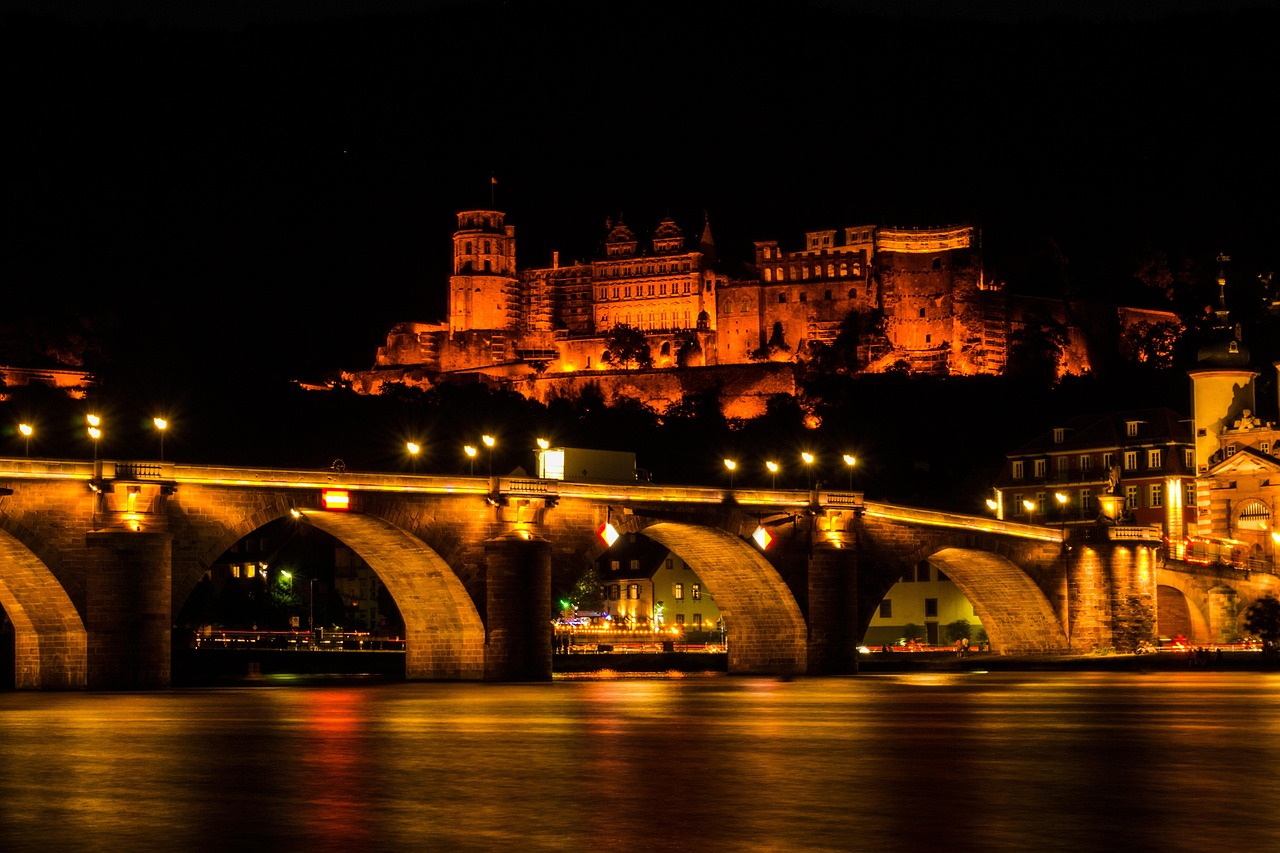
Cross the bridge, rub the Brückenaffe (bridge monkey) for luck, and then follow the path up towards the Philosophenweg (Philosophers’ Way).
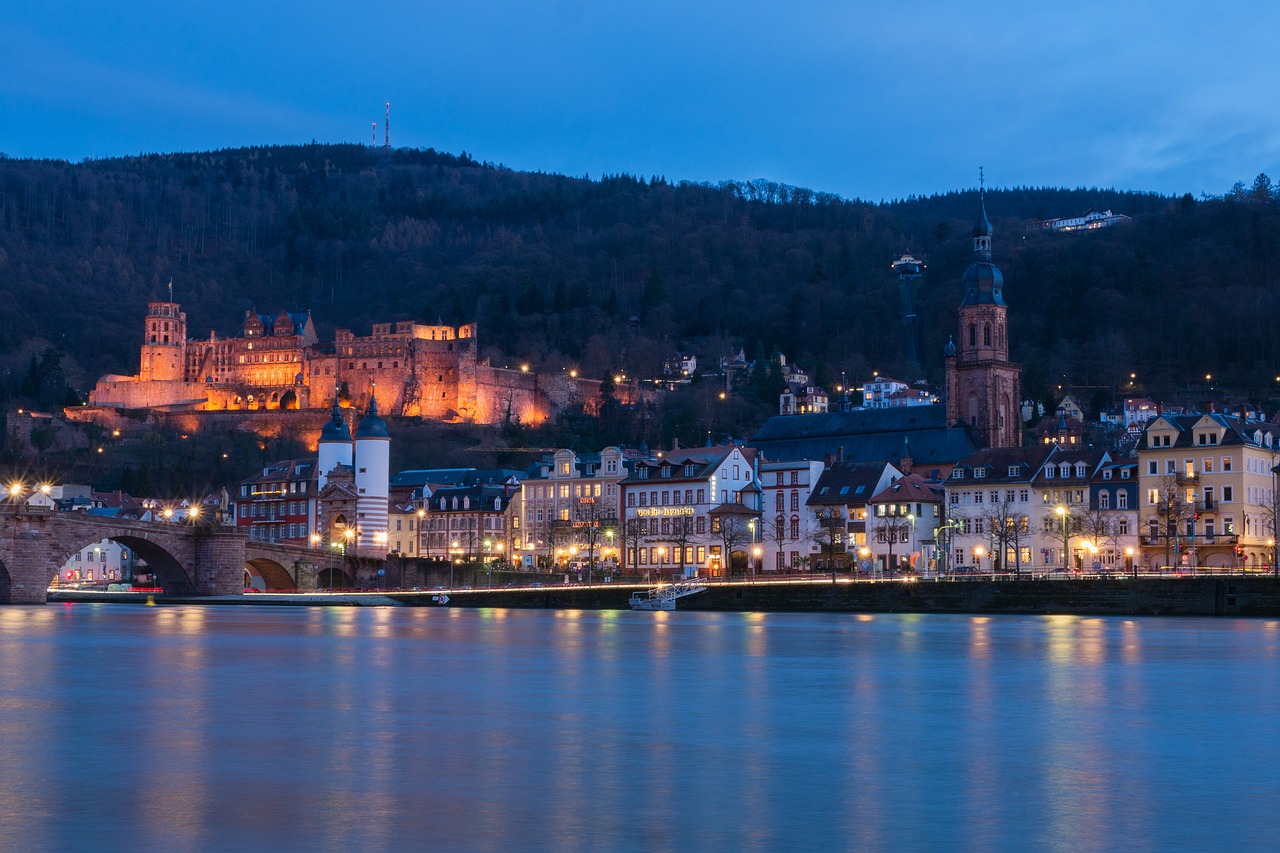
Evening: Walk the lower section of Philosophers’ Way for that postcard view of the Old Town and castle glowing at dusk. I like to end the day with dinner back in the Altstadt—somewhere cozy, with Flammkuchen (Alsatian-style flatbread) and a glass of local wine.
Day 2: University, Local Life & River
Morning: Devote this day to Heidelberg’s intellectual heart: the University. The area around Universitätsplatz is one of my favorites, especially when student life spills out of lecture halls.
- Visit the University Library exterior and its neo-Renaissance façade.
- Tour the Studentenkarzer (Student Prison), which I’ll describe in detail later; it’s one of Heidelberg’s most memorable sights.
- Step into the Alte Aula (Old Assembly Hall) if it’s open—ornate, atmospheric, and deeply tied to Heidelberg’s academic history.
Midday: Continue to Heiliggeistkirche (Church of the Holy Spirit) and climb the tower for a city panorama if you’re up for stairs.
Afternoon: Walk along the river promenade on the Altstadt side, then cross to Neuenheim. This is where locals run, picnic, and sunbathe along the Neckarwiese lawns.
When I need a breather, I grab an ice cream and sit by the river, watching rowers and stand-up paddlers drift by.
Evening: Take a short Neckar river cruise or a sunset stroll, then dinner in Neuenheim, which I find a bit more “local” feeling than the Altstadt at night.
Day 3: Hills, Ruins & Views
Morning: Today is for the hills. After a relaxed breakfast, head to the northern side of the river to climb Heiligenberg. The trail starts near the Old Bridge and winds through forest.
Along the way, you’ll encounter:
- The eerie but fascinating Thingstätte (an open-air amphitheater from the Nazi era).
- The ruins of St. Michael’s Monastery at the top.
- Several viewpoints with different angles of Heidelberg and the Neckar valley.
Afternoon: Descend and reward yourself with coffee and cake back in town. If your legs are still game, ride the funicular to Königstuhl (the higher station) for another panorama and forest walks.
Evening: This is a good time for a more special dinner—maybe one of the finer restaurants tucked into the backstreets of the Altstadt or Neuenheim.
Day 4: Palaces, Gardens & Small-Town Charm
Day Trip to Schwetzingen: Just a short train ride away, Schwetzingen Palace and its gardens are, in my opinion, one of the most underrated hidden gems near Heidelberg. I’ll describe them in detail later, but plan 4–5 hours to explore the landscaped gardens, canals, follies, and the mosque.
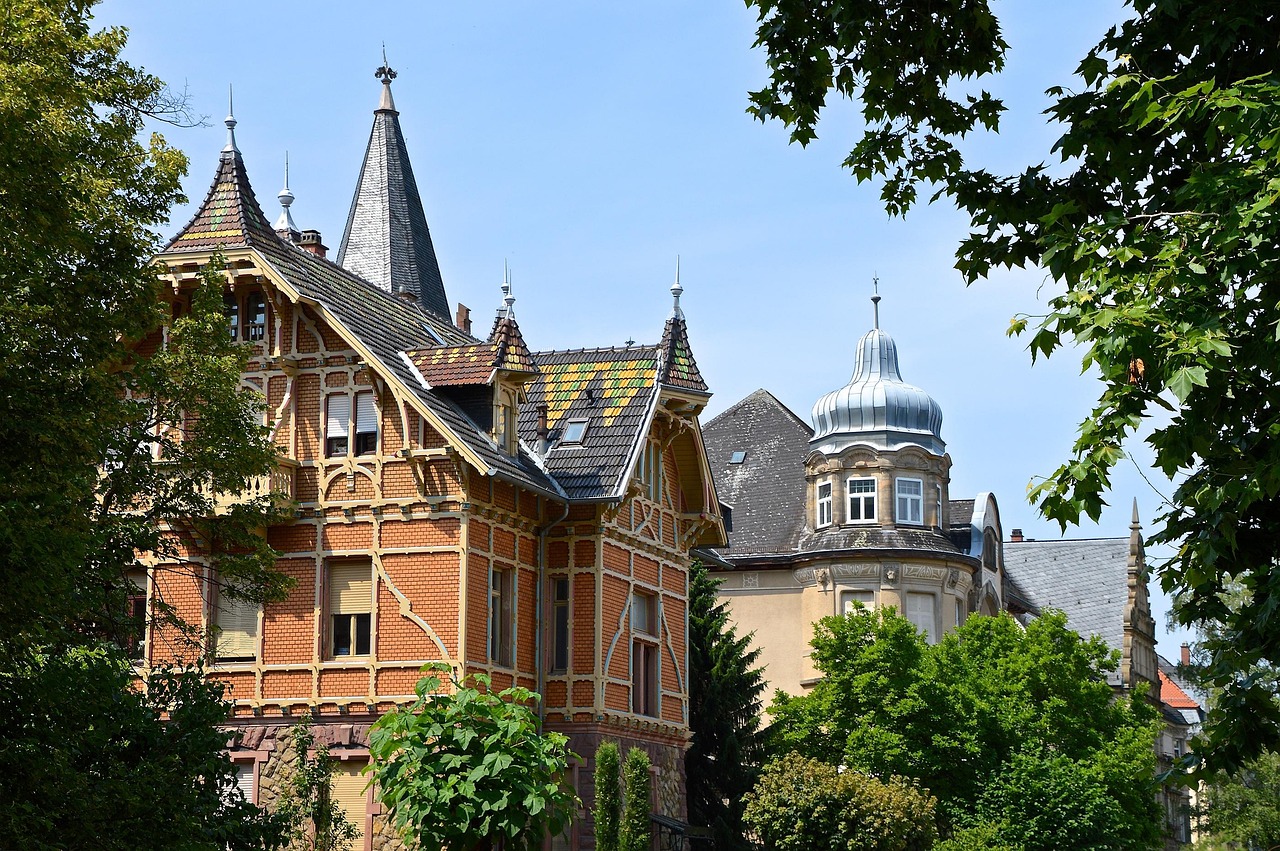
Return to Heidelberg by late afternoon. If you still have energy, explore Weststadt, with its grand Wilhelminian-era architecture and quieter residential feel.
Day 5: Markets, Museums & Your Own Rhythm
On a 5-day itinerary, I like to leave the last day open. Use it to:
- Browse the Heidelberg weekly markets (especially in Neuenheim or Marktplatz).
- Visit a museum you missed (like the Kurpfälzisches Museum or the German Pharmacy Museum if you rushed it).
- Revisit a favorite café or viewpoint—this time without hurry.
I often spend my last evening repeating that first riverfront walk, just to bookmark the trip in my memory.
20+ Must-See Attractions in Heidelberg (With Personal Notes)
Below are more detailed looks at the main attractions and some hidden gems in Heidelberg The castle is the reason many people come to Heidelberg, and it still catches me off guard—even after multiple visits. The first time I walked onto the terrace at dusk, the city below looked like a toy village, and the Neckar like someone had painted it into the valley. Why it’s special: Part ruin, part palace, the castle encapsulates Heidelberg’s romantic reputation. Destroyed repeatedly in the 17th century, it became a symbol of beautiful decay that inspired countless poets and painters. Highlights: Personal tip: I prefer going mid-morning on a weekday. If you’re after photos, early evening golden hour is magic, but busier. Buy the combined ticket that includes the funicular to the castle level and entry to the courtyard and museum. How to get there: From Kornmarkt in the Altstadt, ride the funicular or walk up via the signposted path (20–30 minutes, steady incline). The Alte Brücke is where I tend to start or end my days. Connecting the Altstadt with Neuenheim’s side of the river, it frames the castle perfectly above the rooftops. Don’t miss: The bronze Brückenaffe (bridge monkey). Locals will tell you different legends—touch the mirror for wealth, the fingers for a return to Heidelberg, and the mice for fertility. I’ve watched countless families giggle here as kids try to climb it. Best time: Early morning for quiet photos, or sunset when the castle glows. Avoid mid-day on sunny weekends if you dislike crowds. Named for the professors and thinkers who supposedly walked and debated here, the Philosophers’ Way is one of the best things to do in Heidelberg for views without too much effort. My routine: I usually cross the Old Bridge, take the stairs up (they’re steep at first), then follow the lower path that contours the hill. There are benches at intervals; I like to bring a coffee and sit, letting the church towers and red roofs line up across the river. Tips: Founded in 1386, Heidelberg University is Germany’s oldest. But what I love most isn’t just its age; it’s the way the university is stitched into the city’s very fabric. Lecture halls hide behind baroque façades; student bicycles line narrow lanes. Key sights: Personal experience: I once ducked into the courtyard on a rainy afternoon and ended up listening to an impromptu student string quartet performance under an archway—a reminder that this is a living, breathing campus, not just a museum piece. The Studentenkarzer is easily one of the most unique must-see attractions in Heidelberg. From the 18th to early 20th centuries, misbehaving students (think: drunken pranks, dueling, noisy antics) were “jailed” here by the university. Inside: You’ll find graffiti-covered rooms where students scratched or painted caricatures, coats of arms, and notes on the walls. It feels oddly playful rather than grim—a mix of punishment and bragging rights. My tip: Go when it’s relatively quiet, if possible. The small rooms can feel cramped with tour groups, and part of the charm is reading the inscriptions and picturing the long-gone occupants. Dominating Marktplatz, the Heiliggeistkirche has served both Catholics and Protestants over time—at one point even divided inside by a wall. Nowadays it’s a bright, peaceful interior to duck into when the square outside buzzes. What I like: The contrast between the lively market and the quiet inside. When possible, I climb the tower (small fee) for another set of rooftop views. If you’re collecting panoramas, this is a good one. The Kurpfälzisches Museum is often overlooked, but if you like art, archaeology, and local history in digestible doses, it’s worth a couple of hours. Highlights: Tip: I tend to pair this with a rainy day or a hot summer afternoon when I want a cool, quiet space. It’s also good for families; there are usually some kid-friendly elements. The Altstadt is the heart of most 3 day itineraries for Heidelberg. It stretches along the river, and Hauptstraße slices through it as a long pedestrian spine. Why I love it: Yes, there are souvenir shops. But there are also baroque façades, small independent bookstores, tucked-away courtyards, and lively side streets that feel more like the “real” city. Don’t miss: Personal tip: Come back at different times—early morning for quiet beauty, midday for bustle, and evening when the lights reflect on the cobblestones. Königstuhl is the forested hill rising above the castle. The vintage funicular railway is half the fun of getting there. What to do: Family tip: Kids usually love the funicular. There’s also a small playground and sometimes seasonal attractions at the top. On sunny days, the Neckarwiese (river lawns, especially on the Neuenheim side) turn into Heidelberg’s open-air living room: students playing frisbee, families picnicking, barbecues, and music. What I do: I often grab supplies from a supermarket or the Neuenheim market and claim a spot by the water. It’s one of the best free cultural experiences in Heidelberg—people-watching here tells you more about local life than any museum panel. Tip: In summer, bring a blanket and maybe a light sweater; evenings by the river can get cool even after hot days. Heiligenberg, the hill opposite the castle, has layers of history: Celtic, Roman, monastic, and 20th-century political. It’s also one of my favorite half-day hikes in the city. Key spots: My tip: Bring water and wear proper shoes; paths can be muddy after rain. I like going in spring or autumn when the forest is particularly beautiful. A short train or bus ride from Heidelberg, Schwetzingen Palace is my go-to recommendation when someone tells me they’ve already “done” the castle and are looking for something different. Why go: The palace is elegant, but the gardens are the real star: an 18th-century landscape park with canals, sculptures, pavilions, and even a garden mosque. Personal memory: I once spent an entire afternoon just wandering and reading on benches, losing track of time. It’s that kind of place—unhurried, surprisingly peaceful given its grandeur. The Jesuitenkirche sits slightly off the main tourist stream, which is part of its charm. The stark, bright interior contrasts with the ornate baroque exterior. Tip: I sometimes retreat here when I need a moment of quiet; the cool interior is a blessing on hot summer days. If you’re traveling with kids, Heidelberg has a few dedicated spots: I’m more of a casual zoo visitor, but I’ve accompanied friends with kids here—both spots break up cathedral-and-castle fatigue nicely. Not technically in Heidelberg, but close enough that I include it in longer stays: the Technoseum in Mannheim is a fantastic science and technology museum, very hands-on and excellent for families or curious adults. If you’re in town during the Heidelberger Frühling (Heidelberg Spring) classical music festival (typically March–April), several venues around the city host concerts—from the University’s Aula to modern halls. Even if you’re not a classical fan, catching one performance is a memorable cultural experience. While Heidelberg itself doesn’t have major thermal baths, the wider region (like Bad Wimpfen or Baden-Baden) does. On longer stays, I sometimes pair my Heidelberg base with a spa day trip, especially in winter. Weststadt is where I go when I’m in the mood for everyday Heidelberg rather than postcard Heidelberg. Wide streets, turn-of-the-century apartment buildings, and tree-lined avenues give it a wealthy, lived-in feel. Tip: Combine with a walk from the Hauptbahnhof towards the Altstadt to get a sense of how the city transitions between modern and historic. Scattered across the Old Town are small student bars and Kneipen. They’re not “attractions” in the traditional sense, but they’re where you feel Heidelberg’s youthful pulse. I’ll list specifics in the nightlife section, but as you walk, peek into narrow doorways and cellar bars; these are part of the city’s unofficial cultural map. If you’re visiting in late November or December, the Heidelberg Christmas Market is magical. Multiple squares (Bismarckplatz, Universitätsplatz, Marktplatz, Kornmarkt) host stalls selling Glühwein, crafts, roasted chestnuts, and more. Personal favorite: The smaller market at Kornmarkt with the castle illuminated above feels like stepping into a snow globe—especially if you catch a light dusting of real snow.1. Heidelberg Castle (Schloss Heidelberg)
2. Old Bridge (Alte Brücke) & Bridge Monkey
3. Philosophers’ Way (Philosophenweg)
4. Heidelberg University & Old Town Campus
5. Student Prison (Studentenkarzer)
6. Church of the Holy Spirit (Heiliggeistkirche)
7. Kurpfälzisches Museum (Palatinate Museum)
8. Heidelberg Old Town (Altstadt) & Hauptstraße
9. Königstuhl & Funicular Railway
10. Neckarwiese (Neckar Lawns) & Riverfront
11. Heiligenberg & Thingstätte
12. Schwetzingen Palace & Gardens (Day Trip)
13. Jesuitenkirche (Jesuit Church)
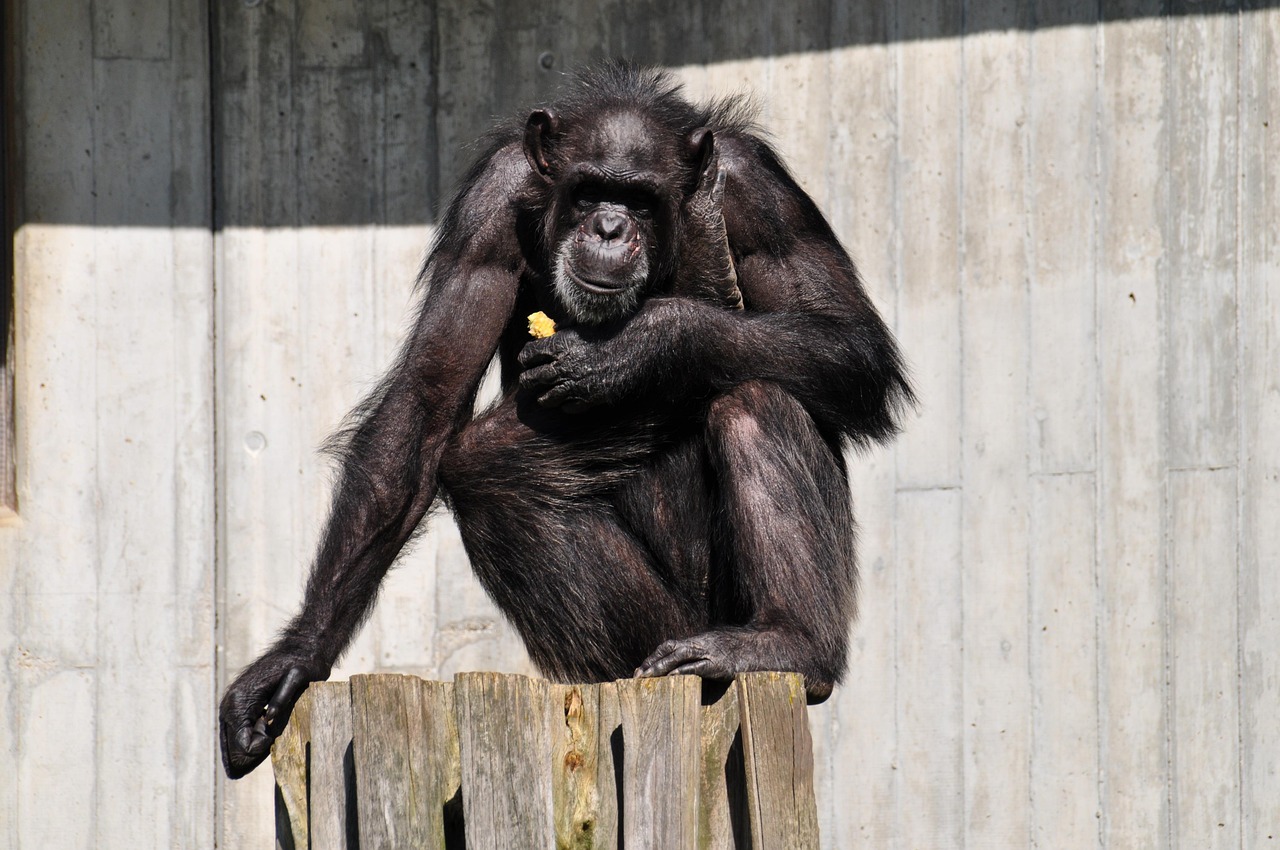
14. Family-Friendly Spots: Märchenparadies & Zoo Heidelberg
15. Technology & Science: Nearby Technoseum Mannheim
16. Heidelberg Spring Music Festival Venues
17. Thermal Baths & Wellness (Region)
18. Weststadt Architecture & Local Streets
19. Student Bars & Kneipen in the Old Town
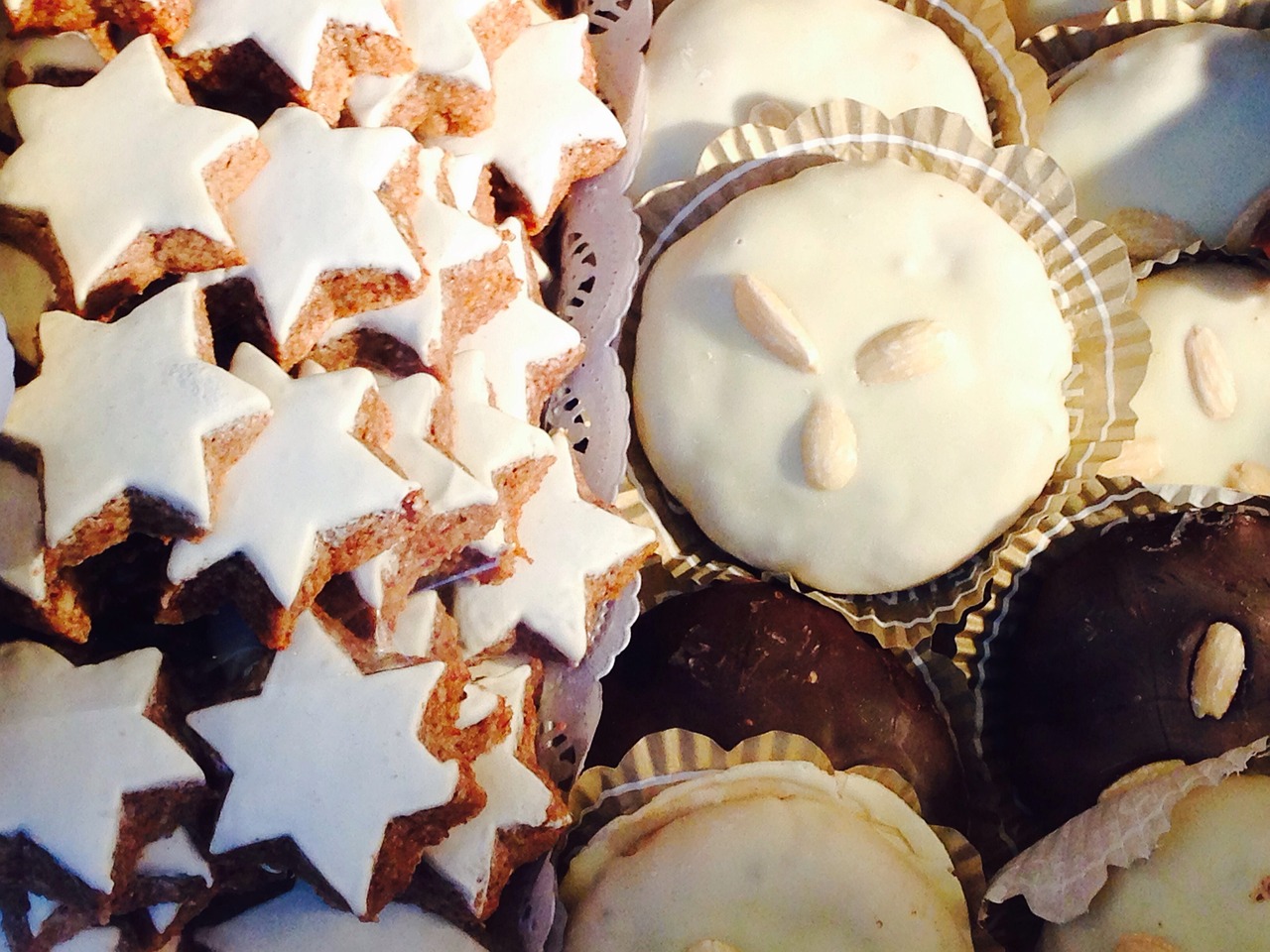
20. Heidelberg Christmas Market (Weihnachtsmarkt)
Heidelberg Neighborhoods & Areas to Explore
Altstadt (Old Town)
The tourist heart, but also a place where people actually live and study. Expect:
- Baroque architecture and narrow lanes.
- Most major attractions within walking distance.
- Cafés, bars, and shops that stay open later than elsewhere.
Best for: Short stays, first-time visitors, and anyone who wants to step out of their accommodation straight into the action.
Neuenheim
Across the river, Neuenheim has a more residential, upscale feel. Tree-lined streets, elegant townhouses, and the river lawns make it one of my favorite areas to stay for a more local vibe.
Highlights:
- The Neuenheimer Marktplatz and weekly market.
- Lots of cafés and restaurants popular with locals.
- Easy access to the Neckarwiese.
Weststadt
West of Bismarckplatz, Weststadt is quieter and more residential, with handsome late-19th-century buildings and leafy streets.
Best for: Longer stays, people who like to be slightly removed from the tourist center, and architecture fans.
Bergheim
Bergheim lies between the main station and Bismarckplatz. It’s more modern, with hotels, offices, and the university hospital.
Why consider it: It’s practical, often a bit cheaper than the Altstadt, and still within easy walking or tram distance to everything.
Rohrbach & Handschuhsheim
These outlying districts offer more village-like charm within the city limits.
- Rohrbach: Old core with half-timbered houses, local eateries, quieter pace.
- Handschuhsheim: Historic center, castle ruins, and strong community feel.
If you’re on a longer visit or want a more authentic residential atmosphere, an Airbnb or guesthouse here can be wonderful.
Local Food in Heidelberg & Where to Eat
Baden cuisine is hearty, comforting, and a bit indulgent—perfect for balancing all that walking and hill climbing. Over my visits, I’ve developed a few rituals and favorite spots.
What to Eat: Regional Specialties
- Flammkuchen: Thin flatbread with crème fraîche, onions, and bacon. Try variations with goat cheese, spinach, or mushrooms.
- Spätzle: Soft egg noodles, often served with cheese (Käsespätzle) or as a side.
- Sauerbraten: Marinated roast, usually beef, with rich gravy.
- Maultaschen: Swabian stuffed pasta, like oversized ravioli.
- Saumagen: A Palatinate specialty (potato and meat sausage). More common in the wider region, but you may see it on menus.
- Local wines: Whites like Riesling and Grauburgunder from the nearby Pfalz and Baden regions.
- Beer: Regional lagers and wheat beers; there are also local craft options now.
Favorite Types of Places
I won’t name specific small businesses (they can change), but here’s what to look for:
- Traditional Weinstuben in the Altstadt for classic dishes and wood-paneled coziness.
- Cafés around Universitätsplatz and side streets for breakfast, cake, and light lunches.
- Neuenheim bistros for slightly more modern, local-feeling dinners.
- Bakeries on Hauptstraße and in neighborhoods for budget-friendly breakfasts and snacks.
Markets & Budget Tips
For saving money and tasting local food:
- Hit the weekly markets (Neuenheim, Marktplatz) for fruit, cheese, bread, and snacks.
- Use supermarkets for picnic supplies—you can eat very well by the river for a fraction of restaurant prices.
- Look for Mittagstisch (lunch specials) in many restaurants, usually cheaper than dinner menus.
Nightlife, Entertainment & Cultural Experiences in Heidelberg
Heidelberg isn’t a clubbing capital, but thanks to its students and visitors, it has a lively evening scene.
Evening Ideas
- Wine bars & Weinstuben: Relaxed spots to sample local wines and small plates.
- Student pubs: Casual, often in cellars, with affordable drinks and lively atmospheres.
- Jazz & live music: Look out for small venues in the Altstadt advertising live nights.
- Theaters & classical music: The city theater and various halls host plays, concerts, and opera—especially during festivals.
Cultural Experiences
- Heidelberg Spring (Heidelberger Frühling): Renowned classical music festival in spring.
- Heidelberger Stückemarkt: Theatre festival for contemporary plays.
- Heidelberg Castle Illuminations: On selected summer nights, fireworks and lighting effects recreate historical fires—check dates in advance.
What’s New & Upcoming Events in 2026–2027
By 2026, Heidelberg is prioritizing sustainable travel, expanding bike lanes, and emphasizing longer, slower stays rather than quick bus tours.
Annual events to watch for (dates vary):
- Heidelberg Spring Music Festival (Heidelberger Frühling): March–April 2026 & 2027.
- Heidelberg Castle Illuminations & Fireworks: Several evenings across summer.
- Heidelberg Literature Days: Readings, lectures, and workshops.
- Heidelberg Autumn Fair (Herbstmesse): Rides, food stands, and funfair atmosphere.
- Christmas Markets: Late November–December each year.
Check official city and tourism websites closer to your travel dates for updated schedules, as 2026–2027 programming may expand or shift.
Day Trips & Nearby Attractions
- Schwetzingen: Palace and gardens, easily done in half a day.
- Neckar valley towns: Like Neckargemünd and Neckarsteinach, with multiple castles overlooking the river.
- Speyer: Impressive cathedral (UNESCO-listed) and historic town center.
- Mannheim: Baroque palace, modern art museum, and urban vibe.
Getting around: Regional trains and buses are frequent and efficient. A day ticket often covers multiple rides; check VRN (Verkehrsverbund Rhein-Neckar) options.
Cultural Etiquette & Local Customs in Heidelberg
Germans are often described as direct, orderly, and punctual. Heidelberg shares these traits but is softened by its student and international community.
Basic Etiquette
- Greetings: A simple “Guten Tag” or “Hallo” works. In shops, greet when entering and say “Tschüss” or “Auf Wiedersehen” when leaving.
- Punctuality: Be on time for tours, reservations, and trains.
- Quiet hours: Residential areas respect Ruhezeiten—avoid loud noise late at night.
- Cash vs card: Cards are widely accepted but some small places still prefer cash. Having some euros handy is smart.
Dining Customs
- Seat yourself? In cafés, you can often seat yourself; in restaurants, wait to be seated if unsure.
- Water: Tap water is safe, but restaurants usually serve bottled water for a fee unless specifically asked and agreed.
- Tipping: 5–10% is typical; round up the bill and tell the server the total you’ll pay when handing over cash or the card reader.
Local Customs & Small Gestures
- Recycling is taken seriously; use the correct bins when possible.
- On escalators, stand on the right to let people pass on the left.
- On trams and buses, offer seats to elderly, pregnant, or disabled passengers.
Practical Travel Tips for Heidelberg (2026–2027)
How to Get There
- By air: Closest major airport is Frankfurt (FRA). From there, direct trains to Heidelberg take about 1 hour.
- By train: Excellent connections from major German cities via Deutsche Bahn.
- By car: Autobahn access is straightforward, but you won’t need a car in the city itself.
Getting Around Heidelberg
- On foot: The Old Town and many sights are very walkable.
- Public transport: Trams and buses run frequently; buy tickets at machines, apps, or some kiosks. Check day passes for savings.
- Bikes: Bike lanes are improving; rentals and bike-sharing are available.
- Car rental: Useful only if you plan extensive regional trips. Parking in the Altstadt is limited and paid.
SIM Cards & Connectivity
- Prepaid SIMs from major providers (Telekom, Vodafone, O2) are available at electronics shops, supermarkets, and kiosks.
- You’ll need an ID (passport) to register, as per German regulations.
- eSIM options are increasingly common; check with your provider before travel.
Money-Saving Strategies
- Use public transport day passes if taking multiple rides.
- Eat main meals at lunch (Mittagstisch) and go lighter at dinner.
- Stay slightly outside the Altstadt (Bergheim, Weststadt, Neuenheim) for better accommodation value.
- Enjoy free experiences: river walks, Philosophers’ Way, Old Bridge, church interiors.
Visa & Entry Requirements
- Heidelberg follows German and Schengen Area rules. Many nationalities can enter visa-free for short stays; others require a Schengen visa.
- Always check your country’s requirements with official German consular sources before travel.
Driving & Foreign Licenses
- Short-term visitors from many countries can drive with their national license; an International Driving Permit is recommended and may be required depending on origin.
- Observe speed limits, and note environmental zones in German cities (Heidelberg itself is careful with emissions).
Best Seasons & What They’re Good For
- Spring (March–May): Mild, blossoms, festivals like Heidelberg Spring. Great for walking and culture.
- Summer (June–August): Warm, sometimes hot; river life, beer gardens, castle illuminations. Expect more crowds.
- Autumn (September–November): Colorful hills, wine season nearby, fewer tourists. My personal favorite time.
- Winter (December–February): Christmas markets, moody river views, fewer visitors. Some outdoor activities are less appealing, but the city feels cozy.
Hidden Tips & Little Hacks
- Start your day early to enjoy main sights before day-trip buses arrive.
- Carry a light reusable bag—useful for markets, bakeries, and cutting down on plastic.
- Download an offline map and a local transport app; coverage is generally good, but hills and old buildings can cause brief dead zones.
- Always keep some coins for public restrooms; many are pay-to-use.
Summary & Final Recommendations
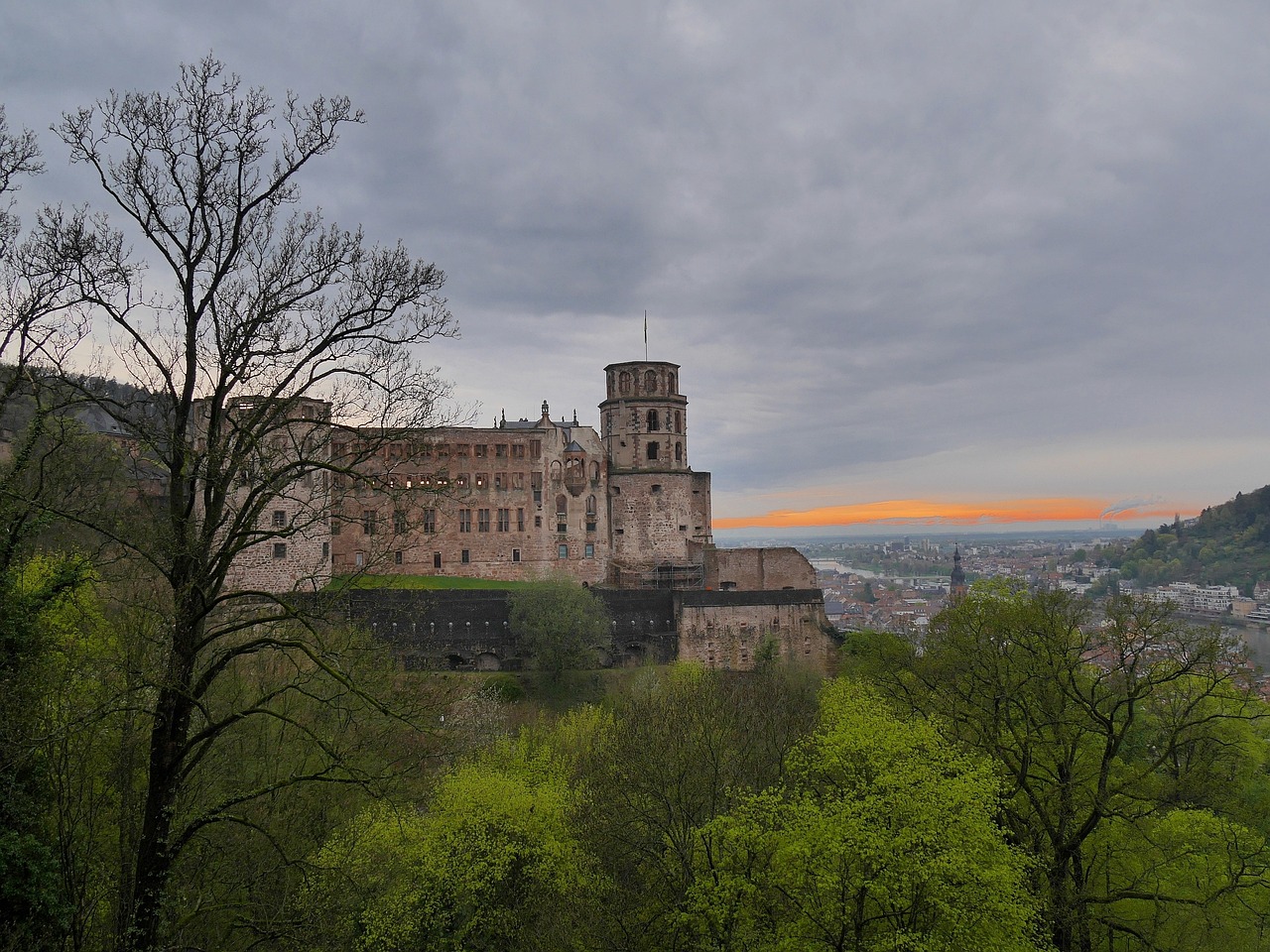
Heidelberg is not a city you race through; it’s one you wander. Whether you follow a 3 day itinerary for Heidelberg focused on the essentials, stretch to 4 days in Heidelberg to add hills and nearby palaces, or settle in for a 5 day itinerary for Heidelberg with markets and hidden courtyards, you’ll find a blend of romance, history, and everyday student life.
Key takeaways:
- Base yourself near the Altstadt or Neuenheim for the best balance of charm and convenience.
- Don’t skip the simple pleasures: a riverside picnic, a slow walk along Philosophers’ Way, or an unplanned café stop.
- Use public transport and your feet; a car is more hassle than help in town.
- For culture, time your visit around festivals like Heidelberg Spring or the Christmas markets.
Best time to visit Heidelberg: If you can choose freely, come in late spring (April–May) or early autumn (September–early October). The weather is pleasant, crowds are manageable, and the hills are either in fresh bloom or turning gold. But honestly, every season has its own version of that castle view—and that’s what keeps drawing me back.