Why Visit Rome in 2025?
Rome is a city of timeless allure—a place where ancient ruins jostle with buzzing trattorias, where baroque beauty meets bohemian neighborhoods, and every winding street is steeped in centuries-old stories. In 2025, the city is at its vibrant best, bouncing back with new cultural events, food festivals, and a dynamic art scene. From the mystique of the Colosseum to the romantic glow of the Tiber at dusk, Rome is both eternal and ever-changing.
Why should you consider Rome for your next trip? There’s nowhere else in the world where you can eat fresh pasta steps from a 2,000-year-old temple, window shop past medieval towers, and sip espresso in the same piazza as the world’s greatest artists once did. Whether it’s your first visit or your tenth, Rome’s treasures reveal themselves slowly and reward the curious.
Table of Contents
- Recommended 3, 4, and 5 Day Itineraries
- Top 20 Must-See Attractions in Rome (With Personal Stories & Tips)
- Exploring Rome’s Neighborhoods & Districts
- The Best Local Food & Where to Eat in Rome
- Nightlife, Entertainment, & Cultural Experiences
- Best Day Trips & Excursions from Rome
- Travel Tips, Money Savers, and Practical Advice
- Special Events & What’s New for Rome in 2025
- Cultural Etiquette & Local Customs
- Summary & Final Recommendations
Recommended Itineraries: 3, 4, and 5 Days in Rome
Having lived and traveled in Rome for years, I’ve experienced the city at every pace. Whether you have three days or an entire week, these recommended itineraries balance essential sights, local favorites, and unforgettable experiences.
3 Days in Rome: The Highlights Sprint
- Day 1: Colosseum, Roman Forum & Palatine Hill, Capitoline Hill, and a sunset stroll around Piazza Venezia and the Pantheon.
- Day 2: Vatican Museums, St. Peter’s Basilica, Castel Sant’Angelo, and Trastevere for dinner and nightlife.
- Day 3: Villa Borghese, Galleria Borghese, Spanish Steps, Trevi Fountain, and hidden gems in the Monti neighborhood.
4 Day Itinerary for Rome: Adding Depth
- All of the above, plus:
- Day 4: Ostia Antica or Via Appia Antica & Catacombs, Testaccio for food, and Aventine Hill’s Orange Garden.
5 Day Itinerary for Rome: Savor and Explore
- All of the above, plus:
- Day 5: Day trip to Tivoli (Villa d’Este & Hadrian’s Villa), or explore Prati & Flaminio districts, MAXXI museum, food markets, and a final night at a rooftop bar overlooking the Forum.
20 Must-See Attractions in Rome: Stories, Tips, and Personal Experience
Rome’s icons need no introduction, but I’ll give you the lowdown on how to make the most of them, where to dodge the crowds, and what not to miss in 2025.
1. Colosseum
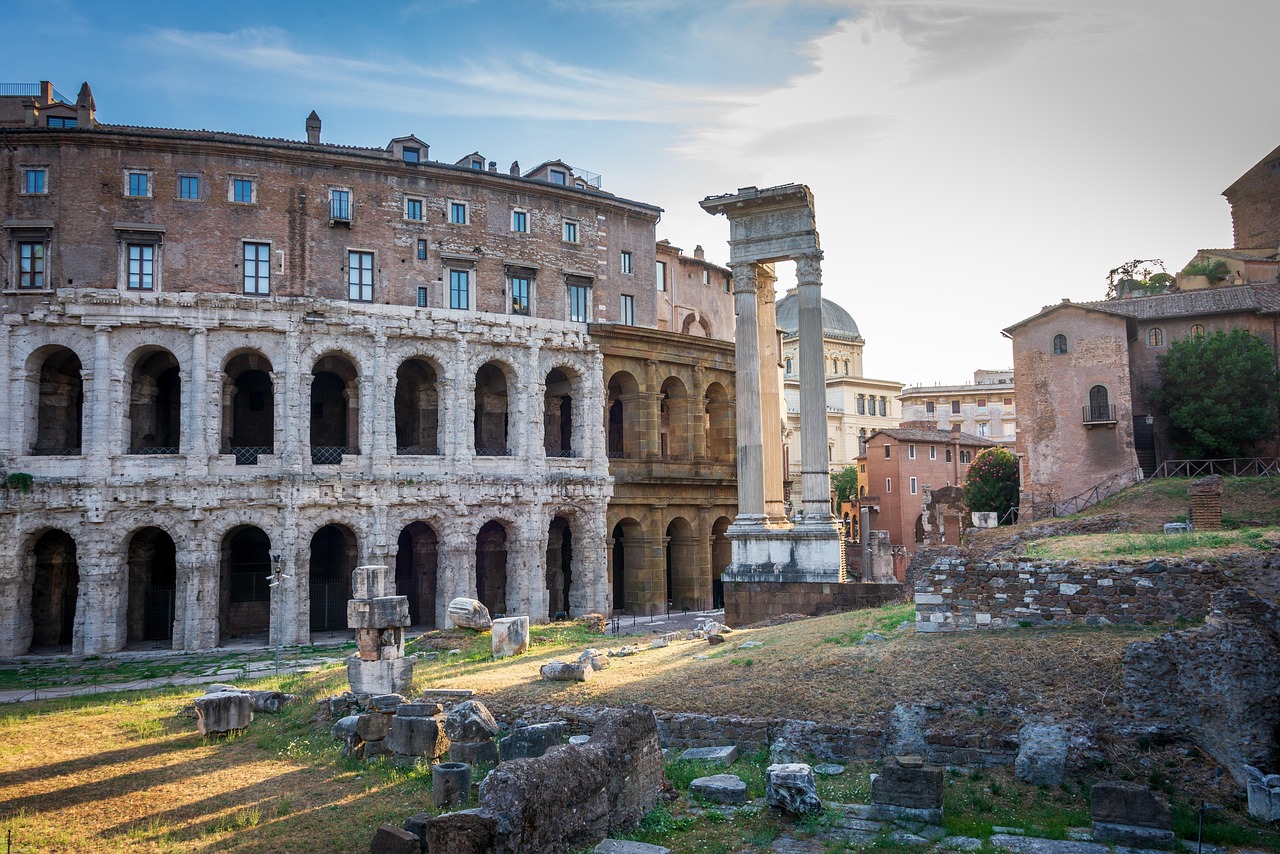
My earliest memory of the Colosseum was on a misty spring morning, walking past early joggers and feeling awed by its sheer scale. Rome’s most famous icon, built in AD 80, once hosted gladiator battles and epic spectacles.
Travel tip: Book a “night tour” or early morning slot – the moonlit arena is magic, and crowds are thinner. For 2025, the hypogeum (underground passages) remains open for guided tours—don’t miss the chance to descend below the arena floor, imagining ancient spectacles from behind the scenes.
Personal tip: Grab a quick espresso at Café Oppio (with a Colosseum view) and wander the lesser-known Ludus Magnus ruins next door.
2. Roman Forum & Palatine Hill
Walking through the Roman Forum is like flipping through an open-air history book. Every time I go, I’m struck by the fragments of ancient temples poking through fields of wildflowers. The Palatine Hill, rising just behind the Forum, offers some of the city’s best views.
Travel tip: Entry tickets cover Colosseum, Forum, and Palatine; go early to avoid crowds, and bring water and a hat in summer.
Personal moment: I’ve picnicked here with focaccia from Roscioli bakery—highly recommended for a midday break.
3. Pantheon
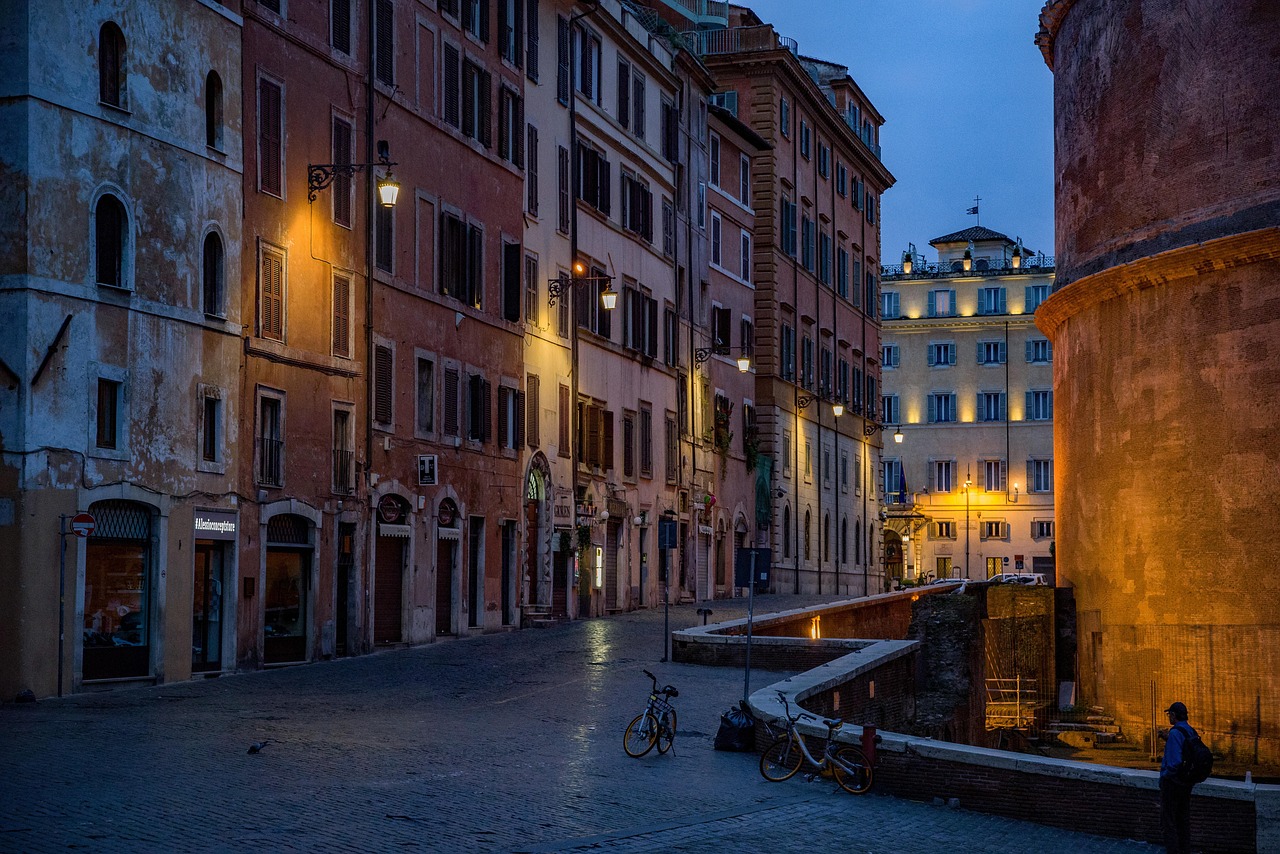
I never tire of stepping through the enormous bronze doors of the Pantheon. Its perfect dome and “oculus” are wonders of engineering, and rain sometimes falls in a glimmering shaft onto the marble floor.
2025 update: Free entry has ended, but timed tickets avoid epic queues. Visit at dusk for quieter moments and dramatic lighting.
Tip: Grab gelato at nearby Giolitti (my favorite: pistachio) and soak in the square’s energy. Look for local buskers performing classical music just outside.
4. Vatican Museums & St. Peter’s Basilica
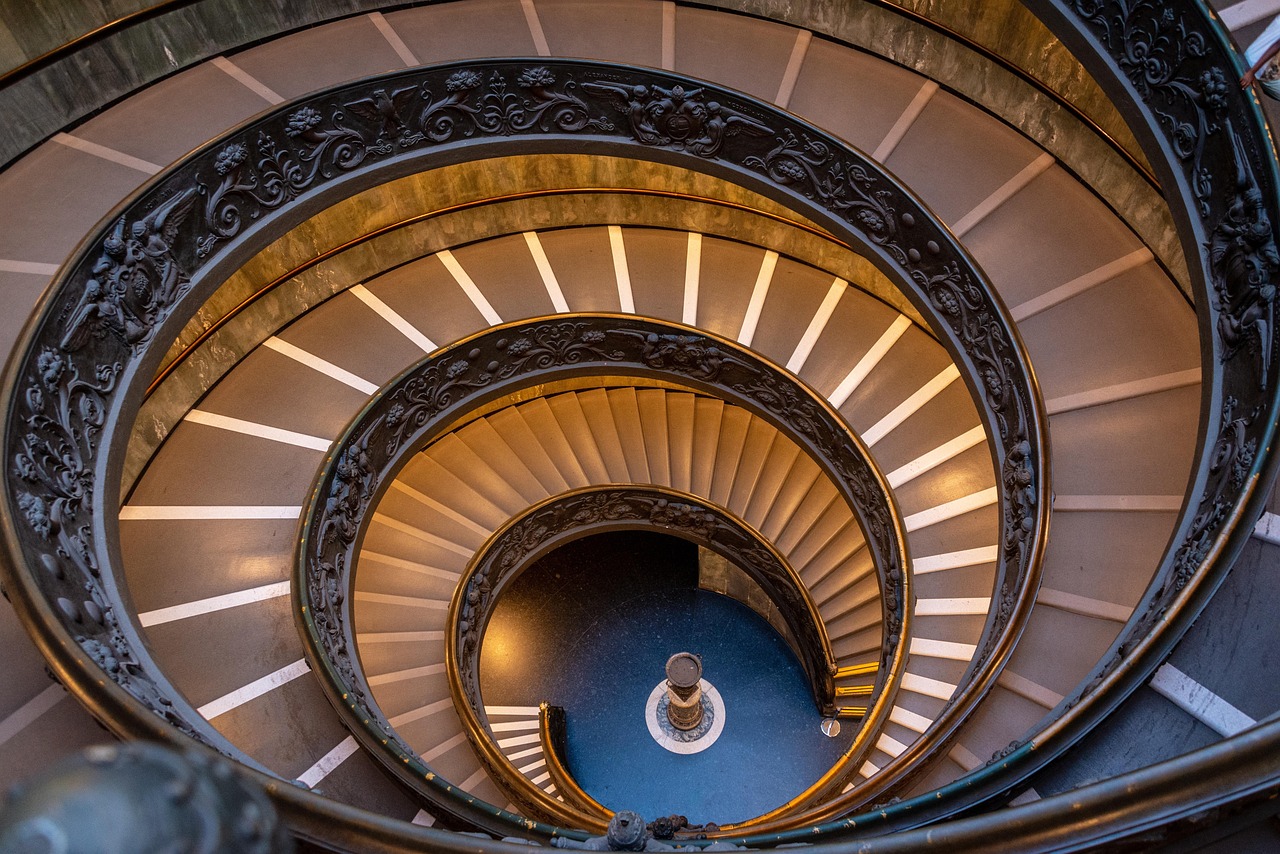
The Sistine Chapel is as jaw-dropping on your tenth visit as on your first. The Vatican Museums' corridors are stuffed with masterpieces—Raphael, Da Vinci, Caravaggio—and the classical sculpture courtyard is a perfect breather spot.
Tip: Book skip-the-line tickets or early breakfast tours for fewer crowds. St. Peter’s Basilica is free, but security lines can be long; arrive before 8am.
Personal highlight: Climb the dome at sunset for sweeping city views. It’s steep, but one of Rome’s most unforgettable moments.
5. Trevi Fountain
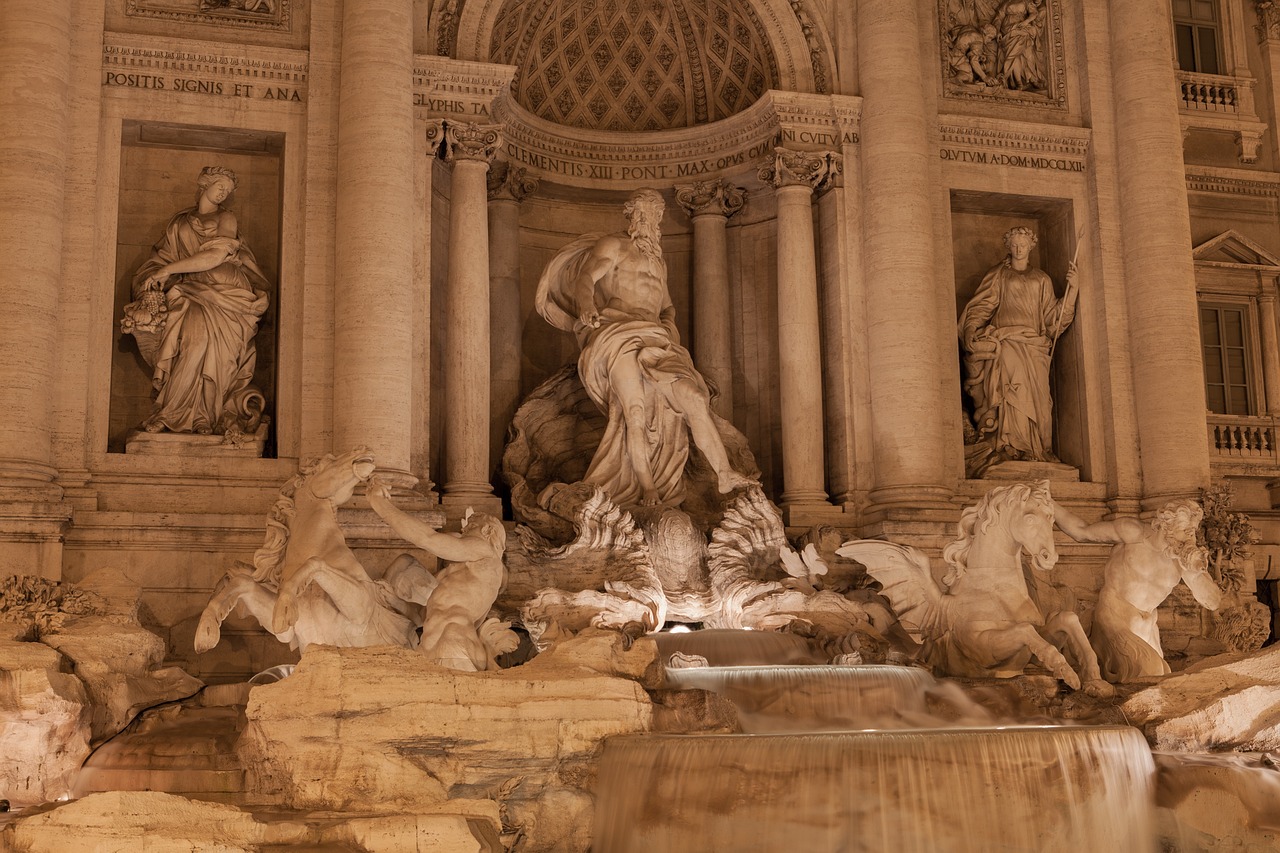
Few places in Rome feel more cinematic—especially late at night when crowds fade and the fountain glows electric blue. Tossing a coin here is tradition, ensuring your return to the Eternal City (I’ve tested it—works every time!).
Tip: Come at dawn or after midnight for photos without the crowds, then detour to nearby Il Gelato di San Crispino for a treat.
6. Spanish Steps & Piazza di Spagna
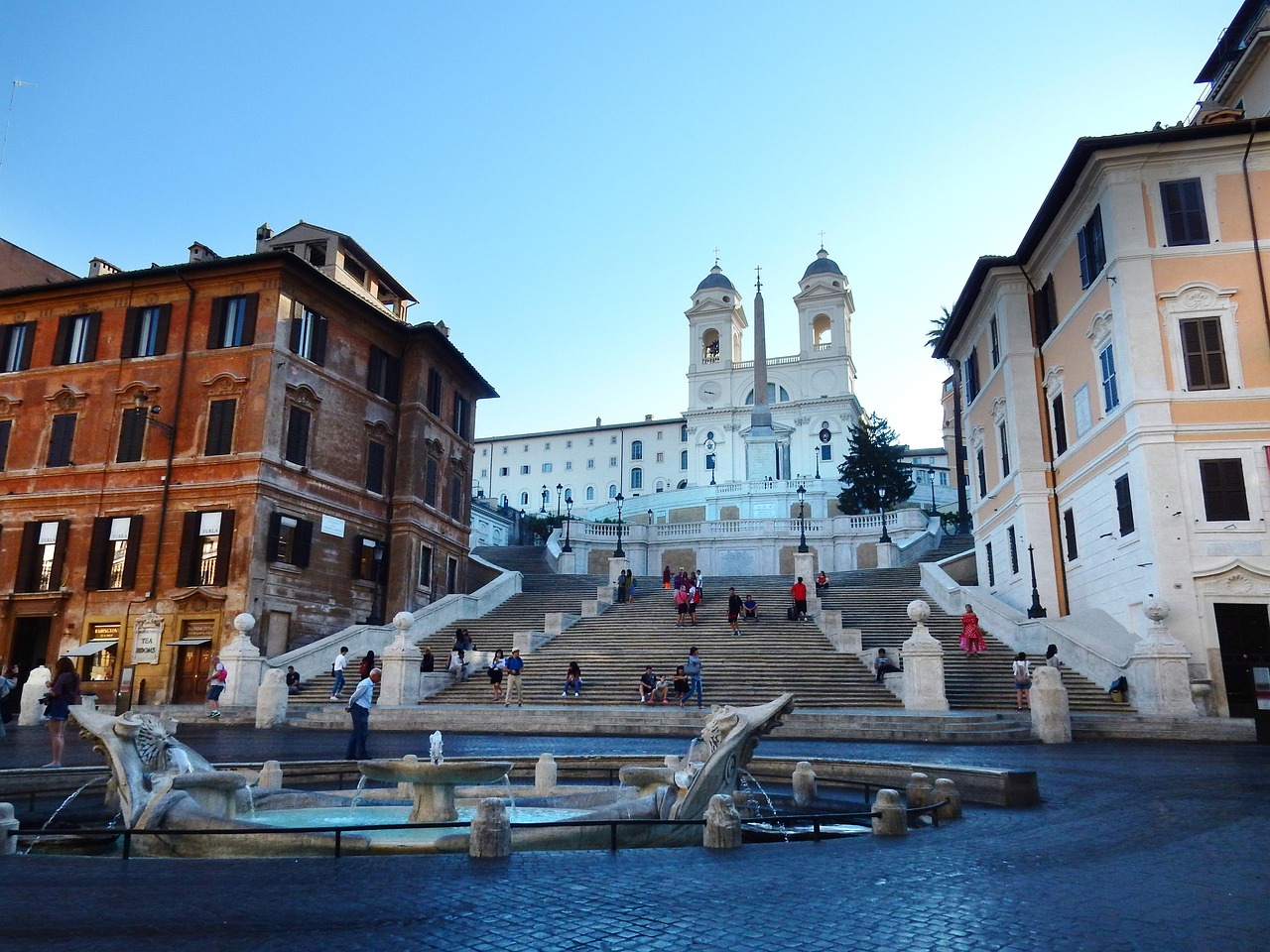
Catching the first rays of sunlight here, surrounded by blooming azaleas each spring, is pure magic. From the top, Trinità dei Monti boasts a gorgeous view.
Don’t: Sit and eat on the steps—new regulations mean hefty fines.
Instead: Grab a seat at the Barcaccia fountain or enjoy a gelato al fresco on the piazza.
7. Piazza Navona
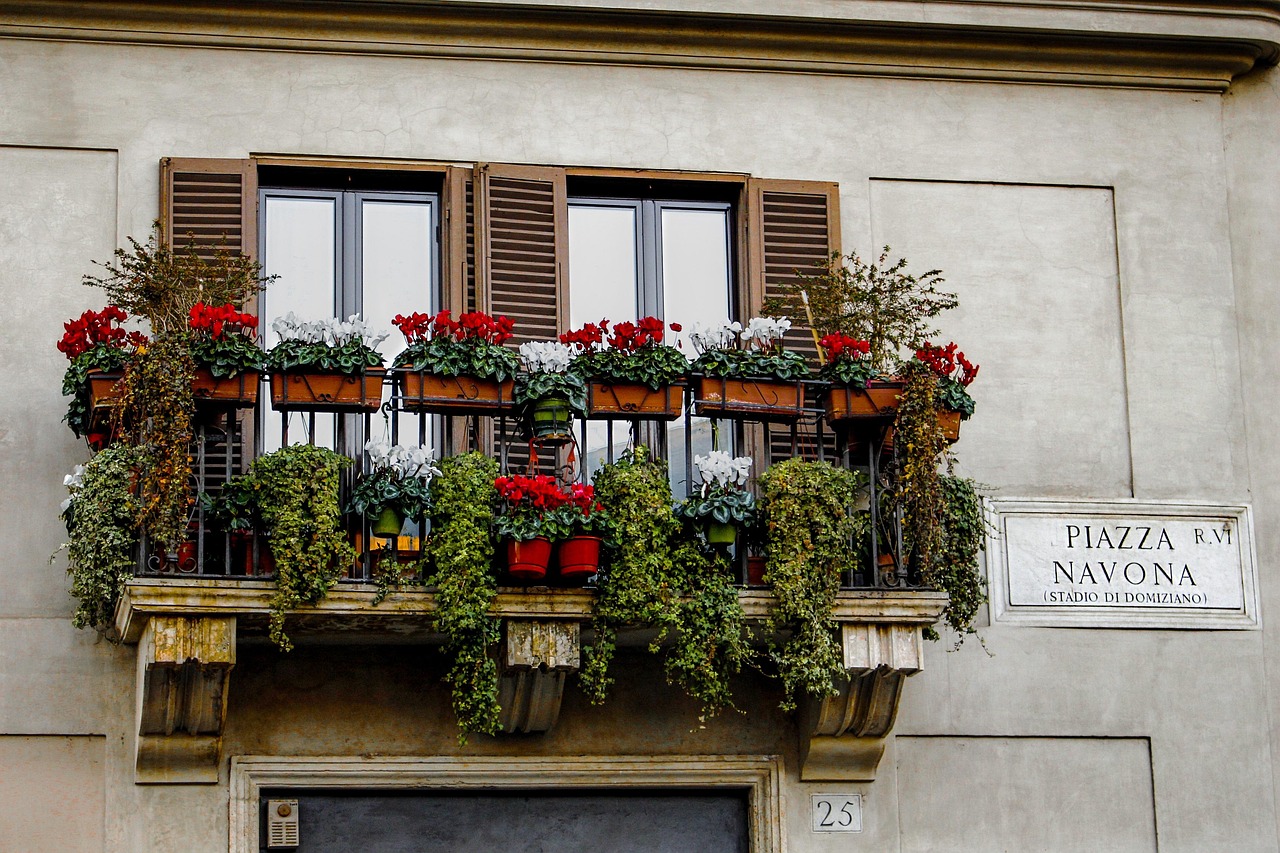
Piazza Navona was once a Roman stadium, and every December it transforms into a festive Christmas market. Bernini’s Fountain of the Four Rivers always draws a crowd, but the best people-watching is with a coffee from Caffè Domiziano.
Tip: Grab a table at dusk; street performers and artists give the piazza a magical, bohemian feel.
8. Castel Sant’Angelo
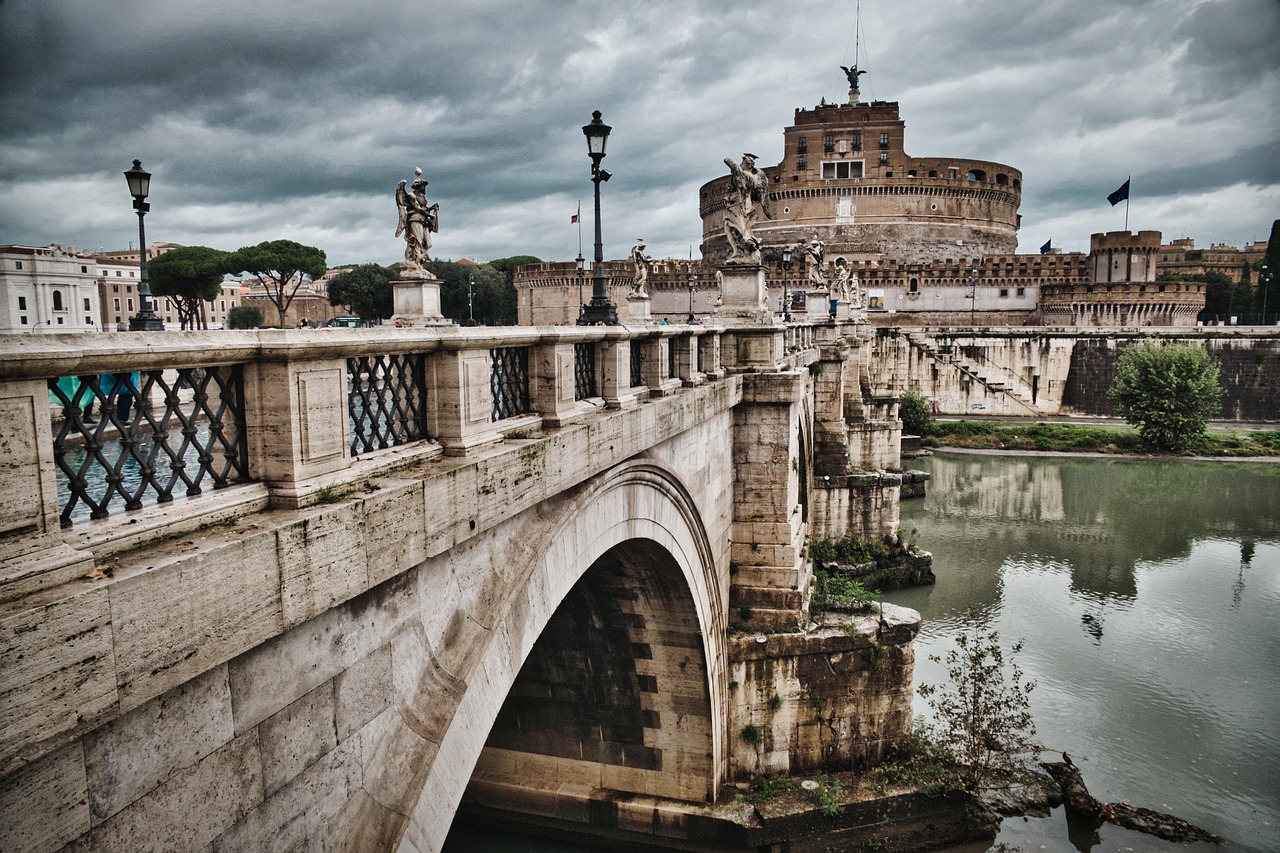
This brooding riverside fortress was once the Pope’s hideout. I love climbing the spiral ramparts at sunset, when the Tiber reflects golden light and the city spreads out in all directions.
Fun fact: There’s a secret passage linking the castle to the Vatican!
Tip: Check for special after-hours events and exhibitions, often held on summer evenings.
9. Trastevere
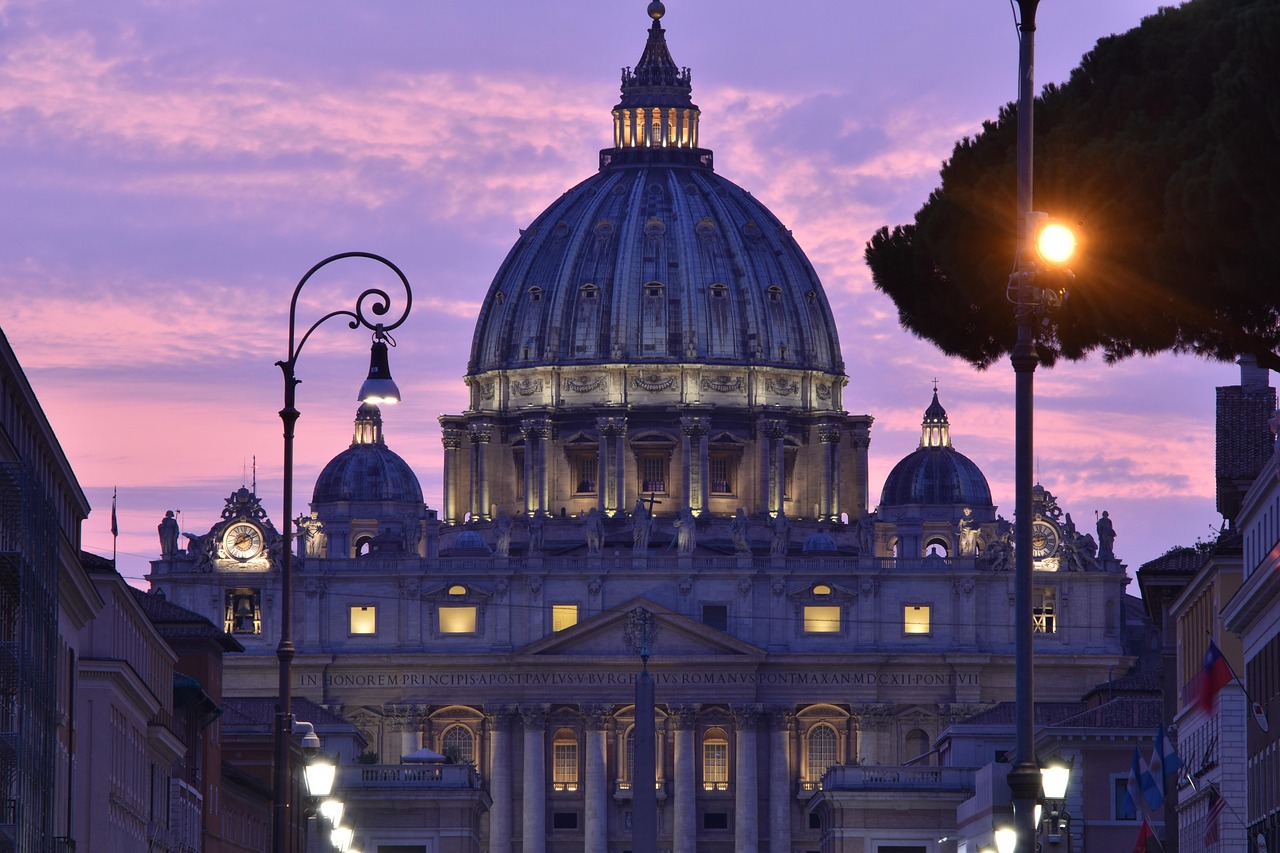
If I could bottle a Roman neighborhood’s charm, it would be Trastevere: cobbled streets, ivy-draped façades, and trattorias bustling with locals and travelers alike. My favorite evening here starts with apertivi in Piazza Santa Maria, followed by dinner at Da Enzo (the cacio e pepe is legendary).
Tip: Wander off the main squares for authentic wine bars and hidden mosaics. Street artists and live musicians create a lively, bohemian vibe.
10. Villa Borghese & Galleria Borghese
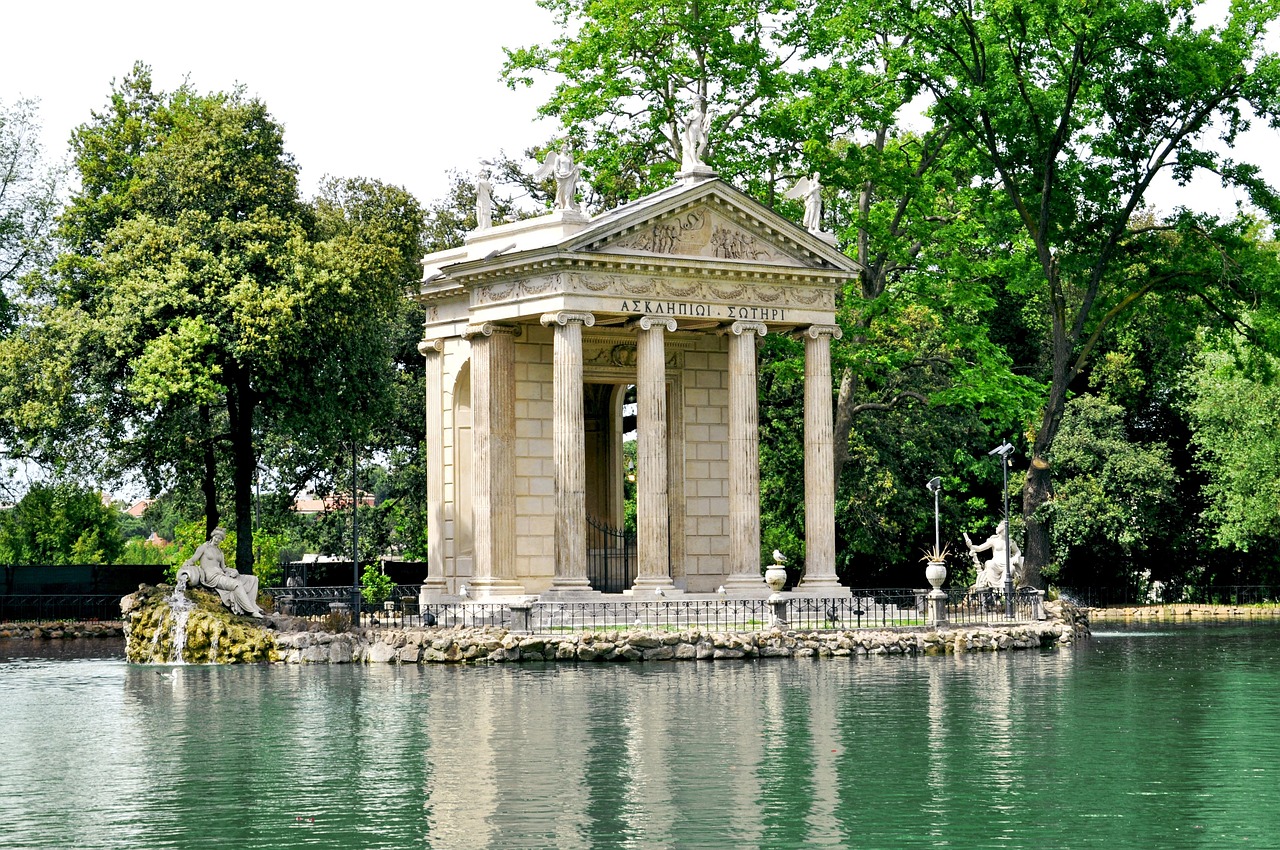
Rome’s green lung—Villa Borghese—is always my pick for a picnic, rowing boat ride, or spontaneous bike adventure. The Galleria Borghese’s collection of Caravaggio and Bernini sculptures is jaw-dropping.
Personal story: I’ve spent lazy Sunday afternoons under the pines, watching locals play chess or jog, with the distant sound of buskers echoing through the park.
Tip: Book Galleria Borghese tickets well in advance (time slots sell out).
11. Campo de' Fiori
By day, Campo de’ Fiori is a vibrant produce market; by night, it buzzes with bars and restaurants. I always pick up picnic supplies—fresh bread, juicy peaches, and local cheese—before heading to the Tiber with friends.
Tip: Try Forno Campo de’ Fiori’s pizza bianca, then sip a glass of Frascati wine at sunset.
12. Piazza Venezia & Vittoriano (Altare della Patria)
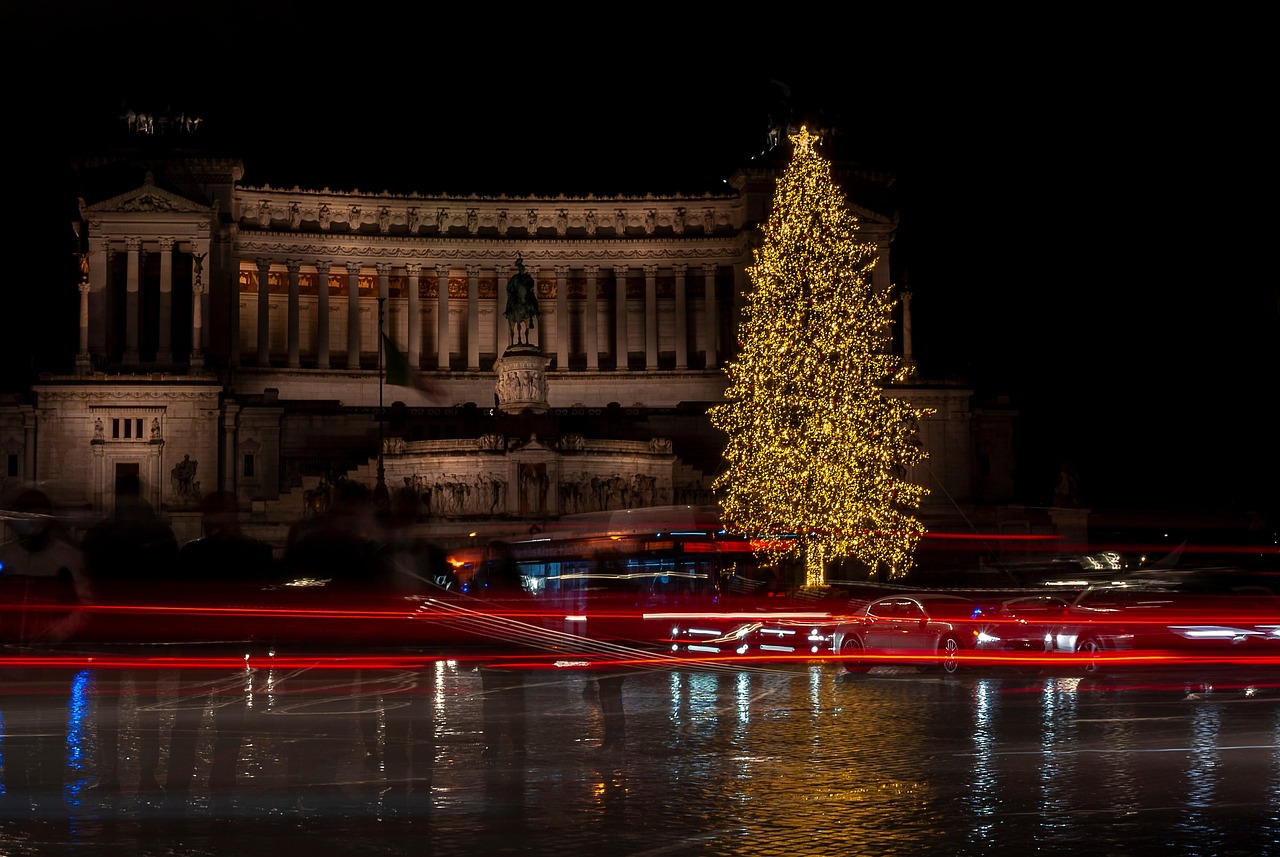
The gleaming marble “wedding cake” building divides local opinion, but its rooftop terrace offers outstanding city views. The piazza is always thronged with scooters, buses, and the pulse of Roman life.
Tip: Take the glass elevator to the top of the Vittoriano for panoramic shots—especially at golden hour in spring or fall.
13. Piazza del Popolo
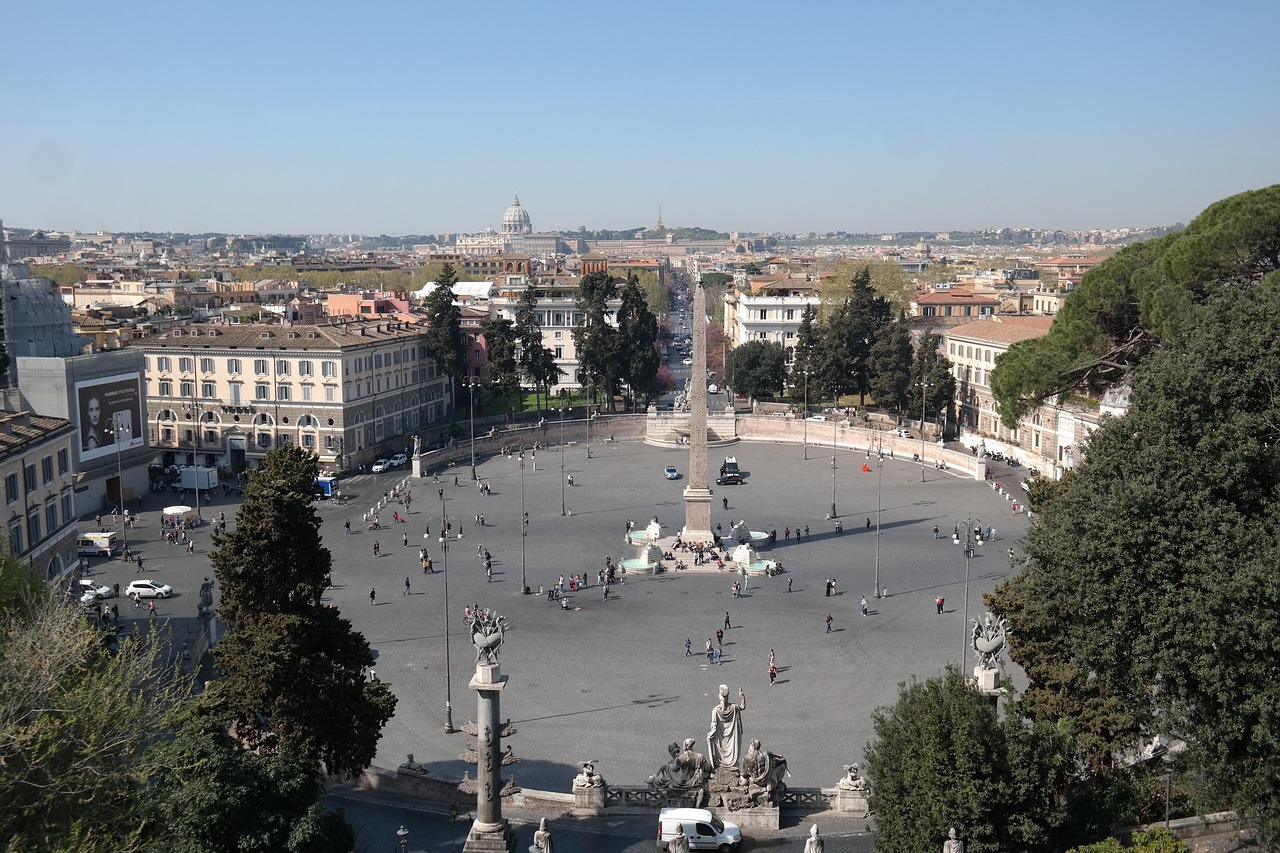
An elegant, elliptical piazza flanked by twin churches—and the gateway to Rome’s glamorous shopping street, Via del Corso. The terrace above (from Pincio Gardens) is one of my top picks for sunset.
Tip: Local musicians often play in the evenings. Grab a takeaway Aperol spritz and soak up the atmosphere.
14. Baths of Caracalla
These ruined imperial baths are serene, haunting, and often overlooked. Summer opera performances are staged among the ancient pillars—a truly memorable cultural experience.
Tip: Bring water and a sunhat if you visit in summer—the grounds are vast and exposed.
15. Appian Way & Catacombs
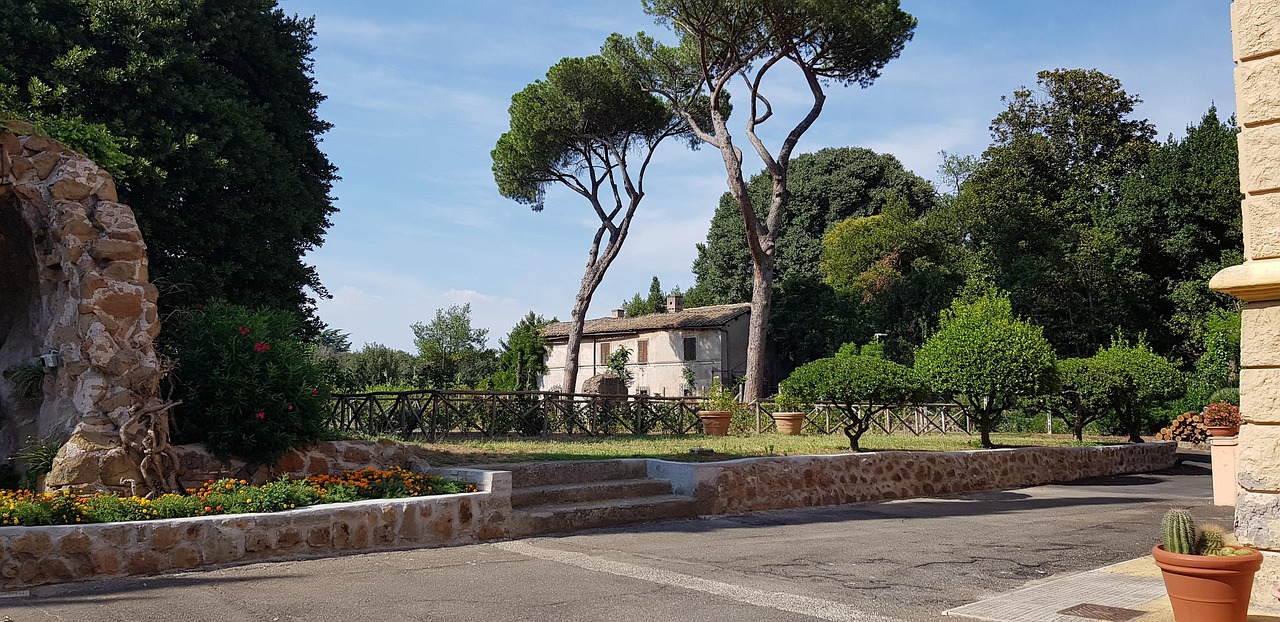
The via Appia Antica is as old as Rome itself. I love renting a bike and cycling past cypress trees, crumbling villas, and ancient tombs. The catacombs (San Callisto or San Sebastiano) are both fascinating and eerie.
Tip: Sundays are car-free, perfect for exploring on foot or two wheels.
16. Testaccio Market & Monte dei Cocci
Testaccio is where local Romans eat—and the modern covered market is a foodie’s paradise. My favorites: Trapizzino (Roman pizza pockets) and Mordi & Vai’s panini. After lunch, climb Monte dei Cocci (a hill made of ancient pottery fragments) for a unique view of the area.
Tip: Testaccio comes alive at night with authentic clubs and music venues, far from the touristy crowds.
17. Gianicolo (Janiculum) Hill
Second only to Aventine for views, Janiculum is a favorite for romantic walks and family picnics. Every day at noon, a cannon is fired—a tradition that always delights first-timers!
Tip: Go at sunset with a takeaway pizza. Watch as the evening lights flicker over domes and rooftops.
18. MAXXI Museum
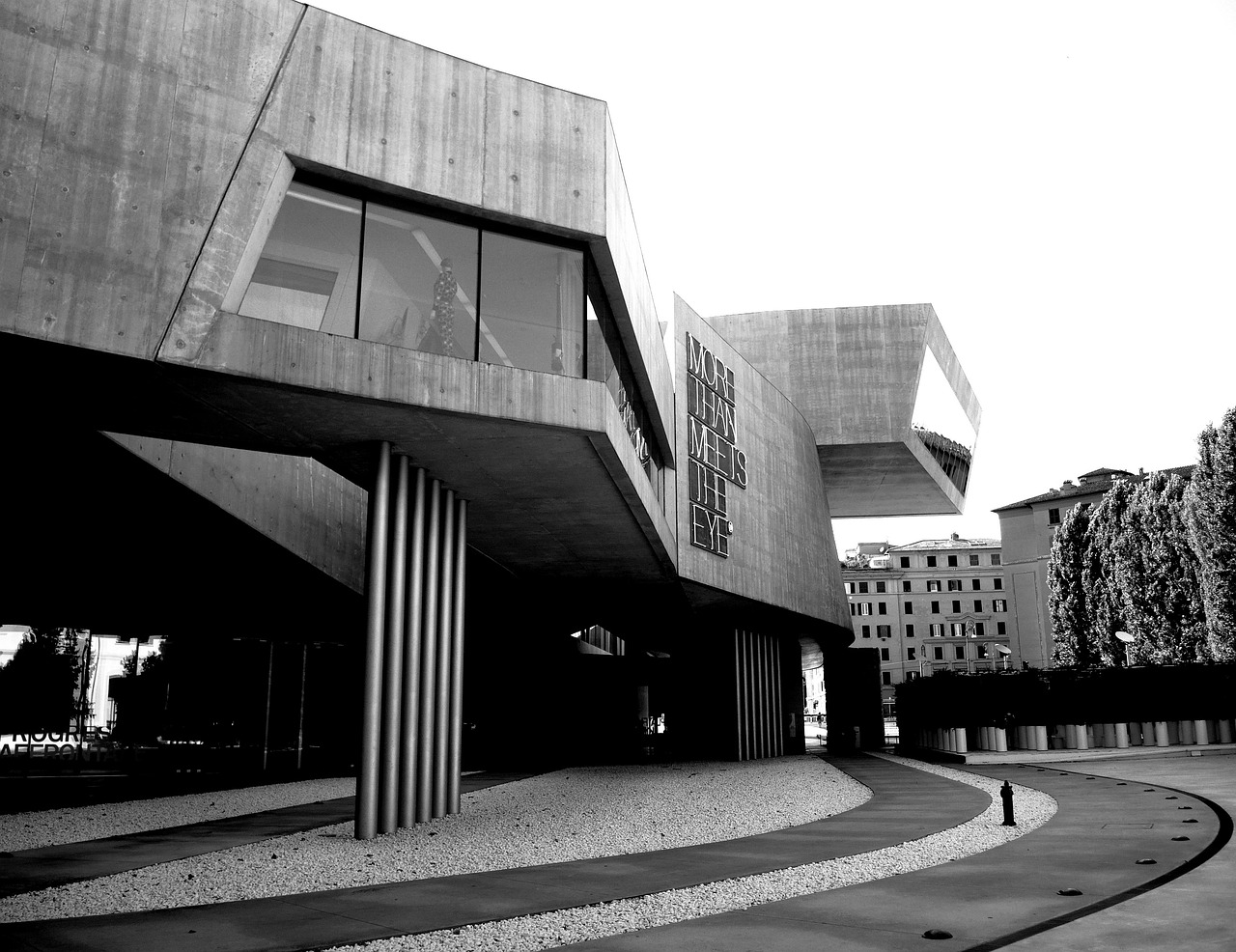
Rome isn’t just about the ancient—MAXXI brings contemporary art and architecture into focus. The building itself (by Zaha Hadid) is reason enough to visit.
Tips: Check the rotating exhibitions (2025 brings several international retrospectives) and don’t miss lunch at the sleek museum café.
19. Ostia Antica
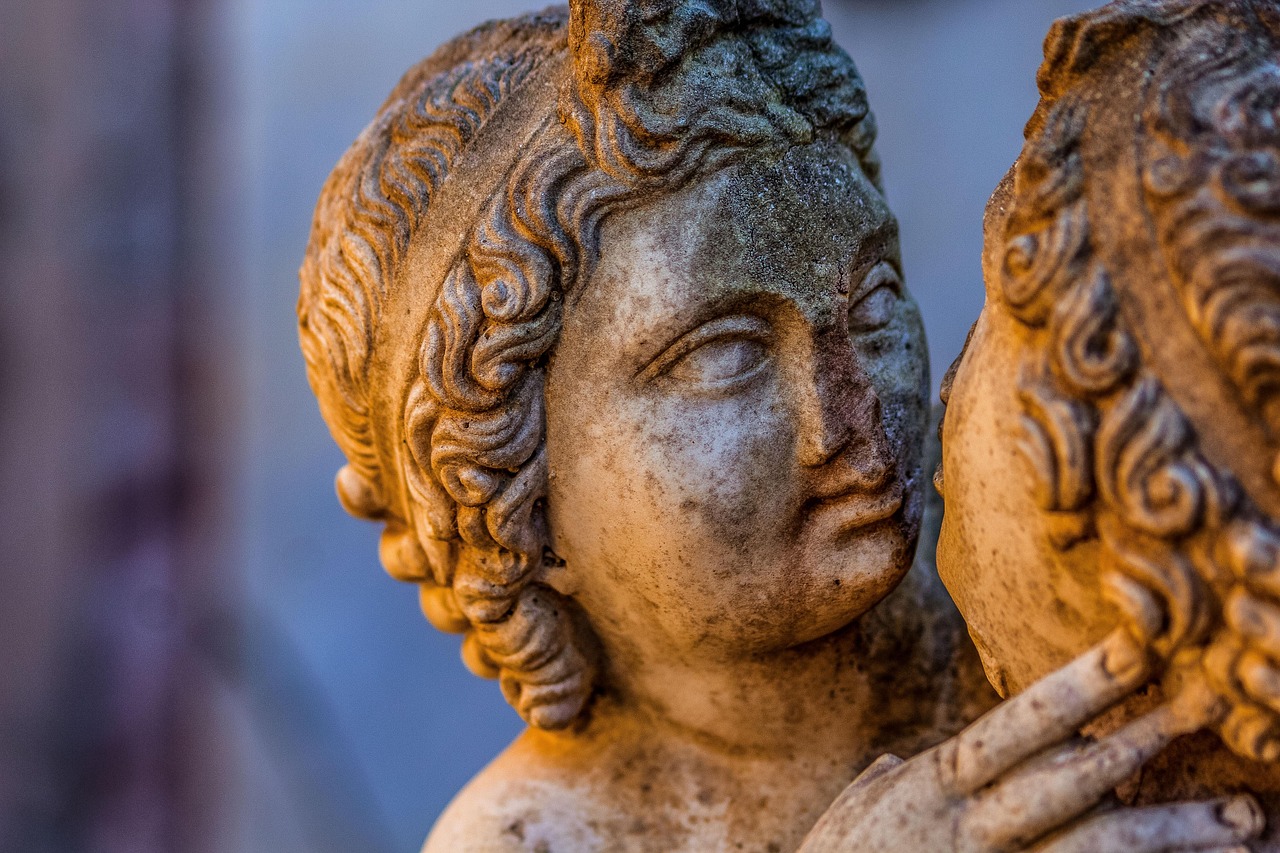
30 minutes by train but a world away, Ostia Antica’s vast ruins are like Pompeii without the crowds. I’ve spent whole afternoons here, wandering mosaicked bath houses, ancient taverns, and the haunting amphitheater.
Tip: Combine with a visit to the Lido beach for a day of history and sea air.
20. Piazza di Santa Maria in Trastevere
Heart of the Trastevere district, this animated square is crowned by an ornate medieval basilica with spectacular mosaics. It’s my go-to for a morning cappuccino, sketchbook in hand, watching the city wake up.
Tip: Visit on a Sunday morning to catch street performers and the lively flea market.
Exploring Rome’s Neighborhoods & Districts
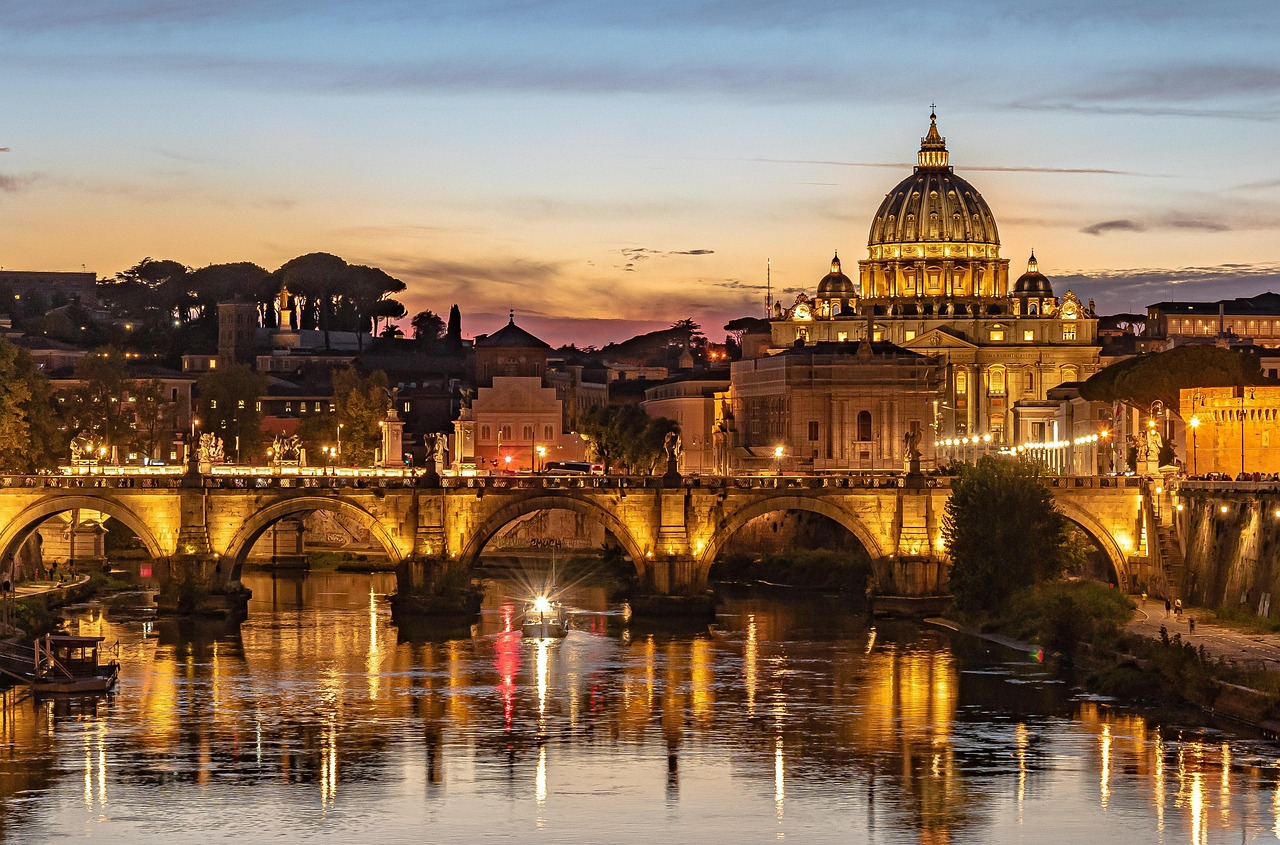
- Centro Storico: The historic heart – from the Pantheon to Piazza Navona. Crowded, yes, but the vibes are unmatched at night.
- Trastevere: Bohemian, charming, perfect for foodies and nightlife. I love its tangle of lanes and riverside promenades.
- Monti: My pick for vintage shops, indie galleries, and the city’s best coffee bars. Like a Roman Brooklyn.
- Testaccio: Where locals eat, party, and shop. Street art, market stalls, and authentic Roman fare.
- Prati: Elegant, residential, close to the Vatican. Best for boutique shopping and laidback aperitivo spots.
- Garbatella: A working class gem with art deco curves, bright murals, and a real village feel. Rarely visited by tourists—highly recommended for urban explorers.
- San Lorenzo: Rome’s student quarter, buzzing with cheap trattorias, graffiti, and late-night joints.
- Flaminio & Parioli: Green, upscale, home to modern art museums and Villa Borghese’s less-traveled trails.
The Best Local Food & Where to Eat in Rome
Roman cuisine is simple, hearty, and utterly addictive. Just thinking about it takes me back to candlelit evenings in Trastevere, laughter echoing as plates of pasta clatter onto the table.
- Carbonara (eggs, pecorino, guanciale): Try it at Roscioli or Da Enzo.
- Cacio e Pepe (cheese and black pepper): Felice a Testaccio or Trattoria Pennestri.
- Amatriciana (tomato, guanciale, pecorino): Osteria Bonelli.
- Pizza al taglio (by the slice): Pizzarium near the Vatican is legendary.
- Trapizzino (pizza-pocket): Original shop in Testaccio Market.
- Gelato: Giolitti, Fatamorgana, or Otaleg (my favorite for creative flavors).
- Supplì (fried rice balls): I Supplì in Trastevere.
- Street food: Porchetta sandwiches at Campo de’ Fiori market.
Markets: Mercato Testaccio, Mercato Trionfale, and Esquilino Market for picnic supplies and people-watching.
Nightlife, Entertainment, & Cultural Experiences
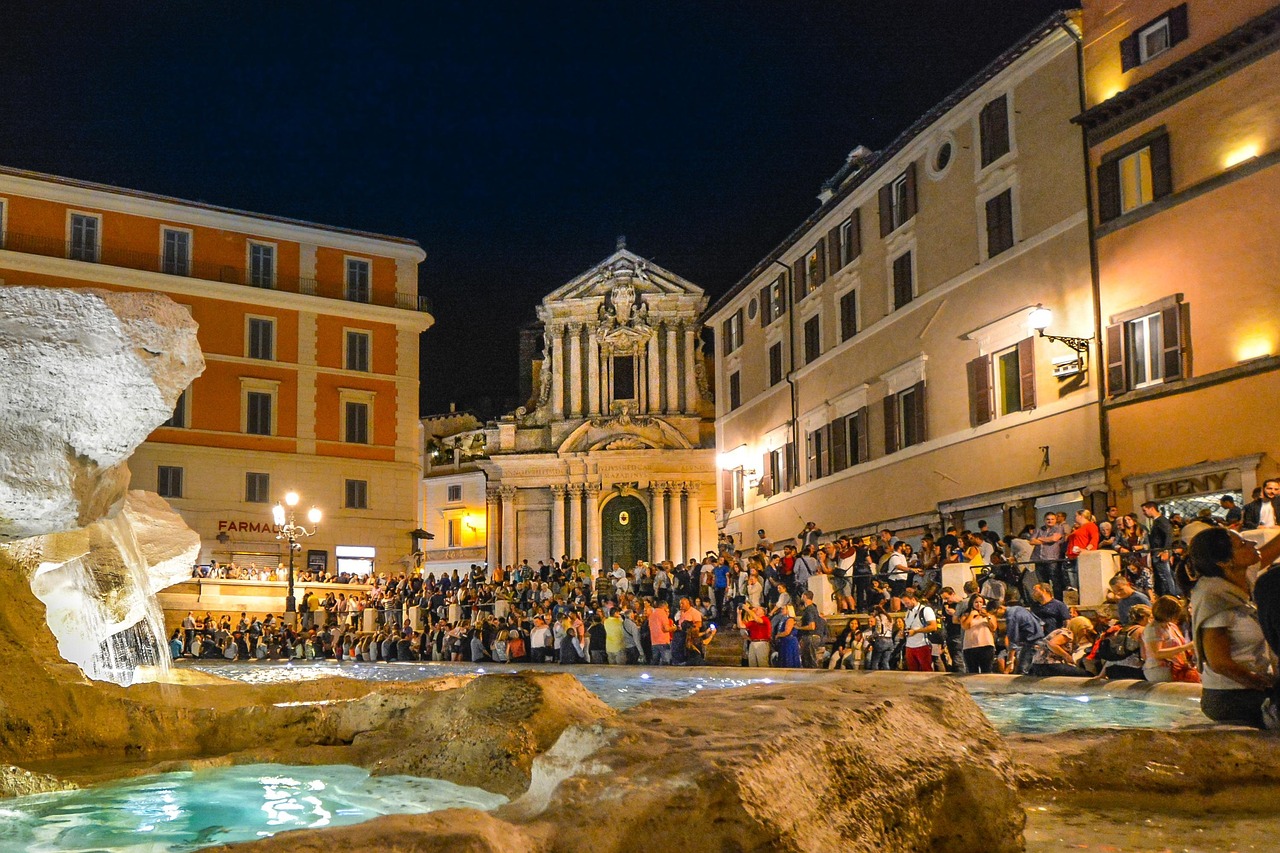
Rome’s nightlife isn’t all about all-night clubs (though Testaccio delivers on that front)—it’s about late-night walks, outdoor film screenings, live music, and the timeless tradition of passeggiata (evening stroll).
- Live Music: Alexanderplatz Jazz Club, Monk, and Big Mama for jazz, rock, or indie nights.
- Outdoor Cinema (2025): Isola Tiberina hosts a summer film fest right on the river.
- Best Rooftop Bars: Terrazza Borromini, Minerva Roof Garden, and Singer Palace for jaw-dropping sunset views.
- Testaccio & Ostiense: Former industrial district now buzzing with art spaces, craft breweries, and dance clubs. Try Porto Fluviale or Caffè Letterario.
- Theatre: Teatro dell’Opera for ballet/opera, Teatro Argentina for historical drama.
- Piazza hangouts: Summer nights, join locals in Trastevere or Monti—grab a drink, join the crowd, and watch the world go by.
Best Day Trips & Excursions from Rome
- Tivoli: Villa d’Este’s fountains and Hadrian’s Villa’s ruins. Catch a train from Roma Tiburtina in under 45 minutes, tickets under €5.
- Ostia Antica: See above, easily accessible by suburban train.
- Civita di Bagnoregio: The “dying city” perched on a cliff, best reached by car or bus+shuttle—unforgettable at sunset.
- Orvieto: Dramatic hilltop town with stunning cathedral, an hour by train from Roma Termini.
- Castelli Romani: Wine and food villages in volcanic hills—Frascati for white wine, Castel Gandolfo for papal gardens.
- Beaches: Santa Marinella or Sperlonga for a quick seaside escape (just over an hour by regional train).
Practical Tips, Money Savers, and Travel Advice for Rome
How to Get Around
- Walking: Central Rome is best explored on foot—bring comfy shoes for the cobblestones!
- Public Transport: Metro (A, B, C), buses, and trams. Buy tickets at tabacchi or newsstands, validate on boarding.
- Tickets: ATAC tickets are €1.50 for 100 min, or €7 for a day pass.
- Taxis: Use official white cabs or reliable apps like FreeNow. Avoid unlicensed drivers at stations/airports.
- Car Rental: Not recommended for driving in the city (narrow streets, ZTL restrictions), but handy for day trips.
- Bikes & Scooters: Rent e-bikes or try app-based scooter sharing in the centro or along Via Appia.
Staying Connected: SIM Cards
- Local SIMs (TIM, Vodafone, WINDTRE) available at airport kiosks or shops—5–20GB prepaid for under €20. Passport required.
Visa & Entry Requirements
- Most North American, Australian, and EU passport holders receive a 90-day visa-free Schengen entry. Check the official site for updates.
- Foreign driver’s licenses accepted for car rentals (international permit recommended from outside EU).
When to Visit Rome? Best Seasons, Events, & Weather
- Spring (March-May): Gorgeous for blooms, festivals (Easter, Primavera Romana), pleasant temps (12-24°C).
- Summer (June-Aug): Hot (up to 35°C), but magical at night. Outdoor concerts, Tiber river festivals, and late-opening monuments.
- Autumn (Sept-Nov): My favorite—warm days, truffle fairs, grape harvest, fewer crowds.
- Winter (Dec–Feb): Mild, moody, and festive; Christmas markets, Epiphany parades, and dreamy, uncrowded museums.
Money-Saving Tips
- Eat standing at the bar to avoid “coperto” (table charge); local trattorias offer fixed-price “menu pranzo.”
- Use Roma Pass for discounted museum entry/public transport—especially good for 3+ days in Rome.
- Free museum Sundays: Check which state-run sites offer free entry the first Sunday of each month.
- Water fountains (“nasoni”) are everywhere—bring a reusable bottle to save on drinks.
- Gelato and coffee are often cheaper away from tourist hotspots.
Special Events & What’s New in Rome for 2025–2026
- Jubilee Year (Anno Santo) 2025: Major events, papal audiences, and church festivities throughout the year. Expect crowds near Vatican—book accommodation early!
- Primavera Romana: Spring festivals with open winery tours, art walks, and street food fairs.
- Estate Romana (Summer in Rome): Concerts, cinema, dance, and riverside parties from June to September.
- RomaEuropa Festival (Oct–Nov): Contemporary arts, music, and dance—international line-up.
- Christmas & Epiphany: Nativity displays in piazzas, festive markets, and parades in January—Trastevere and Piazza Navona are must-sees!
- Restaurant scene: Several acclaimed chefs opening new contemporary trattorias; keep an eye on Prati and San Giovanni districts for culinary innovation in 2025.
Cultural Etiquette & Local Customs
- Dress code: Shoulders and knees covered for churches and Vatican. Romans dress smartly—ditch flip-flops outside the beach!
- Dining: Wait for “buonasera” before ordering at dinner; don’t expect to eat before 7:30pm; splitting bills is rare (pay in cash, leave small tip).
- Coffee: Order “un caffè” at the bar (espresso), “un cappuccino” before 11am only.
- General: Greet with “buongiorno”/“buonasera”; lines can be loose, but patience is key.
- Public transport: Validate your ticket before entry; beware of pickpockets in crowds.
- Sunday closures: Many shops & markets close Sunday afternoons.
Final Thoughts: Your 2025 Rome Adventure Awaits
Whether you’re plotting a whirlwind 3 days in Rome or lingering for five, the city rewards explorers with endless discoveries. Plan for the big sights, but save time for spontaneous detours: an unexpected street musician, a hidden fresco, a tiny bakery’s still-warm pizza bianca.
Key takeaways: Walk everywhere, eat everything, and don’t rush. Rome isn’t a checklist—it’s a living, breathing marvel. The best time for your trip? Aim for spring or fall for perfect weather, lively festivals, and just the right amount of buzz.
As the Romans say, “Roma, non basta una vita”—one lifetime isn’t enough for Rome. But I promise, even a few days will leave you spellbound.
Buon viaggio, and see you in the Eternal City!