Why Visit Vernazza: What Makes This Cinque Terre Village So Special
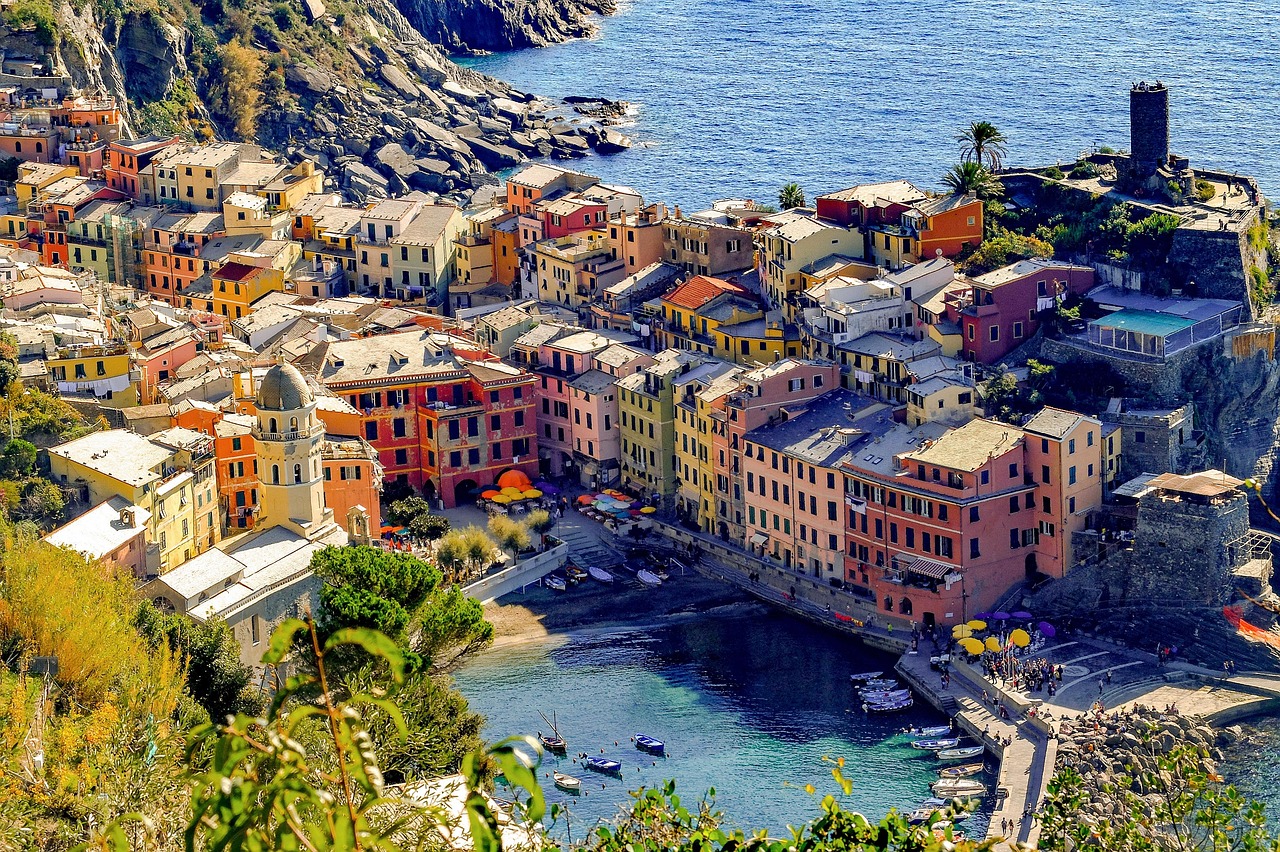
Vernazza is the village that made me fall in love with the Cinque Terre. I still remember my first arrival: stepping off the little regional train, walking through the short tunnel, and suddenly being spilled out into a pastel amphitheater of houses wrapping around a tiny harbor. It felt like walking into a painting that somehow smells like pesto, sea salt, and espresso.
Unlike big Italian cities, Vernazza is intimate. You can cross the entire village in ten minutes, yet it takes days to really feel its rhythm: the fishermen repairing nets at dawn, kids chasing soccer balls in Piazza Marconi, old women watching everything from green-shuttered windows, and hikers arriving dusty and sunburned from the coastal trails.
This 2026 travel guide to Vernazza is written as both a love letter and a practical handbook. I’ve stayed here in shoulder seasons, in the crush of summer, on budget trips, and on “treat yourself” escapes. Below you’ll find detailed 3, 4, and 5 day itineraries, deep dives into at least 20 major sights and experiences, food recommendations, cultural etiquette, and lots of small, lived-in details you usually only get from chatting with locals over a glass of Sciacchetrà.
Whether you’re planning a 3 day itinerary for Vernazza, stretching it to 4 days in Vernazza, or lucky enough to spend 5 days in Vernazza, this guide will help you choose the best places to visit in Vernazza, discover hidden gems, savor local food in Vernazza, and understand the local customs that make this place feel so special.
Table of Contents
- Why Visit Vernazza
- Vernazza at a Glance (2026 Overview)
- 3–5 Day Itineraries for Vernazza
- 20 Must-See Attractions & Experiences in Vernazza
- Neighborhoods & Areas of Vernazza
- Local Food & Drink in Vernazza
- Nightlife, Entertainment & Cultural Experiences
- Events & Festivals in 2026–2027
- Day Trips from Vernazza
- Cultural Etiquette & Local Customs
- Practical Travel Tips for Vernazza
- Summary & Best Time to Visit Vernazza
Vernazza at a Glance (2026 Overview)
Vernazza is one of the five villages that make up the Cinque Terre on Italy’s Ligurian coast. With fewer than 1,000 permanent residents, it still feels like a real community, especially outside high summer. The village clings to a small natural harbor, backed by terraced hillsides striped with vineyards and olive groves.
In 2026, Vernazza is balancing its popularity with a stronger focus on sustainability. Trail access and boat schedules are being adjusted to manage crowds, and there’s renewed attention on preserving the steep terraces that gave birth to the region’s unique white wines and the famous dessert wine, Sciacchetrà.
This travel guide for Vernazza assumes you’ll use the village as a home base while exploring the Cinque Terre, but it’s also written for people who want to slow down and truly inhabit one village instead of ticking off all five. Both approaches are valid; I’ve done both, and each offers its own magic.
3–5 Day Itineraries for Vernazza (With Personal Stories)
These itineraries weave together the must-see attractions in Vernazza with quieter corners and local routines. Adjust them depending on weather, fitness, and how much you like to linger over long lunches.
3 Day Itinerary for Vernazza: A Perfect First Taste
If you have 3 days in Vernazza, you can explore the village deeply, hike one iconic trail, and sample Cinque Terre life without rushing. This is my go-to itinerary when friends visit for the first time.
Day 1: Getting Oriented & Falling for the Harbor
I like to arrive in Vernazza around midday so I can drop my bag, splash water on my face, and head straight toward the sea. Walking from the station, you follow the main street (Via Roma) downhill. It’s a gentle slope, but emotionally it feels like a crescendo: bakeries, wine bars, laundry lines overhead, and that faint glimmer of blue at the end.
Morning / Arrival
- Check-in & settle: Most guesthouses are within 5 minutes of the station. If you’re staying up the hill, your host may meet you to help with luggage—it’s worth confirming in advance.
- Coffee & focaccia at the piazza: I usually start at a bar on Piazza Guglielmo Marconi (the harbor square). Order an espresso or cappuccino and a slice of focaccia—plain with olive oil or topped with onions or olives.
Midday: Vernazza Harbor & Piazza Marconi
Spend your first afternoon simply being in Vernazza. Sit on the low stone wall by the water, watch kids jump from the rocks, and listen for the splash of incoming boats. This is where I fell in love with the village rhythm: the way time seems to stretch with the tide.
- Walk the small harbor, watch fishermen cleaning their boats.
- Peek into the tiny beach—mostly pebbles with a strip of sand at low tide. Good for a quick dip.
- Explore the side alleys off Via Roma; they reveal little archways, cats napping on steps, and occasional glimpses of the sea.
Late Afternoon: Church of Santa Margherita d’Antiochia
Step into Vernazza’s iconic seaside church. I often come here when the heat pushes everyone else outside—it’s cool, dim, and quietly beautiful. Listen for the gulls outside and the echo of your own footsteps on the stone floor.
- Dress modestly (shoulders covered) out of respect.
- Take a moment at one of the benches; this is still a living parish, not just a photo stop.
Sunset: View from the Vernazza–Monterosso Trailhead
For your first Vernazza sunset, head up the start of the trail towards Monterosso. Even walking 5–10 minutes up gives you that postcard view of the village wrapped around the harbor. I’ve shot some of my favorite photos from here after dinner, when the lights start to flicker on.
Dinner: Seafood & Ligurian Favorites
Choose a trattoria in the harbor area and try:
- Trofie al pesto – twisted pasta with basil pesto, potatoes, and green beans.
- Acciughe (anchovies) caught nearby—fried, marinated, or stuffed.
- Pair with a chilled local white wine or a light red from the region.
End the night with a gelato on the harbor wall, feet dangling above the water. It’s simple, but it’s one of those travel moments that sticks.
Day 2: Hiking & Coastal Views
Your second day is for the most classic of things to do in Vernazza: hiking the coastal trails. In 2026, trail conditions and fees can vary by season and weather—always check the Cinque Terre National Park info online or at the local office before you set out.
Morning: Vernazza–Corniglia Hike
This is my favorite stretch when I’m with friends who want views without endless stairs. Leaving Vernazza, you’ll climb through the back of the village into terraced vineyards and olive groves. Look back often; the harbor shrinks but grows more beautiful with each switchback.
- Start early (by 8:00–9:00) to avoid heat and crowds.
- Bring water, a hat, and proper shoes—no flip-flops here.
- Allow 1.5–2.5 hours depending on fitness and photo stops.
Lunch in Corniglia
Corniglia sits high above the sea, quieter than the other villages. Grab a simple lunch—pesto lasagna, bruschetta with local tomatoes, or a farinata (chickpea pancake). I like to sit on a terrace with a sea view and let my legs rest.
Afternoon: Train Back & Vernazza Swim
Take the train back to Vernazza instead of hiking both ways. When I do this day, I almost always reward myself with a swim back in Vernazza’s harbor or off the rocks near the breakwater.
Evening: Aperitivo & Quiet Streets
- Have a spritz or local white with small snacks (olives, chips) at a wine bar on Via Roma.
- Wander the back alleys as the crowds thin and lights glow in stairway nooks and arches.
Day 3: Boats, Wine & Final Favorites
Morning: Boat Trip Along the Coast
Seeing Vernazza from the water never gets old. If the sea is calm, take a short boat trip along the coast, either via the public ferries that connect the Cinque Terre or a small group tour.
- Morning light is fantastic for photos of Vernazza and the neighboring villages.
- In high season, book ahead; in shoulder seasons, you can often book the day before.
Afternoon: Wine Tasting & Village Time
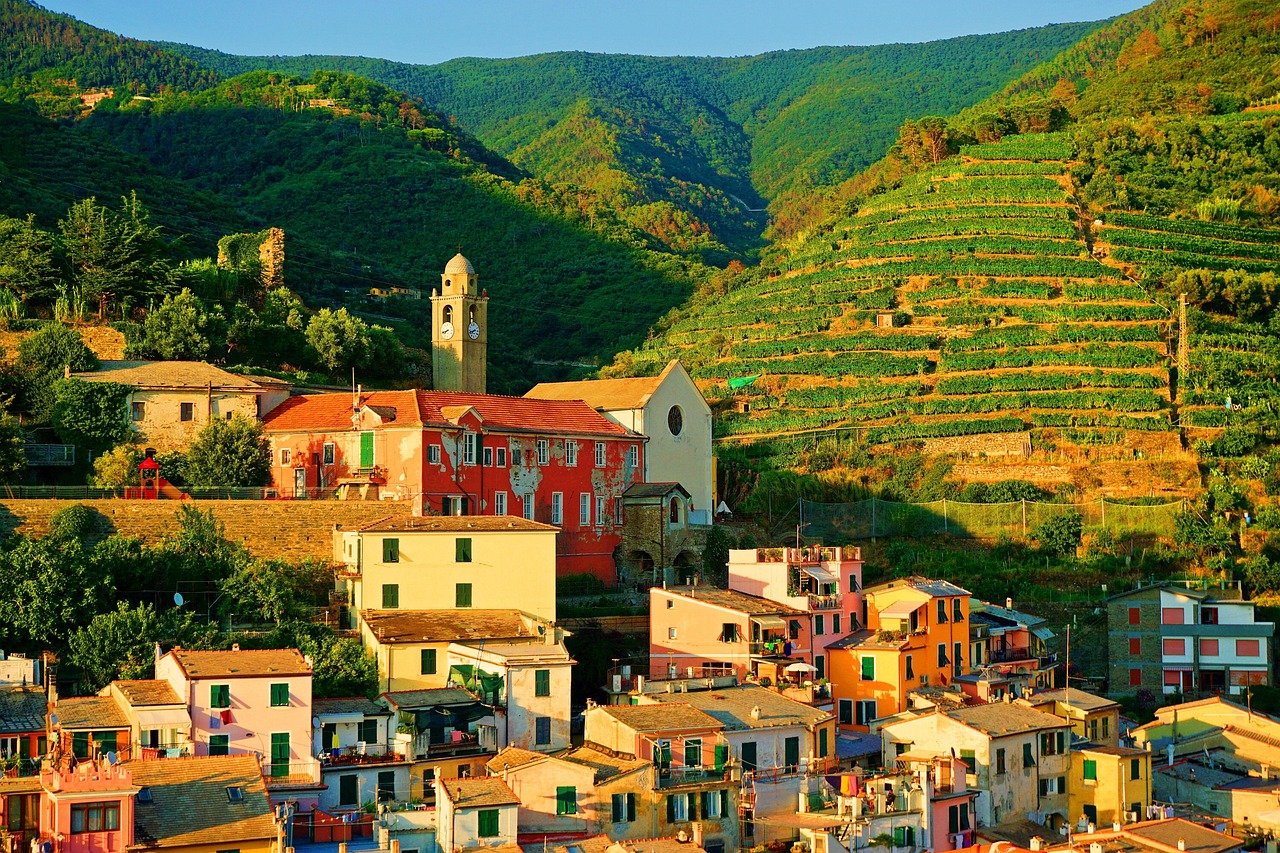
Liguria’s terraced vineyards are as culturally important as the sea. Spend an afternoon at a local enoteca tasting Cinque Terre DOC whites and the famous Sciacchetrà.
I like to ask for small pours of three different whites and a tiny taste of Sciacchetrà with cantucci (almond biscuits). Ask the staff about the vineyards overlooking Vernazza—they’ll often point out exactly where the grapes were grown.
Evening: Last Walks & Dinner
Use your last evening to revisit your favorite corner: a quiet stairway, the harbor at blue hour, or that viewpoint up the Monterosso trail. Have a leisurely final dinner—maybe grilled fish or seafood risotto—and toast the village that you’ll probably start plotting to revisit.
4 Day Itinerary for Vernazza: Slower Mornings, Deeper Discoveries
If you have 4 days in Vernazza, you can keep the 3-day rhythm but add more time for hidden gems in Vernazza, plus a neighboring village or two.
Day 1 & 2
Use the same structure as the 3-day itinerary’s first two days: orientation, harbor, church, sunset, and one main hike.
Day 3: Vernazza’s Backstreets & Santuario di Nostra Signora di Reggio
Morning: Sanctuary Hike or Bus
One of my favorite cultural experiences in Vernazza is visiting the Santuario di Nostra Signora di Reggio, a sanctuary perched above the village. You can hike up (roughly an hour of steep steps) or take a small local bus when it’s running.
At the top, you’ll find:
- A peaceful church with an ancient Black Madonna icon.
- Shaded benches under trees, perfect for picnics.
- Expansive views over Vernazza and the coastline.
I’ve come up here on hot days and just sat in the shade listening to church bells and distant waves. It feels worlds away from the crowded harbor below.
Afternoon: Backstreets & Small Shops
After descending, explore the tiny artisan shops you may have rushed by before: handmade ceramics, small art galleries, and family-run delis where you can buy pesto to take home. Chatting with shopkeepers here is one of the best local customs in Vernazza—a simple “Buongiorno” and “Come va?” go a long way.
Evening: Simple Dinner & Night Photography
Try a more low-key dinner—maybe takeout pizza slices or a paper cone of fried seafood (fritto misto) eaten on the harbor wall. If you’re into photography, this is a great night to wander with your camera and capture reflections and empty streets.
Day 4: Neighboring Village & Beach Time
For your final day, pick either Monterosso (for beaches and more restaurant options) or Manarola (for romantic views and sunsets) as a half- or full-day trip by train or boat.
Family-friendly option: Monterosso’s sandy beach and playgrounds make it an easy day with kids.
Romantic option: Manarola’s sunsets and cliffside wine bars are a perfect couple’s outing.
Return to Vernazza for a farewell dinner—ideally with a sea view.
5 Day Itinerary for Vernazza: Living Like a Local
If you’re planning a 5 day itinerary for Vernazza, you’ll have time to blend all the must-see attractions in Vernazza with genuine downtime and a proper day trip. This is my favorite length of stay; by Day 3 or 4, faces become familiar and the barista knows your order.
Day 1–3
Use the 3-day itinerary as your base: village orientation, one coastal hike, a boat trip, and plenty of harbor time.
Day 4: Deep Dive into Vernazza’s Culture & Flavors
Morning: Market & Food Shopping
While Vernazza doesn’t have a huge street market, there are small food shops where locals buy their daily essentials. I love starting the day by picking up fruit, cheese, bread, and cured meats, then heading up to a secluded stairway or viewpoint for an impromptu picnic.
Midday: Cooking Class or Pesto Demonstration
One of the best cultural experiences in Vernazza is learning how pesto is really made—by hand, with mortar and pestle. Several local outfits now offer small-group classes. In 2026, more of these focus on local ingredients and traditional methods up in the hills above town.
- Expect to make (and eat!) trofie al pesto, bruschetta, and maybe a simple dessert.
- Ask about wine pairings so you can taste local whites with your food.
Afternoon: Quiet Corners & Reading Time
By now, you’ll have seen the main sights. This is the day to do “nothing” on purpose: read on the rocks by the harbor, write postcards over coffee, or simply watch the sea. On one of my longer stays, I spent an entire afternoon sketching the church and boats from the breakwater; it made me notice details I’d always rushed past.
Evening: Sciacchetrà & Storytelling
End the day at an enoteca with a small glass of Sciacchetrà. This dessert wine is golden, intense, and expensive because it’s made from grapes dried on racks, often on tiny plots carved into steep terraces. Ask the owner to explain how it’s produced; the story of rebuilding terraces after storms and mudslides is part of Vernazza’s soul.
Day 5: Day Trip & Return
Use your last full day for a bigger excursion (see the day trips section)—Portovenere, Levanto, or even a boat ride to see the coastline beyond the Cinque Terre. Return to Vernazza for one last sunset and dinner at your favorite spot. The goodbye will be harder, but you’ll leave feeling you really knew the village.
20 Must-See Attractions & Experiences in Vernazza (With Local-Style Detail)
Below are at least 20 of the best places to visit in Vernazza and around it. Each combines history, practical tips, and a bit of personal experience. Some are big-name sights, others are subtle experiences you might otherwise miss.
1. Vernazza Harbor & Piazza Guglielmo Marconi
The harbor is Vernazza’s living room. Boats bob in a sheltered crescent, nets dry on the quay, and the piazza is a constant swirl of kids, cats, and clinking glasses. It’s one of the most photogenic spots in the Cinque Terre, and yet, if you linger, it still feels like a village square rather than a stage set.
History & significance: Vernazza’s natural harbor made it an important maritime village in the Middle Ages, tied to Genoa’s naval power. The colored houses you see today were historically painted in bright tones so fishermen could spot their homes from the sea.
My experience: I’ve watched this square in all seasons. In winter, it’s locals gossiping and kids on bikes. In high summer, it’s a kaleidoscope of languages and sunglasses. My favorite moments are early morning (7–8 a.m.) with only a few locals and the smell of freshly baked focaccia, and late evening when the day-trippers have gone.
Tips for visitors:
- Grab a seat on the stone wall for free “front-row” harbor views.
- For families, this is a safe-ish place for kids to roam while adults relax nearby.
- For couples, come after dark when the water reflects the lights and the atmosphere turns softer.
2. Church of Santa Margherita d’Antiochia
Perched right at the water’s edge, this church gives Vernazza its distinctive silhouette. The octagonal bell tower rises above the harbor like a watchful guardian.
History: The church dates back to the 14th century, though it’s seen many restorations due to storms and time. It’s dedicated to Saint Margaret of Antioch, a popular medieval saint associated with protection and childbirth.
Inside: The interior is simple and somber: stone pillars, wooden pews, and a few side chapels. The real magic is the interplay of light and shadow, and the knowledge that generations of Vernazzesi have marked life’s milestones here.
My anecdote: One rainy autumn afternoon, I ducked in here mostly to dry off. A small group of elderly locals were praying the rosary. Their low murmur blended with the sound of waves slapping against the stone outside. It felt deeply rooted, like I’d stumbled into the village’s heartbeat.
Visitor tips:
- Dress respectfully (covered shoulders, no beachwear).
- Check the door schedule; it’s usually open during daytime but can close between services.
- Step outside afterward to the small platform by the water for unique harbor angles.
3. Doria Castle (Castello Doria)
The stone watchtower of Doria Castle looks like something from a storybook, perched high above the harbor. It’s one of Vernazza’s most iconic silhouettes and a reminder that this idyllic village once needed to defend itself from pirates and rival powers.
History: Dating back at least to the 11th century, the castle was part of Genoa’s network of coastal defenses. The Doria family—powerful Genoese nobles—lent their name to the fortification. Over centuries, it served as a lookout, a refuge, and a symbol of the village’s strategic importance.
My experience: Climbing up to the castle on a hot day will make you appreciate the old guards’ stamina. I’ve been up there in peak season, elbow-to-elbow with photographers, and in shoulder season when I had the tower almost to myself. The 360-degree views of Vernazza and the coastline are worth every step.
What to expect:
- A small entrance fee (cash is handy).
- Narrow stairways and some uneven surfaces—wear good shoes.
- Wind! Bring a light layer even on warm days if you plan to linger at the top.
Best time to visit: Late afternoon for golden light and fewer crowds. Morning can be excellent for photographers chasing softer shadows.
4. Santuario di Nostra Signora di Reggio
This hilltop sanctuary offers one of the most peaceful cultural experiences in Vernazza. It’s quieter than the coastal trails and gives a deeper sense of the spiritual life that underpins village festivals and traditions.
History: The sanctuary dates back to at least the 11th century and has long been a pilgrimage site. The Black Madonna painting inside is especially revered; locals attribute miracles and protection to her presence, especially during storms and hard times.
Getting there:
- On foot: A steep but rewarding climb via an old mule path and stone steps (allow about an hour uphill).
- By bus: In season, a small bus sometimes runs from Vernazza up to the sanctuary—check schedules locally.
My anecdote: The first time I hiked up, I underestimated the climb and arrived sweaty and red-faced. An older local woman sitting under the trees smiled and said, “Adesso sei della montagna” (Now you belong to the mountain). She shared a few figs from her bag, and we sat in companionable silence looking down at Vernazza far below.
What to do:
- Visit the church and, if open, light a candle.
- Have a picnic under the large trees—locals often bring simple sandwiches and fruit.
- Enjoy the panoramic views of the sea, terraces, and the other Cinque Terre villages in the distance.
5. Vernazza’s Coastal Trails (To Corniglia & Monterosso)
The section of the Sentiero Azzurro (Blue Trail) that connects Vernazza with Corniglia and Monterosso is one of Europe’s classic hikes. It’s also one of the top things to do in Vernazza for active travelers.
History & context: These trails originated as mule paths linking villages long before trains or roads existed. Farmers and fishermen used them to carry grapes, olives, and goods. Today, they’re maintained by the Cinque Terre National Park and may require a paid trail pass.
Vernazza–Corniglia:
- Moderate difficulty, some ups and downs but less steep than the Monterosso side.
- Outstanding sea views and glimpses into vineyards.
- Allow 1.5–2.5 hours.
Vernazza–Monterosso:
- More strenuous, with longer stair sections and steeper climbs.
- Rewarded by spectacular views back toward Vernazza’s harbor.
- Allow 2–3 hours.
My experience: I’ve hiked both in blazing sun and under moody clouds. On one spring morning, mist drifted up from the sea, revealing and hiding Vernazza like a magic trick. Another time in summer, I started too late and ended up guzzling water in every patch of shade. Learn from my mistake: start early, especially in July and August.
Tips:
- Check trail conditions and closures—heavy rain or landslide risk can shut sections.
- Wear proper footwear; sandals are not enough.
- Carry cash for occasional small stands selling lemon juice or water.
6. Vernazza’s Caruggi (Narrow Alleys & Stairways)
Some of Vernazza’s best “attractions” aren’t marked on any map: the maze of narrow alleys, tiny arches, and steep staircases that climb away from Via Roma. These caruggi are where everyday life happens, laundry hangs, and balconies overflow with geraniums and basil pots.
Why they matter: Walking these lanes gives you a sense of how the village adapted to its steep terrain. Houses are stacked on top of each other, with shared stairways and passageways linking homes like a three-dimensional puzzle.
My ritual: I like to wander these alleys in the late afternoon, when the sun angles in and locals sit on stoops chatting. I keep my voice low and my camera respectful. It’s easy to get disoriented, but that’s half the fun; you almost always pop out somewhere familiar.
Etiquette:
- Remember these are people’s doorsteps, not just Instagram backdrops.
- Keep noise down, especially early morning and late evening.
- Ask before photographing people; a smile and “Posso?” (May I?) can help.
7. Vernazza’s Beaches & Swimming Spots
Vernazza isn’t a classic “beach destination” like Monterosso, but it does have two main spots for swimming and sunning.
1. The Harbor Beach:
- Small crescent of sand and pebbles inside the harbor.
- Calm water, great for families with small kids.
- Can get crowded in high season; come early or late in the day.
2. The Hidden Beach (Behind the Tunnel):
At the end of the main street near the harbor, look for a small rock tunnel in the cliff. Passing through brings you to a more rugged little beach directly facing the open sea. Waves are stronger here and the vibe is wilder.
My tip: I like to swim in the harbor in the morning when the water is glassy and quiet. For a more dramatic experience, I’ll head to the hidden beach late afternoon when the waves crash and the light slants across the rocks. Always gauge the sea conditions first; safety over bravado.
8. The Breakwater & Harbor Wall
Vernazza’s breakwater is like a long stone arm hugging the harbor. Walking out to the end gives you a sea-level view back at the village that’s different from the cliff and castle vistas.
Why go:
- Great views of the church and colorful houses curving around the harbor.
- Perfect spot for photos of boats and reflections.
- On calmer days, locals and visitors sunbathe and dangle their feet over the side.
My anecdote: One evening, a storm was building offshore. I walked to the very end of the breakwater and watched as dark clouds rolled in over a sea still sparkling from the last light. Lightning never came close, but the drama of the sky over the pastel village was unforgettable.
Safety: When the sea is rough, waves can crash over the stones. If locals are staying away, you should too.
9. Sunrise & Sunset Viewpoints
Vernazza’s orientation means both sunrise and sunset can be spectacular, especially from elevated viewpoints.
Best spots:
- Vernazza–Monterosso Trail Start: For classic sunset shots with the village in frame.
- Near Doria Castle: Great for both early morning and late afternoon light.
- Harbor Wall: Beautiful at “blue hour” just after sunset when lights come on.
My routine: When I’m in Vernazza for several nights, I dedicate at least one evening to hiking 10–15 minutes up the Monterosso trail with a light jacket and my camera. I sit on a low stone wall and watch as the village slowly glows against the darkening sea—a quietly romantic scene, whether you’re solo, with friends, or with a partner.
10. Vernazza’s Enoteche (Wine Bars)
For a small village, Vernazza punches above its weight in cozy wine bars. They’re key players if you’re looking for gentle nightlife in Vernazza—more about conversation than clubbing.
What to order:
- Cinque Terre DOC white wine (crisp, mineral, perfect with seafood).
- Sciacchetrà dessert wine (small pours; sip slowly).
- Local reds from Liguria or neighboring regions.
- Small plates of anchovies, olives, or cheese.
My experience: I love snagging a tiny table on a side alley, with just a few other people around, and asking the owner to recommend a glass “del posto” (from here). Often, they’ll share stories about the winemaker, the terrace walls they’re rebuilding, or the harvest challenges in recent years.
Tip: Avoid ordering cappuccino or milky coffees at night—Italians mostly keep those to the morning.
11. Local Cooking Classes & Pesto Experiences
Food is central to Ligurian culture, and learning to make it is one of the best cultural experiences in Vernazza. Pesto, in particular, is treated almost like a religion here.
What classes are like:
- Small groups (often 6–10 people) in a home kitchen or small studio.
- Hands-on work: washing basil leaves, crushing pine nuts and garlic, slowly folding in cheese and olive oil.
- A shared meal at the end—usually trofie al pesto, bruschetta, and local wine.
My anecdote: During one class, a local nonna insisted we smell two different olive oils and guess which was local. I failed miserably, but it led to a 15-minute passionate speech about why Ligurian olive oil is lighter and perfect for pesto. It was as much a cultural lesson as a culinary one.
Tip: Book ahead in high season (June–September). In shoulder seasons, you can sometimes arrange semi-private experiences.
12. Vernazza’s Fishing Traditions
Fishing has shaped Vernazza as much as tourism has. While the number of full-time fishermen has declined, you still see small boats heading out and nets being repaired on the quay.
Why it matters: Understanding this side of Vernazza helps explain why anchovies and other local fish feature so prominently in dishes, and why the harbor is treated with such reverence.
Experiences:
- Watch early morning or late afternoon as boats come and go.
- Talk to restaurant owners about which dishes feature locally caught fish that day.
- In some years, small fishing-related tours or demos are offered—ask locally in 2026 to see what’s available.
My note: On one early visit, I watched a fisherman patiently untangle a net for nearly an hour, humming softly. It struck me how much quiet, repetitive work goes into the few bites of fried anchovies we devour so quickly at dinner.
13. Village Festivals & Religious Processions
Vernazza’s calendar is dotted with small, meaningful festivals tied to religious and maritime traditions. They may not be huge tourist spectacles, but they’re windows into local customs in Vernazza.
Typical elements:
- Processions with statues of saints carried through the streets.
- Church services with special music.
- Fireworks or candles around the harbor on certain feast days.
My experience: I once arrived by chance on a feast day. As dusk fell, candles were lit around the harbor and along the breakwater. A small brass band played as the procession moved slowly behind the statue of the Madonna. Tourists stood respectfully at the edges while locals sang. It felt deeply intimate, and I kept my camera away for most of it.
Visitor etiquette:
- Dress modestly if you plan to attend church.
- Give space to participants in processions; don’t block their path for photos.
- Ask a local or your host about what’s happening and what it means.
14. Night Strolls Through Vernazza
Nighttime Vernazza is a different village. Day-trippers leave, shutters close, and the sounds shift from camera shutters to clinking glasses and soft conversations.
Why it’s special: The combination of stone lanes, warm yellow lights, and the sound of the sea makes for a romantic and slightly mysterious atmosphere. It’s safe to walk around, and you’ll encounter mostly locals and overnight visitors.
My ritual: I like to start at the harbor around 10 p.m., walk slowly up Via Roma, then duck into a couple of side stairs I haven’t explored yet. Sometimes I’ll end at a late-open bar for a final glass of wine or a grappa. Other times I just sit on a step and listen to the village breathe.
15. Vernazza’s Architecture & Color Palette
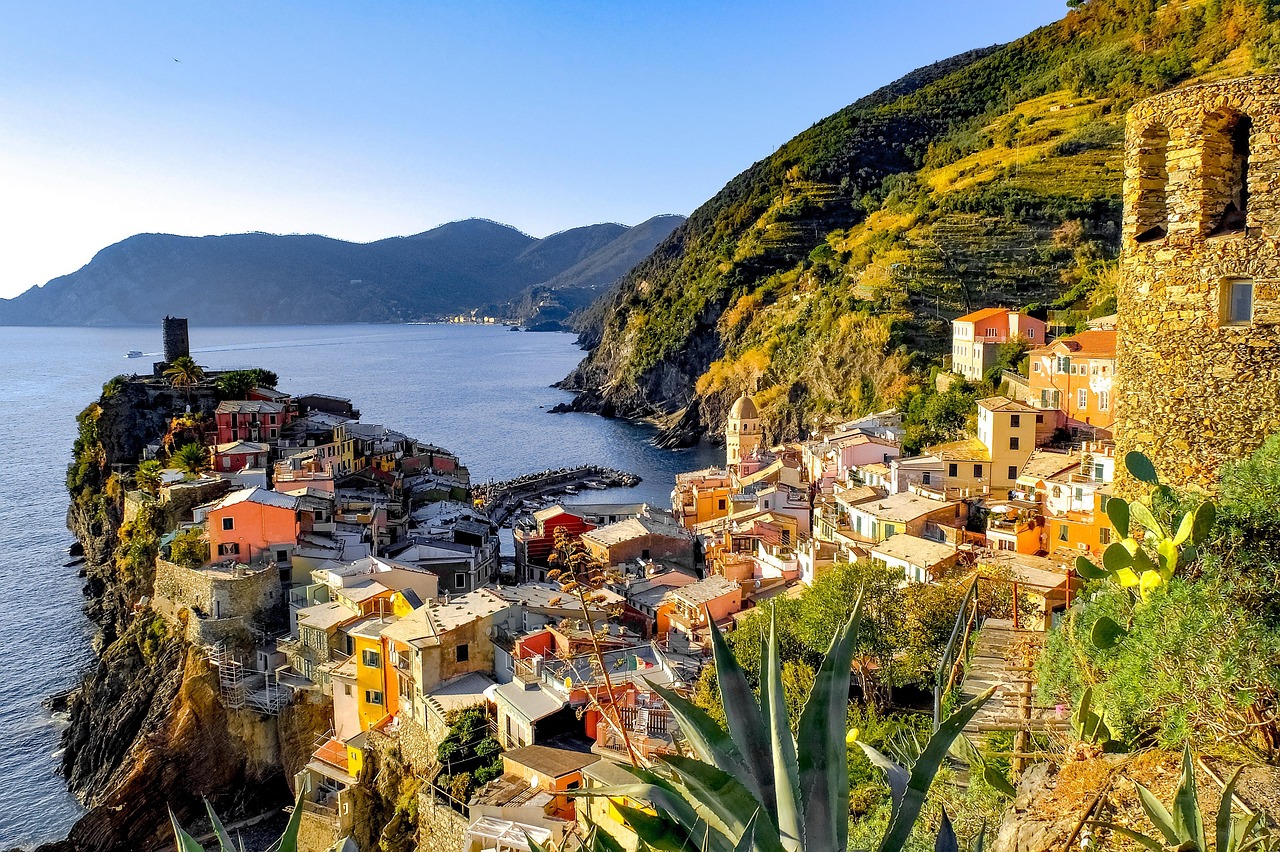
The stacked, pastel houses of Vernazza aren’t random—they follow a very specific Ligurian style adapted to steep hills and salt air.
Key features:
- Tall, narrow houses with multiple floors, often shared by generations.
- Painted facades in earthy pinks, yellows, oranges, and greens.
- Green shutters (a Ligurian classic) to keep out sun and protect privacy.
- Stone arches connecting buildings over lanes, adding stability.
My favorite detail: I love the sometimes-faded, sometimes-fresh paint, with old layers peeking through. It tells you a house’s history in colors. Look for trompe-l’oeil details too—painted-on window frames or faux stonework are a playful local tradition.
16. Lesser-Known Vernazza Viewpoints
Beyond the famous Instagram spots, there are small, quiet lookouts that I almost hesitate to share—but this is a comprehensive travel guide for Vernazza, so here we go.
Examples (general, not exact door numbers):
- Staircases leading up from Via Roma toward the trailhead can offer landing spots with unexpected peeks over rooftops.
- Short lanes on the opposite side of the rail tracks (accessed via underpasses) sometimes open to surprising vistas of the terraces.
My tip: When climbing stairs, occasionally look back—you’ll see framed views of Vernazza and the sea that aren’t marked on any map. Just remember these are residential areas; be quiet and respectful.
17. Family-Run Shops & Bakeries
Some of the most rewarding hidden gems in Vernazza are tiny food shops and bakeries you might hurry past on your way to the harbor.
What to look for:
- Focaccia bakeries (panifici) with trays of warm bread.
- Salumerie (delis) selling cured meats, cheeses, and pesto by the jar.
- Small produce stands with local lemons, tomatoes, and seasonal fruits.
My anecdote: There’s one bakery where the same woman has sold me focaccia for nearly a decade of visits. She doesn’t remember me, of course, but I remember her, and that continuity is one of the reasons Vernazza feels like a second home.
Money-saving tip: Picking up picnic supplies here is one of the best ways to enjoy local food in Vernazza while saving money compared to sit-down lunches and dinners every day.
18. Vernazza by Sea: Kayaks & Small Boat Rentals
For active travelers, getting on the water is a highlight. In good conditions, you can rent kayaks or small boats for a different perspective on the cliffs and terraces.
Adventure level:
- Kayaking: Great workout and relatively easy to stay close to the shoreline.
- Small motorboats: Usually rented with basic instructions; no license needed for the smallest engines, but always follow rules and stay clear of swimmers.
My tip: Go early in the day when winds and waves are usually calmer. Always respect safety advice—if locals say the sea is too rough, believe them.
19. Small Exhibits & Vernazza’s Story of Resilience
Vernazza suffered significant damage in the devastating floods and mudslides of 2011. Some small exhibits and photo displays around the village tell that story of destruction and rebuilding.
Why visit: It’s easy to see Vernazza as eternally picturesque, but understanding its vulnerability to storms, climate change, and tourism pressures adds another layer of appreciation for the village and its people.
My memory: A local bar once had a binder of photos showing streets filled with mud and boats tossed onto train tracks. The owner pointed to a line on the wall where the water had risen. “We cleaned, we rebuilt,” he said. “We always will.”
20. Romantic Corners for Couples
Vernazza is quietly romantic rather than flashy. It’s made for slow hand-in-hand walks, shared gelatos, and sea views rather than big “wow” gestures.
My favorite couple spots:
- Sitting on the rocks near the breakwater at sunset.
- A side alley table at a wine bar, sharing a plate of anchovies.
- The early part of the Monterosso trail at dusk, overlooking the village lights.
Even if you’re traveling solo, these places are perfect for quiet reflection. I’ve watched many sunsets here notebook in hand, feeling grateful and deeply content.
Neighborhoods & Areas of Vernazza
Vernazza is small, but each part of the village has its own feel. Understanding these micro-areas helps you choose where to stay and what to explore.
Harbor & Piazza Marconi
This is the beating heart of Vernazza: restaurants, bars, the tiny beach, and the church. It’s lively from morning until late evening, especially in summer.
Best for: First-time visitors, people who love being in the middle of things, families who want easy beach access.
Consider: Noise. If you’re a light sleeper, a room right on the piazza might be too lively in high season.
Via Roma (Main Street)
Via Roma slopes gently from the station down to the harbor. It’s lined with shops, cafes, bakeries, and small hotels.
Best for: Convenience, easy station access, and quick runs for focaccia and coffee.
My note: I often stay just off Via Roma: close enough to feel the village’s pulse, but on a side stair that’s a bit quieter at night.
Upper Vernazza & Stairway Lanes
Climb almost any side staircase from Via Roma, and you’ll reach higher terraces of houses. These lanes are steep but rewarding, with glimpses over roofs and out to sea.
Best for: Travelers who don’t mind stairs and want quieter stays with better views.
Tip: Ask your host how many steps to reach your room before booking if mobility is an issue.
Station Area & Hillside Above the Tracks
The area around the station and up the hillside across the tracks feels slightly more residential and less touristy.
Best for: Budget stays, quick train access, and a sense of local daily life.
Terraces & Vineyards Above Vernazza
Above the village, the hills are carved into intricate stone terraces supporting vineyards and olive groves. Some agriturismi (farm stays) and B&Bs up here offer quieter, rural-feeling stays with sweeping views.
Best for: Hikers, couples seeking tranquility, travelers interested in wine and agriculture.
Consider: You’ll rely more on walking (often steeply) or occasional local transport to get to and from the village center.
Local Food & Drink in Vernazza
Ligurian cuisine is fresh, fragrant, and surprisingly light. Vernazza, though small, is a fantastic place to explore it—especially if you love seafood, herbs, and olive oil.
Must-Try Local Dishes
- Trofie al pesto: Short, twisted pasta with basil pesto, potatoes, and green beans. The basil here is sweet and delicate; once you’ve had pesto in Liguria, it ruins you for lesser versions.
- Pesto alla genovese: Even spread on bread, it’s heavenly. Buy a jar from a deli to take home.
- Acciughe (anchovies): Fried, marinated in lemon and olive oil, or stuffed. They’re a local pride.
- Farinata: A thin, savory pancake made from chickpea flour and olive oil—crispy edges, soft inside. Great budget snack.
- Focaccia ligure: Soft, oily, and addictive. Try plain, onion, olive, or cheese-topped.
- Seafood risotto & mixed grills: Often featuring whatever was caught locally.
- Torta di verdure: Savory vegetable pies, often with chard, rice, or zucchini.
Local Drinks
- Cinque Terre DOC white: Crisp and mineral, perfect with seafood and pesto.
- Sciacchetrà: A sweet dessert wine made from sun-dried grapes; sip slowly.
- Limoncino: A local take on limoncello, sometimes offered after meals.
- Chinotto & local sodas: For non-alcoholic options, look for Italian sodas made from citrus and herbs.
Where & How to Eat in Vernazza
Types of places:
- Ristoranti & trattorie: Sit-down meals with full menus and table service.
- Enoteche: Wine-focused bars with small plates and simple dishes.
- Takeaway spots: Pizza al taglio, cones of fried seafood, focaccia, and farinata.
My money-saving strategies:
- Have one big restaurant meal a day (usually dinner), and do bakery/deli picnics for breakfast and lunch.
- Order house wine (vino della casa) by the glass or carafe—it’s often excellent value.
- Share starters and desserts; portions can be generous.
Reservations: In high season, book dinner a day or two ahead if you want a harbor-view table or a popular spot. In shoulder season, you can usually walk in early or eat slightly off-peak (e.g., 7 p.m. or after 9 p.m.).
Nightlife, Entertainment & Cultural Experiences in Vernazza
Vernazza’s nightlife is more about ambiance than adrenaline. Think wine bars, long dinners, and walks under the stars rather than clubs and DJs.
Evening rhythm:
- Families: Early dinners on the piazza, kids playing until they’re too sleepy to run.
- Couples: Wine bars, harbor-wall conversations, late walks.
- Solo travelers: Easy to strike up conversations at bar counters or shared tables.
Cultural experiences:
- Attending a local mass or religious festival procession.
- Joining a cooking class or wine tasting.
- Chatting with shopkeepers and restaurant owners—many speak at least some English, but appreciate attempts at Italian.
Events & Festivals in Vernazza (2026–2027)
Exact dates can shift year to year, but here are typical events and what to expect in 2026–2027. Always confirm with the local tourist office or your accommodation closer to your travel dates.
- Spring 2026 – Cinque Terre Walking & Wine Week: A region-wide focus on guided hikes and vineyard visits, with special tastings in Vernazza’s enoteche.
- Summer 2026 – Harbor Music Evenings: Small-scale live music nights on or near the piazza—acoustic bands, jazz, and local folk music.
- August 2026 – Ferragosto Celebrations: Mid-August holidays often bring fireworks, special menus, and crowded beaches.
- Autumn 2026 – Harvest Season: Grape and olive harvests in the terraces above Vernazza. Some agriturismi may offer harvest-related experiences or tastings.
- December 2026–January 2027 – Christmas & New Year: Nativity scenes in the church, festive lights, and quieter but cozy village vibes.
Day Trips from Vernazza
Vernazza makes a great base for exploring the rest of the Cinque Terre and nearby Ligurian gems. Here are a few easy day trips with practical tips.
Monterosso al Mare
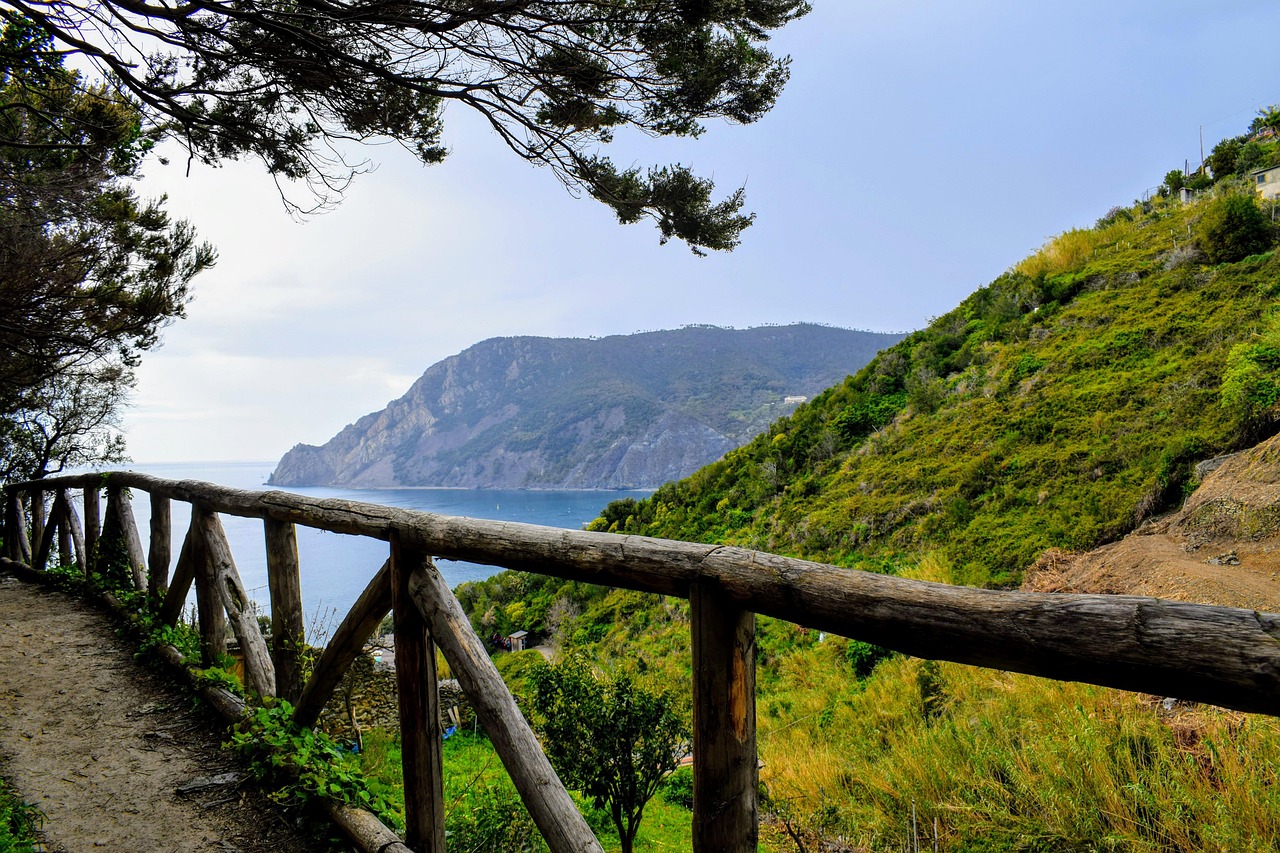
Why go: The largest Cinque Terre village with the biggest sandy beaches—great for families and sun-lovers.
Getting there: 5–10 minutes by train from Vernazza; boats also run in season.
What to do: Beach time, promenade strolls, exploring the old town, and visiting the giant Neptune statue carved into the rocks.
Corniglia
Why go: The quietest Cinque Terre village, perched high above the sea with terrace views.
Getting there: Quick train ride plus a long staircase or shuttle from the station.
What to do: Wander narrow alleys, enjoy scenic terraces, and savor a long lunch away from the bigger crowds.
Manarola
Why go: Spectacular cliffside views and famously photogenic harbor.
Getting there: Short train ride from Vernazza.
What to do: Stroll up to the panoramic path above the harbor, enjoy wine bars with sunset views, swim off the rocks.
Riomaggiore
Why go: Dramatic vertical village with a picturesque harbor and good viewpoints.
Getting there: Train from Vernazza via at least one other village depending on schedules.
Portovenere
Why go: A stunning seaside town often considered the “sixth” Cinque Terre, with a gorgeous church on a rocky promontory and views toward the islands.
Getting there: Seasonal boats (check 2026 timetables) or train to La Spezia then bus/boat.
Levanto
Why go: Larger beach, surf culture, and a more local, less touristy feel.
Getting there: Short train ride northwest from Vernazza.
What to do: Rent bikes, enjoy the long beach, and stock up at larger supermarkets if you’re self-catering.
Cultural Etiquette & Local Customs in Vernazza
Respecting local customs in Vernazza makes your visit smoother and more meaningful. Here are some key points I’ve learned over multiple stays.
- Greetings: A simple “Buongiorno” (morning/early afternoon) or “Buonasera” (later afternoon/evening) when entering shops or restaurants is appreciated.
- Dress: Beachwear is for the beach. Cover up in the village and especially in churches.
- Quiet hours: Vernazza is tiny; sound travels. Keep noise down late at night and early morning in narrow lanes.
- Restaurant customs: You’re not rushed; lingering is normal. Ask for the bill (“Il conto, per favore”) when you’re ready—waiters rarely bring it unprompted.
- Tipping: Not obligatory like in some countries. Rounding up or leaving 5–10% for good service is appreciated but not required.
- Photography: Be mindful of pointing cameras into people’s windows or private spaces. Ask before photographing individuals.
- Trail etiquette: Stay on marked paths, don’t pick grapes or olives, and yield politely on narrow segments.
Practical Travel Tips for Vernazza (2026)
Getting There & Getting Around
Arriving by train: For most travelers, the easiest way is via La Spezia (from the south) or Levanto (from the north). Regional trains run frequently in season; in shoulder season, slightly less so.
By car: Vernazza itself is essentially car-free for visitors. If you must drive, park in a paid lot above the village (spaces are limited) or in nearby towns and come by train. Driving into the Cinque Terre’s narrow roads is stressful and not recommended unless necessary.
Getting around:
- On foot within Vernazza—distances are tiny, though stairs can be steep.
- By train between villages and to La Spezia/Levanto.
- By boat in season along the coast.
- By hiking trails, if you’re up for physical effort and conditions allow.
How to Save Money in Vernazza
- Visit in shoulder seasons (April–early June, late September–October) for lower accommodation prices and fewer crowds.
- Stay in a room or apartment slightly up the hill rather than right on the harbor.
- Do bakery/deli breakfasts and lunches; save restaurant splurges for dinner.
- Refill a reusable water bottle at public fountains marked “Acqua potabile”.
- Use regional trains instead of tourist-focused boat tours when possible.
SIM Cards & Connectivity
SIM options (2026):
- Buy an Italian SIM (TIM, Vodafone, WindTre, Iliad) in larger towns like La Spezia or Levanto.
- EU travelers can often roam on their home plans without extra fees.
- eSIMs are increasingly common and convenient for non-EU visitors—set them up before arrival.
Vernazza has decent 4G/5G coverage in most spots, though it can be patchy on certain trails or deep in valleys. Many accommodations offer Wi‑Fi, but speeds can vary.
Public Transport & Car Rental
Public transport: Trains are your main tool along the Ligurian coast and into the Cinque Terre. In season, consider Cinque Terre train passes if you’ll be hopping between villages constantly; otherwise, pay per ride.
Car rental: If you plan to explore inland Liguria or Tuscany before/after Vernazza, you might rent a car elsewhere and drop it before entering the Cinque Terre region. Driving and parking directly in Vernazza is more hassle than it’s worth for most visitors.
Visa Requirements & Driving Licenses
Visas (as of 2026):
- EU/Schengen citizens can enter and stay freely.
- Many other nationalities (including US, Canada, UK, Australia, New Zealand, Japan, etc.) can visit visa-free for up to 90 days within the Schengen Area, subject to ETIAS or similar pre-authorizations once implemented.
- Always check up-to-date requirements from official government sources before traveling.
Driving licenses:
- EU licenses are valid in Italy.
- Non-EU visitors generally need their home license plus an International Driving Permit (IDP) to rent and legally drive.
Best Seasons & What They’re Good For
Spring (April–June):
- Ideal for hiking—mild temperatures, wildflowers, and fewer crowds than summer.
- Some businesses open gradually in early spring; by May, most are running.
Summer (July–August):
- Best for swimming and long, lazy evenings outdoors.
- Also the busiest and hottest—expect crowds and higher prices.
Autumn (September–October):
- Wonderful mix of warm seas, easier hiking, and harvest season in the terraces.
- My personal favorite time for a 3–5 day itinerary for Vernazza.
Winter (November–March):
- Much quieter; some businesses close or reduce hours.
- Can be charming if you like solitude and cooler weather, but check what’s open before committing.
Summary & Final Recommendations: When & How to Visit Vernazza
Vernazza is small, but its impact lingers. With its harbor-square life, cliffside trails, terraced vineyards, and deeply rooted traditions, it offers far more than a day-trip photo stop.
Best time to visit:
- For hikers & photographers: April–early June, late September–October.
- For swimmers & sun-seekers: June–September (with July–August being hottest and busiest).
- For quiet, reflective trips: Late October–March, bearing in mind limited services.
Ideal stay length:
- 3 days in Vernazza: Enough to savor the village, hike one trail, and feel oriented.
- 4 days in Vernazza: Adds breathing room and a deeper connection to local life.
- 5 days in Vernazza: Lets you truly settle in, explore nearby towns, and adopt a local rhythm.
However you structure your 3–5 day itinerary for Vernazza, leave room for serendipity: a longer-than-planned coffee on the piazza, an impromptu swim, or a quiet hour at the sanctuary above the village. Those are the moments that, years later, will make you smile when you hear the word “Vernazza.”