Why Visit Zanzibar in 2026
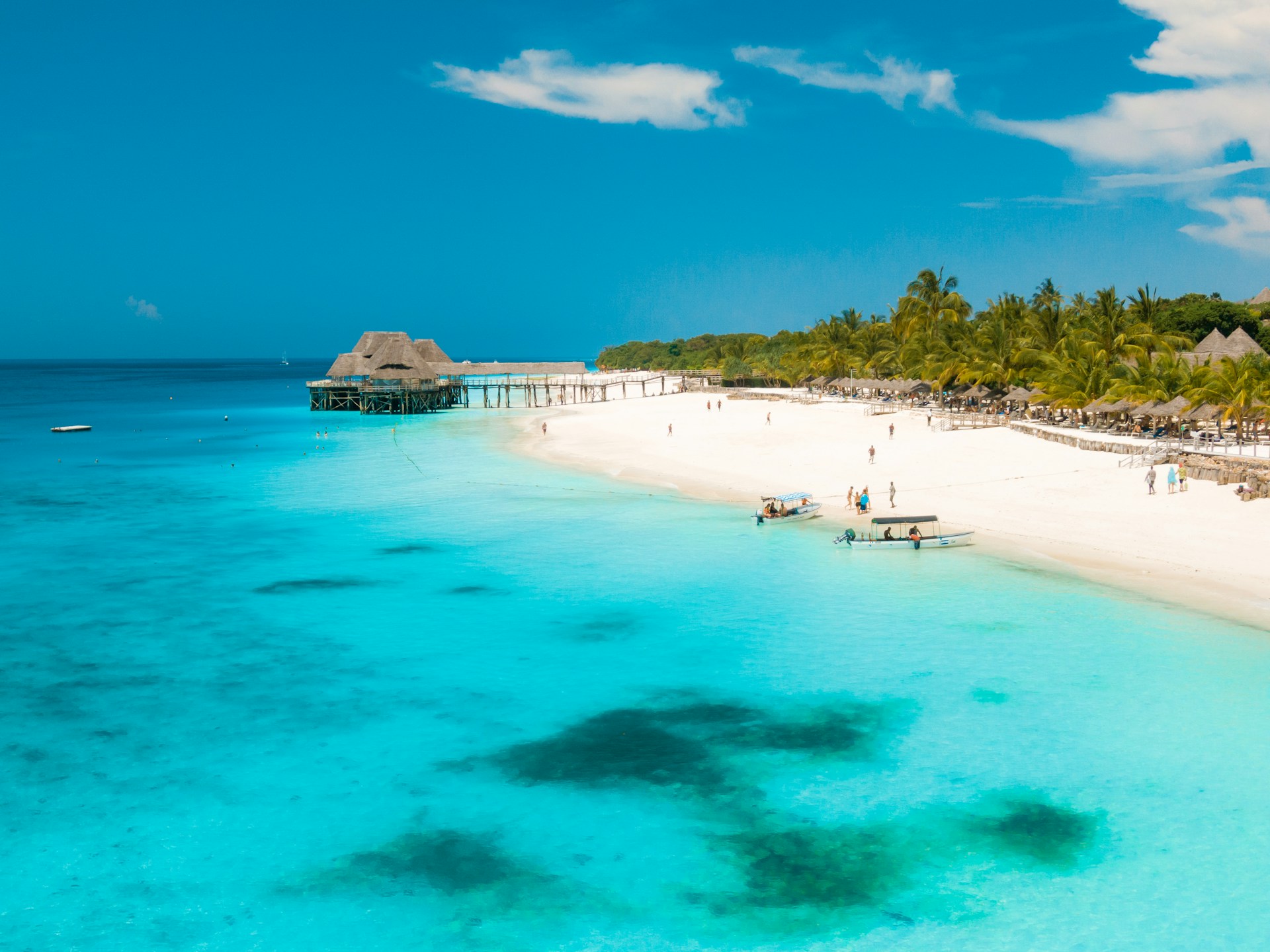
Zanzibar is where the Indian Ocean glows turquoise, the air smells of cloves and cardamom, and call-to-prayer blends with reggae from beach bars. It’s one of those rare places that still feels like a crossroads: African, Arab, Indian, and European influences woven into everyday life.
I’ve been coming back to Zanzibar for over a decade, and every return trip inched me closer to staying longer “just one more month.” In 2026, the island is in a particularly sweet spot: improved infrastructure and boutique hotels, yet plenty of quiet villages, unpaved roads, and wild stretches of reef where you can still feel wonderfully far from home.
Whether you’re planning 3 days in Zanzibar for a quick post-safari escape, a 4 day itinerary for Zanzibar that balances culture and beaches, or a longer 5 day itinerary for Zanzibar with diving, spice farms, and hidden villages, this guide is written like I’m walking you through the island as a friend who’s lived here on and off.
In this 2026 travel guide for Zanzibar, you’ll find:
- Detailed multi-day itineraries (3, 4, and 5 days in Zanzibar) with hour-by-hour suggestions.
- Stories and practical tips for over 20 of the must-see attractions in Zanzibar.
- Neighborhood-by-neighborhood breakdowns of Stone Town and the beach areas.
- What to eat, from iconic seafood feasts to the best local food in Zanzibar at tiny family-run spots.
- Honest advice on costs, sim cards, getting around, and local customs in Zanzibar.
Table of Contents
- Why Visit Zanzibar in 2026
- Suggested Itineraries (3, 4, and 5 Days in Zanzibar)
- Top 20+ Attractions & Experiences
- Neighborhoods & Areas to Explore
- Best Local Foods & Where to Eat
- Nightlife, Entertainment & Cultural Experiences
- Day Trips & Nearby Adventures
- Cultural Etiquette & Local Customs
- Practical Travel Advice (Money-Saving, SIM, Transport, Visas)
- What’s New & Upcoming Events 2026–2027
- Summary & Best Time to Visit
Suggested Itineraries: 3, 4, and 5 Days in Zanzibar
These itineraries are built from actual trips I’ve taken between 2018 and 2025, updated for 2026. Mix and match days depending on whether you want more culture, more beach, or more adventure.
3 Day Itinerary for Zanzibar: Stone Town & Classic Beach Escape
If you only have 3 days in Zanzibar, focus on Stone Town’s history and one beautiful beach. This is my go-to plan when friends fly in after a safari in the Serengeti.
Day 1 – Stone Town’s Labyrinth & Sunset on the Rooftops
I usually land around midday. The first thing that hits you is the humidity and then that warm, spicy smell I’ve never found anywhere else. Drop your bags in Stone Town (I often stay near Shangani or Vuga Road so I can walk everywhere) and head straight into the maze.
- Morning/Afternoon: Wander Stone Town, visit the Old Fort, the House of Wonders exterior (still undergoing restoration in 2026), and the Old Dispensary’s carved balconies. Duck into back alleys where kids play football and women in colorful kangas chat on doorsteps. This is where you’ll start to see the famous Zanzibari doors.
- Late Afternoon: I love to walk along the seafront promenade in Forodhani Gardens. Grab a sugarcane juice and watch the local boys launch themselves into the sea.
- Evening: For a first dinner, try a rooftop restaurant overlooking the harbor. Order octopus curry, coconut rice, and a fresh passionfruit juice. Sunset here is almost theatrically beautiful.
Tip: Stone Town is compact. You won’t need a car; walking is the joy. Just give yourself permission to get lost—every twist of alley offers its own tiny “hidden gem in Zanzibar.”
Day 2 – Prison Island & Beach Time at Nungwi or Kendwa
On my second day, I try to balance activity and beach laziness.
- Morning: Take a boat from Stone Town to Prison Island (Changuu) to meet the giant tortoises and snorkel. It’s touristy, but the water is a ridiculous shade of blue.
- Afternoon: Head straight from Stone Town up to the north coast—Nungwi if you like bustle and bars, Kendwa if you prefer more space and soft sand. Settle into your hotel and take your first proper swim.
- Evening: In Nungwi I often walk down to the dhow-building beach to watch the last boats come in, then eat grilled fish with pilau and kachumbari (tomato-onion salad) at a simple beachside shack.
Tip: Book your Stone Town hotel and north coast hotel in advance, and ask your second hotel to arrange the transfer—it’s often cheaper than booking on the spot.
Day 3 – Snorkeling, Sailing & Sundowners
The last of your 3 days in Zanzibar should be spent in the water as much as possible.
- Morning: Join a snorkeling or diving trip to Mnemba Atoll (especially good from Matemwe, Nungwi, or Kendwa). Even when I’ve seen it many times, I still get excited when I spot dolphins riding the bow wave.
- Afternoon: Lunch back on shore—try coconut-crusted fish or Swahili-style prawn curry. Spend the rest of the afternoon in a hammock with a book.
- Evening: End with a sunset cruise on a traditional dhow. The sail snaps in the wind, the sky turns gold to purple, and it’s hard not to start planning your return.
If you’re squeezing in a 3 day itinerary for Zanzibar between other big trips, this is a great balance of culture, sea, and rest.
4 Day Itinerary for Zanzibar: Culture, Spice & Two Coastlines
With 4 days in Zanzibar, you can add the spice farms and one more coastal area—my pick is the east coast for its long, tide-swept beaches.
Day 1 – Deep Dive into Stone Town
Spend your first day really getting under Stone Town’s skin: visit the former slave market, chat with wood carvers in their shops, and eat lunch at a tiny local diner where the menu changes daily. I’ll cover the details in the Stone Town section below.
Day 2 – Spice Farm & Village Visit
This is one of my favorite days to do with friends, because it connects the postcard beaches to the island’s working heart. Join a spice tour just outside Stone Town—walk through fields of cloves, cinnamon, nutmeg, and henna. Eat a home-cooked Swahili lunch in the village, usually rice, spiced vegetables, and fresh fruit.
Day 3 – East Coast Beaches (Paje, Jambiani, or Bwejuu)
Transfer to the east coast. Paje is kitesurfer-central with a youthful vibe; Jambiani is quieter and more local; Bwejuu is somewhere in between. I tend to stay in Jambiani for the village feel, then wander up to Paje for cafes and a bit of nightlife.
Day 4 – Lagoon, Reef & Local Life
Take a reef walk at low tide with village women collecting seaweed, or go out on a ngalawa (local outrigger canoe). Have lunch at a beach shack—ask for whatever fish came in that morning. If you’re flying out, arrange a late transfer back to the airport.
5 Day Itinerary for Zanzibar: The Full Island Flavour
5 days in Zanzibar lets you slow down and fold in more cultural experiences in Zanzibar, plus one good adventure day.
Day 1 – Stone Town Arrival & Sunset
As in the 3 day itinerary—get oriented, wander, eat, and soak up the atmosphere.
Day 2 – History & Hidden Courtyards
Visit the Old Slave Market and Anglican Cathedral, then spend time exploring lesser-known streets near Kariakoo or Mnazi Moja where you’ll find crumbling Indian-style mansions and small mosques. I like to end this day on a quiet rooftop with spiced tea rather than a big night out.
Day 3 – Spice Farm & Changuu Island
Combine the spice tour in the morning with an afternoon trip to Prison Island. This is a long but rewarding day; you’ll sleep well.
Day 4 – East Coast Adventure
Base yourself in Paje or Jambiani. Kitesurf, snorkel, or simply walk the low-tide sand flats that seem to go on forever. If you’re adventurous, book a freediving or scuba diving introduction.
Day 5 – Jozani Forest & South Coast
Visit Jozani Chwaka Bay National Park for the red colobus monkeys, then continue to Kizimkazi for dolphin-watching (ethically—more on that later) or a quiet lunch at a clifftop cafe. This day is a favorite with families: monkeys, short walks, and gentle boat rides.
Top Attractions & Experiences in Zanzibar (20+ Detailed Highlights)
Here are the core places and experiences I return to again and again. Each sub-section reads like a mini-guide with history, atmosphere, and practical tips.
1. Stone Town (Historic Center)
Stone Town is the island’s soul: a compact warren of alleys, coral-stone houses, carved doors, and balconies leaning so close you can gossip across the street. I’ve stayed here in rainy seasons and in the middle of peak holidays, and each time I find a new courtyard or crumbling facade I swear I’ve never seen before.
History & Significance: Once the capital of the Sultanate of Zanzibar and a major hub in the Indian Ocean trade, Stone Town absorbed influences from Oman, India, Persia, and Europe. It’s now a UNESCO World Heritage Site. Look closely and you’ll see Indian-style wooden balconies, Omani-style doors with brass studs, and British-era civic buildings all within a few minutes’ walk.
What I usually do here:
- Get lost on purpose: I start around the Old Fort and walk away from the sea, picking alleys at random. The calls of “jambo!” from kids and the smell of frying sambusas guide you along.
- Door-hunting: The famous Zanzibari doors are best appreciated slowly: floral patterns, Qur’anic verses, and the occasional slightly menacing brass spikes (once for defense, now mostly decorative).
- Coffee breaks: I tuck into a tiny local cafe and order spiced black coffee, often served from a brass pot, sometimes with cardamom or ginger.
Family-friendly? Yes, but watch kids on the narrow lanes and traffic on outer roads. Local children are usually happy to make instant friends.
Romantic? Very. Think sunset rooftops, candlelit courtyards, and quiet balconies.
Adventurous? In a cultural sense: getting comfortable with the maze, the noise, and the occasional goat wandering past.
Practical Tips: Stone Town is conservative; dress modestly (shoulders and knees covered) away from the seafront and hotel pools. The alleys are safe by day; at night I stick to better-lit streets and the waterfront. Carry small bills for water, street food, and tips.
2. Forodhani Gardens & Night Food Market
Every evening, as the sun slides into the ocean, Forodhani Gardens transforms from a sleepy seafront park into Stone Town’s busiest kitchen. The first time I came here I thought, “This is what every backpacker blog was trying to describe but never quite captured.”
What to Eat:
- Zanzibar pizza: A strange and glorious mix between a crepe and a stuffed omelette, fried on a hotplate with your choice of fillings. I’m partial to the veggie-egg-cheese combo.
- Urojo (Zanzibar mix): A thick, tangy soup with fritters, boiled egg, potatoes, and crunchy bits on top. Look for the busiest stall; that’s usually the best.
- Fresh sugarcane juice: Pressed to order, often with a hint of lime or ginger.
- Grilled seafood: Lobster, calamari, octopus, and fish skewers laid out on tables. Prices are negotiable; always confirm before they start grilling.
My routine: I usually arrive just before sunset to watch the local kids diving off the sea wall, then do a loop to check prices at a few stalls before committing. I avoid anything that looks like it’s been sitting out too long and stick to grilled food and piping-hot dishes.
Tips: This is a very public, mixed-gender space, so casual modest clothing is appreciated. Carry small Tanzanian shilling notes. Stalls will call out for your attention; a friendly “asante, nimeshiba” (thanks, I’m full) works wonders if you’re just browsing.
3. Old Fort (Ngome Kongwe)
The Old Fort feels like a heartbeat of Stone Town—crenellated walls, a small amphitheatre, art stalls, and locals cutting through on their way somewhere else. I often end up here without planning to, just because it sits so centrally by the waterfront.
History: Built in the late 17th century by the Omanis on the ruins of a Portuguese church, the fort defended the town from rival powers. Later it was used as a prison and a railway terminal; now it’s an arts and cultural hub.
Why go:
- To wander the courtyard and browse local crafts (kanga fabrics, paintings, wood carvings).
- To catch live performances during festivals or special events.
- For one of the best quick visual overviews of Stone Town’s layered history.
Tip: Come in the late afternoon when the heat softens. If you’re here during Sauti za Busara or the Zanzibar International Film Festival, this is where much of the magic happens.
4. House of Wonders (Beit-al-Ajaib)
The House of Wonders has long been Stone Town’s most iconic façade—white columns, spacious verandas, and a proud clock tower facing the sea. It’s also been one of its saddest stories, partially collapsed and closed for years. As of 2026, restoration is ongoing but the exterior remains striking.
History: Built in 1883 for Sultan Barghash bin Said, it was the first building in Zanzibar to have electricity and an elevator. For years it housed the Museum of History and Culture of Zanzibar and the Swahili Coast.
My experience: I remember wandering its echoing halls before the collapse, gazing at old dhows and sultan’s artifacts. Now I tend to stand across at Jubilee Gardens and watch kids playing as the sun sets behind the scaffolding. It’s a reminder that heritage is fragile—but also that the island is committed to preserving it.
Tip: Even if the interior is still closed during your visit, the building is a key stop on any Stone Town walking tour. Ask your guide for stories about the shortest war in history, the 1896 Anglo-Zanzibar War, which lasted around 38 minutes and left its mark here.
5. Prison Island (Changuu)
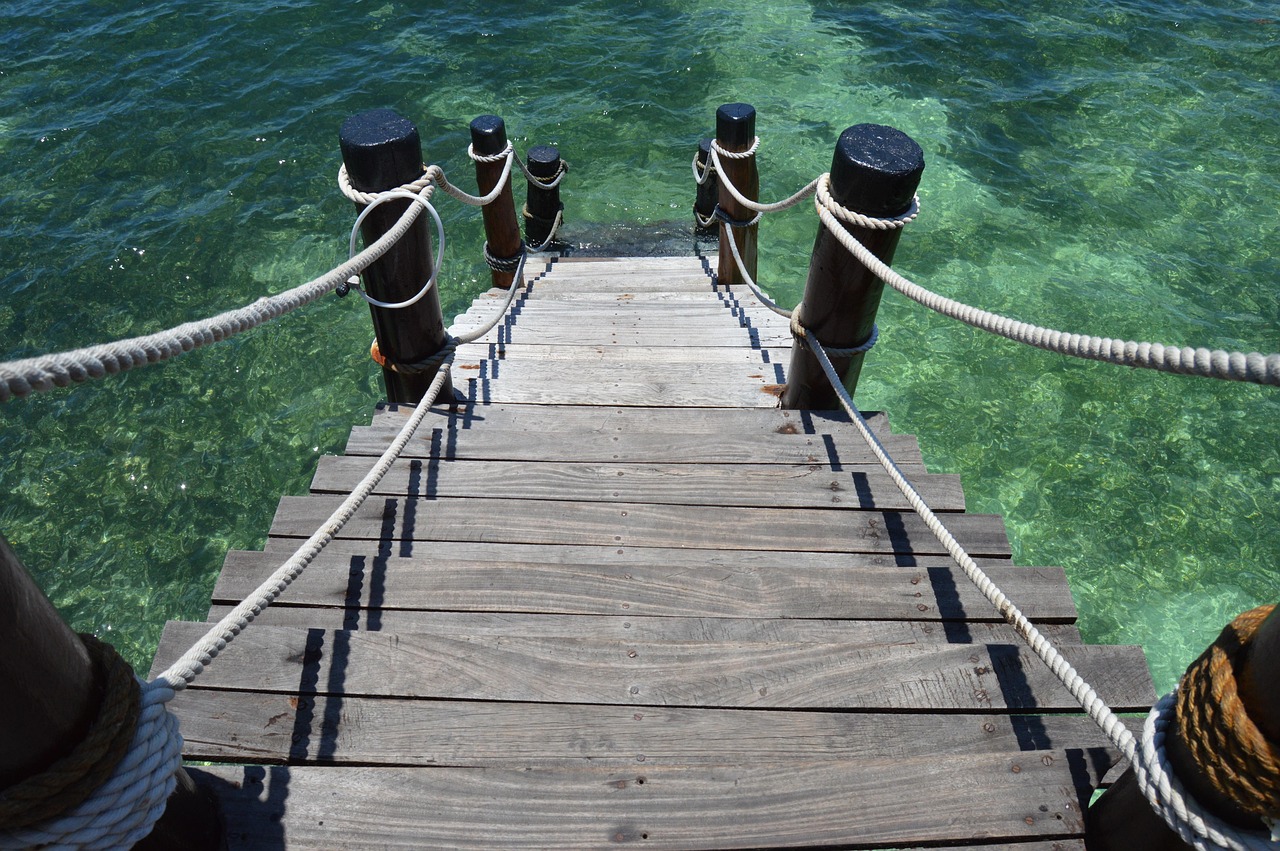
Prison Island is one of those places that’s more pleasant than its name suggests. A short boat ride from Stone Town, it’s famous for giant Aldabra tortoises and shallow turquoise waters.
History: The island was once intended as a prison for rebellious slaves and later used as a quarantine station for yellow fever. The prison was never fully used as intended, and today its ruins add a touch of melancholic history to an otherwise idyllic setting.
What I like to do:
- Visit the tortoise sanctuary—some of these gentle giants are over a century old.
- Walk the short forest trail to glimpse peacocks and views back to Stone Town.
- Snorkel off the beach; the water visibility can be excellent on calm days.
Family-friendly? Very. Kids love feeding the tortoises (gently!) and splashing in the shallows.
Tips: Go early to avoid midday heat and crowds. Bring reef-safe sunscreen, water shoes if you have sensitive feet, and your own snorkel mask if you’re particular about hygiene. Always book with a reputable operator; you can arrange at the waterfront or through your hotel.
6. Jozani Chwaka Bay National Park
Jozani Forest is where Zanzibar feels ancient. Sunlight filters through tall trees, roots tangle underfoot, and the air is filled with birdsong and the rustle of monkeys. I’ve walked this forest in light rain and bright sun; the magic is the same.
Highlight: The endemic Zanzibar red colobus monkey, with its rust-colored back and expressive face. They’re surprisingly unbothered by humans and often sit very close to the path, grooming each other or snacking on leaves.
What the visit includes:
- A guided forest walk on a well-marked trail.
- A boardwalk through mangroves if tides allow, where crabs scuttle and roots form intricate sculptures.
- Insight into the park’s conservation efforts and the importance of this remaining patch of indigenous forest.
Family-friendly? Yes—paths are easy and guides are good at engaging children.
Tips: Wear closed shoes and light, long sleeves (mosquitoes can be active). Pair this with a trip to the east or south coast for an easy half-day excursion.
7. Nungwi Beach
Nungwi is where the island feels wide open: a long curve of sand, dhows bobbing at anchor, and a mix of simple guesthouses and polished resorts. When I crave a bit of energy after quiet days on the east coast, I drift back up here.
Vibe: Social, lively, and varied. Backpackers, honeymooners, and families all share the same beach, though in slightly different pockets.
Things to do:
- Walk to the dhow-building yards and watch craftsmen shaping boats by hand.
- Swim at almost any tide (unlike much of the east coast, tidal variation is smaller here).
- Join a sunset cruise or fishing trip with local captains.
- Dive or snorkel at Mnemba Atoll with one of many dive shops in the village.
Nightlife: Beach bars with music, shisha, and occasional bonfires. It’s not wild by global standards, but it’s the liveliest stretch of sand on the island.
Tip: For a quieter stay, book slightly away from the main strip and walk in for dinners and drinks.
8. Kendwa Beach
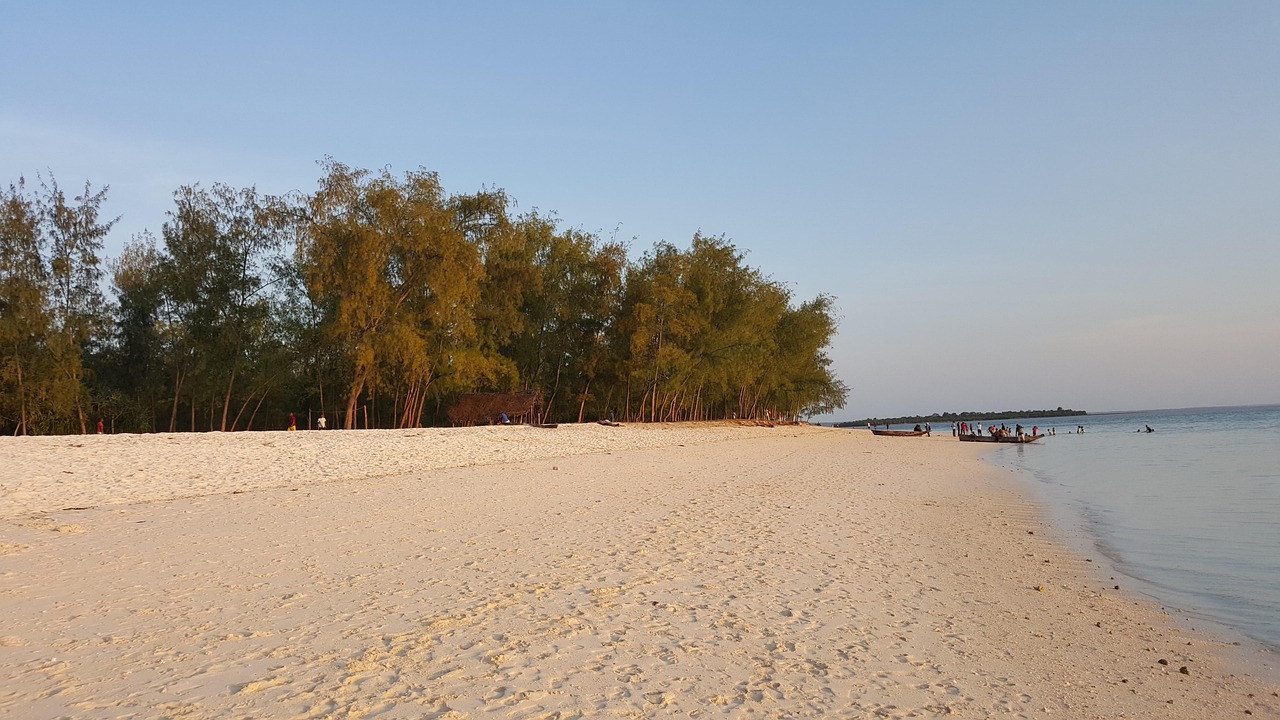
Kendwa, just south of Nungwi, is where I go when I want Nungwi’s beautiful water but more space and quieter nights (except during the legendary full moon parties).
Vibe: Relaxed, open, and great for sunset. The sand is soft and the slope gentle, so swimming is easy at almost any time.
Highlights:
- Long, lazy beach days with minimal hassle; beach hawkers are less persistent here than in some other spots.
- Boat trips that pick you up directly from the sand.
- Clear, calm water that’s perfect for families and less confident swimmers.
Tip: If you’re sensitive to noise, avoid staying right next to venues that host full moon parties; check dates in advance (they’re well-advertised).
9. Paje Beach
Paje is where the ocean becomes a playground. At low tide, the sea retreats to reveal vast sand flats; at high tide, the lagoon fills with kitesurfers catching the steady trade winds. The first time I walked Paje at dawn, I felt like I’d stepped onto another planet—misty, quiet, and endless.
Vibe: Youthful, sporty, and international. Think barefoot travelers, digital nomads with sand in their laptops, and a thriving kitesurfing scene.
Things to do:
- Take a kitesurfing lesson if you’ve ever been curious; Paje is one of the best spots in East Africa to learn.
- Eat smoothie bowls for breakfast and Swahili curries for dinner.
- Walk to neighboring Bwejuu or Jambiani at low tide, watching seaweed farmers at work.
Tip: The lagoon is shallow at low tide; check tide times if you want deep-water swims. Many hotels post daily tide charts.
10. Jambiani Village & Beach
Jambiani has my heart. It’s still very much a real village—with fishermen, schoolkids, and women tending cooking fires—wrapped around a gorgeous, pale beach. I’ve spent weeks here just slipping into the rhythm of early mornings and quiet nights.
Vibe: Authentic, slow, and community-oriented. There are small guesthouses and a few boutique hotels, but no mega-resorts.
What I love:
- Walking the beach at sunrise, when fishermen return with the night’s catch.
- Buying chapati and mandazi (fried dough) from local women at roadside stalls.
- Joining a village walk or cooking class organized by community-based tourism groups.
Tip: Respect that this is a living village: dress modestly off the beach, ask before taking photos of people, and support local-owned businesses where you can.
11. Mnemba Atoll Marine Reserve
Mnemba Atoll is the underwater star of Zanzibar—a ring of reef encircling a private island, with clear water, coral gardens, and frequent dolphin sightings. Even after many visits, I still get childishly excited suiting up for a dive here.
Best for: Snorkeling and scuba diving. Expect to see schools of colorful reef fish, moray eels, and if you’re lucky, turtles or dolphins.
My routine: I usually book a morning trip from Matemwe or Nungwi. We motor out, do two snorkel or dive sessions with a fruit break in between, then return by early afternoon in time for a late lunch.
Tip: The private island is off-limits; tours focus on the reef, which is what you’re really here for. Choose operators who brief on reef protection—no touching coral, no feeding fish.
12. Zanzibar Spice Farms
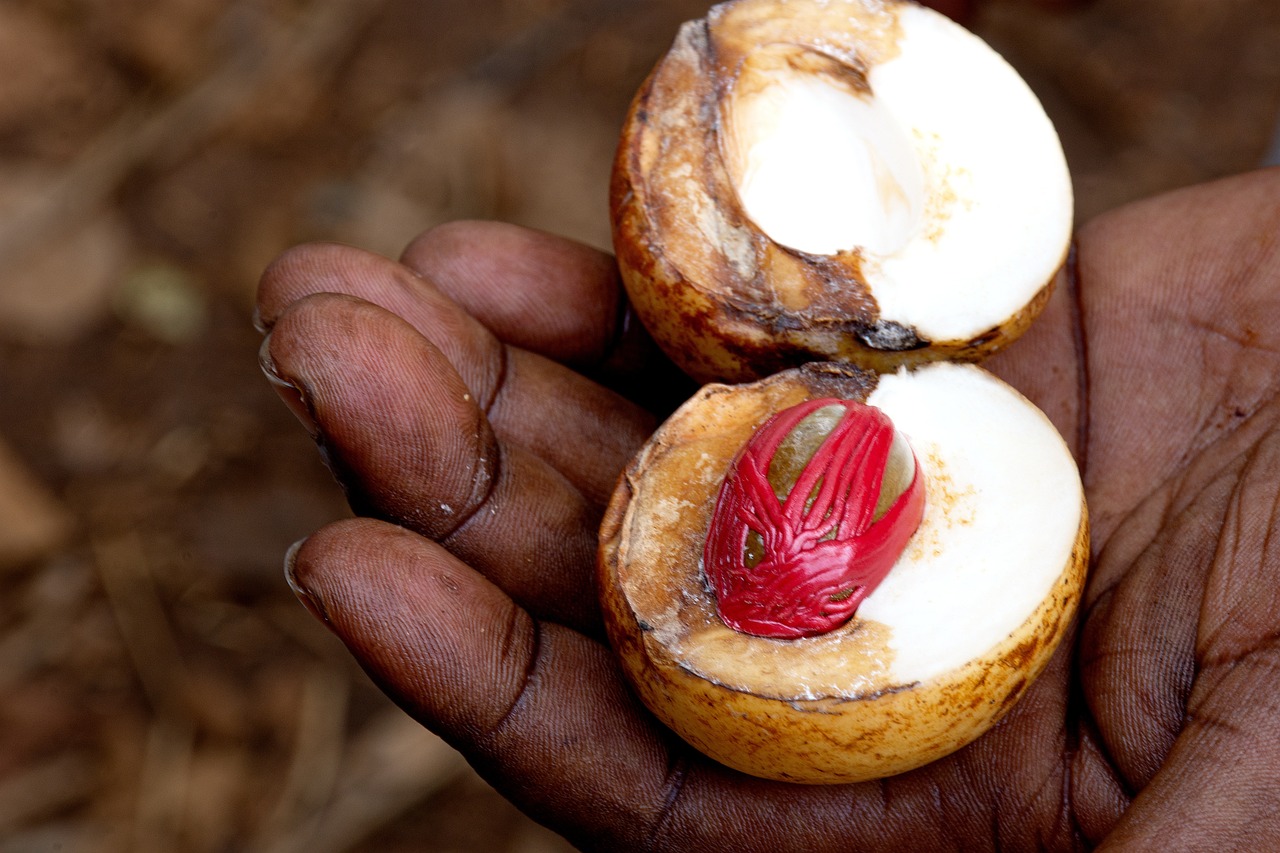
Spice tours can sound touristy on paper, but in reality I’ve always found them fun and surprisingly educational—especially the ones that end with a home-cooked lunch.
History: Zanzibar was once the world’s leading clove producer, and spices still play a big part in local agriculture and identity. Clove trees, cinnamon, nutmeg, vanilla, and cardamom all thrive here.
On a typical visit:
- You’ll walk through spice plots with a guide who plucks leaves and fruits for you to smell and taste.
- Local guys sometimes weave you palm-frond accessories—ties, crowns, handbags—for fun photos.
- You’ll finish with a simple but delicious meal: coconut sauces, spiced rice, and fresh fruit.
Tip: Ask your hotel for a reputable, locally-owned farm. Bring mosquito repellent and some cash to tip your guide and buy spices to take home (whole cloves and vanilla beans are my standard souvenirs).
13. The Rock Restaurant
The Rock is one of Zanzibar’s most Instagrammed spots—a tiny restaurant perched on a rock outcrop off Michamvi’s shore. At high tide you arrive by boat; at low tide you can walk over the sand. As skeptical as I was initially, I admit: it’s a pretty magical place for a long lunch.
Experience: Eating fresh seafood while waves lap around the rock, watching the color of the water change with the light. I usually book a midday slot, when the sun paints the ocean a vivid turquoise.
Tip: Reserve ahead in high season and confirm the tide times—arriving or leaving by boat adds to the fun. Prices are higher than average, but you’re paying for the setting.
14. Michamvi Peninsula & Sunset Bays
Most of Zanzibar’s beaches face east or north, but Michamvi has rare west-facing bays on its tip, which makes for spectacular sunsets over water. When I want a slightly offbeat, romantic couple of days, I head here.
Vibe: Quiet, with scattered lodges, mangrove-fringed inlets, and calm bays ideal for paddle-boarding and sunset dhow trips.
Tip: Combine Michamvi with visits to The Rock and nearby villages. It’s a good base if you want east-coast beaches but a bit more seclusion than Paje.
15. Kizimkazi & Dolphin-Watching
Kizimkazi, on Zanzibar’s south coast, is known for dolphin trips and one of the island’s oldest mosques. It’s also one of the places where tourism has had a more complicated impact, so it’s important to choose ethical tours.
Dolphin trips: I only go with operators who avoid chasing and encircling dolphins, and who follow guidelines on distance and time spent near pods. Swimming with dolphins can be magical, but not at the expense of their wellbeing.
Other reasons to visit: The clifftop views, quiet coves, and a sense of remoteness from busier resort areas. It’s a lovely day trip combined with Jozani Forest.
Tip: Ask your hotel specifically for an ethical operator and be prepared to skip swimming if conditions or dolphin behavior make it inappropriate that day.
16. Chumbe Island Coral Park
Chumbe Island is one of my absolute favorite eco-reserves anywhere. It’s a fully protected marine park with only a handful of eco-bungalows, composting toilets, and solar everything. It’s where you go if you want to feel like a castaway—with excellent food.
Highlights:
- Snorkeling over pristine coral reefs with huge diversity.
- Climbing the old lighthouse for panoramic views.
- Guided forest walks to learn about the rare flora and birdlife.
Tip: Day trips are possible, but if your budget allows, stay overnight. The night sky out here is astonishing, and the sense of peace is hard to match.
17. Darajani & Other Local Markets
Darajani Market and surrounding streets are where you really feel the pulse of everyday life: fish laid on ice, stacks of fruits and vegetables, mounds of spices, and vendors calling out prices over the hum.
What I like to do:
- Buy fresh fruit—mangoes, passionfruit, jackfruit—then sit on a nearby bench and snack.
- Watch the controlled chaos of bargaining over fish and meat in the covered halls.
- Pick up small bags of spice mixes (pilau masala, biryani mix) to recreate flavors at home.
Tip: Be respectful with photography; ask before photographing people or close-ups of stalls. It’s busy and a bit overwhelming—keep valuables secure and enjoy the sensory overload.
18. Zanzibari Doors & Architecture Walk
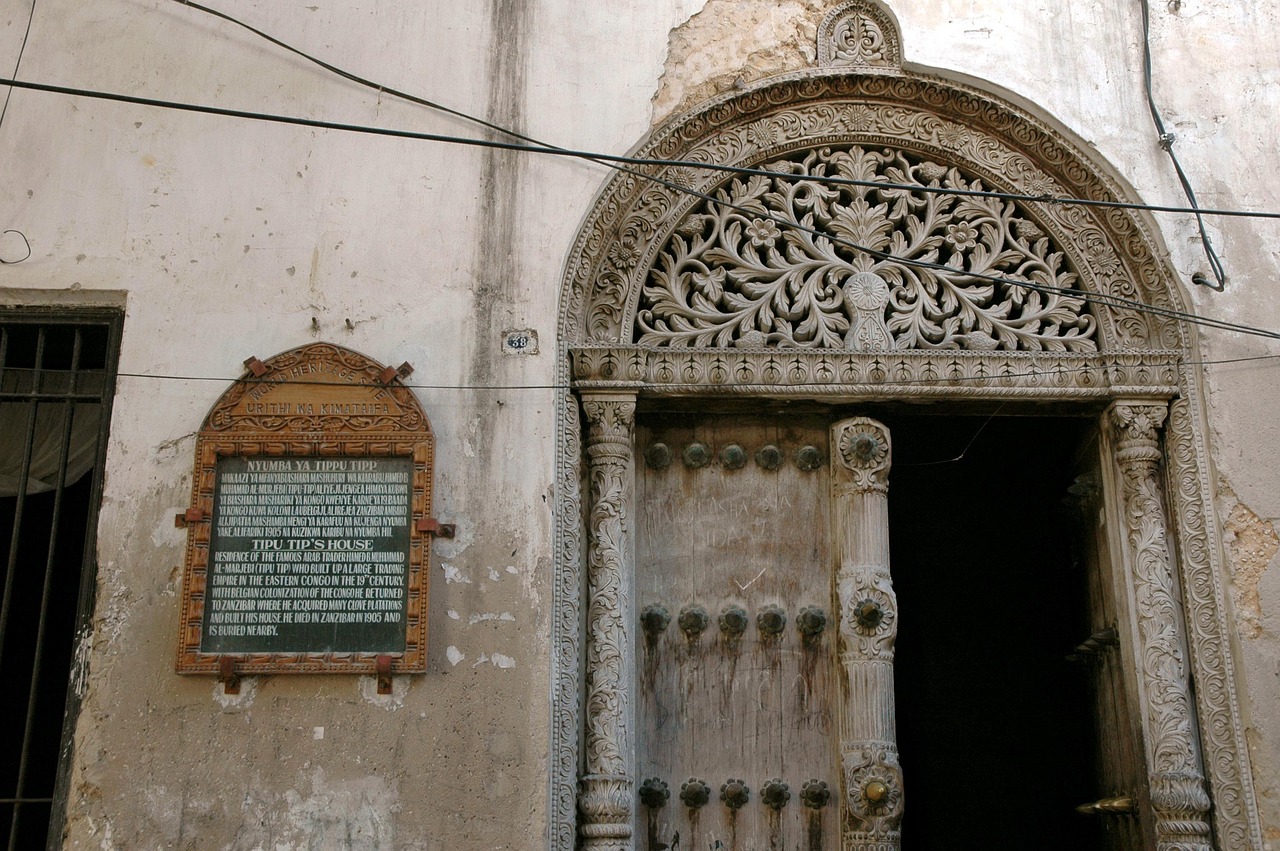
If you’re even remotely interested in architecture, carve out a couple of hours just to wander Stone Town looking at doors and balconies. I once spent an entire afternoon tracing a route from the seafront to the backstreets of Kiponda, photographing nothing but doors.
Styles: Omani-influenced doors with heavy brass studs; Indian-style doors with intricate floral carvings; and more modest, functional doors on working-class streets. Many have inscriptions in Arabic or Hindi.
Tip: Consider hiring a local guide specifically for an architecture walk; they’ll point out symbolism you’d otherwise miss.
19. Stone Town Rooftop Bars & Teahouses
Stone Town’s rooftops are where you understand its density: minarets, church spires, washing lines, and weathered roofs sprawled to the sea. Sunset up here is a ritual for me.
What to order: Tamarind juice, spiced coffee, or a chilled beer (in more international venues). For food, go for seafood skewers, coconut curries, or Zanzibari biryani.
Tip: Some rooftops are attached to hotels but allow outside guests; others are standalone restaurants. It’s worth calling ahead in peak season or arriving a bit early to snag a good table by the edge.
20. Freddie Mercury Connections
Freddie Mercury, Queen’s legendary frontman, was born in Zanzibar. Stone Town’s connection to him is now part cultural curiosity, part tourist commodity—there are a few plaques and his “birthplace house,” now a small museum and hotel.
Is it a must-see? If you’re a fan, it’s fun to pass by and imagine him as a child on these same streets. If not, it’s more of a quirky extra than an essential stop. I’ve enjoyed the occasional Queen song drifting out of a Stone Town bar at night more than the museum itself.
More Notable Spots & Experiences
- Maruhubi & Mtoni Palace Ruins: Atmospheric remnants of sultans’ palaces north of Stone Town—worth it if you love history and crumbling architecture.
- Seaweed farming tours (Jambiani/Paje): Meet women cultivating and drying seaweed for export and cosmetics.
- Traditional dhow-building yards (Nungwi): Watch craftsmen carving and assembling wooden boats.
- Local fishing trips: Go out at dawn with artisanal fishermen to understand their daily grind.
Neighborhoods & Areas to Explore in Zanzibar
Stone Town Districts
Stone Town isn’t formally divided into tourist-friendly “districts” like big cities, but each area has its own flavor.
- Shangani: Closest to the seafront hotels and Forodhani Gardens. Good for first-timers, sunset walks, and easy access to major sights.
- Kiponda: A bit deeper in, with narrower alleys and more residential homes. Feels more local and less polished.
- Vuga: East of the old core, with some colonial-era buildings, the High Court, and quieter guesthouses.
- Darajani area: Around the main market; busy, noisy, and great for feeling the commercial heartbeat.
I usually stay on the edge of Shangani and Kiponda so I can step into both the touristy waterfront and the more local interior streets within minutes.
North Coast: Nungwi & Kendwa
These villages have grown into full-fledged beach destinations, but outside of the main strips you’ll still find simple houses, goats wandering, and evening football games on the sand.
Nungwi: Best if you want easy access to tours, dive shops, and a range of restaurants.
Kendwa: Better if you want to mostly stay put and watch the world drift by on the tide.
East Coast: Matemwe, Kiwengwa, Paje, Jambiani, Bwejuu, Michamvi
The east coast is about long beaches, changing tides, and a slower pace.
- Matemwe: Quiet, upscale lodges, easy access to Mnemba Atoll.
- Kiwengwa: Long sandy stretch with a mix of Italian-influenced resorts and local guesthouses.
- Paje: Kitesurfing hub, social vibe, cafes and bars.
- Jambiani: Authentic village, community-based tourism, peaceful evenings.
- Bwejuu: Laid-back, small resorts, good for couples and families seeking calm.
- Michamvi: West-facing bays for sunsets, mangroves, and more secluded stays.
South Coast: Kizimkazi & Beyond
The south coast feels far from everything. Villages are smaller, tourism is more dispersed, and the sea can be wilder. It’s ideal if you’ve been to Zanzibar before and want a quieter, more introspective trip.
Best Local Food & Drinks in Zanzibar
Zanzibari cuisine is a delicious mix of Swahili, Omani, Indian, and coastal African influences. Over the years I’ve built a ritual of what I “have” to eat every time I land.
Must-Try Dishes
- Octopus curry (pweza wa nazi): Tender octopus in a coconut-based sauce with turmeric and mild spices.
- Pilau: Spiced rice cooked with cloves, cinnamon, cardamom, often served with meat or vegetables.
- Zanzibar biryani: Rich, aromatic rice dish with layered meat and spices.
- Urojo (Zanzibar mix): Street-food soup with crunchy fritters, potatoes, egg, and tangy sauce.
- Mandazi: Slightly sweet, fried dough — perfect with morning tea.
- Chapati: Flaky flatbread; watch them being rolled and flipped on street corners.
- Fresh seafood: Grilled fish, prawns, calamari, lobster—often caught the same morning.
Where I Love to Eat
In Stone Town:
- Family-run diners near Darajani for pilau and beans at lunchtime; inexpensive and filling.
- Rooftop restaurants in Shangani for romantic seafood dinners with a view.
- Forodhani Gardens for street-food feasts (see section above).
On the Beaches:
- Simple beach shacks in Nungwi and Kendwa where menus are written on chalkboards and fish is grilled over charcoal.
- Beach cafes in Paje and Jambiani for fusion dishes like seafood pasta with a Swahili twist or smoothie bowls with tropical fruit.
Drinks to Try
- Spiced coffee: Often laced with cardamom or cloves.
- Masala tea: Sweet, milky, and fragrant.
- Sugarcane juice: Fresh-pressed with lime and ginger.
- Tamarind juice: Tangy and refreshing.
- Coconut water: Straight from the green nut on the beach.
Money-Saving Eating Tips
- Eat your main meal at lunch in local diners; prices are lower than in tourist restaurants at night.
- Ask your guesthouse where they themselves eat—this is how I’ve found many of my favorite spots.
- Fruit from markets is very cheap; I often make a breakfast of mango, bananas, and passionfruit for a fraction of hotel buffet prices.
Nightlife, Entertainment & Cultural Experiences
Zanzibar’s nightlife is more about beach bars and live music than mega-clubs, but there’s still plenty to do after dark.
Nightlife
- Stone Town: Rooftop bars with mellow music, a few lounges where you can hear taarab or live Swahili-infused bands, and low-key sports bars for football matches.
- Nungwi & Kendwa: Beach bars, occasional parties, and full moon events with DJs and bonfires.
- Paje: Smaller beach bars with reggae, deep house, and a friendly backpacker crowd.
Cultural Experiences
- Taarab music performances: Traditional Swahili orchestral music with strings and poetic lyrics.
- Cooking classes: Learn to make coconut curries, pilau, and chapati in local homes or small schools.
- Swahili language lessons: Even a couple of hours can deepen your connection to the island.
- Village walks: Guided by locals, showing daily life beyond the beach.
Day Trips & Nearby Adventures
Chumbe Island (Eco Escape)
As described above, Chumbe is ideal for a day of snorkeling and learning about conservation, or an overnight eco-retreat.
Safari Blue (Fumba Area)
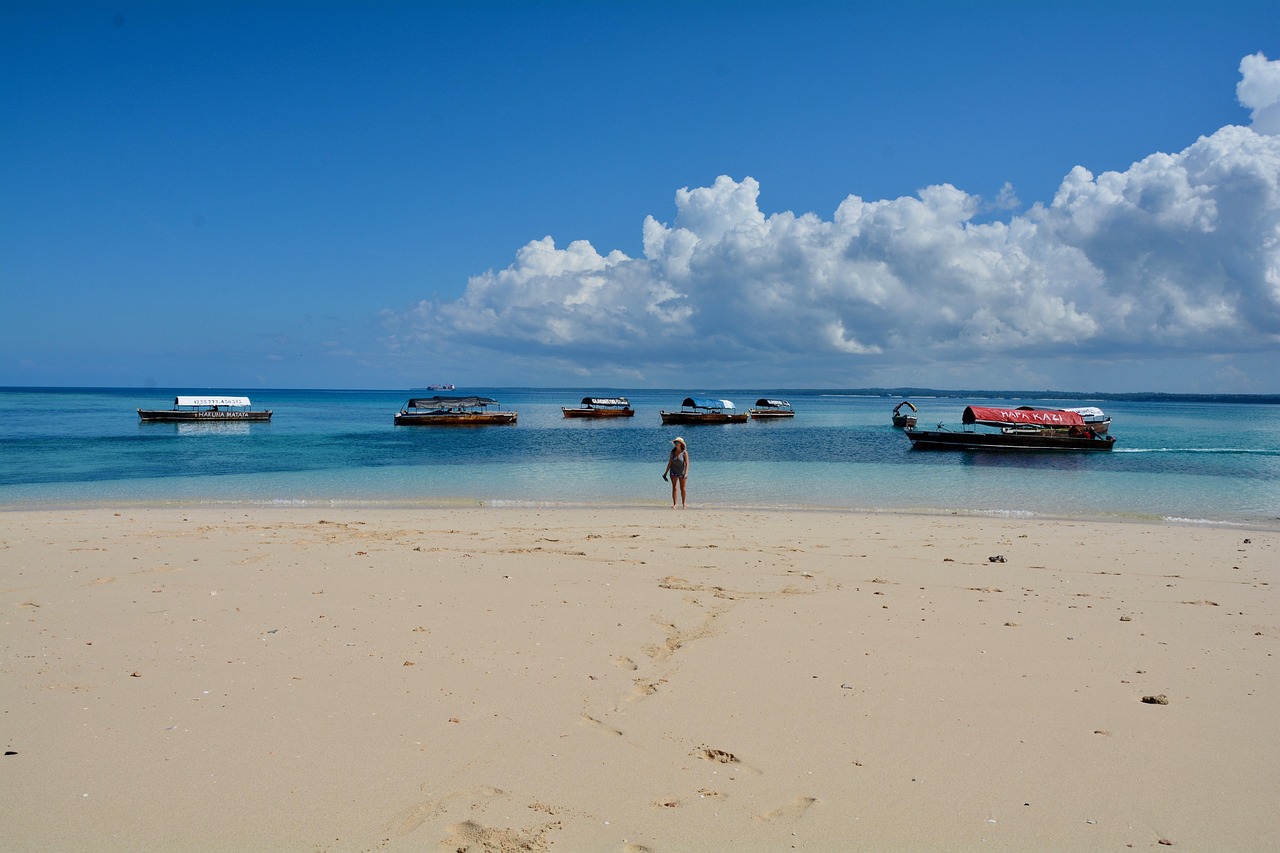
“Safari Blue” has become a generic term for full-day dhow trips in Menai Bay. You snorkel, visit sandbanks that appear and disappear with the tide, eat grilled seafood on a shaded beach, and sometimes see dolphins. It’s a crowd-pleaser for groups and families.
Chwaka Bay Mangroves
Kayak or take a small boat into the mangrove channels to see crabs, birds, and the delicate ecosystem that protects the coastline.
Cultural Etiquette & Local Customs in Zanzibar
Zanzibar is majority Muslim with a long Swahili cultural tradition. Tourist areas are relaxed, but respecting local norms goes a long way.
Dress
- On beaches and in resorts, swimwear is fine.
- In Stone Town and villages, cover shoulders and knees. Light cotton or linen is your friend.
Behavior
- Public displays of affection should be modest.
- Always ask before taking photos of people; many are happy to say yes, especially if you show them the photo.
- During Ramadan, avoid eating or drinking in front of fasting locals in very public spaces; many restaurants still serve tourists discreetly.
Language & Greetings
Basic Swahili phrases are appreciated:
- Jambo / Hujambo: Hello
- Habari: How are you?
- Asante: Thank you
- Karibu: You’re welcome / welcome
Handshake greetings are common, often softer than Western styles.
Practical Travel Advice for Zanzibar (2026)
Visas & Entry
Most visitors need a visa to enter Tanzania (which includes Zanzibar). As of 2026, many nationalities can get an e-visa online before travel or a visa on arrival at Abeid Amani Karume International Airport (ZNZ). Check the latest requirements from the Tanzanian immigration website before you fly.
Foreign Driver’s Licenses & Car Rental
Driving is on the left. To rent a car, you normally need:
- Your home country driver’s license.
- A temporary local driving permit, which rental agencies can arrange for a small fee.
Roads range from decent paved highways to patchy side roads with potholes. I only recommend self-driving if you’re experienced and comfortable with sometimes-chaotic traffic around Stone Town and roaming goats in rural areas.
Getting Around Without a Car
- Private transfers: Easiest and safest, especially at night or with luggage. Book via your hotel or reputable agencies.
- Dala-dalas (public minibuses): Cheapest but crowded and slow; great for budget travelers with time and a sense of adventure.
- Taxis: Available in Stone Town and major beach areas; always agree on a price before starting.
Saving Money
- Stay in guesthouses or locally-owned bungalows instead of international resorts.
- Eat at local diners for lunch, then splurge on one or two special dinners.
- Share tours with other travelers to split costs—dhow trips, spice tours, etc.
- Use cash for small purchases; some places charge extra for card payments.
SIM Cards & Connectivity
In 2026, coverage is decent across most of the island, though speeds can dip on remote coasts.
- Buy a local SIM (Vodacom, Airtel, Tigo, or Zantel) at the airport or in Stone Town. Bring your passport.
- Data packages are inexpensive; I usually load a couple of gigabytes at a time and top up via mobile money or scratch cards.
Money
- Local currency is Tanzanian shilling (TZS). US dollars are widely accepted at hotels and for tours, but shillings are better for markets and local eateries.
- ATMs are available in Stone Town and some larger beach areas; don’t rely on them in remote villages.
Health & Safety
- Drink bottled or filtered water; avoid ice in very local places unless you’re sure it’s safe.
- Use reef-safe sunscreen and insect repellent (especially around dusk).
- Petty theft can happen; use hotel safes, don’t leave valuables on the beach, and keep bags zipped in markets.
Best Seasons & What They’re Good For
- June–October: Dry, cooler, ideal for most travelers. Great for diving and general comfort.
- December–February: Warm, mostly dry, popular holiday season. Good for beach time and nightlife.
- March–May: Long rains; some smaller lodges close, but prices drop. Can still be beautiful if you’re flexible.
- November: Short rains; often just brief showers—green landscapes, fewer crowds.
What’s New & Upcoming Events in Zanzibar (2026–2027)
Exact dates can shift, so always check closer to your departure, but these are key fixtures in the Zanzibar calendar for 2026–2027:
- Sauti za Busara (February 2026 & 2027): A major East African music festival in Stone Town’s Old Fort, with artists from across the continent.
- Zanzibar International Film Festival (mid-2026 & 2027): Screenings, workshops, and cultural events in Stone Town, focusing on East African and Indian Ocean cinema.
- Stone Town Food & Culture Week (planned expansions 2026): An evolving series of events celebrating Swahili cuisine and heritage—expect cooking demos, tastings, and cultural performances.
- Infrastructure improvements: 2026 sees continued work on Stone Town heritage building restorations and incremental upgrades to roads connecting the east coast; allow for occasional detours but enjoy smoother rides compared to a few years ago.
Summary & Final Recommendations
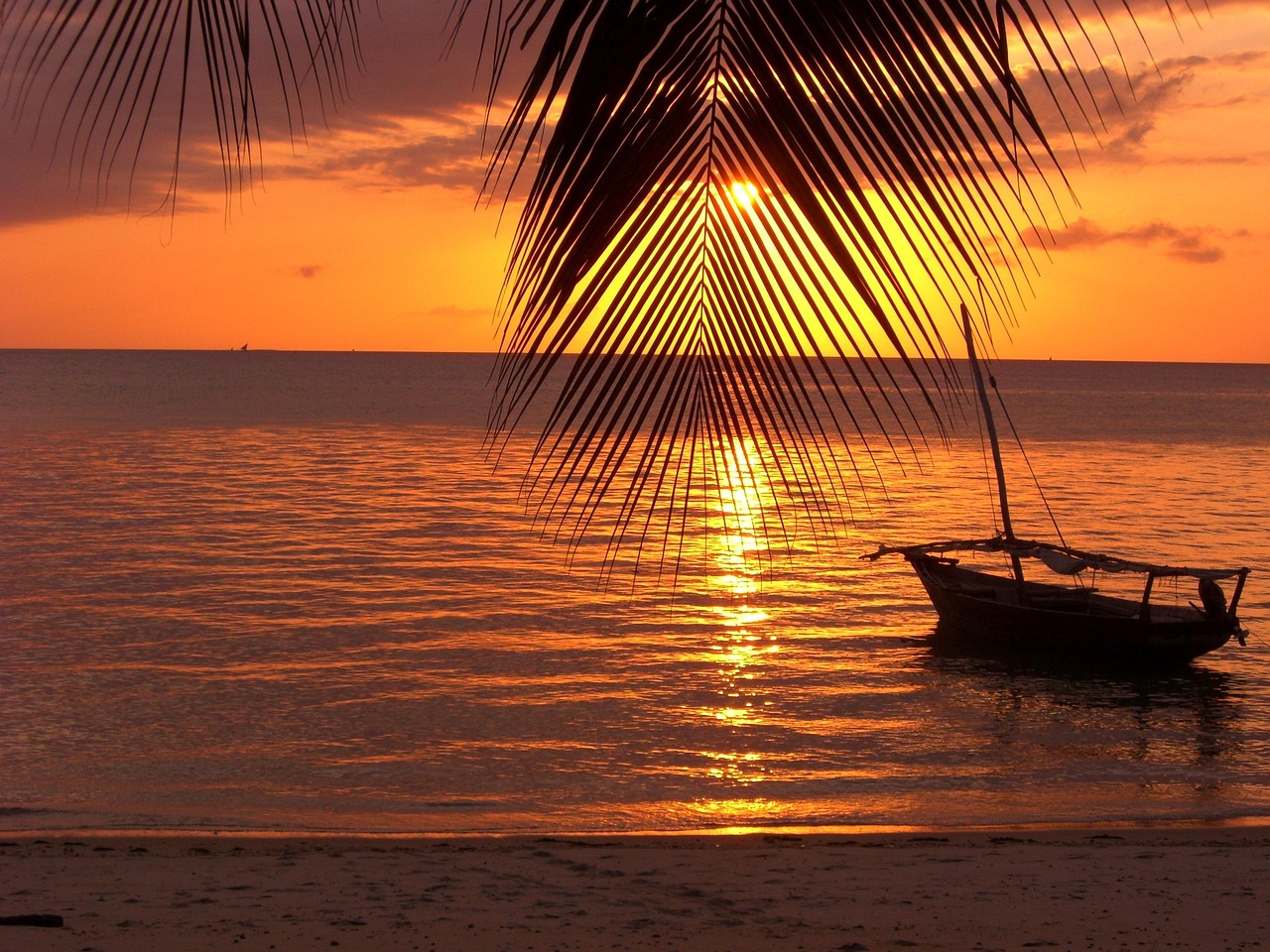
Zanzibar is more than pretty beaches. It’s the taste of clove-laced pilau, the sound of taarab drifting over rooftops, the sight of red colobus monkeys leaping across a forest path, and the feel of warm tidewater around your ankles at dawn.
For a 3 day itinerary for Zanzibar, blend Stone Town and one good beach. With 4 days in Zanzibar, add a spice farm and more time on the east coast. With 5 days in Zanzibar, slow down: walk villages, take a cooking class, snorkel at Mnemba or Safari Blue, and let the island’s unhurried rhythm reshape yours.
Best time to visit: June to October and December to February offer the most reliable weather. If you’re willing to risk some showers, November and late May bring fewer crowds and greener landscapes.
Travel gently, support local businesses, respect local customs in Zanzibar, and you’ll find that the island gives back far more than just good photos. It has a way of sending you home with salt in your hair, spices in your suitcase, and a quiet promise to return.