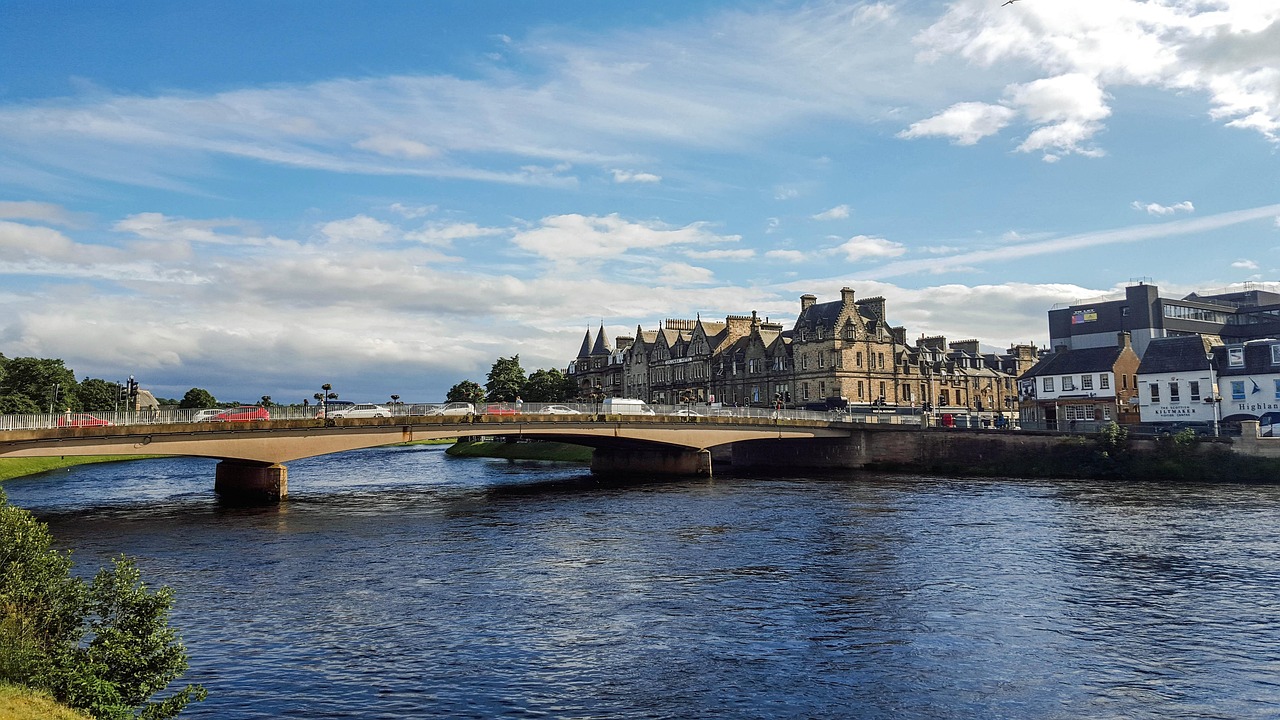
Why Visit Inverness in 2026?
I’ve lost count of how many times I’ve arrived in Inverness by train, watching the River Ness slide into view and the red-brick skyline rise against a backdrop of soft, blue hills. Every time, the city feels both familiar and entirely new. Inverness is often called the “Gateway to the Highlands,” but that undersells it. It’s not just a gateway; it’s a place worth lingering in—slow mornings by the river, golden-hour walks over stone bridges, hearty meals in snug pubs, and spontaneous conversations with locals who really will tell you their life story if you let them.
Inverness is special because it balances Highland drama with small-city comfort. Within a compact area you get a medieval castle, a fast-flowing river, wild islands where herons stalk in the shallows, a working Victorian market, live traditional music most nights, and one of the world’s most famous lakes—Loch Ness—just 20 minutes away.
2026–2027 is an especially good time to come. Post-pandemic tourism has settled into a calmer rhythm; the city has invested in riverfront paths and cycling routes; new food spots championing local produce keep opening; and major festivals are back in full swing. If you’re weighing up whether to spend 3, 4, or 5 days in Inverness, my honest answer is: as many as you can spare. This guide will help you make the most of whatever time you have.
Table of Contents
- Why Visit Inverness
- Suggested 3–5 Day Itineraries
- Neighbourhoods & Areas to Explore
- 20 Must-See Attractions in Inverness (In-Depth)
- Local Food in Inverness: What & Where to Eat
- Nightlife, Entertainment & Cultural Experiences
- Best Day Trips from Inverness
- Major Events & Festivals 2026–2027
- Cultural Etiquette & Local Customs
- Practical Travel Tips for Inverness
- Summary & Best Time to Visit Inverness
Suggested 3–5 Day Itineraries for Inverness
Below are flexible, story-style itineraries based on how I usually host friends and family when they visit. Use them as a backbone, and mix in your own interests.
3 Days in Inverness: Classic Highlights
Day 1: River, Castle & Old Town Charm
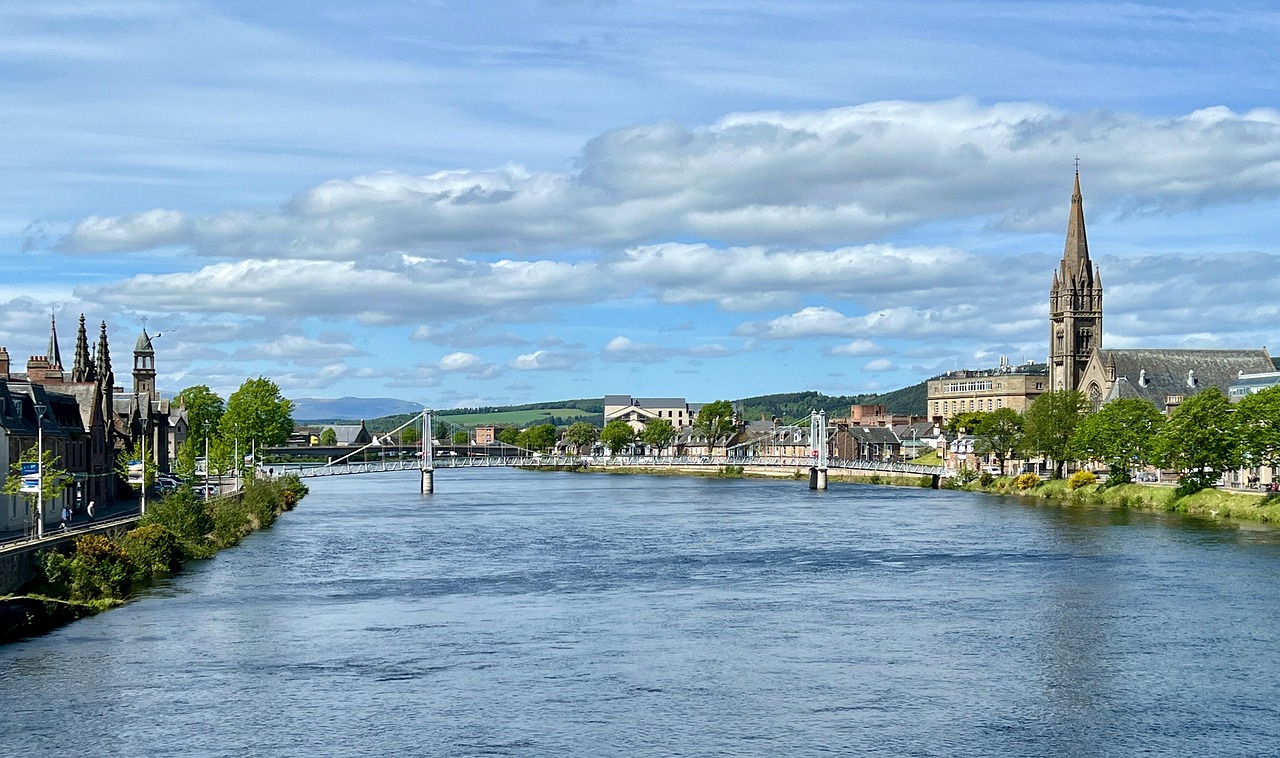
On my ideal first day in Inverness, I start early, before the coaches arrive from the cruise ships. The air is usually cool and faintly salty from the Moray Firth, and the River Ness rushes louder than the traffic.
Morning: River Ness Walk & Inverness Castle Viewpoint
After dropping your bags at your hotel or guesthouse, head straight for the River Ness. From the main railway station, it’s a 5–7 minute walk downhill via Academy Street and Bridge Street. I like to grab a takeaway coffee from a small café near the river, then wander across the Inverness Castle hill.
The castle itself is currently in an ongoing transformation project (through 2026), but the viewpoint area is open and offers the best central panorama over the city. I’ve stood here on blue-sky summer days and in blustery October rain; both have their charm. Look downriver to see the stone bridges and, on a clear day, hills fading in layers to the south.
- Getting there: Walk up Castle Street from the riverfront. It’s a short but slightly steep climb.
- Time needed: 45–60 minutes to wander, enjoy the view, and take photos.
- Family-friendly? Yes, but keep an eye on small children near viewpoints.
Late Morning: Old Town Lanes & Victorian Market
From the castle, head back down into the Old Town. Wander along Church Street and the surrounding lanes. My first stop is always the Victorian Market, a covered arcade that somehow smells of coffee, fudge, and fresh flowers all at once. It’s not huge, but I’ve spent silly amounts of time here chatting to stallholders and eyeing up locally made crafts.
- What to try: A warm sausage roll or a locally roasted coffee, and pick up a jar of Highland chutney for later.
- Tip: Prices here are often better than at the big tourist shops; it’s great for small, packable souvenirs.
Lunch: Local Pubs & Cafés
By now, hunger usually kicks in. In the centre, there are plenty of spots serving local food in Inverness—think Cullen skink (smoky fish soup), Scottish salmon, or a good chunky burger. I often steer visiting friends to a mid-priced pub that does hearty fare and has local ales on tap; look for menus that highlight “Highland” or “local” suppliers.
Afternoon: Ness Islands Walk
Walk off lunch with my favourite city stroll, out to the Ness Islands. From the centre, follow the river upstream along the west bank. In around 15–20 minutes you’ll reach a series of small, wooded islands connected by graceful Victorian footbridges.
I’ve walked here in every season. In summer, kids paddle at the water’s edge and dogs chase sticks. In autumn, the trees explode in oranges and reds, and the ground crunches underfoot. The current is fast but soothing to watch, and on quiet weekdays you may see fly-fishermen standing in waders midstream.
- Good for: Families (there’s a play area nearby), couples (romantic walk at sunset), solo travellers.
- Tip: Bring a light waterproof—even on sunny days, Inverness weather can flip in 10 minutes.
Evening: Riverfront Dinner & Live Music
For your first evening, stay near the river. I like choosing somewhere with big windows over the Ness if possible. Order something local—venison, salmon, or a veggie dish with seasonal root vegetables—and if you enjoy whisky, ask for a recommendation from the Highlands or Islands.
After dinner, check which pubs have live traditional music. It’s common to find fiddles and guitars most nights in central Inverness. I still remember one Tuesday session where a visiting Canadian joined local musicians and, by the end of the evening, half the pub was singing along.
Day 2: Loch Ness, Urquhart Castle & Highland Scenery
Loch Ness is the reason many people even know Inverness exists. Yes, the monster stuff is fun. But the real magic is in the scale of the loch—long, deep, and often moody, with weather that seems to shift every few minutes.
Morning: Bus or Boat to Loch Ness
You have two main options:
- Public bus to Drumnadrochit (about 30–40 minutes): Budget-friendly and flexible.
- Loch Ness cruise from Inverness: More expensive but includes commentary and views from the water.
When I’m traveling solo, I often take the bus, then mix hiking, cafes, and castle ruins. With first-time visitors, I usually book a cruise plus castle combo, which maximizes the “wow” factor.
Late Morning: Urquhart Castle
Urquhart Castle is one of my favourite historical sites in Scotland, partly because of its position right on the loch. The ruins spill down a green slope to the shore, and from almost any angle you have that archetypal Scottish scene: stone walls, deep water, distant hills.
I’ve visited in full summer sun and in drizzle so thick you could barely see the opposite shore. Honestly, the grey days feel more atmospheric. Inside the visitor centre, a short film sets up the history—centuries of sieges and clan conflicts—before the screen rises to reveal the castle through a huge window. It’s a crowd-pleaser, but it still gets me.
- Time needed: 2–3 hours, including the visitor centre.
- Family-friendly? Yes, but there are uneven steps and drops, so keep kids close.
- Tip: In peak summer, book your entry time in advance to avoid queues.
Lunch: Drumnadrochit Village
Nearby Drumnadrochit has several cafes and pubs. I’ve had some of my coziest lunches here on rainy days: big bowls of soup and fresh bread, or fish and chips with hot tea. It’s not fancy, but it’s comforting, which is exactly what you want after a windswept morning by the loch.
Afternoon: Lochside Walks or Extra Cruise
If you arrived by bus, consider a short walk on one of the local trails around Drumnadrochit for more loch views. If you came with a cruise, there’s often an option to extend your time on the water. The further you get from the piers, the more you feel the scale of Loch Ness—it’s 23 miles long and very deep.
Evening: Back to Inverness – Quiet Night or Whisky Tasting
Back in Inverness, I often keep this night gentle. A simple dinner, maybe some dessert in a riverside café, and then, if energy allows, a whisky tasting. Some bars have impressive whisky lists and knowledgeable staff who can guide you through Highland, Speyside, and Islay styles.
Day 3: Culloden Battlefield, Clava Cairns & Cultural Inverness
Day 3 is usually the most emotional and reflective for my guests. It’s when we dive into the story of the Highlands and the Jacobite uprising.
Morning: Culloden Battlefield
Culloden Battlefield is about 15 minutes from Inverness by bus, taxi, or tour. The visitor centre is excellent and does not shy away from the brutality of the 1746 battle, where the Jacobite forces were defeated and Highland culture was brutally suppressed.
The first time I walked out onto the battlefield itself—a wide, open moor under a low sky—I was surprised by how quiet it was. Flags mark where the opposing armies stood; small stone markers name the clans who fell. I recommend walking the full loop path; listen to the audio guide or just let the wind and skylarks be your soundtrack.
- Allow: 2–3 hours for the museum and battlefield walk.
- Tip: Bring layers; it’s exposed and can feel much colder than in town.
Late Morning: Clava Cairns
A short distance from Culloden are the Clava Cairns, a group of Bronze Age burial cairns and standing stones nestled among trees. Long before Outlander fans made it a pilgrimage spot, this was where locals came for a quiet wander and a picnic.
I love it here in late afternoon when the light slants through the branches and the stones cast long shadows. Touching the stones won’t send you back in time, but it might make you feel oddly connected to the deep human history of this landscape.
Afternoon: Museums & Galleries in Inverness
Back in town, pop into the Inverness Museum and Art Gallery, just below the castle. It’s free and compact but does a great job of telling the story of the area—from Pictish stones and clan tartans to modern art. I’ve ducked in here many times on rainy days and always find something new.
Evening: Farewell River Walk
For your final night (if you’re doing just 3 days in Inverness), loop back down to the river. Cross one of the suspension bridges, watch the reflections of streetlights in the water, and mentally plan your next visit. Because people almost always want to come back.
4 Days in Inverness: Adding Nature & Hidden Corners
If you have 4 days in Inverness, you can slow down and fold in more local, less obvious spots.
Day 4: Black Isle Villages & Dolphin Watching
The Black Isle is a not-actually-an-island peninsula just across the Kessock Bridge from Inverness. It’s my go-to escape when I want sea air and quiet harbours.
Morning: Bus or Car to Fortrose & Rosemarkie
Take a bus or drive across the bridge (about 25–30 minutes) to Fortrose and Rosemarkie, two pretty villages on the Moray Firth.
Late Morning: Chanonry Point – Dolphins (If You’re Lucky)
From Fortrose, walk or drive out to Chanonry Point, where the Moray Firth narrows and currents stir up fish. This is one of Europe’s best places to spot bottlenose dolphins from shore.
I’ve had days here where dolphins leapt so close to the beach that everyone on shore gasped in unison, and other days where the sea was calm and empty. That’s wildlife for you. Aim to arrive around low tide for the best chance of sightings.
Afternoon: Beach Walk & Café Stop
Walk the beach at Rosemarkie, explore the small local museum if it’s open, and treat yourself to cake or ice cream at a local café. The pace here is slower than in Inverness; it’s a good antidote if you’ve packed your earlier days with sightseeing.
Evening: Back to Inverness – Casual Dinner
Return to Inverness in time for a relaxed dinner—maybe try a different neighbourhood, like Dalneigh or the Crown, for a more local feel away from the main tourist streets.
5 Days in Inverness: Deep-Dive into Highlands Life
With 5 days in Inverness, you can combine the classic sights, coastal escapes, and a real taste of Highland life.
Day 5: Great Glen Adventure or Cairngorms Escape
For your fifth day, pick your flavour of adventure:
- Active & Scenic: Explore the Great Glen by cycling a section of the canal towpath or kayaking on a calm stretch of the Caledonian Canal.
- Mountain & Forest: Day trip to the Cairngorms National Park (often via tour or car), with forest walks and mountain viewpoints.
Personally, I love renting a bike in Inverness and heading along the Caledonian Canal. It’s mostly flat, incredibly peaceful, and you’ll pass boats navigating the locks, dog walkers, and the occasional heron hunting in the shallows. Pack a picnic from a local bakery and find a spot by the water.
Neighbourhoods & Areas to Explore in Inverness
City Centre & Old Town
This is where most visitors spend the bulk of their time, and where I usually meet friends for coffee. Expect a mix of Victorian and modern buildings, with the river and castle as constant reference points. It’s walkable, safe, and packed with things to do in Inverness—shops, pubs, galleries, and the main transport hubs.
The Crown
Uphill from the centre, the Crown area feels residential and slightly more upmarket, with handsome stone villas and tree-lined streets. I often stay in B&Bs here—it’s quiet at night but only a 10–15 minute walk to the river.
Merkinch & the Caledonian Canal
To the west, Merkinch is more local and less polished, and it backs onto the Caledonian Canal and the Merkinch Local Nature Reserve. If you want a sense of everyday Inverness life beyond the tourist centre, wander here.
Dalneigh & River Walks
Dalneigh sits along the river upstream of the centre. It’s mainly residential, but I like using it as a starting point for longer walks along the Ness and canal. You’ll find local shops, takeaways, and parks.
Inshes & Retail Parks
On the outskirts are areas like Inshes, with larger supermarkets and retail parks. Not a must-see, but useful if you’re self-catering or need outdoor gear.
20 Must-See Attractions in Inverness (In-Depth)
Here are twenty of the best places to visit in Inverness and nearby, with a mix of history, nature, culture, and my own experiences and tips.
1. Inverness Castle & Viewpoint
Why go: For that iconic skyline view and a sense of the city’s history.
The castle, built in the 19th century on the site of older fortifications, has long been more of a courthouse than a tourist attraction. But in 2026, ongoing redevelopment is opening up more of the space to visitors, with interpretive exhibits planned that retell the story of Inverness from medieval times to today.
My routine: walk up in the late afternoon when the light softens, make a slow loop around the ramparts, and linger at the railings overlooking the River Ness. You can see the old churches, the pedestrian bridges, and—on clear days—hills beyond the town.
- Best time: Late afternoon / golden hour.
- Tip: Combine with Inverness Museum & Art Gallery just below, to add context.
2. River Ness & Ness Islands
Why go: This is the city’s soul. If you do nothing else, walk the river.
The River Ness flows fast and clear from Loch Ness through the heart of the city. Several graceful bridges cross it, including two chain-suspension footbridges that wobble slightly underfoot—kids love this, and I have to admit, I still enjoy it too.
A favourite loop of mine: start at the main road bridge, cross to the west bank, follow the path upstream to the Ness Islands, wander the islands using the smaller footbridges, then return along the east bank. In winter, you might have the path almost to yourself. In summer, it’s full of joggers, families, and picnicking locals.
3. Inverness Cathedral (St Andrew’s)
Why go: Soaring architecture, peaceful interior, lovely riverfront setting.
Built in the 19th century, St Andrew’s Cathedral sits on the river’s west bank, its twin towers and red sandstone catching the light beautifully at sunrise and sunset. Inside, it’s calm and cool, with intricate stonework and stained glass.
I often duck in here when the weather turns suddenly wet. There’s usually a quiet corner where you can sit and just listen to the echoes of footsteps and the occasional notes of an organ rehearsal.
4. Ness Islands (In Detail)
Why go: A pocket of nature in the middle of the city, perfect for kids, couples, and solo wanderers.
Each island has its own character—tall pines on one, open grassy patches on another. In summer, it’s common to see impromptu picnics, people reading on benches, and sometimes even small outdoor performances during festival periods. I’ve watched a local busker play folk tunes here as the evening light filtered through the trees; it felt like a secret little concert.
- Good for: Jogging, early-morning birdwatching, evening strolls.
- Tip: Combine with a stop at the nearby Bught Park or the Ice Centre if you fancy a skate.
5. Inverness Museum & Art Gallery
Why go: Compact, free, and a great primer on Highland history and culture.
This is where I send people on rainy days and also where I go myself when I want to reconnect with the deeper story behind the Highlands. Exhibits cover everything from Pictish symbol stones to the Jacobite era to modern art by Highland-based artists.
The gallery upstairs rotates shows, and I’ve stumbled into some excellent photography exhibits that capture the seasonal moods of the Highlands better than any postcard.
6. Inverness Victorian Market
Why go: Quirky shops, local crafts, great atmosphere in a historic setting.
The Victorian Market is one of those places that feels alive with everyday life rather than staged for tourists. You’ll find butchers, bakers, fishmongers, gift shops, and tiny cafes. Over the years, I’ve watched it evolve and modernize while still keeping its charm.
It’s also a good place to gauge local humour—read the signs, listen to banter between stallholders and regulars, and you’ll get a feel for that dry Highland wit.
7. Loch Ness
Why go: Famous, beautiful, and surprisingly peaceful once you get away from the crowds.
Beyond the Nessie folklore, this long, deep loch has a brooding, cinematic presence. I’ve had some of my favourite conversations with friends while sitting on a pebble beach here, watching the ripples change colour as clouds pass overhead.
For a quieter experience, avoid only sticking to the busiest viewpoints. Bus tours are convenient, but if you can, spend some unstructured time near the shore, just walking and listening to the water.
8. Urquhart Castle
Already covered in the itinerary, but it deserves its own spotlight as one of the must-see attractions in Inverness region. Climb the surviving tower if you can; the view along the length of Loch Ness is unforgettable.
9. Culloden Battlefield
We touched on Culloden earlier; if you have time, linger. Walk the outer edges of the battlefield path where fewer people go. On one visit, a sudden shower cleared the field, and I found myself alone between the clan stones, the heather dark with rain. It was one of the most affecting travel moments I’ve had in Scotland.
10. Clava Cairns
These 4,000-year-old burial cairns and stone circles are atmospheric at any time, but especially in early morning or just before dusk. Please treat the site respectfully—this is a fragile ancient monument, not a playground.
11. Caledonian Canal & Great Glen Way
Why go: Easy walking and cycling, with boats and locks for added interest.
The Caledonian Canal, engineered by Thomas Telford in the 19th century, links Inverness to Fort William via a chain of lochs and man-made channels. From Inverness, you can join the towpath and follow it for as long as your legs (or bike) allow.
I love it for low-stress, scenic exercise. You’ll pass dog walkers, anglers, and sometimes entire families on narrowboats tackling the lock systems. It feels very different from the raw wildness of the Highlands, but no less “Scottish.”
12. Merkinch Local Nature Reserve
Why go: Birdwatching, estuary views, and a feel for Inverness beyond the tourist core.
This small reserve lies between the city and the Beauly Firth. Boardwalks and paths thread through wetlands and scrub, with views across the water to distant hills and industrial sites alike.
I’ve come here on misty mornings when the silhouettes of wading birds appear slowly out of the grey. It’s not dramatic, but it’s quietly beautiful.
13. The Black Isle (Fortrose, Rosemarkie & Avoch)
Already part of the 4-day itinerary, the Black Isle deserves to be on any list of hidden gems in Inverness region. Explore its harbours, beaches, and quiet lanes; it’s an easy half-day or full-day trip.
14. Bught Park & Inverness Ice Centre
Why go: Open space, events, and a chance to try curling or ice skating.
Bught Park is the city’s big green lung, used for fairs, sports, and festivals. Next door is the Ice Centre, where you can sometimes join public skating sessions or watch local curling—one of those very Scottish cultural experiences.
On warm summer days, I’ve sprawled on the grass here with a takeaway from town, watching kids fly kites while teens kick a football about.
15. Eden Court Theatre & Cinema
Why go: The cultural heart of Inverness—plays, films, music, and dance all under one roof.
Whenever I’m in town for more than a couple of nights, I check what’s on at Eden Court. I’ve seen touring theatre, local dance shows, film screenings, and even small festivals here. It’s modern inside, with a nice bar and café overlooking the river.
If you’re curious about contemporary Scottish arts beyond the clichés, this is where to go.
16. Old High Church & Churchyard
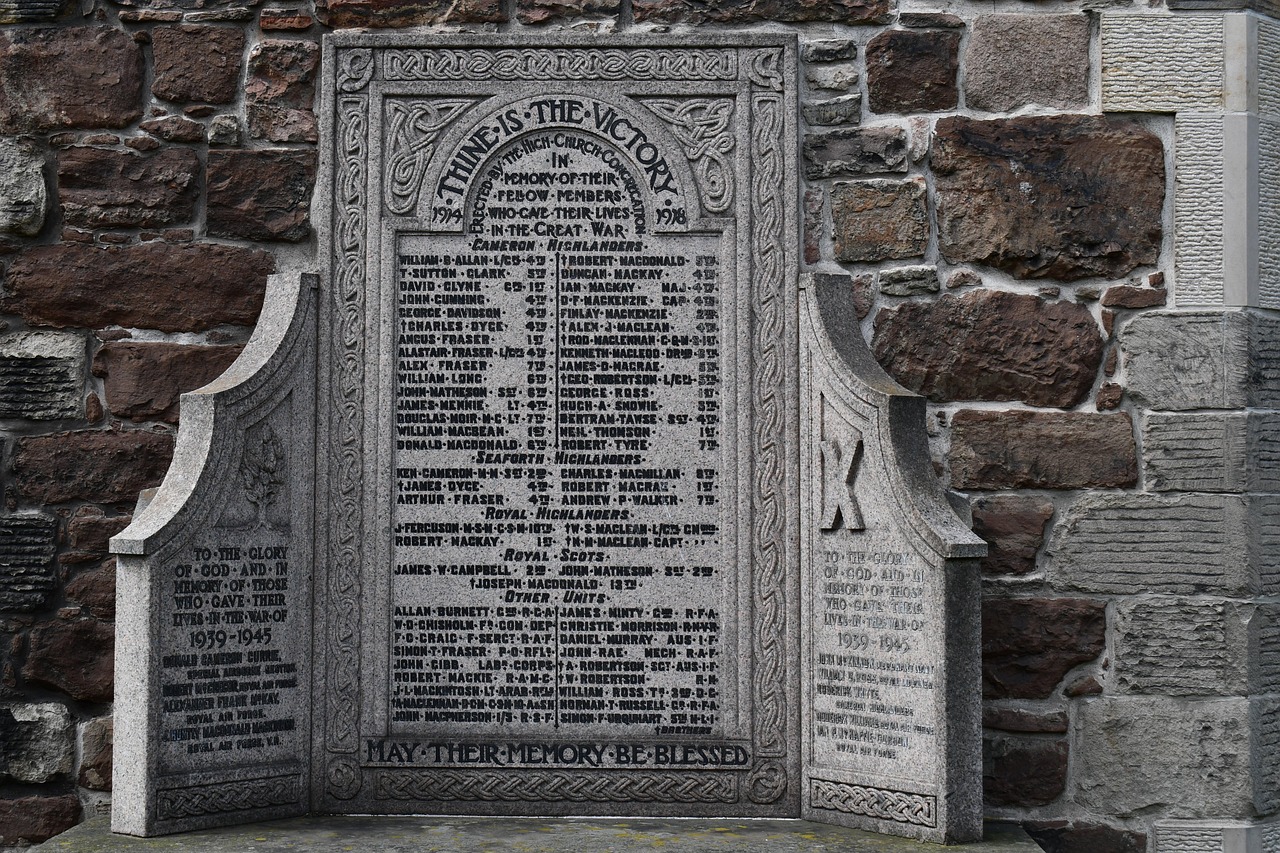
Why go: Oldest church site in Inverness with a hauntingly beautiful graveyard.
Perched above the river, the Old High Church has roots going back centuries. The surrounding graveyard is one of those places where history feels very close—leaning stones, moss, and the names of long-gone Inverness families.
I like walking here at dusk in summer when the sky still glows but the city quiets down. It’s contemplative rather than creepy, though some ghost tours do stop here and tell darker tales.
18. Bellfield Park & Floral Hall
Why go: Perfect for families and anyone craving a relaxed green space close to the centre.
Bellfield Park has tennis courts, a children’s play area, and riverside paths. It’s where local families naturally gravitate on sunny weekends. In late spring and summer, flower beds are bright with colour.
19. Inverness Marina & Moray Firth Views
Why go: Sea air, boat views, and big-sky horizons.
To the north of the city near the mouth of the Ness, Inverness Marina offers a glimpse of the city’s maritime side. It’s quieter than the riverfront, with views across the Moray Firth that are especially lovely at sunrise.
20. Nearby Whisky Distilleries
Why go: To understand Scotland’s “water of life” at the source.
While there isn’t a major distillery right in the centre of Inverness, you’re a short drive or tour away from some Speyside and Highland distilleries. Visiting one is both an education and a sensory experience—malty smells, gleaming copper stills, and careful tastings.
If you’re driving, remember: Scotland’s drink-driving laws are strict. Book a tour with transport or have a designated driver who abstains.
Local Food in Inverness: What & Where to Eat
Highland food is hearty, simple, and surprisingly diverse. Inverness has grown into a small but lively food city, with everything from traditional pubs to modern bistros and global cuisine.
Must-Try Dishes
- Cullen skink: A thick, smoky soup of haddock, potatoes, and cream. Perfect on a cold day.
- Haggis, neeps & tatties: Haggis with mashed turnip and potatoes. Spicier and more savoury than many expect.
- Scottish salmon: Often served simply grilled or baked, letting the quality of the fish shine.
- Venison: Lean, flavourful, often paired with rich sauces and seasonal veg.
- Shortbread & tablet: Classic sweets, great with coffee or as souvenirs.
Eating on a Budget
When I’m trying to save money, I mix sit-down meals with:
- Bakery lunches: Pies, sandwiches, and pastries from local bakeries.
- Supermarket picnics: Grab cheese, oatcakes, smoked fish, and fruit for a riverside meal.
- Early-bird menus: Many restaurants offer set menus if you dine early.
Pubs & Drinks
For a classic night, choose a cosy pub with cask ales and a good whisky list. Ask for local brews from the Highlands or nearby islands. If whisky isn’t your thing, there’s often a decent gin selection too—Scotland is in a gin boom.
Nightlife, Entertainment & Cultural Experiences in Inverness
Inverness isn’t a wild party city, but it has a warm, sociable nightlife scene that suits its size.
Pubs & Live Music
Most evenings, you can find live traditional music in at least one central pub. Fiddles, guitars, and sometimes pipes fill the room, and it’s rarely a polished “show”—more often a session where locals join in. I’ve seen visitors pulled into impromptu ceilidhs more than once.
Eden Court & Cinema
Eden Court hosts plays, films (including arthouse titles), comedy, and dance. It’s ideal if you’re craving a more structured cultural evening.
Family-Friendly Evenings
For families, early dinners, riverside walks, and occasional early-evening events at museums or Eden Court work well. The city centre feels safe and relaxed in the evenings.
Best Day Trips from Inverness
Black Isle
Covered earlier, but to recap: easy to reach, beautiful villages, and potential dolphin sightings at Chanonry Point.
Cairngorms National Park
By train or car, you can reach the Cairngorms in about an hour. Think forests, lochs, and mountains, with options for hiking, wildlife watching, and even snow sports in winter.
Wester Ross & the North Coast 500 Taster
If you have a car and a full day, you can sample part of the famous North Coast 500 route, heading towards Wester Ross for jaw-dropping coastal and mountain scenery. Roads are narrow and winding; drive carefully.
Major Events & Festivals in Inverness (2026–2027)
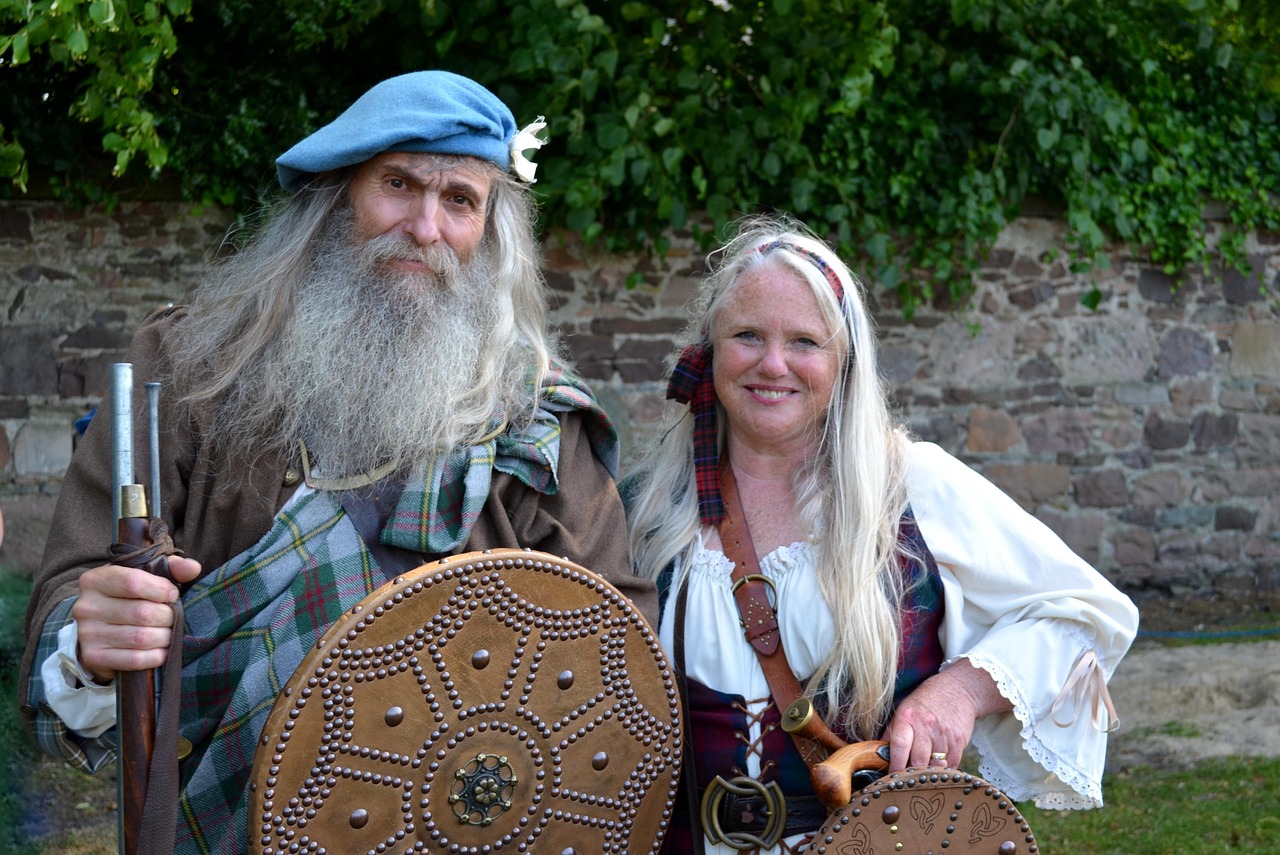
Exact dates can shift each year, but here’s what to look out for in 2026–2027:
- Inverness Highland Games (July 2026 & 2027): Traditional sports, pipe bands, dancing, and food stalls. A brilliant family day out.
- Belladrum Tartan Heart Festival (near Beauly, usually late July/early August): A music and arts festival within easy reach of Inverness.
- Blas Festival (autumn): Celebrating Highland music and Gaelic culture across the region, often with Inverness events.
- Hogmanay & Red Hot Highland Fling (31 December 2026): New Year celebrations with outdoor concerts, fireworks, and a big, friendly crowd.
Cultural Etiquette & Local Customs in Inverness
Highlanders are generally friendly but reserved. A few simple customs go a long way.
Everyday Manners
- Greetings: A simple “Hi” or “Hello” is fine. In shops, it’s polite to say “Hiya” or “Morning” and “Cheers” or “Thanks” when leaving.
- Queues: Scots take queuing seriously. Always wait your turn.
- Personal space: Don’t stand too close in lines or on buses.
Pubs & Tipping
- Order and pay at the bar unless table service is clearly indicated.
- Tipping 10–15% in restaurants is appreciated but not as rigid as in some countries.
- In pubs, rounding up or leaving small change is common but not mandatory.
Photography & Sensitivity
At solemn sites like Culloden and Clava Cairns, keep voices low and avoid intrusive photos of people you don’t know. Many Scots have strong feelings about the Jacobite history; listen more than you speak if the topic comes up.
Practical Travel Tips for Inverness
Getting To & Around Inverness
Arriving
- By train: Direct services from Edinburgh, Glasgow, Aberdeen, and London (sleeper).
- By air: Inverness Airport has flights from London and several UK/European cities; buses and taxis connect to the centre in about 20–30 minutes.
- By car: A9 from the south; be prepared for variable weather and occasionally slow traffic behind lorries.
Getting Around
The centre is walkable. For further-out sites:
- Local buses: Serve Culloden, the airport, and nearby villages.
- Taxis: Readily available at ranks and by phone.
- Car rental: Useful for day trips; book ahead in summer.
- Cycling: Increasingly popular; canal and riverside paths are great starting points.
How to Save Money in Inverness
- Travel off-peak (spring or autumn) for lower accommodation rates.
- Use public buses to reach Culloden and Loch Ness rather than only tours.
- Mix paid attractions with free ones: river walks, Ness Islands, Merkinch, Inverness Museum.
- Self-cater breakfast or lunch if your accommodation has a kitchen.
SIM Cards & Connectivity
In 2026, all major UK networks (EE, O2, Vodafone, Three) offer eSIM and physical SIM options. You can pick up a prepaid SIM in supermarkets, phone shops, or at the airport.
- Coverage: Good in Inverness itself, patchier in remote glens and along certain loch shores.
- Tip: Download offline maps for rural day trips.
Visa Requirements & Driving Rules
Visa rules change, so always check official UK government sources before you travel. In general:
- EU/EEA, US, Canada, Australia, New Zealand, etc.: Often visa-free for short tourist stays, but confirm current rules.
- Foreign driving licences: Many are accepted for short stays; some travellers may need an International Driving Permit. Check before renting a car.
- Drive on the left, wear seatbelts, and obey speed limits—cameras are common.
Weather & Best Seasons for Different Activities
- Spring (March–May): Longer days, wildflowers, fewer crowds. Great for walking, canal cycling, and cultural sights.
- Summer (June–August): Warmest weather, long daylight (it can stay light past 10pm), and most festivals. Also the busiest and priciest. Best for family trips, Black Isle beaches, and late-night river walks.
- Autumn (September–October): Gorgeous foliage around Ness Islands and Culloden, cooler air, and quieter attractions.
- Winter (November–February): Short days, potential snow, and a moody, atmospheric beauty. Best for cosy pub nights, museums, and maybe a snowy Cairngorms day trip.
Summary: Key Takeaways & When to Visit Inverness
Inverness is small enough to feel approachable yet big enough to hold your attention for 3, 4, or 5 days without strain. Base yourself here and you can weave together city comforts, Highland history, loch-side drama, and coastal calm.
- Must-see attractions in Inverness: River Ness & Ness Islands, Inverness Castle viewpoint, Inverness Cathedral, Inverness Museum & Art Gallery, Victorian Market.
- Essential nearby sights: Loch Ness, Urquhart Castle, Culloden Battlefield, Clava Cairns, Black Isle.
- Best time to visit: Late spring and early autumn for balanced weather and crowds; summer if festivals and long days matter most; winter for quiet streets and cosy nights.
- Local flavour: Seek out live music pubs, try traditional dishes, and spend unhurried time by the river—this is where the real Inverness reveals itself.
However you structure your 3 day itinerary for Inverness, 4 day itinerary for Inverness, or 5 day itinerary for Inverness, leave a little space for serendipity: a conversation on a bridge, an unplanned coffee stop, or an extra loop around the Ness Islands at dusk. Those unscripted moments are often the ones you’ll remember longest.