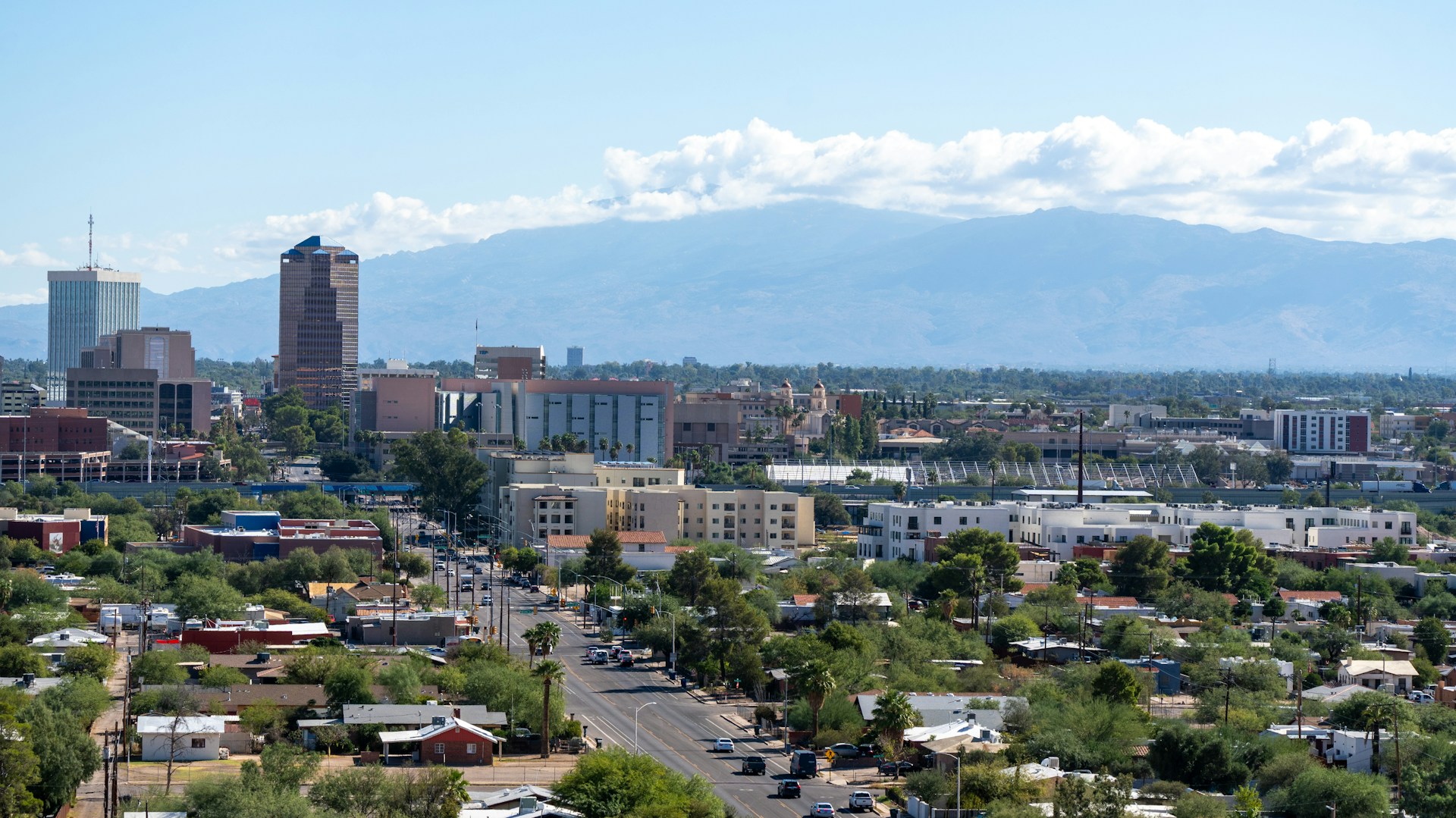
Why Visit Tucson, USA?
If you’ve ever wanted to feel like you’ve stepped into another planet without leaving the United States, Tucson is where you go. I still remember my first drive into town years ago – the air turned dry and warm, saguaros stood like sentinels against a purple mountain backdrop, and the sky looked impossibly wide. Since then, I’ve returned more times than I can count, staying everywhere from cheap motels on Oracle Road to cozy adobe casitas in Barrio Viejo.
Tucson is a place that gets under your skin slowly. It’s not flashy. You won’t find a skyline packed with skyscrapers. Instead, you get mountains in every direction, UNESCO-recognized gastronomy, neon-lit motels from Route 66 days, star-soaked skies, and a pace of life that practically forces you to breathe deeper.
Whether you’re planning 3 days in Tucson, 4 days in Tucson, or a full 5 day itinerary for Tucson, this guide is built from my own repeat visits, misadventures, and favorite rituals – the coffee shop I always hit after landing, the trail I hike at sunrise, the taco stand I refuse to skip.
What Makes Tucson Special in 2026?
- UNESCO City of Gastronomy – Tucson was the first U.S. city to earn this title. Local food in Tucson is a fusion of Sonoran, Native, and desert ingredients you won’t find elsewhere.
- Desert & Mountains – Saguaro National Park, the Santa Catalina and Santa Rita Mountains, and the Sonoran Desert are your playgrounds. Hiking, biking, stargazing, birding – it’s all here.
- Deep history & culture – 4,000+ years of continuous agricultural history, missions from the 1700s, vibrant Mexican-American neighborhoods, and contemporary Native art.
- Laid-back, creative vibe – Murals everywhere, indie shops, desert-modern architecture, university energy, and an inclusive, welcoming local culture.
- Year-round destination – Winters are glorious, shoulder seasons are ideal for hiking, and even summer has its charms (plus the monsoon skies are spectacular).
Table of Contents
- Why Visit Tucson
- Top 20 Must-See Attractions in Tucson
- Suggested 3–5 Day Itineraries for Tucson
- Best Neighborhoods & Areas to Explore
- Local Food in Tucson & Where to Eat
- Nightlife, Entertainment & Cultural Experiences
- Major Events & Festivals in 2026–2027
- Day Trips & Nearby Getaways
- Cultural Etiquette & Local Customs
- Practical Travel Tips for Tucson
- Summary & Best Time to Visit Tucson
Top 20 Must-See Attractions in Tucson (With Local Insights)
These are the must-see attractions in Tucson I return to again and again. For each one, I’ll share what makes it special, when to go, and some very specific tips I’ve learned the hard way – like where to stand at sunset in Saguaro National Park, or which tamales to grab after a morning at the Mission.
1. Saguaro National Park (East & West)
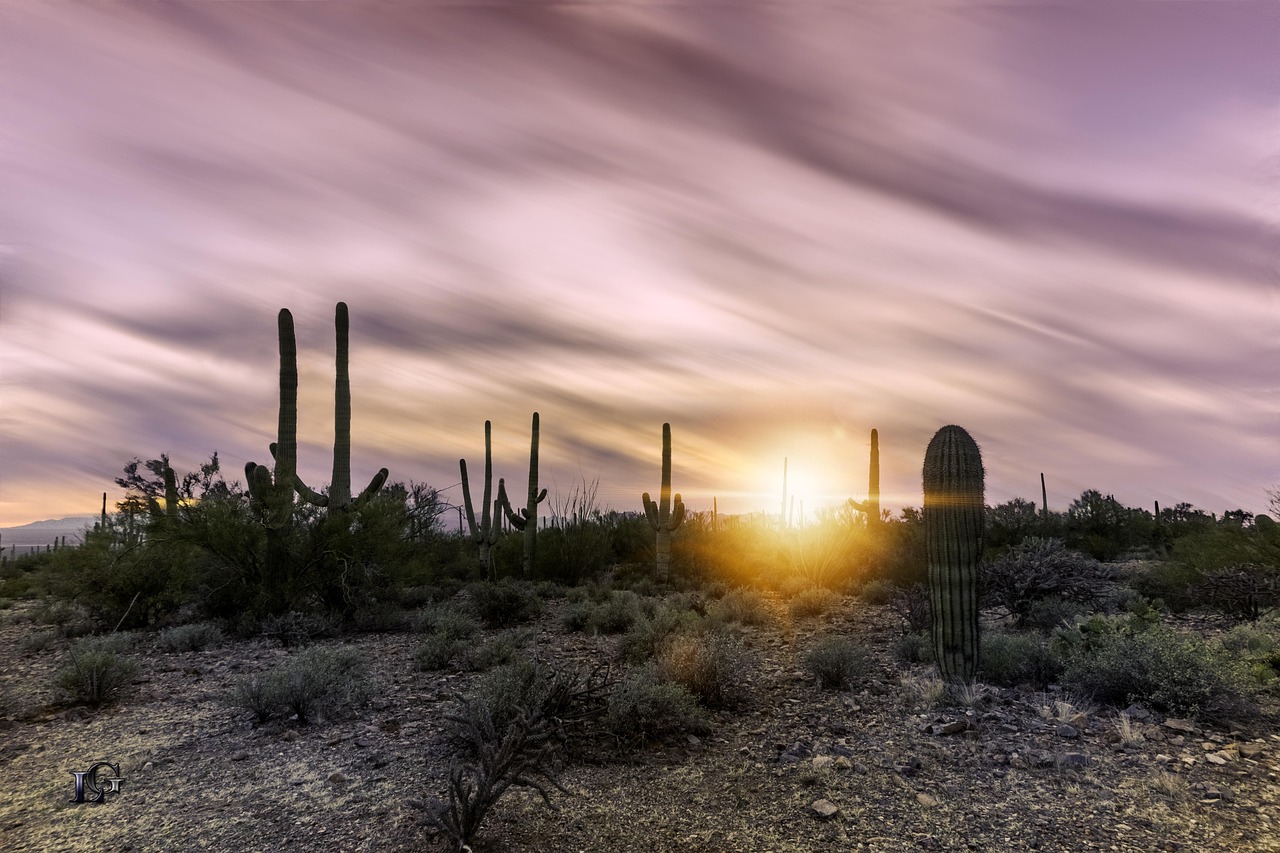
If you’ve seen a postcard of Tucson, odds are it was taken in Saguaro National Park. The giant saguaro cactus is the icon of the American Southwest, and here it grows in almost surreal abundance.
The park is split into two districts: Rincon Mountain District (East) and Tucson Mountain District (West), with the city in between. I’ve lost track of how many times I’ve visited, but my favorite ritual is a sunrise hike in the east and a sunset drive in the west – all in the same day.
Why It’s Special
- Classic Sonoran Desert scenery: towering saguaros, cholla, prickly pear, and big skies.
- Easy scenic drives plus serious backcountry hikes.
- Spectacular sunrises (east) and sunsets (west).
East vs. West – Which to Choose?
Saguaro East has a paved, one-way 8-mile Cactus Forest Loop Drive with pullouts and short trails. It feels a bit more open, with sweeping views and fewer crowds. I like it for road biking and quiet sunrise hikes – the Freeman Homestead Trail is a gentle favorite.
Saguaro West is denser with saguaros and slightly more rugged. The unpaved Bajada Loop Drive and trails like Valley View Overlook are where I take first-time visitors for that “wow, I’m really in Arizona” moment.
My Personal Routine
On my last winter trip, I drove into Saguaro East right as the gates opened. I parked at the Loma Verde Trailhead, walked in the cool blue light as the saguaros slowly turned gold, and listened to cactus wrens start their day. Afterwards, I did the loop drive, stopping often just to sit on a rock and soak in the silence.
Later that same day, I headed over to Saguaro West for sunset. Valley View Overlook is still the best short hike for golden hour – it’s less than a mile round trip, with a panoramic view of a forest of saguaros. Bring water, a light jacket in winter, and a headlamp for the walk back if you linger after the sun dips.
Practical Tips
- Getting there: Both districts are about a 30–40 minute drive from downtown. A car is strongly recommended.
- Best time: October–April for hiking. In summer, go at dawn or right before sunset.
- Fees: Standard national park entrance fee; America the Beautiful pass is valid.
- Family-friendly? Absolutely – many flat, short trails and lots of wildlife spotting.
- Don’t forget: At least 2 liters of water per person, sunscreen, hat, and closed-toe shoes.
2. Mount Lemmon & the Catalina Highway
One of Tucson’s wildest tricks is that you can drive from desert floor to alpine forest in under an hour. Mount Lemmon, in the Santa Catalina Mountains, towers above town and offers a complete change of climate, scenery, and mood.
On a summer visit, I left a 100°F afternoon in Tucson and ended up sipping hot chocolate at 70°F under pine trees in the village of Summerhaven. In winter, I’ve gone up just to crunch fresh snow under my boots, then driven back down to eat tacos in a T-shirt.
The Drive: Catalina Highway (Sky Island Scenic Byway)
The Catalina Highway is one of the most beautiful drives in Arizona. Every few miles, the landscape shifts: saguaros give way to oak woodland, then to pine and fir. I like to stop at pullouts like Windy Point Vista – the kind of place where you’ll burn through your camera battery.
What to Do on Mount Lemmon
- Hiking: Trails like Marshall Gulch and Aspen Trail are especially lovely in late summer after the monsoons.
- Picnicking: There are several picnic areas; I usually grab a burrito in Tucson and bring it up.
- Winter sports: In good snow years, Mt. Lemmon Ski Valley opens for skiing and snowboarding.
- Summerhaven: This tiny village has cafés, a general store, and the famous Cookie Cabin – yes, the pizzas and giant cookies are touristy, but after a hike, I never regret it.
Tips
- Driving: The road is paved but winding; check for closures in winter (snow or ice can shut it down).
- Altitude: The summit is over 9,000 feet – take it slow if you’re sensitive to elevation.
- Clothing: Bring layers; it’s often 20–30°F cooler than Tucson.
- Romantic? Very – sunset at Windy Point with a blanket and thermos is hard to beat.
3. Pima Air & Space Museum
Even if you’re not an aviation geek, the Pima Air & Space Museum is fascinating. It’s one of the largest non-governmental aviation museums in the world, with nearly 300 aircraft spread across massive hangars and outdoor yards.
I visited first on a brutally hot July afternoon, expecting to last an hour, and ended up staying most of the day. There’s something strangely moving about walking between rows of retired military planes, commercial jets, and experimental aircraft, each with a story.
Highlights
- Historic aircraft: From a WWII B-17 Flying Fortress to Cold War jets.
- Presidential aircraft: A former presidential plane you can see up close.
- Space exhibits: Rockets, replicas, and space-related artifacts.
- Outdoor “boneyard” views: While full AMARG tours change with base security policies, you can usually at least glimpse vast fields of stored aircraft nearby.
Family-Friendly Factor
Kids love this place. There’s space to roam, interactive exhibits, and plenty of “whoa” moments. I’ve gone with friends’ kids who lasted far longer here than in any art museum.
Tips
- Timing: Go early to avoid midday heat if you’re here in summer; much of the collection is outdoors.
- Footwear: Comfortable shoes – you’ll walk a lot.
- Food: There’s a café on site, but I usually bring a refillable water bottle and snack before/after.
4. Mission San Xavier del Bac
Known as the “White Dove of the Desert,” Mission San Xavier del Bac is one of my favorite places in Tucson – serene, historic, and visually stunning. It sits on the Tohono O’odham Nation, just south of town, and dates back to the late 1700s.
On my first visit, I arrived just after a rainstorm. The white façade glowed against a stormy sky, and the desert smelled like creosote and wet dust. Inside, the cool, dim church is filled with ornate Spanish colonial art, saints, and votive candles.
Why Visit
- History: One of the best-preserved Spanish colonial missions in the U.S.
- Architecture: A unique blend of Moorish, Baroque, and Indigenous influences.
- Cultural significance: Still an active parish; services and events continue for the local community.
Don’t Miss
- The interior: Take time to sit quietly and look up; the painted ceilings and sculptures are intricate.
- Hilltop view: A short walk up the hill behind the mission offers a lovely view of the building and desert.
- Frybread stands: Often, local Tohono O’odham vendors sell frybread near the parking lot – I always get mine with beans and cheese.
Tips
- Respect: This is an active religious site – dress modestly and keep voices low inside.
- Best time: Morning or late afternoon for softer light and fewer crowds.
5. Arizona-Sonora Desert Museum
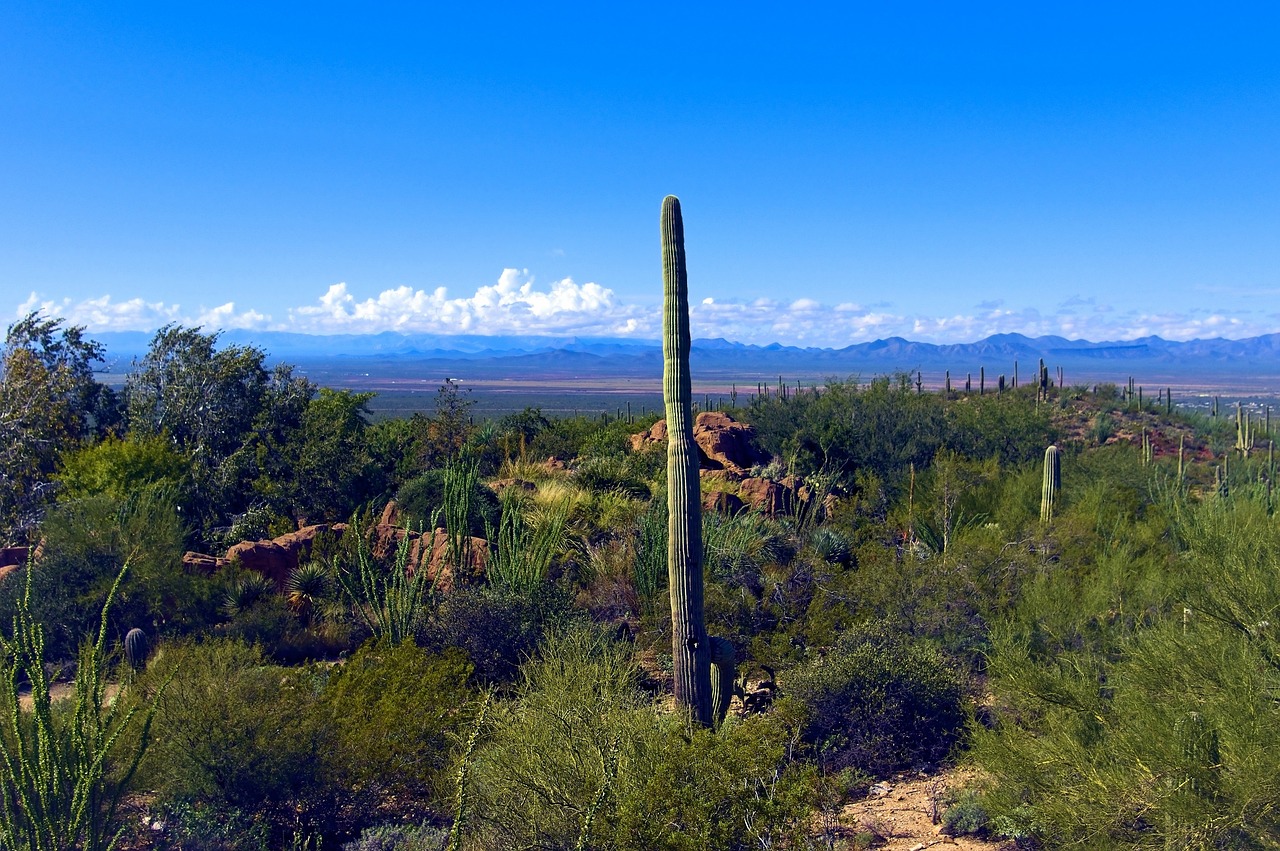
The Arizona-Sonora Desert Museum isn’t a typical museum; it’s part zoo, part botanical garden, part natural history museum, and part art gallery, all focused on the Sonoran Desert. If you only have time for one deep-dive into the local ecosystem, make it this.
I’ve visited in every season, and each time I find something new – javelinas snuffling in the shade, a hummingbird building a nest, or a docent pointing out fossils I’d walked past three times.
Highlights
- Walk-through desert habitats showcasing native plants and animals.
- Raptor free-flight demonstration – seeing hawks and owls swoop low over your head is unforgettable.
- Hummingbird aviary – tiny desert jewels zipping past your ears.
- Geology & cave exhibits – fun and educational for all ages.
Family & First-Timer Friendly
This is one of the best things to do in Tucson with kids or anyone new to the desert. After a visit here, hiking in Saguaro National Park feels richer because you actually recognize the plants and animals.
Tips
- Season & time: Go early, especially in warmer months; many exhibits are outdoors.
- Water & sun: It can be hot and exposed – bring a hat, sunscreen, and water bottle.
- Combine with: Saguaro National Park West – they are close to each other.
6. Downtown Tucson & Historic Fourth Avenue
Downtown Tucson is where I usually start my trips now. It’s compact, walkable, and packed with murals, historic buildings, and some of the city’s best food and coffee. From there, it’s an easy stroll or streetcar ride to Fourth Avenue, Tucson’s long-time bohemian strip.
What I Love Downtown
- Murals: Wander near Congress Street and Broadway – every corner seems to have new street art.
- Historic hotels: The Hotel Congress (more on that later) is a living piece of Tucson history.
- Cafés: I often start at Presta Coffee Roasters or Cartel Roasting Co. with a cold brew.
- Architecture: Art Deco, mid-century, and restored adobe buildings sit side by side.
Fourth Avenue Vibe
Fourth Avenue feels like a college town main street from another era: vintage stores, indie bookshops, tattoo parlors, bars, and burrito joints. I’ve lost many afternoons browsing records, grabbing happy hour margaritas, and people-watching from café patios.
Tips
- Getting around: Use the Sun Link streetcar to move between downtown, Fourth Ave, University of Arizona, and the Mercado district.
- Nightlife: This area really comes alive after dark – it’s safe, but as in any city, keep an eye on your belongings.
7. Barrio Viejo
Barrio Viejo (the “Old Neighborhood”) is my favorite place to wander aimlessly in Tucson. Just south of downtown, it’s a historic Mexican-American neighborhood filled with vividly painted adobe houses, quiet streets, and a strong sense of continuity.
On one spring trip, I stayed in a small casita here and spent early mornings walking past turquoise doors and bougainvillea-draped walls while the city slowly woke up. It feels like a living, breathing neighborhood, not a staged tourist zone.
Why Go
- Architecture: Some of the best-preserved adobe architecture in the city.
- Photography: Gorgeous textures and colors, especially in golden hour.
- Local life: You’ll see residents out walking dogs, kids on bikes, and neighbors chatting.
Etiquette
- This is a residential area – be respectful, keep noise down, and avoid peeking into windows or entering private yards.
- Stick to sidewalks and public streets; don’t treat it like a movie set.
8. Sabino Canyon Recreation Area
When locals say they’re “going to the canyon,” they often mean Sabino Canyon I like Sabino both for casual strolls and more serious hikes. On one January trip, I walked the main road as the creek ran full from winter rains, crossing little stone bridges while families picnicked along the banks.Options for All Levels
Tips
9. Tucson Botanical Gardens
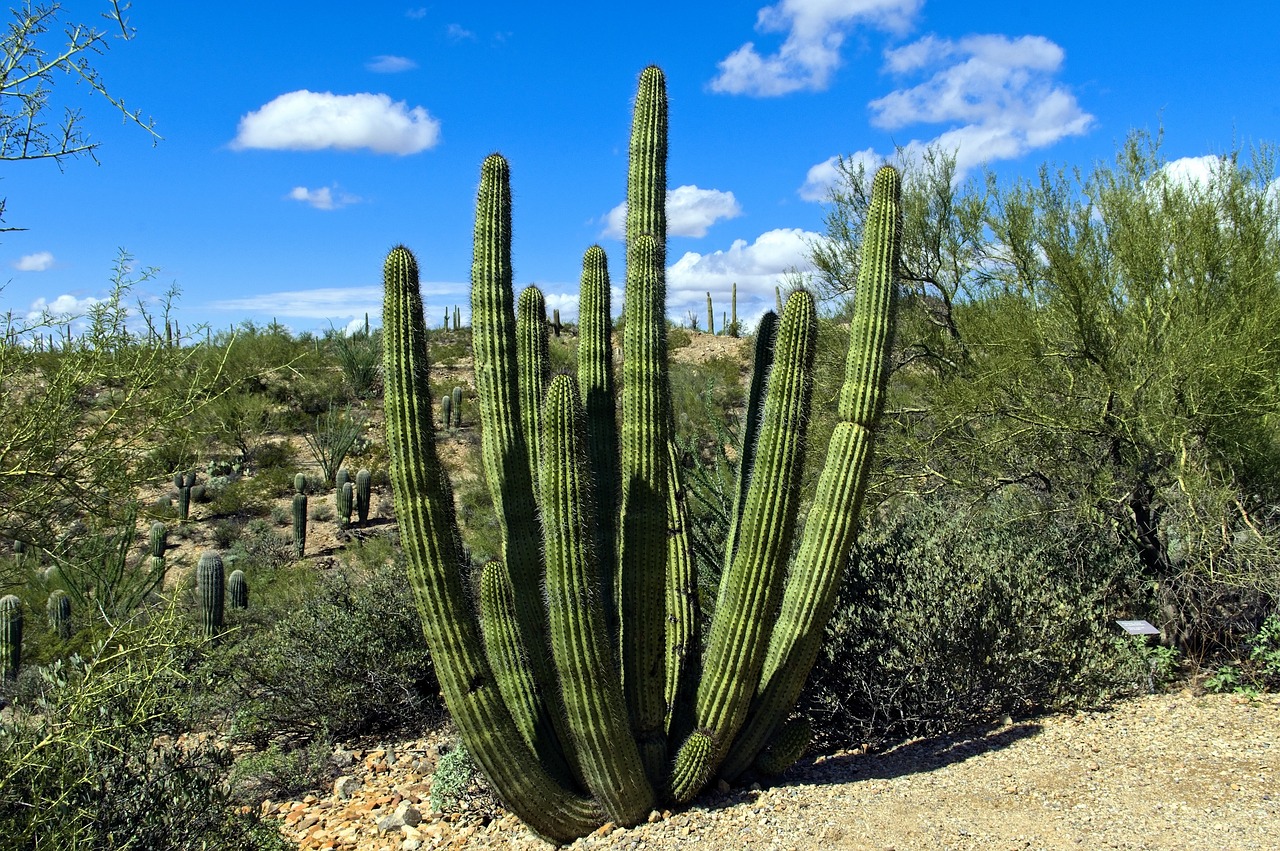
The Tucson Botanical Gardens is a shady urban oasis in midtown – the perfect antidote to a hot afternoon or a busy day of sightseeing. It’s not huge, but it’s beautifully curated with themed gardens, desert plants, and seasonal exhibits.
I’ve ducked in here on scorching June days, lingering under mesquite trees and in the butterfly pavilion (when in season), feeling the city melt away.
Highlights
- Desert and regional plant collections with great interpretive signs.
- Butterfly and orchid pavilion (seasonal) – magical if you’re traveling with kids or your partner.
- Art installations scattered among the plants.
Tips
- Plan 1–2 hours, more if you’re into plants or photography.
- There’s often a small café on site; check current offerings in 2026.
10. University of Arizona Campus & Arizona State Museum
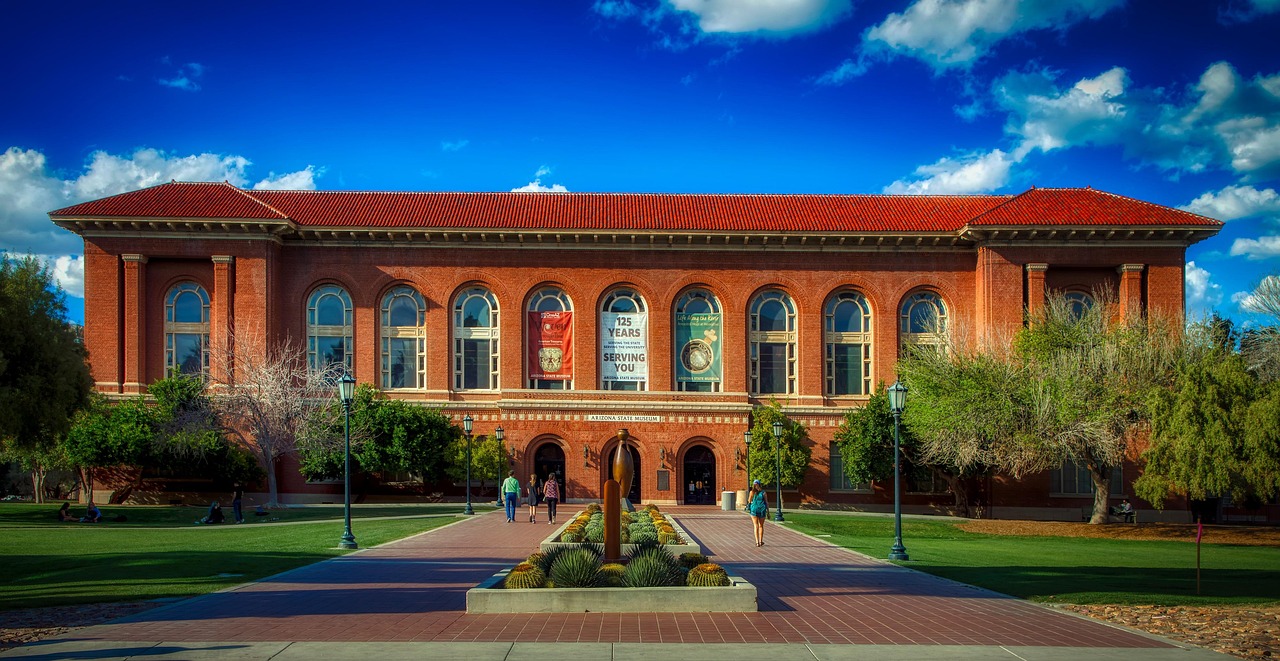
The University of Arizona gives Tucson a youthful, intellectual energy. The campus itself is lovely – wide lawns, red brick buildings, palm-lined walkways, and mountain views.
I like to ride the streetcar up from downtown, grab coffee on University Boulevard, and wander the campus in the late afternoon as students spill out of classes.
Arizona State Museum
On campus, the Arizona State Museum is a must if you’re interested in the region’s Native cultures and archaeology. It’s one of the oldest anthropological museums in the Southwest, with world-class collections of pottery, baskets, and artifacts from Indigenous peoples of the region.
Tips
- Combine a campus walk with shopping and eating along University Boulevard.
- Check the museum’s current exhibits and hours; it’s a great stop for a hot afternoon.
11. Madera Canyon
About an hour south of Tucson in the Santa Rita Mountains, Madera Canyon is beloved by birders and hikers. The first time I went, a friend handed me binoculars and said, “You’ll thank me later.” She was right – I saw more colorful birds in one morning than in my previous year combined.
Why Go
- World-class birding: Elegant trogons, hummingbirds, and many migratory species.
- Cooler temperatures: Higher elevation makes this a nice summer escape.
- Varied hikes: From easy nature trails to steeper routes up Mount Wrightson.
Tips
- Go early for bird activity and parking.
- Bring layers; it can be significantly cooler than Tucson.
12. Hotel Congress & Club Congress
Hotel Congress is the beating heart of downtown Tucson’s nightlife and history. Built in 1919, it’s famously where gangster John Dillinger was captured in 1934. Today, it’s a boutique hotel, music venue, and bar with lots of character.
I’ve stayed here on several trips – the rooms are small, vintage, and can be noisy (earplugs are thoughtfully provided), but if you want to be in the middle of things, it’s hard to beat. Even when I’m not staying here, I end up at Club Congress for live music or at the lobby bar for a cocktail.
Why Visit
- History: Old-school charm, creaky floors, and historic photos everywhere.
- Nightlife: Regular live music, DJ nights, and events.
- Café: Cup Café is popular for brunch and late-night bites.
Tips
- If you’re a light sleeper, request a quieter room or consider staying elsewhere but visiting for food/drinks.
13. Reid Park & Reid Park Zoo
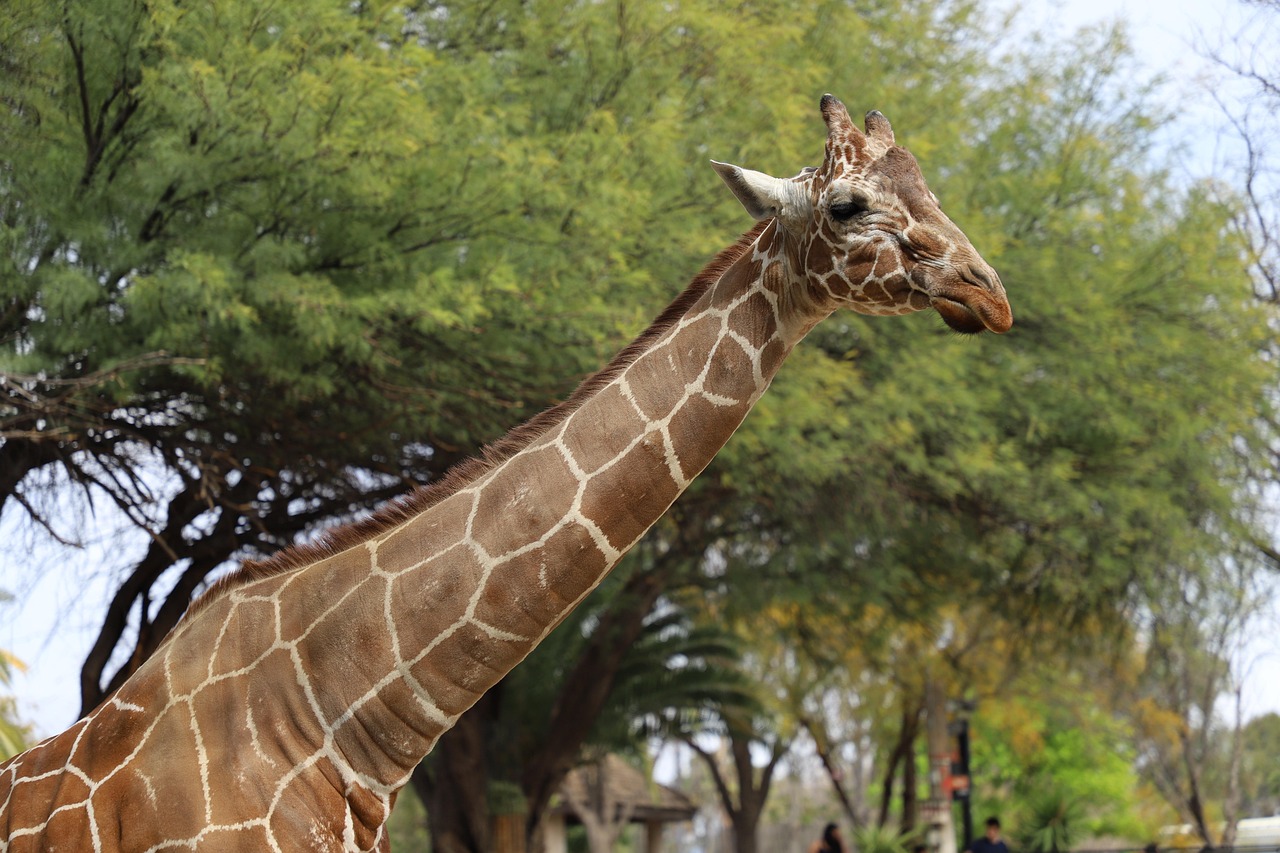
Reid Park is a big green space near midtown, anchored by Reid Park Zoo. It’s not a huge zoo, but it’s thoughtfully laid out and very family-friendly. I’ve come here with friends’ kids – they always love the giraffes and the play areas.
Why Go
- Family outing: Easy half-day activity with little ones.
- Green space: Lakes, walking paths, and picnic areas in the adjacent park.
Tips
- Go in the morning when animals are most active and temps are cooler.
- Combine with a casual picnic in the park.
14. Starr Pass & Tucson Mountain Park
West of town, Tucson Mountain Park offers miles of trails through classic Sonoran Desert scenery. The Starr Pass area has become one of my favorite spots for sunset hikes and mountain biking.
I once stayed at a resort here for a working trip and snuck out every evening to hike the Yetman Trail as the sky turned to fire. It’s a great compromise if you want a natural setting but still need easy access to the city.
Highlights
- Trail network for hiking and biking.
- Beautiful views toward the city and surrounding mountains.
Tips
- Carry plenty of water; trails are exposed.
- Stay on marked trails to protect fragile desert ecosystems.
15. DeGrazia Gallery in the Sun Museum
North of town, the DeGrazia Gallery in the Sun Museum is an artistic, slightly eccentric desert compound built by artist Ettore “Ted” DeGrazia. The adobe buildings, chapel, and grounds feel like a little world of their own.
I visited first on a quiet weekday afternoon and ended up staying hours, wandering through the galleries and sitting in the tiny chapel painted with DeGrazia’s murals.
Why Go
- Architecture & art: Hand-built adobe structures filled with DeGrazia’s work.
- Atmosphere: Peaceful, creative, and photogenic.
Tips
- Great stop on a day you’re exploring the northern foothills or heading to Mount Lemmon.
16. Tucson’s Mural & Street Art Scene
Tucson’s mural game is strong. Over the years, I’ve watched blank walls transform into massive, colorful works celebrating local culture, history, and nature. Downtown, Fourth Avenue, and the Warehouse Arts District are particularly rich in street art.
One of my favorite afternoon rituals is to grab an iced coffee and just follow the murals – you’ll stumble across tiny galleries, independent shops, and quiet side streets you’d never otherwise see.
Tips
- Search for a current “Tucson mural map” before you go; local organizations often maintain them.
- Be mindful of traffic and private property while photographing.
17. Mercado San Agustín & MSA Annex
On the west side of downtown, Mercado San Agustín and the adjacent MSA Annex have become my go-to spots for a relaxed evening or a lazy brunch.
The Mercado is a Spanish-style courtyard with restaurants, cafés, and shops, while the Annex is a cluster of shipping containers turned into boutiques, bars, and eateries.
Why I Love It
- Food: Excellent tacos, Mexican-inspired dishes, and craft cocktails.
- Atmosphere: String lights, live music on some evenings, and a strong community feel.
- Shopping: Local artisans, vintage, and design-forward shops.
18. Biosphere 2
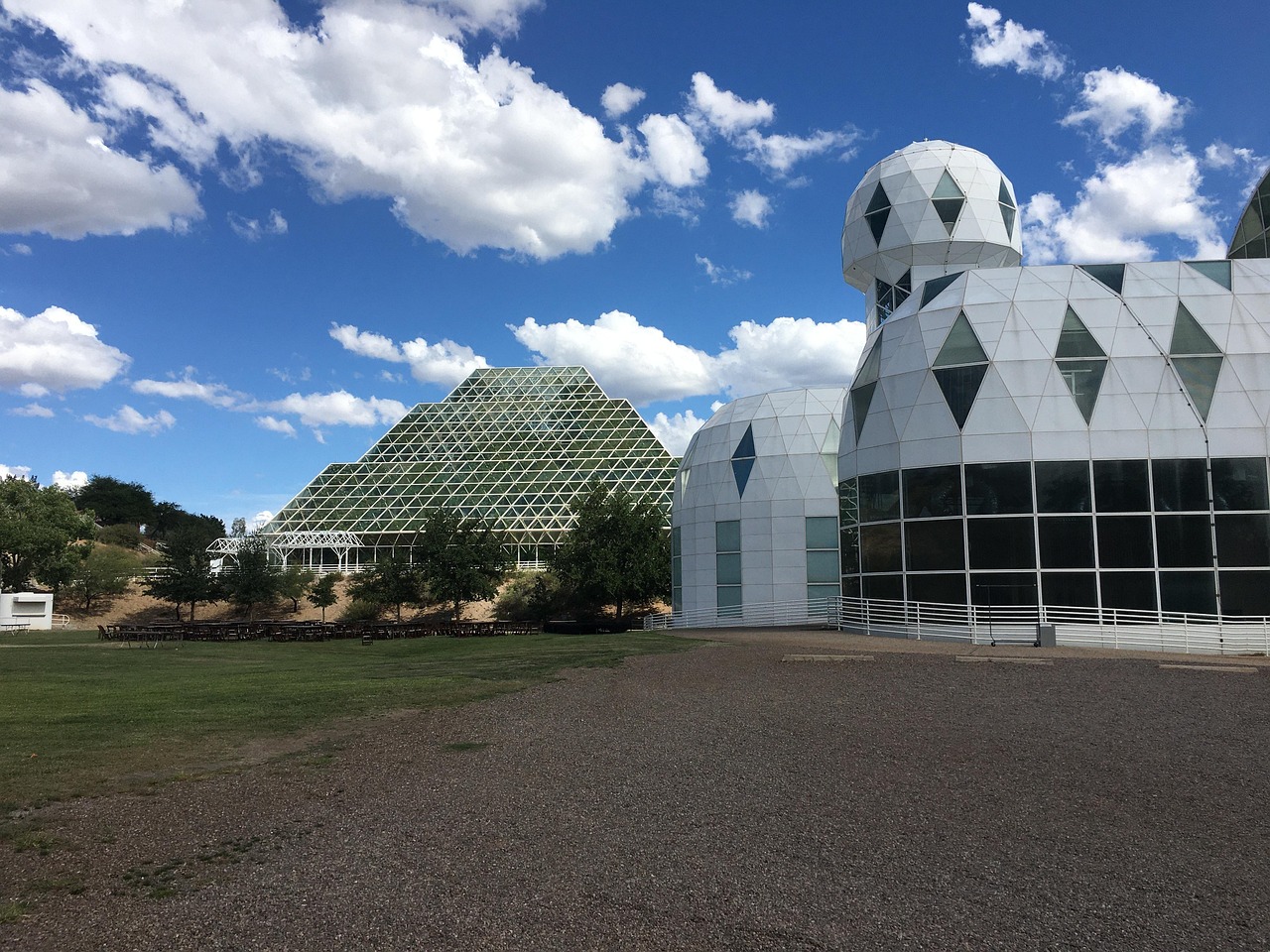
About 40 minutes north of Tucson, Biosphere 2 looks like a sci-fi set dropped in the desert – glass pyramids, domes, and gleaming white structures. Originally built as a closed ecological experiment in the early ‘90s, it’s now run by the University of Arizona as a research and education facility.
I’d seen photos growing up and finally visited on a cloudy spring day. Walking through miniature ecosystems – rainforest, ocean, desert – all contained under glass, is surreal.
Why Visit
- Unique attraction: There’s nothing else quite like it.
- Guided tours: Learn about the original missions and current climate research.
- Family & science buffs: Fascinating for older kids, teens, and anyone into ecology.
Tips
- It’s a bit of a drive; combine with exploring Oracle or the northern outskirts.
- Wear comfortable shoes – tours involve a fair amount of walking and stairs.
19. Sentinel Peak (“A” Mountain)
For a quick, iconic city view, head up Sentinel Peak, known locally as “A” Mountain for the giant “A” representing the University of Arizona. It’s just west of downtown and offers a panoramic look at Tucson’s low-rise sprawl framed by mountains.
I’ve driven up here with takeout tacos to watch the sunset, then stayed to see the city lights flicker on. It’s one of the easiest ways to appreciate Tucson’s setting.
Tips
- Check current driving and parking regulations; portions are sometimes closed to vehicles.
- Go for sunrise or sunset; midday light is harsh.
20. Trail Dust Town
Trail Dust Town is a small, vintage western-themed complex on the east side of town. Think boardwalks, an old-timey shooting gallery, a tiny train, and steakhouse dinners. It’s a bit kitschy, but in a charming, family-friendly way.
I’ve gone with friends for a nostalgic evening – riding the little train, watching a staged “gunfight” show, then eating steaks at Pinnacle Peak where they famously cut off ties if you wear one.
Why Go
- Fun with kids or if you’re in the mood for a lighthearted, Old West evening.
- Good place to grab a hearty dinner after a day of hiking on the east side.
3–5 Day Itineraries for Tucson (With Personal Stories)
Here are flexible, story-driven itineraries that work for 3 days in Tucson, 4 days in Tucson, or a full 5 day itinerary for Tucson. Mix and match based on your interests, but I’ll lay them out as if we’re traveling together.
Day 1: First Taste of Tucson – Downtown, Barrio Viejo & “A” Mountain
Whenever I bring someone to Tucson for the first time, Day 1 is about orientation and atmosphere: getting a feel for downtown, tasting the food scene, and catching your first desert sunset.
Morning: Arrival & Coffee Downtown
Check into your accommodation (I often stay downtown or in Barrio Viejo when I don’t have a car). Drop your bags and head for coffee along Congress Street or Broadway. Presta and Cartel are solid choices.
I like to sit by the window, watch the streetcars roll by, and scribble notes for the day. This is also when I pull up my maps and mark any restaurants or murals I want to hit.
Late Morning: Downtown Walk & Murals
Stroll along Congress Street, Scott Avenue, and Broadway. Pop into local shops, admire murals, and step into hotel lobbies like the AC Hotel or Hotel Congress for a peek at the architecture. If you’re into history, detour to the Presidio San Agustín del Tucson Museum to get context on the city’s Spanish and Mexican roots.
Lunch: First Sonoran Bite
By now, you’re hungry. It’s time to dive into local food in Tucson. For downtown, I often pick a spot like a modern Mexican eatery or a taco bar – think mesquite-grilled meats, homemade tortillas, and salsas that actually have flavor, not just heat.
Afternoon: Barrio Viejo Meander
Walk south into Barrio Viejo. Take your time – this is about soaking in the slow rhythm. I like to stick to the main streets, pausing for photos of bright adobe facades, wooden doors, and quiet corners where time feels fuzzy.
If you’re staying in the neighborhood, this is also a good window to rest, shower, or just sit in a courtyard with a book. Desert light can be intense; don’t underestimate how tired it can make you.
Sunset: Sentinel Peak (“A” Mountain)
As the afternoon cools, grab a rideshare or drive up to Sentinel Peak. Bring water, maybe a snack, and a light jacket if it’s winter. From the top, you’ll see how Tucson sprawls low and wide, framed by the Catalinas, Rincons, Tucson Mountains, and Santa Ritas.
On one trip, a monsoon storm was building to the south – we watched lightning flicker in the distance while the “A” glowed in the last light. It was the moment my friend said, “Okay, I get why you keep coming back here.”
Evening: Dinner & Drinks Downtown
Back downtown, wander until a restaurant calls your name. You’ll find everything from upscale Southwest cuisine to ramen, pizza, and vegan joints. I often go for Mexican or Sonoran food the first night – carne asada, elote, and agave-forward cocktails set the tone.
If you still have energy, check out Hotel Congress, a dive bar on Fourth Avenue, or a rooftop bar for night views. Or just grab a scoop of Mexican-inspired ice cream and stroll under the neon.
Day 2: Saguaros, Desert Museum & West Side Magic
Day 2 is about immersing yourself in the desert. We’ll focus on the west side: the Arizona-Sonora Desert Museum and Saguaro National Park West, plus optional stargazing.
Morning: Arizona-Sonora Desert Museum
Eat an early breakfast, then drive west toward Gates Pass and the museum. Aim to arrive near opening time; it’s cooler and animals are more active.
Spend a few hours slowly exploring. I like to start with the outdoor desert habitats, then watch the raptor free-flight demonstration, then cool off in the indoor exhibits. Pace yourself – this is a place where reading the signs and chatting with docents pays off.
Lunch: On-Site or Picnic
You can eat at the museum’s café or pack a picnic. I sometimes bring a simple lunch and find a shady spot overlooking the desert.
Afternoon: Saguaro National Park West
After lunch, head into Saguaro West. Stop at the visitor center first; rangers can update you on trail conditions and suggest routes based on your energy and heat.
Drive the Bajada Loop Drive, getting out at short trails like Valley View Overlook and Signal Hill (which has petroglyphs). Remember: in the desert, a “short” hike can feel longer – bring plenty of water.
Sunset: Among the Saguaros
Plan to be at a viewpoint or on a short trail for sunset. The way the saguaros catch the last light is something I never tire of. On one visit, I sat quietly off the trail, listening as the desert went from birdsong to coyote howls in about 20 minutes.
Evening: Casual Dinner & Optional Stargazing
Head back toward town for a casual dinner – maybe a neighborhood Mexican restaurant or a burger joint. If the sky is clear and you’re not exhausted, consider driving a little way back out of town to look at the stars. Tucson’s dark-sky efforts mean you can often see the Milky Way with the naked eye just a bit outside the city.
Day 3: Mount Lemmon or Sabino Canyon & University Vibes
For your third day, you can choose between a full mountain escape on Mount Lemmon or a slightly lighter outing to Sabino Canyon, then wind down around the University of Arizona.
Option A: Mount Lemmon Day Trip
Grab breakfast and hit the Catalina Highway by mid-morning. Stop at overlooks like Windy Point Vista for those wide-open views. If you’re up for a hike, trails around Marshall Gulch and Aspen Trail are scenic; just check current conditions and start earlier in summer.
Have lunch in Summerhaven (yes, get the cookie or pizza at Cookie Cabin at least once). Spend the afternoon strolling the village, doing a shorter trail, or just enjoying the cooler air.
Drive back down in late afternoon, watching the ecosystems change in reverse.
Option B: Sabino Canyon & Midtown
If you prefer something more relaxed, head to Sabino Canyon instead. Take the tram up and walk down, or pick a moderate hike like Seven Falls (when water is flowing – best in cooler, wetter months).
Afterwards, reward yourself with an ice cream or cold drink, then maybe detour to the Tucson Botanical Gardens for a peaceful couple of hours.
Evening: University District
In the evening, take the streetcar or drive to the University of Arizona area. Wander the campus at golden hour, then head to University Boulevard for dinner. There’s a youthful buzz here – patios full of students, game nights, and casual eateries.
On one trip, I spent an hour sitting on the grass near Old Main, watching the sky turn pink behind palm trees. Sometimes, the best travel moments are the quiet, ordinary ones.
Day 4: Missions, Mercado & Nightlife (For a 4 Day Itinerary for Tucson)
If you have 4 days in Tucson, Day 4 deepens your cultural experience: the mission, markets, and a more intentional night out.
Morning: Mission San Xavier del Bac
Head south to Mission San Xavier del Bac in the morning light. Spend time both outside and inside, really looking at the details of the frescoes and sculptures. Climb the small hill behind the mission for a broader view of the desert and mission complex.
Before you leave, grab frybread from local vendors if they’re there – it’s inexpensive, filling, and delicious.
Afternoon: Free Time & Mercado San Agustín
Use the early afternoon to rest, catch up on messages, or revisit any spot you loved. Later, make your way to Mercado San Agustín and MSA Annex. Browse the shops, look at local design, and pick a spot for an early dinner or drinks.
Evening: Nightlife & Cultural Experiences
For nightlife and cultural experiences in Tucson, consider:
- Live music: Check the lineup at Club Congress or local venues.
- Performing arts: Look for shows at the Fox Tucson Theatre or Rialto Theatre (concerts, films, performances).
- Low-key evening: Bar-hopping between craft cocktail spots and neighborhood bars downtown or on Fourth Avenue.
As a rule, I like to pick one “anchor” event (a show or concert) and build the rest of the night around that, rather than trying to do everything.
Day 5: Biosphere 2, Day Trips & Hidden Gems (For a 5 Day Itinerary for Tucson)
If you’ve got 5 days in Tucson, your final day is perfect for a day trip or some niche interests. I’ll give you a few paths to choose from, depending on what excites you most.
Option A: Biosphere 2 & Northern Foothills
Drive up to Biosphere 2 in the morning. Take a guided tour, ask all the nerdy questions you want, and enjoy the view over the high desert. On your way back, stop at a café or brewery in the foothills.
If you still have energy, detour to the DeGrazia Gallery in the Sun Museum for an art-and-architecture fix.
Option B: Madera Canyon Nature Day
Head south to Madera Canyon for birdwatching and hiking. Bring binoculars and a picnic. Spend the day walking trails, listening for bird calls, and enjoying the cooler air under the trees.
Option C: Hidden Gems & Slow Day
If you’re in a slower mood:
- Browse thrift and vintage shops along Fourth Avenue.
- Visit small galleries in the Warehouse Arts District.
- Return to your favorite café or taco stand – repetition is a joy in Tucson.
Evening: Last Sunset & Farewell Dinner
For your final night, pick a special place for dinner – maybe a highly recommended Sonoran restaurant or a desert-view patio. Time it so you can watch one more Tucson sunset, whether from a rooftop, a hill, or simply a west-facing table.
On my last night in Tucson, I usually end up walking slowly back to my lodging, full and sun-tired, already planning the next visit in my head.
Neighborhoods & Districts to Explore in Tucson
Tucson is spread out, but certain areas make natural bases and exploration zones. Here’s how I think about them when planning where to stay and wander.
Downtown Tucson
Vibe: Urban (by Tucson standards), walkable, artsy, nightlife-friendly.
Best for: Car-free travelers, nightlife, easy access to streetcar.
Downtown is a mix of historic buildings, new apartments, hotels, restaurants, and cultural venues. It’s where I stay if I’m flying in for a quick trip with no plans to rent a car.
Barrio Viejo & Armory Park
Vibe: Historic, colorful, residential, quietly hip.
Best for: Travelers who value charm and character over big hotel amenities.
These adjoining neighborhoods south of downtown are full of adobe houses and tree-lined streets. Many casitas and guesthouses here feel like you’re living in Tucson rather than just staying in it.
Fourth Avenue & West University
Vibe: Bohemian, student-y, energetic.
Best for: Night owls, budget travelers, people who love vintage shops and bars.
Staying near Fourth Avenue means you’re in the thick of things at night. I like being able to walk home from bars and restaurants, but if you’re noise-sensitive, pick a quieter side street.
University of Arizona Area
Vibe: Collegiate, leafy, casual.
Best for: Families visiting students, travelers who like a safe, lively but not too rowdy base.
Plenty of mid-range hotels, chain restaurants, and local favorites. Easy streetcar access to downtown and Fourth Avenue.
Foothills (Catalina Foothills & North Side)
Vibe: Scenic, upscale, quiet.
Best for: Resort stays, romantic getaways, views of the Catalinas.
Resort properties with pools and spas cluster here, along with some lovely vacation rentals. You’ll likely need a car, but you’ll have quick access to Mount Lemmon and north-side trailheads.
East & West Side Neighborhoods
Vibe: More local, car-oriented, good value.
Best for: Longer stays, budget-conscious travelers with a rental car.
The east side is convenient to Sabino Canyon and Saguaro East, while the west side is closer to Saguaro West and the Desert Museum. Chain hotels and modest motels are common, with some great taquerias tucked into strip malls.
Local Food in Tucson: What to Eat & Where
One of the main reasons I keep coming back is the food scene. Tucson’s UNESCO City of Gastronomy designation is not just a marketing line – it reflects thousands of years of agriculture, Indigenous foodways, and cross-border influences.
Must-Try Tucson & Sonoran Dishes
- Sonoran hot dog: A bacon-wrapped hot dog in a soft bolillo roll, topped with beans, onions, tomatoes, mustard, mayo, and jalapeño salsa. It sounds intense; it is. I usually split one for a snack or go all-in after a hike.
- Carne asada tacos & burros: Mesquite-grilled beef with just the right char, served in flour tortillas. “Burro” is Tucson’s word for a burrito.
- Red & green chile dishes: Enchiladas, tamales, stews – try both red and green to find your preference.
- Tepary beans & heritage grains: Native crops gaining renewed attention; look for them at more forward-thinking restaurants.
- Mexican pastries & pan dulce: Pick up conchas, empanadas, and more from local panaderías.
Types of Places I Seek Out
- Classic Mexican & Sonoran restaurants: Family-run spots with big portions and warm service.
- Food trucks & stands: Especially for Sonoran hot dogs and tacos; some of my best meals have been in parking lots under string lights.
- Modern Southwestern & farm-to-table: Places highlighting local ingredients, heritage grains, and creative takes on regional staples.
- Cafés & bakeries: For breakfast burritos, good espresso, and pastries.
Saving Money on Food
I’ve done Tucson on a shoestring more than once. My tactics:
- Big lunch, light dinner: Many restaurants have lunch specials that are cheaper than dinner menus.
- Grocery store runs: Stock up on fruit, snacks, and drinks to avoid constant café stops.
- Food trucks: Often cheaper and more generous portions than sit-down places.
- Happy hour: Great for discounted drinks and small plates.
Nightlife, Entertainment & Cultural Experiences in Tucson
Tucson’s nightlife is more laid-back and local than flashy, but that’s part of the charm. Think live music, dive bars, craft cocktails, outdoor patios, and cultural events.
Where I Go After Dark
- Downtown: Bars, cocktail lounges, and music venues clustered around Congress Street and Broadway.
- Fourth Avenue: Livelier, younger scene with bars, breweries, and late-night eats.
- Mercado District: Chill evenings with drinks and food around the courtyard.
Cultural Experiences
- Live music: From indie rock and cumbia to jazz and folk, often at intimate venues.
- Theatre & performance: Check local calendars for plays, dance performances, and readings.
- Art walks & gallery nights: Especially in the Warehouse Arts District and downtown.
- Festivals: Tucson hosts numerous cultural festivals featuring music, food, and art (see events section).
Romantic Evenings
For couples, my favorite formula is: sunset walk (Sentinel Peak, foothills viewpoint, or even a neighborhood stroll) + dinner on a patio + a quiet nightcap under the stars. Tucson’s night skies are a built-in mood enhancer.
Major Events & Festivals in 2026–2027
Exact lineups change yearly, but these recurring events are typically on the calendar and worth checking for 2026–2027 dates.
- Tucson Gem, Mineral & Fossil Showcase (early Feb 2026 & 2027): One of the world’s largest gem shows – the whole city buzzes with dealers, collectors, and curious visitors. Book accommodation early; prices climb.
- Tucson Festival of Books (March 2026 & 2027): A huge literary festival on the University of Arizona campus, with authors, panels, and activities. Great if you love books and ideas.
- Tucson Folk Festival (spring 2026 & 2027): Free music festival downtown with multiple stages.
- All Souls Procession (early Nov 2026 & 2027): A powerful, community-created procession honoring the dead, inspired by Día de los Muertos traditions. One of Tucson’s most moving cultural events.
- El Tour de Tucson (Nov 2026 & 2027): Major cycling event drawing riders from around the world.
- Fourth Avenue Street Fairs (spring & winter): Arts, crafts, food, and music along Fourth Avenue.
As 2026 approaches, check local tourism sites and event calendars for updated dates, new festivals, and any changes in the travel scene – Tucson’s arts and food scenes are particularly dynamic.
Day Trips & Nearby Attractions from Tucson
Once you’ve hit the best places to visit in Tucson, consider these nearby adventures. Most require a car.
Tombstone
About 1.5 hours southeast, Tombstone is the archetypal Wild West town – think OK Corral reenactments, boardwalks, and saloons. It’s touristy but fun if you lean into the theme. I like it as a half-day trip combined with Bisbee.
Bisbee
Another 30–40 minutes past Tombstone, Bisbee is a funky former mining town turned artsy hillside community. Colorful houses climb the canyon walls, and the main street is lined with galleries, cafés, and antique shops. It’s one of the most atmospheric small towns in Arizona.
Kartchner Caverns State Park
East of Tucson, Kartchner Caverns offers guided tours of spectacular living caves. Book ahead; numbers are limited to protect the formations. It’s a great way to escape summer heat.
Patagonia & Sonoita Wine Country
South of Tucson, rolling grasslands around Sonoita and Elgin host Arizona’s first wine region. Combine wine tasting with a visit to the birding haven of Patagonia for a mellow, scenic day.
Organ Pipe Cactus National Monument (Long Day Trip)
Further afield (about 2.5–3 hours), Organ Pipe Cactus National Monument is a stunning desert park along the Mexican border. It’s best as an overnight, but determinded travelers sometimes do it as a very long day trip. Check safety and weather conditions; summer can be dangerously hot.
Cultural Etiquette & Local Customs in Tucson
Tucson is friendly and relaxed, but there are a few local norms and sensitivities to keep in mind.
Language & Communication
- English is dominant, but you’ll hear plenty of Spanish. Many locals are bilingual; a few Spanish phrases are appreciated.
- People tend to be warm but not overly formal. A smile and “hi” or “good morning” go a long way, especially on trails.
Desert Respect
- Leave no trace: Pack out trash, stay on trails, and don’t disturb wildlife.
- Never carve into saguaros or remove plants/rocks; it’s illegal and deeply frowned upon.
- Give snakes and other wildlife space – they’re not out to get you, but they will defend themselves.
Indigenous Lands & Sacred Sites
- Tucson lies in the traditional homelands of the Tohono O’odham and other Indigenous peoples.
- Sites like Mission San Xavier del Bac and reservations are living communities, not just tourist attractions. Follow posted rules, dress modestly at religious sites, and ask before taking close-up photos of individuals.
Tipping
- Typical U.S. tipping norms apply: 15–20% at restaurants, $1–2 per drink at bars if ordering from the bartender, and for services like taxis or rideshare rounding up or ~15% is common.
Practical Travel Tips for Tucson (2026)
Getting Around: Car, Public Transport & Rideshare
Car rental: Tucson is spread out, and many natural attractions are a drive away. If your budget allows, renting a car gives you maximum flexibility.
- Driving is generally low-stress; roads are wide and traffic is moderate.
- Parking is usually easy, except during big events downtown.
Public transport:
- The Sun Link streetcar connects the University, Fourth Avenue, downtown, and Mercado district – great if you stay along its route.
- City buses (Sun Tran) cover more ground, but frequencies vary; good for budget travelers with flexible schedules.
Rideshare & taxis:
- Uber and Lyft operate throughout Tucson and are convenient for evenings or when you don’t want to deal with parking.
Cycling:
- Tucson is bike-friendly in many areas, with the famous Loop multi-use path encircling much of the city. Great for recreation; less ideal as your primary transport unless you’re very comfortable cycling in heat and traffic.
Saving Money in Tucson
- Travel off-peak: Summer can be very hot but cheaper; shoulder seasons (late Sept–Nov, Feb–April outside gem show) balance price and comfort.
- Stay slightly outside downtown: East or north-side hotels and motels often cost less, especially with a car.
- National park pass: If you’ll visit multiple national parks in a year, the America the Beautiful pass can pay off quickly.
- Free activities: Desert hikes, neighborhood walks, murals, and certain events cost nothing.
SIM Cards & Connectivity
As of 2026, U.S. mobile networks are heavily eSIM-friendly, but physical SIMs are still available.
- Major carriers: Verizon, AT&T, and T-Mobile have good coverage in Tucson and major attractions; some remote canyons may have limited or no signal.
- Tourist options: Look for prepaid plans at airports, big-box stores, or carrier shops; many now offer eSIM sign-up online before you arrive.
- Wi-Fi: Most hotels, cafés, and libraries offer free Wi-Fi.
Visa Requirements & Driving for International Visitors
Visas: Requirements vary by nationality. Many travelers can enter the U.S. under the Visa Waiver Program (ESTA) for short visits, while others need a tourist visa. Always check the current official U.S. government guidance before booking.
Foreign driver’s licenses:
- Rental companies generally accept valid foreign driver’s licenses; an International Driving Permit (IDP) is recommended and sometimes required alongside your home license.
- Driving is on the right side of the road. Speed limits are enforced, particularly in town and near schools.
Weather, Seasons & What They’re Best For
Tucson’s desert climate means big temperature swings and distinct seasonal vibes.
Winter (Dec–Feb)
- Weather: Cool to mild days, chilly nights; occasional rain, rare snow flurries on the valley floor.
- Best for: Hiking, biking, city exploration, escaping cold climates.
- Consider: Layers for mornings/evenings; popular time, especially around holidays and gem show.
Spring (March–April)
- Weather: Pleasant, warming up; wildflowers and cactus blooms (often April–May).
- Best for: Outdoor activities, festivals (Festival of Books, street fairs), photography.
- Consider: Book early; this is prime season.
Early Summer (May–June)
- Weather: Hot, dry, often 95–105°F (35–40°C) in the afternoon.
- Best for: Early-morning hikes, pool time, lower crowds and prices.
- Consider: Strict heat precautions; plan indoor activities midday.
Monsoon Season (July–Sept)
- Weather: Hot and humid with afternoon/evening thunderstorms; dramatic skies and lightning.
- Best for: Storm watching (from safe places), photography, fewer tourists.
- Consider: Flash flood risk in canyons and washes; avoid hiking slot canyons or low areas during storms.
Fall (Oct–Nov)
- Weather: Cooling down, generally dry and comfortable.
- Best for: Almost everything – hiking, food, events like All Souls Procession.
Safety, Health & Desert-Specific Advice
- Hydration: The air is dry; you’ll lose moisture faster than you think. Carry water everywhere and drink regularly, not just when you feel thirsty.
- Sun: Even in winter, use sunscreen, hats, and sunglasses.
- Wildlife: Rattlesnakes, scorpions, and spiders are present but generally avoid people. Watch where you step and place your hands; don’t reach into rock crevices or under bushes.
- Urban safety: Tucson is generally safe, but use normal city precautions – don’t leave valuables in cars, be aware at night, and avoid obviously sketchy areas.
Summary: Key Takeaways & Best Time to Visit Tucson
Tucson is a place that rewards unhurried travel. Whether you’re here for 3 days in Tucson or stretching to 5 days in Tucson, you can blend iconic landscapes, rich cultural experiences, and some of the best food in the Southwest.
Key Takeaways
- Must-see attractions in Tucson: Saguaro National Park (both districts), Arizona-Sonora Desert Museum, Mount Lemmon, Mission San Xavier del Bac, Sabino Canyon, and downtown/Barrio Viejo.
- Don’t skip the food: From Sonoran hot dogs to heritage grains, local food in Tucson is a highlight – and can be affordable if you lean into food trucks and local joints.
- Plan by season: Winter and spring are ideal for hiking and city exploration; fall is lovely and a bit quieter; summer and monsoon season can be rewarding if you respect the heat and storms.
- Give yourself time to wander: Some of my best memories here are unscheduled – walking Barrio Viejo at sunrise, lingering in a café, or watching a surprise monsoon roll in.
Best Seasons to Visit Tucson
- Overall best: Late October–April for comfortable temps and full access to outdoor activities.
- For budget & fewer crowds: Late May–early September, if you’re willing to adapt to the heat with early mornings and siestas.
- For events: February (gem show), March (books & festivals), and November (All Souls Procession, El Tour) are particularly vibrant.
With this travel guide for Tucson, you can craft your own 3–5 day itinerary for Tucson that balances iconic sights, hidden gems, local customs, and the slow pleasures of desert life. Pack a hat, drink more water than you think you need, and let Tucson’s sun, saguaros, and stories work their quiet magic on you.