Why Visit Cinque Terre (and Why I Keep Returning)
There are places you visit once, tick off a list, and move on. Cinque Terre is not one of them. I’ve been coming back since my first backpacking trip in my twenties, and again in 2015, 2019, 2023, and most recently in late 2025 while researching this 2026 travel guide. Each visit, the five villages reveal a little more: a new vineyard terrace being rebuilt, a nonna adding one more secret to her pesto recipe, a hidden lane I somehow missed before.
Cinque Terre is a string of five pastel villages—Monterosso al Mare, Vernazza, Corniglia, Manarola, and Riomaggiore—clinging to cliffs above the Ligurian Sea. Terraced vineyards step up the hillsides, olive groves catch the afternoon light, and a web of footpaths and stone stairways ties everything together. No cars in the historic cores, just trains, boats, and your own two feet.
What makes this region special is the balance of things:
- Wild landscapes – dramatic cliffs, narrow coves, and chestnut forests above the villages.
- Human history – centuries-old dry-stone terraces, tiny churches, sanctuaries perched above the sea.
- Everyday life – fishermen repairing nets, kids chasing a soccer ball in a piazza, the smell of focaccia at 7 am.
- Food and wine – pesto, anchovies, trofie pasta, Sciacchetrà wine, and seafood eaten within sight of the boat that brought it in.
In this in-depth travel guide for Cinque Terre (2026 edition), I’ll walk you through how to spend 4, 5, 6, or 7 days in Cinque Terre, the best places to stay, must-see attractions, hidden gems, local customs, regional cuisine, and practical travel tips. I’ll also share what’s changed for 2026–2027: new hiking trail reopenings, festivals, and how to enjoy this UNESCO-listed coast without adding to overtourism.
Table of Contents
- Overview of the Five Towns & Surrounding Landscapes
- Where to Base Yourself & How to Get Around
- Top 20 Attractions & Experiences (with Personal Notes)
- 4–7 Day Itineraries in Cinque Terre
- Local Food in Cinque Terre & Where to Eat
- Evenings in Cinque Terre: Sunsets, Piazzas & Nightlife
- What’s New in 2026–2027: Events & Changes
- Day Trips from Cinque Terre
- Cultural Experiences, Local Customs & Etiquette
- Practical Travel Advice for Cinque Terre
- Summary & Best Time to Visit
The Five Towns and the Landscape That Ties Them Together
Cinque Terre literally means “Five Lands,” but it’s really a single cultural landscape: terraced hillsides, stone mule tracks, sanctuaries perched like sentries, and a coastal strip squeezed between the mountains and the sea.
Monterosso al Mare – Best for Beaches & Families
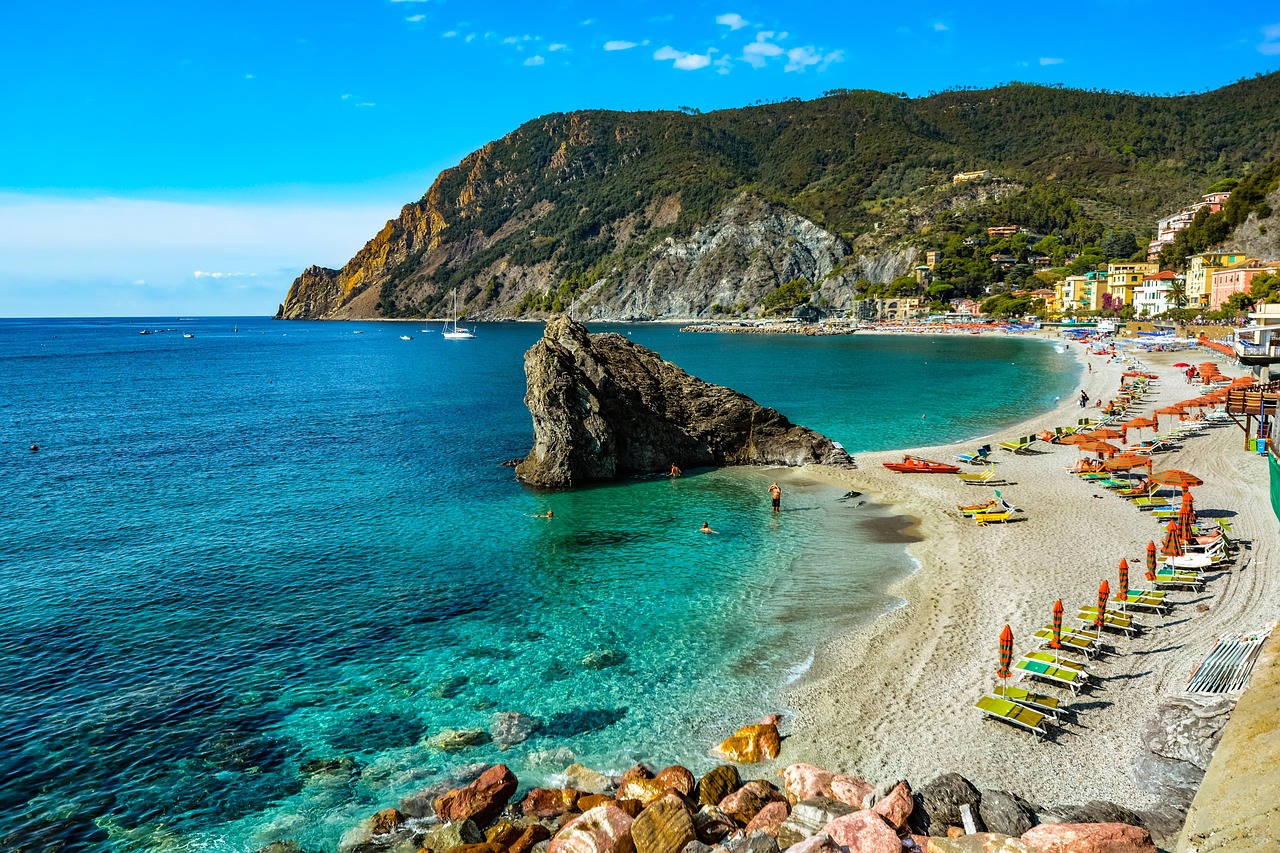
Monterosso is the largest of the five and the only one with a proper sandy beach. It’s divided into the newer Fegina area by the train station (great for families and those who want easy beach access) and the older borgo antico with its tangle of lanes and wine bars.
Best for: Families, beach lovers, travelers who prefer flatter terrain and more amenities. If you’re planning 4 days in Cinque Terre and want a gentle base, Monterosso is ideal.
Vernazza – The Postcard Village
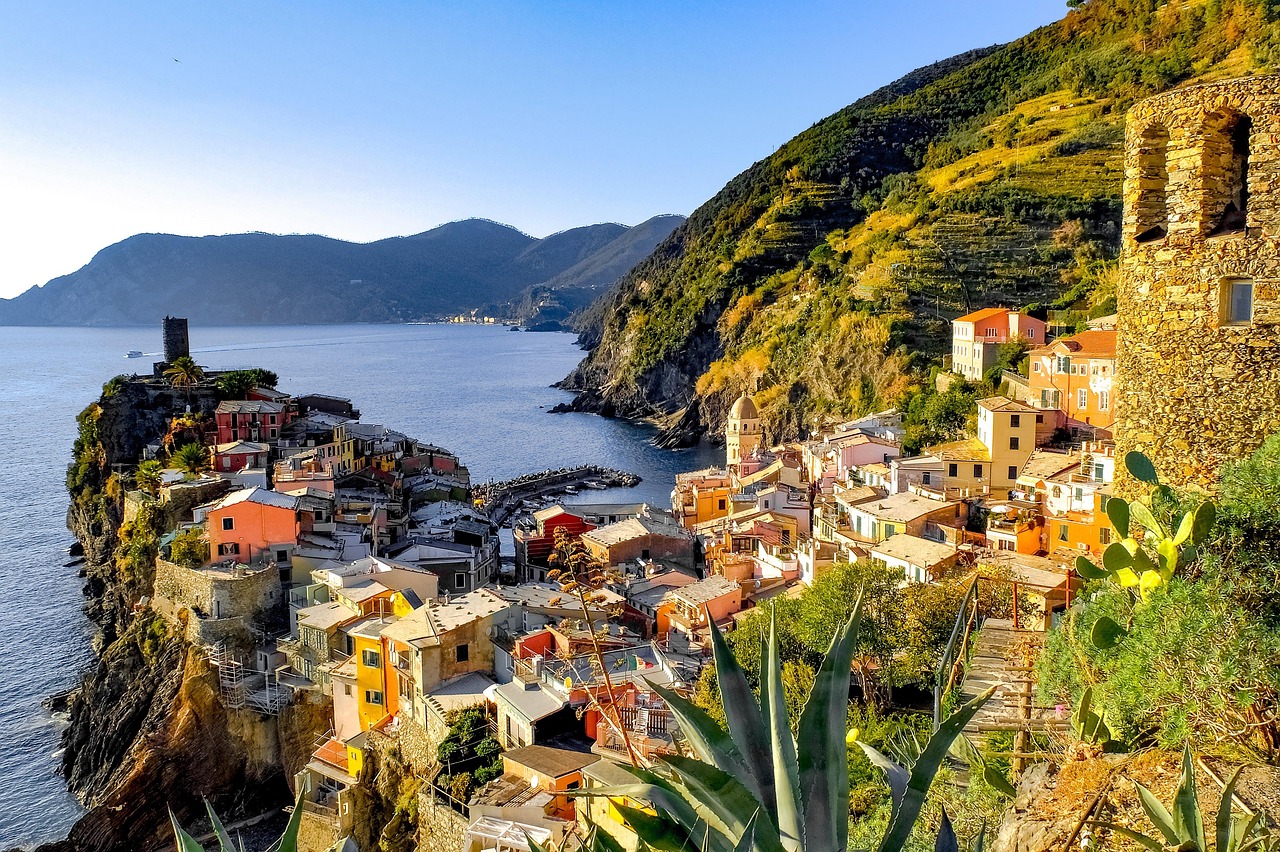
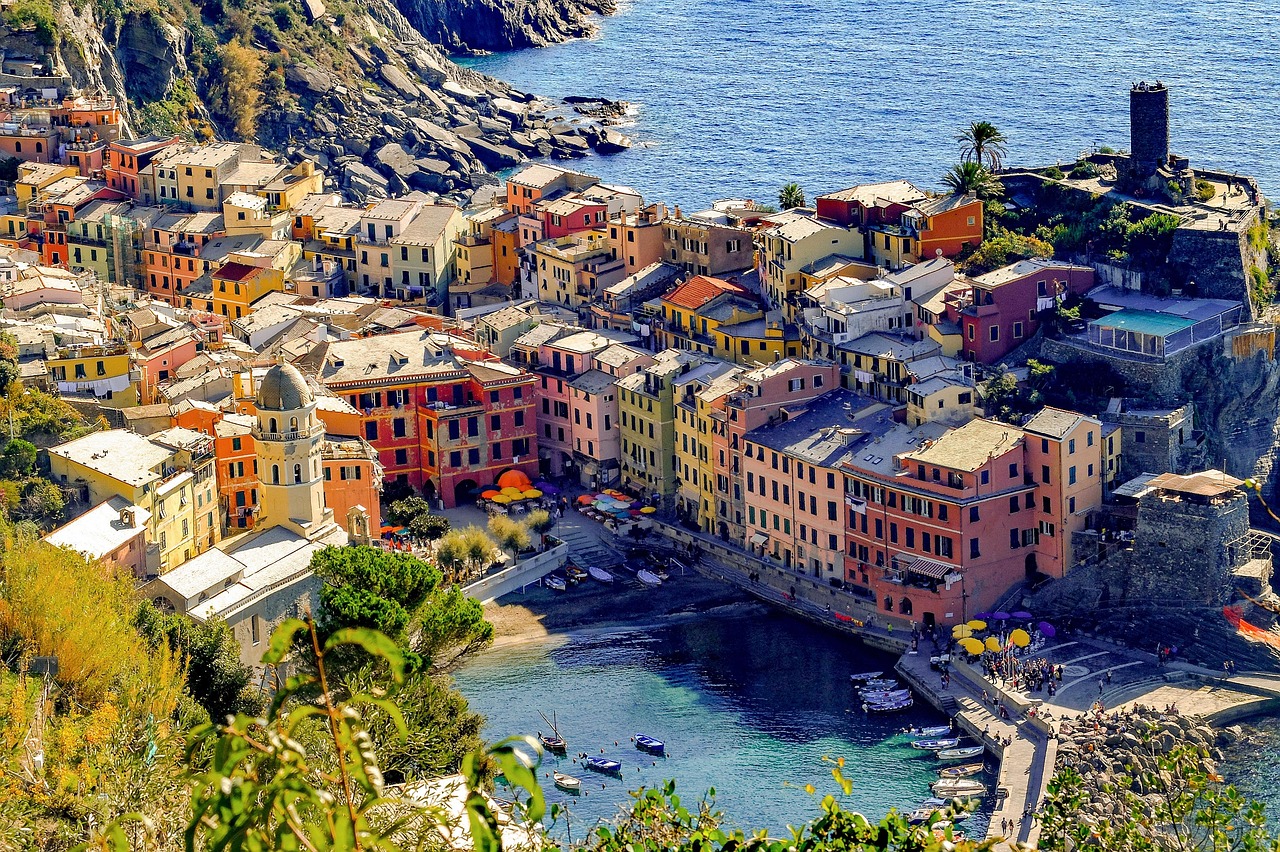
Vernazza is the Cinque Terre of your imagination: a natural harbor with bobbing fishing boats, a small piazza spilling onto the water, and pastel houses stacked almost vertically. It’s busy, but sunrise and late evening still feel magical.
Best for: Couples, photographers, romantics, and anyone who doesn’t mind stairs and crowds during the day.
Corniglia – The Quiet One on the Cliff
Perched on a promontory high above the sea, Corniglia is the only village without direct water access. You either climb the long Lardarina staircase from the station or take a shuttle bus. The reward is a quieter, more local feel and sweeping views.
Best for: Travelers seeking calm, hikers, and those staying 5–7 days in Cinque Terre who want a base away from the busiest spots.
Manarola – Wine Terraces & Famous Viewpoint
Manarola feels sculpted into the rock. The tiny harbor, the headland viewpoint, and the vineyard terraces behind the village make it one of my personal favorites, especially out of season. This is where I bring friends to convert them into lifelong Cinque Terre addicts.
Best for: Photographers, wine lovers, couples, and anyone who wants that classic golden-hour shot.
Riomaggiore – Lively & Dramatic
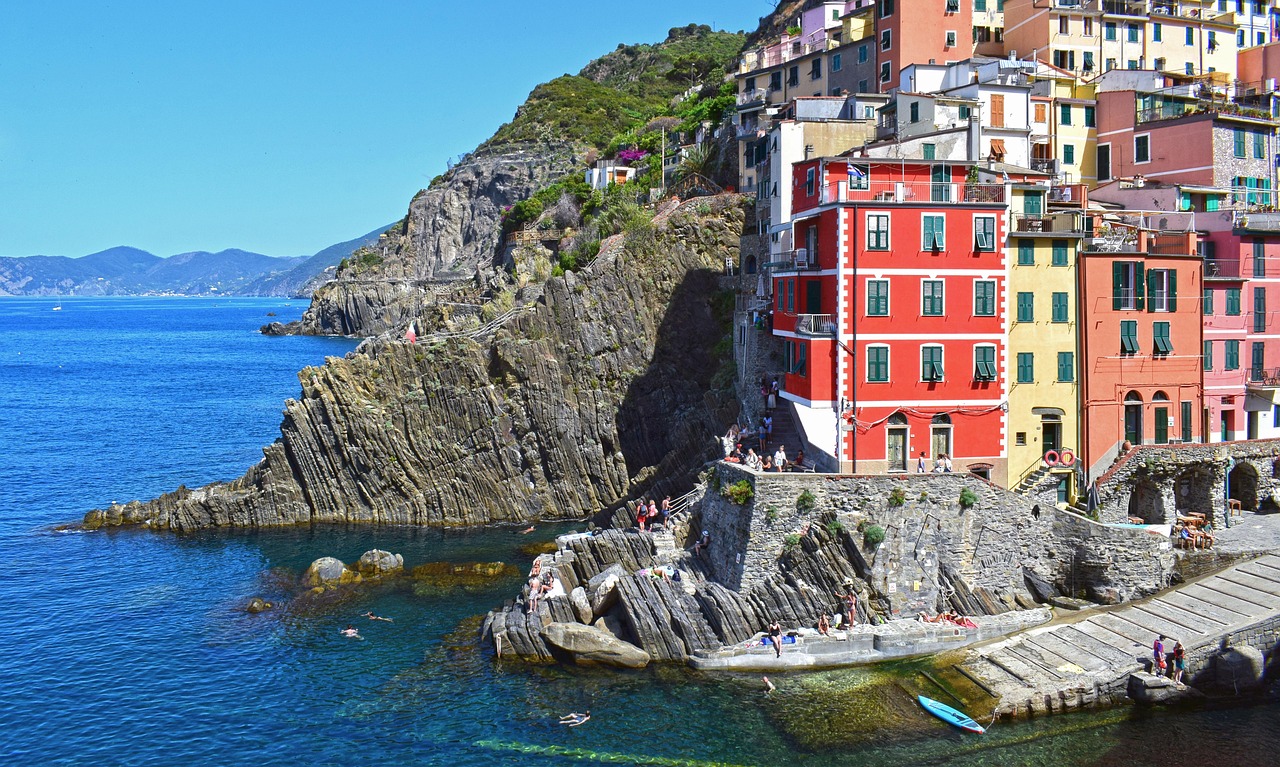
Riomaggiore, the easternmost village, has a dramatic V-shaped harbor and a main street that slopes steeply from the station down to the sea. It has a slightly more lived-in feel, with students, fishermen, and a few late-night bars.
Best for: Younger travelers, night owls, and those wanting a mix of local life and easy train connections.
The Landscape & National Park
Cinque Terre is part of the Parco Nazionale delle Cinque Terre and a UNESCO World Heritage Site. What ties the villages together is the network of trails (the famous Sentiero Azzurro and higher ridge paths), plus the terraced vineyards and olive groves. The sea is ever-present but so is the verticality; even going for groceries can feel like a stair workout.
Where to Base & How to Move Between Towns
Over several trips, I’ve tested bases in Riomaggiore, Manarola, Vernazza, and Monterosso, plus nearby La Spezia. Each works differently depending on whether you’re doing 4, 5, 6, or 7 days in Cinque Terre.
Best Bases by Travel Style
- For a 4 day itinerary for Cinque Terre (first-time visit): Monterosso (easy beach + flat) or Manarola (iconic views + central).
- For 5 days in Cinque Terre: Split time: 3 nights in Manarola or Vernazza + 2 in Monterosso or La Spezia to access nearby day trips.
- For a 6 day itinerary for Cinque Terre: Consider Corniglia for a quieter few days; combine with a busier village.
- For 7 days in Cinque Terre: A mix of one Cinque Terre village and one base just outside (Levanto or La Spezia) balances budget and calm.
Getting Around: Train vs Boat vs Car
Train: This is your main artery. A regional line connects La Spezia – Riomaggiore – Manarola – Corniglia – Vernazza – Monterosso – Levanto. Trains run roughly every 20–30 minutes in high season and less often off-season.
Boat: From spring to autumn, ferries connect Monterosso, Vernazza, Manarola, Riomaggiore, and sometimes Portovenere and Levanto. They’re slower than the train but give cinematic views of the villages.
Car: Leave it outside the villages. Parking is limited and expensive, and cars are banned in the historic centers. If you’re driving the region, park in La Spezia, Levanto, or one of the designated lots above the towns and rely on trains/buses.
Top 20 Attractions & Experiences in Cinque Terre (With Personal Notes)
Below are twenty must-see attractions in Cinque Terre, from classic viewpoints to lesser-known sanctuaries. Each has its own story and practical tips.
1. Sentiero Azzurro (Blue Trail) – The Classic Coastal Hike
The Sentiero Azzurro is the thread that historically connected the five villages on foot. Over the years, storms and landslides have closed and reopened sections, so in 2026 you’ll want to double-check which segments are open on the park’s official site or at local info points.
I’ve walked the trail in baking July heat (do not recommend), in dreamy October mist (absolutely recommend), and once in early April when the wildflowers were just starting to flirt with the sun. My favorite stretch remains Monterosso–Vernazza, with its terraces, sea views, and glimpses into private vegetable gardens.
History & significance: Before roads and trains, this coastal path was how locals moved between villages—hauling wine, olives, and fish. Walking it is a small way of honoring that history.
Tips:
- Buy the Cinque Terre Card which often includes trail access & trains.
- Wear real shoes (not flip-flops); there are fines for inappropriate footwear on some routes.
- Start early to avoid heat and crowds, especially if you’re fitting this into a 4 day itinerary for Cinque Terre.
- Carry water and a light snack—there are no kiosks in the middle of the trail.
2. Monterosso’s Old Town & Beach Life
Monterosso is where I usually start or end a hiking day: a swim to wash the sweat off, then a spritz at a beach bar as the sun melts into the sea. The Fegina beach near the station is lined with umbrellas and chairs (paid), while smaller free sections sit at each end.
History: Monterosso was historically the agricultural and fishing hub, and its larger size made it a local commercial center. During WWII, it was bombed, and you can still see the concrete bunkers and the famous giant “Il Gigante” statue (partially destroyed) at the edge of the beach.
What I love doing here: An early morning walk through the old town to the Church of San Giovanni Battista, coffee and a slice of warm focaccia in the piazza, then a late-afternoon swim.
Family-friendly: The shallow, sandy beach is perfect for kids; this is the best village base for a family-focused 5 day itinerary for Cinque Terre.
3. Vernazza Harbor & Doria Castle
Vernazza’s harbor is the postcard you’ve seen a thousand times—and it’s still breathtaking in person. The Doria Castle tower above the village once guarded against pirates. Now, it’s my favorite place to watch the late-afternoon light slide across the amphitheater of houses.
Personal moment: One October evening, I climbed up with a takeaway cone of fried anchovies. The tower was almost empty, and a local teenager sat playing soft guitar. The combination of salt, music, and golden light is etched into my memory.
Tips: The steps up are steep and narrow. Go an hour before sunset to secure a spot, especially in high season, and bring a light layer; the wind can be strong at the top.
4. Manarola Sunset Viewpoint & Vineyards
The Manarola viewpoint is a must-see attraction in Cinque Terre. From the short cliffside path west of the harbor, the village fans out in a cascade of color. This is where I bring first-timers on their first evening—it’s a guaranteed “wow.”
Behind Manarola, terraced vineyards climb the hill in dizzying steps. A trail (sometimes partially closed for maintenance) leads up through these terraces to the Volastra hamlet, where grape growers still tend the steep slopes.
Romantic: It’s one of the most romantic spots in Cinque Terre. Couples often bring a bottle of local white wine and plastic cups to toast the sunset. Just remember to pack out everything you bring.
5. Riomaggiore Harbor & Upper Old Town
Riomaggiore’s main street is a steep canyon of houses that funnels you from the station down toward the harbor. Turn off into side alleys and you’ll find washing lines, tiny shrines, and cats sunning themselves on stone steps.
Highlights: The small harbor viewpoint looking back at the colored houses (best at dusk), the Church of San Giovanni Battista up above, and the higher residential streets where few visitors wander.
Nightlife: While Cinque Terre is not a party destination, Riomaggiore has a couple of bars that stay open later with live music or DJ sets, especially in summer—handy if you like a bit of evening buzz during 4 days in Cinque Terre.
6. Corniglia’s Lardarina Staircase & Clifftop Views
From Corniglia station, you face the Lardarina: 377 brick steps in tight zigzags up to the village. The first time I climbed it, I arrived panting, only to be handed a small cup of water by an elderly woman who’d been watching the show from her balcony.
Why it’s special: Corniglia feels less touristy and more residential. The views from the terrace behind the church, and from the small overlook toward Manarola, are some of the best panoramas of the coastline.
Tip: There’s also a shuttle bus from the station if you’re tired or traveling with small kids. Time your visit for late afternoon; Corniglia’s narrow lanes glow in warm light and day-trippers start to thin out.
7. Santuario di Nostra Signora di Montenero (Above Riomaggiore)
High above Riomaggiore, the Montenero Sanctuary sits on a natural balcony over the sea. It’s one of several Marian sanctuaries connected to each village and an important part of local spiritual life.
My experience: I hiked up one September morning via the steep path from Riomaggiore. A group of locals were quietly tending the church garden, and one insisted I try a fig straight from the tree. The view sweeps from the Cinque Terre villages all the way toward Portovenere.
Good for: Hikers, spiritual travelers, and anyone wanting an uncrowded viewpoint. Bring a picnic; there are benches and shady spots.
8. Sentiero Vernazza–Corniglia (Coastal Path)
The stretch between Vernazza and Corniglia is less steep than Monterosso–Vernazza but every bit as beautiful. You pass olive trees, cacti, and small vegetable plots. On one trip, I stopped at a tiny stall where a local farmer was selling lemon granita and fresh orange juice from his own trees.
Family-friendly: Older kids who like walking will enjoy this, provided you bring water and sun protection. The trail has some drop-offs but is generally manageable for active families.
9. Sciacchetrà Tasting in a Local Cantina
Sciacchetrà is Cinque Terre’s liquid gold: a sweet dessert wine made from partially dried grapes grown on the steep terraces. It’s labor-intensive and produced in small quantities, which is why you’ll pay a premium—but tasting it where it’s made is unforgettable.
I had my first proper Sciacchetrà tasting in a tiny Manarola cantina. The winemaker explained how the grapes are hand-harvested and laid to dry on racks before pressing. We sipped slowly, pairing it with biscotti and a little blue cheese. The honeyed, apricot notes still haunt me.
Tip: Book tastings ahead, especially May–September. Look for agriturismi in Volastra, Manarola, or Corniglia that offer vineyard tours plus tastings.
10. Monterosso’s Capuchin Monastery & Cemetery
Above Monterosso’s old town, a path winds up to the Convento dei Cappuccini. The monastery is serene, with views back over the bay, and the adjacent cemetery is one of the most atmospheric I’ve ever seen—marble angels, family chapels, and flowers overlooking the sea.
Cultural note: Italian cemeteries are deeply personal spaces; be respectful, keep voices low, and dress modestly.
11. Vernazza’s Santa Margherita d’Antiochia Church
The church of Santa Margherita d’Antiochia sits right by the water in Vernazza, its bell tower watching over the harbor. Inside, it’s cool and dim, with simple stone columns and a sense of continuity; locals have been baptizing their babies and saying goodbye to their elders here for centuries.
Tip: Step inside for a few minutes of calm when the harbor feels crowded. Cover shoulders and knees if possible—it’s a working church, not a museum.
12. Manarola’s Nativity Scene (Presepe) & Winter Lights
Every December and early January, Manarola’s hillside transforms into what locals proudly call the world’s largest illuminated nativity scene (Presepe). Hundreds of figures made from recycled materials and thousands of lights create a glowing tableau above the village.
I caught it once in early January on a winter research trip. The air was cold, the crowds were gone, and the entire hillside shimmered. If you’re planning 6 or 7 days in Cinque Terre in winter 2026–2027, time your visit around this if you can.
13. Corniglia’s Belvedere Santa Maria Terrace
At the far edge of Corniglia, a small terrace—Belvedere Santa Maria—juts out toward the sea. From here you see Manarola in the distance and the endless blue below. It’s one of the quietest official viewpoints in Cinque Terre.
Favorite ritual: Gelato in hand, stroll to the belvedere at sunset. Locals gather on the benches, chatting softly as the sky turns peach and lavender.
14. Boat Trip Along the Cinque Terre Coast
Seeing the five villages from the water puts everything in perspective: the near-vertical terraces, the precarious houses, the tiny scale of each harbor. Regular ferries run in season, but I’ve also splurged on a small-group sunset boat with swimming stops—worth every euro.
Tip: If you’re on a tighter budget, take just one ferry segment (e.g., Monterosso–Riomaggiore) instead of the full-day pass. It still gives you that cinematic approach to the villages.
15. Sanctuary of Our Lady of Reggio (Above Vernazza)
The Sanctuary of Nostra Signora di Reggio is reached by a steep, shady path from Vernazza. The sanctuary itself is modest, but the setting—chestnut trees, a spring-fed fountain, picnic tables, and views—makes it a perfect escape from the coastal crowds.
Personal tip: Hike up in the morning, refill your water bottle from the fountain (locals swear by it), and linger with a simple picnic.
16. Levanto: Surf & Wider Beach Just Beyond Cinque Terre
Just north of Monterosso, Levanto is technically outside Cinque Terre but closely connected by train. It has a long sandy/pebbly beach, a more local vibe, and even surfing when the swell is right.
For longer stays (6 or 7 days in Cinque Terre), I often spend a night or two here. Accommodation is a bit cheaper, and the town has excellent bakeries, a weekly market, and fewer crowds.
17. Local Food Markets & Morning Fish Catches
In Monterosso and Riomaggiore especially, early mornings bring small trucks and stalls selling vegetables, fruit, and fish. Watching a local grandmother negotiate for anchovies is performance art.
Travel tip: If your accommodation has a kitchen, shopping at these markets and cooking a simple dinner (pasta, pesto, tomatoes, local wine) is a great way to save money and experience local life.
18. Hidden Swimming Spots & Rock Ledges
Beyond the main beaches, there are rocky ledges and small coves in every village where locals slip into the water. I’m not naming every exact rock (some secrets should stay semi-secret), but keep your eyes open near harbor walls and side paths.
Safety note: Always check the sea conditions, avoid diving into unknown depths, and respect any “no swimming” signs—currents can be strong.
19. Traditional Ligurian Cooking Class
One of my favorite cultural experiences in Cinque Terre was a small cooking class in a family kitchen above Manarola. We made pesto with a mortar and pestle, kneaded dough for focaccia, and rolled trofie pasta by hand. Between recipes, we talked about how tourism has changed local life and how younger generations are rediscovering old dishes.
Why it’s worth it: It connects you to the region’s flavors and gives you skills you’ll take home. Plus, you get a memorable meal out of it.
20. Sunset from the High Trails (Ridge Path / Sentiero 1)
Above the coastal paths, a higher ridge trail (often marked as Sentiero 1) connects the sanctuaries and hilltop villages. Sections of this route offer grand, wide-angle views of the entire coastline.
One October evening, I sat on a low stone wall above Manarola, the villages below already glowing with their little lights. The sky went from gold to violet, and the sea became a dark, breathing thing. It’s a different, wilder Cinque Terre up here.
Good for: Experienced hikers, photographers, and anyone in a 6 or 7 day itinerary for Cinque Terre with time for deeper exploration.
Suggested 4–7 Day Itineraries in Cinque Terre (With Personal Storylines)
Below are flexible itineraries for 4, 5, 6, and 7 days in Cinque Terre. Each mixes must-see attractions, hidden gems, and cultural experiences. Rather than 80,000 words of minute-by-minute detail, I’ll give you a realistic, lived-in framework you can adapt on the ground.
4 Day Itinerary for Cinque Terre: Highlights Without Rushing
Best base: Monterosso or Manarola (both central and well-connected).
Day 1 – Arrival, First Swim, and Golden Hour in Manarola
Arrive by train (ideally midday) and drop your bags. I like to start gently: a walk through your base village, a gelato, and a first dip in the sea if weather permits. If you’re in Monterosso, stroll the promenade and cross through the tunnel into the old town; if in Manarola, wander down to the harbor and along the viewpoint path.
Late afternoon: Take the train to Manarola (if you’re not already staying there) to experience the classic sunset viewpoint. Find a seat on the rocks or at a bar terrace, order a glass of crisp local white, and watch the colors shift.
Dinner: Try a simple trattoria with seafood pasta or trofie al pesto. Book ahead in high season.
Day 2 – Monterosso–Vernazza Hike & Vernazza Evening
Morning: Start early in Monterosso. Walk up through the old town toward the trailhead for the Sentiero Azzurro to Vernazza. The climb out of Monterosso is the hardest part; then the trail undulates through terraces and olive groves with constant sea views.
Lunch: Arrive in Vernazza, grab a table on the piazza by the harbor, and order something with local anchovies if you eat fish. Anchovies here are delicate and mild, not at all like the salty pizza toppings you might know.
Afternoon: Explore the lanes, visit Santa Margherita church, and climb to Doria Castle. If it’s hot, slip into the water for a quick swim from the little harbor beach.
Evening: Either stay in Vernazza for dinner or head back to your base. If you stay, catch the last train back after dark—Vernazza lit up at night is pure romance.
Day 3 – Corniglia & Manarola Vineyards
Morning: Take the train to Corniglia. Decide if you’ll brave the Lardarina stairs or take the shuttle. Once in the village, meander through the lanes to the Belvedere Santa Maria terrace and soak in the views.
Lunch: Find a small enoteca with a terrace; order a plate of bruschetta, local cheese, and a glass of Cinque Terre DOC wine.
Afternoon: Train to Manarola. If you have energy, hike up through the terraced vineyards to Volastra (check trail conditions). Otherwise, explore the upper streets of Manarola and maybe fit in a Sciacchetrà tasting.
Evening: Swim off the rocks by Manarola’s harbor if the sea is calm, then linger for sunset. This is your “perfect Instagram” evening, but don’t forget to simply sit and watch without your phone for a few minutes.
Day 4 – Riomaggiore & Free Time
Morning: Train to Riomaggiore. Wander the upper streets, visit the church, and explore side alleys. Have a coffee at a bar where locals stand at the counter—a small but important cultural experience.
Lunch: Grab a paper cone of fritto misto (mixed fried seafood) and sit near the harbor.
Afternoon: Depending on your departure time, either:
- Take a short boat trip along the coast if in season.
- Fit in a last swim at Monterosso.
- Or simply sit with a book in a piazza and soak up the last hours.
5 Day Itinerary for Cinque Terre: Adding Depth & a Sanctuary
With 5 days in Cinque Terre, you can slow down and add a sanctuary hike and some local food experiences.
Day 1–3 – Follow the 4 Day Itinerary Above
Use the first three days as outlined (arrival, Monterosso–Vernazza hike, Corniglia–Manarola day).
Day 4 – Sanctuary Above Vernazza or Riomaggiore + Cooking Class
Morning: Hike to either the Sanctuary of Our Lady of Reggio (above Vernazza) or Montenero (above Riomaggiore). These trails give you a taste of the higher, quieter Cinque Terre.
Afternoon: Return to your base for a rest, then join a late-afternoon cooking class (many start 4–5 pm). Spend the evening making pesto, focaccia, and pasta—and eating your creations.
Day 5 – Flexible Day: Boat Trip or Levanto
Use this day based on your interests:
- Boat-focused: Take a full or half-day boat trip along the coast, maybe including Portovenere.
- Beach-focused: Head to Levanto for a wider beach, rent a bike along the coastal path, or take a surf lesson.
- Hike-focused: Tackle another section of the Sentiero Azzurro or a high-trail loop.
6 Day Itinerary for Cinque Terre: Slow Travel & Higher Trails
With 6 days in Cinque Terre, I like to split the stay: 3 nights in a Cinque Terre village (Manarola or Vernazza) and 3 nights in Levanto or La Spezia.
Days 1–3 – Cinque Terre Village Base
Follow the 4-day plan, but stretch it with slower mornings, extra swims, and more piazza time. Fit the sanctuary hike on Day 3 instead of cramming everything.
Day 4 – Move Base & Explore Levanto or La Spezia
Morning: Check out of your village accommodation and move to Levanto (for beach vibes) or La Spezia (for urban amenities and easier day trips).
Afternoon: Wander your new base, visit local markets, and enjoy a different rhythm—more locals, fewer tourists.
Day 5 – High Trail / Ridge Hike
Dedicate a full day to a higher trail section, for example:
- Riomaggiore – Montenero – Campiglia – Portovenere (long and strenuous).
- Vernazza – Reggio – San Bernardino – Corniglia (moderate, superb views).
Pack plenty of water and snacks; services up high are limited.
Day 6 – Recovery & Free Exploration
Use your last day to revisit your favorite village, have a long lunch, and buy any local products (olive oil, pesto, wine) you want to take home. This is also a great day for a Sciacchetrà tasting if you haven’t done one yet.
7 Day Itinerary for Cinque Terre: A Full Week on the Ligurian Coast
Seven days in Cinque Terre lets you blend hiking, beach time, cultural experiences, and day trips without rushing.
Days 1–4 – Classic Cinque Terre Highlights
Follow the 4 day itinerary but slow it down even more. Add more swims, longer lunches, and maybe a second, different section of the Sentiero Azzurro.
Day 5 – Portovenere Day Trip
Take a boat (in season) or bus/train + bus combo to Portovenere, a UNESCO-listed town with a castle, church perched on a promontory, and crayon-colored houses along the harbor.
Walk to the Church of San Pietro, peer into Byron’s Grotto, and have lunch overlooking the sea. Portovenere is one of the best day trips from Cinque Terre and blends seamlessly into a 7 day itinerary.
Day 6 – Inland Villages or La Spezia Museums
Explore inland Ligurian villages (by bus or car) with stone houses and chestnut woods, or dive into La Spezia’s underrated museums (Naval Museum, Lia Museum with art and antiquities). This gives you a taste of local life beyond the postcard coast.
Day 7 – Your Day, Your Way
Use your last day to do exactly what you loved most: maybe an easy beach day in Monterosso, one last hike, or simply hopping between villages by train, sitting in piazzas with coffee and watching life unfold.
Local Food in Cinque Terre: What to Eat & Where
Liguria’s cuisine is all about the sea, the terraces, and the olive groves. In Cinque Terre, these elements meet in simple, intensely flavored dishes.
Signature Dishes to Try
- Pesto alla Genovese: Originating from nearby Genoa, but in Cinque Terre it’s made with local basil, pine nuts, garlic, Parmigiano, Pecorino, and Ligurian olive oil. Try it with trofie pasta or on potatoes and green beans.
- Trofie al Pesto: Short, twisted pasta that clings to the pesto perfectly.
- Focaccia Ligure: Flatbread dimpled with olive oil and salt; best eaten warm at breakfast with a cappuccino (yes, locals do this).
- Acciughe (Anchovies): Fresh, marinated, or fried. Monterosso is especially proud of its anchovy tradition.
- Farinata: Thin chickpea flour pancake, crispy on the edges and soft inside.
- Seafood: Mixed fried seafood cones, spaghetti alle vongole (clams), grilled fish of the day.
- Torta di Verdura: Savory vegetable pies with chard, herbs, or pumpkin.
Where to Taste It (Agriturismi, Trattorias, Markets)
Agriturismi & farm-stays: In Volastra, Corniglia’s hills, and inland from Levanto and La Spezia, agriturismi serve set menus featuring their own vegetables, olive oil, and wine. You’ll need to book ahead and usually need a car or be ready for a serious uphill walk.
Family-run trattorias: In each village, look a bit away from the main waterfront for smaller trattorias with handwritten menus. I rely on places where the menu changes with the catch of the day or what was good at the market.
Markets: Levanto and La Spezia have the most substantial daily markets; Monterosso and Riomaggiore have smaller ones. Perfect for picnic supplies if you’re hiking or trying to save money over a multi-day trip.
Local Wine & Drinks
- Cinque Terre DOC white: Fresh, mineral, a perfect match for seafood.
- Sciacchetrà: Sweet, amber dessert wine—sip slowly.
- Aperitivo: Aperol spritz, Negroni, or local white wine with small snacks before dinner.
Evenings in Cinque Terre: Piazzas, Sunsets & the Slow Rhythm After Dark
Evenings are when Cinque Terre exhales. Day-trippers leave, cruise ship tours vanish, and the villages shrink back to a more human scale.
Sunset Rituals
- Manarola viewpoint: The classic spot, especially for couples and photographers.
- Vernazza harbor: Sit on the harbor wall with gelato and watch kids play and boats bob.
- Monterosso beach: Walk barefoot along the sand as the sky turns pink.
Small-Town Nights
Piazzas fill with families, older locals sit on benches gossiping, and bars serve aperitivo. There aren’t big nightclubs; nightlife here is conversations, live music at a bar, and long dinners.
Seasonal Celebrations
- Summer: Village festivals with live music, food stalls, and dancing in the piazza.
- September–October: Harvest festivals and wine-related events, especially around Manarola and Corniglia.
- December–January: Manarola’s Presepe lights; Christmas masses and processions.
What’s New in 2026–2027: Events & Changes
As of 2026, local authorities continue to balance tourism with conservation. Expect:
- Trail management: Ongoing stabilization works on sections of the Sentiero Azzurro; some segments may require reservations or have timed entry in peak months to limit crowds.
- Festival highlights 2026–2027:
- Monterosso Anchovy Festival (Sagra dell’Acciuga): Usually in June and September, celebrating the local anchovy tradition with tastings and music.
- Grape Harvest (Vendemmia): Late September to early October, not a single festival but a season; some agriturismi offer harvest experiences.
- Manarola Presepe: December 8 (Immaculate Conception) lighting ceremony through early January 2027.
- Eco-initiatives: More emphasis on reusable bottles (water fountains in villages and along some trails), recycling, and discouraging single-use plastics.
Check local tourism websites closer to your travel dates for exact 2026–2027 event calendars and any new regulations affecting access to must-see attractions in Cinque Terre.
Day Trips from Cinque Terre
If you’re staying 5–7 days, these nearby spots are worth a day trip.
Portovenere
How to get there: Boat from Cinque Terre villages in season, or train to La Spezia + bus to Portovenere.
What to do: Walk the harbor, visit San Pietro church on the rocky promontory, climb up to the Doria Castle, and take a boat trip to the nearby islands if time allows.
La Spezia
How to get there: Direct regional trains from all Cinque Terre villages.
What to do: Explore the historic center, visit the Naval Museum and Lia Museum, and enjoy more local-priced restaurants and shops.
Levanto & Bonassola
How to get there: Train from Monterosso or other villages.
What to do: Beach time, bike the converted rail tunnel path between Levanto, Bonassola, and Framura, and explore less touristy coastal villages.
Cultural Experiences, Local Customs & Etiquette
Cinque Terre is not a theme park; it’s home to real communities with deep traditions. A few cultural notes make your visit smoother and more respectful.
Everyday Etiquette
- Greetings: A simple “Buongiorno” (morning/day) or “Buonasera” (evening) when entering shops or cafes is appreciated.
- Dress: Beachwear is for beaches. In villages, put on a shirt and cover up a bit, especially in churches or when walking through residential lanes.
- Noise: Sound carries in narrow alleys. Keep voices down at night; many residents wake early for fishing or work.
- Churches: Dress modestly, speak quietly, and avoid flash photography during services.
Cafes & Restaurants
- Bar vs. table: In many bars, coffee drunk standing at the counter costs less than sitting at a table.
- Service pace: Meals are meant to be relaxed; don’t expect rushed service. Ask for the bill (“Il conto, per favore”) when you’re ready; it’s not considered rude.
- Tipping: Service is often included. Rounding up or leaving 5–10% for good service is appreciated but not mandatory.
Cultural Experiences to Seek Out
- Attend a local festival or concert if one coincides with your stay.
- Join a cooking class or wine tasting run by locals rather than big outside operators.
- Shop at small groceries, bakeries, and artisanal shops to support the local economy.
Practical Travel Advice for Cinque Terre (2026)
When to Go & Seasonal Considerations
- March–April: Wildflowers, cooler temps, some trail closures possible due to winter damage. Great for hikers.
- May–June: Ideal balance of weather and crowds. Good for all activities.
- July–August: Hot, crowded, and more expensive. Best for strong swimmers and those who prioritize beach time. Hike early or late.
- September–early October: My favorite: warm sea, harvest season, slightly fewer crowds than peak summer.
- Late October–February: Quiet, some restaurants and hotels closed, unpredictable weather and trail closures—but magical if you like solitude and local life (plus Manarola’s Presepe).
Getting There & Around
By train: The main gateway is La Spezia (from Pisa, Florence, Rome, Milan). From there, frequent regional trains run through all five villages and on to Levanto.
By car: Park in La Spezia, Levanto, or designated lots above the villages (Riomaggiore, Manarola, etc.). Expect narrow, winding roads and tight parking. A car is not essential if you’re only doing Cinque Terre; trains and boats suffice.
Driving Distances
- La Spezia – Riomaggiore: ~20–30 minutes (winding road).
- La Spezia – Monterosso: ~45–60 minutes.
- Levanto – Monterosso: ~15–25 minutes.
Remember: driving between villages is slower and more stressful than the train; park once and use public transport.
Public Transport & Passes
Cinque Terre Card: Offers unlimited train travel between Levanto and La Spezia plus trail access on the Sentiero Azzurro and sometimes wifi/toilet access at stations. Check current prices and conditions in 2026 at info points.
Saving Money Over a Multi-Day Trip
- Stay in La Spezia or Levanto and day-trip into the villages if accommodation in the villages is too pricey.
- Cook some meals if you have a kitchen; buy from markets and small groceries.
- Opt for picnics on hiking days instead of sit-down lunches.
- Use the regional train and Cinque Terre Card instead of taxis or private boats.
SIM Cards & Connectivity
In 2026, major Italian providers (TIM, Vodafone, WindTre, Iliad) offer tourist-friendly prepaid SIMs with generous data. You can buy them in La Spezia or larger cities. Coverage is good in villages and on main trails, but expect some dead spots on high paths and in tunnels.
Visa Requirements & Driver’s Licenses
Visas: Italy is part of the Schengen Area. Many nationalities (including US, Canada, UK, Australia, New Zealand, much of Latin America and Asia) can enter visa-free for short stays, but rules are evolving (including ETIAS pre-travel authorization). Always check official sources for 2026 requirements before travel.
Driver’s licenses: If you plan to rent a car, most non-EU visitors need both their home license and an International Driving Permit (IDP). Confirm with your rental company.
Safety & Health
- Trails can be steep and rough; proper footwear and water are essential.
- Summer heat is real; plan hikes for mornings or evenings.
- Tap water is generally safe to drink; refill bottles at fountains.
Overtourism & Responsible Travel
- Travel in shoulder seasons (April–June, September–October) when possible.
- Stay overnight instead of visiting only as a day trip; it spreads the load and supports local businesses more sustainably.
- Stick to marked trails to avoid damaging terraces and fragile vegetation.
- Support locally owned accommodations, restaurants, and shops.
Summary & Final Recommendations: When to Visit Cinque Terre
Cinque Terre is at its best when you allow it to be more than a checklist of things to do. It’s early-morning focaccia in a quiet piazza, the burn in your calves on a stone stairway, sea salt drying on your skin after a swim, and the sound of church bells echoing off the cliffs.
Best seasons overall: Late April–June and September–early October strike the best balance of weather, crowds, and open services. July–August is wonderful for dedicated beach and sea lovers who can handle heat and crowds; winter offers solitude and a glimpse of everyday life, especially around the Manarola Presepe.
Whether you have 4 days in Cinque Terre or a full 7 day itinerary, prioritize what matters most to you: iconic views, hiking, food, or simply slowing down. Use this travel guide for Cinque Terre as a framework, then let the villages surprise you—it’s in the unscripted moments that this coastline really works its magic.