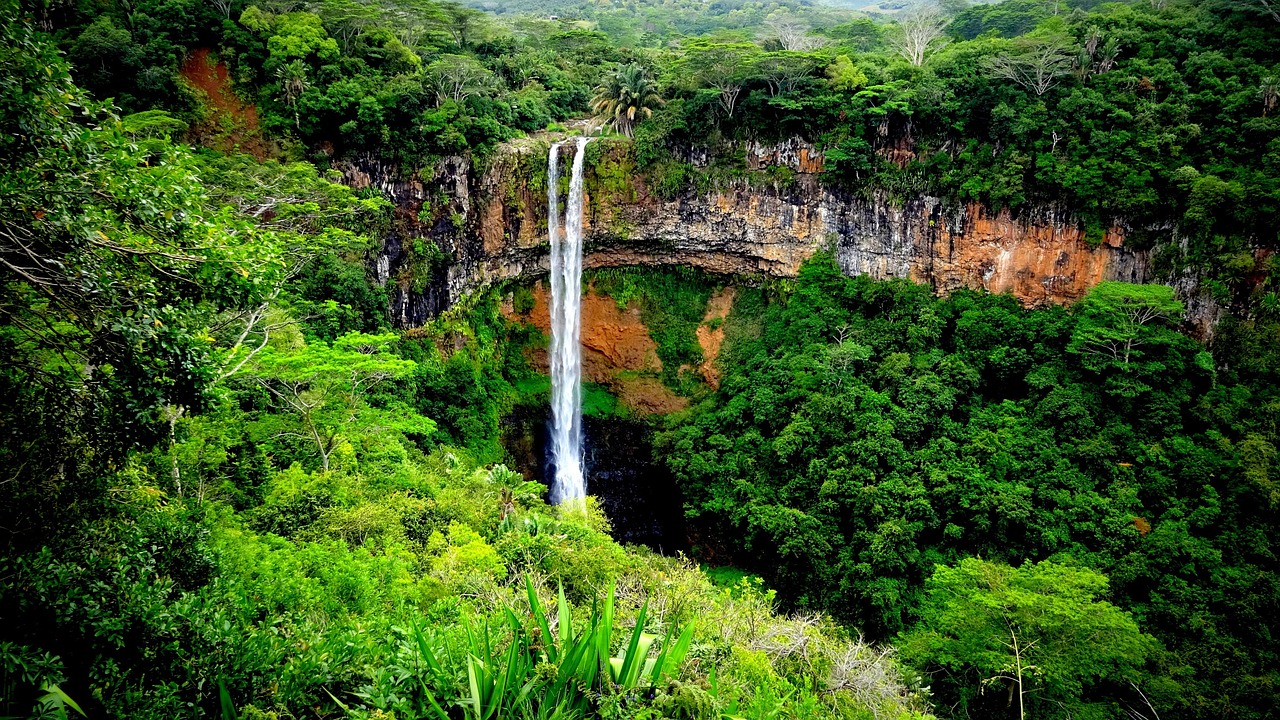
Why Visit Black River Gorges National Park?
When most people picture Mauritius, they see beaches and lagoons. Those of us who live here know that the real soul of the island lies in its high, misty interior – and nowhere more so than Black River Gorges National Park. This is where the last fragments of Mauritius’ original rainforest cling to steep ravines, where endemic birds still flash through the canopy, and where the trade winds bring rolling curtains of cloud that transform the landscape by the hour.
I’ve been walking these gorges since childhood – first with my father, then with friends, and now with curious visitors who want more than a postcard-perfect beach. Over the years I’ve learned which trails stay muddy for days after rain, where the echo of the paille-en-queue (white-tailed tropicbird) carries best, and which viewpoints you can still have almost to yourself at sunrise.
This long-form travel guide is meant to be the resource I wish I’d had when I started exploring the park seriously: a detailed, opinionated, and very personal travel guide for Black River Gorges National Park that helps you plan a 3 day itinerary, a 4 day itinerary, or even a 5 day itinerary in and around the gorges. We’ll go beyond the classic waterfalls and viewpoints to find genuine hidden gems in Black River Gorges National Park, taste local food in the gateway villages, and understand the cultural experiences and local customs that shape how Mauritians use this landscape today.
If you’re wondering whether to carve out three, four, or five days of your Mauritius trip for the highlands, my honest answer is: yes – and then some. Even with five days, you’ll only scratch the surface, but you’ll go home with muddy shoes, full memory cards, and a very different idea of what Mauritius is.
Table of Contents
- Why Visit Black River Gorges National Park?
- Park Overview & Key Regions
- 15 Essential Trails, Viewpoints & Zones (In Depth)
- Suggested Itineraries (3, 4 & 5 Days)
- Where to Eat & Drink Around the Park
- Where to Stay: Lodges, Guesthouses & Camping
- After-Dark & Quiet Experiences
- Day Trips & Nearby Attractions
- Culture, Etiquette & Local Customs
- Practical Logistics & Park Rules
- Money-Saving Tips, Transport & SIM Cards
- Seasons, Weather & Best Time to Visit
- What’s New & Events in 2026–2027
- Final Summary & Key Takeaways
Black River Gorges National Park at a Glance
Black River Gorges National Park covers roughly 6,500 hectares – about 3.5% of Mauritius – in the island’s southwestern highlands. The terrain is a puzzle of deep ravines, knife-edge ridges, and rounded peaks, cloaked in what remains of the original ebony and dodo-era forest. It’s a protected sanctuary for endemic plants and birds, but also very much a living landscape for Mauritians who come here to picnic, pray, and escape the coastal heat.
Most travelers base themselves in the nearby coastal towns of Tamarin, Flic en Flac, or Le Morne, about 30–50 minutes’ drive from the main trailheads, or in the cooler plateau towns of Curepipe, Quatre Bornes, and Vacoas. A few lucky visitors stay on private estates or eco-lodges right at the forest’s edge.
The park is broadly divided into several recognizable zones, each with its own personality:
- Black River (West) Sector – drier, sunnier, lower elevation, with iconic viewpoints like the Black River Gorges Viewpoint and access to longer ridgeline hikes.
- Plaine Champagne & Gorges Lookout (Central Ridge) – misty uplands, picnic areas, sweeping panoramas, and access to several short family-friendly walks.
- Mare aux Vacoas & Petrin (High Plateau) – cooler, wetter forest with magical cloud-forest trails and access to Macchabée and Bel Ombre areas.
- Alexandra Falls & South Gate – dramatic viewpoints, waterfalls, and easier access for those driving from the south coast.
- Bel Ombre Fringe – wilder-feeling forest on the park’s southern edge, with fewer crowds.
Within these zones, a lattice of official and unofficial trails crisscrosses the park. In this guide, I’ll focus on 15 of the most important and rewarding trails, viewpoints, and zones, weaving in my own experiences from the past few years.
15 Essential Trails, Viewpoints & Zones – In Depth
Below you’ll find mini “sub-articles” on each major area. These are the backbone of any 3 days in Black River Gorges National Park, 4 days in Black River Gorges National Park, or 5 days in Black River Gorges National Park itinerary.
1. Black River Gorges Main Viewpoint (Panoramic Heart of the Park)
If there’s one image that sells people on coming inland, it’s the sweeping panorama from the Black River Gorges Viewpoint on the western side of the park. The first time I brought a group of visiting friends here, I deliberately parked a little further down, made them walk the last few hundred metres, and watched their conversation die mid-sentence as the gorge opened up in front of them.
From this vantage, you look down into a vast green bowl, the forest flowing like a living carpet to the distant glint of the Indian Ocean. On clear days you can trace the sinuous path of the Black River itself; on misty days, clouds pour over the ridges like slow-motion waterfalls. I actually prefer the latter: the drama of watching whole ridgelines appear and disappear is addictive.
Access & Practicalities
The viewpoint is just off the main B103 “Black River Gorges” road, a short drive up from the coastal town of Black River/Tamarin. The parking area gets busy between 10:00 and 14:00, especially on weekends and public holidays when Mauritian families come up for fresh air and selfies.
- Best time: Early morning (07:00–09:00) for quieter conditions and softer light, or late afternoon for warm, cinematic colours.
- Facilities: Basic parking, a few snack stalls on busy days, but no formal café or toilets right at the lookout (nearest are at the visitor centre or picnic areas).
- Family-friendly: Absolutely – step-free from car to viewpoint, though keep small children close to the railings.
What I Love Doing Here
When I’m guiding, I often start a 3 day itinerary for Black River Gorges National Park with this panorama. From here, it’s easy to point out the lines of the main ridges, the direction of the Macchabée Forest, and even the notch of Piton de la Petite Rivière Noire, the island’s highest peak. It turns the abstract names on maps into something tangible.
My favourite ritual is to grab hot gato pima (chilli fritters) from a roadside stall in Black River on the way up, then eat them standing at the rail watching the mists shift. There are worse ways to start a day.
Tips for Visitors
- Photography: Bring a wide-angle lens; this is one of the few spots where you can capture the scale of the gorges in a single frame.
- Weather: If it’s socked in with cloud when you arrive, don’t despair – conditions can change completely in 20–30 minutes. I’ve had days where we saw nothing but grey, only for the clouds to rip open revealing turquoise ocean.
- Combine with: The nearby Black River Visitor Centre and the start of the Black River Peak or Plateau Remousse trails if you’re hiking.
2. Macchabée Forest Trail (Mist Forest & Endemic Bird Haven)
If the main viewpoint is the park’s “wow” moment, the Macchabée Trail is where you feel its heartbeat. This is the trail where I’ve had my quietest, most magical encounters – a fleeting glimpse of a merle de Maurice (Mauritius blackbird), the first time I heard the eerie call of the oiseau la vierge (paradise flycatcher), or the silent shock of seeing a giant ebony tree up close.
The trail runs roughly east–west along the high plateau between Petrin and the Macchabée Forest, offering a mix of dense canopy, mossy understorey, and occasional viewpoints down into the gorge. It’s part of the core conservation area where decades of invasive-species control have allowed native plants and birds to rebound.
Trail Basics
- Distance: Commonly walked in 10–14 km variations (out-and-back or point-to-point).
- Difficulty: Moderate – not extremely steep, but can be muddy, uneven, and slippery after rain.
- Access: Main entries at Petrin Information Centre and near Plaine Champagne roadside pullouts.
Walking Through Time
On my most recent hike here in late 2025, I led a small group on a point-to-point walk from Petrin to the Macchabée picnic shelter. We started in almost complete white-out – the kind of heavy mist that beads on your lashes and makes the forest feel like a secret. Within ten minutes we’d spotted our first echo parakeets – flashes of iridescent green streaking between distant tree crowns.
This trail is as much about sound as sight: the drip of water from canopy to understorey, the creak of bamboo, the staccato calls of the Mauritius bulbul. If you walk slowly and keep conversations low, you dramatically increase your chances of spotting endemic birds. I often stop groups, ask them to close their eyes for thirty seconds, and just listen. It’s surprising how quickly the forest “comes alive” when we’re quiet.
History & Conservation Significance
Macchabée sits within one of the most intensively managed conservation zones in the park. Starting in the late 20th century, conservationists fenced off sections of forest and began systematically removing invasive species that had overrun the island – Chinese guava, privet, ravenala, and others – to give native plants a chance. The difference inside these managed plots is palpable: thicker native undergrowth, more birds, fewer invasive vines.
Walking the trail, you’re literally moving through the front lines of Mauritius’ ecological restoration. It’s one of the most powerful cultural experiences in Black River Gorges National Park if you care about the island’s natural history. Guided walks with park rangers or NGOs (bookable in advance) are available on some days, and I highly recommend them if you’re curious about conservation work.
Personal Tips
- Footwear: Proper hiking shoes with grip; this is not a flip-flop trail, even if some locals make it look that way.
- Weather: The plateau catches a lot of rain. Pack a light waterproof, even in “dry” season, and expect to get at least damp.
- Food: There’s no café on the trail. Pick up baguettes, cheese, and achard (pickled veg) in Curepipe or Quatre Bornes beforehand for a picnic.
3. Alexandra Falls & Viewpoint (Waterfall, South-Facing Vistas & Family Stop)
Approaching from the south coast, Alexandra Falls is often people’s first real taste of the highlands. The viewpoint here offers a long, layered view over forested ridges to the sea, with the falls themselves tucked just out of sight in the ravine below. It’s less dramatic than the main Black River Gorges lookout, but it feels wilder and more intimate.
On school holidays, this parking area becomes a small carnival: children chasing each other between cars, grandparents setting out tablecloths for elaborate picnics, couples leaning on the railings sharing a bag of gato arouille (taro fritters). I’ve lost count of how many family birthdays I’ve celebrated at these picnic tables, fighting the wind for control of paper plates.
What to Do Here
- Take in the south-facing panorama – on clear days you can trace the coastline almost to Souillac.
- Walk the short path to catch glimpses of Alexandra Falls through gaps in the vegetation (the best direct view is from specific side angles; ask locals, they’ll show you).
- Use it as a launch point for nearby short trails that dip into the forest, suitable for families wanting a taste of hiking without committing to a big day.
Food & Facilities
There are usually a few informal snack sellers here on weekends and busy days. I’m partial to the woman who often sells dhal puri from a big insulated cooler – soft flatbreads stuffed with yellow split peas, rolled with bean curry and chutneys. This is exactly the kind of local food in Black River Gorges National Park that fuels many a Mauritian day out.
- Facilities: Basic toilets, picnic tables, and bins (please use them; monkeys can be a nuisance if food waste is left around).
- Family-friendly: Very – easy access, short walks, and plenty of open space.
My Favourite Time to Visit
Late afternoon, especially on days when the lower coast is hot and hazy. Up here, the air cools quickly, and the light slants beautifully across the ridges. If I’ve been guiding a group along the south coast, I often time our arrival here for that last-gold-hour glow before heading back down to the beach.
4. Piton de la Petite Rivière Noire (Highest Peak in Mauritius)
Piton de la Petite Rivière Noire tops out at 828 metres – hardly Himalayan, but enough to catch clouds and cool breezes. Climbing it is one of the most rewarding things to do in Black River Gorges National Park if you’re moderately fit and not afraid of a bit of mud.
The first time I hiked it was a Boxing Day tradition with friends. We set off too late (as Mauritians often do), underestimated the humidity, and took twice as long as we’d planned. But the summit – a narrow, shrub-covered ridge with views to Le Morne, the lagoons, and the inland plateau – made every slipping step worth it.
Trail Overview
- Distance: Around 6–7 km return, depending on exact starting point.
- Difficulty: Moderate to moderately strenuous – short but with some steep, rooty sections and potentially slippery ground.
- Access: Typically from the Plaine Champagne road; look for signed trailheads and parking bays.
On the Way Up
The route begins in dense undergrowth before breaking into more open terrain with low shrubs and wind-sculpted trees. On clear days, glimpses to the west coast appear early, but I’ve also done this in full cloud where the world shrank to the few metres of trail in front of my boots. Both have their charm; just adjust your expectations.
One of my favourite summit memories was in mid-2024, guiding a couple from Germany on their honeymoon. We arrived at the top to complete white-out, sat anyway, shared farata (layered flatbread) and curry from my backpack, and started to descend – only for the cloud to tear suddenly, revealing the entire coast in a matter of seconds. They both just started laughing. It was like someone had lifted a curtain.
Safety & Tips
- Weather: Check forecasts; the summit can be windy and wet. Avoid in thunderstorms.
- Footing: Expect mud almost year-round. Hiking poles help on steeper parts.
- Navigation: The main route is fairly clear, but side trails exist. If visibility is poor, stick religiously to the main path.
In a 4 day itinerary for Black River Gorges National Park, I usually slot this hike on Day 2 or 3 when people have acclimatised to the humidity and pace.
5. Plaine Champagne Road & Scenic Pullouts (The Park’s Spine)
The road that runs from Chamarel up over Plaine Champagne and along the ridge of Black River Gorges is one of Mauritius’ great drives. I’ve done it in every mood: alone at sunrise, with friends and loud sega music, with sleepy kids in the back after a long hike. It never fails to deliver new angles on the landscape.
Key Features Along the Drive
- Multiple viewpoints into different sections of the gorge – some signed, others just informal pullouts locals know well.
- Access to trailheads for Piton de la Petite Rivière Noire, Macchabée, and several shorter walks.
- Cool, often misty air that offers relief after coastal heat – bring a light layer if you’re prone to feeling cold.
If you’re doing a 3 days in Black River Gorges National Park itinerary with a rental car, this scenic drive will be your familiar friend – you’ll likely use it every day to reach different trailheads and viewpoints.
My Ideal Drive
On days off, I like to start from Chamarel mid-morning, grab a coffee at a small village café, then wind up through the pines to the plateau. I’ll stop at one or two lesser-known pullouts locals favour – places where you can see both the gorge and the distant gleam of the west lagoon. Around lunchtime, I park at a picnic spot, lay out a spread of roti, fresh pineapple, and local cheese, and just watch the light shift over the forest.
In 2026, the National Parks service has announced improved signage and a few new safety barriers along the most popular pullouts, which should make it easier for first-time visitors to stop safely without guessing where to pull off.
6. Chamarel Plateau Edge & South-Western Rims
Although technically outside the park boundary, the Chamarel Plateau forms one of its most scenic rims. From certain vantage points on the plateau edge, you get oblique views into the gorges that feel different from the official park viewpoints – more off-angle, more varied in depth.
On evenings when the sky is clear, I like to bring visitors here after a day in the park proper. We’ll stop at a small rum or coffee shack on the roadside, buy a couple of local brews, and watch the sun drop towards Le Morne while the gorge turns deep green to black.
Why It Matters for Park Visitors
- Chamarel is a natural base or gateway for those focusing on the park’s western and southern sectors.
- It hosts several small lodges and guesthouses with cool nights and shorter drives to key trailheads.
- The plateau’s food scene – including creole restaurants and table d’hôtes – gives an authentic taste of local food near Black River Gorges National Park.
7. Petrin & Mare aux Vacoas Plateau (Cloud-Forest Gateway)
Petrin is less photogenic than the west-side gorges but more important for serious walkers. This is where you access some of the wetter, wilder sections of the park, including the upper Macchabée area and routes that eventually descend towards Bel Ombre.
Driving past Mare aux Vacoas reservoir to Petrin is like moving through layers of climate. The air cools, the vegetation changes, and, more often than not, a mist bank appears out of nowhere. On many mornings I’ve arrived at Petrin to blue skies above the reservoir and total white-out half a kilometre later.
What to Expect
- Trailheads for several moderate to long hikes, including birding-focused walks.
- A small information centre (check 2026 opening hours in advance; they sometimes vary with staffing).
- Fewer casual tourists – this is more a place for hikers and conservation folks than for selfie stops.
If you’re planning a 4 days in Black River Gorges National Park itinerary, try to dedicate at least one day to this wetter, higher-elevation side of the park. It gives a completely different feel from the sun-baked west-facing ridges.
8. Bel Ombre Fringe & Southern Forest Edges
On the southern boundary, the forest bleeds into sugar estates and the private lands of Bel Ombre. It’s an area that feels a little less formal, a bit more like “real” countryside than a national park. There are old estate roads, small shrines tucked away under banyans, and the odd local walking home with a bag of foraged brèdes (leafy greens).
Some eco-lodges and nature reserves on this edge offer guided walks that skirt the park boundary, giving a softer introduction for those not ready to plunge deep into the gorges. When I’m guiding families who want nature without committing to muddy boots, I often bring them here first, to walk through gentle forest and talk about Mauritian rural life.
Why Include It
- A quieter, less touristed side of the national park experience.
- Opportunities to combine nature walks with cultural visits to old sugar estates.
- Ideal for those staying in Bel Ombre resorts who want to sample the park without long drives.
9. Gorges Bottom Trails & River Crossings
While most visitors experience Black River Gorges from above – looking down from viewpoints – the forest feels very different when you drop into the belly of the ravines. Here, the river becomes the spine of your journey, and the walls of the gorge rise steeply around you like a green amphitheatre.
There are several official and semi-official trails that follow sections of the river, including from the west side near Black River Visitor Centre. Some stay on one bank; others involve rock-hopping and occasional wading in low water.
My River Days
Some of my favourite summer memories are of starting early, following the river upstream, and spending long, lazy hours at a series of natural pools. We’d swim, lie on sun-warmed boulders, and share whatever snacks we’d brought – usually an excess of gateau piment, peanuts, and cut mango.
In recent years, the park authorities have become stricter about off-trail river exploration for safety and erosion reasons, so stick to established paths and heed any posted warnings, especially in the rainy season when flash floods are a real risk.
Who It’s For
- Adventurous families with older children who enjoy scrambling and don’t mind getting their feet wet.
- Romantic couples looking for a quiet picnic spot away from the main crowds.
- Hikers building a full 5 day itinerary for Black River Gorges National Park who want variety beyond ridge walks.
10. Black River Visitor Centre & West Gateway
The unassuming Black River Visitor Centre is where most west-side adventures begin. It’s a low building tucked just off the main road, with a small exhibition area, maps, and usually a ranger or two who can give up-to-date advice on trail conditions.
Before I started guiding professionally, I’d often swing by here just to check in with rangers about which routes were washed out after big storms. Their local knowledge is still invaluable; no app can tell you that a particular bridge has lost a plank, or that a trail is especially slippery because of a specific tree’s fruiting season.
Why You Should Stop Here
- Pick up the latest trail and closure information.
- Ask about bird sightings and the best places that week to look for echo parakeets or pink pigeons.
- Use the toilets and refill water before heading into the park.
In 2026, the centre is scheduled to host a rotating mini-exhibition on the history of conservation in the park, well worth 20–30 minutes of your time before you lace up your boots.
11. Plaine Champagne Picnic Zones
For Mauritians, the words “Plaine Champagne” are almost synonymous with picnics. On cool Sundays, families spread blankets under pine trees, unpack pots of curry and rice, and unleash children to race between trees until they’re pink-cheeked and exhausted.
These picnic areas are where you really see local customs in Black River Gorges National Park at work: multigenerational families, big communal meals, impromptu sega dancing, portable gas stoves hissing away as someone fries fresh gato bringelle (aubergine fritters).
Visitor Experience
- Ample tables and grassy areas (first-come, first-served on busy days).
- Toilets and bins in reasonable condition, improved in 2025–2026 with new maintenance schedules.
- Cool, windy conditions – bring layers even if the coast is baking.
As a visitor, you’re absolutely welcome to join the picnic culture. Just be respectful: keep music at a considerate volume, don’t photograph people’s gatherings without permission, and pack out more than you brought in.
12. Wildlife Corridors & Birding Hotspots
Black River Gorges is the beating heart of Mauritius’ endemic wildlife. For birdwatchers, this park is non-negotiable: it’s where you come to look for the pink pigeon, echo parakeet, Mauritius kestrel, Mauritius cuckoo-shrike, and others.
Some of the best birding isn’t on the most famous trails, but in quieter wildlife corridors where open glades meet denser forest. Over the years, I’ve learned to recognise certain bends in the trail where birds seem to congregate – often near fruiting trees or forest edges where insects are abundant.
How to Approach Birding Here
- Go early in the morning, ideally starting before 07:00.
- Walk slowly and quietly. This isn’t the place for loud music or phone calls.
- Consider hiring a specialist birding guide for a half-day – they know current nest sites and behaviour patterns.
Even if you’re not a hardcore birder, seeing an echo parakeet fly free over its ancestral forest, or a pink pigeon perched awkwardly on a branch, is one of the true must-see attractions in Black River Gorges National Park.
13. Central Plateau Rim & Le Pouce Views (Context for the Gorges)
Though Le Pouce itself lies outside Black River Gorges, I include the central plateau rim here because it gives such useful context. Standing on the northern heights and looking south, you can see how the island’s interior slopes down into the gorges, and how the park fits into the larger volcanic bowl of Mauritius.
On days when the gorges are fully socked in, I sometimes pivot with guests to these northern or central viewpoints to show the park from a distance. It’s a reminder that front-country and backcountry experiences here are all part of the same story: an eroded volcanic caldera slowly being reclaimed by forest.
14. Sunrise & Sunset Ridges (Quiet Magic Hours)
The park’s official opening hours limit how wildly you can play with sunrise and sunset hikes, but with careful planning, you can still catch magic-hour light from several accessible ridges and pullouts along the Plaine Champagne road and west-side viewpoints.
In 2025, I spent a lot of early mornings parked at small, unofficial pullouts, brewing coffee on a camping stove while the sky slowly lightened over the gorges. It’s in these quiet in-between times that the park feels most ancient: fewer cars, more bird calls, and a sense that the forest is waking up on its own schedule.
We’ll talk more about specific stargazing and after-dark experiences in a dedicated section below, but if you’re planning a romantic stay, try to build at least one sunrise or sunset into your itinerary.
Suggested Itineraries: 3, 4 & 5 Days in Black River Gorges National Park
Below are sample itineraries based on real trips I’ve led between 2023 and 2025, refined for 2026. Each balances the best places to visit in Black River Gorges National Park with down time, food stops, and a mix of family-friendly, romantic, and adventurous moments.
3 Day Itinerary for Black River Gorges National Park
If you have just three days, focus on the greatest hits with a few subtle twists. Think of this as your “essentials” 3 days in Black River Gorges National Park plan.
Day 1 – West-Side Icons & First Taste of the Forest
I usually start three-day trips based on the west coast, in Tamarin or Flic en Flac. The morning air is still cool when we leave, and the sun is low enough that the gorges are not yet starkly lit.
Morning: We drive straight up to the Black River Gorges Main Viewpoint. I like to arrive around 08:00, before bus tours. We spend 30–40 minutes here, letting people soak in the view while I trace our next few days on the landscape: “Tomorrow we’ll be up there on the ridge; on Day 3 we’ll drop into that ravine.”
From there, we swing by the Black River Visitor Centre to check trail conditions. On one 2025 visit, a ranger warned us that a section of the river trail had been washed out by storms, saving us an expensive shoe-drenching.
Late Morning Hike: We tackle a moderate west-side trail – perhaps a section of the gorges bottom trail if water levels are low, or a shorter ridge walk with partial views if it’s been raining. This first hike is more about rhythm than conquest: getting used to the humidity, learning how your body feels on Mauritian trails.
Lunch: We drive back down to Black River village and eat at a simple local snack or small restaurant. I often opt for mine frire (fried noodles) with chicken or veg, or a generous plate of bol renversé – rice, stir-fry, and egg inverted from a bowl. These are hearty, budget-friendly options that keep energy up.
Afternoon: Depending on the group’s energy, we either:
- Return to the park for a short, easy forest walk near the visitor centre, focusing on plants and birds, or
- Head to Tamarin Bay for a late-afternoon swim and sunset on the beach – a perfect contrast to the morning’s forest immersion.
Evening: After dinner on the coast, I sometimes suggest a low-key stargazing stop on the lower slopes, where light pollution is lower than in town but road access is still easy. A simple lay-by with a safe shoulder can turn into a makeshift observatory if the sky is clear.
Day 2 – Plateau Forests & Macchabée Magic
Day 2 is where the forest truly starts to work its spell. We head up to the higher, wetter plateau via Mare aux Vacoas and Petrin.
Morning: After a quick stop at a bakery in Quatre Bornes or Vacoas for fresh pain maison and croissants, we drive up to Petrin. The air is usually 4–6°C cooler than the coast. We start hiking the Macchabée Trail by 08:30, moving slowly, pausing often for birds and plants.
I encourage everyone to carry their own snacks and at least 1.5–2 litres of water. On a 2024 summer hike, we met a pair of visitors attempting the route with a single shared 500 ml bottle; they turned back early and later told me they wish someone had warned them how much the humidity saps you.
Lunch: We picnic at a clearing or shelter along the trail. I like to unpack simple but satisfying local staples: dhal puri, pickled veg, fruit, and maybe a thermos of hot tea if the wind is cold.
Afternoon: We complete a loop or out-and-back segment of Macchabée, then drive across Plaine Champagne, stopping at one or two viewpoints for sweeping gorge vistas from a new angle. If it’s a weekday outside of school holidays, you may have these spots almost to yourselves.
Evening: Back on the coast, this is a good night to seek out a creole restaurant that does proper cari poule (chicken curry) with farata or rice – hearty food that feels like it was meant to follow a long forest day.
Day 3 – Highest Peak & Farewell Views
For those with moderate fitness, I like to make Day 3 about the island’s highest point: Piton de la Petite Rivière Noire.
Morning: We drive up early along Plaine Champagne and start the hike by 08:00 to avoid the fiercest sun. The trail is a satisfying mix of effort and reward, with enough steep sections to feel like a proper summit bid, but short enough that we’re usually back down by early afternoon.
On one memorable 2025 hike, a normally reserved guest from Japan reached the summit, turned slowly in a circle taking in the 360° views, and simply whispered, “I didn’t know Mauritius had this.” That’s the reaction this hike often gets.
Lunch: Either a packed lunch on the trail or a proper sit-down meal back down in Chamarel or Black River, depending on timing.
Afternoon: For a gentle closing, we might stop at Alexandra Falls or another accessible viewpoint on the way back, giving you a last, lingering look into the gorges you’ve spent three days exploring.
If you’re moving on to another part of the island, I usually suggest heading to your next base before dark, as some of the interior roads can be tiring to drive at night.
4 Day Itinerary for Black River Gorges National Park
With four days, you can slow the pace a bit and add more variety: river time, extra viewpoints, and maybe a cultural stop in a gateway town. This is my favourite rhythm for many visitors.
Day 1 – As per 3-Day Itinerary (West-Side Icons)
Follow Day 1 of the three-day plan: main viewpoint, visitor centre, gentle hike, and optional beach sunset. Don’t rush; you have an extra day now.
Day 2 – River Walk & Pools
On Day 2, we trade summits for water. We pick an appropriate gorges bottom trail section based on current conditions and group ability.
Morning: Start early from the west side to beat both heat and crowds. Follow the river upstream, taking time to admire rock formations, tree roots gripping boulders, and any endemic plants your guide points out.
Swimming: If conditions are safe and allowed, we spend an hour or two at a natural pool. I always, always check the sky and upstream valley for signs of storms; flash floods are no joke in these ravines. When in doubt, skip the swim.
Lunch: Picnic-style on flat rocks or at a shaded clearing, being careful to pack out every crumb. Monkeys will happily raid open bags; keep food sealed and don’t feed wildlife.
Afternoon: Return via the same or a looped route if available. We usually finish mid-afternoon, with time for a café stop in Tamarin or Flic en Flac on the way back to your base.
Day 3 – Plateau & Macchabée (or Birding Focus)
Day 3 mirrors Day 2 of the three-day plan, but with more room for special interests:
- Birders: Start even earlier for a dedicated birdwatching walk with a specialist guide.
- Families: Opt for a shorter Macchabée segment plus extended time at Plaine Champagne picnic areas.
- Photographers: Time your hike to catch mist filtering through the forest – overcast days are often ideal.
Day 4 – Piton Summit & Chamarel Evening
Day 4 is your capstone:
Morning: Summit Piton de la Petite Rivière Noire as described earlier. Take your time; you’re not on a tight schedule now.
Afternoon: Instead of heading straight back to the coast, we descend towards Chamarel, stopping for lunch at a small restaurant overlooking the forests and south coast. I’m partial to places that still cook over wood or charcoal, imparting that subtle smoky flavour to curries and grilled fish.
Evening: We linger on the Chamarel plateau, perhaps at a rum tasting or coffee shop, before driving slowly back down in the last light. If you’ve timed it well, you’ll see the gorge below you transform from green to shadowy blue to black as night falls.
5 Day Itinerary for Black River Gorges National Park
With five days, you can truly relax into the rhythm of the park: alternate big hikes with softer days, explore hidden corners, and weave in meaningful cultural experiences. This is the itinerary I use for nature-focused travellers who want depth over breadth.
Day 1 – Orientation & West-Side Icons
As per Day 1 of the three-day itinerary, but with even more time for conversation, photography, and perhaps a longer initial hike if everyone is keen.
Day 2 – River & Pools (Slow Version)
As per Day 2 of the four-day plan, but we deliberately keep the pace slow, with extra time for riverbank birding, sketching, or simply lying on warm rocks listening to the water.
Day 3 – Plateau Forests & Cultural Evening
Day 3 focuses on the plateau but also brings in human culture.
Morning–Afternoon: Macchabée or a similar forest trail, as described earlier. Afterwards, instead of heading straight to a beach resort, we detour through a plateau town like Curepipe or Quatre Bornes.
We might stop at a busy local market for roti and fresh fruit, visit a small Hindu temple or church, or simply wander backstreets to see how people live away from the tourist zones. This is where visitors often realise that Mauritius is not just a resort island – it’s a densely populated, multi-ethnic society with its own rhythms.
Evening: Back at your base, I sometimes arrange a home-cooked creole dinner with a local family or at a table d’hôte, where you can talk about life on the island and how locals perceive the national park.
Day 4 – Summit & Hidden Ridges
Day 4 is your big-mountains day.
Morning: Climb Piton de la Petite Rivière Noire as described. Because we’re not rushing to squeeze other activities in, we can linger longer at the summit if weather permits.
Afternoon: After descending, a local guide can take you along a lesser-known ridge or short side trail with surprising views – nothing dangerous or off-limits, but outside the usual tourist circuits. These are the “hidden gems in Black River Gorges National Park” that don’t have names on standard maps.
On one such 2025 trip, we ended up on a small rocky outcrop where a single wind-bent tree framed the gorge below like a painting. There wasn’t another soul in sight; my guests still talk about that spot as the highlight of their five days.
Day 5 – Flexible Day: Bel Ombre Fringe, Extra Birding, or Beach-Plus-Gorges Combo
Day 5 is intentionally flexible, shaped around your interests and energy levels.
- Option 1 – Bel Ombre Fringe: Gentle walks on the park’s southern edge, perhaps combined with a visit to a historic sugar estate or a guided tour of a private nature reserve.
- Option 2 – Birding Intensive: Dawn start with a birding guide to maximise chances of seeing multiple endemic species, followed by a lazy afternoon in a café or on a quieter beach.
- Option 3 – Mixed Day: Short morning hike near the gorges, then a half-day snorkelling or kitesurfing at Le Morne – a “best of both worlds” final flourish.
Whichever you choose, I like to end the five-day journey with one last viewpoint stop on the drive home. It gives you a moment to say goodbye to the forest and, if you’re like many of my guests, quietly promise to come back.
Where to Eat & Drink Around Black River Gorges National Park
There are no big restaurants inside the park itself – just a few roadside stalls and occasional snack sellers at viewpoints. Most of your eating will happen in the gateway towns of Black River/Tamarin, Chamarel, and the central plateau towns.
In-Park Picnics & Snacks
- Picnic Areas: Plaine Champagne, Alexandra Falls, and a few spots near the west-side visitor centre offer tables and bins. Bring your own food; there’s usually no reliable on-site catering.
- Popular Picnic Foods: Dhal puri, roti, fried noodles, rice and curry in takeaway containers, fried snacks (gato piment, samosas), fresh fruit.
- Tip: Buy food early in coastal towns; many snack stands close by mid-afternoon.
Gateway Town Favourites
In Black River/Tamarin and Flic en Flac, you’ll find:
- Beachfront bars and restaurants – great for a cold Phoenix beer after a hot hike.
- Local snacks – small vans or kiosks selling noodles, farata, fried rice, and curries at very reasonable prices.
- Supermarkets – stock up on picnic supplies, fruit, and drinks for your hiking days.
In Chamarel and the plateau villages, look for:
- Creole table d’hôtes serving slow-cooked curries, venison stews (where ethical and legal), and seasonal vegetables.
- Cafés with views over the forest – perfect for lingering after a morning in the gorges.
Money-Saving Eating Tips
- Go local: A plate of fried noodles or rice and curry at a snack is often 3–4 times cheaper than a resort meal and more authentic.
- Share big portions: Many dishes are generous; two mains are often enough for three people, especially at lunch.
- Carry snacks: Energy bars are hard to find; bring some from home if you like them. Supplement with local fruit and nuts.
Where to Stay: Bases for Exploring the Park
There are no large lodges or hotels inside Black River Gorges National Park itself. You’ll base yourself nearby and drive in each day.
Best Bases
- Black River/Tamarin: Ideal for west-side trails; mix of guesthouses, apartments, and mid-range hotels.
- Flic en Flac: Slightly further but with more accommodation and dining options; good if you want a livelier beach scene.
- Le Morne/Bel Ombre: Wonderful if you want to combine hiking with kitesurfing or resort downtime; longer drives to the park.
- Chamarel: Peaceful, cooler, closer to the plateau and southern entries; fewer but very atmospheric lodgings.
- Curepipe/Quatre Bornes: Functional rather than scenic, but convenient for plateau access and supplies.
Types of Accommodation
- Guesthouses & B&Bs: My favourite option – personal, often run by families, with good local knowledge.
- Self-Catering Apartments: Great for longer stays and budgets; lets you prep your own hiking lunches.
- Resorts: Best if you want spa, pools, and beach built into your gorges days.
- Camping: Wild camping in or near the park is not generally allowed; check the latest 2026 regulations as pilot eco-camping zones have been discussed but not fully implemented at the time of writing.
After-Dark & Quiet Experiences
Black River Gorges isn’t a nightlife destination in the usual sense, but night brings its own rewards.
Stargazing
On clear, moonless nights, the plateau and upper roads offer excellent dark skies. The Milky Way arches over the black silhouette of the forest; shooting stars are common in season.
- Safety: Stick to well-known pullouts; don’t wander into the forest after dark.
- Gear: A simple reclining camp chair and a light fleece are all you need.
Ranger Talks & Programs
From late 2026, the park is planning a handful of evening talks at the Black River Visitor Centre during peak seasons – short presentations on endemic wildlife, conservation, and astronomy. Check schedules once in-country; they’re often announced closer to the dates.
Sunrise & Sunset
Front-country viewpoints like the main gorges lookout and some Plaine Champagne pullouts can be visited near opening and closing hours for sunrise or sunset vistas. Always respect official opening times and any gate closures; fines are not worth squeezing in an extra five minutes of light.
Day Trips & Nearby Attractions
Once you’ve had your forest fix, there are several attractive day trips within easy reach of the gorges.
- Le Morne Brabant: A UNESCO World Heritage Site; hike its trail for ocean panoramas and powerful history about the island’s maroon (escaped slave) communities.
- Chamarel Seven Coloured Earth & Waterfall: Volcanic sand formations and a tall cascade – touristy but still beautiful, best early in the day.
- South Coast Wild Beaches: Gris Gris and La Roche qui Pleure, with dramatic wave action and fewer crowds than the west coast.
- Tea & Rum Routes: Visit tea plantations and rum distilleries in the south and central plateau for tastings and heritage tours.
These make excellent add-ons before or after a 3–5 day Black River Gorges block, and they help you see how the park sits within a larger cultural and historical landscape.
Cultural Etiquette & Local Customs
Mauritius is a mosaic of cultures – Hindu, Muslim, Christian, Creole, Sino-Mauritian – and that diversity shapes how people use the park.
General Etiquette
- Dress: Hiking clothes are fine, but modesty is appreciated in towns and villages. Swimwear is for beaches, not grocery stores.
- Noise: Locals can be lively at picnic areas, with music and laughter. That’s part of the culture. Try to choose quieter corners if you want silence, rather than expecting everyone else to whisper.
- Photos: Always ask before photographing people, especially families at picnics or people praying at roadside shrines.
Religious Sensitivity
You may see small shrines, flags, or offerings under trees or on rocks near roads. These are often Hindu or folk-religious sites. Treat them with respect: don’t touch objects, move offerings, or sit on platforms used for worship.
Environmental Respect
Locals are increasingly conscious of the fragility of the park. Show that you care too:
- Pack out all rubbish; don’t burn or bury it.
- Stay on trails to avoid trampling seedlings and causing erosion.
- Never pick flowers or plants; many are rare or endemic.
Practical Logistics & Park Rules (2026)
Entrance Fees & Passes
As of 2026, entrance to Black River Gorges National Park remains free for both locals and foreigners. This may change in future if a conservation fee is introduced; always verify current policies with the Mauritius National Parks and Conservation Service.
Permits & Reservations
- Day hikes: No permit needed for standard front-country trails.
- Guided activities: Some specialist birding or conservation tours require advance booking via NGOs or licensed guides.
- Research & filming: Special permits required – contact the authorities well in advance.
Opening Hours & Closures
- Park roads and facilities generally open from early morning to late afternoon; exact hours can vary seasonally.
- After heavy rains or cyclones, some trails may close temporarily for safety. Check at visitor centres or online before heading out.
- During cyclone season (roughly November–April), always heed government advisories; do not attempt to enter the park under cyclone warnings.
Weather & Altitude
- Altitude: Up to ~828 m; altitude sickness is not an issue, but temperature and humidity swings are.
- Temperature: Cooler in the gorges and plateau than on the coast – often by 3–8°C.
- Rain: The park catches moisture; even in “dry” months, showers are common.
Wildlife Safety
There are no bears, big cats, or other large predators. The main concerns are:
- Monkeys: Bold around picnic areas. Don’t feed them; secure food and bags.
- Feral pigs & deer: Usually shy but can startle you on trails; give them space.
- Insects: Mosquitoes and midges in wetter zones – use repellent.
- Reptiles: Mauritius has no dangerous snakes; you may see harmless lizards and geckos.
Front-Country vs. Backcountry
- Front-country: Viewpoints, picnic areas, short trails near roads – suitable for most visitors, including families and those with less hiking experience.
- Backcountry: Longer, sometimes rougher trails (like extended Macchabée routes, river sections, or remote ridges) – recommended with local knowledge or a guide if you’re not an experienced hiker.
What to Pack
- Sturdy hiking shoes with grip
- Light waterproof jacket
- Hat and sunscreen (even on cloudy days)
- 2 litres of water per person for longer hikes
- Snacks and lunch (no guaranteed food vendors inside)
- Basic first-aid kit and blister plasters
- Power bank and offline maps
Cell Coverage & Navigation
Coverage from the main Mauritian networks (My.T, Emtel, Chili) is decent near roads and higher ridges but patchy inside deep ravines. Download offline maps (e.g., Maps.me or Gaia) before you go. Don’t rely solely on your phone; physical trail maps from visitor centres are still valuable.
Money-Saving Tips, Transport & SIM Cards
Getting Around
- Car Rental: The most practical option for a multi-day gorges itinerary. Roads are narrow and winding in places, but generally in good condition.
- Driving: Left-hand side; foreign licenses are accepted for short stays (check your country’s specific rules). A valid international or national licence in English/French is usually fine.
- Public Transport: Buses reach some gateway towns, but services into the park are limited and not ideal for day-hike logistics.
- Taxis & Drivers: Hiring a driver for a day can be cost-effective if you’re a group of 3–4, and saves navigation stress.
SIM Cards & Connectivity
- Buy a local SIM (My.T, Emtel, or Chili) at the airport or in major towns; data packages are affordable.
- Signal is good in towns and along many roads; patchy in deep gorges.
- Use messaging apps (WhatsApp, Telegram) to communicate with guides and hosts.
Visa & Entry Requirements
Mauritius offers visa-free or visa-on-arrival access to many nationalities for stays of varying lengths (often 30–90 days). Always check the latest 2026 regulations via official government websites or your airline before travel. Ensure your passport is valid for at least six months beyond your stay and has blank pages.
Money-Saving Strategies
- Self-cater breakfasts & lunches: Use supermarkets and bakeries, then treat yourself to one restaurant meal a day.
- Use local snacks: Roadside stalls are cheap and filling – perfect for hiking days.
- Travel shoulder seasons: May–June and September–early November often see lower accommodation rates than peak holiday periods.
- Share guides & drivers: Small-group tours or shared guide days reduce per-person costs.
Seasons, Weather & Best Time to Visit
Because the park sits in the wetter, cooler interior, its seasons feel somewhat different from those on the coast.
Summer (November–April)
- Pros: Lush, green landscapes; full rivers and waterfalls; warm evenings.
- Cons: Hot and humid; higher cyclone risk; trails can be muddy and slippery.
- Best for: Waterfall lovers, photographers who like dramatic clouds, travellers comfortable with heat.
Winter (May–October)
- Pros: Cooler temperatures; clearer skies; generally drier trails (though showers still common).
- Cons: Can feel chilly and windy on the plateau; some waterfalls less powerful.
- Best for: Hikers, birders, families, and anyone planning a 3–5 day hiking-focused itinerary.
Wildflowers, Wildlife & Stargazing
- Wildflowers: Peak varies by species; many bloom in the late winter–spring transition (August–October).
- Birdlife: Present year-round; breeding seasons and fruiting cycles can affect activity. Guides know current hotspots.
- Stargazing: Best in the drier winter months when skies are clearer, especially around new moon.
What’s New & Events in 2026–2027
While Black River Gorges itself doesn’t host large festivals (to protect its fragile ecosystems), 2026–2027 will see several relevant developments and events in Mauritius that impact or complement a park visit:
- 2026 National Biodiversity Week (June 2026): Expect special guided walks, talks, and children’s activities in and around the park, focusing on endemic species and conservation.
- Upgraded Signage (rolling through 2026): New bilingual trail signs and safety notices along key routes like Piton de la Petite Rivière Noire and Macchabée.
- Pilot Night-Sky Programs (late 2026): Occasional ranger-led astronomy evenings at or near the Black River Visitor Centre, aligning with international dark-sky events.
- Local Festivals: Island-wide Hindu festivals like Maha Shivaratri (often Feb/March) and Cavadee, as well as Diwali (Oct/Nov), may not happen in the park but affect traffic and accommodation demand. Book ahead if visiting in these periods.
As always, check closer to your travel dates for specific 2026–2027 schedules; Mauritian events often crystallise a few months in advance.
Summary & Final Recommendations
Black River Gorges National Park is the wild, beating heart of Mauritius – a place where ancient forest hangs on in steep ravines, where endemic birds still carve arcs through the mist, and where locals come to breathe cooler air and share food under pines.
Whether you choose a 3 day itinerary, 4 days, or a full 5 days in Black River Gorges National Park, you’ll discover that the island is far more than beaches. You’ll stand at sweeping viewpoints, wander under cloud forests in Macchabée, climb to the island’s highest peak, and maybe share a picnic table with Mauritian families whose grandparents did the same decades ago.
For most travellers, the best time to visit for hiking and mixed activities is between May and October, when temperatures are cooler and skies are clearer. If waterfalls and lush, saturated greens matter more to you than dry boots, consider the shoulder seasons of late November or April, watching cyclone forecasts carefully.
Come with curiosity, good shoes, and a willingness to slow down. Respect the forest, listen more than you speak, and let the gorges tell their stories. After spending most of my life walking these trails, I still find new angles, new birds, and new moods every year. I suspect you’ll feel a similar pull to return.