Why Visit Île aux Cerfs in 2026
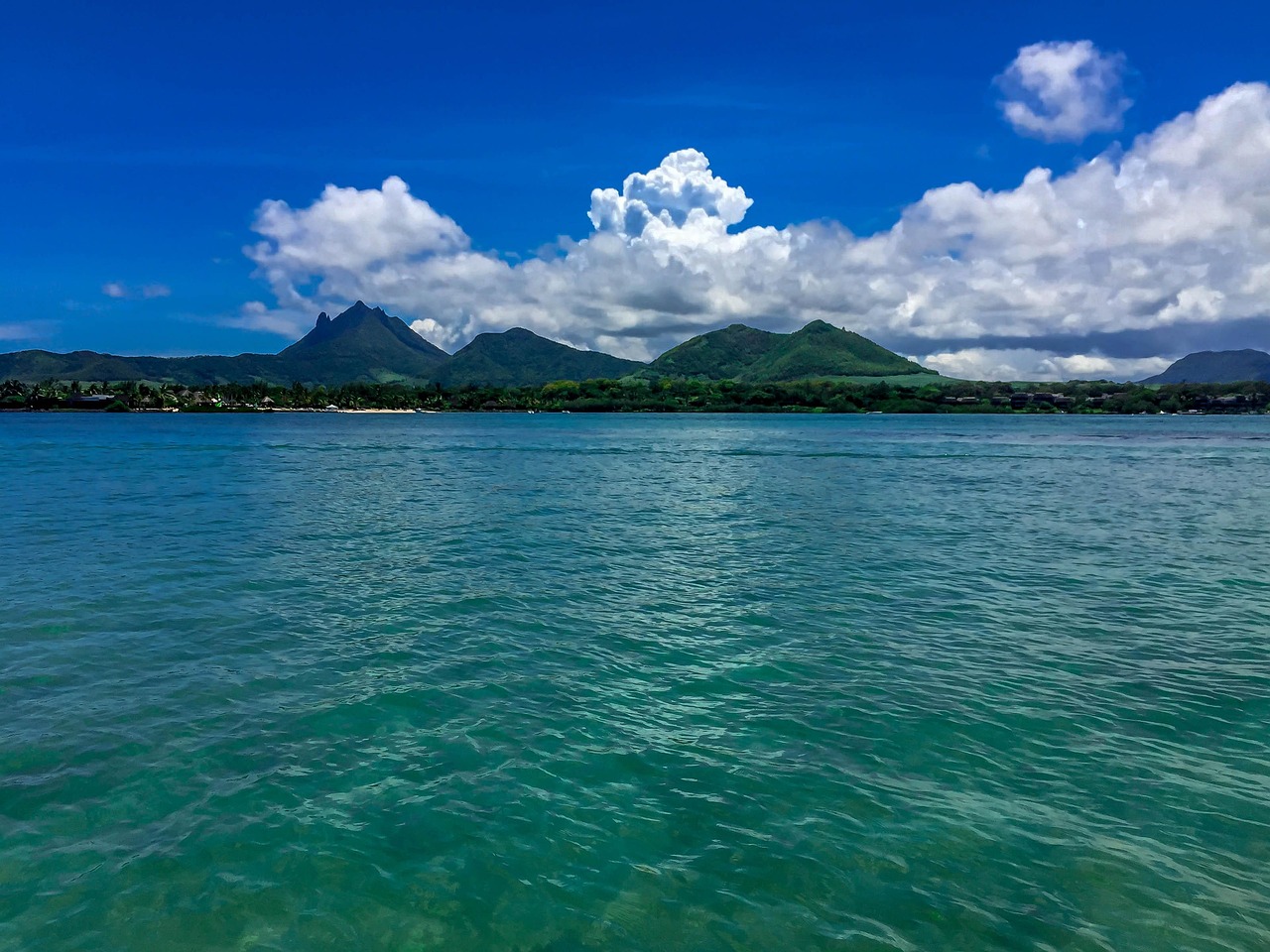
Île aux Cerfs sits in the aquamarine lagoon off the east coast of Mauritius, opposite Trou d’Eau Douce. It’s tiny—barely a smudge of sand and casuarina trees on a map—but it concentrates many of the best things Mauritius can offer: ridiculously turquoise shallows, powder‑fine sand, calm water for families, a championship golf course, secret coves for couples, mangrove backwaters for paddle adventures, and just enough beach bars to keep evenings gentle but fun.
What makes Île aux Cerfs special isn’t just the scenery. It’s the contrast. Step off the speedboat and you’ll see day‑trippers queueing for parasailing and banana boats; walk five minutes down the sand, and you can have a deserted cove to yourself. Stay until the last public boats leave and the island suddenly feels like it exhaled; the light softens, the lagoon turns to glass, and you remember you’re in the middle of the Indian Ocean, not a brochure.
In 2026, Île aux Cerfs is also evolving. There’s more focus on eco‑sensitive operations, quieter corners are being protected, and the island is shaping up as a base for longer stays rather than just a quick “tick‑it‑off” excursion. That’s how I recommend you treat it too: not a one‑hour photo stop, but a place to inhabit for 3–7 days—slow mornings, long swims, and evenings with your feet in the sand.
Table of Contents
- Island Overview & Character
- Best Sides of the Island: North, South, East & West
- 14 Key Beaches, Coves, Bays & Viewpoints
- 3–7 Day Itineraries for Île aux Cerfs
- Island Eating: Local Food & Where to Eat
- Where to Stay on and around Île aux Cerfs
- How to Get Around: Boats, Ferries & Transfers
- Island Evenings & Nightlife
- Cultural Etiquette & Local Customs
- Day Trips & Nearby Attractions
- Events & What’s New in 2026–2027
- Practical Travel Advice & Money‑Saving Tips
- Summary & Final Recommendations
Island Overview & Character
Let’s clear one thing up: Île aux Cerfs is not a town; it’s a lagoon island. You sleep either in the small lodges on the island itself (currently tightly linked to the golf resort) or, more commonly, on the mainland in Trou d’Eau Douce or along the east‑coast resorts, then boat across daily.
Think of the island in zones rather than roads. There’s no car traffic—only sandy paths under casuarina and palms, the occasional golf cart, and your own bare feet. Here’s how the character shifts as you move around:
- North Shore – Wide, bright beaches, classic lagoon views, family‑friendly water depth, and quick access to the main jetty and activities. This is where most visitors land and where you’ll find the liveliest atmosphere.
- East Coast – Breezier, a little wilder, gorgeous views back to the mountains of Mauritius. Good for walkers and those who want space without sacrificing easy access to food and facilities.
- South & Southeast – Secret‑cove territory. Shallows for floating, mangrove pockets, and sandy tongues that all but disappear at high tide. This is where I go to escape the crowds.
- West & Inner Lagoons – Calm, sheltered waters. This side faces the Mauritian mainland and is best for stand‑up paddleboarding, kayaking, and late‑afternoon swims when the water looks like polished glass.
- Interior – The golf course, a surprising amount of scrub and casuarina woodland, and a few viewpoints over the lagoon. You won’t feel “inland” for more than a few minutes—sea glimpses are everywhere.
Most visitors see only the central belt around the main arrival jetty. Don’t be that visitor. A 15–30 minute walk in almost any direction will give you a different island entirely, and that’s where the real things to do in Île aux Cerfs begin to reveal themselves.
Which Side of Île aux Cerfs Is Best for What?
Over the years, friends and readers have asked me the same questions about Île aux Cerfs: where to snorkel, where to find quiet, where to go as a couple vs with kids. Here’s the breakdown I usually scribble in my notebook for them.
- Best for calm beaches & families: Inner western lagoons and the central north shore. Shallow, protected, with a slow gradient—ideal for young children and less confident swimmers.
- Best for snorkeling: Eastern and northeastern edges near the reef shelf (always with a guide), plus a few sandy‑to‑coral transition zones off the southeast coves. Mauritius lagoons are generally more about calm swimming than intense reef walls, but you can find colorful patches.
- Best for romance & quiet retreats: Southeast coves and the far southern sand tongues. Aim for late afternoon when day‑trip boats thin out.
- Best for soft “nightlife”: The main beach bar area on the north shore and the west‑facing bars that stay open for sunset. Don’t expect clubs; think live Sega, cocktails, and bare‑foot dancing in the sand.
- Best for adventure: Parasailing off the northern bay, guided kayaking through mangroves on the western side, and combo trips to nearby waterfalls and islets (detailed later).
- Best base on the mainland: Trou d’Eau Douce if you want local life, mid‑range guesthouses, and multiple boat options; east‑coast resort strip (Belle Mare / Palmar) if you want upscale beachfront and spa days combined with day trips to Île aux Cerfs.
14 Key Beaches, Coves, Bays & Viewpoints on and around Île aux Cerfs
These are the places I find myself returning to, year after year. Some are postcard‑perfect beaches; others are viewpoints, lagoon corners, or small mainland villages that are part of the Île aux Cerfs experience. I’ll keep each sub‑article focused and practical so you can decide which to prioritize in your own 3, 4, 5, 6, or 7 day itinerary for Île aux Cerfs.
1. Main North Beach & Jetty (Heart of the Island)
This is where almost everyone’s story with Île aux Cerfs begins: the main jetty on the northern shore. I still remember my first arrival in 2015—the way the water shifted from deep cobalt to that bright, unrealistic turquoise as the speedboat slowed; the smell of sunscreen and grilled fish; the sudden noise after the quiet of the lagoon crossing.
Today, in 2026, the scene is a little busier but better organized. Boats from Trou d’Eau Douce, Pointe Maurice, and various east‑coast hotels dock in a controlled choreography. You step off onto the wooden jetty, and within seconds you see why the island is so hyped: wide white sand, palms and casuarina trees leaning towards the water, and the long shallows where kids squeal while adults hover neck‑deep with plastic cups in hand.
Why go: This is the social center of Île aux Cerfs—parasailing launches, boat transfers to other corners, the main beach bar, and several restaurants. If you’ve only got 3 days in Île aux Cerfs, you’ll inevitably spend a chunk of time here, if only between explorations.
What I usually do here: I treat the north beach as a base camp. I’ll grab a coffee or a fresh coconut from the bar, let my bag live under a tree, then set off walking east or west along the shore. Midday, when the sun is fierce, I often return for shade, a long swim, and lunch—grilled dorado, a salad, and a Phoenix beer if I’m feeling indulgent.
Food & drink: Expect resort‑style pricing and menu options skewed towards international tastes—grilled fish, burgers, pizzas, salads, plus a few Mauritian touches like octopus salad and rougaille. For a taste of local food in Île aux Cerfs, ask specifically for Creole‑style dishes or check the daily specials board; I’ve had unexpectedly good vindaye poisson (vinegary turmeric fish) here on more than one occasion.
Tips:
- Arrive on one of the first boats (around 9:00–9:30) if you want a quieter first hour.
- Use the facilities here—bathrooms, fresh‑water showers—before you wander off to more remote coves where there’s nothing but trees.
- Negotiate activities (parasailing, tube rides) through your boat operator or at the official desk, not with random touts on the sand.
Best for: First‑time visitors, families, social travelers who like a bit of buzz, and anyone who wants easy logistics and facilities.
2. Northeast Lagoon & Reef Edge
Walk east from the main beach and the crowds thin with every step. After 15–20 minutes, you reach a series of small bays where the sand narrows and the lagoon deepens, shifting to a richer blue. Out beyond the crystal shallows, the reef shelf rises, protecting the island from the open Indian Ocean.
I love this stretch for early‑morning swims. In October 2025, I came here just after 8 a.m. on a still day; the water was so clear I could watch tiny wrasse darting around my ankles. A local guide I know, Ashwin, sometimes brings small snorkeling groups here on calm days—he anchors just off the reef edge, where brain coral, parrotfish, and the odd ray cruise by.
Snorkeling: Don’t attempt to swim out to the reef on your own; currents can be deceptive, and boats use these channels. Join a guided snorkeling trip from Trou d’Eau Douce or book on the island. The best coral isn’t dramatic by Maldives standards, but there’s enough life to make it worth your time if you’re already here.
Atmosphere: Quieter, breezier, with a bigger sense of space than the central north beach. Couples often claim little patches of shade, and I’ve written many pages of this very guide sitting under these casuarinas, laptop balanced on a beach towel.
Tips:
- Bring reef‑safe sunscreen; the water is shallow but the sun is brutal, and coral here is fragile.
- Watch for rising tide; some of the small sand tongues can shrink quickly, and you don’t want your bag going for a paddle.
- If you’re sensitive to wind, this side can feel cooler in July–August; pack a light cover‑up.
3. Eastern Walking Coastline
The eastern flank of Île aux Cerfs is my favorite walking route on the island. It’s less about one specific beach and more about a rhythm: sand, rock, casuarina shade, then another pocket of sand. The whole stretch takes around 45–60 minutes to amble if you stop for photos and swims (which you absolutely should).
On my last winter visit in August 2025, I walked this side with a friend who was convinced Île aux Cerfs was “just a crowded tourist island.” By the time we reached the southeastern point, we’d seen exactly three other people in almost an hour—two local guys fishing with hand lines and a couple sharing a towel under a wind‑ruffled casuarina.
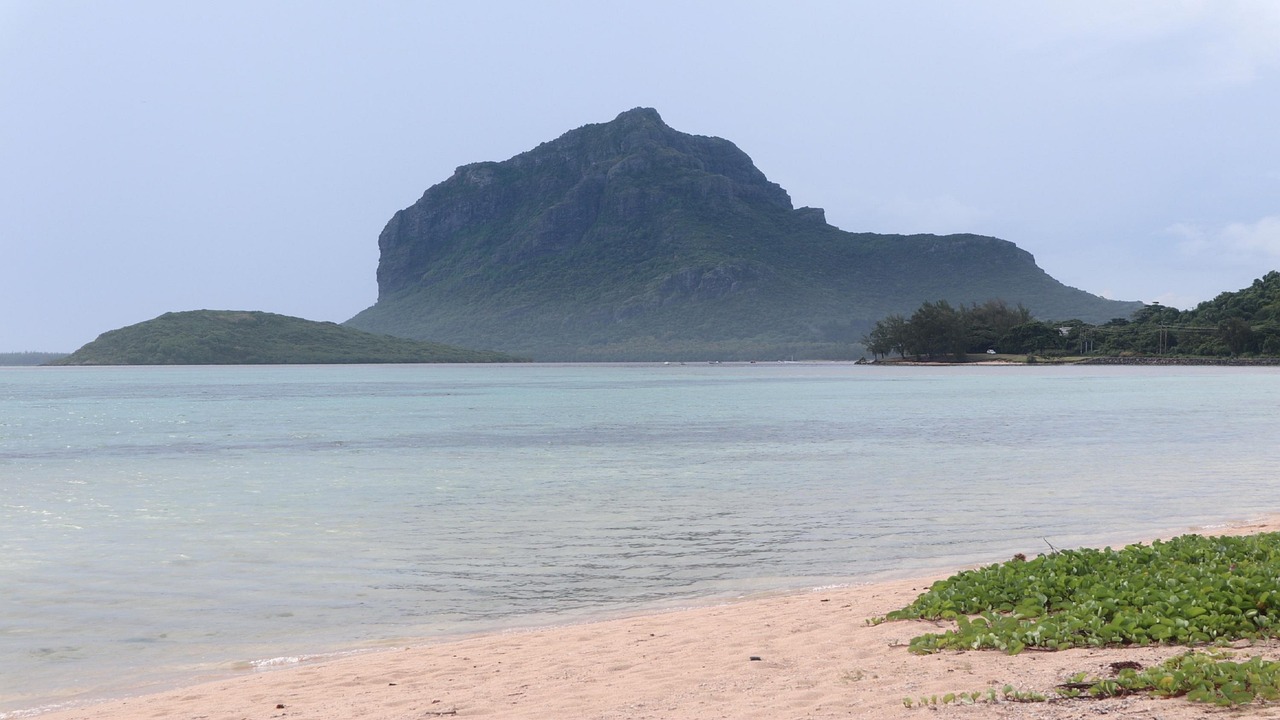
Scenery: This is where the island begins to feel “wilder.” You’ll get long views back to the Mauritian mainland—green hills folded behind sugarcane fields—and sections of slightly rougher shoreline where waves nibble at the outer reef. You’re still within lagoon protection, so no surf, but the energy of the sea is more apparent.
What to bring: Proper sandals or water shoes if you want to explore the rockier bits, plenty of water (there are no kiosks on this side), and a hat. In summer (December–March), the heat here can be intense after 11 a.m.
Best time: Morning, especially between 8–10 a.m., or late afternoon. In the middle of the day the white sand acts like a mirror and you’ll feel like you’re walking inside a light bulb.
4. Southeast Secret Coves
If you’ve seen dreamy Instagram photos of Île aux Cerfs with barely a footprint in sight, they were probably taken around the southeast coves. These are my personal sanctuaries: little half‑moon beaches tucked between low rocky outcrops, backed by bush and whispering casuarinas. The water is often a softer, milkier turquoise here—shallow, sandy, and perfect for floating.
I come here when I need to remember why I fell in love with Mauritius. In May 2024, after a particularly hectic week of deadlines, I took the earliest boat over, walked straight south, and spent six hours moving between two coves: reading a novel, dozing in the shade, swimming whenever I got warm. A pair of herons stalked the shallows nearby, and at one point a small boat dropped a Mauritian family off—three generations, all laughing, their picnic basket bigger than my entire backpack.
Romance factor: High. If you’re planning a proposal or just a quietly significant day with your partner, this is where I’d bring you. Just avoid peak weekends and public holidays when local families also claim these spots.
Practicalities:
- No services, no bars, no toilets. Pack everything you need and take all rubbish away again.
- Some coves almost vanish at very high tide; keep an eye on where you place your bag.
- There are often fewer boats passing here, so if you’re nervous about feeling “too remote,” try a first visit earlier in the day.
5. Southern Sand Tongues & Tidal Flats
At the far southern tip of Île aux Cerfs, the island starts to fray into the lagoon—thin sand tongues stretching into the shallows, patches of seagrass, and mirror‑like water that barely moves on calm days. It feels like the edge of the world, even though the Mauritian mainland is still in plain view.
Why I love it: Sunset reflections. If you’re lucky enough to stay late—on an organized evening trip or as a guest of the golf resort—come down here as the sun drops behind the mountains. The water turns into a sheet of color: pink, gold, then a kind of deep blue velvet. I’ve watched egrets picking their way across the flats, each step echoed in the mirror below.
Swimming: Less of a “swim” spot and more of a “wander through the water” place. The depth can stay below your knees for dozens of meters, making it wonderful for toddlers and for adults who just want to wade and feel the sand between their toes.
Tips: Wear water shoes if you’re squeamish about seagrass or the occasional sea cucumber, and avoid stepping on any darker, rockier patches where small urchins sometimes lodge.
6. West Inner Lagoon (Kayak & SUP Territory)
The western side of Île aux Cerfs faces the Mauritian mainland across a calm, often glassy stretch of lagoon. It’s slightly more developed with boat moorings and occasional jetties, but once you move away from the main docking points, you’ll find long, low‑key beaches and particularly still water.
Activities: This is where I recommend stand‑up paddleboarding and kayaking. The water is protected, currents are mild, and on a clear day you can see the patterns of sand and seagrass under your board. Paddling here at 4–5 p.m., when the light is soft and boats have mostly gone, is one of my perfect island moments.
Family friendly: Very. If you’re visiting Île aux Cerfs with children, the west inner lagoon offers a safe environment: shallow entry, no big waves, and easy supervision. I’ve watched Mauritian grandparents teaching tiny kids to swim here, hands under bellies, everyone laughing.
Getting there: Either walk west from the main north beach (10–15 minutes) or come by small boat if your operator offers a “multi‑stop” day around the island.
7. Île aux Cerfs Golf Course & Inland Views
Even if you’ve never swung a club in your life, the championship golf course on Île aux Cerfs is worth your attention. Designed by Bernhard Langer, it wraps around much of the island’s interior, with holes that edge right up to the lagoon. It’s one of the most visually dramatic places to play golf in the world; I’ve interviewed golfers who came to Mauritius just for this course.
For golfers: Book tee times well ahead in peak season (June–September and December–January). The trade winds add both challenge and joy, and the fairways are narrower than they look from the clubhouse. Caddies and golf carts help with navigation between lagoon fingers and small inlets.
For non‑golfers: Ask if you can visit the clubhouse or take a short buggy tour. Views from several holes look back towards the mountains of Mauritius and along pristine strips of beach you can’t easily access otherwise. I’ve had some of my best aerial‑style photos from buggy paths here.
History: The course opened in 2003, part of a wave of upmarket development around Mauritius. Initially controversial among locals who feared over‑commercialization, it has gradually settled into the island’s identity, with increasing attention to water use and dune protection.
8. Mangrove Creeks & Backwaters
On the western and southwestern fringes of Île aux Cerfs, the bright sand gives way to a different kind of beauty: mangrove channels, their roots knitting the shoreline, water rippling in shades of green and brown. This is a quieter, more introspective side of the island, and one that many visitors never see.
How to explore: Kayak or small boat with a guide. I’ve done both, but kayaking is more magical: you can hear the rustle of leaves, the plop of small fish, the occasional splash of a ray or turtle. Local guides often share stories about how mangroves protect the coast from erosion and provide nurseries for lagoon life.
Wildlife: Expect small fish, crabs, herons, egrets, and, on lucky days, a gliding ray or even a sea turtle surfacing briefly. In the late afternoon, fruit bats sometimes wing their way overhead towards the mainland.
Etiquette: Keep quiet, don’t play music on speakers, and never break off branches or try to “carve” your name into mangrove trunks. These are living coastal defenses, not souvenirs.
9. Trou d’Eau Douce Village (Your Mainland Gateway)
Most journeys to Île aux Cerfs begin in the fishing village of Trou d’Eau Douce on Mauritius’s east coast. I’ve stayed here more times than I can count, in everything from simple guesthouses above family kitchens to boutique hotels where you can fall asleep to the sound of waves licking the shore.
Character: Trou d’Eau Douce is still very much a local place: children biking along the waterfront, fishermen mending nets, aunties gossiping under flamboyant trees. At the same time, it’s the most convenient place to base yourself for multiple days on Île aux Cerfs if you’re not in a big resort.
Food & markets: The roadside snacks here are gold. In 2023, I spent a week documenting local food in Île aux Cerfs and its gateway villages, and I kept gravitating back to a tiny stall in Trou d’Eau Douce selling gateaux piments (chili fritters) and faratas (roti wraps) to commuters. You’ll also find fresh fruit stands, small supermarkets, and a handful of low‑key restaurants with grilled fish and Creole dishes.
Boat booking: The main jetty offers everything from basic shuttle boats to full‑day catamaran cruises with BBQ and live music. I recommend chatting with at least two or three operators before choosing—look for clear pricing, proper life jackets, and a no‑pressure attitude.
10. Pointe Maurice Jetty & Mainland Viewpoint
Further south along the coast, Pointe Maurice is another key launching point for Île aux Cerfs. The jetty itself sits in a photogenic curve of lagoon, with palms framing views of the island. I often recommend guests staying in larger east‑coast resorts to use this jetty for a slightly calmer, more organized departure.
Viewpoint: Arrive 20–30 minutes early for your boat and walk along the short coastal path. From here you can photograph Île aux Cerfs across the water, especially gorgeous in the morning when the light hits the island’s north shore.
Logistics: Shuttle boats from Pointe Maurice are often tied to resort packages; outside visitors can usually still buy tickets, but it’s worth checking in advance or via your accommodation.
11. Grand River South East Waterfall Excursion
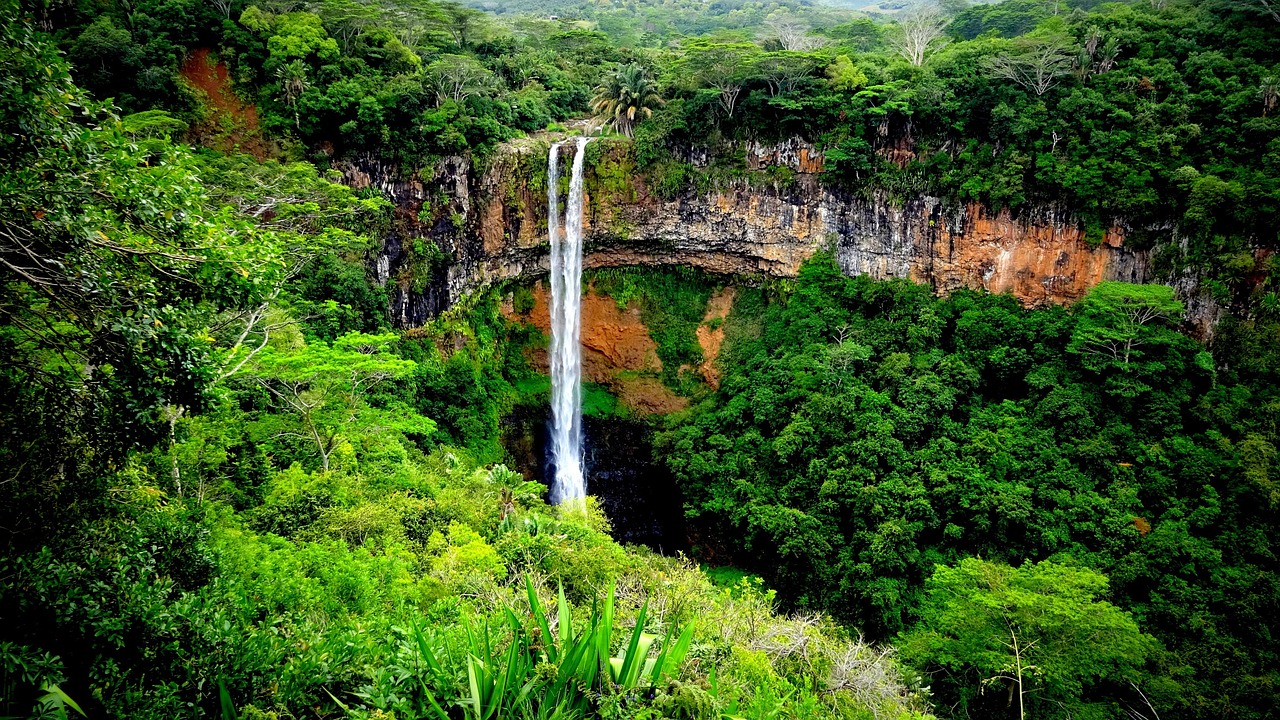
Almost every “full‑day Île aux Cerfs” package from Trou d’Eau Douce includes a side trip to the Grand River South East (GRSE) waterfall, and it’s absolutely worth doing at least once. The boat veers away from the open lagoon and noses upstream, between rocky banks and overhanging trees, until the river narrows and you hear the waterfall before you see it.
Experience: The falls themselves are modest in height but dramatic in setting—water spilling over dark rock, monkeys sometimes scampering in the branches, and other boats jostling for a good view. In 2022, my boatman turned off the engine for a full five minutes so we could just drift and listen to the water and the bird calls. That silence, after the thrum of outboards, felt like a minor miracle.
Tips:
- Agree on whether GRSE is included in your boat price before departure.
- Bring small cash for fruit sellers who paddle up in tiny boats.
- Don’t throw coins into the water “for luck”—it harms the river ecosystem.
12. Belle Mare & East Mainland Beaches
Though not on Île aux Cerfs itself, the broad sweep of beach from Belle Mare down towards Palmar is central to many longer itineraries that combine resort stays with daily trips to the island. I’ve spent lazy in‑between days here when I wasn’t ready to return to the bustle of the island but still wanted that east‑coast light.
Why include it: If you’re planning 5, 6, or 7 days in Île aux Cerfs and surrounds, you’ll almost certainly sleep on this coast. Belle Mare offers a long public beach with good swimming, sunrise views, and a strip of both luxury and mid‑range hotels.
Character: Quieter than the north of Mauritius after dark, with starry skies and the sound of waves replacing city noise. Perfect for couples and families who want calm evenings.
13. Northern Point View & Sand Spit
At the far northern tip of the island, a narrow sand spit curves out into the lagoon, offering 270‑degree views of water and sky. It’s one of the most photogenic spots on Île aux Cerfs, especially at low tide when the spit widens.
I often end my island walks here. In January 2026, I arrived late afternoon to find a few teenagers kicking a football in the shallows, their laughter echoing across the water. Behind them, parasails drifted in the sky like bright jellyfish. I sat on the sand with my notebook and wrote down one line: “This is what holidays feel like when you’re 17 and everything is still ahead of you.”
Swimming: Good, but be mindful of boat traffic; this is also a turning point for some tours. Stay close to shore and keep an eye out.
Photography: Come just after sunrise or in the golden hour before sunset. Midday light flattens the scene.
14. Inner Casuarina Forest & Quiet Paths
Most people stick to the shoreline, but the interior of Île aux Cerfs has its own subtle charm: sandy paths under tall, whispering casuarina trees, patches of scrub, and the occasional clearing where you catch framed glimpses of the lagoon beyond.
On a very hot day in February 2023, when the sand felt like a griddle, I retreated into this inner forest. The temperature dropped a few degrees in the shade, and I spent a contented hour wandering without any plan, just following whatever path caught my eye. The island suddenly felt bigger, more layered, less like a postcard and more like a place.
Why go: To cool down, to take a break from the glare, and to experience a different texture of island life. You’ll also get occasional views of the golf course and the lagoon from unexpected angles.
Tip: Wear insect repellent, especially just after rain; mosquitoes like the shade, too.
3–7 Day Itineraries for Île aux Cerfs & the East Coast
Rather than give you one rigid schedule, I’ll outline how I’d personally structure 3, 4, 5, 6, and 7 days in Île aux Cerfs and its surroundings, based on multiple visits. You can mix and match days depending on your pace, but I’ll keep repeating those SEO‑friendly phrases—3 day itinerary for Île aux Cerfs, 4 day itinerary for Île aux Cerfs, and so on—because I know that’s how many of you found this guide.
To keep this readable here, I’ll sketch each day clearly with what to do, why it matters, and some personal, on‑the‑ground tips.
3 Day Itinerary for Île aux Cerfs
If you only have 3 days in Île aux Cerfs and the east coast, focus on the essentials: the island’s north and southeast shores, one inland lagoon adventure, and a taste of village life.
Day 1: First Taste of the Island – North Beach & West Lagoon
Morning: Start from Trou d’Eau Douce or Pointe Maurice on an early boat. That first crossing is one of my favorite parts of any 3 days in Île aux Cerfs: the breeze on your face, the mainland sliding away, and the island growing from a green smudge to a full, sandy silhouette.
When you arrive at the main north beach, resist the urge to immediately sign up for every activity. Drop your bag under a tree, walk the beach to get your bearings, and take a first swim. The water is shallow and clear; it’s like stepping into a giant, sun‑warmed pool.
Late morning: Head west along the shore towards the inner lagoon. This walk takes about 10–15 minutes and is an easy way to escape the thickest crowds while still staying close to facilities. If you’ve pre‑booked kayaks or SUPs, this is the time to use them—the sun is high enough to light up the lagoon floor, and winds are usually still moderate.
On my last 3 day itinerary for Île aux Cerfs with friends from Europe, we spent this first morning doing exactly this: gentle paddling, stopping to jump in whenever the heat built up, and drifting in companionable silence.
Lunch: Return to the main north beach restaurants. For something relatively light, I often order a grilled fish fillet with salad and a side of chips for sharing. Ask if they have piment confit (pickled chilies) or local chili sauce; a tiny dab transforms the plate.
Afternoon: Use the post‑lunch lull to explore eastwards along the north shore. Stop wherever the crowd thins to your liking; set up a mini base for sunbathing, reading, or just staring at the water. If you want a bit of adrenaline, schedule parasailing or a tube ride mid‑afternoon when the sun softens.
Evening: Catch a mid‑to‑late afternoon boat back to Trou d’Eau Douce. Freshen up at your guesthouse or hotel, then take a slow walk along the village waterfront. For dinner, choose a simple Creole restaurant—most will have a chalkboard menu with dishes like rougaille saucisse (sausage in tomato sauce), octopus curry, and grilled fish with garlic butter.
Day 2: Hidden Coves & Grand River South East
Morning: Today is about the southeast coves and a classic lagoon excursion. Take a boat from Trou d’Eau Douce that includes both Île aux Cerfs and Grand River South East waterfall. Make sure they drop you at or near the island’s quieter southeast side instead of the main jetty (arrange this in advance; many skippers are happy to oblige if tides allow).
Once ashore, walk a little until you find a cove that feels right. On a 4 day itinerary for Île aux Cerfs I did in 2024 with my sister, we picked a cove where a fallen casuarina trunk made a perfect backrest. We swam, hunted for shells (taking none, leaving all), and read until the boat horn called us back.
Midday: Hop back on the boat and head to the GRSE waterfall. Enjoy the change of scenery and the slight coolness of the river air. Don’t fret if the spot feels busier than your cove; it’s a shared highlight for many visitors, and the atmosphere is part of the experience.
Lunch: Many lagoon trips include a BBQ lunch on a small beach—fresh fish, chicken, salads, and sometimes lobster at a surcharge. I’ve had both forgettable and excellent boat BBQs; the best ones are run by family crews who’ve been doing this for years. Ask around in the village for recommendations before booking.
Afternoon: After lunch, you usually have some free time back on Île aux Cerfs. Use it to explore a new part of the island—perhaps the northern sand spit or a new cove. Try not to just flop at the first patch of shade; a 10‑minute stroll can completely change the vibe.
Evening: Back in Trou d’Eau Douce, look for a small bar with locals watching football or playing carrom. A Phoenix beer or fresh lime soda here says more about Mauritian life than any glossy resort bar.
Day 3: Slow Morning on the Mainland, Belle Mare Afternoon
Morning: Use your final morning for a different kind of island experience: a slow wander through Trou d’Eau Douce. Visit the little shops, chat (politely) with fruit sellers, and watch fishermen launching boats. This is a good time to buy small snacks for the road or souvenirs—local chili pastes, vanilla, or handmade crafts.
Afternoon: Take a taxi or bus up the coast to Belle Mare. Spend your last hours on a long, less‑crowded mainland beach, swimming, napping under filao trees, and watching local families enjoying their own piece of the lagoon. If your flight is late that night or early the next day, consider staying your last night in a Belle Mare hotel to shorten the airport transfer.
4 Day Itinerary for Île aux Cerfs
With 4 days in Île aux Cerfs and the east coast, you can keep the 3 day structure and add a bonus day either on the island (exploring deeper) or in the inland mountains and waterfalls. Personally, I usually choose more lagoon time, but here’s how I’d stretch it.
Day 4: Mangroves, SUP, and a Long Lazy Lunch
Morning: Arrange a half‑day kayak or SUP excursion through the mangrove creeks on the western side of Île aux Cerfs. Aim for early departure (around 8:30–9:00) to avoid harsh light and afternoon winds. Moving quietly through these channels, with birds overhead and roots webbing into the water, is one of the most peaceful things to do in Île aux Cerfs.
Midday & Lunch: After paddling, claim a shady spot in the west inner lagoon. This is picnic territory. If you’re staying in a guesthouse, ask your hosts to prepare a packed lunch: roti rolls, fruit, maybe some samosas. Eating local food in Île aux Cerfs this way—bare hands, toes in the sand—is hard to beat.
Afternoon: Read, snooze, swim. Allow yourself one genuinely idle day in your 4 day itinerary for Île aux Cerfs; not every day has to be packed with activities. Late afternoon, wander to the northern sand spit for soft light photos, then take a late boat back.
5 Day Itinerary for Île aux Cerfs
With 5 days in Île aux Cerfs and the east coast, you can add an inland contrast day.
Day 5: Inland Mauritius – Mountains & Tea Fields (Optional)
Morning: Take a taxi inland towards central Mauritius—Curepipe, the tea route, or the viewpoints around Trou aux Cerfs crater. After several days of turquoise water, the cool, misty green of the highlands feels like another country.
Why include it: It rounds out your travel guide for Île aux Cerfs into a broader understanding of Mauritius: its volcanic heart, its plantation history, and the way communities live away from the glamour of the coast.
Evening: Return to the east coast in time for dinner. Sleep well; the next day, you’ll probably find yourself missing the sound of water.
6 Day Itinerary for Île aux Cerfs
6 days in Île aux Cerfs and the east gives you space to repeat your favorite corners and experiment with timing—perhaps a sunrise crossing or a sunset return.
Day 6: Sunrise Crossing & Southeast Solitude
Early morning: Arrange with a local boatman for an earlier‑than‑usual crossing (closer to sunrise) if conditions allow. Gliding across the lagoon in the softest light, with almost no one else around, is a quietly unforgettable experience.
Day: Devote this day entirely to the southeast coves and southern sand tongues. Bring a book, a sarong, plenty of water, and minimal tech. Use the day to really be somewhere, not just tick off things to do in Île aux Cerfs.
7 Day Itinerary for Île aux Cerfs
With 7 days in Île aux Cerfs and the east coast, you can slow everything down. Repeat your favorite beaches, try stand‑up paddle one day and do nothing the next, and perhaps shift accommodation once to see village life and resort life.
Day 7: Your Own Greatest Hits
Use your final day as a personal greatest‑hits reel. Did you fall in love with a particular cove? Go back. Did you only parasail once and wish you’d gone twice? Fix that. Want one more plate of octopus curry or one last slow beer at a Trou d’Eau Douce bar? Do it.
On my most recent 7 day itinerary for Île aux Cerfs, my last day was simple: a morning swim off the west lagoon, a picnic with friends on the north beach, and a quiet evening walk through Trou d’Eau Douce village. No big finale, just a deep, contented sense that I’d really lived here for a week.
Island Eating: Local Food & Where to Eat
Food on and around Île aux Cerfs falls into three broad categories: island restaurants, boat BBQs, and mainland village spots. To really understand local food in Île aux Cerfs and its orbit, try all three.
On‑Island Restaurants & Beach Bars
The main north beach has sit‑down restaurants and bar counters serving grilled seafood, meats, salads, and international staples. Portions are generous and prices slightly higher than on the mainland, reflecting the logistics of island supply.
What I recommend:
- Grilled dorado or marlin with garlic butter and lime.
- Octopus salad (tender, citrusy) as a starter.
- Fresh fruit platters—pineapple here tastes of pure sun.
- Rum cocktails with local fruit; ask for less sugar if you prefer it sharper.
Boat BBQs
Many full‑day tours include a BBQ lunch on a nearby islet or a quiet beach. These vary wildly in quality. The best I’ve had involved fish caught that morning, marinated in garlic and herbs, grilled over coconut husks, served with simple salads and bread. The worst was dry chicken and overcooked sausage.
Tip: Ask your operator what’s included, whether they can accommodate vegetarian or gluten‑free diets, and whether they grill on site or pre‑cook. The more honest and detailed the answer, the better the odds.
Mainland Village & Roadside Food
This is where you taste the everyday soul of Mauritius.
- Rotis/Faratas: Thin flatbreads wrapped around curries (often butter bean, chicken, or fish), with pickles and chutneys. Ideal breakfast or light lunch before a boat ride.
- Gateaux piments: Tiny fried lentil balls with chili. Addictive, cheap, and perfect with a cold drink.
- Mine frit & riz frit: Stir‑fried noodles and rice with a Mauritian‑Chinese twist.
- Samosas & gato de patate: Street snacks you’ll find at bus stops and village corners.
Personal favorite: There’s a no‑name snack stall near the Trou d’Eau Douce bus stop where a grandmother and her granddaughter sell rotis in the mornings. I’ve watched office workers, fishermen, and tourists stand in the same line here. It’s not fancy, but it’s real.
Where to Stay: Beachfront vs Village vs Eco‑Lodge
You can technically sleep on Île aux Cerfs at the golf resort accommodation, but most travelers stay on the mainland. Here’s how to choose your base.
Trou d’Eau Douce Village Guesthouses
Best for: Budget to mid‑range travelers, those who want local life, and anyone prioritizing easy access to multiple boat operators.
Pros: Walkable waterfront, genuine village atmosphere, cheaper food options, and flexible boat schedules. I stay here most often when I’m working.
Cons: Less polished than resorts, fewer “resort” facilities like spas or big pools.
East‑Coast Beachfront Resorts (Belle Mare, Palmar, etc.)
Best for: Couples, honeymooners, families wanting all‑inclusive or half‑board comfort.
Pros: Direct beach access, pools, kids’ clubs, on‑site restaurants, and concierge‑organized trips to Île aux Cerfs.
Cons: More expensive, somewhat insulated from local life. Boat times to Île aux Cerfs may be more fixed.
Eco‑Lodges & Small Boutique Hotels
Best for: Travelers who care about sustainability and character over bling.
Pros: Often emphasize local sourcing, smaller footprints, and stronger community ties. You’ll sometimes meet the owners at breakfast.
Cons: Fewer facilities; check access to the beach and boat jetties before booking.
How to Save Money on Accommodation
- Travel in shoulder seasons (April–June, September–early December) for lower rates.
- Consider guesthouses with breakfast included, then eat lunches at local snack stalls and simple dinners in the village.
- Ask direct: many small places give a better rate by email or phone than via big booking platforms.
How to Get Around: Boats, Ferries, Taxis & More
Reaching Île aux Cerfs
There are no flights or big ferries to Île aux Cerfs itself—only boats from the Mauritian mainland.
- By air to Mauritius: Fly into Sir Seewoosagur Ramgoolam International Airport (MRU). From there, it’s about 45–60 minutes by car to the east coast (Trou d’Eau Douce / Belle Mare).
- By boat to Île aux Cerfs: Regular shuttle boats leave from Trou d’Eau Douce and Pointe Maurice. Travel time is 15–25 minutes depending on the boat.
Boat Types
- Shared shuttles: Cheapest, frequent departures, basic but efficient.
- Speedboats: Faster, more flexible, often include extras like waterfall visits.
- Catamarans: Full‑day cruises with food, drinks, music, and multiple stops.
- Private hires: Best for groups, families, or special occasions; negotiate timings and itinerary.
On the Mainland
- Taxis: Easy to arrange through hotels or on the street. Agree on fares in advance; meters are rare in coastal areas.
- Bus: Slow but cheap, with routes connecting Trou d’Eau Douce, Flacq, Belle Mare, etc. Great for budget travelers who aren’t in a rush.
- Car rental: Useful if you want to explore beyond the east coast. Driving is on the left. Foreign driver’s licenses are generally accepted if in English or French; otherwise, bring an International Driving Permit.
- Scooters: Less common on the east than in some destinations, but available. Roads are narrow; wear a helmet and drive defensively.
Island Evenings & Nightlife
Île aux Cerfs is not a clubbing island. Evenings here are about sunsets, conversations, and the gentle clink of ice in glasses rather than bass lines. Once the last day‑trippers leave, the island itself becomes very quiet; most social life shifts to the mainland.
Sunset Spots
- West inner lagoon: Golden light on glassy water; sometimes you’ll see locals fishing as the day cools.
- Northern sand spit: Big sky, big colors. My favorite place to watch the sun slip behind the mainland mountains.
- Belle Mare beach: On the mainland, a long, uncrowded walk with pink skies and the sound of waves.
Beach Bars & Low‑Key Nightlife
Look for small bars in Trou d’Eau Douce and along the Belle Mare strip. Some host live Sega or Seggae music on weekends—drums, ravanne, and songs that tell local stories of love, hardship, and the sea.
Full‑moon parties are occasionally held at bigger resorts along the east coast, but these are usually private to guests. Ask your hotel about any events during your stay.
Cultural Etiquette & Local Customs
Mauritius is a blend of Indian, African, Chinese, French, and Creole influences. Around Île aux Cerfs, you’ll mostly interact with Mauritian Creoles and Indo‑Mauritians, but the same basic etiquette applies island‑wide.
Language
- Everyday language: Mauritian Creole.
- Widely spoken: French and English.
- Tip: A simple “Bonzur” (hello) and “Mersi” (thank you) in Creole go a long way.
Dress & Behavior
- Swimwear is fine on beaches and at resorts but cover up (T‑shirt, dress, sarong) in villages, shops, and when traveling on buses.
- Public displays of very overt affection can make some locals uncomfortable; keep it moderate outside resort zones.
- Always ask before photographing people, especially children or religious sites.
Religion & Festivals
Mauritius celebrates Hindu, Christian, Muslim, and Chinese festivals. Around the east coast, you may see processions, temple ceremonies, or church gatherings. Be respectful: keep distance unless invited in, dress modestly near temples and churches, and don’t touch religious offerings.
Tipping & Money
- Tipping is appreciated but not obligatory. Round up taxi fares and add 5–10% in restaurants if service was good.
- For boat crews, a few hundred Mauritian rupees shared among the team is generous for a full‑day outing.
Day Trips & Nearby Attractions from Île aux Cerfs
Grand River South East (GRSE) Waterfall
Already covered above, but worth reiterating: combine this with an Île aux Cerfs day for variety.
Flacq Market
A bustling inland market town about 20–30 minutes by taxi from Trou d’Eau Douce. Visit on market days (usually Wednesday and Sunday) for spices, textiles, fruit, and a very local atmosphere.
East‑Coast Islets
Smaller islands and sandbars dot the lagoon further north and south. Some boat operators offer multi‑islet tours; these can feel more off‑the‑beaten‑path than the standard Île aux Cerfs route.
Inland Waterfalls & Viewpoints
If your 5, 6, or 7 day itinerary for Île aux Cerfs includes a rental car, consider driving to central highland viewpoints (e.g., around Curepipe or Black River Gorges). They add a very different, lush dimension to your trip.
What’s New: Events & Changes in 2026–2027
While Île aux Cerfs itself doesn’t host large festivals, the broader Mauritian calendar shapes the atmosphere.
Key 2026–2027 Highlights (Subject to Local Confirmation)
- Lagoon & Ocean Awareness Months (June–July 2026): East‑coast NGOs and resorts are planning lagoon clean‑ups, turtle talks, and reef‑safe sunscreen campaigns. Expect some events to include outings around Île aux Cerfs.
- Diwali (Oct/Nov 2026 & 2027): The Festival of Lights brings fireworks and illuminated homes across Mauritius; staying on the east coast during this time feels quietly magical at night.
- New Eco‑Guided Tours on Île aux Cerfs (rolling out 2026): Several operators are introducing small‑group eco‑walks focusing on mangrove ecology, dune protection, and birdlife. Ask your hotel or guesthouse for the latest offerings.
Practical Travel Advice & Hidden Tips
Best Time to Visit & Weather
- May–October: Cooler, drier, with trade winds—great for walking, golf, and general comfort. Water slightly cooler but still swimmable.
- November–April: Warmer, more humid, with higher chance of rain and cyclones (mainly January–March). Sea is warmer; excellent for swimming, but keep an eye on forecasts.
- For 3–4 day itineraries: Shoulder months (April–June, September–early December) offer the best balance of price, weather, and crowd levels.
Cyclone & Rain Considerations
Tropical cyclones can affect Mauritius between roughly January and March. If a cyclone is forecast, boat services to Île aux Cerfs may be suspended. Always follow local advice and have flexible plans.
Water‑Activity Safety
- Swim inside the lagoon, away from boat channels and marked areas.
- Use life jackets for children and weaker swimmers on all boats.
- When snorkeling, avoid touching coral or standing on reefs; they are living structures.
- Jellyfish are occasionally present; ask locals or your skipper about current conditions.
Money, ATMs & Connectivity
- Currency: Mauritian Rupee (MUR).
- ATMs: Available in Flacq and larger towns; Trou d’Eau Douce has limited options, so withdraw enough cash in advance.
- On Île aux Cerfs: Most restaurants and activity desks accept cards, but small operators and snack vendors prefer cash.
- Cell signal: Generally good on the mainland and decent on Île aux Cerfs, though it may dip in some mangrove or inland pockets.
SIM Cards & Data
- Buy a local SIM (MyT, Emtel, etc.) at the airport or in Flacq for good data rates.
- Bring your passport for registration.
- Coverage on and around Île aux Cerfs is usually strong enough for maps and messaging.
Visas & Entry
Mauritius offers visa‑free or visa‑on‑arrival entry to many nationalities for stays up to 60–90 days (sometimes longer). Requirements vary by passport, so check the Mauritian government or embassy website before travel. There is currently no separate visa or arrival tax specific to Île aux Cerfs.
Driving & Licenses
- Driving is on the left.
- Foreign licenses in English or French are generally accepted; otherwise, carry an International Driving Permit.
- Roads to the east coast are mostly good; drive cautiously at night due to limited lighting and occasional stray animals.
Hidden Tips from Repeat Visits
- Go early, leave late: The magic of Île aux Cerfs is strongest before 10 a.m. and after 3:30 p.m.
- Walk away from the jetty: A 10–30 minute walk can halve the number of people on “your” beach.
- Pack a light sarong: Works as towel, sunshade, temple cover‑up, or chilly‑boat wrap.
- Ask locals for their favorite spot: Boatmen, guesthouse owners, and waiters often know small corners that don’t appear on maps.
- Respect the lagoon: Don’t stand on coral, don’t feed fish bread, and avoid throwing anything overboard, even “biodegradable” scraps.
Summary & Final Recommendations
Île aux Cerfs is small, but it rewards time. In 3 days in Île aux Cerfs, you can taste its highlights: the bright north beach, the calm west lagoon, a hidden southeast cove, and the river waterfall. In 4 or 5 days, you can start to explore slowly—mangroves at your pace, lazy lunches, and evenings in village bars. Give yourself 6 or 7 days in Île aux Cerfs and the east coast, and the island shifts from “excursion” to “temporary home.”
Best seasons: For most travelers, May–October strikes the best balance of weather and water clarity, with April, June, September, and early December particularly good for value and calmer crowds. If you’re more interested in warm sea and don’t mind humidity, November–March still works—just be cyclone‑aware and flexible.
If there’s one core piece of travel advice for Île aux Cerfs I’d leave you with, it’s this: slow down. Don’t rush from one “must‑see attraction” to another. Let the lagoon set the pace—tide in, tide out, light shifting on the water. The memories that stay with me aren’t just the big views; they’re the quiet swims, the shared fruit on a boat, the laughter from a family picnic three coves away. That’s the Île aux Cerfs I hope you’ll find, too.