Why Visit Le Morne, Mauritius?
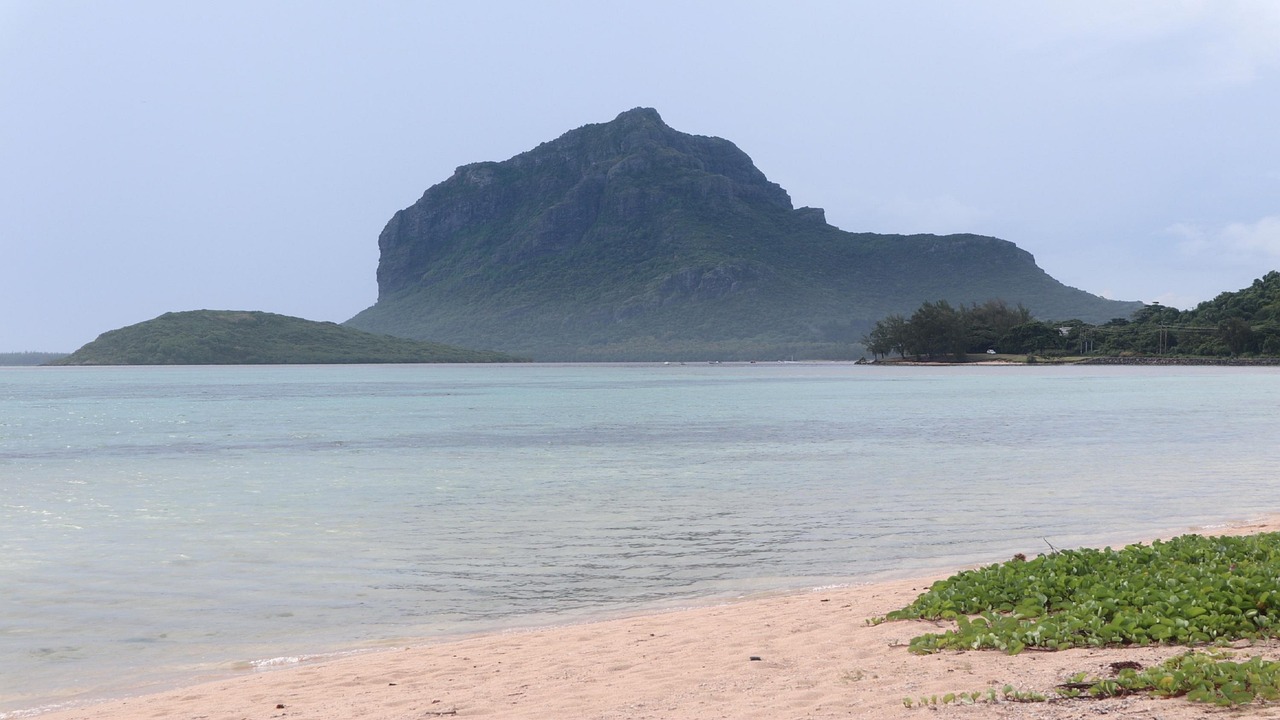
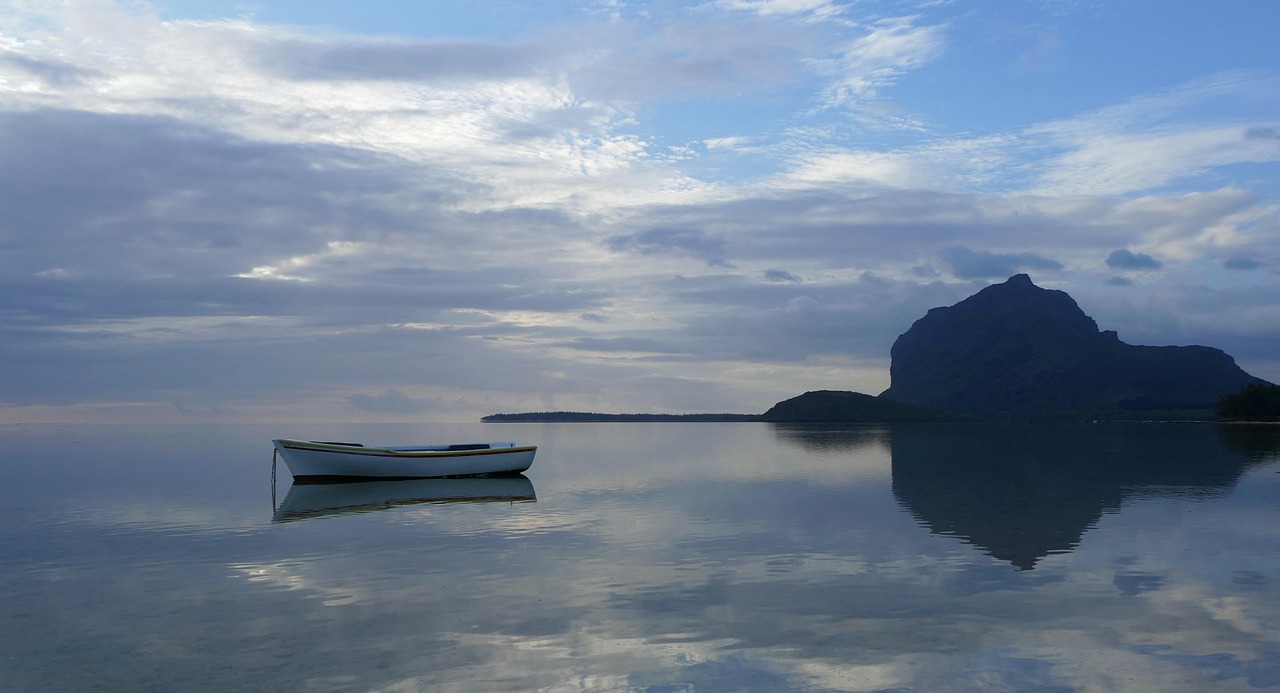
Le Morne is a small peninsula on the southwest tip of Mauritius, dominated by the dramatic Le Morne Brabant mountain, a UNESCO World Heritage Site. It’s famous for its wild lagoon colors, world‑class kitesurfing, and heartbreaking history as a refuge for escaped slaves. Yet despite a strip of five‑star resorts, it still has a laid‑back, almost sleepy village feel once you step away from the hotel gates.
- For beach lovers: Long, public white‑sand beaches with clear, shallow lagoon water and some of the best sunset views on the island.
- For adventurers: Hiking Le Morne Brabant, kitesurfing the "One Eye" wave, SUP, kayaking through mangroves, and exploring volcanic landscapes nearby.
- For couples: Secluded coves, romantic sunset cruises, barefoot fine dining, and quiet, star‑filled nights away from the cities.
- For families: Calm lagoon for kids, easy nature walks, dolphin watching (with ethical operators), and safe, compact areas that are easy to navigate.
- For culture & history lovers: Deep Creole heritage, powerful slavery memorials, sega music on the beach, and village life in nearby La Gaulette and Coteau Raffin.
Le Morne is also a smart base for exploring the entire southwest: Chamarel’s Seven Colored Earths, Black River Gorges National Park, Tamarin, Flic‑en‑Flac, and the wild southern coast are all easy day trips.
Table of Contents
- Why Visit Le Morne
- Le Morne in 2026: What’s New
- Areas & Neighborhoods Around Le Morne
- Top 20+ Attractions & Experiences
- Suggested Itineraries (3–5 Days in Le Morne)
- Local Food & Drink in Le Morne
- Nightlife, Entertainment & Cultural Experiences
- Best Day Trips from Le Morne
- Cultural Etiquette & Local Customs
- Practical Travel Tips for Le Morne (Money, SIM, Transport, Visas)
- When to Visit Le Morne & Seasonal Advice
- Summary & Final Recommendations
Le Morne in 2026: What’s New & Upcoming
As of 2026, Le Morne is still small, but a few changes are worth knowing before you plan:
- New coastal promenade: A modest but lovely coastal walkway near the public beach area has added more street food stalls and shaded seating. I often grab a roti and sit here to watch the kitesurfers.
- Improved hiking access: The official Le Morne Brabant trailhead has clearer signage and new safety information boards. Guided hikes are more regulated, which is good for both visitors and the mountain.
- Eco‑focus in resorts: Most big hotels have visibly ramped up reef‑friendly initiatives: refill stations, reef‑safe sunscreens on sale, and stricter no‑touch policies on lagoon excursions.
Events & Festivals 2026–2027 Around Le Morne
Le Morne itself is quiet, but the southwest and island‑wide calendar adds color to a stay here:
- International Kitesurfing Events (June–August 2026 & 2027): The Le Morne lagoon regularly hosts regional kitesurfing competitions. Even if you don’t ride, watching pros tackle the One Eye wave from the beach is exhilarating.
- International Creole Festival (October–November, annual): Mainly centered around Mahébourg and Port Louis, but resorts and local groups in Le Morne host sega performances, Creole food nights, and storytelling events.
- Abolition of Slavery Commemorations (1 February, annual): Ceremonies take place at Le Morne Heritage Site and other memorials across Mauritius. If you’re here at this time, it’s a profound opportunity to witness living memory and cultural resilience.
- Diwali (October/November, dates vary): You’ll see the glow more clearly in nearby villages and towns than on resort grounds, but hotels do celebrate with special dinners and lights.
Areas & Neighborhoods Around Le Morne
Le Morne itself is tiny. When locals say “Le Morne,” we often mean the wider southwest pocket that naturally clusters your days out. Here’s how I mentally map it when planning a 3–5 day itinerary for Le Morne:
Le Morne Peninsula
This is where you’ll spend most of your time if you’re here for beaches and resorts. The peninsula wraps around the base of Le Morne Brabant and is lined with upscale hotels and public beaches.
- Vibe: Secluded, resort‑y, quiet at night, sea and mountain everywhere you look.
- Best for: Honeymoons, family resort stays, kitesurfers who want to roll out of bed and straight into the lagoon.
Le Morne Village & Public Beach Area
Just before the resort strip, a small village and the main public beach sit side by side. This is where I usually meet friends for a cheap lunch or a spontaneous swim.
- Vibe: Local, relaxed, a mix of fishermen, kitesurfers, and day‑tripping Mauritian families.
- Highlights: Public beach, snack shacks, boat launches for dolphin and snorkeling trips.
La Gaulette
A short drive north, La Gaulette is the de facto “backyard” of Le Morne – where kitesurfers, guides, and hospitality workers actually live.
- Vibe: Lively local village with a growing backpacker and digital nomad scene.
- Highlights: Budget apartments, local eateries, the supermarket everyone uses, casual bars, and access to Île aux Bénitiers.
Coteau Raffin & Petite Rivière Noire
These small communities stretch toward Black River, with more residential pockets and a few charming guesthouses.
- Vibe: Quiet, everyday Mauritian life with glimpses of the lagoon.
- Highlights: Small local restaurants, views, and easy access to Black River Gorges entrances.
Black River / Rivière Noire
Larger town with more infrastructure: banks, car rentals, bigger supermarkets, and a marina for boat trips.
- Vibe: Functional but increasingly trendy, with a growing expat community.
- Highlights: Good base if you want more services while still being close to Le Morne.
Top Attractions & Experiences in and Around Le Morne
Below are 20+ of the best things to do in Le Morne and its surroundings. I’ve written each like a mini‑chapter: what it is, why it matters, and how it felt to be there, plus practical tips.
1. Hiking Le Morne Brabant (UNESCO World Heritage Site)
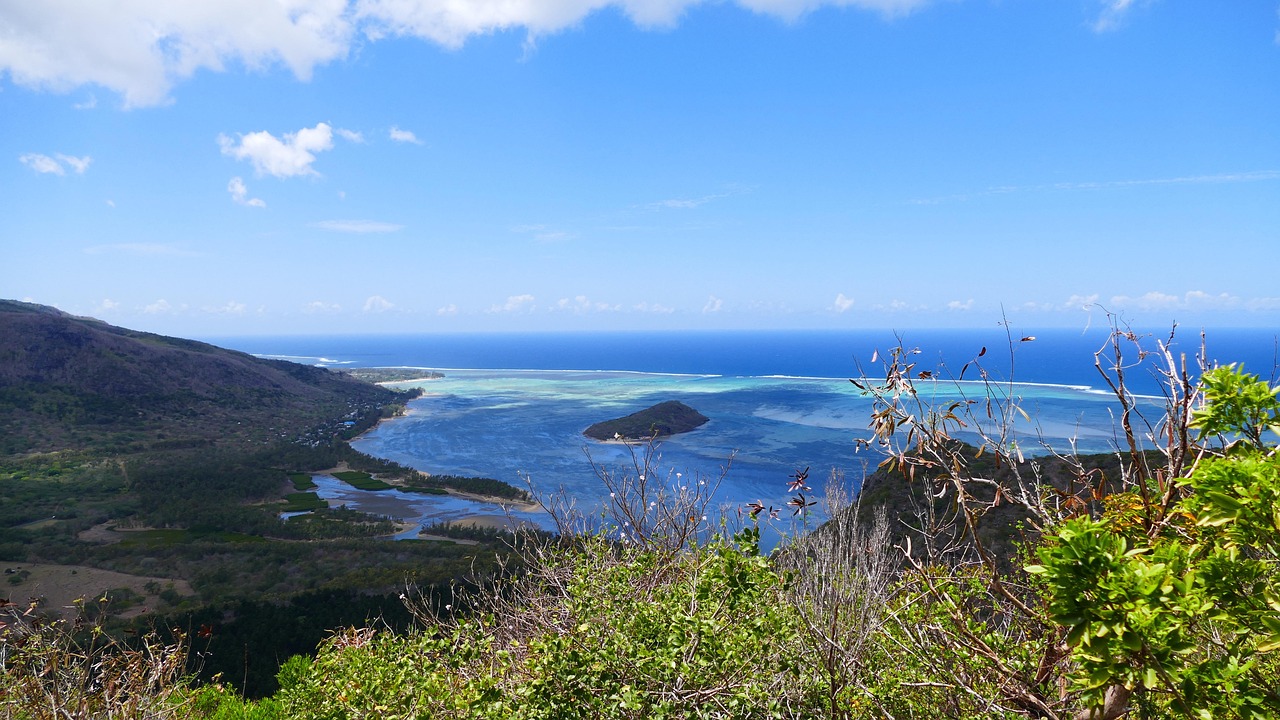
Le Morne Brabant is the brooding basalt mountain you’ll see in nearly every postcard of Mauritius. But it’s not just a pretty backdrop; it’s a symbol of resistance. In the 18th and early 19th centuries, escaped slaves (maroons) used the mountain as a refuge. The story goes that when slavery was abolished and authorities climbed the mountain to tell the maroons they were free, some, fearing re‑capture, jumped to their deaths. This is the weight you feel when you hike here.
I’ve done this hike four times now, twice in the dry winter months and twice after summer rains. The difference is huge. In winter (June–September), the trail is dusty but manageable. In summer (December–March), it can be slick, and the humidity makes every step feel like a mini‑sauna session.
The official trail starts on private land; you’ll pass a small kiosk and signboards with safety information. You can hike without a guide, but I always recommend going with a local guide, especially if it’s your first time or you’re not used to steep terrain. The first section winds through forest with interpretive panels about local flora and the history of maroonage. The second half is steeper, more like scrambling, with chains to hold on to in some sections.
The payoff is absurd. From the summit plateau, you see the full sweep of the peninsula, the turquoise lagoon shading into deep blue, the “underwater waterfall” illusion in the distance, and the line of kites on the lagoon like colorful punctuation marks. I usually pack a simple lunch – roti from La Gaulette and fresh pineapple – and eat it in the shade of one of the few trees up there.
- Difficulty: Moderate to challenging; not recommended for very young kids or anyone with serious vertigo.
- Time: 3–4 hours round trip, including breaks.
- Best time: Early morning (start by 6–7 am) to avoid heat and crowds.
- What to bring: 1.5–2L water per person, hat, sunscreen, grippy shoes, small snack, light rain jacket if hiking in summer.
- Tip: Book a certified guide through your accommodation or a reputable local agency; avoid touts offering “shortcuts” – they often lead onto unsafe, unofficial paths.
2. Le Morne Public Beach
Even with the famous resorts, my favorite place to actually be in Le Morne is the public beach. Long, shady, and backed by casuarina trees, it’s where Mauritian families come on Sundays with huge pots of curry and coolers of Phoenix beer. It’s where I’ve spent lazy afternoons reading under a tree, jumping into the lagoon every time the heat gets too much, and chatting with snack vendors who now recognize me on sight.
The sand slopes gently into the lagoon, making it great for kids. You’ll see locals wading out with fishing lines, groups of friends playing music, and kites bobbing farther along where the wind picks up. Around noon, the air fills with the smell of grilling fish and frying gateaux piments (chili cakes).
- Facilities: Parking, basic toilets, a few changing areas, casual snack stalls, and coconut sellers (seasonal).
- Best time: Weekdays for peace and space; Sundays if you want to see local life at full volume.
- Tip: Bring your own shade if you plan to stay all day – the casuarina trees don’t cover the entire stretch.
- Budget tip: Skip pricey resort lunches; a plate of fried noodles or a roti from a beach van will run you a fraction of the cost and taste fantastic.
3. Kitesurfing the Le Morne Lagoon
Le Morne is a pilgrimage site for kitesurfers. The combination of strong, consistent trade winds and a shallow, clear lagoon is almost unfair. I still remember my first lesson: wobbling on the board, salt in my eyes, heart in my throat – and then that magical, fleeting moment when everything clicked and I was skimming over the water with the mountain looming straight ahead. I crashed seconds later, but I was hooked.
There are several launch spots: the “kite lagoon” area near the public beach is best for beginners, while more advanced riders head toward the reef and the legendary One Eye wave. If you’re totally new, give yourself at least 2–3 days of lessons; many visitors plan their entire 3 day itinerary for Le Morne around learning to kite.
- Season: Strongest winds from May to October, but you can often kite outside these months too.
- Level: All levels; lessons and rentals widely available.
- What to bring: Rash guard or wetsuit top (the sun and wind combination is fierce), reef‑safe sunscreen, booties if you have sensitive feet.
- Tip: Book lessons in advance during peak winter season; slots fill up quickly, especially in 2026 as more riders discover the spot.
4. Viewing the “Underwater Waterfall” from Above
You’ve probably seen it on Instagram: a surreal aerial shot where the ocean seems to pour off a ledge in a massive underwater waterfall. That illusion is just sand and silt moving at the edge of the reef off Le Morne, but from the air, it really does look like the sea is tipping into the abyss.
The illusion is only visible from above, so you’ll need to splurge a bit. I’ve done it once by helicopter and once by small seaplane, and I actually preferred the seaplane: slower, more open, and you feel less removed from the landscape.
- Duration: Most flights are 10–20 minutes; some include a longer coastal loop.
- Best conditions: Clear skies, good sunlight (late morning or early afternoon), and relatively calm seas for sharp color contrast.
- Booking tip: Book through reputable operators only; many will pick you up from your Le Morne hotel or a nearby helipad.
- Budget alternative: The illusion is still visible in a more subtle way if you hike Le Morne Brabant and look out toward the reef edge on a clear day.
5. Le Morne Cultural Landscape & Slave Route Memorial
Below the towering cliffs of Le Morne Brabant lies a quiet, almost understated memorial space. Sculptures of figures looking toward the mountain, plaques, and simple pathways mark the Le Morne Cultural Landscape – a UNESCO designation honoring the maroons who once sought refuge here.
The first time I visited, it was almost empty. The only sounds were waves and wind moving through the trees. I walked slowly through the site, reading the inscriptions and imagining the fear and hope of those who climbed these slopes centuries ago. It’s not a place for Instagram; it’s a place to sit with uncomfortable history.
- Best time: Early morning or late afternoon for cooler temperatures and softer light.
- Allow: 45–90 minutes, more if you like to linger and read everything.
- Tip: Combine this with either a relaxed beach session or a lagoon activity so the day doesn’t feel emotionally heavy.
6. Île aux Bénitiers Excursion
A flat, palm‑dotted island in the lagoon opposite Le Morne, Île aux Bénitiers used to feel like a secret. It’s more visited now, but with the right timing and operator, it’s still a fun day out. I usually leave from La Gaulette with a small local boatman who’s been doing this since before Instagram existed; he knows how to dodge the crowds.
Typical excursions include a stop to (ethically) watch dolphins, snorkeling at the reef, a beach barbecue (lots of grilled fish, salads, and sometimes lobster), and a few hours of doing absolutely nothing on the sand. The views back to Le Morne from the island are some of my favorites: the mountain looks impossibly sculpted against the sky.
- Duration: Half or full day.
- Bring: Hat, sunscreen, mosquito repellent (for calm days), some cash for drinks and crafts on the island.
- Tip: Ask your operator about dolphin‑watching ethics: boats should not chase or encircle pods. The better ones will brief you clearly on what’s allowed.
7. Sunset at Le Morne Peninsula
The west coast of Mauritius is famous for sunsets, and Le Morne’s are among the best. The peninsula’s orientation means you get a direct view of the sun dropping into the Indian Ocean, often with a kitesurfer or a fisherman’s silhouette crossing the foreground.
My ideal sunset ritual is simple: pick up some snacks in La Gaulette, drive down to the peninsula, park near a quiet stretch, and walk until I find a spot where the only sounds are waves and rustling casuarinas. If you’re staying in a resort, you can just wander down from your room with a drink in hand.
- Best months: Year‑round, but winter (May–October) skies can be especially dramatic.
- Romantic tip: Book a private sunset cruise or a simple pirogue ride with a local fisherman for an intimate view from the water.
8. Black River Gorges National Park
A short drive from Le Morne and you’re in a completely different world: cool, green, and filled with birdsong. Black River Gorges is Mauritius’s largest national park, protecting native forests and endemic species. When the coast gets too hot or you need a break from the beach, this is where I go to reset.
There are numerous trails, from short lookouts to longer hikes. I like the Macchabée trail for a mix of viewpoints and forest; on a misty day, it feels like walking through an island‑sized terrarium. Keep an eye out for the echo parakeet and the Mauritian flying fox.
- Distance from Le Morne: Around 30–45 minutes by car, depending on the trailhead.
- Bring: Good shoes, water, insect repellent, a light sweater or rain jacket – the weather can change quickly.
- Family friendly? Yes, if you pick shorter, well‑marked trails and avoid steep or muddy routes with small kids.
9. Chamarel Seven Colored Earths & Chamarel Village
The Seven Colored Earths at Chamarel are one of Mauritius’s classic sights: rolling dunes of mineral‑rich soil, banded in shades of terracotta, violet, and ochre. The science is fascinating, but it’s the almost otherworldly look of the place that sticks in your memory.
I usually start at the waterfall viewpoint (Chamarel Falls), then loop to the colored earths. There are walkways and viewing platforms, and you can see giant tortoises nearby. Combine it with lunch in Chamarel village – either at a rum distillery restaurant or a family‑run Creole spot overlooking the forests.
- Distance from Le Morne: 30–40 minutes by car via a scenic, winding road.
- Time needed: 2–3 hours for the site; half a day if you add lunch and rum tasting.
- Tip: Go early or late in the day – the colors pop best when the sun isn’t directly overhead, and it’s cooler.
10. Rum Tasting at a Chamarel Distillery
Mauritius and rum go hand in hand. In the hills above Le Morne, surrounded by sugarcane, you’ll find distilleries offering tours and tastings. One rainy afternoon, I ducked into a distillery tour to escape a downpour and came out with a new appreciation for agricole rum – and a bottle I ended up sharing with friends back in Le Morne while watching the sunset.
Tours typically walk you through the production process from cane to bottle and end with a tasting of several rums: white, aged, and flavored (vanilla, coffee, spices). Even if you’re not a big drinker, the setting and history are worth it.
- Duration: 1–2 hours.
- Best time: Late morning or early afternoon; avoid driving immediately after a heavy tasting.
- Tip: Designate a sober driver or arrange a transfer if you plan to fully enjoy the tasting.
11. Maconde Viewpoint
On the coastal road toward the south, Maconde is a rocky promontory with a tiny, twisting staircase to a viewpoint above the sea. From here, the road snakes along the coast below you in a perfect S‑curve, and the views back toward Le Morne and along the wild south shore are spectacular.
I like to stop here on the way to the Gris Gris cliffs or Souillac. It’s a quick detour – 10 to 20 minutes – but one that always reminds me just how varied Mauritius’s coastline is.
- Distance from Le Morne: About 20–25 minutes by car.
- Tip: It can get windy; hold onto hats and sunglasses, and watch kids closely near the edges.
12. Tamarin Bay & Dolphin Watching
Just up the coast from Le Morne, Tamarin Bay has a more surf‑village vibe: cafes, a slightly scruffy beach, and a long tradition of surfers and local fishermen. It’s also a hub for dolphin‑watching trips into the bay and beyond.
Over the years, dolphin tourism here has exploded, and not all operators are responsible. I’ve seen chaotic scenes of boats crowding pods, which feels horrible. These days, I only go out with a couple of eco‑minded operators who limit numbers, keep their distance, and brief guests on respectful behavior.
Even if you skip the dolphins, Tamarin is a nice contrast to polished Le Morne: grab a coffee, stroll the beach, or check the small local market.
- Distance from Le Morne: 25–30 minutes by car.
- Best time: Early morning for dolphin trips; late afternoon for a quieter beach.
- Tip: If an operator promises you can “touch” or “ride with” dolphins, walk away.
13. Day Trip to Flic‑en‑Flac
Flic‑en‑Flac is a larger resort town up the coast, and while it lacks the drama of Le Morne’s mountain backdrop, it has one of the longest beaches on the island and more dining and nightlife than you’ll find in Le Morne itself.
On days when I crave more options – or when friends want to go out late – we often drive up here. The beach is lined with food trucks and snack stalls, and in the evenings some bars have live music. It’s also a good spot if you’re keen on scuba diving; several reputable dive centers operate here.
- Distance from Le Morne: About 45 minutes by car.
- Family friendly? Yes – shallow sections of beach and lots of food options.
14. La Gaulette Village Life
La Gaulette doesn’t show up much on glossy brochures, but if you want to feel the everyday pulse of the southwest, you’ll end up here. It’s where many guides, kite instructors, and hotel staff live, and where budget travelers base themselves in apartments and small guesthouses.
I’ve spent countless evenings here: picking up fresh fruit from roadside stalls, grabbing takeaway dholl puri, and people‑watching from plastic chairs outside small bars. The village supermarket is where everyone stocks up, and you’ll hear a blend of Creole, French, English, and sometimes German or Italian as tourists and locals mingle.
- Best for: Budget stays, self‑catering, local food, arranging informal excursions with trusted locals (ask your host for recommendations).
- Tip: If you’re not staying here, plan a dinner or lunch in La Gaulette at least once – it’s a nice counterpoint to resort life.
15. Kayaking & SUP in the Le Morne Lagoon
Not into kitesurfing? You can still get a front‑row seat to the lagoon’s beauty by kayak or stand‑up paddleboard. I love going out just after sunrise when the water is glassy and the only sounds are paddles dipping and distant birds. From the water, Le Morne Brabant looks even more imposing, and you can sometimes spot rays gliding over the sand.
- Best time: Early morning or late afternoon when winds are lighter.
- Where to rent: Most hotels have equipment; independent rental outfits operate around the public beach area.
- Tip: Stay inside the marked safe zones; currents near the reef can be deceptively strong.
16. Horseback Riding on the Beach
One of my most quietly magical mornings in Le Morne was on horseback, padding along the shoreline as the sun came up. The tour operator matched horses carefully to riders’ experience levels; my mare was calm but responsive, and we alternated between walking in the shallows and following sandy paths under the trees.
If you’re an experienced rider, ask for more time on open tracks away from any crowds; beginners can stick to gentle, guided walks with plenty of photo stops.
- Best time: Early morning or late afternoon for cooler temperatures and soft light.
- Family friendly? Yes, for older kids; check minimum age with your chosen operator.
17. Snorkeling the Reef off Le Morne
The lagoon in front of Le Morne is shallow and sandy, but a short boat ride brings you to patch reefs where colorful fish patrol coral heads. Some spots have suffered from bleaching and overuse, but there are still pockets of healthy coral – especially if you go with guides who actively choose less‑visited sites.
I like combining snorkeling with a lazy boat cruise: a few swims, maybe a simple lunch onboard or on a quiet sandbank, then a slow ride back along the peninsula.
- Bring: Your own mask and snorkel if you’re particular about fit; reef‑safe sunscreen; a light long‑sleeve top to protect from sunburn.
- Tip: Never stand on coral or touch marine life; Le Morne’s reef is beautiful but fragile.
18. Golf with a View of Le Morne
Even if you’re not normally a golfer, the courses around Le Morne might tempt you. Perfectly manicured greens edge the lagoon with Le Morne Brabant as a backdrop. I’m more of a driving‑range dabbler than a serious player, but an early‑morning round with a friend (he played, I mostly admired the views) was surprisingly fun.
- Who it’s for: Golfers and couples who want a slower, scenic morning; many resorts offer packages.
- Tip: Book tee times in advance, especially in the dry winter high season and during any regional tournaments.
19. Wild South Coast: Gris Gris & La Roche qui Pleure
Drive south from Le Morne and the lagoon eventually gives way to open, crashing ocean. Gris Gris, near Souillac, is a cliff‑lined stretch where waves hammer the rocks and the wind is almost constant. It feels like the opposite of Le Morne’s calm lagoon – raw and dramatic.
I like pairing a trip here with a stop at Maconde and a simple seafood lunch in a local eatery. Standing at La Roche qui Pleure (“the weeping rock”), watching waves explode against the cliffs, you get a whole different sense of Mauritius as an island in the middle of a vast ocean.
- Distance from Le Morne: 60–75 minutes by car along scenic coastal roads.
- Tip: It can be very windy; secure hats and cameras, and keep a safe distance from cliff edges.
20. Sega Music & Beach Bonfires
Sega is the heartbeat of Mauritian Creole culture: rhythmic, soulful, and born from the songs of enslaved Africans. In Le Morne, sega often drifts across the sand at night – sometimes as part of resort shows, sometimes as spontaneous gatherings among locals with a ravanne (drum) and maravanne (rattle).
The most moving sega I’ve heard here wasn’t on a stage but around a small bonfire near the public beach, with friends of friends. The music, the stars, the silhouette of Le Morne – it all felt deeply rooted in the place.
- Where to see it: Resort cultural nights, local beach gatherings, and sometimes at village events in La Gaulette.
- Tip: Always ask before photographing performers, especially at informal gatherings.
21. Local Art & Handicrafts Around Le Morne
Around the public beach and in nearby villages you’ll find small stalls selling wooden carvings, shell jewelry, sarongs, and paintings. Some are mass‑produced imports, but if you look carefully and chat with the vendors, you’ll find genuinely local work too.
I like picking up hand‑painted postcards and small fabric pieces here – easy to pack, and often with motifs of Le Morne or sega dancers.
- Tip: Bargaining is expected but stay friendly and fair; this is people’s livelihood.
- Look for: Items signed or labeled with the artisan’s name, and ask where pieces are made.
22. Spas & Wellness with a View
With such a peaceful setting, Le Morne is naturally a great place to slow down. Many resorts have excellent spas; I still remember one late‑afternoon massage in an open‑sided pavilion, the sound of waves mixing with the rustle of palm leaves, followed by herbal tea on a deck overlooking the lagoon.
- Who it’s for: Couples, solo travelers needing a reset, and anyone whose muscles are sore after hiking or kitesurfing.
- Tip: Even if you’re not staying at a resort, some accept external guests at their spas – call ahead to check availability and prices.
Suggested Itineraries: 3–5 Days in Le Morne
Here are flexible, story‑style itineraries you can adapt for a 3 day itinerary for Le Morne, 4 days in Le Morne, or a full 5 day itinerary for Le Morne. I’ve built them around how I actually host visiting friends, with a balance of iconic sights, downtime, and local flavor.
3 Day Itinerary for Le Morne
If you only have 3 days in Le Morne, focus on the essentials: the mountain, the lagoon, and a taste of nearby highlands. I’ll walk you through how I usually structure it.
Day 1: Arrival, Lagoon Time & Sunset Introduction
When friends fly in and head straight to Le Morne, I keep their first day simple. You’ll likely be a bit tired, maybe jet‑lagged, and it’s far too easy to over‑plan and end up exhausted.
Check into your accommodation – whether that’s a resort on the peninsula or a guesthouse in La Gaulette – drop your bags, and walk to the water as soon as you can. I always say your first “appointment” in Le Morne is with the lagoon.
- Morning/early afternoon:
- Settle into your room, unpack just enough, and change into beach clothes.
- Head to Le Morne public beach or your resort’s beachfront.
- Swim, nap under the trees, and snack on whatever’s easiest (I usually grab a roti and a cold drink at a snack van).
- Late afternoon:
- Take a short walk along the peninsula. If you’re up for it, rent a kayak or SUP for an hour – it’s a gentle way to explore the lagoon and shake travel stiffness from your body.
- Find a good sunset spot (your hotel bar, a quiet stretch of public beach, or a small sandbank if you’ve arranged a boat).
- Evening:
- Dinner at your hotel or a nearby local restaurant in La Gaulette.
- Early night – tomorrow is your big hike.
Day 2: Hike Le Morne Brabant & Heritage Reflections
I always plan the Le Morne Brabant hike for the second day: you’re rested, but still in that “I want to do everything” energy. Set your alarm early – this is worth the pre‑dawn wake‑up.
- Early morning:
- Light breakfast (fruit, toast, coffee) – nothing too heavy.
- Meet your guide at the trailhead around 6–7 am.
- Start the hike in the cool morning air, pausing at viewpoints and interpretive signs.
- Late morning:
- Reach the main viewpoints and soak in the panorama – this is where the island reveals itself: the reefs, the underwater waterfall illusion, and the curve of the peninsula.
- Descend carefully; the steep section can be tough on knees.
- Lunch:
- Reward yourself with a big lunch. If you’re staying in La Gaulette, I usually steer visitors to a simple Creole restaurant: think fish curry, rice, lentils, and salads. In resorts, the buffet will taste even better after a hike.
- Afternoon:
- Rest – pool, nap, book. Don’t overschedule; your legs will thank you.
- Later, visit the Le Morne Cultural Landscape memorial down near the base of the mountain. The contrast between your morning on the summit and this quiet, contemplative space is powerful.
- Evening:
- Casual dinner and, if available, sega music at your resort or at a local cultural night.
Day 3: Highlands, Chamarel & Rum
On your final day of a 3 days in Le Morne itinerary, escape into the hills. It’s a complete change of scenery and adds depth to your impression of Mauritius.
- Morning:
- Drive up toward Chamarel (hire a car or arrange a driver/guide).
- Stop at viewpoints over Black River Gorges if the weather is clear.
- Visit Chamarel Falls and the Seven Colored Earths – take your time walking the paths and platforms.
- Lunch:
- Eat in Chamarel village – many restaurants have terraces overlooking forests and sugarcane.
- Afternoon:
- Tour a local rum distillery and enjoy a tasting.
- Drive back to Le Morne via La Gaulette; pick up any snacks or souvenirs you’ve been eyeing.
- Evening:
- Last sunset on the beach – swim until the sky turns orange, then have a relaxed farewell dinner.
This 3 day itinerary for Le Morne hits the must‑see attractions without rushing, leaving you time to actually breathe the place in.
4 Day Itinerary for Le Morne
With 4 days in Le Morne, you can add either more adventure or more relaxation. Here’s how I’d stretch the above plan.
Day 4 Option A: Lagoon Adventure & Kitesurfing
If the wind cooperates, devote a full day to the lagoon:
- Morning: Beginner kitesurfing lesson or an extended SUP/kayak session.
- Lunch: Beach picnic or hotel lunch.
- Afternoon: Snorkeling trip or simply watching experienced kitesurfers tackle the One Eye wave from the shore.
- Evening: Dinner at a local restaurant, maybe in La Gaulette, and a quiet drink under the stars.
Day 4 Option B: South Coast Road Trip
If you’re more into landscapes, take a day to explore the wilder southern coastline:
- Morning: Drive past Baie du Cap, stopping at Maconde viewpoint for photos.
- Midday: Continue to Gris Gris and La Roche qui Pleure to feel the raw force of the Indian Ocean.
- Lunch: Simple seafood lunch in Souillac or another small town.
- Afternoon: Slow drive back, with optional short walks or viewpoints along the way.
- Evening: Relaxed dinner back in Le Morne; you’ll sleep well after the sea air.
5 Day Itinerary for Le Morne
A 5 day itinerary for Le Morne is my sweet spot: enough time to see the big sights, have real downtime, and sprinkle in a few hidden gems.
Day 1–3:
Follow the 3 day itinerary for Le Morne above (arrival & lagoon, Le Morne Brabant hike, Chamarel & rum).
Day 4: Île aux Bénitiers & Dolphin‑Friendly Lagoon Day
On the fourth day, I like to give guests a full “island within an island” experience.
- Early morning:
- Depart from La Gaulette or Le Morne by small boat with an ethical operator.
- Look for dolphins from a respectful distance; stay seated and quiet when they’re near.
- Late morning:
- Snorkel at the reef – explore coral heads and watch reef fish dart around.
- Head to Île aux Bénitiers for beach time.
- Lunch:
- Typical barbecue on the island: grilled fish, salads, bread, maybe chicken or prawns.
- Afternoon:
- More lazing on the sand, swimming, or exploring the shoreline.
- Return to Le Morne; you’ll likely be pleasantly tired and salty.
- Evening:
- Casual dinner and early night or a nightcap watching the stars from the beach.
Day 5: Your Way – Free Day, Spa, Golf, or Extra Adventure
I always keep the last day open, tailored to mood:
- For relaxation: Spa morning, pool time, a slow beach walk, and sunset drinks.
- For families: Easy lagoon activities (pedal boats, kayaks) and maybe an early dinner in Flic‑en‑Flac.
- For adventurers: Another kitesurfing session, a longer hike in Black River Gorges, or mountain biking in the nearby hills.
This 5 days in Le Morne plan leaves you with a real feel for the area rather than just a blur of activities.
Local Food & Drink in Le Morne
You can eat extremely well around Le Morne, whether in resort restaurants or tiny snack shacks. Mauritian food is a delicious mix of Creole, Indian, Chinese, and French influences – all with a local twist.
Must‑Try Dishes in Le Morne
- Fish or octopus curry: Often cooked in a Creole tomato‑based sauce with thyme and chilies, served with rice, lentils, and pickles. I order this whenever I see it on a menu.
- Dholl puri: Soft flatbreads stuffed with ground yellow split peas, piled with curries and chutneys. Great street snack; messy in the best way.
- Roti: Thinner flatbreads with fillings like butter bean curry, rougaille (tomato stew), pickles, and chili paste.
- Mine frit: Mauritian fried noodles with vegetables and sometimes chicken, beef, or seafood. Comfort food.
- Biryani: Spiced rice with marinated meat or fish – local versions are rich and fragrant.
- Gateaux piments: Fried chili cakes made from split peas; I buy a paper bag full and munch them on the beach.
- Fresh fruit: Pineapple, mango, lychee, and seasonal exotic fruits from roadside stalls.
Where to Eat Around Le Morne
- Beach snack vans (Le Morne public beach): Cheap, authentic, and fun. Think rotis, mine frit, fried snacks, and cold drinks. I often spend less than the price of one resort cocktail for a full, satisfying lunch here.
- Local restaurants in La Gaulette: A mix of Creole, seafood, and simple grills. Many have open terraces and casual vibes; ideal for budget travelers and anyone tired of buffet lines.
- Resort restaurants on the peninsula: Upscale options with international and Mauritian menus, often with excellent views. Great for a romantic dinner or special occasion.
Drinks to Try
- Rum cocktails: Local rhum arrangé infused with vanilla, coconut, or spices is widely served.
- Phoenix beer: The classic Mauritian lager – light and perfect for hot days.
- Alouda: A sweet, milky drink with basil seeds, more common in central markets but sometimes found in local snacks or shops.
- Fresh coconut water: Often sold along the beach; they’ll chop the top off with a machete and hand you a straw.
Money‑Saving Eating Tips
Eating in Le Morne doesn’t have to be expensive:
- Mix resort meals with local snacks and village restaurants – your taste buds and wallet will both be happy.
- Self‑cater breakfasts or simple dinners if you’re in an apartment in La Gaulette; the supermarket there has everything you need.
- At beach vans, check prices before ordering; they’re usually fair and posted, but it’s good practice.
Nightlife, Entertainment & Cultural Experiences
Le Morne is not a party destination, and that’s part of its charm. Nights tend to be quiet, with stars overhead and the sound of the sea carrying further than any music.
Evenings in Le Morne
- Resort bars & lounges: Cocktails at sunset, occasional live music, and sega dance performances.
- La Gaulette bars: A few casual places where locals and visitors mingle, often with sports on TV and relaxed vibes.
- Beach nights: Informal gatherings on the sand with guitars or portable speakers – ask around, and you might be invited to join.
Cultural Experiences
- Sega performances: Many resorts and some local events feature sega; watch the hip‑swaying dance and listen to lyrics (often in Creole) that reflect history and everyday life.
- Religious and cultural festivals: Diwali, Cavadee, and other festivals create beautiful scenes island‑wide; ask your host what’s happening during your dates.
- Heritage visits: Combine the Le Morne memorial with museum visits in other parts of Mauritius if you have time in your broader trip.
Best Day Trips from Le Morne
Besides Chamarel, Black River Gorges, Tamarin, and the south coast (already covered above), consider:
- Port Louis (capital city): About 1–1.5 hours away. Visit the Central Market, Caudan Waterfront, and Blue Penny Museum, then retreat back to Le Morne’s calm by night.
- Mahébourg: Historic coastal town on the southeast; longer drive, but full of character and great for a combined island trip.
For a Le Morne‑focused stay of 3–5 days, though, you’ll have more than enough within an hour’s radius.
Cultural Etiquette & Local Customs in Le Morne
Mauritius is diverse – ethnically, religiously, and linguistically – and Le Morne reflects that mix. A few simple guidelines go a long way toward respectful travel.
Greetings & Communication
- A friendly “Bonjour” or “Hello” is standard; most locals speak some English and French, and many speak Creole as their first language.
- People may seem reserved at first but are generally warm once you open a conversation.
Dress Code
- On the beach: Swimsuits are fine; topless sunbathing is not widely accepted.
- In villages & towns: Cover up a bit – shorts and a T‑shirt are fine, but avoid walking around shops and buses in just swimwear.
- Religious sites: Dress modestly; cover shoulders and knees where possible.
Behavior & Photography
- Always ask before photographing people, especially children and religious activities.
- At memorials like Le Morne Cultural Landscape, speak quietly and treat the space with the same respect you would a cemetery.
Tips & Service
- Service charge may be included in higher‑end restaurants; if not, 5–10% is appreciated but not mandatory.
- Tipping guides, drivers, and boat crews is customary when you’re satisfied with the service.
Practical Travel Tips for Le Morne
Getting To & Around Le Morne
- From the airport: Around 1–1.5 hours by car. Arrange a transfer through your hotel, or book a taxi or private driver in advance.
- Car rental: Highly recommended if you want to explore freely; roads are generally decent, and driving is on the left. A foreign driver’s license is usually accepted if it’s in English or French; otherwise, an International Driving Permit is a good idea.
- Public transport: Buses serve the region but are slow and infrequent to the peninsula; workable for budget travelers with time, less so for short stays.
- Taxis & private drivers: Easy to arrange through hotels or guesthouses; agree on fares beforehand.
Money & Budgeting
- Currency: Mauritian Rupee (MUR).
- ATMs: Available in nearby towns like La Gaulette and Black River; some resorts also have ATMs.
- Cards: Widely accepted in hotels and larger restaurants; carry cash for beach snacks, small stalls, and tips.
- Saving money: Mix resort meals with local eateries, use buses for occasional longer trips if you have time, and share excursions with others when possible.
SIM Cards & Connectivity
- Local providers (like Mauritius Telecom, Emtel, MyT) offer tourist SIMs with data at reasonable rates.
- Buy at the airport or in larger towns; bring your passport.
- Coverage around Le Morne is generally good, though speeds can drop during peak usage times.
Safety & Health
- Le Morne is generally safe; usual common sense applies (don’t leave valuables unattended on the beach, lock your car).
- Sun is intense; use high‑SPF reef‑safe sunscreen, wear hats and light clothing.
- Tap water is treated but many visitors prefer bottled or filtered water; check with your accommodation.
Visa Requirements (2026)
- Many nationalities can visit Mauritius visa‑free for tourist stays of up to 60–90 days; requirements depend on your passport.
- Always check current entry rules with your airline or official Mauritian government sites before travelling; they can change.
- Ensure your passport is valid for at least 6 months beyond your planned departure and that you have proof of onward travel and accommodation bookings.
Hidden Tips from a Semi‑Local
- Beat the crowds: Start activities early – even popular spots like Chamarel are quiet at 8 am.
- Wind awareness: If you’re planning a lot of kitesurfing, aim for May–October; if you prefer calmer seas, shoulder months can be ideal.
- Market days: Ask locals about nearby village market days; they’re great for fruit and people‑watching.
- Self‑drive loops: My favorite is Le Morne → Chamarel → Black River Gorges viewpoints → Black River town → back to Le Morne, with lunch in Chamarel.
When to Visit Le Morne
Mauritius has a subtropical climate with mild variations, but different seasons favor different activities. For a 3–5 day itinerary for Le Morne, timing can shape what you do.
- May–October (winter, dry season): Cooler, drier, and windier. Ideal for hiking Le Morne Brabant and kitesurfing. Evenings can be breezy; bring a light sweater.
- November–April (summer, wetter season): Hotter, more humid, with occasional heavy showers and the possibility of cyclones (mainly January–March). Sea is warmer and lagoon colors are stunning; good for snorkeling and lazy beach days.
- Best overall months: May–June and September–early November for a balance of good weather, manageable crowds, and strong but not extreme winds.
Summary & Final Recommendations
Le Morne is one of those rare places where big‑ticket sights and quiet, personal moments coexist in a small radius. In a few days you can stand atop a UNESCO‑listed mountain, float above a turquoise lagoon, listen to sega by starlight, and share a plate of curry at a roadside shack with the same view as the fanciest resort.
For a 3 day itinerary for Le Morne, prioritize the hike, the lagoon, and a Chamarel day. With 4 days in Le Morne, add either extra lagoon time or a south coast road trip. For a full 5 day itinerary for Le Morne, include Île aux Bénitiers and a free day for whatever you loved most – kitesurfing, spa, or simply doing nothing under a casuarina tree.
Whenever you come – wind‑whipped winter for adventure or warm, languid summer for swimming and sunsets – give yourself enough time to slow down. Le Morne isn’t just a place to tick off “must‑see attractions in Le Morne”; it’s a place to feel the layers of history, culture, and natural beauty settle into you, one tide and one sunrise at a time.