Why Visit Le Morne Brabant (and Why You’ll Probably Want to Return)
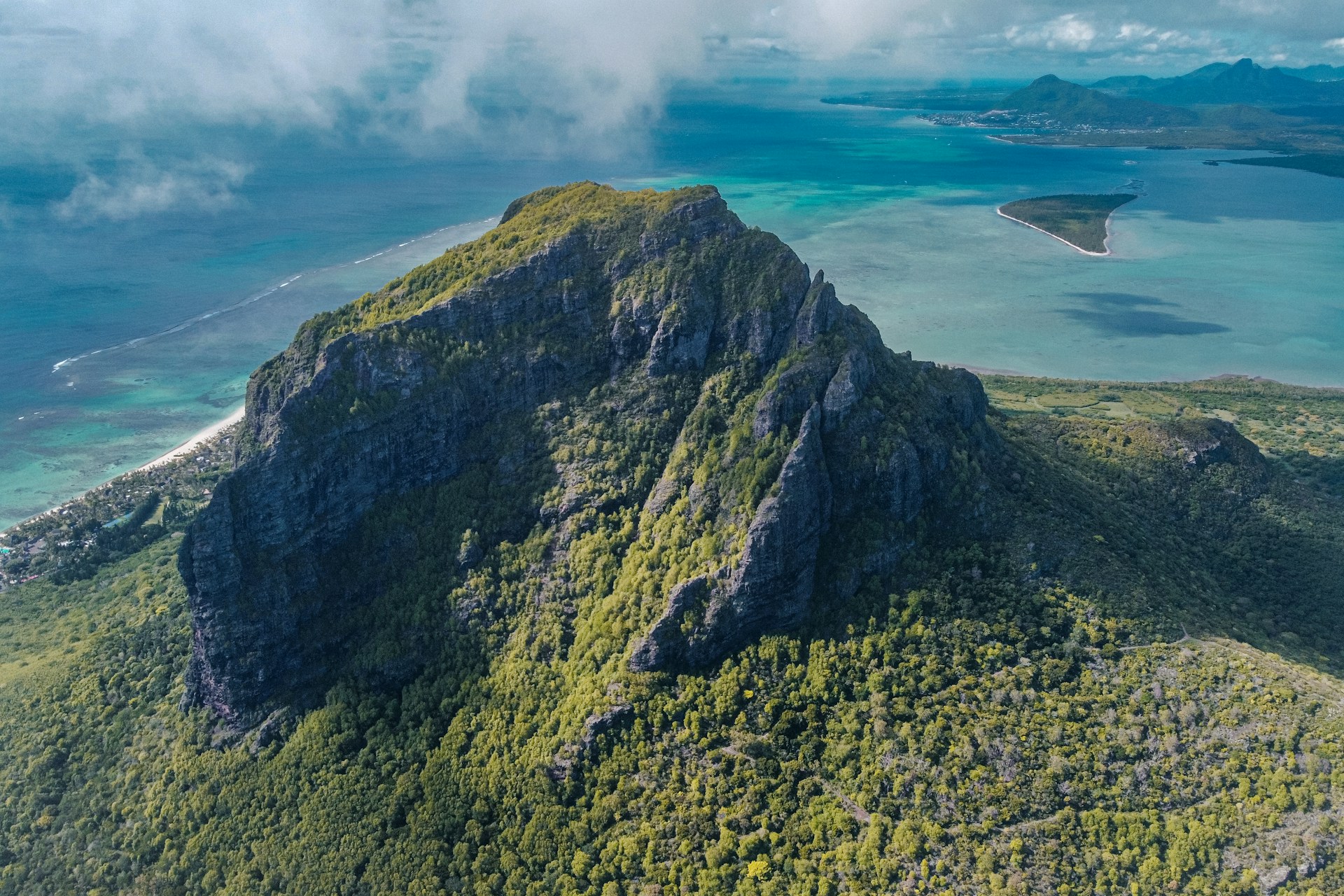
Le Morne Brabant is one of those rare places where every element—landscape, history, wind, light, and sea—seems to conspire to create something unforgettable. The basalt monolith itself, stretching 556 meters into the sky on Mauritius’s southwest tip, is dramatic enough. But it’s the layered story of maroon slaves, Creole culture, kite surfers, and fishermen that makes this more than just a pretty mountain.
I’ve been coming here for over a decade and visited again several times throughout late 2025 and early 2026. Each trip has had a different rhythm: one was all about dawn hikes and quiet reflection; another centered around kite surfing with friends; the latest was a “test run” of various 1, 2 and 3 day itineraries for this very travel guide. I still remember the first time I saw the mountain from the coastal road at golden hour: the basalt cliffs glowing copper, fishing skiffs bobbing in the lagoon, kids playing football on the sand. It felt less like arriving at a tourist site, and more like being pulled into a living, breathing landscape.
Whether you’re here for 1 day in Le Morne Brabant or planning a 3 day itinerary for Le Morne Brabant, this travel guide is designed to help you move beyond the postcard shot and into the real, textured experience of this corner of Mauritius: the paths you actually walk, the wind you feel on the ridgeline, the food you eat afterwards, and the quiet moments—often at sunrise or after dark—when the crowds disappear and the mountain feels almost yours.
Table of Contents
- Why Le Morne Brabant Is Special
- Le Morne Brabant Overview: Landscape, History & Practical Orientation
- Main Highlights & Must-See Attractions Around Le Morne Brabant
- 1–3 Day Itineraries for Le Morne Brabant
- In-Depth: 8 Key Viewpoints, Sections & Adjacent Sites
- Where to Eat & Drink Around Le Morne Brabant
- Where to Stay Near Le Morne Brabant
- Le Morne Brabant After Dark & Off-Hours Magic
- Day Trips & Nearby Attractions
- Cultural Etiquette & Local Customs
- What’s New: Events & Travel Scene Changes (2026–2027)
- Practical Travel Advice & Logistics
- Le Morne Brabant Tickets, Opening Hours & On-Site Logistics
- Summary & Final Recommendations
Le Morne Brabant Overview: Landscape, History & Orientation
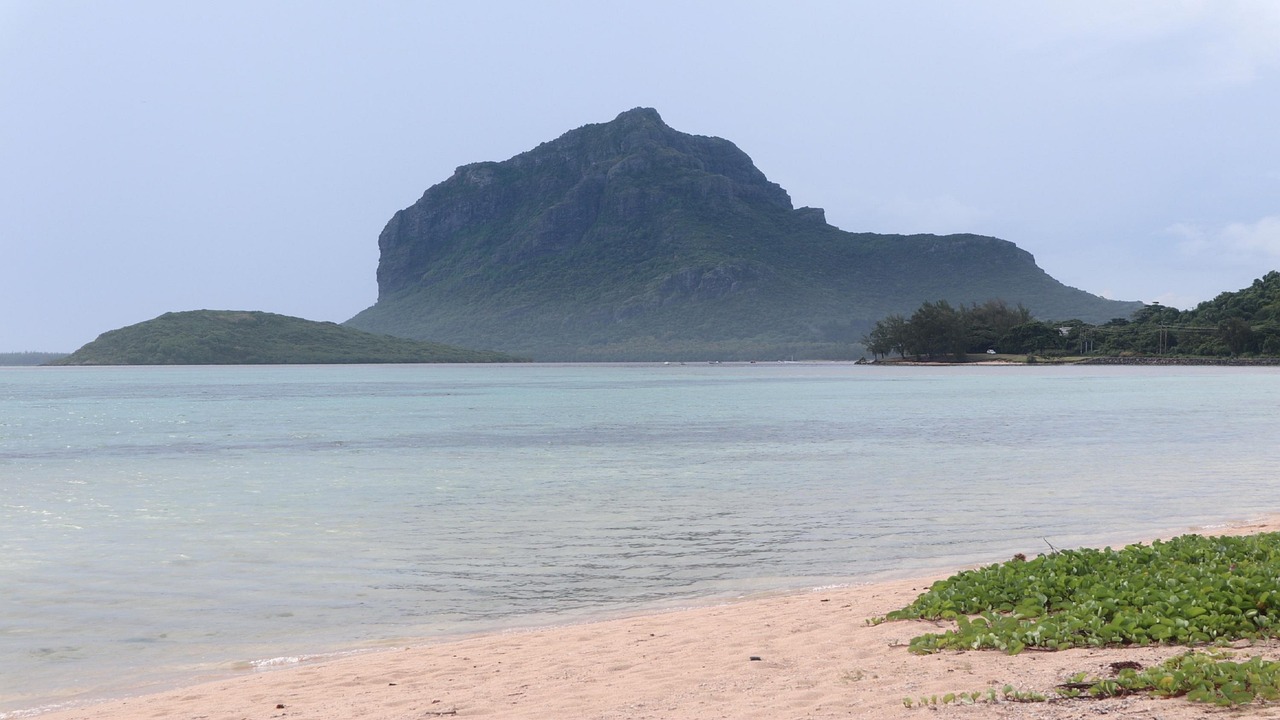
Le Morne Brabant sits on a small peninsula on the south-western tip of Mauritius, encircled by one of the island’s most spectacular lagoons. The mountain itself is a rugged basalt rock, its flanks cloaked in native vegetation, its cliffs dropping almost sheer into the sea. From certain angles the mountain seems to lean protectively over the peninsula’s beaches and fishing villages.
Historically, Le Morne Brabant is a UNESCO World Heritage Site, recognized for its role as a refuge for escaped slaves (marrons) during the 18th and early 19th centuries. The mountain’s caves and dense forests offered shelter, and its isolated position made it a powerful symbol of resistance. The legend most visitors hear—about maroons leaping to their deaths when they mistook the arrival of British abolition forces for a re-enslavement raid—is deeply emotional for Mauritians, especially those of Creole heritage. Whether every detail of the story is “historically provable” is beside the point: Le Morne remains a place of memory and mourning, and you feel that weight when you stand at the summit cross and look out to sea.
Practically, Le Morne is also a hub of outdoor adventure: kite surfing, hiking, snorkeling, dolphin watching, stand-up paddleboarding, and lazy lagoon swims. The peninsula itself is relatively compact, so you can move between the mountain trailhead, beach, village, and resorts in minutes by car. That makes it ideal for 1 day, 2 day, or 3 days in Le Morne Brabant, especially if you’re short on time but want to experience the “wild” side of Mauritius.
Main Highlights & Must-See Attractions in and Around Le Morne Brabant
These are the best places to visit in Le Morne Brabant that I return to on nearly every trip. Later in the guide, each gets its own in-depth section with history, logistics, and personal anecdotes, but here’s the lay of the land:
- The Le Morne Summit Hike – the classic route to the cross, with sweeping lagoon views.
- The Lower Plateau & Forest Section – gentler trails, lush vegetation, and quieter viewpoints.
- Le Morne Public Beach – where locals gather for weekend picnics and sunset swims.
- Le Morne Peninsula Lagoon – kayaking, SUP, snorkeling, and casual boat outings.
- Kite Surfing Lagoon & “One Eye” – one of the world’s most famous wave spots.
- Memorial of the Abolition of Slavery – a powerful memorial at the base of the mountain.
- Underwater Waterfall Viewpoint (Helicopter / Scenic Flight) – the surreal optical illusion.
- Adjacent Sites: Chamarel, Black River Gorges, and the coastal road through Baie du Cap & Macondé.
1–3 Day Itineraries for Le Morne Brabant
Below are three flexible itineraries—1 day, 2 days, and 3 days in Le Morne Brabant—based on how I actually spend my time here. They’re written as personal stories, but each doubles as a step-by-step plan. Mix and match depending on your pace and interests.
1 Day Itinerary for Le Morne Brabant: The Essential Experience
If you only have 1 day in Le Morne Brabant, your goal is to combine the mountain, the lagoon, and a taste of local flavor without rushing so much that you miss the magic. I tested this in January 2026 with two friends on a quick weekend escape; here’s how we structured the day.
06:00–11:30 – Sunrise Hike to the Le Morne Summit
We arrived at the trailhead just before 6 a.m., headlamps still on, with the sky turning from ink to deep blue. The parking area is just off the main road, a five-minute drive from most hotels on the peninsula. A simple sign marks the entrance; there’s usually a small hut and sometimes a ranger or guide presence. In 2026, the authorities have formalized access a bit more—there’s a modest fee for upkeep and safety, and guiding is strongly recommended if you’re not comfortable with steep, rocky terrain.
The first hour of the hike is relatively gentle: a well-defined path beneath casuarina and endemic trees, with birdsong and glimpses of the lagoon through the foliage. We moved steadily, stopping to sip water and listen to the wind. The second section, beyond the lower plateau, is steeper and more technical, with some scrambling and fixed ropes. If you’re moderately fit and not terrified of heights, it’s manageable; if you’re nervous, hire a guide—a good one will know when to pause, where to place your hands, and how to time your climb around the crowds.
We reached the summit cross just after 8:15 a.m. The light was still soft, and the lagoon below glowed in impossible shades of turquoise. This is where you understand why Le Morne has become the defining image of Mauritius. You can trace the coral reef’s edge, see waves breaking beyond, and glimpse the subtle color gradations that create the famed “underwater waterfall” illusion a little further offshore.
We lingered for almost an hour—photos, snacks, and quiet moments. I always bring a light sarong because the wind at the top can be surprisingly cool, especially if you’ve worked up a sweat. On the way down, we paused at the lower viewpoints, which offer gentler angles and are often less crowded than the summit itself.
Timing tip: Start the hike no later than 7 a.m. in the hotter months (November–March). In winter (June–September), you can push it to 7:30–8:00 a.m., but the earlier you go, the more you avoid heat and crowds.
11:30–14:30 – Lagoon Swim & Easy Lunch
Back at the bottom, we drove straight to Le Morne Public Beach, about five minutes along the coastal road. Weekdays are usually quiet; weekends see big local families with coolers, music, and grills. We rinsed off our dusty legs in the lagoon, floating in water so clear it felt unreal.
There are a few simple food trucks and snack stands along the beach road. My go-to post-hike combo is a farata (Mauritian roti) stuffed with cari poulet (chicken curry) or rougaille saucisse, plus a fresh coconut or an ice-cold Alouda (a sweet, milky basil seed drink). It’s cheap, filling, and gloriously messy. If you prefer something more polished, you can head to one of the nearby hotel beach restaurants, but I find the casual, feet-in-the-sand experience far more satisfying after a hike.
14:30–17:30 – Kayaking or Stand-Up Paddle in the Lagoon
In the mid-afternoon, when the sun is high and the wind usually picks up, we like to get back onto the water. Several operators along the peninsula rent kayaks and SUP boards by the hour. On this particular visit, we launched near the small jetty by the public beach and paddled parallel to the shoreline, keeping the mountain as a constant backdrop.
This is a family-friendly activity—kids can sit in the front of a tandem kayak, and the lagoon is shallow in many areas. Just be aware of coral patches and boat traffic; a good operator will brief you on safe zones. We stopped at a sandbar to stand ankle-deep in the middle of the lagoon, looking back at Le Morne rising like a green-black wall.
17:30–19:30 – Sunset on the Beach & Casual Dinner
The southwest coast of Mauritius is a sunset theater, and Le Morne offers front-row seats. On our one-day “test” itinerary, we simply stayed put at the public beach, watching as the sky turned tangerine and then deepened into magenta. Locals often applaud when the sun finally dips; tourists lean into each other for photos; the mountain becomes a dark, hulking presence against the pastels of the sky.
For dinner, I like to drive 10–15 minutes towards La Gaulette, where you’ll find small, locally owned restaurants that avoid the heavy price tag of resort dining. A favorite post-Le-Morne spot is a simple Creole eatery where you can order vindaye poisson (a tangy fish dish), octopus curry, and achards (pickled vegetables), often with a cold Phoenix beer. This combination of a full day outdoors and a homely Creole meal is, to me, the essence of a 1 day itinerary for Le Morne Brabant.
2 Day Itinerary for Le Morne Brabant: Mountain, Memory & Sea
With 2 days in Le Morne Brabant, you can slow down a bit, add in cultural experiences, and still have time for proper lagoon adventures. The following is based on a February 2026 stay when I brought my parents—both in their 60s—for their first Mauritian trip.
Day 1 – Gentle Introduction: Lower Trails, Beach & Memorial
We skipped the full summit hike with my parents and opted instead for the lower plateau and forest section of Le Morne. This part of the mountain is accessible via the same main trailhead, but you turn back before the scrambling begins. It still feels wild, especially in the early morning. Birdlife is abundant; keep an eye out for the Mauritius paradise flycatcher and the grey white-eye.
We spent around three hours on the trail, including plenty of stops and photo breaks at the lower viewpoints, where the lagoon unfurls beneath you but the exposure is less dramatic than at the summit. The path is manageable for active older travelers and families with school-age children, though I’d still recommend proper footwear and plenty of water.
After a midday rest at our guesthouse, we drove to the Memorial of the Abolition of Slavery at the foot of Le Morne. The contemporary sculpture—a group of figures standing under the mountain’s shadow—never fails to move me. My parents were quiet here; my mother ran her hand along the stone, reading the inscriptions slowly. The combination of physical exertion in the morning and historical reflection in the afternoon gave the day a satisfying emotional arc.
We closed the day with a late-afternoon swim at the public beach and dinner in La Gaulette, lingering over dholl puri and grilled fish while the mountain silhouette faded into darkness.
Day 2 – Lagoon Focus: Dolphins, Snorkeling & Village Life
On our second day we focused on the sea. We left just after sunrise on a small-group boat tour from the nearby village of La Gaulette. These outings usually combine a respectful dolphin-watching experience (more on ethics later), snorkeling over coral gardens, and a stop at a sandbank or quiet cove. My parents were enchanted by the way Le Morne seemed to change shape as we moved around it; from some angles the cliffs look almost vertical, from others you see the gentler slopes and vegetation.
Midday we returned to shore and drove through nearby villages—Le Morne itself and further towards Case Noyale. We stopped at a tiny roadside stall where an elderly woman sold fresh pineapple slices dipped in chili salt. It’s these casual, unscripted moments that I remember most vividly from that trip.
By mid-afternoon we were back on the beach, and my father, who’d sworn he was “too old to try new sports,” ended up on a stand-up paddleboard, wobbling and laughing as the mountain loomed behind him. That’s the beauty of a 2 day itinerary for Le Morne Brabant: enough time to shift from being a spectator to a participant.
3 Day Itinerary for Le Morne Brabant: Deep Dive into Mountain & Coast
A 3 day itinerary for Le Morne Brabant is my ideal sweet spot. It allows for the summit hike, cultural immersion, water sports, and at least one “wow” experience like a helicopter flight over the underwater waterfall. This sample itinerary is drawn from a March 2026 stay when I was working on a longer feature about the peninsula.
Day 1 – Summit Hike & Slow Afternoon
Start as per the 1-day plan: early summit hike, long pause at the cross, and a leisurely descent. Because you have three days, you don’t need to cram the rest of the afternoon. I spent mine lazing at the public beach under the filao trees, alternating between reading and swimming. Late afternoon, I wandered through the quieter parts of the peninsula, watching fishermen mend their nets.
Day 2 – Culture, Kite Surfing & Evening Atmosphere
On the second day, I devoted my morning to kite surfing. Le Morne’s lagoon is one of the world’s kite meccas, especially from June to September when the trade winds are strongest. Even if you’re a beginner, you can take an introductory lesson in the shallow lagoon area. Watching the advanced riders at the famed “One Eye” wave, carving and soaring with the mountain behind them, is an adventure in itself.
In the afternoon, I visited the Abolition Memorial again, this time joining a short, guided cultural walk organized by a local Creole association. We talked about maroonage, sega music, and the way Le Morne functions as a spiritual site for many Mauritians. There’s a depth here that you’ll miss if you only see the mountain as a hike.
After a shower and quick rest, I went back out for sunset, but instead of the public beach, I positioned myself on a quiet stretch of sand near the eastern side of the peninsula. Here the view shifts slightly; you get a sense of the reef’s curve and, on clear evenings, a subtle afterglow long after the sun has dipped.
Day 3 – Scenic Flight & Day Trip to Chamarel or Black River Gorges
The last day was my “treat yourself” splurge: a helicopter flight over the Le Morne lagoon to see the underwater waterfall illusion. Yes, it’s expensive; yes, it’s brief; but if budget allows, this is one of those experiences you’ll talk about for years. From above, the reef and sand channels combine to create the impression of a vast cascade plunging into the abyss. It’s a mind-bending perspective on a landscape you’ve already walked and swum.
After the flight, I drove inland to Chamarel—less than 40 minutes away—for lunch, rum tasting, and a visit to the Seven Colored Earths. Alternatively, you can head to Black River Gorges National Park for forest hikes and waterfall views. Both make excellent day trips from Le Morne and round out your understanding of Mauritius’s varied terrain.
Back at Le Morne for one final swim before dusk, I floated on my back in the lagoon, the mountain a dark wedge against the sky, and felt that familiar tug: the sense that, even after three days, I was leaving too soon.
In-Depth: 8 Key Sections, Viewpoints & Adjacent Sites
Here are the core places you’ll actually walk through, climb up, and linger in when you visit Le Morne Brabant, each described as I’ve experienced them over multiple visits.
1. The Le Morne Summit Hike
The classic summit hike is the heart of most visits. It’s not a casual stroll, but it’s also not a technical climb in alpine terms. Over the years I’ve done it in blazing heat, moody cloud, and once in a fine drizzle that made the rocks slick and the vegetation smell intensely alive.
Trail Layout: From the parking lot, a broad dirt track leads gently uphill before narrowing into a path that winds through scrub and small trees. You’ll reach a sort of natural terrace—a lower plateau—after about 45–60 minutes. Many people stop here; the views are already fantastic. Beyond this point the trail steepens, with rocky steps and short scrambling sections aided by fixed cables or ropes.
What to Look For:
- Early on, pause and turn back to see the peninsula unfurl behind you—the tiny ribbon of road, the patchwork of resorts and public spaces, and the reef line beyond.
- As the path steepens, look for native plants like Trochetia boutoniana (the national flower) in bloom between June and October.
- Near the top, there’s a section where the path hugs the cliff with a sheer drop to one side. It’s safe if you move slowly and respect the terrain, but it’s not for those with severe vertigo.
Time Needed: 3–4 hours roundtrip at a moderate pace, including time at viewpoints and the summit cross.
Guides & Safety: While some hikers go solo, I’ve noticed an increasing emphasis in 2025–2026 on guided hikes for safety and environmental protection. A good local guide will set a pace that suits your group, share stories about maroons and local flora, and help you navigate tricky sections. They also know when weather is turning; high winds or heavy rain are reasons to turn back.
On my last summit hike, in November 2025, we started before dawn, with a guide named Patrice who’d grown up in the nearby village. At the top, he pointed to a particular hollow in the mountain’s flank and told a story passed down from his grandfather about a group of maroons who hid there for months, trading at night with sympathetic fishermen. Whether literal or embellished, those stories give texture to the landscape; you stop seeing it as just a “viewpoint” and start reading it as a lived place.
2. Lower Plateau & Forest Section
If the summit hike feels too intense—or you simply want a gentler day—the lower plateau and forest trails are your friend. This is also where I go when I need a quiet morning away from the beach scene.
The lower section is shaded for much of the way, which makes it cooler and more forgiving in summer. Bird calls echo between the trees. Occasionally you’ll cross small, rocky runoffs that swell after heavy rain. In some areas, the forest opens into clearings where you get “framed” views of the lagoon.
Time Needed: 1.5–2.5 hours, depending on how far you go before turning back and how many photo or snack breaks you take.
Family-Friendly Factor: I’ve walked this section with kids as young as seven and with older travelers wary of heights. With sturdy shoes and frequent water breaks, it’s very doable. Just set clear expectations: this is still a hike, not a flat park stroll.
3. Le Morne Public Beach
This is where Le Morne feels most like a living, local space instead of a curated resort bubble. On weekends, Mauritian families arrive in caravans: cars packed with grills, pots of curry, coolers of soft drinks and beer, and enough snacks to feed an army. Kids run straight into the shallows; grandparents settle under the filao trees with folding chairs.
I’ve spent countless afternoons here, often after a hike, just absorbing the rhythms. A group practicing sega music near the car park; teenagers taking turns jumping off a small jetty; fishermen unloading their catch at the far end of the beach. The lagoon is shallow and generally calm, making it ideal for families and less confident swimmers.
Facilities: Basic public toilets (bring tissues and hand sanitizer), scattered food trucks or snack stalls, informal parking along the road. No loungers or umbrellas unless you bring your own.
Time Needed: You can easily spend 2–5 hours here, especially if you combine swimming, picnicking, and a sunset watch.
4. Kite Surfing Lagoon & “One Eye”
Even if you never touch a kite, you should at least watch the show. On windy days, the sky fills with bright canopies; riders carve across the lagoon and launch into the air with the mountain as a dramatic backdrop. It’s a spectacle unlike anywhere else I’ve been.
Beginner Zone vs. One Eye: The lagoon is zoned roughly into areas by skill level. Beginners stick to the shallower, protected sections near the beach, where several schools offer lessons. The fabled “One Eye” is a fast, barreling reef break suitable only for very experienced wave kiters—and even then, conditions must be right. Respect the zoning; it’s there for safety.
Personal Anecdote: The first time I tried kiting here, in 2018, I spent more time face-planting than riding. When I came back in 2025, with a bit more experience, everything clicked on my second session: a steady cross-shore wind, clear water, and that feeling of gliding with the mountain in my peripheral vision. It’s addictive.
Time Needed: Lessons typically run 2–3 hours. Watching from the beach is free and endlessly entertaining; I often linger for an hour just taking photos and chatting with locals.
5. Memorial of the Abolition of Slavery
This memorial is not large, but it carries immense emotional weight. A series of sculpted figures appears to emerge from the earth, faces tilted towards the mountain, bodies caught between movement and stillness. In the background, Le Morne towers—a silent witness.
Every time I visit, the atmosphere is hushed. Mauritian visitors often light small candles or leave flowers. For many, this is not a “tourist attraction” but a site of remembrance. It’s part of why Le Morne is recognized by UNESCO as a symbol of the fight against slavery, not just locally but globally.
How Long to Spend: 30–60 minutes is enough to walk the small grounds, read the plaques, and sit quietly for a bit. I recommend going either early in the morning or late in the afternoon, when the light is soft and the bus tours (if any) have usually moved on.
6. Underwater Waterfall Scenic Flight Viewpoint
This is the iconic image you’ve probably seen online: an apparent waterfall plunging into the depths of the Indian Ocean just off Le Morne’s coast. In reality, it’s an optical illusion created by sand and silt flowing over the ocean floor, combined with the angle of light and the reef’s contours. You can’t see it properly from land or boat level; you need altitude.
How to See It: Several helicopter and small-plane operators (often based near the main island airport or along the west coast) offer 15–25 minute scenic flights that circle Le Morne. Prices are high, but if you share a flight with others, it can be more manageable. In 2026, some operators have introduced slightly longer circuits that also overfly Black River Gorges and Chamarel, which I find adds value.
Best Time: Late morning to early afternoon on a clear day, when the sun is high enough to illuminate the color gradations in the water. If it’s overcast, consider rescheduling.
On my March 2026 flight, we took off mid-morning. As the helicopter banked around the peninsula, Le Morne’s cliffs slid past the window, and then suddenly the lagoon opened below us—layers of turquoise, deep blue, and that impossible “waterfall” drop-off. Even after years of visiting the mountain from below, seeing it from above reframed everything.
7. Chamarel: Seven Colored Earths & Rum
About a 35–40 minute drive inland from Le Morne, Chamarel sits in the hills overlooking the southwest coast. If you’re based on the peninsula for a couple of days, Chamarel is one of the best nearby excursions.
Seven Colored Earths: A small but striking geological site where dunes of sand form bands of red, brown, violet, blue, and ochre. It’s more subtle in real life than in heavily edited photos, but under the right light, the colors are distinct. On my last visit, I arrived around 9 a.m., and the contrast was perfect—earlier, and the colors can be a bit muted; later, and the heat can be intense.
Chamarel Waterfall: Within the same area, a viewpoint overlooks a tall waterfall plunging into a lush ravine. It’s a straightforward stop—view, photo, move on—but the setting is undeniably beautiful, especially after rains.
Rum Distilleries: Several rum producers operate in and around Chamarel, offering tastings and tours. Pairing a mountain base at Le Morne with a rum-and-lunch outing in Chamarel makes for a satisfying inland day trip.
8. Black River Gorges National Park
While not on the peninsula itself, Black River Gorges is the wild heart of southwestern Mauritius and pairs naturally with a stay at Le Morne. The drive from the peninsula takes around 40–50 minutes, snaking up into the island’s central highlands.
What to Expect: Lookout points with sweeping views over densely forested ravines, hiking trails ranging from easy to challenging, and, if you’re lucky, encounters with endemic bird species. The landscape feels worlds away from the coastal lagoons—cooler, mistier, more rugged.
On one of my recent days off from the mountain, I hiked a moderate circuit in the park, then returned to Le Morne in time for a sunset swim. The contrast—wet forest air in the morning, saline lagoon breezes in the evening—is one of my favorite things about basing yourself here.
Eating & Drinking Around Le Morne Brabant
Food near Le Morne falls into three broad categories: resort restaurants, casual local spots in nearby villages, and beachside snacks. To avoid the immediate tourist trap radius, I often steer people slightly off-peninsula for dinner while still enjoying simple eats on the beach during the day.
Casual Local Spots (Where I Actually Eat)
La Gaulette & Case Noyale: These nearby villages (10–20 minutes’ drive) offer the most satisfying combination of price, authenticity, and flavor.
- Creole Cafés & Snack Bars – Look for handwritten menus offering cari poulet, rougaille poisson, vindaye, and dal. I’ve had some of my favorite octopus curries in tiny, family-run places here for a fraction of resort prices.
- Roadside Stalls – Don’t skip the pineapple with chili salt, fresh sugarcane juice, or gato piment (chili fritters). On late afternoons, you’ll often see queues forming at the best stands.
Beach Snacks & Picnic Culture
At Le Morne Public Beach, small trucks serve farata, dholl puri, samosas, and occasionally grilled fish. I like to pick up a few different things and make a picnic under the trees. Remember to bring your own reusable containers or at least minimize plastic waste; the lagoon is too precious to flood with trash.
What to Bring Onto the Mountain
- Water: 1.5–2 liters per person for the summit hike.
- Snacks: Nuts, fruit, granola bars. Avoid anything that melts easily.
- Light Lunch: A simple sandwich or wrap. There are no food vendors on the trail.
Pack out everything you bring in. Even fruit peels attract animals and disrupt the ecosystem.
Where to Stay Near Le Morne Brabant
Accommodation falls into three main clusters: on-peninsula resorts, nearby guesthouses, and inland eco-lodges. Over the years I’ve sampled all three.
On-Peninsula Resorts
These offer immediate beach access and front-row sunset views. If your budget allows, they’re incredibly convenient: you can walk or take a short shuttle to the mountain trailhead, rent kayaks and SUPs on-site, and roll from lagoon to room in minutes. They’re ideal for romantic trips and families wanting an easy base.
Guesthouses & Apartments in La Gaulette / Case Noyale
My personal favorite option. You’re 10–20 minutes from Le Morne by car, but you live among locals: morning roosters, small grocery shops, kids cycling home from school. Prices are lower than the resorts, and you can cook some meals yourself or eat at local joints.
Inland Eco-Lodges (Chamarel & Surrounds)
If you’re combining Le Morne with serious hiking in Black River Gorges or a focus on Chamarel’s culinary scene, consider spending one or two nights inland. Then, finish your trip with 1–2 nights on or near the peninsula for the full lagoon-mountain combo.
Practical Tip
If you’re following this travel guide’s 1 day itinerary for Le Morne Brabant from elsewhere on the island, leave your base by 4–5 a.m. to reach the trailhead in time for a sunrise start. The southwest roads are generally good, but you don’t want to rush that drive in the dark.
Le Morne Brabant After Dark & Off-Hours
Le Morne is not a nightlife hub in the clubbing sense, but the hours around sunset and just after dark are some of the most atmospheric on the island.
Sunset & Blue Hour
Sunset is usually between 17:30 and 19:00 depending on the season. The best spots are:
- Le Morne Public Beach – Classic, social, lots of locals.
- Quieter Eastern Shore – Walk away from the main crowds for more solitude and a slightly different angle on the mountain.
- Resort Beaches – If you’re staying on-peninsula, most hotels make a ritual of sundowners on the sand.
Blue hour—the 20–30 minutes after sunset—is when the mountain often looks most sculptural. I like to keep my camera handy; the silhouettes of fishing boats against the residual glow are magical.
Night-Lit Experiences & Evening Tours
There are no regular night hikes on Le Morne itself (for safety and conservation reasons), but some operators offer:
- Sunset boat cruises in the lagoon with views back to the mountain.
- Evening sega performances at local venues or resorts, sometimes tied to Creole cultural evenings that reference Le Morne’s history.
On my last visit, I joined a small-group sunset cruise that left from a nearby jetty. As we drifted, the captain pointed to the shadowed cliffs and quietly recounted the maroon legend. The combination of soft light, lapping water, and that story felt far more affecting than any daytime tour.
Extras: Day Trips & Nearby Attractions from Le Morne Brabant
Once you’ve hiked, swum, and kited your fill, consider these easy add-ons.
Baie du Cap & Macondé Viewpoint
Drive south along the coastal road from Le Morne and you’ll reach Baie du Cap and the tight hairpin bend at Macondé. A short staircase climbs to a rocky outcrop where you can see the road’s dramatic curve and the endless ocean beyond. It’s one of the most photogenic coastal drives in Mauritius.
Gris-Gris & the Wild South
Further along the coast, Gris-Gris offers a very different mood: no protective lagoon, just crashing waves against cliffs. It’s a good counterpoint to Le Morne’s calm waters and can be combined into a full-day coastal loop with Macondé and Baie du Cap.
Tamarin & Flic-en-Flac
To the north, beaches like Tamarin and Flic-en-Flac have more developed beachfront scenes—cafés, bars, and restaurants—if you crave a livelier evening after a few quiet nights at Le Morne.
Cultural Etiquette & Local Customs Around Le Morne Brabant
Le Morne is not just a pretty hike; it’s a cultural and spiritual landmark. A bit of cultural awareness goes a long way.
Respecting the Heritage Site
- Dress Modestly at the Memorial: You don’t need to be fully covered, but avoid extremely revealing outfits at the Abolition Memorial. Think shoulders covered and shorts/skirts of a reasonable length.
- Quiet Behavior: Keep voices low at the memorial and when guides are sharing history. This is a site of mourning for many Mauritians.
- No Graffiti or Rock Cairns: Resist the urge to leave your “mark” on the trail or summit. Leave the landscape as you found it.
General Mauritian Customs
- Greetings: A simple “Bonjour” or “Bonzur” (Creole) with a smile goes far. English is widely understood; French and Creole dominate casual conversation.
- Photography: Always ask before photographing people, especially children or religious ceremonies. Most will say yes and often pose happily.
- Tipping: Not mandatory, but appreciated. In restaurants, 5–10% is generous. For guides, tip according to service and group size.
What’s New: Events & Changes in 2026–2027
For 2026–2027, a few developments shape the travel scene around Le Morne:
- Enhanced Trail Management: Local authorities and heritage organizations have been reinforcing key sections of the summit trail and clarifying route markings. Expect slightly more structured access, with clearer signage and occasional ranger checks.
- Expanded Cultural Programming: Creole associations have been piloting more regular guided heritage walks and sega evenings linked to Le Morne’s story, especially around key dates like the International Day for the Remembrance of the Slave Trade and its Abolition (23 August).
- Eco-Initiatives on the Peninsula: Several resorts and community groups are ramping up beach clean-ups and lagoon conservation initiatives. As a visitor, you may see more signage about coral protection and responsible dolphin watching.
- Upcoming Events (2026–2027): Dates vary year to year, but expect:
- Annual commemorations at the Abolition Memorial (usually end of August).
- Regional kite surfing competitions centered on the Le Morne lagoon during peak wind months (roughly June–September).
- Occasional music and cultural festivals in nearby villages, especially around Mauritian Independence Day (12 March) and the Creole Festival period (October/November).
Practical Travel Advice for Le Morne Brabant
How to Get There & Get Around
From SSR International Airport: About 1.5 hours by car. Taxis are plentiful but can be pricey; pre-booked transfers or car rentals are often more economical if you plan to explore.
Public Transport: Buses do run to the southwest, but routes can be slow and indirect. For a focused 1 day itinerary for Le Morne Brabant, public transport is impractical; you’ll lose too much time.
Car Rental: Highly recommended. Road quality is generally good, and having your own vehicle makes sunrise hikes and spontaneous day trips easy.
Foreign Driving Licenses & Rules
- Most tourists can drive using their home country license for stays under a set duration (commonly up to 4 weeks), provided it’s in English or French or accompanied by an International Driving Permit.
- Mauritius drives on the left-hand side. Roundabouts are common—yield to traffic already in the circle.
- Speed limits are modest and enforced, especially entering villages.
SIM Cards & Connectivity
At the airport and in major towns you can buy tourist SIM packages from providers like Emtel, My.T, or MTML. Data coverage around Le Morne is generally good, though you may get patchy signal on parts of the mountain trail itself.
Money-Saving Tips
- Stay in Guesthouses: Base yourself in La Gaulette instead of a high-end resort if budget is tight.
- Eat Local: Balance one “special” resort meal with several local snacks and Creole restaurants.
- Choose Key Splurges: If you’re watching costs, pick either kite lessons or the scenic flight, not both.
- Self-Drive: A rental car shared between 2–4 people is often cheaper than multiple taxis.
Visa Requirements (Approximate, 2026)
Mauritius offers visa-free or visa-on-arrival entry for many nationalities for short stays (commonly up to 60 or 90 days), provided you have a return ticket and proof of accommodation. However, rules vary by passport and can change, so always check the latest guidance from official Mauritian immigration sources or your local consulate before departure.
Best Time to Visit Le Morne Brabant
Mauritius has a tropical climate with two main seasons rather than four distinct ones.
- May–October (Cooler, Drier): Ideal for hiking and kite surfing. Trade winds bring consistent breeze; temperatures are pleasant; humidity is lower.
- November–April (Warmer, Wetter): Hotter and more humid, with occasional heavy showers and a cyclone season peak between January and March. The lagoon is warm and inviting; underwater visibility can be excellent between storms.
For a balanced mix of good hiking conditions, reliable winds, and fewer weather disruptions, I personally favor late May–June and September–early November.
Seasonal Match-Up with Activities
- Best for Hiking: May–October, especially early mornings.
- Best for Kite Surfing: June–September for strong, consistent trade winds.
- Best for Beach-Lazing & Snorkeling: November–April, when lagoon waters are at their warmest.
Le Morne Brabant Tickets, Opening Hours & On-Site Logistics
Opening Hours & Access
The hiking trail is generally open during daylight hours. In 2026, authorities have become more explicit about discouraging very early or late access for safety reasons; expect practical hours roughly from sunrise to mid-afternoon for starting the hike. Check locally for any temporary closures due to weather or trail maintenance.
Ticketing & Fees
As of recent visits, a modest access fee is often charged for the trail, either at the entrance or via partnering guiding services, which supports maintenance and conservation. Some tour operators bundle this into the cost of guided hikes. Policies can shift, so confirm when you book.
Do You Need to Book in Advance?
- Independent Hikers: Usually don’t need a timed-entry ticket, but it’s wise to check if any new reservation system is in place, especially in peak season (July–August, December–January).
- Guided Hikes: Book at least a few days ahead in high season to secure your preferred start time (sunrise slots sell out first).
- Scenic Flights: Reserve well in advance, particularly if your dates are inflexible or you want a specific time of day.
Peak Hours to Avoid
Mid-morning (around 9–11 a.m.) is often the busiest window on the trail, especially in high season. Aim to start before 7 a.m. or, at the latest, by 7:30 a.m. to beat both crowd and heat. On weekends and holidays, trails and the public beach are noticeably busier with local visitors.
Dress Code & Behavior Rules
- On the Trail: Sturdy footwear, breathable clothing, a hat, and sun protection are essential. Avoid flip-flops; they’re unsafe on the rocky upper section.
- At the Memorial: Modest clothing and respectful, quiet behavior.
- On the Beach: Swimwear is fine on the sand, but cover up when going into villages or shops.
Photography Restrictions
There are no major photography bans on the trail or at the beach, but drones may be restricted or require permits due to privacy, safety, and conservation concerns. At the memorial, photography is allowed, but avoid intrusive behavior during ceremonies or personal moments of mourning.
Accessibility Considerations
- Summit Trail: Not accessible for wheelchairs or travelers with significant mobility issues due to steep and uneven terrain.
- Lower Trail & Memorial Area: More accessible but still with some uneven ground; check with local operators for adapted visits.
- Beach: Sand and lack of formal boardwalks can pose challenges; some resorts offer beach wheelchairs and accessible paths.
Security & Queues
Le Morne is generally safe. Basic precautions—don’t leave valuables visible in parked cars, keep an eye on your belongings at the beach—are enough. Queues are minimal compared to big-city attractions; occasional bottlenecks can form at narrow sections of the trail, but these usually resolve with a bit of patience and courtesy.
Summary & Final Recommendations
Le Morne Brabant is one of those rare destinations where a single day can give you a lifetime memory: the summit cross at sunrise, the lagoon glowing beneath you, and the knowledge that you’re standing on a mountain that once sheltered people risking everything for freedom.
If you have 1 day in Le Morne Brabant, focus on the sunrise summit hike, a restorative swim at the public beach, and a simple Creole meal nearby. With 2 days, add in lagoon adventures and a visit to the Abolition Memorial. With 3 days in Le Morne Brabant, you can deepen the experience: kite surfing, scenic flights, day trips to Chamarel or Black River Gorges, and unhurried sunsets that let the place sink into your bones.
For most travelers, the best time to visit Le Morne Brabant is during the cooler, drier months from May to October—especially if hiking and wind sports are priorities. Beach lovers and snorkelers will enjoy the warmer lagoon from November to April, keeping an eye on weather forecasts in cyclone season.
Above all, try to experience Le Morne at its quiet edges: at dawn on the trail, at dusk on the sand, or in the hush of the memorial. Those are the moments when the mountain speaks loudest, and when this corner of Mauritius stops being just another stop on your itinerary and becomes a place you’ll carry with you long after you’ve flown home.