Why Visit Port Louis?
If Mauritius is the heart of the Indian Ocean, Port Louis is its pulse. It’s where sugar barons built fortunes, where dock workers still call out in Creole at sunrise, and where office workers grab a plate of steaming dholl puri before heading to the glass towers of the business district.
I’ve been coming to Port Louis regularly since my student days, sometimes for work meetings, sometimes just to wander the market with friends. It’s a city that grows on you each time: you start with the postcard spots – the Caudan waterfront, the Central Market – and then, slowly, you notice the tiny Hindu temples wedged between warehouses, the smell of fresh briani on a side street, the sound of a sega rhythm drifting from a corner bar at dusk.
Many travelers treat Port Louis as a half‑day stop on the way to beaches, but it rewards those who stay longer. If you’re planning a 3 day itinerary for Port Louis, 4 days in Port Louis, or even a 5 day itinerary for Port Louis, you’ll find history, food, architecture, street life, and plenty of family‑friendly, romantic, and adventurous things to do.
This travel guide for Port Louis is written as I’d plan a trip for close friends: lots of detail, honest impressions, and some very local tips for saving money, staying safe, and finding the city’s true soul.
Table of Contents
- Why Visit Port Louis?
- Neighborhoods & Districts of Port Louis
- Top Itineraries: 3–5 Days in Port Louis
- 20 Must-See Attractions in Port Louis (In-Depth)
- Local Food in Port Louis – What and Where to Eat
- Nightlife, Entertainment & Cultural Experiences
- Best Day Trips from Port Louis
- Cultural Etiquette & Local Customs
- Practical Travel Tips for Port Louis
- When to Visit Port Louis & 2026–2027 Events
- Summary & Final Recommendations
Neighborhoods & Districts of Port Louis
Port Louis is compact, but each area has its own personality. This is how I mentally map the city when I plan days out.
Caudan Waterfront & Harbourfront
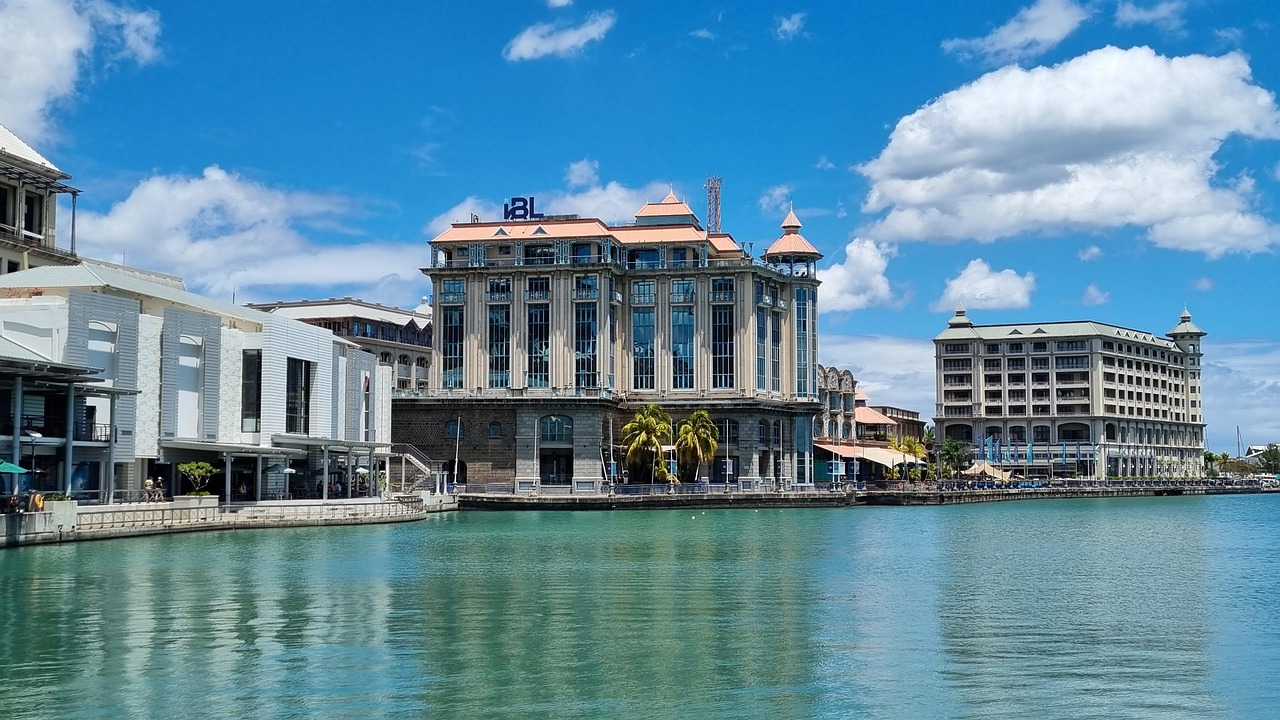
This is the polished, postcard side of Port Louis: a marina lined with cafes, shopping arcades, a casino, and views of cargo ships gliding in and out of the harbor. It’s touristy but pleasant, especially around sunset.
Central Business District & Government Quarter
Glass towers, colonial-era facades, banks, and ministries sit side by side. During the week it’s buzzing; on Sundays it’s almost eerily calm. This is where you’ll find the Place d’Armes, the Government House, and some of the best examples of classic Port Louis architecture.
Central Market & Old Town Streets
My favorite part of the city. A web of covered markets, arcades, fabric shops, snack stalls, and creaking wooden balconies. It’s noisy, hot, chaotic, and absolutely essential if you want to feel Port Louis under your skin.
Chinatown
Smaller than the Chinatowns of big global cities, but charming. Red lanterns, herbal medicine shops, roast meat hanging in windows, and some of the best street food in town. At night, certain alleys glow with neon and the smell of wok-fried noodles.
Tranquebar & Residential Slopes
Quiet streets climbing the lower slopes of the mountains. You’ll pass modest homes, small shrines, and local bakeries. Not a “sight” per se, but a place to glimpse everyday life.
Signal Mountain & Surrounding Suburbs
Residential and greener, this area is all about the views. The roads winding up offer vantage points over the harbor, the city skyline, and the ring of mountains around Port Louis.
3–5 Day Itineraries for Port Louis
To help you plan 3 days in Port Louis or stretch to a 4 day itinerary for Port Louis or 5 days in Port Louis, here’s how I’d structure your time. I’ll keep things practical and story-driven, but not at the 80,000-word level you might expect from a book—this is a focused, usable guide.
3 Days in Port Louis – Classic Highlights & Street Life
Three days is perfect for first-timers: you’ll cover the must-see attractions in Port Louis, taste iconic local food, and still have time for a viewpoint or two.
Day 1 – Waterfront, Old Town, and Central Market
I like to start gently on the waterfront and then plunge into the older streets once I’m properly caffeinated.
- Morning – Caudan Waterfront & Blue Penny Museum
Arrive at Caudan around 9:00. The air still feels cool, and the light on the water is beautiful. Grab a coffee from a waterfront café (I often stop at one near the craft market) and just watch the harbor activity.
Then head into the Blue Penny Museum for an hour or so of history and philately (yes, the famous Blue Penny stamp is more interesting than it sounds). It’s a perfect introduction to colonial Port Louis, trade routes, and the island’s story. - Late Morning – Stroll to Place d’Armes
Walk from Caudan through the small mall, cross toward the main road, and you’ll hit Place d’Armes, lined with royal palms leading to Government House. Peek at the statues and slowly shifting traffic patterns. This is the “official” face of the city. - Lunch – Central Market Food Stalls
Head toward the Port Louis Central Market. Inside, venture upstairs to the food section. I usually order a plate of fish curry with rice from one of the canteen-style counters, or a cheap fried noodle dish. It’s noisy and hot, but it’s exactly where office workers eat. - Afternoon – Market Shopping & Side Streets
Wander the market’s fresh produce area, spice stalls, and souvenir corners. Use this time to buy small gifts: vanilla pods, tea, or colorful sarongs. Then let yourself “get lost” in the side streets: fabric alleys, small mosques, and creole houses with lacy wooden balconies. - Evening – Sunset Back at Caudan
Loop back to Caudan for sunset. If you’re traveling as a couple, this is a lovely spot to hold hands on the sea wall and watch the sky turn pink. Families can enjoy ice cream and the occasional live music on the plaza.
Day 2 – Fort Adelaide, Chinatown & City Museums
This day mixes views, culture, and a lot of eating – very Port Louis.
- Morning – Fort Adelaide (La Citadelle)
Start early and either walk up or take a taxi to Fort Adelaide. I’ve done both; walking is sweaty but satisfying. From the ramparts, gaze over the entire city and the harbor. I like to bring a takeaway coffee and sit on the stone walls for 20 minutes, just listening to the city hum below. - Late Morning – Aapravasi Ghat
Walk or taxi down to Aapravasi Ghat, the UNESCO-listed immigration depot where indentured laborers from India first arrived in Mauritius. The exhibits are powerful and human; allow at least an hour if you like history. - Lunch – Chinatown Noodles
From Aapravasi Ghat, it’s a short walk into Chinatown. Pick a small eatery – I like tiny, slightly worn places with plastic stools – and order fried noodles, dumplings, and Chinese-style roast meats. Don’t skip the chili paste. - Afternoon – Chinatown Exploration & Street Art
Wander the lanes, checking out herbal medicine shops and Asian grocers. Notice the mix of old Chinese façades and newer concrete buildings. In recent years, street art projects have added color to side walls; bring a camera. - Evening – Drinks & Sega Music
For nightlife, you can either head back to Caudan for casual drinks, or find a local bar in the city center. On some nights, hotels or waterfront venues host live sega performances – traditional Creole music and dance. It’s fun, family-friendly, and romantic all at once.
Day 3 – Nature, Views & Shopping
On your third day, mix urban exploration with nature and a little shopping.
- Morning – Hike Signal Mountain
Start early to avoid the heat. The road up Signal Mountain is paved, and you can walk it at a steady pace in 45–60 minutes. I like to pause at the bends to photograph the city’s skyline from different angles. It’s accessible for kids with some stamina. - Late Morning – Sir Seewoosagur Ramgoolam Botanical Garden (Pamplemousses)
Technically outside Port Louis, but close enough for a half-day trip. Take a taxi or bus to the Pamplemousses Botanical Garden and wander among giant water lilies, spice trees, and fruit bats. Families love it; couples will find quiet corners to sit. - Lunch – Roadside Snacks or Garden Café
Grab gato piment (chili fritters) or roti from a roadside vendor, or eat at a simple garden café if open. - Afternoon – Back to Port Louis for Shopping
Return to Port Louis and spend your last afternoon souvenir shopping at Caudan’s craft market or smaller boutiques in town. - Evening – Farewell Dinner
Choose a restaurant with harbor views or a rooftop in town and toast your three days in Port Louis with a local Phoenix beer or a rum cocktail.
4 Days in Port Louis – Culture, Food & Coastline
With a 4 day itinerary for Port Louis, follow the 3-day plan and add:
- Day 4 – Northern Coast Day Trip
Use Port Louis as a base and head to the northern beaches (Trou aux Biches, Grand Baie) for snorkeling, swimming, and a change of scene. Return in the evening for dinner in the city.
5 Days in Port Louis – Deep Dive into Hidden Gems
For 5 days in Port Louis, I’d extend with:
- Day 4 – Neighborhood Wandering & Museums
Spend time in less-touristy districts, visit the Natural History Museum, and linger longer in markets and cafés. - Day 5 – Cultural Experiences
Arrange a cooking class focusing on Mauritian Creole food, or a guided heritage walk through older quarters and religious sites, including temples, mosques, and churches.
These outlines give structure without locking you in. In the detailed attraction section below, I unpack what to do at each place, how to get there, and personal tips.
20 Must-See Attractions in Port Louis – In-Depth
Here are the best places to visit in Port Louis, from iconic sights to lesser-known corners. I’ve visited each of these multiple times over the years; think of these as mini articles with history, personal notes, and practical tips.
1. Caudan Waterfront
Why go: The city’s polished waterfront: shops, cafés, cinema, marina views, and relaxed promenades. It’s family-friendly, easy-going, and a gentle entry point to Port Louis.
My experience: I’ve lost count of how many times I’ve used Caudan as my “office” – laptop open in a café, boats bobbing outside. On one stormy afternoon in 2024, I watched a squall sweep across the harbor while sipping strong Mauritian tea; within 20 minutes the sky cleared, and a rainbow arched over the cranes. That’s Port Louis weather in a nutshell.
What to do:
- Stroll the promenade and watch fishing boats, cargo ships, and yachts.
- Shop for crafts, textiles, and souvenirs at the craft market.
- Visit the Blue Penny Museum housed here.
- Grab ice cream or coffee with kids; they love the open space and occasional street performers.
Food tips: For quick, budget-friendly bites, look for small snack counters rather than waterfront restaurants – sandwiches, local pastries, and simple curries are cheaper away from the main promenade.
How to get there: From anywhere in central Port Louis, it’s a short taxi ride or 10–20 minutes on foot. There’s parking if you’re driving, but it fills up on weekdays.
Best time: Late afternoon to sunset. Weekends tend to be busier and more lively.
2. Blue Penny Museum
Why go: A beautifully curated museum covering Mauritian history, navigation, and the famous Blue Penny and Red Penny stamps.
My experience: I’m not a stamp collector, but the first time I stepped into the dimly lit room where the original stamps are displayed, I felt the hush. Everyone instinctively lowered their voices. The story of mail routes, shipwrecks, and rare surviving letters makes the stamps feel like characters in an adventure novel.
Highlights:
- The original 1847 “Post Office” stamps (lit only for short intervals to preserve them).
- Exhibits on Port Louis’ development as a strategic harbor.
- Artifacts from colonial life: maps, engravings, and old photographs.
Practical info: Located in Caudan. Plan 60–90 minutes. There’s a combined ticket option with other attractions sometimes; check current deals in 2026 at the entrance.
3. Port Louis Central Market
Why go: The beating heart of the city’s daily life, and a top spot for local food in Port Louis, spices, and people-watching.
My experience: My first memory here is getting lost among piles of tomatoes, limes, and eggplants, overwhelmed by the noise. A vendor noticed my confusion and, in a mix of English and Creole, guided me through, pointing out the freshest chilies and the right kind of curry leaves. I left with a bag full of herbs and the feeling I’d just made a friend.
What to look for:
- Ground floor: fruits, vegetables, herbs, and flowers.
- Side halls: meat and fish sections (strong smells; maybe skip if you’re squeamish).
- Upper level: clothing, souvenirs, local textiles, and small eateries.
- Spice and tea stalls: great for gifts, but compare prices before buying.
Eating there: Try a plate of curry and rice or fried noodles from a canteen. Hygiene is generally okay, but I avoid raw salads and stick to hot, freshly cooked dishes.
Tips: Go in the morning (7:30–11:00) for the full experience. It’s crowded, so keep valuables secure and avoid bulky backpacks.
4. Port Louis Chinatown
Why go: A compact but characterful district for Chinese-Mauritian culture, groceries, and some of the city’s tastiest street food.
My experience: I often come here on drizzly days – the narrow streets feel cozy under umbrellas, and the smell of soy sauce and star anise drifting out of kitchen vents is comforting. Once, an elderly shop owner insisted I try a dried plum candy “the way we had it as children,” and refused to take money for it.
What to do:
- Browse Chinese medicine and herb shops, stacked with jars and handwritten labels.
- Snack on dim sum, bao, and noodles from simple eateries.
- Look for Chinese temples and ancestral halls tucked between buildings.
Best time: Late morning to afternoon. Some shops close early in the evening.
5. Fort Adelaide (La Citadelle)
Why go: 19th-century fortress with panoramic views of Port Louis, the harbor, and the surrounding mountains.
My experience: On one hazy morning, I watched as the sun burned off a layer of cloud over the city; the skyscrapers gradually emerged, then the cranes, then the liner in the harbor. It felt like watching the city wake up, frame by frame.
What to do:
- Walk the ramparts and photograph the city from different angles.
- Check out the old cannons and fortress architecture.
- Enjoy the breeze – it’s usually cooler up here.
Getting there: Short taxi ride from the city center, or a 20–30 minute uphill walk. Wear comfortable shoes, especially if walking.
Best time: Early morning or late afternoon for better light and less heat.
6. Aapravasi Ghat
Why go: UNESCO World Heritage Site marking the arrival point of indentured laborers, pivotal to Mauritius’s multicultural identity.
My experience: I’ve brought friends here who knew little about indentured labor. We walked through silent courtyards and read names and ship records. One friend of Indian descent got quiet and said, “This could have been my great-grandfather.” It’s that kind of place: not flashy, but emotionally heavy.
Inside: Exhibits detail the recruitment, journeys, and lives of laborers from India, Africa, and beyond. Photographs and personal stories bring statistics to life.
Time needed: 60–90 minutes. Combine with Chinatown and the harbor area.
7. Blue Penny Museum (History Focus) & Government Quarter
Why go: To walk through the island’s political and administrative core, framed by colonial and modern architecture.
My experience: I love walking under the tall palms of Place d’Armes toward Government House. Office workers rush by in crisp shirts, while school children on trips cluster around statues. The contrast between the old stone façade of Government House and the glassy towers behind it tells you how fast Mauritius has modernized.
What to see:
- Government House (exterior only).
- Statues of historical figures, including Sir Seewoosagur Ramgoolam.
- Nearby financial district skyscrapers – great for cityscape photos.
8. Natural History Museum
Why go: Small but engaging museum for families, featuring Mauritian flora and fauna, including exhibits about the dodo.
My experience: I first went with local friends and their kids. The children raced to find the dodo model, while the adults lingered over displays of extinct birds. It’s not a huge museum, but it’s full of those “only in Mauritius” species.
Highlights:
- Reconstruction of the dodo.
- Displays on endemic plants and animals.
- Cool, quiet interior – a nice break from midday heat.
9. Signal Mountain
Why go: A relatively easy hike with sweeping views of the city and harbor; a local favorite for early-morning exercise.
My experience: The first time I joined friends for a pre-work climb, I wondered why we were starting in the dark. Then, halfway up, the horizon blushed, and by the time we reached the top, the city was bathed in golden light. We sat in sweaty silence, breathing hard and watching ships like tiny toys below.
Trail info: The path is actually a paved road; it zigzags up with moderate incline. Wear shoes with grip, bring water, and avoid the midday sun. Families with older kids can manage it; younger children may need breaks.
10. Sir Seewoosagur Ramgoolam Botanical Garden (Pamplemousses)
Why go: Not inside Port Louis proper, but a short drive north and absolutely worth including in your city stay: one of the oldest botanical gardens in the southern hemisphere.
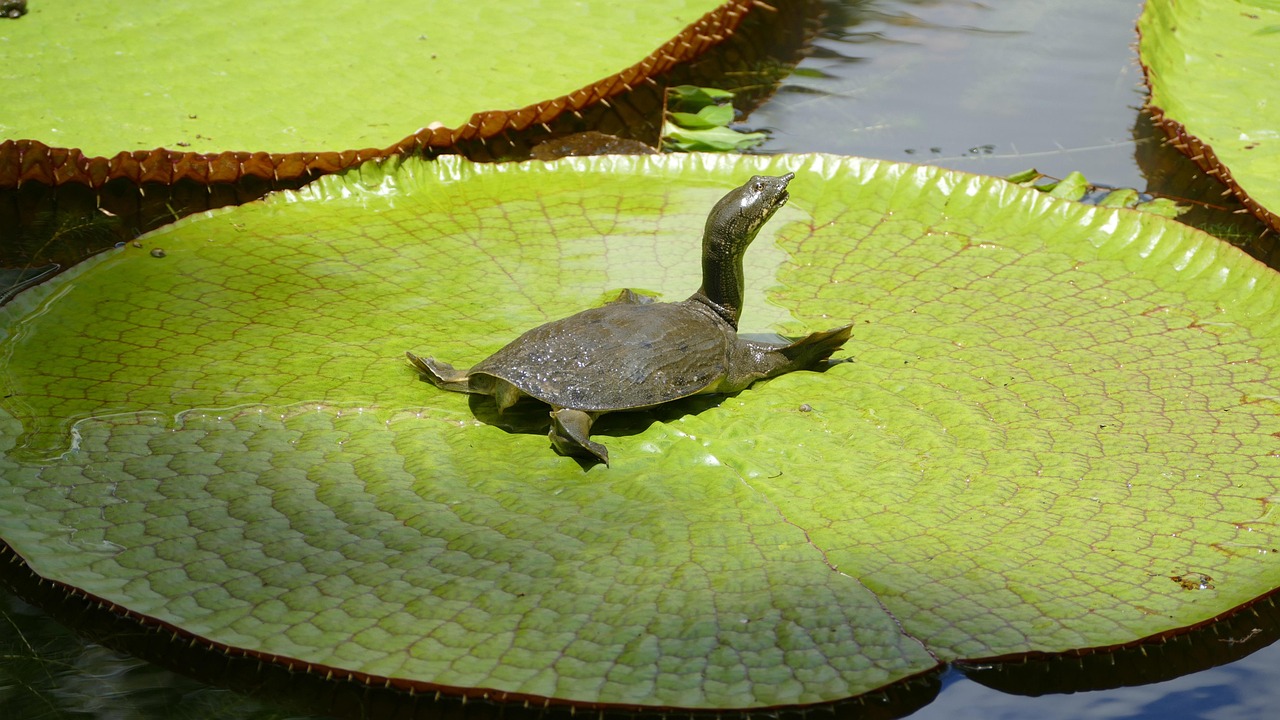
My experience: I’ve visited in every season. Once, after a light rain, the smell of wet earth and crushed leaves was intoxicating. We walked quietly under towering palm avenues, then came upon the pond of giant water lilies – round, green, otherworldly. I almost expected a fairy to pop out.
What to see:
- Giant Victoria amazonica water lilies.
- Spice trees: nutmeg, clove, cinnamon.
- Fruit bats hanging in tall trees.
Practical: Easily reached by taxi or bus from Port Louis (20–30 minutes). Allow 2–3 hours.
11. Port Louis Waterfront Architecture & Old Port Area
Why go: To understand how trade built the city, and to see the mix of modern and historic port structures.
My experience: I enjoy walking along the less polished parts of the port – quiet warehouses, older wharves, fishermen mending nets. It’s gritty but safe during daylight hours; bring curiosity and a camera.
12. Kaylasson Temple (Subramania Temple)
Why go: One of the most ornate Tamil temples near Port Louis, with riotously colorful carvings.
My experience: I went during a festival once, and the temple was alive with color, incense, and music. Even on quiet days, the sculpted deities on the gopuram tower are stunning – layers of stories carved in stone and painted bright.
Etiquette: Dress modestly (covered shoulders and knees), remove shoes before entering, and ask before photographing people or rituals.
13. Jummah Masjid
Why go: A beautiful mosque in the city center, blending Indian and Creole architectural influences.
My experience: Walking past on a Friday, I often hear the call to prayer rising above traffic noise. Inside courtyards, the white walls and green accents feel calm in contrast to the busy streets outside.
Note: Non-Muslim visitors may be restricted to certain areas and times; dress conservatively and be respectful.
14. St. Louis Cathedral
Why go: Historic Roman Catholic cathedral representing another strand in Mauritius’s religious tapestry.
My experience: I once ducked in just to escape a sudden downpour and ended up staying for half an hour, listening to rain on the roof and the faint echo of someone practicing the organ. The blend of faiths in this city never ceases to move me.
15. Port Louis Fish Market
Why go: For a raw slice of working-city life and a sense of how central the sea is to daily Mauritian life.
My experience: This is not for the squeamish: fish guts, shouting vendors, slippery floors. But the energy is fascinating. I’ve come with local friends who haggle skillfully, then later that day we grill fresh fish at home.
Tip: Come early in the morning, wear closed shoes, and keep a respectful distance if you’re just observing.
16. Port Louis Street Art & Historic Lanes
Why go: To see how young artists are transforming corners of the city with murals and creative projects.
My experience: Over the last decade, I’ve watched walls that used to be blank or grimy come alive with color. Some pieces are political, others whimsical. It’s like a conversation between the city’s past and its future, written in spray paint.
17. Port Louis Theatre & Cultural Venues
Why go: For plays, concerts, dance performances, and cultural festivals that reveal contemporary Mauritian life.
My experience: I’ve sat in audiences where conversations before the show switched fluidly between French, English, and Creole. Comedy nights, in particular, are great for feeling the local sense of humor (though you’ll need some French/Creole to catch all the jokes).
18. Old Shopping Arcades & Craft Boutiques
Why go: To explore smaller, older arcades where tailors, fabric sellers, and craft shops still operate.
My experience: These arcades feel like time capsules. I’ve had shirts custom-tailored here and bought hand-embroidered tablecloths from women whose families have been in the trade for generations.
19. Nearby City Beaches (e.g., Bain des Dames)
Why go: While not the turquoise postcard beaches of the north, these local stretches of coast are where Port Louis residents cool off.
My experience: On late afternoons, I’ve sat on rocks watching teenagers dive into the sea fully clothed, laughing and shouting in Creole. Vendors sell snacks, and the city skyline glows in the background.
20. Sega Evenings & Cultural Nights
Why go: For one of the most iconic cultural experiences in Port Louis – live sega music and dance.
My experience: I still remember the first time I joined a sega circle, clapping along awkwardly until a local woman pulled me into the dance. It’s hard to stay self-conscious when everyone around you is laughing and moving to the drum beat.
Where: Hotels, waterfront venues, and cultural centers often host sega nights; ask locally what’s on during your stay.
Local Food in Port Louis – What & Where to Eat
Port Louis is the island’s best place to taste Mauritian food in its most everyday form – quick, cheap, and packed with flavor. This is where you’ll find hidden gems in Port Louis for food lovers.
Must-Try Dishes
- Dholl Puri – Thin flatbread stuffed with ground split peas, served with curries, pickles, and chili. Look for busy street carts near the market.
- Roti – Flaky flatbread wrapped around beans, curries, and “achard” (pickled vegetables).
- Briani – Spiced rice with chicken, fish, or vegetables, usually sold in generous portions from big pots on street corners.
- Mine Frite – Fried noodles with vegetables and meat or seafood, often doused in chili sauce.
- Boulettes – Chinese-Mauritian dumplings served in broth; perfect for a light lunch.
- Gato Piment – Deep-fried split pea fritters with chili and herbs; addictive little snacks.
Where I Like to Eat in Port Louis
I won’t list exact names for every stall (these can change), but here are reliable areas:
- Central Market Food Court – For “canteen” style local lunches; ideal for budget travelers.
- Chinatown – For noodles, boulettes, and Chinese-Mauritian dishes.
- Side Streets Off Place d’Armes – Look for queues of office workers at lunchtime; that’s where you’ll find the best briani.
- Caudan Waterfront – Slightly more expensive, but good for mixed groups and picky eaters.
Drinks to Try
- Alouda – Sweet, milky drink with basil seeds and agar-agar, often sold at markets; kids love it.
- Fresh Sugarcane Juice – Pressed on the spot, sometimes with ginger or lime.
- Phoenix Beer – Local lager; cold and refreshing on a hot day.
- Mauritian Rum – Try in cocktails or neat at bars and restaurants.
Money-Saving Food Tips
- Eat where locals eat at lunch: market food courts, street stalls, and small “snack” shops.
- A generous plate of fried noodles or rice can be under the equivalent of a few dollars.
- Skip hotel breakfasts at least some days and have street food instead – it’s both cheaper and more authentic.
Nightlife, Entertainment & Cultural Experiences in Port Louis
Port Louis isn’t a wild party city, but it has a relaxed, sociable nightlife: harborfront bars, casual pubs, sega nights, and cultural events.
Nightlife
- Caudan Waterfront – Bars with harbor views, occasional live music; good for couples and small groups.
- City Center Pubs – Low-key spots where office workers unwind; a good place to chat with locals.
- Casino at Caudan – For those who enjoy a little gambling in the evening.
Cultural Experiences
- Sega Music & Dance – Often hosted at hotels, waterfront venues, and cultural centers.
- Theatre & Concerts – Check local listings for plays, concerts, and festivals in 2026–2027.
- Religious Festivals – Public processions and temple events (Thaipoosam Cavadee, Maha Shivaratri) are vivid, but observe respectfully.
Family-Friendly Evenings
For families, an after-dinner stroll on the waterfront, an early movie at Caudan, or a simple ice-cream outing is ideal. Port Louis quiets down earlier than major global cities; by 10–11 pm many areas are calm.
Day Trips & Nearby Attractions from Port Louis
One of Port Louis’s strengths is its central location: you can use the city as a base and make easy day trips around the island.
- North Coast (Trou aux Biches, Grand Baie) – Beaches, snorkeling, catamaran trips. Buses from Port Louis run regularly, or take a taxi (45–60 minutes).
- SSR Botanical Garden (Pamplemousses) – As covered above, 20–30 minutes north by taxi or bus.
- Central Plateau (Curepipe, Moka) – Cooler temperatures, colonial houses, and scenic views. Easily reached by bus or car.
- Chamarel & Black River Gorges (full-day) – A bit farther, but possible if you start early: waterfalls, viewpoints, and the famous Seven Colored Earths.
Cultural Etiquette & Local Customs in Port Louis
Mauritius is remarkably diverse: Hindu, Muslim, Christian, Buddhist, and other communities coexist, and you’ll see temples, mosques, and churches side by side. Port Louis reflects this more intensely than anywhere else on the island.
Greetings & Language
- Common greetings: “Bonjour” (French), “Hello,” or “Bonzur” (Creole).
- English is official and widely understood, French is commonly used, and Mauritian Creole is the everyday language.
- A simple “Merci” or “Mersi” goes a long way.
Dress Code
- Casual dress is fine in most places, but avoid very revealing clothing in religious areas or traditional neighborhoods.
- For temples, mosques, and churches: cover shoulders and knees; remove shoes where required.
Religious Sites
- Always ask before taking photos of people or ceremonies.
- Follow signs and local instructions; some areas may be off-limits to non-adherents.
General Courtesy
- Public displays of affection should be moderate, especially near religious sites.
- Queuing is generally respected; be patient at bus stations and food stalls.
- Bargaining is gentle rather than aggressive; in markets, you can ask for a lower price, but always with a smile.
Practical Travel Tips for Port Louis
How to Get Around Port Louis
- On Foot: The central areas (Caudan, Central Market, Chinatown, Government Quarter) are walkable. Wear comfortable shoes and a hat.
- Bus: Cheap and frequent. The main bus station near the city center connects Port Louis with other towns. Expect crowds at rush hour.
- Taxi: Widely available. Agree on the fare before starting or ensure the meter is used. For short hops in the city, taxis are convenient and not too expensive.
- Car Rental: Good if you plan many day trips. Driving is on the left. Traffic in and out of Port Louis can be heavy at peak hours.
SIM Cards & Connectivity
- Local telecom providers sell prepaid SIM cards at the airport, malls, and city shops.
- Bring your passport to register a SIM.
- Data packages are reasonably priced; 4G coverage in Port Louis is solid, with expanding 5G in 2026.
Money & Costs
- Currency: Mauritian Rupee (MUR).
- ATMs: Readily available in the city center and malls.
- Cards: Accepted in most hotels, restaurants, and larger shops; small eateries and markets are often cash-only.
- Budget eating: Street food and market canteens can keep daily food costs very low.
Saving Money in Port Louis
- Eat where office workers eat at lunchtime.
- Use buses for intercity travel when time allows.
- Book accommodations slightly outside premium waterfront areas.
- Enjoy free activities: waterfront walks, markets, hiking Signal Mountain, wandering historic streets.
Accommodation Tips
- Port Louis itself has fewer hotels than beach resorts, but you’ll find city hotels, business hotels, and some guesthouses.
- Staying in or near the city center makes it easy to use public transport and walk to major sights.
- For a balance, some travelers base themselves in nearby coastal areas and commute into Port Louis for day visits.
Visa Requirements & Entry (2026)
Visa rules depend on your nationality, but Mauritius is generally welcoming, with visa-free or visa-on-arrival for many countries. Always:
- Check the latest requirements on the official Mauritian government or embassy website before travel.
- Ensure your passport is valid for at least 6 months beyond your stay.
- Have proof of onward travel and accommodation if requested.
Foreign Driver’s License
- Most visitors can drive with their valid national license for short stays; an International Driving Permit is recommended as a supplement.
- Confirm with your rental car company before arrival.
Safety & Health
- Port Louis is generally safe, but use normal city precautions: keep an eye on valuables in crowded areas.
- Tap water quality varies; many locals drink it, but visitors with sensitive stomachs may prefer bottled water.
- Use sunscreen, hats, and stay hydrated; the sun is strong even on cloudy days.
Hidden Local Tips
- Start days early to avoid heat and see markets at their liveliest.
- Always carry small change for buses, snacks, and local shops.
- Ask locals for today’s best dholl puri or briani spot; recommendations change as vendors move or evolve.
- Keep a lightweight scarf or shawl handy for sudden visits to religious sites or unexpectedly cool, air-conditioned spaces.
When to Visit Port Louis & 2026–2027 Events
Mauritius has a tropical climate with two main seasons, and Port Louis is warm year-round.
Seasons & Best Time for Activities
- Summer (November–April): Hot, humid, with higher chance of rain and occasional cyclones. Sea is warm; good for beach and water activities, but expect intense midday heat in the city.
- Winter (May–October): Cooler and drier; ideal for city exploration, hiking, and walking tours. This is my favorite time for 3 day itinerary for Port Louis focused on markets and viewpoints.
Best Seasons for Different Activities
- City Sightseeing & Markets: May–October (cooler and more comfortable).
- Beach Day Trips: November–April for warmer sea, but watch weather forecasts.
- Hiking Signal Mountain: Early mornings year-round; avoid rainy, slippery days.
Major Events & Festivals 2026–2027
Exact dates vary (many follow lunar calendars), but these are key events likely to feature in 2026–2027:
- Chinese New Year (Jan/Feb): Chinatown lights up with lanterns, lion dances, and special menus.
- Thaipoosam Cavadee (Jan/Feb): Tamil Hindu festival with colorful processions; powerful but intense to witness.
- Maha Shivaratri (Feb/Mar): Pilgrimages across the island; Port Louis sees increased religious activity.
- Independence & Republic Day (12 March): National celebrations, flags everywhere, and events in Port Louis.
- Eid (varies): Muslim community celebrations; bakeries and sweet shops are busy.
- Diwali (Oct/Nov): Festival of Lights; homes and businesses decorate, and Port Louis glows at night.
- Port Louis Cultural & Music Festivals (various): Look for updated 2026–2027 schedules closer to your travel dates; the city regularly hosts music, food, and arts events.
Summary & Final Recommendations
Port Louis may not have the obvious beach glamour of Mauritius’s coasts, but if you skip it, you miss the island’s story. In a few walkable square kilometers, you’ll find:
- Markets where vendors shout in Creole over piles of spices and vegetables.
- Waterfront promenades with harbor sunsets and city skyline views.
- Temples, mosques, and churches that show how many cultures built this city together.
- Street food that tells the island’s history more deliciously than any textbook.
For first-timers, I recommend at least a 3 day itinerary for Port Louis to cover the essentials: Caudan, the Central Market, Fort Adelaide, Chinatown, and Aapravasi Ghat. If you can, stretch to 4 days in Port Louis or a 5 day itinerary for Port Louis to add day trips, hikes, and deeper cultural experiences.
Best time to visit Port Louis: For city exploration, May–October offers cooler, drier weather. If your focus is combining the city with beach and water activities, November–April gives warmer seas but also more humidity and rain.
Whatever season you choose, come hungry, curious, and ready to walk. Port Louis reveals itself slowly, but once you’ve followed a trail of cooking smells into a crowded alley or watched the city from the ramparts of La Citadelle at dawn, you’ll understand why so many of us keep coming back.