Why Visit Trou aux Biches in 2026?
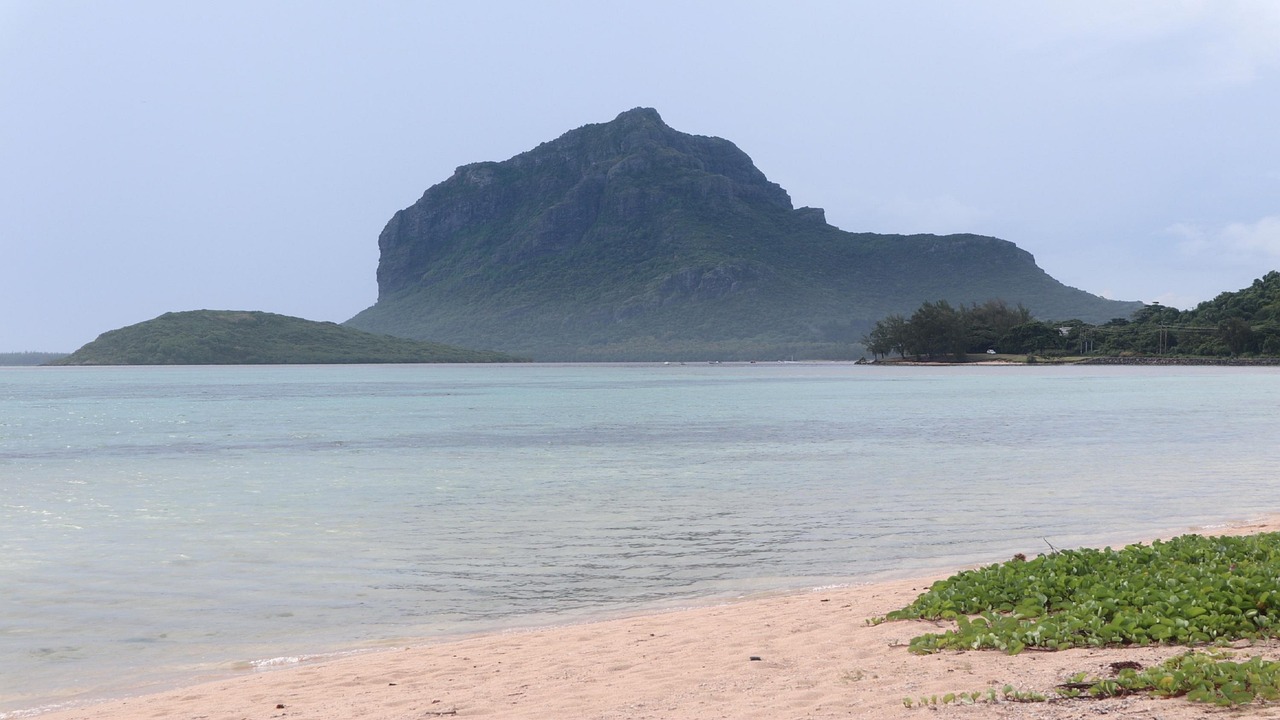
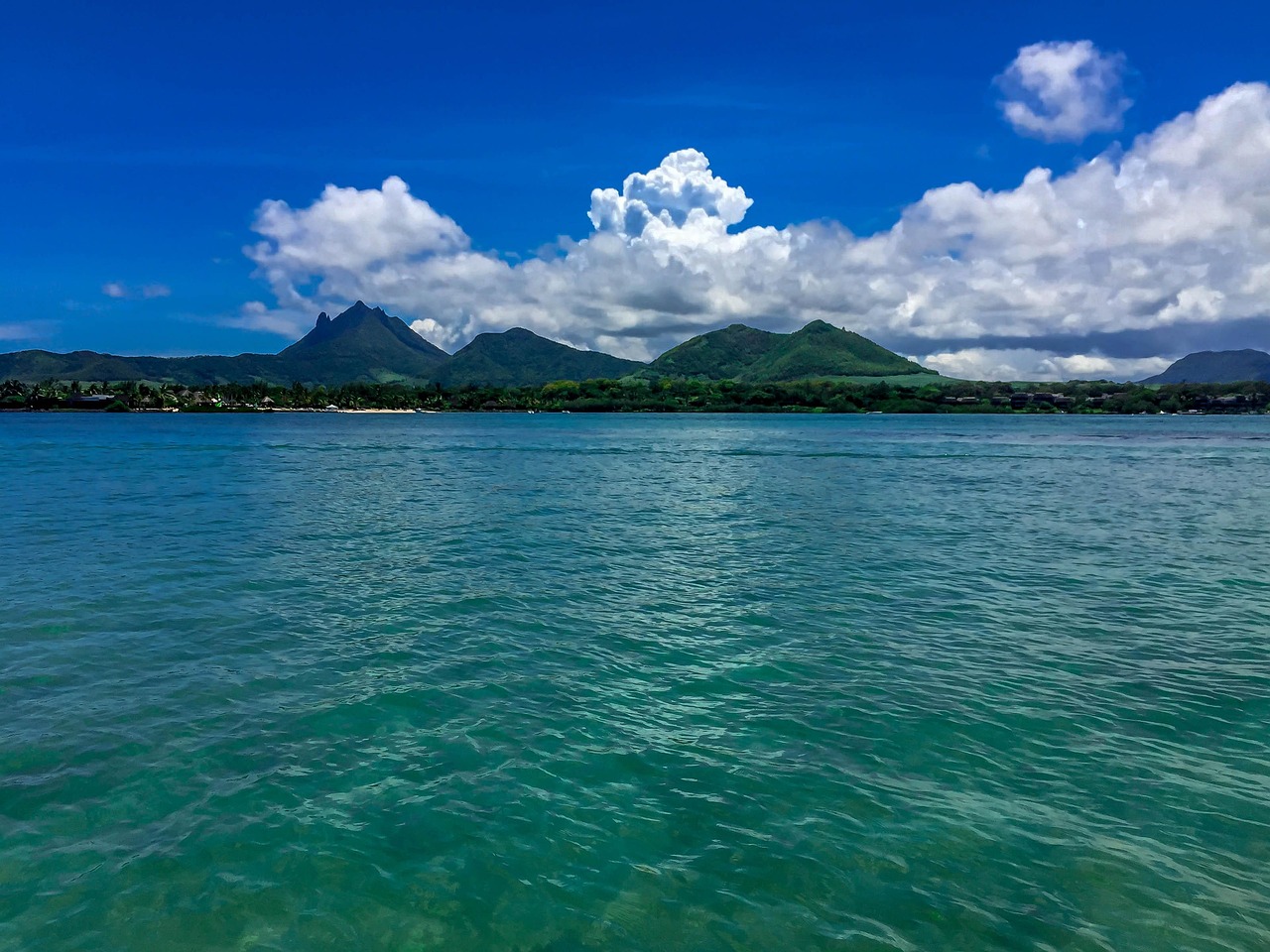
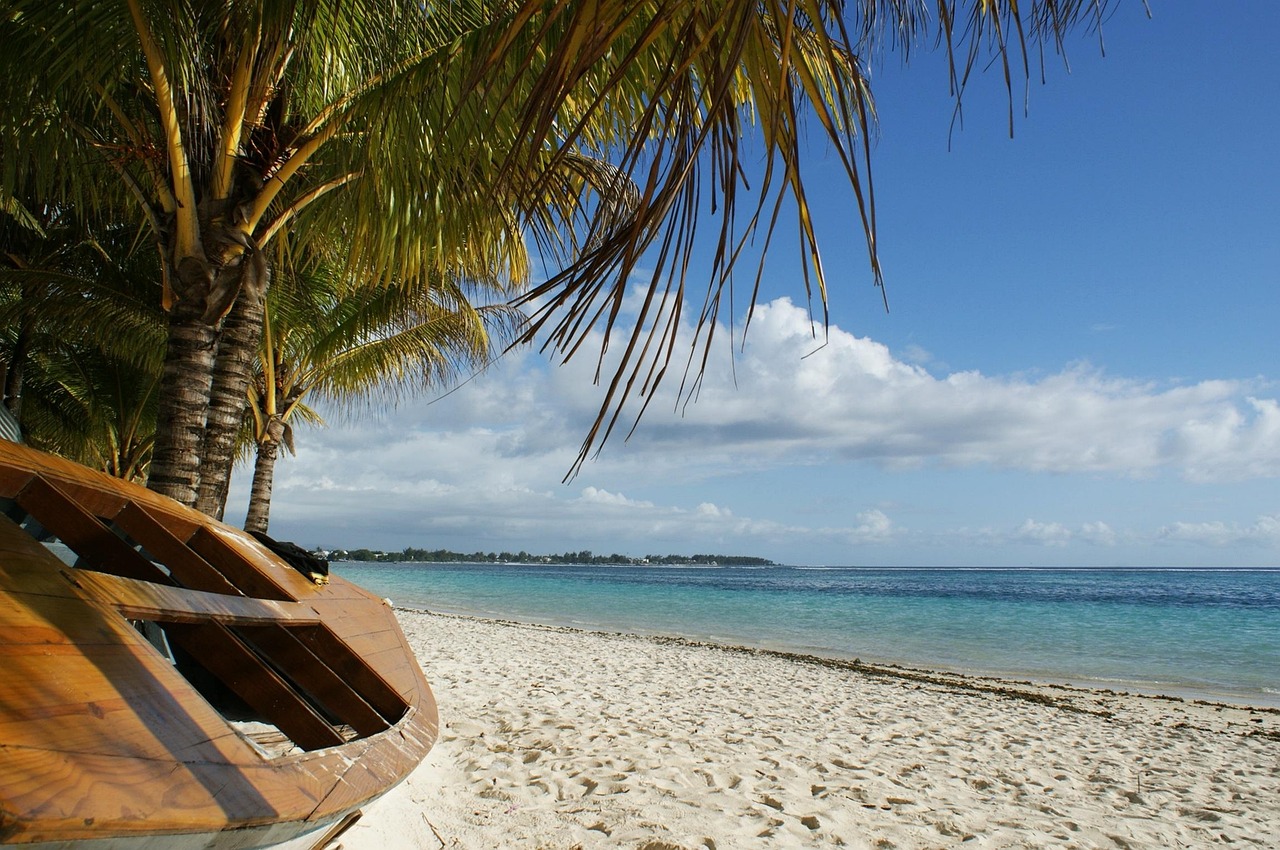
If Mauritius is the necklace, Trou aux Biches is one of its brightest gems. Sitting on the sheltered northwest coast, this village is famous for its long curve of powder-white sand, glass‑calm lagoon, and sunsets that genuinely stop conversations mid‑sentence. I’ve been coming here for over a decade—first as a backpacker staying in a tiny guesthouse behind the main road, later as a guide and writer—and it’s still the place I sneak off to when I need to remember why I fell in love with this island.
What makes Trou aux Biches special isn’t just the postcard beach (though it absolutely deserves its fame). It’s the everyday rhythm: kids kicking a football under casuarina trees at dusk, fishermen pushing their pirogues into the lagoon at sunrise, grandmothers gossiping in Kreol on plastic chairs outside corner shops, and couples strolling the beach with a bag of hot gateaux piments from the food truck.
In 2026, Trou aux Biches is especially worth visiting because:
- Coral restoration projects off the reef are starting to show results—snorkeling is better than it’s been in years.
- New family‑run guesthouses and cafés have opened behind the main coastal road, making it easier to experience the village beyond the resorts.
- Improved bus connections to Port Louis, Grand Baie, and Pamplemousses make car‑free itineraries much more realistic.
- Upcoming festivals (2026–2027) bring more cultural events to the north, especially around Diwali, Holi, and local music weekends.
Whether you’re planning a 3 day itinerary for Trou aux Biches, stretching to a 4 day itinerary, or lingering for a full 5 days in Trou aux Biches, this travel guide will help you plan deeply, not just skim the highlights.
Table of Contents
- Why Visit Trou aux Biches in 2026?
- Quick Overview & Orientation
- Neighbourhoods & Areas of Trou aux Biches
- 20 Must-See Attractions & Experiences
- Suggested 3–5 Day Itineraries (With Personal Stories)
- Local Food & Drink in Trou aux Biches
- Nightlife, Entertainment & Cultural Experiences
- Best Day Trips from Trou aux Biches
- Cultural Etiquette & Local Customs
- Practical Travel Tips & Money-Saving Advice
- When to Visit & Seasons
- Key Takeaways & Final Recommendations
Quick Overview & Orientation
Trou aux Biches is a village on the northwest coast of Mauritius, roughly 20 minutes by car from Port Louis and 10–15 minutes from Grand Baie. The heart of the village is a single coastal road running parallel to the beach, with side streets disappearing inland into residential areas, coconut trees, and small shops.
The lagoon here is protected by a fringing coral reef, which means the water is usually calm and shallow—perfect for families, beginner snorkelers, and lazy floaters like me. Most of the best places to visit in Trou aux Biches are strung along the coast, but the charm lies in knowing where to duck inland for food, culture, and local life.
Neighbourhoods & Areas to Explore in Trou aux Biches
Trou aux Biches isn’t huge, but it has distinct pockets worth knowing when you plan 3 days in Trou aux Biches or more.
1. Trou aux Biches Beachfront Strip
This is the main “postcard” zone: beach, lagoon, a mix of five-star resorts, apartments, and a few older bungalows that have seen it all. The beachfront strip is where you’ll spend lazy afternoons, sunset walks, and many of your first “wow” moments.
It’s also where you’ll find small kiosks offering glass-bottom boat rides, diving, and dolphin tours. Prices and quality vary, so I’ll share tips below.
2. Coastal Road (Royal Road) Village Center
Set just behind the beach, the main road is lined with snack stands, fruit sellers, small supermarkets, pharmacies, ATMs, and a couple of very local bars. If you stay in a self-catering apartment, this will be your lifeline. It’s also where I go for late-night roti and to catch the bus to Port Louis.
3. Mont Choisy Side (Eastern Edge)
Walking east along the sand from the main public beach, you eventually blend into Mont Choisy’s long crescent of sand. The vibe changes subtly: fewer big resorts, more casuarina shade, and a very local feel on weekends when Mauritian families picnic and blast Sega music.
4. Pointe aux Piments Side (Western Edge)
To the west, towards Pointe aux Piments, the coastline becomes rockier with narrower strips of sand but better offshore snorkeling. This is where I head when the main beach feels too busy. There are also a few quiet guesthouses and a small temple hidden inland.
5. Inland Residential Lanes
Head a few streets back from the coast and you’re in the “real” village—simple houses, tiny corner shops, kids biking around. It’s not an official tourist area, but it’s where you feel Trou aux Biches as a living place, not just a beach. Walk respectfully, greet people, and you’ll be rewarded with smiles and sometimes unsolicited mangoes.
20 Must-See Attractions & Experiences in and around Trou aux Biches
Here are the must-see attractions in Trou aux Biches, from the obvious beach icons to the quieter corners that have become my personal rituals over many visits. For each, I’ll share what to do, when to go, and a few stories from my own time there.
1. Trou aux Biches Public Beach
Best for: Everyone – families, couples, solo travelers, and first-timers.
If you look up any travel guide for Trou aux Biches, this beach stars on the cover. And for once, the hype is justified. The public beach stretches in a gentle arc, backed by casuarina trees that whisper when the trade winds pick up. The water is so clear that on my first trip, I thought I’d forgotten my mask when snorkeling—only to realize I was already seeing the bottom perfectly.
My usual routine: I like to arrive just after sunrise, when fishermen are still bringing in their catch. The sand is cool, you can hear birds instead of music, and the water is like silk. Around 8–9 a.m., the snack trucks start setting up: I usually grab a hot farata (roti) with rougaille and a strong instant coffee from a stall near the parking area.
What to do:
- Swim and snorkel straight off the beach; the lagoon is shallow and calm, great for kids.
- Rent a sunbed from local vendors or spread your own sarong in the shade of casuarinas.
- Sunset watching is non‑negotiable at least once per trip—clouds or not.
Tips: The central part of the beach (near the main car park) can get busy. If you walk 10–15 minutes either direction, you can usually find quieter patches. Keep an eye on your belongings, but the vibe is generally relaxed and safe.
Food nearby: Snack trucks for cheap eats, or cross the road for small local restaurants. I’ll list some favorites in the food section.
2. Trou aux Biches Reef & Lagoon Snorkeling
Best for: Families, beginner snorkelers, and anyone who loves marine life.
The lagoon here is protected by a coral reef that sits a short boat ride offshore. Over the last few years, several coral restoration NGOs have been working with local operators, and by 2026 you can really see the difference: more fish, healthier patches of coral, and a better understanding among locals about protecting the reef.
My experience: I’ve done the reef snorkel trip at least eight times now, and each captain has their favorite “secret” spot. Once, a boatman who’d known me over multiple trips took us further along the reef to a patch of regrown coral “nursery”—seeing baby corals attached to structures and fish weaving around them felt like catching the reef mid‑recovery.
How it works: You can book a glass-bottom boat + snorkeling combo right on the beach. Trips usually last 1.5–2 hours and include masks and life jackets.
Tips for choosing an operator:
- Look for boats that limit group size to 8–10 people.
- Ask if they support coral restoration projects.
- Avoid operators who encourage touching or standing on coral.
When to go: Morning trips (9–11 a.m.) usually have the best visibility and fewer crowds.
3. Mont Choisy Beach
Best for: Picnics, jogging, and lazy swims in a long, calm bay.
Walk east along Trou aux Biches beach and you’ll eventually merge into Mont Choisy, one of the longest continuous beaches on the island. It curves gently, framed by rows of casuarina trees. On weekdays, it can feel almost empty; on weekends, it turns into social central as Mauritian families roll in with coolers, grills, and portable speakers.
My favorite time: Late afternoon on a weekday. I like to jog the length of the beach, then reward myself with a coconut water from a cart at the roadside. There’s something about the light filtering through the casuarinas that makes everything glow gold-green.
Family tip: The shallow gradient is ideal for kids. Just watch for the occasional jet ski zone markers and keep inside the safe swimming area.
4. Maheswarnath Mandir (Triolet Temple)
Best for: Cultural experiences and quiet reflection.
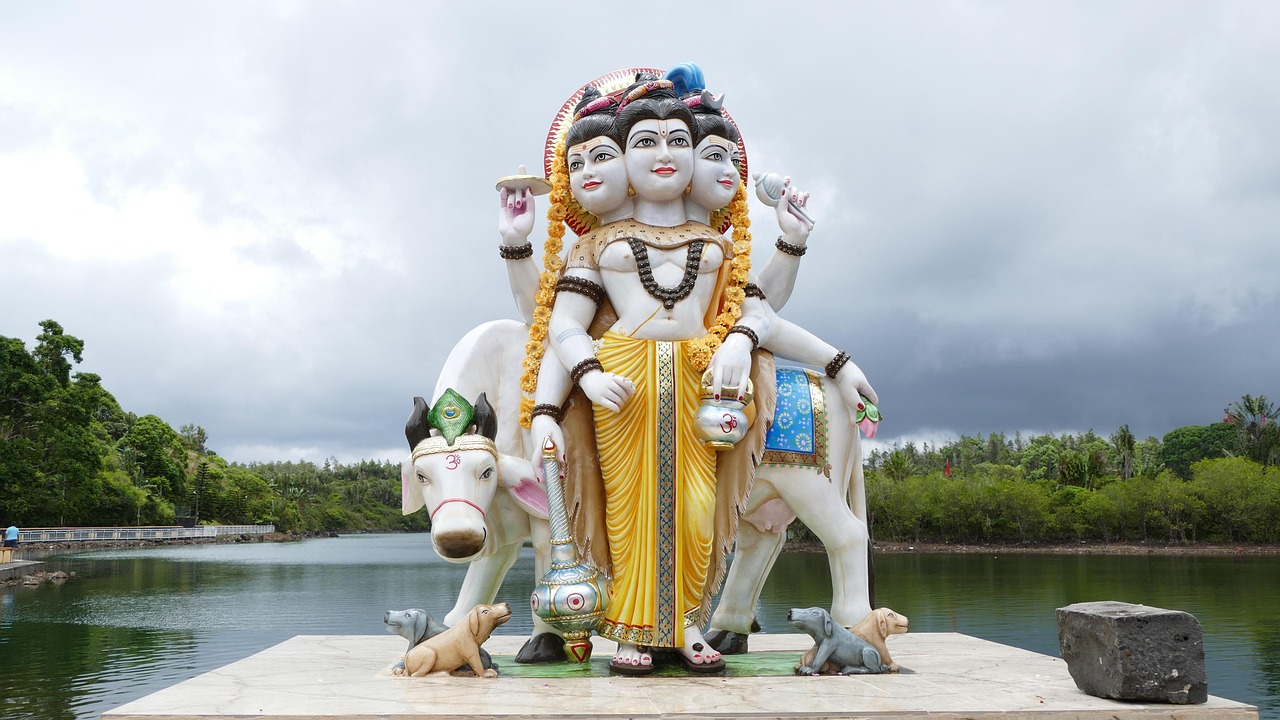
A 10‑minute drive inland from Trou aux Biches takes you to Triolet, home to one of the largest and oldest Hindu temples in Mauritius: Maheswarnath Mandir. Its white and pastel towers rise above the village, decorated with intricate carvings of deities and mythological scenes.
History in brief: Built in the late 19th century by Indian indentured laborers and their descendants, the temple is dedicated primarily to Lord Shiva. It became an important spiritual center for the Hindu community, especially during Maha Shivaratri, when thousands of pilgrims pass through on their way to Grand Bassin.
My visits: I like to come in the late afternoon, when the heat softens. On one visit, a temple caretaker, noticing my curiosity, invited me to sit in the courtyard and explained the symbolism of the trident and the Nandi bull. The conversation drifted from religion to cricket and local politics—as it often does here.
Visitor tips:
- Dress modestly (shoulders and knees covered).
- Remove shoes before entering inner areas.
- Ask before taking photos of people or ongoing rituals.
5. Pamplemousses Botanical Garden (Sir Seewoosagur Ramgoolam Botanical Garden)
Best for: Nature lovers, history buffs, and families.
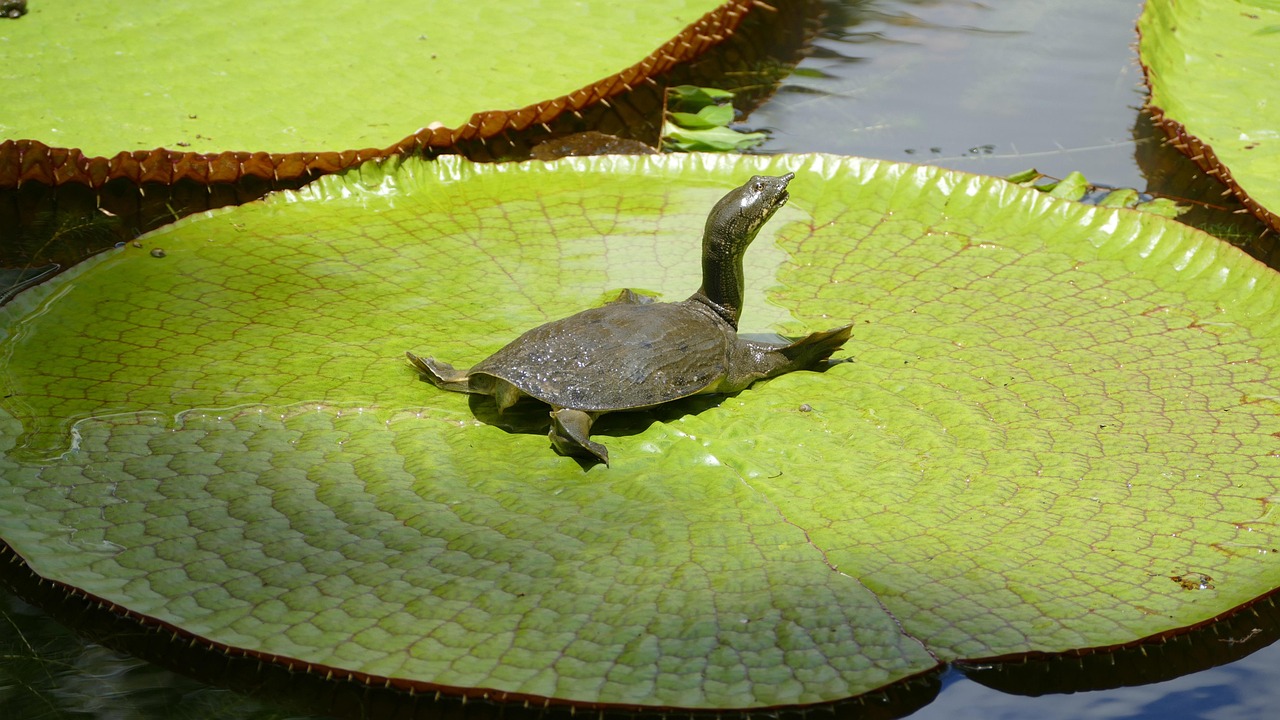
About 15–20 minutes by car from Trou aux Biches, this historic garden is one of Mauritius’ most famous attractions—and deservedly part of any 5 day itinerary for Trou aux Biches. Founded in the 18th century, it’s known for its giant water lilies, towering palms, and shady avenues.
My ritual: I always start at the giant lily pond. Watching the huge leaves float like green platters never gets old. From there, I wander without much plan, often ending up near the spice trees where guides point out cinnamon, clove, and nutmeg.
Tips:
- Hire a local guide at the entrance if you’re interested in botany and colonial history.
- Bring mosquito repellent and water; it gets humid.
- Combine with a visit to nearby L’Aventure du Sucre (see below).
6. L’Aventure du Sucre (Sugar Museum & Factory)
Best for: History lovers, foodies, and rainy days.
This former sugar factory, converted into an interactive museum, tells the story of Mauritius through sugar, rum, and people. It’s about a 15–20 minute drive from Trou aux Biches and makes an ideal half-day trip with Pamplemousses Garden.
My first visit: I expected a dry industrial museum; I got a surprisingly emotional journey through colonization, slavery, indentured labor, and independence. The exhibits are well‑designed, and the rum and sugar tasting at the end is the cherry on top.
Don’t miss:
- The section on the lives of workers in the sugar estates.
- The rum tasting—try the aged varieties if you like deeper flavors.
- The on‑site restaurant, which does excellent Creole‑inspired dishes.
7. Grand Baie (Shopping, Dining & Nightlife Hub)
Best for: Shopping, nightlife, and a change of pace.
Just 10–15 minutes by bus or taxi from Trou aux Biches, Grand Baie is where locals and visitors go when they crave more buzz. Think waterfront bars, boutiques, malls, and a small but lively nightlife scene.
My routine: I often head to Grand Baie in the late afternoon, grab an iced coffee at a café overlooking the bay, then wander through the small streets behind the main road where tailors, sari shops, and tiny eateries sit shoulder to shoulder. On weekends, I might stay on for live music at a bar.
Family note: Daytime is very family-friendly; late-night gets louder but still relatively mellow compared to big city party zones.
8. Trou aux Biches Coral Nursery & Marine Conservation Outings
Best for: Eco‑conscious travelers and curious kids.
By 2026, several reef restoration projects off Trou aux Biches have matured enough that some operators offer short educational outings. You’ll learn about coral bleaching, see nursery structures, and understand how tourism can help (or harm) the lagoon.
My experience: The first time I joined a conservation excursion, a young marine biologist explained coral health using analogies a child could understand. Watching a group of kids go from “coral is a rock” to “coral is a living animal we must protect” in an hour was unforgettable.
Tip: Ask your hotel or guesthouse which NGOs or dive centers are currently running programs—this changes year to year as funding and research cycles shift.
9. Scuba Diving Sites off Trou aux Biches
Best for: Certified divers and adventurous beginners.
The northwest coast has accessible dive sites suitable for new and intermediate divers—reefs, small walls, and the occasional wreck. Visibility is often excellent outside of heavy rain periods.
My favorite dives: I particularly enjoyed a morning dive to a reef where schools of fusiliers moved like blue smoke and a curious turtle decided we were worth a closer look. Another time, we spotted a shy octopus peeking from its lair.
Advice:
- Choose a dive center with well‑maintained gear and small group sizes.
- If you’re new, consider a Discover Scuba session in the lagoon before heading to deeper sites.
- Always respect marine life—no touching, chasing, or feeding.
10. Sunset Point at the Western End of Trou aux Biches
Best for: Romance, photography, and slow evenings.
While the whole beach faces west, there’s a rocky stretch toward Pointe aux Piments where the sun seems to drop straight into the sea with fewer people around. On my last visit, I bought a bag of warm gateaux piments (chili fritters) from a street stand and walked here with a friend. We shared fritters, traded stories, and watched the sky shift through every shade of orange and purple.
Tip: Bring a light scarf or shirt; the breeze can feel cooler after sunset, especially from June to September.
11. Trou aux Biches Village Snack Circuit
Best for: Foodies and budget travelers.
One of my favorite “hidden gems in Trou aux Biches” isn’t a single spot but a circuit of snack stands along the main road. In one short walk you can taste a cross‑section of Mauritian street food: dholl puri, roti, gateaux piments, alouda, and fresh fruit.
How I do it: Late afternoon, I start at a dholl puri stand near the bigger supermarket, then work my way toward the public beach, trying something small at each kiosk. For a few euros, you’ll be absolutely full.
Food hygiene tip: Choose busy stalls with a fast turnover, and don’t be shy to ask for spicy or mild according to your taste.
12. Local Fish Landing Point & Morning Market
Best for: Early risers and photographers.
Just off the main beach there’s a small, very local fish landing area where boats unload their catch in the morning. It’s not an official tourist attraction, but it’s one of my favorite windows into daily life.
My visits: I’ve watched fishermen haggle with restaurant buyers, kids help their fathers sort nets, and elderly women arrive with plastic buckets to buy a single fish for the day. The mix of Kreol, Bhojpuri, and French flying through the air is a soundtrack to village life.
Respectful visiting: Keep a bit of distance, don’t get in people’s way, and always ask before taking close‑up photos of individuals.
13. Pointe aux Piments Coastal Walk
Best for: Quiet walks and reef views.
From the western end of Trou aux Biches, you can follow small paths along the coast towards Pointe aux Piments. The coastline becomes rockier, with small sandy coves and beautiful views over the reef.
My suggestion: Go in the morning or just before sunset when the light is softer. Bring sturdy sandals or shoes; the rocks can be sharp. On one walk, I stumbled upon a tiny shrine under a tree with fresh flowers and incense—an unmarked but clearly cherished local spot.
14. Mont Choisy Le Golf (for Golfers & Scenic Views)
Best for: Golfers and landscape lovers.
If you like golf, the course at Mont Choisy is a short drive away and offers sweeping views over landscaped greens and distant mountains. Even if you don’t play, some non‑golfing partners tag along for a coffee at the clubhouse and the scenery.
Tip: Book tee times in advance during the high season (July–October and December–January).
15. Catamaran Day Cruise to Coin de Mire (Gunner’s Quoin)
Best for: Couples, groups of friends, and anyone who loves being on the water.
Several operators pick up from Trou aux Biches and nearby bays for full‑day catamaran cruises to Coin de Mire, a dramatic rocky islet off the north coast. You’ll sail, snorkel, eat grilled lunch on board, and laze in the sun.
My take: It’s touristy, yes—but in the best way. My last trip included a spontaneous Sega sing‑along with the crew on the way back, while flying fish skittered across the bow.
Tip: Bring reef‑safe sunscreen, a hat, and a light long‑sleeve shirt; the sun on the water is intense.
16. Port Louis Day Visit (Central Market & Waterfront)
Best for: Urban contrast, shopping, and culture.
From Trou aux Biches, buses run regularly to Port Louis (about 30–40 minutes). The capital is a different world from the beach: busy streets, street food stalls, colonial buildings, and a truly multicultural crowd.
Highlights:
- Central Market – produce, spices, and souvenirs.
- Waterfront – shops, cafés, and museums.
- Chinatown – for noodles, dim sum, and herbal shops.
Personal note: I love taking visitors here on their second or third day, once they’ve recovered from jet lag, to show them that Mauritius is more than beaches.
17. Trou aux Biches Kayaking & Stand-Up Paddleboarding
Best for: Active travelers and couples.
Many hotels and independent operators rent kayaks and SUP boards. Paddling over the calm lagoon at your own pace is one of the gentlest adventures you can have here.
My favorite paddle: An early morning SUP session when the water was so still it felt like gliding over glass. A small school of fish shimmered beneath me like living confetti.
Safety tip: Stay within the buoyed lagoon and watch for boat traffic. Wear a life jacket if you are not a strong swimmer.
18. Local Sega Music Nights
Best for: Cultural experiences and music lovers.
Sega is the traditional music and dance of Mauritius, born from the songs of enslaved Africans on the island. In Trou aux Biches, many hotels host Sega performances, and sometimes local bars or community groups organize smaller shows.
My most memorable night: A tiny beachfront bar with plastic chairs, a three‑person Sega band, and a group of local women who ended up teaching a handful of shy tourists how to move their hips to the rhythm. It felt more like a family gathering than a show.
Tip: Ask your accommodation about local Sega nights beyond the hotel stage performances—those are often where the soul of the music really lives.
19. Trou aux Biches Churches & Shrines
Best for: Quiet, reflective moments and cultural observation.
Religious buildings in Trou aux Biches—small Catholic churches, shrines by the roadside, and colorful temples—reflect the island’s layered faith traditions. While none are major tourist sights, they are part of the village’s heart.
My habit: I often pause at a small roadside shrine near the main road, where incense and flowers appear and disappear with the days. It’s a reminder of how spirituality threads through daily life here.
Respect: As always, dress modestly, be unobtrusive, and ask if you’re unsure about entering.
20. Beachfront Architecture & Skyline Views
Best for: Architecture enthusiasts and photographers.
While Trou aux Biches doesn’t have a “skyscraper skyline” like big cities, it does have a charming layered skyline: palm trees, resort roofs, apartment blocks, and the occasional sleek modern villa. Some of the newer properties blend contemporary design with traditional Mauritian elements—shingled roofs, volcanic stone walls, and wide verandas.
My tip: Walk the beach at dusk and look landward: the silhouettes of casuarinas and buildings against the soft sky make for unexpectedly beautiful photos.
3–5 Day Itineraries for Trou aux Biches (With Personal Stories)
Here are flexible itineraries you can adapt. They’re designed so that a 3 day itinerary for Trou aux Biches covers the essentials, while 4 days in Trou aux Biches or 5 days in Trou aux Biches let you sink deeper into village life.
3 Day Itinerary for Trou aux Biches – The Essentials
Day 1 – Arrival, Lagoon Time & Sunset Introduction
On my last 3‑day stay, I arrived just before noon, a little crumpled from the flight but instantly revived by the warm air and the smell of sea salt. Dropping my bag in a small guesthouse behind the main road, I changed into swimwear and walked the five minutes to the public beach.
Morning/Afternoon:
- Check into your accommodation and unpack just enough to find your swimwear and sunscreen.
- Walk to Trou aux Biches Public Beach, find a shaded spot, and simply float in the lagoon. Let the jet lag dissolve in the warm water.
- Grab a simple lunch from a beachside snack truck: a roti stuffed with curry or some fried noodles.
Late Afternoon:
- Stroll the length of the beach to orient yourself; notice where boats depart, where the quiet patches of sand are, and where locals gather.
- Book a snorkeling or glass‑bottom boat trip for the next morning with a reputable operator on the beach.
Evening:
- Watch your first sunset from the central part of the beach. Stay until the colors fade—Mauritian sunsets often have a surprising second act of pastel shades.
- Dinner at a casual restaurant on or near the main road, trying your first vindaye poisson (marinated fish) or grilled marlin.
Day 2 – Reef, Village Life & Sega
Morning: Reef Snorkeling
I woke to the sound of birds and the low rumble of buses on the main road. After a quick coffee and pain au chocolat from the corner bakery, I headed to the beach for my glass‑bottom boat trip. The boat pushed off through a scattering of small waves, then the sea smoothed into a clear turquoise plane as we reached the reef.
- Join your reef snorkeling/glass‑bottom boat tour (usually 9–11 a.m.).
- Snorkel above coral and fish, or stay on board and watch through the glass if you prefer.
Afternoon: Village Snack Circuit & Beach Siesta
- Walk the snack circuit along the main road—try dholl puri, gateaux piments, and a glass of alouda.
- Pick up fruit from a roadside stand—mango in season is a must.
- Return to the beach for a lazy swim or nap under the casuarinas.
Evening: Sega Night
- Ask your hotel or a local bar if there’s a Sega music evening. Many happen midweek or on weekends.
- Have dinner where you can hear the music—let the rhythm get under your skin.
Day 3 – Culture & Gardens
Morning: Maheswarnath Temple & Triolet
- Take a short taxi or bus ride inland to Maheswarnath Mandir in Triolet.
- Walk quietly around the temple complex, taking in the colors and carvings.
Afternoon: Pamplemousses Garden & Sugar Museum
- Continue to Pamplemousses Botanical Garden for a shaded stroll.
- Optionally, visit L’Aventure du Sucre for a crash course in Mauritian history and a rum tasting.
- Return to Trou aux Biches by late afternoon for a final swim and beachside snack.
Evening: Dinner at a mid‑range restaurant to celebrate your last night—perhaps a seafood platter and a local Phoenix beer.
4 Day Itinerary for Trou aux Biches – Adding Grand Baie & More Lagoon Time
With 4 days in Trou aux Biches, you can take the 3‑day plan and add a full day exploring Grand Baie and the surrounding coastline.
Day 4 – Grand Baie & Mont Choisy
Morning: Grand Baie
- Take the bus or a taxi to Grand Baie.
- Walk the waterfront, browse boutiques, and stop for a coffee overlooking the bay.
- Explore side streets for local shops and hidden eateries.
Afternoon: Mont Choisy Beach
- Head back toward Trou aux Biches and get off near Mont Choisy Beach.
- Spend the afternoon swimming, renting a kayak, or simply relaxing under the casuarinas.
Evening: Return to Trou aux Biches on foot along the beach if the tide and light allow, or by bus/taxi. Grab a simple dinner from your favorite snack stand—by now, you’ll probably have one.
5 Day Itinerary for Trou aux Biches – Deep Dive into the North
With 5 days in Trou aux Biches, you can mix in a catamaran cruise, Port Louis, and more unstructured beach time. Here’s how I often structure a relaxed 5‑day stay.
Day 1–3
Follow the 3‑day itinerary above, but slow it down: leave more space for naps, spontaneous swims, and chance encounters.
Day 4 – Catamaran to Coin de Mire
- Full‑day catamaran cruise to Coin de Mire and nearby spots.
- Snorkeling, sunbathing, grilled lunch, and sailing.
- Return to Trou aux Biches in time for a quiet sunset and a light dinner.
Day 5 – Port Louis Contrast & Final Sunset Ritual
Morning & Afternoon: Port Louis
- Bus/taxi to Port Louis.
- Visit Central Market, the waterfront, and Chinatown.
- Try street food: mine frite (fried noodles), boulettes (dumplings), and local sweets.
Late Afternoon: Return to Trou aux Biches for one last swim and your own private farewell ceremony on the sand—no agenda, just you, the lagoon, and perhaps a final alouda.
Local Food & Drink in Trou aux Biches
Eating is one of the best cultural experiences in Trou aux Biches. Here’s what to look for and where.
Must-Try Local Foods in Trou aux Biches
- Dholl Puri – Thin flatbread stuffed with split peas, served with bean curry and chutneys.
- Roti / Farata – Flaky flatbread wrapped around curries; perfect beach food.
- Gateaux Piments – Spicy lentil fritters, often in a paper bag still hot with oil.
- Mine Frite – Fried noodles with vegetables, sometimes egg and meat.
- Vindaye Poisson – Fish marinated in turmeric, vinegar, mustard seeds.
- Biryani – Layered rice dish with meat or fish, spices, and fried onions.
- Fresh Fruit – Mango, litchis, pineapple, longan, depending on season.
Drinks to Try
- Alouda – Sweet, milky drink with basil seeds and agar; perfect for heat.
- Fresh Sugarcane Juice – Pressed right in front of you.
- Phoenix Beer – The local lager; light and beach‑friendly.
- Local Rum – Try aged varieties or flavored rums as a digestif.
Where I Like to Eat in and around Trou aux Biches
(Names change, but these types of places are easy to find along the main road and side streets.)
- Beach Snack Trucks – For rotis, fried noodles, and gateaux piments under €3–5.
- Family-Run Creole Restaurants – Simple tiled floors, plastic chairs, big flavors. Look for daily chalkboard menus.
- Self-Catering Apartments – With a kitchen, you can buy fresh fish in the morning and cook your own coconut‑milk curry in the evening.
- Resort Restaurants – Good for a splurge night, with buffets or à la carte menus often mixing international and Mauritian dishes.
Saving Money on Food
- Eat main meals at local snack stands or simple restaurants instead of resort restaurants.
- Buy breakfast items and snacks from supermarkets and corner shops.
- Share dishes to taste more variety without over‑ordering.
Nightlife, Entertainment & Cultural Experiences
Nightlife in Trou aux Biches
Trou aux Biches is more about slow evenings than wild parties. For a bigger scene, Grand Baie is just down the road. But you’ll still find:
- Beach Bars – Casual places where you can sip a beer or cocktail with your feet in the sand.
- Hotel Bars – Often with live music a few nights a week.
- Local Bars on the Main Road – Basic, friendly spots where men gather to talk football and politics over Phoenix beer or rum.
Cultural Experiences
- Sega Performances – In hotels and occasionally at local events.
- Religious Festivals – Diwali, Holi, Eid, and Christmas all bring a different flavor to the village.
- Street Life – Watching families gather on the beach at dusk is a cultural experience in itself.
Upcoming Events (2026–2027) in the Region
Exact dates shift each year, but you can expect in the Trou aux Biches / north Mauritius area:
- July–August 2026: Small Sega and reggae weekends at beach bars in Trou aux Biches and Grand Baie.
- October–November 2026: Diwali celebrations with lights, sweets, and fireworks across the north.
- March 2027: Holi celebrations with colors and music, often centered in nearby Triolet and other Hindu-majority villages.
- Throughout 2026–2027: Occasional conservation and beach clean‑up events organized by local NGOs—ask your accommodation.
Best Day Trips from Trou aux Biches
1. Northern Islets (Coin de Mire, Gabriel, Flat Island)
Accessible via catamaran or speedboat from nearby bays. Expect snorkeling, swimming, and a castaway‑for‑a‑day vibe.
2. Port Louis & Caudan Waterfront
See the capital’s market, museums, and waterfront in one day; easy bus ride from Trou aux Biches.
3. Pamplemousses + L’Aventure du Sucre Combo
As covered above—an ideal mix of nature and history.
4. Chamarel & Southwest (Longer Day Trip)
A full‑day circuit by car: Black River Gorges, Chamarel Seven Coloured Earth, Chamarel waterfall, and sunset on the west coast. It’s a long day from Trou aux Biches but shows you a completely different side of Mauritius.
Cultural Etiquette & Local Customs
Mauritius is remarkably tolerant and multicultural, but there are some basics every visitor to Trou aux Biches should know.
Dress & Behavior
- Beachwear stays on the beach. Bikini or trunks are fine on the sand, but cover up (shirt, dress, or sarong) when walking on the main road or in villages.
- Modesty in religious sites. Cover shoulders and knees; remove shoes where required.
- Public displays of affection. Holding hands is fine; anything more intimate is better reserved for private spaces.
Greetings & Language
- “Bonzour” (Good morning) and “Bonswar” (Good evening) in Mauritian Kreol go a long way.
- French and English are widely understood; Kreol is the everyday language.
- It’s polite to greet shopkeepers and bus drivers, not just launch into requests.
Religion & Festivals
- Respect processions, offerings, and festival activities; don’t block paths for photos.
- If invited to share food at a festival, accept at least a small portion if you can; it’s a gesture of goodwill.
Tipping & Hospitality
- Tipping is appreciated but not mandatory; 5–10% in restaurants is common if service is good.
- For small street food purchases, tipping is not expected—rounding up a bit is fine.
Practical Travel Advice for Trou aux Biches
How to Get Around
- On Foot: Most of Trou aux Biches is walkable if you stay near the main road or beach.
- Buses: Cheap and frequent along the north coast (to Port Louis, Grand Baie, Pamplemousses). They can be crowded but are part of the local experience.
- Taxis: Negotiate the fare in advance; ask your guesthouse for a trusted driver.
- Car Rental: Available at the airport and in tourist hubs. Good if you plan many day trips.
Driving & Licenses
- Mauritius drives on the left.
- Most visitors can use their home country license if it’s in English or French; otherwise, an International Driving Permit is recommended.
- Roads on the north coast are generally good but watch for pedestrians and buses stopping frequently.
SIM Cards & Connectivity
- Buy a local SIM from major providers (Emtel, Chili, my.t) at the airport or in malls.
- Prepaid data packages are affordable and coverage in Trou aux Biches is solid.
- Bring your passport to register a SIM.
Money & Budget Tips
- Currency: Mauritian Rupee (MUR).
- ATMs: Available in Trou aux Biches and nearby Grand Baie.
- Cards: Widely accepted in hotels, bigger restaurants, and supermarkets; carry cash for snacks and small purchases.
- Saving money:
- Stay in self-catering apartments and cook some meals.
- Use buses where practical instead of taxis.
- Book tours with local operators directly rather than through multiple intermediaries.
Health & Safety
- Tap water is generally treated but many visitors prefer bottled or filtered water.
- Sun is strong—use high SPF, hats, and cover‑ups.
- Crime is relatively low; standard precautions apply (don’t leave valuables unattended on the beach).
- Reef safety: Don’t step on coral; wear reef‑safe sunscreen to protect marine life.
Visa Requirements (General Overview)
Visa rules vary by nationality, but many travelers receive visa‑free entry or visa on arrival for stays of 30–90 days. In all cases, you’ll need:
- A passport valid for at least 6 months beyond your stay.
- Proof of onward travel (return ticket).
- Accommodation details and sufficient funds.
Always check the latest information from official Mauritian government or consular websites before traveling.
Hidden Tips from Many Visits
- Sunrise walks: The beach is almost empty; great for photos and solitude.
- Midday pause: From about 12–3 p.m., heat can be intense—use this time for naps, reading, or long lunches in the shade.
- Local bakeries: Ask your host where to find the nearest one; fresh bread and pastries are cheap and delicious.
- Ask locals: Mauritians are generally warm and happy to help if you ask with a smile and a “Bonzour.”
When to Visit Trou aux Biches – Seasons & Best Time
Mauritius is a year‑round destination, but different seasons favor different activities. For planning your 3–5 day itinerary for Trou aux Biches, keep this in mind:
Summer (November–April)
- Weather: Hot, humid, with occasional heavy showers.
- Best for: Warm sea temperatures, lush landscapes, diving.
- Consider: Potential cyclones (usually Jan–March). Check forecasts.
Winter (May–October)
- Weather: Cooler, drier, and often very pleasant, especially in the north.
- Best for: Sightseeing, hiking day trips, people who dislike intense heat.
- Sea: Slightly cooler but still swimmable; the north (including Trou aux Biches) is more sheltered than the east or south.
My Favorite Months
I personally love May–June and September–early November. The weather is generally stable, the sea is comfortable, and crowds are moderate. These months suit almost any kind of traveler—families, couples, and solo adventurers alike.
Summary & Final Recommendations
Trou aux Biches is the kind of place that grows on you quietly. You come for the white sand and turquoise lagoon, but you return for the snack vendor who remembers your order, the fisherman who waves each morning, the temple bells drifting on the breeze, and that feeling when the day’s last light rests on the water and everything is exactly as it should be.
To recap the essentials of this travel guide for Trou aux Biches:
- Must-see attractions: Trou aux Biches Public Beach, reef snorkeling, Mont Choisy Beach, Maheswarnath Temple, Pamplemousses Garden, and L’Aventure du Sucre.
- Best local food in Trou aux Biches: Dholl puri, roti, gateaux piments, vindaye, and fresh fruit from street stands.
- Hidden gems: Fish landing point at dawn, Pointe aux Piments coastal walk, snack circuit on the main road, and low‑key Sega nights.
- Best seasons: May–June and September–early November for balance of weather, sea conditions, and crowds.
- For 3 days: Focus on the lagoon, reef, and nearby cultural highlights.
- For 4–5 days: Add Grand Baie, Port Louis, and a northern islets cruise for a fuller picture of the island’s north.
If you let Trou aux Biches set the pace—slow, salty, and sun‑drenched—you’ll leave not just rested, but connected: to the sea, to the people, and maybe a bit more to yourself.