Why Visit Chiang Mai in 2026
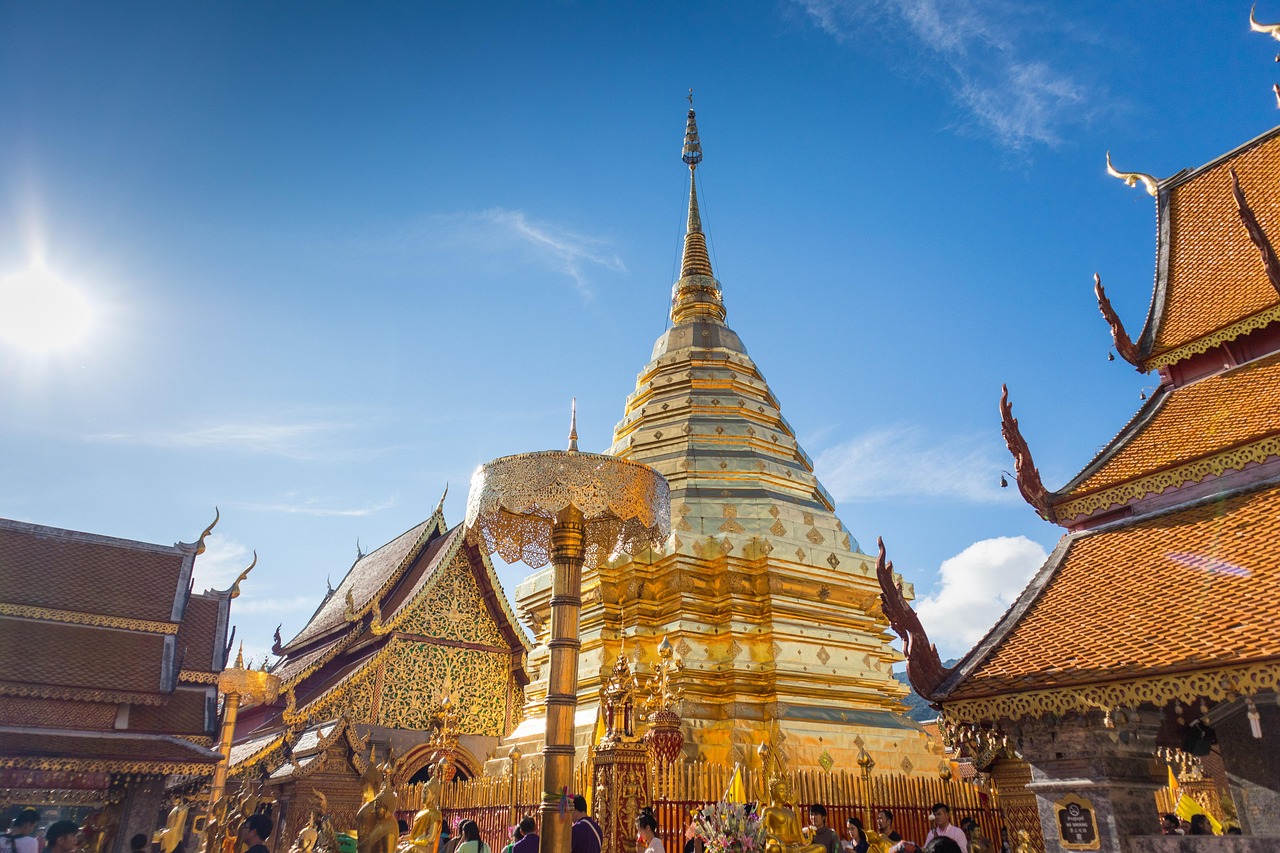
Chiang Mai is the city that made me slow down. After years of bouncing between Asian megacities, I arrived in Chiang Mai “just for 3 days” and stayed for nearly a month. Since then, I’ve returned every couple of years, and in 2026 the city feels more balanced than ever: modern cafés and co-working spaces tucked into leafy lanes, centuries-old temples glowing with candlelight, and mountains rising just beyond the moat of the Old City.
Unlike Bangkok’s constant buzz, Chiang Mai moves to a gentler rhythm. You can wake up to monks chanting, spend the afternoon hiking to a waterfall, eat dinner at a night market for a few dollars, and finish the day with a cocktail on a rooftop overlooking the old walls. It’s a place where families, solo travelers, couples, and digital nomads all seem to find their own version of “just right.”
In 2026, Chiang Mai is also leaning into more sustainable tourism. There’s a growing push towards ethical elephant sanctuaries, plastic reduction at markets, and community-based tours in nearby villages. If you’re looking for a destination that’s rich in culture but still very livable and affordable, Chiang Mai should be very high on your list.
Table of Contents
- Why Visit Chiang Mai
- Chiang Mai at a Glance
- Suggested Itineraries (3–5 Days in Chiang Mai)
- Neighborhoods & Areas to Explore
- 20 Must-See Attractions in Chiang Mai (With Personal Notes)
- Local Food in Chiang Mai: What & Where to Eat
- Nightlife, Entertainment & Cultural Experiences
- Day Trips & Nearby Escapes
- Local Customs & Cultural Etiquette
- Practical Travel Tips for Chiang Mai
- Summary & Best Time to Visit
Chiang Mai at a Glance (2026 Update)
Chiang Mai is the cultural heart of Northern Thailand, founded in 1296 as the capital of the Lanna Kingdom. The Old City is still wrapped in its square moat and remnants of old walls, but just beyond are modern neighborhoods, malls, and a surprisingly dynamic café culture.
- Country: Thailand
- Region: Northern Thailand
- Population: ~130,000 in city, ~1 million in metro area
- Vibe: Laid-back, artsy, deeply traditional yet very digital-nomad-friendly
- Good for: Culture lovers, foodies, families, couples, budget travelers, slow travelers
Major updates for 2026–2027:
- Light Rail Project (Phase Prep): Groundwork for Chiang Mai’s long-discussed light rail has started, meaning occasional roadworks but also better future connectivity.
- Old City Low-Emission Zones: Certain streets near key temples are limiting heavy traffic during peak hours; good news for pedestrians, but expect some taxi re-routing.
- Festival Highlights:
- Yi Peng & Loy Krathong 2026: Expected in November (exact dates follow lunar calendar). The city is already coordinating more centralized lantern releases to reduce environmental impact.
- Songkran 2027: The Thai New Year water festival (mid-April) is set to expand its cultural events—more traditional parades, fewer wild water guns in temple zones.
Suggested Itineraries: 3–5 Days in Chiang Mai
Below are flexible itineraries that I’ve used and tweaked over several visits. They’re designed so you can easily scale a 3 day itinerary for Chiang Mai into a longer 4 or 5 day itinerary without backtracking too much.
3 Days in Chiang Mai: Classic First-Timer Itinerary
Day 1 – Temples, Old City, and Night Bazaar
My usual first day in Chiang Mai always starts with the Old City. I like to stay inside or just outside the moat, drop my bag, and then wander on foot.
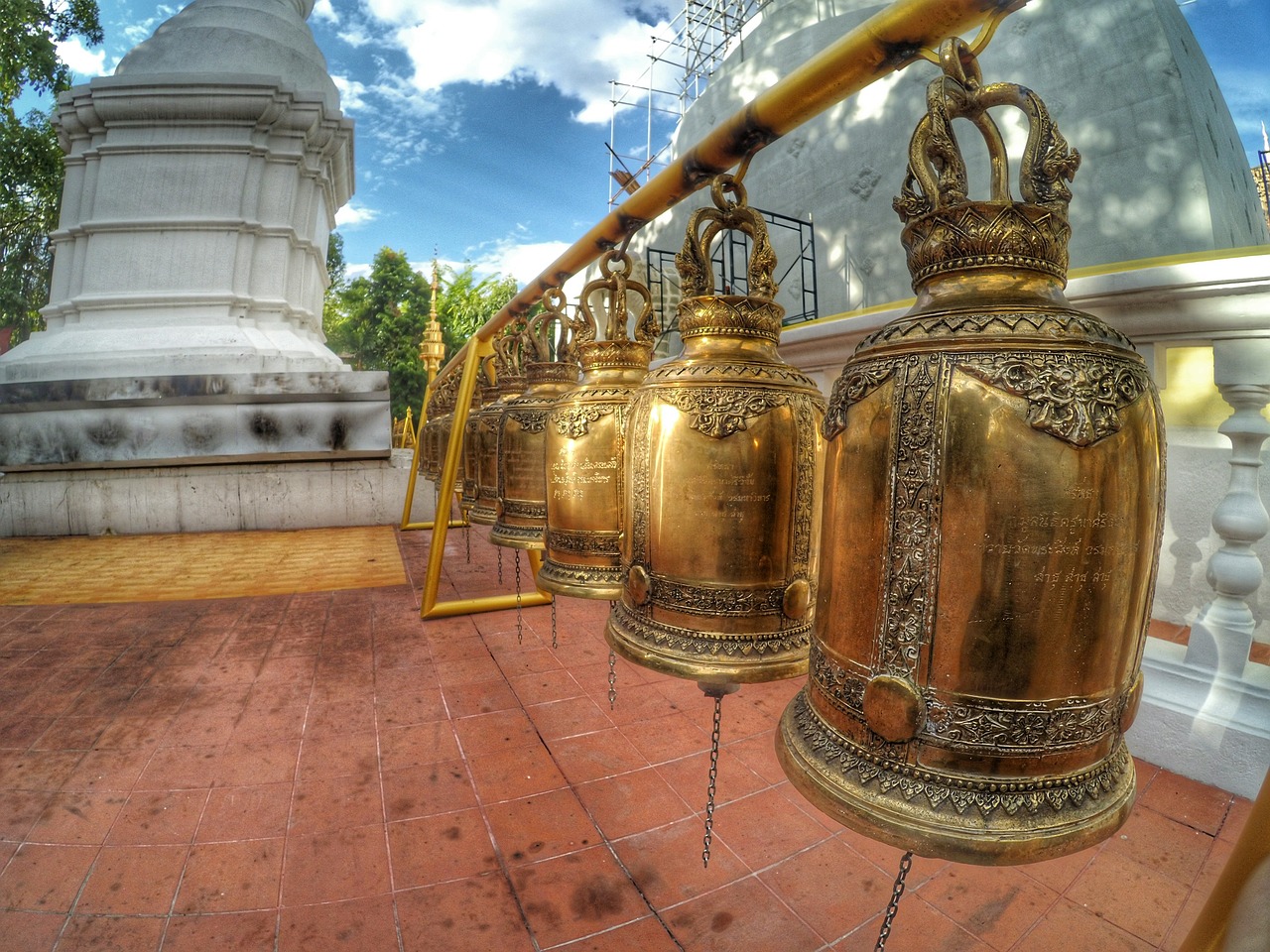
- Morning: Wat Phra Singh & Wat Chedi Luang walking loop, coffee at a local café, khao soi lunch.
- Afternoon: Massage, explore Old City lanes and street art, visit a smaller temple like Wat Phan Tao.
- Evening: Chiang Mai Night Bazaar or Anusarn Market for souvenirs and street food.
On one visit in 2024, I slipped off my shoes at Wat Chedi Luang around 9 a.m. and watched locals quietly lighting incense. Despite being one of the must-see attractions in Chiang Mai, the grounds were still peaceful. My tip: go early, cover shoulders and knees, and linger in the shade beneath the frangipani trees.
Day 2 – Doi Suthep, Mountain Views & Nimman
This is your “view and vibe” day. You’ll head up into the mountains, then wind down with a more modern neighborhood.
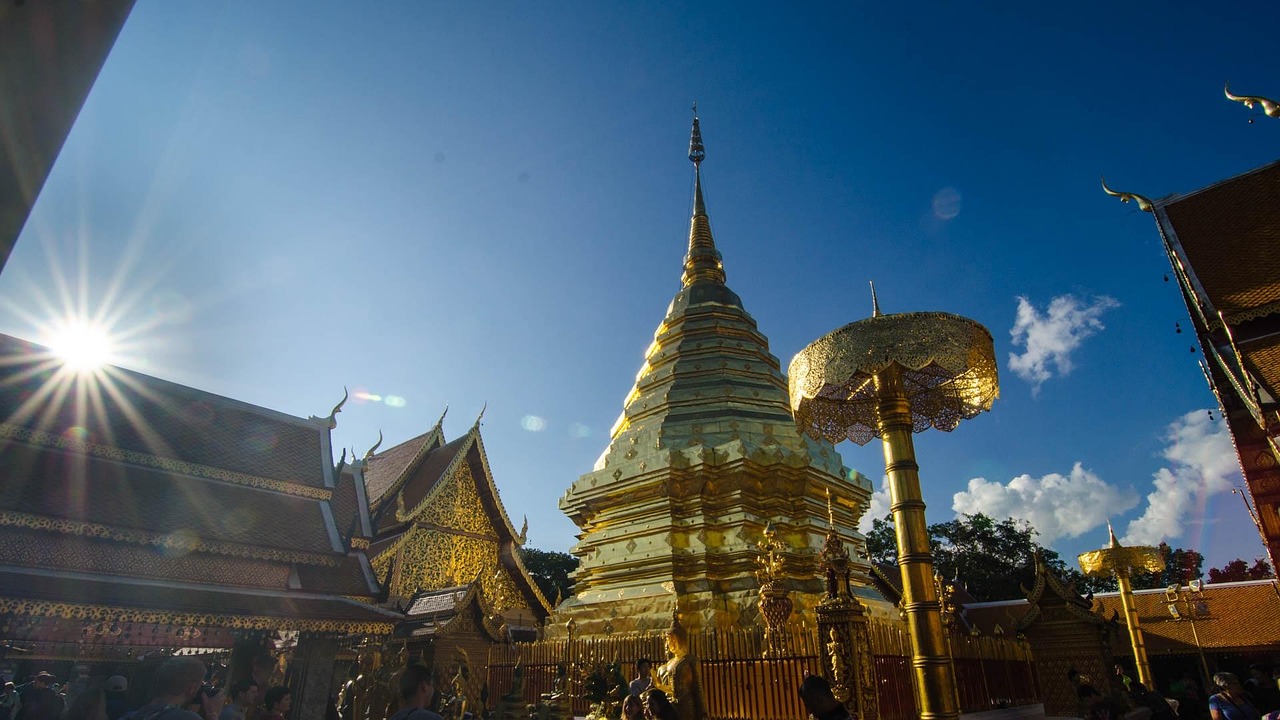
- Morning: Doi Suthep (Wat Phra That Doi Suthep), optional Hmong village, waterfall stop.
- Afternoon: Explore Nimmanhaemin (Nimman) cafés, boutique shops, and art spaces.
- Evening: Rooftop bar or craft beer, dinner at a Northern Thai restaurant.
In 2025, I took a red songthaew (shared truck taxi) up to Doi Suthep at sunrise. The city lights below were still twinkling while monks chanted inside the temple. It’s a popular spot, but if you go before 8 a.m. the crowds are manageable and the air still crisp.
Day 3 – Elephants or Cooking Class + Night Market
Your final day can go two ways depending on your interests:
- Option 1 (Family & Animal Lovers): Ethical elephant sanctuary day trip.
- Option 2 (Foodies & Couples): Thai cooking class, then sunset at a riverside bar.
Whichever you choose, wrap up with a visit to the Sunday Walking Street Market (if it’s Sunday) or Saturday Night Market on Wua Lai Road. These markets are my weak spot: I always swear I won’t buy more handicrafts, and I always go home with another handwoven bag.
4 Days in Chiang Mai: Add Nature & Hidden Gems
If you have 4 days in Chiang Mai, I recommend using the extra day to get deeper into the surrounding nature.
Day 4 – Sticky Waterfall & Countryside Cafés
Spend your fourth day on a day trip to Bua Thong “Sticky” Waterfall. I still remember the first time I stepped onto the limestone rocks—your feet literally stick so you can climb up the waterfall like a natural staircase. It’s fun, a bit silly, and very family-friendly.
On the way back, stop at a countryside café with rice field views; there are new ones popping up every year. In 2026, expect more Instagram-ready swings and viewpoints, but also some quieter, low-key spots if you drive just a little farther.
5 Days in Chiang Mai: Slow Travel Sweet Spot
With 5 days in Chiang Mai, you can really slow down. This is my preferred length of stay for a first-timer who wants to mix sightseeing and relaxation.
Day 5 – Village Visit, Crafts or Extra Temple Time
On your fifth day, choose based on your style:
- Cultural: Day trip to Baan Tawai (wood-carving village) or a weaving village.
- Spiritual: More time at lesser-known temples like Wat Umong and Wat Suan Dok.
- Relaxed: Spa day, café-hopping, or a bike ride around the Old City moat.
On my last 5-day itinerary for Chiang Mai, I used the final day to revisit my favorite temple (Wat Phra Singh), buy coffee beans from a hill-tribe cooperative shop, and get one last foot massage before my night train south. It felt like a proper goodbye instead of a rushed check-out.
Neighborhoods & Areas to Explore in Chiang Mai
Old City (Inside the Moat)
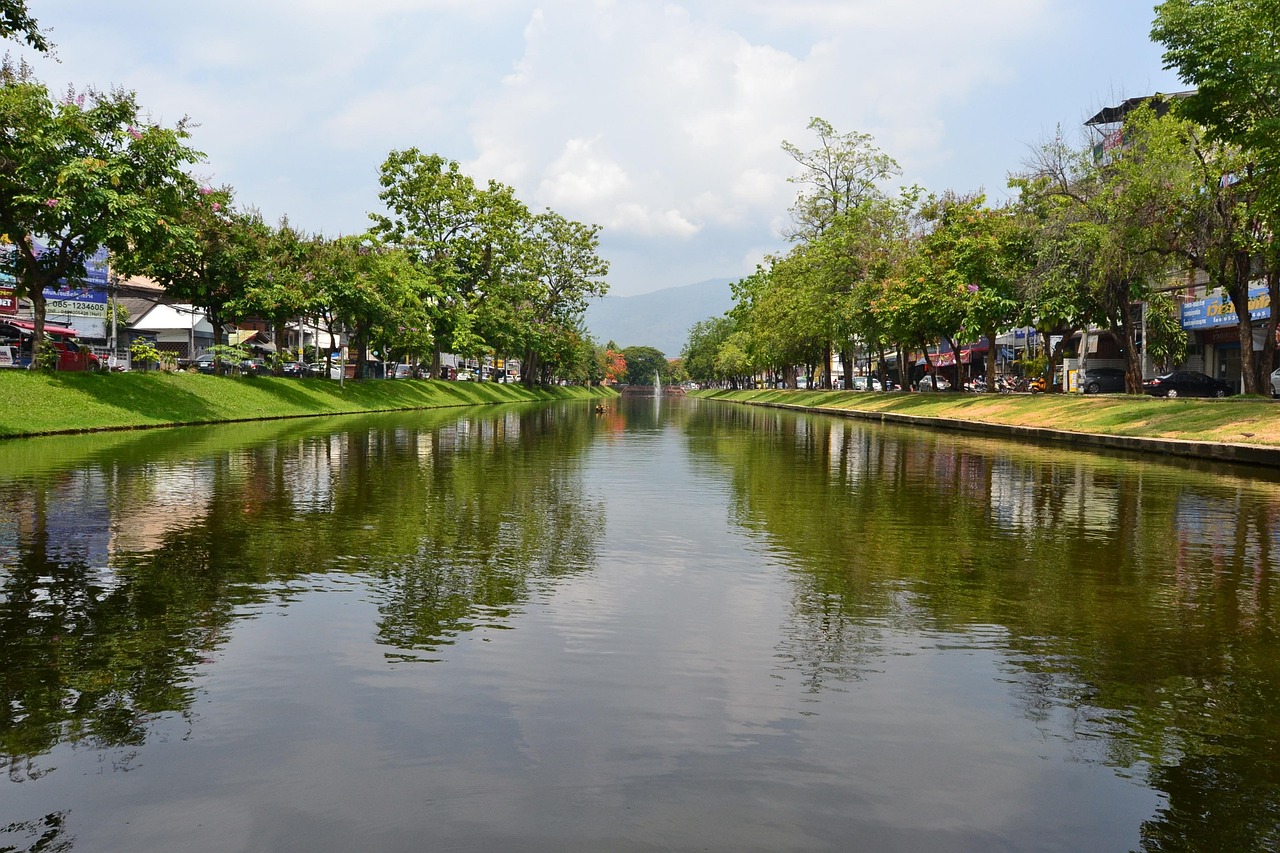
The Old City is where I always recommend first-timers stay. It’s walkable, temple-dense, and full of guesthouses and small hotels. Tiny sois (lanes) hide cafés, massage shops, and vegetarian restaurants.
- Vibe: Historical, laid-back, backpacker-friendly but increasingly boutique.
- Best for: First-time visitors, temple lovers, budget travelers.
- Highlights: Wat Phra Singh, Wat Chedi Luang, Sunday Walking Street.
Nimmanhaemin (Nimman)
Nimman is Chiang Mai’s trendy, modern side—lots of cafés, co-working spaces, and stylish condos. When I need to catch up on work, I often base myself here.
- Vibe: Hip, youthful, digital-nomad central.
- Best for: Longer stays, remote workers, café addicts.
- Highlights: One Nimman complex, MAYA mall, art galleries, specialty coffee shops.
Riverside (Ping River)
The riverside area east of the Old City is more relaxed and romantic. I like coming here for sunset drinks and riverside dinners.
- Vibe: Atmospheric, slightly upscale, good for evenings.
- Best for: Couples, those wanting peaceful stays.
- Highlights: Riverside restaurants, Wat Ket area, Iron Bridge.
Wua Lai & South Gate
Just south of the Old City, the Wua Lai area is known for the Saturday Night Market and traditional silversmiths.
- Vibe: Local, crafty, lively on weekends.
- Best for: Budget stays, local food, market lovers.
- Highlight: Saturday Night Market, Wat Sri Suphan (Silver Temple).
Chang Phueak & North Gate
North of the moat, this area is more local and less polished, with great street food and easy access to Doi Suthep road.
- Vibe: Local, student-friendly, affordable.
- Best for: Repeat visitors, foodies, budget conscious travelers.
- Highlight: Chang Phueak Gate night food stalls.
20 Must-See Attractions in Chiang Mai (With Personal Notes)
These are the best places to visit in Chiang Mai, ordered roughly from most iconic to more hidden. I’ve personally visited each of these (some multiple times), and I’ll share both the essentials and little details that guidebooks often skip.
1. Wat Phra That Doi Suthep
If you only see one temple in Chiang Mai, make it this one. Perched on a mountain 15 km above the city, Wat Phra That Doi Suthep is as much about the view as the temple itself.
History & Significance: Founded in the 14th century, the temple enshrines a sacred Buddha relic. Legend says a white elephant carried the relic up the mountain, trumpeted three times, then died at the spot where the temple was built.
My Experience: I’ve been up to Doi Suthep in every season. In cool season (Dec–Feb), the air is crisp and the city below looks clear. One April visit during smoky season, the view vanished in haze—but the temple was quieter, and I watched a group of young novices giggle as they practiced their English with visitors.
Tips:
- Go early morning (before 8 a.m.) or late afternoon for fewer crowds and softer light.
- Climb the 306-step naga staircase if you can; it feels more rewarding than taking the funicular.
- Dress modestly (shoulders and knees covered) and walk clockwise around the golden chedi with locals if you’d like to make a wish.
How to Get There: Red songthaew from the Old City (join others to share cost), Grab taxi, or part of a half-day tour that often includes a waterfall stop.
2. Wat Phra Singh
Wat Phra Singh is my personal favorite in the Old City. The main viharn (hall) with its sweeping Lanna-style roof looks especially beautiful in late afternoon light.
History: Dating back to the 14th century, Wat Phra Singh houses the revered Phra Singh Buddha image, which draws worshippers from across the region.
My Experience: I like to visit around 4–5 p.m., when the sun hits the gilded details, locals bring flowers, and the day’s heat begins to fade. Once, during Songkran, the courtyard was full of families pouring scented water respectfully over Buddha images—a quieter alternative to the street water fights.
Tips: Wander behind the main hall to see the elegant library building and smaller chedis; sit quietly at the edge and you’ll often hear monks chanting at dusk.
3. Wat Chedi Luang
Wat Chedi Luang is an atmospheric ruin in the middle of the Old City. The massive brick chedi, partially collapsed in an earthquake in the 16th century, once housed the Emerald Buddha (now in Bangkok).
My Experience: My first time here, I came at night, when the chedi was dramatically lit and the crowds had thinned. It felt almost surreal walking around the base with distant traffic noises mixing with temple bells.
Tips: Look for the “monk chat” area where monks practice their English—great for respectful cultural exchange. Dress modestly and keep questions polite.
4. Sunday Walking Street Market (Ratchadamnoen Road)
Every Sunday, the main east-west artery of the Old City turns into a sea of stalls, lanterns, and food. This is the market I time my trips around when possible.
My Experience: One December Sunday, I spent four hours here and still didn’t see every stall. I nibbled on grilled pork skewers, mango sticky rice, and coconut ice cream from a young vendor who proudly told me he makes it with his grandparents’ recipe.
Tips:
- Go right at 4 p.m. opening if you hate crowds, or after 7 p.m. for full atmosphere.
- Bring small bills; most stalls are cash only.
- Try local crafts instead of mass-produced imports—handwoven textiles, wood carvings, and ceramics are worth seeking out.
5. Chiang Mai Night Bazaar
The Night Bazaar, east of the Old City near Chang Klan Road, is a long-standing evening market with a mix of souvenirs, clothes, and food courts. It’s more commercial than the Sunday Walking Street but still fun, especially for first-timers.
My Experience: I often come here when I’m staying riverside. One night, I ended up listening to a surprisingly good live jazz band in a food court while sharing plates of pad thai and grilled squid with new hostel friends.
Tips: Bargain politely, and don’t be afraid to walk away; similar items appear at multiple stalls. Food courts here are convenient, but street food just outside is often tastier and cheaper.
6. Ethical Elephant Sanctuaries (Near Chiang Mai)
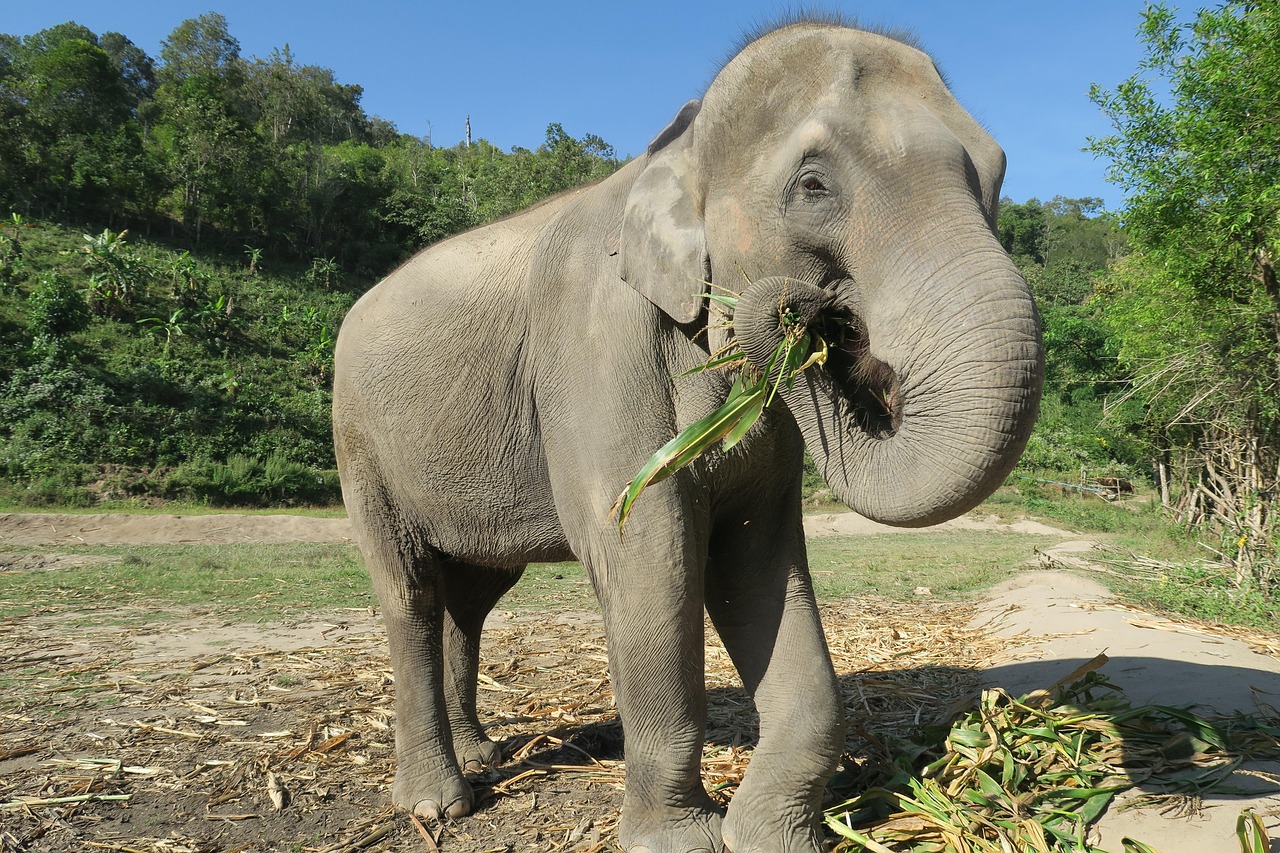
Chiang Mai is famous for elephant experiences, but not all are ethical. In recent years, I’ve seen a real shift toward no-riding, no-performances sanctuaries where elephants can just be elephants.
My Experience: On my last trip, I spent a day at a sanctuary where we prepared food, walked with the elephants, and watched them bathe from a respectful distance. No chains, no tricks—just quiet moments, like one older female stopping to scratch herself against a tree like a giant cat.
Tips:
- Look for sanctuaries that are no-riding, no tricks, limited visitor numbers.
- Bring a change of clothes and sandals that can get muddy.
- Book directly with the sanctuary when possible to ensure your money goes to the right place.
7. Thai Cooking Class
A cooking class is one of the most rewarding cultural experiences in Chiang Mai. Many classes include a market visit and a recipe booklet you can actually use back home.
My Experience: I once spent a whole day at an organic farm school outside the city. We picked herbs from the garden, pounded curry paste by hand, and somehow I ended up cooking four full dishes and eating every one of them. The instructor teased me for my “farang” (foreigner) spice tolerance, then quietly dialed down the chilies in my som tam.
Tips: Look for small group classes with hotel pickup. Vegetarian options are easy to find. If you’re into Instagram, farm-based schools offer beautiful settings, but in-town classes are just as tasty.
8. Wat Umong (Tunnel Temple)
Wat Umong is one of my favorite “escape the city” spots, even though it’s only a short drive from the Old City. Hidden in the forest, the temple features mossy brick tunnels, a large stupa, and a serene lake.
My Experience: I once spent an afternoon here reading on a bench under giant trees, listening to birds and the occasional temple bell. The meditation center occasionally offers English-language sessions; ask at the office if you’re interested.
Tips: Combine with a visit to nearby Wat Suan Dok or Nimman. Wear insect repellent, especially in rainy season.
9. Wat Suan Dok
Wat Suan Dok is known for its striking white chedis, which contain the ashes of Chiang Mai’s royal family, and a large golden chedi in the back.
My Experience: I came here on a hazy late afternoon and watched the sun turn the golden chedi almost orange. Nearby, a group of young monks in saffron robes were playing gently with a friendly temple dog—one of those little everyday scenes that sticks in your memory.
Tips: Great spot for sunset photos. The temple also sometimes hosts monk chats and meditation retreats; check notice boards.
10. Bua Thong “Sticky” Waterfall
About an hour and a half north of Chiang Mai, Bua Thong Waterfall is famous because the limestone deposits make the rocks surprisingly grippy, so you can climb up the waterfall itself.
My Experience: On my first visit, I was skeptical, but the rocks really do feel like natural sandpaper. Families were laughing, kids racing up and down, and even older visitors managed some sections with care. I left my camera in a dry bag and just enjoyed being a big kid for a couple of hours.
Tips: Wear swimwear under quick-dry clothes, bring a small towel, and water shoes if you have sensitive feet. Avoid weekends and Thai holidays if you want it quieter.
11. Doi Inthanon National Park
Doi Inthanon is home to Thailand’s highest peak and a refreshing change from city heat.
Highlights: The twin royal pagodas, short nature trails, waterfalls like Wachirathan, and viewpoints where you can sometimes see a sea of mist below.
My Experience: I joined a small-group tour here one cool-season morning. We hiked a short nature trail with a local Karen guide who pointed out medicinal plants and explained how his village is adapting to more tourism. It was a good reminder that these mountains are home, not just scenery.
Tips: It’s noticeably cooler at the top—bring a light jacket. Many tours depart early and include lunch; if you self-drive, be prepared for curvy roads and occasional fog.
12. Chiang Mai Zoo & Aquarium
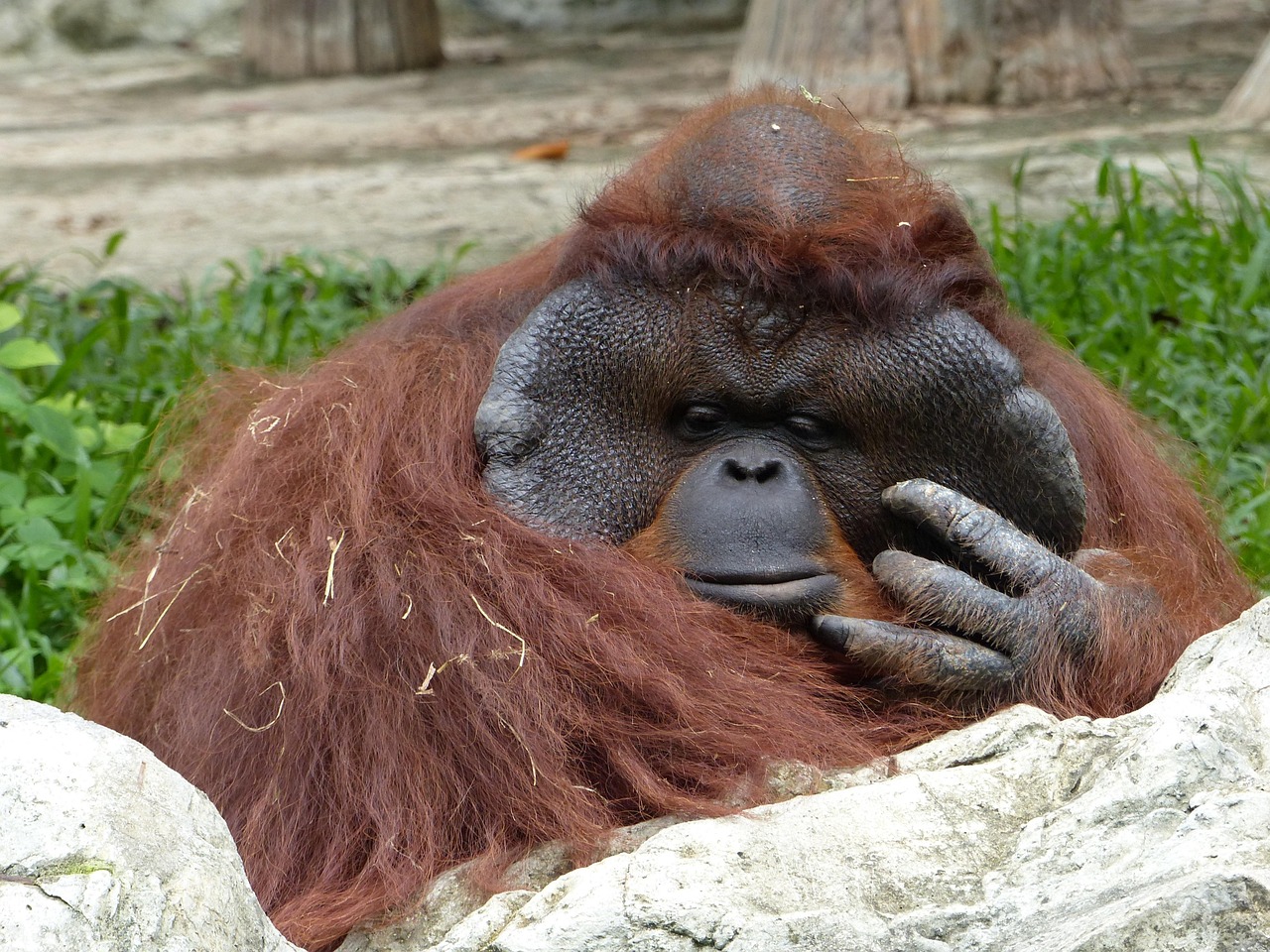
The Chiang Mai Zoo sits at the foot of Doi Suthep and is a popular family outing. While I’m generally cautious about zoos, conditions here have improved, and it’s a decent option if you’re traveling with kids and want a half-day activity.
My Experience: I visited with friends and their two young children. We spent most of our time feeding deer and watching penguins; the kids loved the tram rides. It’s hilly, so the tram (or renting a golf cart) helps a lot.
Tips: Go in the morning before it gets too hot. If animal welfare is a top concern, research current reviews in 2026 to see the latest situation.
13. Art in Paradise (3D Art Museum)
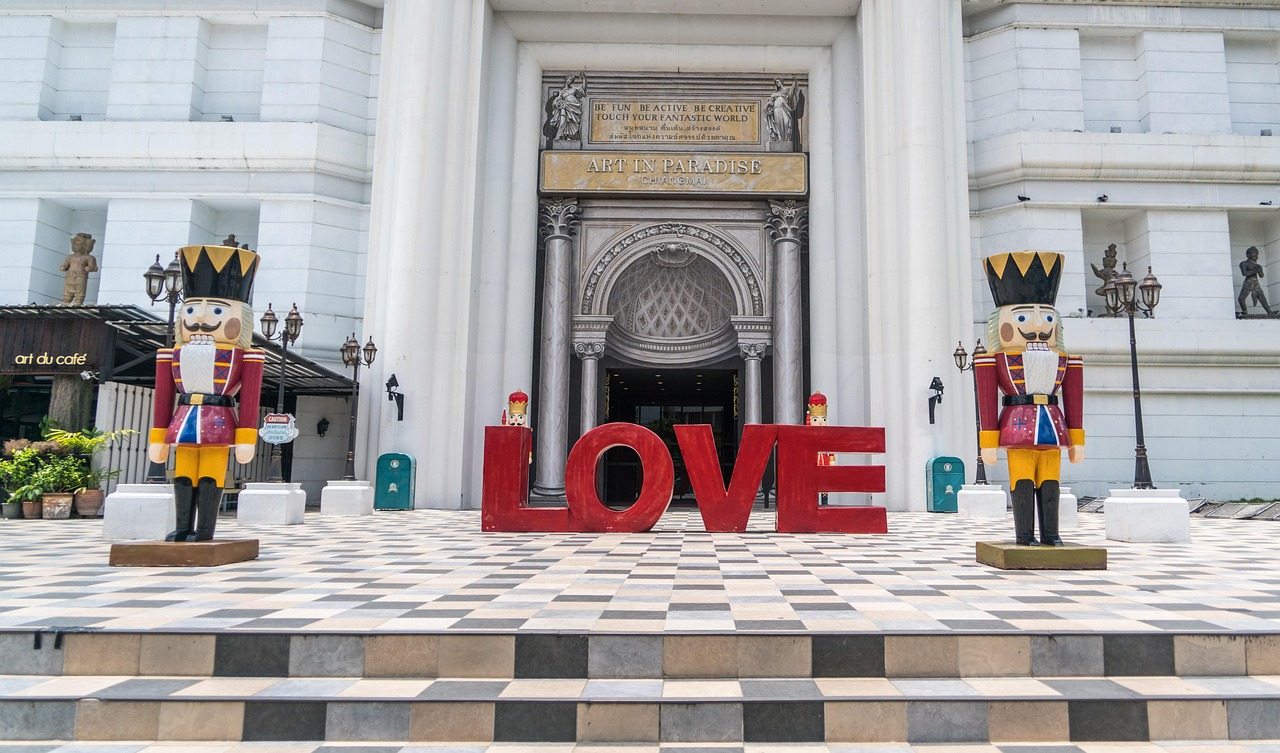
Art in Paradise is an interactive 3D art museum where you become part of the artwork. It’s cheesy in the best way and surprisingly fun, especially for families and groups of friends.
My Experience: I came here on a rainy afternoon with a group of fellow travelers, and we laughed like kids posing in shark mouths and hanging off painted cliffs. It was a nice break from temples and history.
Tips: Charge your phone/camera and bring a sense of humor. It’s indoors and air-conditioned—great for hot or rainy days.
14. One Nimman & MAYA Lifestyle Shopping Center
One Nimman and the adjacent MAYA mall are the modern commercial heart of Nimman. One Nimman has a faux-European square feel, with boutiques, restaurants, and frequent weekend events.
My Experience: I like to come here at dusk, grab a drink in the courtyard, and people-watch—students snapping selfies, remote workers closing laptops, families out for ice cream.
Tips: The rooftop at MAYA has bars with sunset views of Doi Suthep. One Nimman often hosts craft fairs and live music, especially on weekends.
15. Wat Lok Molee
Wat Lok Molee sits just outside the north gate of the Old City and is often overlooked, which is part of its charm.
My Experience: I stumbled upon this temple while staying near Chang Phueak. The large brick chedi and wooden viharn felt wonderfully un-touristy. A few locals were quietly lighting incense; otherwise, it was just me and a couple of cats.
Tips: Combine with a visit to the Chang Phueak night food stalls for dinner.
16. Wat Sri Suphan (Silver Temple)
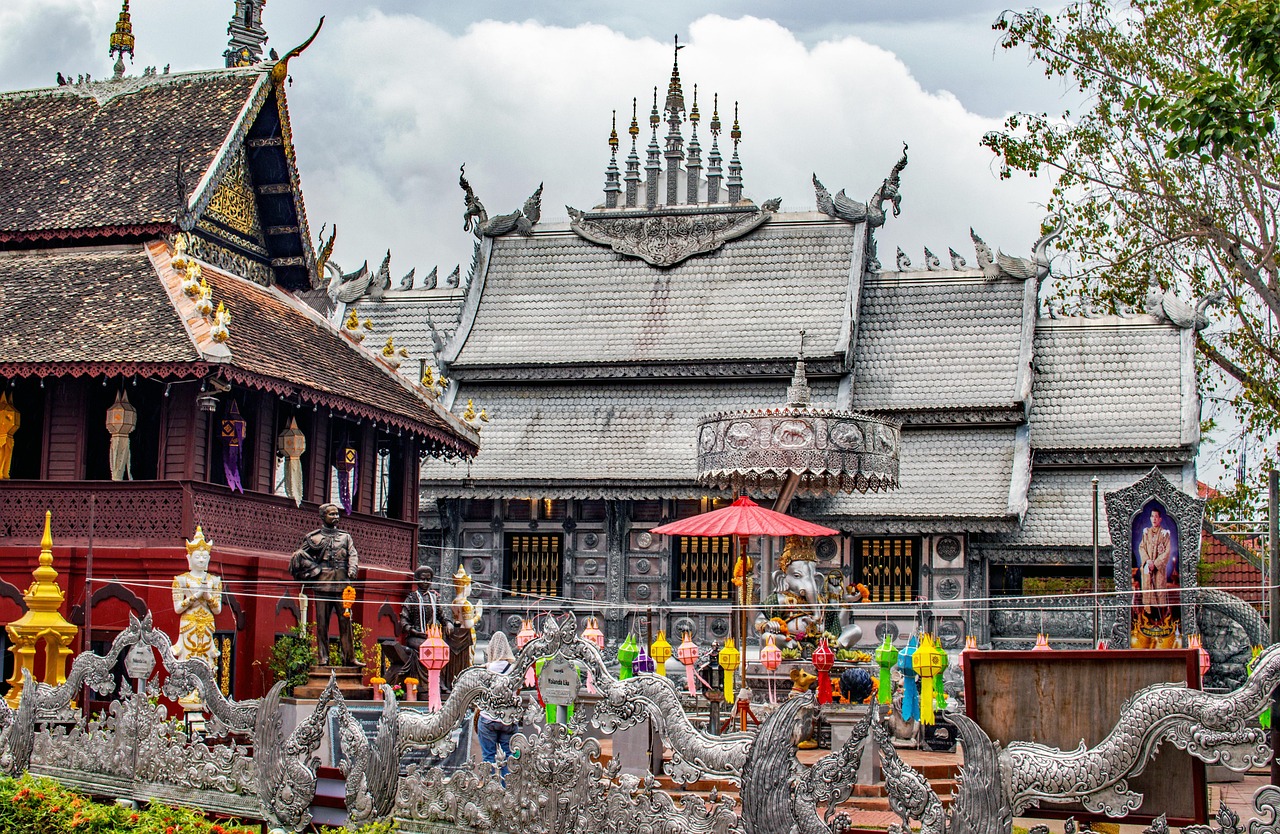
Wat Sri Suphan, south of the Old City in the Wua Lai area, is known as the Silver Temple because its ubosot (ordination hall) is covered in intricate silver and aluminum work.
My Experience: I once visited during a local festival and watched silversmiths working right next to the temple, hammering patterns into metal panels. At night, colored lights make the silver exterior glow almost otherworldly.
Important: As of recent years, women are not allowed inside the main silver ordination hall due to traditional rules, though they can walk around the outside and the rest of the complex. This can be disappointing, but it’s better to know in advance.
17. Chiang Mai Gate Market
By day, Chiang Mai Gate Market is a local fresh market. By evening, it transforms into one of my favorite places for cheap, delicious street food.
My Experience: I’ve eaten here more times than I can count—crispy pork over rice, coconut pancakes, and a fruit shake from the same auntie who now recognizes me and always asks if I want “little sugar or Thai sugar.”
Tips: Great spot for budget dinners. Look for queues—that’s usually where the best stalls are. Bring cash and a bit of patience; it gets busy around 7 p.m.
18. Chang Phueak Gate Night Food Stalls
Just outside the north gate of the Old City, a cluster of street food stalls sets up each evening.
My Experience: The “Cowboy Hat Lady” khao kha moo (stewed pork leg on rice) stall became famous a few years back, and although prices have crept up, the food is still good. I’ve also had excellent noodle soups and grilled skewers here.
Tips: Arrive early for popular stalls, as some sell out. If traveling with kids, this area is manageable and not as overwhelming as some Bangkok night markets.
19. Warorot Market (Kad Luang)
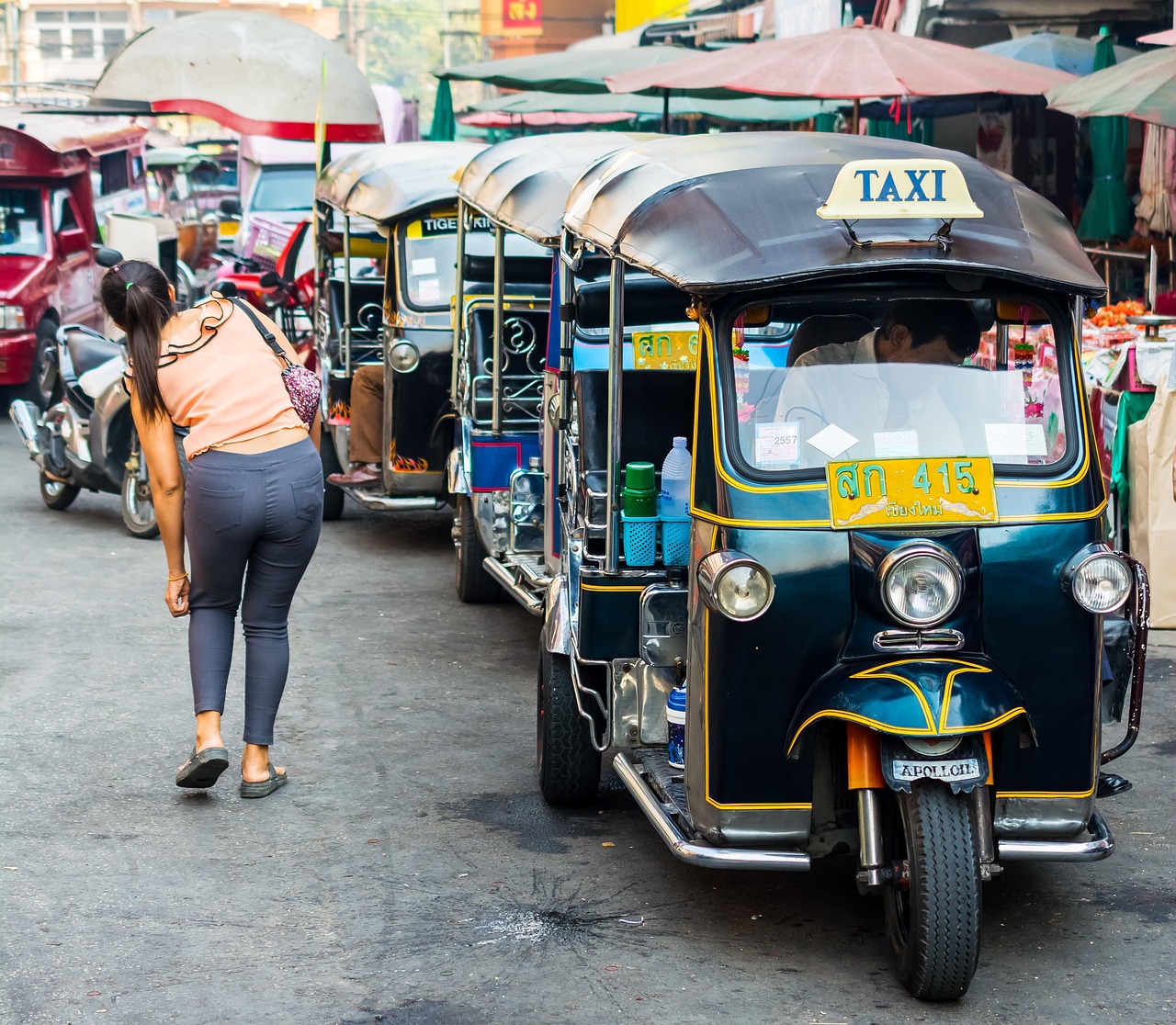
Warorot Market, near the river, is one of Chiang Mai’s most local-feeling markets. You’ll find fabrics, dried fruits, spices, and everyday goods.
My Experience: I love coming here in the morning to watch the city wake up. I buy dried longans, Northern sausage to take back to my guesthouse, and sometimes a cheap t-shirt when I’ve under-packed.
Tips: Great for local food in Chiang Mai like sai ua (Northern sausage) and nam prik ong (Northern chili dip). Prices here are usually fixed and fair.
20. Mae Sa Waterfall & Queen Sirikit Botanic Garden
Along the Mae Rim valley, north of Chiang Mai, you’ll find a cluster of attractions, including Mae Sa Waterfall and the Queen Sirikit Botanic Garden.
My Experience: I’ve done this as a DIY day trip with a rented scooter, stopping at the waterfall for a short hike and then spending a couple of hours wandering the canopy walkway and greenhouses at the botanic garden. It’s a refreshing, leafy escape from the city.
Tips: Bring swimwear for the waterfall pools (modest is best), and comfortable shoes for walking the botanic garden. If you’re not comfortable riding a scooter, hire a driver or join a tour—roads can be busy.
Local Food in Chiang Mai: What & Where to Eat
Northern Thai cuisine is distinctive—earthier, herbier, and often less sweet than Central Thai food. These are the dishes I seek out every trip:
Must-Try Dishes
- Khao Soi: Curried egg noodle soup with chicken or beef, topped with crispy noodles, pickled greens, and shallots.
- Sai Ua: Grilled Northern herb sausage, fragrant with lemongrass and kaffir lime.
- Nam Prik Ong / Nam Prik Num: Chili dips served with fresh and steamed vegetables.
- Gaeng Hang Lay: Northern-style pork curry, mildly sweet and gingery.
- Sticky Rice with Mango: A Thai classic, best in mango season (around March–June).
Favorite Places to Eat
Budget & Street Food:
- Chiang Mai Gate Market: My go-to for cheap dinners and snacks.
- Chang Phueak Night Stalls: Great for khao kha moo and noodles.
- Sunday Walking Street: Endless options—try small bites from many stalls.
Local Restaurants & Hidden Gems:
- Small khao soi shophouses inside the Old City—look for hand-written signs and lunchtime crowds.
- Riverside eateries near Warorot Market, serving simple grilled fish and som tam.
- Vegetarian & Vegan Cafés in the Old City and Nimman, many with creative plant-based takes on local dishes.
Drinks & Coffee Culture
Chiang Mai has a serious specialty coffee scene, often using beans from nearby mountains. I’ve lost whole afternoons in airy cafés, nursing a cold brew while writing or planning my next day.
- Specialty Cafés in Nimman: For single-origin pours and latte art.
- Old City Garden Cafés: Great for relaxing between temples.
- Night Markets: Try Thai iced tea, sugarcane juice, and fruit shakes (ask for “mai wan” or “not too sweet” if you prefer less sugar).
Nightlife, Entertainment & Cultural Experiences
Nightlife
Chiang Mai’s nightlife is more mellow than Bangkok’s but still varied.
- Rooftop Bars: At MAYA and around Nimman, with views of Doi Suthep and the city lights.
- Riverside Bars: More atmospheric, with live music and a slower pace—great for couples.
- Student Bars: Around Santitham and north of Nimman, more local and budget-friendly.
Cultural Experiences
- Lanna Cultural Shows & Khantoke Dinners: Traditional Northern dinner served on low tables with dance and music performances. Yes, they’re touristy, but also a gentle intro to local culture—good for families and older travelers.
- Traditional Thai Massage & Spas: I try to get at least one 1-hour foot massage every 2–3 days in Chiang Mai; it’s both affordable and addictive.
- Meditation Retreats: Some temples and centers offer English-language meditation introductions ranging from a few hours to several days.
Day Trips & Nearby Escapes from Chiang Mai
In addition to the attractions above, consider these as extra options if you’re planning 4–5 days in Chiang Mai or longer:
- Mae Rim Loop: Combine Mae Sa Waterfall, Queen Sirikit Botanic Garden, cafés, and viewpoints.
- Baan Tawai Handicraft Village: For wood carving and furniture; best if you’re interested in crafts or home décor.
- San Kamphaeng Hot Springs: Soak in mineral pools; nice on cooler days or evenings.
- Chiang Dao: A more offbeat mountain town 1.5–2 hours away, great for caves, hot springs, and quiet guesthouses.
Local Customs & Cultural Etiquette in Chiang Mai
Understanding local customs in Chiang Mai makes your visit smoother and more respectful.
Temple Etiquette
- Dress modestly: shoulders and knees covered; no see-through clothing.
- Remove shoes and hats before entering temple buildings.
- Never point your feet at Buddha images or monks; sit with feet tucked to the side or behind.
- Women should not touch monks; if handing something, place it within reach or give via a man.
Social Etiquette
- Wai greeting: Pressing palms together with a slight bow. You’re not required to initiate, but returning a wai is polite.
- Head & Feet: The head is considered sacred; don’t touch people’s heads. Feet are low; don’t put them on tables or chairs.
- Saving Face: Avoid shouting or public confrontation. If there’s a problem, speak calmly and softly.
Market & Street Etiquette
- It’s fine to bargain at markets, but do it with a smile and accept “no” gracefully.
- Use your right hand (or both hands) when giving or receiving money.
- Eating at street stalls is casual, but tidy up your table when you leave.
Practical Travel Tips for Chiang Mai (2026)
How to Get Around
- On Foot: The Old City is very walkable; sidewalks can be uneven, so watch your step.
- Songthaews (Red Trucks): Shared taxis; flag one down, tell the driver your destination, and agree on a price before hopping in.
- Grab & Taxis: Grab (ride-hailing app) is widely used in 2026 and great for point-to-point rides.
- Scooter Rental: Popular but only if you’re experienced. Wear a helmet, check insurance, and know that police checks for helmets and licenses are common.
Saving Money
- Eat where locals eat—markets and small shophouses instead of tourist restaurants.
- Stay in guesthouses or midrange hotels inside the Old City; you can walk to many things to do in Chiang Mai.
- Book tours directly with reputable operators or through your guesthouse to avoid heavy markups.
SIM Cards & Connectivity
- SIM Options: AIS, DTAC, and TrueMove all offer tourist SIMs at the airport and in malls.
- Expect good 4G/5G coverage in the city and most popular day trip areas.
- Many cafés and hotels have strong Wi-Fi—another reason digital nomads love Chiang Mai.
Visas & Driving Licenses
- Visa Requirements: Vary by nationality; many get 30-day visa-free entry. Check your country’s latest requirements before travel.
- Driving: An International Driving Permit (IDP) plus your home license is recommended if you plan to rent a scooter or car. Police in 2026 are more consistently checking documents.
Best Seasons & Weather
- Cool/Dry (Nov–Feb): Best overall—pleasant temperatures, clear skies. Peak season prices.
- Hot Season (Mar–May): Very hot; some years have smoke from agricultural burning (especially March–April). Check current air quality if you’re sensitive.
- Rainy Season (Jun–Oct): Lush landscapes, fewer crowds, afternoon showers. Great for waterfalls and lower prices.
Safety & Health
- Chiang Mai is generally safe; petty theft is rare but keep an eye on your belongings in markets.
- Drink bottled or filtered water. Ice is usually safe in established places.
- Use mosquito repellent, especially near water and at dawn/dusk.
Summary & Final Recommendations
Chiang Mai is one of those places that doesn’t try to impress you—it just quietly wins you over. Whether you have 3 days in Chiang Mai or a full 5 day itinerary, you can balance temple-hopping, mountain views, and lazy afternoons in leafy cafés without blowing your budget.
For a first visit in 2026, I recommend:
- Staying in or near the Old City for 3–5 nights.
- Spending at least one morning at Doi Suthep and one evening at a big market (Sunday Walking Street if possible).
- Adding either an ethical elephant visit or a cooking class for deeper cultural connection.
- Saving time for just wandering—Chiang Mai rewards slow, curious exploration.
The best time to visit Chiang Mai is between November and February, when the weather is coolest and clearest, but with the right expectations (and maybe an umbrella), you can enjoy the city year-round.
Every time I leave Chiang Mai, I promise myself I’ll come back with fewer plans and more empty days, because it’s often the unscheduled moments—stumbling into a quiet temple, chatting with a market vendor, watching the sky turn pink over the moat—that make this city unforgettable.