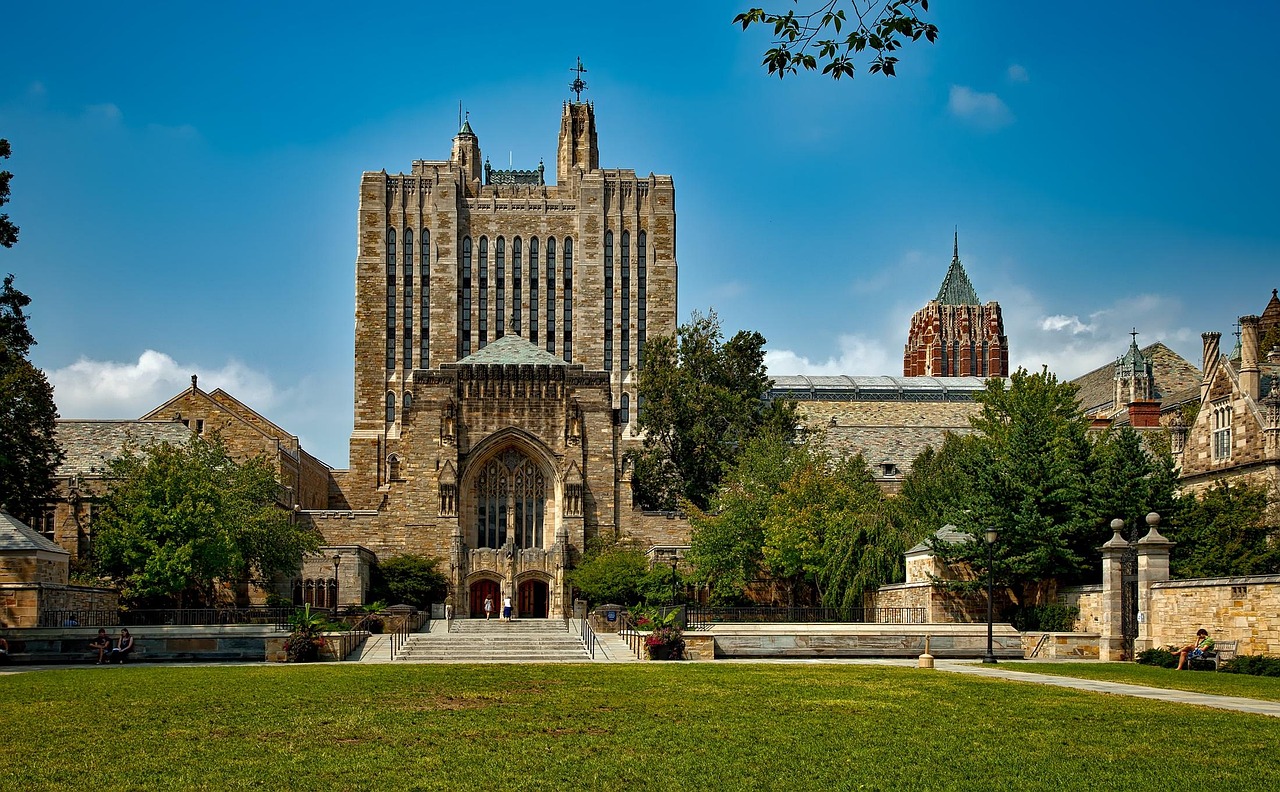
Why Visit Alexandria, Virginia?
Alexandria, USA (just across the Potomac River from Washington, D.C.) is one of those places that feels like a small town wrapped in big-city history. Cobblestone streets, colorful rowhouses, gas lamps flickering at dusk, and the riverfront breeze – that’s the Alexandria I’ve fallen in love with over countless visits and years of living nearby.
If you’re imagining “just another D.C. suburb,” erase that idea. Alexandria has its own soul: Revolutionary War stories, Civil War hospitals, underground Black history, a thriving arts scene, and some of the best local food in the region. It’s extremely walkable, safe, and packed with things to do in Alexandria whether you’re here for 3 days, 4 days, or a full 5 day itinerary.
What sets Alexandria apart for me is how easy it is to create your own kind of trip. In a single day, you can kayak on the Potomac at sunrise, wander through centuries-old alleys, have an art-filled afternoon in a former torpedo factory, sip cocktails on a rooftop with D.C. monuments glowing across the river, and end with a late-night jazz set. Families, couples, solo travelers – everyone finds their corner.
As of 2026, Alexandria is buzzing with new waterfront developments, expanded bike lanes, and more outdoor dining than ever – while still preserving its historic core. This travel guide for Alexandria pulls together my favorite must-see attractions, hidden gems, local food, neighborhoods, and very practical travel tips for Alexandria, including how to save money and get around without stress.
Table of Contents
- Why Visit Alexandria, Virginia?
- City Overview & Vibe
- Top 20 Must-See Attractions in Alexandria
- Perfect 3–5 Day Itineraries (With Personal Stories)
- Neighborhoods & Districts to Explore
- Best Local Food & Drink in Alexandria
- Nightlife, Entertainment & Cultural Experiences
- Alexandria in 2026–2027: Events & What’s New
- Best Day Trips from Alexandria
- Cultural Etiquette & Local Customs
- Practical Travel Advice: Money-Saving, Transport, SIM, Visas
- When to Visit & Seasonal Tips
- Summary & Final Recommendations
City Overview & Vibe
Alexandria sits in Northern Virginia, hugging the west bank of the Potomac River. From King Street Metro, you’re about a 20-minute ride to downtown D.C., yet the mood here is slower and more intimate. Think 18th-century townhouses, independent boutiques, and waterfront views with the Capitol dome across the water.
Locals are a mix of long-time Virginians, diplomats, policy folks, military families, and creatives. The culture leans friendly and polite, with a strong pride in history and community. You’ll see people greeting their baristas by name and pausing to chat with neighbors on the sidewalk.
Alexandria is especially easy for first-time U.S. visitors: English-speaking, excellent public transit, safe central areas, and enough compact charm that you can walk to most of the best places to visit in Alexandria without needing a car.
Top 20 Must-See Attractions in Alexandria (With Local Stories & Tips)
These are the places I return to again and again – not just once for photos, but on rainy Sundays, lazy summer evenings, and when friends ask what to do on their first trip. Each mini-guide below includes history, what to actually do there, and some personal notes and hidden gems in Alexandria nearby.
1. Old Town Alexandria Historic District

Why it’s special: Old Town is the heart of Alexandria – a perfectly walkable grid of cobblestone streets, 18th- and 19th-century rowhouses, leafy courtyards, and the best concentration of shops, restaurants, and waterfront access.
I still remember my first early-morning walk down King Street in winter: the air was crisp, holiday lights were strung across the street, and the only sounds were my boots on the bricks and the distant hum of the river. Over the years, I’ve learned that Old Town feels different at every time of day – sunrise dog-walkers, lunchtime shoppers, golden-hour strollers, and weekend nightlife.
History in brief: Founded in 1749, Alexandria was a major colonial port and hometown to George Washington. By the Civil War, it was a strategic Union-occupied city and a major military hub. Much of Old Town’s street grid and architecture are original or carefully restored, giving it that authentic “living museum” vibe.
What to Do
- Stroll King Street: Walk from the King Street Metro down to the waterfront. Pop into indie bookstores, boutiques, and local art galleries. I like to start around 9–10 am when shops open but streets are still quiet.
- Explore Side Streets: Don’t just stay on King. Turn onto Prince, Cameron, Queen, and the tiny alleys. You’ll find hidden gardens, pastel-colored doors, and some of the city’s most Instagrammed homes.
- Evening river walk: I often end my day walking from the waterfront up Union Street, grabbing ice cream or a gelato and watching the lights flicker on across the river.
Family, Romantic, or Adventurous?
Family-friendly: Sidewalks are stroller-friendly; kids love the boats along the waterfront. Romantic: Old Town is the setting for many proposals and anniversaries – especially at sunset. Adventurous: Use Old Town as your base, then rent bikes or kayaks from the waterfront.
Practical Tips
- Getting there: Take Metro (Blue/Yellow) to King Street–Old Town, then hop on the free King Street Trolley or walk 15–20 minutes downhill.
- When to go: Weekday mornings feel local and calm; Friday and Saturday nights get lively, especially near bars and the waterfront.
- Money-saving: Window shop, use happy hour specials on King Street for cheaper drinks and small plates, and picnic on the waterfront with a takeaway sandwich.
2. Alexandria Waterfront & Waterfront Park
The waterfront is where I go whenever I need to reset. There’s something grounding about standing on the boardwalk with planes banking toward Reagan National above, boats bobbing below, and the D.C. skyline stretching out in front of you.
History & vibe: Once a working port filled with warehouses and shipyards, this area has been transformed into a pedestrian-friendly promenade with public art, parks, and restaurants with river views. You can still see the outline of the old industrial past in the brick buildings and old piers.
What to Do
- Waterfront Park: Seasonal public art installations make this a must-see. One year, there was a giant mirrored “iceberg” that kids ran through; in 2026, expect another interactive piece tied to Alexandria’s maritime history.
- Walk or bike the Mount Vernon Trail: The trail runs right past the waterfront. I like to rent a bike, ride north toward D.C. for sunset, and return to Old Town for dinner.
- Boat rides: Take a water taxi to Georgetown, The Wharf, or National Harbor for a scenic commute. Night cruises with monument views are especially romantic.
Personal Tip
On hot summer evenings, I grab a drink to go (where permitted, usually in designated zones during events), find a bench, and listen to the buskers. In winter, it’s quieter but equally beautiful – bring a warm drink and watch the planes and lights.
3. Torpedo Factory Art Center
Every city has that one creative hub you can return to over and over. In Alexandria, it’s the Torpedo Factory Art Center – a former munitions plant turned multi-story maze of working artist studios.
I’ve ducked into the Torpedo Factory on freezing January days and sweltering August afternoons, and it always feels like a different adventure. One visit I watched a printmaker hand-inking plates; another time, a ceramicist let a group of kids (and me) touch raw clay and peek at her kiln.
History
Built in 1918 to produce torpedoes for World War I and later used for federal storage, the building was reborn in the 1970s as an art center. Today, it houses dozens of artists across disciplines: painting, sculpture, photography, fiber arts, and more.
What to Do
- Visit studios: Many artists are happy to chat about their work and process. I’ve found some of my favorite souvenirs here – small original works that actually support local creatives.
- Check for events: Friday night openings, seasonal shows, and occasional workshops. In 2026, the center is planning more interactive exhibits and community art days.
- Family-friendly exploring: Kids love watching artists at work, and there’s usually something colorful to catch their attention.
Tips
- Admission: Free, which makes it an excellent money-saving stop.
- Time needed: 1–2 hours; more if you enjoy talking with artists.
- Best time: Midday, when most studios are open and active.
4. Carlyle House Historic Park
Carlyle House is one of those places I walked past for years before finally going inside – and then kicked myself for waiting so long. Hidden just off bustling King Street, it’s a graceful Georgian manor with a surprising amount of history tucked into a small footprint.
History
Built in the 1750s by Scottish merchant John Carlyle, the house hosted the 1755 “Congress of Alexandria,” where British generals planned campaigns during the French and Indian War. The mansion later served various roles, including a Civil War hospital.
What to Do
- Guided tour: The docents are excellent storytellers. You’ll hear about colonial trade, enslaved people who lived and worked here, and the political intrigue of the era.
- Garden: The garden is my favorite part – a quiet oasis with benches and views of Old Town rooftops.
Personal Note
I like to pair a visit here with a coffee from a nearby café, then sit in the garden journaling or people-watching. It’s hard to believe how close you are to busy King Street when you’re inside those walls.
5. Gadsby’s Tavern Museum
If you’re interested in early American history, Gadsby’s Tavern is a must-see attraction in Alexandria – and one of the most atmospheric. I’ve toured the museum multiple times and still discover new details in the creaky floors, narrow staircases, and candlelit rooms.
History
Dating back to the late 1700s, Gadsby’s hosted figures like George Washington, Thomas Jefferson, and John Adams. It functioned as a hotel, tavern, and social center – the place where news was shared and politics debated.
What to Do
- Museum tour: See period rooms, learn about tavern life, and hear the story of the “Female Stranger,” a local legend shrouded in mystery.
- Dine at the restaurant: Next door, the still-operating restaurant serves colonial-inspired dishes. Candlelight dinners here feel like time travel – it’s especially romantic in winter.
Tip
Reserve in advance for dinner, especially on weekends. If you’re building a 3 day itinerary for Alexandria that focuses on history, put this on day one.
6. George Washington’s Townhouse Replica
Most visitors rush to Mount Vernon (which you absolutely should do), but few realize George Washington also had a townhome in Alexandria. The original is gone, but a replica marks the spot – and walking past it adds a nice layer to the city’s Washington connections.
I like to include it on my self-guided “Washington walk,” hitting this townhouse, Christ Church, and a couple of plaques around town.
7. Christ Church
Christ Church is quietly powerful. The first time I slipped inside on a weekday afternoon, the sanctuary was empty except for one person silently praying. Sunlight filtered through the windows, and you could feel the centuries.
History
Completed in 1773, Christ Church counted George Washington and Robert E. Lee among its parishioners. Today, it’s an active congregation with a strong focus on social justice and community outreach, and it has grappled publicly with its complex history.
Visiting Tips
- Respectful dress and behavior: It’s a working church, so keep voices low and avoid visiting during services unless you plan to attend.
- Short visits: 20–30 minutes is plenty to appreciate the architecture and atmosphere.
8. The Spite House (Skinniest House in the U.S.)
This is one of my favorite quirky hidden gems in Alexandria. The Spite House is only about 7 feet wide, squeezed between two larger brick homes. Built (legend says) out of annoyance with noisy alley traffic, it’s a quick but satisfying photo stop.
There’s no interior tour – people live here – so be respectful and snap your pictures quickly without blocking the street. I usually swing by on my way between King Street and the waterfront.
9. Stabler–Leadbeater Apothecary Museum
If you’ve ever loved the potion shops in fantasy novels, the Stabler–Leadbeater Apothecary Museum is your real-life version. Shelves of old glass bottles, hand-lettered labels, and antique scales line the walls.
History
Operating from 1792 to 1933, the apothecary served everyone from local families to famous names (including Martha Washington). When it closed, much of the inventory remained, giving today’s visitors an unusually intact glimpse into the past.
What I Love
On my last visit, a guide pointed out “dragon’s blood” and other once-common remedies that sound like the ingredients in a wizard’s kit. Kids tend to be mesmerized; adults appreciate the mix of science and superstition.
10. Alexandria Black History Museum
This museum is small but essential if you want to understand the full story of Alexandria. It’s housed in a former “separate but unequal” library for Black residents and documents centuries of Black life, resistance, and culture in the city.
I left my first visit both moved and angry – which is the point. Exhibits address slavery, the Civil War, segregation, civil rights, and contemporary life, grounding the city’s pretty facades in a deeper reality.
Tips
- Time: 60–90 minutes is ideal.
- Pair with: A walk to nearby sites like the African American Heritage Park and the Contrabands and Freedmen Cemetery Memorial.
11. African American Heritage Park
Set slightly away from Old Town’s tourist core, this park is a peaceful green space honoring African American history through sculpture, preserved headstones, and interpretive panels.
I like to come here in late afternoon, when the light is soft and the park is quiet. It’s a good place to reflect after visiting the Black History Museum.
12. Contrabands and Freedmen Cemetery Memorial
This memorial marks the burial ground of more than 1,800 formerly enslaved people who sought refuge in Union-occupied Alexandria during the Civil War. For years, the site was neglected and even built over; the modern memorial is a hard-won recognition of their lives and stories.
It’s not “fun,” but it is important. I bring out-of-town friends when we talk about the Civil War beyond battlefields and generals.
13. The Lyceum: Alexandria’s History Museum
The Lyceum is my go-to recommendation when someone says, “I want to understand Alexandria in an hour.” Housed in a handsome Greek Revival building, it offers a broad overview of the city’s journey from colonial port to modern community.
My favorite part is the local artifacts – everyday objects that make the past feel tangible. The Lyceum also hosts lectures, concerts, and events throughout the year.
14. George Washington Masonic National Memorial
Visible from almost anywhere in Old Town, the George Washington Masonic National Memorial is Alexandria’s unofficial “acropolis.” I’ve climbed up here in all seasons, and the view never disappoints.
History & Architecture
Completed in 1932, the memorial honors George Washington’s Masonic ties and features a 333-foot neoclassical tower inspired by the ancient Lighthouse of Alexandria in Egypt. Inside are museum rooms, Masonic exhibits, and Washington-related artifacts.
Why Visit
- Panoramic views: From the observation level, you can see Old Town, the Potomac, National Harbor, and on clear days, the Capitol and Washington Monument.
- Architecture lovers: The blend of classical and Art Deco details is fascinating.
Tips
- Getting there: A short but uphill walk from King Street Metro; you can also Uber or drive.
- Time: 1–2 hours including the museum and view.
15. Cameron Run Regional Park & Waterpark
When summer humidity hits hard, locals flock to Cameron Run Regional Park – especially families. I’ve spent sticky July afternoons here with friends’ kids, taking turns on the lazy river and racing down water slides.
What to Do
- Great Waves Waterpark: Wave pool, slides, and splash zones (seasonal).
- Mini golf & batting cages: Classic, slightly retro fun.
- Picnics: Bring your own snacks to save money; there are concessions but they add up.
If your 4 day itinerary for Alexandria includes kids and you’re visiting in summer, this is a very smart addition.
16. Huntley Meadows Park
This is my favorite escape when I need nature but don’t have time for a full-day trip. Technically just outside Alexandria’s historic core, Huntley Meadows is a wetland park with boardwalks, wildlife, and a completely different feel from Old Town.
I’ve seen herons, turtles, beavers, and countless birds here. Sunrise is magical – mist over the marsh, almost no one else around.
Tips
- Getting there: Best by car or rideshare; public transit is possible but slower.
- Time: 2–3 hours to walk the main loop and boardwalk.
- Family-friendly: Flat paths, lots of wildlife spotting opportunities.
17. Del Ray Neighborhood & “The Avenue”
Del Ray is “Old Town’s artsy cousin” – less polished, more bohemian, and very loved by locals. When I crave a neighborhood vibe rather than tourist central, I head here.
Mount Vernon Avenue (“The Avenue”) is lined with colorful storefronts, murals, indie cafés, yoga studios, and restaurants. On weekends, you’ll see strollers, dogs, and people lingering over brunch on patios.
What to Do
- Brunch & coffee: Café after café, many with outdoor seating.
- Art & wellness: Galleries, massage studios, and wellness centers dot the street.
- Events: Del Ray hosts frequent street festivals, art walks, and the beloved Halloween parade.
It’s a great place to add to your 5 day itinerary for Alexandria when you want to see where locals actually live and hang out.
18. Eisenhower Valley & Carlyle District
Modern Alexandria lives in Eisenhower Valley and the Carlyle District – sleek offices, residential towers, and a growing cluster of restaurants and parks. When friends stay in business hotels near Eisenhower Avenue Metro, we often meet here for dinner after exploring Old Town.
It’s not as charming as the historic district, but it’s convenient and a good look at everyday city life beyond the postcards.
19. Port City Brewing Company
If you’re into craft beer, Port City Brewing is your spot. It’s a bit industrial and out of the way, but the beers are consistently excellent, and the taproom vibe is friendly and unpretentious.
I’ve spent many Friday evenings here with friends, rotating through flights and grabbing food from whatever truck is parked outside that night. They often run tours and special events, from beer yoga to seasonal releases.
20. Alexandria–D.C. Water Taxi & Boat Tours
Technically a mode of transport, the Alexandria water taxi is also one of the best experiences in town. Gliding along the Potomac while the monuments slide by is pure magic, especially near sunset.
I like to take the water taxi to The Wharf for dinner, then ride back under the stars. For families, it turns a normal commute into a mini-adventure; for couples, it’s inherently romantic.
3–5 Day Itineraries for Alexandria (With Personal Stories)
Whether you have 3 days in Alexandria, 4 days in Alexandria, or a full 5 days in Alexandria, you can craft a trip that balances history, food, and local life. Below are flexible outlines you can mix and match. I’ve written them the way I’d actually show friends around.
3 Day Itinerary for Alexandria: Essentials & Riverfront Magic
If you’re short on time, this 3 day itinerary for Alexandria hits the must-see attractions and gives you a taste of both Old Town and the water.
Day 1: Old Town Deep Dive
I like to start day one as early as you can manage – around 8–9 am – to have Old Town mostly to yourself before tour groups and day-trippers arrive.
- Morning: Start at King Street Metro and stroll downhill. Grab coffee and a light breakfast at a café on King. Wander side streets, detour to the Spite House, and work your way toward the waterfront.
- Late morning: Visit the Torpedo Factory Art Center. Spend an hour exploring studios, then walk along the Alexandria Waterfront, lingering at Waterfront Park.
- Lunch: Choose a waterfront restaurant or a casual spot on Union Street. If you’re on a budget, pick up sandwiches and picnic by the river.
- Afternoon: Visit Carlyle House and the Stabler–Leadbeater Apothecary. Stop by the Lyceum if you have energy.
- Evening: Dinner along King Street. If you’re up for it, a post-dinner drink at a cozy bar or a short riverfront stroll.
This day is very walkable. Wear comfortable shoes; the brick sidewalks can be surprisingly tiring.
Day 2: Washington Views & Hidden Histories
- Morning: Head up to the George Washington Masonic National Memorial soon after opening. Tour the museum and soak up the view.
- Late morning–afternoon: Take the free trolley or walk back into Old Town and visit Gadsby’s Tavern Museum and Christ Church. Grab lunch nearby.
- Afternoon: Dive into African American history at the Alexandria Black History Museum, then walk or rideshare to the African American Heritage Park.
- Evening: Hop on the water taxi for a sunset ride to Georgetown or The Wharf, have dinner there, and return by boat under the night sky.
Day 3: Nature, Neighborhoods & Local Life
- Morning: Head to Huntley Meadows Park for a nature walk. Aim for early to catch wildlife.
- Lunch & afternoon: Explore Del Ray. Have brunch or lunch on The Avenue, browse indie shops, maybe book a massage or yoga class if that’s your thing.
- Evening: If you’re into beer, finish the day at Port City Brewing Company. Otherwise, return to Old Town for one last dinner and a slow riverfront walk.
4 Day Itinerary for Alexandria: History, Food & Day Trip
With 4 days in Alexandria, you can add a major day trip and dig deeper into local food in Alexandria.
Day 1–2:
Follow the first two days of the 3-day itinerary above (Old Town + Washington views & hidden histories).
Day 3: Mount Vernon Day Trip
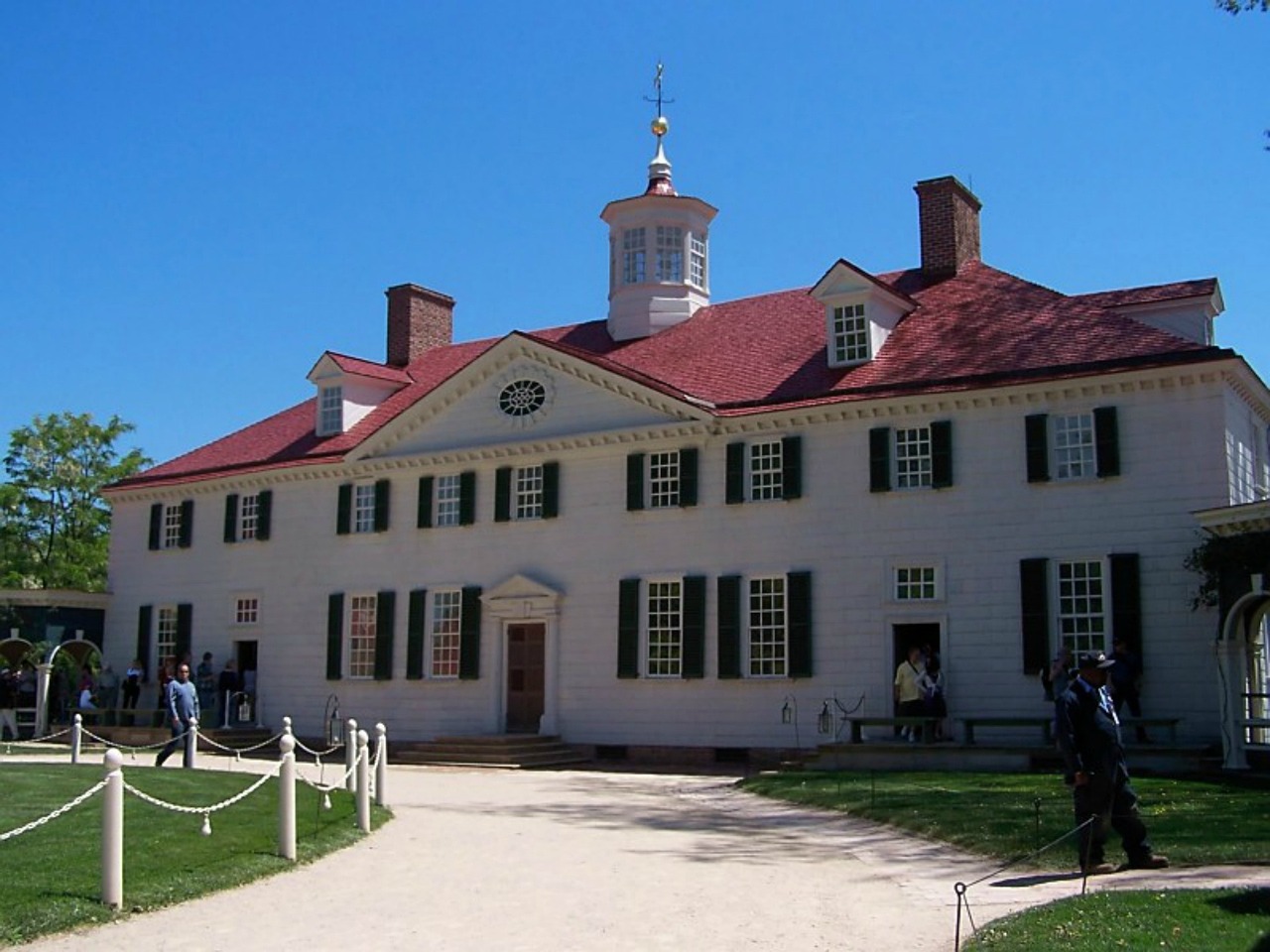
While technically outside city limits, George Washington’s Mount Vernon is an essential part of any extended Alexandria trip.
- Morning: Take the bus, tour, or drive to Mount Vernon (about 20–30 minutes). Tour the mansion, gardens, and outbuildings.
- Afternoon: Visit the museum and education center, which does an excellent job showing Washington as a complex human, including his role as an enslaver.
- Evening: Return to Alexandria. Grab casual dinner in Old Town; by now you’ll have a favorite spot.
Day 4: Neighborhoods, Shopping & Chill Time
- Morning: Slow start with breakfast in Old Town. Do any souvenir shopping – this is when I hit my favorite bookstores and boutiques.
- Afternoon: Explore more of Del Ray or check out modern Carlyle/Eisenhower district. If the weather’s hot and you have kids, consider Cameron Run Regional Park instead.
- Evening: Cap off your stay with a nice dinner and perhaps live music at one of Alexandria’s bars or small venues.
5 Day Itinerary for Alexandria: Live Like a Local
A 5 day itinerary for Alexandria lets you slow down. Instead of rushing, you can linger in cafés, revisit favorite spots, and fit in more cultural experiences in Alexandria.
Days 1–3:
Follow the 3-day itinerary (Old Town, Washington views, nature & neighborhoods).
Day 4: Mount Vernon + Bike or Boat
- Option A (Active): Rent a bike and ride the Mount Vernon Trail from Alexandria to Mount Vernon (about 18 km / 11 miles each way). It’s beautiful but plan for a full day and bring water.
- Option B (Relaxed): Take a boat cruise from Alexandria to Mount Vernon, giving you a river perspective on the region.
Day 5: Choose-Your-Own Alexandria
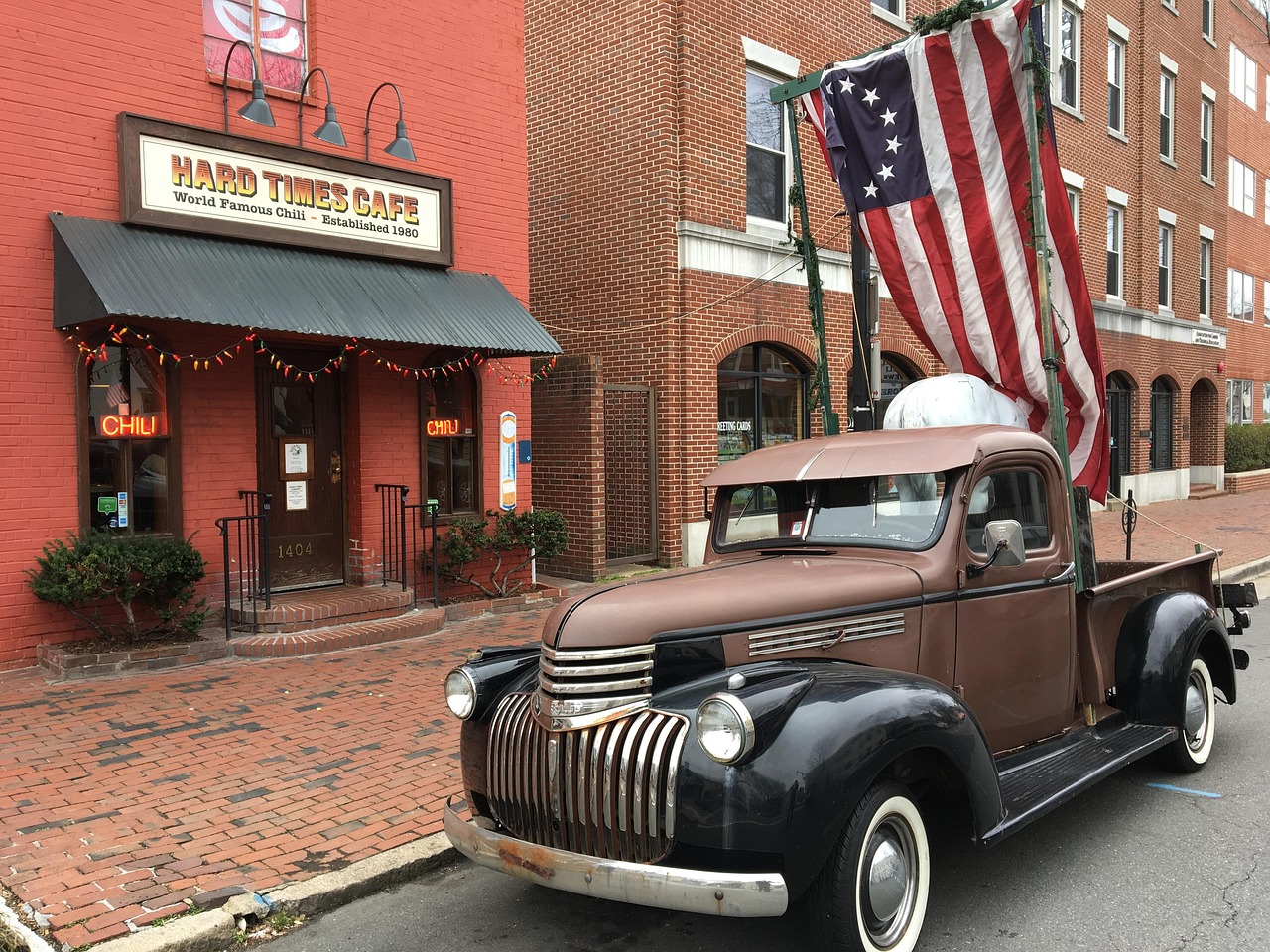
On my own 5-day stays in Alexandria, I like to keep the last day open. Options include:
- Revisiting your favorite museum or café.
- Exploring more hidden gems in Alexandria – small alleys, side streets, and lesser-known parks.
- Booking a food tour or history walking tour for a deeper dive.
- Taking another water taxi ride just because it’s that pretty.
Neighborhoods & Districts in Alexandria
Old Town
Vibe: Historic, polished, tourist-friendly yet genuinely lived-in. Best for first-timers, couples, and anyone who wants that postcard-perfect experience.
Highlights: King Street, waterfront, Torpedo Factory, Carlyle House, Gadsby’s Tavern, boutique shopping, and some of the city’s best restaurants.
Del Ray
Vibe: Artsy, laid-back, community-focused. Murals, yoga studios, dog walkers, and front porches.
Best for: Brunch, local events, relaxed evenings, and seeing how Alexandrians live outside the tourist center.
Carlyle & Eisenhower Valley
Vibe: Modern, business-oriented, with expanding residential and dining options. Convenient for those arriving by Amtrak or staying in chain hotels.
Best for: Easy transit access, newer hotels, and quiet evenings after busy sightseeing days.
West End
Vibe: Residential, diverse, less touristy. This is where many locals actually live, with strip malls, parks, and a growing dining scene.
Best for: Longer stays, budget-minded travelers, and those with cars exploring the wider region.
Best Local Food & Drink in Alexandria
One of the reasons I keep coming back to Alexandria is the food. From hole-in-the-wall bakeries to polished waterfront dining, the city punches above its weight.
What to Eat: Local & Regional Flavors
- Chesapeake seafood: Crab cakes, oysters, rockfish. Look for menus featuring local catches.
- Southern-inspired dishes: Shrimp and grits, fried chicken, biscuits, pimento cheese.
- International flavors: Ethiopian, Thai, Middle Eastern, and more – reflecting the region’s diversity.
- Craft beer & cocktails: Port City Brewing plus creative cocktail bars in Old Town.
Types of Places I Recommend
- Breakfast & coffee: Independent cafés in Old Town and Del Ray are great for pastries, bagels, and strong coffee. Many offer outdoor seating.
- Casual lunches: Sandwich shops, salad spots, and casual seafood joints near the waterfront help keep costs down.
- Splurge dinners: Waterfront restaurants and historic taverns for special occasions.
Money-Saving Food Tips
- Lunch deals: Many nicer restaurants have cheaper lunch menus; eat your main meal midday and go casual at night.
- Happy hour: Old Town has excellent weekday happy hours on drinks and small plates.
- Grocery runs: For longer stays, pick up snacks and simple breakfasts at local supermarkets to cut costs.
Nightlife, Entertainment & Cultural Experiences
Alexandria isn’t a wild party city, but it has a solid lineup of evening options – more “good conversation over drinks” than all-night clubs.
Nightlife
- Bars & pubs: King Street is lined with cozy bars, Irish pubs, and wine spots. Many have live music on weekends.
- Breweries: Port City Brewing is the star; a few smaller taprooms and beer-focused bars round out the scene.
- Rooftop & river views: Some hotels and waterfront restaurants have upper-level bars – perfect for sunset cocktails.
Cultural Experiences in Alexandria
- Theatres & performance: Local theatres and community arts groups host plays, concerts, and dance performances.
- Gallery walks: Check the Torpedo Factory and Del Ray for art events, especially on weekend nights.
- Seasonal events: Holiday parades, boat parades, and outdoor concerts add energy to the calendar.
Alexandria in 2026–2027: Events, Festivals & What’s New
As of 2026, Alexandria continues to grow its waterfront, bike infrastructure, and event lineup. While specific dates shift annually, you can expect:
- Spring 2026–2027: Cherry blossom season boat cruises, waterfront festivals, and outdoor dining expansions.
- Summer: Concerts at Waterfront Park, family events at Cameron Run, and extended hours for boat tours.
- Fall: Del Ray’s popular street festivals, historic home tours, and Halloween-themed Old Town events.
- Winter: Holiday boat parade of lights, Old Town tree lighting, and seasonal markets.
Before your trip, check the city’s official tourism website for updated 2026–2027 festival dates and any new attractions or waterfront installations.
Best Day Trips from Alexandria
1. Washington, D.C.
Obvious but essential. From Alexandria, you can be at the National Mall in under 30 minutes by Metro or water taxi.
Pairing Alexandria with D.C. is ideal: stay in charming Old Town, then dip into the Smithsonian museums and monuments by day.
2. George Washington’s Mount Vernon
Already covered above, but worth reiterating: Mount Vernon is a top day trip and easily combined with Alexandria.
3. National Harbor & MGM
Across the river in Maryland, National Harbor offers shopping, a giant Ferris wheel, and a casino complex. It’s a fun evening outing via water taxi or car.
4. Arlington & Northern Virginia
Arlington National Cemetery, the Pentagon Memorial, and nearby neighborhoods are all within easy reach of Alexandria by Metro or car.
Cultural Etiquette & Local Customs in Alexandria
Alexandria is relaxed and welcoming, but a few local norms will help you fit in smoothly.
General Behavior
- Politeness: “Please,” “thank you,” and holding doors are standard. People often greet service staff and drivers with a quick “Hi, how are you?”
- Tipping: In restaurants, 18–20% of the pre-tax bill is customary. Tip bartenders (USD 1–2 per drink), taxi drivers (10–15%), and hotel housekeepers (a few dollars per day).
- Noise: Residential streets, especially in Old Town, are quiet at night. Keep voices low after about 10 pm.
Historical & Sacred Sites
- Churches: Dress modestly (no beachwear), keep voices low, and avoid photographing people without permission.
- Memorials & cemeteries: Treat them as solemn spaces. No loud music, climbing on monuments, or disruptive behavior.
Photography
- Private homes: The Spite House and charming rowhouses are real residences. Photos from the street are fine, but don’t walk onto steps, peek into windows, or block doors.
- People: Ask permission before photographing individuals, especially children and street performers.
Practical Travel Advice for Alexandria
Getting Around
- On foot: Old Town is compact; you can walk from King Street Metro to the waterfront in 15–20 minutes.
- Free King Street Trolley: Runs from the Metro down King Street to the waterfront. Use it to save your legs.
- Metro & buses: The Blue and Yellow lines connect Alexandria to D.C. and the broader region. Local buses fill in gaps, especially in the West End.
- Rideshare: Uber and Lyft are widely available and usually cheaper than taxis.
- Car rental: Not necessary if you’re staying in Old Town and focusing on Alexandria + D.C. A car helps for Huntley Meadows, some West End spots, or broader Virginia day trips.
Saving Money
- Use public transit: Metro + trolley + walking beats rental car costs and parking fees.
- Free attractions: Waterfront, Torpedo Factory, most parks, some museums on certain days.
- Happy hours & lunch specials: Strategically plan your meals to hit the best deals.
- Passes: Check if any regional transit or museum passes match your plans; these change over time.
SIM Cards & Connectivity
- eSIMs: For international visitors, eSIM plans from major providers or travel-focused companies work well across the D.C. region.
- Physical SIMs: Available at major airports, big-box stores, and carrier shops in nearby malls.
- Wi-Fi: Hotels, many cafés, and some public spaces offer free Wi-Fi.
Visa Requirements & Entry
Important: Requirements vary by nationality and can change. Always check official U.S. government sources before travel.
- Visa Waiver Program (ESTA): Citizens of certain countries can enter the U.S. for up to 90 days after applying online.
- Tourist visas: Others will need a B-1/B-2 visa obtained from a U.S. consulate or embassy.
Driving & Licenses
- Foreign licenses: Many short-term visitors can drive with a valid foreign driver’s license; some rental agencies prefer or require an International Driving Permit (IDP). Check your rental company’s rules.
- Traffic: Northern Virginia traffic can be intense at rush hour. If you’re not used to U.S.-style driving, consider sticking to transit and rideshare.
When to Visit Alexandria & Seasonal Tips
Alexandria is a year-round destination, but each season has its own character and best activities.
Spring (March–May)
Best for: Mild weather, cherry blossoms, walking-heavy itineraries.
Pair Alexandria with D.C.’s famous cherry blossoms. Waterfront strolls and outdoor dining are especially pleasant.
Summer (June–August)
Best for: Water activities, festivals, family trips.
It’s hot and humid, but long daylight hours give you plenty of time. Plan midday museum breaks and hit parks or the water early and late.
Fall (September–November)
Best all-around season: Comfortable temperatures, fall colors along the Potomac, and lots of events.
This is my favorite time for 3–5 day itineraries in Alexandria: you can walk all day without overheating, and the city feels especially cozy.
Winter (December–February)
Best for: Holiday charm, lower hotel prices, and quieter streets.
Old Town’s holiday decorations are gorgeous, and the boat parade of lights is a seasonal highlight. It can be cold, so pack layers and warm coats.
Summary & Final Recommendations
Alexandria, Virginia is one of those rare places that can fill a 3 day itinerary with iconic sights, a 4 day itinerary with deeper dives and a day trip, and a 5 day itinerary with enough local life that you start imagining what it would be like to live here.
Use Old Town as your base, wander the waterfront, get lost in side streets, talk to artists in the Torpedo Factory, and make time for the city’s layered histories – including its Black history and lesser-told stories. Eat well, ride the water taxi at least once, and don’t be afraid to slow down; Alexandria rewards lingering.
For most visitors, spring and fall are the sweet spots – comfortable weather, full event calendars, and ideal conditions for walking and river views. But no matter when you come, there’s always another cobblestone, café, or sunset that will make you want to return.