Why Visit Bellagio in 2026?
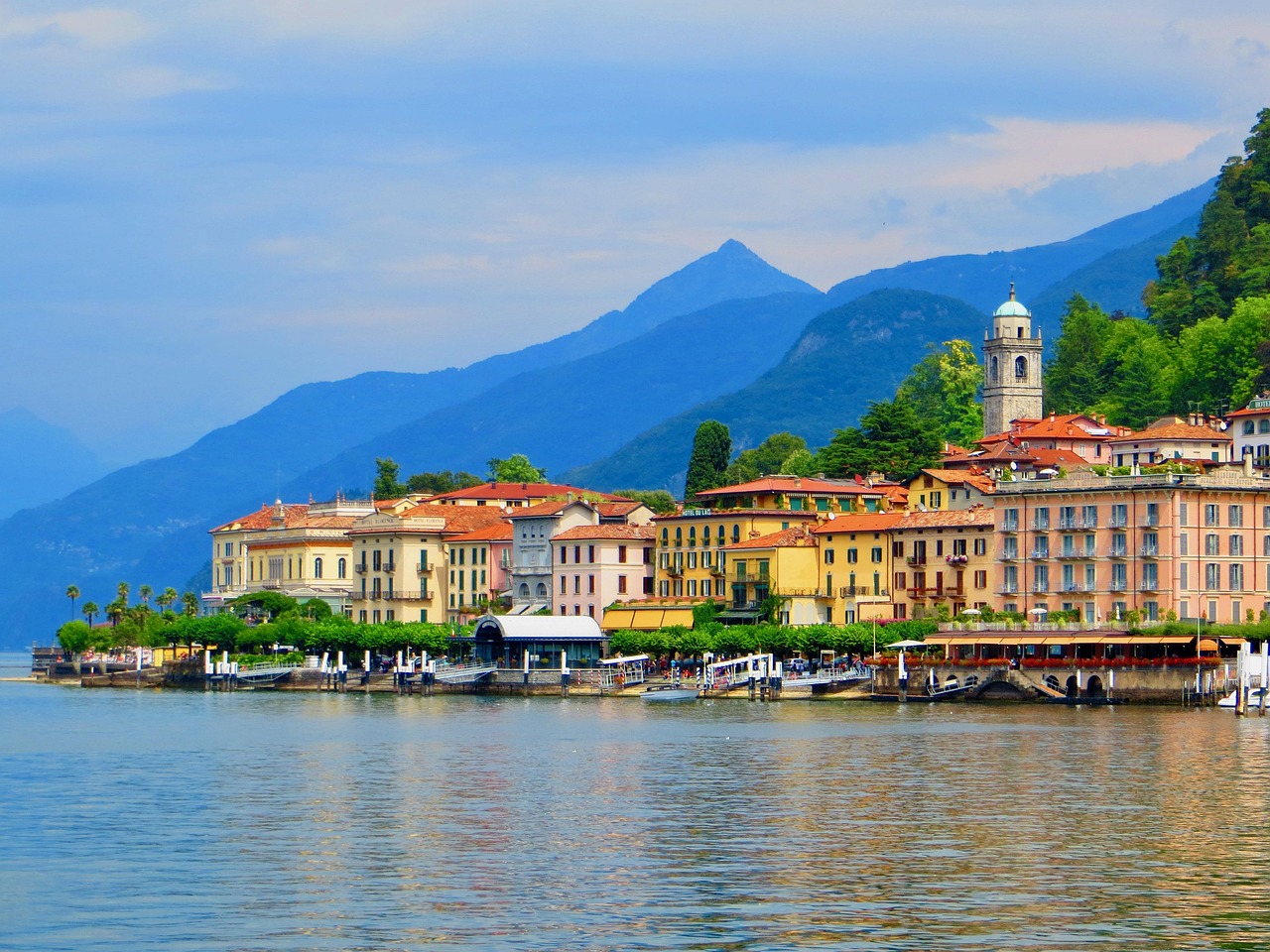
Bellagio is often called the “Pearl of Lake Como,” and for once, the nickname isn’t marketing fluff. It sits at the exact fork where the lake splits into two branches, which means you get sweeping water views in multiple directions. Add in cypress-lined gardens, grand villas, and lanes that smell like jasmine and espresso, and you start to understand why Bellagio has seduced everyone from writers to film stars.
In 2026, Bellagio is more appealing than ever:
- Improved lake transport: Extra summer ferry routes and later evening services make it easier to explore nearby towns like Varenna and Menaggio for spontaneous dinners and day trips.
- Growing culinary scene: A handful of new wine bars and refined trattorie have joined the old family-run stalwarts, offering better vegetarian and gluten-free options without losing that old-Lombardy soul.
- Events & festivals: More open-air concerts and cultural events are planned for 2026–2027, many set in villa gardens and lakeside piazzas.
- Year-round appeal: Bellagio is no longer just a July–August destination. Shoulder seasons (April–June and September–October) now offer more open restaurants, fewer crowds, and lower prices.
Whether you’re planning a 3 day itinerary for Bellagio, stretching it into 4 days in Bellagio or indulging in a relaxed 5 day itinerary for Bellagio, this guide will help you decide what to do, where to eat, how to get around, and how to slip into the slow, elegant rhythm of lake life.
Table of Contents
- Why Visit Bellagio
- Bellagio’s Neighborhoods & Areas
- Top 20 Attractions & Hidden Gems in Bellagio
- 3–5 Day Itineraries for Bellagio (Personal Stories & Plans)
- Local Food & Drink in Bellagio
- Cultural Etiquette & Local Customs in Bellagio
- Nightlife, Entertainment & Cultural Experiences
- Day Trips & Nearby Places from Bellagio
- Practical Travel Tips for Bellagio (Money, SIM, Transport, Visas)
- Best Time to Visit Bellagio
- Summary & Final Recommendations
Understanding Bellagio: Neighborhoods & Areas
Bellagio is small enough to walk across in 20–30 minutes, but each area has its own personality. When I say, “Stay in the historic center,” it’s a very different experience than staying up in Pescallo or down near San Giovanni. Here’s how I mentally map it out.
1. Centro Storico (Historic Center)
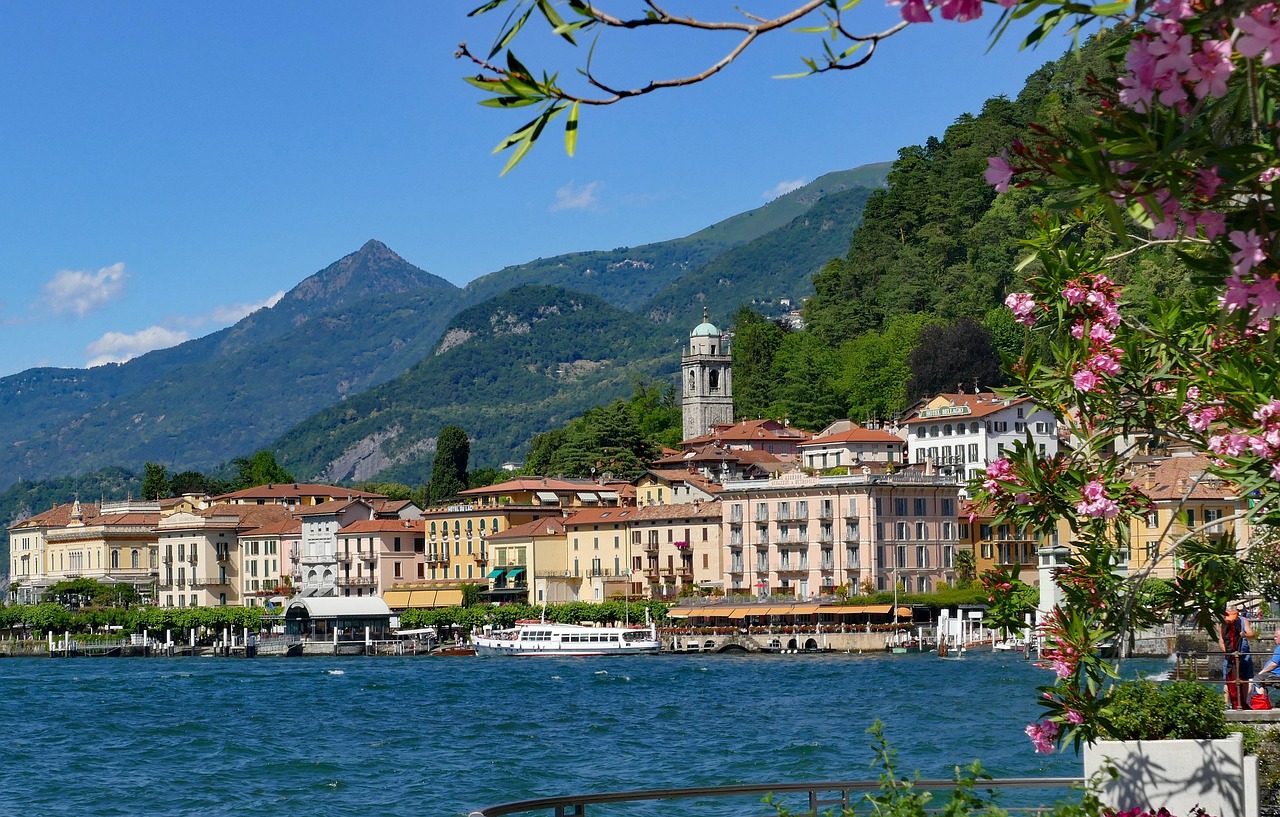
This is the Bellagio you see on postcards: steep cobbled stairways, boutique-lined lanes, and waterfront promenades. The famous Salita Serbelloni staircase cuts through the middle, with cafes and shops on either side. It’s lively from breakfast to late aperitivo, especially in summer.
I often stay here when I’m working on travel writing—there’s something about opening my shutters in the morning and hearing the clink of cups from the café below that puts me in the right frame of mind. If it’s your first time and you only have 3 days in Bellagio, this is where I’d recommend staying.
2. Lungolago Europa & Ferry Area
The lakeside promenade along Lungolago Europa is flat (a rarity in Bellagio!) and lined with flower beds, benches, and grand hotels. This is where the main ferry terminal is, with boats to Varenna, Menaggio, and beyond. Families and older travelers often prefer this area because it’s easier on the knees and strollers.
3. Pescallo
On the “back side” of Bellagio, a short but steep walk away, is the tiny fishing hamlet of Pescallo. It faces east, so if you’re a sunrise person, this is heaven. I love walking here early before the town wakes up—fishing boats, reflections on the water, and hardly a sound except the soft slap of waves on stone.
4. San Giovanni & Loppia
To the south of the center, reachable along a lakeside path, San Giovanni is more residential and quiet, with a small harbor and a very local feel. Loppia, closer to Villa Melzi, has lovely old boathouses and a calm, nostalgic charm. This area offers a gentler, more “everyday life” Bellagio, and I often come here to escape the midday crowds in high season.
5. Villa District & Upper Hills
Above the town, small roads wind through villas, olive groves, and gardens. Some of the best viewpoints are up here, and it’s where you’ll find several luxury hotels and private estates. If you want views and don’t mind some uphill walking, it’s unforgettable.
Top 20 Attractions & Hidden Gems in Bellagio (With Personal Notes)
These are the must-see attractions in Bellagio and a few lesser-known spots I’ve come to love. I’ve grouped them roughly from most iconic to more hidden, but you can mix and match them into your own 3 day itinerary for Bellagio or stretch them out over 4 or 5 days.
1. Villa Melzi d’Eril Gardens
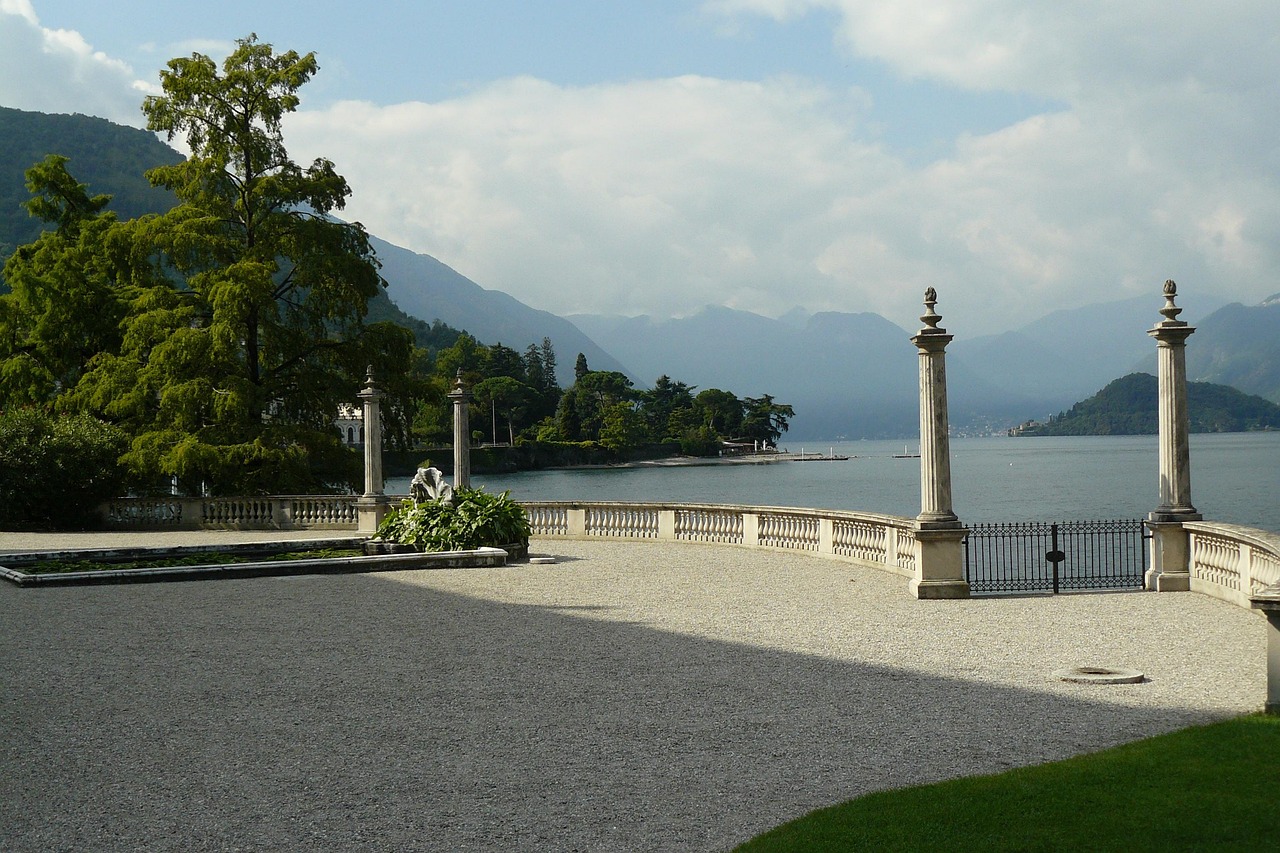
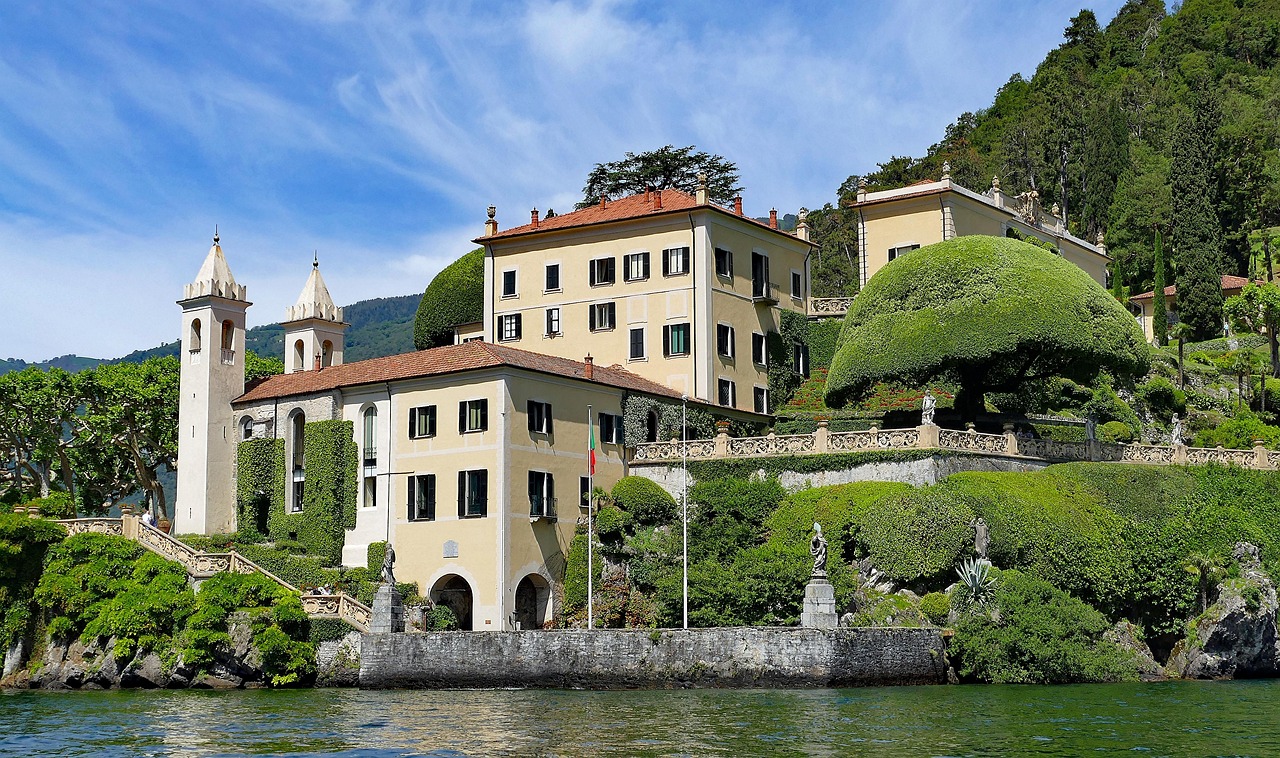
If I had to pick a single place that captures Bellagio’s elegance, it would be the Gardens of Villa Melzi. Technically, the villa itself is private, but the landscaped grounds are open to the public in season, and they feel like a carefully choreographed dream of Lake Como living.
The first time I visited (a drizzly April afternoon), I remember being almost alone on the gravel paths, walking under towering plane trees while the lake shimmered in that silvery post-rain light. Azaleas and rhododendrons were exploding in color; it felt like walking through a watercolor painting.
History & significance: Built in the early 19th century for Francesco Melzi d’Eril, a statesman and vice president of the Napoleonic Italian Republic, the villa was designed in neoclassical style. The gardens, with their English-style landscaping, exotic trees, and statues, quickly became a symbol of refined lake life, inspiring writers and artists (and today, Instagram).
What to do & tips:
- Enter from the lakeside promenade near Loppia and walk the main path that hugs the water—a highlight for photos.
- Seek out the Japanese pond and the tiny Moorish pavilion; they’re easy to miss if you rush.
- Come in late April or May for peak blooms, or in October for golden leaves and fewer visitors.
- Bring water and wear good shoes; the paths are mostly easy, but you’ll want to wander a lot.
Family-friendly? Yes. Kids can roam safely on the paths (though watch them near the water). For couples, this is one of the most romantic walks in Bellagio.
2. Punta Spartivento Viewpoint
Punta Spartivento is where Bellagio literally meets the lake’s fork, and you can see both branches stretch out like open arms. I try to come here on every trip, usually early in the morning or around sunset, when the light is soft and the mountains turn layers of blue.
From the center, it’s a short walk—10 minutes past lanes of houses and a small playground—until the view suddenly opens out. There’s a small park with benches, a restaurant nearby, and plenty of space to sit and breathe in the panorama.
Personal tip: I like to bring a takeaway cappuccino or gelato and just sit here watching ferries crisscross the lake. It’s also a great spot to orient yourself: Varenna to the east, Menaggio to the west, and the northern lake stretching away in front of you.
3. Salita Serbelloni & Bellagio Staircases
The Salita Serbelloni is the most photographed staircase in Bellagio—stone steps climbing between shuttered houses, with shops, wine bars, and little trattorie spilling onto the sides. It is, without question, charming. It is also, in July, crowded.
My trick: walk it early in the morning, before 9 a.m., when shopkeepers are setting out displays and the town still feels sleepy. The air smells like coffee and baking brioches, and you can actually hear your own footsteps.
Don’t stop at the first staircase. Explore a few of the parallel streets and lanes—some are quieter, with tiny shops selling hand-painted ceramics, silk, and local artisan goods.
Budget tip: Avoid buying everything on Salita Serbelloni. For better prices on similar items, check smaller shops on side streets or in San Giovanni, where you’re less likely to pay the “postcard tax.”
4. Basilica di San Giacomo
Just above the main square, the Basilica di San Giacomo is one of those places many people walk past, glance at, and then continue toward the gelato. Don’t be that person. Step inside.
Built between the 11th and 12th centuries in Romanesque style, the basilica is cool, dim, and peaceful—the perfect antidote to a hot afternoon. I like to slip in for a few minutes whenever I’m in town, both out of curiosity and a sort of ritual respect for the place.
Look up at the stone arches, the frescoes, and the play of light from the narrow windows. If you’re lucky, you might catch a brief organ rehearsal; the sound filling the old stone nave is goosebump-inducing.
Tip: Shoulders should be covered; carry a light scarf or shawl if visiting in summer. Entry is usually free, but consider leaving a small donation.
5. Parco di Villa Serbelloni (Guided Gardens)
Not to be confused with the luxury hotel of a similar name, the Parco di Villa Serbelloni is a vast park dominating the promontory above Bellagio. You can only visit on a guided tour, which I resisted for years (I hate being herded on vacation) until I finally went—now I recommend it to everyone.
The park is owned by the Rockefeller Foundation and used as a retreat center, so public access is limited. But the views from various points along the tour are some of the best in Bellagio, with sweeping panoramas over both branches of the lake and the Alps beyond.
My experience: I took the morning tour one May, after a night of rain. The paths were a bit muddy, but the air smelled of wet earth and pine, and low clouds clung to the mountain peaks. The guide shared stories about past guests and the villa’s transformation from noble residence to cultural retreat.
- Book ahead in high season at the tourist office; tours can fill up.
- Wear comfortable shoes; the paths are mostly dirt and gravel, with some uphill sections.
- Photography is allowed in most areas—bring a camera or charge your phone.
6. Lungolago Europa Promenade
The lakeside promenade is Bellagio’s living room. Locals stroll in the evening, kids chase pigeons, and visitors sit on benches licking gelato. Plan to walk it multiple times during your stay—it looks different in every light.
In spring, wisteria drapes over some of the pergolas; in summer, flowers overflow from the beds; in winter, it’s quiet and a little melancholic, but in a good, introspective way.
Romantic tip: Time your walk for sunset. Start near the ferry terminal, grab a gelato or an aperitivo to go, and walk toward Villa Melzi as the sky turns pink behind the mountains.
7. Pescallo Bay
Pescallo is my sanctuary in Bellagio. It’s just far enough from the main center that many day-trippers never make it, and that’s part of its charm. You reach it by following a narrow path and then descending a set of stairs that lead to a tiny harbor filled with rowing boats and small yachts.
One late September morning, I arrived just as the sun was cresting the mountains. The surface of the water was perfectly still, with only the faint ripple from a man rowing his boat out. No cars, no scooters, no chatter—just birds and oars dipping into water.
You can rent kayaks or stand-up paddleboards from here in season. For adventurous travelers, paddling out on the lake at sunrise or sunset is a quiet thrill—you feel very small, in a good way.
8. San Giovanni Harbor & Church
San Giovanni is where Bellagio softens into a village. There’s a small harbor, a simple church, and a few boats bobbing lazily on the water. It’s not a “big attraction” in the classic sense, but it’s where I go when the main town feels too busy and I want to remember that people actually live here.
Walk here from the center along the lakeside (about 20–25 minutes), passing Loppia and old boathouses on the way. Stop at the tiny church, peek inside if it’s open, and sit on the low wall by the water.
Photography note: Late afternoon light here is beautiful, especially in autumn when the colors are warmer.
9. Lido di Bellagio
For sunbathers and night owls, Lido di Bellagio is a lakeside beach club with loungers, umbrellas, and a bar that morphs into a party spot on summer nights. It sits just outside the main center, between the ferry area and Villa Melzi.
I’m not a big club person, but I do like coming here on hot afternoons to swim and lounge with a book. The lake is refreshing (read: cold), but after a few minutes, it’s glorious.
Family note: During the day, it’s very family-friendly, though there’s a fee for sunbeds and access. At night, especially weekend evenings in high season, it’s more of a young crowd with DJs and dancing.
10. Bellagio Hiking Trails (Monte Nuvolone & More)
Bellagio isn’t just about promenades and villas; it’s an excellent base for light to moderate hiking with rewarding views. My favorite is the hike toward Monte Nuvolone, which offers sweeping vistas of Lake Como.
The first time I tackled part of this trail, I underestimated the sun and overestimated my fitness—classic mistake. Since then, I’ve learned:
- Start early in summer to avoid the midday heat.
- Wear proper shoes; even easy trails can be rocky.
- Carry water and a small snack; there aren’t many shops along the way.
Stop at viewpoints to soak in the scenery; on clear days, the contrast between deep blue lake and lush green hills is almost surreal.
11. Local Olive Groves & Olive Oil Tasting
Lake Como might not be as famous as Tuscany for olive oil, but Bellagio and its surroundings have beautiful olive groves. A couple of small producers offer tastings where you can learn how the oil is made and taste different varieties with bread and local cheeses.
I did a tasting one late afternoon in October, when harvesting was just starting. There’s something grounding about meeting the people who work the land and realizing that this glamorous lake is also an agricultural region with centuries of tradition.
12. Bellagio Cooking Classes
If you love Italian food (and who doesn’t), a cooking class in or near Bellagio is one of the most rewarding cultural experiences you can have. Expect to make fresh pasta, risotto, or traditional lake fish dishes, often in a home kitchen or farmhouse setting.
I joined a small group class where we made tagliatelle from scratch, kneading dough with lake views just outside the window. Afterward, we ate together with local wine and shared travel stories. It felt less like a “tour” and more like being welcomed into a friend’s home.
13. Enoteche & Wine Bars
Bellagio has a handful of small enoteche (wine bars) where you can taste wines from Lombardy and across Italy. I often end my evenings perched at a small table with a glass of Valtellina red and a board of local cheeses.
Tip: Ask for recommendations by region, not just “something good.” You might discover lesser-known Lombard wines you’ll fall in love with.
14. Artisanal Gelato Shops
Gelato is practically mandatory on Lake Como. Bellagio has several gelaterie; I usually test a new flavor every day. My personal weaknesses: pistacchio, nocciola (hazelnut), and anything with dark chocolate.
Budget & quality tip: Look for gelato that’s not piled into towering, artificially colored mountains. The best spots store it in covered metal tubs or modestly mounded containers.
15. Bellagio Boutiques & Silk Shops
Como is famous for silk, and Bellagio has several boutiques selling silk scarves, ties, and clothing. There are also shops with local ceramics, leather goods, and handcrafted jewelry.
I’m not a big shopper, but I do like picking up a silk scarf now and then—light, packable, and a nice reminder of the trip. For more authentic pieces, look for shops that emphasize “Made in Italy” and can tell you where their products come from.
16. Church of San Giovanni
Smaller and less visited than the basilica in the center, the Church of San Giovanni is a quiet, simple place that feels very much like a local parish. If you’re walking through San Giovanni, step in for a moment of silence and a glimpse of everyday spiritual life.
17. Private & Public Boat Tours
Seeing Bellagio and Lake Como from the water is essential. Even if you stick with public ferries, the perspective from the lake changes everything: villas hidden behind trees reveal themselves, and you see how towns cling to impossibly steep slopes.
I’ve done both public ferries (great for budget travelers and families) and private boat tours (wonderful for a special occasion or romantic trip). On one late afternoon private tour, the captain steered us past hidden villas, shared gossip about who owns what, and timed our ride so that we watched the sunset from the middle of the lake—it felt truly cinematic.
18. Sunset Spots Above Bellagio
Beyond Punta Spartivento, there are several high viewpoints where the sunset feels almost unreal. Ask locals for their favorite overlooks; some are near small chapels or along quiet lanes in the upper villa district.
I like to wander uphill without a strict plan around 6–7 p.m. in summer, camera in my bag, and stop wherever the view surprises me. More than once, I’ve found myself completely alone, watching the sky melt into orange and purple while the town glows below.
19. Local Markets & Food Shops
Bellagio itself doesn’t host massive weekly markets like some larger towns, but nearby villages have them, and in Bellagio you’ll find small food shops selling local cheeses, cured meats, and fresh produce.
For a budget-friendly meal, I often assemble a picnic from these shops—some cheese, bread, fruit, and maybe a small jar of olives—and eat it on a bench overlooking the lake.
20. Cultural Events & Festivals (2026–2027)
Bellagio’s cultural calendar is growing. In 2026–2027, expect:
- Summer Music Evenings (June–September 2026): Small classical, jazz, and folk concerts in piazzas and villa gardens.
- Lake Como Festival Events: Occasional concerts in Bellagio as part of larger lake-wide cultural programs.
- Food & Wine Weekends (Autumn 2026 & 2027): Themed dinners, tastings, and local product showcases in and around Bellagio.
Check the Bellagio tourist office or official Lake Como event listings closer to your trip; schedules are often finalized only a few months in advance.
3–5 Day Itineraries for Bellagio (With Personal Stories)
Whether you have 3 days in Bellagio, 4 days in Bellagio, or a leisurely 5 days in Bellagio, here’s how I’d structure your time based on many repeat visits. These aren’t rigid schedules but narrative plans, so you can adapt them to your pace.
3 Day Itinerary for Bellagio: Classic Highlights
This 3 day itinerary for Bellagio works well for first-time visitors and balances villas, viewpoints, and easy lake-hopping.
Day 1 – Getting Oriented: Promenade, Historic Center & Punta Spartivento
I like to start gently. You’ve probably traveled a while to get here, so don’t plan anything too ambitious. Check into your accommodation (ideally in the historic center or near the promenade), drop your bags, and head straight for the waterfront.
- Morning: Walk the Lungolago Europa promenade, grab your first coffee (or gelato), and just absorb the scene. Visit the Basilica di San Giacomo and wander the lanes and staircases.
- Lunch: Choose a simple trattoria in the center; order something light like lake fish, pasta, or a salad and a glass of local wine.
- Afternoon: Explore Salita Serbelloni and side streets, maybe do some light shopping. When your legs start to complain, sit for an aperitivo with a view.
- Sunset: Walk to Punta Spartivento for your first full lake panorama. This is the moment most people fall in love with Bellagio.
Day 2 – Villa Melzi & Varenna Side Trip
On your second day, combine the elegance of Villa Melzi with a short ferry trip to Varenna, one of my favorite towns on Lake Como.
- Morning in Bellagio: Head to Villa Melzi Gardens not long after opening to avoid crowds. Stroll the lakeside paths, linger at the Japanese pond, and take too many photos.
- Late morning ferry: Catch a ferry to Varenna (about 15 minutes). Sit outside if the weather is good.
- Lunch in Varenna: Eat at a lakeside trattoria, then explore Varenna’s narrow lanes and Villa Monastero gardens if you have the energy.
- Afternoon return: Ferry back to Bellagio in time for a rest, a swim at Lido di Bellagio, or a slow drink.
Day 3 – Villa Serbelloni Park & Pescallo
Your final day is about views and hidden corners.
- Morning: Join a guided tour of Parco di Villa Serbelloni for sweeping lake views. Book ahead.
- Lunch: Back in town, pick a café with outdoor seating, or assemble a picnic from food shops.
- Afternoon: Walk to Pescallo for a peaceful lakeside interlude. If you’re feeling active, rent a kayak or SUP.
- Evening: Celebrate your last night with a special dinner and a final stroll along the promenade.
4 Day Itinerary for Bellagio: Slower Pace & Cultural Experiences
If you have 4 days in Bellagio, you can slow down and add some deeper experiences like a cooking class or wine tasting.
Day 1–2 – Same as 3-Day Itinerary
Follow Days 1 and 2 of the 3 day itinerary for Bellagio to cover the essentials at a comfortable pace.
Day 3 – Hiking & Olive Groves
- Morning: Take a gentle hike in the hills above Bellagio or toward Monte Nuvolone. Enjoy the fresh air and lake views.
- Afternoon: Visit an olive grove or local producer for an olive oil tasting. Learn how the oil is made and compare different varieties.
- Evening: Casual dinner in the historic center, followed by a walk to a quiet viewpoint above town.
Day 4 – Cooking Class & Free Time
- Morning–Afternoon: Join a cooking class—many run for several hours and include lunch.
- Late afternoon: Free time to revisit your favorite spots (Villa Melzi, Pescallo, the promenade) or do last-minute shopping.
- Night: Enjoy one more wine bar or lakeside drink, savoring the slower rhythm you’ve found.
5 Day Itinerary for Bellagio: The Full Experience
With 5 days in Bellagio, you can fully embrace lake life and still make a couple of excellent day trips.
Day 1–3 – Classic Highlights
Use the 3 day itinerary for Bellagio as your foundation, but stretch things out if you prefer slower mornings or longer meals.
Day 4 – Menaggio & Tremezzo Day Trip
- Morning: Ferry to Menaggio for a wander along its promenade and coffee in the square.
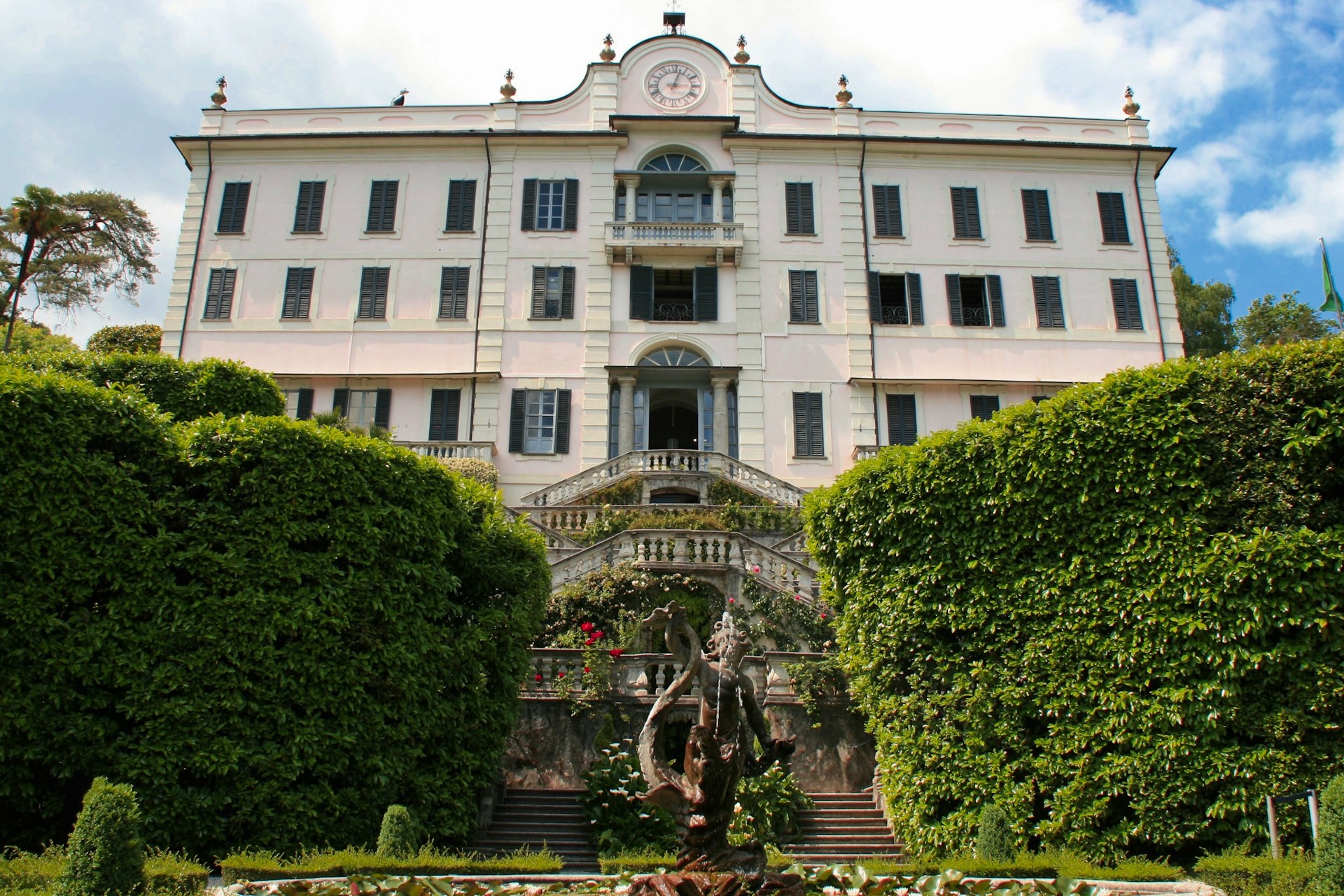
- Late morning–Afternoon: Head to Tremezzo to visit Villa Carlotta and its magnificent gardens, then relax by the water.
- Evening: Ferry back to Bellagio for dinner.
Day 5 – Free Day & Personal Favorites
I always recommend leaving one “unplanned” day in a 5 day itinerary for Bellagio. Use it to:
- Revisit your favorite villa or viewpoint.
- Take a lazy public boat ride just for the views.
- Return to Pescallo for a final quiet moment.
- Book a last-minute massage or spa session at one of the larger hotels.
Some of my best Bellagio memories come from these unscripted days—like the time I intended to hike but ended up spending the entire afternoon talking with a café owner about the changes they’d seen in town over the last 30 years.
Local Food & Drink in Bellagio
Eating well is a core part of any travel guide for Bellagio. The local cuisine blends lake fish, mountain cheeses, polenta, and northern Italian classics. It’s hearty, comforting, and surprisingly diverse when you know where to look.
What to Eat: Lake Como Specialties
- Missoltini: Sun-dried lake shad, grilled and served with polenta—very traditional, quite intense in flavor.
- Lavarello: A delicate lake whitefish often grilled or baked with herbs and lemon.
- Risotto al Pesce Persico: Creamy risotto with perch fillets; rich but unforgettable.
- Polenta: A staple, served with stews, sausages, or cheese.
- Pizzoccheri: Buckwheat pasta from nearby Valtellina with cheese, potatoes, and greens.
- Formaggi locali: Local cheeses, from mild cow’s milk varieties to stronger mountain cheeses.
What to Drink
- Wines from Valtellina: Nebbiolo-based reds that pair beautifully with local dishes.
- Franciacorta: Lombardy’s answer to Champagne—great for celebrations.
- Spritz & Negroni: Classic Italian aperitivi you’ll see everywhere at sunset.
- Local craft beers: A few bars now stock regional craft brews in addition to the usual lagers.
Restaurant & Bar Tips (General)
I avoid naming specific places since the scene can shift year to year, but here’s how I choose where to eat:
- Walk one or two streets back from the waterfront for better prices and often better food.
- Look for menus in Italian first, with English translations second (a good sign of a local clientele).
- Avoid places with overly aggressive “come in!” staff at the door; the best spots usually don’t need to drag you in.
- For budget lunches, opt for panini, focaccia, or pizza al taglio from bakeries and snack bars.
Saving Money on Food
Bellagio can be pricey, but it doesn’t have to break your budget:
- Breakfast: Do it Italian-style at the bar—coffee and a pastry, eaten standing, is cheaper than table service.
- Picnics: Buy supplies from small supermarkets and food shops and eat in a scenic spot (just be respectful and tidy).
- Lunch deals: Look for menù del giorno (daily set menus), often good value.
- Share dishes: Portions can be large; sharing a starter and main between two is acceptable and economical.
Cultural Etiquette & Local Customs in Bellagio
Bellagio is used to visitors, but it’s still a small Italian town with its own rhythms and unwritten rules. Being aware of local customs makes your trip smoother and more respectful.
Everyday Etiquette
- Greetings: A simple “Buongiorno” (morning/day) or “Buonasera” (evening) goes a long way in shops and cafés.
- Churches: Dress modestly (covered shoulders and knees) and speak quietly. No flash photography.
- Noise: Bellagio’s lanes echo sound. Keep late-night noise down in residential areas.
- Queuing: Italians do queue, but lines can be a bit fluid. Hold your ground politely.
Dining Customs
- Restaurants rarely rush you; you usually need to ask for the bill (“Il conto, per favore”).
- It’s fine to linger over coffee or wine after a meal—this is part of the culture.
- Coperto: A cover charge per person (often €2–3) is normal; it’s not a scam.
- Tipping is modest—rounding up or leaving 5–10% for great service is appreciated but not mandatory.
Lakeside & Swim Etiquette
- Use designated swimming areas; the lake is deep and boat traffic can be heavy.
- Don’t sunbathe topless in town or at family beaches; it’s not common here.
- Always pack out your trash from lakeside spots and parks.
Nightlife, Entertainment & Cultural Experiences
Bellagio is more about aperitivo and slow evenings than wild nightlife, but there’s still plenty to enjoy after dark.
Aperitivo Culture
The most important “nightlife” ritual is aperitivo—drinks before dinner, usually between 6–8 p.m., often accompanied by small snacks. Order a Spritz, Negroni, wine, or just a soda, and enjoy the people watching.
Bars & Wine Spots
You’ll find:
- Cozy wine bars (enoteche) in the lanes above the waterfront.
- Lakeside bars on the promenade with live music on some evenings in high season.
- A more energetic crowd at Lido di Bellagio on summer nights.
Cultural Events
In 2026–2027, expect:
- Open-air concerts in piazzas and villa gardens during summer.
- Occasional art exhibitions in local galleries and cultural centers.
- Religious festivals and processions tied to local saints’ days—these offer a glimpse of Bellagio’s non-touristic side.
Day Trips & Nearby Places from Bellagio
One of the best things about staying in Bellagio is how central it is on Lake Como. Even if you only have 4 days in Bellagio or a 5 day itinerary for Bellagio, you can easily add one or two nearby towns.
Varenna
Just 15 minutes by ferry, Varenna is colorful, romantic, and slightly more low-key than Bellagio. Its lakeside walkways and Villa Monastero gardens are worth half a day at least.
Menaggio
Across the lake, Menaggio has a spacious lakeside promenade and a relaxed atmosphere. I like to wander its back streets and sit in the main square with a coffee. It’s a great stop on a multi-town day.
Tremezzo & Villa Carlotta
Villa Carlotta is one of the grandest villas on the lake, with terraced gardens that feel almost theatrical. Combine it with a stroll in Tremezzo or a lakeside lunch.
Como Town
The city of Como, at the southern end of the lake, is a larger, more urban experience with a beautiful cathedral, funicular, and plenty of shopping. It’s best as a full-day trip if you’re based in Bellagio.
Practical Day Trip Tips
- Check ferry schedules the day before; crossings are frequent, but times vary by season.
- Buy return tickets when possible to avoid lines later in the day.
- Wear layers; it can be cooler and breezier on the water.
Practical Travel Tips for Bellagio
How to Get to Bellagio
Most visitors arrive via Milan:
- Train from Milan to Varenna-Esino (about 1–1.5 hours), then ferry to Bellagio (15 minutes).
- Train or car to Como, then bus or boat up the lake to Bellagio.
- Private transfer or rental car, driving up the eastern or western shore.
Getting Around Bellagio & Lake Como
In Bellagio itself, you’ll walk almost everywhere. For longer distances:
- Ferries: The best way to move between towns. There are slow boats and faster hydrofoils.
- Bus: Limited but useful for some nearby villages.
- Car rental: Useful if you’re exploring the wider region, but parking in Bellagio can be challenging and expensive in high season.
Saving Money in Bellagio
- Visit in shoulder season (April–June, September–October) for lower prices.
- Stay in nearby villages (like San Giovanni or in hills above town) and walk in, if you’re on a budget.
- Use public ferries instead of private boats, except for a special splurge.
SIM Cards & Connectivity (2026)
Italy’s mobile coverage is good around Lake Como. For visitors:
- Buy a prepaid SIM from major providers (TIM, Vodafone, WindTre) at Milan airports or city shops before heading to Bellagio.
- EU visitors can usually use their home plans with roaming included (check your provider).
- Most hotels and many cafés offer free Wi-Fi, but speeds vary.
Visa Requirements & Entry
Italy is in the Schengen Area. Most travelers from the EU, UK, US, Canada, Australia, and many other countries can enter visa-free for short stays (typically up to 90 days in a 180-day period). Always check the latest official requirements for your nationality before traveling, as rules may evolve by 2026–2027.
Driving & Foreign Licenses
- Many foreign drivers’ licenses are accepted in Italy for short visits, but an International Driving Permit (IDP) is often recommended or required depending on your home country.
- Roads around the lake can be narrow and winding; drive cautiously.
- Parking in Bellagio is limited; always check if your accommodation provides parking.
Health & Safety
Bellagio is generally very safe. Usual travel common sense applies:
- Keep an eye on bags in crowded ferry areas.
- Use sunscreen and stay hydrated in summer; the sun reflects off the lake.
- Wear good shoes—stone steps can be slippery when wet.
Best Time to Visit Bellagio
Spring (April–June)
My personal favorite. Flowers explode in the villa gardens, temperatures are mild, and while it can still rain, the lake feels vibrant and fresh. Perfect for 3–5 day itineraries with lots of walking and sightseeing.
Summer (July–August)
Peak season: warm to hot, very lively, and the lake is great for swimming. Expect higher prices and more crowds, especially during Italian holidays. Book ferries, villas, and tours ahead if you’re fixed on dates.
Autumn (September–October)
Golden light, changing leaves, and fewer crowds. Some seasonal businesses start to close by late October, but early autumn is wonderful for relaxed 4 day itinerary for Bellagio plans with hiking and food-focused days.
Winter (November–March)
Many hotels and restaurants close or reduce hours, and ferry schedules are limited. Bellagio is quiet, misty, and introspective—a different, more contemplative experience. Come only if you’re comfortable with limited services and prepared for a slower, more local rhythm.
Summary & Final Recommendations
Bellagio is more than a pretty face. Yes, it’s one of the best places to visit in Bellagio— itself an icon of Lake Como—but its real magic lies in the smaller experiences: a quiet sunrise in Pescallo, a late-night stroll through empty lanes, a shared joke with a barista who’s seen tourists come and go for decades.
For first-timers, a 3 day itinerary for Bellagio will cover the essentials: Villa Melzi, Punta Spartivento, a boat trip, and a neighboring town. With 4 days in Bellagio, you can add hiking or a cooking class. And with 5 days in Bellagio, you can truly slow down, linger over meals, and let the town’s rhythms sink in.
Whenever you come—spring for flowers, summer for swimming, autumn for golden light—try to leave some space in your days unscheduled. Bellagio reveals itself slowly, in between the “must-see attractions in Bellagio” and the “things to do in Bellagio” that fill guidebooks. Sit on a bench, watch the ferries, listen to the church bells, and let the lake work its quiet magic on you.