Why Visit Su Nuraxi di Barumini
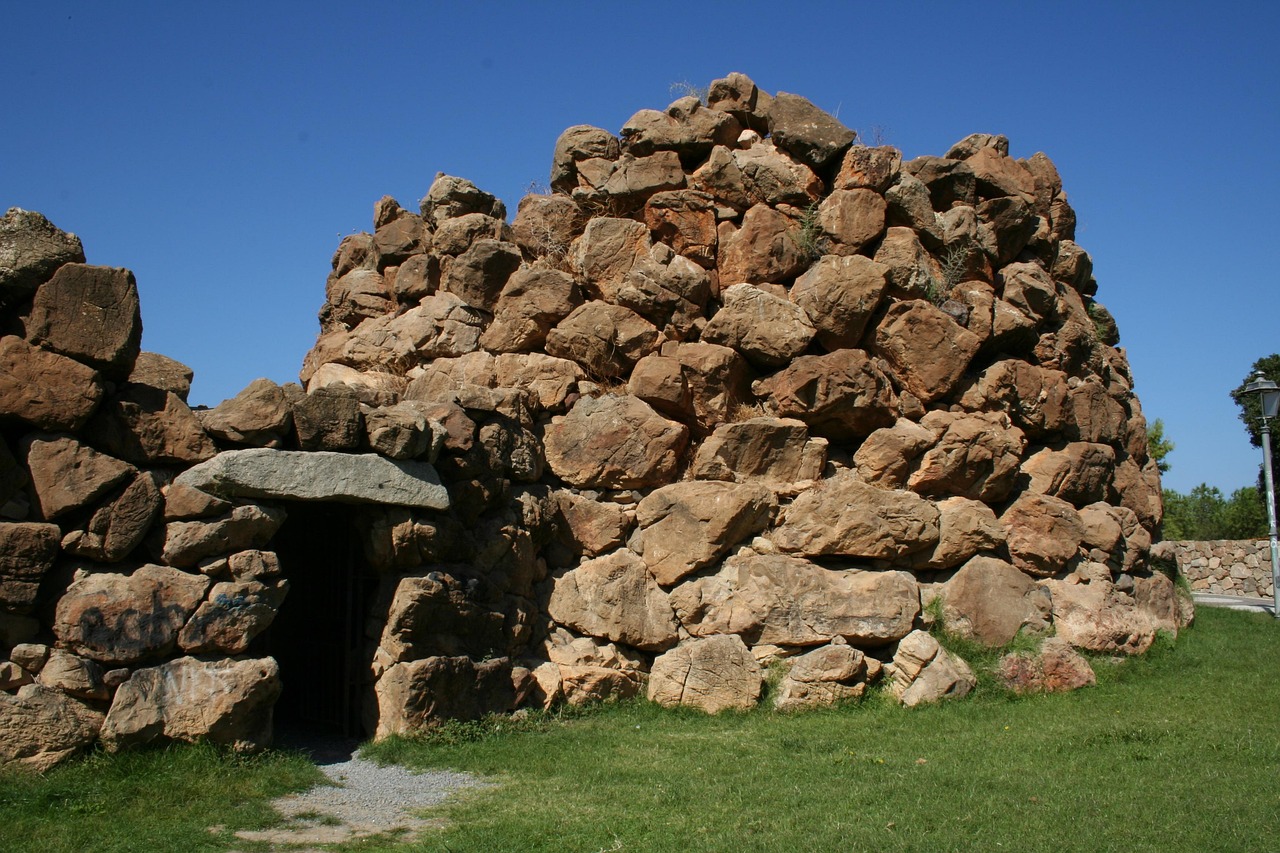
Every time I walk up the gentle hill toward Su Nuraxi di Barumini, the same thing happens: the modern world falls away long before I reach the stones. The fields quiet down, the wind starts to sing through the grass, and those dark, basalt towers rise out of the earth like something halfway between fortress and fossil. This isn’t just another “ruin”; it’s one of the most complete windows into the mysterious Nuragic civilization that shaped Sardinia over 3,000 years ago.
Su Nuraxi is a UNESCO World Heritage Site, but it’s also woven into daily life in the tiny village of Barumini. Grandparents still tell stories of playing hide-and-seek in the ruins before archaeologists fully excavated them in the mid-20th century. Shepherds still graze their flocks around the site at dawn. As a travel writer who has returned here half a dozen times over the last decade—most recently in spring 2026—I’ve watched Su Nuraxi evolve from “specialist” stop to must-see destination, yet it remains deeply, stubbornly local.
If you’re crafting a 2 day itinerary for Su Nuraxi di Barumini or staying longer with a 3 or 4 day itinerary, this guide will help you go beyond the standard bus stop. We’ll walk the stones in slow motion, eat with families who’ve lived here for generations, and explore the quiet satellite sites most visitors never hear about. I’ll share my own routes, missteps, and discoveries so you can shape your own story among these towers.
Su Nuraxi di Barumini is perfect if you’re looking for:
- Ancient architecture unlike anything else in Europe, in a landscape that still feels rural and wild.
- Family-friendly adventures that kids can climb, touch, and puzzle over.
- Romantic sunsets in golden fields, with basalt stones glowing orange and purple.
- Slow travel – long lunches, conversations with locals, and quiet, starry nights.
- Cultural depth – archaeology, traditional festivals, and rural Sardinian food at its most honest.
Table of Contents
- Understanding Su Nuraxi & Barumini: Layout and History
- Suggested 2–4 Day Itineraries
- The 12 Essential Sites & Districts Around Su Nuraxi
- 1. The Central Nuragic Fortress: Su Nuraxi Proper
- 2. The Nuragic Village & Lanes Around the Tower
- 3. Giara di Gesturi Plateau
- 4. Casa Zapata Museum Complex (Barumini’s Noble House Above a Nuraghe)
- 5. Barumini Historic Center & Youth Cultural Center
- 6. Nuraghe “Pollox” and Lesser-Known Towers
- 7. Sanctuary of Santa Maria & Rural Churches
- 8. Pauli Arbarei & The Agricultural Landscape
- 9. Centro Giovanni Lilliu (Visitor & Interpretation Center)
- 10. Night Illumination & Evening Archaeology Tours
- 11. Weekly Markets & Artisan Workshops
- 12. Agriturismi & Life on the Farms
- Traditional Cuisine & Local Food in Su Nuraxi di Barumini
- Evenings in Su Nuraxi di Barumini
- Day Trips & Nearby Attractions
- Events & Festivals 2026–2027
- Cultural Etiquette & Local Customs
- Practical Travel Advice & Logistics
- Summary & Final Recommendations
Understanding Su Nuraxi & Barumini: Layout and Historical Layers
If you only see Su Nuraxi as an isolated stone fortress, you’ll miss the story that binds the whole area together. Think of the site, the village of Barumini, the surrounding farms, and the Giara plateau as one big open-air museum layered over 3,500 years.
Chronologically, here’s how it unfolds as you move through the landscape:
- Nuragic core (c. 16th–9th century BCE): The main tower and its village – this is the heart of Su Nuraxi, built in phases, from the central keep to the four side towers and outer bastions.
- Punic & Roman overlays: You’ll spot reused stones, altered water systems, and slight modifications that hint at Carthaginian and Roman influence.
- Medieval rural Sardinia: The pattern of fields, small churches like Santa Maria, and shepherd paths emerge later, overlaying the ancient footprint.
- Early modern Barumini: The noble Casa Zapata (16th century) is literally built on top of another nuraghe, a visible metaphor for Sardinia’s layered identity.
- Modern interpretation & tourism (20th–21st century): The excavation led by Giovanni Lilliu from the 1950s onward transformed Su Nuraxi into an internationally recognized site, gradually reshaping Barumini’s economy and identity.
Physically, you’ll likely experience the layers in this order:
- Arrive through the modern village of Barumini (cafés, B&Bs, small piazzas).
- Walk or drive a couple of minutes out to the Su Nuraxi archaeological park on its low hill, with fields unfolding all around.
- Later, circle back into the village to explore Casa Zapata, stepping on glass walkways above yet another nuraghe.
- Head further afield to the Giara di Gesturi, where the wild plateau still feels close to what the Nuragic people might have known.
In this guide, I’ll show you how to weave those layers together—so your 2 days in Su Nuraxi di Barumini (or 3–4 days, if you’re lucky) feel like a journey through time, not just a checklist of stones.
Recommended Itineraries: 2–4 Days in Su Nuraxi di Barumini
2 Day Itinerary for Su Nuraxi di Barumini
If you only have 2 days in Su Nuraxi di Barumini, focus on the essentials: Su Nuraxi itself, Casa Zapata, and one immersive rural experience. Below is how I usually guide friends on their first visit.
Day 1 – First Encounter with Su Nuraxi & Barumini Village
I like to start early, especially in warmer months. My most recent visit in May 2026 began with a 9:00 a.m. slot at the ticket office, when the light was gentle and the first tour groups hadn’t yet arrived.
- Morning – Guided Tour of Su Nuraxi
Buy your ticket at the visitor center at the base of the hill. As of 2026, a combined ticket with Casa Zapata costs only slightly more than a single site, and it’s absolutely worth it. I always opt for the guided tour—it’s mandatory to enter certain parts of the tower and the guides are consistently excellent, weaving archaeology with local anecdotes.
You’ll walk up a gravel path, then suddenly the fortress is in front of you: a dense, almost organic pile of dark basalt blocks. The guide will lead you around the perimeter first, pointing out:
- The central tower (mastio) – the oldest and tallest structure, originally over 18 meters high.
- The four corner towers added later, creating a clover-like fortified structure.
- The outer wall and village, where circular stone huts once housed a bustling community.
The moment that still gives me chills is descending into the central well and interior corridors. The temperature drops, the light thins, and you can feel the precise, almost obsessive stonework all around you. On my last tour, a group of schoolchildren fell completely silent when the guide switched off his flashlight for a few seconds—it was as close to time travel as you’ll get.
Tip: Wear good shoes; the basalt steps are uneven and can be slippery if there’s been recent rain. If you have mobility issues, let the staff know—they’re increasingly good at suggesting accessible vantage points, even if you can’t climb into every passage.
- Lunch – Local Trattoria
After the tour, I usually walk or drive back into the village (5 minutes) for lunch at a family-run trattoria. Menus shift slightly, but expect:- Pane carasau – crisp, paper-thin bread, often warmed with a drizzle of olive oil.
- Fregula with local lamb or vegetables.
- Porceddu (suckling pig) in autumn and winter.
- Afternoon – Casa Zapata
In the afternoon, head to Casa Zapata, a noble residence perched right in the center of Barumini. The surprise? Archaeologists discovered an entire nuraghe beneath its foundations. Rather than covering it back up, they created glass walkways so you can stroll above the ancient stones.
The museum unfolds in layers:
- The archaeological section – your first “aerial” view of a nuraghe, with clear explanations in Italian and English.
- The ethnographic exhibits – traditional clothing, tools, and everyday objects that bring recent centuries to life.
- The historic house interiors – creaky floors, high ceilings, and old photographs of Barumini’s not-so-distant past.
On a winter visit in 2024, I lingered here during a heavy rainstorm; the sound of the weather on the old roof and the sight of those ancient stones below made for a uniquely atmospheric afternoon.
- Evening – Stroll & Simple Dinner
As the day cools, wander Barumini’s small lanes. There’s a gentle, unhurried rhythm here—children on bicycles, older men playing cards outside the bar, laundry fluttering over stone walls. For dinner, seek out a small pizzeria-trattoria with a wood-fired oven and ask for something with local pecorino cheese and sausage. Pair it with a glass of Cannonau or Monica wine.
Day 2 – Giara Plateau & Rural Sardinia
For your second day, leave stones behind for a while and head up to the Giara di Gesturi, the volcanic plateau that dominates the horizon north of Barumini. This is where you’ll feel the land as the Nuragic people might have known it: wild, windswept, and scattered with wild horses.
- Morning – Walk on the Giara
Drive to Gesturi (about 15–20 minutes) and follow signs up to the Giara. Trails are generally easy, though rocky, and you can choose shorter loops (1–2 hours) or longer half-day hikes. I usually aim for the paulis—seasonal ponds—that mirror the sky and attract horses, cows, and birds.
Family tip: Kids love spotting the little wild horses. Keep a respectful distance, move quietly, and don’t attempt to feed or pet them.
- Lunch – Picnic or Agriturismo
On my last spring visit, I packed a picnic bought from Barumini’s small grocery: pane, cheese, cured meats, and fresh fruit. Another option is timing your descent to enjoy a long lunch at a nearby agriturismo (farm stay restaurant), where fixed-price menus bring course after course of seasonal dishes.
- Afternoon – Back to Su Nuraxi or Village Life
In the afternoon, you can:- Return to Su Nuraxi just to walk around its exterior in the changing light—without a tour, just you and the stones.
- Or stay in the village, visiting the Centro Giovanni Lilliu (interpretation center) if open, or simply sitting in a café and watching rural life unfold.
- Evening – Night View of Su Nuraxi
On certain evenings (especially in high season), the site is lit up after dark. Even if you can’t enter, pulling over at a safe viewpoint to gaze at the illuminated towers is a quietly unforgettable way to say goodbye.
3 Day Itinerary for Su Nuraxi di Barumini
With 3 days in Su Nuraxi di Barumini, you can slow your pace and add more cultural depth. Here’s how I usually structure it.
Day 1 – Su Nuraxi Immersion
Spend the first day exactly as described above for Day 1 of the 2-day itinerary: a guided visit to Su Nuraxi, lunch in Barumini, and Casa Zapata. Use the evening for relaxed wandering and perhaps a glass of wine on a B&B terrace.
Day 2 – Giara, Agriturismo, and Village Time
Follow the Day 2 plan from the 2-day itinerary, but take it slower: linger on the Giara, choose an agriturismo that allows you to walk through vineyards or olive groves, and spend the late afternoon talking with your hosts about rural life. I’ve had some of my best conversations here about how the site has changed the village.
Day 3 – Hidden Nuraghi, Churches & Museums
Your third day is for lesser-known nuraghi, small churches, and gentle drives through the Marmilla region.
- Morning – Secondary Nuraghi
Ask at the visitor center or your B&B about smaller nuraghi in the area, such as Nuraghe “Pollox” or other sites scattered in the fields. They’re often unsigned or modestly marked, but they offer a more intimate, solitary experience. I remember one foggy morning in 2023, standing alone inside a low tower with lichen-covered stones, listening to nothing but sheep bells. - Lunch – Barumini or Nearby Village
Choose a different restaurant than the first day; you’ll start to notice how each kitchen has its own approach to the same staples. - Afternoon – Rural Churches & Walking
Visit Santa Maria or another small rural church. The architecture is simple—whitewashed walls, modest bell towers—but the setting is often poetic, surrounded by fields or old trees. Then, take an easy walk along country roads; Sardinia rewards those who slow down. - Evening – Night Illumination or Local Event
If your visit coincides with one of the evening events or concerts occasionally organized at or near Su Nuraxi (more on those below), Day 3 is perfect for it. Otherwise, opt for a long, multi-course dinner.
4 Day Itinerary for Su Nuraxi di Barumini
A 4 day itinerary for Su Nuraxi di Barumini is ideal for travelers who want to truly exhale and absorb the rhythms of rural Sardinia. In addition to everything above, you can add a day trip and deeper local experiences.
Day 1 – Su Nuraxi & Casa Zapata
As outlined earlier: full immersion in the main site and the noble house museum.
Day 2 – Giara & Farm Life
Giara di Gesturi in the morning, agriturismo lunch, and a slow, pastoral afternoon.
Day 3 – Hidden Nuraghi, Churches & Artisan Workshops
Spend the morning at lesser-known nuraghi, then in the afternoon ask locals about artisans—weavers, woodworkers, cheese makers—who sometimes welcome visitors by appointment. These encounters are never guaranteed and often informal, but they’re among the most memorable.
Day 4 – Day Trip & Return to Su Nuraxi
Use your fourth day for a day trip (see the dedicated section below) to nearby sites like Tuili, Laconi, or even a longer loop that includes Sardara or Oristano. Return in the late afternoon or evening, end your stay with one final walk around the base of Su Nuraxi at sunset, and say a quiet goodbye to the towers.
The 12 Essential Quarters, Monuments & Key Sites Around Su Nuraxi
While Su Nuraxi is the star, the surrounding area offers a dozen distinct “chapters” that together create a complete travel story. Below you’ll find detailed sub-articles—drawn from multiple visits—on each.
1. The Central Nuragic Fortress: Su Nuraxi Proper
The first time I saw Su Nuraxi up close, I was struck by its sheer density. From a distance, it’s a silhouette; up close, it’s a mass of basalt blocks stacked with improbable precision. Built between the 16th and 13th centuries BCE and modified for centuries afterward, the fortress is a kind of architectural palimpsest.
The classic visit follows a loop:
- A walk around the outer perimeter, where you can see the defensive walls and entranceways.
- A climb (with the guide’s lead) into the inner courtyards, where light filters down between blocks.
- A descent into the central well, which may have had ritual significance in addition to practical use.
I always recommend doing one circuit with the guide, then—if time allows—lingering on the edges afterward. Sit on a low stone wall, let other groups move ahead, and simply observe the textures: tool marks on basalt, tufts of grass between stones, the way the wind shifts around the towers.
Photography tip: Early morning and late afternoon are best for capturing shadows and depth. Midday light can be harsh, but black-and-white photos work surprisingly well then.
2. The Nuragic Village & Lanes Around the Tower
Many visitors focus on the fortress and rush past the village that sprawls around it—but this is where daily life unfolded. Here you’ll find the remains of circular huts, sometimes grouped around small courtyards, sometimes aligned along narrow “streets.”
On a mild November afternoon in 2025, I wandered these lanes almost alone. A guide had just finished pointing out a hut thought to be used for council or communal gatherings, with benches built into the stone. Standing there, you can picture people leaning in to argue, listen, and decide.
Look for:
- Hearth stones in the center of circular huts.
- Storage niches and low platforms that might have supported wooden furniture.
- The subtle pattern of alleys—how space was organized between dwellings.
Family tip: Children love weaving between the hut foundations. Guide them gently: no climbing tall walls, no removing stones, and no running on steep drops.
3. Giara di Gesturi Plateau
The Giara di Gesturi is a world apart: a basalt plateau rising above the plains, scattered with cork oaks, wildflowers, and the famous cavallini della Giara—small wild horses that have roamed here for centuries.
On my last spring hike, the plateau was carpeted with flowers and the shallow ponds (paulis) were full, reflecting the sky like broken mirrors. A family of horses grazed nearby, unbothered by our presence as long as we kept our distance.
The Giara offers:
- Easy to moderate trails, suitable for most active travelers.
- Panoramic views back toward Barumini and the Marmilla hills.
- A strong sense of continuity; this landscape has changed less than most since Nuragic times.
Practical tips: Wear sturdy shoes, bring water (there are few services on the plateau), and check weather forecasts—fog can roll in quickly. In summer, go early or late to avoid heat.
4. Casa Zapata Museum Complex
Casa Zapata is easily one of the best small museums in Sardinia. The house itself dates from the 16th century and was the residence of the Spanish-origin Zapata family, who governed this area. When archaeologists began work in the courtyard, they discovered that the manor was built directly atop a Nuragic complex.
The solution was beautifully elegant: integrate the past into the present. Today, glass walkways allow you to hover above the nuraghe, with clear interpretive panels in multiple languages. The effect is almost cinematic—you look down into deep, stone-lined corridors while standing in a noble family’s former living space.
Highlights include:
- The archaeological section with its overhead perspective.
- The ethnographic displays showing traditional clothing, tools, and crafts.
- The historic rooms that evoke 19th-century noble life in Barumini.
Tip: Visit after Su Nuraxi. You’ll understand the structures better and appreciate how the house engages with the island’s deeper past.
5. Barumini Historic Center & Youth Cultural Center
Barumini’s historic center is compact but charming: narrow lanes, low stone houses with wooden doors, and occasional glimpses of the surrounding countryside between buildings. It’s not polished to perfection—and that’s exactly why I love it.
In recent years, the village has invested in small-scale cultural projects, including a youth cultural center where local kids engage with their heritage through art, music, and storytelling. Travelers occasionally encounter poster exhibitions, small concerts, or film screenings tied to Nuragic history or rural life.
How to explore:
- Start from the main church and wander outward, following whichever lane looks inviting.
- Pause in small piazzas where locals gather, especially in the late afternoon.
- Check notice boards and café windows for announcements of events, especially in summer.
I’ve stumbled into everything from a student photography exhibit to an impromptu folk music rehearsal simply by being curious and unhurried.
6. Nuraghe “Pollox” and Lesser-Known Towers
Beyond Su Nuraxi and Casa Zapata lies a network of smaller nuraghi, often half-hidden in fields or at the edge of farm roads. One of these, known locally as Nuraghe “Pollox”, has become a sort of quiet favorite among archaeology enthusiasts.
What these minor sites lack in grandeur, they compensate for in solitude and intimacy. On a misty morning, with larks singing overhead and only the sound of your footsteps on gravel, you can feel an almost meditative connection to the stones.
How to visit:
- Ask at the Su Nuraxi visitor center or your accommodation for directions and access information; some sites are on private land and require permission.
- Wear long trousers and closed shoes; paths may pass through tall grass or rough ground.
- Be respectful—these are fragile structures; never climb or dislodge stones.
If you’re building a 3 or 4 day itinerary for Su Nuraxi di Barumini, I highly recommend dedicating half a day to exploring one or two of these quieter nuraghi.
7. Sanctuary of Santa Maria & Rural Churches
Dotting the landscape around Barumini are a handful of small rural churches, simple in architecture but rich in atmosphere. The Sanctuary of Santa Maria, a short drive or bike ride from the village, is a classic example: whitewashed walls, a weathered bell, and a handful of trees casting shade over a quiet yard.
On my last visit, I arrived just as a local woman was arranging flowers at the altar. We exchanged greetings, and she told me in a mixture of Italian and Sardinian about the annual festival held there—candles, processions, and music under the stars.
Why go:
- To experience the spiritual life of the community beyond major churches.
- For soft, photogenic light in the late afternoon.
- As a peaceful stop on a cycling or driving loop through the countryside.
Etiquette: Dress modestly (covered shoulders and knees), speak softly, and avoid taking photos during any services or if people seem uncomfortable.
8. Pauli Arbarei & The Agricultural Landscape
Barumini’s story is inseparable from the surrounding Marmilla countryside: gentle hills, wheat fields, vineyards, and olive groves. Nearby villages like Pauli Arbarei embody this agricultural identity.
Driving between Barumini and Pauli Arbarei, you’ll see:
- Tractors moving slowly along narrow roads.
- Hay bales stacked against stone walls.
- Occasional tiny shrines tucked into corners of fields.
On a late-summer evening in 2022, I pulled over just to watch the light roll over these fields, turning them from green to gold to a dusky, almost violet hue. The silhouette of Su Nuraxi was just visible on the horizon—a reminder that agriculture here has deep roots.
Tip: Pair this area with a visit to a farm shop or small producer—olive oil, wine, or cheese—if you can arrange a visit via your host or the tourist office.
9. Centro Giovanni Lilliu (Visitor & Interpretation Center)
Named after the archaeologist who led the excavation of Su Nuraxi, the Centro Giovanni Lilliu is a modern interpretation center designed to help you contextualize what you’ve seen in the ruins.
Inside, you’ll find:
- Explanatory panels about Nuragic culture, architecture, and religion.
- Occasional temporary exhibits on archaeology, art, or local history.
- Multimedia presentations that are especially handy for kids and visual learners.
On my most recent visit, a small exhibit explored the evolution of archaeological methods used at Su Nuraxi since the 1950s, complete with old tools, photographs, and notes from Lilliu himself—fascinating, if you’re drawn to the human side of science.
Practical tip: Visit either before your Su Nuraxi tour (to prime your understanding) or afterward (to clarify lingering questions). Check current opening hours, as they may shift seasonally in 2026–2027.
10. Night Illumination & Evening Archaeology Tours
One of my favorite experiences in Barumini is seeing Su Nuraxi after sunset. On select evenings—especially in high season or around festivals—the site is dramatically lit, with amber lights emphasizing the tower’s bulk and casting long shadows across the village ruins.
In 2025 and early 2026, the local authorities experimented with nighttime guided visits, sometimes accompanied by music or readings. Walking through the tower by lantern-like light, with fewer people and cooler air, changes your perception of the stones entirely; they feel more like a living organism than an artifact.
How to catch it:
- Check the official Su Nuraxi website or ask at the ticket office for scheduled evening openings.
- Book ahead if required; group sizes may be limited.
- Bring an extra layer—even in summer, nights can be breezy.
11. Weekly Markets & Artisan Workshops
On select days, Barumini and neighboring towns host small markets where farmers and artisans sell produce, cheeses, cured meats, and crafts. These aren’t tourist megamarkets; they’re primarily for locals, which is exactly what makes them interesting.
I’ve picked up:
- Vacuum-sealed pecorino to bring home.
- Handwoven baskets made in nearby villages.
- Simple but delicious olive oil from small producers.
Tip: Ask at your accommodation which day the nearest market runs and what time locals typically go (often early morning). Bring cash and small bills.
12. Agriturismi & Life on the Farms
Staying or dining at an agriturismo—a working farm that hosts guests—is one of the best ways to experience the culture around Su Nuraxi. Within a 15–20 minute drive of Barumini, you’ll find several options ranging from simple, family-style stays to slightly more polished rural retreats.
Meals are often fixed-price feasts that unfold in multiple courses:
- Antipasti of cured meats, cheeses, marinated vegetables.
- One or two primi (pasta or soups) such as malloreddus in tomato and sausage sauce.
- Hearty secondi like lamb, goat, or roast pork.
- Homemade desserts and strong, often homemade digestivi.
Conversations flow easily at these long tables. On one occasion, I listened to a grandfather recount how Su Nuraxi was once just “the hill where we played,” before excavations revealed its full extent.
Booking tip: Reserve in advance, especially on weekends and in high season. Many agriturismi prefer phone or WhatsApp booking rather than email.
Traditional Cuisine & Local Food in Su Nuraxi di Barumini
The food around Su Nuraxi is classic inland Sardinian cooking: robust, seasonal, and deeply tied to pastoral life. While there are no celebrity-chef temples here, the trattorie and agriturismi deliver some of the most honest meals you’ll eat on the island.
Signature Dishes
- Pane carasau – Thin, crisp flatbread, often served as a basketful to start. Try pane guttiau, where it’s sprinkled with olive oil and salt and warmed.
- Malloreddus alla campidanese – Small ridged pasta in a tomato and sausage sauce; almost a must-eat in this region.
- Fregula – Toasted semolina “pearls,” often simmered with lamb, vegetables, or seafood (if sourcing allows).
- Porceddu – Slow-roasted suckling pig, typically offered in cooler months or on special occasions; ask ahead.
- Lamb and goat dishes – Stews or roasts infused with herbs and served with potatoes.
- Seadas – Fried pastries filled with fresh cheese and drizzled with honey; rich, sweet, and surprisingly light.
Where & How to Eat
In Barumini itself, you’ll find a handful of small restaurants and pizzerias. I gravitate toward those with short menus that change with the seasons. In the evenings, the most atmospheric meals are often found at agriturismi just outside town: long, convivial dinners with set menus.
Practical tips:
- Lunch runs roughly 12:30–14:30; dinner from 20:00 onward.
- Menus may be in Italian only; staff are usually happy to explain dishes slowly.
- Portions can be generous—share starters if you want to save room.
Evenings in Su Nuraxi di Barumini
Evenings around Su Nuraxi are quiet and atmospheric rather than frenetic. Think golden-hour walks, long dinners, and the occasional cultural event rather than loud bars or clubs.
Lit-Up Monuments & Night Walks
On certain nights, Su Nuraxi is illuminated, creating a striking silhouette against the sky. Even when the site itself is closed, you can drive or walk to a viewpoint and admire the glow from a distance.
Within Barumini, the main church and a few facades are softly lit. I like to wander the quiet lanes after dinner, listening to snippets of conversation from open windows, with the scent of woodsmoke or jasmine drifting in the air.
Music, Dance & Seasonal Events
In summer and around major festivals, you may encounter:
- Folk music performances in village squares.
- Dance evenings where traditional steps are taught or demonstrated.
- Occasional sound-and-light shows or readings near Su Nuraxi, especially tied to anniversaries or cultural programs.
These events are not nightly occurrences; they’re woven into the rhythm of local life. Keep an eye on posters and ask at your accommodation what’s on during your stay.
Day Trips & Nearby Attractions
Su Nuraxi sits in a central position within Sardinia, making it a convenient base for several rewarding day trips.
Giara Di Gesturi (If Not Already Included)
If your Su Nuraxi visit was a short stop, consider dedicating a whole day to the Giara di Gesturi, combining hiking with a long lunch in Gesturi or Tuili.
Tuili & Marmilla Villages
Nearby Tuili offers another snapshot of Marmilla village life. Wander the streets, visit the church, and consider a stop at any small museums or local initiatives that may be running temporary exhibits.
Laconi & Park
The town of Laconi, roughly an hour’s drive away, is known for its lush park with waterfalls and ruins of a castle—a refreshing contrast to the open plains around Barumini. It’s a good option on warmer days, with shaded paths and cooler air.
Sardara & Thermal Baths
For a relaxing contrast to dusty stones, head to Sardara, which has a long tradition of thermal baths. Some facilities offer day access to pools and spa services—ideal after a few days of hiking and climbing nuraghi.
Coastal Excursions
If you’re staying 4 days or more and have a car, you can reach parts of the west coast in around 1.5 hours, combining Su Nuraxi with a day at the sea. Just be mindful of driving times; plan an early start and a safe, unhurried return.
Events & Festivals in 2026–2027
Specific dates can shift from year to year, but here are the patterns and developments to watch for in 2026–2027 around Su Nuraxi and Barumini.
- Spring 2026: Expect enhanced guided tour offerings around Easter and early May, with some tours focusing specifically on families or archaeology enthusiasts.
- Summer 2026: Local authorities are planning a series of evening cultural events at or near Su Nuraxi—concerts, readings, and possibly limited-run sound-and-light experiences emphasizing Nuragic mythology.
- Autumn 2026: Harvest-season events in the Marmilla region, with food festivals, wine tastings, and open days at some agriturismi and farms.
- 2026–2027 Ongoing: Incremental updates at the Centro Giovanni Lilliu, including refreshed exhibits and more multilingual material, are anticipated.
For the latest details, check:
- The official Su Nuraxi di Barumini website.
- Municipal websites and social media pages for Barumini, Gesturi, and Tuili.
- Posters and flyers in local cafés and the visitor center.
Cultural Etiquette & Local Customs in Su Nuraxi di Barumini
Sardinians in this region are generally warm but reserved at first. A bit of courtesy goes a long way.
Greetings & Social Norms
- Use “Buongiorno” (good morning) and “Buonasera” (good evening) when entering shops, cafés, or passing locals in quieter lanes.
- People may speak limited English; a few words of Italian or Sardinian (like “grazie” and “a pustis” – see you later) are appreciated.
- Dress modestly when visiting churches or attending religious festivals; shoulders and knees covered.
At Archaeological Sites
- Stay on marked paths; the stones are ancient and fragile.
- Do not climb on high walls or towers beyond the designated steps.
- Follow photography rules—flash is usually allowed outdoors but never on delicate artifacts inside small exhibit spaces.
- Keep noise low during guided tours; sound carries easily in stone corridors.
Dining & Tipping
- Service is often included; tipping is not obligatory but rounding up or leaving a small extra (5–10%) for particularly good service is appreciated.
- Meals are unhurried. Don’t expect the bill automatically—ask for it with “il conto, per favore.”
Practical Travel Advice & Logistics for Su Nuraxi di Barumini
Getting There
- By car: The most flexible option. From Cagliari, it’s about 1–1.5 hours via good roads. Parking near the site and in Barumini is generally easy and free or low-cost.
- By public transport: Buses connect Cagliari to Barumini, but schedules can be limited, especially on weekends. Check updated timetables and allow extra time.
- By tour: Day tours from major Sardinian cities sometimes include Su Nuraxi. Good for those without a car but often rushed; this guide is geared to independent travelers staying overnight.
Getting Around
- Barumini itself is walkable; Su Nuraxi is a short drive or a 15–20 minute walk from the village center.
- For the Giara and nearby villages, a rental car is very helpful.
- Roads are generally in good condition but narrow in places; drive calmly and watch for agricultural vehicles.
Accommodation: Old Quarter vs. Surroundings
Options include small B&Bs in the village and agriturismi in the countryside.
- In the village: Easier access on foot to restaurants and Casa Zapata; convenient for early Su Nuraxi visits.
- In the countryside: Quieter nights, starry skies, and close contact with rural life—ideal if you have a car.
Tickets & Combined Strategies
- Purchase the combined ticket for Su Nuraxi and Casa Zapata—you’ll save money and gain a fuller picture.
- In high season, consider arriving early (opening time) to avoid heat and crowds.
- Check for any discounts (children, students, seniors) and family packages.
Seasonal Considerations
- Spring (March–May): Arguably the best season—green landscapes, wildflowers, mild temperatures. Ideal for hiking the Giara.
- Summer (June–August): Hot, especially midday. Plan Su Nuraxi for early morning or late afternoon and rest in the heat of the day. Evening events more common.
- Autumn (September–November): Another excellent time—harvest festivals, warm days, cooler nights.
- Winter (December–February): Quiet, sometimes rainy, but atmospheric. Fewer visitors and a more intimate feel; check reduced opening hours.
Money-Saving Tips
- Stay in B&Bs or agriturismi that include breakfast and sometimes dinner.
- Pack a picnic for at least one day on the Giara to avoid extra restaurant costs.
- Travel in shoulder seasons (spring or autumn) for better prices and cooler weather.
SIM Cards & Connectivity
- Italy has several major providers (TIM, Vodafone, WindTre, Iliad). You can buy a prepaid SIM in larger towns or cities before arriving.
- Coverage around Barumini is generally good in the village and near Su Nuraxi, but can be patchy on the Giara or deep in the countryside.
- Many accommodations offer Wi‑Fi, though speeds may vary.
Car Rental & Driving Licenses
- Most international visitors can rent a car with their home country license plus an International Driving Permit (IDP) if required by Italian law for your nationality; check before travel.
- Manual transmission cars are more common and cheaper; request automatic early if needed.
- Fuel stations may have limited staff hours in rural areas; many offer card-operated pumps 24/7.
Visa Requirements
Su Nuraxi is in Italy, part of the Schengen Area. Visa requirements depend on your nationality:
- EU/EEA and some other nationals can enter visa-free.
- Others may require a Schengen visa obtained before travel.
- Always check current requirements with official sources prior to your trip, as rules can change.
Accessibility & Terrain
- Su Nuraxi involves uneven ground, steps, and tight passages. Not all areas are accessible to those with limited mobility.
- The visitor center and parts of the perimeter have more accessible viewpoints; discuss needs at the ticket office.
- Historic village streets can be narrow and cobbled; wear supportive shoes.
Summary & Final Recommendations
Su Nuraxi di Barumini is not a place you simply “tick off.” It’s a site—and a landscape—that rewards lingering. Whether you’re crafting a 2 day itinerary for Su Nuraxi di Barumini or stretching to 3 or 4 days, aim to balance time among:
- The fortress and village of Su Nuraxi itself.
- The Casa Zapata museum and Barumini’s historic center.
- The wild plateau of the Giara di Gesturi.
- Rural churches, agriturismi, and lesser-known nuraghi.
For most travelers, the best seasons are spring and autumn, when temperatures are comfortable and the countryside is at its most beautiful. Summer offers longer days and more events but requires careful planning around heat, while winter trades crowds for quiet, introspective visits.
I keep coming back to Su Nuraxi because it compresses millennia of human history into a small, walkable area without losing its connection to the present. Children still play in the streets, farmers still tend the land, and in the evenings the towers still cast their shadows over fields that have been worked for generations.
Come with time, comfortable shoes, and an open schedule. Let the basalt towers, the wild horses on the Giara, and the slow meals at farmhouse tables set the pace. In doing so, you’ll experience not just one of Sardinia’s must-see attractions, but one of its most quietly profound places.