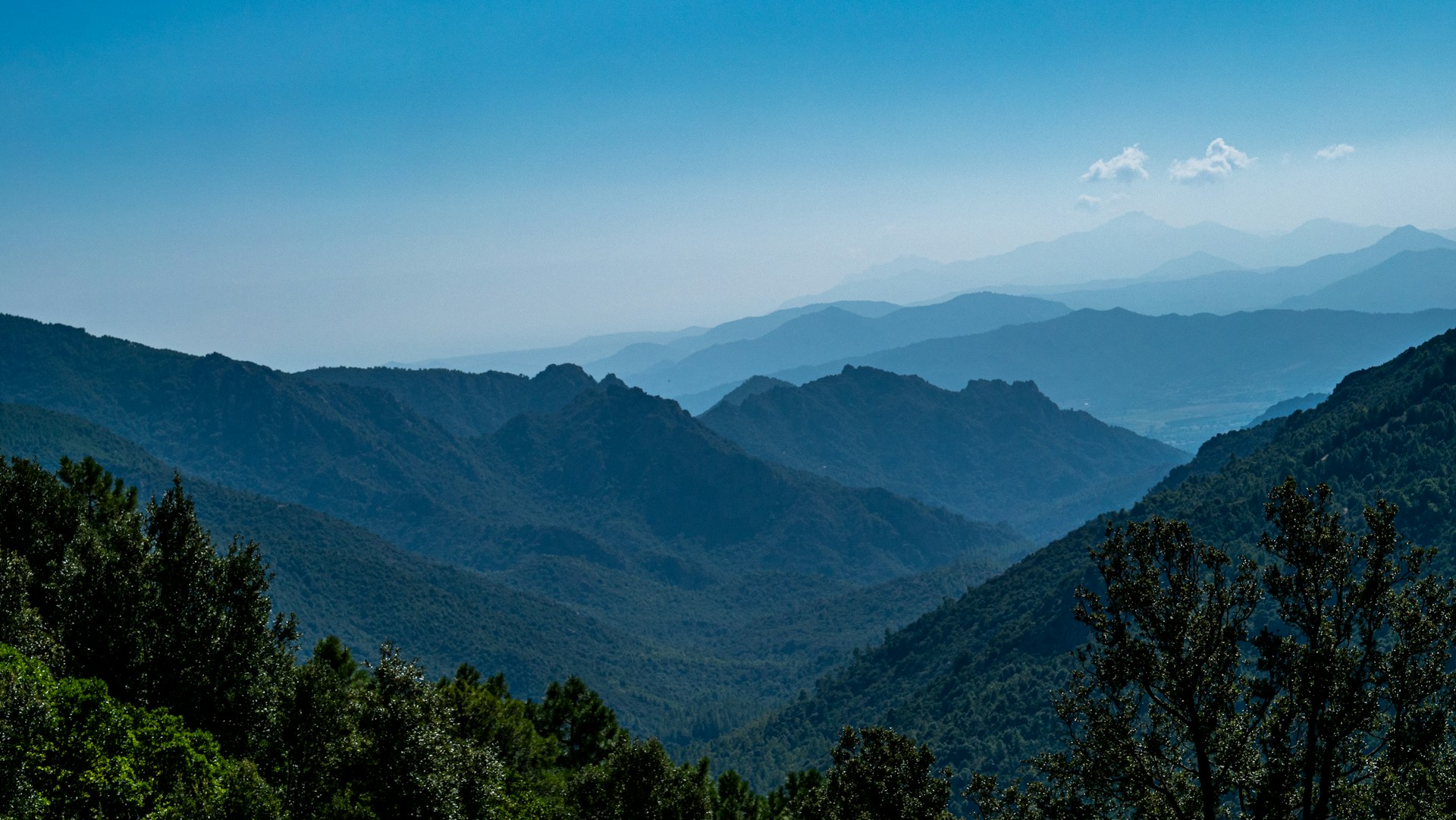
Why Visit Gennargentu: Sardinia’s Secret Mountain Kingdom
If you only know Sardinia for its beaches, Gennargentu feels like a revelation. Rising in the island’s rugged interior, this massif is all sharp limestone ridges, wind-combed plateaus, hidden valleys, and tiny stone villages where shepherds still move their flocks at dawn. It is not the Alps; it is older, quieter, and far less polished. That’s exactly why I keep coming back.
Over multiple trips between 2017 and 2025, I’ve walked its high ridges in June wildflower blooms, trudged through winter snow above Tonara, and shared too many late-night mirto liqueurs with innkeepers in Fonni and Desulo. In 2026, Gennargentu remains one of Italy’s least-known mountain regions, yet it offers everything you’d want from a highland escape: multi-day hikes, family-friendly walks to waterfalls, challenging scrambles, ancient nuraghe ruins, and a food culture that seems to have ignored the last few decades of culinary fashion—thankfully.
Think of this guide as a long conversation with a friend who’s slightly obsessed with Sardinia’s interior. I’ll walk you through the main peaks, valleys, passes, and base villages; help you choose between a 4 day itinerary for Gennargentu or a full 7 days in Gennargentu; and share the little things I’ve learned—where to find the best seadas, how to handle mountain weather, and which quiet church square has the loveliest blue hour in summer.
Understanding Gennargentu & the Region
Gennargentu is a broad, high massif in central Sardinia, overlapping the provinces of Nuoro and Ogliastra. Rather than one sharp range, it’s a tangle of plateaus and summits, cut by deep valleys that run down to the Tyrrhenian coast.
- Highest peak: Punta La Marmora (1,834 m)
- Other key peaks: Bruncu Spina, Monte Spada, Monte Perd’e Liana, Monte Tiscali (on the edge of Supramonte)
- Main base villages: Fonni, Desulo, Tonara, Aritzo, Gavoi, Seui, Villagrande Strisaili, and smaller hamlets dotted along mountain roads
- Best for: hiking, wildflower and autumn foliage walks, canyoning, off-season skiing (small-scale), slow food, cultural experiences in traditional villages
There is no train into the massif’s heart. You arrive by winding roads that climb past cork forests and chestnut groves, then suddenly open into bare, treeless moorland. Sheep bells, not church bells, set the rhythm. It feels remote but never hostile; locals are reserved at first and incredibly warm once you engage.
The 15 Signature Peaks, Valleys, Passes & Villages
Below are the core places that define Gennargentu for me. They’re also the anchors of every good travel guide for Gennargentu: places where you’ll hike, eat, sleep, and slowly understand this mountain culture.
1. Punta La Marmora (1,834 m) – Roof of Sardinia
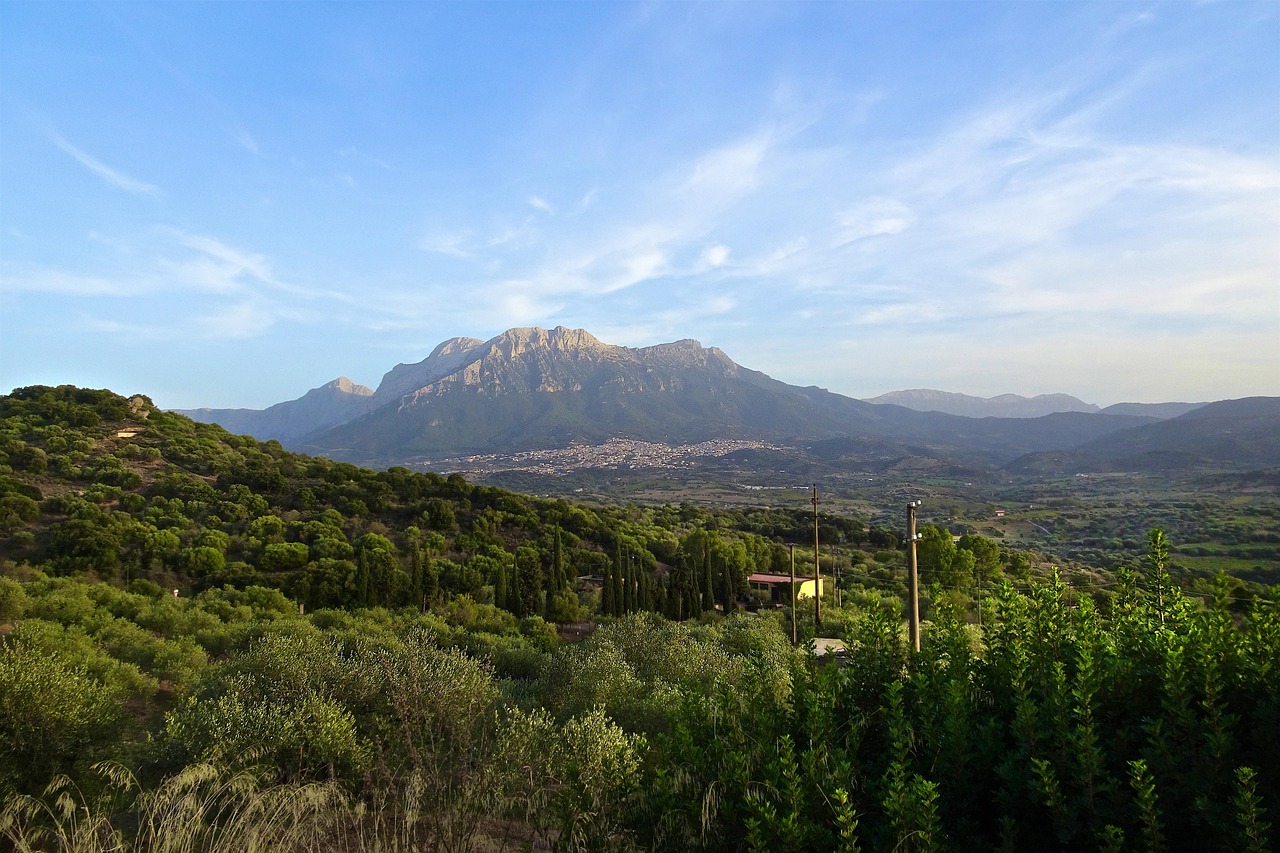
Punta La Marmora, the highest point on Sardinia, is less dramatic than the Dolomites’ spires but more elemental. It’s a broad, wind-brushed summit where you feel the curvature of the island under your boots. On a clear April morning in 2024, I watched both coasts at once: the Tyrrhenian Sea glinting to the east, the Gulf of Oristano to the west. That sense of the whole island laid out before you is what makes this peak essential.
Altitude, Access & Routes
At 1,834 m, Punta La Marmora is high enough for cold winds and occasional snow from December to March. The most popular approach is from the Bruncu Spina ski area near Fonni, using old ski tracks and shepherd paths across the plateau. Another beautiful route starts near Arcu Artilai (a pass) and sweeps in a long arc along the ridge.
Family friendly? With older children (8+), yes—on a clear summer or early autumn day, taking the gentler plateau route. Avoid in fog, storms, or strong winds.
Best Bases & When to Go
- Spring (April–June): Stay in Fonni for easy morning access; wildflowers turn the plateau into a subtle kaleidoscope.
- Autumn (late Sept–Nov): Crisp air, long views, and fewer hikers. I like to base in Desulo, combining the summit with chestnut festivals.
- Winter: For experienced hikers only; snowshoes or crampons may be required. Base in Fonni near the slopes for flexibility.
Personal Tips
Every time I’ve gone up La Marmora, the wind has been stronger than forecast. Bring an extra layer, even in August. Start early: by mid-afternoon, clouds often build along the spine, stealing views and making navigation tricky. Pack a picnic of pane carasau, local cheese, and olives—there are no rifugi here in the Alpine sense, just a few rough shepherd huts and the odd concrete weather station.
2. Bruncu Spina (1,829 m) – Ski Slopes & Summer Meadows
Bruncu Spina is Gennargentu’s “resort” mountain, though that word feels too grand. In good winters, a couple of lifts spin, and locals dust off their aging skis and snowboards. In summer, the pistes become grassy tracks lined with wild thyme.
Altitude, Access & Activities
The summit sits just below La Marmora at 1,829 m. A paved road reaches the ski station above Fonni, making this one of the most accessible high points. In January 2023, I spent a day skiing short but surprisingly fun runs under a bright, low sun, then returned in June 2024 to walk the same slopes alive with butterflies.
- Winter: Small-scale skiing and snow play; ideal for families who want to introduce kids to snow without the cost of the Alps.
- Summer: Easy ridge hikes, trail runs, and picnics. You can link Bruncu Spina with Punta La Marmora for a full but non-technical day.
Best Base & Dining
Fonni is the natural base—Sardinia’s highest village, with several alberghi diffusi (scattered hotels in old homes) and family-run trattorie. After a cold day on the slopes, I like to duck into a simple bar for malloreddus alla campidanese and a glass of Cannonau.
Traveler Tip
If you’re planning 4 days in Gennargentu in winter, dedicate one to Bruncu Spina: half-day skiing or sledding, half-day wandering Fonni’s murals and churches. Lifts don’t run every winter—check the 2026 season status via local tourism boards before you come.
3. Valle di Lanaitto – Karst Valleys & Cave Mysteries
Technically just north of the highest Gennargentu summits, the Lanaitto valley feels like the massif’s gateway to the Supramonte. It’s a place where geology and prehistory collide: sinkholes, caves, and Nuragic remains tucked into limestone folds.
One misty October morning in 2022, I walked here alone, following faint goat paths past abandoned ovili (shepherd pens). The quiet was so complete that I heard the scrape of a vulture’s wings overhead.
What It’s Known For
- Hiking & caving: Access to the famous Grotta di Sa Oche and other karst formations.
- Archaeology: Proximity to Sa Sedda ’e Sos Carros (Nuragic sanctuary) and other ancient sites.
Access & Base
Lanaitto sits a short drive from Oliena, which makes a superb base if you’re linking Gennargentu with the Supramonte region. Roads are narrow but paved; the last stretches are sometimes gravel.
With kids, I recommend a short, guided walk to one of the show caves rather than long, off-trail routes. In peak summer, heat reflects off the rock; start at dawn or late afternoon and carry plenty of water.
4. Gola di Gorropu – The Grand Canyon of Sardinia
Gorropu, a deep limestone gorge on the eastern flank of the massif, is often described as one of Europe’s deepest canyons. It’s a classic “must-see attraction in Gennargentu’s orbit” and rightly famous—yet with the right timing, it still feels wild.
Valley, Altitude & Hiking
The canyon walls soar up to 500 m above the boulder-strewn floor. The main hikes descend from either the Genna Silana pass (easier) or from the valley floor closer to Dorgali (longer and hotter). In April 2025, I descended from Genna Silana on a day after rain; the scent of wet thyme and rockrose was intoxicating.
- Family friendly: The shorter hike from Genna Silana is suitable for fit families; kids love scrambling over boulders at the canyon bottom.
- Adventure: Canyoning routes (with a guide) explore the deeper, more technical sections.
Base Villages
Stay in Dorgali, Urzulei, or Villagrande Strisaili if you want to mix high Gennargentu hikes with a day in Gorropu. For a 5 day itinerary for Gennargentu and surroundings, I often suggest two nights inland (Fonni or Desulo), two near Dorgali, and one near the coast.
Personal Tip
Gorropu can feel crowded by late morning in August. In shoulder seasons, start walking by 8:00, bring a light jacket for the cool canyon shade, and pack lunch—the simple bar at Genna Silana is not always open in low season.
5. Fonni – High Village, Winter Hub
At around 1,000 m, Fonni is Sardinia’s highest village and my go-to base when I want quick access to Bruncu Spina and Punta La Marmora. It’s not picturesque in a postcard way; its beauty is subtler—murals on stone walls, fog curling between rooftops, and the smell of woodsmoke and roasting meat on cold evenings.
What It’s Known For
- Access: Closest major village to the ski area and high plateau roads.
- Culture: Religious festivals, especially around Christmas and Easter; murals depicting pastoral life.
- Food: Hearty mountain dishes and some of the best seadas I’ve eaten in the region.
Staying in Fonni
In 2023, I stayed in an albergo diffuso where my “room” was a renovated stone house up a narrow alley; breakfast was served in the owner’s kitchen across the street. Expect basic but warm hospitality, thick blankets, and simple décor.
Tips for Travelers
- Winter: Roads can be icy; rent a car with good tires and check forecasts. Snow in Sardinia is still a novelty—weekends can be busy with locals.
- Summer: Fonni is delightfully cool when the coast bakes. It’s an excellent base for families who want to combine day hikes with village life.
6. Desulo – On the Slopes of Gennargentu
Desulo climbs the mountain in stacked terraces, a tangle of alleyways and old houses that seem to cling to the slopes. Of all the base villages, this is the one where I’ve felt Gennargentu’s identity most intensely: traditional dress at festivals, Sardinian spoken in the streets, and cafés that feel untouched by tourism.
Altitude, Access & Character
Sitting between roughly 800–900 m, Desulo feels mountainy but not high alpine. Roads in and out are winding, especially the route toward Aritzo, but they’re well maintained. I often recommend Desulo as a base for travelers who want something authentic but not entirely cut off.
What It’s Best Known For
- Chestnut & autumn festivals: In late October and early November, the slopes around Desulo turn golden, and chestnut festivals fill the streets with roasting smoke and music.
- Hiking access: Various routes into the Gennargentu massif, including approaches toward La Marmora’s southern flanks.
Personal Story
One November evening in 2021, I arrived in Desulo in cold rain, having underestimated how early darkness falls here. My guesthouse host, seeing my damp backpack, quietly fetched a pair of old slippers and a wool blanket, then insisted I join her family’s dinner: homemade minestrone, pecora in cappotto (slow-cooked mutton), and chestnut cake. That quiet, unadvertised hospitality is what keeps me returning.
7. Tonara – Nougat & Chestnut Woods
Tonara is where you go to eat. Perched at about 900 m on the western slopes of Gennargentu, it’s famous for torrone—Sardinian nougat made with local honey and nuts—and for thick chestnut forests that blaze with color in autumn.
What It’s Known For
- Local food: Artisan torrone, honey, cheeses, and cured meats.
- Nature: Chestnut and oak woods ideal for easy walks and family picnics.
My Visits & Tips
I’ve visited Tonara three times, most memorably in October 2024 when the entire village seemed perfumed with caramelized sugar and roasting nuts. Several small shops offer tastings—don’t be shy about sampling, but do buy something; this is a working village, not a theme park.
For a 4 day itinerary for Gennargentu focused on food and foliage in autumn, I’d base one or two nights here and one or two in Desulo or Fonni, driving the winding road between them and stopping at viewpoints.
8. Aritzo – Mountain Springs & Old Ice Trade
Aritzo is a compact mountain village framed by forests and springs. Historically, locals cut snow and ice from nearby mountains and stored it in nevai (ice pits), selling it in lowland towns. That heritage lingers in local stories and a fascination with cold desserts.
Altitude & Access
Aritzo sits around 800 m. The road from Tonara to Aritzo is one of my favorites in Sardinia: views open toward the western plains, and in spring, the verges explode with wildflowers.
Best For
- Easy walks: Streams, small waterfalls, and short forest trails ideal for families.
- Cultural experiences in Gennargentu: Small museums and traditional houses open during festivals.
In 2025, I stayed in a simple affittacamere above the main street. Every evening, locals gathered at the same two bars to talk football and politics. As an outsider, you’ll get curious looks; a polite “buonasera” and a small order—espresso, beer, or vermentino—goes a long way.
9. Gavoi & Lago di Gusana – Lakeside Calm
Gavoi is a pretty stone village overlooking Lago di Gusana, an artificial lake that nonetheless creates a serene landscape. It’s a good compromise base if your group includes some die-hard hikers and some “I’d rather sit by the water with a book” types.
Altitude, Access & Activities
Gavoi lies at about 800 m, with the lake slightly below. The drive from Nuoro is straightforward, making this one of the easier Gennargentu bases if you’re arriving by public transport plus taxi.
- Hiking: Shorter walks around the lake and into nearby hills; longer trails connect toward Fonni and the high plateau.
- Water activities: Kayaking and fishing on Lago di Gusana (check current regulations in 2026; they can change).
Food & Festivals
Gavoi punches above its weight in gastronomy. I’ve had memorable meals here built around pecorino, local lamb, and culurgiones (filled pasta). In summer, open-air concerts and small festivals give evenings a gentle buzz.
10. Seui – Eastern Gate to Gennargentu
Seui feels perched between worlds: the last true mountain village before roads snake down toward the eastern plains and the Ogliastra coast. It’s a good base if you want to split time between high peaks and easier valley walks.
Character & History
Seui’s old center has a slightly faded grandeur, with churches and narrow streets that recall a wealthier past. Coal mining and forestry once sustained the area; remnants of that era appear in old rail tracks and industrial buildings.
Best For
- Exploring passes: Road passes like Arcu Sa Liccia and others make for scenic drives with quick pull-offs and short hikes.
- Day trips: Good launch point for trips into the Supramonte di Urzulei and coastal Ogliastra.
On a 6 day itinerary for Gennargentu and the eastern highlands, I like to spend two nights in or near Seui to explore this transition zone.
11. Villagrande Strisaili – Between Peaks & Sea
Villagrande Strisaili is a long-lived community—literally. This area is part of Sardinia’s famous “Blue Zone” known for centenarians. Whether it’s the air, the water, or the slow pace, time does feel different here.
Altitude & Access
At around 700–800 m, Villagrande has a climate that’s cooler than the coast but milder than higher villages. The road from Tortolì climbs steadily, offering glimpses of both sea and mountain.
Best Known For
- Hiking & viewpoints: Trails toward high plateaus and down toward canyons and lakes.
- Family-friendly base: Easier access to both highland hikes and east-coast beaches.
In 2022, I spent a week here working remotely in the mornings and hiking in the afternoons. The rhythm was simple: coffee in the square, a few hours of work, then a drive up toward a trailhead and a sunset walk. For travelers seeking a slower 7 day itinerary for Gennargentu with some beach days, this is an excellent compromise base.
12. Monte Perd’e Liana – The Sacred Tower
Monte Perd’e Liana is one of Sardinia’s most iconic landforms: a flat-topped limestone mesa rising abruptly from rolling hills, visible from afar like a natural fortress. Local tradition has long regarded it as a sacred place.
Altitude, Access & Hiking
The plateau reaches about 1,293 m. A good dirt road (check conditions; heavy rains can riddle it with ruts) leads toward a parking area. From there, a loop trail circles the base with options to climb higher on rougher paths.
- Family-friendly: The lower loop is manageable with older children; they’ll love the sense of circling a “castle mountain.”
- Photography: Late afternoon light paints the cliffs in gold and pink—bring a tripod if you’re serious.
Personal Experience
On a clear May day in 2023, I walked the loop with a local guide who spoke more Sardinian than Italian. We stopped frequently so he could point out herbs and tell stories of shepherds, bandits, and hidden shrines. Standing beneath the tower, with swifts skimming the rock face, I understood why this place appears in so many Sardinian legends.
13. Monte Spada – Plateau of Winds
Monte Spada is less a peak than a broad, high plateau, hovering around 1,600–1,700 m. It feels almost Scottish: open, treeless, and forever swept by wind. When clouds race low, the mood turns dramatic.
What It’s Known For
- Hiking & trail running: Gentle gradients over soft ground—great for long, contemplative walks.
- Winter snowfields: In good winters, it’s a playground for snowshoeing and cross-country skiing.
Access & Base
The plateau is accessible from roads radiating out of Fonni and Desulo. I’ve often driven up at dawn in summer just to watch the light wash over the grass and rock, then descended before midday heat.
For those planning 6 days in Gennargentu with a focus on hiking, Monte Spada makes a perfect “easy day” between tougher summit routes.
14. Genna Silana Pass – Window on the Eastern Cliffs
Genna Silana (about 1,017 m) is technically more tied to the Supramonte, but for travelers, it’s part of the same highland experience—a spectacular mountain pass with views down toward the Gorropu canyon and the distant shimmer of the sea.
What It’s Best Known For
- Trailhead: Main starting point for the popular descent to Gola di Gorropu.
- Scenic stop: Even if you’re just driving between Dorgali and Baunei, the pull-out here is worth a stop for photos.
On a windy March morning in 2025, I stood at the lookout, watching clouds cast shadows like passing ships over the ridges. A tiny café sometimes opens here in summer; don’t rely on it for a full meal, but a coffee with that view is hard to beat.
15. Monte Tiscali – Hidden Village in the Dolina
Monte Tiscali, on the margin of the Gennargentu-Supramonte region, hides a collapsed dolina (sinkhole) within which lie the ruins of a Nuragic settlement. It’s one of the most atmospheric hikes in Sardinia: a blend of archaeology, landscape, and a touch of mystery.
Altitude, Access & Hike
The summit area sits around 518 m, but the approach involves significant up-and-down. Most hikers start from the Lanaitto valley, ascending steep, rocky paths to reach the rim and then the hidden basin.
- Adventure: The rocky, sometimes exposed path isn’t ideal for very young children, but active teens love it.
- Cultural experience: Guides (highly recommended if you’re not familiar with the region) weave stories of ancient refuge and resistance.
On a cool February day in 2022, I reached the rim just as sunlight filtered into the dolina, illuminating the low stone walls of the ancient village. It felt like opening a secret door in the mountain.
Itineraries: 4–7 Days in Gennargentu
Designing a 4 day itinerary for Gennargentu or stretching to 7 days in Gennargentu depends on how deeply you want to explore. Below are sample itineraries anchored in my own trips, combining peaks, valleys, villages, and local food.
4 Day Itinerary for Gennargentu – Essential Peaks & Villages
This 4 day itinerary for Gennargentu assumes you have a rental car and arrive via Nuoro or Cagliari. It’s ideal for active travelers who want the highlights without rushing.
Day 1 – Arrival in Fonni & First Taste of the High Plateau
I like to arrive in Fonni by early afternoon. The last time I followed this plan—June 2024—the air temperature dropped a full 8°C between the plains and the village. The car’s thermometer felt like a welcome reassurance that I’d truly reached the mountains.
- Afternoon: Stroll through Fonni’s narrow streets, visiting murals and the main church. Stop at a bar for an espresso or a caffè corretto if you’ve had a long journey.
- Practical tip: Stock up on picnic supplies—bread, cheese, fruit—for the next day’s hike. Mountain shops close for a long lunch break; plan around it.
- Evening: Dinner at a local trattoria: try culurgiones (potato-filled pasta), lamb, and seadas drenched in local honey. Early night: tomorrow’s start is early.
Day 2 – Punta La Marmora & Bruncu Spina Ridge
Set your alarm. To make the most of 4 days in Gennargentu, you want the summit day clear and unhurried.
- Morning: Drive to the Bruncu Spina ski area. Aim to start walking by 8:00–9:00. Follow marked routes toward Punta La Marmora; many paths braid across the plateau, so a GPS track or good map helps.
- Midday: Picnic near the summit cairn, savoring 360° views: the Orgosolo plateau, the silver glint of Lago di Gusana, and, on the clearest days, distant sea.
- Afternoon: Return via a slightly different line to make a loop. Stop for a coffee or beer back at the ski station if it’s open.
- Evening: Back in Fonni, reward yourself with a hearty dinner. Ask your host for a recommendation; often the best spots don’t appear on Google Maps.
Tip for families: If your group includes less experienced hikers, cut the day shorter by turning back at a scenic halfway point. The plateau views are rewarding even without reaching the true summit.
Day 3 – Tonara & Aritzo: Forest Walks & Nougat
Shift from high plateaus to wooded slopes.
- Morning: Drive from Fonni to Tonara (about 1 hr via winding but beautiful roads). Walk through the village, visiting nougat producers. Buy gifts now—torrone travels well.
- Late morning: Short forest walk from trailheads just outside Tonara. I like to aim for a shaded loop of 1–2 hours, especially in summer.
- Afternoon: Continue to Aritzo. Have a late lunch in a local trattoria—try gnocchetti sardi or porcetto (roast suckling pig) if available.
- Evening: Either stay overnight in Aritzo for a change of scene, or return to Fonni/Desulo depending on your preference. I’ve done both; Aritzo has a lighter, more “holiday” vibe, while Fonni feels more rugged.
Day 4 – Gavoi & Lago di Gusana, Then Departure
On your final day, ease out of the high mountains.
- Morning: Drive to Gavoi and stroll through its old center. Visit a café overlooking the lake; this is a good place to reflect on your trip.
- Midday: Walk along parts of Lago di Gusana’s shore (water levels vary year to year). If time allows, have a lakeside lunch; in 2025 I found a tiny restaurant serving grilled trout and local wine with no printed menu.
- Afternoon: Continue to Nuoro, Oristano, or the coast, depending on your onward plans.
By focusing on a compact area, this 4 day itinerary for Gennargentu gives you peaks, forests, villages, and lakes without too much driving.
5 Day Itinerary for Gennargentu – Adding a Sacred Mountain
With 5 days in Gennargentu, you can add Monte Perd’e Liana and slow your pace.
Day 1–3 – As Above
Follow Days 1–3 of the 4 day itinerary, but overnight in Aritzo or Desulo on Day 3.
Day 4 – Monte Perd’e Liana
- Morning: Drive toward Monte Perd’e Liana. The last section is on dirt roads; drive slowly and avoid after heavy rains.
- Midday: Walk the loop trail around the base (2–3 hours at a relaxed pace). Bring lunch; there are no services.
- Afternoon: Optional extension up toward the plateau if conditions and group energy allow.
- Evening: Overnight in Seui or return to Desulo/Fonni. I enjoy Seui’s slightly offbeat charm for a night.
Day 5 – Gavoi & Departure
Repeat Day 4 of the previous itinerary, or head east toward Villagrande Strisaili and the Ogliastra coast if your trip continues beachside.
6 Day Itinerary for Gennargentu – High Peaks & Eastern Gateways
6 days in Gennargentu lets you mix highland summits with the dramatic eastern valleys near Gorropu.
Day 1–3 – Peaks & Villages
Follow Days 1–3 of the 4 day itinerary, basing in Fonni or Desulo. If you’re a keen hiker, add a shorter afternoon loop on Monte Spada on Day 3.
Day 4 – Transfer to Villagrande Strisaili via Seui
- Morning: Drive via Seui, stopping for a stroll and coffee. Explore the old center briefly.
- Afternoon: Continue to Villagrande Strisaili. Check into your accommodation; many are family-run guesthouses with terraces or balconies.
- Evening: Wander through the village; have a simple dinner of local pasta and grilled meats.
Day 5 – Gola di Gorropu from Genna Silana
- Morning: Early drive to Genna Silana pass. Hike down to Gola di Gorropu (2–3 hours descent, less on the way back but steeper).
- Midday: Picnic at the canyon bottom; explore within the permitted areas.
- Afternoon: Climb back to Genna Silana; return to Villagrande by late afternoon.
- Evening: Relaxed dinner and perhaps a glass of Cannonau at a local bar. Your legs will feel pleasantly used.
Day 6 – Easy Ridge Walk & Departure or Coast
Spend your final day on a gentler hike near Villagrande (ask your host for a favorite local loop) or drive directly down to Tortolì and the sea, trading peaks for beaches.
7 Day Itinerary for Gennargentu – Deep Dive into Sardinia’s Highlands
With 7 days in Gennargentu, you can slow down, add Monte Tiscali or Lanaitto, and experience both rugged hikes and quiet village days. Here’s a pattern that has worked well on my longer trips.
Day 1 – Arrival in Gavoi & Lago di Gusana
Start gently by arriving in Gavoi, walking around the village and along the lakeshore, and easing into mountain life with a lakeside dinner.
Day 2 – Fonni & Monte Spada
- Morning: Short drive to Fonni; check into your lodging.
- Afternoon: Drive up toward Monte Spada for a 2–3 hour plateau walk. Great acclimatization and orientation.
- Evening: Dinner in Fonni; early night.
Day 3 – Punta La Marmora & Bruncu Spina
Full summit day as described in the 4 day itinerary. If weather looks better earlier or later in the week, adjust your schedule accordingly; building flexibility into 7 days in Gennargentu is wise.
Day 4 – Tonara & Aritzo Forests
Repeat or expand on the Tonara/Aritzo day from the 4 day itinerary. Add a longer forest hike or a leisurely picnic if you wish. Overnight in Aritzo.
Day 5 – Monte Perd’e Liana & Transfer to Seui
Spend the morning on the loop around Monte Perd’e Liana, then continue to Seui for an overnight. Enjoy an evening stroll and simple dinner in a local trattoria.
Day 6 – Villagrande Strisaili & Local Trails
- Morning: Short drive to Villagrande Strisaili; check into your stay.
- Afternoon: Ask your host for a favorite local hike—many families here have quiet viewpoints they’re proud of. On my last visit, I was shown a short, unmarked trail to a rocky outcrop with sweeping views of valleys and distant sea.
- Evening: Relax and soak up village life. This is a good place to experience local customs without performance.
Day 7 – Option: Gola di Gorropu or Monte Tiscali, Then Departure
Choose one:
- Gola di Gorropu: As in the 6-day plan, focusing on big canyon drama.
- Monte Tiscali: Drive via Dorgali and Lanaitto, hike up to the hidden Nuragic ruins, then continue toward the coast or back inland depending on your onward route.
By now, you’ll have sampled most of the best places to visit in Gennargentu and its fringes: peaks, valleys, passes, lakes, and villages, with enough time to actually taste the rhythm of mountain life.
Mountain Dining in Gennargentu: Rifugi, Inns & Rural Kitchens
Unlike the Alps, Gennargentu doesn’t have a dense network of staffed high-altitude rifugi. Instead, think village inns, agriturismi (farm stays), and a scattering of simple mountain huts, some staffed in season. The food is rustic, filling, and deeply tied to pastoral life.
What to Eat: Local Food in Gennargentu
- Culurgiones: Plump pasta parcels filled with potato, mint, and cheese, sealed in a decorative braid. Best I’ve had: a family-run agriturismo near Desulo in 2023.
- Porcetto: Roast suckling pig, sometimes served at agriturismi dinners. Crisp skin, tender meat, and usually too much of it.
- Pecora in cappotto: Slow-cooked mutton with vegetables—a winter staple.
- Pane carasau: Thin, crisp flatbread, often served with olive oil, tomatoes, or cheese.
- Seadas: Fried pastry filled with fresh cheese, drizzled with honey. Essential dessert.
- Torrone: Nougat from Tonara—chewy, nutty, and honey-sweet.
Coffee & Pastry Culture
Every village has at least one bar that doubles as a café. Morning ritual: stand at the counter, drink an espresso (or cappuccino before 11:00), and maybe a simple pastry. Don’t expect elaborate cakes; do expect good coffee and conversation if you’re open to it.
Where to Stay: Village vs Slope-Side vs Agriturismo
- Village stays (Fonni, Desulo, Gavoi, Aritzo): Best for cultural experiences and evening walks. You’ll rely on a car for trailheads.
- Slope-side (near Bruncu Spina): Convenient for winter skiing and early-summer hikes; quieter at night and fewer dining options.
- Agriturismi: Rural farm stays throughout the region. I’ve had some of my best meals here; dinners are often set menus using farm products, and portions are abundant.
Saving Money on Food & Lodging
- Half-board deals: Many guesthouses offer dinner + breakfast packages that are excellent value compared to eating out separately.
- Picnics: Stock up in village markets and eat lunches on the trail; there are few high-altitude restaurants.
- Travel off-peak: In May–June and late September–October, prices are lower and availability higher, but weather is still ideal.
Evenings in Gennargentu: Aprés-Hike, Stars & Festivals
Evenings here are quiet. There’s no glossy après-ski scene; instead, think of bars where three generations share space: children playing, grandparents nursing a single drink, and hikers comparing routes.
Aprés-Hike & Village Bars
After a day on the trails, I like to find a bar with outdoor tables—Gavoi’s lake-view spots, or Desulo’s small piazzas. Order a beer or a glass of Cannonau, maybe some simple snacks: olives, cheese, salsiccia. In Fonni, it’s common to see muddy boots and hiking poles propped by the door.
Fondue Nights? Not Quite—But Hearty Mountain Meals
You won’t find Swiss-style fondue, but you will find communal platters of grilled meats, stews, and pasta. In winter, many inns do set-menu dinners: multiple courses for a fixed price. Call ahead or ask your host to reserve; kitchens close earlier than in big cities.
Stargazing
Light pollution is low. On clear summer nights above Fonni or on Monte Spada, the Milky Way is easily visible. Bring a warm layer: even in August, evenings at altitude can be cool.
Seasonal Festivals (2026–2027)
- Autumn chestnut festivals (Desulo, Aritzo, Tonara): Typically Oct–Nov; dates vary yearly, so check 2026 calendars closer to your trip.
- Religious processions (Fonni, Gavoi): Easter and village patron saint days fill streets with traditional dress, music, and food stalls.
- Local food & crafts events: 2026–2027 are expected to bring expanded Sagre (food festivals) as local councils promote sustainable tourism; watch village websites and Sardinian tourism portals for updated event lists.
Day Trips & Nearby Attractions from Gennargentu
Once you’ve explored the main things to do in Gennargentu, consider these side trips:
- Supramonte di Orgosolo & Murals: From Fonni or Gavoi, drive to Orgosolo to see its political murals, then continue into the Supramonte for hikes. Plan a full day.
- Nuoro: The region’s small city, with the excellent Museo Etnografico Sardo (ethnographic museum) that contextualizes mountain life.
- Ogliastra Coast: From Villagrande Strisaili or Seui, you can reach Tortolì and Arbatax in 1–1.5 hours for beaches and boat trips to the coves of Cala Luna and Cala Goloritzé.
- Barbagia Villages: Mamoiada (for wine and masks), Oliena (for olive oil and access to Supramonte) are easy add-ons from Gavoi or Fonni.
For each day trip, start early: mountain roads slow you down, and you’ll want time to wander.
Cultural Etiquette & Local Customs in Gennargentu
Mountain Sardinia is conservative and community-oriented. Visitors are welcome, but certain habits help you fit in.
Greetings & Interactions
- Always greet shopkeepers, bar staff, and people you pass in villages with a simple buongiorno or buonasera.
- In very small hamlets, you may feel watched; it’s mostly curiosity. A smile and a greeting defuse any awkwardness.
- Ask before photographing people, livestock close-up, or private property.
Dress & Behavior
- Dress modestly in villages and especially when entering churches (no bare shoulders or very short shorts).
- Keep noise down at night; sound carries in narrow streets.
- Respect mealtimes: some restaurants require reservations, and kitchens often close by 22:00 even in summer.
On the Trails
- Close gates behind you; many paths cross grazing land.
- Do not disturb livestock or sheepdogs; give them space.
- Leave no trace: pack out all rubbish, including food scraps.
Showing interest in local customs—asking about traditional dress, music, or food—often opens doors, literal and figurative.
Practical Travel Advice & Mountain Logistics
Getting There & Around
By air: Fly into Cagliari, Olbia, or Alghero. From there, rent a car; public transport into the mountains is sparse and slow.
Car rental: Essential for most travelers. Choose a small car for narrow village streets. Automatic transmissions are less common; book early if needed.
Foreign driver’s licenses: EU licenses are accepted. Non-EU travelers should carry an International Driving Permit along with their home license to avoid issues if stopped.
Public transport: Buses connect larger towns (Nuoro, Lanusei, etc.) to some villages, but frequencies are low and timetables may not align with hiking plans. Consider buses only if you’re very flexible or staying put in one village.
SIM Cards & Connectivity
- SIM options: Major Italian providers (TIM, Vodafone, WindTre, Iliad) sell tourist-friendly data packages. Buy at airports or in larger towns like Nuoro.
- Coverage: Good in main villages and along major roads; patchy or nonexistent in remote valleys and on some trails. Download offline maps in advance.
Visa Requirements (2026)
Gennargentu is in Italy, thus within the Schengen Area. Most EU/EEA citizens can travel freely. Travelers from many other countries (including the US, Canada, Australia) can stay short-term visa-free but must respect Schengen rules (usually 90 days in any 180-day period). Check up-to-date requirements before travel; ETIAS, the EU’s travel authorization system, is expected to be in effect by 2026 for some nationalities.
Costs & Money-Saving Tips
- Lodging: Guesthouses and agriturismi often run €40–80 per person per night including breakfast; half-board deals can be excellent value.
- Food: Restaurant mains €10–18; set menus €25–40 with many courses.
- Save by: Traveling in shoulder seasons, staying multiple nights in the same place (some offer discounts), and eating main meals at lunch when set menus are cheaper.
Mountain-Specific Logistics
Altitude & Acclimatization
Gennargentu’s peaks top out below 2,000 m, so altitude sickness is generally not an issue. Still, if you arrive straight from sea level, give yourself a day at moderate elevation (Gavoi, Fonni) before long, hot hikes.
Weather, Storms & Road Closures
- Winter (Dec–Feb): Snow possible above 1,200 m; roads to Bruncu Spina and some passes may close temporarily. Check local news or ask your host.
- Spring (Mar–May): Unpredictable—sunny one day, storms the next. Pack waterproof layers.
- Summer (Jun–Aug): Very hot in valleys; more pleasant at altitude. Afternoon storms occasionally build on hot days.
- Autumn (Sep–Nov): Stable and clear early on; more rain from late October.
Gear & Safety
- Footwear: Sturdy hiking shoes or boots with good grip; rock can be sharp and loose.
- Layers: Even in summer, bring a warm layer and windproof shell for summits.
- Crampons/snowshoes: Only needed in full winter and for experienced hikers; in that case, check local conditions and consider a guide.
- Navigation: Trails are sometimes marked, sometimes not; carry a paper map and offline GPS app.
- Water: Springs exist but can run dry; carry more than you think you’ll need, especially in summer.
Avalanche & Rescue
Gennargentu does have avalanche risk in heavy snow years, especially on certain slopes of Bruncu Spina and La Marmora. In 2026, local authorities are expected to continue posting alerts via regional channels. If skiing or winter hiking, check with locals, avoid steep loaded slopes, and consider hiring a guide if you’re uncertain.
Mountain rescue: Italy uses the European emergency number 112. For serious mountain trips, ensure your travel insurance covers off-road rescue and helicopter evacuation.
Cable Cars & Lift Passes
Unlike major Alpine resorts, Gennargentu has only small ski lifts at Bruncu Spina and occasional older facilities elsewhere, often operating irregularly. There are no extensive cable car networks and no complex lift-pass strategy required. In winter, check whether lifts are running before planning a ski-focused trip; in summer, expect to reach most trails by car and foot.
Best Seasons for Activities
- Hiking & wildflowers: Late April–June. Meadows on Monte Spada and the La Marmora plateau are at their best.
- Summer escape from heat: July–August in higher villages like Fonni and Desulo; start hikes early.
- Fall color & chestnuts: October–early November around Tonara, Aritzo, Desulo.
- Skiing & snow play: Variable between December–March at Bruncu Spina; some winters have little snow, others offer several weeks of skiing.
Seasons, Events 2026–2027 & Changes in the Travel Scene
For 2026–2027, local councils and regional authorities are focusing on sustainable mountain tourism. Expect:
- Improved trail signage around key routes like Punta La Marmora and Monte Perd’e Liana.
- New or renovated agriturismi near Desulo and Tonara, offering more options for farm-based stays.
- Expanded autumn festivals celebrating chestnuts, honey, and cheese, with additional cultural programming (music, storytelling) aimed at visitors.
- Occasional limits on vehicle access to sensitive highland roads during peak periods; be prepared to park further down and walk.
Major events to watch for in 2026–2027 include:
- Chestnut festivals (Sagre delle Castagne): Desulo, Aritzo, Tonara – usually late October/early November.
- Religious festivals & processions: Village-specific, often in spring and early summer; ask locally for dates.
- Outdoor sports events: Trail runs and cycling events are increasingly held on Gennargentu’s roads and paths; if you’re visiting during one, book lodging early.
Summary & Final Recommendations
Gennargentu is not a place you “do” in a day. It rewards travelers who slow down: who linger over coffee in Fonni, walk chestnut woods in Tonara, and take the time to climb Punta La Marmora on a clear morning.
Key takeaways:
- Base in villages like Fonni, Desulo, Gavoi, or Aritzo for culture and access; add Villagrande Strisaili or Seui if you want to explore the eastern valleys and approach Gorropu.
- Choose your trip length wisely: a 4 day itinerary for Gennargentu covers highlights; 5–7 days in Gennargentu allow for deeper exploration and rest days.
- Come prepared for mountain conditions: variable weather, limited services at altitude, and the need for solid navigation on some trails.
- Respect local customs: greet people, dress modestly in villages, and treat the mountains with humility.
Best seasons:
- May–June: Ideal for hiking, wildflowers, and comfortable temperatures.
- September–October: Clear skies, fall colors, and food festivals.
- Winter (when snowy): For those who want a quiet, low-key ski and snow experience.
If you’re looking for things to do in Gennargentu that feel authentic rather than curated—hikes where you see more sheep than people, dinners that taste like someone’s grandmother is in the kitchen, and sky that still goes properly dark at night—this mountain heartland is worth far more than a detour. Give it at least a few days, pack well, drive slowly, and let the old massif work its quiet spell.