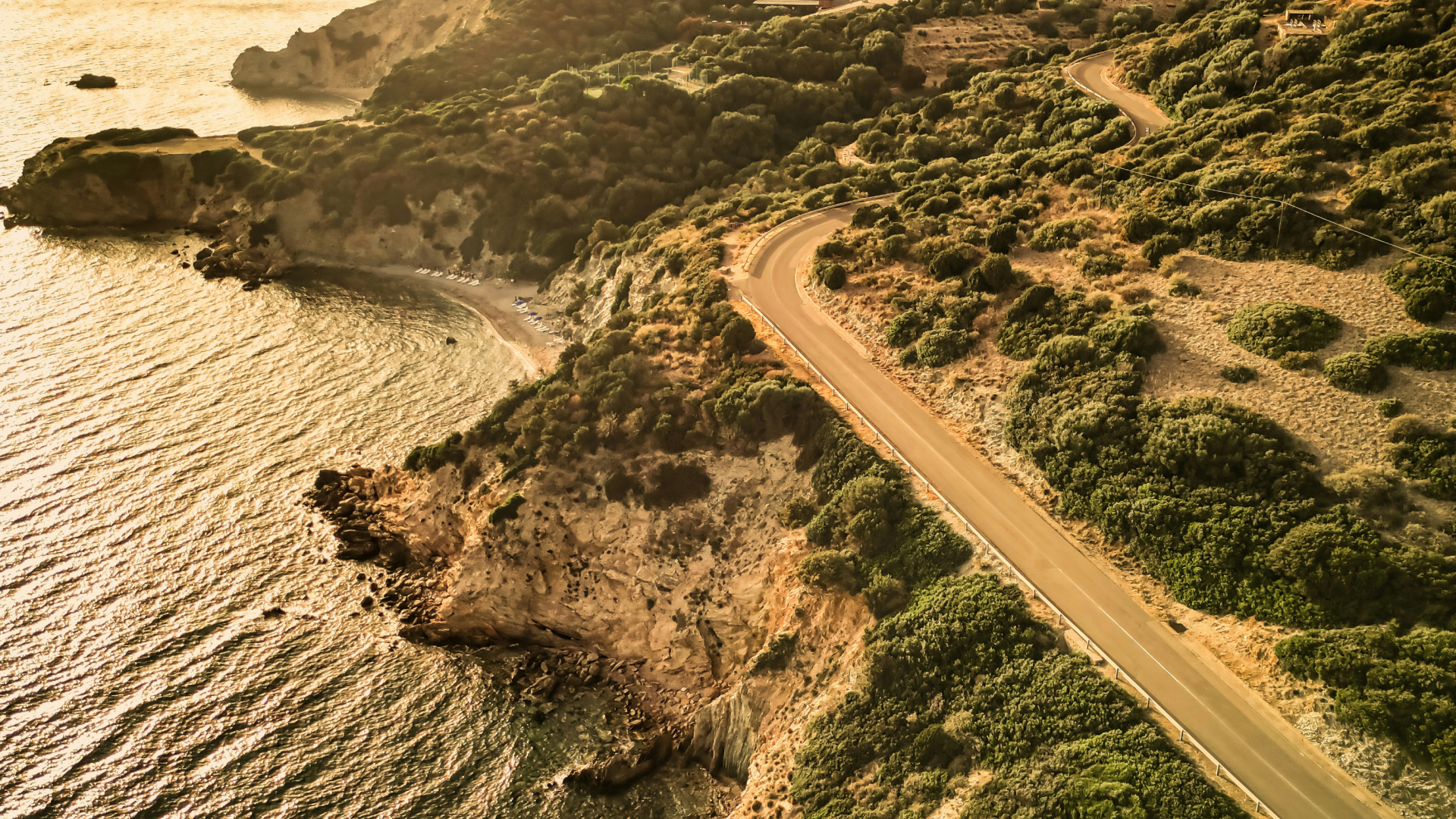
Why Drive the SP71 Panoramic Coastal Road
SP71 is one of those Italian coastal roads that locals talk about in a lower, softer voice – partly to savor the memory, partly to avoid too much attention. It isn’t as internationally famous as the Amalfi Coast or Cinque Terre, and that’s exactly why it feels so special. Over a string of trips between 2018 and early 2026, I’ve driven SP71 in both directions, in mist and blazing sun, in the lazy quiet of November and the golden chaos of August weekends. Every time, I’ve found a new lay-by, a new trattoria, a new cove where the water is all yours for an hour.
Think of SP71 as a living balcony over the Tyrrhenian Sea: crumbling watchtowers, terraced vineyards, sleepy fishing villages, and improbable bends hugging cliffs that drop straight into blue. It’s a road where you taste the journey as much as you see it – espresso at roadside bars, grilled fish straight from the morning boats, and the comforting rhythm of Italian small-town life pressed between sea and hills.
This travel guide is written as a road story – a long-form, editorial travelogue from many passes along the SP71, organized into a practical 7–14 leg itinerary for SP71 Panoramic Coastal Road. Whether you want a compact 7-leg itinerary or to stretch it into a languid 10–14 legs of SP71 Panoramic Coastal Road, you’ll find options, alternatives, and detours. I’ll walk you through the best places to visit in SP71 Panoramic Coastal Road, local food, hidden gems, and the small cultural details that make this more than just a pretty drive.
Table of Contents
- 1. Overview of SP71 Panoramic Coastal Road
- 2. Recommended 7–14 Leg Itinerary for SP71 Panoramic Coastal Road
- 3. 18 Essential Stops & Viewpoints (Mini Travel Stories)
- 4. Eating & Sleeping Along SP71
- 5. Evenings on the Road
- 6. Day Trips & Nearby Attractions
- 7. Cultural Etiquette & Local Customs
- 8. Route Logistics & How to Drive SP71
- 9. Practical Travel Tips (Money, SIM, Visas, Rentals)
- 10. What’s New in 2026–2027
- 11. Summary & Final Recommendations
1. Overview: Where SP71 Runs & What Makes It Special
For this guide, I’m focusing on the most scenic, coastal segment of SP71 – the stretch locals refer to simply as “la panoramica”. It links a series of small seaside towns, hilltop villages, and protected coves along the Tyrrhenian coast. The road meanders between sea level and cliffside belvederes, sometimes running just above the rail tracks, sometimes clinging to the mountainside in a series of switchbacks.
In practical terms, you’ll experience SP71 as a sequence of:
- Start point (north): A larger town where you can rent a car, stock up, and ease into the coastal rhythm.
- End point (south): Another transport hub with trains and buses, where many travelers loop back inland.
- Must-pause towns: Compact centers with a lungomare (seafront promenade), old ports, and piazzas.
- Signature viewpoints: Official belvederi and informal lay-bys where the road seems to levitate above the water.
- Natural features: Pocket beaches, coves, rocky headlands, and little streams that tumble down from the hills.
- Cultural features: Saracen towers, small churches, fishermen’s chapels, and tiny maritime museums.
What I love here is the scale: compared to Amalfi, SP71 feels more intimate. You still get dramatic drops and hairpins, but traffic is calmer, parking is more forgiving, and prices are softer. It’s suitable for couples on a romantic meander, families chasing beaches and gelato, and adventure travelers who like to mix road tripping with swims, hikes, and perhaps a bit of cycling if you’re fit.
2. Recommended Itinerary: 7–14 Legs of SP71 Panoramic Coastal Road
Here’s how I usually break the route, whether I’m on a fast 7-leg itinerary or stretching it into 10, 11, 12, 13, or even 14 legs of SP71 Panoramic Coastal Road. Each leg below is naturally about 1–2 days of travel. You can skip some overnight stops for a tighter 7-leg itinerary, or linger everywhere for a 14-leg itinerary.
Leg 1 – Gateway Town to First Clifftop Belvedere (1–2 days)
I usually start this journey from the northern gateway town – a modest coastal center with a working port and a slightly gritty charm. On my latest trip in April 2026, I arrived by train around noon, wheeled my carry-on over the cobbles, and picked up a compact manual rental from a local agency two blocks from the station. If you’re nervous about Italian urban traffic, this town is forgiving: wide-ish streets, patient drivers, and plenty of signage towards SP71.
Why this leg matters: It’s where you adjust to the rhythm of Italian driving – roundabouts, scooters, and that constant dance of who really has priority. It’s also where you decide your tempo: will this be a 7-leg sprint with only the major sights, or a 10–14 leg itinerary for SP71 Panoramic Coastal Road where you duck into every promising side road?
I always begin with a quick supermarket stop on the town’s edge: water, fruit, some cured meats and cheese, breadsticks, and a bottle of decent local red. Road-trip survival kit. Then I follow signs to “SP71 – panoramica” and watch the last apartment blocks fall away as the road begins to rise.
Within 15–20 minutes of leaving town, the scenery transforms. The road climbs, twisting through olive groves and low stone walls. To your right, the sea appears in fragments between trees, then suddenly opens into a full, glittering sheet of blue. You’ll pass a couple of unsigned lay-bys; locals use them, but there’s a better, official Belvedere del Nord a bit further on.
Stop 1: Belvedere del Nord
The first time I pulled into Belvedere del Nord, it was late afternoon in October 2019. The air had that post-summer clarity, and the sea was a deeper, serious blue. A handful of locals leaned on the low stone wall, passing binoculars back and forth, pointing at fishing boats. No souvenir stands, no tour buses – just a tiny parking area, a couple of benches, and the horizon.
What to do:
- Stretch your legs and walk the length of the terrace.
- Look back north to appreciate how quickly you’ve left the town behind.
- Check the small orientation board (if it hasn’t faded too much) – it sketches out the coastal curves you’ll be driving in the next two days.
Family-friendly? Yes. There’s a sturdy wall and space to wander, though keep kids away from the parking area as cars maneuver.
Romantic? Very. In summer, linger here around sunset; the light turns the stone walls honey-gold.
Practical tips for Leg 1
- Distance: 25–40 km, depending on which detours you take.
- Time: 1–2 hours of driving, plus stops.
- Fuel: Fill up before leaving the gateway town; while there are stations further along, they’re less frequent.
- Where to sleep: I like a family-run B&B in a small hilltop village just off SP71 – simple rooms, terrace overlooking the sea, homemade cakes in the morning.
On my spring 2026 run, I pushed on to this village as the sky flushed pink, parked in the tiny main square, and walked the last 200 meters to the B&B with the sound of distant waves and clinking cutlery from open kitchen windows. It’s a gentle start – enough to feel the road, not so much that it tires you.
Leg 2 – Clifftop Village to First Seaside Town (1–2 days)
Leg 2 is where SP71 finds its rhythm. From the hilltop village, the road snakes back to the coast in a series of switchbacks that are fun rather than frightening. Early morning is magical: low sun, long shadows from olive trees, an occasional tractor.
After a short descent, you reconnect with SP71 proper and begin a stretch I always think of as the “hanging balcony”: the road is cut into the cliff, with a low guardrail and the railway line occasionally peeking below. Here, the 7 legs of SP71 Panoramic Coastal Road and the more leisurely 12–14 leg versions share the exact same thrill – the views don’t change, only the time you give them.
Stop 2: Torre Antica & Cliff Walk
About 30 minutes into the drive, watch for a small brown sign indicating a coastal tower – Torre Antica. The turn-off is tight; if you miss it, double back at the next lay-by. A narrow lane leads to a rough parking area, from which a short, uneven path (10–15 minutes) brings you to the base of the old watchtower.
Built to spot Saracen raids centuries ago, Torre Antica is now crumbling but evocative. In 2023, a basic safety railing was added, which made it more accessible for families; before that, I remember picking my way more cautiously along the edge. On my last visit in June 2025, I sat on a low stone, sharing a panino with a friend while a pair of kestrels circled above.
Why it’s worth it: The tower gives you a layered view: SP71 above, the rail line below, and the sea beyond. It’s also a quiet introduction to the coastal defense history that runs all along this shore.
Stop 3: Spiaggia delle Scale (Hidden Beach)
Continuing south, you’ll soon see a slim concrete staircase dropping from the roadside to a tiny cove – unmarked on many tourist maps. Locals call it Spiaggia delle Scale (Stair Beach). The steps are steep and a bit worn, but in good weather and with sensible shoes, it’s very doable.
I’ve descended here in July heat and October calm. My favorite memory is from a drizzly May afternoon in 2022, when the rain eased just as I reached the bottom. I had the cove to myself for half an hour; just me, the pebbles, and a small fishing boat bobbing a little way out.
Family note: The stairs are not ideal for toddlers or people with mobility issues, and there’s no lifeguard. For strong-swimming teens and adults, though, it’s a memorable dip.
Arrival: Seaside Town & Lungomare
By midday, SP71 drops you gently into your first proper seaside town. You’ll know you’ve arrived when the road widens, the speed limit drops, and clusters of pastel houses appear. I like to park close to the marina and walk the lungomare – a classic Italian promenade with benches, gelato stands, and older couples doing their unhurried passeggiata.
Things to do in this seaside town:
- Order an espresso or granita at a bar overlooking the harbor.
- Visit the small Maritime Museum (check limited opening hours; often afternoons only).
- Walk the breakwater for sunset views back over SP71’s cliffs.
For a romantic evening, I like a simple seafood trattoria on a side street just off the water: paper place mats, grilled catch of the day, carafes of white wine, and the sound of cutlery and conversation bouncing off stone walls.
Leg 3 – Seaside Town to Hilltop Sanctuary (1–2 days)
Leg 3 is your first proper flirtation with the inland hills. You leave the seaside town via SP71, then take a signed deviation toward a hilltop sanctuary that’s visible from much of the coast on a clear day – a white speck perched high above.
Stop 4: Belvedere del Porto
Just outside town, there’s a well-marked lay-by, Belvedere del Porto, where you can look back at the harbor you just left. I often stop here with a coffee still warm in my hand, watching fishermen mend nets below. It’s a great spot for photographs capturing both SP71 and the curve of the bay.
Stop 5: Santuario delle Colline
The sanctuary road is narrower than SP71 but paved and manageable. It winds through vineyards and small farm plots before ending in a small parking area just under the church. A flight of steps leads to a quiet terrace 400 meters above the sea.
Personal note: I’ve come here in all seasons. In January 2021, the air was so clear I could trace the whole run of SP71’s coastal arc. In late September 2024, after a storm, the sea was still rough and white-capped – a different beauty.
Inside the sanctuary, votive offerings line the walls – model boats, framed photos, handwritten notes. Many are from fishermen and their families. This is one of those cultural experiences in SP71 Panoramic Coastal Road that doesn’t shout; you have to step quietly, read carefully, and give it time.
Family-friendly? Yes, but supervise kids on the terrace; the drop is protected but still dramatic.
Overnight in the Hills
For a 10- or 12-leg itinerary, I recommend staying one night in an agriturismo nearby. On a 7-leg itinerary, you can visit the sanctuary and return to the coast the same day. My last stay was at a small farm with four rooms, a resident dog, and a dining room that smelled of wood smoke and slow-cooked ragu. Dinner here is whatever nonna decides: grilled sausages, home-grown vegetables, homemade wine.
Leg 4 – Sanctuary Hills Back to the Wildest Cliffs (1–2 days)
Leg 4 returns you to SP71 with renewed appreciation. Coming down from the sanctuary, you’ll see the road tracing the coast like a silver thread. This is arguably the most photogenic part of the entire SP71 Panoramic Coastal Road road trip itinerary.
Stop 6: Curva del Mare (The Sea Curve)
Locals nickname one particularly graceful bend Curva del Mare. There’s a small widening of the shoulder where you can pull over. From here, the road curves away, hugging the hillside with uninterrupted sea below. If you’ve seen glossy photos of SP71, there’s a good chance they were taken here.
Tip: Stop only when traffic is light and you feel safe. Use hazard lights, park fully off the carriageway, and keep an eye out for motorcyclists who love this stretch.
Stop 7: Grotta Azzurra Minore (Small Sea Cave)
Further on, a small coastal hamlet offers boat trips (weather permitting) into a nearby sea cave, often called the Grotta Azzurra Minore – the “lesser” Blue Grotto. It’s smaller and less theatrical than Capri’s famous version but far more relaxed and affordable.
In August 2023, I took the first boat of the morning, sharing it with a family from Milan. The skipper cut the engine inside the cave, and the water glowed an impossible blue under the vault of rock. No microphones, no queues – just the drip of water and soft whispers.
Adventurous? Mildly. The cave entrance can be choppy on windy days; the skippers will cancel if it’s unsafe.
Stop 8: Spiaggia dei Sassi Bianchi (White Stones Beach)
This is one of my favorite hidden gems in SP71 Panoramic Coastal Road. A short gravel road from SP71 leads down to a parking area, from which a path descends to a pebble beach of pale stones. The water here is usually crystal clear, and even in high summer, it tends to be quieter than the big-town beaches.
Family note: Pebbles mean no sandcastles, but kids love throwing stones into the water. Water shoes help.
Leg 5 – Fishing Village, Food & Slow Lanes (1–2 days)
By Leg 5, you’re deep into the road-trip mindset. This stretch brings you to a traditional fishing village that has resisted heavy development. The harbor is lined with small boats, and the seafront has more plastic chairs than curated design – which, to me, is a good sign.
Stop 9: Porto Vecchio (Old Harbor)
Park near the new marina and walk round to the Porto Vecchio, the older harbor where smaller boats tie up. In the mornings, you’ll see fishermen selling directly off the boat or from simple stands: silver anchovies, octopus, and whatever the nets brought up.
Food tip: Several trattorie nearby run chalkboard menus based on the morning catch. One of my most memorable lunches was a plate of spaghetti alle vongole (clams) here in 2020 – simple, garlicky, perfect.
Stop 10: Centro Storico (Historic Center)
Climb the narrow lanes behind the harbor to the historic center. Laundry hangs between buildings, kids kick footballs in tiny squares, and old men sit outside the circolo (social club) playing cards.
For cultural experiences in SP71 Panoramic Coastal Road, this is ideal: order a coffee at the bar and linger. You’ll hear local dialects, see how unhurriedly life moves away from the tourist currents, and maybe get pulled into a conversation about football or the weather.
Romantic corner: A small terrace near the top of town looks straight down over the harbor and out to sea. Come here at dusk with takeaway gelato.
Leg 6 – Wild Bay, Coastal Walks & Family Beach Time (1–2 days)
Leg 6 flattens out a little into a wide bay section, ideal for families and anyone wanting a slower, more beach-centered couple of days. SP71 runs slightly inland here, but a series of access roads lead down to long sandy or mixed-sand beaches.
Stop 11: Spiaggia della Baia Larga (Long Bay Beach)
This is the most family-friendly beach on the route: shallow entry, lifeguards in peak season, and sections with stabilimenti balneari (beach clubs) offering umbrellas, loungers, and changing cabins. On my 2025 trip with friends and their kids, we spent an entire day here – the adults dozing and reading while the children built increasingly elaborate fortresses.
Budget tip: Beach clubs cost more but offer convenience. For a cheaper option, use the free spiaggia libera section and bring your own umbrella.
Stop 12: Sentiero della Macchia (Coastal Nature Trail)
At the southern end of the bay, a marked trail winds through Mediterranean scrub – macchia – with fragrant wild herbs and occasional sea views. It’s an easy 1–2 hour walk, suitable for families with older kids who don’t mind some gentle ups and downs.
In April 2026, I walked this path under low grey clouds, the sea a silver sheet. Nightingales were already singing in the brush, and the only other walkers were a local couple out with their dog.
Leg 7 – Clifftop Finale to Southern Gateway Town (1–2 days)
For a classic 7-leg itinerary for SP71 Panoramic Coastal Road, Leg 7 is your finale: a last run of cliffs and coves before SP71 slides into the southern gateway town with its station, wider roads, and sense of re-entry into broader Italy.
Stop 13: Belvedere dei Due Golfi (Two Bays Viewpoint)
This belvedere looks back over two bays: the one you left behind and a more distant curve where the road began days earlier. On clear days, it’s a perfect “we did it” photo spot. A small kiosk sometimes opens here in summer, selling coffee, cold drinks, and basic snacks.
Stop 14: Cappella del Marinaio (Fisherman’s Chapel)
Just before the southern town, SP71 passes a tiny whitewashed chapel with a blue door, the Cappella del Marinaio. Inside, faded frescoes and more votive offerings tell stories of storms survived and lives lost. I always stop here briefly on my last day, partly out of habit, partly gratitude.
Arrival: Southern Gateway Town
The southern gateway town is slightly larger and busier than the villages you’ve passed. It has a railway station with connections inland, more formal hotels, and a lively evening scene. It’s where many travelers end their SP71 Panoramic Coastal Road road trip itinerary, though you can of course loop back.
Evening tip: Head to the main piazza around 7:30–8:00 p.m., when locals pour out for aperitivo. Order a spritz or a glass of local wine and watch the square fill up with families, teens, and grandparents.
Extending to 8–14 Legs of SP71 Panoramic Coastal Road
If you have more time and want an 8-leg itinerary for SP71 Panoramic Coastal Road or to push to 10, 11, 12, 13, or 14 legs, here are ways to stretch the route without forcing it:
- Add a second night in the first seaside town for more beach time and local exploration.
- Spend two nights at the hilltop sanctuary agriturismo with a day hike further inland.
- Stay an extra night in the fishing village to join a dawn fishing trip or cooking class.
- Build in a rest day at the Long Bay Beach section, especially with kids.
- Add a day trip inland to a historic hill town (see Day Trips section below).
The core route remains the same; you simply deepen the experiences at key bases, turning a 7-leg itinerary into a richer 10–14 leg journey.
3. Eighteen Essential Stops & Viewpoints on SP71 (Mini Travel Stories)
Here are at least 18 must-see attractions in SP71 Panoramic Coastal Road, many already touched on in the itinerary, now gathered with history, context, and personal notes.
1. Belvedere del Nord
As the symbolic “gateway viewpoint”, Belvedere del Nord has become my ritual first stop. Locals say the terrace was built in the 1970s when SP71 was widened; before that, drivers simply stopped on the shoulder. On quiet weekday mornings, you’ll often find a couple of retired men here with binoculars, scanning for dolphins.
2. Torre Antica
This 16th-century watchtower was part of a chain defending the coast from pirate raids. Inside, it’s mostly hollow now, but you can still see stonework and arrow slits. I like to imagine a guard here centuries ago, squinting at the same line of sea you’re looking at now.
3. Spiaggia delle Scale
This staircase cove is as close as SP71 gets to a private beach. On weekdays outside August, you may share it with only a handful of locals. Bring water and a hat; there are no facilities and minimal shade midday.
4. Seaside Town Lungomare
The lungomare is the social heart of the first seaside town. In summer evenings, street musicians sometimes set up near the benches, and kids ride bikes while parents chat. For a quintessential local customs in SP71 Panoramic Coastal Road moment, join the passeggiata: just stroll, greet people, and see who you bump into.
5. Maritime Museum
The small maritime museum in the seaside town is easy to overlook, but worth 45 minutes. Exhibits include old navigation instruments, model boats, and photos of the coast before the modern SP71. There’s a poignant corner dedicated to shipwrecks and rescues.
6. Santuario delle Colline
This sanctuary has roots in the 17th century, when a miraculous event (depending on which version of the story you hear) spurred its construction. Pilgrims still come on specific feast days; outside those, it’s peaceful. Mind shoulders and knees when entering – it’s a working church.
7. Curva del Mare
The star of many Instagram feeds, Curva del Mare lives up to the hype. The key here is timing: early morning or late afternoon light is best, and traffic is lighter on weekdays. As always, safety first when stopping.
8. Grotta Azzurra Minore Boat Trips
Local boatmen have been running trips to this sea cave since the 1960s. The cave’s intense blue comes from sunlight filtering through a submerged opening. It’s most vivid mid-morning on clear days.
9. Spiaggia dei Sassi Bianchi
The pale stones here come from the erosion of nearby cliffs. They make the water look especially turquoise. Wear thick-soled sandals; these pebbles are smooth but not foot-friendly for long walks.
10. Porto Vecchio Fishing Harbor
The Porto Vecchio has seen wooden boats come and go for generations. If you’re here at dawn, you’ll see the harbor in its working mood: engines idling, shouted greetings, cats slinking between crates for scraps.
11. Centro Storico of the Fishing Village
These alleys were laid out long before cars existed. Wandering them, you feel how life organized itself around foot traffic, light, and sea breezes. Respect privacy: many doorways open directly onto living spaces.
12. Spiaggia della Baia Larga
Perfect for a full beach day, Baia Larga’s gentle slope and facilities make it great for kids and less confident swimmers. In August, arrive early to secure a spot, or come late afternoon when day-trippers begin to leave.
13. Sentiero della Macchia
This trail is part of a broader network of coastal and hillside paths. In spring, wildflowers are abundant. Bring water and a hat; shade is intermittent.
14. Belvedere dei Due Golfi
This viewpoint was refurbished in 2024 with new railings and a few benches. It’s a favorite with local photographers, especially at golden hour when the two bays catch the light differently.
15. Cappella del Marinaio
This chapel embodies the emotional relationship between coastal communities and the sea. Many locals still stop here before big storms or when someone heads out on a long fishing trip.
16. Southern Gateway Town Piazza
The main piazza is where you’ll feel reabsorbed into a larger Italian rhythm: kids on scooters, teenagers flirting, older men debating politics. Order an aperitivo and watch life unfold.
17. Northern Gateway Town Port
Before or after your drive, spend an hour walking the port. It’s less picturesque than smaller harbors but interesting: ferries, cargo, and fishing all share space. It reminds you that this coast is lived-in, not just a backdrop for tourism.
18. Random Lay-bys & Unsigned Viewpoints
Some of my favorite moments along SP71 have been at nameless pull-offs: a spontaneous stop to watch a squall move across the sea, or to catch the last orange line of sunset. Leave room in your schedule for these unexpected pauses.
4. Eating & Sleeping Along SP71 Panoramic Coastal Road
One of the joys of any travel guide for SP71 Panoramic Coastal Road is talking about food and where to rest your head. This coast excels at both.
Roadside Bars & Diners
Along SP71, you’ll find small bars at strategic curves and junctions – part gas station, part café, sometimes with a terrace. They’re perfect for espresso, sandwiches, and people-watching.
- Order: Espresso (un caffè), cappuccino (mornings only), cornetto (croissant) for breakfast; panino con prosciutto or tonno e pomodoro for quick lunches.
- Etiquette: Pay at the till first, then present your receipt at the bar counter for drinks.
Trattorie & Local Specialties
Local food in SP71 Panoramic Coastal Road leans heavily on the sea: anchovies, sardines, squid, octopus, and clams, along with simple vegetable dishes and hearty pastas.
- Try: Spaghetti alle vongole (clams), frittura mista (mixed fried seafood), insalata di polpo (octopus salad), and local wines.
- Budget tip: Look for “menu del giorno” (daily menu); it’s often the best value.
- Family note: Most places happily make simple pasta with tomato sauce for kids, even if not on the menu.
Where to Sleep: From B&Bs to Agriturismi
Accommodation along SP71 is a mix of:
- Coastal B&Bs in seaside towns – walkable to dinner and the promenade.
- Hilltop guesthouses – quieter, great views, cooler nights in summer.
- Agriturismi – working farms with rooms and home-cooked dinners.
Planning fuel stops & overnights: I like to start each day with at least half a tank and a clear sense of my potential overnight options. SP71 distances aren’t huge, but you may want to linger unexpectedly. Budget-wise, mid-range travelers can comfortably manage 80–150 € per day per couple excluding car rental, depending on season and dining choices.
5. Evenings on the Road
Evenings are when SP71 really breathes: lights flick on along the coast, the day’s heat slips away, and everyone comes out.
Small-Town Main Streets After Dark
In seaside and fishing towns, the main street and piazzas fill with locals. Shops often reopen after an afternoon break. You’ll hear a mix of Italian and local dialect, kids darting between tables, and the clatter of dishes from trattorie.
Route-side Bars & Live Music
On summer weekends, some roadside bars transform into mini music venues – a DJ or a small band, fairy lights, plastic chairs. These are relaxed spaces where bikers, families, and locals mingle.
Star-Camping Spots
If you’re in a campervan or traveling with camping gear, designated campgrounds near SP71 offer sky views and sea breezes. Wild camping is generally discouraged or regulated; respect signs and local rules.
Where to Linger vs. Where to Push On
- Linger: Seaside town, fishing village, Long Bay Beach area, southern gateway town.
- Push on: More functional stretches between these hubs, especially if it’s already dark and you prefer not to drive hairpins at night.
6. Day Trips & Nearby Attractions from SP71
Hilltop Historic Towns
From both the northern and southern ends of SP71, roads climb inland to medieval hill towns with stone walls and panoramic views. They make excellent day trips: wander the alleys, visit a church or small museum, and enjoy lunch in a shady piazza.
Nature Reserves & Inland Hikes
Sections of inland hills are protected as nature reserves, with signed trails through forests and along ridgelines. Ask your B&B or agriturismo for current trail conditions.
Boat Excursions & Snorkeling
Seaside towns and the fishing village both offer short boat trips along the coast. Some include snorkeling stops in clear coves. These are especially pleasant on hot afternoons when you’re glad to be off the road.
7. Cultural Etiquette & Local Customs on SP71
Greetings & Interactions
In small towns along SP71, people greet each other frequently. A simple “Buongiorno” (good day) or “Buonasera” (good evening) when entering shops or bars goes a long way. When you leave, “Arrivederci” is appreciated.
Dress & Churches
At sanctuaries and chapels like Santuario delle Colline and Cappella del Marinaio, dress modestly: shoulders and knees covered. Silence or hushed voices inside.
Dining Customs
Dinners start later than in many countries; restaurants may be empty at 7 p.m. and lively at 9. It’s fine to linger over a meal – there’s no rush to turn the table. Tipping isn’t obligatory but rounding up the bill or leaving a few euros is appreciated for good service.
Driving & Parking Norms
Locals drive assertively but with an internal logic. Use indicators, respect speed limits, and don’t block narrow streets. In towns, blue-lined spaces are paid parking; white lines usually mean free (check signs). Avoid parking in front of garage doors (“”).
8. Route Logistics & How to Drive SP71 Panoramic Coastal Road
Which Direction to Drive (and Why)
You can drive SP71 north–south or south–north. I slightly prefer north to south because:
- The sun is often behind you in the morning, making visibility easier.
- You end in the southern town with more train connections inland.
Realistic Daily Distance
SP71 isn’t about covering kilometers quickly. Even on a “driving day”, 60–80 km is plenty. With stops, photos, and short walks, that easily fills 5–7 hours.
Fuel & Charging Stations
- Fuel: Available in gateway towns and at a few points along SP71. Don’t let your tank drop below 1/3 before refueling.
- EV charging: Growing but still limited directly on SP71; plan to charge in the larger towns at either end or just off the route.
Seasonal Closures & Weather
SP71 is open year-round, but:
- Winter (Dec–Feb): Cooler, some businesses close or reduce hours. Occasional heavy rain can cause minor landslides and temporary lane closures.
- Spring (Mar–May): Ideal for hiking and quieter beaches.
- Summer (Jun–Aug): Hottest and busiest; book accommodation ahead, start drives early or later in the day.
- Autumn (Sep–Nov): My favorite – warm seas, fewer crowds, harvest festivals inland.
Vehicle Suitability
- Regular car: Perfect for most travelers; compact is easier to park.
- Motorcycle: Fantastic for riders; the bends are a joy.
- Campervan/RV: Manageable but choose a shorter model; some villages have tight turns.
- 4x4: Unnecessary unless you plan off-road inland detours.
Breakdowns & Assistance
Have your rental agency’s roadside assistance number handy. Mobile coverage is generally good near towns, patchier in deep coves. If safe, pull into lay-bys rather than stopping on blind curves.
Permits & Border Crossings
SP71 stays within Italy; no border crossings. No special road permits are required beyond standard driving documents and, in some towns, occasional limited traffic zones (ZTL) that you should avoid entering with a rental car.
9. Practical Travel Tips for SP71 Panoramic Coastal Road
This is where we get into the nitty-gritty travel advice for SP71 Panoramic Coastal Road.
Visas & Entry
Italy is part of the Schengen Area. Travelers from the EU and many other countries can enter visa-free for short stays; others need a Schengen visa. Check current rules before traveling in 2026.
Foreign Driver’s License
EU/EEA licenses are accepted. Many other visitors need an International Driving Permit (IDP) plus their home license. Rental agencies can be strict; arrange this before you travel.
SIM Cards & Connectivity
For navigation and communication, buy an Italian SIM from major providers in gateway towns. Data coverage is solid, though you may lose signal briefly in some cliff sections.
Money & Budgeting
- Currency: Euro.
- Cards: Widely accepted, but carry some cash for small bars, parking meters, and rural spots.
- Saving money: Picnic lunches from supermarkets, choose daily menus at trattorie, travel in shoulder seasons.
Public Transport vs. Car Rental
Public transport: Trains run to gateway towns and some coastal points, and local buses serve parts of SP71, but frequency can be limited – workable if you’re patient, not ideal for a flexible, multi-leg itinerary.
Car rental: Best for full exploration. Book in advance for summer. Manual transmission is common; request automatic if needed.
Driving Style & Safety
- Use low gear on descents; avoid riding brakes.
- Don’t cut corners on blind bends; expect scooters or cyclists.
- In rain, slow down; road surfaces can get slick, especially after long dry spells.
Best Seasons for Activities
- Swimming & beach time: Late May–early October (warmest seas Jul–Sep).
- Hiking & cycling: Mar–Jun, Sep–Nov (avoid midday heat in summer).
- Romantic escapes: May–June, late September–October (fewer crowds, softer light).
- Family trips: Late June or early September for school holidays with slightly fewer people than peak August.
10. What’s New in 2026–2027 on SP71
Coastal Festivals & Events
- 2026 Summer Sea Festival (Festa del Mare) – Seaside town, late July: boat parades, fireworks, and street food stands along the lungomare.
- 2026 Fishermen’s Feast (Sagra del Pescatore) – Fishing village, early September: grilled fish, live music, and storytelling evenings in the Porto Vecchio.
- 2027 Spring Coastal Walks Week – A series of guided hikes along trails like Sentiero della Macchia, organized by local associations.
Infrastructure & Travel Scene Changes
- Several belvederi (including Belvedere dei Due Golfi) received new safety barriers and signage in 2024–2025, making them more family-friendly.
- More restaurants now offer vegetarian and gluten-free options, especially in gateway towns and seaside centers.
- Expect incremental improvements in EV charging infrastructure near SP71 through 2026–2027.
11. Summary & Final Recommendations
SP71 Panoramic Coastal Road is not a single postcard moment; it’s a string of small, interlocking experiences: a curve where the sea suddenly fills your windshield, a bar where the owner remembers how you take your coffee after two days, the quiet of a hilltop terrace at dusk, kids laughing in a harbor alley, and the low constant murmur of waves beneath the road.
For most travelers, I recommend:
- A 7-leg itinerary for SP71 Panoramic Coastal Road if you have about a week, focusing on the main towns, sanctuaries, and viewpoint highlights.
- A 10–12 leg itinerary if you can spare 10–14 days, adding extra nights in the seaside town, fishing village, and agriturismo, plus a hilltop day trip.
Best seasons: late April–June and September–October for a balance of good weather, open services, and manageable crowds. July–August are beautiful but busy and hot; November–March is quieter and more introspective, with some closures but rewarding for those who like moody seas and empty viewpoints.
If you come to SP71 expecting a polished tourist machine, you may be surprised by how “normal” and lived-in it feels. That’s its charm. Drive slowly, stop often, eat what’s fresh, greet people, and let the road set your pace. After a few days, you’ll find that SP71 has quietly stitched itself into your internal map of places that feel, in some small way, like home.