Why Visit Bosa in 2026
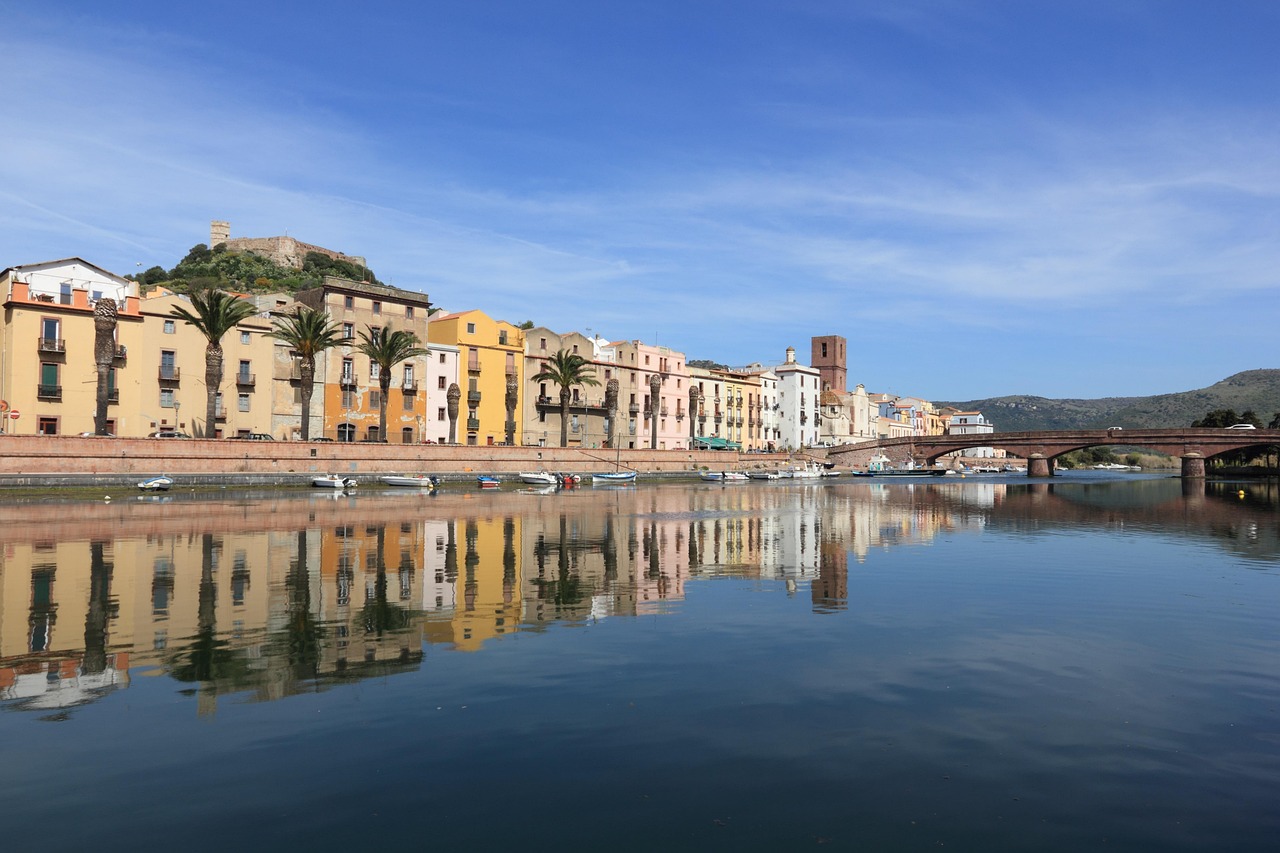
Bosa is one of those places that still feels like a secret, even though it is often called one of the most beautiful towns in Italy. Tucked along Sardinia’s wild western coast, Bosa is a ribbon of pastel houses cascading down a hill towards the river Temo, crowned by a medieval castle and fringed by a wide, golden beach. I’ve been visiting Bosa regularly for over a decade, and every time I arrive, that first glimpse of the skyline – the castle, the church domes, the stacked houses – still makes me slow down, breathe, and smile.
Unlike Sardinia’s glitzy Costa Smeralda, Bosa is slow, intimate, and deeply authentic. Here you’ll find fishermen fixing nets on the riverfront, nonnas chatting on doorsteps in the medieval quarter, and kids jumping into the river on summer evenings. In 2026, Bosa remains blissfully free of hectic mass tourism; it is a place where you can still have genuine conversations with locals, taste traditional recipes in family-run trattorie, and wander quiet lanes without feeling like you are walking through a movie set.
Whether you’re planning a 3 day itinerary for Bosa, stretching it to 4 days in Bosa, or settling in for a longer 5 day itinerary for Bosa, this travel guide for Bosa will help you make the most of your time: from must-see attractions and hidden gems to local food, cultural experiences, and practical travel tips for Bosa in 2026–2027.
Table of Contents
- Why Visit Bosa in 2026
- Bosa at a Glance
- Neighborhoods & Areas of Bosa
- Top 20 Attractions & Experiences in Bosa
- 3, 4 & 5 Day Itineraries for Bosa
- Local Food & Drink in Bosa
- Nightlife, Entertainment & Cultural Experiences
- Major Events in 2026–2027
- Day Trips & Nearby Highlights
- Cultural Etiquette & Local Customs in Bosa
- Practical Travel Advice for Bosa
- Summary & Best Time to Visit Bosa
Bosa at a Glance
Bosa is a small town (around 8,000 residents) in the Province of Oristano on the west coast of Sardinia, about 45 minutes’ drive south of Alghero. It sits on the banks of the river Temo, the only navigable river in Sardinia, and stretches from the hilltop castle down to the seaside area known as Bosa Marina.
- Region: Sardinia (Sardegna), Italy
- Population: ~8,000
- Known for: Colorful medieval houses, Malaspina Castle, Bosa Marina beach, artisan traditions (including filet lace), Malvasia di Bosa wine
- Ideal for: Slow travelers, couples, families, food lovers, culture seekers, light adventure
- Good to know: Town is walkable; car is useful for exploring nearby coves and villages
Neighborhoods & Areas to Explore in Bosa
1. Sa Costa (Santa Croce & Sas Conzas)
This is the most iconic part of Bosa – the dense, vertical maze of medieval streets climbing from the river up to the Malaspina Castle. Locals often just say “Sa Costa”. It’s where I always book my room if I want to feel the real heart of Bosa under my feet.
Expect steep stone staircases, archways, tiny piazzas with laundry fluttering overhead, and those famous pastel façades – yellow, pink, blue, terracotta – stacked like a painter’s palette. It is quiet in the mornings, lively in the evenings, and wonderfully photogenic at all hours.
2. Bosa Marina
Bosa Marina is the seaside district, roughly 2 km from the historic center, where the river Temo meets the sea. A long crescent of sand, a 19th-century tower on one side, and a row of cafés, gelaterie, and family-friendly restaurants behind the promenade. When I stay in Bosa for more than three days, I usually split my nights between Sa Costa and Bosa Marina – one for atmosphere, the other for the sound of the waves and easy swims at sunrise.
3. Temo Riverfront & Ponte Vecchio Area
The riverfront is Bosa’s living room. The pastel houses of Sa Costa reflect in the calm water, fishing boats bob gently, and the stone arches of the Ponte Vecchio (Old Bridge) frame it all. I’ve lost count of how many evenings I have sat at a riverfront café here with a glass of chilled Malvasia, watching the light shift on the castle above.
4. S’Aso (The Lower Town & Shopping Streets)
Below Sa Costa, the “modern” town (still centuries old) extends along the main streets – Corso Vittorio Emanuele II and the lanes around Piazza IV Novembre. This is where you will find most everyday shops, banks, bakeries, and some excellent little bars and trattorie that locals frequent. It is less photogenic than Sa Costa but more “real”, and I always recommend visitors pop into a local bar here for a morning cappuccino to see daily life in action.
5. Former Tannery District (Concerie on the Temo)
Downriver from the Ponte Vecchio, on the opposite bank, is a string of old tanneries – long, low stone buildings with arched doors, now mostly converted into museums, studios, or left as atmospheric ruins. In the early 20th century, Bosa was a major leather town, and this area is part of that history. It feels a bit industrial and raw, which is a fascinating contrast to the candy-colored houses across the river.
Top 20 Attractions & Experiences in Bosa (With Personal Notes)
Below are 20 must-see attractions and hidden gems in Bosa, mixing history, nature, local food, and cultural experiences. Many of these will appear again in the suggested 3, 4, and 5 day itineraries for Bosa, but here I go deeper with background, stories, and tips from my own visits.
1. Malaspina Castle (Castello di Serravalle)
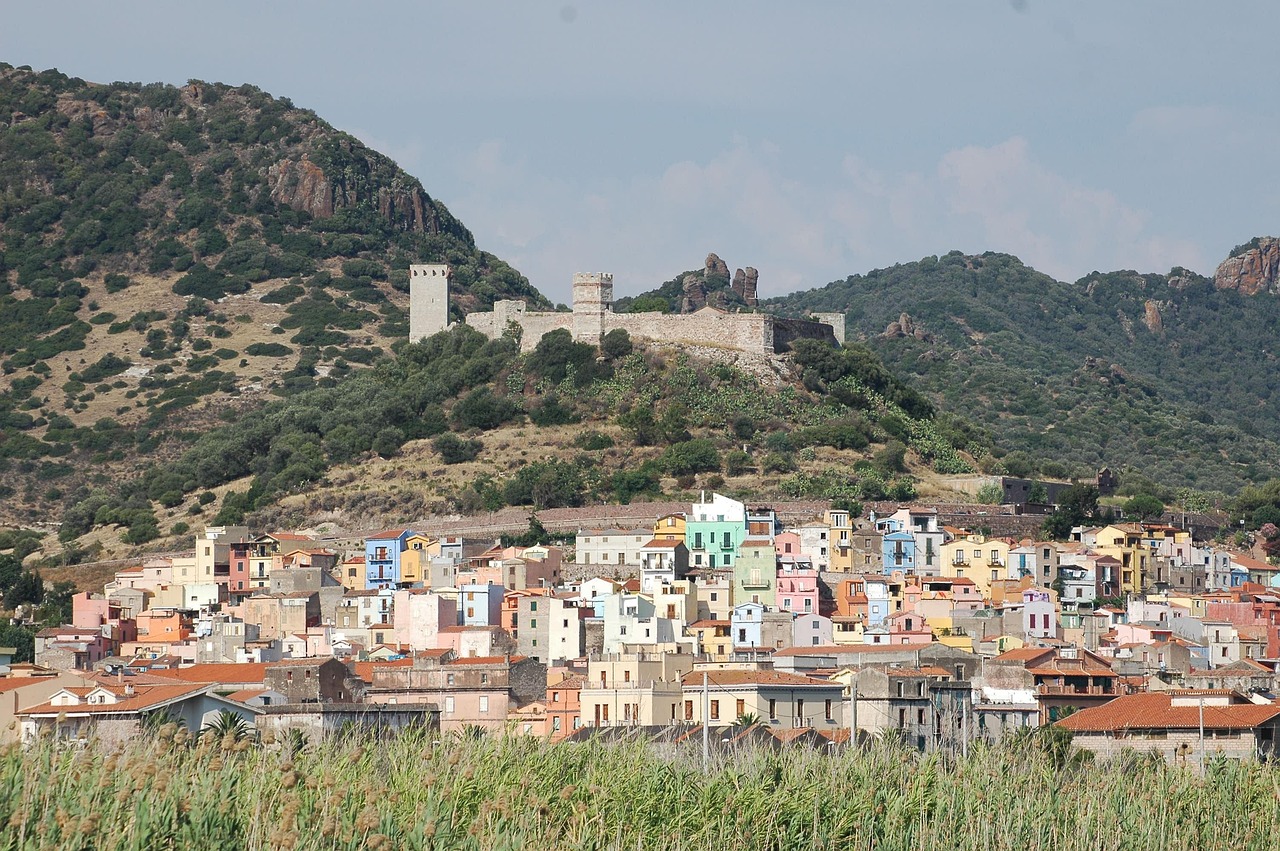
The Malaspina Castle dominates Bosa’s skyline. Built in the 12th century by the Tuscan Malaspina family, it once guarded this portion of the Sardinian coast and the Temo River. From below, it looks imposing; from within, it feels unexpectedly intimate, with stone walls, a small chapel, and sweeping views in every direction.
The first time I climbed up to the castle, I made the mistake of going at midday in August – blazing sun, steep steps, very sweaty. Since then, I always recommend going in the late afternoon instead. The light is soft, the town below glows, and if you time it well, you can watch the sunset over the sea from the ramparts.
- Highlights: Panoramic views over Bosa, Sa Costa’s colorful houses, and the sea; the 14th-century chapel of Nostra Signora de sos Regnos Altos with its Gothic frescoes; short but atmospheric walk around the walls.
- Family-friendly? Yes, but keep a close eye on younger kids around the walls and steps.
- Romantic? Very – sunset up here is one of the most romantic spots in western Sardinia.
- How to get there: Walk up from Sa Costa via signed alleys and staircases (15–25 minutes depending on your pace). Wear decent shoes; some stones are slippery.
- Tip: Bring a light scarf or jacket even in summer – the wind can be surprisingly chilly on top.
2. Bosa Marina Beach & Promenade
Bosa Marina is where locals go to swim, stroll, and eat gelato. The beach is a generous crescent of soft sand, shelving gently into clear water – ideal for children and anyone who likes lazy, safe swims. I often start my day here with a quick dip just after sunrise, when the sand is still cool, the water is glassy, and only a few dedicated walkers and dog owners are around.
- Activities: Swimming, paddle-boarding, beach volleyball, sunset walks, café-hopping along the promenade.
- Family-friendly? Absolutely – shallow water and playgrounds nearby.
- Adventurous? Try renting a kayak or SUP for paddling up the river mouth, or explore the rocky coves further along the coast.
- How to get there: 20–30 minutes’ walk from the historic center along the river, or a short drive/bus ride. There’s a cycle path part of the way.
- Tip: In summer, arrive before 10:00 if you want a front-row spot near the water and easier parking.
3. The Temo River & Ponte Vecchio
The Temo is more than scenery; it is Bosa’s spine. The ancient Ponte Vecchio (Old Bridge) links the historic town with the newer areas and offers one of the classic postcard views of Bosa – colorful houses lined up along the water, castle above, small fishing boats below.
One of my favorite rituals is to cross the Ponte Vecchio right before dinner and pause in the middle. On one side, the river glows orange; on the other, the sky turns pastel behind the castle. If there’s a breeze, you’ll hear the soft clinking of boat masts and the faint hum of conversation from the cafés.
- Activities: Riverfront walk, photography, café-hopping, boat tours upriver.
- Tip: For sunrise photos, stand on the tannery side looking back at the old town; for sunset, reverse it.
4. Santa Croce Quarter (Sa Costa)
Santa Croce and the broader Sa Costa district are the heart of Bosa’s medieval charm. This is where I always tell friends to “get lost on purpose.” The streets are too tangled for any precise navigation; you just wander up and down, left and right, following whatever catches your eye – a painted door, a flower-filled balcony, a cat sunning itself on a stair.
Many houses here are still family homes; you will see kids playing football in tiny squares and older residents sitting on low chairs outside their front doors. It feels like stepping into a quieter time, but the Wi-Fi is still strong enough if you choose a guesthouse here.
- Best time to visit: Early morning (for light and silence) or late afternoon/early evening (for life and color).
- Photographers’ tip: Look for vantage points where streets align with the castle above – classic Bosa shots.
- Respect: This is a living neighborhood; keep voices low at night, and avoid intrusive photography through windows or doorways.
5. Cathedral of Bosa (Cattedrale dell’Immacolata Concezione)
Down near the river, the cathedral’s pale façade and twin bell towers anchor the skyline. Inside, it is cooler and more ornate than you might expect from the outside, with marble details, painted ceilings, and side chapels that reveal Bosa’s religious heritage.
I like to step inside for a brief pause in the late morning, when the sun is high and the streets are hot. The hush and the filtered light through stained glass offer a moment of calm in the middle of sightseeing.
- Significance: Seat of the diocese of Bosa until it merged with Oristano; key site for local religious festivals.
- Tip: Dress modestly (covered shoulders and knees) and speak quietly; avoid visiting during services unless you are joining respectfully.
6. Historic Tanneries (Concerie di Bosa)
On the opposite bank of the Temo, the tanneries are a reminder that Bosa was once an industrial hub. In the 19th and early 20th centuries, these long stone buildings processed hides for export across Europe. Today, some have been restored and house small exhibitions, while others remain evocative shells facing the water.
On one of my early trips, an elderly man sitting by the river pointed at the buildings and told me stories of his father working there, the smell of the hides, and the noise of carts and boats. It completely changed how I saw the place: not just picturesque ruins, but layers of livelihoods and family history.
- Good for: History buffs, photographers, travelers who like offbeat industrial heritage.
- Tip: Combine a walk here with a late-afternoon riverfront stroll; fewer people, great light.
7. Malvasia di Bosa Wineries & Tasting Rooms
Malvasia di Bosa is the town’s liquid treasure – an aromatic white wine (often sweet or semi-sweet) that is protected by a DOC (Denominazione di Origine Controllata). The vineyards grow on the hillsides around town, and several small producers offer tastings either at their estates or in cellars within Bosa.
The first time I tasted a properly aged Malvasia, it was in a tiny cellar where the owner poured it from a wooden cask and served it with local almond biscuits. The wine was golden, with notes of dried apricot, honey, and a slight saltiness that speaks of the nearby sea. It felt like sipping a distilled sunset.
- Best experiences: Guided tastings paired with local cheeses and sweets; vineyard visits in late afternoon.
- Romantic? Very – especially for couples who enjoy slow, conversation-filled tastings.
- Tip: Book in advance during high season, and if you’re driving, agree on a designated driver or spit rather than swallow.
8. Church of Santa Croce & Hilltop Views
Perched partway up the hill towards the castle, the small church of Santa Croce offers one of my favorite viewpoints over Bosa. The church itself is modest but charming; the steps outside are where I often sit with a takeaway coffee or gelato, just watching the town breathe below.
- Good for: Quiet reflection, photography, short but rewarding climb.
- Tip: Come just after sunrise or about an hour before sunset for the best light and cooler air.
9. Torre Argentina (Bosa Marina Tower & Coastal Viewpoint)
On the northern side of Bosa Marina stands a coastal watchtower (often referred to as Torre Argentina or simply the Bosa tower). It is part of a chain of defensive towers that once watched over Sardinia’s coasts, guarding against pirate raids. The path up is short but a bit rocky; from the top, the view back towards Bosa, the river estuary, and the open sea is splendid.
- Adventurous? Mildly – the path can be uneven, but it’s suitable for most reasonably fit visitors.
- Tip: Wear closed shoes; flip-flops are not ideal on the rocks.
10. Local Coves: S’Abba Druche, Compoltitu & Porto Managu
Bosa Marina is wonderful, but if you have a car and a bit of curiosity, the stretch of coast north and south of Bosa hides some spectacular little beaches and coves. S’Abba Druche has rock pools and smooth stone platforms perfect for sunbathing; Compoltitu is a natural amphitheater of pale rock and turquoise water; Porto Managu feels wild and remote.
My favorite is Compoltitu in late September, when the crowds have thinned and the water is still warm. I usually pack a simple picnic (local pecorino, pane carasau, cherry tomatoes, and olives) and spend most of the day reading, swimming, and doing absolutely nothing productive.
- Family-friendly? S’Abba Druche is best; Compoltitu and Porto Managu involve steeper paths.
- Adventurous? Yes – the access paths can be steep and not always well-marked.
- Tip: Bring water, snacks, and sun protection; services are limited or non-existent at the smaller coves.
11. Rasarinu Viewpoint & Panoramic Drive
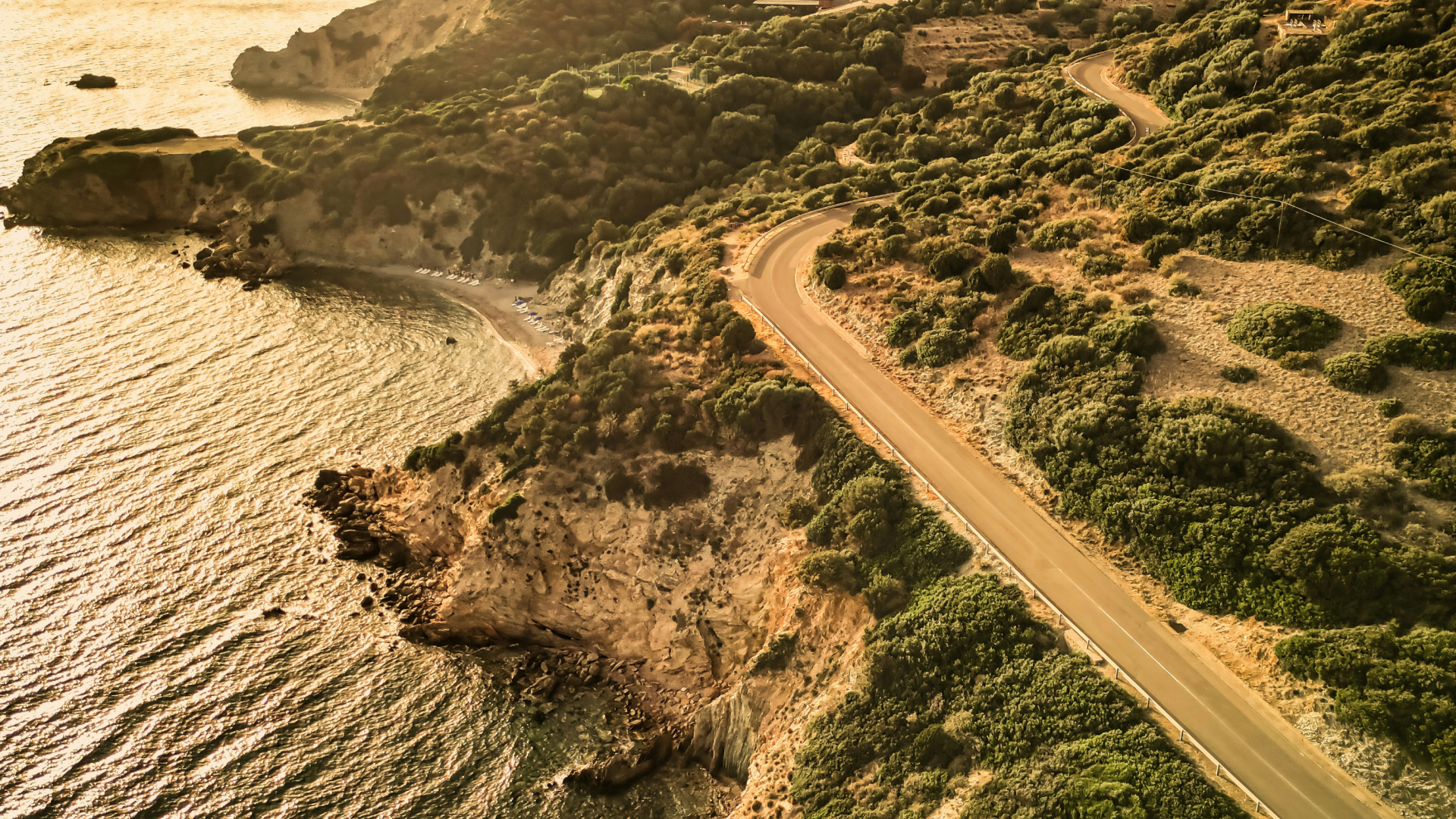
Driving the coastal road north from Bosa towards Alghero is one of the most scenic drives in Sardinia. Not far out of town, the Rasarinu viewpoint (sometimes just a lay-by with a railing and a sign) gives you a textbook panorama of Bosa’s entire setting: river, town, castle, and sea framed by rugged hills.
I like to stop here on my way back from a day trip, just as the sun dips low, to see the town in miniature before descending into it again.
- Good for: Road trip photos, orientation, sunset views.
- Tip: The roadside can be narrow; pull fully into designated parking spots and be mindful of passing traffic.
12. Civic Museum & Local History Exhibitions
Bosa’s civic museum (and smaller local exhibitions) are not huge institutions, but they are worth a visit if you are curious about the town’s deeper story – from prehistoric finds in the area to traditional costumes, tools, and crafts. On a hot afternoon or a rare rainy day, I like to duck into these small museums; they slow you down and fill gaps in the mental picture you build of the place.
- Good for: History lovers, families (short, manageable exhibits for children).
- Tip: Check current opening hours at the tourist office; they can vary by season.
13. Filet Lace Workshops & Artisan Shops
Bosa is known for its delicate filet lace, a net-based embroidery traditionally made by women at home. While mass-produced textiles are easy to find across Sardinia, in Bosa you can still meet artisans producing pieces by hand. On several visits, I have sat and watched older women in Sa Costa work the netting, their fingers moving automatically as they chat with neighbors.
- Cultural experience: Ask (politely) if you may watch, and consider buying a small piece as a meaningful souvenir.
- Tip: Avoid haggling aggressively; prices reflect hours of meticulous work.
14. Bosa Food Walk: Bakeries, Grocers & Markets
One of my favorite “attractions” is not a single site but a self-guided food walk through Bosa’s bakeries, small grocers, and markets. Start with a cappuccino and cornetto at a bar on Corso Vittorio Emanuele, then move on to a forno (bakery) for pane carasau and focaccia, stop by a caseificio (cheese shop) for pecorino, then a salumeria for cured meats, and finally a pasticceria for almond sweets.
Whenever I plan a 3–5 day itinerary for Bosa for friends, I build at least one morning around this. You end up with picnic supplies, a feel for local flavors, and a chance to chat with shop owners who are often happy to offer tastes and advice.
- Good for: Food lovers, budget travelers (picnics are cheaper than restaurants), cultural immersion.
- Tip: Learn a few Italian phrases; even “Buongiorno” and “Grazie” open doors and smiles.
15. Fishing Boats & Riverfront Life
In the mornings, especially outside the peak tourist months, the riverfront is alive with quiet work: fishermen checking nets, boats coming and going, repair work on wooden hulls. There is no single “fishing museum”, but this daily ritual is one of the most authentic cultural experiences in Bosa.
I like to walk along the river just after sunrise with a takeaway coffee, watching these routines unfold. It is a reminder that Bosa is not just a pretty backdrop for visitors; it is a working town with livelihoods tied to the sea and river.
16. Sunset Promenade & Gelato Ritual
Every evening in summer, and on many mild evenings the rest of the year, Bosa Marina’s promenade becomes a human river: families pushing strollers, teenagers on bicycles, older couples arm in arm, all doing the classic Italian passeggiata (stroll). Gelato in hand, sea breeze on your face, sky turning gold and pink – it is simple, but it is one of the must-do things in Bosa.
If you are visiting with kids, this is where they’ll burn off energy in the small playgrounds and on the sand. If you are here as a couple, find a bench, share a gelato, and watch the silhouettes of people against the water.
17. Boat Tours: Temo River & Coastal Excursions
From spring through autumn, small boats offer tours along the Temo River and out along the coast. The river trips glide past the tanneries and upstream into quieter, greener stretches; the coastal trips reveal cliffs, sea caves, and hidden coves that are impossible to reach by road.
On one particularly memorable evening, I joined a small group sunset cruise up the river. The water was like a mirror, reflecting the pastel houses and the castle as the sky shifted through every shade of orange. We sipped Malvasia and nibbled on local olives and cheese; I still think of it as one of the most relaxed, quietly beautiful evenings I have spent in Sardinia.
18. Local Festivals & Processions
Bosa’s calendar is punctuated by religious and cultural festivals – from Carnevale in February/March to the feast of the town’s patron saints. During these times, the streets fill with processions, music, and traditional costumes. Even if your visit does not coincide with a major event, you may stumble upon a smaller procession winding through Sa Costa or down by the cathedral.
I once arrived in Bosa by chance on the eve of a local saint’s day and ended up following a candlelit procession through the old town. The sound of hymns and the scent of wax and flowers in those narrow alleys was unforgettable.
19. Aperitivo Culture & Small-Bar Nightlife
Bosa is not a clubbing destination, but it does have a cozy, sociable nightlife centered around bars and cafés. The aperitivo hour – roughly 6:30–8:30 p.m. – is the main event: Spritz, Vermentino, or Malvasia served with little snacks, friends meeting up before dinner, the riverfront humming softly.
My personal favorite nights are the ones where I “plan” nothing – I just sit at a bar by the river, the bartender recognizes me from previous visits, and we chat about the weather, the grape harvest, or the latest local gossip while the town gently buzzes around us.
Suggested 3, 4 & 5 Day Itineraries for Bosa
Whether you have 3 days in Bosa, 4 days in Bosa, or a full 5 days in Bosa, you can experience the town’s must-see attractions, hidden gems, and local life at a relaxed pace. Below are sample itineraries based on how I usually structure my own visits, mixing history, food, sea, and simple pleasures.
3 Day Itinerary for Bosa – Classic Highlights & Local Flavor
Day 1: Getting Oriented – Sa Costa, Temo River & Castle Views
On your first day, focus on the historic heart of Bosa: Sa Costa, the riverfront, and the Malaspina Castle. This is the day I always repeat, in some form, every time I arrive – a ritual that reconnects me to the town.
Morning: Arrive and check into your accommodation in or near Sa Costa if possible. Drop your bags, grab a map from reception (or the tourist office near the river), and set out on foot.
- Start with a leisurely walk along the Temo riverfront, crossing the Ponte Vecchio and taking in your first full view of the pastel houses stacked up towards the castle.
- Stop at a café near the river for your first espresso or cappuccino; you are on Sardinian time now – no rush.
Late Morning: Begin exploring Sa Costa (Santa Croce quarter). Wander uphill through the narrow streets, giving yourself time to get pleasantly lost.
- Follow signs (or your instinct) towards the Malaspina Castle, but don’t be afraid to detour whenever a side street or staircase looks inviting.
- Pause at small churches and viewpoints like Santa Croce for photos and breathers.
Lunch: Choose a simple trattoria in the old town or down near the river. Look for menus featuring local fish (such as spaghetti with bottarga or seafood) and hearty Sardinian dishes.
Afternoon: Continue up to the Malaspina Castle. Give yourself at least an hour to explore the walls, chapel, and viewpoints. If it’s summer, you might want to time this for slightly later in the afternoon to avoid the worst heat.
Evening: Stroll back down through Sa Costa, perhaps taking a different route than on the way up. Back at river level:
- Enjoy aperitivo at a riverfront bar – try a glass of chilled Malvasia di Bosa with small snacks.
- For dinner, choose a restaurant overlooking the river, and linger until the castle lights come on and reflect in the water.
Day 2: Sea & Sand – Bosa Marina and Coastal Walks
Today you meet the seaside side of Bosa: Bosa Marina and, if you like, a taste of the wilder coast beyond.
Morning: After breakfast, walk or drive down to Bosa Marina beach. The walk along the river takes about 20–30 minutes and is especially pleasant in the cooler hours.
- Settle on the sand, swim, or simply stretch out with a book.
- Families can take advantage of the shallow water and nearby playgrounds; couples might enjoy a quieter spot towards the ends of the beach.
Lunch: Choose one of the beachside restaurants or pizzerias. I often go for fried local fish or a simple pizza and a beer, eaten under an umbrella with the sound of the waves just beyond.
Afternoon: If you are feeling energetic:
- Walk or drive towards the coastal tower (Torre Argentina) for views back over the bay.
- Alternatively, rent a kayak or SUP to explore the river mouth and nearby coastline.
If you prefer to keep it lazy, stay on the beach, perhaps moving to a bar for an ice coffee as the afternoon progresses.
Evening: Stay in Bosa Marina for the classic sunset passeggiata along the promenade.
- Get gelato from a busy gelateria (a long line is usually a good sign).
- Watch the sky change over the sea and the lights come on across the river.
- Have dinner in Bosa Marina or head back to the historic center for a change of scene.
Day 3: Local Flavors, Crafts & Hidden Corners
Your third day in Bosa is about deepening your relationship with the town: food, wine, crafts, and quiet corners.
Morning: Do a self-guided food walk through the lower town.
- Start with coffee and pastry on Corso Vittorio Emanuele II.
- Visit a bakery, cheese shop, and salumeria to assemble picnic ingredients – ask for local specialties.
Late Morning: Visit a Malvasia di Bosa winery or tasting room. Many offer late-morning tastings; book ahead if you can.
- Learn about the history of Malvasia, taste different vintages, and ask your host about their favorite Bosa experiences – locals often have the best suggestions for hidden gems.
Lunch: Either join a winery’s light lunch (if available) or return to town and eat your assembled picnic on a quiet bench overlooking the river or in a shady spot in Sa Costa.
Afternoon:
- Visit a filet lace artisan or small craft shop in Sa Costa; watch the work and pick up a souvenir if something speaks to you.
- Explore any museums or exhibitions that interest you (check with the tourist office for current offerings).
Evening: For your final night in a 3 day itinerary for Bosa, choose a special dinner – perhaps a restaurant that focuses on local seafood or a slow-food style Sardinian menu.
- End the night with one last glass of Malvasia on the riverfront or a quiet stroll through the softly lit alleys of Sa Costa.
4 Day Itinerary for Bosa – Adding Coastal Adventure
With 4 days in Bosa, you can add a day of exploration along the wild coast or into the nearby countryside.
Day 4: Secret Coves & Scenic Drives
Morning: Rent a car (if you haven’t already) and head out along the coastal road towards Alghero.
- Stop at S’Abba Druche or Compoltitu beach for a few hours of swimming and sun.
- Take your time; the drive itself is part of the pleasure, with dramatic cliffs and sea vistas.
Lunch: Either pack a picnic from Bosa or stop at a simple roadside spot or beach kiosk (availability depends on season).
Afternoon:
- Continue further along the coast if you wish, or loop back to Bosa via the inland road for different scenery.
- Stop at the Rasarinu viewpoint on your way back into town for panoramic photos.
Evening: Back in Bosa, freshen up, then enjoy a relaxed aperitivo and dinner. You might choose a different neighborhood tonight – perhaps a little bar tucked inside Sa Costa or a more modern spot in the lower town, to see another side of evening life.
5 Day Itinerary for Bosa – Deep Dive & Day Trip
With a full 5 days in Bosa, you can truly slow down. Use the first three days as in the 3 day itinerary, the fourth for coastal exploration, and then:
Day 5: Countryside, Nearby Villages & Free Time
Morning: Make a short day trip to a nearby village or inland site (see the Day Trips section below for details). Options include:
- A traditional inland village with stone houses and rural life.
- An archaeological site or nuraghe (prehistoric stone tower) for a taste of Sardinia’s ancient past.
Lunch: Eat in the village you visit – rural trattorie often serve excellent, hearty food at good prices. Alternatively, return to Bosa for lunch and keep your day trip shorter.
Afternoon: Treat this as free time:
- Return to your favorite beach or café from earlier days.
- Shop for final souvenirs (local wine, lace, ceramics, food products).
- Simply sit by the river or in a quiet square and watch life go by.
Evening: For your last night in Bosa on a 5 day itinerary, revisit the place that made you happiest – that one bar where the staff remembered your order, that corner of Sa Costa where you felt at home, or that stretch of Bosa Marina where you watched the sun dip into the sea.
Local Food & Drink in Bosa
The local food in Bosa is a blend of coastal Sardinian seafood and inland rustic traditions, with a strong emphasis on simple, honest ingredients: fresh fish, local lamb and pork, sheep’s milk cheese, olive oil, and seasonal vegetables.
What to Eat in Bosa
- Bottarga: Cured fish roe (usually mullet) grated over pasta or sliced thin with olive oil and lemon.
- Fregola con arselle: Sardinian toasted pasta pearls cooked with clams – rich, comforting, and full of sea flavor.
- Grilled or fried local fish: Whatever is fresh that day – ask your server for recommendations.
- Porchetto (porceddu): Roasted suckling pig – more common inland, but sometimes available in Bosa, especially at special dinners or festivals.
- Pecorino sardo: Sheep’s cheese in various ages and intensities.
- Pardulas & almond sweets: Small ricotta tarts and almond-based pastries, ideal with Malvasia.
What to Drink in Bosa
- Malvasia di Bosa: The local star – try different producers and styles.
- Vermentino di Sardegna: A crisp, aromatic white wine perfect with fish.
- Local craft beers: Some bars stock Sardinian microbrews; ask what’s local.
- Mirto: A liqueur made from myrtle berries, usually served after meals.
Budget Tips for Eating & Drinking
- Pranzo di lavoro: Look for weekday lunch menus – set-price meals for workers that often include a couple of courses, water, and coffee at very reasonable prices.
- Picnic strategy: Alternate restaurant dinners with picnic-style meals assembled from local shops to save money while still enjoying high-quality ingredients.
- House wine: The house white or red in simple trattorie is often good and much cheaper than bottled labels.
Nightlife, Entertainment & Cultural Experiences in Bosa
Bosa’s nightlife is gentle and sociable rather than wild. The main ingredients: riverfront bars, Bosa Marina’s promenade, and the occasional live music event, especially in summer.
Evening & Nightlife Options
- Aperitivo bars: Along the river and in Bosa Marina – ideal for people-watching and casual conversation.
- Wine bars: Some focus on local Malvasia and Sardinian wines; ask for tasting flights.
- Summer events: Open-air concerts, cinema, or food festivals in the main squares or along the river – check posters and the tourist office for up-to-date schedules.
Cultural Experiences
- Religious processions: Join respectfully if you encounter one; stand to the side, avoid obstructing participants, and keep photography discreet.
- Craft workshops: Short introductions to filet lace or other crafts may be available; ask at artisan shops.
- Local cooking classes: Occasionally offered by agriturismi or small restaurants; a great way to learn Sardinian recipes hands-on.
Major Events & Festivals in Bosa (2026–2027)
Event dates can vary slightly year to year, but here are key happenings expected in 2026–2027. Always confirm closer to your travel dates.
- Carnevale di Bosa (February/March 2026 & 2027): One of Sardinia’s most atmospheric carnivals, with traditional masks, costumes, and late-night celebrations in the streets. A mix of playful and eerie – expect music, processions, and plenty of wine.
- Holy Week & Easter (March/April): Religious processions and ceremonies, particularly around the cathedral and Sa Costa.
- Summer Cultural Festivals (June–September 2026 & 2027): Rotating program of concerts, theater, and food events, often under the banner of local cultural festivals organized by the municipality and associations.
- Harvest & Wine Events (September–October): Some Malvasia producers organize small harvest celebrations or tasting events around this time.
Day Trips & Nearby Attractions from Bosa
Bosa is well-placed for exploring western Sardinia. With a car, you can reach several interesting places within an hour or so.
Coastal Road to Alghero
The drive itself is the attraction: cliffs, wild coastline, and viewpoints. You can stop at small beaches en route and eventually reach the lively town of Alghero for a change of pace, Catalan-influenced architecture, and more restaurants and shops.
Inland Villages
Explore a traditional inland village to see a different side of Sardinian life: stone houses, slower rhythms, and often excellent, rustic food. Ask locals in Bosa for current recommendations, as some villages have particular festivals or markets on specific days.
Archaeological Sites
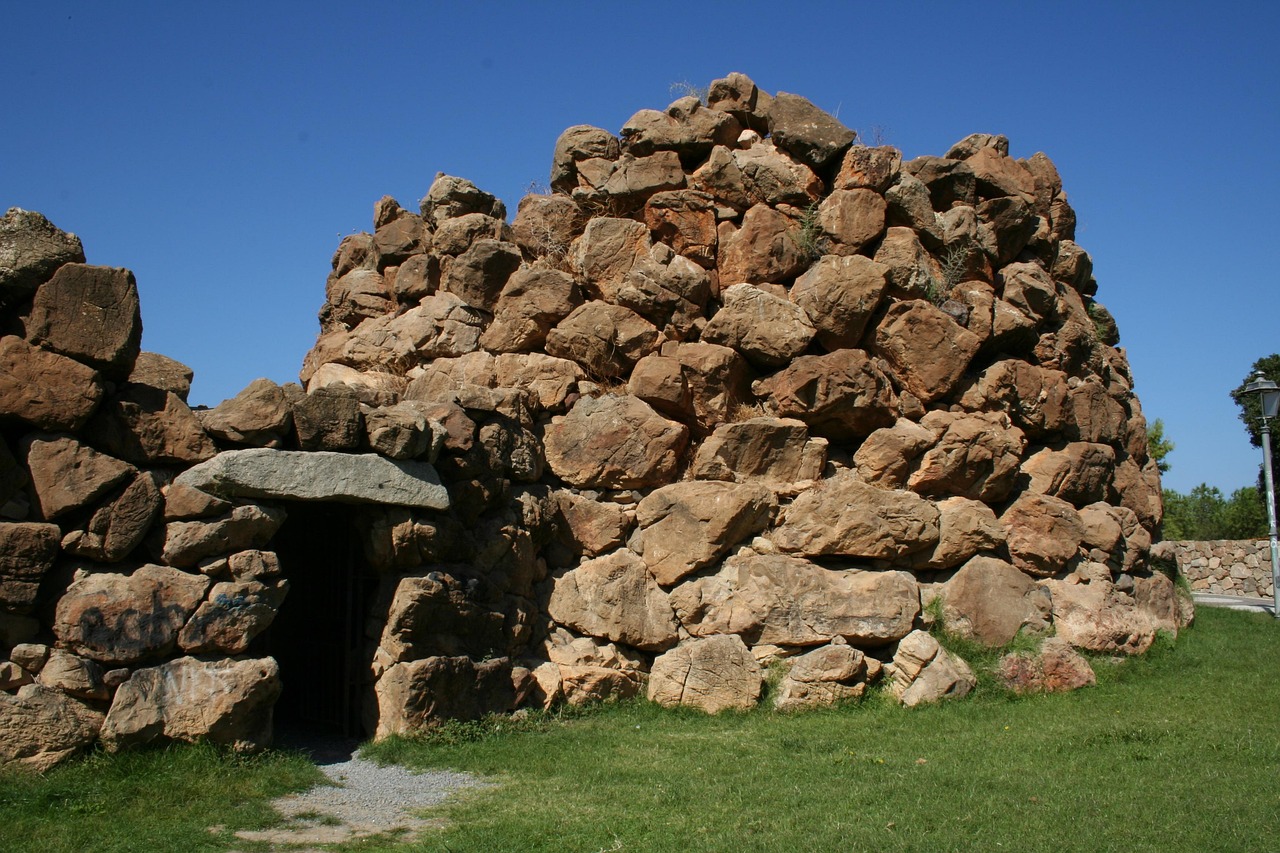
Western Sardinia is dotted with nuraghi (prehistoric stone towers) and other archaeological remains. Visiting at least one gives context to the deep history of the island beyond the medieval and modern layers visible in Bosa.
Practical Tips for Day Trips
- Transport: A car is by far the easiest way; public transport is limited and infrequent in rural areas.
- Timing: Start early to avoid midday heat and give yourself time for long lunches and scenic stops.
- Fuel & food: Fill up your tank and carry water and snacks; not every village has open services at all hours.
Cultural Etiquette & Local Customs in Bosa
Understanding local customs in Bosa will enrich your stay and help you connect more easily with residents.
Daily Rhythm
- Morning: Shops open, cafés busy with locals having coffee and pastry.
- Midday: Many shops close for a long lunch and rest (especially outside peak summer and in the old town).
- Evening: Life returns to the streets for the passeggiata, aperitivo, and late dinners.
Greetings & Politeness
- Use “Buongiorno” (good day) or “Buonasera” (good evening) when entering shops and cafés.
- “Per favore” (please) and “Grazie” (thank you) go a long way.
- Locals may be reserved at first but are usually warm once you show respect and interest.
Dress & Behavior
- Churches: Cover shoulders and knees; avoid loud conversation and phone use.
- Beaches: Swimwear is for the beach, not for walking around town; cover up when leaving the sand.
- Residential areas: In Sa Costa, keep noise low at night; voices and footsteps echo in the narrow alleys.
Dining Etiquette
- Italians eat dinner later than many visitors – 8 p.m. is normal, 9 p.m. common.
- Tipping is modest; rounding up or leaving a small amount (5–10%) is appreciated but not obligatory.
- Ask before splitting bills in large groups; some small places prefer one payment.
Practical Travel Advice for Bosa (2026)
How to Get to Bosa
- By Air: Nearest major airports are Alghero-Fertilia (about 45–60 minutes by car) and Cagliari (2–2.5 hours by car).
- By Car: Scenic coastal road from Alghero; inland highways from Cagliari and Oristano.
- By Bus: Regional buses connect Bosa with Alghero, Oristano, and occasionally other towns; schedules can be limited, especially on Sundays and holidays.
Getting Around Bosa
- On Foot: The historic center is walkable; Sa Costa involves steep steps.
- By Car: Useful for beaches and day trips; parking can be tight in the historic center – use designated parking areas.
- By Bike: Short rides between town and Bosa Marina are feasible; the coastal road is beautiful but can be demanding and busy in parts.
Car Rental & Foreign Licenses
- Car rental: Available in major Sardinian cities and airports; booking ahead for summer 2026 is wise.
- Licenses: EU/EEA licenses are accepted. Travelers from many non-EU countries are advised to carry an International Driving Permit (IDP) in addition to their home license; check current rules before travel.
SIM Cards & Connectivity
- Local SIM: Major Italian providers (TIM, Vodafone, WindTre, Iliad) offer prepaid SIMs with generous data; purchase with passport at official stores in larger cities or airports.
- Coverage: Good in town and along main roads; some remote coves may have weaker signal.
- Wi-Fi: Available in most hotels, guesthouses, and many bars/restaurants.
Money & Costs
- Currency: Euro (€).
- ATMs: Available in town; withdraw in larger amounts to minimize fees.
- Budget tips: Make lunch your main meal, picnic some days, and alternate restaurant dinners with simpler options.
Visa Requirements (General Overview)
Bosa is in Italy, part of the Schengen Area. Visa requirements depend on your nationality:
- EU/EEA/Swiss citizens: Can enter freely with valid ID or passport.
- Many non-EU countries (e.g., US, Canada, UK, Australia, Japan): Typically allowed short stays without a visa (up to 90 days in any 180-day period) for tourism; check up-to-date Schengen rules.
- Others: May need to apply for a Schengen visa in advance; consult your local Italian consulate before booking.
Best Seasons for Different Activities
- Spring (April–June): Ideal for hiking, exploring Sa Costa without heat, and moderate beach days. Wildflowers in the countryside; fewer crowds; pleasant for a 3 or 4 day itinerary for Bosa.
- Summer (July–August): Hot, busy, and lively – best for beach lovers, families, and nightlife; ideal for a 5 day itinerary if you want sea time and festivals.
- Early Autumn (September–October): My personal favorite: warm sea, mellow weather, smaller crowds, and harvest season for Malvasia.
- Winter (November–March): Quiet, with some businesses closed or on reduced hours; atmospheric for slow travel, writing, or simply being, but less ideal for swimming.
Hidden Tips to Save Money & Stress
- Stay slightly uphill: Accommodation in Sa Costa can be better value than riverfront or Bosa Marina and more atmospheric.
- Shop like a local: Buy fruits, vegetables, and basics from small grocers rather than always eating out.
- Travel shoulder season: May–June and September–early October combine good weather with lower prices and fewer crowds.
- Book key things, not everything: In high season, book accommodation, car rental, and any must-do tours in advance; leave some room in your days to follow local advice and spontaneous discoveries.
Summary & Final Recommendations – Planning Your Bosa Trip
Bosa is a place that rewards both quick visits and long stays. For a first-timer, a 3 day itinerary for Bosa is enough to see the must-see attractions – Sa Costa, the castle, the riverfront, Bosa Marina, and a Malvasia tasting – while still moving at a relaxed pace. If you can stretch to a 4 day itinerary for Bosa, you can add a day of coastal exploration. With a full 5 days in Bosa, you’ll have time for nearby villages or archaeological sites and, more importantly, for simply being: lingering over coffee, returning to your favorite corners, and letting the town’s rhythms seep into you.
For beach-focused trips and lively evenings, choose July–August, accepting higher prices and more people. For balanced weather, warm seas, and gentler crowds, aim for late May–June or September–early October – the sweet spots I usually target myself. If you are more interested in quiet streets, local life, and perhaps the mystery of Carnevale, consider winter and early spring, but be ready for fewer services and cooler weather.
What makes Bosa special is not just its colorful houses or its castle (beautiful as they are) but its scale and soul: small enough to feel intimate, big enough to stay interesting over days. Walk slowly, eat well, greet people, and give yourself time to watch the light change on the river and the hills. That is where the real magic of Bosa lives.