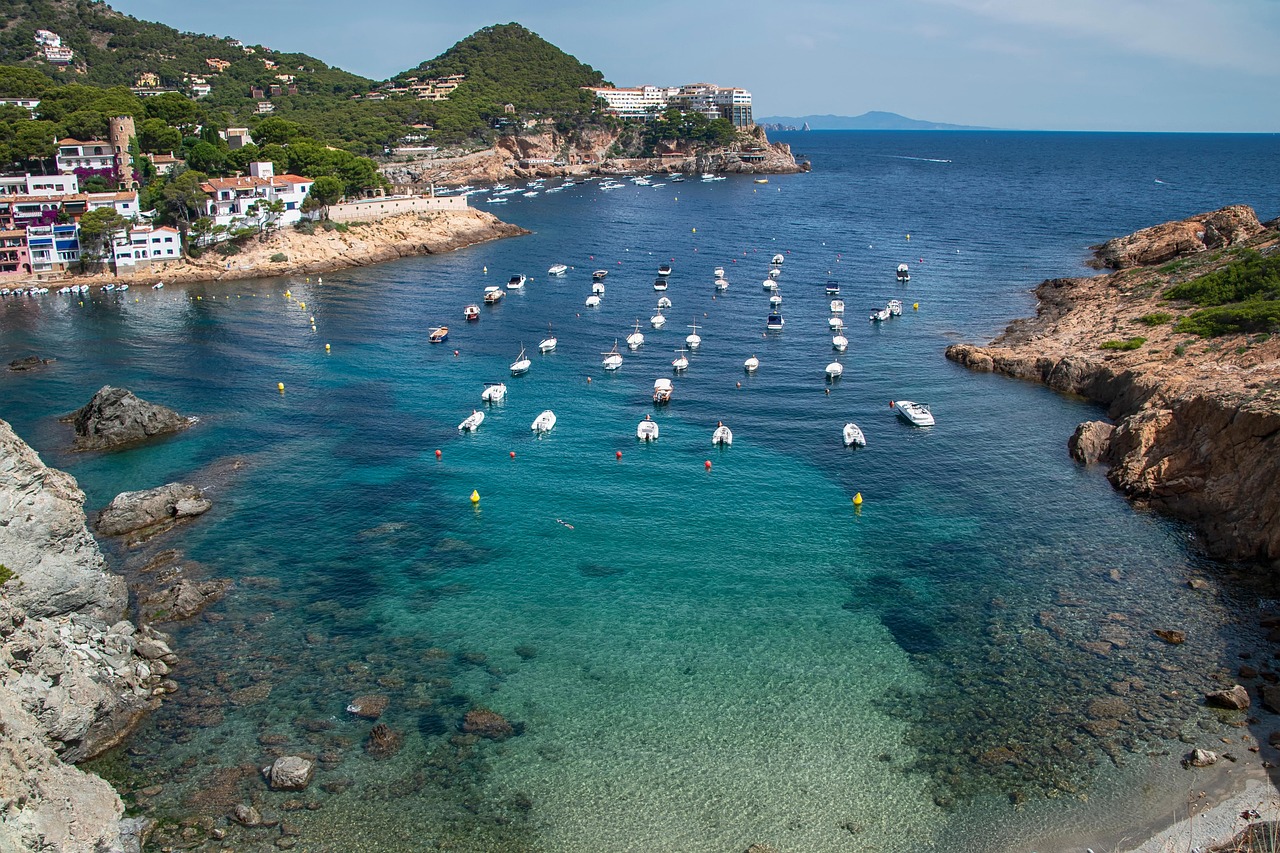
Why Visit Cala Mariolu in 2026
If you’re debating a 3 day itinerary for Cala Mariolu versus the more famous Costa Smeralda, here’s the honest answer: Cala Mariolu is harder to reach, less built-up, and far more about the sea than about nightlife or shopping. You’ll trade convenience for wild beauty – and that’s exactly the point.
- World-class water clarity: Visibility often 20–30 meters, ideal for snorkeling and freediving.
- Limited access = fewer crowds (if you time it): You can only reach it by sea or via a demanding hike, which naturally caps how busy it can get.
- Compact but varied coastline: Within one boat ride, you can visit a string of coves that each feel like their own micro-world.
- Authentic Sardinian culture nearby: Base yourself in towns like Santa Maria Navarrese or Baunei, where the restaurants still feel local and the pace is gently old-fashioned.
- Great for mixed groups: Families, couples, and adventurous friends can all find their rhythm – from calm swimming pockets to cliff jumps and caves.
In 2026, there are also a few new twists: more regulated boat traffic, a couple of thoughtful eco-focused operators, and a slow but steady rise in quality of food options around the ports. It’s still not polished – thankfully – but it’s getting easier to eat and sleep well without losing the raw magic of the Gulf of Orosei.
Table of Contents
- 1. Overview of Cala Mariolu & the Gulf of Orosei
- 2. Main Beach Sections & Coves: 10 In-Depth Spotlights
- 3. 3–5 Day Itineraries in Cala Mariolu (With Personal Stories)
- 4. Seafood, Beach Bars & Local Food Around Cala Mariolu
- 5. Where to Stay: Oceanfront vs. Town vs. Countryside
- 6. Evenings in Cala Mariolu & the Gulf of Orosei
- 7. Day Trips & Nearby Attractions
- 8. Cultural Etiquette & Local Customs
- 9. Practical Logistics & Travel Advice for Cala Mariolu
- 10. Beach-Specific Logistics: Safety, Seasons & Gear
- 11. Events & What’s New in 2026–2027
- 12. Summary & Final Recommendations
1. Overview of Cala Mariolu & the Gulf of Orosei
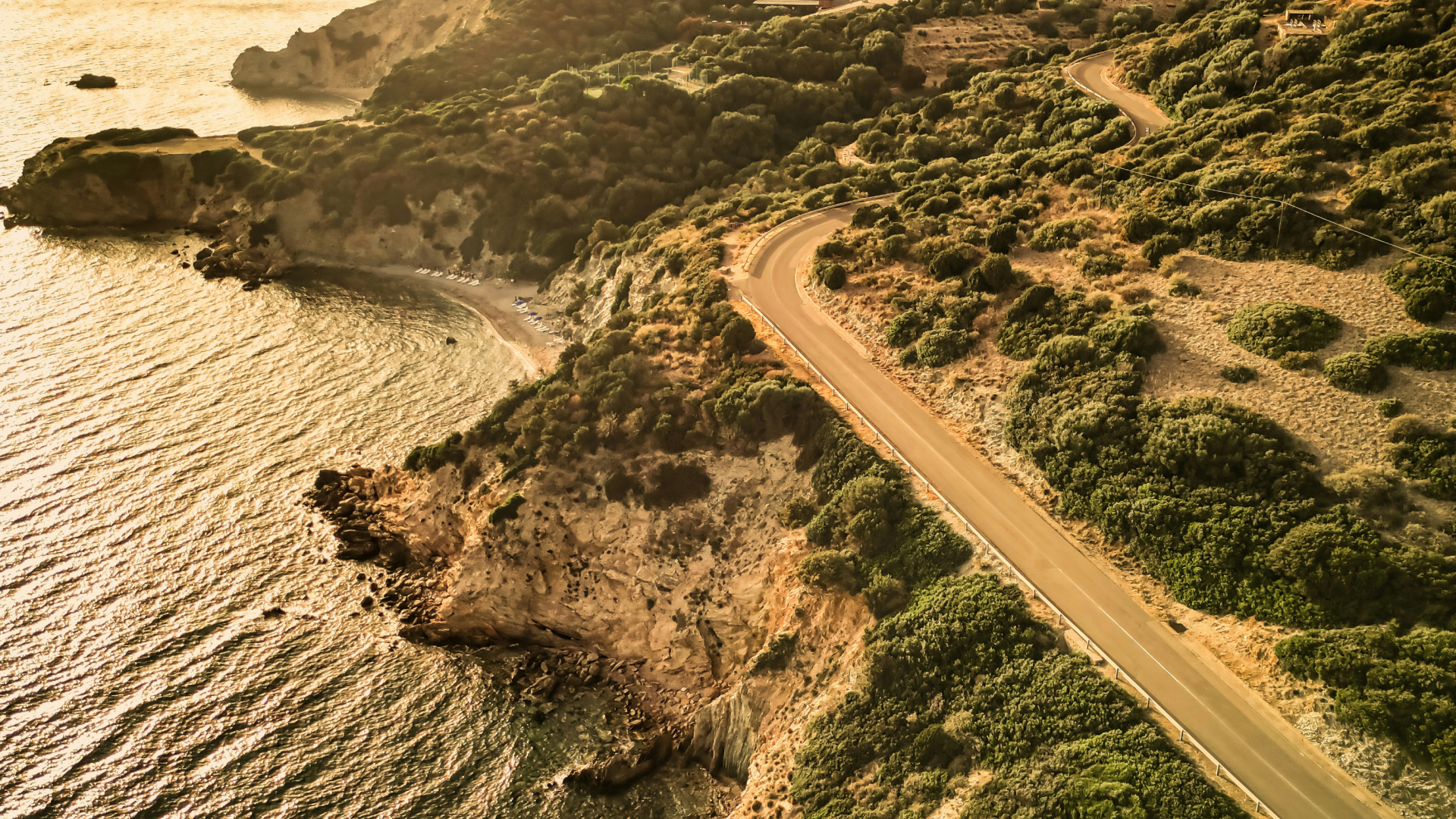
Cala Mariolu sits roughly midway down the dramatic eastern coast of Sardinia, in the heart of the Gulf of Orosei, within the Baunei municipality. This stretch of coast is all limestone cliffs, caves, and pocket beaches that seem carved out just big enough for a few dozen umbrellas.
There is no town called “Cala Mariolu.” When you say you’re spending 3 days in Cala Mariolu, what you really mean is that you’ll be basing yourself in one of the port towns – typically:
- Santa Maria Navarrese – my personal favorite base, small and walkable with a charming little harbor.
- Arbatax/Tortolì – larger, more services, a more “resort” feel but still fairly low-key.
- Cala Gonone – farther north, but another popular gateway to the Gulf of Orosei.
From there, you’ll reach Cala Mariolu by boat – either on a scheduled tour, a semi-private rubber dinghy, or a fully private charter. Alternatively, extremely fit hikers tackle the descent from the Golgo plateau near Baunei, but unless you’re here for a hardcore trek in midspring or autumn, I’d stick to the sea route.
2. Main Beach Sections & Coves: 10 In-Depth Spotlights
Across multiple visits, I’ve come to think of the Gulf of Orosei as a string of “rooms” in a sea-palace, each with its own character. Below are the ten that shape any meaningful travel guide for Cala Mariolu, with personal notes on what each one is best for – families, romance, adventure – and how they fit into your 3, 4, or 5 day itinerary.
2.1 Cala Mariolu (Main Beach)
The first time I stepped off the boat at Cala Mariolu, it felt like walking onto polished marble. The “sand” here is actually millions of tiny rounded pebbles and granules of shell, formed over centuries as the limestone cliffs eroded and mixed with fragmented coral. Your feet sink just enough to be soft, but there’s no clingy sand to shake off afterward.
The cove forms a gentle semicircle framed by sheer cliffs. The water color shifts from electric turquoise in the shallows to deep lapis just a few meters out. On calm days, it’s like swimming in a giant aquarium.
Best For
- Families with water-confident kids: Clear shallows near the shore and gradual depth, but watch for boat traffic.
- Snorkelers & freedivers: One of the top spots in the Gulf – fish density is high, and the rocky edges drop quickly.
- Romantic escapes: Early morning and late afternoon, when the day-trip crowds thin, are quietly sublime.
What I Actually Do Here
On a typical day, I arrive with the first or second boat from Santa Maria Navarrese, around 9:30–10:00 a.m., and head immediately to the left-hand side facing the sea. That side gets shade from the cliffs longer in the morning – a lifesaver in July and August. I spread a light Turkish towel on top of a neoprene mat (the pebbles can be surprisingly tough on hips and elbows), stash my dry bag among the rocks, and head straight into the water.
If you swim or snorkel along the right-hand wall (facing the sea), you’ll find a series of underwater ledges and boulders where larger fish – bream, wrasse, sometimes barracuda – patrol. On my 2025 trip in late September, I spent an hour hovering above a single rock where a cloud of small fish seemed to dance in the light beams like confetti.
Food & Facilities
Cala Mariolu itself has no permanent restaurants. In high season (June–September), there’s usually:
- A small floating snack boat or two selling panini, cold drinks, and sometimes fruit.
- Occasional gelato vendors on larger tour boats offering cups or cones while anchored offshore.
Personally, I never rely on these. I pack:
- A focaccia sandwich from a bakery in Santa Maria Navarrese (ask for it cut in half and wrapped in paper).
- A couple of peaches or apricots.
- At least 1.5 liters of water per person, especially in high summer.
There are no toilets on the beach. Your options are the boat (most tours allow quick returns) or the “discreet nature solution” in an emergency – which I recommend avoiding for obvious environmental reasons. This is important when planning a 3 day itinerary for Cala Mariolu with kids: build in shorter beach segments or choose a boat that lets you hop between coves with restroom access on board.
How to Get There
From Santa Maria Navarrese (my usual base):
- Group boat tours: 40–70 EUR per person in 2026, stopping at several coves (Mariolu, Biriola, maybe Sisine or Luna) plus Grotta del Fico or Bue Marino cave.
- Semi-private dinghies (gommoni): 80–120 EUR per person with fewer passengers and more flexible timings.
- Self-drive dinghy rental: 150–250 EUR per day plus fuel; no license required for small engines, but you must be confident at sea.
I usually choose a semi-private option: enough structure that someone else worries about the weather and permits, but enough freedom to linger if the cove is quiet.
Tips for Travelers
- Bring reef-safe sunscreen and a rashguard: The UV in Sardinia is brutal, and reapplying lotion on pebble beaches is messy.
- Pack water shoes or sturdy sandals: The pebbles are fine barefoot for most people, but if you have sensitive soles, you’ll thank me.
- Avoid the midday cluster: On peak-season days, 11:30–14:30 is when the bulk of group tours overlap. Swim or snorkel out to the edges during this time for relative calm.
2.2 Cala Biriola
Cala Biriola is smaller than Mariolu, with a wild, almost secret-garden vibe. Pine trees cling improbably to the cliffs, their roots gripping cracks in the limestone. A natural arch just offshore gives snorkelers something to weave through when the sea is calm.
I remember a late October afternoon here when the sea was silky flat and there were only nine of us on the beach. The light was soft, the colors muted compared to August, and the cove felt like it had exhaled after summer.
Best For
- Quiet couples’ time: Especially outside core summer weekends.
- Confident swimmers: The shore drops off quickly, and the small size means waves feel more intense in wind.
- Photography: That rock arch is one of the most photogenic features in the gulf.
Swimming & Snorkeling
The northern side (to your left as you face the sea) has rocky outcrops and schools of small fish. Snorkeling here in 2024, I watched a cormorant dive repeatedly, darting through a shoal with unnerving precision. The sandy patches between rocks create brilliant light patterns.
Access & Logistics
Most tours that advertise a “Mariolu + Biriola” route will stop here for 60–90 minutes. The landing can be tricky in swell, so sometimes the skipper will decide last-minute whether it’s safe. This is one of the reasons I like being on smaller boats: they can usually nose in closer.
No facilities, no bars – just plan as if you’re going on a short hike with full self-sufficiency.
2.3 Cala Goloritzè
If Cala Mariolu is about underwater color, Cala Goloritzè is about vertical drama. The iconic limestone pinnacle – the Aguglia di Goloritzè – rises 143 meters straight out of the cliff, beloved by climbers and photographers alike.
Unlike Mariolu, Goloritzè is primarily accessed on foot, via a well-known hiking trail from the Golgo plateau above Baunei. This makes it feel more earned, more remote – and more reverent somehow. The beach is also protected: motorboats cannot drop people directly on the shore but must stay outside a buoyed perimeter.
My Hike Down (and Back Up)
I’ve hiked the Goloritzè trail three times, most recently in May 2025. Starting from the Su Porteddu parking area, it’s about 3.5 km each way, with a significant descent (and thus ascent on the return). With photo stops and heat breaks, it took me around 1.5 hours down and 2 hours up.
On that May day, we left the car park around 8:00 a.m., reaching the sea before 9:30 to find the cove still half in shade, with just a handful of hikers already there. By noon, the light had swung fully around, the water glowed neon blue, and more people trickled in – but it never felt crowded like boat-access beaches sometimes can.
Best For
- Hikers and active travelers: A must if you’re building a 4 day itinerary for Cala Mariolu and want at least one land-based adventure.
- Romantic adventurers: There’s something deeply bonding about arriving sweaty and dusty and diving straight into cold, clear water.
- Families with older kids/teens: I wouldn’t attempt it with very young children in summer heat.
Swimming & Cliff Jumping
The water here is colder than at Mariolu, due to underwater springs. It can be a shock, especially if you’ve just been baking on the trail. For me, that first plunge is one of the purest pleasures in Sardinia.
There are some low rocks along the sides that people use for small jumps (1–3 meters). Anything higher is risky and officially discouraged, especially near the arch, as underwater rocks shift seasonally.
Practical Tips
- Start early: In July–August, begin hiking no later than 7:30 a.m. to avoid the worst heat.
- Bring at least 2 liters of water per person: There is no potable water on the trail or at the beach.
- Wear proper footwear: This is not a flip-flop hike; trail runners or sturdy sneakers are fine.
- Permit/fee: In recent years, a small access fee has been introduced to limit numbers; in 2026, expect around 6–10 EUR, sometimes bookable via the Baunei tourism website or onsite.
2.4 Cala Luna
Cala Luna is one of the best known coves in Sardinia, and it’s the only one on this list that feels like it could host a modest beach party without breaking a sweat. It’s long, gently curving, with a line of natural caves at the back that offer shade – and, in my case, a welcome refuge during a midday thunderstorm in 2019.
Why It Matters in a Cala Mariolu Trip
Even if you’re here primarily for Mariolu, Luna is usually part of the same full-day boat excursions from Cala Gonone or Santa Maria Navarrese. It’s also a good option if you’re traveling with a group that includes people who prefer a bit more sand and space, or if you want a place where kids can roam a bit without feeling like they’ll tumble directly into a rock wall.
Best For
- Families: The caves at the back are natural playrooms. Just watch the tide line and avoid climbing wet sections.
- Casual swimmers: Gentle entry, more sandy than pebbly.
- People who like some services: In peak season, you’ll find a simple beach bar/restaurant and sunbed rentals.
Personal Note
On my 2022 visit, I spent half an afternoon watching a group of elderly Sardinian men set up a makeshift card game in one of the caves, complete with a checkered tablecloth and plastic chairs ferried in from the boat. They played briscola, argued cheerfully, and occasionally paused to shout advice at tourists trying (and failing) to paddleboard in the crosswind. That blend of local life and pure scenery is why I keep coming back.
2.5 Cala Sisine
Cala Sisine feels different from the cliff-hugging coves: it sits at the mouth of a wide valley, with a dry riverbed that snakes inland between rugged hills. The beach itself is broad and pebbly, with crystal water and plenty of room to spread out.
Best For
- Groups & families: More space, easier to find a quiet patch even on busy days.
- Hikers & trail runners: You can combine a short inland walk with a swim.
- People seeking a less claustrophobic feel: The open valley gives a sense of space absent from tighter coves.
I’ve often used Sisine as the “exhale” stop on full-day boat tours: after the drama of Goloritzè and the intense color of Mariolu, Sisine is where you lie down, stretch out, and let your eyes rest on something wider than a cliff wall.
2.6 Cala dei Gabbiani & Cala delle Sorgenti
Just north of Cala Mariolu lie two smaller pieces of the same geological puzzle: Cala dei Gabbiani and Cala delle Sorgenti. They share the same white-pebble texture and crystalline water, but with fewer people and a slightly more fragile feel.
On a 2023 early-June visit, our skipper steered us to Gabbiani first because he knew Mariolu would be slammed with a pair of large tour boats. For an hour, we had the cove almost to ourselves, just six of us and a lone gull that seemed personally offended by our presence.
Best For
- Those who’ve already seen Mariolu: Think of Gabbiani and Sorgenti as Mariolu’s quieter cousins.
- Snorkelers: Particularly along the rock walls between the coves.
- Photography at midday: The white pebbles bounce light back up, making underwater shots bright and clear.
These are “if conditions allow” stops for many tours, as the landing is sensitive to wind direction and swell. This is where a flexible 4 or 5 day itinerary for Cala Mariolu pays off: with more days, you can pick spots based on daily sea conditions rather than trying to force everything into a single perfect day.
2.7 Cala Sorgente (Sorgenti)
Cala Sorgente, often grouped with Sorgenti, is more rocky, with submerged boulders that create pockets of deeper blue. Freshwater springs bubble up in places here too, making for chilly patches that surprise you mid-swim.
On a hot August afternoon in 2020, I remember deliberately seeking out those cold tongues of water, hanging in them for as long as I could bear before darting back to warmer patches. It became a game with my friends: who could float the longest in the “ice bath” zones.
Best For
- Adventurous swimmers: The changing temperatures and depths keep you entertained.
- Underwater photography: The large rocks and gradient of blues photograph beautifully.
2.9 Lido di Orrì & the Ogliastra Long Beaches
Sometimes, after a few days of pebbles and boat timetables, you want a straightforward, sandy beach you can drive to, with a kiosk selling espresso and kids squealing in the shallows. That’s where the Ogliastra long beaches, like Lido di Orrì and Cea, come in.
On my last 5 day itinerary for Cala Mariolu and surroundings, I deliberately saved a whole afternoon for Orrì. I parked under the pines, wandered down barefoot, and spent hours just walking the shoreline, listening to the low hiss of waves that feel very different from the soft lapping at the coves.
Best For
- Families & sandcastle builders: At last, real sand.
- People wanting a “beach club” feel: Sunbeds, umbrellas, and snack bars are more common.
- Stormy days: Even when the gulf is too rough for boats, Orrì may still be swimmable (though always check local advisories).
2.10 Arbatax & the Red Rocks (Rocce Rosse)
Strictly speaking, the Red Rocks of Arbatax are more of a coastal curiosity than a swimming destination, but they’re part of the psychological “arrival” in this region. Jagged red porphyry rocks jut straight out of the sea next to a small harbor, glowing at sunset like they’re lit from within.
I like to come here on my first evening in Ogliastra, especially if I’ve driven in from Cagliari or Olbia. I walk out along the little path, sit on the rocks, and watch fishing boats putter back in. It’s a way of telling my brain: you’ve arrived; it’s time to slow down.
Best For
- Sunset photos: The contrast between red rock and blue sea is striking.
- Short pre- or post-dinner strolls: Easy access from Arbatax town.
- Kids’ exploration: Supervised scrambling over the lower rocks is a hit.
3. 3–5 Day Itineraries in Cala Mariolu (With Personal Stories)
There’s no single “right” way to build a 3 day itinerary for Cala Mariolu, but the key is to alternate intense boat days with easier, land-based or town-based moments. Below, I’ll walk through how I usually structure 3, 4, and 5 days, with personal notes from recent trips.
3.1 3 Day Itinerary for Cala Mariolu (3 Days in Cala Mariolu & Surroundings)
Day 1 – Arrival, Santa Maria Navarrese & First Swim
I’ll base this 3 day itinerary in Santa Maria Navarrese, because it’s compact, friendly, and feels like a real village rather than a resort complex.
Morning / Early Afternoon – Arrival & Check-in
On my last three-day run here (June 2024), I landed in Cagliari around 10:00 a.m., picked up a small rental car, and drove the 2.5 hours to Santa Maria Navarrese. The road, especially the SS125, winds dramatically in parts, but the views over the interior mountains are a nice teaser for the coastal drama to come.
Once in town, I checked into a small B&B a five-minute walk from the harbor. My usual pattern:
- Drop bags, change straight into swimwear.
- Walk to the harbor and confirm the next day’s boat trip (even if it’s pre-booked online).
- Pick up a local SIM if needed (more on that later).
Late Afternoon – Town Beach & Orientation Walk
Around 5:00 p.m., when the sun is lower but the water still warm, I stroll to Spiaggia di Santa Maria Navarrese. I always swim near the watchtower, doing lazy laps between the harbor and the rocks. This first swim isn’t about “seeing” anything; it’s about rinsing off travel fatigue and letting my body switch to sea mode.
Afterward, I walk the short promenade, noting:
- Which gelateria has the pistachio that looks densest (a personal priority).
- Which trattoria has the most locals lingering over wine.
- Boat tour boards listing the next day’s sea conditions and departure times.
Evening – Dinner & Early Night
For a first-night dinner, I like something close to the harbor – grilled fish, simple salads, and a carafe of local white wine. One June evening in 2023, I sat on a terrace overlooking the masts while a group of kids played football on the sand below, and the combination of salt, charcoal smoke, and laughter felt like the essence of Sardinian summer.
Because the next day will be an early start, I usually turn in by 11:00 p.m.
Day 2 – Full Boat Day: Cala Mariolu, Gabbiani & Biriola
Morning – Departure to Cala Mariolu
On this core day, I aim for a semi-private boat leaving around 8:30–9:00 a.m. We get a quick safety briefing at the harbor, then motor north along the coast. The limestone cliffs rise quickly, dotted with caves and tiny ledges where goats somehow find footing.
On my 2024 June trip, the skipper slowed near a sea cave to point out a cormorant colony, then gunned the engine again, aiming to be among the first boats at Mariolu.
Late Morning – Cala Mariolu
We arrived at 9:45 a.m., the light just cresting the cliffs. I jumped off into knee-deep water, handed my bag to the crew so it stayed dry, and walked up the slope of pebbles. For the next two hours, my world shrank to that cove: snorkeling along the right-hand wall, lying on my back on the warm stones, watching the fluttering shadows of swimmers above.
Logistics on this day:
- Boat stay: Most tours will give you 1.5–2.5 hours at Mariolu. Don’t waste it queuing for snack boats; eat quickly and get back into the water.
- Photo timing: The colors pop most between 10:30 and 13:00; if you’re a photography enthusiast, this is your golden window.
Afternoon – Gabbiani & Biriola
After Mariolu, we headed to Cala dei Gabbiani for a shorter swim, then to Cala Biriola for a longer stop. Biriola, in particular, feels like a permission slip to slow down. I spent much of my time here simply floating on my back, looking up at the pines clinging to the ridge.
Late Afternoon – Return & Gelato
Back in Santa Maria Navarrese around 17:00–18:00, the first thing I do is walk, slightly wobbly, straight to the gelateria. A sea day deserves gelato. Then a quick shower and change for dinner.
Evening – Harbor Drinks & Simple Dinner
Day two evenings, I like to keep low-key: perhaps an aperitivo at a bar facing the harbor, watching the last boats return, then a pizza or plate of culurgiones (local stuffed pasta) rather than another heavy seafood feast.
Day 3 – Goloritzè Hike & Farewell Swim
Morning – Hike to Cala Goloritzè
For the final day of this 3 days in Cala Mariolu plan, I like to switch from sea to land. After an early breakfast, I drive up to the Golgo plateau above Baunei (about 40 minutes from Santa Maria Navarrese), park at Su Porteddu, and start down the trail to Goloritzè.
On my 2025 May visit, we started at 7:45 a.m. The air smelled of thyme and warm rock. Lizards scattered underfoot. As we descended, glimpses of turquoise flashed between trees, like someone had sliced the horizon with neon.
We reached the beach around 9:15, paid the small access fee, and stepped onto the pebbles just as the first boat-based sightseers began to gather at the buoy line offshore. Being on the beach, while the boats hover outside, feels faintly smug – in a good way.
We swam, explored the arch, and lay in the shade of the cliff until about 11:30, then began the climb back up while there was still some mercy in the sun.
Afternoon – Lunch in Baunei & Relax
Back at the car, a quick change of clothes in the shade, then we drove into Baunei village for a simple lunch – grilled vegetables, a shared plate of cured meats and cheeses, and icy beers. The terrace looked out over the valley, and we sat longer than we meant to, savoring that pleasantly heavy tiredness only a combined sea-and-hike day can produce.
By midafternoon, we rolled back down to Santa Maria Navarrese for a final swim at the town beach and an hour on a bench by the harbor, watching kids fish with improvised lines.
Evening – Farewell Dinner
On a last night, I always order seafood: perhaps fregola con arselle (tiny pasta with clams) or a whole grilled spigola (sea bass). I raise a glass to the gulf and make a mental promise to return.
3.2 4 Day Itinerary for Cala Mariolu (4 Days in Cala Mariolu)
With 4 days, you can add a “buffer” day – crucial if winds disrupt boat traffic – and sink deeper into local rhythms.
Day 1 – As Above (Arrival & Orientation)
Same as in the 3-day plan: arrive, swim in Santa Maria Navarrese, early dinner.
Day 2 – Boat Day: Mariolu + Biriola
Keep this as your first full day, since sea conditions are never guaranteed later. Prioritize Mariolu while energy is high.
Day 3 – “Flex Day”: Long Beach & Inland Taste
This is the day I use to either:
- Visit Lido di Orrì or Cea for a relaxed sandy-beach day, or
- Drive inland to explore a bit of Ogliastra’s countryside, perhaps visiting a winery or agriturismo for lunch.
On a 2022 autumn trip, I chose the inland route: driving quiet roads lined with cork oaks, stopping at a roadside stall for honey and pecorino, then having a long, slow lunch at a farmhouse where the owner’s grandmother still made pasta by hand. The contrast with the high-drama coastline days made the whole trip feel richer, more grounded.
Day 4 – Goloritzè Hike & Last Sea Dip
As in the 3-day itinerary, hike to Goloritzè in the morning, then spend the afternoon between Baunei and a last, lazy swim in Santa Maria Navarrese.
3.3 5 Day Itinerary for Cala Mariolu (5 Days in Cala Mariolu & Ogliastra)
A 5 day itinerary for Cala Mariolu is, in my opinion, the sweet spot: enough time for two sea days, a hike, and genuine idling.
Day 1 – Arrival & Town Beach
As above: settle into Santa Maria Navarrese, swim, eat, sleep.
Day 2 – Boat Day 1: Mariolu, Gabbiani & Sorgente
Make this your Mariolu-focused day. If the sea is calm, choose a route that also includes Gabbiani and Sorgenti so you can sample the full “white-pebble trilogy.”
Day 3 – Slow Morning & Arbatax Red Rocks
On my 5-day 2024 trip, I deliberately planned a “nothing morning” after the first boat day. I slept until 9:00, lingered over breakfast on the terrace, then walked slowly to the town beach for a gentle swim.
By late afternoon, I drove to Arbatax (20–25 minutes) to stroll around the small harbor and visit the Rocce Rosse. The red rocks at sunset are their own quiet spectacle; afterwards, I had an early dinner in Arbatax – fresh calamari, grilled simply – before returning to Santa Maria Navarrese.
Day 4 – Boat Day 2: Cala Luna & Sisine (or Custom Charter)
With another sea day, you can either join a standard group tour that includes Cala Luna and Cala Sisine, or, if budget allows, book a small private charter and negotiate your stops based on that day’s conditions.
On a 2021 trip with friends, we split a private gommoni for the day. We asked the skipper to avoid the most crowded overlaps and to take us to a tiny, unnamed pocket cove we’d heard rumors about. He obliged, and we spent an hour in a place with no official name, just a sliver of sand and two overhanging rocks that framed the sea like a painting. That kind of improvisation is the advantage of a 5-day stay: you’re not squeezed into a single one-size-fits-all excursion.
Day 5 – Goloritzè Hike & Agriturismo Dinner
As in the previous itineraries, use your final full day for the Goloritzè hike. In the evening, instead of eating in town, I highly recommend booking an agriturismo (farmstay restaurant) in the countryside above Baunei or in the Ogliastra hills.
These fixed-menu feasts – roasted suckling pig, homemade pasta, local cheeses, honeyed pastries – often last several hours and offer a window into rural Sardinian hospitality. On my last such evening, our host moved between tables refilling carafes of wine while her mother checked if everyone had enough lamb, and her teenage daughter quietly cleared plates. The stars outside were shockingly bright. It was as much a cultural experience as a meal.
4. Seafood, Beach Bars & Local Food Around Cala Mariolu
One of the joys of basing yourself near Cala Mariolu is that you’re in Ogliastra, a region known for hearty mountain food and fresh coastal seafood. This is where “local food in Cala Mariolu” really means the food of Santa Maria Navarrese, Baunei, Tortolì, and the surrounding countryside.
4.1 What & Where Locals Actually Eat
Over repeated stays, I’ve noticed a pattern: locals tend to keep things simple but high-quality. Think:
- Grilled whole fish – sea bream, sea bass – with lemon and olive oil.
- Fregola con arselle – tiny, toasted pasta pearls with clams.
- Culurgiones – plump, leaf-shaped ravioli stuffed with potato, mint, and cheese, often served with a simple tomato sauce.
- Porceddu – slow-roasted suckling pig, more common inland or at agriturismi.
- Seadas – fried pastry filled with cheese and drizzled with honey.
In Santa Maria Navarrese, the restaurants closest to the harbor inevitably draw more tourists, but a good sign is how many tables are speaking Italian (and, better yet, Sardinian dialect) after 9:00 p.m. I often eat slightly earlier on boat days and later on rest days, just to feel both rhythms.
4.2 Beach Bars & Boardwalk Eating
Unlike the big resort coasts, you won’t find rows of DJ-thumping beach clubs here. Instead, think modest kiosks and seaside terraces.
- Santa Maria Navarrese town beach: A couple of casual spots do sandwiches, salads, and cold drinks. Perfect for a quick lunch between swims.
- Orrì & Cea: These longer beaches have more typical “lido” setups – sunbeds to rent, bars doing espresso, ice cream, and simple pasta.
- Cala Luna: In high season, a small beach bar serves drinks and light meals; prices reflect the isolated location but the setting is hard to beat.
For sunset cocktails, my preference is actually a simple spritz or vermentino on a terrace above the harbor in Santa Maria Navarrese or Arbatax, rather than a formal cocktail bar. The show is in the sky, not the glass.
4.3 Practical Eating Tips
- Reserve in high season: For July–August, book dinner a day or two ahead, especially weekends.
- Ask about the catch of the day: Many menus have a “fish of the day” priced by weight; have the server walk you through options.
- Embrace long meals: Sardinian dinners are unhurried. If you’re traveling with kids, bring a small card game or coloring book and settle in.
5. Where to Stay: Oceanfront vs. Town vs. Countryside
Accommodation shapes your experience as much as the beaches do. Over the years, I’ve tried almost every configuration near Cala Mariolu.
5.1 Oceanfront Rooms
Staying directly on the water in Santa Maria Navarrese or Arbatax means:
- Morning swims with zero commute.
- Falling asleep to the soft clink of halyards and gentle surf.
- Higher prices and slightly more noise in peak season.
For couples on a short 3 day itinerary for Cala Mariolu, it can be worth the splurge: you’ll maximize every hour.
5.2 In-Town Guesthouses & B&Bs
This is my usual choice: a family-run B&B 5–10 minutes’ walk from the harbor in Santa Maria Navarrese. Advantages:
- Better value for money.
- Easy access to bakeries, supermarkets, and restaurants.
- Quieter nights a street or two back from the water.
5.3 Countryside Stays & Agriturismi
For longer, 4 or 5 day itineraries, I like to split: a few nights by the sea, then one or two nights inland at an agriturismo. Waking up to goat bells and views of the limestone massif adds a new dimension to your trip, and dinners are often spectacularly generous.
5.4 How to Save Money on Accommodation
- Travel in May, June, or late September: Shoulder seasons offer lower prices and gentler weather.
- Stay slightly back from the harbor: Five extra minutes’ walk can shave 20–30% off nightly rates.
- Self-cater breakfast & some lunches: Many rooms have mini-fridges; use them.
6. Evenings Around Cala Mariolu: From Quiet Harbors to Soft Music
Evenings near Cala Mariolu are gentle. If you’re looking for big clubs, this isn’t your coastline – and that’s its charm.
6.1 Sunset Rituals
- Harbor strolls in Santa Maria Navarrese: Watch fishermen mend nets, kids ride bikes, and boat crews prepping for the next day.
- Red Rocks of Arbatax: The rocks glow as the sun slides behind the hills; a favorite for photographers.
- Town beach dips: In June, I love a 7:30–8:00 p.m. swim when the sky is streaky and the crowds have thinned.
6.2 Beach Bonfires & Nightlife
Officially, bonfires are not permitted on most beaches, especially in summer due to fire risk. You might see small, informal gatherings in off-season, but I don’t recommend planning on a beach bonfire; fines can be steep, and the ecosystem is fragile.
Nightlife tends to be:
- Bars with low-key music and outdoor tables.
- Occasional live bands or DJs at local festivals or special events.
6.3 Sunset Cruises
Some operators offer short sunset cruises in high season, usually staying closer to the harbor than Mariolu itself. These are pleasant for couples – think prosecco in hand, soft music, and the silhouette of cliffs – but check departure times carefully so you’re not rushed through dinner.
7. Day Trips & Nearby Attractions
Once you’ve ticked off the must-see attractions in Cala Mariolu and its neighboring coves, you might want to explore further afield.
7.1 Inland Ogliastra & Traditional Villages
Drive inland toward Urzulei, Talana, or Villagrande Strisaili to see the other face of Ogliastra: terraced hills, ancient stone houses, and pastures. Many villages host small summer festivals showcasing folk music and traditional costumes.
7.2 Supramonte & Canyon Hikes
Serious hikers can venture into the Supramonte massif for routes like those leading to Gola su Gorroppu (one of Europe’s deepest canyons). These are full-day undertakings best done with a guide unless you’re very experienced.
7.3 Wine Tasting
Ogliastra is part of the so-called “Blue Zone,” famed for longevity, with wine (notably Cannonau) sometimes cited in the mix of contributing factors. Several small producers offer tastings by appointment – a lovely way to spend a late afternoon after a morning swim.
8. Cultural Etiquette & Local Customs
Sardinia has its own strong identity, distinct from mainland Italy, and Ogliastra in particular retains a quiet, conservative warmth.
8.1 General Etiquette
- Greetings: A simple “Buongiorno” (morning) or “Buonasera” (evening) when entering shops, cafés, or small restaurants goes a long way.
- Dress: Beachwear is for the beach. In town, even on the promenade, put on a shirt and at least shorts or a cover-up.
- Noise: Late-night shouting in residential streets is frowned upon; many locals rise early for work.
8.2 Dining Customs
- Lunch can be leisurely; many shops close for a midday break, especially outside peak season.
- Dinner rarely starts before 7:30–8:00 p.m. in restaurants, later for locals in summer.
- Tipping is modest; rounding up or leaving 5–10% for excellent service is appreciated but not mandatory.
8.3 Beach & Nature Respect
- Leave no trace: Take all rubbish with you, especially at remote coves.
- No pebble collection: It’s tempting to pocket those perfect white stones, but removing them is technically prohibited and ecologically damaging.
- Respect private land on hikes: Gates may be closed to keep animals in; leave them as you found them.
9. Practical Logistics & Travel Advice for Cala Mariolu (2026 Update)
9.1 Getting There
You’ll likely fly into Cagliari or Olbia, then either drive or take a bus to the Ogliastra coast.
- By car: 2.5–3 hours from Cagliari, 2–2.5 hours from Olbia to Santa Maria Navarrese.
- By bus: ARST regional buses connect major towns, but schedules can be sparse; check latest timetables in 2026.
9.2 Getting Around: Public Transport vs. Car Rental
For a flexible 3–5 day itinerary, a rental car is highly recommended. It makes early hikes, inland dinners, and beach-hopping far easier.
- Foreign driver’s licenses: EU licenses are fine. For many non-EU countries, an International Driving Permit (IDP) is strongly recommended and sometimes requested by rental agencies.
- Parking: In Santa Maria Navarrese and Arbatax, street parking is usually manageable outside peak weekends; in July–August, arrive early for hikes and popular long beaches like Orrì.
9.3 SIM Cards & Connectivity
Coverage along the coast is generally good near towns, patchy or nonexistent under steep cliffs and in deep coves.
- Buy a local SIM (TIM, Vodafone, WindTre) at airports or larger towns; 20–30 EUR typically gets you generous data for a week or more.
- Do not rely on mobile coverage at Cala Mariolu itself; tell family you’ll be offline during boat days.
9.4 Money & Costs
- Most restaurants and hotels accept cards, but small snack bars and some agriturismi may be cash-only.
- Boat trips are a major daily expense (40–120 EUR per person). Plan a mix of boat and non-boat days to keep budgets sane.
- Groceries and bakery snacks are good value; use them to offset splurge dinners.
9.5 Visa Requirements (for 2026)
Cala Mariolu is in Italy, part of the Schengen Area. Visa requirements depend on your nationality:
- EU/EEA/Swiss citizens: freedom of movement, no visa needed.
- Many others (e.g., UK, US, Canada, Australia, Japan): typically visa-free for short stays up to 90 days in any 180-day period, but from 2025–2026 onward, you may need to complete an ETIAS travel authorization (check official EU sources).
- Other nationalities: may require a Schengen visa; consult the Italian consulate well in advance.
Always check up-to-date official advice for 2026 before you travel.
9.6 Safety & Health
- Medical: Small clinics in Tortolì and other towns; more serious cases may go to larger regional hospitals.
- Water: Tap water is generally safe to drink in towns; at remote coves, bring your own.
- Travel insurance: Essential, especially if you plan hikes or boat trips.
10. Beach-Specific Logistics: Safety, Seasons & Gear
10.1 Tides, Swell & Weather Windows
The Mediterranean has micro-tides compared to oceans; you won’t see dramatic tidal shifts, but swell and wind direction matter greatly.
- Best months for calm seas: Late May, June, early July, and September.
- Wind: Mistral (northwest) can whip up rough seas; operators may cancel or alter routes.
- Storms: Autumn can bring spectacular but intense storms; boat trips may be suspended.
10.2 Swimming vs. Surfing
Cala Mariolu and its neighbors are not surfing beaches. They are about swimming, snorkeling, and diving. For surfing, you’d look to other parts of Sardinia’s west coast.
10.3 Lifeguards & Safety
- Remote coves (Mariolu, Biriola, Gabbiani, etc.): No lifeguards. Swim within your abilities and respect the boat lanes.
- Town beaches (Santa Maria Navarrese, Orrì, Cea): Seasonal lifeguard coverage, especially in July–August.
- Rip currents: Less of an issue at enclosed coves, but can appear on long open beaches in rough weather.
10.4 Jellyfish & Marine Life
Jellyfish occasionally drift through, especially after storms or unusual currents. I’ve had maybe 2–3 mild stings in over a decade of visits, all manageable.
- Carry a small bottle of vinegar or use seawater compresses; avoid freshwater on stings.
- Sharks are not a concern for swimmers here.
10.5 Equipment Rental
- Snorkels & masks: Often rentable from town shops or included on some tours; I prefer to bring my own for fit and hygiene.
- Umbrellas & chairs: Rentable at town beaches and long sand stretches; not at the remote coves, where you’ll need compact travel umbrellas or rely on cliff shade.
- SUPs & kayaks: Available in some towns and longer beaches; rarely used at Mariolu due to boat traffic and distance.
10.6 Sun Safety
The cliffs reflect light; even in shade you can burn. My standard kit:
- UPF rashguard or long-sleeve swim shirt.
- Wide-brim hat with chin strap (boats can be windy).
- High-SPF, reef-safe sunscreen.
- Lightweight sarong or Turkish towel.
10.7 Parking Strategy
- Santa Maria Navarrese harbor: Arrive 30–45 minutes before boat departure in July–August to find parking.
- Golgo plateau (Goloritzè hike): The Su Porteddu parking fills up on summer weekends by mid-morning; go early.
- Orrì & Cea: Park under pines where available; note any local payment machines or attendants in high season.
11. Events & What’s New in 2026–2027
While Cala Mariolu itself doesn’t host events (it’s just a beach, albeit a spectacular one), the surrounding towns have a few seasonal highlights that might shape your travel dates.
11.1 Summer Festivals (2026–2027)
- Santa Maria Navarrese summer festa: Usually in late July or early August, with live music, food stalls, and fireworks over the harbor.
- Baunei village festivals: Various saints’ days with processions, traditional dress, and communal meals – dates vary; check the Baunei tourism office for 2026–2027 schedules.
- Ogliastra food & wine events: Rotating small fairs celebrating local products like Cannonau wine, pecorino cheese, and honey.
11.2 Changes in the Travel Scene (2026)
- More regulated boat numbers: Expect tighter caps on daily visitors to key coves on peak days, aimed at protecting the environment.
- Increased online booking for hikes and caves: Access to Goloritzè and some caves like Grotta del Fico may increasingly require advance booking in 2026–2027.
- Eco-focused operators: A small but growing number of boat operators emphasize fuel-efficient engines and plastic-free onboard practices – worth supporting.
12. Summary & Final Recommendations
Cala Mariolu rewards those who lean into its rhythms: early boats, long swims, slow dinners, and the acceptance that wind and sea sometimes rewrite your plans. Across a 3, 4, or 5 day itinerary for Cala Mariolu, you’ll move between world-class coves, humble harbors, and rugged inland plateaus – all within a small radius.
Key Takeaways
- Best seasons: Late May–June and September are ideal for swimming, snorkeling, and hiking with manageable heat and crowds. July–August offer peak buzz but also peak prices and boat traffic.
- Base choice: Santa Maria Navarrese is a superb home base for most travelers; consider splitting time with an inland agriturismo on longer stays.
- Must-see attractions in Cala Mariolu area: Cala Mariolu itself, Cala Goloritzè (via hike), Cala Biriola, a long beach like Orrì, and at least one inland village or agriturismo dinner.
- For families: Mix boat days with easy town-beach afternoons and sandy stretches like Orrì; mind shade and toilets at remote coves.
- For couples: Prioritize early or late light at Mariolu and Goloritzè, sunset strolls in Santa Maria Navarrese or Arbatax, and a splurge dinner inland.
- For adventurers: Add hikes, self-drive dinghies (if experienced), and possibly canyon or climbing excursions in the Supramonte.
In the end, what makes Cala Mariolu special isn’t just its postcard-perfect water, but the way it forces you to slow down: to match your days to the sea, to linger over meals, to notice how light shifts on limestone. If you come with a bit of flexibility and a willingness to trade convenience for beauty, 3–5 days here in 2026 can feel like slipping into a parallel, salt-scented universe – one you may find yourself returning to again and again.