Why Visit Castelsardo?
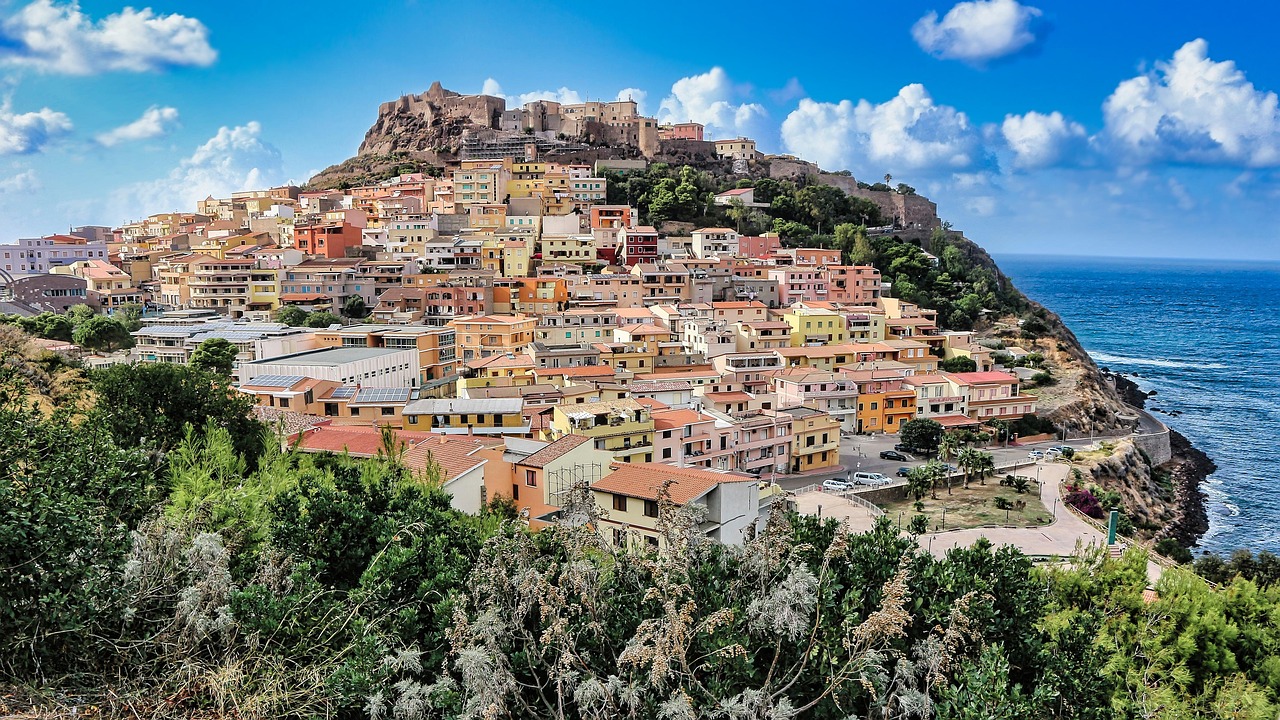
Perched dramatically on a rocky promontory overlooking the Gulf of Asinara, Castelsardo is one of those places that still feels like a living village rather than a staged postcard. I’ve been coming here on and off for more than a decade, staying with local friends, renting tiny apartments up the steep alleys, and watching the sunset from the same stone walls that fishermen and grandmothers have leaned on for generations.
If you’re looking for a destination that blends history, sea views, local food, and slow rhythms, Castelsardo is a remarkable choice. It’s small enough to feel intimate, yet rich enough in experiences that you can happily spend 3–5 days without getting bored.
This travel guide for Castelsardo is written as if I’m walking you through the town myself: up the steps to the castle, into the cool shadows of ancient churches, down to the marina for gelato, and out along the coast to hidden coves. It’s designed for travelers planning 3 days in Castelsardo, a 4 day itinerary for Castelsardo, or even a longer 5 day itinerary for Castelsardo, with plenty of flexibility depending on your style and pace.
Castelsardo is ideal for:
- Romantic getaways – sunset walks on the bastions, candlelit dinners, and quiet beaches.
- Family trips – shallow beaches, small-town safety, and kid-friendly promenades.
- Slow travelers and culture lovers – crafts, festivals, churches, and everyday village life.
- Adventurous spirits – coastal hikes, boat trips, and drives into Sardinia’s rugged interior.
In this 2026 guide, I’ll also share what’s changing in town, upcoming 2026–2027 festivals and events, and very practical travel advice for Castelsardo: from SIM cards and driving rules to seasons, etiquette, and money-saving tips.
Table of Contents
- Why Visit Castelsardo?
- About Castelsardo in 2026
- Neighborhoods & Areas of Castelsardo
- 20 Must-See Attractions in Castelsardo (with Local Insights)
- 3–5 Day Itineraries for Castelsardo
- Local Food in Castelsardo: What & Where to Eat
- Nightlife, Entertainment & Cultural Experiences
- Day Trips & Nearby Attractions
- Cultural Etiquette & Local Customs in Castelsardo
- Practical Travel Tips for Castelsardo
- Summary & Best Time to Visit Castelsardo
About Castelsardo in 2026
Castelsardo sits on the north coast of Sardinia, about halfway between Alghero and Santa Teresa Gallura, and roughly an hour’s drive from Sassari. The old town crowns a rocky headland, while newer neighborhoods spill down toward the marina and beaches.
In 2026, Castelsardo is still very much a working town with a permanent community. Outside of August, you’ll see fishermen mending nets, weavers chatting in doorways, and kids playing football in the little squares. Tourism is important, but it hasn’t completely overwhelmed everyday life.
What’s New in 2026–2027
- Restored castle walls: The ongoing restoration of the bastion walls around Castello dei Doria has opened up a couple of newly safe viewpoints with breathtaking photo angles over the gulf.
- Upgraded waterfront promenade: The lower promenade near the marina has been repaved and partially pedestrianized, with new benches and lighting – ideal for evening strolls.
- Festival highlights (2026–2027):
- Lunissanti 2026 & 2027: The famous Holy Monday procession (the day before Holy Tuesday) will continue to draw visitors in March/April. If you’re planning a 3 days in Castelsardo trip around Easter, book very early.
- Summer music events: The town is expanding its summer cultural calendar, with more small concerts on the bastions and in Piazza del Novecentenario.
- Autumn food weekends: Expect more food-focused weekends in October/November, celebrating local seafood, pecorino cheese, and Vermentino wine.
Neighborhoods & Areas of Castelsardo
Castelsardo is compact, but each part of town has its own character. When I pick where to stay or where to wander, I usually think in terms of these “micro-neighborhoods.”
1. Castello & Historic Center (Centro Storico)
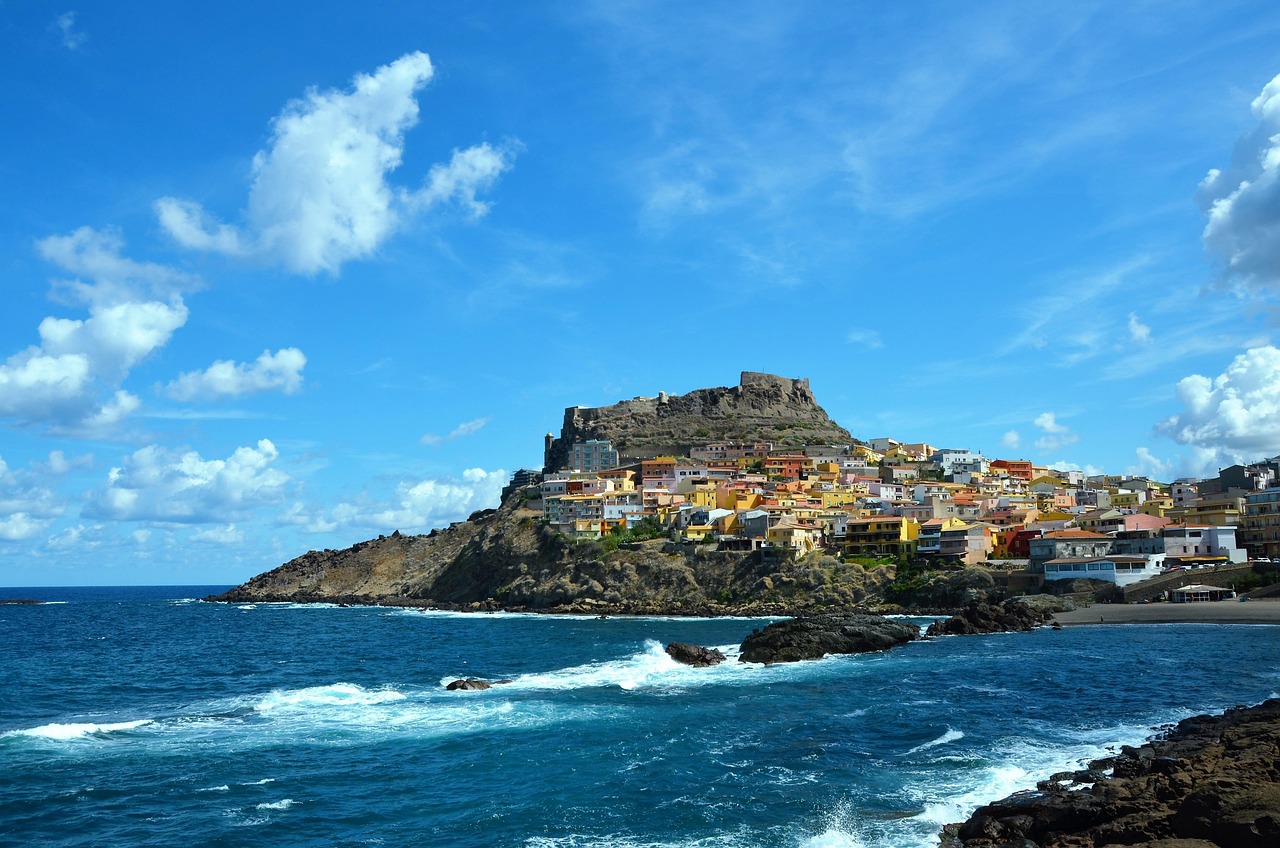
This is the medieval heart, wrapped around the castle at the top of the hill. Think steep cobbled streets, vaulted passageways, and houses painted butter yellow or terracotta, with laundry flapping from balconies.
- Best for: Atmosphere, photography, history, romantic stays.
- Drawbacks: Lots of steps, limited parking, can be breezy in winter.
- Local tip: Stay here if you don’t mind walking uphill; mornings and late evenings are magical when day-trippers are gone.
2. Marina & Lower Town (Castelsardo Marina)
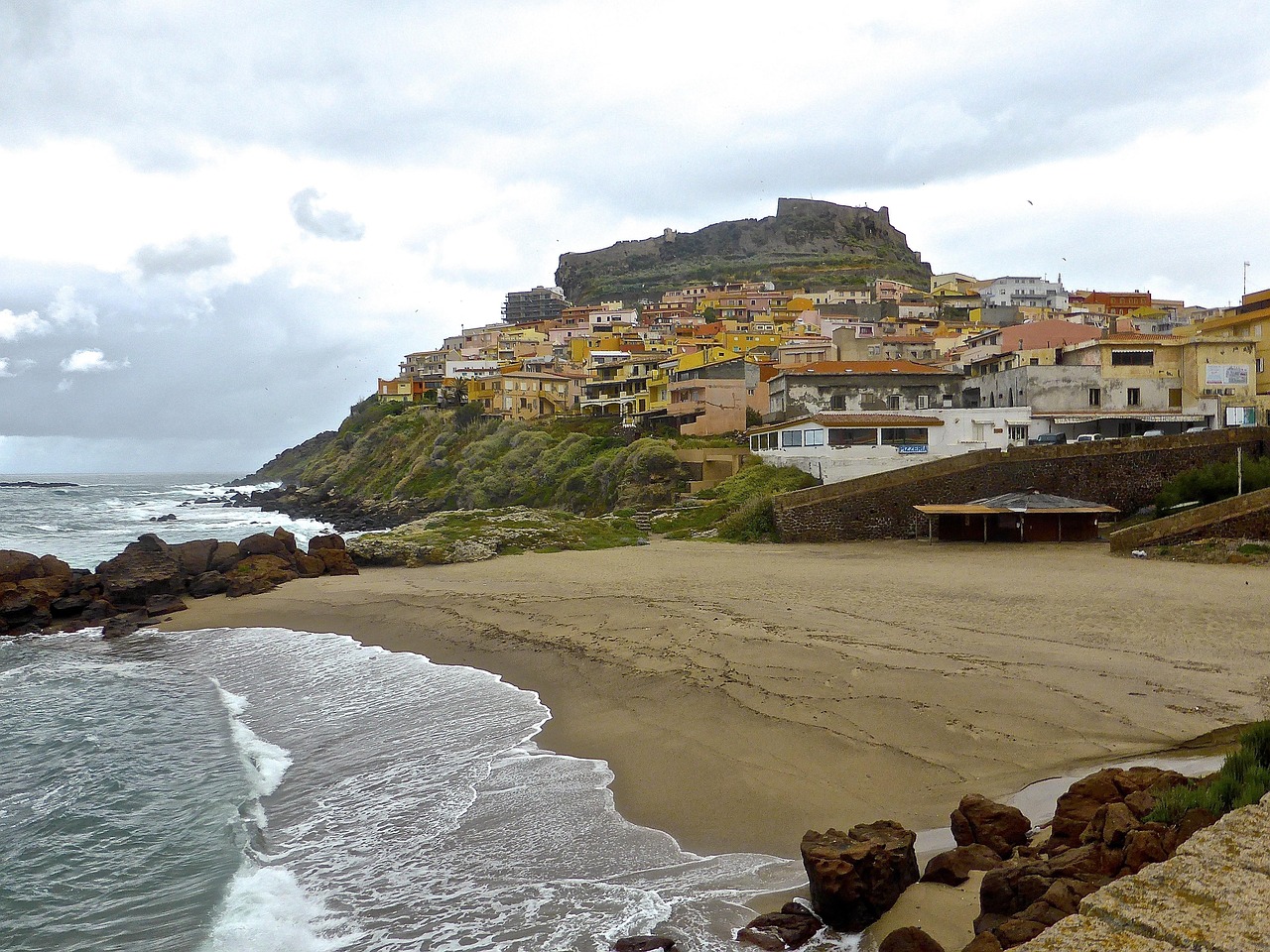
Below the old town is the newer area near the harbor and main road (SS134). It’s flatter, more practical, and where many locals actually live.
- Best for: Easy access, parking, families with strollers, budget stays.
- Highlights: The promenade, gelato shops, casual pizzerias, small supermarkets, and the departure spot for boat trips.
- Local tip: I often stay here when I’m driving around Sardinia – it’s convenient and only a short (steep) walk or quick shuttle ride up to the old town.
3. Lu Bagnu (Beach District)
Just a few kilometers west along the coast, Lu Bagnu is technically part of the municipality of Castelsardo and the main beach area for many visitors.
- Best for: Beach days, families, self-catering apartments.
- Character: Low-rise holiday homes, sandy coves, beach bars, and easy parking.
- Local tip: If you’re planning a 5 day itinerary for Castelsardo in summer and want more swim time, consider basing yourself in Lu Bagnu and visiting the historic center in the evenings.
4. Surrounding Countryside & Hamlets
A short drive inland brings you to small hamlets and scattered farmhouses, surrounded by olive trees, cork oaks, and stone walls. This is where you’ll find agriturismi (farm stays) and some of the most authentic food.
- Best for: Peace and quiet, car travelers, food-focused trips.
- Local tip: I like to spend a night or two inland at the end of my trip, when I’ve had my fill of sea breezes and want big rustic dinners and starry skies.
20 Must-See Attractions in Castelsardo (with Personal Insights)
These are the best places to visit in Castelsardo, from classic landmarks to lesser-known corners. I’ve organized them starting with the most iconic, then gradually moving into quieter, more hidden gems. Each subsection gives you a sense of what to expect, a bit of history, and what I personally like to do there.
1. Castello dei Doria (Doria Castle)
Every time I return to Castelsardo, I climb up to Castello dei Doria on my first evening. The castle crowns the town, and from the ramparts you get that iconic view over tiled roofs and the pale blue Gulf of Asinara. In 2026, some newly restored sections of the walls are open, giving you fresh angles for photos that you won’t see in older guidebooks.
The castle dates back to the 12th century, built by the powerful Doria family from Genoa. Over the centuries, it has passed through Aragonese and Savoyard hands, but today it’s home to the Museum of Mediterranean Basketry (more on that in the next section) and several small exhibition rooms.
What I love doing here:
- Arriving about an hour before sunset to explore the museum and terraces while the light is soft.
- Leaning over the walls to watch fishing boats returning to the harbor below.
- Looking inland to see the rolling hills and wind turbines – a reminder that Sardinia is more than just beaches.
Practical tips:
- Getting there: From the lower town, follow signs for “Castello” and be prepared for a steep 10–20 minute walk up stone steps. If you’re driving, there’s limited parking just below the walls, but in high season it fills quickly.
- Tickets & hours: The castle is usually open daily, with longer hours in summer. Entrance includes the museum. In 2026, expect a modest fee (around the price of a coffee and pastry).
- Family-friendly? Yes, but keep an eye on younger kids around the ramparts. There are railings, but it’s still high and can be windy.
Local tip: On particularly clear evenings, bring a light jacket – the wind at the top can be surprisingly cool even in June.
2. Museo dell’Intreccio Mediterraneo (Museum of Mediterranean Basketry)
Inside the castle walls, you’ll find one of my favorite small museums in Sardinia: the Museum of Mediterranean Basketry. It’s far more interesting than it sounds at first glance. Castelsardo has a long tradition of weaving baskets from local reeds and grasses, and this museum showcases not only beautiful examples but also the cultural context behind them.
I remember the first time I visited: an elderly woman from the village was demonstrating weaving techniques in one of the rooms, her hands moving faster than I could follow. She explained that many patterns are passed down through families, and some shapes have specific purposes – from bread baskets to fishing traps.
Why visit:
- To understand why you see woven baskets everywhere in town – hanging in doorways, stacked in shops, and used in religious ceremonies.
- To appreciate the skill and time behind a craft that’s easy to take for granted.
- To support local culture – your ticket helps keep this tradition visible.
Travel tip: If you’re looking for authentic souvenirs, visit this museum early in your trip. Afterwards, you’ll be able to spot good craftsmanship in the shops and avoid cheap, imported imitations.
3. Cattedrale di Sant’Antonio Abate
The Cathedral of Sant’Antonio Abate sits on a terrace dramatically perched above the sea, its bell tower a distinctive landmark from land and water alike. I always approach it from below, climbing up narrow streets until the façade suddenly appears, with the sea stretching out just behind it.
Inside, the cathedral is quietly beautiful, with a mix of Gothic and Baroque elements. The real treasure is the work of the mysterious Maestro di Castelsardo, a Renaissance painter whose altarpieces are among the most significant in Sardinia. The colors are rich yet slightly worn, giving them a timeless, almost haunting quality.
Best experiences:
- Stepping inside during the heat of the day to enjoy the cool, shaded interior and the faint scent of candles and incense.
- Climbing the bell tower (when open) for panoramic views – one of the most romantic spots in town at golden hour.
- Sitting quietly for a few minutes during a weekday mass, if you’re comfortable doing so, to witness everyday faith rather than just tourist traffic.
Local tip: Dress respectfully – shoulders covered, and avoid very short shorts. Even when full of visitors, this is an active place of worship and locals notice how guests behave.
4. Bastioni & Belvedere Walks (Old Town Walls & Viewpoints)
Some of the most memorable moments I’ve had in Castelsardo were not in museums or restaurants but simply walking the bastions – the old defensive walls that now serve as promenades. In the evening, couples stroll arm-in-arm, kids play, and locals sit on the stone benches chatting as the sky turns pink.
There are several viewpoints around the edge of the old town, each offering slightly different angles of the sea, harbor, and coastline. I like to do a slow loop, stopping whenever a scene catches my eye: fishing boats as bright dots below, waves crashing against rocks, or Lu Bagnu’s beaches stretching out toward the horizon.
Best time: Early morning for solitude and photos without crowds; late afternoon and sunset for atmosphere and people-watching.
Romantic factor: High. This is one of the most romantic things to do in Castelsardo – ideal for a couple’s trip or honeymoon, especially if you’re planning 3–4 days in Castelsardo and want something simple yet memorable each evening.
5. Historic Streets & Alleys of the Centro Storico
One of the true hidden gems in Castelsardo is the network of unnamed alleys and stairways that twist between houses in the upper town. There’s no single “must-see” street – the magic is in getting lost. On my second trip, I purposely left my map in my bag and spent an afternoon just wandering, turning whichever way looked prettiest.
You’ll see:
- Women weaving baskets on their doorsteps, occasionally happy to chat if you speak a bit of Italian.
- Small shrines and niches with saints and candles tucked into walls.
- Old stone arches, tiny squares with just a bench or two, and sudden glimpses of the sea between houses.
Local tip: Keep your voice low and be respectful – this is a residential area. Say “Buongiorno” or “Buonasera” as you pass locals; it’s appreciated and opens doors to more authentic interactions.
6. Marina & Waterfront Promenade
Down below the hill, the marina and waterfront promenade offer a completely different side of Castelsardo: flatter, more modern, and lively in a casual, family-friendly way. This is where I like to go for an evening gelato or a simple seafood dinner right by the water.
In 2026, the promenade has been refreshed with new paving and lighting, making it more pleasant than ever for stroller-friendly walks. Kids ride scooters, fishermen clean their gear, and older locals claim their usual benches for daily gossip.
Best for:
- Families – there’s space for kids to move and several playgrounds nearby.
- Casual dining – pizzerias, gelaterias, and cafés with outdoor seating.
- Boat trips – many excursions along the coast depart from here.
Local tip: If you’re staying up in the old town and don’t feel like climbing back after dinner, time your meal to catch the small local shuttle or arrange a taxi back up.
7. Spiaggia Marina di Castelsardo (Town Beach)
Right next to the marina is the town beach, a stretch of sand and pebbles that’s more about convenience and the view of the castle than about being the “best beach in Sardinia.” Still, I’ve had some lovely swims here when I didn’t feel like driving to Lu Bagnu or beyond.
Why go:
- It’s just a short walk from most accommodations in the lower town.
- The view of the castle rising above the sea is unforgettable.
- There are cafés and restaurants directly across the road.
Family-friendly? Yes, especially on calm days. The water can get choppy with wind, so keep an eye on conditions.
Local tip: Bring water shoes if you have sensitive feet – parts of the shoreline are pebbly.
8. Lu Bagnu Beaches
A short drive or bus ride from the historic center, Lu Bagnu is where many locals and repeat visitors head for serious beach time. There are several sandy coves separated by rocky outcrops, with clear water perfect for swimming and snorkeling.
My personal favorite is to park near one of the staircases down to the beach, bring a simple picnic, and spend the day alternating between reading in the shade and swimming. In shoulder season (May–June and September), it can feel surprisingly quiet.
Practical info:
- Getting there: 5–10 minutes by car from Castelsardo, or a short bus ride. Parking can be tight in August; arrive early.
- Services: Some sections have beach bars and rentals, others are more wild.
- Best for: Families, couples, and anyone building a 3 or 4 day itinerary for Castelsardo that includes dedicated beach days.
9. Roccia dell’Elefante (Elephant Rock)
About 6 km outside town along the road toward Sedini, you’ll find one of Sardinia’s quirkiest natural landmarks: the Elephant Rock. This large, eroded trachyte rock looks uncannily like an elephant lying by the roadside, trunk extended.
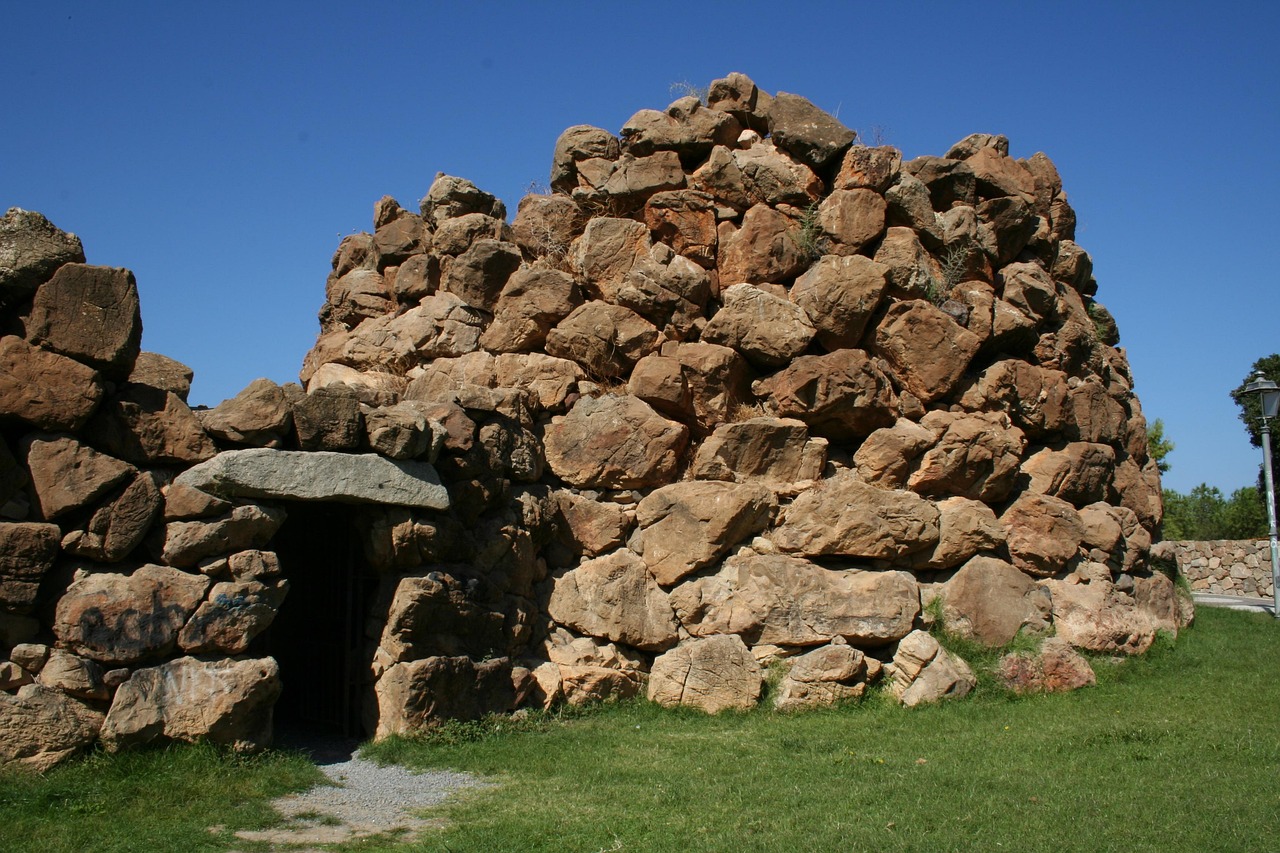
The first time I drove past, I laughed out loud – it’s impossible not to see the resemblance. But there’s more to it than just the shape: the rock contains ancient Domus de Janas (prehistoric rock-cut tombs), reminding you that people have been shaping and inhabiting this landscape for thousands of years.
Why visit:
- It’s an easy and fun side trip, especially if you have a car.
- Kids love it – it’s one of the more playful “things to do in Castelsardo” with children.
- The surrounding countryside is beautiful, with views over valleys and fields.
Local tip: There’s a small parking area and usually a kiosk in high season. Go early or late in the day for softer light and fewer tour buses.
10. Sedini & the Domus de Janas “Roccia dell’Elefante’s Cousin”
Continuing inland from Elephant Rock, the village of Sedini hides another remarkable prehistoric site: a Domus de Janas carved into a huge boulder at the edge of town. Today, it’s integrated into the village itself and houses a small ethnographic museum.
I visited Sedini on a cloudy afternoon when the beaches didn’t appeal. The narrow streets, old stone houses, and this ancient rock-dwelling all felt like stepping into a different Sardinia – quieter, more introspective, and deeply rooted in the land.
Best for: History buffs, photographers, and anyone who wants to add depth to their 5 day itinerary for Castelsardo beyond the coast.
11. Piazza del Novecentenario
This relatively modern square near the upper part of town is a hub for local life and summer events. In July and August, it often hosts concerts, open-air markets, and cultural performances.
I’ve spent many evenings here nursing a spritz or a Vermentino while watching kids run circles around the square and older couples dance during live music nights. It’s one of those places where travelers and locals naturally mix.
Local tip: Check posters around town or ask at the tourist office for the latest schedule – there’s almost always something happening here in high season.
12. Chiesa di Santa Maria delle Grazie
This modest church in the historic center plays a starring role during Lunissanti, Castelsardo’s famous Holy Monday procession. The rest of the year, it’s a quiet, atmospheric place that many visitors simply pass by.
Inside, you can see religious artifacts and feel the weight of centuries of rituals. I once ducked in here to escape a passing shower and ended up staying nearly half an hour, listening to the distant sound of waves and the occasional footsteps echoing on the stone floor.
Why it matters: If you’re interested in cultural experiences in Castelsardo, this church is key to understanding how deeply faith and tradition are woven into village life.
13. Lunissanti (Holy Monday Procession)
If your trip coincides with Easter week, Lunissanti is one of the most powerful cultural events you can experience in Sardinia. Taking place on the Monday before Holy Tuesday, it’s a nocturnal procession featuring hooded confraternities, ancient chants, and religious relics carried through the streets.
I attended Lunissanti once, and it remains one of my most vivid travel memories: the flicker of candles in the dark, the echo of voices singing in Sardinian dialect, and the palpable emotion in the crowd. This is not a show for tourists; it’s a living tradition.
How to experience respectfully:
- Dress modestly and avoid flashy or noisy behavior.
- Ask before photographing participants, and silence your phone.
- Arrive early to find a respectful vantage point.
Travel planning tip: If Lunissanti is a key reason you’re coming, build at least a 3 day itinerary for Castelsardo around it, since accommodation books out well in advance.
14. Local Weaving Workshops & Artisan Shops
Beyond the museum, basket weaving lives on in small workshops and homes throughout the village. Wandering the old town, you’ll notice baskets of all shapes and sizes displayed outside shops, but some of the most interesting places are the less-polished, family-run workshops.
On one visit, a friend introduced me to an older woman who still weaves daily. We sat in her simple kitchen while she worked, and she proudly showed me patterns she’d learned from her mother. Buying directly from artisans like her ensures your money stays in the community.
Local tip: If you see someone weaving in a doorway, a friendly “Buongiorno” and genuine interest can sometimes lead to an invitation inside. Don’t push; let the interaction unfold naturally.
15. Local Food Shops & Weekly Markets
While Castelsardo doesn’t have a massive daily market like some larger cities, it does have a network of small food shops and occasional open-air stalls where you can taste local food in Castelsardo at its source.
I love popping into tiny alimentari (grocery shops) to buy fresh bread, local pecorino, olives, and cured meats for simple picnics. In summer, you’ll often find stands selling seasonal fruit like figs and peaches at the roadside.
Money-saving tip: Building a few picnic lunches into your 3–5 day itinerary for Castelsardo is a great way to save money while still eating beautifully.
16. Museo Diocesano d’Arte Sacra
Near the cathedral, the Diocesan Museum of Sacred Art houses religious artifacts, vestments, and artworks, many connected to the cathedral and local churches. It’s a small but fascinating collection that adds depth to what you see in the churches themselves.
I recommend visiting on a hot afternoon when you want an indoor activity. The explanations (often in Italian, sometimes with English) help you understand the symbolism and local devotion behind the objects.
17. Coastal Walks & Viewpoints Around Castelsardo
For mild adventure, there are various informal paths and small roads along the coast near Castelsardo and Lu Bagnu, offering beautiful views and opportunities to discover tiny coves.
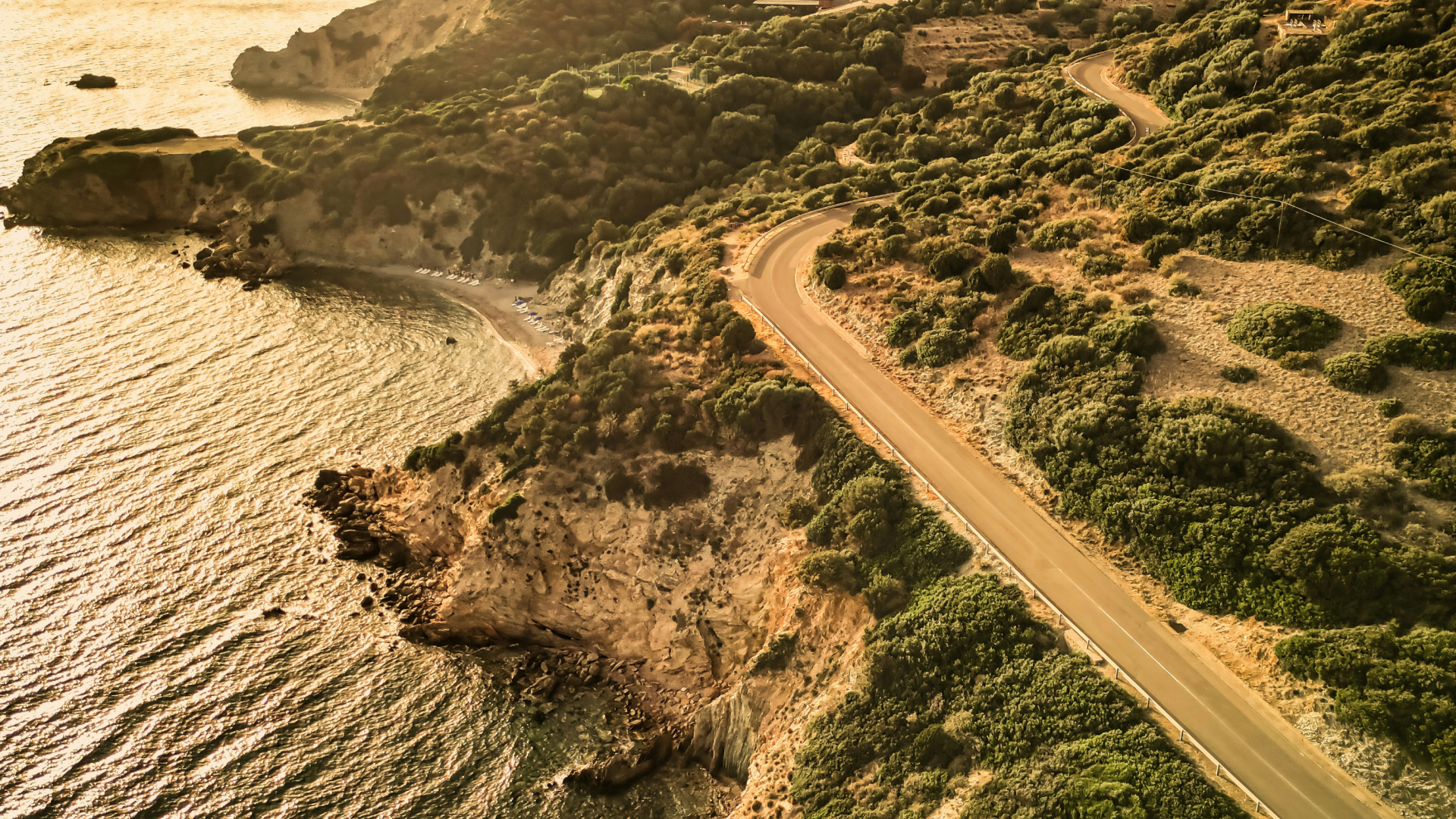
One of my favorite routines is to set out early in the morning, before the heat builds, and walk along the coastal road west of town for an hour or so, stopping wherever the scenery tempts me. You’ll see dramatic cliffs, patches of wildflowers in spring, and occasionally goats grazing above the sea.
Local tip: Wear sturdy sandals or walking shoes, bring water, and keep an eye out for traffic when using roadside paths. These walks are perfect for those who want a bit of adventure in their 3 or 4 days in Castelsardo without needing special gear.
18. Sunset Spots: Bastions, Belvedere & Beach
Sunset is a daily event in Castelsardo, and I rarely miss it when I’m in town. Whether you watch from the bastions near the castle, from the town beach, or from a seaside bar in Lu Bagnu, the play of light on the sea and the castle is unforgettable.
My go-to spots:
- The bastion near the cathedral, where you can see the sun sink behind the coastline.
- The marina, looking back up at the illuminated old town as darkness falls.
- A quiet stretch of Lu Bagnu beach, with a simple picnic and a bottle of chilled Vermentino.
19. Agriturismo Dinners in the Countryside
One of the best cultural experiences in Castelsardo isn’t in town at all, but at a nearby agriturismo – a working farm that serves traditional meals made from its own produce.
On my last trip, friends took me to a family-run agriturismo about 20 minutes inland. We sat at long tables and ate course after course: antipasti with olives, cheeses, and cured meats; handmade pasta; roasted meats; and simple desserts, all accompanied by house wine. It was generous, unpretentious, and incredibly satisfying.
Local tip: Ask your accommodation host or a local restaurant for recommendations and reservations. Many agriturismi require advance booking and serve set menus at a fixed price, which can be good value compared to ordering à la carte in town.
20. Boat Trips on the Gulf of Asinara
For a different perspective on Castelsardo, take to the water. In season, you’ll find various boat trips departing from the marina, ranging from short coastal cruises to full-day excursions that include snorkeling and swimming stops.
I once joined a half-day trip that left in the late afternoon. We cruised along the coast, passing Elephant Rock from below, stopped for a swim in a secluded cove, and then watched the sun set behind the castle as we returned. Seeing the town from the sea, with its houses stacked up the cliff, deepened my appreciation for how improbable its location is.
Best for: Couples, families with older kids, and anyone wanting a bit of adventure in their 3–5 days in Castelsardo.
Practical tip: In summer, book at least a day ahead. Bring a light jacket – it can be cool on the water even when it’s hot on land.
3–5 Day Itineraries for Castelsardo (With Personal Stories)
These itineraries are designed to help you plan 3 days in Castelsardo, a 4 day itinerary for Castelsardo, or a longer 5 day itinerary for Castelsardo. Each day mixes classic sights, hidden gems, and local experiences. Adjust based on your energy, season, and interests.
3 Day Itinerary for Castelsardo
If you have 3 days in Castelsardo, focus on the essentials: the castle, historic center, nearby beaches, and a taste of local food and culture.
Day 1: Arrival & First Glimpse of the Castle
Arriving in Castelsardo by late morning, I like to check in, drop my bags, and immediately head out for a first wander. If you’re staying in the historic center, this means diving straight into narrow alleys; if you’re in the lower town or Lu Bagnu, it’s a quick shuttle or drive up to the old town.
Spend the afternoon exploring the historic streets and visiting the Castello dei Doria and the Museum of Mediterranean Basketry. Give yourself time to linger on the ramparts, reading the plaques and imagining what it must have been like to watch for corsair ships centuries ago.
As golden hour approaches, walk the bastions and find your favorite viewpoint. For your first dinner, choose a trattoria in the old town with outdoor tables and order something classic like spaghetti alla bottarga or zuppa di pesce (fish soup). End the evening with a slow stroll back through the quieting alleys.
Day 2: Sea, Sun & Marina Life
Start the day with coffee and a pastry at a café in the lower town, then head either to the town beach or out to Lu Bagnu depending on how much beach time you crave. If you’re visiting in shoulder season, late morning is ideal; in high summer, I like to go early and retreat for a long lunch when the sun is strongest.
After a swim and some hours lazing on the sand, make your way back to the marina for a simple lunch – perhaps grilled fish, a salad, and a carafe of local white wine. In the afternoon, walk the waterfront promenade, watching boats and stopping for gelato.
If the weather is good and boats are running, consider a short boat trip from the marina for a different view of the coast. Return in time to see the castle light up at dusk, then head up to the historic center for another leisurely dinner.
Day 3: Culture & Countryside
On your final day, dive deeper into culture and surroundings. Visit the Cathedral of Sant’Antonio Abate and the Diocesan Museum, then wander back through lesser-known alleys, perhaps stopping in an artisan workshop or two.
In the afternoon, if you have a car, drive out to the Elephant Rock and inland to Sedini to explore the Domus de Janas. Alternatively, if you’re car-free, focus on more local walks, perhaps along the coastal road, or simply slow down and enjoy more time in the squares and cafés.
For a memorable farewell, book an agriturismo dinner in the countryside if possible, or choose a special restaurant in town and linger over dessert and mirto (myrtle liqueur) as you mentally plan your return.
4 Day Itinerary for Castelsardo
With 4 days in Castelsardo, you can enjoy all the essentials plus a bit more adventure and relaxation.
Day 1: Settle In & Old Town Orientation
Follow Day 1 from the 3-day itinerary: arrival, check-in, explore the historic center, visit Castello dei Doria, walk the bastions, and have dinner in the old town. Take note of places you might want to revisit on quieter mornings or afternoons.
Day 2: Beaches & Lu Bagnu
Dedicate Day 2 to Lu Bagnu. Pack a small beach bag with sunscreen, water, and a book, and head to one of the sandy coves. Alternate between swimming, sunbathing, and perhaps trying paddle-boarding or snorkeling if conditions are right.
For lunch, choose a beach bar or nearby pizzeria. In late afternoon, walk along the coastline, climbing up to the road occasionally for broader views, then return to Castelsardo for a simple dinner and a relaxed evening in Piazza del Novecentenario if something is happening there.
Day 3: Inland Excursion & Agriturismo
On Day 3, rent a car if you don’t already have one and explore inland. Visit the Elephant Rock, then continue to Sedini for its remarkable rock-cut house and quiet streets.
From there, you can either loop back through other small villages or head directly to a pre-booked agriturismo for a long, relaxed lunch. Expect generous portions and a multi-course experience, so plan to digest with a gentle walk afterward.
Return to Castelsardo in the late afternoon, perhaps pausing at a viewpoint to take in the town from a distance as it’s bathed in soft light. Evening is free for another stroll or a light dinner if you’re not already too full.
Day 4: Free Day, Shopping & Hidden Corners
Use your final day as a flex day. You might:
- Revisit a favorite beach or viewpoint.
- Do a more ambitious coastal walk if the weather is good.
- Spend a slow day in the old town, visiting weaving workshops, buying baskets or ceramics, and sitting in cafés.
- Join a longer boat excursion if you haven’t yet.
Personally, on a 4-day visit, I often spend this last day just living like a local: shopping in the food stores, cooking something simple at my apartment if I have one, and watching everyday life unfold around me.
5 Day Itinerary for Castelsardo
A 5 day itinerary for Castelsardo is perfect if you want to truly slow down and let the town’s rhythms seep into you. You can follow the 4-day plan and add a full extra day of exploration or relaxation.
Day 1–4: Follow the 4-Day Itinerary
Use the 4-day plan as your base, adjusting pacing as desired. Perhaps stretch some activities across more days: spend two separate mornings at Lu Bagnu, or divide inland exploration into two shorter drives instead of one long one.
Day 5: Deeper Exploration or Day Trip
For Day 5, choose one of these options depending on your interests:
- Adventure & exploration: Rent a car and head further afield to places like Isola Rossa, Valledoria, or the Coghinas River for kayaking or thermal baths.
- Cultural immersion: Time your visit to catch a local festival or food event if you’re here in autumn or during Easter week.
- Pure relaxation: Declare a “slow day”: sleep in, read on your terrace, visit one or two favorite cafés, and do nothing that requires more effort than walking to dinner.
On my longest stay, I spent the final day simply watching the changing light on the castle from different vantage points. It sounds simple, but those are the moments I remember when I’m back home, far from the sea.
Local Food in Castelsardo: What & Where to Eat
Food in Castelsardo reflects both its position by the sea and its Sardinian roots. Expect seafood, pasta, pecorino cheese, and local wines, plus simple, honest cooking that lets ingredients shine.
Must-Try Dishes
- Fregola con arselle: Toasted Sardinian pasta “pearls” with clams in a rich broth.
- Zuppa di pesce / zuppa gallurese: Either a seafood soup or a baked bread-and-cheese “soup” (the name is used for both, so check the description).
- Spaghetti alla bottarga: Pasta with cured mullet roe, garlic, and olive oil – salty and addictive.
- Grigliata mista di pesce: Mixed grilled seafood platter, best shared.
- Seadas: Fried pastries filled with cheese and drizzled with honey – a Sardinian dessert classic.
- Pecorino sardo & salumi: Local cheeses and cured meats, ideal for aperitivo or picnics.
Where to Eat (Personal Favorites)
Names and ownership can change, but here’s the kind of places I gravitate toward in Castelsardo. When you arrive, ask locals for the current best options matching these descriptions:
- Sea-view trattorias in the old town: Ideal for romantic dinners, with tables on terraces or small squares. I look for menus that change seasonally and mention local catch of the day.
- Family-run pizzerias in the lower town: Great for budget-friendly evenings, especially with kids. The ones packed with locals are usually the best bet.
- Beach bars in Lu Bagnu: Good for casual lunches – salads, panini, and simple seafood dishes.
- Agriturismi inland: For fixed-menu feasts that showcase Sardinian countryside cuisine.
Saving Money on Food
- Self-catering: If you have a kitchen, buy fresh ingredients from small shops and supermarkets for some meals.
- Lunch vs dinner: Have your big meal at lunch, when some places offer better-value menus, and keep dinner lighter.
- Aperitivo: In some bars, ordering a drink around aperitivo time comes with small snacks – enough for a light meal if you’re not very hungry.
Nightlife, Entertainment & Cultural Experiences in Castelsardo
Nightlife in Castelsardo is low-key and atmospheric rather than wild. Think evening strolls, wine bars, and live music on warm summer nights, not big clubs or all-night parties.
Evening Atmosphere
- Passeggiata: Like many Italian towns, Castelsardo has an evening stroll tradition. Join locals walking the bastions or the marina promenade after dinner.
- Wine bars & cafés: Small spots in the old town and near the marina are perfect for a glass of Vermentino or Cannonau, perhaps accompanied by local cheese.
- Piazza events: In summer, check Piazza del Novecentenario and the main squares for concerts, dance nights, and cultural performances.
Cultural Experiences
- Lunissanti & Easter events: Deeply moving religious processions and rituals.
- Summer festivals: Expect music, food stalls, and sometimes fireworks during key dates.
- Workshops: Occasionally, local associations or artisans organize basket-weaving workshops or cooking classes; ask at the tourist office or your accommodation.
If you want intense nightlife, plan a separate night in a larger city like Alghero or Sassari. For Castelsardo, the charm is in quieter evenings under starlight, with the castle glowing above you.
Day Trips & Nearby Attractions from Castelsardo
With a car (or sometimes by bus), you can turn Castelsardo into a base for exploring northern Sardinia. For a 5 day itinerary for Castelsardo, I like to add one or two of these day trips.
1. Isola Rossa & Costa Rossa
About an hour’s drive west, the Costa Rossa (Red Coast) offers striking red rock formations and beautiful beaches around Isola Rossa and Trinità d’Agultu. Swim, sunbathe, or take a short hike along the coast.
2. Valledoria & Coghinas River
East of Castelsardo, the Valledoria area features long sandy beaches and the Coghinas River, where you can kayak, kite-surf, or take boat tours into the wetlands. It’s great for active travelers and families.
3. Sassari & Inland Villages
Sassari, about an hour away, is a larger city with museums, shopping streets, and grand squares. Combine it with a drive through inland villages for a different take on Sardinian life.
4. Day Trip Toward Santa Teresa Gallura
If you’re comfortable with a longer drive, you can head toward Santa Teresa Gallura for dramatic coastal views and the possibility of a quick glimpse of Corsica on clear days.
Practical tip: Public transport exists but can be limited; a rental car gives you the most flexibility for day trips from Castelsardo.
Cultural Etiquette & Local Customs in Castelsardo
Understanding local customs in Castelsardo will make your visit smoother and more respectful.
Everyday Etiquette
- Greetings: A simple “Buongiorno” (morning/early afternoon) or “Buonasera” (late afternoon/evening) when entering shops or passing neighbors in narrow streets goes a long way.
- Dress: Beachwear is for the beach. In town, especially in churches, cover shoulders and avoid very short shorts or bikinis.
- Noise: Castelsardo is generally quiet. Keep voices moderate at night, especially in the historic center where sound carries.
Dining Customs
- Meal times: Lunch is usually 12:30–14:30, dinner rarely before 19:30 and often closer to 20:30.
- Coperto: A small per-person cover charge on the bill is normal; it’s not a scam.
- Tipping: Not mandatory; rounding up or leaving a few extra euros for good service is appreciated.
Religious & Cultural Events
- Lunissanti & processions: Be discreet with photography, avoid blocking paths, and follow the lead of locals in terms of behavior.
- Church visits: Speak softly, remove hats, and avoid disrupting any services in progress.
Practical Travel Tips for Castelsardo
Getting To & Around Castelsardo
By air: The closest major airports are Alghero-Fertilia (AHO) and Olbia (OLB), each about 1.5–2 hours’ drive away.
By car: Renting a car is the most flexible way to reach and explore Castelsardo. Roads are generally good, though the final approach includes curves and some steep sections.
Public transport: Buses connect Castelsardo to Sassari and some nearby towns, but schedules can be sparse, especially on Sundays and in low season.
Car Rental & Driving
- Foreign driver’s licenses: Most non-EU visitors can drive with their home license for short stays, but an International Driving Permit (IDP) is strongly recommended and may be required by rental agencies.
- Parking: Limited in the historic center; expect to park in designated lots and walk up. Check signage for resident-only zones.
- Fuel: Gas stations are available along main roads; many are self-service outside staffed hours.
SIM Cards & Connectivity
For easy navigation and communication, buy a local SIM from providers like TIM, Vodafone, or WindTre at airports or in larger towns. In 2026, eSIM options are increasingly common for many international travelers.
- Coverage: Generally good in Castelsardo and along the coast; can be patchy in remote inland areas.
- Wi-Fi: Most hotels, guesthouses, and many cafés offer free Wi-Fi.
Money & Costs
- Currency: Euro (€).
- ATMs: Available in town; notify your bank of travel to avoid card issues.
- Budget tips: Mix restaurant meals with picnics or self-catered options; choose lunch as your big meal; travel in shoulder season (May–June, September) for better prices.
Visa Requirements (2026)
Castelsardo is in Italy, part of the Schengen Area. Visa rules depend on your nationality:
- EU/EEA & Swiss citizens: Can enter freely with ID/passport.
- Many non-EU countries: Short stays (typically up to 90 days in 180) may be visa-free but subject to Schengen rules and, for some nationalities, electronic pre-travel authorization. Check official government sites before travel.
- Others: May need a Schengen visa in advance; consult your nearest Italian consulate.
Seasons & When to Go
Choosing the right season is key to a great trip. Here’s how Castelsardo changes through the year:
- Spring (March–May): Mild temperatures, wildflowers, and quieter streets. Easter/Lunissanti is culturally rich but busy. Ideal for hiking, cultural exploration, and a 3 or 4 day itinerary for Castelsardo focusing on history and landscapes.
- Summer (June–August): Hot, sunny, and lively. Best for beach time, boat trips, and evening events. July–August are busy and more expensive; June is a sweet spot.
- Autumn (September–November): Warm seas, fewer crowds, and food festivals. Great for a relaxed 5 days in Castelsardo with a mix of sea and countryside.
- Winter (December–February): Quiet, cooler, with some businesses closed or on reduced hours. Good if you want solitude and don’t care about swimming.
Health & Safety
- Water: Tap water is generally safe to drink, though many locals use bottled or filtered water.
- Safety: Castelsardo is generally safe with low crime; normal precautions apply (watch belongings in crowded areas).
- Sun: The sun can be strong even when it’s breezy; use sunscreen and hats, especially for kids.
Summary & Final Recommendations
Castelsardo is one of those places that reveal themselves slowly. On a postcard, it’s all about the castle on the rock. In person, it becomes a mesh of small rituals: the woman weaving baskets on her doorstep, the fisherman checking his nets at dawn, the elderly couple claiming the same bench on the bastions every evening.
For most travelers, 3 days in Castelsardo are enough to see the main sights: the castle, cathedral, historic alleys, and nearby beaches. A 4 day itinerary for Castelsardo lets you add an inland excursion and more time by the sea. A 5 day itinerary for Castelsardo is ideal if you want to slow down and weave in day trips, agriturismo dinners, and simple, unscheduled hours.
Best seasons:
- May–June & September: The best balance of weather, crowds, and prices – perfect for most travelers.
- July–August: Great for beach lovers and festival-goers who don’t mind heat and higher costs.
- Spring around Easter: Essential if you want to experience Lunissanti and deep cultural traditions.
If you’re looking for a destination that blends sea, history, food, and genuine local life, Castelsardo is a quietly unforgettable choice. Give it a few days, walk its steps and alleys, watch the sunset from its walls, and let it work its way into your memory the way it has into mine.