Why Visit Cisternino in 2026
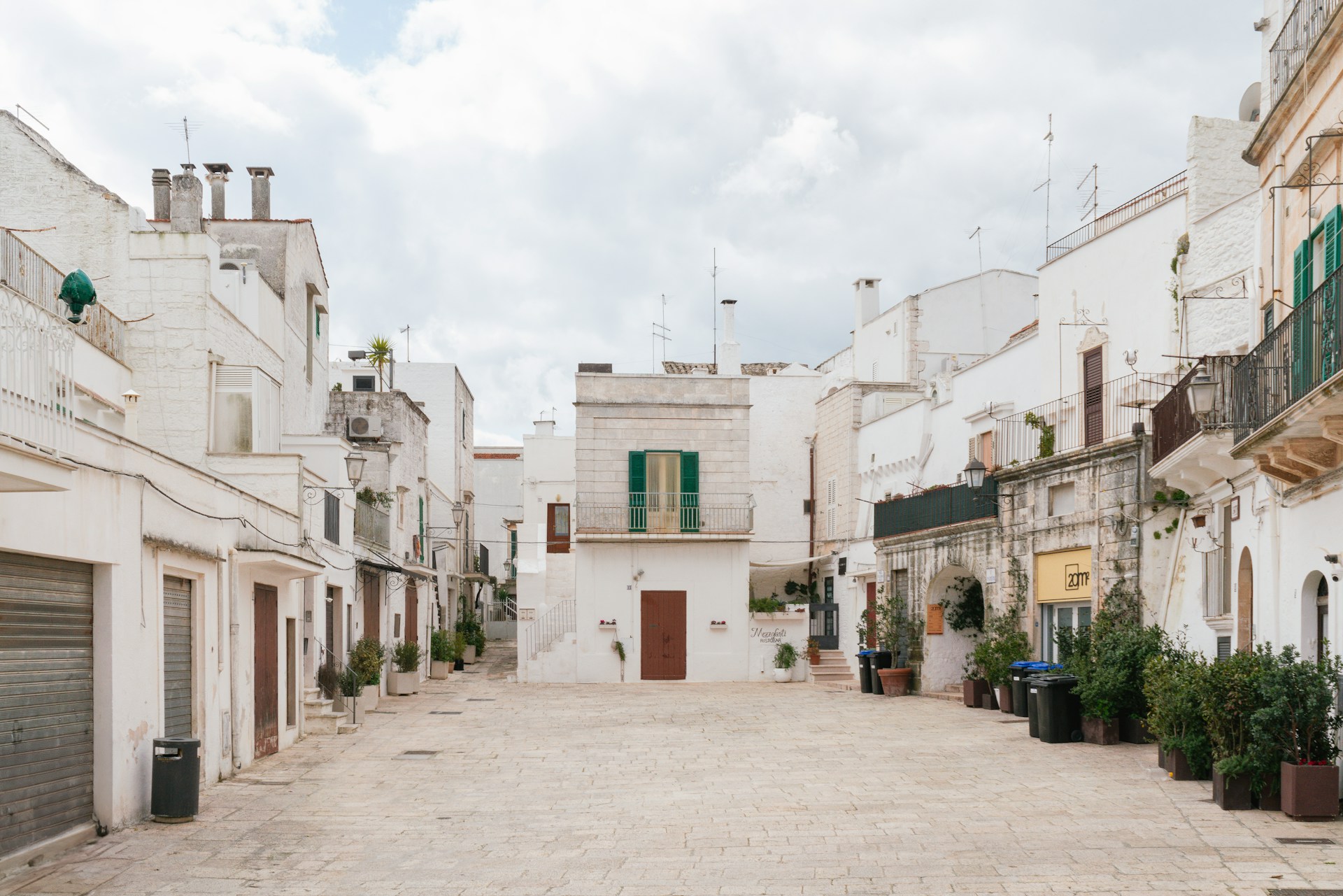
Cisternino is one of those places that quietly steals your heart. Perched on a hilltop in the Valle d’Itria, this whitewashed village looks like a film set: winding alleys, arched passageways, balconies overflowing with geraniums, and views that roll out over olive groves and trulli cones as far as you can see. Yet it never feels overrun or overly curated. Life still moves at an easy, southern Italian pace.
I’ve been coming back to Cisternino regularly since my first trip in the late 2010s, and every visit since has had the same rhythm: slow mornings with coffee in the old town, long lunches of grilled meat at a fornello pronto, golden-hour walks with a gelato in hand, and evenings spent listening to live music in the piazzas. In 2026, Cisternino is still refreshingly authentic compared to nearby hotspots like Ostuni and Alberobello—which makes it one of the best bases for discovering the Valle d’Itria.
If you’re looking for a place that combines:
- Atmospheric historic streets without the big-city crowds
- Excellent, affordable local food in family-run spots
- Easy access to countryside, trulli, and Adriatic beaches
- Romantic corners, family-friendly piazzas, and a touch of nightlife
…then Cisternino should be at the top of your list. Whether you’re planning a 3 day itinerary for Cisternino, staying 4 days in Cisternino, or settling in for 5 days in Cisternino, this guide will help you plan a trip that feels rich and unhurried.
Table of Contents
- Why Visit Cisternino
- Understanding Cisternino & Its Neighborhoods
- 20 Must-See Attractions & Hidden Gems in Cisternino
- 3–5 Day Itineraries for Cisternino (With Personal Stories)
- Best Local Food & Drink in Cisternino
- Nightlife, Entertainment & Cultural Experiences
- Events & Festivals in 2026–2027
- Day Trips from Cisternino
- Cultural Etiquette & Local Customs
- Practical Travel Tips & Money-Saving Advice
- Summary & Best Time to Visit Cisternino
Understanding Cisternino & Its Neighborhoods
Cisternino is compact, but each area has its own mood. When I talk about “neighborhoods,” I’m stretching the term a bit—this is a small town—but it helps you plan where to wander and where to stay.
Centro Storico (Historic Center)
This is the whitewashed heart of Cisternino, where most visitors spend their time. Think stone arches, tight lanes, and tiny piazzas. This is where you’ll find many of the must-see attractions in Cisternino, like Piazza Vittorio Emanuele and the Torre dell’Orologio.
Staying here means you can walk everywhere, step out for an espresso at dawn, and be home within minutes after a late-night gelato. It’s romantic, very walkable, and great for couples or solo travelers who want to feel immersed in local life.
Belvedere & Viewpoint Area
Just outside the tightest knot of streets, the Belvedere area opens out into terraces overlooking the Valle d’Itria. If your image of Cisternino includes a sweeping view over trulli and olive groves, this is where it was likely taken.
Good for sunset strolls and families—kids can run around a bit without the worry of traffic-heavy streets.
Residential Borgo & Modern Cisternino
Move a few blocks away from the old town and you’re in more modern streets: apartment blocks, supermarkets, schools, and the everyday life of Cisternino’s residents. Accommodation here is often cheaper, parking is easier, and you’re still only a 10–15 minute walk from the center.
Countryside & Trulli Zone
The countryside around Cisternino—toward Casalini, Caranna, and the back roads to Martina Franca—is dotted with trulli and masserie (farm estates). Many have been converted into guesthouses and agriturismi. I love staying out here when I have a car: waking up to birds and cicadas, breakfasting under fig trees, then driving into town for dinner.
20 Must-See Attractions & Hidden Gems in Cisternino
Below are twenty of the best places to visit in Cisternino, blending headline sights with corners many visitors overlook. Each section includes history, what to do, and my personal tips.
1. Piazza Vittorio Emanuele II & Torre dell’Orologio
If Cisternino has a living room, this is it. Piazza Vittorio Emanuele II is where the town gathers: kids on bikes, elderly men discussing the news, couples sharing ice cream on the steps. Overlooking it all is the elegant Torre dell’Orologio (Clock Tower), built in the mid-19th century.
I usually start every trip here. My ritual: a cappuccino at one of the cafés on the piazza, watching the town wake up. Around 8–9 am, locals stop by for a quick espresso at the counter—a perfect time to feel the daily rhythm before the heat sets in.
- Why visit: It’s the social heart of town; great for people-watching and orientation.
- Best time: Early morning for calm; evenings (especially in summer) for energy and live events.
- Tip: Sit at a corner table facing the tower for photos, and keep small change for coffee at the bar if you want to blend in like a local.
2. Chiesa Matrice di San Nicola (Mother Church)
The Mother Church, dedicated to Saint Nicholas, is Cisternino’s main church and a quiet counterpoint to the bustling piazzas. Built originally in the 14th century on the site of an older basilian church, it was later reworked with Baroque touches, but still retains a simple, almost austere façade typical of Apulian religious architecture.
On my second visit to Cisternino, I slipped inside during midday heat, grateful for the cool interior. A shaft of light fell exactly on the main altar—a small reminder of why these churches were designed the way they were.
- Highlights: Renaissance sculptures, the main altar, and side chapels with local devotional art.
- Etiquette: Shoulders covered, quiet voices, and avoid flash photography if a service is in progress.
3. Belvedere della Valle d’Itria (Main Viewpoint)
From the Belvedere, the Valle d’Itria spreads out in a patchwork of stone walls, vineyards, and trulli cones. It’s one of the most iconic views in Puglia and easily one of the top things to do in Cisternino.
I try to come here at least twice each trip: once in the morning when the light is soft and farmers are already in the fields, and again at sunset when the sky glows pink behind the hills. On a clear day, you can trace the line of the horizon almost to the Adriatic.
- Best for: Photography, romantic walks, and simply catching your breath.
- Tip: Bring a takeaway coffee or gelato and lean against the low wall; in summer 2026, expect occasional street musicians on weekend evenings.
4. “Quartiere Arabo” (The Old Saracen Quarter)
Locals sometimes refer to a tangle of alleys near the center as the “Arab quarter” or Saracen quarter, a nod to the labyrinthine layout that hints at medieval and possibly earlier influences. While the precise history is foggy, the atmosphere is undeniable: whitewashed houses, stone steps, and sudden glimpses of sky.
I got lost here on my first day in Cisternino—and it was the best possible wrong turn. I ended up in a tiny courtyard with laundry strung overhead and a cat asleep on a doorstep. No tourists, just daily life.
- What to do: Wander without a map; notice door knockers, old stonework, and small shrines.
- Tip: Late afternoon light makes the white walls glow and keeps temperatures comfortable, especially in July–August.
5. Torre Civica & Porta Grande
Porta Grande is the main remaining gate of the old town, crowned by the Torre Civica. Passing under the arch always feels like stepping through a threshold from modern life into something older and slower.
On one August evening, during a small festival, this gate was lit softly as musicians played just inside. Every person who passed under the arch seemed to walk a little slower, as if reminded to savor the moment.
- Why visit: It’s a classic photo spot and a key marker for orienting yourself.
- Tip: Stand just outside the arch and shoot toward the interior streets to capture the sense of entering the old town.
6. Santuario della Madonna d’Ibernia
A few kilometers outside town, the Sanctuary of the Madonna d’Ibernia (or Hibernia) is a peaceful countryside church with deep local devotion. The current structure dates mainly from the 16th century, but the site has far older roots, likely on a Roman or even pre-Roman cult site.
I biked out here once on a spring afternoon, coasting past wildflowers and stone walls. When I arrived, an elderly caretaker unlocked the door and gave a quiet, heartfelt explanation of the Madonna’s importance to Cisternino.
- Best for: Those interested in local religious culture, tranquil countryside, and easy cycling.
- Tip: Check opening hours locally; many sanctuaries keep irregular schedules. Dress modestly.
7. Public Gardens & Villa Comunale
Just beyond the historic core, the Villa Comunale and small public gardens offer shade, benches, and views. It’s where local families bring children to play and older residents sit on benches swapping stories.
On hot days, I often bring a book here in the late morning. It’s also a good stop if you’re traveling with kids who need space to run.
- Family-friendly: Yes—play areas, open paths, and relatively traffic-free zones.
- Tip: Pick up snacks from a nearby bakery and have a casual picnic on a bench.
8. Fornelli Pronti (Historic Butcher-Grills)
Cisternino is famous across Puglia for its fornelli pronti—butchers that double as informal restaurants. You choose your cuts—sausage, bombette, lamb—and they grill it for you in a wood-fired oven. This isn’t just food; it’s part of Cisternino’s identity.
My first meal here was in a tiny butcher’s dining room with plastic chairs and paper placemats. The owners suggested a mix of meats, and I still remember the smoky aroma when the platter arrived. It’s hearty, communal, and very local.
- Must-try: Bombette (meat rolls stuffed with cheese), local sausage, lamb chops.
- Tip: Go early (around 8 pm in summer) or be ready to wait. Ask for a mixed grill if you’re unsure what to choose.
9. Piazzetta & Largo di Ostuni
These small squares are where Cisternino’s evenings unfold: tables spilling onto the cobbles, soft conversations, and the clink of glasses. They aren’t “sights” in the traditional sense, but they are essential to experiencing the town’s social life.
In August 2023, I spent an entire evening at one of these piazzas with friends—ordering small plates of fave e cicorie, local cheese, and a carafe of house wine. We watched families arrive in waves, kids darting between tables.
- Best for: Casual dinners, aperitivo, and people-watching.
- Tip: Ask for local wines by the carafe to save money and drink what locals drink.
10. Weekly Market (Mercato Settimanale)
Cisternino’s weekly market (usually on Monday mornings, but confirm locally) transforms the streets into a festival of produce, clothes, household goods, and chatter. It’s not a tourist market; it’s where locals shop.
I try never to miss it. I usually do a loop first just to soak in the colors—tomatoes stacked like jewels, wheels of cheese, crates of figs—then circle back to buy fruit and a wedge of local caciocavallo.
- What to buy: Seasonal fruits, local cheese, olives, cured meats, and simple picnic supplies.
- Tip: Bring cash and small notes. Go early (8–9 am) before the heat and crowds build.
11. Chiesa di Santa Lucia
Smaller and more intimate than the Mother Church, Santa Lucia is another of Cisternino’s key religious sites. Dedicated to Saint Lucy, patroness of sight, it holds a special place in local devotion, especially around her feast day in December.
I once stepped in during a quiet weekday afternoon and found only one elderly woman praying. The stillness and filtered light through the small windows made it a moving, if simple, experience.
- Best for: Those interested in local spirituality and quieter corners.
- Tip: Look for small details—votive offerings, photos, and handwritten notes near statues.
12. Small Art Galleries & Artisan Workshops
Scattered through the old town, you’ll find small galleries and workshops: ceramics, textiles, paintings inspired by trulli and olive trees. Many are family-run spaces where the artist is also the person behind the counter.
My favorite memory: chatting with a ceramicist about the patterns on her plates, which were based on the fields her grandfather farmed. I left with a small bowl that now lives on my own kitchen shelf.
- Why visit: To support local creators and bring home something made in Cisternino, not imported.
- Tip: Ask if they ship internationally if you fall in love with something too big for your suitcase.
13. Ciclovia dell’Acquedotto Pugliese (Valle d’Itria Cycling Path)
Just outside town, you can access sections of the Ciclovia dell’Acquedotto Pugliese, a cycling and walking trail that follows the historic aqueduct through the countryside. It’s one of the most beautiful ways to experience the Valle d’Itria’s landscape.
One October morning, I rented a bike and followed the path as mist burned off the fields. Trulli emerged from the haze, dogs barked in the distance, and I passed only a handful of other people.
- Best for: Active travelers, families with older kids, and anyone craving nature.
- Tip: Wear a hat and bring water—shade can be limited, especially in summer.
14. Casalini (Nearby Hamlet)
A short drive or bus ride from Cisternino, Casalini is a small hamlet that feels even sleepier and more rural. It’s a good place to see everyday life and stop for a coffee or simple meal without any tourist gloss.
I ended up there once by accident after taking a wrong turn while exploring by car. We decided to stay for lunch at a simple trattoria—and it turned into one of our best meals, full of locals and zero English on the menu.
- Why visit: To escape even further from the tourist track and experience the “ordinary” Puglia.
- Tip: Have Google Translate or a basic Italian phrasebook ready; menus may be only in Italian.
15. Masseria Visits & Olive Oil Tastings
The countryside around Cisternino is dotted with masserie—fortified farmhouses that often produce olive oil, wine, or cheese. Many now welcome visitors for tastings and tours. Spending a few hours at a masseria is one of the best cultural experiences in Cisternino.
At one masseria near town, I walked among centuries-old olive trees, some so gnarled they looked like sculptures. The owner explained how his family had farmed here for generations before leading us through an olive oil tasting.
- Best for: Food lovers, families, and anyone curious about local agriculture.
- Tip: Book ahead, especially in high season (June–September). Ask about child-friendly activities if traveling with kids.
16. Local Cultural Center & Exhibitions
Depending on the season, Cisternino’s cultural center or municipal spaces host temporary exhibitions—painting, photography, or historical displays about the town and the Valle d’Itria. These aren’t always heavily advertised in English, but they’re worth seeking out.
In 2024, I stumbled upon a small photo exhibition of Cisternino in the 1950s: kids playing in the same piazzas, donkeys where cars now park. It gave a sense of continuity that deepened my appreciation of the town.
- Tip: Check posters on noticeboards around the piazza for current exhibitions and events.
17. Street Festivals & Summer Concerts
In summer, especially July and August, Cisternino’s streets and squares become stages: live music, folk dancing, food stands, and art stalls. While not a single “attraction,” this atmosphere is core to the town’s charm.
One August night, I followed the sound of a brass band and ended up in a side street where locals were dancing the pizzica. A grandmother pulled me into the circle; I stomped along, utterly out of rhythm, and loved every second.
- Best for: Night owls, families, and anyone who wants to feel part of the community.
- Tip: Ask at the tourist office for a schedule of feste patronali and concerts during your dates.
18. Gelaterie & Pasticcerie (Ice Cream & Pastry Shops)
No travel guide for Cisternino is complete without mentioning its gelato and pastries. Several excellent gelaterie and pasticcerie cluster around the central streets, and they’re a daily stop for locals of all ages.
I’m particularly weak for nocciola (hazelnut) gelato and pasticciotti (custard-filled pastries). On hot afternoons, a small cup of gelato eaten in the shade of a whitewashed wall is my favorite kind of “museum break.”
- Must-try: Pistachio and local fig flavors when in season; almond-based sweets.
- Tip: Ordering “con panna” adds whipped cream for a small extra cost—worth it if you have a sweet tooth.
19. Sunset Walks Around the Historic Perimeter
One of my favorite “non-sights” is simply walking the perimeter streets of the old town at sunset. These slightly less-touristed lanes give you alternating views: on one side, glimpses into courtyards; on the other, long vistas over the valley.
It’s especially romantic—ideal for couples—and safe and relaxed for solo travelers.
- Best time: 30–60 minutes before sunset, when the light is golden and temperatures have dropped.
20. Nighttime Viewpoints & Illuminated Lanes
At night, Cisternino’s white walls reflect lamplight, turning the town into a soft, glowing labyrinth. The viewpoints take on a different character; the valley below is mostly dark, with scattered farmhouse lights. It’s calm, intimate, and a bit magical.
My favorite memory: a warm September night in 2025, sitting on a low wall with friends after midnight, the smell of jasmine in the air, the town almost silent except for distant laughter.
- Best for: Romantic strolls, quiet reflection, and night photography.
3–5 Day Itineraries for Cisternino (With Personal Stories)
Whether you’re planning a 3 day itinerary for Cisternino or stretching it to a 5 day itinerary for Cisternino, the key is to balance slow wandering with a few focused excursions. Below are flexible, story-driven itineraries you can adapt.
3 Days in Cisternino: Classic Highlights & Local Flavor
Day 1 – Getting Lost in the Whitewashed Maze
On my first proper “3 days in Cisternino,” I arrived by afternoon train to Fasano and a short bus ride up to town. I dropped my bag at a small B&B in the centro storico and walked straight to Piazza Vittorio Emanuele II.
Morning / Early Afternoon: If you arrive earlier than I did, start with an espresso at the bar in the piazza. Then wander toward the Torre dell’Orologio and slip into the surrounding lanes. Don’t aim for a specific sight; let yourself drift. This is the best way to feel the town.
- Walk through Porta Grande into the old town.
- Visit the Chiesa Matrice di San Nicola—step inside for a few quiet minutes.
- Explore the “Arab quarter” alleys; look for tiny shrines and carved stone doorframes.
Lunch: For your first meal, pick a simple trattoria just off the main piazza. I often order orecchiette alle cime di rapa (ear-shaped pasta with turnip tops) or a plate of mixed antipasti to sample local flavors.
Afternoon: Head to the Belvedere for your first wide-angle view of the Valle d’Itria. Find a bench, let the breeze cool you, and start to orient yourself geographically—where Ostuni lies, where Martina Franca sits, and how the trulli dot the landscape.
Evening: After a rest at your accommodation, it’s time for your first fornello pronto experience. Around 8 pm, choose one of the butcher-grills near the center. When I did this for the first time, I nervously pointed at a few meats; the butcher smiled and assembled a perfect platter.
- Order a mix of bombette, sausage, and a few lamb chops.
- Add a simple salad and carafe of red wine.
Finish the night with gelato in the piazza, leaning against the base of the clock tower and watching kids weave around the tables.
Day 2 – Countryside, Trulli & Sunset Views
My second day usually starts slower. Cisternino rewards late mornings, especially if you’ve been out enjoying the cool night air.
Morning: After breakfast (many B&Bs serve fresh bread, local jams, and yogurt), leave the old town and walk or drive toward a section of the Ciclovia dell’Acquedotto Pugliese. If you don’t have a car, ask your host about bike rental or a taxi drop-off.
- Walk or cycle for 1–2 hours along the trail, taking photos of trulli and olive groves.
- Pause to listen—one of my favorite parts is the quiet: wind, birds, distant farm sounds.
Lunch: If you’re staying at a countryside masseria, this is the day to arrange lunch there. Otherwise, head back into Cisternino and try another trattoria—maybe a spot with outdoor seating where you can linger.
Afternoon: Drive or catch a local bus to a nearby hamlet like Casalini, or simply visit the Madonna d’Ibernia sanctuary. The idea is to see Cisternino in its wider context—how the town connects to its rural roots.
Evening: Back in town, do a full loop of the perimeter streets around the historic center, timing it for sunset. The first time I did this, the valley turned from green to gold to deep blue in about 30 minutes—a free, nightly “show.”
Dinner can be lighter—perhaps a wine bar or enoteca with small plates, or a pizzeria. Finish again with a stroll through the piazzas; if you’re visiting in summer, you’re likely to stumble upon live music.
Day 3 – Markets, Food & Final Wanders
Morning: If your third day falls on market day, head straight there. When I plan a 3 day itinerary for Cisternino, I always try to include the Monday morning market.
- Buy fruit for the day and maybe some cheese to take on the road.
- Pick up a small souvenir—linen towels, a handmade basket, or kitchenware.
Late Morning / Early Afternoon: Visit any spots you’ve missed: Santa Lucia church, a small gallery, or the public gardens. This is also a good time to do an olive oil or wine tasting, either in town or at a nearby masseria.
Lunch: Opt for traditional dishes you haven’t tried yet: fave e cicorie, grilled vegetables, or seafood if available.
Afternoon: Keep this flexible. On my last “farewell day,” I usually just revisit my favorite streets. There’s always one little corner—an alleyway with perfect light, a door framed with flowers—that I want to photograph again.
Evening: For your last night, choose either a repeat of your favorite meal (no shame in returning to that amazing fornello pronto) or a slightly more upscale restaurant with a view. Toast the valley with a glass of local Primitivo or Negroamaro.
4 Days in Cisternino: Adding a Coastal or Trulli Adventure
With 4 days in Cisternino, you can follow the 3-day plan and add a dedicated day trip.
Day 4 Option A – Trulli & Alberobello
One year, on my fourth day, I drove to Alberobello to finally see the famous trulli clusters. While it’s busier and more touristy than Cisternino, it’s unique and worth a half-day or full-day trip.
- Morning: Drive or take a bus to Alberobello; stroll the Rione Monti and Aia Piccola districts.
- Lunch: Choose a trattoria in the less-touristy part of town; ask for daily specials.
- Afternoon: Visit a trullo museum or head back early to Cisternino for a relaxed evening.
Tip: Go early in the day to avoid tour bus crowds, especially in July–September.
Day 4 Option B – Ostuni & the Adriatic Coast
Another excellent fourth day is to visit nearby Ostuni, the “White City,” and combine it with a swim on the Adriatic coast.
- Morning: Explore Ostuni’s cathedral and steep white lanes.
- Lunch: Try seafood in Ostuni or grab something simple on the way to the beach.
- Afternoon: Head to a nearby beach (Torre Pozzelle, Pilone, or another stretch of coastline). Swim, nap, and reset.
Returning to Cisternino in the evening, you’ll appreciate its quieter, more intimate vibe even more.
5 Days in Cisternino: Slow Travel & Deeper Exploration
With a full 5 day itinerary for Cisternino, you can truly settle in. This is my preferred pace these days: 3 days focused on the town and valley, plus 2 flexible days for day trips or simply doing “nothing” in the loveliest way.
Day 4 – Masseria Life & Cooking Class
On one 5-day stay, I devoted a full day to a masseria visit and cooking class. We made orecchiette by hand, standing at a big wooden table under a vaulted ceiling, while the owner’s mother watched our technique with a half-smile.
- Morning: Transfer to a masseria or countryside agriturismo; tour the property.
- Midday: Cooking class focused on Puglian dishes; lunch on what you’ve made.
- Afternoon: Rest in a hammock, read under an olive tree, or swim if there’s a pool.
Return to town for a light dinner or just a gelato if you’re still full.
Day 5 – “Choose-Your-Own” Day: Beaches, Martina Franca, or Pure Idleness
On your fifth day, choose according to your mood:
- Martina Franca: Explore its Baroque architecture and elegant squares.
- More Coast: Return to the sea for another beach day or coastal walk.
- Stay Put: Simply stay in Cisternino—revisit favorite cafés, photograph details you missed, linger longer at the Belvedere.
Some of my happiest days in Cisternino have been those fifth days when I canceled plans and let myself just exist in the town: reading on a balcony, chatting with my B&B host, and taking one last slow loop after dark.
Local Food in Cisternino: What to Eat & Where
Puglia is one of Italy’s great food regions, and Cisternino holds its own with pride. Eating here is both a pleasure and a crash course in local culture.
Must-Try Dishes
- Bombette: Small rolls of pork stuffed with cheese and herbs, grilled over wood. Signature Cisternino dish.
- Orecchiette alle cime di rapa: Ear-shaped pasta with turnip tops, garlic, and anchovy—bitter, savory, deeply southern.
- Fave e cicorie: Pureed fava beans served with sautéed wild chicory—simple, earthy, vegan-friendly.
- Grilled vegetables: Zucchini, eggplant, peppers, often marinated and charred.
- Burrata & mozzarella: Fresh cheeses from nearby dairy farms.
Where to Eat (General Types)
I won’t name specific businesses (as these change year to year), but here’s how I choose where to eat:
- Fornello pronto: For grilled meat feasts; look for displays of raw meats and locals queuing.
- Trattoria: For hearty, home-style cooking at fair prices—often family-run.
- Enoteca / Wine bar: For lighter dinners of cheese, charcuterie, and good wine.
- Pasticceria: For breakfast pastries and afternoon sweets.
- Gelateria: For nightly gelato walks.
Saving Money on Food
Eating well in Cisternino doesn’t have to be expensive:
- Order house wine by the carafe—cheap, local, and usually very drinkable.
- Share antipasti and a grilled meat platter instead of ordering multiple mains.
- Use the market for picnic lunches: bread, cheese, olives, fruit.
- Have coffee at the bar (standing) instead of sitting at a table to avoid service charges.
Nightlife, Entertainment & Cultural Experiences in Cisternino
Cisternino isn’t a clubbing destination, but it has a lively, sociable evening scene.
Evening Atmosphere
- Piazza life: Families walk, kids play, and locals linger over drinks until late, especially in summer.
- Wine bars & cafés: Great for aperitivo—order a spritz or local wine with complimentary snacks.
- Summer concerts: Small stages in piazzas hosting jazz, folk, or pop; often free.
Cultural Experiences
- Religious festivals: Processions for patron saints, especially in summer and around key feast days.
- Food festivals: Occasional sagre (food fairs) celebrating local products like meat, wine, or figs.
- Workshops: Cooking classes, olive oil tastings, and possibly ceramics workshops in or near town.
Events & Festivals in Cisternino (2026–2027)
Exact dates are confirmed closer to the time, but typically in 2026–2027 you can expect:
- Spring 2026: Religious celebrations around Easter and the Madonna d’Ibernia, including processions and local gatherings.
- June–September 2026: Summer cultural program with open-air concerts, movie screenings, and art exhibitions in the historic center.
- August 2026: Patron saint festivities with music, food stands, and fireworks.
- Autumn 2026: Harvest-related events at nearby masserie (olive harvest, wine tastings).
- Christmas 2026 – New Year 2027: Nativity scenes, lights in the old town, and special church services.
For updated schedules, check the municipal website or local tourist office when you arrive.
Day Trips from Cisternino
Cisternino is a perfect base for exploring the Valle d’Itria and beyond. Here are classic options:
Ostuni
20–30 minutes by car. Wander the “White City,” visit the cathedral, and enjoy coastal views. Combine with a beach afternoon.
Alberobello
40–50 minutes by car or bus. Famous trulli town—touristy but unique. Go early or late to avoid crowds.
Martina Franca
20–25 minutes by car. Elegant Baroque center and a more “urban” feel compared to Cisternino. Good for shopping and evening passeggiata.
Locorotondo
25 minutes by car. Another lovely white hilltop town, smaller and very picturesque—great for strolling and wine tasting.
Adriatic Beaches
25–35 minutes by car to various stretches of coastline. Good for half-day or full-day trips from late May through September.
Cultural Etiquette & Local Customs in Cisternino
Cisternino is friendly and relaxed, but a few customs will help you blend in and show respect.
In Churches & Religious Settings
- Dress modestly: shoulders covered, shorts/skirts at least knee-length.
- Speak quietly; avoid phone use inside.
- Don’t walk in front of people praying or during services unless necessary.
Dining & Social Customs
- Meal times: Lunch 12:30–14:30, dinner rarely before 19:30–20:00.
- Bar etiquette: Pay at the register or bar; standing is cheaper than sitting.
- Greeting: A simple “Buongiorno” (morning/day) or “Buonasera” (evening) goes a long way.
- Tipping: Not obligatory; leaving small change or rounding up is appreciated in casual places. In restaurants, 5–10% for very good service is generous.
General Behavior
- Keep noise down late at night in residential lanes; sound carries in the stone alleys.
- Ask before photographing people, especially older residents and children.
- During the afternoon riposo (roughly 13:00–16:00), some shops may close—don’t be surprised.
Practical Travel Tips for Cisternino
These travel tips for Cisternino will help you plan smoothly and save money.
Getting To & Around Cisternino
- Nearest airports: Bari (BRI) and Brindisi (BDS), both about 1–1.5 hours by car.
- By train: Regional trains to Fasano or Cisternino station (which is outside the town); from there, bus or taxi up the hill.
- By bus: Local buses connect Cisternino with nearby towns; check current timetables locally.
Car Rental & Driving
- A car gives you the most flexibility for beaches and countryside.
- Streets in the historic center are narrow; many are pedestrian-only. Park in designated lots outside the old town.
- Foreign driver’s license: EU licenses are accepted. Non-EU visitors often need an International Driving Permit (IDP) alongside their national license—check current Italian regulations before 2026 travel.
Public Transport
It’s possible to visit without a car, using a mix of regional trains and local buses, but schedules can be limited, especially on Sundays and holidays. Build in flexibility and always check return times.
SIM Cards & Connectivity
- Major Italian carriers (TIM, Vodafone, WindTre, Iliad) offer prepaid SIMs with data; you can buy at airport shops or larger towns.
- EU visitors can often use their home plans with “roam like at home” rules, but confirm with your provider.
- Wi-Fi is common in accommodations and some cafés, but speeds vary; don’t expect ultra-fast everywhere.
Money & Costs
- Currency: Euro.
- Cards are widely accepted, but small shops, markets, and some older bars may be cash-only.
- Cisternino is generally more affordable than larger Italian cities or ultra-touristy towns like Positano.
Accommodation: Where to Stay
- Centro storico B&Bs: Best for romantic stays and first-time visitors.
- Modern outskirts: Better for budget travelers and those with cars (easier parking).
- Masserie / trulli stays: Ideal for longer trips, families, or those seeking a countryside retreat.
Visa Requirements (2026)
Italy is part of the Schengen Area. For 2026:
- EU/EEA/Swiss citizens can enter with a national ID card or passport.
- Many non-EU visitors (including from the US, UK, Canada, Australia, etc.) can visit for short stays (typically up to 90 days in 180) without a visa, but will likely need to complete ETIAS authorization once it’s fully in place—check official EU sources before travel.
- Always verify current entry rules with your local Italian consulate or official government websites, as regulations may change.
Best Seasons & What They’re Good For
- Spring (April–June): Ideal for walking, cycling, and wildflowers. Mild temperatures, fewer crowds.
- Summer (July–August): Lively nights, full event calendar, best for combining town and beach—but hot and busier.
- Early Autumn (September–October): My favorite: warm days, cooler nights, grape and olive harvest mood; great for food lovers.
- Winter (November–March): Very quiet; some tourist services may be limited, but you’ll see the most “local” side of Cisternino.
Hidden Money-Saving Tips
- Stay slightly outside peak periods (late May, June, or September) for better prices and good weather.
- Use self-catering apartments and shop at the market for some meals.
- Walk whenever possible—Cisternino is compact, and walking reveals details you’d miss by car.
- Ask locals for their favorite places; often the best value spots are the least advertised.
Summary & Final Recommendations for Visiting Cisternino
Cisternino is not a place of blockbuster museums or headline “must-sees.” Its magic is cumulative: a hundred small impressions that add up to something unforgettable—sun on white stone, the smell of grilling meat, church bells at dusk, an old man nodding “buonasera” as you pass.
For most travelers, 3 days in Cisternino is enough to fall in love, 4 days in Cisternino allows at least one solid day trip, and 5 days in Cisternino lets you settle into a slower rhythm that feels like a real break from everyday life.
For the best balance of weather, affordability, and atmosphere, I recommend:
- Late April–June and September–early October as the prime seasons.
- July–August if you love festivals and don’t mind heat and more visitors.
- Winter if you’re seeking solitude, low prices, and an ultra-local feel.
Come with comfortable shoes, an appetite, and a willingness to wander without a strict agenda. Let Cisternino reveal itself slowly—you’ll likely find, as I have over multiple visits, that you’re already planning your return before you’ve even left.