Why Visit Costa Smeralda in 2026
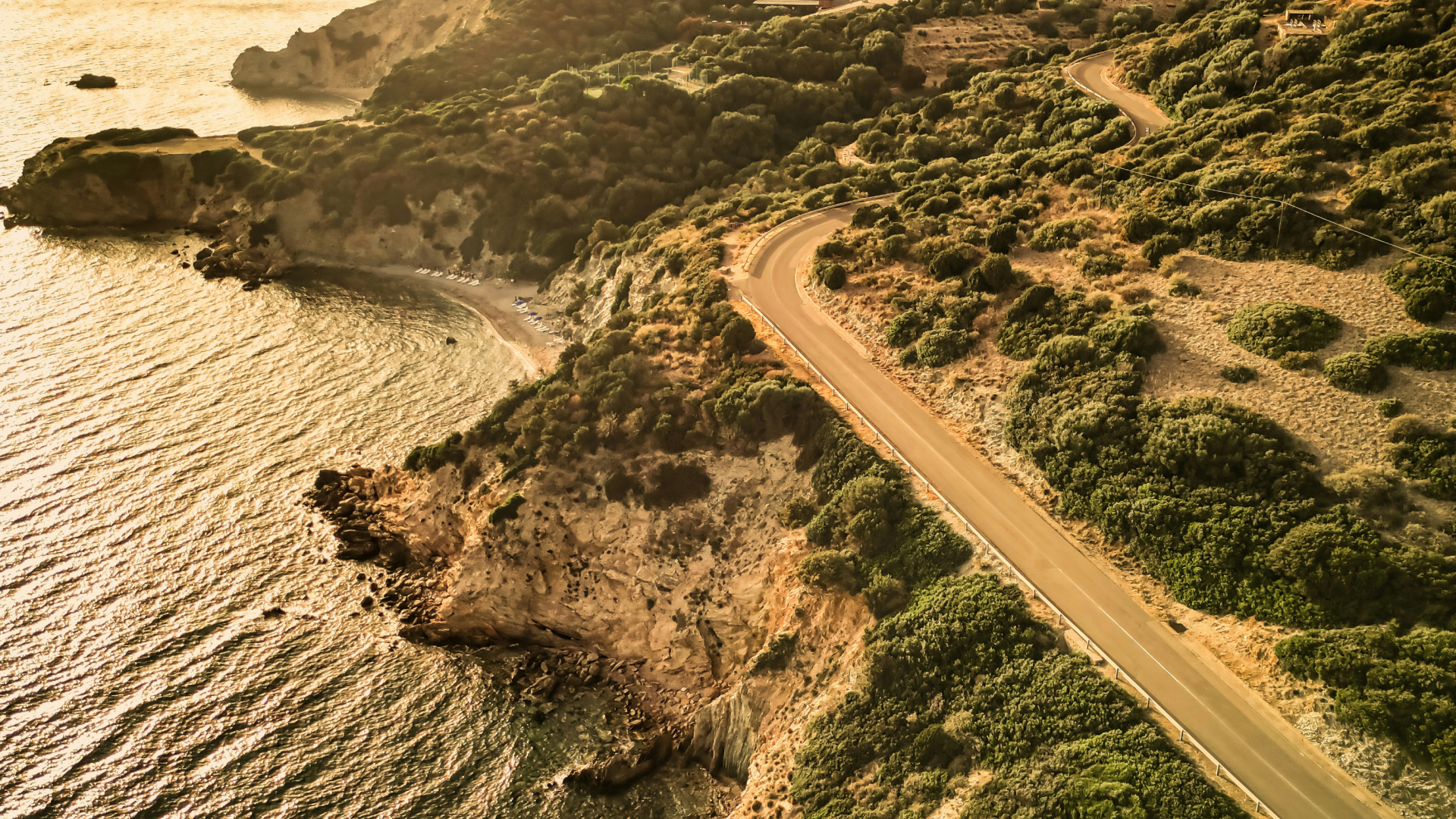
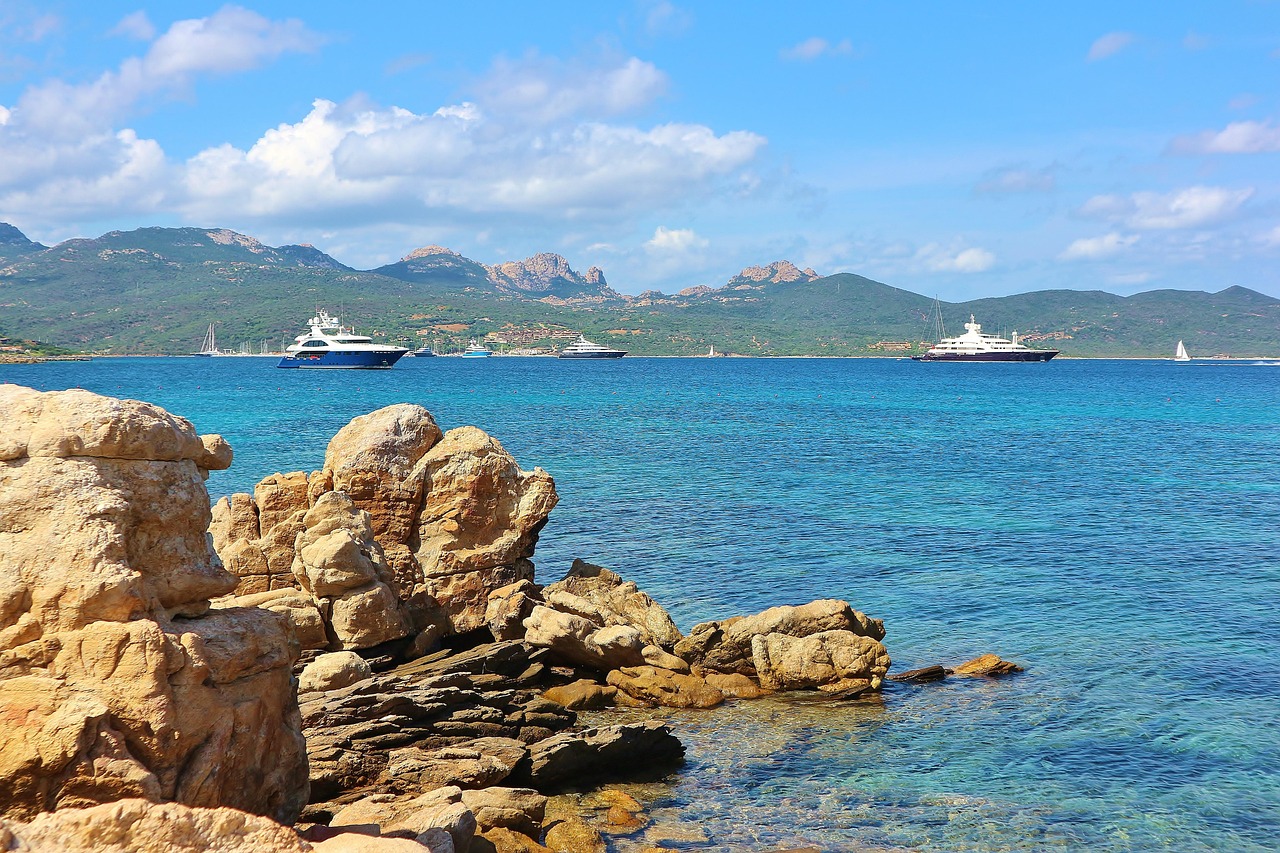
I still remember the first time I drove down the winding coastal road from Olbia at the start of the season, windows down, the scent of wild myrtle and sea salt blowing through the car. The water off Costa Smeralda was that impossible, electric turquoise you expect in the Caribbean, yet the hills were unmistakably Sardinian – granite outcrops, twisted juniper, stone farmhouses, and little whitewashed churches.
Since that first trip years ago, I’ve returned almost every season – in the busy glamour of August, in the quiet gold of October, and even once in a stormy February when the beaches were empty and the wind felt like it belonged to another century. Costa Smeralda is famous for its billionaire yachts and champagne nights in Porto Cervo, but that’s only one side of it. Stay a little longer, wander beyond the marinas, and you discover a patchwork of fishing villages, prehistoric sites, fragrant countryside, and some of the clearest sea in the Mediterranean.
This long-form travel guide for 2026 is written very much from the road: from dusty parking lots above hidden coves, from plastic chairs at fishermen’s bars, from late-night drives between villages after a festa. I’ll walk you through the best places to visit in Costa Smeralda, the must-see attractions, and – more importantly – the small, local moments that make this coastline unforgettable.
Whether you’re planning a 4 day itinerary for Costa Smeralda or stretching things to a full 7 days in Costa Smeralda, this guide will help you weave together iconic beaches, hidden coves, family-friendly adventures, romantic evenings, and real local food in Costa Smeralda.
Table of Contents
- Why Visit Costa Smeralda in 2026
- Understanding Costa Smeralda: The Region at a Glance
- Where to Base Yourself
- 4–7 Day Itineraries in Costa Smeralda (With Personal Stories)
- The 18 Key Towns, Sub-Areas & Landscapes of Costa Smeralda
- Regional Cuisine & Where to Taste It
- Evenings in Costa Smeralda
- What’s New in 2026–2027: Events & Changes
- Day Trips & Nearby Attractions
- Cultural Etiquette & Local Customs
- Practical Travel Advice & Money-Saving Tips
- Summary & Final Recommendations
Understanding Costa Smeralda: The Region at a Glance
Costa Smeralda, on the northeast coast of Sardinia, stretches roughly from Golfo Aranci down to Baia Sardinia and inland toward the granite hills of San Pantaleo and the Gallura countryside. It’s not a formal province with borders, but a coastal dreamscape: coves of white sand, sculpted rocks, and villages that, in summer, feel like small worlds onto themselves.
What ties its many sub-areas together is the combination of:
- Sea & Landscapes: Turquoise water, granite boulders shaped by wind, maquis shrubland perfumed with rosemary, myrtle, and cistus.
- Prestige & Simplicity: Glitzy marinas and ultra-luxury resorts bordering humble farmhouses, shepherd paths, and small churches.
- Gallura Culture: A distinct Sardinian identity – language (Gallurese), cuisine (porceddu, zuppa gallurese), and festivals that pre-date the era of superyachts.
In practice, you’ll likely move between Porto Cervo, Baia Sardinia, Poltu Quatu, Porto Rotondo, Golfo Aranci, and inland bases like San Pantaleo and Arzachena. Each has its own personality: from chic and polished to relaxed and village-like. I’ll unpack the best bases and day-trip towns in detail below.
Where to Base Yourself in Costa Smeralda
Across a dozen trips, I’ve slept everywhere from five-star resorts to tiny, family-run B&Bs above village bars. Here’s how I’d summarize the main bases:
- Porto Cervo: Best if you want the full Costa Smeralda glamour – designer boutiques, yacht-filled marina, upscale restaurants. Ideal for couples and groups of friends. Less practical for budget travelers.
- Baia Sardinia: My favorite compromise: beautiful beaches, relaxed seafront promenade, easy access to the whole area, and a range of mid-range hotels. Good for families and couples.
- Porto Rotondo: Smaller and more low-key than Porto Cervo, with its own marina and good dining. Great base if you also want quick access to Olbia and the ferry/airport.
- Golfo Aranci: Former fishing town turned beach hub. Still feels like a real place; excellent for families and more affordable stays.
- San Pantaleo: For me, this village is the soul of the area. Inland, artsy, surrounded by granite peaks; magical for sunsets, markets, and an authentic vibe. Perfect for couples, photographers, and anyone who wants culture + coast.
- Arzachena countryside: Agriturismi and rural B&Bs between vineyards and olive groves. Ideal if you want peace, space, and easy driving access in all directions.
If you’re planning 4 days in Costa Smeralda and don’t want to move hotels, I recommend basing in Baia Sardinia or Porto Rotondo. For a longer stay – a 6 day itinerary for Costa Smeralda or a full 7 days in Costa Smeralda – consider splitting time between the coast (Porto Cervo or Baia Sardinia) and inland (San Pantaleo or the Arzachena countryside).
4–7 Day Itineraries in Costa Smeralda (With Personal Stories)
These itineraries blend the must-see attractions in Costa Smeralda with quieter, local experiences. They’re based on how I actually move through the region when I have friends visiting – with plenty of time for the sea, good food, and unplanned detours.
4 Day Itinerary for Costa Smeralda
If you only have 4 days in Costa Smeralda, focus on a compact loop that shows you the coastline’s greatest hits plus a taste of inland Gallura.
Day 1 – Arrival, Baia Sardinia & First Swim
On my last spring trip, I landed in Olbia just after noon, grabbed a small rental car, and drove straight toward Baia Sardinia. It’s a 35–40 minute drive if you resist the urge to stop at every viewpoint (I rarely succeed). The moment you crest the last hill and see the bay, turquoise against the low, scrubby hills, you’ll understand why I keep coming back.
Afternoon: Check into your hotel or apartment in Baia Sardinia. Drop your bags, change into swimsuits, and walk down to Spiaggia di Baia Sardinia. The sand here is soft and pale, and the water is shallow – ideal for families or a gentle first swim after travel.
On one trip, I watched a grandfather teach his granddaughter to float here, both of them laughing as the gentle waves rocked them. It’s that kind of beach – social but not overwhelming, with kids building castles and couples reading in the shade of rented umbrellas.
Things to do:
- Swim and relax at the main beach or walk around the headland toward the rockier coves for snorkeling.
- Grab a gelato from the small kiosks along the promenade – pistachio and local fig are my go-tos.
- Walk the short stretch of coastal path toward Porto Sole for quieter corners and great sunset views.
Evening: Book dinner at a seafront restaurant overlooking the bay. I like to order a simple plate of spaghetti alle vongole (clams) and a local Vermentino. Watch the sky turn pink and the lights on the opposite headland twinkle on. For a low-key first night, this is perfect.
Tip: If you’re driving in high season, parking fills up from late morning. For stress-free afternoons, leave your car at your accommodation and walk whenever possible.
Day 2 – Porto Cervo & the Classic Costa Smeralda Icons
Morning: Porto Cervo Old Port & Piazzetta
Porto Cervo is the glossy postcard image of Costa Smeralda, and it’s worth seeing with your own eyes. I like to arrive early, before the boutiques open and the sun gets too intense. Park above the marina (follow signs to public parking – it’s well marked), then stroll down to the Old Port.
The pastel-colored buildings around the marina look almost theatrical – curving lines, balconies like waves, bougainvillea spilling over walls. As you wander up toward the Piazzetta, you’ll pass designer stores (Gucci, Prada, you name it), but also smaller, Sardinian craft shops hidden in side alleys. On one July morning, I bought a handwoven Gallura rug here from a woman who’d been working the loom since she was 15; we ended up chatting about how Porto Cervo has changed since the 1970s.
Things to do in Porto Cervo:
- Visit the Stella Maris Church, perched above the marina. Its white, sinuous architecture and quiet interior are a serene contrast to the luxury below.
- Walk the quays to admire the yachts – kids love spotting the biggest boats; adults secretly do too.
- Have a mid-morning espresso in the Piazzetta and do some people-watching.
Afternoon: Beaches of the Grande Pevero Area
After lunch (I usually opt for a light seafood salad near the marina), drive a few minutes to Spiaggia del Grande Pevero. This beach arcs gently around a shallow bay – the water is a precise shade of aquamarine that still surprises me. On my last visit, I walked from Grande Pevero around the headland toward Piccolo Pevero, following sandy paths through the maquis. It’s an easy, family-friendly walk with plenty of photo stops.
Evening: Aperitivo & Dinner
For a romantic second night, book an aperitivo at a rooftop bar in Porto Cervo overlooking the marina. As the sun sets behind the hills, the masts of the yachts become silhouettes and the air fills with a mix of Italian, English, French, and Arabic. Later, drive back to Baia Sardinia or stay in Porto Cervo for dinner.
Tip: Porto Cervo in high summer is pricey. To keep costs reasonable, enjoy the atmosphere with a single drink or coffee and have your main meals in less showy villages like Abbiadori, Arzachena, or Baia Sardinia.
Day 3 – La Maddalena Archipelago Boat Trip
Morning: Depart from Palau or Baia Sardinia
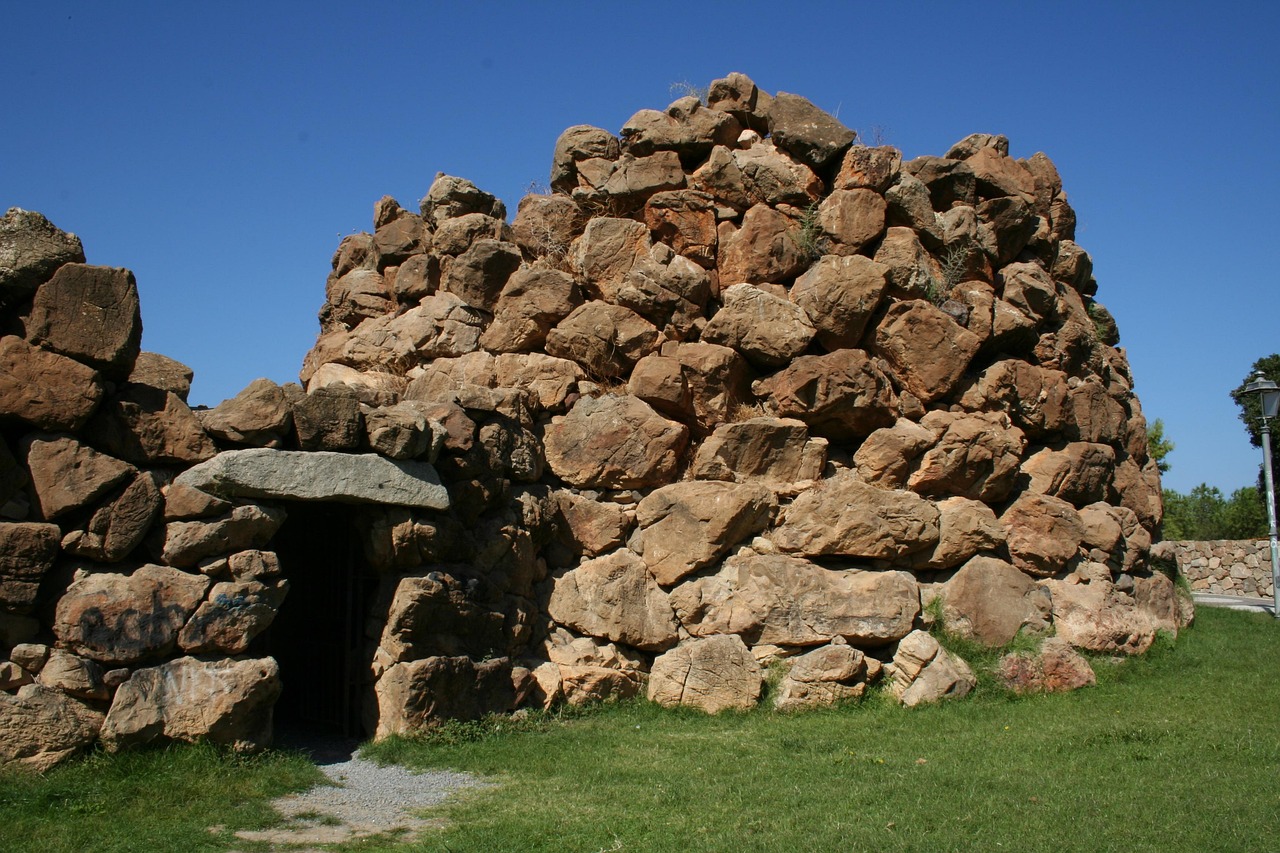
No travel guide for Costa Smeralda is complete without mentioning the La Maddalena Archipelago I usually depart from Palau, a 30–40 minute drive from Baia Sardinia, but there are also trips from Baia Sardinia itself and from Cannigione. On a breezy September day, I joined a small sailing boat with only 10 passengers, which meant we could linger longer in certain coves. Typical stops include: Family-friendly: Larger excursion boats offer lunch on board, music, and easy access to the water; kids love jumping from the boat’s lower decks. For couples seeking romance, look for smaller sailboats or RIBs with more space and quieter vibes. Evening: Return tired, sun-kissed, and about 300 photos richer. I like to keep dinner simple on boat days – perhaps a pizza at a casual spot in Baia Sardinia, then a moonlit walk along the beach. Tip: In July–August, book your boat at least a few days in advance. Bring a windbreaker even in summer – the breeze offshore can be strong, especially on the return leg. On your last day, trade the sea for stone and stories. Morning: San Pantaleo Village & Market (Thursday) If it’s a Thursday, aim to reach San Pantaleo by 9:30 am for the weekly market. The village sits in a bowl of granite peaks that remind me of a Western film set. In the cool of the morning, the main square fills with stalls: local cheeses, cured meats, handmade jewelry, woven baskets, and linen tunics fluttering in the breeze. On one particularly memorable visit, I watched a local artist paint the peaks in watercolor from a café table while a mix of Italian and French conversations floated around us. Children chased each other between the stalls, and the smell of roasting coffee from the bar competed with the sharp aroma of pecorino. Afternoon: Nuraghi & Tombs near Arzachena Drive 15–20 minutes to the outskirts of Arzachena, where several important archaeological sites are scattered across the countryside. These Bronze Age structures – nuraghi (stone towers) and giant’s tombs – predate the Romans by more than a millennium. Two of my favorites: Walking through these sites in the late afternoon light is atmospheric; you’re surrounded by silence, the buzz of cicadas, and the occasional bleating of distant goats. I often pause to imagine the lives lived here thousands of years ago, long before anyone dreamt of Porto Cervo. Evening: End your 4-day itinerary with dinner at a countryside agriturismo near Arzachena or San Pantaleo. A typical set-menu feast might include antipasti galluresi (cured meats, cheeses, marinated vegetables), homemade pasta like gnocchetti sardi, slow-roasted porceddu (suckling pig), and traditional desserts with local honey. It’s the perfect farewell: under the stars, in the quiet of the Gallura hills, with the sea only a dark outline on the horizon.
Day 4 – Inland Gallura: San Pantaleo & Archaeology Around Arzachena
5 Day Itinerary for Costa Smeralda
With 5 days in Costa Smeralda, you can keep the 4-day plan and add a day exploring less-visited coves and villages.
Day 5 – Hidden Beaches & Local Food in Costa Smeralda
Morning: Off-the-Radar Coves
On my slower trips, I dedicate a full day to beach-hopping small coves between Baia Sardinia and Cannigione. These spots rarely appear on glossy brochures but often become people’s favorite memories.
Try:
- Spiaggia di Tanca Manna – family-friendly with facilities.
- Spiaggia Mannena (Barca Bruciata) – a longer stretch of sand with room to spread out.
- Rocky inlets along the coastal road where you can scramble down short paths to near-private swimming spots (drive slowly and watch for small parking pullouts).
Afternoon: Long Lunch & Wine Tasting
Book a late lunch at a countryside restaurant or agriturismo between Cannigione and Arzachena. This is where you’ll get a real taste of local food in Costa Smeralda: fregola (toasted pasta) with clams, artichokes when in season, and local wines like Vermentino di Gallura and Cannonau.
Several wineries in the area now offer tastings with vineyard views. On an early October visit, I stood in a Gallura vineyard with a glass of Vermentino in hand, watching the last clusters of grapes being picked.
Evening: Keep it calm. A stroll through Cannigione’s small seafront promenade at sunset, or back to Baia Sardinia for a quiet final dip if it’s still warm enough.
6 Day Itinerary for Costa Smeralda
A 6 day itinerary for Costa Smeralda gives you breathing room – you can slow the pace, avoid mid-day heat, and explore more inland culture.
Day 6 – Golfo Aranci & Capo Figari
Morning: Golfo Aranci Town & Beaches
Drive about 45 minutes from Baia Sardinia or 25 minutes from Porto Rotondo to Golfo Aranci. This former fishing village has kept more of its authentic character than many coastal spots.
Walk along the main seafront promenade. Small fishing boats bob in the water; old men lean against the railings discussing the day’s catch. The town’s sequence of beaches (Prima Spiaggia, Seconda Spiaggia, etc.) each have their own personality. I like Terza Spiaggia for its slightly quieter feel.
Afternoon: Hike or Boat Around Capo Figari
If you’re feeling active, hike up to Capo Figari. The trail starts near the Cala Moresca area and climbs gradually to a headland with sweeping views over the islands and the open sea. On one April hike, I passed wildflowers, goats, and not a single other walker.
Alternatively, join a dolphin-watching boat tour from Golfo Aranci – the local bottlenose dolphins often play around the bow of the boats, which can be magical for kids.
Evening: Have an early seafood dinner in Golfo Aranci – grilled catch of the day is usually excellent – then drive back to your base.
7 Day Itinerary for Costa Smeralda
With a full 7 days in Costa Smeralda, you can split your time between two bases, or use one base and explore slowly. Add this final day to round out the experience.
Day 7 – Inland Gallura Villages & Lago del Liscia
Morning: Drive Inland Toward Sant’Antonio di Gallura
Leave the coast behind and head toward Sant’Antonio di Gallura and the rolling interior. The road winds past cork oak groves (you’ll see stripped trunks, a rusty reddish color), vineyards, and stone farmhouses.
Stop for a coffee in a village bar where the TV is tuned to the news and conversations are all in Gallurese. This is a very different rhythm than Porto Cervo – slower, older, and deeply rooted.
Afternoon: Lago del Liscia & Olive Trees
Visit Lago del Liscia, an artificial lake in a serene valley. Nearby, some of the oldest olive trees in Sardinia (some said to be over 2,000 years old) twist and sprawl like living sculptures. Walking among them, I always feel a strange sense of time stretching – the sea and all its glamour feels very far away.
Evening: For your final night, book one more agriturismo dinner inland or return to the coast for a last sunset. If possible, plan this day toward the end of your trip; it gives closure, a sense that you’ve truly seen both faces of Costa Smeralda – the famous coast and the quiet heart behind it.
The 18 Key Towns, Sub-Areas & Landscapes of Costa Smeralda
Here are the core places that, together, define Costa Smeralda. Think of this as the long, narrative backbone to your trip – where to stay, what each is known for, and how they fit into a broader travel guide for Costa Smeralda.
1. Porto Cervo – Glamour, Architecture & Nightlife
Created in the 1960s by the Aga Khan and a group of investors, Porto Cervo was designed as a luxury playground. But beyond the designer storefronts, it’s also an interesting experiment in architecture and planning – a village built from scratch to echo and enhance the landscape.
The curving lines of the buildings, the pastel colors, the hidden stairways and viewpoints – I enjoy walking Porto Cervo as an open-air art installation. In 2026, several high-end hotels have refreshed their interiors, and there’s a renewed focus on art exhibitions and pop-up installations in summer.
Best for: High-end shopping, yacht-watching, nightlife, romantic evenings.
Tip: If you’re on a budget, visit in the morning or for a single evening; sleep elsewhere. Parking is easier outside peak season (July–August).
2. Baia Sardinia – Easygoing Beach Hub
Baia Sardinia is often my top recommendation for first-timers. The bay is glorious, the mood is laid back, and you can walk to most things. In high summer, the central square comes alive at night with live music, families strolling, and kids darting between tables for gelato.
Best for: Families, beach lovers, those wanting a central base without Porto Cervo prices.
3. Porto Rotondo – Compact, Elegant Marina Town
Smaller and more intimate than Porto Cervo, Porto Rotondo curves around a natural bay. The central circular piazza (hence the name) often hosts cultural events in summer – from jazz concerts to small theater performances. It’s a lovely base if you’re arriving by ferry or plane to Olbia and want a short transfer.
Best for: Couples, those combining Costa Smeralda with a wider Sardinia road trip.
4. Poltu Quatu – Fjord-Like Marina & Quiet Luxury
Hidden in a narrow inlet between Baia Sardinia and Porto Cervo, Poltu Quatu feels almost like a Scandinavian fjord reimagined by a Mediterranean architect. White buildings cascade down toward the water, where boats rest in a calm, narrow channel.
I often come here for a sunset drink – it’s quieter than Porto Cervo but just as scenic.
Best for: Romantic stays, quiet evenings, photography.
5. Cannigione – Gateway to La Maddalena & Family-Friendly Beaches
Once a small fishing port, Cannigione is now a relaxed tourist town with a long seafront promenade. It’s an excellent base for families: plenty of apartments, easy boat tours to La Maddalena, and calm beaches with shallow water.
On a June trip, I stayed in a simple apartment here and spent evenings walking the promenade, watching kids ride bikes while parents lingered over spritzes and plates of fried calamari.
Best for: Families, budget-conscious travelers, boat excursions.
6. Golfo Aranci – Ex-Fishing Village with Real Character
Golfo Aranci has changed a lot in the last decade – more hotels, better infrastructure – but it still retains a lived-in feel. Fishermen still mend their nets, and older residents sit on benches watching the sea. Several dolphin-watching outfits operate here, and in 2026 a new waterfront renovation project continues to improve pedestrian areas.
Best for: Authentic seaside vibe, dolphin-watching, easy access to Olbia.
7. San Pantaleo – Artistic Mountain Village Above the Sea
Inland by just a few kilometers, San Pantaleo feels worlds away from the marinas. Granite peaks loom over a cluster of stone houses and a central square that functions as the village’s living room.
The Thursday market has become famous, but I still find it charming. There’s a mix of genuinely local crafts and more touristy stands; look for artisans who can tell you where their materials come from. Outside market day, the village is peaceful, with a couple of excellent restaurants and bars perfect for long, candlelit dinners.
Best for: Couples, photographers, art lovers, those wanting to escape the coastal bustle.
8. Arzachena & Countryside – Archaeology & Rural Life
Arzachena itself is a workaday town – banks, supermarkets, local bars – but it’s the surrounding countryside that’s special: vineyards, agriturismi, and a concentration of archaeological sites.
Staying in the countryside here, I’ve woken to cowbells and mist in the low fields, with the coast only a 20-minute drive away. It’s a different way to experience Costa Smeralda, especially in shoulder seasons.
Best for: Agriturismo stays, archaeology, wine, and food-focused trips.
9. La Maddalena Town – Island Strolls & Seafront Cafés
Although technically outside the strict “Costa Smeralda” branding, La Maddalena town is inseparable from the area’s appeal. A short ferry ride from Palau, its pastel façades line a lively harbor.
On one visit, I spent a lazy afternoon bar-hopping along the waterfront, sipping espresso and watching locals greet each other as they passed. Old naval buildings hint at its strategic history.
Best for: Day trips, island atmosphere, strolls and café culture.
10. Caprera – Wild Island & Garibaldi’s Refuge
Linked to La Maddalena by a bridge, Caprera feels wilder, more pine-scented. It’s famous for two things: its coves (some of the most beautiful in the archipelago) and the house where Italian hero Giuseppe Garibaldi spent his final years.
Visiting his simple home, preserved almost as he left it, provides a surprising counterpoint to the luxury of Costa Smeralda. Nearby trails lead to panoramic viewpoints and secluded beaches.
Best for: Hikers, history buffs, beach lovers who don’t mind walking a bit.
11. Pevero & Cala di Volpe – Beaches & Iconic Hotels
The Pevero and Cala di Volpe area is where the classic Costa Smeralda luxury aesthetic really shines – think the legendary Cala di Volpe hotel (featured in a James Bond film) overlooking a perfect bay. Even if you’re not staying at the hotel, the beaches here, like Grande and Piccolo Pevero, are open to all.
Best for: Beach days, golf (Pevero Golf Club), and high-end stays.
12. Romazzino & Spiaggia del Principe – Postcard-Perfect Coves
Spiaggia del Principe is one of my personal favorite beaches in Costa Smeralda. A short walk from the parking area (wear sandals), the path reveals a crescent of fine sand framed by low granite rocks and vegetation. The water is luminous, shallow, and often very clear – wonderful for kids and for lazy floating.
The surrounding Romazzino area is dotted with villas and a few exclusive hotels, but the beach remains accessible, though busy in August.
Best for: Classic Costa Smeralda beach day with a bit of a “hidden cove” feel.
13. Liscia Ruja – Long, Wild Beach
If small coves aren’t your thing, Liscia Ruja offers a longer sweep of sand. Several beach clubs and free areas share the coastline, but even in peak season you can usually find a spot if you walk a bit.
I often come here in late afternoon; the light softens, the day-trippers thin out, and there’s space to walk with your feet in the water.
Best for: Long walks, a mix of serviced and wild-feeling beach areas.
14. Gulf of Cugnana & Rudalza – Quiet Corners Near Porto Rotondo
The Gulf of Cugnana lies between Porto Rotondo and Porto Cervo. It’s less about legendary beaches and more about quiet inlets, small marinas, and country roads lined with low stone walls.
In recent years, a few boutique B&Bs have opened here, offering a good compromise between coastal access and tranquility.
Best for: Peaceful stays, boat moorings, and easy access to both main hubs.
15. Capo Figari & Cala Moresca – Cliffs & Hikes
We touched on Capo Figari in the 6-day itinerary, but it deserves its own mention. The combination of pine forests, dramatic cliffs, and coves like Cala Moresca make this area a favorite for hikers and more active travelers.
Best for: Hiking, cliff views, quieter coves outside the main Costa Smeralda strip.
16. Liscia di Vacca & Abbiadori – Everyday Life Behind the Glamour
Behind Porto Cervo, the small communities of Liscia di Vacca and Abbiadori house many of the workers who keep Costa Smeralda running. Here you’ll find supermarkets, pizzerias, local bars, and a more normal pace of life.
On one off-season stay, I rented an apartment here and really appreciated being able to walk to a simple bakery in the morning and hear only Italian and Sardinian around me.
Best for: Longer stays, self-catering, budget-friendly access to Porto Cervo.
17. Gallura Interior – Cork Oaks, Vineyards & Stone Villages
Beyond Sant’Antonio di Gallura and Arzachena, the interior of Gallura opens into rolling hills, cork oak forests, and old villages where granite houses cluster around church squares.
It’s here that you’ll taste some of the best local food in Costa Smeralda – though locals simply call it Gallura food. Slow-roasted meats, hearty soups like zuppa gallurese, and powerful cheeses form the backbone of the cuisine.
Best for: Road-trippers, foodies, and anyone seeking a counterbalance to the coast.
18. Coastal Trails & Rock Formations – The Sculpted Granite Coast
One of the underappreciated joys of Costa Smeralda is simply walking along parts of its undeveloped coastline: trails that weave between juniper bushes, over pale rocks, and past natural sculptures carved by wind and rain.
Near Palau and Baia Sardinia, look for short coastal paths leading to viewpoints. The rocks sometimes look like animals, faces, or abstract art – local kids love inventing names for them.
Best for: Short hikes, photography, sunset walks.
Regional Cuisine & Where to Taste It in Costa Smeralda
The food of Costa Smeralda is really the food of Gallura and northern Sardinia, with a maritime twist. It’s earthy, honest, and deeply tied to seasonality.
Signature Dishes by Sub-Area
- Coastal towns (Porto Cervo, Baia Sardinia, Porto Rotondo, Golfo Aranci): Expect excellent seafood – spaghetti alle vongole, grilled fish, fritto misto (mixed fried seafood), and bottarga (cured fish roe) shaved over pasta.
- Inland Gallura (Arzachena, San Pantaleo, interior villages): Meat and dairy shine – porceddu, agnello (lamb), local pecorino, ricotta, and zuppa gallurese (layers of bread, cheese, and broth baked into a casserole).
- Everywhere: Pane carasau (thin crispbread), gnocchetti sardi (malloreddus) with sausage and tomato, seadas (fried pastry with cheese and honey).
Where to Eat: Personal Favorites
Names change and ownerships shift, but some patterns hold:
- Agriturismi around Arzachena & San Pantaleo: Book at least a day ahead. Many offer a fixed menu; arrive hungry. The best meals I’ve had in the area have been at long wooden tables, sharing platters with locals celebrating birthdays or baptisms.
- Seafront trattorias in Golfo Aranci & Cannigione: Less polished than Porto Cervo, but fish is often fresher and prices more reasonable.
- Wine estates in Gallura interior: Some now combine tastings with light lunches – perfect for a slow midday break on a hot day.
Markets & Self-Catering
If you’re staying in an apartment, visit local markets (San Pantaleo Thursday market, weekly markets in Arzachena and Cannigione) for ingredients: tomatoes that taste like sunshine, basil, local olives, and cheeses. A simple picnic of bread, cheese, salami, and fruit eaten on a quiet beach is one of the best cheap meals you can have.
Evenings in Costa Smeralda
After dark, Costa Smeralda splits into two different worlds.
Glamorous Nights
In Porto Cervo and Porto Rotondo, evenings mean aperitivo on terraces, live DJs, and club nights that go past 3 am in July and August. Even if clubbing isn’t your thing, an after-dinner stroll around the marinas is fascinating – an international parade of fashion and languages.
Village Piazzas & Family-Friendly Evenings
In Baia Sardinia, Cannigione, Golfo Aranci, and San Pantaleo, evenings are more about passeggiata – the Italian ritual of strolling. Kids play, teenagers cluster on benches, grandparents occupy their favorite café tables.
In the interior villages, summer evenings bring festas: religious processions followed by food stalls, music, and dancing. I’ve stumbled onto several such celebrations simply by following the sound of accordion and laughter.
Seasonal Celebrations
- June–September: Concerts, food festivals, and beach parties along the coast.
- August 15 (Ferragosto): Big night across Italy; expect crowded beaches, fireworks, and late nights.
- Harvest time (late September–October): Wine and food events in the interior, smaller and more local but very rewarding.
What’s New in 2026–2027: Events & Changes
Several trends shape the Costa Smeralda travel scene in 2026 and into 2027:
- Sustainability Push: More boat operators in La Maddalena are limiting daily passenger numbers to protect fragile coves. Book in advance, especially in peak season.
- Porto Cervo Cultural Summer 2026: Expanded program of open-air concerts, art installations, and film screenings in the Piazzetta and surrounding squares from June through early September.
- Golfo Aranci Waterfront Renovation: Ongoing improvements to pedestrian walkways and public spaces, making the town even more pleasant for evening strolls.
- New Hiking Signage: Enhanced trail markers around Capo Figari and parts of the Gallura interior to encourage low-impact hiking and cycling.
Day Trips & Nearby Attractions from Costa Smeralda
If you’re staying a week or more, consider these day trips:
- Tempio Pausania: Granite-built town in the hills, known for cork production and cool air in summer. Lovely old streets and a different, more traditional Sardinian feel.
- Castelsardo: About 1.5–2 hours’ drive; a medieval town perched on a promontory with stunning sunset views and narrow lanes.
- Olbia Old Town: Often overlooked, but its historic center has lively bars, restaurants, and shops – nice for an evening if you’re flying in or out.
- Monti & Vermentino Wine Country: Visit wineries inland from Olbia for tastings and cellar tours.
Tip: For longer day trips beyond 1.5 hours, start early, avoid driving back too late in the dark if you’re not used to rural roads, and factor in time for rest stops.
Cultural Etiquette & Local Customs
Language & Greetings
Italian is widely spoken; in the interior you’ll hear Gallurese, a local language. English is common in tourist areas but less so in small villages.
- Greet with buongiorno (morning/early afternoon) or buonasera (late afternoon/evening).
- In shops and bars, say hello and goodbye; it’s appreciated.
Dining Customs
- Dinner is typically from 8 pm onward; many restaurants don’t open before 7:30 pm.
- Tipping is not obligatory but rounding up or leaving 5–10% for good service is welcome.
- Sharing dishes and asking for recommendations is normal; staff are often proud of local specialties.
Beach & Nature Etiquette
- Don’t take sand, shells, or stones from beaches – it’s illegal and monitored at airports.
- Respect dune fences and “no access” signs; coastal vegetation is fragile.
- Pack out your trash, including cigarette butts.
Dress & Behavior
- Beachwear is for the beach; in villages and churches, wear at least a T-shirt and shorts/skirts of decent length.
- In small villages, loud behavior late at night is frowned upon; keep noise down in residential streets.
Practical Travel Advice & Money-Saving Tips
Getting There
- By air: Fly into Olbia Costa Smeralda Airport (OLB), about 30–40 minutes from most Costa Smeralda bases.
- By ferry: Ferries from mainland Italy arrive in Olbia and Golfo Aranci.
Getting Around: Car vs. Public Transport
To be blunt: a car is extremely useful in Costa Smeralda, especially if you plan a multi-town itinerary.
- Driving distances: Olbia–Porto Cervo ~30–40 minutes; Porto Cervo–Baia Sardinia ~15–20 minutes; Baia Sardinia–Palau ~30–40 minutes.
- Car rental: Easiest at Olbia Airport or port. Book early for July–August.
- Parking: Many beach car parks are paid in high season; carry coins or use apps where available.
- Public buses: Exist but are infrequent and not ideal for complex itineraries, especially on weekends.
Foreign Driving Licenses & Rules
- EU licenses are valid. Non-EU travelers should carry an International Driving Permit (IDP) plus their home license – officially required and occasionally checked.
- Drive on the right; seat belts are mandatory; strict drink-driving laws apply.
When to Visit: Seasons & Activities
- May–June: Warm, less crowded, wildflowers; great for hiking and beaches.
- July–August: Peak season – hottest, busiest, liveliest nightlife. Best for those who want full-on summer energy.
- September–early October: My favorite: sea still warm, crowds thinning, harvest season inland.
- November–April: Many coastal hotels and restaurants close. Quiet, beautiful light, good for walkers and those who don’t mind limited services.
Money-Saving Strategies
- Travel in June or September instead of August – lower prices and easier bookings.
- Stay in Cannigione, Golfo Aranci, Liscia di Vacca, or inland agriturismi for better value than Porto Cervo.
- Alternate beach clubs with free beaches; bring your own umbrella for savings.
- Have main meals at lunch (often cheaper) and lighter dinners.
- Use supermarkets for breakfast and picnic supplies.
SIM Cards & Connectivity
- Italy has good mobile coverage along the coast; inland can be patchy in spots.
- Buy a local SIM (TIM, Vodafone, Iliad, WINDTRE) in Olbia or at the airport for data; bring your passport.
- Many hotels and cafés offer free Wi-Fi, but speeds can slow in peak evenings.
Visa Requirements
Costa Smeralda follows Italy’s and the EU’s rules:
- Schengen Area nationals: Free movement.
- Many non-EU visitors (e.g., US, Canada, UK, Australia): Typically 90 days visa-free in the Schengen zone within 180 days, but always check up-to-date requirements before travel.
- Ensure your passport is valid for at least 3–6 months beyond your planned departure, depending on your nationality.
Health & Safety
- Tap water is generally safe to drink; ask locally if unsure.
- Use strong sun protection; summer sun is intense, especially on the water.
- Watch for jellyfish (meduse) alerts at beaches; usually posted if there’s a problem.
Hidden Tips from the Road
- For quiet swims in peak season, go early (before 9:30 am) or late (after 5 pm).
- Carry a light sarong or scarf; handy for sun, modesty in churches, or cooler evenings inland.
- Some of the best sunset views are from inland ridges above San Pantaleo and Arzachena – not just the coast.
- If you get seasick, choose bigger boats for La Maddalena trips and sit near the center.
Summary & Final Recommendations
Costa Smeralda in 2026 is more than the sum of its beaches and marinas. It’s a mosaic: Porto Cervo’s glamour, San Pantaleo’s village soul, Arzachena’s ancient stones, the wild coves of Caprera, and the quiet hills of Gallura.
For most travelers, the sweet spot is a 5–7 day itinerary in Costa Smeralda, mixing coastal days with at least one inland excursion. Use Baia Sardinia, Porto Rotondo, or Cannigione as a base if you want practicality; add a couple of nights in San Pantaleo or an agriturismo for depth.
In terms of timing, I’d choose:
- June or September for balance – warm sea, manageable crowds, and fair prices.
- July–August if you crave energy, nightlife, and don’t mind higher costs.
- Late May or early October for walkers, photographers, and those who value quiet over swimming every day.
However you plan your 4 day itinerary for Costa Smeralda or stretch it to a full 7 days in Costa Smeralda, leave space for unplanned stops: a cove glimpsed from the road, a village festa you discover by chance, a long conversation over a glass of Vermentino. Those are the memories that will bring you back here, as they’ve brought me, year after year.