Why Visit the Dolomites?
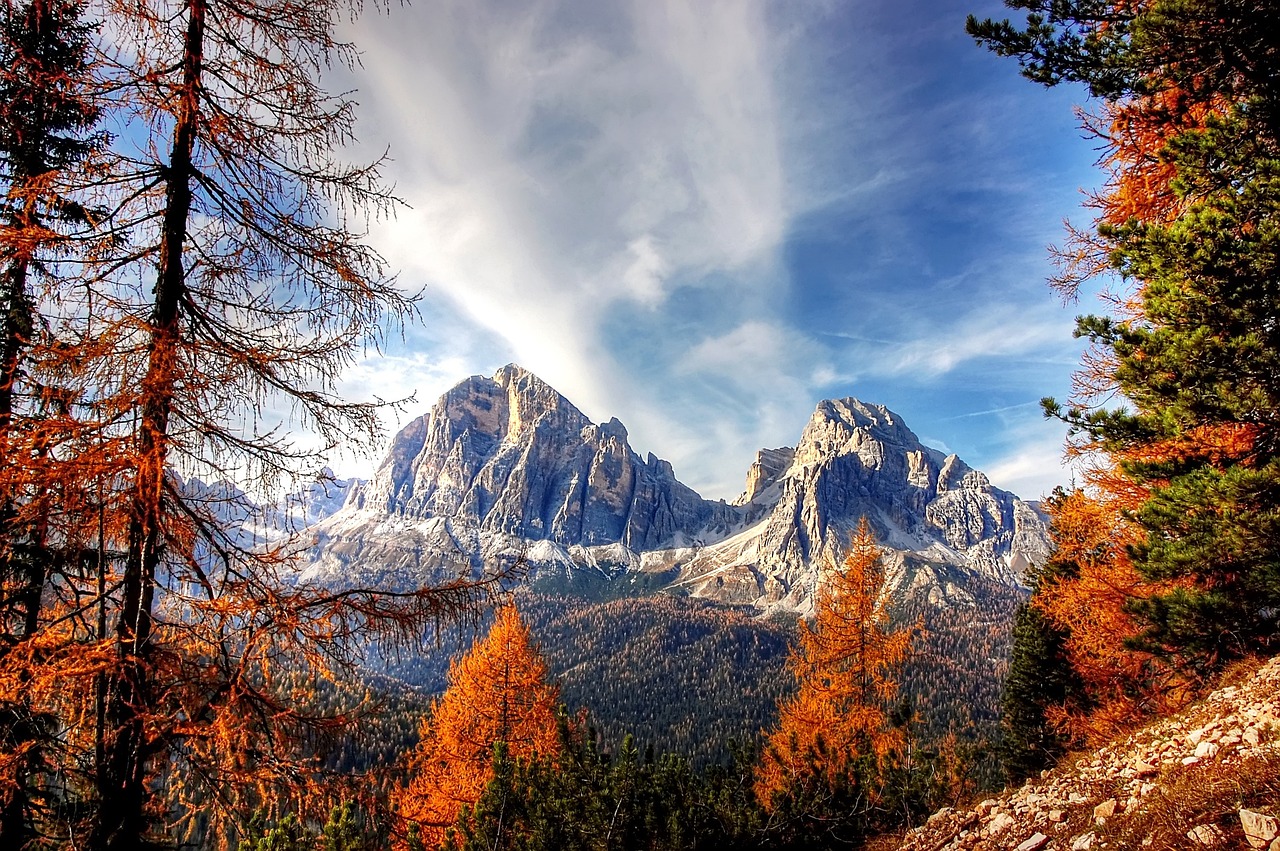
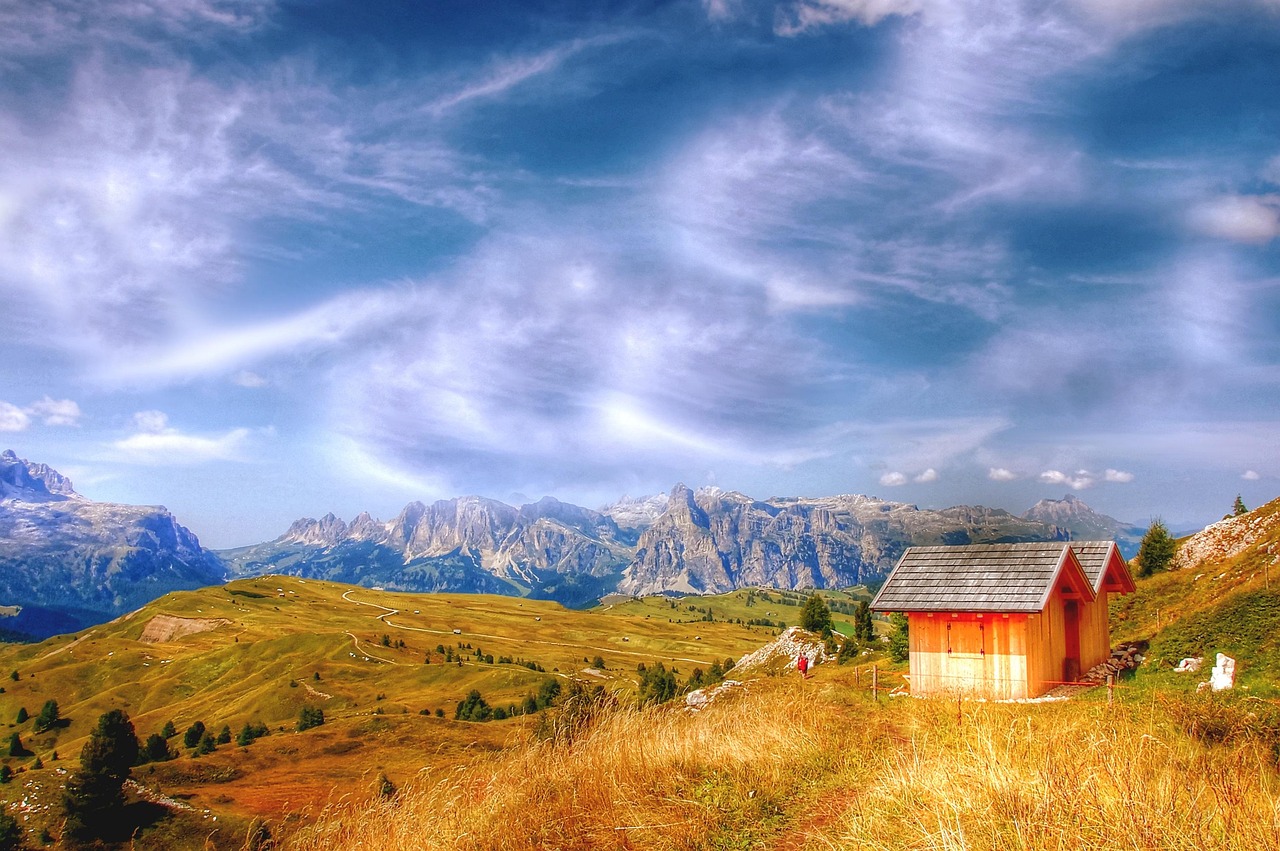
The Dolomites are where Italy meets the Alps in the most dramatic way possible: jagged pale limestone towers, emerald valleys dotted with wooden barns, mirror-like alpine lakes, and villages where Italian, Ladin, and Austrian cultures blend. I’ve been returning almost every year since my first trip in my early twenties, and the Dolomites still surprise me each time—one evening it’s alpenglow turning the peaks pink, another it’s a spontaneous polenta feast in a tiny mountain hut while snow falls outside.
Unlike some mountain destinations that are only about hardcore hiking or skiing, the Dolomites cater to everyone: slow travelers who want scenic drives and cable cars, families looking for gentle walks and playgrounds at the top of the world, couples seeking romantic refugio stays, and adventure junkies who chase via ferrata routes and backcountry powder.
In this 2026 travel guide for the Dolomites, I’ll walk you through:
- The best places to visit in the Dolomites and how to link them into a 4, 5, 6, or 7 day itinerary.
- Detailed, story-style write-ups of 20 major attractions, from Lago di Braies to Seceda and Tre Cime di Lavaredo.
- Where to stay (valleys, passes, villages, and mountain huts), how to get around, and how to save money in this high-cost alpine region.
- Cultural experiences and local customs you should know—how to order in a rifugio, what “servus” means, and why Ladin culture matters here.
- Mountain-specific logistics: altitude, gear, avalanche windows, pass closures, and when to visit for hiking, wildflowers, fall colors, and skiing.
- Key travel tips for Dolomites covering SIM cards, drivers’ licenses, visas, and more.
Regional Overview: Valleys, Passes, and Signature Peaks
Before diving into the specific things to do in the Dolomites, it’s helpful to understand the region’s main areas. I usually think of the Dolomites in terms of a few key valleys and passes, each with its own personality.
Val Gardena (Gröden)
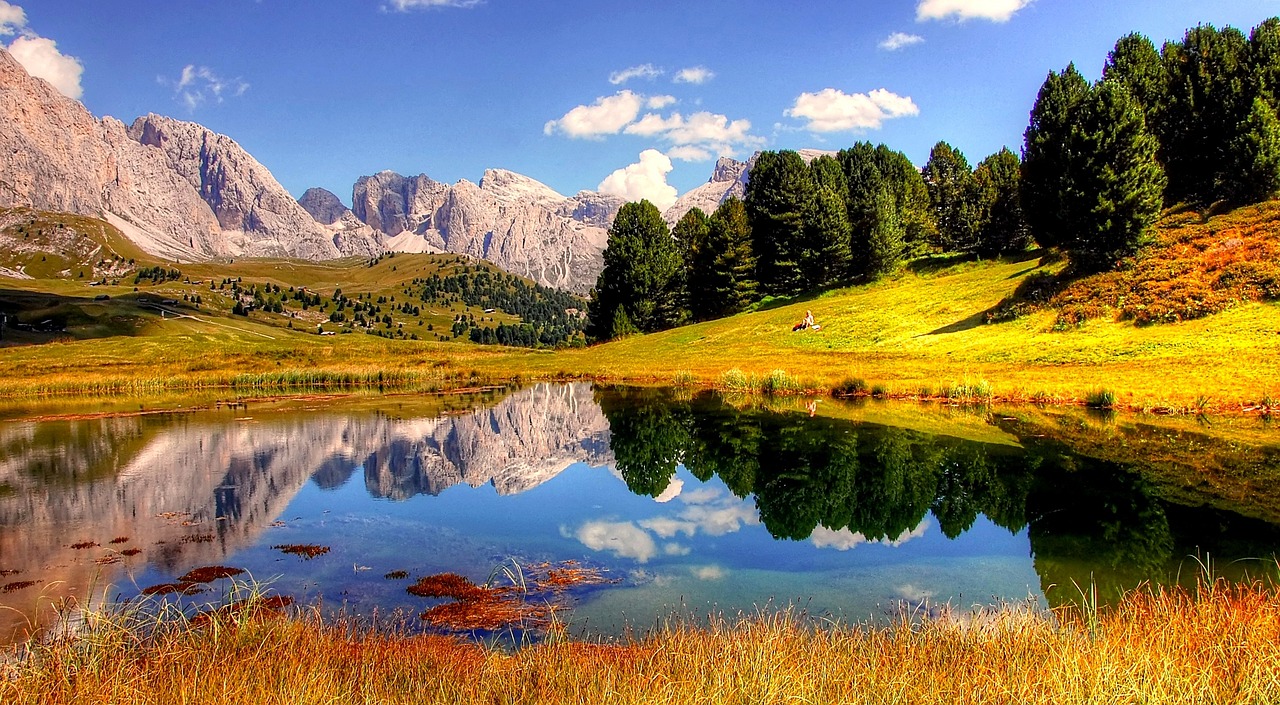
Altitude: 1,236 m (Ortisei) to about 2,500 m on the plateaus
Best for: Iconic views (Seceda), family-friendly lifts, woodcarving villages, skiing in winter
Best bases: Ortisei (romantic and lively), Santa Cristina (quiet), Selva di Val Gardena (sporty and ski-focused)
If you only have 4 days in the Dolomites, Val Gardena is one of the best places to base yourself. The valley is surrounded by massive rock walls: Sassolungo, the Odle/Geisler Group, and the Sella massif. I often stay in Ortisei because the evening passeggiata (stroll) in the compact pedestrian center feels more “Italian” than some of the other villages.
Alta Badia
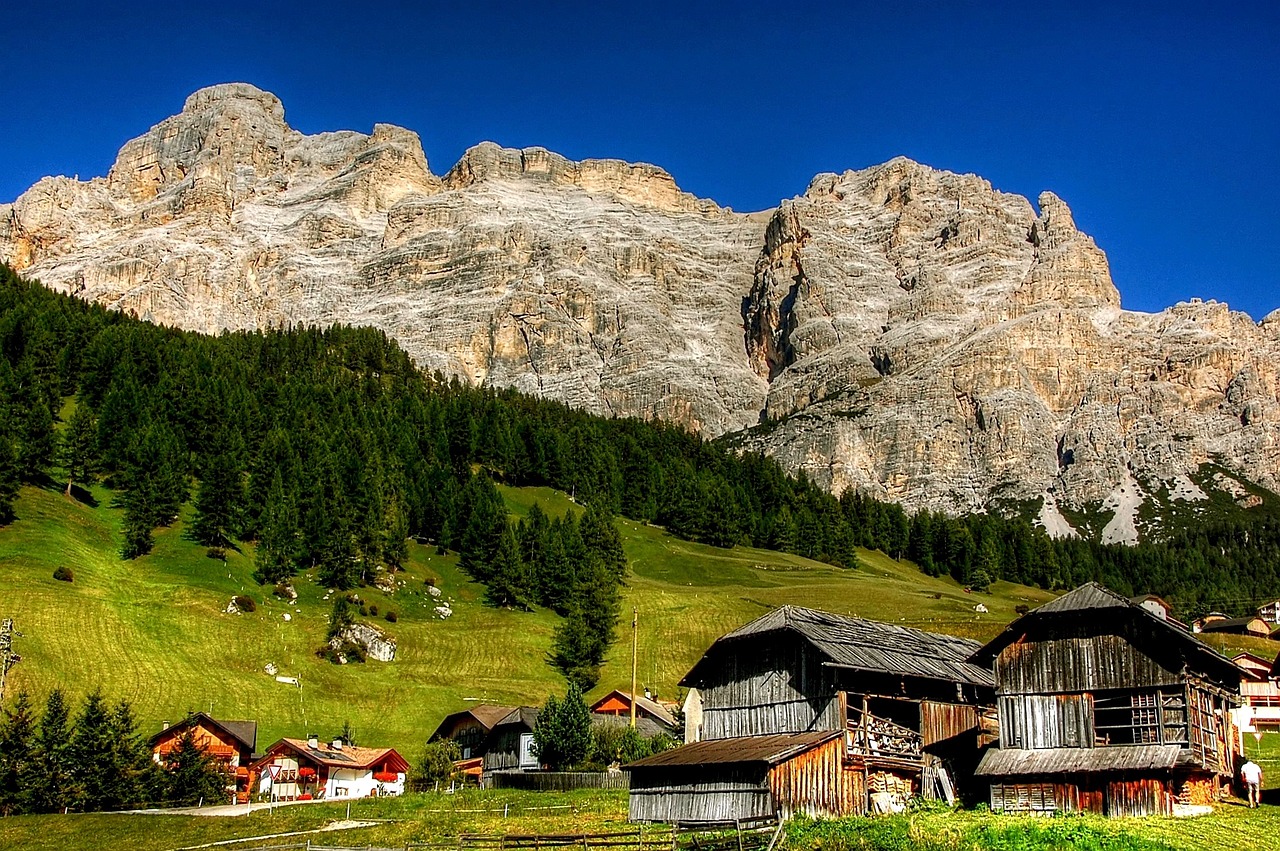
Altitude: ~1,324 m (La Villa) to over 2,000 m on surrounding plateaus
Best for: Ladin culture, gourmet mountain dining, mellow hikes, excellent skiing
Best bases: Corvara (central and connected), La Villa (relaxed), San Cassiano (upscale and romantic)
Alta Badia is where I go when I want a slower, foodie-focused trip. You can spend days doing relatively gentle hikes between rifugi that serve dishes which would impress in big-city restaurants. It’s also one of the best areas for learning about Ladin culture—the ancient language and traditions that predate both Italy and Austria here.
Cortina d’Ampezzo & Ampezzo Valley
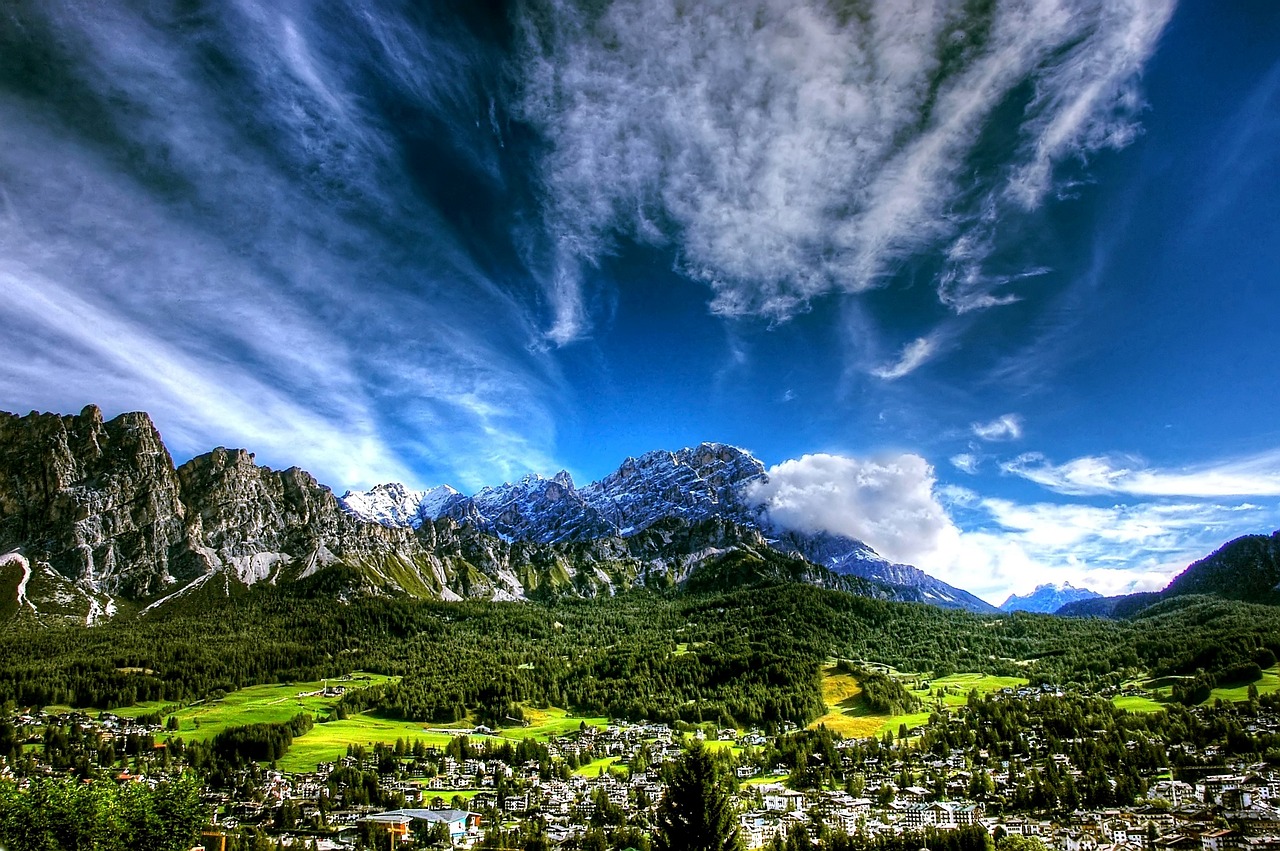
Altitude: Town at ~1,224 m; surrounding peaks over 3,000 m
Best for: Glamour, Tre Cime access, Lago di Sorapis, via ferrata, winter sports
Best bases: Cortina d’Ampezzo (buzzy, great for 4–7 day itineraries)
Cortina is the “Queen of the Dolomites,” and it knows it. Think stylish shops, elegant cafés, and an amphitheater of peaks: Tofane, Cristallo, Sorapiss. When I plan a 5 day itinerary for the Dolomites that mixes glamor with rugged mountain days, I usually include at least two nights in Cortina.
Val di Funes (Villnöss)
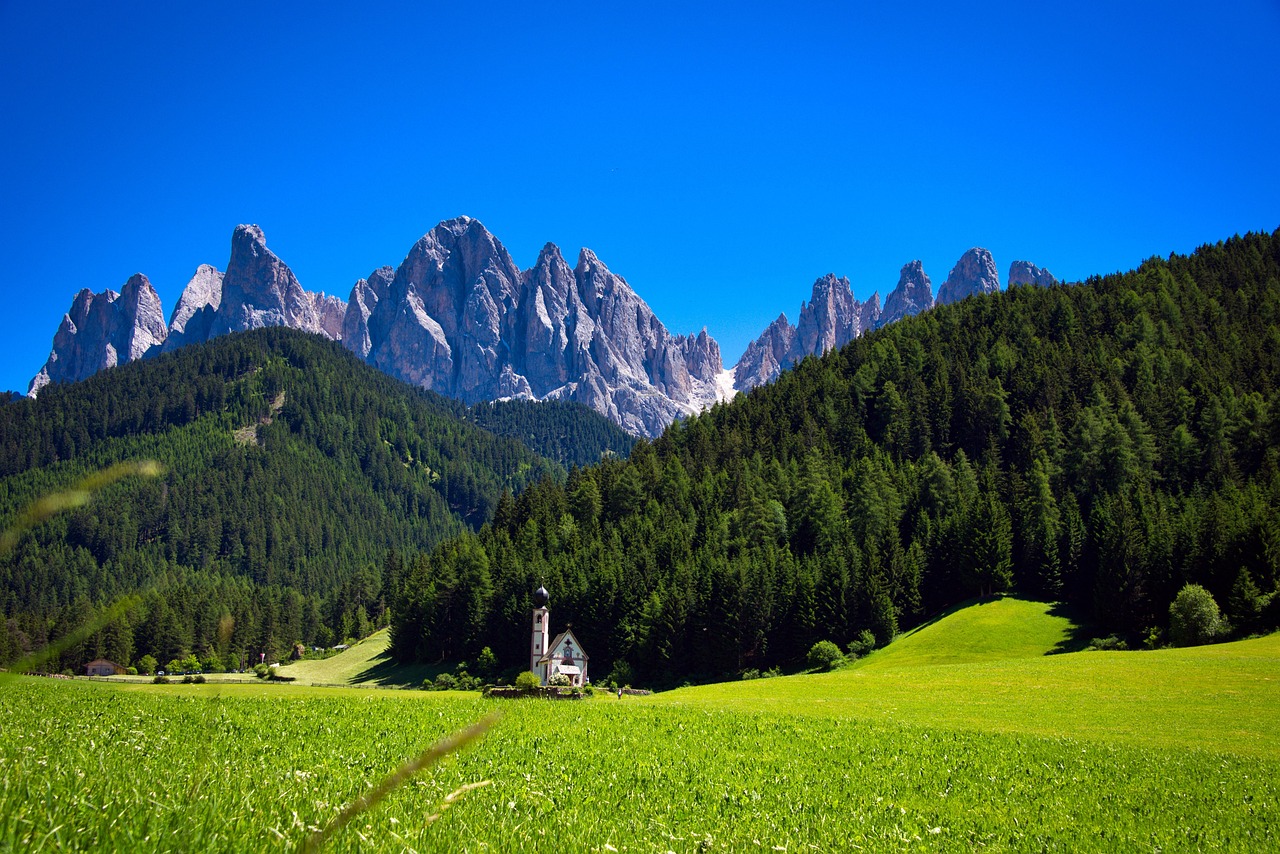
Altitude: ~1,100–1,300 m in villages; peaks up to ~3,025 m
Best for: Postcard-perfect views, quiet stays, easy scenic walks
Best bases: Santa Maddalena, San Pietro (small guesthouses and farms)
Val di Funes feels like stepping into a calendar photo. The Odle/Geisler peaks rise like stone shark fins behind rolling green pastures. I like to stay on a farm here for a couple of nights when I need a reset—mornings with fresh milk and eggs, evenings with silence broken only by cowbells.
Val di Fassa & Catinaccio/Rosengarten
Altitude: ~1,320 m (Canazei) to ~2,500 m+ on surrounding peaks
Best for: Scenic passes (Sella, Pordoi), Dolomiti Superski access, family-friendly villages
Best bases: Canazei (sporty), Pozza di Fassa (thermal baths), Vigo di Fassa (views)
Val di Fassa is a good choice if you want to be in the heart of the Dolomites with lots of options in every direction—especially for a 6 day itinerary for the Dolomites where you want to do a different pass or plateau almost every day.
Val Pusteria (Pustertal) & Three Peaks Area
Altitude: ~1,100 m (Dobbiaco/Toblach) to over 3,000 m (Tre Cime di Lavaredo)
Best for: Lago di Braies, Tre Cime base, train connections, family-friendly walks
Best bases: Dobbiaco/Toblach, San Candido/Innichen, Villabassa/Niederdorf
Val Pusteria is one of the most accessible areas by train, making it ideal if you don’t want to rent a car. I love basing here in autumn: fewer crowds, golden larch trees, and crisp, clear days.
Key Passes: Sella, Gardena, Pordoi, Giau
The high mountain passes are a big part of the Dolomites experience. They’re not just roads; they’re destinations with their own hikes, rifugi, and viewpoints:
- Passo Gardena (2,136 m): Links Val Gardena and Alta Badia. Known for family-friendly hikes like the Cir peaks and big views over the Sella massif.
- Passo Sella (2,240 m): Below the Sassolungo group. Great starting point for hikes and via ferrata. The road itself is a classic drive or bike route.
- Passo Pordoi (2,239 m): Famous for its cable car to Sass Pordoi, the “Terrace of the Dolomites.” In clear weather, you see a sea of peaks.
- Passo Giau (2,236 m): One of my favorite passes, with 360-degree views and a more open, high-alpine feel.
Winter note: Some passes close depending on snow; Sella, Gardena, and Pordoi usually remain open (often with snow walls!), but Giau and others can close after big storms. Always check local forecasts and road status in winter and shoulder seasons.
20 Must-See Attractions in the Dolomites (With Personal Stories & Tips)
Below are 20 of the best places to visit in the Dolomites. Think of this as your menu of options when building a 4, 5, 6, or 7 day itinerary. I’ll keep each description compact here so we have room for day-by-day detail later, but you’ll get the essentials: what it is, why it matters, how to visit, and a personal note.
1. Lago di Braies (Pragser Wildsee)
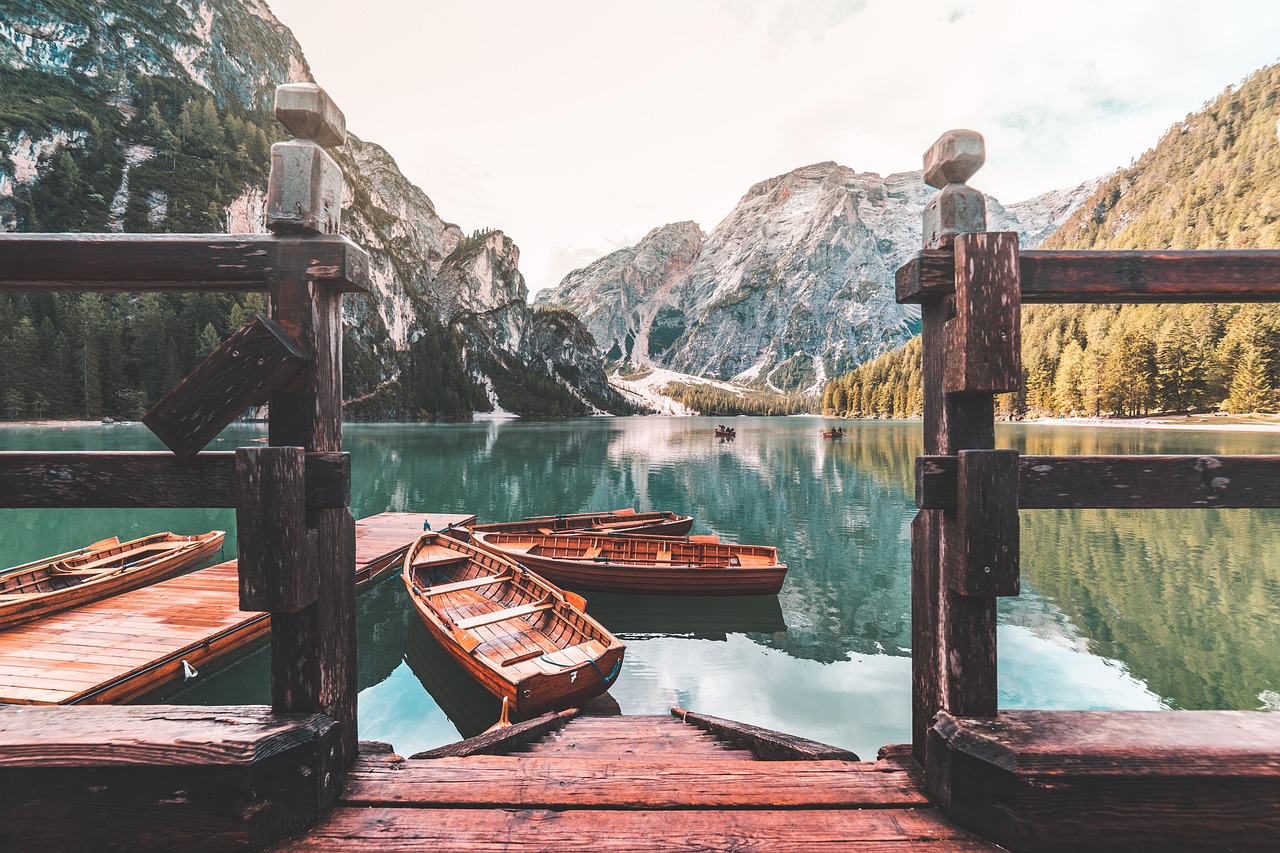
What it is: A jewel-toned alpine lake in Val Pusteria framed by the Croda del Becco peak. Possibly the most photographed spot in the Dolomites.
Altitude: ~1,496 m
Why visit: Early in the morning, before the crowds arrive, the water is glassy and the boat house reflects perfectly. The classic wooden rowboats lined up on the pier are straight from a fairytale.
How to visit: In high season (roughly June–September, and popular weekends), you now need to reserve parking and sometimes time slots in advance; access by car may be restricted at peak hours, with shuttle buses running from nearby villages like Monguelfo and Villabassa. The loop trail around the lake takes about 1–1.5 hours with gentle ups and downs; good for families.
Personal tip: My best visit was a chilly September morning. I arrived before sunrise, thermos of coffee in hand, and had the shoreline almost to myself. By 9 a.m., tripods and gowns for Instagram photoshoots appeared. If you can, aim for dawn or late afternoon, or come in shoulder season (May or October) for more peace.
2. Tre Cime di Lavaredo (Drei Zinnen)
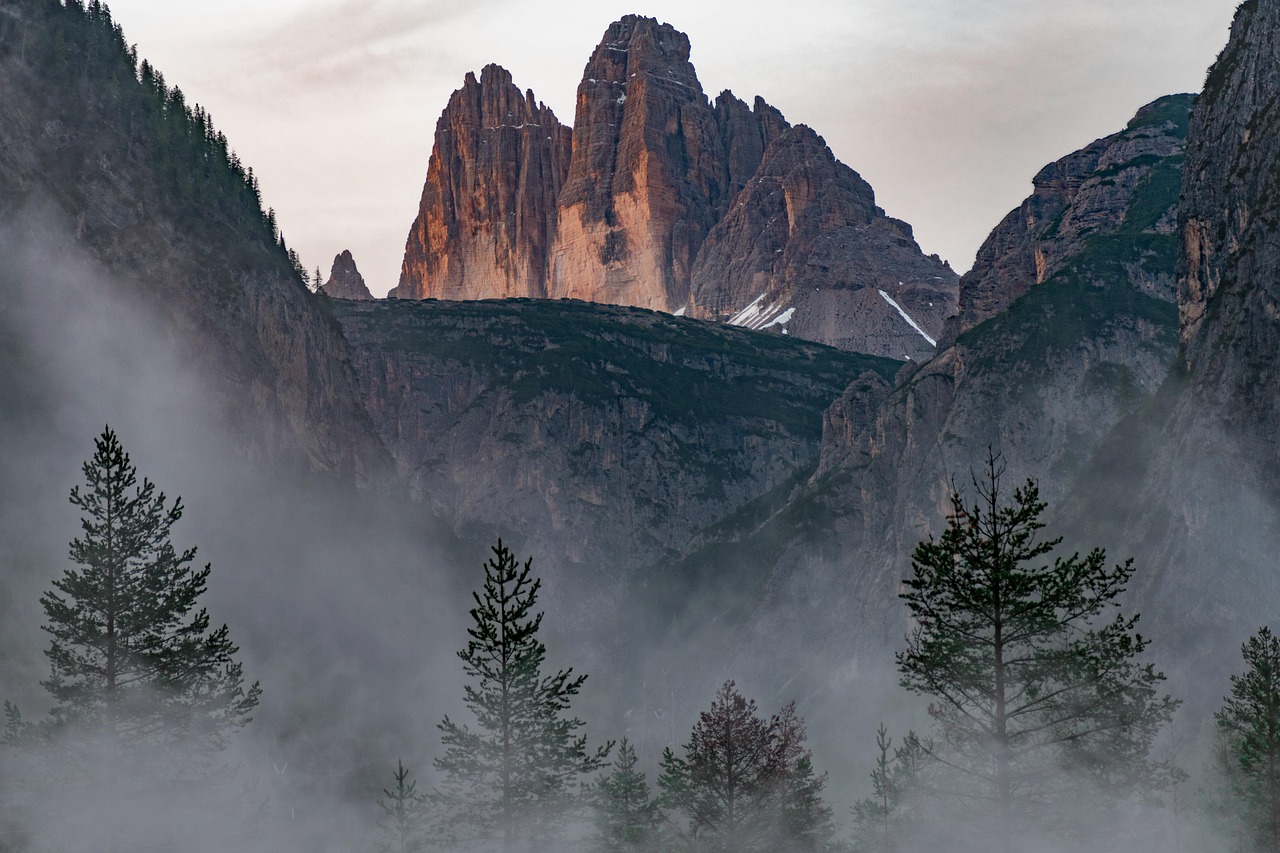
What it is: Three towering rock spires that are the symbol of the Dolomites.
Altitude: Rifugio Auronzo car park at ~2,333 m; peaks up to 2,999 m
Why visit: The loop hike around Tre Cime is one of the most spectacular but accessible high-alpine hikes in Europe. The northern view of the three peaks is unforgettable.
How to visit: Drive or take a shuttle to Rifugio Auronzo (toll road, fee per vehicle). From there, the classic circuit via Rifugio Lavaredo and Rifugio Locatelli takes 3–4 hours with moderate elevation gain. There’s exposure to weather—fog can roll in quickly—so bring layers.
Personal tip: I once got caught in a fast-moving afternoon thunderstorm on this loop. We watched clouds swallow the peaks in minutes. Since then, I always start by 8–9 a.m. on summer days and carry a lightweight rain jacket, even if the forecast looks perfect.
3. Seceda (Val Gardena)
What it is: A dramatic grassy ridge that drops off into a wall of spiky Odle peaks.
Altitude: ~2,500 m at the top station
Why visit: That famous “saw blade” skyline really does look like a fantasy illustration in person. It’s surprisingly accessible thanks to lifts from Ortisei.
How to visit: Take the Ortisei–Furnes gondola and Furnes–Seceda cable car. From the top, easy walking paths fan out to viewpoints and rifugi. Great for families and mixed-ability groups; stronger hikers can descend on foot to Ortisei or Col Raiser.
Personal tip: One June afternoon, I sat at a picnic table behind Rifugio Firenze watching clouds drag shadows across the slopes, eating Kaiserschmarrn (shredded pancake) with plum compote. It’s a lovely place to slow down after a morning of photos on the ridge.
4. Alpe di Siusi (Seiser Alm)
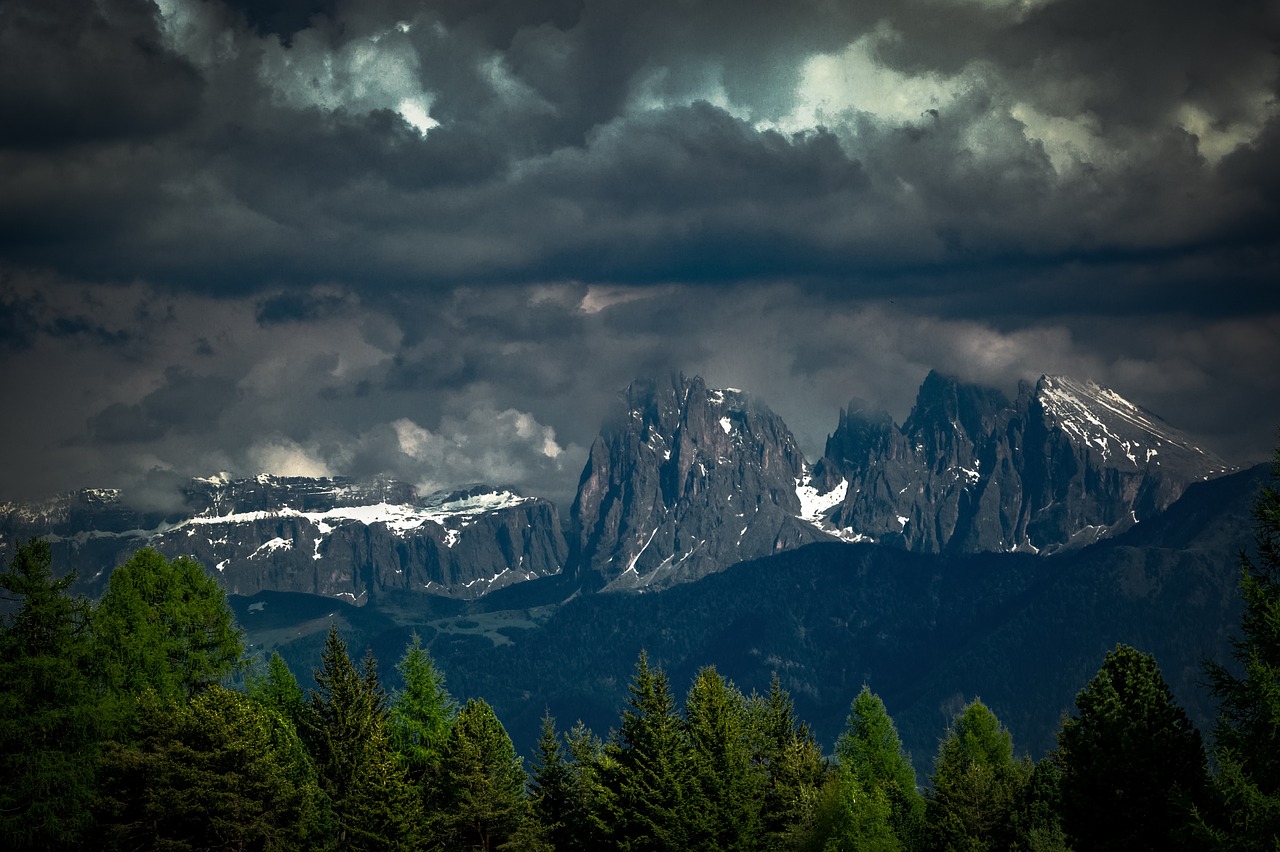
What it is: The largest high-altitude alpine meadow in Europe, above Castelrotto/Siusi and Val Gardena.
Altitude: ~1,800–2,000 m plateau
Why visit: Rolling meadows, scattered wooden huts, flower-filled fields in June and July, and wide easy paths. Ideal for a gentle “first day in altitude” when you arrive.
How to visit: From Ortisei, a gondola; from Siusi, a cable car. Private cars are heavily regulated during the day in summer—another reason to use lifts or stay up on the plateau at a hotel or rifugio.
Personal tip: On one trip, I rented e-bikes on the plateau and spent an afternoon meandering from hut to hut for coffee and cake. It’s a fantastic way to cover more ground without turning the day into a hardcore workout.
5. Lago di Sorapis
What it is: A milky-turquoise lake high above Cortina, ringed by sheer walls of rock.
Altitude: ~1,925 m
Why visit: The color is unlike any other lake in the region, and the hike in has a bit of adventure (narrow ledges with cables) without being truly technical.
How to visit: The classic trail starts from Passo Tre Croci. It’s a 3–4 hour round-trip hike with some exposure and roots/rocky sections; not ideal for very young kids or anyone with strong vertigo.
Personal tip: This is a sensitive area that’s become extremely popular. I avoid sitting on the fragile lakeshore vegetation and pack out all trash. I also carry microspikes if visiting in May/early June when snow and ice can linger.
6. Cortina d’Ampezzo Town & Surroundings
What it is: A stylish alpine town ringed by peaks, host of the 1956 Winter Olympics and upcoming 2026 Winter Olympics events.
Altitude: ~1,224 m
Why visit: It’s both a base and an attraction: chic shops, cafés, and great people-watching. You’re a short hop by car or bus from multiple valleys and passes.
Personal tip: I like to end big hiking days here with an aperitivo at a bar along Corso Italia: an Aperol Spritz, small cicchetti-style snacks, and the sound of Italian mixed with German and Ladin around me.
7. Ortisei & Val Gardena Villages
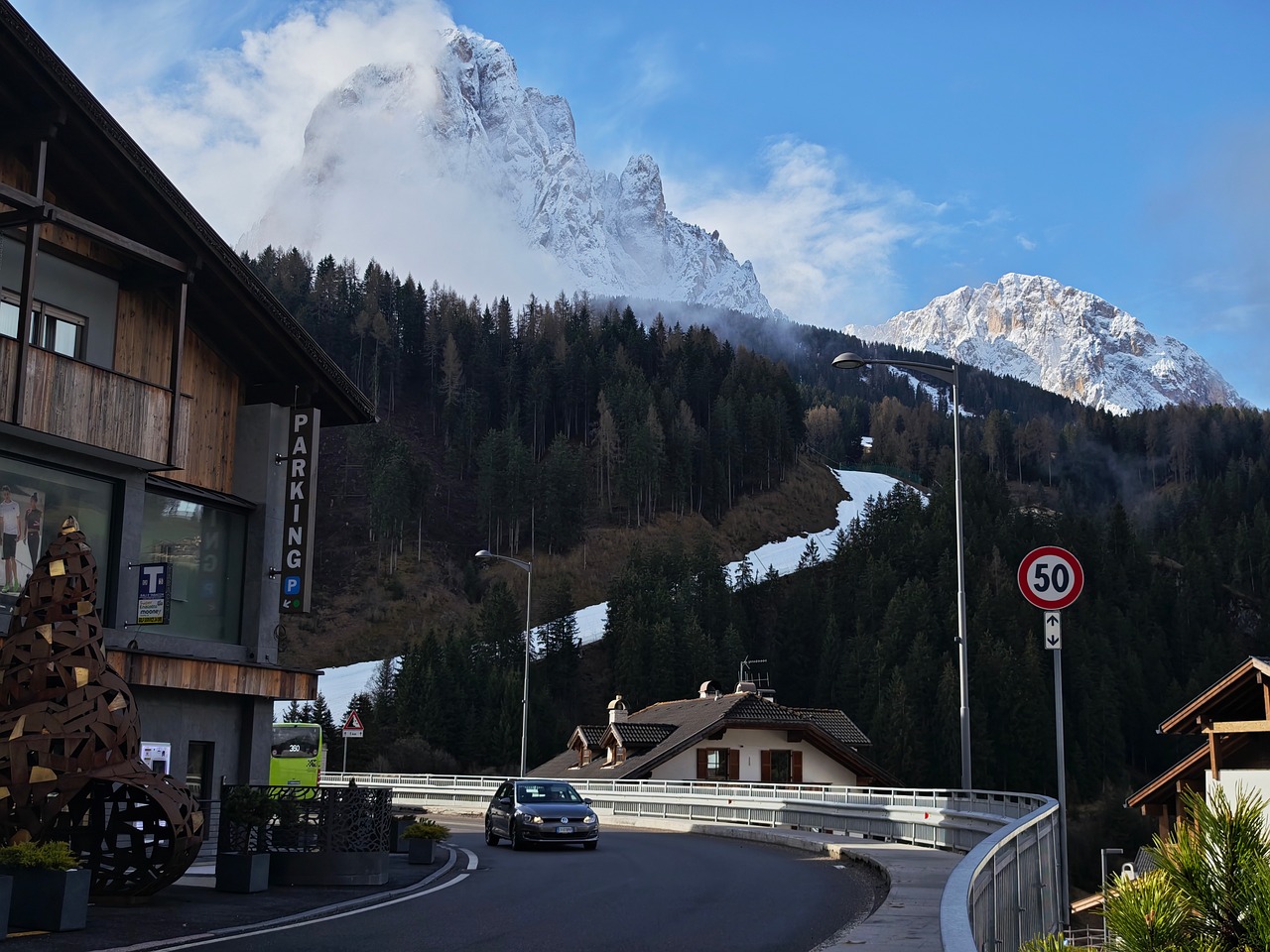
What it is: Three main villages—Ortisei, Santa Cristina, and Selva—strung along a valley beneath towering walls of rock.
Altitude: ~1,236–1,563 m
Why visit: From a single base you can reach Seceda, Alpe di Siusi, the Sella massif, and more. The villages have charming centers, woodcarving shops, and good infrastructure for families.
Personal tip: I once stayed in a family-run guesthouse above Ortisei where the owner baked apple strudel every afternoon “for the hikers.” Book small pensions early in high season; they fill fast with repeat guests.
8. Alta Badia Panorama: Corvara, La Villa & San Cassiano
What it is: A cluster of Ladin villages under the Sella and Sassongher massifs.
Altitude: ~1,324–1,568 m
Why visit: Excellent lift network, gourmet rifugi, and a quieter, more “local” feel than some big-name resorts.
Personal tip: I still dream about a lunch I had at a rifugio above La Villa: barley soup, venison stew, and a glass of local Lagrein wine on a sun terrace with the Sella walls towering above.
9. Val di Funes Churches & Meadows
What it is: Tiny villages, classic churches (like San Giovanni and Santa Maddalena), and farm-dotted slopes beneath the Odle peaks.
Why visit: For photography, tranquility, and shorter scenic walks with big visual payoff.
Personal tip: Sunset from the Santa Maddalena hillside viewpoint is one of my favorite scenes in the region, but be respectful—it crosses private farm land. Stay on marked paths and avoid trampling crops or meadows.
10. Passo Giau
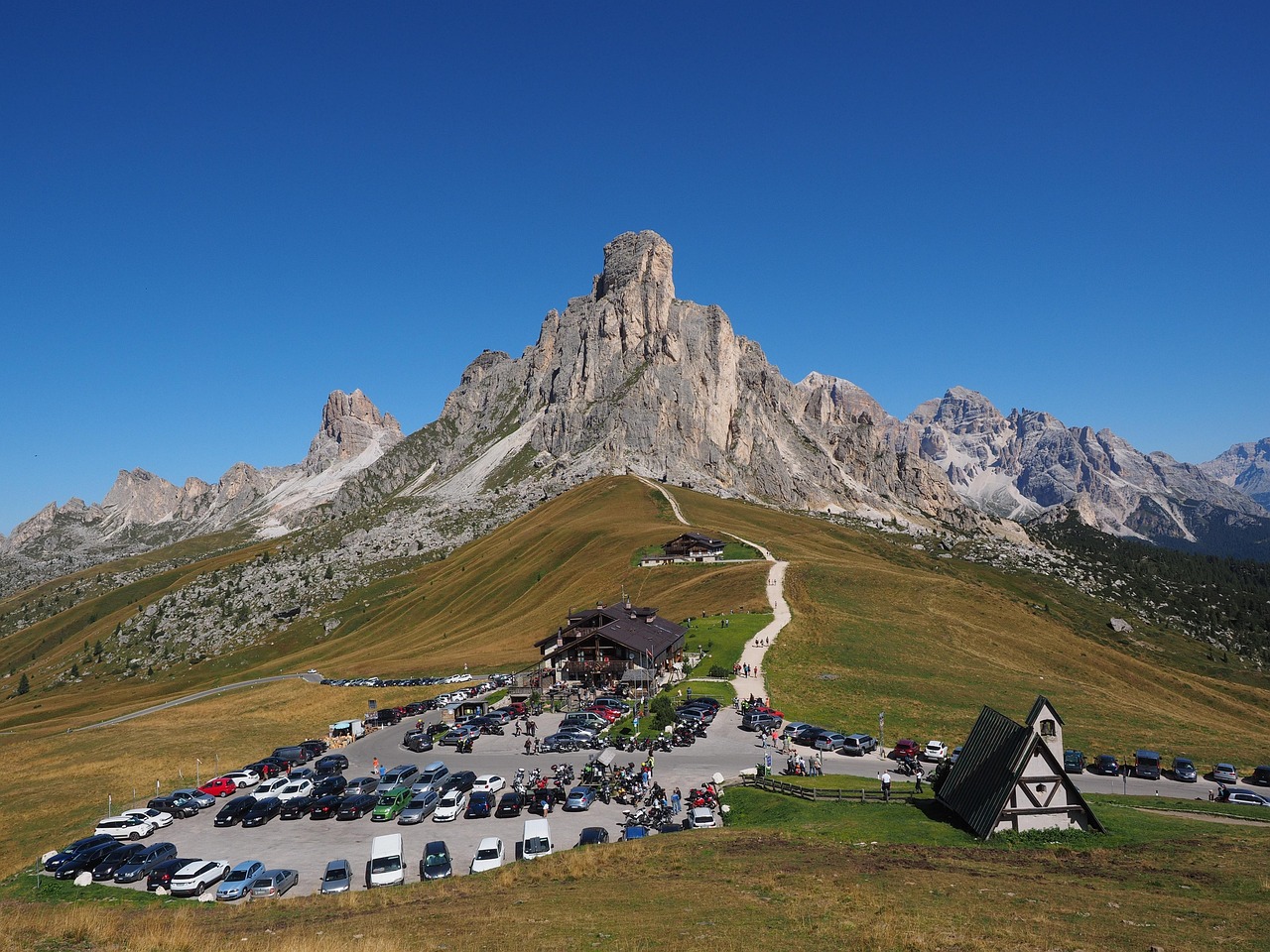
What it is: A high, grassy pass with wide-open views and a few rifugi.
Altitude: 2,236 m
Why visit: The views stretch in every direction, and there are multiple easy-to-moderate hikes that start right from the road. It’s also a favorite spot for photographers at sunrise and sunset.
Personal tip: I like to stop at Rifugio Passo Giau for hot chocolate on shoulder-season drives between Cortina and Val Badia. In October, you often see golden larches glowing below the peaks.
11. Sella Massif & Sass Pordoi
What it is: A massive, blocky plateau of rock, ringed by passes like Sella, Pordoi, and Gardena.
Altitude: Up to 2,950 m at Sass Pordoi cable car station
Why visit: The Sass Pordoi cable car takes you to a lunar-like rock desert with jaw-dropping views. In winter, the Sella Ronda ski circuit encircles the massif.
Personal tip: Even on warm summer days, it’s often cold and windy on top. I’ve watched people shiver in shorts while snow flurries danced around. Bring a hat and windproof layer.
12. Tofane & Cinque Torri
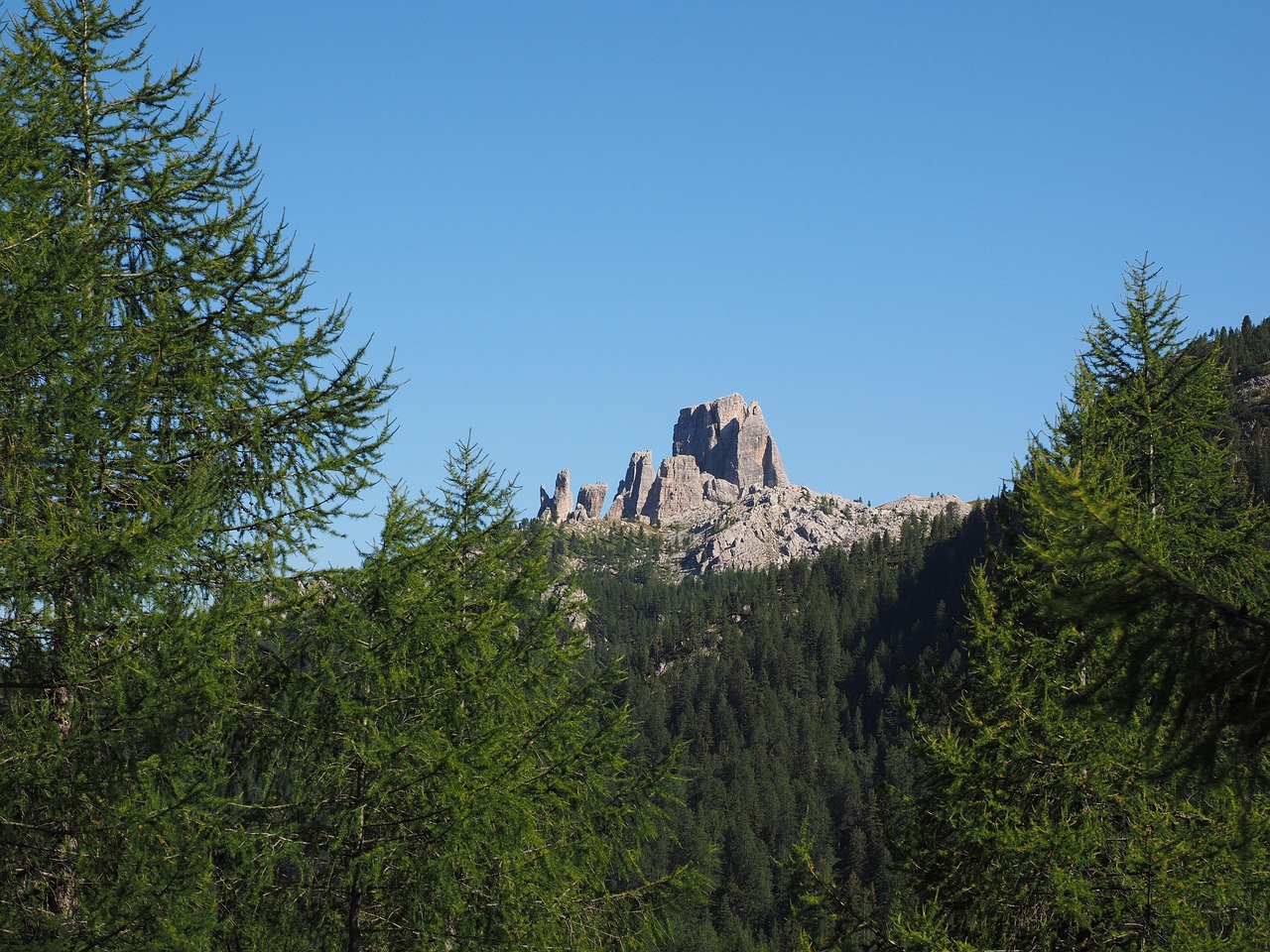
What it is: A rugged group of peaks above Cortina with rock towers (Cinque Torri) and WWI open-air museums.
Altitude: Up to 3,244 m (Tofana di Mezzo)
Why visit: Great hiking, via ferrata, and history. You can explore restored wartime trenches and tunnels with mountain views all around.
Personal tip: The chairlift to Cinque Torri makes this a good half-day for families; kids love exploring the trenches and rock formations.
13. Catinaccio/Rosengarten Group
What it is: A legendary group of peaks between Val di Fassa and the Bolzano area, famous for its sunset glow (the “rose garden”).
Altitude: Peaks up to 3,004 m
Why visit: According to Ladin legend, a king covered his rose garden with a spell, turning it into stone that still blushes at dusk. Watching the walls turn pink from a rifugio terrace is pure magic.
Personal tip: I like the cable car from Vigo di Fassa to Ciampedie as an easy way up. From there, several loops lead to rifugi with excellent food and children’s play areas.
14. Val di Fassa Villages & Sella Ronda Base
What it is: A valley lined with villages like Canazei, Pozza, and Moena, under peaks like Marmolada and the Sella group.
Why visit: Great if you want to do a different pass every day: Sella, Pordoi, Fedaia, San Pellegrino. In winter, easy access to the Sella Ronda ski circuit.
Personal tip: I often base in Canazei when I’m with friends who ski or ride aggressively—lots of lifts, lively après-ski, and good bus connections.
15. Marmolada Glacier & Lago di Fedaia
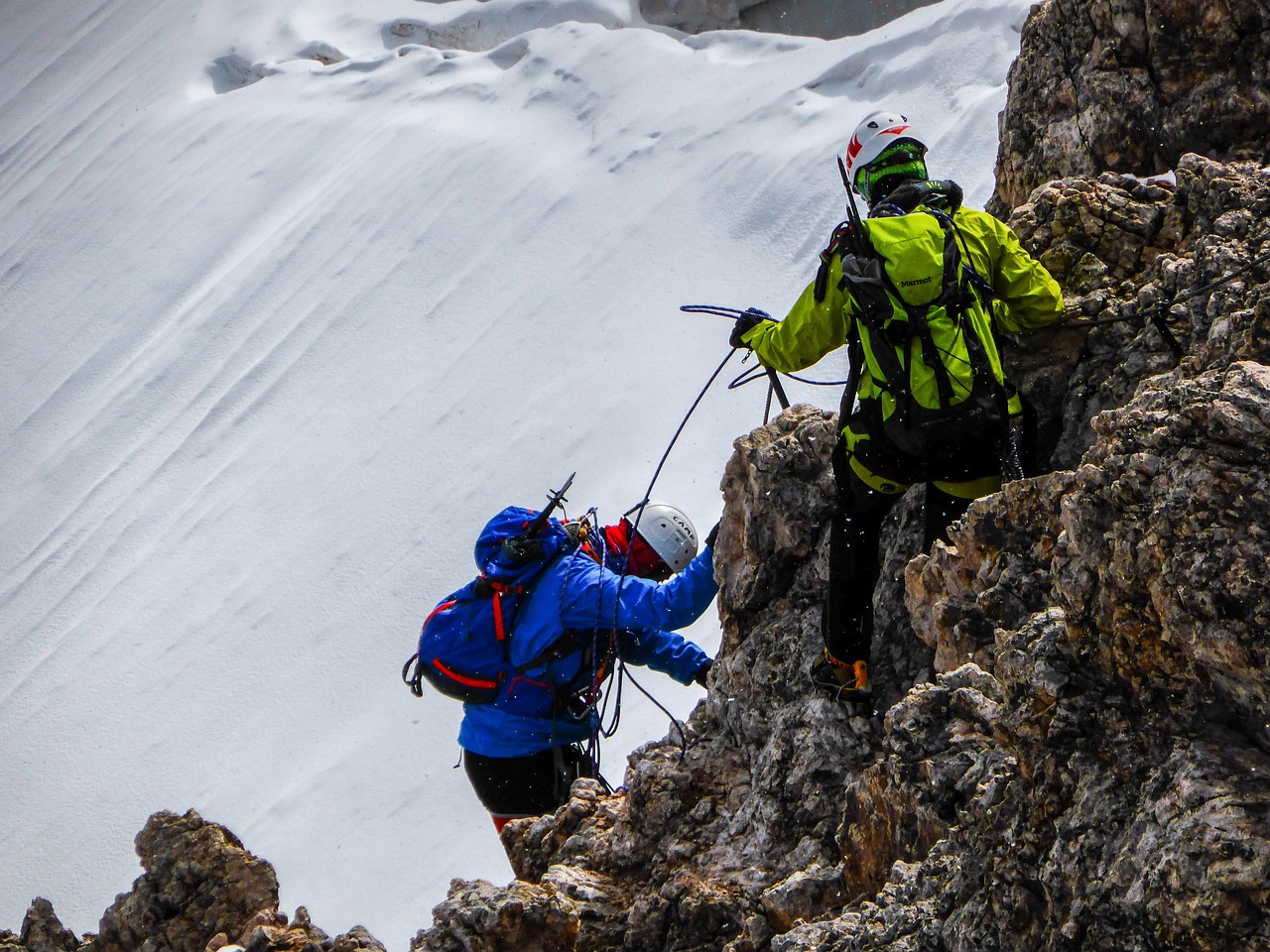
What it is: The highest peak in the Dolomites, with a shrinking glacier and a reservoir lake below.
Altitude: 3,343 m (Punta Penia); cable car stations slightly lower
Why visit: For high-altitude views and to understand how climate change is reshaping these mountains. The lake is beautiful in itself.
Personal tip: Weather can change quickly at this altitude, and storms can be intense. I’ve had days when Marmolada was completely hidden in fog while neighboring valleys were clear.
16. Dobbiaco, San Candido & Val Pusteria Lakes
What it is: A wide valley with lakes like Lago di Dobbiaco and Lago di Landro, and pretty villages.
Why visit: Train access, family-friendly walks, and as a quieter base for Tre Cime and Braies.
Personal tip: I once spent a rainy day just walking the loop around Lago di Dobbiaco with my hood up and a warm coffee waiting at the lakeside café. Even grey days here feel special.
17. Brenta Dolomites (Madonna di Campiglio Area)
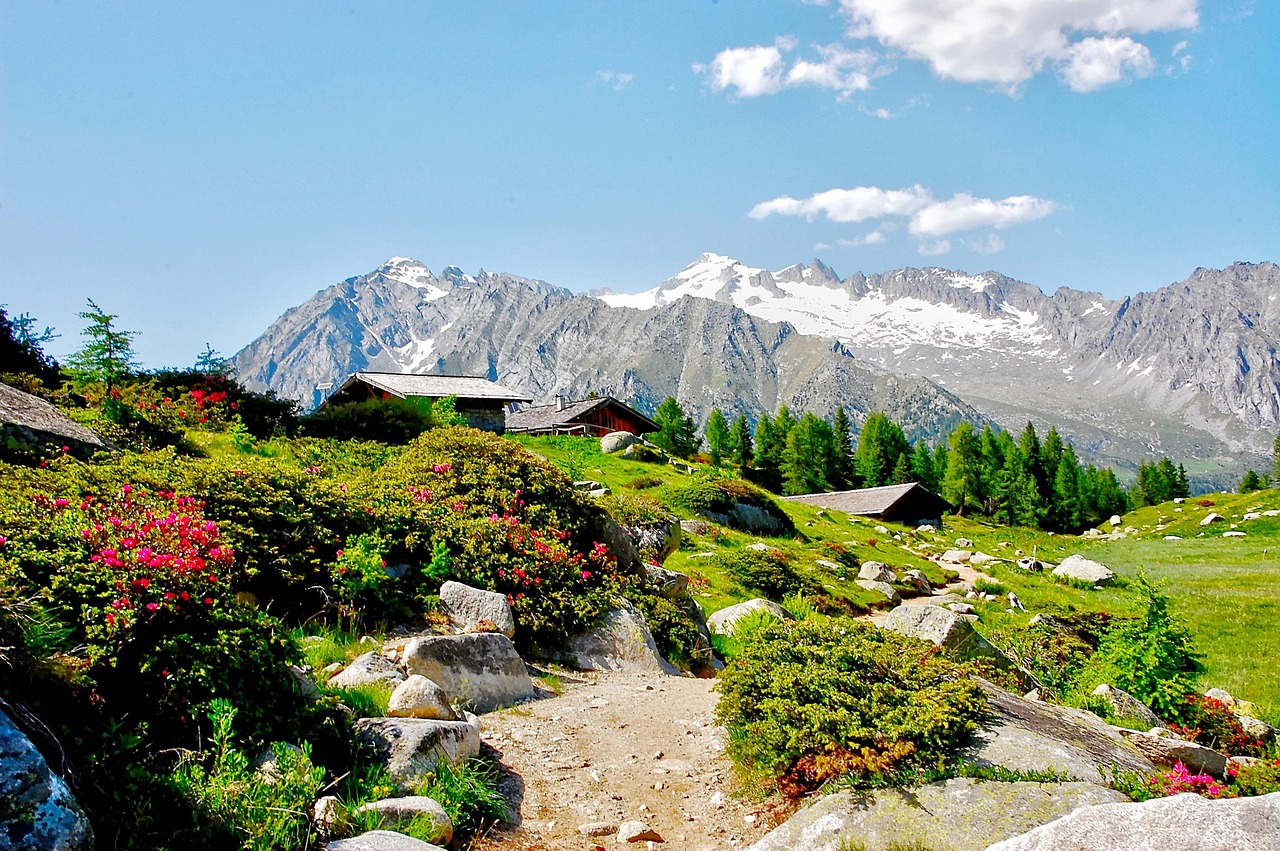
What it is: A separate Dolomitic range west of Trento, often overlooked by first-time visitors.
Why visit: Quieter trails, famous via ferrata routes, and lakes like Lago di Tovel. Great extension if you have 7 days in the Dolomites and want something less crowded.
Personal tip: If you’re not a climber, don’t worry; there are also gentler walks and lakeside strolls. But book accommodation early in Madonna di Campiglio during peak summer and ski season.
18. Bolzano & the South Tyrol Wine Roads
What it is: The regional capital, at the mouth of several valleys, with a charming old town and excellent museums.
Altitude: ~262 m (much lower than mountain villages)
Why visit: To see Ötzi the Iceman, enjoy wine tastings, and transition between mountain days and city comforts.
Personal tip: I like finishing a mountain trip with one night in Bolzano—hot showers, aperitivo culture, and a chance to explore the South Tyrol Archaeology Museum.
19. Bressanone/Brixen & Plose
What it is: A medieval town north of Bolzano with a nearby mountain area (Plose) that offers expansive views back toward the Dolomites.
Why visit: Smaller and calmer than Bolzano, with pretty arcades, riverside walks, and easy cable car access to Plose for hiking and skiing.
Personal tip: Plose makes a nice “soft start” for an itinerary if you’re arriving from sea level—spend a day up there before heading into higher valleys.
20. Hidden Valleys: Val di Tires, Val di Braies, & Others
What it is: Smaller side valleys with farm stays, fewer hotels, and a slower pace.
Why visit: Perfect if you’ve done the “greatest hits” and want to feel more like a temporary local—waking to cowbells, eating homemade speck, and chatting with hosts about weather and haymaking.
Personal tip: When planning 6 days in the Dolomites or more, consider spending at least one or two nights in a smaller valley. Those days are often the ones I remember most vividly years later.
4–7 Day Itineraries for the Dolomites (With Personal Day-by-Day Stories)
Now let’s turn this into concrete plans. Below are sample 4, 5, 6, and 7 day itineraries for the Dolomites. Each day blends iconic must-see attractions with quieter corners and local experiences. Think of them as frameworks—you can swap days between itineraries based on your interests and season.
4 Day Itinerary for the Dolomites
This 4 day itinerary for the Dolomites is ideal if you want a taste of everything: lakes, ridges, a famous pass, and an atmospheric village base, without feeling like you’re racing nonstop. I’ll describe it as I usually do it when I bring friends for the first time.
Day 1: Arrival in Val Gardena & Evening in Ortisei
I usually suggest flying into Innsbruck, Venice, or Verona, renting a car, and driving to Ortisei. If you’re coming by train, you’ll likely connect through Bolzano to Ponte Gardena/Waidbruck, then take a bus up the valley.
On my last 4-day visit, I arrived from Verona around midday. The moment you leave the Brenner motorway and wind up toward Ortisei, the walls of the Dolomites begin to rise around you. I always feel a familiar excitement at the first glimpse of the Sassolungo group.
Check-in & orientation:
- Drop your bags at a small guesthouse or hotel near Ortisei’s center. Staying walkable to the lifts is worth a few extra euros.
- Stretch your legs with a walk along the Val d’Anna path, a flat riverside trail that starts near the Seceda lift station. Families love this; there’s even a playground and cafes at the far end.
Evening in town:
By late afternoon, I like to wander Ortisei’s pedestrian zone, ducking into woodcarving shops and bakeries. The mix of Italian gelaterie with Tyrolean facades always makes me smile. For dinner, consider:
- Traditional Tyrolean: Try canederli (bread dumplings) in broth, goulash, or schlutzkrapfen (spinach-filled pasta).
- Lighter Italian: Stone-baked pizza and a glass of South Tyrol white wine.
Tip: If you’re jet-lagged or coming from sea level, keep this first day easy. Drink lots of water and keep alcohol moderate; you’ll be going higher tomorrow.
Day 2: Seceda Ridge & Alpe di Siusi Meadows
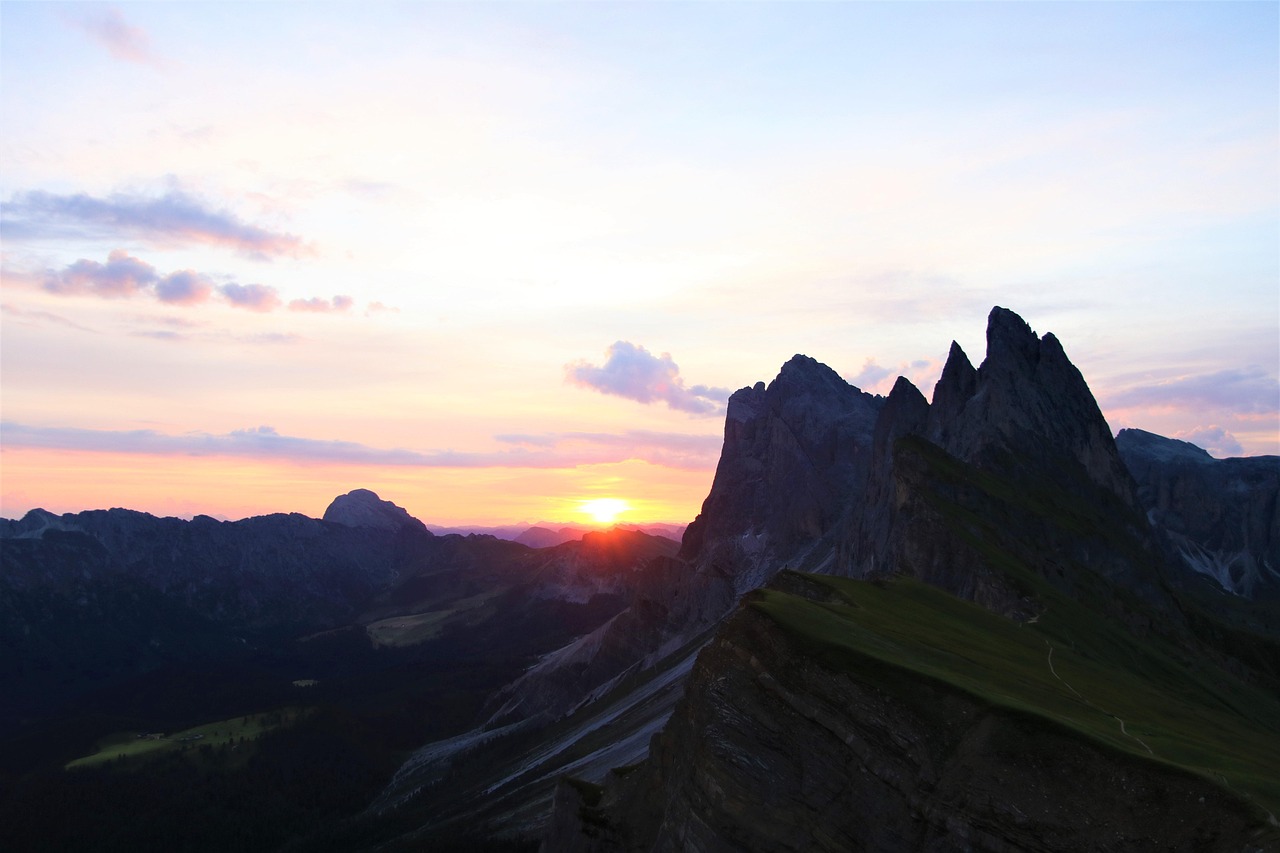
This day is the heart of many 4 days in the Dolomites trips I plan: high, photogenic, and surprisingly accessible.
Morning: Seceda
- Take the Ortisei–Furnes gondola and Furnes–Seceda cable car as soon as they open (often around 8:30–9:00 a.m. in summer; check seasonal timetables).
- From the top station, follow the easy path to the famous Seceda viewpoint. On my last visit, low clouds drifted in and out of the basin below; every few minutes, peaks emerged like islands in a sea of mist.
- Spend a couple of hours walking the gentle ridge paths, photographing from different angles. Families can easily manage this terrain if kids are used to walking a bit.
Lunch at a rifugio: I like stopping at Rifugio Firenze/Regensburger Hütte for a late morning coffee or early lunch. Sit on the terrace, order a barley soup or a plate of speck and cheese, and just soak in the Odle peaks rising overhead.
Afternoon: Alpe di Siusi
After descending back to Ortisei, take a short stroll or coffee break, then head to Alpe di Siusi via the gondola at the east end of town (or, if you prefer, drive or bus to the Siusi cable car station lower in the valley).
- Once on the plateau, pick one of the broad gravel tracks that loop past wooden huts and farmsteads. In June and July, wildflowers are everywhere.
- I love doing a 2–3 hour loop that takes in views of the Sciliar/Schlern massif and Sassolungo. If you’re feeling lazy, you can also just walk 20–30 minutes from the station and sit at a hut with coffee and cake.
Evening: Return to Ortisei for dinner and a relaxed stroll. By now, you’ve had a proper high-alpine day, but without any strenuous hiking—perfect for acclimatizing.
Day 3: Passo Gardena & Alta Badia Villages
On day three, you’ll cross your first high pass and dip into another cultural world: Alta Badia, the heartland of Ladin culture.
Morning: Drive or bus over Passo Gardena
- From Ortisei, drive or take a bus toward Selva, then continue up to Passo Gardena. The road is winding but well-maintained; just take it slowly and use pullouts to enjoy the view.
- At the pass, park or hop off the bus and take one of the well-marked short hikes around the Cir peaks. The views toward the Sella massif and down into Alta Badia are immense but the walking can be as easy or as hard as you like.
Personal note: One autumn, I spent an entire morning here watching paragliders launch into a golden valley. The air felt so crisp that breathing itself was energizing.
Afternoon: Corvara & La Villa
Descend into Corvara, a pretty village at the heart of Alta Badia.
- Walk the village, grab a gelato or a coffee, and if you’re not tired, take the Boè cable car for another quick panorama.
- Continue to La Villa or San Cassiano if you’d like a quieter base for the night instead of returning to Ortisei.
Food focus: Alta Badia is where I like to splurge once in a while. There are Michelin-starred restaurants, but even modest rifugi often serve beautiful, seasonal dishes. If you’re traveling on a budget, opt for a hearty late lunch in a rifugio and a lighter supermarket picnic dinner back at your room.
Day 4: Lago di Braies or Val di Funes (Choose Your Finale)
For your final day, you can choose between an iconic lake or a quieter valley, depending on your mood and onward travel plans.
Option A: Lago di Braies (more iconic, more crowded)
- Drive or bus/train toward Val Pusteria and on to Lago di Braies. Remember to check for any parking or access reservation requirements if visiting in high season.
- Do the loop walk around the lake (1–1.5 hours) and, if you want that classic photo, rent a rowboat for 30 minutes.
- Continue to Dobbiaco or San Candido for lunch and a stroll before heading to your next destination or back to your airport city.
Option B: Val di Funes (quieter, more “secret-feeling”)
- Drive to Val di Funes (often via the highway past Bressanone). Aim to arrive by late morning.
- Walk the scenic paths between San Pietro and Santa Maddalena, stopping at viewpoints of the famous church and Odle peaks.
- Have lunch at a farmhouse inn—look for signs for Hofschank, which indicates on-farm dining with homemade products.
Either way, you’ll end your 4 days in the Dolomites with classic images in your mind: emerald lakes or green meadows under blade-like peaks.
5 Day Itinerary for the Dolomites
With 5 days in the Dolomites, you can add Cortina d’Ampezzo and one big, memorable hike like Tre Cime di Lavaredo or Lago di Sorapis. Here’s how I usually structure it.
Day 1–3: As in the 4-Day Itinerary
Follow the 4 day itinerary for the Dolomites but treat Day 4 as a travel and transition day to Cortina instead of a finale. You might:
- Spend the morning in Val di Funes or Lago di Braies.
- Continue to Cortina d’Ampezzo in the afternoon, checking into a hotel near the pedestrian center.
Day 4: Cortina & Passo Giau
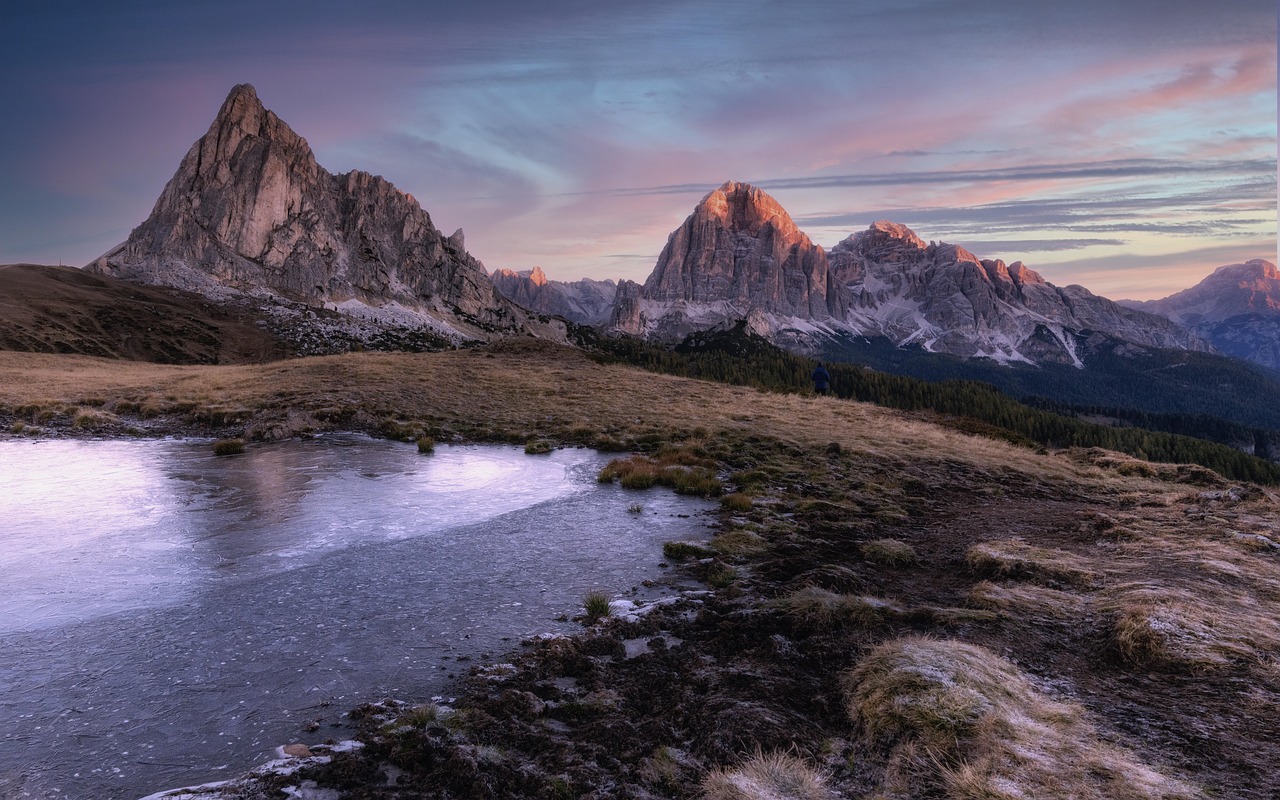
Start your Cortina stay with a mix of town time and pass panoramas.
Morning in Cortina:
- Walk Corso Italia, peek into gear shops, and have a leisurely cappuccino in a café with mountain views.
- Visit the Regole d’Ampezzo museum if you’re curious about local history and communal land management traditions.
Afternoon: Passo Giau
- Drive or take a bus up to Passo Giau. Stop at pullouts for photos of the winding road, then park at the pass itself.
- Choose a short loop hike across the high meadows, or just wander from knoll to knoll. The open, airy feeling here contrasts with the more enclosed valleys you’ve been in.
On my last visit, I stayed long enough for sunset; the sky went from blue to gold to a deep indigo while the peaks slowly lost their pink glow. Driving back to Cortina by headlight afterward felt like re-entering civilization after a brief escape into another world.
Day 5: Tre Cime di Lavaredo or Lago di Sorapis
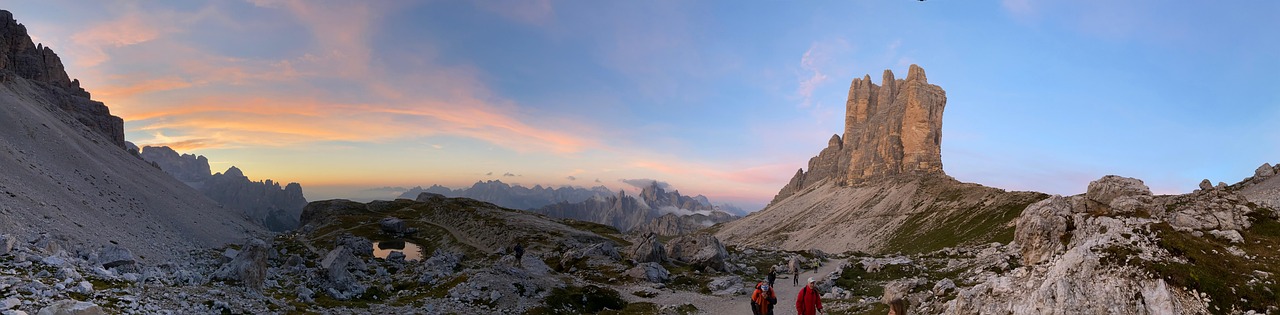
For your final full day, choose one of Cortina’s star hikes.
Option A: Tre Cime di Lavaredo (iconic loop)
- Drive or take a bus to the toll road gate for Rifugio Auronzo. Go early to avoid parking hassles.
- Complete the classic Tre Cime loop. Even if you’re not a strong hiker, you can manage at least the section to Rifugio Lavaredo and the viewpoint beyond.
Option B: Lago di Sorapis (more adventurous feel)
- Start early from Passo Tre Croci. The trail undulates through forest and across some narrow ledges with cables.
- When you reach the lake, walk a bit along the shore to find a quieter spot. Be respectful of signs and fragile areas.
Finish the day back in Cortina with a hearty meal—this might be your last chance for canederli or venison stew before heading to cities like Venice or Verona.
6 Day Itinerary for the Dolomites
With 6 days in the Dolomites, you can slow the pace and add either Val Pusteria or Val di Fassa, plus a bit more cultural immersion.
Days 1–4: Val Gardena & Cortina Highlights
Follow Days 1–3 of the 4-day plan, then Day 4–5 of the 5-day plan, adjusting as you prefer. You now have one “extra” full day to deepen the experience.
Day 5: Val Pusteria Lakes & Gentle Exploring
After several high-altitude days, I like to drop slightly lower to Val Pusteria for a more relaxed day.
- Drive from Cortina over Passo Cimabanche to Lago di Landro and Lago di Dobbiaco. Both have easy, mostly flat lakeside walks.
- Have lunch at a lakeside restaurant or café. On one trip, I spent two hours here watching clouds reflected in the water and families paddling rental boats.
- Continue to San Candido for a stroll through the old town, gelato in hand.
You can stay the night in Dobbiaco, San Candido, or Villabassa—all make good bases with train access if you’re not driving.
Day 6: Val di Funes & Farm Life (or Extra Hike Near Cortina)
Use your last day to either dive deeper into mountain culture or squeeze in one more hike.
Option A: Val di Funes slow travel
- Drive to Val di Funes and spend the day walking between villages, visiting viewpoints, and enjoying a meal at a farm inn.
- Ask your host about Ladin traditions—often, grandparents still speak Ladin at home and on the farm.
Option B: Extra hike near Cortina
- If you stayed near Cortina instead, devote this day to Cinque Torri and the WWI open-air museum or to a shorter viewpoint hike (like around Lago di Misurina).
By adding these slower days, your 6 day itinerary for the Dolomites becomes more than a checklist—it feels like a lived experience.
7 Day Itinerary for the Dolomites
A 7 day itinerary for the Dolomites lets you combine three bases: Val Gardena, Cortina, and either Alta Badia or Val di Fassa. You can fit in big hikes, mellow lakes, and village evenings without rushing.
Day 1–3: Val Gardena (Ortisei Base)
As in the 4-day itinerary: arrival & Ortisei, Seceda & Alpe di Siusi, and a day to explore Passo Gardena plus maybe a half-day in Val di Funes.
Day 4: Transfer to Alta Badia via Passes
Instead of just popping over Passo Gardena quickly, turn the crossing into a full scenic day:
- Drive the Gardena–Sella–Pordoi loop at an unhurried pace, stopping at viewpoints and short trailheads.
- Take the Sass Pordoi cable car if the weather is clear.
- Arrive in Corvara or La Villa by late afternoon and settle into a small hotel or guesthouse.
Day 5: Alta Badia Hiking & Gourmet Rifugio Lunch
This is your “gourmet mountain day.” One of my favorite loops is:
- Take a lift up from La Villa or Corvara to the plateau above.
- Follow signed paths that link several rifugi, stopping for coffee, then lunch, then maybe dessert at different huts.
- Return via a different path, or ride the lift down if your legs are tired.
On one such day, I started with espresso at one rifugio, had a leisurely lunch of polenta with cheese at another, then shared a strudel at a third while storm clouds gathered in the distance. We made it down on the lift just before rain hit.
Day 6: Cortina Arrival & Passo Giau or Cinque Torri
Transfer to Cortina d’Ampezzo, stopping at Passo Giau or Cinque Torri en route, as described in the 5-day plan. Check into a central hotel for two nights.
Day 7: Tre Cime Finale & Evening in Cortina
Finish your 7 days in the Dolomites with the Tre Cime di Lavaredo loop from Rifugio Auronzo, or swap in Lago di Sorapis if you’ve already done Tre Cime on a previous trip.
Back in Cortina, celebrate with a special last dinner—maybe fresh pasta with local mushrooms and a glass of Pinot Nero. I like to end the night with a slow walk under the streetlamps, looking up at the dark silhouettes of peaks I’ve just explored.
Mountain Dining: Rifugi, Alpine Inns & Local Food in the Dolomites
One of the best cultural experiences in the Dolomites is eating in rifugi (mountain huts) and gasthofs (inns). These places are lifelines for hikers and skiers: warm, welcoming, and usually delicious.
What to Eat: Classic Dishes
- Canederli/Knödel: Bread dumplings with speck, cheese, or spinach, served in broth or with melted butter and cheese.
- Polenta: Often served with goulash or melted local cheese.
- Speck: Lightly smoked cured ham, usually sliced thin and served on boards.
- Schlutzkrapfen: Half-moon pasta filled with spinach and ricotta, topped with brown butter and parmesan.
- Kaiserschmarrn: Fluffy shredded pancake with powdered sugar and fruit compote.
- Strudel & Cakes: Apple strudel, buckwheat cake with jam, and cream-filled pastries.
Rifugio Etiquette & Customs
Understanding local customs in the Dolomites makes dining smoother:
- Self-service vs. table service: Some rifugi have self-service counters, others do full service at tables; watch what locals do or ask politely: “Posso ordinare qui?”
- Sharing tables: It’s normal to share long tables with strangers. A friendly “Guten Tag,” “Buongiorno,” or “Bun dé” (Ladin) breaks the ice.
- Cash is king up high: More rifugi accept cards now, but I still carry cash; I’ve been caught out when card machines were down.
- Overnight stays: If you’re sleeping in a rifugio, bring a lightweight sleeping bag liner; blankets are provided, but liners are often required.
Where to Stay: Village vs. Slope-Side vs. Rifugio
Village bases (Ortisei, Corvara, Cortina) offer more restaurants, shops, and evening strolls. Slope-side hotels are great in winter if you want ski-in/ski-out convenience. Rifugi stays are the most atmospheric—sunset and sunrise above the valleys—but involve shared facilities and simpler comforts.
Personally, I like to mix them: a few nights in a village hotel, plus one or two rifugio overnights on longer trips.
How to Save Money on Food
- Make lunch your main meal at a rifugio, then have a simpler dinner (bread, cheese, speck, fruit) from a supermarket.
- Choose guesthouses that include half board (breakfast and dinner); it’s often cheaper than eating out every night.
- Carry snacks (nuts, chocolate, dried fruit) so you’re not forced to eat at the priciest spots on every hike.
Evenings in the Dolomites: Après-Ski, Après-Hike & Stargazing
Evenings in the Dolomites are slower and more intimate than big-city nights, but no less special.
Après-Ski & Après-Hike Traditions
In winter, slopes empty into bars with outdoor terraces. You’ll hear pop music, clinking beer glasses, and people in ski boots dancing or chatting. In summer, après-hike is more subdued: a cold beer or hugo (elderflower spritz) on a terrace while the peaks turn pink.
Village Bars & Fondue Nights
Each village has its favorite spots—ask your host. In Ortisei, I like small wine bars tucked into side streets; in Corvara, hotel bars with firelit lounges. Some restaurants offer fondue or raclette nights, especially in winter—a fun, social way to eat after a cold day outside.
Stargazing & Night Walks
On clear nights, especially in smaller valleys like Val di Funes or Val di Tires, step outside and look up. Light pollution is low; I’ve seen the Milky Way stretching across the sky on crisp autumn nights. Bring a warm layer and a headlamp for short night walks.
Seasonal Festivals
- Almabtrieb/Transhumance (Autumn): Cows are brought down from high pastures, often decorated with flowers and bells. Villages celebrate with food, music, and markets.
- Christmas Markets (Advent): Bolzano, Bressanone, and smaller towns host festive markets with mulled wine, crafts, and regional foods.
- Summer Village Festivals: Look for posters about Dorffest or Sagra—local festivals with music, traditional dress, and food stalls.
What’s New in 2026–2027: Events & Travel Changes
Travel in the Dolomites is always evolving. For 2026–2027, keep these in mind:
- 2026 Winter Olympics: Cortina d’Ampezzo is a major host city. Expect:
- Higher prices and limited availability in winter 2025–26 and early 2026.
- Improved infrastructure (roads, lifts, public transport) that will benefit travelers in late 2026 and 2027.
- Traffic & Access Regulations: Popular spots like Lago di Braies, Tre Cime, and some passes are increasingly regulating car access in peak season. Expect:
- More shuttle bus systems from valley parking lots.
- Potential online reservation systems for certain roads or parking areas on summer weekends.
- New Trails & Refurbished Lifts: Valleys like Val Gardena and Alta Badia regularly update lifts and waymarking. Check local tourism websites for new family-friendly themed trails or panoramic platforms.
Practical Logistics & Travel Advice for the Dolomites
How to Get Around: Car, Bus, and Cable Cars
Car rental: The most flexibility, especially for exploring passes and hidden gems. Roads are good but winding; drive slowly and use engine braking on descents. Foreign driver’s licenses are accepted; if you’re from outside the EU, carry an International Driving Permit as some rental agencies ask for it.
Public transport: Trains connect larger towns (Bolzano, Bressanone, Brunico, Dobbiaco), with buses up the valleys. It’s entirely possible to do a 4 or 5 day itinerary for the Dolomites without a car if you base in train-accessible valleys like Val Pusteria or major hubs like Bolzano.
Cable cars & lifts: These are your elevators into the high world. In summer, lift passes or point cards can save money if you’re riding multiple days; in winter, Dolomiti Superski passes cover huge ski areas.
Money-Saving Tips in a High-Cost Region
- Travel in shoulder seasons (late May–mid June, mid-September–October) for lower prices and fewer crowds.
- Stay in guesthouses, agriturismi, or apartments rather than big hotels, especially for longer stays.
- Use half-board options where breakfast and dinner are included.
- Buy snacks and picnic supplies at supermarkets in towns like Bolzano, Ortisei, or Cortina.
SIM Cards & Connectivity
Italian providers like TIM, Vodafone, and WindTre offer prepaid SIMs with data. Coverage is good in valleys and towns but can be patchy up high or deep in side valleys. I often download offline maps (e.g., Maps.me or offline Google Maps) before heading into the mountains.
Visa Requirements & Entry
The Dolomites sit in northern Italy, so Schengen visa rules apply. EU/EEA/Swiss citizens travel freely; many other nationalities (US, Canada, UK, Australia, etc.) can visit visa-free for up to 90 days in a 180-day period, but always confirm current rules for your passport before traveling.
Mountain-Specific Logistics: Altitude, Weather, & Safety
Most valleys are between 1,000 and 1,500 m; many hikes and lifts take you to 2,000–2,500 m, with some peaks near 3,000 m. Significant altitude sickness is rare at these elevations, but you may feel a bit more tired or short of breath at first.
- Acclimatization: On your first day, do gentler activities (like Alpe di Siusi) rather than big elevation hikes.
- Storms: Summer afternoons can bring quick thunderstorms. Start hikes early and aim to be off exposed ridges by mid-afternoon.
- Avalanche & winter conditions: In winter and early spring, stay within open, marked ski areas unless you’re with a qualified guide; off-piste and touring require avalanche gear and training.
- Road & pass closures: High passes can close after snow; check local reports. Shoulder seasons (April–early May, late October–November) see the most unpredictable closures.
Gear: What to Bring
- Footwear: Sturdy hiking shoes or boots with good grip; in early season or on rockier routes, I prefer boots with ankle support.
- Layers: Base layer, light fleece, windproof/waterproof shell, hat, gloves. Even in July, I’ve worn all of them on exposed passes.
- Extras: Sunscreen, sunglasses, refillable water bottle, light first-aid kit, headlamp, and a paper map or offline map app.
- Optional: Microspikes in May/early June, trekking poles for steeper descents, and a sleeping bag liner if staying in rifugi.
Mountain Rescue & Insurance
South Tyrol and Trentino have excellent mountain rescue services, but rescue operations can be expensive. I always travel with travel insurance that covers hiking, skiing, and potential helicopter rescue at altitude. In some areas, a small daily fee added to lift passes contributes to rescue services; ask at ticket offices.
Best Seasons for Activities
- Late May–June: Lower lifts and trails open; snow lingers on higher routes. Great for wildflowers and waterfalls, but some high hikes may still be impassable.
- July–August: Peak hiking season, warmest weather, longest days—and busiest crowds, especially at Tre Cime and Braies.
- September–early October: My favorite time: stable weather, fewer people, golden larches, and cooler temps.
- Late October–November: Many lifts and mountain hotels close; beautiful but quiet and somewhat in-between seasons.
- December–March: Ski season. The Sella Ronda and many resorts are in full swing; days are shorter but slopes are lively.
- April–early May: Shoulder season; snow in the mountains but not always skiable, many lifts closed. Good for city and valley visits more than high hiking.
Day Trips & Nearby Attractions from the Dolomites
If you’re basing in the Dolomites for a week or more, a few nearby destinations make excellent day trips:
- Bolzano: Easily reached by train or car from Val Gardena and Alta Badia. Visit the Ötzi museum, wander the arcades, and enjoy urban cafés.
- Trento: South of the Dolomites by train or car. Beautiful old town, Buonconsiglio Castle, and more of an Italian vibe.
- Lake Garda (northern shore): About 2–3 hours’ drive from Bolzano. Combine mountain days with a lakeside afternoon in Riva del Garda or Torbole.
- Verona: A bit further but still manageable as a long day trip or overnight; ideal if you’re flying in or out of Verona airport.
Summary: Key Takeaways & Best Seasons for the Dolomites
The Dolomites reward both first-timers and repeat visitors. In a single week, you can stand on the Seceda ridge, circle the Tre Cime, watch sunset from Passo Giau, wander the meadows of Alpe di Siusi, and sip wine in Bolzano—all while eating some of the best mountain food in Europe.
For most travelers, the sweet spots are:
- June & September–early October for hiking-focused trips with fewer crowds.
- July–August if you want maximum lift openings, longer days, and don’t mind more people.
- December–March for skiing and winter wonderland scenery.
Whether you follow a 4, 5, 6, or 7 day itinerary for the Dolomites, try to balance headline sights with quieter valleys, village evenings, and long, unhurried meals in rifugi. Those slower moments—mist lifting from a meadow, cowbells echoing off cliffs, or stars above a dark ridge—are what will linger long after your trip ends.