Why Visit La Maddalena?
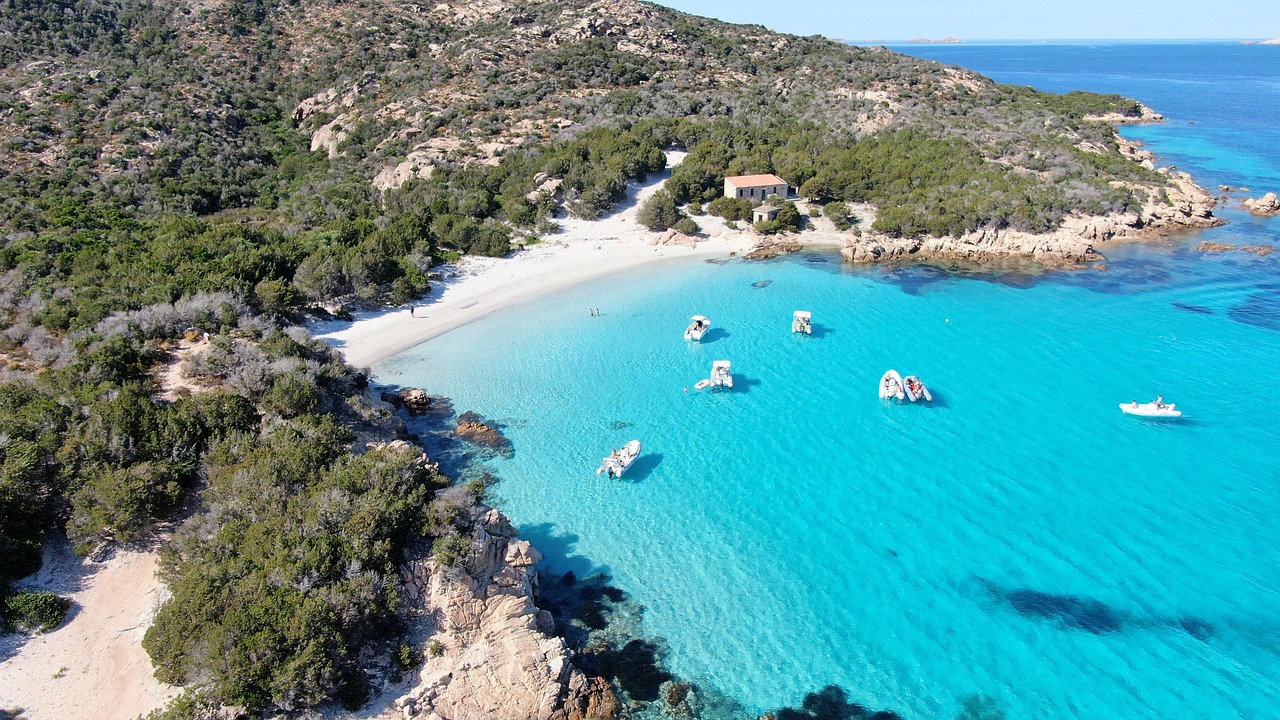
La Maddalena is the moment when you round a granite headland, the sea suddenly turning from inky blue to impossible turquoise, and you realise the photos hadn’t been exaggerated – if anything, they’d been polite. It’s Sardinia’s wild, wind-sculpted archipelago off the Gallura coast, technically Italian, geographically Mediterranean, and emotionally its own small world.
I started coming here more than a decade ago, when the ferry still felt like a local bus loaded with crates of tomatoes and gossip. I keep returning because La Maddalena is one of the few island destinations in Europe that has become more carefully protected, not less, as its fame spreads. In 2026, visitor numbers are still actively managed by the National Park, the beaches are patrolled for litter, and locals are vocal about preserving what makes this place special.
What makes La Maddalena so compelling isn’t just the water (though you’ll swear there are new shades of blue you’ve never seen before). It’s the mix of:
- Granite coves and Caribbean-clear shallows that feel like secret swimming pools.
- History – from Napoleon and Garibaldi to Cold War naval bases – tucked into quiet headlands.
- A lived-in main town with kids playing on the lungomare and fishermen arguing about octopus prices at dawn.
- Easy adventure – sailing, snorkeling, e-biking, coastal hiking – all within a compact island chain.
- Island food that’s still more about what Nonna cooks and what the fisherman just brought in than Instagram.
Whether you have a 3 day itinerary for La Maddalena or a languid 7 days in La Maddalena, this archipelago adjusts to your pace. Families can hop between calm, shallow coves, couples can disappear into fragrant maquis and sunset viewpoints, and restless types can spend every day on a different boat, board, trail, or beach.
Table of Contents
- Island Overview: How La Maddalena Fits Together
- Suggested Itineraries (3–7 Days)
- Beaches, Coves, Villages & Viewpoints (14 Deep Dives)
- Island Eating & Drinking
- Island Evenings & Nightlife
- Day Trips & Nearby Attractions
- Cultural Etiquette & Local Customs
- Practical Travel Advice & Logistics
- What’s New: 2026–2027 Events & Changes
- Summary & Final Recommendations
Island Overview: How La Maddalena Fits Together
When people say “La Maddalena”, they usually mean both the main island and the wider archipelago national park. The main inhabited islands are La Maddalena and Caprera, linked by a low bridge. The rest – Spargi, Budelli, Razzoli, Santa Maria and a handful of islets – are mostly wild, accessible only by boat and regulated by park rules.
The Character of Each Side of the Island
- South & East of La Maddalena (towards Palau): More sheltered, with calmer waters and views back to Sardinia. Best for families, harbour-side strolls, and easy swimming. The main town and ferry port sit here.
- North & West of La Maddalena: Wilder, windier, and more exposed to the mistral. Expect dramatic granite, surf on breezy days, and some of the most photogenic coves. Great for snorkeling, photography, and a sense of space.
- Caprera: Connected by bridge but feels like another world. Pine forests, Garibaldi’s homestead, and some of the archipelago’s clearest swimming spots. No proper town; just beaches, trails, and a couple of seasonal kiosks.
- Outer islands (Spargi, Budelli, Santa Maria, Razzoli): Boat-access only, under strict environmental protection. Think boat days, snorkeling, and anchorages rather than cafes and loungers.
Where you base yourself depends on the trip you want:
- Base in La Maddalena town if you want restaurants, evening strolls, and easy access to everything by scooter or bus.
- Stay in a seaside hotel or apartment along the southern or eastern coasts for easy family swimming and sunrise views.
- Choose a countryside or eco-lodge stay on the quieter north/west if you prefer silence, stars, and sunrise swims with only the gulls for company.
Suggested Itineraries: 3–7 Days in La Maddalena
This section is designed so you can mix and match: follow the 3 day itinerary for La Maddalena if you’re short on time, then bolt on extra days from the longer plans. These are written as I actually spend my time on the islands – with slow coffees, swims when the light is right, and a few calculated detours.
3 Days in La Maddalena: First-Time Highlights
Three days is just enough to fall hard for the archipelago. When friends ask me for their first 3 day itinerary for La Maddalena, this is the core I suggest: one day on the main island, one on a boat among the outer islands, and one devoted to Caprera.
Day 1 – La Maddalena Town, Panoramic Drive & First Swim
I like to arrive on the morning ferry from Palau, when the sun is still soft and the town is waking up. The approach into the harbour is your first real view of the pastel facades and granite ridges behind them. Drop your bags, then start with an espresso on Piazza Garibaldi, watching kids zigzag between tables on scooters.
From here, I always stretch my legs with a wander through the old town lanes – Via Garibaldi, Via XX Settembre, and the little alleys that smell of laundry soap and frying garlic. If you have just landed and are wondering about things to do in La Maddalena, the town itself is a gentle introduction: peek into churches, chat with shop owners about wind forecasts, and pick up a focaccia for later.
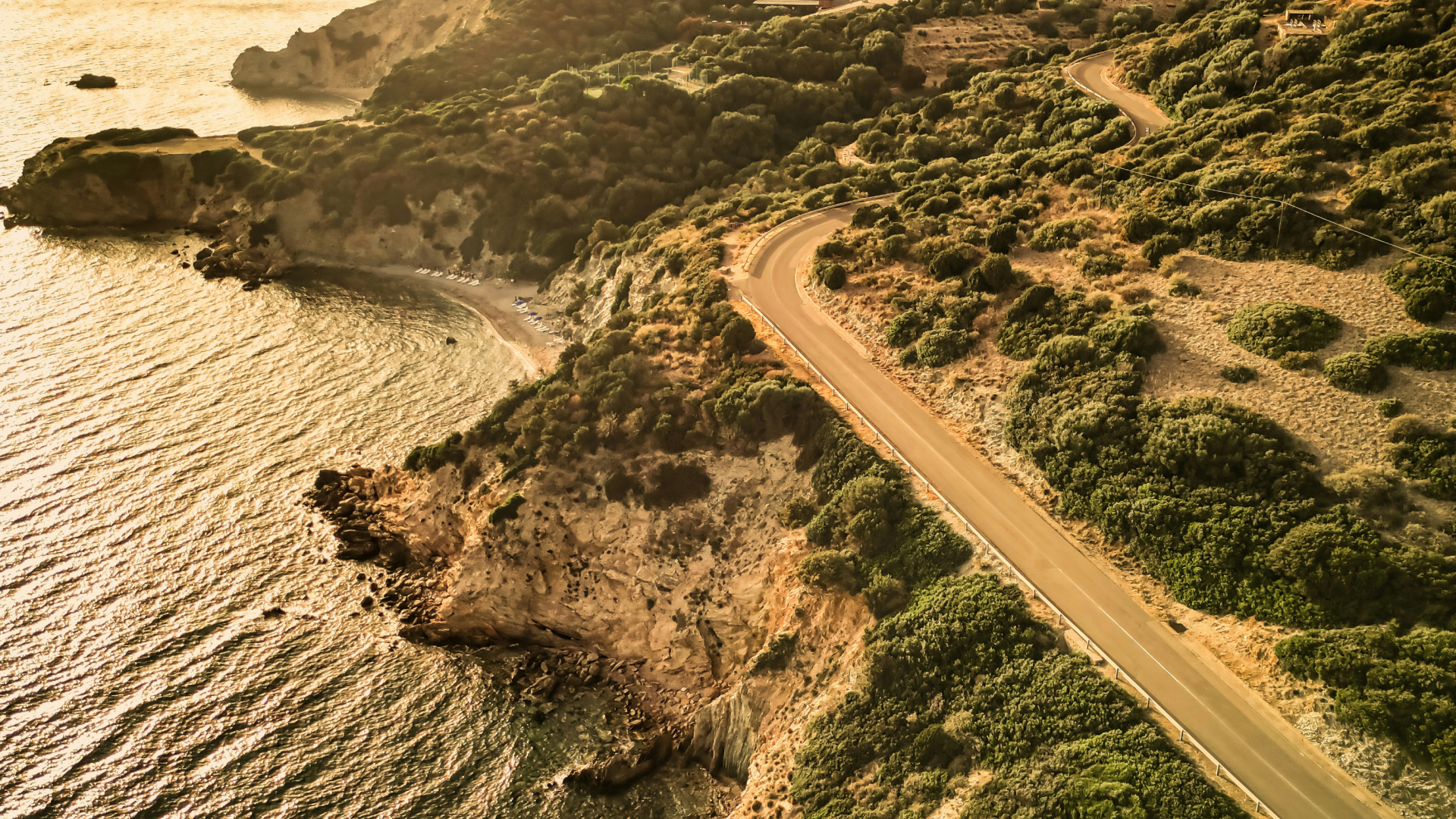
By late morning, rent a scooter or small car from one of the agencies near the harbour (book ahead in July–August). Your goal for the afternoon is the classic Strada Panoramica loop around the island – a twisting ribbon of tarmac that reveals cove after cove.
- Stop at Belvedere Madonetta for your first big-sky view over the archipelago.
- Continue to Spiaggia Bassa Trinita for your first swim. The sand is fine, the water shallow, and even on breezy days the bay is swimmable.
- If time allows, detour to Spiaggia di Monte Rena for a more rugged feel and dunes behind the beach.
Back in town, I usually book a table along the waterfront promenade – somewhere you can see the ferries come and go and try your first plate of fregola con arselle (tiny pasta beads with clams). After dinner, join the passeggiata along the harbour and into the piazzas – the island’s nightly social ritual.
Day 2 – Boat Day: Spargi, Budelli & the Outer Islands
No 3 days in La Maddalena is complete without going out among the smaller islands. This is the day you’ll talk about for years: water so clear you can count grains of sand from the boat.
In high season, you can choose between shared excursion boats (affordable, social, more structured) and small-boat or private charters (pricier, but much more intimate and flexible). In shoulder seasons (May–June, September–October), I prefer a smaller boat; in July–August, I sometimes opt for a larger one with shade for families.
A typical route includes:
- Spargi: Swimming off Cala Corsara or nearby coves, snorkeling over seagrass meadows and granite boulders.
- Budelli: Slow pass in front of the legendary Spiaggia Rosa (the Pink Beach), now off-limits to protect its colour – you’ll appreciate that restriction when you see how fragile it looks.
- Santa Maria or Razzoli: Depending on sea conditions, a stop at one of these for another swim or beach landing.
I always pack:
- Reef-safe sunscreen and a long-sleeve rash guard – the sun reflects brutally off the water.
- A light scarf or windbreaker for the ride back if the mistral picks up.
- Cash for drinks and park fees (if any are collected on board; this sometimes changes year to year).
By the time you return – salty, tired, grinning – all you will want is a shower and something simple: a pizza in town, a gelato strolling the promenade, and an early night.
Day 3 – Caprera: Garibaldi, Pinetrees & Hidden Coves
Caprera is where I go when I want to remember what the Mediterranean smelled like before mass tourism: pines, wild herbs, sun-warmed rock. It’s an easy 10–15 minute drive across the causeway from La Maddalena town, but mentally, you’ve left civilisation by the time you cross the second little bridge.
I usually start with Compendio Garibaldino, the homestead of Italian unification hero Giuseppe Garibaldi. Even non-history buffs find something moving in the modest house, the workroom, the grave under the trees. It anchors the island in a human story before you disappear into its wildness.
Then it’s all about beaches and trails. On a classic Caprera day, I might:
- Park near Cala Garibaldi or Cala Serena for a morning swim in glassy, pale water.
- Hike one of the short coastal paths – the trail to Cala Napoletana is a favourite, about 30–40 minutes with low scrub and big sea views.
- End the day at Cala Andreani or the causeway area near Porto Palma, watching the light soften over the water.
For lunch, I’ve often just brought my own picnic and found a rock ledge under a pine. Remember there are no big beach clubs here – just a couple of kiosks in peak season – so carry water and snacks. In 2026, park authorities are expected to step up patrols in Caprera’s most fragile coves, enforcing no-smoking and no-glass rules; take the regulations seriously, it’s how the island stays wild.
4 Days in La Maddalena: Add Inland Walks & Local Food
For a 4 day itinerary for La Maddalena, keep the 3-day structure and add a slower day focused on inland viewpoints, local food and quieter corners of the main island.
Day 4 – Inland Ridges, Viewpoints & Long Lunch
This is the day I reserve for the spots I race past on shorter visits. It’s less about ticking off must-see attractions in La Maddalena and more about feeling the island’s rhythm.
- Drive or e-bike the inland ridge roads above town, pulling off at unmarked viewpoints to watch the light play on the sea.
- Visit the old fortifications and batteries – like Batteria Nido d’Aquila – to get a sense of La Maddalena’s strategic history (from Napoleonic wars to NATO).
- Stop for a long lunch at an agriturismo-style restaurant slightly inland, where you can try slow-cooked maialetto sardo (suckling pig), seadas (fried cheese pastries with honey), and local Vermentino.
Afternoons tend to be quiet inland; everyone else is at the beach. I like to use this time for a siesta, or a solitary walk on a less-famous trail, and then head to a west-facing cove for sunset.
5 Days in La Maddalena: Hidden Gems & Free Days
If you’re looking at a 5 day itinerary for La Maddalena, you’ve given yourself time to breathe. I recommend repeating at least one favourite spot (often Caprera or Spargi) and dedicating a day to hidden coves and local rituals.
Day 5 – Hidden Coves & “Do-What-You-Love” Day
By now you’ll have your own shortlist of favourites. On my fifth day, I often:
- Pick one lesser-known beach (like a tiny inlet off the Panoramica) and settle in with a book and snorkel mask.
- Return to Caprera to try a different trail, or to swim again in a cove that got under my skin.
- Join a local food experience – a cooking class, wine tasting, or simple aperitivo with islanders.
In 2025 I started ending my fifth day with an early dinner at a simple trattoria in town, then a slow walk to the lighthouse viewpoint above town to watch the ferries thread their way through the fading light. For 2026, a few operators are planning twilight kayak tours in sheltered bays – a magical, low-impact way to end a day if you’re comfortable on the water.
6 Days in La Maddalena: More Sea Time & Active Adventures
With a 6 day itinerary for La Maddalena, you can tilt the balance towards active experiences: sea kayaking, sailing courses, or deeper hikes.
Day 6 – Active Day: Kayak, SUP or Sailing Lesson
Pick your adventure based on your energy:
- Kayaking or SUP: Rent boards or kayaks from La Maddalena town or Caprera’s sailing centres. Paddle along the calmer eastern shores early in the morning when the water is glassy and boat traffic light.
- Sailing lesson: Several schools in Caprera and La Maddalena offer half-day or full-day introductions. The winds that once brought naval fleets now power you across the same channels.
- Long hike: Tackle a more ambitious trail on Caprera’s interior ridges for big views and solitude.
These are the days when I’m reminded how close everything is: you can wake up, paddle for three hours, eat a long lunch, sleep, and still make it to town for a nightcap.
7 Days in La Maddalena: Settling into Island Life
A 7 day itinerary for La Maddalena is less about more sights and more about deeper rhythms. You’ll repeat favourite coves at different tides and light, get recognised at your morning café, and maybe even pick up a few Sardinian words.
Day 7 – Free Exploration & Personal Rituals
Use your final day to do whatever surprised you the most on earlier days:
- Return to that tiny bakery whose pistachio cornetto you’re still thinking about.
- Take the ferry as a foot passenger back to Palau for a few hours in the market, then return “home” to La Maddalena for one last evening.
- Sit at a favourite viewpoint for an hour or two, watching boats move slowly across the channels while the light changes.
I often spend this day doing almost nothing: a coffee in town, a swim at the nearest small cove, a seafood lunch, a nap, and a final gelato walk. Leaving La Maddalena is always hardest when you’ve let it slow you down.
14 Essential Beaches, Coves, Villages & Viewpoints
This section is the heart of this travel guide for La Maddalena: a closer look at the places that define the islands. I’ve chosen a mix of famous and quietly spectacular spots, in rough order from iconic to lesser-known, and woven in personal notes from multiple visits.
1. La Maddalena Town (La Città)
La Maddalena town is small enough to cross on foot in 10–15 minutes, but I’ve lost countless hours in its folds. It’s the island’s social and commercial heart, where ferries arrive from Palau, fishermen haul in crates at dawn, and teenagers linger on benches long after midnight in August.
The layout is classic Ligurian-Gallurese: narrow lanes, tall houses, laundry lines above eye level, balconies overflowing with geraniums and basil. On my most recent visit in June 2025, I stayed in a tiny top-floor apartment near Piazza Umberto I, waking to church bells and the rattle of espresso cups downstairs.
What to do:
- Stroll Via Garibaldi at different times of day – quiet and sun-drenched in the late morning, buzzing with aperitivo crowds in the evening.
- Visit the parish church of Santa Maria Maddalena, cooler and calmer than the streets outside, with votive offerings that tell you what locals worry about (storms, illness, safe returns from sea).
- Browse small shops selling local food in La Maddalena – bottarga, myrtle liqueur, honey, and handmade ceramics.
Eating & drinking: I like to start my day at a café on the waterfront – a cappuccino and cornetto while watching fishermen clean nets. For dinner, follow locals rather than menu photos; places with paper tablecloths and chalkboard menus usually get seafood deliveries first.
Tips: In peak summer, book dinners a day in advance and avoid driving into the very centre in the evening – park slightly out and walk in. ATMs are clustered around the main piazzas; they can run low on cash on August weekends, so plan ahead.
2. Spiaggia Bassa Trinita
If you only see one easily accessible beach on the main island, make it Bassa Trinita. It’s a triple-arc of pale sand and shifting sandbars, with shallow, clear water that glows turquoise on sunny days.
I’ve been here in every mood: in late April with just a handful of locals and a stray dog, in July with Italian families setting up beach camps at 8am, and once in a September mistral when waves chewed at the shoreline and everyone huddled behind dunes.
Why it’s special: The sand here is particularly fine, and the gradual slope makes it ideal for families with small children. The western side picks up evening light beautifully, making it one of my favourite spots for a late swim and sunset.
Getting there: It’s a 10–15 minute drive from La Maddalena town along the Panoramica. Parking is roadside and can be tight in high season; come early or late. From the car, sandy paths lead down to the beach through dunes – stick to paths to protect vegetation.
Facilities & food: In summer there’s usually a small kiosk or bar nearby selling drinks and snacks. I often bring my own water and fruit, then head back to town for a proper meal. There are no big clubs or booming speakers, which keeps the mood relaxed.
Tips: On days with strong northwesterly wind, Bassa Trinita can be choppy; on those days I switch to a more sheltered cove on the southern side of the island instead.
3. Spiaggia di Monte Rena
Monte Rena feels like Bassa Trinita’s quieter cousin – still beautiful, but with a more rugged, dune-backed atmosphere. It’s where I go when I want a bit more space and don’t mind climbing a little sand.
The beach is framed by low dunes and scrub, with fine sand and bright water. On still days the sea here can be eerily flat, like a polished sheet of glass. On breezier days, there’s a gentle shore break that surfers sometimes eye hopefully (though La Maddalena is not a major surf destination).
Who it’s for: Couples and solo travelers who want a slightly wilder feel; families with older kids who don’t mind a bit of walking. Bring shade – natural cover is limited.
Personal note: One of my favourite evenings in 2024 was here in late September: the heat had finally eased, a few locals were fishing from the rocks, and I sat on the dune ridge with a takeaway pizza watching the sky turn from gold to indigo.
4. Punta Tegge
Punta Tegge is where granite meets the sea in huge, rounded forms that look like something from a science-fiction landscape. It’s a series of small rocky coves and platforms rather than a single long beach, perfect for those who like to scramble and sun on warm rock.
There’s usually a little bar or chiosco open in season, which makes this a social spot at sunset: locals drop by for an aperitivo while kids hop from rock to rock. The water is deep, clear, and excellent for snorkeling – bring a mask and follow fish between boulders.
Access: Very easy – a short drive from town on the southwest side, with parking and minimal walking.
Tip: This isn’t the best spot for small children who need sand and shallows, but ideal for confident swimmers and sunbathers who prefer rock to sand.
5. Cala Francese
Cala Francese is one of those places where natural beauty and human history are braided together. Once a busy granite quarry, its cut blocks and abandoned equipment still sit among the rocks, slowly being reclaimed by lichen and wind. Between them, a small cove offers calm, clear water and a sense of time paused.
I like to come here early, before the sun is too high, and wander among the old quarry structures before dropping down to the cove for a swim. The water feels particularly still, as if protected by all that history around it.
Why visit: It’s a tangible reminder that La Maddalena was once known for stone, not tourism. It’s also visually striking for photographers: geometric blocks against organic rock shapes and luminous water.
Access: Short drive from town, then walking through the old quarry area. Wear shoes with grip; there’s rubble and broken stone.
6. Cala Coticcio (Caprera)
Cala Coticcio on Caprera is often compared to a tropical lagoon: a tight cove of almost luminescent water squeezed between pink granite walls. The comparison is flattering but slightly misses the point; what makes Coticcio special is its intimacy and the effort it takes to get there.
The hike down is not long, but it is steep and rocky, with some scrambling – not suitable for very young children or anyone with mobility issues. Park authorities sometimes require guided access or permits to limit numbers in high season; check current rules before you go. On my last visit in May 2025, I joined a small guided group, and appreciated the park ranger’s explanations about erosion and plant life.
At the cove: There’s no shade, no bar, no facilities – just sand, rock, and water. Bring:
- Plenty of water (more than you think).
- Reef-safe sunscreen and possibly a hat with a chin strap (the wind funnels through the cove).
- Sturdy shoes for the hike; change into sandals at the beach.
Personal note: The first time I swam here, the water was so clear that the shadows of fish looked like ink drawings on the sand. It’s among the most beautiful, but treat it as a privilege, not a right – leave nothing, take nothing.
7. Cala Napoletana (Caprera)
Cala Napoletana is my go-to when I want a bit of a walk but not the full commitment of Coticcio. The trail winds through low maquis, with constant glimpses of the sea, and then drops into a beautiful, sheltered cove with pale sand and rocky arms reaching out to protect it.
It’s a lovely spot for family adventures with older kids – the hike is manageable, the water inviting, and there are rocks to climb and small pools to explore. I’ve shared this cove with everything from retired couples picnicking on checked blankets to small groups of friends with guitars.
Tip: Start early in summer to avoid the hottest hours on the exposed trail, and bring a wide-brimmed hat – there’s little shade until you reach the beach.
8. Compendio Garibaldino & Caprera Interior
Before Garibaldi retired to Caprera, this was just another wild granite island. His homestead, now the Compendio Garibaldino, turned it into a site of national memory. Even if you’re not deeply versed in Italian history, walking through his modest house – the study, the simple bed, the tools – is humbling.
Surrounding the house, the interior of Caprera is a tangle of pines, scrub, and rocky outcrops, threaded by trails. I often pair a visit to the compendium with a short inland hike, just to feel how quickly the human story gives way to wind and birdsong.
Practicalities: The museum has set opening hours and may close in the early afternoon; check locally. Modest clothing is appreciated (cover shoulders inside), and photography rules can vary by room.
9. Cala Corsara (Spargi Island)
Cala Corsara is often the first swim stop on boat trips out of La Maddalena, and it’s easy to see why. The bay curves around like a protective arm, with several little sandy inlets between sculpted granite rocks.
When I first came here in 2013, I was prepared for crowds; instead, we anchored early and had the bay almost to ourselves, the water so clear that the anchor chain looked like it was floating. These days, in peak season, there are more boats, but the magic remains – especially if your captain knows how to time arrivals.
Experience: You usually arrive by boat, drop anchor, and then either swim straight off the boat or take a dinghy closer to shore. The water is perfect for snorkeling: seagrass patches, sand, rocks, and all the fish that like the edges between them.
Tip: Listen closely to your skipper’s time instructions; park authorities are increasingly strict about anchoring limits and crowding, and boats have set windows in some bays.
10. Budelli & Spiaggia Rosa (Pink Beach)
Budelli’s Spiaggia Rosa – the Pink Beach – is the archipelago’s most famous stretch of sand, and also its most protected. The pale blush of the sand comes from microscopic fragments of pink coral and shells; for years, visitors took handfuls as souvenirs, and the beach suffered.
Now, you cannot set foot on the beach or swim in front of it. Boats pass slowly offshore, and you admire from a distance. I support this wholeheartedly. On my last pass in 2025, the colour seemed stronger than it had in years; protection is working.
How to experience it: Choose a boat tour that respects the rules and allows plenty of time in nearby swimmable bays instead. Several less-famous Budelli coves offer exquisite water without the environmental pressure.
11. Santa Maria & Razzoli
Santa Maria and Razzoli form the northern crown of the archipelago, more remote and exposed. I’ve only visited them on days with perfect forecasts; even then, the sea can remind you who’s boss.
Santa Maria: Offers a few gentle bays where boats can anchor for swimming. The sand is soft, the water dazzling. It feels further from everything – fewer boats, more silence.
Razzoli: Wilder still, with cliffs and strong currents off some points. Most visits are short, scenic passes with perhaps a sheltered swim if conditions allow.
Tip: Trust your captain. If they decide not to attempt a stop here due to wind or swell, they’re doing you a favour. There are always other bays further south that will be gorgeous and safer.
12. Porto Palma (Caprera)
Porto Palma is Caprera’s sailing soul: a broad, sheltered bay where masts bob and kids learn to tack for the first time. If you’re interested in sailing courses or just love watching boats, this is your spot.
On summer afternoons I’ve sat on the low shore here, watching lines of dinghies threading across the bay like beads on invisible strings. The mood is active but not frantic, and the surrounding hills keep everything feeling enclosed and safe.
Who it’s for: Families with budding sailors, anyone who wants a safe place to try SUP or short paddles, and those who prefer harbours to wild coves.
13. Panoramica Viewpoints (Strada Provinciale 114)
The Panoramica road is not a single attraction but a ribbon of them. Every time I drive it, I find a new unmarked lay-by that turns into an impromptu viewpoint.
Favourite stops include:
- High points above Bassa Trinita, looking north over the outer islands.
- Rocky knolls with 360-degree views of sea and scrub.
- Little parking pockets where a short wander leads to unnamed inlets.
Tip: Drive it at least once in each direction – morning and late afternoon light reveal different faces of the same landscape.
14. Old Fortifications & Batteries
Scattered around La Maddalena and Caprera, old fortifications and batteries remind you that this was once a crucial naval outpost. Some are well-signposted and occasionally open for visits; others are silent, overgrown shells with spectacular views.
I’ve climbed to a few at golden hour, when the concrete is warm and the gun emplacements fill with shadow. From here you can see the entire chessboard of islands and channels – it’s immediately clear why navies coveted this vantage point.
Safety: Be cautious. Not all sites are maintained; watch for loose stones, steep drops, and unprotected edges. Good shoes and a flashlight (for tunnels) are wise.
Island Eating: From Seafood Shacks to Harbour Tables
One of the joys of La Maddalena is that you eat with the sea, not just near it. Menus change with the catch and the mood of the wind. In 2026, sustainability is more present than ever – expect to see more mentions of local, seasonal, and “pescato del giorno” (today’s catch) rather than a fixed list of species.
What to Eat: Signature Local Dishes
- Fregola con arselle: Pearl-like pasta with clams in a brothy, saffron-tinged sauce.
- Zuppa di pesce alla maddalenina: Island fish soup, garlic-rich and often served with toasted bread.
- Grigliata mista di mare: Mixed grill of whatever came in that day – squid, prawns, small fish, sometimes lobster.
- Culurgiones: Stuffed Sardinian pasta, often with potato and mint, served with tomato sauce.
- Seadas: Deep-fried pastry with fresh cheese and honey – a must-try dessert.
- Pane carasau: Thin, crisp Sardinian flatbread, often served in baskets with meals.
Where to Eat: My Personal Patterns
In town, my days usually follow a pattern:
- Breakfast: A cappuccino and pastry at a harbour café. Stand at the bar if you want to blend in and save a bit – table service often costs more.
- Lunch: A simple panino or focaccia if I’m on the move, or a plate of pasta alle vongole in a side-street trattoria if I’m in town.
- Dinner: Seafood near the harbour, or inland for meat dishes and agriturismo-style spreads.
Seafood Shacks & Beach Bars
On beaches like Bassa Trinita and around Punta Tegge, seasonal chioschi and beach bars pop up. They serve:
- Cold beer and spritz.
- Simple grilled fish or calamari.
- Salads, fries, panini.
I’ve had some of my favourite meals at plastic tables with my feet in the sand, eating grilled octopus that was swimming hours earlier. Don’t expect elaborate plating; do expect freshness.
Saving Money on Food
- Self-cater breakfast: Buy fruit, yogurt, and bread from the supermarket; eat out once a day instead of twice.
- Menu del giorno: Look for daily menus or lunchtime fixed-price deals in town.
- House wine: The vino della casa is usually local, perfectly drinkable, and much cheaper than bottled labels.
Island Evenings & Nightlife
La Maddalena is not a clubbing island; it’s about long twilight, slow walks, and low-key bars. That said, in high summer, the town gets lively, with open-air concerts, temporary bars, and music drifting across the harbour.
Sunset Spots
- Punta Tegge: Rocks turn orange, and the sea glows; a favourite for aperitivo.
- Panoramica viewpoints: Park up, sit on a rock, and watch the sun sink behind silhouettes of islands.
- Caprera west coast: Quieter, more intimate sunsets with fewer people.
Nightlife & Bars
In town, evenings revolve around:
- Harbour bars: Cocktails, wine, and people-watching.
- Piazza cafés: Families out late, children playing, elders talking politics.
- Occasional live music: Especially in July–August, small concerts on squares or at waterfront venues.
Full-moon parties are rare and usually private or low-profile, often associated with sailing communities rather than public events.
Day Trips & Nearby Attractions from La Maddalena
Even though this is a travel guide for La Maddalena, it’s worth mentioning a few nearby spots reachable as day trips:
Palau (Mainland Sardinia)
Just a 15–20 minute ferry ride away, Palau offers:
- A lively weekly market with produce, cheeses, and crafts.
- Bus connections to Santa Teresa Gallura, Arzachena, and the Costa Smeralda.
- Access to the Bear Rock (Roccia dell’Orso) viewpoint.
Costa Smeralda
If you want a taste of Sardinia’s glitzy side, hop to the mainland and drive to Porto Cervo and surrounding bays – a contrast to La Maddalena’s simpler atmosphere.
Inland Gallura
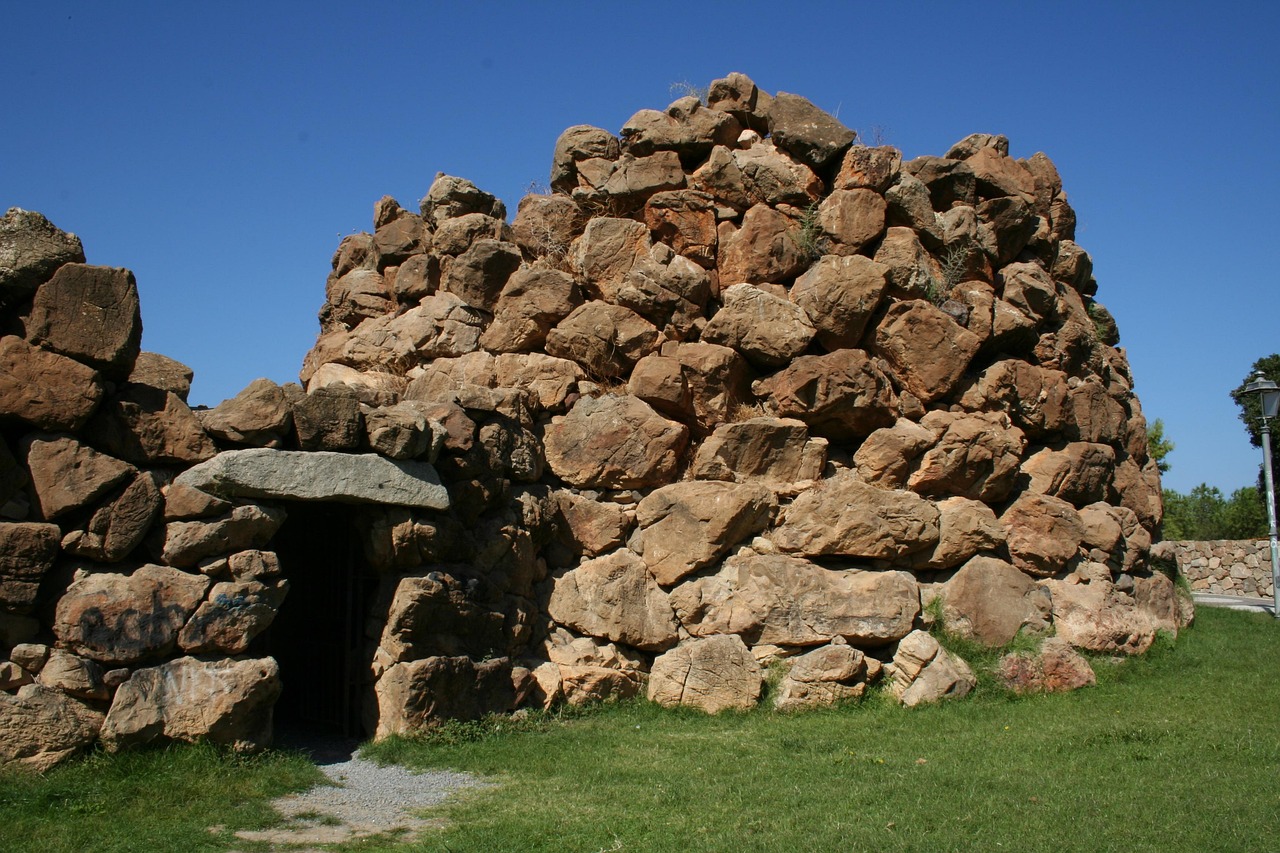
From Palau you can also explore inland Gallura villages and archaeological sites (nuraghi, tombs of the giants), then retun to the island by evening.
Cultural Etiquette & Local Customs
La Maddalena is relaxed but not lawless; it’s a small community that notices and remembers.
Everyday Etiquette
- Greetings: A simple “Buongiorno” (morning/day) or “Buonasera” (evening) goes a long way in shops and cafés.
- Dress: Beachwear belongs on the beach. In town, wear at least a cover-up; going shirtless or in bikinis in the main streets is frowned upon.
- Noise: Respect quiet hours in residential lanes, especially late at night.
At the Table
- It’s normal to linger over meals; staff won’t rush you.
- Asking for tap water can be met with mixed reactions; bottled water is the norm.
- Tipping: Service is often included, but leaving small change or rounding up 5–10% for good service is appreciated.
Beach & Nature Etiquette
- Never take sand, shells, or stones; fines can be steep, and it’s environmentally damaging.
- Stick to paths through dunes and scrub to avoid erosion.
- Use reef-safe sunscreen and avoid touching marine life when snorkeling.
Practical Travel Advice & Logistics for La Maddalena (2026)
How to Get There
- By air: Fly into Olbia (OLB) or Alghero (AHO) in Sardinia. Olbia is closer (about 45–60 minutes’ drive to Palau).
- By land to Palau: Regular buses connect Olbia and Palau; rental cars are widely available at airports.
- By ferry: Frequent car and passenger ferries run between Palau and La Maddalena (approximately 15–20 minutes). No need to pre-book as a foot passenger; with a car in peak season, arrive early.
Getting Around the Island
- Car or scooter: The most flexible way to explore beaches and viewpoints. Scooters are great for couples; cars better for families.
- Public bus: Seasonal buses run to major beaches but schedules are limited; good for low-budget travelers with patience.
- Bicycle / e-bike: Excellent for fit travelers; some hills can be challenging without electric assist.
- Boat rentals: With or without license, for day trips around the archipelago; follow park rules carefully.
Money-Saving Tips on an Island Where Everything Is Shipped In
- Book accommodation well ahead for July–August; consider June or September for lower prices and fewer crowds.
- Use supermarkets for breakfasts, picnics, and drinks; eat one main meal out per day instead of two.
- Travel as a foot passenger and rent a scooter on the island rather than bringing a car on the ferry, if that fits your plans.
SIM Cards & Connectivity
- SIM cards: Buy Italian SIMs (TIM, Vodafone, WindTre, Iliad) on the mainland (Olbia, Palau) for better deals.
- Coverage: La Maddalena town has good 4G/5G; coverage on Caprera and outer coves can be patchy but usually present near main roads.
- Wi-Fi: Common in hotels, many apartments, and some cafés; speeds vary.
Safety in the Water
- Currents: Most popular beaches are sheltered; outer islands and channel edges can have currents – obey warnings and local advice.
- Jellyfish: Occasional in summer; a light rash guard helps. Locals may know which beaches are affected on a given day.
- Boats: Stay within designated swimming areas; boat traffic is heavy in peak season.
Best Time to Visit & Seasons
- April–May: Quiet, cooler water, wildflowers, great for hiking and photography.
- June: Warm but not oppressive, sea pleasant, ideal for most visitors.
- July–August: Hottest, busiest, lively evenings, warmest sea – book everything early.
- September–early October: My favourite: warm water, mellow crowds, softer light.
- Late autumn–winter: Many tourist services close, but town life continues; good for solitude and stormy seascapes rather than swimming.
There is no hurricane or monsoon season; weather is Mediterranean, with occasional strong mistral winds and some heavy rain in winter.
Visa Requirements & Driver’s Licences
- Visas: La Maddalena is in Italy and the Schengen Area. EU/EEA/Swiss citizens can enter freely; others should check Schengen visa rules applicable in 2026 for their nationality.
- Driver’s licences: EU licences are fully accepted. Many non-EU visitors (e.g., from the US, UK, Australia, Canada) can drive with their national licence; an International Driving Permit is recommended and sometimes required by rental companies – check ahead.
Cash, ATMs & Tipping
- Cards are widely accepted in restaurants and hotels; smaller kiosks may prefer cash.
- ATMs are mostly in La Maddalena town; they can be busy in peak season – withdraw when you see one, not when you’re desperate.
- Tipping is not obligatory but appreciated: rounding up or adding 5–10% for good service is common.
Hidden Tips from Repeated Visits
- Swim early or late – beaches are quieter, light is better, and sun less harsh.
- Carry a light scarf – it’s shade, wind protection, and can cover shoulders in churches.
- Keep a flexible day in your plan – shift your schedule according to wind direction; locals will tell you which side of the island is best each day.
What’s New: 2026–2027 Events & Changes
While exact lineups change each year, 2026–2027 are expected to continue and expand several recurring events:
- Summer Music & Culture Festivals (June–September 2026): Open-air concerts, film screenings, and performances in La Maddalena town and occasionally on Caprera.
- Regattas & Sailing Events: Annual sailing regattas through the archipelago, with boats gathering in Porto Palma and La Maddalena harbour.
- Religious & Local Feasts: Feast days for Santa Maria Maddalena and other saints, with processions, fireworks, and shared meals.
- Environmental Initiatives: The National Park is increasing educational programmes and possibly introducing more reservation systems for the most fragile coves in high season; check updated park information before 2026 trips.
Summary & Final Recommendations
La Maddalena is not about doing everything; it’s about letting a small, wind-swept archipelago work its way under your skin. Whether you follow a tight 3 day itinerary for La Maddalena or sink into a slow 7 days in La Maddalena, you’ll leave with salt in your hair, granite dust on your shoes, and a more intimate sense of the Mediterranean than any glossy brochure can provide.
Key takeaways:
- Best seasons: June and September for balance; July–August for buzz and warmest sea; April–May and October for hikers and solitude seekers.
- Where to base: Town for convenience and evenings; quieter coasts or Caprera for nature and silence.
- Must-see highlights: La Maddalena town, Bassa Trinita, a boat day to Spargi/Budelli, and at least one Caprera hike-and-swim combo.
- Hidden gems: Quarry-scarred Cala Francese, unmarked Panoramica coves, and the quiet dignity of Garibaldi’s homestead.
Come with respect for the islands and flexibility in your plans, and La Maddalena will give you far more than views. It will give you a feeling – of sea and stone and slow evenings – that’s hard to shake long after you’ve boarded the ferry back to the mainland.