Why Visit La Pelosa Beach & Stintino: What Makes It Special
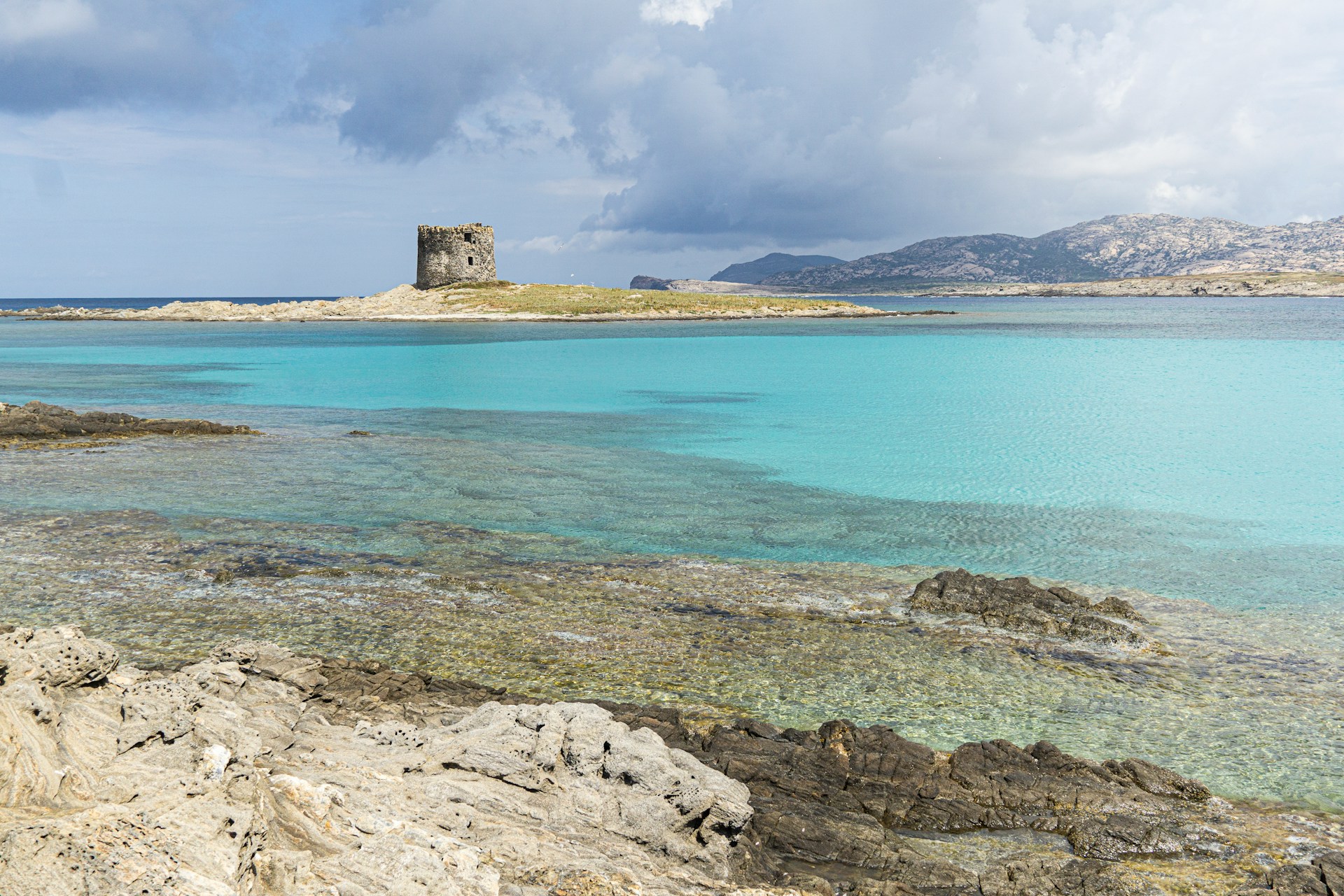
Even in Sardinia, an island full of almost unreal beaches, La Pelosa Beach near the fishing village of Stintino is the one that makes jaded locals stop mid-sentence and stare. The water is a milky, translucent turquoise that looks fake in photos and somehow even more unbelievable in person. It’s shallow and calm like a giant saltwater pool, protected by the silhouette of Isola Piana and the dark, watchful tower of Torre della Pelosa.
I’ve been coming here since the late 2010s, watching the beach change as it’s become more regulated (and honestly, better protected). I’ve visited in crowded Augusts, breezy Junes, and on quiet October mornings when it’s just the sound of the sea and the occasional dog walker. Every year, I promise myself I’ll “just stay a couple of days” and every year I end up extending my stay.
La Pelosa is no longer a “secret,” but it’s still deeply rewarding if you know when to go, where to base yourself, and how to avoid the worst of the crowds. Beyond the iconic main beach, there’s a whole coastline of smaller coves, hidden shelves of rock where locals read in the afternoon, and wild stretches of sea where the color deepens from baby blue to sapphire in a single step.
This 2026 travel guide for La Pelosa Beach is written for travelers who like detail, context, and a bit of opinion. I’ll walk you through a 3–5 day itinerary for La Pelosa Beach, share my favorite hidden gems in La Pelosa Beach, and give frank travel tips for La Pelosa Beach—from parking hacks to jellyfish days.
Table of Contents
- Why Visit La Pelosa Beach & Stintino
- La Pelosa & Stintino Overview (2026 Snapshot)
- 3–5 Day Itineraries for La Pelosa Beach
- The 10 Key Beach Sections, Coves & Coastal Spots
- Seafood, Beach Bars & Local Food in La Pelosa Beach
- Evenings at La Pelosa Beach & Nightlife Rhythm
- Culture, Etiquette & Local Customs
- Day Trips & Nearby Attractions
- Practical Logistics & Travel Advice for La Pelosa Beach
- Beach-Specific Logistics: Safety, Swell & Seasons
- What’s New: Events & Changes in 2026–2027
- Summary & Final Recommendations
La Pelosa & Stintino Overview (2026 Snapshot)
La Pelosa lies on the northwestern tip of Sardinia, near the village of Stintino, facing the stark, wild beauty of Asinara Island National Park. This corner feels detached from the rest of the island: fewer big resorts, more wind-gnarled juniper bushes, more fishermen than Instagrammers in the early morning hours.
In 2026, the local authorities continue to strictly regulate access to the main Spiaggia della Pelosa to protect the fragile dune ecosystem:
- Daily visitor caps (tickets must be reserved online in high season).
- No towels directly on the sand—you must use a beach mat (can be a thin straw mat or foldable mat).
- No smoking on the main beach area.
- Strict rules about not taking sand or shells (yes, they do check bags sometimes).
These rules might sound fussy, but as someone who remembers the crushed, eroded dunes of the early 2010s, I can say they’ve made a visible difference. The sand is cleaner, the vegetation is slowly creeping back, and the whole beach feels less abused—even on a busy August day.
3–5 Day Itinerary for La Pelosa Beach & Stintino
Whether you have 3 days in La Pelosa Beach or a full 5 day itinerary for La Pelosa Beach, you can build a trip that mixes iconic beaches, small coves, local food, and little rituals that make this area feel like a second home.
3 Day Itinerary for La Pelosa Beach
If you only have 3 days in La Pelosa Beach, focus on the essentials: the main beach, a taste of Stintino, and one big adventure out to Asinara or the wilder coast. I’ll frame this as I actually did it in June 2025, with tweaks for 2026 schedules and rules.
Day 1: First Embrace of La Pelosa
Morning – Arrival & Check-in
On my last early-summer visit, I drove up from Alghero on a bright Friday morning, arriving in Stintino just after 10:00. The light over the Golfo dell’Asinara was already sharp, but the air still felt fresh. I checked into a small guesthouse on the hill behind La Pelosa—nothing glamorous, but with a terrace that looked straight onto the tower and Isola Piana. If you can, book somewhere you can walk to the beach; parking will be your biggest headache otherwise.
Practical tip: If you’re visiting between June and September 2026, book both your La Pelosa beach access and your accommodation at least a month in advance. For the main beach, you reserve online, then show the QR code to staff at the entrance.
Late Morning – First Swim at the Iconic Stretch
For your first encounter, go straight to the main La Pelosa Beach. Even if you usually avoid the “famous” spots, this one you simply cannot skip. The moment that turquoise slides into view between the tamarisk trees is the moment almost everyone falls silent. I always, without fail, walk a little slower here.
- Where to set up: If you have a ticket for the regulated zone, you’ll be directed to your sector. If not, there are free sections (see Spiaggia della Pelosa Libera), but they fill quickly.
- Best for: Families with small kids, non-swimmers, and anyone who loves a calm, pool-like sea. The water stays shallow and warm far out.
- What I do: Drop my mat, jump straight in, then float on my back looking up at the tower. It never gets old.
Lunch – Simple Beachside Fare
For lunch on your first day, keep it easy. There are a few kiosks and cafés behind the beach:
- Grab a focaccia al pomodoro or pane cun tomate and a cold Ichnusa beer for a quick, cheap lunch.
- If you want a sit-down meal, head to one of the small restaurants slightly uphill from the beach; they’re calmer than the beachfront bars.
I usually eat light—just enough to justify another long swim.
Afternoon – Walk to La Pelosetta & Tower Views
As the sun tilts westward and families start leaving for naps, follow the coast slightly north to La Pelosetta. This little cove, with its view straight onto Torre della Pelosa, has a more intimate feel than the main stretch.
- For couples: It’s one of my favorite spots for a mid-afternoon laze; less shouting, more quiet conversations.
- For kids: There’s a shallows area with rock pools where kids poke around for tiny crabs.
I often end my first day by sitting on the rocks here, hair still wet, watching the color of the sea darken by shades.
Evening – Sunset Drinks & Stintino Stroll
Head back to your accommodation to shower off the salt, then drive or bus to Stintino town (about 5–10 minutes). The small harbor front is lined with pastel houses, fishing boats, and a few bars where locals gather before dinner.
- Sunset ritual: Order a vermentino or a spritz and a bowl of olives. Watch the harbor shift from gold to deep blue.
- Dinner: Try a simple trattoria for spaghetti ai ricci di mare (sea urchin pasta) if it’s in season, or fregola ai frutti di mare (toasted pasta with seafood).
Walk the waterfront after dinner. Even in high season, it never feels like a wild party town—more a gentle, semi-sleepy village that happens to sit by one of the best beaches in Europe.
Day 2: Wild Coasts & Asinara Island
Morning – Boat to Asinara National Park
On my second day last year, I woke before sunrise to catch the first ferry to Asinara Island. If you like wild landscapes and a touch of history, this is your big adventure day. It’s also one of the must-see attractions in La Pelosa Beach area.
- Book in advance in summer (online or via local agencies).
- You can go by ferry + bike rental, guided 4x4 tour, or small boat excursion with swim stops.
I prefer the small-boat option that leaves from Stintino harbor: you get a mix of history (old prison buildings, quarantine station), wild donkeys, and time to laze in hidden coves with water as transparent as La Pelosa but with far fewer people.
Lunch – Picnic on Asinara
Pack a picnic or choose a tour that includes lunch. The food is usually simple—grilled fish, salads, fruit—but everything tastes better with the wind in your hair and that view of unspoiled coastline.
Afternoon – Swim, Snorkel, Return
Afternoons on Asinara are for snorkeling and quiet contemplation. You’ll notice the sea has different moods on different sides of the island: one side calmer, the other wilder, with deeper blues. It’s a good contrast to La Pelosa’s lagoon-like calm.
Return to Stintino by late afternoon. You’ll be sun-sleepy and salt-encrusted in the best way.
Evening – Quiet Dinner & Gelato
After such a full day, I usually opt for a low-key dinner back in Stintino:
- Try: A plate of orata al forno (baked sea bream) with potatoes, and a carafe of house white.
- Finish: With a gelato by the harbor—pistachio and lemon is my standard combo here.
Day 3: Hidden Coves, Saline Beach & Farewell Swim
Morning – Le Saline for Space & Silence
On your third day, leave the La Pelosa crowds behind and drive 10–15 minutes south to Le Saline. This long, pale beach of smooth white pebbles is where locals go when La Pelosa feels too intense.
- Best for: Long walks, quiet swims, and couples or solo travelers wanting room to breathe.
- Facilities: A few kiosks in season, but bring water and snacks outside July–August.
I like to walk a good stretch of the shore before choosing a spot—by the time you’re 10–15 minutes away from the parking area, you might have large sections almost to yourself, especially outside peak weekends.
Lunch – Rustic Seafood Spot
Head back toward Stintino for lunch at one of the modest seafood places on the inland side of the road. My go-to order is zuppa di pesce (fish soup) or grilled mixed fish, with a carafe of chilled white and a bowl of simple salad.
Afternoon – Final Swim at La Pelosa or Ezzi Mannu
If you’re not ready to say goodbye, circle back to La Pelosa for a last late-afternoon swim; the light from 17:00 onward is particularly gentle, and families tend to drift away after 16:00. Alternatively, head to Ezzi Mannu—a more rustic, wind-brushed beach that feels worlds away from the polished postcard vibe.
Evening – Farewell Aperitivo
End your 3 day itinerary for La Pelosa Beach with an aperitivo overlooking the sea. If you can time it so that your last view is of the tower silhouetted against the afterglow of sunset, you’ll understand why so many of us keep coming back.
4 Day Itinerary for La Pelosa Beach
With 4 days in La Pelosa Beach, you can dig a bit deeper: spend one full, lazy day hopping between coves and another exploring the wilder “outside sea.” Here’s how I structured a late-September visit in 2024, which I’d happily repeat in 2026.
Day 1–3
Follow the 3-day plan above, but slow down your evenings—maybe linger longer in Stintino or swap one restaurant for a picnic sunset on the rocks.
Day 4: Coves, Cliffs & Mare di Fuori
Morning – Punta Negra & Hidden Coves
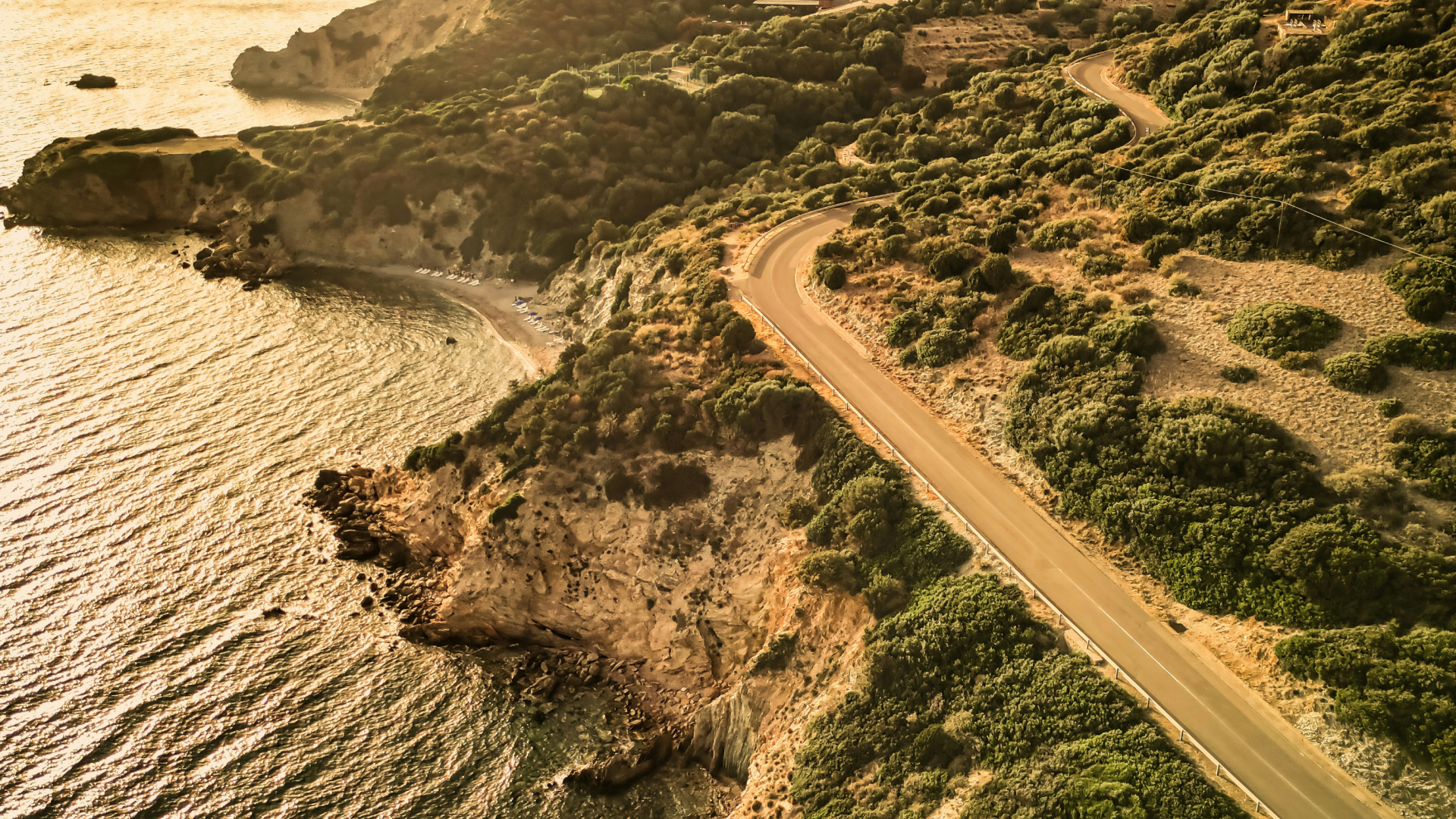
Drive or walk (depending on your base) to Punta Negra, one of my favorite lesser-known spots. The rock formations here create natural platforms and tiny pools, and the color of the sea is a slightly deeper turquoise—still gentle, but with a sense of open water.
On a still morning, I like to bring a thermos of coffee, a book, and my mask and snorkel. The underwater world here is more interesting than at the main beach: patches of seagrass, schools of small silver fish, occasionally a curious octopus if you’re very patient and lucky.
Lunch – Picnic Above the Rocks
Punta Negra doesn’t have major infrastructure, so I usually pack a picnic: fresh bread, local cheese, tomatoes, fruit, and a bottle of chilled water. Eat in the shade of the low shrubs behind the rocks, listening to the slow crash of the sea.
Afternoon – Mare di Fuori (The “Outside Sea”)
In the afternoon, if the wind isn’t too strong, continue along to the Mare di Fuori side—the western-facing coast, open to the full force of the Mediterranean. It’s a different world from La Pelosa’s sheltered lagoon: waves, deeper blues, and a sense that beyond the horizon lies only sea.
- For surfers: On rare swell days, local surfers gather here. Ask in Stintino about conditions; this is not a beginner spot.
- For walkers: The coastal path offers dramatic views and photo stops, even if you don’t get in the water.
I find this side particularly romantic at sunset; there’s a rawness and solitude that pairs well with quiet conversations or simply standing together in silence.
Evening – Rustic Dinner & Night Sky
Finish with dinner back in Stintino or at a countryside agriturismo (farm restaurant) slightly inland. Late September skies are often crystal clear, and away from the main lights you can see a full spray of stars—especially if you drive just a little out of town afterward and step out of the car for 10 quiet minutes.
5 Day Itinerary for La Pelosa Beach
A full 5 days in La Pelosa Beach lets you slip into a rhythm that feels almost local: morning swims, late lunches, siestas, and unhurried evenings. This is close to how I live when I come for a working week in early June.
Day 1–4
Follow the 4-day structure, but stretch things out: spend an entire day just between Main La Pelosa and La Pelosetta, or give Asinara a more relaxed pace with additional time in its smaller coves.
Day 5: Slow Living, Saline Revisit & Stintino Village Life
Morning – Second Look at Your Favorite Beach
By Day 5, you’ll know which spot has stolen your heart. For me, it’s often the early-morning La Pelosa, before 9:00, when the beach is still half-empty and the only sounds are gulls and the gentle lap of water. I bring a coffee from a nearby bar, walk down, and swim before breakfast. It’s my “reset” ritual.
Late Morning – Stintino Markets & Fishing Harbor
Spend late morning wandering Stintino proper. Check if there are any small local markets (they pop up more often in summer 2026), peek into the church, and walk the narrow streets back from the harbor. You’ll see old men fixing nets, kids on bikes, and laundry fluttering from balconies—small scenes that anchor the beach glamour in real life.
Lunch – True Local Food
Seek out where the Stintinesi eat. Look for handwritten menus, plastic chairs, and fewer tourists. Try:
- Bottarga di muggine (cured mullet roe) shaved over pasta or salad.
- Zuppa gallurese (bread and cheese “soup”) if it’s on the menu, more common slightly inland.
- Whatever fish is listed as pescato del giorno (catch of the day).
Afternoon – Last Long Walk at Le Saline or Ezzi Mannu
For your final afternoon, I like to return to Le Saline or Ezzi Mannu. Walk, think, swim, nap. Let your brain file away the trip in its own time.
Evening – Farewell Ritual
On my last night, I always repeat the same ritual: a simple dinner in Stintino, a slow walk along the harbor, then a short drive or walk up to a viewpoint where I can see the dark shape of La Pelosa and the tiny blinking lights offshore. One last deep breath of that salty, herb-scented night air, and then bed.
The 10 Key Beach Sections, Coves & Coastal Spots
La Pelosa isn’t just one beach; it’s a small coastal world. Here are the main spots I return to again and again, with a mix of history, practical advice, and personal notes.
1. Main La Pelosa Beach (Spiaggia della Pelosa)
Character: Iconic, shallow, busy, breathtaking.
The main Spiaggia della Pelosa is the poster child of Sardinian beaches. The sand is pale and fine, the water an almost opaque turquoise, gradually deepening into a more transparent blue as you wade out. It feels like stepping into a vast, warm, glassy lagoon.
History & significance
The beach owes its calmness to the natural barrier of Isola Piana and the rocky outcrops around Torre della Pelosa. Historically, this was a strategic passageway: the tower (16th century, Aragonese) guarded the strait from pirate incursions. Today, the tower is less about defense and more about postcard composition—it anchors almost every iconic shot of the beach.
Best for
- Families: The gently sloping seabed is ideal for small children and non-swimmers.
- First-timers: If you’ve never seen Sardinian water before, start here.
- Photography: Sunrise and late afternoon give the best light; midday is harsh but insane for color.
My routine here
On busy days, I arrive by 8:00–8:30 with a coffee in hand. I stroll the length of the sand before most people arrive, watching the color shift as the sun climbs. A quick swim to wake up, a bit of reading, then I usually move on to a quieter cove by late morning.
Logistics & tips (2026 rules)
- Reservations: Mandatory in high season (usually June–September). Book online; numbers are capped.
- Beach mats: Towels must be placed on mats to protect the sand. If you forget, vendors nearby sell cheap straw mats.
- Smoking: Prohibited on the main beach strip. There are designated areas behind.
- Parking: Paid and limited; arrive early or leave the car in Stintino and take the shuttle bus (summer).
Personal tip: Don’t try to “own” the whole day here. Give it a strong morning or late afternoon, then explore elsewhere. You’ll appreciate it more in shorter, focused bursts.
2. Spiaggia della Pelosa Libera (Free Section)
Character: Looser, slightly more chaotic, beloved by locals.
Just adjacent to the regulated area are the free sections of La Pelosa—smaller strips of sand and rock where you can set up without a reservation (rules about mats and smoking still apply). This is where you’ll hear more Sardinian dialect, more laughter, and see more improvised setups.
Best for
- Spontaneous travelers without reservations.
- Locals popping down for a quick swim before or after work.
- Budget travelers who don’t want to book the regulated sector.
My experience
On some days, I actually prefer the free section. It feels a bit more alive, less curated. I’ve shared fig slices from someone’s garden here, chatted with an older couple who’ve been coming since the 1970s, and watched kids build truly impressive sand castles.
Tips
- Arrive very early in July–August; spots go fast.
- Bring your own shade: umbrellas or a small beach tent (wind-permitting).
- Expect to be closer to your neighbors; space is tighter.
3. La Pelosetta
Character: Compact, scenic, slightly more intimate.
La Pelosetta sits just north of the main La Pelosa strand, separated by rocky shelves. It’s a smaller cove with fine sand, clear water, and that unmistakable tower view front and center.
Best for
- Couples: Slightly quieter than the main beach; more romantic in late afternoon.
- Snorkelers: Rockier edges hosting more marine life.
- Families with slightly older kids: Fun to explore the rocks and shallow channels.
Personal note
On one breezy June afternoon, I spent nearly three hours here, drifting between naps and swims. A local man in his seventies told me stories of how, in his youth, they used to sneak night swims across toward Isola Piana—now strictly forbidden and, frankly, not safe. The point, he said, was the feeling of “owning” the sea. You can still feel traces of that, even surrounded by more regulated tourism.
Tips
- Shade is limited; arrive early or bring an umbrella.
- Flip-flops or water shoes help with the rocky edges.
- Excellent spot for sunset photography without the larger crowds of the main strip.
4. Torre della Pelosa & Isola Piana
Character: Historical, photogenic, symbol of the bay.
The Torre della Pelosa stands on a rocky islet just off the beach, dating back to the late 1500s. It was one of many coastal watchtowers built by the Spanish to monitor and defend Sardinia’s shores. Today, it’s the defining landmark of La Pelosa, visible from almost every angle of the beach.
Access & preservation
In the past, people used to wade or swim to the islet and climb the tower, but erosion and safety concerns have largely ended this. As of 2026, access is generally restricted to protect the fragile rock and structure. Respect any signs and barriers; the view from the beach is more than enough.
Isola Piana
Behind the tower lies Isola Piana, once used for tuna fishing and processing. Its low silhouette helps block the worst of the swell, giving La Pelosa its lagoon-like conditions. You can appreciate its role best from a boat or an elevated viewpoint above the beach.
My favorite moment
One October evening, with a mistral wind clearing the air, I watched a storm front build behind the tower while the foreground remained sunlit. The contrast between the dark, threatening clouds and the still-sparkling turquoise water was surreal—like two different worlds colliding at the tower’s stone base.
Photography tips
- Use the tower as a focal point for sunrise or sunset shots.
- From slightly uphill viewpoints, you can frame both the tower and the gradient of blues.
- A polarizing filter (or phone equivalent) helps tame reflections on bright days.
5. Le Saline Beach
Character: Long, quieter, pebbly, local.
Le Saline stretches south of Stintino, facing the same broad gulf but with a different personality. Instead of fine powdery sand, you’ll find pale, smooth pebbles and shell fragments that crunch softly underfoot. The water is as clear as La Pelosa, but the setting feels more open, more spacious, less manicured.
History & name
The name “Le Saline” refers to the old salt pans that once operated in the area. You can still sense the flat, utilitarian landscape behind the beach, though nature has reclaimed much of it with scrub and low vegetation.
Best for
- Long walks: You can stroll for ages along the shore with fewer people.
- Couples & solo travelers: More space, less noise.
- Windy days: Slightly better airflow, fewer umbrellas knocking into you.
My Le Saline days
Le Saline is where I go to breathe when La Pelosa feels too intense. I’ve spent full days here with a book, moving only to adjust my umbrella and slip into the water every hour. I love the gentle sound of the pebbles shifting under the waves—it’s different from the hush of sand.
Tips
- Bring water shoes if your feet are sensitive; the pebbles are smooth but firm.
- Shade is patchy; bring your own umbrella or small beach tent.
- Pack a picnic; options are fewer than at La Pelosa.
6. Ezzi Mannu Beach
Character: Wilder, often windier, off-radar for many visitors.
Ezzi Mannu lies further down the coast, reached via a small road that feels like you might be going the wrong way (you’re not). It’s a long, pale strand with a raw edge: more exposed to wind and swell, less curated, more “real.”
Best for
- Travelers with a car who want something less polished.
- Those who don’t mind wind and slightly cooler water on breezy days.
- Picnics, reading, and long, solitary walks.
My impressions
I’ve had both gray, wind-whipped days here and sun-drenched afternoons with barely a ripple on the sea. On one visit, the mistral was fierce; the sand stung my legs, but the sky was crystal clear, and the sea was a gradient of blues you usually only see from an airplane. I stayed just long enough for a bracing swim and then retreated to a bar inland for hot coffee, hair full of salt and knots.
Tips
- Check wind forecasts; a strong mistral can make this less comfortable.
- Fewer services: bring snacks, water, and sun protection.
- Choose it when you crave space more than perfection.
7. Punta Negra & Cala Coscia di Donna
Character: Rocky, scenic, slightly secretive.
Punta Negra and nearby Cala Coscia di Donna are small, rocky coves tucked between more famous stretches. They’re places you either seek out deliberately or stumble upon if you like following little side paths toward the sound of the sea.
Best for
- Snorkelers: Rockier seabeds mean more fish and underwater texture.
- Couples & small groups of friends: Less space, but more privacy.
- Photography lovers: Interesting rock formations and angles.
My hidden cove memory
One early June day, I followed a barely-there path from the roadside down to a tiny rocky shelf I’d never seen before. Two local teenagers were already there, diving repeatedly from the same rock, egging each other on. They waved when they saw me, then went back to their game. I sat with my feet in the water, watching the patterns of light ripple across the rocks below. It felt like stepping briefly into someone else’s summer.
Tips
- Wear sturdy sandals or water shoes; paths and rocks can be uneven.
- These spots are not ideal for very young children or those who need flat, sandy entry.
- Bring everything you need; there are no services right at the coves.
8. Mare di Fuori (Outside Sea)
Character: Wild, dramatic, less swimmable, more contemplative.
The Mare di Fuori refers to the open-sea side of the Stintino peninsula, opposite La Pelosa’s sheltered waters. Here, the sea is often rougher, the waves stronger, and the coastline rockier. It’s not a classic “lay your towel and sunbathe” area, but it’s essential to understanding the full character of this corner of Sardinia.
Best for
- Coastal walks and photography.
- Watching storms or big-swell days from a safe distance.
- Surfers and experienced water people (on appropriate days, with caution).
My walks here
I like to come here on days when La Pelosa feels too pretty, almost unreal. The Mare di Fuori is the corrective: raw, honest, a reminder that the sea can also be dangerous. Once, in late October, I walked along the path in a strong wind, coat zipped up, watching waves smash into the rocks and explode into foam. Not a soul in sight. It felt like another season, another world, just a few kilometers from the turquoise postcard.
Safety tips
- Do not swim in heavy swell or without local knowledge; currents and waves can be treacherous.
- Stay well back from cliff edges and slippery rocks, especially on windy days.
- Check weather and surf forecasts if you’re planning activities here.
9. Tanca Manna & Stintino Town Waterfront
Character: Local, accessible, everyday beach life.
Tanca Manna is a small, more urban-feeling beach near Stintino town. It doesn’t have the shock-and-awe beauty of La Pelosa, but it has something else: a sense of normalcy. This is where local kids learn to swim, where people pop down for a half-hour dip between errands.
Stintino waterfront
The town’s waterfront, with its moored fishing boats and low, pastel houses, is a gentle contrast to the beach buzz. It’s not a place of grand monuments, but of small, satisfying details: a man mending nets, cats sunning themselves on warm stone, the clink of coffee cups in the morning.
My routine here
On longer stays, I’ll often do a short, brisk swim at Tanca Manna early in the morning, then sit at a café along the harbor for espresso and a croissant. It’s a grounding ritual before heading out to the more dramatic stretches of coast.
10. Asinara Island: The Wild Day Trip
Character: Protected, rugged, historical, unforgettable.
Although technically a separate island, Asinara National Park is such an essential part of the things to do in La Pelosa Beach area that I count it as a “coastal spot” in this guide. It’s the wild counterpoint to La Pelosa’s polished beauty: an island of scrubland, rocky coves, old prison complexes, and the famous albino donkeys.
History
Asinara has been a quarantine station, a POW camp, and a high-security prison over the centuries. In 1997, it became a national park, with strict limits on development and visitor numbers. This layered history gives the island an intriguing, slightly eerie atmosphere in places—old buildings reclaimed by nature, rusting gates, silent courtyards.
Best for
- Hikers, nature lovers, and photographers.
- Families with older children (younger kids might tire on full-day tours).
- Curious travelers who like history with their beaches.
My favorite Asinara experience
On one early-season visit, our small boat dropped anchor in a cove with water so clear it felt like the boat was floating in air. After a long swim, we walked up a dusty road toward an old prison complex, the sound of cicadas buzzing in the heat. A white donkey emerged from the scrub and stood watching us, ears flicking. It was one of those quietly surreal moments that stick in your memory years later.
Tips
- Book tours from Stintino; options range from 4x4 tours to bike rentals and guided hikes.
- Wear proper shoes; you’ll likely be walking on unpaved tracks.
- Bring sun protection and water; shade is limited.
Seafood, Beach Bars & Local Food in La Pelosa Beach
The local food in La Pelosa Beach area is all about the sea: fresh fish, shellfish, and simple preparations that let the ingredients shine. Stintino’s fishing heritage still shows in the menus, even as more tourist-focused places have appeared.
Where Locals Actually Eat
Locals gravitate toward spots slightly away from the absolute frontline. Look for:
- Modest trattorie in Stintino town with daily-changing handwritten menus.
- Family-run places inland serving both seafood and meat (for non-fish eaters).
- Agriturismi a short drive away, offering fixed menus with multiple courses.
Dishes to try
- Fregola ai frutti di mare – Toasted, couscous-like pasta with clams, mussels, and prawns.
- Bottarga – Cured mullet roe, shaved over pasta or crostini.
- Spaghetti ai ricci di mare – Sea urchin pasta; rich, briny, utterly Sardinian (seasonal).
- Grigliata mista di pesce – Mixed grilled fish; ask what’s local and fresh.
Beach Bars & Sunset Cocktails
Behind La Pelosa and along the road into Stintino, you’ll find several bars perfect for aperitivo:
- Aperitivo with a view: Choose a terrace that faces the tower; order a spritz or local Vermentino.
- For a casual vibe: Beach kiosks with plastic chairs in the sand, cold beer, and simple snacks.
- For couples: A slightly higher-end bar with lounge seating and soft music; perfect for a romantic drink after a long beach day.
Boardwalk Eating & Quick Bites
For days when you don’t want a long sit-down meal:
- Panini & focaccia: Bars and bakeries in Stintino make hearty sandwiches you can take to the beach.
- Pizza al taglio: Cut pizza slices; ideal for families and budget travelers.
- Gelato: Several gelaterie in Stintino; look for smaller, artisanal ones with seasonal flavors.
Where to Stay: Oceanfront vs Town vs Further Out
Accommodation choices shape your experience—and your budget.
- Near La Pelosa (oceanfront or hillside):
- Pros: Walk to the beach, sunrise swims, sunset views.
- Cons: Higher prices, more traffic in peak season.
- In Stintino town:
- Pros: Access to restaurants, shops, harbor; more “local life” feel.
- Cons: Need to drive/bus to La Pelosa (short, but parking can be tricky).
- Further out / countryside:
- Pros: Better value, quiet nights, potentially beautiful rural views.
- Cons: Car almost essential; less spontaneous sea dipping.
Money-saving tips
- Stay in Stintino town or slightly inland rather than right at La Pelosa.
- Come in May–early June or late September–October for lower prices and fewer crowds.
- Self-cater some meals; local supermarkets have excellent cheese, bread, and wine.
Evenings at La Pelosa Beach: From Golden Hour to Night
The rhythm at La Pelosa shifts notably as the sun starts to drop. Day-trippers drift away, umbrellas fold, and a softer kind of energy settles over the bay.
Sunset Rituals
Golden hour is my favorite time: kids still splashing in the shallows, couples sitting on the rocks at La Pelosetta, photographers angling for that perfect tower silhouette. The sea darkens from milky turquoise to glassy teal, and the sky goes from blue to streaked pink and orange.
Good sunset spots:
- The rocks between La Pelosa and La Pelosetta (bring a light sweater).
- A hillside terrace if your accommodation has one.
- The Mare di Fuori side for a wilder, more open-ocean sunset.
Bonfire Spots & Night Beach
Open fires are generally not allowed on the beach due to fire risk and environmental concerns. If you see locals with small grills, they’re usually doing it in designated or tolerated zones—and even then, it’s risky in summer. Instead, consider:
- A late-night walk along La Pelosa’s boardwalk, listening to the waves in relative quiet.
- Stargazing from a darker stretch of coast near Le Saline or inland (away from lights).
Beach Bars & Clubs
Stintino and La Pelosa are not “club” destinations in the Ibiza sense, but there are a few lively bars in high season with DJs, live music nights, and people spilling onto terraces. Think relaxed dancing in flip-flops rather than velvet ropes.
- For families: Early evening gelato and a harbor walk in Stintino.
- For couples: Wine bars and quieter terraces with sea views.
- For friends: Bars with music around Stintino harbor, open till late in July–August.
Sunset Cruises
Several operators from Stintino harbor offer sunset cruises during peak season: a couple of hours on a small boat, usually with a drink and some snacks, circling the bay and watching the sky change behind Torre della Pelosa. I did one in early September; we were only six people on board, and the feeling of drifting in that gradually darkening turquoise was worth every euro.
Cultural Experiences, Etiquette & Local Customs
Sardinians are proud of their island and its traditions, but the Stintino/La Pelosa area is more about quiet fishing culture than big-city spectacle. Still, there are a few cultural experiences in La Pelosa Beach area worth noting.
Local Rhythm & Timings
- Meal times: Lunch 13:00–14:30; dinner rarely before 19:30, more commonly 20:00–21:00.
- Siesta: Some shops close mid-afternoon, especially outside peak season.
- Pace: Things move slowly. Don’t expect hyper-efficient service; this is a place that values lingering.
Beach Etiquette
- Keep noise reasonable; blasting music is frowned upon, especially in quieter coves.
- Don’t encroach on others’ space unnecessarily; move umbrellas and chairs if it gets crowded.
- Respect the environmental rules at La Pelosa: no sand-taking, mats under towels, no smoking on the main strip.
Interacting with Locals
Many people in tourism speak at least basic English, but a few words of Italian (or even Sardinian greetings) go a long way. Politeness is appreciated:
- Say buongiorno (good day) or buonasera (good evening) when entering shops.
- Per favore (please) and grazie (thank you) are essential.
- Don’t assume everyone wants to be photographed, especially older people or children.
Festivals & Events
Stintino hosts small local festivals, often linked to fishing traditions and religious celebrations. In 2026–2027, expect:
- Festa della Madonna della Difesa (August): Processions, boats decorated in the harbor, special masses.
- Summer music evenings along the waterfront (July–August): Small concerts rather than big festivals.
Check local posters or your accommodation; information often spreads by word of mouth and paper notices rather than slick websites.
Day Trips & Nearby Attractions from La Pelosa Beach
La Pelosa can be your base for exploring a good slice of northwest Sardinia.
Alghero
About 1–1.5 hours by car, Alghero offers cobbled streets, Catalan-influenced architecture, and lively restaurants. A good option for:
- A day of urban wandering after too much sand.
- Shopping (boutiques, crafts, coral jewelry).
- Evening dinners and a livelier bar scene.
Capo Caccia & Neptune’s Grotto
Near Alghero, the dramatic cliffs of Capo Caccia and the famous Neptune’s Grotto are worth a half-day trip. Descend the long staircase carved into the cliff face or take a boat to the cave entrance.
Sassari & Inland Villages
For a taste of inland Sardinia, head to Sassari (about 1 hour) or smaller villages beyond. You’ll find stone houses, central piazzas, and a pace even slower than the coast.
Practical Tips for Day Trips
- Car rental makes these trips easiest; buses exist but are sparse.
- Plan around beach reservations if you want both La Pelosa and a day trip on the same day.
- Fuel up (literally and figuratively); gas stations and big supermarkets are more common near larger towns.
Practical Logistics & Travel Advice for La Pelosa Beach
Getting There
- By air: Fly into Alghero (closest), Olbia, or Cagliari; rent a car or take buses.
- By ferry: Arrive in Porto Torres or Olbia if coming from mainland Italy or France.
- To Stintino/La Pelosa: Best by rental car; some buses connect Sassari–Stintino in season.
Getting Around
- Car: Most flexible; parking at La Pelosa is paid and limited—arrive early.
- Shuttle buses: Seasonal shuttles from Stintino to La Pelosa reduce parking stress.
- Walking: If you stay near La Pelosa or in Stintino, you can walk to some beaches.
Saving Money
- Travel in shoulder season (May–early June, late Sept–Oct).
- Self-cater breakfasts and some dinners.
- Use public beach sections and bring your own umbrellas instead of renting loungers daily.
SIM Cards & Connectivity
- Italian SIMs (TIM, Vodafone, Iliad, WINDTRE) are easy to purchase in larger towns; bring ID.
- Coverage around Stintino/La Pelosa is generally good; Asinara can be patchy.
- eSIM options are expanding in 2026; check before arrival if your phone supports them.
Visa Requirements & Driving Licenses
- EU/Schengen citizens: No visa for Italy.
- Many non-EU countries: Short stays (usually up to 90 days) visa-free; check latest Schengen rules before travel.
- Driving license: EU/EEA licenses valid. Non-EU visitors may need an International Driving Permit alongside their home license—check your country’s rules.
Car Rental Tips
- Book early in summer; automatic cars sell out first.
- Check insurance details carefully; coastal roads are generally good, but parking dings happen.
- Manual transmissions are common; reserve automatic explicitly if needed.
Hidden Money-Saving Tricks
- Share umbrellas and mats in your group instead of renting multiple sets.
- Buy multi-day parking passes where available instead of paying daily.
- Eat your big meal at lunch when fixed-price menus are more common, then snack in the evening.
Beach-Specific Logistics: Safety, Seasons & Conditions
Tides & Swell
The Mediterranean has relatively small tidal variation compared to oceanic coasts. At La Pelosa, tides are not a major concern; what matters more is wind and swell.
- La Pelosa side: Protected by Isola Piana; usually calm, even when outside sea is rough.
- Mare di Fuori side: Directly exposed to swell; can be dangerous in strong wind.
Lifeguards & Safety
- Lifeguards: Present on main La Pelosa sections during high season (check flags).
- Flags: Respect red/yellow/green flag system for swimming conditions.
- Children: Shallow water is forgiving, but always supervise; small inflatables can drift.
Jellyfish, Currents & Sharks
- Jellyfish (meduse): Occasionally present, especially after certain winds. Locals or lifeguards often know; ask before swimming if you’re concerned.
- Currents: Generally mild at La Pelosa; stronger on the Mare di Fuori side and certain coves—avoid swimming far out alone.
- Sharks: Sightings extremely rare in coastal swimming areas; not a practical concern for beachgoers.
Equipment Rental
- Umbrellas & loungers: Available on the regulated sections and some nearby beaches; reserve early in high season.
- Snorkels & masks: Sold and sometimes rented at kiosks and shops in Stintino.
- Boards: La Pelosa is not a surf beach; for SUP or kayaks, check with local operators—availability varies by year.
Sun Safety
- UV is strong, especially between 11:00–16:00 from June to August.
- Use high-SPF reef-safe sunscreen, hat, and cover-ups.
- Seek shade during peak hours, especially for children.
Parking Strategy
- At La Pelosa, paid parking is enforced and controlled; fines for non-payment are real and not cheap.
- Arrive early (before 9:00) for the best chance of getting a spot in July–August.
- Consider leaving the car in Stintino and taking the shuttle bus; it’s less stressful.
Storms & Severe Weather
- No hurricanes; Mediterranean storms can be intense, especially in autumn.
- On stormy days, avoid rocky coasts and exposed cliffs; waves can be unpredictable.
- Use such days to explore inland towns or relax in cafés.
When to Visit: Best Seasons by Activity
- May–early June:
- Pros: Fewer crowds, milder temperatures, lower prices.
- Best for: Hikers, couples, photographers, and those who don’t mind slightly cooler water.
- Late June–August:
- Pros: Warmest water, full services, lively atmosphere.
- Cons: Crowded, higher prices, need for reservations.
- Best for: Families, sun worshippers, social travelers.
- September–October:
- Pros: Warm sea, softer light, fewer people, more relaxed pace.
- Cons: Some services start to reduce in October.
- Best for: Couples, food lovers, and those wanting a balance of warmth and tranquility.
- Winter (Nov–Apr):
- Pros: Quiet, introspective, cheap accommodation.
- Cons: Many services closed; weather can be cool and stormy.
- Best for: Those who like empty landscapes and don’t need a classic beach holiday.
What’s New: Events & Changes in 2026–2027
For 2026–2027, a few trends and changes shape the travel scene for La Pelosa Beach:
- Continued visitor caps and digital reservation systems for La Pelosa; likely further refinements to make booking smoother.
- More emphasis on sustainable tourism, including beach clean-up initiatives and educational signage in multiple languages.
- Expanded summer cultural programming in Stintino: small concerts, local craft markets, and food events aimed at showcasing Sardinian traditions beyond the beach.
As always in Sardinia, final details often get confirmed late and spread via local channels; your accommodation host is often your best source of up-to-date info.
Summary & Final Recommendations
La Pelosa Beach is beautiful in a way that borders on absurd. No photo, no matter how filtered, fully prepares you for standing ankle-deep in that milky turquoise, tower in the distance, mountains hazy on the horizon. It’s also busy, regulated, and no longer a secret—yet it remains, in my view, absolutely worth the journey.
Key takeaways:
- Use this guide’s 3 day, 4 day, or 5 day itinerary for La Pelosa Beach as a framework, but leave space for serendipity.
- Balance iconic spots (main La Pelosa, Asinara) with quieter beaches (Le Saline, Ezzi Mannu, Punta Negra).
- Stay near the beach if you can afford it; otherwise, Stintino town is a charming and practical base.
- Respect the environmental rules; they’re the reason this place can still take your breath away in 2026.
Best seasons to visit La Pelosa Beach:
- May–June & September–October: The sweet spots—warm enough to swim, cool enough to walk, fewer crowds.
- July–August: For those who want the full, buzzing, high-summer experience and don’t mind planning ahead.
Come with respect for the sea, patience for the rhythms of a small coastal village, and a willingness to wake up early at least once for a sunrise swim. If you do, I suspect you’ll leave, as I always do, with salt-crisp hair, sand in your bag, and a quiet certainty that you’ll be back.