Why Visit Olbia? What Makes This Sardinian Port So Special
Olbia is often treated as “just” a gateway to Sardinia: you land at the airport or step off the ferry and rush straight to Costa Smeralda’s famous beaches. That’s a mistake.
Each time I’ve come back since my first visit in 2013, I’ve stayed longer in Olbia itself. The more I slowed down, the more I realized how much the city quietly offers: Roman ruins tucked between modern apartments, tiny wine bars that still feel genuinely local, and beaches so close you can be on the sand less than 20 minutes after finishing your morning espresso in the old town.
Olbia is perfect if you want:
- A base for exploring the Costa Smeralda without paying Costa Smeralda prices.
- Mix of city and sea – you can walk a historic center in the morning and swim in turquoise water in the afternoon.
- Easy logistics – an international airport, major ferry port, and good roads make it one of the easiest entry points to Sardinia.
- Authentic Sardinian life – outside peak August, Olbia feels like a lived-in town, not a resort bubble.
- Family, romantic, and adventure options – beaches for kids, boat trips for couples, hikes and dives for thrill-seekers.
In this travel guide for Olbia, I’ll walk you through my favorite 20+ attractions and neighborhoods, then turn those into detailed 3 day, 4 day, and 5 day itineraries for Olbia that you can copy, tweak, or mix together.
Table of Contents
- Why Visit Olbia
- Olbia at a Glance (2026–2027)
- Neighborhoods & Areas of Olbia
- 20+ Must-See Attractions in Olbia & Nearby
- 3, 4 & 5 Day Itineraries for Olbia
- Local Food in Olbia & Where to Eat
- Nightlife, Entertainment & Cultural Experiences in Olbia
- Day Trips & Nearby Places from Olbia
- Local Customs & Cultural Etiquette
- Practical Travel Advice for Olbia
- Summary & Best Time to Visit Olbia
Olbia at a Glance (2026–2027)
Olbia sits on Sardinia’s northeastern coast, in a wide natural gulf that has sheltered ships from the Phoenicians to today’s cruise liners. It’s both a busy port and a relaxed seaside town, with around 60,000 residents who keep it alive long after the last beach towel has been packed away in September.
In 2026 and 2027, expect Olbia to feel a touch more polished than even a few years ago. The waterfront promenade has been slowly upgraded, bike lanes are more common, and the local tourism office has been promoting cultural experiences beyond the beach.
Major Events in Olbia 2026–2027
- Olbia Summer Festival (June–August 2026 & 2027) – Open-air concerts on the waterfront, street performances, food stands; family friendly and usually free or cheap.
- San Simplicio Festival (May 2026 & 2027) – The city’s biggest religious festival, celebrating the patron saint. Parades, folk costumes, fireworks, and lots of local food around the Basilica di San Simplicio.
- Rally d’Italia Sardegna (Usually June) – Part of the World Rally Championship; some stages and events are based around Olbia. Great if you’re into motorsport, but book accommodation early.
- Autunno in Barbagia Offshoot Events – While the main festival is inland, Olbia increasingly hosts satellite food and craft events in late September/October.
Accommodation prices spike in July–August, especially on weekends and around big events, but shoulder seasons (May–June and September–October) offer better deals and milder temperatures.
Neighborhoods & Areas of Olbia Worth Exploring
Olbia isn’t huge, but each part has a distinct feel. When I stay for more than a few days, I tend to divide my time between four main areas.
Centro Storico (Historic Center)
This is where I almost always book my base, especially if I’m doing 3 days in Olbia without a car. Narrow lanes, pastel facades, laundry fluttering between buildings, and a constant buzz from cafés and gelaterie. Everything is walkable: Corso Umberto, the main pedestrian street, runs straight through the old town to the waterfront.
Best for: First-time visitors, nightlife, easy access to restaurants and buses, short stays.
Waterfront & Port Area
Stretching from the ferry terminals towards the old town, this area has been steadily beautified. When I have an early morning ferry, I love staying here: I can watch the sun rise over the gulf with a cappuccino and still walk to the ship in 10–15 minutes.
Best for: Ferry travelers, sea views, evening strolls along the promenade.
Industrial & Commercial Belt
Less charming, but practical. Big-box stores, car rental depots, and the roads out to Costa Smeralda and the airport. I’ve only stayed here once, when I needed parking and a quick escape to early hikes. It’s functional rather than pretty.
Best for: Road trips, budget chain hotels, car-based itineraries.
Peripheral Residential Areas
Clusters of apartments, local bakeries, and non-touristy bars, often within a 20–30 minute walk of the center. When I’m staying longer than 4 days in Olbia, I like renting an apartment here to feel more like a resident.
Best for: Longer stays, budget apartments, quieter evenings.
20+ Must-See Attractions & Experiences in and Around Olbia
Below are the core experiences I always recommend when people ask me about the best places to visit in Olbia. I’ve visited each of these multiple times over the years, often at different times of day or seasons, and I’ll include personal tips, history, and how to fit them into a 3, 4, or 5 day itinerary for Olbia.
1. Basilica di San Simplicio
The granite façade of the Basilica di San Simplicio is the first thing I visit almost every time I arrive in Olbia. Situated on a slight rise just outside the heart of the old town, it has watched over the city since the 11th–12th centuries, built on top of a Roman necropolis.
Inside, it’s cool and dim, with simple stone arches and faint frescoes. I still remember stepping in on a blazing June afternoon, the temperature dropping abruptly, and the faint scent of candle wax and incense wrapping around me. It’s one of the most atmospheric spots in the city.
History & Significance: Dedicated to San Simplicio, the patron saint of Olbia, the basilica is a key stop during the May festival when processions wind through the streets, and the square outside fills with stalls, music, and fireworks at night.
How to visit: It’s a 10–15 minute walk from Corso Umberto. Dress modestly (shoulders covered), especially if you enter during mass. Entry is usually free, but there may be a small fee to access any temporary exhibitions.
Personal tip: Visit in the late afternoon on a weekday, then sit on the low wall outside to people-watch. If you’re traveling with kids, they can run around the square while adults take turns visiting inside.
2. Corso Umberto I & Historic Center
Corso Umberto is the spine of Olbia’s old town and the beating heart of any evening in the city. I’ve walked it at dawn, when shopkeepers are lifting shutters, and at midnight in August, when it’s so busy you progress almost shoulder to shoulder.
The architecture is low-rise and colorful, with wrought-iron balconies and shuttered windows. Side alleys lead to quieter piazzette where kids play football and older locals chat on benches.
Things to do: Browse boutiques for Sardinian handicrafts, stop for gelato, and grab an aperitivo around sunset. Many of the best local food in Olbia spots are either on or just off this street.
Family & couples: Very family-friendly in the early evening; later at night, it stays lively but never feels rowdy. For a romantic stroll, head down towards the water and loop back via the smaller side streets.
Money-saving tip: For aperitivo, step one or two streets away from Corso Umberto – prices drop slightly and the free snacks are often more generous.
3. Waterfront Promenade & Marina
Olbia’s waterfront isn’t about a classic skyline of skyscrapers, but about masts, ferries, and a low horizon of hills. On clear evenings the light turns peach and gold across the calm water of the gulf.
I like to start here on day one, walking from the ferry area back towards the old town, pausing at benches to watch locals jogging, families pushing strollers, and fishermen tinkering with gear.
Activities: Easy flat walking, cycling if you rent a bike, playgrounds for kids, and great photo angles of the city with the harbor in the foreground.
Best time: Sunset or early morning for soft light and cooler temperatures. In summer, food trucks and occasional events pop up along the promenade.
4. Spiaggia Pittulongu (“La Playa”)
If you only have 3 days in Olbia, you’ll almost certainly end up at Spiaggia Pittulongu at least once. Locals just call it “La Playa”, and on summer weekends it feels like half the city is here.
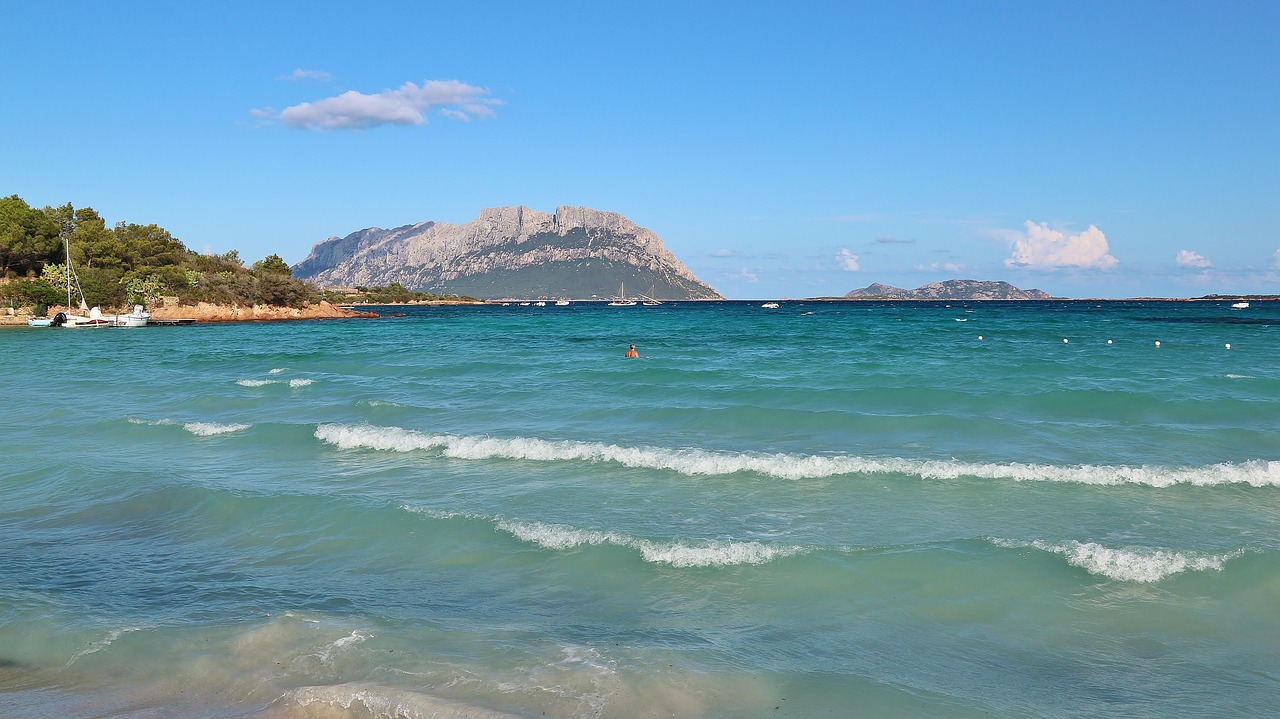
The sand is pale and soft, the water shallow for a long way out – perfect for families. On clear days, you can see the massive granite bulk of Tavolara Island rising in the distance like a sleeping dinosaur.
Getting there: From Olbia center, it’s about 8 km. Bus lines (usually ASPO city lines) run regularly in summer; check the current schedule locally as routes can change. I’ve done it both by bus and by rental car. Driving takes around 10–15 minutes; parking is a mix of free and paid spots along the road.
Facilities: Beach clubs with loungers and umbrellas, free sections, bars, and restaurants. Showers and toilets available at several points.
Personal tip: I like arriving by 9:00 in peak season to snag a good spot, then having a long beach day with a late lunch at one of the beachfront trattorie. For a more peaceful experience, come in late May, June, or September.
5. Spiaggia Mare e Rocce & Bados
Just beyond Pittulongu, you’ll find a string of beaches that feel more intimate: Mare e Rocce and Bados. When I’m craving a slightly wilder feel but don’t want to drive far, I come here.
Granite rocks frame sandy coves, and the water is that unreal Sardinian turquoise. It’s great for snorkeling on calm days – I’ve spent hours watching schools of small fish dart between rocks.
Getting there: Same general route as Pittulongu, just a bit further along the coastal road. Parking can be tight in August; come early or later in the afternoon.
For couples: Late afternoon here is wonderfully romantic, especially if you walk up onto the rocks for a panoramic view of the bay.
6. Isola di Tavolara
Tavolara is one of the most iconic “skylines” of northeastern Sardinia – a massive limestone and granite island that rises almost vertically from the sea. Every time I fly into Olbia on a clear day, I try to sit on the right side of the plane just to see it from above.
History & legend: Tavolara was once known as one of the “smallest kingdoms of the world,” ruled by the Bertoleoni family. Today, it’s part of a protected marine area with limited development: a few restaurants, a small cemetery, and hiking routes.
How to visit: Boats leave from Porto San Paolo (about 20 minutes’ drive from Olbia). In summer, frequent shuttle boats run all day; in shoulder season, schedules are reduced. I usually buy tickets at the small kiosks on the harbor front the morning of my trip.
Activities: Swimming, snorkeling, short hikes, and simply lying on the beach with Tavolara’s cliffs towering behind you. For hikers with experience and proper footwear, guided hikes to the summit offer jaw-dropping views, but these should not be attempted casually – the route is steep and exposed.
Tip: Bring water and snacks; options on the island can be limited and pricier. Tavolara is a must if you have 4 or 5 days in Olbia and want a memorable day trip.
7. Museo Archeologico di Olbia
On the island-like strip at the end of the waterfront sits the Archaeological Museum, a surprisingly engaging stop that many visitors skip. I ducked in one hot afternoon mainly seeking air conditioning and ended up staying nearly two hours.
Highlights: Ancient shipwrecks recovered from the harbor, Roman artifacts, and models showing how Olbia has changed from a Roman port to today. Big windows frame views of the harbor and ferries.
Why go: It grounds your visit in history and is especially useful if you’re traveling with kids or on a rare rainy day.
Practical info: Usually free or very low-cost entry. Check current opening times as they can vary by season. Easy walk from the old town along the waterfront.
8. Nuraghe Riu Mulinu (Cabu Abbas)
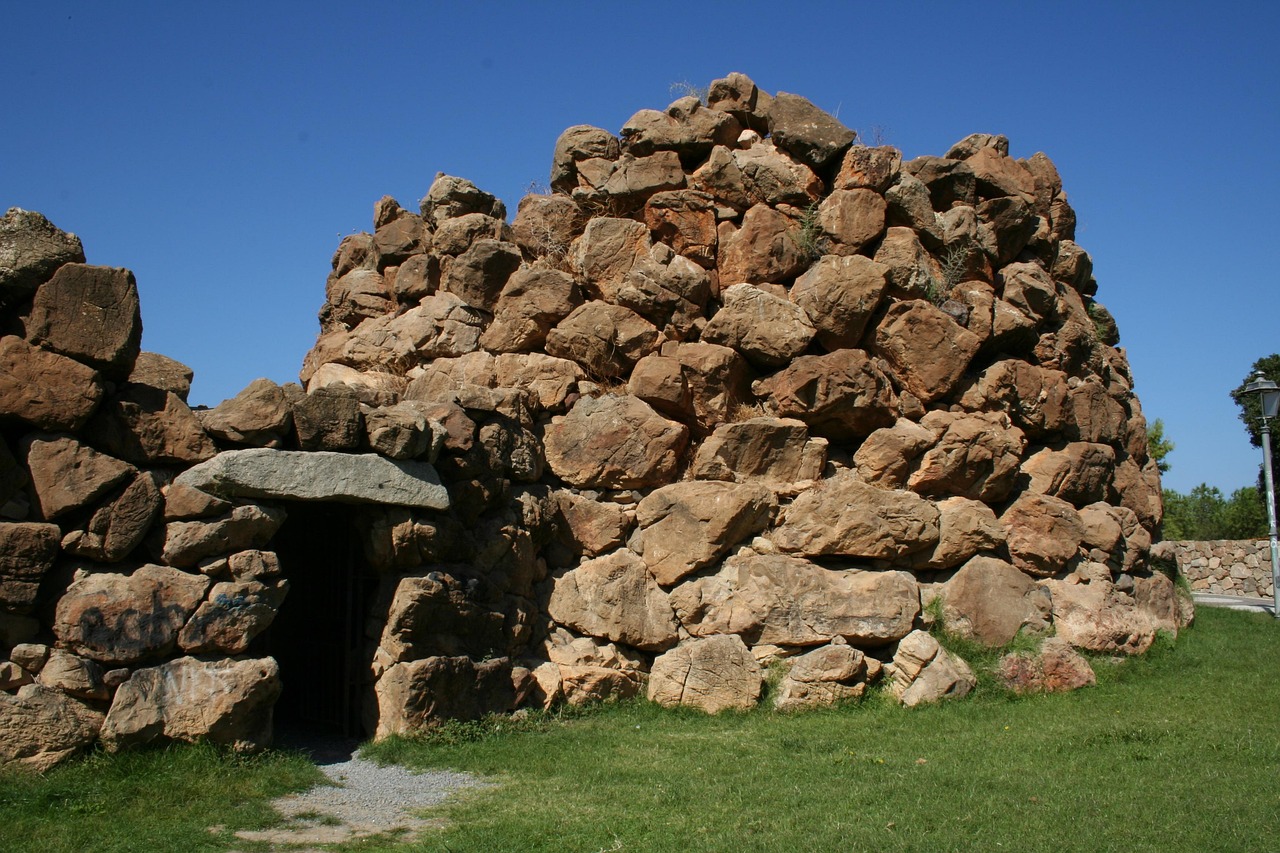
Sardinia is covered in mysterious stone towers called nuraghi, built by the Nuragic civilization more than 3,000 years ago. Nuraghe Riu Mulinu (also known as Cabu Abbas) is one of my favorite archaeological sites near Olbia.
Perched on a hill a short drive from the city, it offers 360-degree views: Olbia below, the shimmering gulf, and inland hills. The first time I climbed up in late afternoon, the wind tugged at my hat and I felt that strange mix of awe and serenity you get at ancient sites.
Getting there: You’ll need a car or taxi; the site is about 10–15 minutes’ drive west of Olbia. From the parking area, a short but sometimes steep path leads up. Wear decent shoes, not flip-flops.
Family note: Children who like climbing and history will love it, but keep an eye on little ones near uneven stones.
9. Castello di Pedres & Tomba dei Giganti Su Monte de s’Ape
Just outside Olbia, a country lane winds past olive trees and low stone walls to the ruins of Castello di Pedres, a medieval castle on a rocky outcrop. I still remember the first time I saw its tower suddenly appear above the fields, glowing in late afternoon light.
You can climb up a short trail to explore the ruins and enjoy sweeping views of the countryside. Nearby, you’ll find the Tomba dei Giganti Su Monte de s’Ape, a Bronze Age “giants’ grave” – an impressive megalithic burial monument.
Why it’s special: In one short outing, you can see both medieval and prehistoric Sardinia almost to yourself. I’ve been here three times and rarely seen more than a handful of other visitors.
How to visit: Best with a rental car. Combine with Nuraghe Riu Mulinu for a half-day history loop.
10. Parco Fausto Noce
When you need a green break from stone streets and salty skin, Parco Fausto Noce is the city’s lung. It’s a surprisingly large urban park with walking paths, playgrounds, ponds, and open lawns.
I’ve come here often when staying more than 4 days in Olbia, especially to run in the morning or to picnic with friends in the shade.
Good for: Families (great playgrounds), joggers, and anyone traveling with a dog. It’s also a pleasant place to hide from the midday sun under trees.
11. Chiesa di San Paolo Apostolo
In the heart of the old town, San Paolo Apostolo is instantly recognizable by its colorful tiled dome, one of Olbia’s most distinctive architectural features.
Inside, the church is cozy and ornate, often filled with soft murmurs of prayer. I like to step in briefly during the late afternoon, when the sun slants in through the doors and catches the dust motes in the air.
Tip: Combine a visit here with a leisurely coffee in one of the nearby piazzas. It’s one of those “everyday life” corners that give you a feel for local customs in Olbia.
12. Local Market & Food Shops
Depending on the year, Olbia has had different covered markets and open-air market days. Whatever the exact location during your visit, I always seek out the local market early in my stay.
Baskets of pomodori, wedges of pecorino sardo, hanging salami, and jars of local honey line the stalls. The last time I went, an elderly vendor insisted I taste his homemade mirto (myrtle liqueur) at 10 a.m. – I walked out a bit tipsy and very happy.
Why go: This is the best place to assemble picnic supplies for beach days and to get a sense of real local food in Olbia beyond restaurant menus.
Money-saving tip: Buying fruit, cheese, bread, and wine here and assembling your own meals can significantly reduce your food budget, especially on a 4 or 5 day itinerary for Olbia.
13. Isola di Molara & Marine Protected Area Boat Tours
Many boat tours from Porto San Paolo and other nearby harbors combine Tavolara with Isola di Molara and other islets. These trips take you to coves only accessible by sea, with translucent water that barely looks real.
The day I joined a small-group tour in early September, we dropped anchor in what the captain called “Piscine di Molara” – natural sea pools where the water was glass-clear and warm. We snorkeled among fish and lazed on deck with simple onboard snacks.
Booking tips: Compare a few kiosks along the harbor; group size, route, and inclusions vary. I prefer smaller boats (10–12 people) for a more intimate feel.
14. Golfo Aranci & Surrounding Beaches
Golfo Aranci is a small town northeast of Olbia with its own collection of beaches and a relaxed holiday vibe. I like it as a contrast to Olbia – quieter, with cute waterfront promenades and a focus on the sea.
From here, in recent years, there have been organized dolphin-watching boat trips in the bay, often at sunset. While sightings are never guaranteed, I’ve had good luck and always enjoyed being out on the water in the softer evening light.
Getting there: About 20–25 minutes’ drive from Olbia. Buses connect the two towns, especially in summer, but having a car makes it easier to hop between beaches.
15. Porto Rotondo
Porto Rotondo is one of the Costa Smeralda’s chic marinas, but slightly less ostentatious than Porto Cervo. Think circular harbor, neatly arranged pastel buildings, high-end boutiques, and sleek yachts.
I like coming here in late afternoon for a stroll and then staying for dinner, especially outside peak July–August when it’s a bit quieter and prices ease up slightly.
For couples: Very romantic in the evening with harbor lights and reflections on the water. Dress a bit smarter here; casual is still fine, but you’ll see plenty of well-dressed Italians on holiday.
16. Costa Smeralda Beaches (Day Trip)
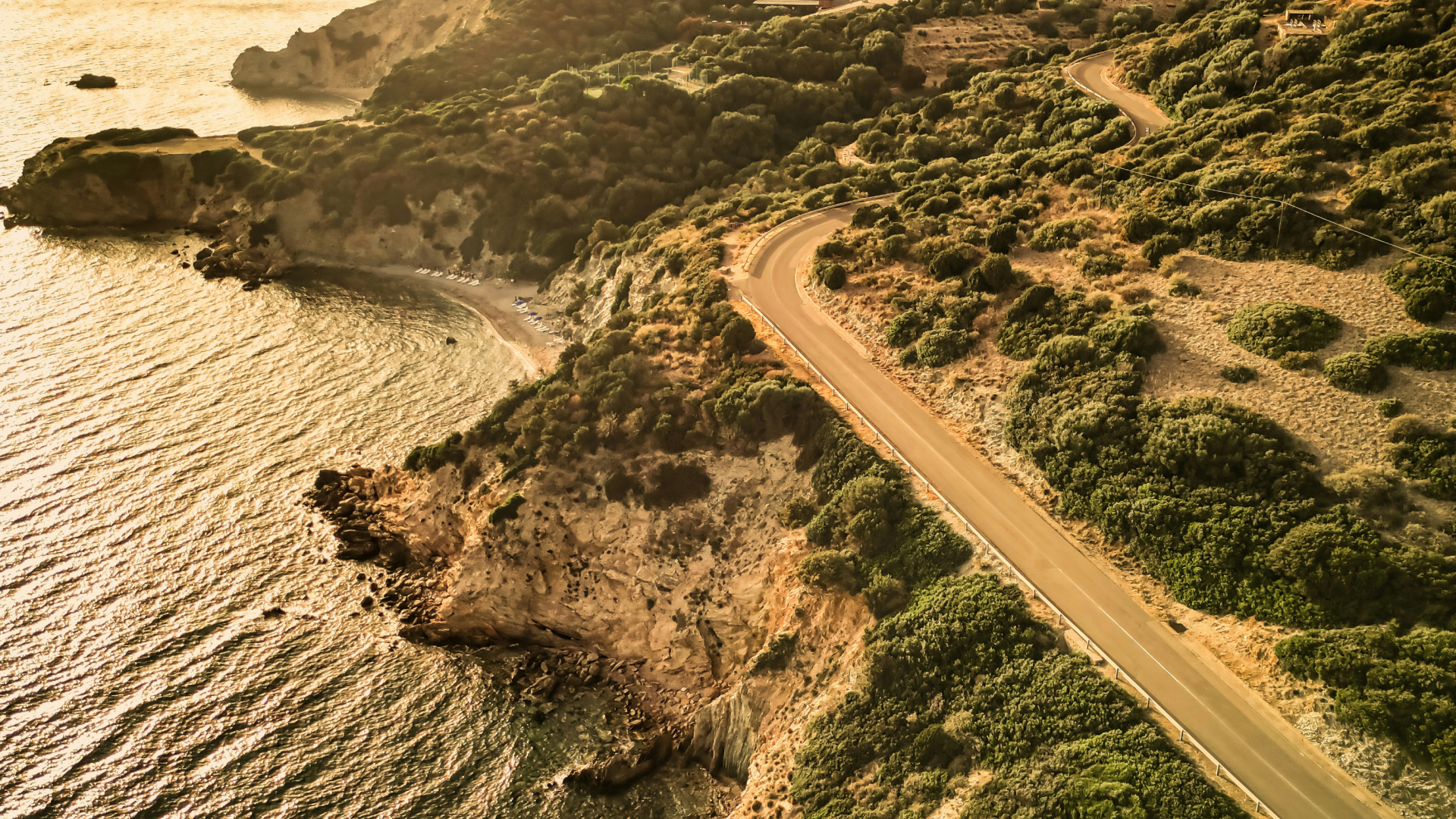
Olbia is the most practical base to explore Costa Smeralda without paying its sometimes eye-watering accommodation prices. In 30–40 minutes by car, you can reach some of Sardinia’s most famous beaches: Liscia Ruja, Capriccioli, Spiaggia del Principe, and more.
Every season I come back, I pick one or two new coves to explore, always trying to arrive early to see the water before crowds arrive.
Tips: Parking is often paid and can fill by mid-morning in high season. Bring cash for parking and consider combining two nearby beaches in a single day to maximize the cost.
17. Wineries Around Monte Pino & Berchiddeddu
The countryside inland from Olbia hides a growing number of wineries producing Vermentino di Gallura, a crisp white wine that pairs perfectly with seafood. I’ve joined a couple of small-group tastings there and always recommend them to anyone with 4 or 5 days in Olbia.
Experience: Typically, you’ll tour the vineyards, learn about local grape varieties, and then taste several wines with cheeses and cured meats.
Booking: Many wineries require advance reservations, especially in summer. You can drive yourself if someone is willing to stay under the limit, or join organized tours from Olbia.
18. Monte Pino & Nearby Hiking Trails
If you love hiking, head inland to Monte Pino and surrounding hills. The trails here wind through Mediterranean scrub, granite boulders, and pine forests, with wide views down towards Olbia and the sea.
On a spring hike, I remember the smell of wild herbs (rosemary, thyme, and myrtle) rising in the warm air with every step. It’s a side of the region that most beach-only visitors never see.
Practical: You’ll need a car to reach trailheads. Start early in summer to avoid heat, bring plenty of water, and wear good shoes – some paths are rocky.
19. Lido del Sole & Le Vecchie Saline
South of Olbia, the beaches around Lido del Sole and Le Vecchie Saline feel more low-key and are popular with locals and kitesurfers when the wind picks up. The scenery here is a mix of sandy stretches and old salt pans.
On windier days, when Pittulongu is a bit choppy, I often head here just to watch kitesurfers carving across the water, silhouetted against the sky.
Good for: Those who prefer less developed beaches and a slightly wilder feel still close to town.
20. Street Art & Everyday Corners
Olbia sprinkles colorful street art across some of its less touristy streets, especially around residential areas and side roads off the center. I discovered several murals accidentally while detouring for a bakery and now I always set aside an hour or two just to wander aimlessly.
Why it matters: These small finds – a mural of a fisherman, a painted doorway, a hidden courtyard – give you a deeper sense of the city beyond the postcard views.
3, 4 & 5 Day Itineraries for Olbia
Below are suggested itineraries based on trips I’ve actually done or refined for friends. Each balances must-see attractions in Olbia with beaches, day trips, and local experiences. Use them as templates for your own 3, 4, or 5 days in Olbia.
3 Day Itinerary for Olbia
If you only have 3 days in Olbia, focus on the city, nearby beaches, and one memorable boat or history excursion.
Day 1 – Getting to Know Olbia: Old Town & Waterfront
On my most recent 3-day stay, I landed at Olbia Costa Smeralda Airport around mid-morning. Within 20 minutes I was on a city bus heading towards the Centro Storico, backpack on my lap and the smell of the sea drifting in every time the doors opened.
Morning:
- Check into your accommodation in or near the historic center.
- Walk straight to Corso Umberto for a coffee and pastry at a café – standing at the bar is cheaper than sitting.
- Wander the lanes of the old town, ducking into Chiesa di San Paolo to admire its tiled dome from outside and the intimate interior within.
I like starting at a relaxed pace on day one; Olbia rewards slow wandering. Take mental notes of restaurants and wine bars that catch your eye for later.
Midday:
- Head to the waterfront promenade and stroll towards the Museo Archeologico.
- Visit the museum for a couple of hours to get a sense of Olbia’s Roman and maritime past.
- Grab a simple lunch near the waterfront – many spots offer reasonably priced pasta or a seafood plate of the day.
Afternoon:
- Walk or take a short bus ride up to Basilica di San Simplicio.
- Spend time inside the basilica, then sit in the square outside and people-watch.
- If you still have energy, detour through Parco Fausto Noce for a green break.
Evening:
- Return to the center for aperitivo on or just off Corso Umberto – order a spritz or Vermentino and enjoy the complimentary snacks.
- Dine at a local trattoria; try gnocchetti sardi (small shell-shaped pasta) or seadas (cheese-filled fried pastry with honey) for dessert.
- Finish with a gelato and evening stroll; if it’s summer, the streets will be lively until late.
Day 2 – Beaches: Pittulongu & Nearby Coves
This day is all about the sea. For a 3 day itinerary for Olbia, I almost always devote a full day to beaches.
Morning:
- After breakfast, catch the bus or drive to Spiaggia Pittulongu.
- Arrive by 9:00–9:30 in summer to secure a good spot and avoid the harshest sun.
- Alternate swimming, reading, and people-watching. If you have kids, they’ll love the shallow entry and soft sand.
Lunch: Have lunch at one of the beach bars; seafood pasta, grilled fish, or a simple insalata mista are common options. Expect slightly higher prices, but the view is worth it.
Afternoon:
- Walk or drive further along the coast to Mare e Rocce or Bados for a change of scenery.
- Snorkel near the rocks; bring your own mask and fins to avoid rental fees.
- Stay until late afternoon; the crowd begins to thin and the light softens beautifully.
Evening:
- Return to Olbia to shower and change.
- Dinner in the old town – perhaps pizza this time, to balance the seafood-heavy lunch.
- If you’re into nightlife, check out a wine bar or small music venue; otherwise, enjoy another gentle passeggiata (stroll).
Day 3 – Choose Your Adventure: Tavolara or Inland History
For your final day, pick a theme: sea adventure or history and countryside.
Option A – Boat Trip to Tavolara & Molara (Sea Lovers, Couples, Families)
- Take an early bus or drive to Porto San Paolo.
- Join a shuttle boat to Tavolara or a full-day boat tour including Isola di Molara and marine protected areas.
- Spend the day swimming, snorkeling, and sunbathing.
- Return late afternoon and enjoy a final dinner back in Olbia or in Porto San Paolo before heading back.
Option B – Nuraghe & Castles (History Fans, Hikers)
- Rent a car for the day if you don’t already have one.
- Drive to Castello di Pedres in the morning; climb up to the ruins.
- Visit the nearby Tomba dei Giganti Su Monte de s’Ape.
- Continue to Nuraghe Riu Mulinu (Cabu Abbas) for more sweeping views.
- Have a countryside lunch at an agriturismo (farm restaurant) if open, or head back to Olbia to eat.
Either option gives your 3 days in Olbia a memorable finale. If your flight or ferry is late, you can still manage a half-day version of either.
4 Day Itinerary for Olbia
With 4 days in Olbia, you can keep the 3-day structure and add either more beach time or a wine and countryside day.
Day 1 – Old Town, Basilica & Waterfront
Same as Day 1 in the 3-day itinerary, but take it even slower: sit longer at cafés, explore more side streets, and maybe catch a local event in the evening.
Day 2 – Beaches: Pittulongu & Beyond
As above, but consider finishing the day at Lido del Sole instead, especially if the wind conditions are favorable and you want to see a different side of the coast.
Day 3 – Tavolara & Marine Protected Areas
Dedicate this entire day to the Tavolara–Molara marine protected area. Book a small-group boat tour that includes several swim stops, lunch, and snorkeling gear.
On one September trip, I joined a 10-person boat, and by mid-day, it felt like a group of friends. We shared stories, traded sunscreen, and floated silently above schools of fish. It remains one of my favorite memories.
Day 4 – Inland Sardinia: Nuraghi, Castles & Wine
Use your extra day to explore inland:
- Start at Nuraghe Riu Mulinu for morning views.
- Continue to Castello di Pedres and the Tomba dei Giganti.
- Head further into the countryside around Berchiddeddu or Monte Pino for a winery visit and tasting of Vermentino di Gallura.
Return to Olbia in the late afternoon. For your final evening, dine somewhere you’ve been eyeing but saving – perhaps a slightly splurge-worthy seafood restaurant. A 4 day itinerary for Olbia gives you the freedom to savor without rushing.
5 Day Itinerary for Olbia
With 5 days in Olbia, you can genuinely settle in. Use the 4-day itinerary as a base and add one more flexible day: either deeper into Costa Smeralda or a slower “live like a local” day.
Day 1 – City & Culture
Old town, Basilica, Archaeological Museum, and waterfront as described earlier.
Day 2 – Nearby Beaches
Pittulongu, Mare e Rocce, and Bados, with time for long swims and lingering beach lunches.
Day 3 – Tavolara Boat Adventure
Full day at sea around Tavolara and Molara.
Day 4 – Inland History & Wine
Nuraghe, castle, giants’ tomb, and winery experiences.
Day 5 – Costa Smeralda or “Live Like a Local” Day
You have two great options for your final day.
Option A – Costa Smeralda Highlights
- Rent a car and drive north towards Porto Rotondo and Costa Smeralda.
- Spend the morning at a famous beach like Capriccioli or Liscia Ruja.
- Have lunch at a beach bar or picnic.
- Stroll around Porto Rotondo or continue to Porto Cervo just to see the yacht world glamour.
- Return to Olbia by evening.
Option B – Slow Local Day in Olbia
- Visit the local market in the morning; shop for picnic ingredients.
- Relax in Parco Fausto Noce or at a lesser-known nearby beach like Lido del Sole.
- Spend the afternoon café-hopping, reading, or shopping along Corso Umberto.
- End your trip with a final sunset along the waterfront and a long, lazy dinner in the old town.
A 5 day itinerary for Olbia lets you blend famous must-see attractions with the quiet rhythms of local life – my favorite way to travel.
Local Food in Olbia & Where to Eat
Sardinian cuisine is rustic, flavorful, and deeply tied to the land and sea. In Olbia, you can taste both coastal and inland traditions in a single day.
Must-Try Dishes in Olbia
- Culurgiones – Stuffed pasta (often with potato, mint, and pecorino), shaped like a wheat spike. Usually served with tomato sauce.
- Gnocchetti sardi (malloreddus) – Small, ridged pasta in a rich sausage and tomato sauce.
- Porceddu – Roast suckling pig, typically at agriturismi in the countryside.
- Fregola con arselle – Toasted semolina pasta with clams, a fantastic seafood dish.
- Pane carasau – Thin, crispy flatbread, often served with olive oil and salt.
- Seadas – Fried pastry filled with fresh cheese and drizzled with honey; a must for dessert.
- Vermentino di Gallura – Local white wine; crisp, aromatic, and made for seafood.
- Mirto – Myrtle liqueur, sipped cold after a meal.
Types of Places to Eat
Instead of specific names that may change by 2026, here’s how I navigate the food scene:
- Trattorie in the historic center – My go-to for classic Sardinian dishes at mid-range prices. I look for places where the menu isn’t translated into five languages and locals are actually eating there.
- Agriturismi outside town – Fixed-price feasts of local specialties (multiple courses). Great value if you’re hungry and have a car.
- Pizzerie – Excellent, affordable dinners; perfect for families and budget travelers.
- Beach bars – Ideal for lunch while spending the day at Pittulongu or other beaches. Slight markup for the view.
- Panetterie (bakeries) & markets – For DIY picnics and snacks; one of the best ways to save money on food.
Money-Saving Food Tips
- Lunch vs. dinner: Make lunch your main meal; many places offer cheaper menus at midday.
- Aperitivo: In some bars, the snacks at aperitivo time can almost substitute a light dinner.
- Stand at the bar: Coffee and drinks are cheaper if you stand instead of taking a table.
- Tap water: Ask for “acqua del rubinetto” (tap water) if you’re comfortable with it; bottled water costs add up.
Nightlife, Entertainment & Cultural Experiences in Olbia
Nightlife in Olbia is more about relaxed socializing than wild partying (though nearby Costa Smeralda can provide that if you want it).
Evenings in the Historic Center
From around 7 p.m., Corso Umberto fills with people strolling, shopping, and meeting friends. Street musicians sometimes play in small piazzas. This is my favorite part of the day: the soft light, clinking glasses, and hum of conversation.
- Aperitivo bars: Great for people-watching and trying local wines.
- Wine bars: Serve Vermentino, Cannonau (local red), and other regional bottles by the glass.
- Gelaterie: Families often end the night with a gelato and a walk.
Live Music & Festivals
In summer, the Olbia Summer Festival and similar events bring live concerts to the waterfront and main squares. Check posters around town and ask at your accommodation for what’s on.
Family-Friendly Evenings
- Playgrounds in Parco Fausto Noce before or after dinner.
- Evening walks along the waterfront promenade to watch ferries and boats.
- Gelato stops and informal pizzerie where kids are welcome and noise is no problem.
Cultural Experiences
For cultural experiences in Olbia beyond churches and museums, look for:
- Local festivals like San Simplicio (May), with processions, folk costumes, and food stalls.
- Food and craft markets that pop up in summer evenings or weekends.
- Cooking classes – some operators in Olbia or nearby offer classes focused on Sardinian dishes like culurgiones or seadas.
Day Trips & Nearby Places from Olbia
Olbia is a great hub for exploring northeastern Sardinia. Besides Tavolara, Molara, and Costa Smeralda, consider these options if you have more time:
Golfo Aranci
As mentioned earlier, a small seaside town with beaches, a pleasant promenade, and dolphin-watching boat trips. Reachable by bus or car.
San Teodoro & La Cinta Beach
About 30–40 minutes south by car or bus. La Cinta is a long, stunning beach with shallow water, popular with families and kitesurfers. San Teodoro town has a lively evening market scene in summer.
Interior Villages (e.g., Tempio Pausania)
Drive inland to stone-built towns like Tempio Pausania to experience a cooler, greener Sardinia with granite architecture and chestnut forests. Great in summer when the coast is very hot.
Practical Tips for Day Trips
- Car rental: Offers maximum flexibility; book early in high season.
- Buses: Work for major towns and beaches, but schedules may be limited outside peak summer; always check return times.
- Fuel & tolls: Sardinia has no motorway tolls in this region; fuel is your main cost.
Local Customs & Cultural Etiquette in Olbia
Understanding local customs in Olbia will make your trip smoother and show respect to residents.
Greetings & Language
- Language: Italian is spoken everywhere; Sardinian dialects are also common among locals. English is widely understood in tourism, less so in purely local bars and shops.
- Greetings: A simple “Buongiorno” (good morning) or “Buonasera” (good evening) when entering shops, cafés, or restaurants is appreciated.
- Politeness: “Per favore” (please) and “Grazie” (thank you) go a long way.
Dining Etiquette
- Dinner is later than in many countries; locals often eat around 8:30–9:30 p.m.
- It’s considered polite to order at least a drink if you sit at a café table.
- Splitting the bill is increasingly common; ask “Possiamo pagare separato?” if needed.
- Tip is not obligatory but appreciated: round up the bill or leave a few euros for good service.
Beach Etiquette
- Respect marked protected areas and dunes; don’t pick plants or remove sand/rocks.
- Keep noise reasonable, especially near families and older couples.
- Smoking is increasingly restricted on some beaches; look for signs.
- Always take your trash with you.
Religious Sites
- Dress modestly when entering churches: shoulders covered and shorts/skirts to at least mid-thigh.
- Speak quietly, avoid phone use, and don’t take flash photos during services.
Driving & Local Sensibilities
- Drive calmly through villages; locals are protective of children and animals near roads.
- Parking rules are enforced; avoid blocking driveways or parking in reserved spots.
Practical Travel Advice for Olbia
How to Get to Olbia
- By air: Olbia Costa Smeralda Airport (OLB) has flights from many European cities, especially in summer.
- By ferry: Regular ferries connect Olbia with mainland Italy (e.g., Livorno, Civitavecchia, Genoa).
- By bus/train: Regional buses and trains link Olbia to other Sardinian cities like Sassari and Cagliari.
How to Get Around Olbia
- On foot: The historic center and waterfront are very walkable.
- Local buses: City buses connect the center with beaches like Pittulongu and the airport; check ASPO schedules locally.
- Car rental: Highly recommended if you want to explore beaches and countryside freely, especially beyond a 3-day itinerary for Olbia.
- Taxis & rides: Available but can be expensive for long distances; agree on approximate costs before longer rides.
Car Rental & Driving
- Documents: Non-EU visitors should carry an International Driving Permit (IDP) along with their home license; EU licenses are accepted.
- Rules: Drive on the right, seatbelts mandatory, mobile phone use only with hands-free.
- Parking: White lines usually indicate free parking, blue lines paid, yellow reserved; always check signs.
SIM Cards & Connectivity
- Major providers include TIM, Vodafone, WINDTRE, Iliad.
- Purchase a prepaid SIM at the airport, in the city center, or at shopping centers; bring your passport.
- Coverage is good in and around Olbia; some remote coves and interior areas may have patchy signal.
- eSIM options are increasingly available for many European plans; check before arrival.
Money & Costs
- Currency is the euro (€).
- ATMs are plentiful in Olbia; some smaller villages may have limited options.
- Cards are widely accepted, but carry some cash for small cafés, beach parking, and markets.
- Olbia is generally cheaper than Costa Smeralda resorts, but July–August prices rise.
Visa Requirements (2026)
- Olbia is in Italy, part of the Schengen Area.
- EU/EEA/Swiss citizens can travel freely with an ID card or passport.
- Many non-EU nationals (e.g., from the U.S., Canada, UK, Australia) can visit visa-free for short stays (usually up to 90 days in 180) but may need to comply with updated EU travel authorization systems; always check the latest official Schengen/Italian government info before traveling.
- Others may require a Schengen visa obtained in advance; requirements vary by nationality.
Safety & Health
- Olbia is generally safe; standard city precautions apply (watch valuables, especially in crowded areas).
- Tap water is generally safe to drink unless indicated otherwise.
- In summer, sun protection is essential: sunscreen, hat, and staying out of direct midday sun when possible.
Best Seasons & When to Go for What
- May–June: Ideal for active travelers – mild to warm weather, fewer crowds, lower prices. Great for hiking, sightseeing, and beaches without peak heat.
- July–August: Hottest and busiest; best for full-on beach holidays, nightlife, and festivals. Book well ahead and budget for higher prices.
- September–early October: My favorite – warm sea, slightly cooler air, thinning crowds, often better deals.
- Late October–April: Quiet; some beach facilities close, but Olbia itself stays active. Good for cultural visits, hikes, and seeing a more “local” side of the city.
Hidden Tips to Save Money & Stress
- Stay in Olbia, day-trip to Costa Smeralda: You get access to top beaches without paying top resort prices.
- Use supermarkets & markets: Picnic lunches can cut daily food costs dramatically.
- Book key things in advance in high season: Car rental, popular boat tours, and accommodation.
- Travel light: Many old town accommodations don’t have elevators; smaller luggage makes life easier.
- Ask locals: For current bus routes, secret coves, and less touristy restaurants – people in Olbia are generally friendly and happy to help.
Summary & Final Recommendations – Is Olbia Worth It?
Olbia is far more than a transit point. The longer I’ve stayed over the years, the more I’ve appreciated its mix of city life, nearby beaches, and easy access to both history and wild landscapes.
If you’re planning:
- 3 days in Olbia: Focus on the historic center, nearby beaches like Pittulongu, and one big outing (Tavolara or inland nuraghi).
- 4 days in Olbia: Add a full Tavolara boat day and a deeper inland exploration with castles and countryside.
- 5 days in Olbia: Layer in Costa Smeralda highlights or a slow “live like a local” day in town.
Best time to visit: For most travelers, late May–June and September–early October hit the sweet spot: warm sea, good weather, fewer crowds, and more reasonable prices. July–August are better if you crave heat, nightlife, and a fully buzzing coastal scene.
Whether you’re a family chasing calm, shallow beaches, a couple dreaming of boat trips and candlelit dinners, or an adventurous traveler eager to hike, snorkel, and explore ancient ruins, Olbia is an excellent base. Come for the beaches; stay for the small pleasures – a morning espresso on Corso Umberto, the view from Cabu Abbas, a plate of culurgiones in a side-street trattoria – that will make you, like me, want to return again and again.