Padua (Padova in Italian) is one of those cities that quietly steals your heart. It doesn’t scream for attention like Venice or Florence; it whispers. But once you tune into its rhythm—students on bicycles, morning markets, church bells, lazy aperitivo hours—you start wondering why you didn’t come sooner.
I’ve been coming back to Padua regularly for more than a decade, and every visit feels like returning to a city I know well but never quite finish discovering. I’ve come in winter fog and summer heat, for festivals, for research, and once, just because I missed my favorite coffee bar. Padua rewards both the first-time visitor and the slow-return traveler in equal measure.
Why you should consider Padua for your next trip:
World-class art with fewer crowds: Giotto’s Scrovegni Chapel frescoes are among the greatest masterpieces in Europe, yet you won’t be crushed by tour groups.
Authentic Italian life: This is a lived-in university city, not a museum piece. You’ll see real daily life, not just souvenir stands.
Perfect base in the Veneto: Venice, Verona, Vicenza, the Euganean Hills, even the Dolomites are accessible as day trips.
Walkable and compact: The historic center is easily explored on foot, and public transport is simple and cheap.
Food that feels like a hug: Rustic Venetian–Padovan cuisine, fantastic local wines, and aperitivo culture that could convert anyone.
Budget-friendlier than Venice: You can stay and eat well for far less than in the lagoon city, and still be just 30 minutes away by train.
In 2026, Padua’s cultural calendar is especially rich as the city continues to build on the buzz from the recent UNESCO recognition of its “Padova Urbs Picta” fresco cycles. Expect new exhibitions, extended opening hours at major sites, and more English-language tours than in past years.
Padua sits in the Veneto region of northern Italy, roughly 40 km west of Venice. It’s one of the oldest cities in Italy, with roots going back to pre-Roman times, and it’s home to one of the world’s oldest universities (founded 1222). Galileo taught here; Saint Anthony is buried here; Giotto painted here.
Yet it’s also unmistakably modern: trams glide through medieval streets, students fill the bars, and sleek cafés share piazzas with 800-year-old palaces.
Region: Veneto, Northern Italy
Population: ~210,000
Vibe: University town, intellectual, quietly vibrant, lived-in
Best for: Art and history lovers, couples, families, foodies, slow travelers, and anyone planning a base near Venice
Good trip length: 3–5 days in Padua itself, longer if using it as a base for day trips
3–5 Day Itineraries for Padua
The following itineraries are based on trips I’ve actually taken (and then tweaked as I learned better routes and tricks). You can mix and match depending on whether you want 3, 4, or 5 days in Padua.
3 Day Itinerary for Padua – The Essentials
If you have 3 days in Padua, you can see the city’s greatest hits without rushing, and still slip in some local experiences.
Day 1: The Artistic Heart – Scrovegni, Eremitani & Historic Center
I always tell friends: if you only remember to pre-book one thing in Padua, make it the Scrovegni Chapel. My first visit years ago was almost a disaster because I tried to just walk up. Thankfully, I snagged a last-minute afternoon slot—but since then I’ve always booked online in advance.
Start your first morning here, fresh and alert. The chapel sits in a small park close to the train station, an easy 10–15 minute walk from the center.
Morning:
Scrovegni Chapel (Cappella degli Scrovegni) – 20 minutes of fresco bliss. You enter in timed groups and spend a few minutes in a “climate lock” room watching an intro video before stepping into Giotto’s blue heavens. I always find a corner and slowly pivot, taking in the life of Christ scenes and that jaw-dropping Last Judgment.
Civic Museums of Eremitani (Musei Civici agli Eremitani) – Adjacent to the chapel. Don’t skip this. There are Roman finds, altarpieces, and the haunting fragments of Mantegna’s frescoes. I like to wander slowly, then sit for a while in the cloister when my brain is overloaded.
Lunch: Walk towards the center and stop at a simple osteria near Piazza Garibaldi or Piazza dei Signori. I often grab a plate of bigoli pasta with duck ragù and a glass of local red.
Afternoon:
Piazza delle Erbe & Piazza della Frutta – Two lively twin squares separated by the Palazzo della Ragione. Stalls spill over with seasonal fruit, vegetables, and cheeses. My ritual: buy a punnet of strawberries or cherries and nibble while people-watching.
Palazzo della Ragione – The huge medieval “Salone” above the arcades is extraordinary. The cycle of frescoes (redone after a fire) covers every inch, and the wooden roof feels like an overturned ship. Come mid-afternoon when the light slants in through the windows.
Evening:
Aperitivo in Piazza dei Signori – This is my favorite early-evening ritual. Order a spritz (try the local favorite, Spritz Select, instead of Aperol) and some cicchetti (small snacks). Watch the sky turn pink behind the clock tower.
Dinner: Pick a trattoria in the historic center. I like places that still serve classic Padovan dishes like risotto con i bruscandoli (when in season) and fegato alla veneziana (Venetian-style liver).
Day 2: Saint Anthony, Prato della Valle & Botanical Garden
Your second day is about Padua’s spiritual and intellectual side—plus one of the most beautiful squares in Europe.
Morning:
Basilica of Saint Anthony (Basilica di Sant’Antonio) – I’ve visited this basilica at least a dozen times, and it still moves me. Pilgrims come from all over the world. Even if you’re not religious, the atmosphere—whispered prayers, flickering candles, the smell of wax and incense—is powerful. Dress modestly (shoulders and knees covered) and be respectful near the Saint’s tomb, where people line up to touch the marble.
Walk around the cloisters behind the basilica; they’re surprisingly peaceful. I often sit here a while, listening to the distant murmur from the church.
Late Morning:
Orto Botanico (Botanical Garden) – Just a few minutes’ walk away, this is the oldest university botanical garden in the world (1545) and a UNESCO site. I love how it mixes old and new: historic medicinal beds and a sleek modern greenhouse. A great stop for families—kids usually enjoy the carnivorous plants and the tropical greenhouse.
Lunch: Grab a light lunch at a café near the garden or head towards Prato della Valle.
Afternoon:
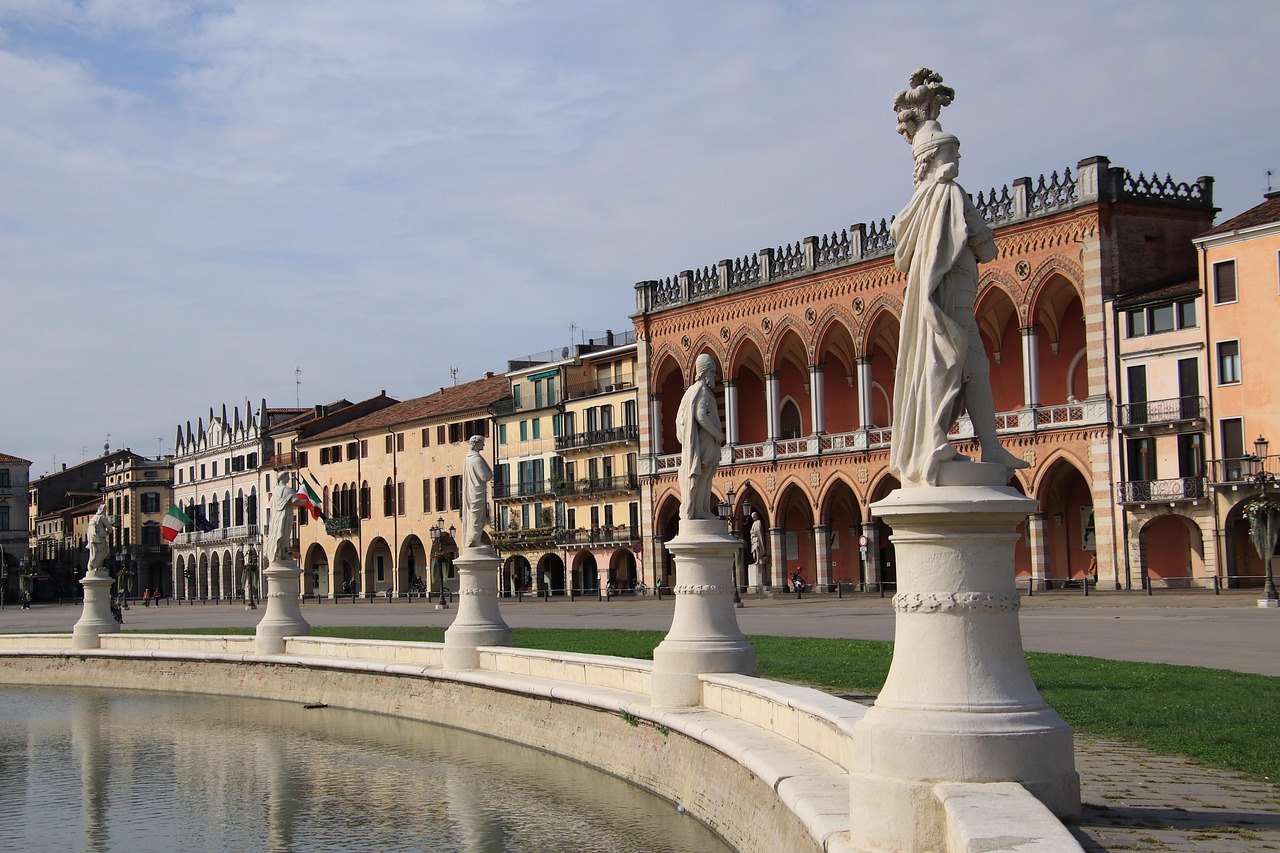
Prato della Valle – Prato della Valle square in Padua One of the largest squares in Europe, with an oval canal and 78 statues of historical figures. I love it most on market days (usually Saturdays), when it’s crammed with stalls selling everything from socks to cheeses. On a quiet weekday, it’s great for a stroll and photos of Padua’s skyline.
If you’re up for more walking, detour through nearby residential streets to get a feel for everyday Padua.
Evening:
Head back towards the center via Via Umberto I. For a romantic evening, book dinner at a slightly more upscale restaurant and finish with gelato on Via Roma.
Day 3: University, Hidden Corners & Canals
By day three, you’ll feel oriented. This is when I like to dive deeper into the university heritage and some quieter corners.
Morning:
University of Padua & Palazzo Bo – Take a guided tour if you can; it’s the only way to see the historic anatomy theatre and Galileo’s lectern. As a fan of old universities, I still get goosebumps here. Check schedules in advance—tours often sell out in peak season.
Afterwards, wander through the student-filled streets near the university, stopping for coffee in a bar lined with exam posters and notices.
Lunch: Try a student-favorite spot with affordable pasta and pizza near Via San Francesco.
Afternoon:
Walk along the canals (Riviere) – The ring of canals and the streets called “Riviera” offer some of my favorite strolls in Padua. Follow Riviera Tito Livio and Riviera dei Ponti Romani to see old bridges and glimpses of water. It’s not Venice, but these waterways are a big part of Padua’s identity.
Church of the Eremitani – If you haven’t already, step inside this church near the Scrovegni Chapel. It was heavily damaged in WWII, and the reconstructed interior is a sober reminder of what was lost—and saved.
Evening:
For a final night, pick a favorite piazza and linger. I like to circle back to Piazza delle Erbe or Piazza dei Signori, have a final spritz, and promise myself I’ll return.
4 Days in Padua – Adding Depth
With 4 days in Padua, you can follow the 3 day itinerary and add a day focused on lesser-known churches, museums, and slow wandering. This is often how I structure work trips when I can squeeze in an extra day.
Day 4: Fresco Trails & Quiet Corners
Morning:
Church of the Eremitani (if not yet visited) – Spend more time with the surviving fragments of Mantegna’s frescoes and reflect on the war damage.
Scuola del Santo – Near the Basilica of Saint Anthony, this confraternity building holds frescoes by Titian and others. It’s often almost empty; I once had a room entirely to myself for half an hour. The silence lets you get close to the paintings in a way that’s rare in Italian art cities.
Lunch: Find a small trattoria east of the basilica, away from the main tourist flow. Prices are better and the food is often more home-style.
Afternoon:
Loggia and Odeo Cornaro – A Renaissance complex built for cultural gatherings. Check opening times—they can be irregular—but if you get in, you’ll feel like you’ve stepped into a secret courtyard from another century.
Wander the residential streets nearby, then loop back via Via del Santo for some souvenir or specialty food shopping.
Evening:
Consider a low-key evening: simple dinner, then a stroll along the outer ring roads where locals walk dogs and kids ride bikes. It’s an everyday side of Padua that most visitors miss.
5 Days in Padua – Slow Travel & Side Trips
With 5 days in Padua, you can follow the 4 day itinerary and add an extra day either for ultra-slow city exploration or for a nearby escape. When I stay 5 nights, I usually dedicate one full day to the Euganean Hills.
Day 5 Option A: The Euganean Hills & Thermal Spas
Cone-shaped volcanic hills, vineyards, castles, and thermal spas—this landscape just outside Padua feels a world away from the city.
Morning:
Take a train or bus to Abano Terme or Montegrotto Terme (20–30 minutes). Many hotels offer day spa packages with thermal pools. I’ve spent blissful winter mornings soaking in warm outdoor pools while mist rose from the water.
Afternoon:
Visit a nearby village (like Arquà Petrarca) or a winery in the Euganean Hills for a tasting of local wines such as Colli Euganei Fior d’Arancio.
Evening:
Return to Padua for dinner or stay for an evening spa session if your day pass allows.
Day 5 Option B: Ultra-Slow Padua
If you prefer to stay in the city:
Browse smaller churches and oratories.
Spend a couple of hours just sitting in your favorite piazza with a book.
Do a self-guided “fresco trail” linking several of the “Padova Urbs Picta” UNESCO fresco sites.
Shop for local products (wine, cheese, biscuits) at the markets to bring home.
20 Must-See Attractions in Padua – Deep Dive
Below are twenty of the best places to visit in Padua, each with history, context, and practical tips based on repeated visits. Use this as a complement to the itineraries above or as a menu to design your own route.
1. Scrovegni Chapel (Cappella degli Scrovegni)
The Scrovegni Chapel is, in my view, the single most important reason to come to Padua. Commissioned by Enrico Scrovegni in the early 1300s as both a family chapel and an attempt at spiritual redemption for his usurer father, it’s completely covered in Giotto’s frescoes.
Standing inside, you feel wrapped in a deep blue sky, with narrative scenes unfolding all around: the Kiss of Judas, the lamentation over Christ, the life of the Virgin. The human emotions—tenderness, grief, surprise—are astonishingly modern.
Tips:
Book ahead: Mandatory. In high season, reserve at least a week in advance, longer if you’re rigid on timing.
Combo ticket: Get a combined ticket with the Civic Museums; it’s better value.
Arrive early: Check in at least 10–15 minutes before your time slot.
Photos: Usually not allowed inside the chapel; enjoy the moment instead.
2. Civic Museums of Eremitani (Musei Civici agli Eremitani)
Right next to the Scrovegni Chapel, these museums are easy to combine and worth at least 1–2 hours. Highlights include Roman mosaics, sculptures, medieval art, and especially the fragments of Mantegna’s frescoes destroyed during WWII bombing.
I remember sitting quietly in front of one of these fragments, thinking how war reverberates centuries later. The museum does a good job explaining what was lost and how the surviving pieces were preserved.
Tip: If you’re an art lover, come here before or after the chapel to place Giotto in a broader context.
3. Basilica of Saint Anthony (Basilica di Sant’Antonio)
Locally called “Il Santo,” this basilica is both an architectural gem and a major pilgrimage site. Saint Anthony of Padua, a beloved Franciscan preacher, is buried here. The church’s mix of Romanesque, Gothic, and Byzantine styles gives it a unique silhouette of domes and spires.
Inside, ornate chapels, relics, and a constant flow of pilgrims create a living religious space. I always feel like a guest in somebody’s sacred home here, which makes me move more slowly and respectfully.
Tips:
Dress code: Shoulders and knees covered. Bring a light scarf if visiting in summer.
No large bags: Travel light or use the cloakroom if available.
Schedule: Attend a mass if you’re interested in the liturgical atmosphere; times are posted near the entrance.
4. Prato della Valle
Prato della Valle is a vast elliptical square ringed by a canal and statues. It started as a reclaimed marshy field and became a grand public space in the 18th century. Today, it’s where Paduans jog, stroll, picnic, and shop at markets.
On my first visit, I came on a Saturday market day and felt overwhelmed by the sheer scale—rows of stalls around the entire ellipse, selling everything from cheap clothes to artisan cheeses. On later visits, I came early on weekday mornings when the square was nearly empty and the atmosphere entirely different.
Best time: Sunset, for golden light and great photos; Saturday mornings for market energy.
5. Palazzo della Ragione
This giant medieval hall once housed the city’s law courts. The “Salone” upstairs is one of the largest unsupported wooden halls in Europe, its walls covered with allegorical frescoes.
I still remember the first time I walked up the broad staircase from the market below and stepped into that cavernous space. The wooden ceiling arches overhead like a ship’s hull, and the painted walls seem to tell a thousand stories at once.
Don’t miss: The wooden horse (a copy of Donatello’s original) and the view down into the bustling piazzas from the windows.
6. Piazza delle Erbe, Piazza della Frutta & Piazza dei Signori
These three interconnected piazzas form the social heart of Padua. In the mornings, Erbe and Frutta are full of market stalls, while Signori is more open, ringed with cafés and dominated by the clock tower.
I like to start the day with a coffee standing at the bar, then wander the stalls picking up fruit, nuts, or a chunk of cheese. By night, the same squares transform into a buzzing aperitivo scene, especially when the weather is warm.
Budget tip: Buy picnic supplies here instead of eating every meal in restaurants. Fresh focaccia and cheese from the market make a great lunch.
7. Orto Botanico (Botanical Garden of Padua)
Founded in 1545, Padua’s botanical garden is the oldest in the world still in its original location and a UNESCO World Heritage site. It began as a garden of medicinal plants for medical students and has grown into a mix of historic beds and contemporary greenhouse architecture.
On hot summer days, I come here for shade and quiet. The signage is good, making this a surprisingly engaging stop even if you’re not a plant nerd. The tropical greenhouse can feel like stepping into another climate zone entirely.
Family-friendly: Kids enjoy spotting unusual plants and wandering the paths; it’s a safe, enclosed environment.
8. Palazzo Bo & University of Padua
Palazzo Bo is the historic seat of the University of Padua. Galileo taught here; the world’s first permanent anatomy theatre was built here. Tours lead you through elegant courtyards, lecture halls, and the famous wooden theatre where students once watched dissections from steep, concentric tiers.
Every time I step into the anatomy theatre, I imagine the mixture of excitement and queasiness that must have filled the room centuries ago. For anyone who loves history of science or medicine, this is non-negotiable.
Tip: Guided tours are the only way to see the theatre and some rooms; book in advance, especially in peak months.
9. Church of the Eremitani (Chiesa degli Eremitani)
This church, adjacent to the Civic Museums, was nearly destroyed in 1944. Once home to important works by Mantegna, it now preserves fragments carefully reassembled on the walls. The contrast between the serene, simple interior and the knowledge of its violent past makes it a quietly emotional visit.
I like to stop here either before or after the museums, sit on a pew, and let my eyes adjust to the dimness and the muted colors of the surviving frescoes.
10. Scuola del Santo
The Scuola del Santo is a confraternity building next to the Basilica of Saint Anthony, featuring frescoes by Titian and others. Unlike the Scrovegni Chapel, it’s usually quiet, making it a wonderful place to enjoy Renaissance art without rush.
I’ve had the luxury here of standing inches from a Titian and really studying his brushwork, undisturbed—which is practically impossible in more famous galleries.
11. Loggia and Odeo Cornaro
This Renaissance complex was built by Alvise Cornaro as a space for performances and intellectual gatherings. The loggia and small theatre (odeo) have beautiful architectural details and frescoes, though opening hours are limited and sometimes tied to special events.
The first time I managed to get in was during a cultural weekend, and I felt like I’d stumbled into a private secret. It’s a must for architecture buffs if you can catch it open.
12. Caffè Pedrocchi
Caffè Pedrocchi is Padua’s historic café, opened in the early 19th century and once a hub for intellectuals and revolutionaries. Its neoclassical rooms feel like a living museum, and sitting here with a coffee is a little time travel.
Order a “Caffè Pedrocchi,” the house specialty—an espresso with mint cream and cocoa. The first time I tried it, I wasn’t sure about the mint, but it’s grown on me, and now I order it at least once every trip.
Tip: Prices are higher than a basic bar, but you’re paying for the setting and history. Worth it for one drink.
13. La Specola Astronomical Observatory
La Specola is the historic astronomical observatory housed in a medieval tower. Tours (check schedules) take you through rooms with old instruments and up to the top for views over Padua’s rooftops and canals.
On a clear day, the panorama is wonderful, with church domes and campaniles rising from a sea of terracotta roofs. I love how this site combines science history with a great city view.
14. The Former Jewish Ghetto
Between Piazza delle Erbe and Via Roma lies a network of narrow streets that once formed Padua’s Jewish ghetto. Today, it’s a charming area with small shops, wine bars, and artisan boutiques, but plaques and traces of history remain.
I like wandering here in late afternoon, when the light hits the old walls at an angle and you can almost feel the layers of time. If you’re interested in Jewish history, ask about guided walks or synagogue visits.
15. Canals & Riviere Walks
Padua is encircled and crossed by canals that were once vital for trade. Today, streets called “Riviera” trace their routes: Riviera Tito Livio, Riviera dei Ponti Romani, Riviera Paleocapa, and others.
Walking these streets gives you a sense of the city’s relationship with water, different from Venice but equally historic. I often use them as gentle “commuting” paths between sites, choosing the route that offers the best light or the quietest benches.
16. Hidden Courtyards & Porticoes
One of Padua’s understated charms is its network of porticoes (covered walkways) and hidden courtyards. You’ll find them all over the center, especially near the university and along streets like Via San Francesco and Via del Santo.
On rainy days, you can walk for long stretches almost without getting wet, thanks to these porticoes. I love ducking into unexpected courtyards—sometimes you’ll find a quiet cloister or a modern art piece tucked away from the main streets.
17. Church of San Nicolò & Other Small Churches
Padua is sprinkled with smaller churches that rarely make top-10 lists but are well worth stepping into. San Nicolò, San Canziano, and others often have interesting altarpieces, fresco fragments, and a sense of neighborhood life—you’ll see locals dropping in to light a candle or say a quick prayer.
These are great places to catch your breath between bigger sights and to remember that Padua is not just an open-air museum but a living city of believers and non-believers alike.
18. Padova Urbs Picta Fresco Sites (UNESCO Ensemble)
In addition to the Scrovegni Chapel, Padua’s UNESCO “Urbs Picta” listing includes several other fresco cycles from the 14th century, spread across churches and palaces. As of 2026, signage and itineraries connecting these sites are improving.
If you’re passionate about medieval and early Renaissance painting, consider dedicating a day to visiting multiple sites—some require reservations or tickets, so check ahead at the tourist office or official website.
19. Museum of Precinema (Museo del Precinema – Collezione Minici Zotti)
This quirky little museum near Prato della Valle showcases pre-cinema devices: magic lanterns, optical toys, and early visual storytelling tools. I stumbled in once on a rainy afternoon and ended up staying much longer than planned.
It’s a fascinating bridge between art, science, and entertainment, and a great stop if you’re traveling with kids or anyone curious about the history of moving images.
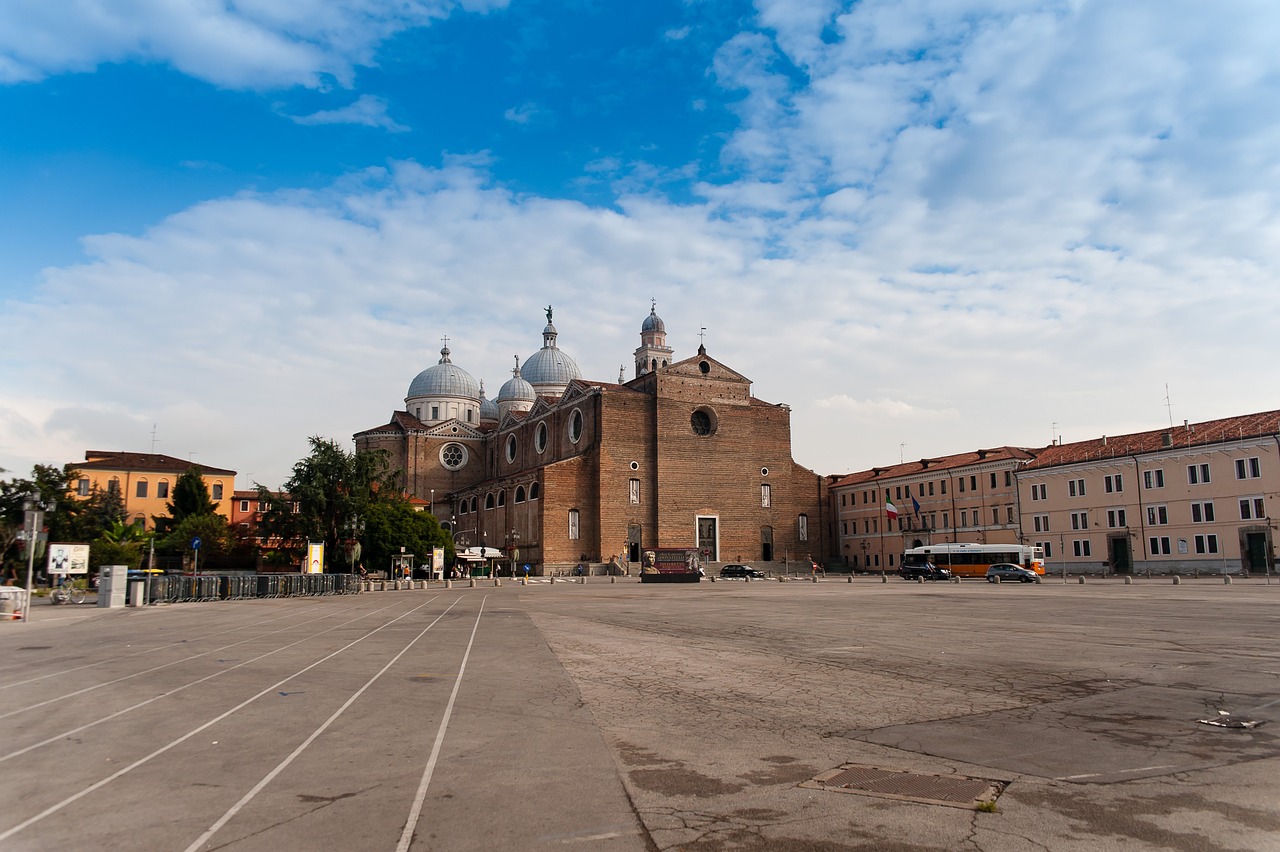
20. Abbey of Santa Giustina (Abbazia di Santa Giustina)
Overlooking Prato della Valle, the Abbey of Santa Giustina is often overshadowed by the Basilica of Saint Anthony but is equally impressive in scale. Its vast interior, multiple chapels, and monastic atmosphere make it a rewarding visit.
Step inside after exploring Prato della Valle, and you’ll be struck by the contrast between the busy square and the quiet, cool church. I like to sit for a while near the apse, listening to the echo of footsteps and the occasional murmur of prayer.
Neighborhoods & Areas to Explore in Padua
Historic Center (Centro Storico)
This is where you’ll likely spend most of your time: medieval streets, main piazzas, and many of the top attractions. It’s walkable, atmospheric, and full of cafés, bars, and boutiques.
University Quarter
Clustered around Palazzo Bo and extending towards Via San Francesco, this area is student-heavy and vibrant. Expect affordable eateries, bookshops, and lots of bicycles.
Area around the Basilica of Saint Anthony & Prato della Valle
Slightly south-east of the center, this zone mixes religious tourism with everyday life. You’ll find pilgrim shops, small hotels, and quiet residential streets just a block or two away from the main basilica square.
Jewish Ghetto & Via Roma
Between the main piazzas and the southern gate, this area offers a mix of upscale shops, narrow alleys, and small wine bars. Great for evening strolls.
Outer Ring & Canals
Follow the outer ring roads and canals to see a more everyday, residential Padua—parks, modern apartment blocks, and families out for walks. Not “must-see” in a traditional sense, but rewarding if you enjoy seeing how people actually live.
Local Food in Padua & Where to Eat
What to Eat in Padua
Padua’s cuisine blends Venetian lagoon influences with hearty inland dishes. Some things I always look for:
Bigoli in salsa – Thick spaghetti-like pasta with anchovy and onion sauce.
Bigoli all’anatra – Bigoli with duck ragù; rich and comforting.
Risotto – Often with seasonal vegetables (radicchio, asparagus, bruscandoli).
Baccalà mantecato – Creamed salted cod, usually served on polenta or toast.
Polenta – A staple, served soft or grilled as a base for stews and meats.
Sarde in saor – Sweet-and-sour sardines, a Venetian classic also found here.
Fegato alla veneziana – Liver with onions; better than it sounds if you like offal.
Dolci: Tiramisù, zaleti biscuits, and seasonal pastries.
What to Drink
Spritz: Try Spritz Select, Spritz Aperol, or Spritz Campari. Padua is firmly spritz country.
Local wines: Whites and reds from the Colli Euganei (Euganean Hills), including Fior d’Arancio (a fragrant Muscat).
Grappa: For a strong digestive, often offered after meals.
Caffè Pedrocchi: The minty signature coffee at Caffè Pedrocchi.
Where to Eat: Personal Favorites
Specific restaurant names can change over time, but I tend to gravitate to:
Traditional trattorie near the main piazzas: Great for classic Padovan dishes. I look for handwritten menus and a mix of locals and visitors.
Student spots near the university: Simple, affordable pasta and pizza; ideal for budget travelers.
Wine bars in the Jewish Ghetto area: Perfect for cicchetti (small bites) and a glass of local wine.
Gelaterie on Via Roma and side streets: I usually judge by how many locals are in line and whether flavors are seasonal.
Markets & Budget Tips
For saving money and eating well:
Shop at Piazza delle Erbe and Piazza della Frutta for fresh fruit, bread, and cheese.
Look for bakeries (forni) selling focaccia, pizza al taglio, and panini.
At lunch, many places offer cheaper menu del giorno (daily set menus).
Standing at the bar for coffee is cheaper than sitting at a table.
Nightlife, Entertainment & Cultural Experiences in Padua
Aperitivo Culture
Padua shines in the early evening. From about 6–8 pm, piazzas fill with locals enjoying a spritz and snacks. I usually pick Piazza dei Signori or Piazza delle Erbe, order a drink, and let the evening unfold around me.
Bars & Live Music
As a university town, Padua has plenty of casual bars and a few spots for live music, especially near the university and in side streets off the main piazzas. Styles vary from jazz to rock to more experimental sets.
Theatre & Classical Music
Check listings at the main theatres and concert halls for performances. In recent years, I’ve seen excellent student concerts and occasional international acts—often at lower prices than in bigger cities.
Family-Friendly Evenings
Families often stroll through Prato della Valle or the main piazzas in the evening. Gelato walks, carousel rides (when present), and simple people-watching keep kids entertained.
Romantic Experiences
For couples, I recommend:
A sunset walk along the canals.
Dinner at a candlelit trattoria in the historic center.
A quiet bench at Prato della Valle or the Botanical Garden just before closing.
Day Trips from Padua
Venice
Just 25–30 minutes by frequent train, Venice is the obvious and wonderful day trip. I often stay in Padua for better prices and pop into Venice for a long day of exploring.
Verona
About 1 hour by train. Romeo and Juliet associations, a Roman arena, and a beautiful historic center. Easy as a long day trip.
Vicenza
45–60 minutes by train. Palladian villas and elegant architecture; great for architecture lovers.
Euganean Hills & Thermal Towns
As described in the 5 day itinerary: Abano Terme, Montegrotto Terme, Arquà Petrarca, and wineries are all within easy reach by train or bus.
Brenta Canal Villas
Between Padua and Venice, the Brenta Canal is lined with aristocratic villas. Some can be visited by boat tour (seasonal) or by bike/car. A lovely way to see villa culture outside the cities.
Cultural Etiquette & Local Customs in Padua
Basic Politeness
Greet with “Buongiorno” (morning/day) or “Buonasera” (evening) when entering shops or cafés.
“Per favore” (please) and “Grazie” (thank you) go a long way.
Italians appreciate a few words in Italian, even if you switch to English afterwards.
In Churches
Dress modestly: shoulders and knees covered, especially in major basilicas.
Speak softly, avoid phone use, and don’t photograph during mass unless clearly allowed.
Follow any signage near altars and chapels; some areas are reserved for prayer.
Meals & Tipping
Meals are generally unhurried. Don’t expect the bill unless you ask for it: “Il conto, per favore.”
Service is often included. Locals might leave a small tip (rounding up, or a few euros) for good service, but it’s not obligatory.
Cappuccino is typically a breakfast drink; ordering it after lunch or dinner marks you as a foreigner, but staff are used to it and won’t be offended.
Aperitivo & Bar Etiquette
At busy bars, pay at the cash register first, then take your receipt to the counter to order. Watch what locals do.
Standing at the bar is cheaper than table service in many places, especially in tourist-frequented zones.
Pace of Life
Padua has a student buzz but also respects traditional rhythms: lunch hours, afternoon quiet, and evening strolling. Many smaller shops may close for a few hours in the afternoon, especially outside the very center.
Practical Travel Tips for Padua
How to Get to Padua
By train: Frequent trains from Venice (25–30 min), Verona (1 hr), Milan (2–2.5 hrs), Florence (~2 hrs with a change).
By air: Nearest major airports: Venice Marco Polo (VCE) and Treviso (TSF). From either, take a shuttle or bus to Venice Mestre or Padova directly.
By car: Easy motorway access, but you won’t need a car in the city itself; park at the edge and walk/tram in.
Getting Around Padua
On foot: The historic center is compact; you can walk between most attractions in 10–20 minutes.
Tram & buses: A modern tram line runs through the city, plus local buses. Tickets are cheap and can be bought at kiosks, tabacchi, and some stops.
Bicycle: Many locals cycle; there are bike lanes on major routes. Some hotels and shops rent bikes.
Taxis: Available but often unnecessary for central areas.
Saving Money in Padua
Use Padua as a base instead of staying in Venice for lower accommodation and dining costs.
Take advantage of combo tickets and city cards (check current offers in 2026 at the tourist office).
Eat your main meal at lunch with menu del giorno deals.
Use markets and bakeries for some meals.
SIM Cards & Connectivity (2026)
Italy’s main carriers (TIM, Vodafone, WindTre, Iliad) all have shops in Padua’s center and near the station.
EU visitors: Most EU SIMs roam without extra charges; confirm with your provider.
Non-EU visitors: Tourist SIMs with data are widely available; bring your passport to register.
Free Wi-Fi is common in hotels and many cafés; the city also offers some public Wi-Fi hotspots.
Car Rental & Driving
You do not need a car in Padua; a car is more useful for exploring the Euganean Hills or rural Veneto.
Beware of ZTL zones (limited traffic areas) in the historic center; fines are enforced via cameras.
Foreign drivers’ licenses: EU licenses are valid. Non-EU visitors often need both their national license and an International Driving Permit (IDP); check current regulations before travel.
Visa Requirements
Italy is part of the Schengen Area. As of 2026:
EU/EEA/Swiss citizens: No visa, free movement.
Many non-EU nationals: Short stays (up to 90 days in 180) may be visa-free but will likely require ETIAS authorization when fully implemented; check the latest rules from official EU/Italian sources.
Always verify up-to-date requirements with your local Italian consulate or official government resources before travel.
Best Seasons & Weather
Spring (April–June): Ideal—mild temperatures, blooming gardens, lively student atmosphere. Perfect for walking-heavy itineraries and fresco visits.
Summer (July–August): Hot and sometimes humid. The city is quieter in August when many locals vacation, but some small businesses may close. Good if you plan more day trips to the hills or beaches.
Autumn (September–October): Another sweet spot—pleasant weather, harvest season in the hills (great for foodies).
Winter (November–February): Can be cold and foggy, but crowds are minimal and prices lower. Christmas markets and lights add charm. Good for museum and church-focused trips.
Safety
Padua is generally safe. Usual city precautions apply:
Watch your belongings in crowded markets and on public transport.
Avoid poorly lit, deserted areas late at night, especially near the train station.
Keep copies of important documents and use hotel safes where possible.
Major Events & Festivals in Padua (2026–2027)
Religious & Local Festivals
Feast of Saint Anthony – June 13 – Major religious celebrations, processions, and special masses around the Basilica of Saint Anthony. The city is busy but beautifully alive; book accommodation early if you plan to be in town.
Easter Week (dates vary) – Special liturgies and events in major churches, particularly the basilicas.
Cultural Events (Typical Annual Patterns)
Padova Urbs Picta-related Exhibitions: Continuing into 2026–2027, expect rotating exhibitions and guided tours celebrating Padua’s fresco heritage.
University Events: Public lectures, concerts, and cultural evenings at the University of Padua, especially at the start of academic terms.
Music & Theatre Festivals: Check the city’s official events calendar for up-to-date info on seasonal festivals, outdoor concerts, and theatre series.
Before your trip, I recommend checking the official tourism website for Padua or the local tourist information office for a current list of events in 2026–2027, as dates and details can change year by year.
Summary & Final Recommendations for Visiting Padua
Padua is one of those cities that quietly rewards the curious. It’s perfect for a 3 day itinerary focused on must-see attractions like the Scrovegni Chapel, Basilica of Saint Anthony, Prato della Valle, the botanical garden, and the university. With 4 days in Padua, you can add slower explorations of lesser-known churches, museums, and neighborhoods. With 5 days in Padua, you can blend deep cultural experiences with a day in the Euganean Hills or other nearby destinations.
If you love art and history but dislike overwhelming crowds, Padua may feel like the ideal compromise—world-class frescoes, a prestigious university, rich local food, and vibrant student life, all at a human scale and generally lower cost than its more famous neighbors.
Best seasons to visit Padua:
Spring (April–June): The best combination of weather, atmosphere, and daylight for exploring churches, squares, and gardens.
Autumn (September–October): Another excellent window, with comfortable temperatures and food-focused events in the region.
Winter: For a quiet, introspective trip focused on museums and churches, with festive lights around Christmas.
However long you stay—3 days in Padua, 4 days, 5 days, or more—give yourself time not only to tick off must-see attractions but also to linger in the piazzas, talk to baristas, and walk along the canals at dusk. That’s where Padua truly reveals itself.