Why Visit Pienza? What Makes It Special
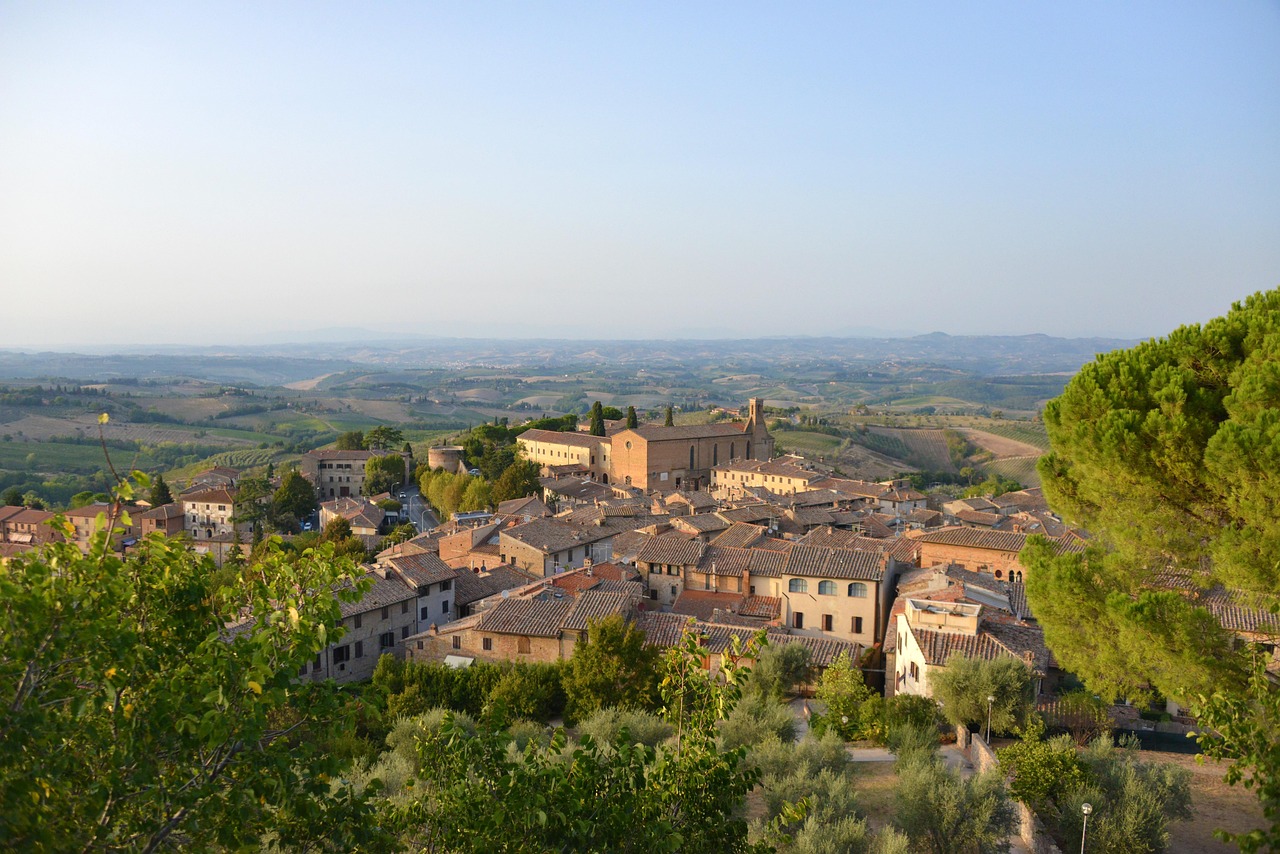
Pienza is often described as the “ideal Renaissance city,” but that makes it sound a bit like a museum piece. In reality, it’s a living, breathing village of about 2,000 people where elderly nonne lean out of windows to chat, kids kick a ball along centuries-old walls, and local farmers pop in for a quick espresso before heading back to their fields.
Here’s why Pienza deserves a spot at the top of your Italian wish list:
- Unreal views: The town sits like a balcony over the Val d’Orcia — rolling hills, cypress-lined roads, stone farmhouses. You’ve seen it in films like “The English Patient” and “Gladiator.” In person, it’s even better.
- Compact, walkable, and calm: Unlike larger Tuscan cities, Pienza is small enough to feel intimate but big enough to fill several days with meaningful, slow-paced exploration.
- Cheese heaven: Pienza is the spiritual home of pecorino di Pienza, one of Italy’s best sheep cheeses. It’s everywhere: in shops, on menus, and perfuming the streets during the annual Fiera del Cacio (Cheese Fair).
- Romantic lanes: Streets literally named “Via dell’Amore” and “Via del Bacio” make Pienza perfect for couples, but there’s also plenty that’s family-friendly and relaxed.
- Renaissance urban planning: Commissioned by Pope Pius II in the 15th century, Pienza is one of Europe’s earliest examples of planned humanist urban design — and a UNESCO World Heritage Site.
I usually base myself here for 3–5 days, using Pienza as my home while exploring the Val d’Orcia. It’s the ideal size for a 3 day itinerary for Pienza itself, with extra days for nearby villages and wine country.
Table of Contents
- Why Visit Pienza
- 3–5 Day Itineraries for Pienza
- Neighborhoods and Areas of Pienza
- 20 Must-See Attractions in Pienza (Deep Dive)
- Local Food in Pienza & Where to Eat
- Nightlife, Entertainment & Cultural Experiences
- Day Trips & Nearby Attractions
- Cultural Etiquette & Local Customs
- Practical Travel Tips for Pienza
- Events & What’s New in 2026–2027
- Summary & Best Time to Visit Pienza
Recommended 3–5 Day Itineraries for Pienza
These itineraries blend must-see attractions in Pienza with hidden gems, based on the way I usually structure my own trips. You can mix and match depending on whether you have 3 days in Pienza, 4 days in Pienza, or 5 days in Pienza.
3 Day Itinerary for Pienza: The Essential Highlights
Three days is the sweet spot if this is your first visit. You’ll see all the iconic places, taste the best local food in Pienza, and still have time to lounge with a glass of wine watching the light change over the Val d’Orcia.
Day 1: First Taste of Renaissance Pienza & Val d’Orcia Views
I like to arrive in the late morning, drop my bags, and walk straight to the heart of town. Pienza is small enough that you can do this on foot from most accommodations.
Morning – Piazza Pio II & Cathedral
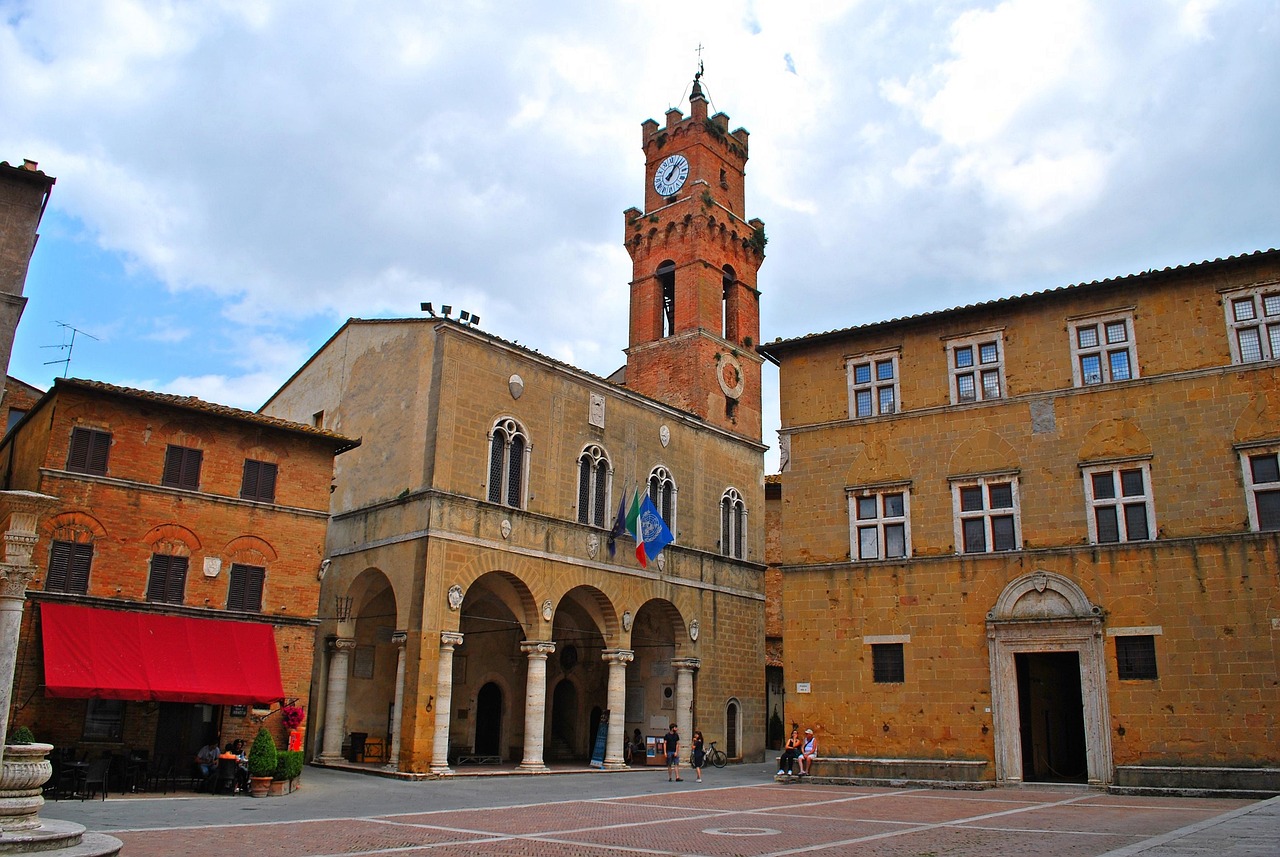
Start in Piazza Pio II, Pienza’s main square. The first time I stepped into this space, I felt like I’d walked into a Renaissance painting — the travertine paving, the cathedral, the palazzo, all perfectly proportioned.
- Visit the Duomo (Cattedrale dell’Assunta): Give yourself time inside; the light through the tall windows is soft and almost theatrical.
- Palazzo Piccolomini: Take the guided tour (it’s not long) to understand Pius II’s vision and to access one of the best gardens and viewpoints in town.
Tip: I usually buy a combined ticket that includes Palazzo Piccolomini and the Diocesan Museum; it’s good value and supports local conservation.
Lunch – Simple Tuscan Classics
Head to a trattoria just off the main square. I often end up at a small osteria where the menu changes with the season. Order pici all’aglione (thick hand-rolled pasta with a garlic-tomato sauce) and a glass of local red. This is where you’ll first notice how unhurried lunch in Pienza can be.
Afternoon – Walk the Walls & Via dell’Amore
After lunch, wander along Via dell’Amore, Via del Bacio, and Via della Fortuna. These lanes run along the southern edge of town and open onto terraces overlooking the Val d’Orcia.
I like to pause at the stone benches, just to watch the shifting light. If you’re traveling as a couple, this is where Pienza really shows its romantic side. For families, kids usually love spotting tractors and sheep grazing in the distance.
Late Afternoon – Cheese Tasting
Pop into a traditional alimentari (grocery) or dedicated cheese shop for a pecorino tasting. You’ll see wheels labeled fresco, semistagionato, and stagionato (fresh to aged). My personal favorite is pecorino aged in walnut leaves — nutty, slightly earthy, and perfect with honey.
Evening – Sunset Aperitivo
Grab a table at a bar facing the valley. I still remember one October evening in Pienza when the sky turned a layered pink and the entire terrace fell silent for a moment. Order a Spritz or a glass of local Rosso di Montalcino, and toast to your first day.
Day 2: Museums, Hidden Corners & Local Life
On your second day, slow down and go deeper: more history, more wandering, more flavors.
Morning – Diocesan Museum & Backstreets
Visit the Diocesan Museum near the cathedral. Even if you’re not a big museum person, it’s manageable and full of local stories and art. I like going right at opening when it’s quiet.
Afterwards, wander the lesser-known alleys behind the main streets. Look up: laundry lines, flower boxes, and painted shutters offer a sense of everyday life that’s easy to miss.
Lunch – Panino Picnic
For a budget-friendly lunch, assemble a picnic: ask a deli to slice some pecorino, prosciutto, and grab a fresh loaf of bread. Head to one of the viewpoints along the southern wall and enjoy a simple meal with one of the best “restaurant views” in Europe — for the price of a sandwich.
Afternoon – Artisan Shops & Gelato
Explore local artisans: ceramics, leather goods, woodwork, and food shops. I still use a small hand-painted ceramic dish I bought years ago here; every time I see it, I think of Pienza.
Don’t skip gelato. Look for seasonal flavors: fig in late summer, chestnut in autumn. Avoid places with neon-colored mountains of ice cream; the best gelato in Pienza tends to be modestly displayed in steel tubs.
Evening – Traditional Dinner
Book a table at a family-run trattoria. Try pici cacio e pepe (thick pasta with pecorino and pepper), grilled meats, and a simple crostata for dessert. This is the night to lean into local food in Pienza — ask the server what’s in season and let them guide you.
Day 3: Val d’Orcia Landscapes & Surrounding Villages
Your third day is ideal for spreading your wings. If you have a car, this is when you’ll appreciate it; if not, consider a local driver or guided tour.
Morning – Iconic Val d’Orcia Drives
Head out to photograph the classic postcard scenes: cypress-lined roads, chapels on hills, and stone farmhouses. Even if you’re not a photographer, it’s an experience in itself.
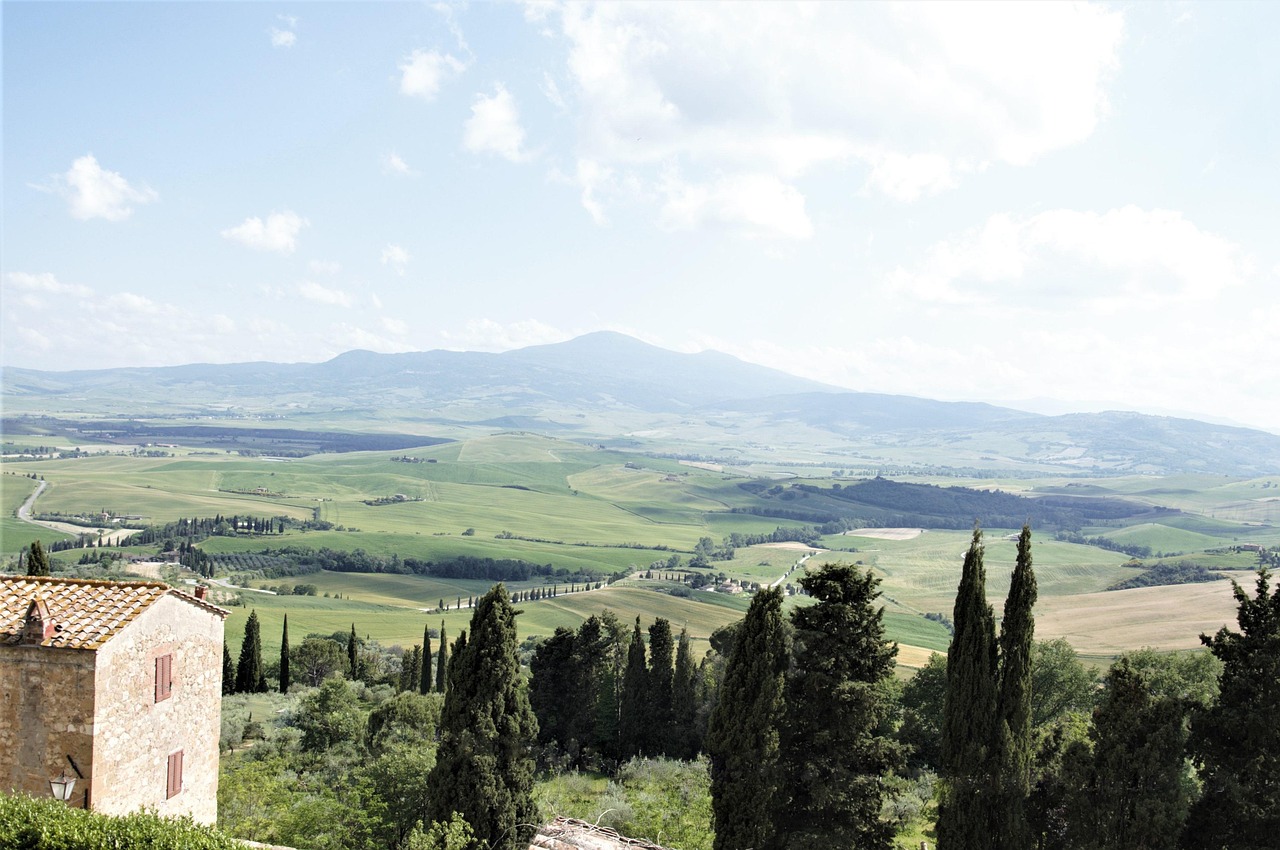
I love taking the winding road towards San Quirico d’Orcia, stopping whenever a view calls to me. There are plenty of safe pull-offs for photos.
Midday – Bagno Vignoni or Montepulciano
Choose one:
- Bagno Vignoni: A tiny spa village with a central hot spring pool (no longer for bathing, but atmospheric), plus modern thermal baths where you can soak for a few hours.
- Montepulciano: A hilltop town famous for its Vino Nobile wines. Great for wine tasting and exploring more Renaissance architecture.
Afternoon – Return to Pienza & Last Stroll
Come back by late afternoon, grab an espresso, and do one last slow loop of the town. I like to revisit the viewpoint I first saw on Day 1 and notice how familiar it already feels.
Evening – Farewell Dinner
For your final evening of this 3 day itinerary for Pienza, splurge a little: a terrace restaurant with views, a bottle of good Brunello, and a multi-course meal. This is a lovely way to say goodbye — or to promise yourself you’ll be back.
4 Day Itinerary for Pienza: Deeper Exploration
With 4 days in Pienza, you can keep the 3-day structure and add an extra day focused on wine, walking, or spa time. Here’s how I usually stretch it.
Day 4 Option A: Wine & Olive Oil Focus
Morning – Local Winery Visit
Arrange a visit to a small family-run winery in the Val d’Orcia (your accommodation can often recommend one). I still remember a 10am tasting where the winemaker’s mother insisted we try her home-baked bread with new-season olive oil. We ended up staying until lunchtime, talking about harvests and weather.
Afternoon – Olive Oil Mill & Walk
Head to an olive oil producer to learn about pressing and taste different oils. Then take a short countryside walk — many agriturismi have marked trails through their land.
Evening – Simple Dinner in Town
After a day of wine, keep dinner light: vegetable-based dishes, soups like ribollita, and a quiet stroll before bed.
Day 4 Option B: Walking & Photography
If you love walking, spend your extra day hiking from Pienza to nearby villages like Monticchiello, following white gravel farm roads (strade bianche). Start early, bring water, and wear proper shoes. The satisfaction of walking into Pienza at golden hour after a full day in the landscape is hard to beat.
5 Day Itinerary for Pienza: Slow Travel & Side Trips
Five days in Pienza is ideal for slow travel. Keep the 4 day itinerary for Pienza and add:
Day 5: Side Trip & Free Time
Use this extra day for one of the day trips from Pienza in the Day Trips section — Montalcino for Brunello, Siena for a bigger-city dose of Gothic grandeur, or a full spa day at Bagni San Filippo.
Or simply stay put: read in a café, write postcards on a bench, revisit your favorite shop, and watch local life unfold. Some of my best memories here are of “doing nothing” — just being present in the rhythm of the town.
Neighborhoods & Areas of Pienza
Pienza is small, but it has distinct areas worth understanding when you plan where to wander or stay.
- Historic Center (Centro Storico): Inside the medieval walls, this is where you’ll spend most of your time. Narrow stone streets, the main square, most restaurants and shops. Perfect if you want to walk everywhere.
- Southern Walls & Viewpoint Lanes: Via dell’Amore, Via del Bacio, and Via della Fortuna frame the best Val d’Orcia overlooks. Ideal for romantic walks and sunrise/sunset photos.
- Porta al Prato Area: Near one of the main gates, with a slightly more local feel — small groceries, bars where locals gather for coffee. Good if you want to feel part of everyday life.
- Just Outside the Walls: Small B&Bs, agriturismi, and parking areas. Staying just outside gives you quieter nights and easy car access while being only a few minutes’ walk from the center.
20 Must-See Attractions in Pienza (Deep Dive)
Here are the best places to visit in Pienza, with history, significance, and the kind of personal details I wish someone had told me on my first trip.
1. Piazza Pio II
Piazza Pio II is the elegant, trapezoidal heart of Pienza. Designed in the 15th century under Pope Pius II, it’s a masterpiece of early Renaissance urban planning. The square is framed by the cathedral, Palazzo Piccolomini, the Bishop’s Palace, and the town hall.
I like to visit at three different times: early morning (when delivery vans and locals set up for the day), midday (bustling with visitors and café tables), and late evening (when the stone glows under soft lights). Each time, it feels like a different stage set.
Tips:
- Stand in the middle and slowly turn 360°. Notice how no building dominates; everything balances.
- If you’re here in May or September, you might catch a local event or small concert in the square.
- For families, kids usually love counting the flags and coats of arms on the buildings.
2. Pienza Cathedral (Cattedrale dell’Assunta)
The cathedral, built between 1459 and 1462, blends Gothic verticality with Renaissance harmony. Inside, the light is the real star: large windows fill the nave with gentle brightness, unusual for Italian churches of this period.
The first time I slipped inside on a hot afternoon, the cool air and quiet felt like a physical embrace. I sat in a back pew for a long time, watching dust motes drift in the sunbeams.
Don’t miss: the paintings by Sienese artists in the side chapels, and the slightly sloping floor — a reminder that the cathedral was built on unstable ground at the edge of the hill.
Etiquette: Shoulders covered, hats off, and keep voices low. Photos are usually allowed without flash, but always double-check posted signs.
3. Palazzo Piccolomini & Gardens
Palazzo Piccolomini was the home of the Piccolomini family, built by Pius II as part of his plan to transform his birthplace into an “ideal city.” The palace is impressive, but the real magic lies in the loggia and the hanging garden overlooking the Val d’Orcia.
I remember my first visit vividly. Stepping out into the garden, the valley unfolded like a painted backdrop: patchwork fields, vineyards, and cypress rows all the way to Mount Amiata. I’ve been back countless times, and it never loses its power.
Highlights:
- Furnished rooms that offer a glimpse into noble life.
- The central courtyard with its well — a classic Renaissance “stage.”
- The garden: quiet, leafy, and framed by stone balustrades.
Tip: Go in the morning for softer light and fewer people. Audio guides are usually available in multiple languages and provide rich context.
4. Via dell’Amore
Via dell’Amore (Street of Love) runs along the southern edge of Pienza. It’s one of the most romantic streets in Tuscany, with benches overlooking the fields below.
On one spring trip, I watched a local couple in their seventies share a gelato on a bench here, quietly chatting and pointing out farmhouses. It reminded me that romance in Pienza isn’t just for tourists.
Best time: Sunset. Bring a light sweater — the hilltop can be breezy even in summer.
5. Via del Bacio
Via del Bacio (Street of the Kiss) is narrower and a bit more secluded than Via dell’Amore. Stone walls, flower pots, and archways create a naturally intimate atmosphere.
It’s a favorite spot for couples’ photos. I once stumbled upon a small proposal here; the “yes” was followed by applause from everyone who happened to be walking by.
6. Corso il Rossellino
Corso il Rossellino is Pienza’s main street, named after architect Bernardo Rossellino. It runs from one gate of town through to the other, lined with shops, cafés, and doorways that beg to be photographed.
Walk it slowly. Pop into bookshops, ceramics studios, and delicatessens. My favorite time is mid-morning, when delivery vans share space with locals doing errands and the smell of baking bread drifts out of side streets.
7. Pienza’s City Walls & Viewpoints
The medieval walls encircle the old town and offer a series of viewpoints over the surrounding countryside. Sections are lined with trees and benches, making them perfect for relaxed strolls and family-friendly walks.
I like doing a “wall circuit” in the early morning before breakfast, when the town is still half-asleep and the valley is often shrouded in low mist.
8. Diocesan Museum (Museo Diocesano)
This small museum near the cathedral houses religious art and artifacts from Pienza and nearby churches. Paintings, textiles, and liturgical objects tell the story of local faith and patronage.
On a rainy afternoon, I once had the museum nearly to myself. A local guide pointed out tiny details in a painting that I would’ve completely missed — like the way a donor’s family was subtly included in the background scene.
Good for: Art lovers, history buffs, and anyone looking for a quiet, reflective hour.
9. Palazzo Comunale (Town Hall)
The Palazzo Comunale faces the cathedral on Piazza Pio II. Its brick façade and tower add a Sienese flavor to the otherwise pale stone square. Inside, you’ll find council chambers and civic spaces; occasionally, exhibitions or events take place here.
It’s a reminder that Pienza is not just a postcard but a functioning town where decisions about schools, roads, and festivals are made.
10. Church of San Francesco
This modest Gothic church predates the Renaissance rebuilding of the town. Inside, traces of 14th-century frescoes depicting the life of St. Francis peek through centuries of wear.
I love ducking in here when the main square feels busy. It’s almost always quiet, a gentle reminder of Pienza’s medieval roots.
11. Pecorino Cheese Shops of Pienza
Pecorino is woven into Pienza’s identity. Walking down Corso il Rossellino, you’ll smell it before you see it: rich, savory, slightly sweet. Shops display wheels of every size and age, often stacked in pyramids.
My ritual: step into a shop, let the owner guide me through a few tastes, then buy a small selection to nibble over the next days. Many shops vacuum-pack cheese for travel, so you can bring a slice of Pienza home.
Types to try: fresh (fresco), semi-aged (semistagionato), aged (stagionato), and specialty versions aged in ash, walnut leaves, or wine.
12. Fiera del Cacio (Cheese Fair)
Every late August or early September, Pienza hosts the Fiera del Cacio, a lively festival celebrating pecorino. The town fills with stalls, tastings, and events, culminating in a quirky game where participants roll wheels of cheese through the streets.
I once timed a visit to coincide with the fair and ended up at a communal table sharing cheese, bread, and wine with people from four different countries plus a local shepherd who explained how weather had affected that year’s milk.
Tip: If you’re planning 3 days in Pienza around the fair, book accommodation early — and expect more crowds, but also more energy.
13. Belvedere Panoramas & Photo Spots
Pienza is full of natural belvedere (viewpoints). Besides the well-known terraces along Via dell’Amore and Via del Bacio, wander slightly off the main paths and you’ll find quieter overlooks.
One of my favorite hidden spots is a small gap between buildings near the southern wall where the valley suddenly appears like a surprise. It’s unmarked, but if you’re curious and follow your feet, you’ll find similar moments.
14. Porta al Prato & Porta il Prato Area
Porta al Prato is one of the main gates into the historic center. Just outside, there’s often parking, while just inside you’ll find a slightly more local Pienza: small bars, bakeries, and shops serving residents.
I like grabbing a morning coffee at a bar near the gate and watching people come and go — delivery drivers, school kids, farmers in dusty boots.
15. Local Markets & Food Stalls
Pienza’s weekly markets and occasional food stalls bring the countryside into town: vegetables from nearby farms, cured meats, cheeses, honey, and seasonal specialties.
Markets are where you feel the pulse of local life. I like to go early, buy fruit for the day, and listen to the rapid exchange of greetings and gossip in the Pientino accent.
16. Artisan Workshops
Despite its small size, Pienza has a handful of artisans keeping traditional crafts alive: ceramics, textiles, leather, and wood. Some workshops are tucked down side alleys; others double as shops.
I once spent an hour watching a ceramist paint tiny details onto a plate, her hand steady and precise. We talked about how tourism both helps and complicates her work — more customers, but also pressure to produce quickly.
17. Pieve di Corsignano (Just Outside Pienza)
A short walk or drive from the center, Pieve di Corsignano is a simple Romanesque church set amid fields. Its round bell tower and rough stone walls feel older and more rustic than the polished Renaissance center.
This is where Pope Pius II was baptized. Standing outside at dusk, with swallows darting above the fields, you can almost feel the centuries compressing.
18. Val d’Orcia Walking Trails from Pienza
Several walking paths fan out from Pienza into the surrounding countryside, including routes towards Monticchiello and San Quirico d’Orcia. These unpaved white roads are perfect for half-day or full-day hikes.
I recommend starting early in warm months, carrying water, and wearing a hat. The reward: total immersion in the landscape that makes this area a UNESCO site.
19. Sunrise & Sunset Spots
For sunrise, head to viewpoints facing east, where the first light spills over the hills. For sunset, the terraces along the southern wall are unbeatable. On clear evenings, the sky slowly melts from gold to pink to deep blue.
On one winter visit, I watched fog fill the valley at dawn while Pienza floated above it like an island — magical, and worth the early alarm.
20. Seasonal Festivals & Cultural Events
Beyond the Fiera del Cacio, Pienza hosts small religious processions, Christmas events, and occasional music festivals that bring extra color to the streets.
If you stumble upon a local celebration, be respectful but don’t be shy about watching from the sidelines. Pientini are generally proud to share their traditions.
Local Food in Pienza & Where to Eat
Eating in Pienza is about simplicity and quality. The cuisine is rooted in the land: sheep’s cheese, grains, seasonal vegetables, and local meats. In 2026, there’s a renewed focus on sustainable, short-supply-chain ingredients, with many restaurants proudly listing their suppliers.
What to Eat in Pienza
- Pecorino di Pienza: Fresh, semi-aged, aged, with truffles, in walnut leaves… Try it on its own, in salads, and melted over crostini.
- Pici: Thick hand-rolled pasta. Classic sauces: all’aglione (garlic tomato), cacio e pepe (cheese & pepper), ragù di cinta senese (heritage pork ragù).
- Ribollita & Pappa al Pomodoro: Rustic soups made with bread, vegetables, and beans or tomatoes. Perfect in cooler months.
- Crostini misti: Toasted bread with mixed toppings, often including chicken liver pâté, mushrooms, or pecorino-based spreads.
- Cinghiale (wild boar): Served as ragù over pasta or braised as a main dish.
- Olive oil: Drizzled over everything. New-season oil (late autumn) is vibrant green and peppery.
What to Drink
- Vino Nobile di Montepulciano: Elegant reds from nearby Montepulciano.
- Rosso di Montalcino & Brunello di Montalcino: From slightly fresher Rosso to age-worthy Brunello, produced a short drive away.
- Local whites: Often simple but refreshing, perfect for summer lunches.
- Grappa & Vin Santo: Digestifs to end a meal, sometimes accompanied by almond cantucci biscuits.
Types of Places to Eat
Without naming specific businesses (they change over time), here’s how I choose:
- Osterie & Trattorie: Family-run, with handwritten menus, seasonal specials, and fair prices. My go-to for most meals.
- Enoteche (Wine Bars): Great for aperitivo, small plates, cheese & meat boards, and tasting local wines by the glass.
- Agriturismi: Country farm stays around Pienza often serve dinner made from their own produce. Worth booking at least one evening here if you can.
- Pizzerie: Good for a more casual, family-friendly night.
Saving Money on Food
- Lunch big, dinner light: Opt for a full lunch and a lighter evening aperitivo to balance cost and indulgence.
- Picnics: Assemble picnic lunches from markets and delis; enjoy them at viewpoints.
- House wine: The vino della casa is often excellent value and perfectly paired to local dishes.
Nightlife, Entertainment & Cultural Experiences in Pienza
Pienza is more about slow evenings than wild nightlife. Think wine bars, late dinners, and wandering under starry skies rather than clubs.
Evening Atmosphere
After dinner, locals and visitors alike stroll the Corso and the walls. Kids lick gelato, couples linger on benches, and older residents chat on doorsteps. It’s a communal, easy-going scene.
Cultural Experiences
- Small concerts & recitals: Occasionally held in churches or palazzi, especially in summer.
- Seasonal events: Religious processions, Christmas lights and markets, local festivals.
- Cooking classes: Some agriturismi and cooking schools around Pienza offer classes focused on pasta, Tuscan sauces, and desserts.
Family-Friendly Evenings
Families will appreciate the safe, compact center: it’s easy to let older kids walk a few steps ahead, and evenings tend to be calm. An after-dinner gelato and a lap of the walls is a perfect nightly ritual.
Day Trips & Nearby Attractions from Pienza
One of the best reasons to base yourself in Pienza for 4 or 5 days is its central position in the Val d’Orcia. Here are some of my favorite nearby destinations.
Montepulciano
About 20–25 minutes by car, Montepulciano offers steep lanes, elegant palaces, and famous Vino Nobile. Wine cellars carved into the rock beneath palazzi are a highlight.
Montalcino
Brunello country. Visit the fortress, taste wine, and enjoy far-reaching views. It’s a bit farther than Montepulciano but still easy as a half- or full-day trip.
Bagno Vignoni
A unique spa village with a central thermal pool (no bathing there now, but lovely to see) and nearby modern facilities where you can soak in warm mineral water.
Bagni San Filippo
Forest thermal pools with striking white calcium formations. Go early and respect local rules; in recent years, authorities have tightened access to protect the environment.
San Quirico d’Orcia & Horti Leonini
A charming town with manicured Renaissance gardens (Horti Leonini) and a lovely main street. An easy pairing with a morning or afternoon drive from Pienza.
Monticchiello
A small, fortified village visible from Pienza’s viewpoints. It’s quieter than the more famous towns and has a few great trattorie. You can drive or hike there on white roads.
Siena
About an hour away, Siena makes a wonderful day trip if you’re craving Gothic architecture and a larger city feel. Visit the shell-shaped Piazza del Campo, the cathedral, and climb a tower for a different kind of Tuscan skyline.
Cultural Etiquette & Local Customs in Pienza
Tuscans are generally warm and straightforward. A little cultural awareness goes a long way.
Greetings & Politeness
- Use “Buongiorno” (good day) until late afternoon, then “Buonasera” (good evening).
- In shops, always greet the staff when entering and say goodbye (arrivederci) when leaving.
- Among locals, cheek kisses are common between friends, but a handshake is fine for visitors.
Restaurant Customs
- Table service is unhurried; meals are meant to be savored. Don’t expect the bill automatically; ask for it (“il conto, per favore”) when ready.
- Tipping is modest: rounding up or leaving 5–10% for excellent service is appreciated but not obligatory if there’s already a service charge.
- Coffee culture: cappuccino is usually a morning drink. After meals, locals drink espresso.
Churches & Sacred Spaces
- Dress modestly: cover shoulders and avoid very short shorts.
- Keep voices low; turn your phone to silent.
- Be mindful during services — observe from the back if you’re not participating.
Daily Rhythm
Pienza still respects a slower rhythm:
- Many shops close for a midday break (roughly 1–4 pm), especially outside peak tourist months.
- Dinner often starts around 7:30–8 pm; arriving too early may find restaurants just opening.
Practical Travel Tips for Pienza
How to Get to Pienza
Pienza has no train station. The nearest major hubs are:
- By train + bus: Take a train to Chiusi-Chianciano Terme or Siena, then a regional bus to Pienza (services are limited, especially on Sundays).
- By car: The most flexible option. Roads are well-maintained; drive times from Florence and Rome are roughly 1.5–2.5 hours depending on route.
Getting Around Pienza
Inside the historic center, you’ll walk everywhere. The town is compact and mostly pedestrian.
- Parking: Several paid and free parking lots sit just outside the walls. Check signage carefully.
- Car rental: Best arranged in larger cities (Florence, Rome, Siena). In 2026, electric charging points are slowly increasing in the region, but plan ahead if you’re driving an EV.
SIM Cards & Connectivity (2026)
- Italian SIM cards are sold at phone shops and some tabacchi in larger nearby towns. Bring your passport.
- EU visitors can usually roam under EU rules; non-EU visitors may find a local SIM cheaper for data-heavy use.
- Most hotels and many restaurants in Pienza offer Wi-Fi, but speeds may vary.
Money & Budget Tips
- Currency: Euro.
- Cards vs cash: Cards widely accepted, but keep some cash for small purchases, rural spots, and markets.
- Saving money: Stay slightly outside the center, picnic for lunch, and choose house wines.
Visa Requirements & Driving Licenses
Requirements can change; always check your country’s current rules. As of 2026, for many travelers:
- Schengen visas: Many nationalities can enter Italy visa-free for short stays; others need to apply in advance.
- ETIAS: EU is rolling out ETIAS authorization for some non-EU travelers; verify if it applies to you by 2026.
- Driving: An International Driving Permit (IDP) plus your home license is often recommended if your license is not in Italian/Latin script. Car rental agencies may insist on it.
Best Seasons & Weather
- Spring (April–May): Green hills, wildflowers, mild temperatures. Great for walking and photography.
- Early Summer (June): Longer days, golden light, busier but still pleasant.
- High Summer (July–August): Hot afternoons, more visitors. Plan siestas and early/late activities.
- Autumn (September–October): Harvest season, warm days, cooler nights, changing colors — my favorite time, especially for food and wine.
- Winter (November–March): Quiet, some closures, but atmospheric. Crisp days, foggy mornings, and cozy meals by fireplaces.
Hidden Tips for Travelers
- Walk the town before 8 am at least once — you’ll see Pienza at its most authentic.
- Ask locals for their favorite forno (bakery); morning pastries and fresh bread are inexpensive joys.
- Pack a light scarf: useful for church visits, cool evenings, and unexpected breezes on the walls.
- Book key restaurants in peak season and around festivals, especially if you want terrace seating.
- If you’re planning a 4 day itinerary for Pienza or 5 days in Pienza, build in at least one “no-plan” afternoon to simply follow your curiosity.
Events & What’s New in Pienza for 2026–2027
While Pienza doesn’t change dramatically year-on-year, there are always subtle shifts and recurring events that are worth noting for 2026–2027.
Recurring Annual Events
- Fiera del Cacio (late August/early September): Cheese fair with tastings, markets, and traditional games.
- Easter & Holy Week: Religious processions and special services in the cathedral and churches.
- Christmas & Epiphany: Nativity scenes, lights in the old streets, and seasonal treats in bakeries.
Travel Scene in 2026–2027
- Continued focus on sustainable tourism: More emphasis on longer stays, walking routes, and farm-to-table experiences.
- Gradual improvements to public transport connections around the Val d’Orcia, though a car remains the easiest option.
- Increasing availability of EV charging points in nearby towns and some agriturismi.
Summary & Final Recommendations for Visiting Pienza
Pienza may be small, but it’s rich enough to fill a 3 day itinerary with must-see attractions, a 4 day itinerary with deeper cultural experiences, and a 5 day itinerary with leisurely day trips and countryside walks.
Key Takeaways
- Best time to visit: Late April–June and September–October for ideal weather, landscapes, and food experiences.
- How long to stay: At least 2 nights, ideally 3–5 days in Pienza to truly relax and explore the Val d’Orcia.
- Must-see attractions in Pienza: Piazza Pio II, the Cathedral, Palazzo Piccolomini, Via dell’Amore, the pecorino shops, and the city walls.
- Don’t miss: Tasting pecorino in a tiny shop, a sunset walk along the southern walls, and at least one countryside walk or drive.
- For families: Safe streets, simple food, and short walks make Pienza very kid-friendly.
- For couples: Romantic lanes, wine, and golden sunsets across the Val d’Orcia are almost tailor-made.
- For slow travelers: Pienza is an ideal base to sink into Tuscan rhythms without the stress of larger cities.
Every time I leave Pienza, I feel a small tug to stay just one more day — one more slow coffee, one more walk at dusk, one more slice of pecorino with honey. That, more than anything, is why I keep coming back, and why I recommend you give this little hilltop town enough time to work its quiet magic on you.