Why Visit Pitigliano in 2026
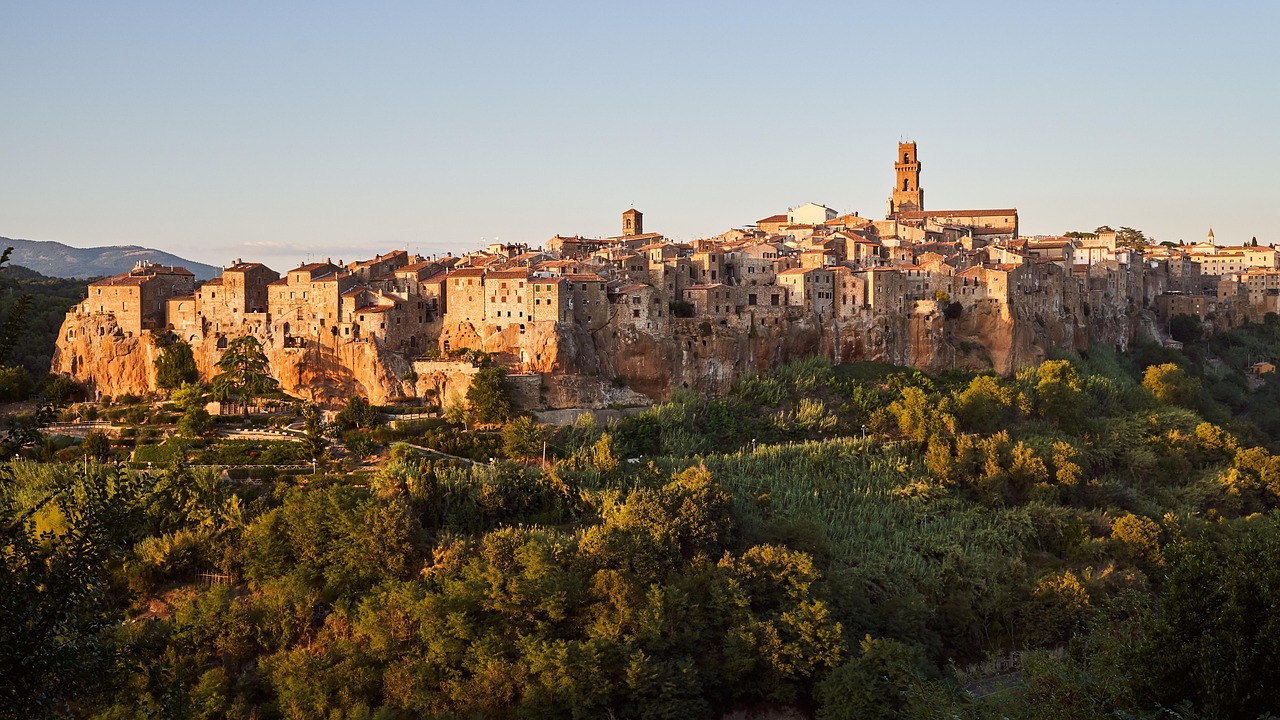
Pitigliano is one of those hill towns that you think someone must have painted into existence. The houses seem to grow straight out of the golden tufa cliff, stacked and crumbling and glowing at sunset. Every time I arrive and see the skyline from the opposite ridge, I instinctively slow down, pull over, and just breathe it in.
Unlike more famous Tuscan towns, Pitigliano still feels lived-in. You’ll see nonne chatting in doorways, kids kicking a ball in tiny piazzas, and shopkeepers who remember you if you come back the next day. The pace is slow, the food is deeply local, and the history reaches so far back that the Etruscan tombs and mysterious vie cave (sunken roads) feel almost otherworldly.
In 2026–2027, Pitigliano is quietly becoming a must-see stop for travelers looking for a deeper, more authentic side of Tuscany and Maremma. There are new wine bars tucked into old cellars, expanded cultural festivals, and restored Etruscan paths that make exploring even more rewarding.
I’ve been coming here regularly for over a decade—sometimes for a rushed overnight, sometimes for a lazy week. This travel guide for Pitigliano is my attempt to give you not just a list of things to do in Pitigliano, but a way to experience it like someone who knows the lanes, the bakers, and the best benches for sunset.
Table of Contents
- Why Visit Pitigliano
- Essential Overview of Pitigliano
- 3–5 Day Itineraries for Pitigliano
- Neighborhoods & Areas of Pitigliano
- Top 20 Attractions in Pitigliano (Deep Dive)
- Local Food in Pitigliano: What & Where to Eat
- Nightlife, Entertainment & Cultural Experiences
- Events & Festivals 2026–2027
- Day Trips & Nearby Highlights
- Cultural Etiquette & Local Customs in Pitigliano
- Practical Travel Tips for Pitigliano
- Summary & Best Time to Visit Pitigliano
Essential Overview of Pitigliano
Pitigliano sits in southern Tuscany’s Maremma region, near the borders of Lazio and Umbria. This isn’t the rolling Chianti postcard of Tuscany; it’s wilder, with ravines, dense woodland, hot springs, and volcanic tufa cliffs carved by the Etruscans thousands of years ago.
- Region: Tuscany (Maremma)
- Nearest bigger towns: Grosseto, Viterbo, Orvieto
- Best for: History lovers, couples, families who like walking, food and wine enthusiasts, slow travelers
- Not ideal for: Nightclubbers, those who hate hills and uneven stone streets
Even a simple walk for gelato in Pitigliano takes you past Etruscan stone, medieval arches, and Renaissance palazzi. It’s compact, perfectly suited to 3 days in Pitigliano or even a 5 day itinerary if you add the surrounding countryside and hot springs.
Suggested 3–5 Day Itineraries for Pitigliano
Below are flexible itineraries based on my own stays. Mix and match depending on your interests and pace—this is slow-travel country, not checklist country.
3 Day Itinerary for Pitigliano
If you have 3 days in Pitigliano, you can see the essentials and still feel the rhythm of local life. Think of this as a “must-see attractions in Pitigliano” starter pack.
Day 1: First Glimpse of the Tufa Town & The Old Jewish Quarter
Every time I come back, I start Day 1 the same way: with that heart-stopping view of the town perched on the cliff. If you’re arriving by car, before you drive into the historic center, continue past it to one of the roadside lay-bys facing the town. If you’re arriving by bus, walk back out of town five to ten minutes to the main panoramic viewpoint.
Morning: Stroll the Belvedere viewpoint, take your photos while the light is still soft, then head into the town via Porta Sovana. Let yourself get a little lost before you start “sightseeing.” I like to grab a quick espresso at a bar on Via Roma and just watch local life unfold.
Late Morning – Duomo & Main Lanes
Walk slowly along Via Roma towards the Cathedral of Saints Peter and Paul. Pop into little alimentari (grocery shops) and bakeries along the way. The Duomo itself is an interesting mix of medieval foundations and later Baroque flourishes. I usually duck inside for a few quiet minutes; the cool, slightly musty air is a welcome contrast to the bright sun outside.
Lunch: For your first meal, try a trattoria close to the main square so you can keep things simple. Order something deeply local like acquacotta (a humble Maremma vegetable soup that is so much better than it sounds) or pici pasta with wild boar ragù.
Afternoon – Jewish Quarter & Underground Cellars
Head to La Piccola Gerusalemme (Little Jerusalem), the old Jewish quarter. Pitigliano was home to a significant Jewish community from the 16th century onward, and you can still visit the restored synagogue, ritual baths, and kosher wine cellar carved into the tufa.
On my first visit, I joined a small guided tour and was struck by how integrated yet distinct this community was. In 2026, guided tours in English run more regularly, especially in high season—worth timing your visit around one of them.
Evening – Blue Hour Over the Cliffs
As the sun sinks, walk out again to the Belvedere or down to one of the lower terraces where you can look back up at the illuminated town walls. This is one of the most romantic things to do in Pitigliano; I’ve watched couples propose here, kids chase fireflies, and photographers set up tripods for long exposures.
Day 2: Etruscan Labyrinths & Tufa Paths
Your second day dives into what makes Pitigliano unlike any other Tuscan hill town: the Etruscan heritage and mysterious vie cave—sunken roads hewn into the tufa rock.
Morning – Etruscan Museum & Walls
Start at the Palazzo Orsini complex, which houses a museum that traces the area from Etruscan to medieval to Renaissance times. Even if you’re not a “museum person,” the artifacts—urns, tools, intricate jewelry—help everything you’ll see later in the day click into place.
Late Morning to Afternoon – Walking the Vie Cave
There are several vie cave around Pitigliano. For a short but atmospheric introduction, I recommend the path towards Via Cava di San Giuseppe or Via Cava di San Rocco. The vertical walls, sometimes more than 10 meters high, are eerie and beautiful, dripping with moss and ferns. I usually pack a simple picnic (local cheese, bread, olives, some fruit) and find a shady spot at the end of the trail.
Tips:
- Wear proper shoes—these are roots-and-rocks trails, not polished streets.
- In summer, start early. The air in the vie cave stays cooler, but the approach paths can be hot.
- Bring water; there are no kiosks down here.
Evening – Wine Tasting in a Tufa Cellar
Back in town, reward yourself with a wine tasting in one of the tufa-carved cellars. Many small producers pour Morellino di Scansano, local whites, and rustic reds from Maremma. I love sitting at a rough wooden table, glass in hand, listening to stories about harvests and unpredictable Maremman weather.
Day 3: Thermal Waters & Countryside
Use your final day to explore beyond the walls. The countryside around Pitigliano is rich with hot springs, neighboring tufa towns, vineyards, and quiet viewpoints.
Option A – Hot Springs & Wellness (Family-friendly & Relaxing)
Head to nearby Sorano or drive further to famous Saturnia (bus + taxi or car). Soak in the mineral-rich waters, which are warm even in cooler months. On one visit in late October, I spent the morning in a mild drizzle, sitting in steaming cascades and watching mist rise from the fields—pure magic.
Option B – Tufa Town Triangle (Romantic & Cultural)
Visit Sovana and Sorano, forming a tufa-town triangle with Pitigliano. Sovana’s tiny historic center is almost frozen in time, and Sorano feels slightly more rugged and vertical, with alleys plunging down towards ravines.
Return to Pitigliano for one last slow twilight walk. I always end my final night perched on a low wall near the town gate, gelato in hand, watching locals stroll by on their evening passeggiata.
4 Day Itinerary for Pitigliano
With 4 days in Pitigliano, you can go deeper: more Etruscan sites, more countryside, and a more relaxed pace.
Day 1–3
Follow the 3 day itinerary for Pitigliano above, but slow it down. Instead of packing both Palazzo Orsini and long vie cave walks into a single day, separate them and linger longer over lunches and coffee breaks.
Day 4: Vineyards, Olive Groves & Hidden Chapels
Morning – Vineyard Visit
Book a visit at a local winery in the surrounding hills. Many small producers welcome visitors by appointment, offering tours of their vines, old tufa cellars, and tastings. I’ve had some of the most memorable conversations of my travels while standing among rows of vines as the owner explains how their grandparents used to make wine.
Afternoon – Country Lanes & Rural Churches
Drive or cycle out to one of the tiny countryside chapels, like the San Rocco or rural churches near Sovana. These spots are perfect for quiet reflection and photography. On one spring visit, a sudden rainstorm passed and left everything sparkling—wet stone, bright green fields, and a double rainbow over the town. It sounds cliché, but I still have the photo on my wall.
Evening – Slow Dinner & Local Life
Dedicate your final evening to a long, unhurried dinner. Order multiple courses: antipasto of local cured meats and cheeses, a pasta course, a meat or vegetarian main, and dessert. Watch how locals dine—slowly, talking more than checking phones, kids included. This is a cultural experience in Pitigliano as important as any museum.
5 Day Itinerary for Pitigliano
A 5 day itinerary for Pitigliano is ideal if you want a real taste of Maremma life. You can base yourself here and explore the region without rushing.
Days 1–4
Use the 3 and 4 day itineraries above as a backbone, spacing things out so you’re never rushed. Build in at least one truly slow day with no fixed plans.
Day 5: Hiking, Horseback Riding or Lake Bolsena
On my longest stays, Day 5 is usually my “choose your own adventure” day:
- Hiking: Explore lesser-known trails around Pitigliano’s ravines. Ask at your accommodation for current trail suggestions; paths change with weather and maintenance.
- Horseback riding: Several agriturismi in the area offer rides through vineyards and forests. Riding at golden hour through the countryside is unforgettable.
- Lake Bolsena day trip: Cross into Lazio to visit this volcanic lake with clear waters and lakeside villages like Bolsena and Capodimonte. Swim, rent a pedal boat, or just sit with a coffee by the water.
Return to Pitigliano for one last evening. I like to revisit my favorite corner café or wine bar, say goodbye to the owners I’ve chatted with all week, and promise I’ll be back. And then, inevitably, I do come back.
Neighborhoods & Areas of Pitigliano
Pitigliano isn’t big in the way a city is big, but it has distinct “zones” with different moods. Knowing them helps you choose where to stay and what to look for.
1. The Historic Center (Centro Storico)
This is the honey-colored heart of Pitigliano: stone lanes, archways, and tiny piazzas. It’s where you’ll find most of the must-see attractions in Pitigliano: the Duomo, Palazzo Orsini, the main corso (Via Roma), and many restaurants and wine bars.
Good for: First-time visitors, couples, anyone who wants to step out the door and be in the middle of things.
2. The Jewish Quarter (La Piccola Gerusalemme)
Clustered along the cliff edge, this area holds the restored synagogue, old kosher cellars, and streets that still feel slightly apart from the rest of town. It’s quiet, contemplative, and essential for understanding Pitigliano’s identity.
Good for: History lovers, culturally curious travelers, photographers (the light here is lovely in late afternoon).
3. The Lower Streets & Ravine Edges
Below the main spine of the town, small streets twist downwards towards gardens, small workshops, and viewpoints. I love wandering here in the late afternoon; laundry flaps overhead, cats doze on steps, and you’re likely to be the only visitor in sight.
Good for: Photographers, people who like wandering without crowds, anyone wanting a glimpse of everyday life.
4. The Modern Periphery
Just outside the old walls, you’ll find modern apartments, supermarkets, gas stations, and bus stops. It’s not “pretty” in the postcard sense, but it’s practical and often cheaper for accommodation. Some rooms here have spectacular views of the old town across the ravine.
Good for: Budget travelers, families who want easier parking and access, longer stays.
Top 20 Attractions in Pitigliano: Detailed Guide
Below are twenty of the best places to visit in Pitigliano and the surrounding area, each with history, context, and personal tips. Many of these are woven into the itineraries above, but here you get them in depth.
1. Pitigliano Panoramic Viewpoint (Belvedere)
Why it matters: This is the classic postcard view—the jagged skyline of Pitigliano rising from the tufa cliff, framed by green ravines. It’s the view that convinced me, on my first visit, that I had to come back.
History & context: The Belvedere itself is modern—just a roadside pull-off and terrace—but the view captures 2,000+ years of history in one frame: Etruscan foundations, medieval walls, Renaissance palazzi, and modern houses layered together.
My experience: I try to come here at different times of day. At sunrise, the town is in silhouette, and you can hear roosters and church bells. At sunset, the warm light hits the stone and makes the whole town glow. On my last spring visit, a sudden rainbow arched exactly behind the town—everyone in the parking lot spontaneously applauded.
Tips for visitors:
- Best light: sunrise and late afternoon to sunset.
- Bring: a light jacket (wind can pick up), your camera, and maybe a takeaway coffee.
- Accessibility: minimal walking from car/bus stop, suitable for all ages.
2. Historic Center & Via Roma
Why it matters: Via Roma is Pitigliano’s main artery: bars, shops, and the constant flow of daily life. It’s where you feel the town’s pulse.
History & context: This spine of the town follows an ancient route along the ridge, likely used in Etruscan times to move between settlements. Over centuries, houses, workshops, and noble palaces grew around it.
My experience: I love early mornings here, when shopkeepers are rolling up metal shutters, sweeping thresholds, and calling to one another across the street. In the evening, the street transforms into a social river during the passeggiata. I’ve had some of my best people-watching moments on a simple barstool along Via Roma.
Tips: Walk it multiple times a day; it never feels the same. Duck into side alleys—some lead to sudden views over the ravine, others to quiet courtyards.
3. Cathedral of Saints Peter and Paul (Duomo)
Why it matters: The Duomo is both spiritual center and reference point. You’ll pass it repeatedly, and its bell tower is a key landmark on the skyline.
History: Originally built in medieval times, the cathedral took on its present Baroque appearance after renovations and expansions in the 16th–18th centuries. Inside, you’ll find altarpieces and frescoes that reflect Pitigliano’s importance as a regional seat under noble families like the Orsini.
My experience: I often slip inside for a few minutes of quiet. Once, during an afternoon thunderstorm, I was caught inside while rain hammered the roof and thunder rolled outside. The half-light and echoing sound made me feel like I’d time-traveled.
Tips:
- Dress modestly (shoulders covered) out of respect.
- Check for posted hours; it may close mid-day.
- Combine with a coffee stop in the square just outside.
4. Palazzo Orsini & Civic Museum
Why it matters: This fortress-palace dominates one side of town and tells the story of Pitigliano’s medieval and Renaissance power.
History: Built and expanded between the 12th and 16th centuries, Palazzo Orsini was the residence of the Orsini family, powerful counts who controlled much of the area. Today, rooms house religious art, artifacts, and displays on local history.
My experience: The first time I visited, I joined a short guided tour. Wandering through frescoed rooms and along fortified corridors, looking out over the ravines, gave me a sense of how strategically important Pitigliano was. I particularly enjoyed the small, almost hidden chapel with its intimate scale compared to the grand Duomo.
Tips:
- Plan 1–2 hours here if you’re a history lover; 45 minutes if you’re a skimmer.
- Consider a joint ticket if available (museum + other sites).
- Photography rules vary by room—respect signage.
5. La Piccola Gerusalemme (Jewish Quarter & Synagogue)
Why it matters: Pitigliano’s nickname, “Little Jerusalem,” comes from the vibrant Jewish community that once flourished here. This is one of the most meaningful cultural experiences in Pitigliano.
History: Jews settled here in greater numbers from the 16th century, finding relative tolerance compared to other regions. The synagogue dates back to the late 16th century (rebuilt after a collapse in the 18th). Beneath the quarter, tufa-carved rooms housed a kosher wine cellar, bakery, ritual baths, and other community spaces.
My experience: Walking through the dim underground spaces, with their rough stone walls and faint smell of earth, I felt very aware of lives lived here in parallel with the rest of the town. My guide—a local woman—told stories passed down from older residents about shared holidays, recipes, and friendships between Jewish and Christian families.
Tips:
- Check opening hours; they can vary by season and day.
- Guided tours (often in Italian and sometimes English) deepen the experience.
- Combine with a walk along the outer walls of the quarter for dramatic views.
6. Etruscan Vie Cave (Sunken Roads)
Why it matters: The vie cave are the single most otherworldly thing to do around Pitigliano. Walking them feels like slipping into another era—or another world altogether.
History: These deep, narrow paths carved into the tufa rock date back to Etruscan times (pre-Roman). Their exact purpose is still debated: roads, ritual pathways, defensive systems, or all of the above. Over millennia, they’ve been used by shepherds, travelers, and now hikers.
My experience: My favorite is Via Cava di San Giuseppe, with its high mossy walls and occasional carved niches. Once, walking there in early spring, I met no one for an hour; the only sounds were birds, dripping water, and my own footsteps. Sunlight filtered down in thin shafts, and ferns grew from the damp walls—like a hidden stone canyon.
Tips:
- Wear sturdy shoes; the ground can be uneven and slippery.
- Bring a light; some sections feel quite dim, especially on cloudy days.
- Start from marked trailheads just outside town; ask your host for the current best routes and maps.
7. Church of San Rocco & Viewpoint
Why it matters: A small church with a big view, San Rocco sits on the edge of a ravine with a perfect perspective on the town and the surrounding countryside.
History: Dedicated to Saint Roch, often associated with protection from plague, this simple church served pilgrims and travelers coming to Pitigliano. Its position near old routes hints at its role as a spiritual waypoint.
My experience: I like to walk here late in the afternoon. The church itself is modest, but the terrace outside is one of my favorite “quiet” lookouts. I’ve sat here with a notebook many times, jotting down impressions, while swallows swoop in the ravine below.
Tips: Combine a visit with nearby Etruscan paths, as some vie cave trails start not far from here.
8. Pitigliano’s Underground Cellars & Caves
Why it matters: Under the visible town lies another town of sorts: carved cellars, cisterns, and tunnels. Many are now used as wine cellars or storerooms.
History: Since Etruscan times, Pitigliano’s people have dug into the soft tufa for tombs, cisterns, and storage. In the Middle Ages and Renaissance, families expanded these spaces for wine and food. Some cellars are now accessible via museums or private businesses.
My experience: On a particularly hot August afternoon, I joined a short underground tour. The temperature dropped 10 degrees as we descended. Our guide pointed out chisel marks, ancient niches, and later modifications. At the end, we emerged directly into a wine-tasting room—one of the more pleasant ways to transition back to the surface.
Tips:
- Ask at the tourist office or museums about current underground tours.
- Carry a light sweater; it can be cool underground.
- Watch your head in low passages.
9. Fountain and Aqueduct Arches
Why it matters: The elegant arches of Pitigliano’s aqueduct are one of the town’s most distinctive architectural features.
History: Completed in the 17th century, the aqueduct brought water to the town from nearby springs, a major engineering feat at the time. The arches march along the edge of the town and end in a monumental fountain.
My experience: I love walking under the arches in early evening, when swallows are circling and the stone glows golden. Sitting by the fountain, listening to the water, is a simple but satisfying pause between afternoon explorations and dinner.
Tips: This is a good spot for photos that capture both everyday life and historic infrastructure in one frame.
10. Etruscan Necropolis near Sovana
Why it matters: A short drive from Pitigliano, these rock-cut tombs are some of the most impressive Etruscan remains in the region.
History: Dating from the 7th to 3rd centuries BCE, the necropolis features monumental tombs carved into cliffs, including the famous Tomba Ildebranda. They speak to the wealth and complexity of Etruscan society.
My experience: I remember arriving early one misty morning; the parking lot was empty. Walking among the tombs, with dew still on the grass and spiderwebs glistening in the entrances, was haunting and strangely peaceful. I recommend going with a guide if you’re interested in deeper historical context.
Tips:
- Combine with a visit to Sovana town for a half- or full-day trip.
- Wear walking shoes; paths are uneven.
- Bring water and a hat in warmer months; shade is limited.
11. Sovana Historic Village
Why it matters: Sovana is a tiny gem of a village, perfectly preserved and much quieter than many Tuscan hotspots.
History: Once an important Etruscan center and later a medieval bishopric, Sovana today feels like a time capsule: stone houses, a Romanesque church, a simple main square.
My experience: I like to arrive mid-morning, visit the churches, then linger over lunch at an outdoor table. One afternoon, I ended up chatting for an hour with the owner of a small craft shop about the challenges of keeping young people in rural towns—one of those conversations you don’t plan but always remember.
Tips: You can visit Sovana and the necropolis on the same day with a car. With public transport, it’s trickier but still possible with planning and local taxis.
12. Sorano: Sister Tufa Town
Why it matters: Sorano is Pitigliano’s rugged cousin—steeper, darker, and equally fascinating. It makes a perfect day or half-day trip.
History: Like Pitigliano, Sorano has Etruscan roots and later medieval fortifications. The Orsini fortress looms above a tangle of stone houses perched over a ravine.
My experience: Wandering Sorano’s steep alleys can be a bit of a workout. On a hot June day, I ducked into a tiny bar halfway down the hill where the owner insisted I try her homemade biscotti with my coffee. The views from the fortress over the town and surrounding countryside are spectacular.
Tips:
- Wear comfortable shoes; streets are steep.
- Good for adventurous walkers and photographers.
- Combine with a soak at nearby thermal baths for a varied day.
13. Thermal Baths of Sorano & Saturnia
Why it matters: The geothermal energy beneath this region feeds several hot springs, perfect for relaxing after hill-town climbs.
History: Romans and earlier peoples bathed in these waters, believing in their healing properties. Today, you’ll find both wild free springs (like parts of Saturnia) and organized spa facilities.
My experience: My favorite memory is of Saturnia’s cascades at dawn. We arrived in the half-light, steam swirling up from the pools, and watched the sky gradually turn pink. Later, at a more organized spa near Sorano, I spent a rainy afternoon drifting between pools and reading under a covered terrace.
Tips:
- Bring a dark swimsuit (the minerals can stain light colors).
- Wear water shoes if you have sensitive feet; some rocks are sharp.
- Check current rules; some formerly free spots now have parking or access regulations.
14. Rural Churches & Shrines Around Pitigliano
Why it matters: The countryside around Pitigliano is dotted with small chapels and shrines, each with its own story.
History: Many were built along old routes as stops for travelers and shepherds, or as thank-offerings after surviving illness or danger. Their architecture is often simple, but their locations—overlooking valleys, among olive groves—are spectacular.
My experience: On a spring bike ride, I stumbled on a tiny roadside shrine, its fresco faded but still visible. Someone had left fresh wildflowers inside. It was a reminder that these places are still part of the living landscape, not just museum pieces.
Tips: Rent a car or bike to explore; many of these are not accessible by public transport. Bring a picnic and make a day of it.
15. Local Vineyards & Wine Cellars
Why it matters: Wine is woven into daily life here. Visiting a local vineyard gives you insight into both landscape and culture.
History: Maremma’s wine reputation has grown in recent decades, but local families have been growing grapes for generations. You’ll encounter everything from small, rustic producers to modern, organic wineries.
My experience: At one small organic winery outside Pitigliano, the owner’s dog trotted ahead of us between vine rows while she explained their shift to low-intervention methods. We tasted wines in a cool tufa cellar, accompanied by local cheese and bread. It felt less like a formal tasting and more like being welcomed into someone’s extended family.
Tips:
- Always book ahead; many wineries are small and not set up for drop-ins.
- Ask about shipping if you find something you love.
- Have a designated driver or arrange a taxi if you plan to taste freely.
16. Lake Mezzano & Rural Trails
Why it matters: This small volcanic lake offers a peaceful nature escape not far from Pitigliano.
History: The lake occupies an old volcanic crater and has been used for fishing and small-scale agriculture for centuries. Its shores remain largely undeveloped.
My experience: I came here on a hot July afternoon when Pitigliano’s stone streets were baking. At the lake, a breeze rippled the water and kids were splashing near the shore. I sat under a tree with a book, occasionally looking up to watch dragonflies flicker over the surface.
Tips: Bring snacks and water; services are limited. This is a good option for families with kids who need some space to run and play.
17. Bolsena & Lake Bolsena
Why it matters: A bit further afield, Lake Bolsena offers a different landscape—wide open water, lakeside promenades, and a change of pace from hill towns.
History: This is Europe’s largest volcanic lake, with ancient settlements along its shores. Bolsena town has a medieval quarter, a castle, and a lakeside area with cafés and beaches.
My experience: On one August visit, I spent the afternoon swimming in the lake and then had dinner at a lakeside trattoria while the sun set in a blaze of orange. The combination of water, castle silhouette, and good fish made it a standout day trip.
Tips:
- Best reached by car from Pitigliano, though regional buses exist with careful planning.
- Bring swimwear and a towel in summer.
- Try lake fish dishes for something different from Maremma’s usual meat focus.
18. Local Markets & Food Shops
Why it matters: Markets and tiny food shops are the soul of local food in Pitigliano. They’re also the best place to assemble budget-friendly feasts.
History: Weekly markets have long been where rural producers and town dwellers met. Today, you’ll still find local cheese, cured meats, seasonal fruit and vegetables, and household goods.
My experience: I like to visit the weekly market early, when stalls are freshest. One elderly cheese seller once insisted I taste three different pecorinos before letting me choose, shaking her head firmly if I pointed at the “wrong” one for my purpose. I left with enough cheese for days and a lesson in pairing.
Tips:
- Ask your host about market day (it can shift or have special editions).
- Bring cash and a reusable bag.
- Learn a few words: “un etto” (about 100g), “assaggio” (a taste), “buono” (tasty).
19. Sunset Walls & Evening Passeggiata
Why it matters: The simple act of strolling at sunset along the walls and main streets is one of the most authentic cultural experiences in Pitigliano.
History: The passeggiata—the evening stroll—is a deeply rooted Italian custom. In small towns, it’s when everyone comes out: kids, grandparents, teenagers, dogs.
My experience: I’ve walked the walls with gelato in hand countless times, watching the sky shift through shades of pink and orange. You’ll see older men arguing about football, teenagers flirting awkwardly, toddlers learning to walk. This is where Pitigliano feels least like a “destination” and most like a living home.
Tips: Join in. Dress as locals do (casual but neat), grab a gelato or aperitivo, and simply walk back and forth. No agenda needed.
20. Hidden Lanes & Viewpoints
Why it matters: Some of Pitigliano’s best moments happen in places that don’t have names or plaques: a tucked-away lane, a sudden balcony, a tiny staircase leading to a view.
History: Over centuries, the town grew organically, producing a maze of small connections and dead-ends. Many of these “unofficial attractions” are used daily by locals but barely noticed by visitors rushing between famous spots.
My experience: On my second or third visit, I decided to walk every alley I could find, turning whenever something looked interesting. I discovered a tiny dead-end balcony where an elderly lady was watering geraniums. We ended up chatting about the weather and the changes she’d seen in town over 70 years. I never saw that spot mentioned in any guidebook, but it’s one of my clearest memories.
Tips: Give yourself unstructured time. If a lane looks intriguing, follow it. Just keep an eye on your sense of direction; a paper map or offline map helps.
Local Food in Pitigliano: What to Eat & Where
Maremma cuisine is robust, seasonal, and grounded in peasant traditions. Expect beans, hearty soups, wild game, sheep’s cheese, and excellent olive oil. Here are some must-try dishes and drinks, plus how to enjoy them like a local and still save money.
Must-Try Dishes
- Acquacotta: A rustic vegetable soup with bread, sometimes topped with an egg. On a chilly evening, this is comfort in a bowl. I had my best version at a small trattoria near the walls, with a drizzle of local oil added at the table.
- Pici: Thick hand-rolled pasta, often served with wild boar ragù (cinghiale) or simple garlic and tomato (aglione).
- Wild boar (cinghiale): Served in stews, ragù, or cured. Game is a big part of Maremma’s food culture.
- Pecorino Toscano: Sheep’s milk cheese in various ages. Try a tasting trio: fresh, semi-aged, and aged.
- Crostini: Toasted bread with toppings like chicken liver pâté, mushrooms, or local spreads.
- Schiacciata & rustic breads: Perfect for picnics, especially when paired with deli meats and cheese.
What to Drink
- Morellino di Scansano: A local red, versatile with many dishes.
- Maremma Toscana IGT wines: Reds, whites, and rosés from the wider region.
- Local white blends: Fresh and food-friendly, good with lighter dishes.
- Digestivi: Finish with amaro, grappa, or local herbal liqueurs.
Eating Out: Styles & Money-Saving Tips
In my experience, mixing restaurant meals with picnics and casual bites is the best way to enjoy local food in Pitigliano without breaking the bank.
- Trattorie & osterie: Sit-down meals with table service. Look for places where Italian is the main language you hear.
- Enoteche (wine bars): Great for light meals: cold cuts, cheese boards, bruschette, and glasses of wine.
- Panini & tavola calda: Counters offering sandwiches and hot dishes—perfect for lunch under €10–15.
- Self-catering: Buy bread, cheese, cured meats, and fruit at small shops and markets. A picnic with a view is one of the best “restaurants” in town.
Money-saving tip: At lunch, opt for the primo (pasta or soup) and skip the secondo (main meat course) if you’re not starving. Portions are generous.
Nightlife, Entertainment & Cultural Experiences in Pitigliano
Pitigliano is not a nightclub town, and that’s part of its charm. Nightlife means wine bars, late dinners, and seasonal cultural events rather than thumping music until dawn.
Evening Atmosphere
- Wine bars: Enoteche carved into tufa cellars or tucked along Via Roma. Ideal for couples and groups of friends.
- Gelaterie: Families and kids gravitate here after dinner, then roam the streets licking cones.
- Piazzas & walls: Locals sit on benches and low walls talking until late, especially in summer.
Cultural Experiences
- Concerts & performances: In summer, look for small concerts in churches, courtyards, and piazzas—classical, folk, or local bands.
- Exhibitions: Palazzo Orsini and small galleries sometimes host temporary art or photography shows.
- Festivals: See the events section below for 2026–2027 highlights.
For a romantic evening, I like to start with an aperitivo (spritz or glass of wine with snacks), stroll the walls at sunset, have a slow dinner, and then end with a digestivo at a bar where locals are still chatting. Families will feel comfortable out late with kids; the vibe is relaxed and safe.
Events & Festivals in Pitigliano (2026–2027)
Exact dates can shift each year, but here’s what to watch for in 2026–2027. Always confirm closer to your travel dates.
- Spring 2026 – Pitigliano Wine & Tufa Weekend: A growing event celebrating local wines and Etruscan heritage, with tastings in cellars, guided vie cave walks, and evening concerts.
- Late June 2026 & 2027 – Summer Music Evenings: A series of small concerts in churches and open-air venues; expect classical, jazz, and local folk music.
- August 15 (Ferragosto): National holiday across Italy; Pitigliano hosts special masses, meals, and sometimes fireworks or events.
- Autumn 2026 & 2027 – Harvest & Chestnut Celebrations: Local food events featuring new olive oil, wine, chestnuts, and hearty dishes as the weather cools.
- December – Christmas Markets & Nativity Scenes: The historic center gets festive with lights, nativity scenes, and occasional markets or concerts.
In 2026, look out for expanded cultural programming linked to regional tourism initiatives in Maremma; Pitigliano is putting more emphasis on guided heritage walks and bilingual events, especially in high season.
Day Trips & Nearby Hidden Gems from Pitigliano
One of the best things about spending 3–5 days in Pitigliano is using it as a base for exploring southern Tuscany and northern Lazio.
- Sovana & Necropolis: Pair culture and archaeology (see attractions above). Car is easiest; allow a full day if you like to linger.
- Sorano & thermal baths: Hill town plus hot springs. Good for couples and adults who enjoy wellness.
- Lake Bolsena: Swim, boat, and stroll lakeside town squares—great summer day trip.
- Maremma countryside drives: Villages, vineyards, and olive groves. Stop wherever looks inviting.
Getting there: Public transport exists but is sparse; for most day trips, renting a car or arranging local transfers is the most practical option. Ask your accommodation about trusted drivers—many work informally and don’t appear online.
Cultural Etiquette & Local Customs in Pitigliano
Understanding local customs in Pitigliano will make your stay smoother and more rewarding.
Everyday Etiquette
- Greetings: A simple “Buongiorno” (morning/day) or “Buonasera” (evening) when entering shops is appreciated.
- Volume: Keep your voice moderate, especially in small streets at night.
- Dress: Casual but neat; cover shoulders in churches. Beachwear is for lakes and springs, not town streets.
Dining Customs
- Timing: Lunch usually 12:30–14:30, dinner from 19:30 or 20:00. In low season, some places close midweek.
- Ordering: Meals are structured into antipasto, primo, secondo, contorno (side), and dessert, but you’re not required to order everything.
- Bill: You must ask for it: “Il conto, per favore.” It won’t appear automatically.
- Tipping: Not obligatory; rounding up or leaving 5–10% for very good service is enough.
Religious & Cultural Sites
- Speak softly in churches and the synagogue.
- No flash photography where prohibited.
- Follow instructions from staff and volunteers—they’re often locals proud of their heritage.
Practical Travel Advice for Pitigliano (2026)
When to Visit & Seasons
- Spring (April–June): Ideal for walking and vie cave hikes. Green countryside, wildflowers, mild temperatures.
- Summer (July–August): Hot, especially in the afternoons. Town is livelier at night. Best for lake days and late dinners. Book accommodation early.
- Autumn (September–October): My favorite—harvest season, golden light, fewer crowds, perfect for a 3 or 4 day itinerary for Pitigliano.
- Winter (November–March): Quiet, some closures, but deeply atmospheric. Good if you like solitude and don’t mind cooler, wetter weather.
Getting There
By car: The most flexible option. Roads are generally good but winding. Parking just outside the old town is usually paid; in low season you may find free spots slightly further out.
By public transport: No train station in Pitigliano. You’ll typically reach Grosseto, Orvieto, or Viterbo by train, then take regional buses. Schedules can be limited, especially on Sundays and holidays—always check in advance.
Getting Around Pitigliano
- The historic center is pedestrian-friendly but full of slopes and uneven stones.
- Wear comfortable walking shoes; heels and thin soles are a bad idea.
- For countryside trips, consider renting a car for a day or two.
Car Rental & Driving
- Licenses: EU licenses are valid. Visitors from many non-EU countries (including the US, Canada, Australia) should carry both their home license and an International Driving Permit (IDP).
- ZTL zones: The historic center has restricted traffic zones—don’t drive past signs indicating ZTL unless you’re sure you’re allowed.
- Parking: Look for blue-lined paid spaces, white-lined free spaces (where allowed), and avoid yellow (reserved).
Visas & Entry (for International Visitors)
- Pitigliano is in Italy, part of the Schengen Area.
- Citizens of the EU and certain other countries can enter visa-free for short stays; others need a Schengen visa. Check current rules with your local Italian consulate.
- As of 2026, additional travel authorization systems for some non-EU visitors may be in effect; verify requirements well before you travel.
SIM Cards & Connectivity
- Major Italian providers (TIM, Vodafone, WINDTRE, Iliad) offer prepaid SIM cards suitable for visitors.
- Buy in larger towns or at airports; Pitigliano itself has limited options.
- Coverage in town is generally good; some ravines and rural areas may have spotty signal.
Money & Costs
- Currency: Euro (€).
- ATMs: Available in town, but don’t wait until late at night or Sundays to withdraw.
- Cards: Widely accepted in restaurants and shops, but small cafés and markets may prefer cash.
Saving Money in Pitigliano
- Visit in shoulder seasons (April–May, late September–October) for better deals on accommodation.
- Use markets and small grocery shops for some meals; picnics are both cheap and scenic.
- Opt for lunch as your main restaurant meal; some places offer fixed-price lunch menus.
- Choose a 3 day itinerary for Pitigliano if on a tighter budget; extend to 4 or 5 days if you can self-cater more.
Where to Stay
- Within the historic center: Ideal if you want to step straight into the atmosphere. Look for B&Bs in old stone houses, some with tufa cellars or cliff-edge views.
- Just outside the walls: Often cheaper, with easier parking and sometimes panoramic views back to the old town.
- Agriturismi (farm stays): In the countryside around Pitigliano, offering rural tranquility, homemade breakfasts, and sometimes pools—great for families and longer stays.
Family-Friendly, Romantic & Adventurous Angles
- Family-friendly things to do in Pitigliano: Short vie cave walks, gelato strolls, lake days, markets, and thermal baths.
- Romantic experiences: Sunset viewpoints, wine tastings, candlelit dinners in stone-walled trattorie, quiet early-morning walks.
- Adventurous activities: Longer hikes through vie cave networks, horseback riding, exploring multiple tufa towns, cycling in the rolling countryside.
Hidden Tips from Repeated Visits
- Plan a “do almost nothing” afternoon: sit in a café with a book and just watch town life; it’s part of the experience.
- Carry a light scarf or shawl; useful for sun, modesty in churches, or a slight chill at night.
- Download offline maps; small alleys and ravines can confuse GPS briefly.
- Ask locals for their favorite trattoria—you’ll often be steered to places you might not find online.
Summary & Final Recommendations: When to Visit Pitigliano
Pitigliano is small enough to feel intimate yet rich enough to reward multiple visits. Whether you follow a 3 day itinerary for Pitigliano or stay 5 days in Pitigliano and explore the wider Maremma, you’ll come away with a sense of having stepped into a slower, deeper Italy.
Best seasons:
- Best overall: Late April–June and September–October, for pleasant temperatures, open trails, and balanced crowds.
- Best for outdoor adventures: Spring and autumn for vie cave hikes and countryside walks.
- Best for lakes & long evenings: Summer, if you don’t mind heat and a bit more bustle.
- Best for quiet reflection: Winter, when the town slows and the Etruscan landscape feels almost timeless.
If you can, give yourself at least 3 days in Pitigliano to settle into its rhythm. Four or five days open up thermal baths, neighboring tufa towns, and lake horizons. However long you stay, leave room in your plans for detours down unknown alleys, extra glasses of wine, and that one more sunset from the walls—you’ll likely remember those moments as vividly as any “must-see attraction.”