Why Visit Polignano a Mare?
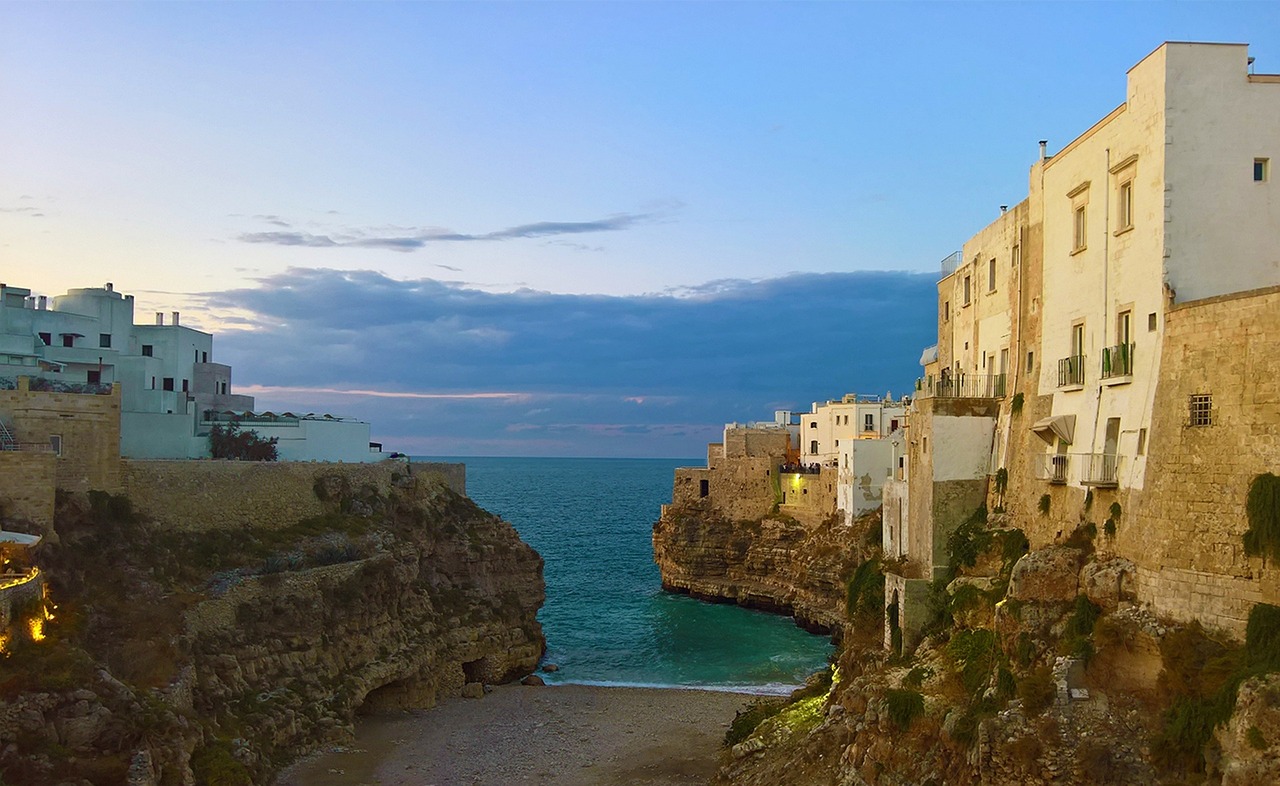
Polignano a Mare is the kind of place you think might only exist in postcards: white houses clinging to dramatic limestone cliffs, turquoise Adriatic water crashing far below, and a tiny pebbled cove framed by a Roman bridge and medieval walls. Yet it’s very real—and surprisingly easy to visit.
I’ve been returning to Polignano a Mare almost every year since my first trip in the early 2010s, and every time I’m struck by how this small town manages to feel both lived-in and magical. In summer, it hums with sunseekers and cliff-divers. In shoulder season, it slows down to a gentler rhythm: old men play cards in shady piazzas, fishermen mend nets, and the air smells of espresso, sea salt, and freshly baked focaccia.
What makes Polignano a Mare special isn’t just the famous Lama Monachile beach you’ve seen on Instagram. It’s the narrow lanes scrawled with poetry on the walls and stairs, the balconies where nonnas gossip as laundry flaps above your head, and the feeling of being suspended between sea and sky when you stand at a cliffside terrace at sunset.
This 2026 travel guide for Polignano a Mare goes far beyond a quick top-10 list: I’ll walk you through the main attractions, lesser-known corners, local food, etiquette, nightlife, and detailed 3–5 day itineraries—sprinkled with personal stories from my own visits. Whether you’re planning 3 days in Polignano a Mare, a 4 day itinerary, or stretching it to 5 days and beyond, you’ll find enough here to fill your trip with memorable experiences.
Table of Contents
- Quick Overview & How Long to Stay
- Neighborhoods & Areas of Polignano a Mare
- Top 20+ Attractions & Experiences
- 3–5 Day Itineraries (Personal Stories & Routes)
- Local Food & Drink: What & Where to Eat
- Nightlife, Entertainment & Cultural Experiences
- What’s New in 2026–2027: Events & Festivals
- Best Day Trips from Polignano a Mare
- Cultural Etiquette & Local Customs
- Practical Travel Tips & Money-Saving Advice
- Summary & Best Time to Visit Polignano a Mare
Quick Overview & How Long to Stay
Polignano a Mare sits on the Adriatic coast of Puglia, about 30–35 minutes by train from Bari. It’s compact—perfectly walkable in sandals—and makes a great base for exploring nearby Monopoli, Alberobello, and the Valle d’Itria.
- Ideal stay: 3–5 days in Polignano a Mare gives you time for beaches, boat trips, old town wandering, and a couple of day trips.
- Best for: Couples (very romantic), families (calm water in sheltered coves), food lovers, photographers, and anyone craving a laid-back coastal town rather than a big city.
- Vibe: Whitewashed alleyways, cliff terraces, slow lunches, late-night gelato strolls, and the sound of waves echoing up the ravines.
Neighborhoods & Areas to Explore
Polignano a Mare is small, but each area has its own character. On my repeat visits, I’ve learned to “tune in” to each micro-neighborhood.
Centro Storico (Historic Old Town)
This is where most visitors spend the bulk of their time, and where I always book at least a night or two. Think whitewashed stone houses, flower-filled balconies, poetry painted on doorways, and small piazzas that suddenly open up to dramatic sea views.
Lama Monachile & Ponte Borbonico Area
The ravine and iconic beach area just north of the old town, dominated by the old Roman/ Bourbon bridge. This is Polignano’s most photographed spot and the heart of many “3 day itinerary for Polignano a Mare” plans.
New Town (Modern Polignano)
Stretching inland from the historic center, the new town is where locals live, shop, and socialize. It’s less polished, more authentic, and often cheaper for accommodation and meals.
San Vito & Coastal Outskirts
A short bike or tuk-tuk ride away, this string of coves, small beaches, and the little harbor of San Vito offers a more tranquil seaside feel. I like to escape here on busy August afternoons.
Top Attractions & Experiences in Polignano a Mare
Below are over 20 of the best places to visit in Polignano a Mare, each with history, context, and personal tips. This is the heart of this travel guide for Polignano a Mare, and you can easily mix and match them into your own 3, 4, or 5 day itinerary.
1. Lama Monachile (Cala Porto)
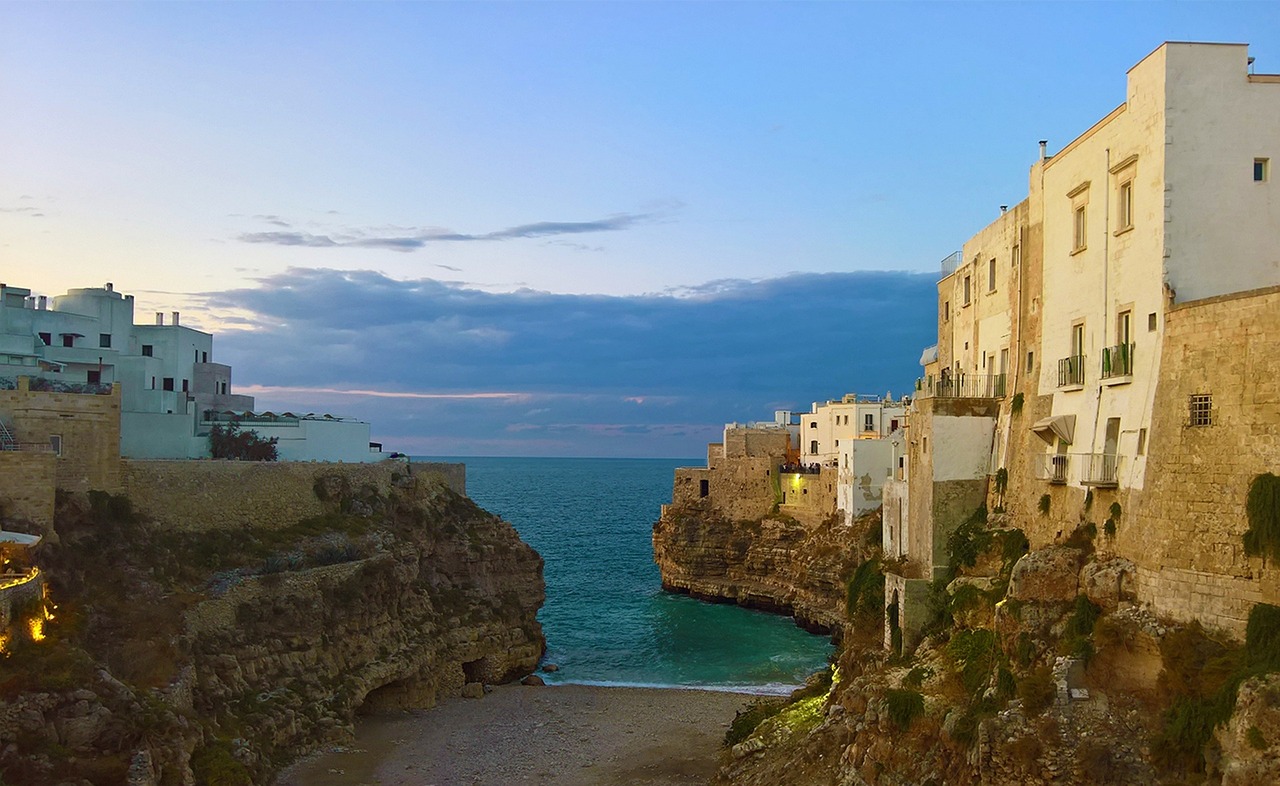
Lama Monachile is the postcard view: a narrow, pebbly beach wedged between towering cliffs, beneath the old bridge of Polignano. No matter how many times I’ve walked down the stone path to the cove, I still pause halfway just to absorb the scene.
History & significance: The “lama” is an ancient riverbed that once channeled water from inland to the sea; over centuries, erosion carved out this dramatic ravine. The bridge above—often called Ponte Borbonico—was part of the old Via Traiana in Roman times and later a Bourbon-era route, connecting trade and travel along the Adriatic coast.
My experience: On my last summer visit, I arrived around 7:30 a.m. The sky was soft pastel, the beach almost empty except for a local man doing slow laps in the glassy water. By 10 a.m., towels covered the pebbles like a patchwork quilt and the chatter of Italian families echoed off the cliffs. Both moods are beautiful, but if you like quiet, come early or at sunset.
What to do:
- Swim in the clear, cool water (it gets deep fast, so great for confident swimmers).
- Rent a paddleboard from kiosks nearby in high season.
- Take photos from both sides: the bridge, the viewing terraces, and down on the beach for a cliff perspective.
Tips: Wear water shoes—the pebbles are beautiful but unforgiving. In July–August, the beach gets very crowded by late morning; for a 3 day itinerary for Polignano a Mare in peak season, I recommend doing Lama Monachile early on Day 1, then moving on to a less busy cove by midday. There’s limited shade—pack a hat and sunscreen.
Food nearby: Grab a coffee and cornetto at a bar along Via Roma beforehand, or a panino and fruit from a local grocery for a post-swim snack.
2. Ponte Borbonico (Roman Bridge Over Lama Monachile)
Standing on this bridge is like standing at the crossroads of Polignano a Mare’s past and present. Buses rumble by, tourists snap selfies, and yet underneath your feet lies the route of the ancient Via Traiana.
History: The Via Traiana was built in the early 2nd century AD under Emperor Trajan, enhancing communication between Benevento and Brindisi. The current bridge largely dates from the Bourbon period, but it follows the same strategic crossing point over the ravine.
My ritual: Whenever I arrive in town, I walk across the bridge dragging my suitcase, stop in the middle, and get my first glimpse of Lama Monachile. The mix of sea breeze, echoes rising from the cove, and the view of white houses clinging to the cliff always feels like a “you’re really here” moment.
Tips for visitors: Come at golden hour when the sun lights up the cliffs. Look on both sides: one faces Lama Monachile; the other reveals the start of the new town and, on clear days, a long stretch of Adriatic coastline.
3. Centro Storico & Poetry-Strewn Lanes
The old town of Polignano a Mare is a delightful tangle of white alleys, arches, and tiny courtyards. What sets it apart from other Puglian towns, though, is the poetry: lines in Italian and dialect painted on walls, doors, and staircases.
My experience: On my first visit, I stumbled upon a staircase that read “Vieni a vedere il mare” (Come to see the sea) painted on each step. Following it led me to a hidden terrace with a jaw-dropping view. Since then, I’ve treated the old town like a treasure hunt for verses and vistas.
What to look for:
- Random short poems on doorframes and windowsills.
- Painted phrases on steps leading to secret viewpoints.
- Balconies draped in bougainvillea, especially near the main piazzas.
When to go: Mornings are peaceful and great for photography. Evenings are lively, with families strolling and bars spilling out onto the squares. For 3 days in Polignano a Mare, I like to plan at least one unstructured morning just wandering these lanes.
4. Balconata sul Mare (Santo Stefano & Other Viewpoints)
Polignano’s clifftop terraces are some of its true must-see attractions. My favorite is the Balconata Santo Stefano, where you feel like you’re standing on the prow of a ship.
Experience: In late September, I watched a storm roll in from here: clouds piling up on the horizon while the sun still lit the white walls behind me. The sea turned from turquoise to a moody steel blue in minutes—absolutely mesmerizing.
Tips: These terraces can get crowded with tour groups. Early morning or late evening is best if you want to savor the views quietly. Keep an eye out for spontaneous street musicians; I once listened to a local guitarist play “Volare” as the sun dipped below the horizon—a cliché, maybe, but goosebump-inducing.
5. Piazza Vittorio Emanuele II & Chiesa Matrice
This is the main square of the old town, a stage where daily life plays out. Children run in circles, older residents sit on benches discussing local politics, and travelers sip spritzes at outdoor tables.
Chiesa Matrice (Santa Maria Assunta): The main church, with roots in medieval times, sits proudly on one side of the piazza. Inside, it’s surprisingly ornate for such a small town, with art and altars worth a quick look.
My tip: I like to come here around 6–7 p.m., order an aperitivo, and just watch the light change on the facades. If you’re visiting with kids, this is a good place to let them burn off energy safely while you relax.
6. Statue of Domenico Modugno & Lungomare
Domenico Modugno, born in Polignano, is the singer behind the iconic “Nel blu dipinto di blu (Volare)”. His statue, arms outstretched toward the sea, has become a symbol of the town.
Experience: The first time I saw it, a group of Italian tourists spontaneously started singing “Volare” in front of the statue, complete with harmonies. It felt like a scene from a film.
What to do: Walk the lungomare (seafront promenade) from here, stopping at viewpoints that offer sweeping vistas of the old town on its cliffs. It’s especially atmospheric at dusk.
7. Sea Caves & Grotta Palazzese (From the Water)
The limestone cliffs under Polignano are riddled with caves and arches. Seeing them from the water gives you a completely different perspective on the town.
Boat tours: Small-boat or dinghy tours leave from Polignano’s tiny harbor or nearby San Vito. In 1–2 hours, you’ll glide into sea caves, slip under natural arches, and admire the old town perched overhead.
Grotta Palazzese: Perhaps the most famous of the caves, home to a luxury restaurant built directly into the rock. I’ve only splurged on dinner here once—it’s pricey, yes, but the setting is unforgettable. For a romantic 3 day itinerary for Polignano a Mare, this is a showstopper evening.
My tip: Opt for a late afternoon boat tour when the light is warm and the cliffs glow. Ask your captain (in Italian if you can manage) about the cave names and local legends; many have stories attached.
8. Cala Paura
Just east of the center lies Cala Paura, a series of small coves and concrete platforms used by locals as an informal lido.
Why I love it: It feels less staged than Lama Monachile. Families bring coolers, locals dive from rocks, and there’s a casual, almost old-fashioned beach-club energy.
Tips: Good for a laid-back afternoon. The water is usually calm, and there’s often a simple kiosk or bar open in high season. Bring your own umbrella if you’re sensitive to sun.
9. San Vito Abbey & Harbor
San Vito is a tiny hamlet just north of Polignano, anchored by a former Benedictine abbey and a picturesque little harbor with colorful fishing boats.
History: The abbey, dedicated to Saint Vitus, dates back many centuries and has long been a local pilgrimage site. Its pale facade reflects beautifully in the water on still days.
My experience: I rented a bike one June afternoon and pedaled the gentle coastal road here. I arrived just in time to see fishermen unloading crates of gleaming silver fish. A small bar by the water served me one of the simplest, best lunches I’ve had in Puglia: grilled fish, lemon, olive oil, and bread.
Tips: Excellent mini-excursion if you have 4 or 5 days in Polignano a Mare. You can walk (about 40–50 minutes), bike (20 minutes), or take a tuk-tuk or taxi. Combine it with a swim at nearby coves.
10. Lungomare Cristoforo Colombo & Cliff Walks
This seafront walkway offers ever-changing angles of the cliffs and old town. It’s perfect for a sunset stroll or a morning jog if you’re that energetic traveler.
My tip: On breezy spring days, I like to walk here with a gelato from a nearby pasticceria, stopping at every bench with a view. This route is easy with kids in strollers too.
11. Museo d’Arte Contemporanea Pino Pascali
This small museum, dedicated to local-born artist Pino Pascali, sits in a modern building with sea views. It’s an unexpected contemporary counterpoint to the historic town.
Why visit: If you’re an art lover or need a break from the sun, this is a rewarding hour or two. Exhibits rotate, but often feature playful installations and thought-provoking pieces.
My experience: On an unseasonably windy May day, I ducked in here mostly to escape the gusts and stayed far longer than planned. The juxtaposition of modern art with the wild Adriatic just outside the windows is striking.
12. Local Markets & Via Pompeo Sarnelli
Polignano doesn’t have a huge central market like bigger cities, but streets like Via Pompeo Sarnelli and the surrounding area host small produce markets, bakeries, and butchers that are very much part of daily life.
My habit: I like to stay in an apartment at least once per trip so I can shop for local ingredients: sun-sweet tomatoes, burrata, olives, fragrant basil, and crusty bread for DIY bruschette. It’s one of the best ways to save money and feel like you live here, just a little.
13. Ancient Gates & Arches (Porta Vecchia & Others)
Entering the old town through its arches always feels ceremonial. These gates once defended the town; today, they frame your transition from modern streets to medieval alleys.
Tip: Look up as you pass through—there are often small niches, religious icons, and inscriptions that most people miss as they rush to the beach.
14. Cliff Diving Spots & Red Bull Cliff Diving Legacy
Polignano a Mare is famous among adrenaline junkies for the Red Bull Cliff Diving World Series, which has used the town’s cliffs and balconies as a spectacular stage several times.
Watching vs doing: Watching locals and skilled divers leap from rocks into deep water is thrilling. Casual visitors should not attempt high cliff dives—every year there are injuries. If you’re a strong swimmer, stick to low ledges where locals also go, and always check depth and conditions.
My experience: I’m firmly in the spectator camp. One September, I perched on a terrace with a cold Peroni and watched divers practice flips into the sea below—heart-in-mouth viewing.
15. Smaller Churches & Chapels
Scattered through the old and new town are small churches—often simple on the outside but quietly beautiful within. Stepping inside provides a moment of calm and a glimpse into local religious life.
Etiquette: Cover shoulders, speak softly, and avoid visiting during mass unless you’re participating.
16. Il Grottone & Lesser-Known Swimming Spots
Walk a little further along the coast and you’ll find rocky platforms and smaller inlets like Il Grottone, favored by locals wanting to avoid the main crowds.
My tip: These spots are for confident swimmers and people comfortable on rocks rather than sand or pebbles. Bring thick towels or a mat.
17. Cooking Classes & Nonna-Style Experiences
Several local operators now offer cooking classes in and around Polignano a Mare: learning to make orecchiette by hand, preparing fresh seafood, or mastering Puglian antipasti.
My experience: I joined a small class where a local nonna showed us how to make orecchiette on a wooden board. By the end, our fingers were sore, our aprons dusted with flour, and we sat down together to eat what we’d made with copious wine. It was a highlight of that trip.
18. Biking the Coast & Countryside
Renting a bike opens up the coastline around Polignano: quiet roads, olive groves, and sea views. It’s a wonderful family-friendly or active couple’s activity, especially in spring or autumn.
Tip: Start early to avoid midday heat. Helmets are recommended, and always bring water.
19. Gelato & Pasticceria Crawl
Sampling gelato and pastries might not appear on official lists of things to do in Polignano a Mare, but it should. Over multiple trips, I’ve turned it into an art form.
Flavors to try: Pistachio (naturally), almond, fig, ricotta with pear, and seasonal specials. In pastry shops, look for pasticciotti, sfogliatelle, and anything featuring local almonds or citrus.
20. Sunrise & Sunset Rituals
One of the simplest yet most powerful experiences in Polignano a Mare is just watching the sky change colors over the Adriatic.
My favorite spots: The terraces near Balconata Santo Stefano for sunset, and the Lama Monachile bridge or beach for sunrise. Bring a coffee or a takeaway pastry and let time slow down.
3–5 Day Itineraries for Polignano a Mare (With Personal Stories)
Below are flexible itineraries you can adapt to 3 days in Polignano a Mare, 4 days, or a full 5 day itinerary. I’ve woven in my own experiences and tips. Word of reassurance: you do not need to follow these rigidly—Polignano is best enjoyed with some spontaneity.
3 Day Itinerary for Polignano a Mare
This 3 day itinerary for Polignano a Mare is ideal if you want the highlights: old town, sea caves, and some beach time—plus good food and a dash of local color.
Day 1: First Glimpse of the Cliffs & Old Town Magic
I like to arrive by train from Bari in late morning. As you roll into Polignano a Mare station, you can already sense the sea air. From the station, it’s a 10–15 minute walk downhill to the old town—perfect for stretching your legs after travel.
Morning: Drop your luggage where you’re staying (ideally a B&B in or near the old town) and head straight for the Ponte Borbonico. Standing in the middle, you’ll get your first sight of Lama Monachile below. I still remember that first time: the pebbled cove shining in the midday sun, umbrellas sprouting like flowers, and kids shrieking as they tested the chilly water.
Walk down to the beach via the stone path. Sit on the pebbles for a while, even if you’re not swimming yet. Let your body arrive in this new rhythm: slower, saltier, warmer.
Lunch: For a simple, wallet-friendly first meal, I usually grab a focaccia slice or panino from a bakery along Via Roma or Via Pompeo Sarnelli. Eat it on a bench overlooking the sea if you can find one in the shade.
Afternoon: Wander into the Centro Storico. Don’t worry about “seeing everything” yet. Let yourself get lost among the white alleys, following the hints of poetry painted on steps and walls. Pop into Chiesa Matrice if it’s open, and linger in Piazza Vittorio Emanuele II.
By mid-afternoon, if it’s hot, I often retreat to my room for a short rest or find a café with a breeze for an iced coffee (caffè in ghiaccio) or granita.
Evening: As the sun starts to soften, make a loop of the main terraces: Balconata Santo Stefano, the viewpoints near the Modugno statue, and the lungomare. Stop often. This is where Polignano shows you its most photogenic side.
For dinner, choose a trattoria in the old town—look for one with a short menu and a mix of locals and visitors. Try a seafood pasta or orecchiette alle cime di rapa (with turnip tops), a Puglian classic. After dinner, stroll with a gelato. On my last trip, I discovered a pistachio-basil flavor that sounded odd but tasted like summer in a cup.
Day 2: Sea Caves, Boat Tour & Beach Time
Morning: Today is your day to see Polignano from the water. I recommend booking a small-boat tour in advance, especially in July–September. Many tours leave mid-morning from the harbor just south of the town center or from San Vito.
On one trip, I joined a 10 a.m. tour on a small inflatable boat with just six other passengers. Our captain was a local in his 30s who’d grown up diving off these cliffs. He navigated us into narrow caves where the light turned the water an impossible turquoise, pointing out caves named for saints, legends, or old local stories.
You’ll pass beneath Grotta Palazzese, see the old town rising in layers of rock and stone above you, and likely have a chance for a quick swim in a sheltered spot. Bring a swimsuit under your clothes, a towel, and a waterproof bag or case for your phone.
Lunch: After the tour, I like to keep lunch light: maybe a plate of fried seafood (fritto misto) and a salad at a casual seaside spot, or takeaway focaccia. A cold beer or glass of white wine tastes especially good after the salt and sun.
Afternoon: Dedicate the afternoon to beach or swimming time. If you want the iconic experience, return to Lama Monachile, though it may be crowded. For something more relaxed, head to Cala Paura or a rocky platform like Il Grottone. Pack plenty of water and sunscreen.
Evening: Consider timing your aperitivo for sunset at a cliffside bar or terrace. Watch the town light up as the sky darkens. If you’re in a romantic mood, this is the night to splurge on a special dinner—perhaps even at Grotta Palazzese if budget allows. For more affordable romance, choose a simple spot with outdoor tables and candlelight. End the day walking the quieting alleys of the old town.
Day 3: Markets, Art, & Hidden Corners
Morning: Start with a leisurely breakfast—maybe at a bar in the new town where locals stand at the counter for their espresso. Afterward, wander Via Pompeo Sarnelli and nearby streets to peek into greengrocers, bakeries, and butchers. Even if you’re not cooking, it’s a window into local life.
If you’re an art fan or if the weather is a bit off, visit the Pino Pascali Museum of Contemporary Art. I once spent a gray, drizzly morning here, watching waves crash below the building between exhibits.
Lunch: Try a place known for panini or simple Puglian dishes. On a budget-conscious trip, I often opt for a “menu of the day” at a modest trattoria, which offers good value.
Afternoon: This is your time to fill any gaps: revisit your favorite viewpoint, grab one last swim, or simply sit at a café with a book. I usually buy a small local souvenir today—olive oil, a ceramic piece, or a jar of sun-dried tomatoes—to bring a taste of Polignano home.
Evening: For your final night, pick a restaurant you passed earlier that caught your eye. Maybe you saw pasta being rolled by hand or smelled something irresistible as you walked by. After dinner, one last gelato and a slow stroll over the bridge to say goodbye to Lama Monachile by night.
4 Day Itinerary for Polignano a Mare
With 4 days in Polignano a Mare, you can add a short excursion and sink more into the local rhythm.
Days 1–3: Follow the 3 day itinerary above.
Day 4: San Vito & Coastal Cycling
Morning: Rent a bike from a shop in the new town or arrange a guided cycle. Ride north along the coastal road to San Vito. The route isn’t long, but I always stop often to photograph olive trees, stone walls, and glimpses of turquoise sea through the grass.
Explore the abbey and the little harbor. Have a coffee at the bar by the water, watching boats bobbing gently.
Lunch: Eat fresh seafood at one of the simple eateries here—whatever’s on the daily menu is usually what came off the boats that morning. On one bike trip, I lingered over grilled octopus, potatoes, and a carafe of house white while listening to fishermen arguing amiably about the weather.
Afternoon: Swim at one of the nearby coves, then pedal back to town. If your legs are tired, break up the ride with a gelato stop.
Evening: There’s something satisfying about walking into Polignano’s old town at dusk after a day out, slightly salty and sun-warmed, ready for a shower and a generous plate of pasta.
5 Day Itinerary for Polignano a Mare
A 5 day itinerary for Polignano a Mare gives you time for a classic Puglian day trip and deeper local experiences.
Days 1–4: Follow the suggestions above (or swap Day 4 with your favorite excursion idea from the next section).
Day 5: Day Trip to Alberobello or Monopoli
On my longer stays, I always carve out a day for one of these:
- Alberobello: Famous for its trulli houses—white stone dwellings with conical roofs. It’s touristy but unique, and kids especially love the fairytale feel.
- Monopoli: A lovely coastal town just 10–12 minutes by train south of Polignano. Its old harbor and cathedral area are beautiful, and it feels more “lived in” than Alberobello.
My personal preference: If you’re very into architecture and photography, pick Alberobello. If you want another coastal town with good swimming and a more local vibe, choose Monopoli. On one trip, I did a leisurely day in Monopoli: morning wandering the old port, long lunch in a square, afternoon swim at a city beach, and back to Polignano for dinner.
Returning in the evening, Polignano feels both familiar and fresh, like coming home to a place that isn’t quite home but could be.
Local Food & Drink in Polignano a Mare
One of the biggest reasons I keep coming back to Polignano a Mare is the food. Puglia is a region of simple, ingredient-driven cooking, and this town takes full advantage of its coastal location.
What to Eat: Essential Dishes
- Orecchiette alle cime di rapa: “Little ear” pasta with bitter greens, garlic, anchovies, and chili. Earthy, comforting, and very Puglian.
- Raw & grilled seafood: Expect octopus, clams, mussels, shrimp, and local fish. Mixed platters are common.
- Focaccia barese: Thick, olive-oil-rich bread topped with tomatoes, olives, and sometimes potatoes.
- Burrata & mozzarella: Cheese heaven. Order as an antipasto with tomatoes and basil.
- Panzerotti: Fried turnovers stuffed with tomato and mozzarella or other fillings—perfect cheap snack.
- Gelato & pastries: Try flavors with local almonds, figs, or pistachio.
Where to Eat & How to Save Money
In the old town, restaurants with cliff views tend to be pricier; you’re paying for the panorama. In the new town and on side streets, you’ll find more affordable spots frequented by locals.
My saving strategies:
- Have one restaurant meal per day and make the other simple: bakery focaccia, panini, or supermarket picnic.
- Order vino della casa (house wine) – usually excellent value.
- Share antipasti and a main rather than ordering multiple large courses.
Ask your host or a friendly shop owner for their favorite trattoria; locals love to share tips if you’re genuinely interested.
Nightlife, Entertainment & Cultural Experiences
Polignano a Mare is not a wild party town like some bigger coastal resorts, but it has a lively evening scene—more about conversation, music, and lingering over drinks than nightclubs.
Aperitivo & Bars
From about 6–8 p.m., bars and cafés fill with people enjoying aperitivo: a spritz, glass of wine, or beer accompanied by small snacks.
I like to rotate: one evening at a cliffside bar with a view, another in a quieter piazza people-watching, maybe a night in the new town where locals gather.
Live Music & Events
In summer, look out for small concerts, DJ sets, and cultural festivals announced via posters or the tourist office. Sometimes a simple three-piece band on a square can turn into an impromptu dance floor by midnight.
Family-Friendly Evenings
If you’re traveling with kids, evenings are still enjoyable: grab gelato, stroll the old town, let them play in the piazza, and then head back before it gets too late. Italians are generally welcoming toward children in restaurants in the evening.
What’s New in 2026–2027: Events & Festivals
While exact dates can shift, here are some key happenings to watch for in 2026–2027. Always confirm closer to your travel dates via the local tourist office or town website.
- Festa di San Vito (June): Celebrations in honor of Saint Vitus, including religious processions—often with the saint’s statue taken by boat—fireworks, and street festivities in Polignano and San Vito. If you’re here in mid-June 2026 or 2027, this offers rich cultural experiences in Polignano a Mare.
- Summer Music & Cultural Festivals (July–August): Expect open-air concerts, art installations, and special evening events in the old town and along the seafront.
- Cliff Diving Events: Some years, Polignano hosts major diving competitions or smaller exhibitions linked to the Red Bull Cliff Diving legacy. Check late spring and summer calendars.
2026–2027 will likely continue the trend of more sustainable tourism initiatives—extended pedestrian zones, plastic reduction, and promotion of shoulder-season visits.
Best Day Trips from Polignano a Mare
Polignano a Mare is a great base for exploring Puglia. Here are some favorite day trips I’ve done, all practical within a 4 or 5 day itinerary for Polignano a Mare.
Monopoli
Travel time: ~10–12 minutes by regional train.
A slightly larger coastal town with a gorgeous old port, cathedral, and city beaches. I love spending a lazy day here wandering the white lanes and eating seafood by the harbor.
Alberobello
Travel time: Around 1–1.5 hours, typically via train or bus with a connection (often in Conversano or Bari, depending on schedules).
Famous for its trulli houses. Go early or late to avoid crowds, and wander beyond the most touristy trulli zone for quieter lanes.
Castellana Grotte
Travel time: ~25–40 minutes by car or bus.
Home to remarkable underground caves. Great on a hot day or if you’re traveling with kids fascinated by geology.
Valle d’Itria Towns (Locorotondo, Cisternino, Martina Franca)
If you have a rental car, you can string together a scenic loop through these white hill towns: wine tasting in Locorotondo, grilled meats in Cisternino, and baroque architecture in Martina Franca.
Cultural Etiquette & Local Customs
Understanding a few local customs will make your time in Polignano smoother and more enjoyable.
Language & Greetings
- Italian is the main language; many people in tourism speak basic English, but a few Italian phrases go a long way.
- Greet with “Buongiorno” (good day) until late afternoon, then “Buonasera”.
- When entering small shops, say hello; when leaving, a “Grazie, arrivederci” is appreciated.
Dining Etiquette
- Italians eat later than many visitors: lunch 1–3 p.m., dinner often from 8 p.m. onward.
- Coffee with milk (like cappuccino) is typically a morning thing; after meals, locals order an espresso.
- It’s normal to linger over meals; you often must ask for the bill (“Il conto, per favore”).
Beach & Public Behavior
- Topless sunbathing is not common here; wear standard swimwear.
- Keep music at a reasonable volume on beaches; many families and older locals value a relaxed atmosphere.
Religion & Dress
In churches, cover shoulders and avoid very short shorts. Speak quietly and avoid intrusive photography, especially during services.
Practical Travel Tips for Polignano a Mare (2026)
Getting There
- By plane: Fly into Bari (BRI) or Brindisi (BDS). Bari is closer.
- By train: From Bari Centrale, regional trains run frequently to Polignano a Mare (30–35 minutes). The station is a short walk from town.
- By car: Easy drive along the SS16. Parking near the old town can be tricky in peak season; look for marked lots and avoid ZTL (restricted traffic) zones.
Getting Around
Polignano itself is best explored on foot. For nearby beaches and San Vito, walking, biking, tuk-tuks, or short taxi rides work well.
SIM Cards & Connectivity
In 2026, you can easily buy prepaid SIM cards from major Italian providers (TIM, Vodafone, WINDTRE) in Bari or larger towns. Bring your passport. eSIM options are increasingly common, and many visitors opt for regional European eSIMs before arrival.
Money & Costs
- Currency: Euro (€).
- Cards widely accepted, but keep some cash for small cafés, beach kiosks, and markets.
- Compared to northern Italy, Puglia is generally more affordable, though Polignano’s popularity has nudged prices up.
Car Rental & Foreign Licenses
To explore the wider region, a car can be helpful, especially for Valle d’Itria towns and rural areas.
- Most EU and many non-EU licenses are accepted; check your rental company’s policy.
- If you’re from outside the EU, an International Driving Permit (IDP) is often recommended alongside your home license.
- Drive defensively; roads are generally good but can be narrow in villages.
Visa Requirements
Italy is part of the Schengen Area. Many nationalities can enter visa-free for short stays (up to 90 days) for tourism, but always check current Schengen and national regulations for 2026 before you travel, especially with the rollout of systems like ETIAS for some visitors.
Best Seasons & What They’re Good For
- Spring (April–June): My favorite time. Mild to warm weather, wildflowers, fewer crowds. Great for hiking, biking, and sightseeing.
- Summer (July–August): Hot, busy, and buzzing. Best for beach life, boat trips, nightlife, and festivals. Book well ahead and expect crowds at Lama Monachile.
- Autumn (September–October): Still warm, sea temperatures pleasant, crowds thinning. Ideal mix of swimming and relaxed exploration.
- Winter (November–March): Quiet, some places may close or reduce hours, weather can be cool and occasionally wet. Good if you prefer solitude and don’t mind that beach life is minimal.
Hidden Tips & Money-Savers
- Stay slightly outside the old town for better prices and quieter nights.
- Use regional trains for cheap, easy day trips along the coast.
- Picnic lunches with market produce are delicious and budget-friendly.
- Visit main viewpoints early morning or late evening to avoid tour groups and harsh light.
- In high season, book boat tours, popular restaurants, and accommodations in advance.
Summary & Final Recommendations
Polignano a Mare may be small, but it’s layered: cliffs and caves, history and modern art, simple trattorie and world-famous grotto dining, bustling August beaches and quiet winter alleys. Whether you follow a structured 3 day itinerary for Polignano a Mare, stretch to 4 days, or linger for a 5 day itinerary with day trips, you’ll find more than enough to fill your time.
Key takeaways:
- Base yourself near the old town to feel the town’s soul, but explore the new town and San Vito to see daily life.
- Balance land and sea: one day for old town wandering, one for the boat and caves, one for beaches, and extra days for nearby towns.
- Eat simply and well: fresh seafood, Puglian pasta, focaccia, and gelato will fuel your days without needing to overspend.
- Respect local customs, especially around dining times, church visits, and beach behavior; you’ll be welcomed warmly.
Best time to visit Polignano a Mare: For most travelers, late April–June and September–early October offer the best balance of good weather, swimmable sea, and manageable crowds. If you crave the full buzz of summer festivals and don’t mind the heat or crowds, July and August can still be magical—just plan and book ahead.
On my last evening each trip, I always return to the Lama Monachile bridge, lean on the stone wall, and watch the lights flicker on along the cliffs. The sea below keeps moving, but the town feels timeless. I suspect you’ll leave with the same feeling—and, if you’re like me, you’ll already be plotting your next visit before your train even pulls out of the station.