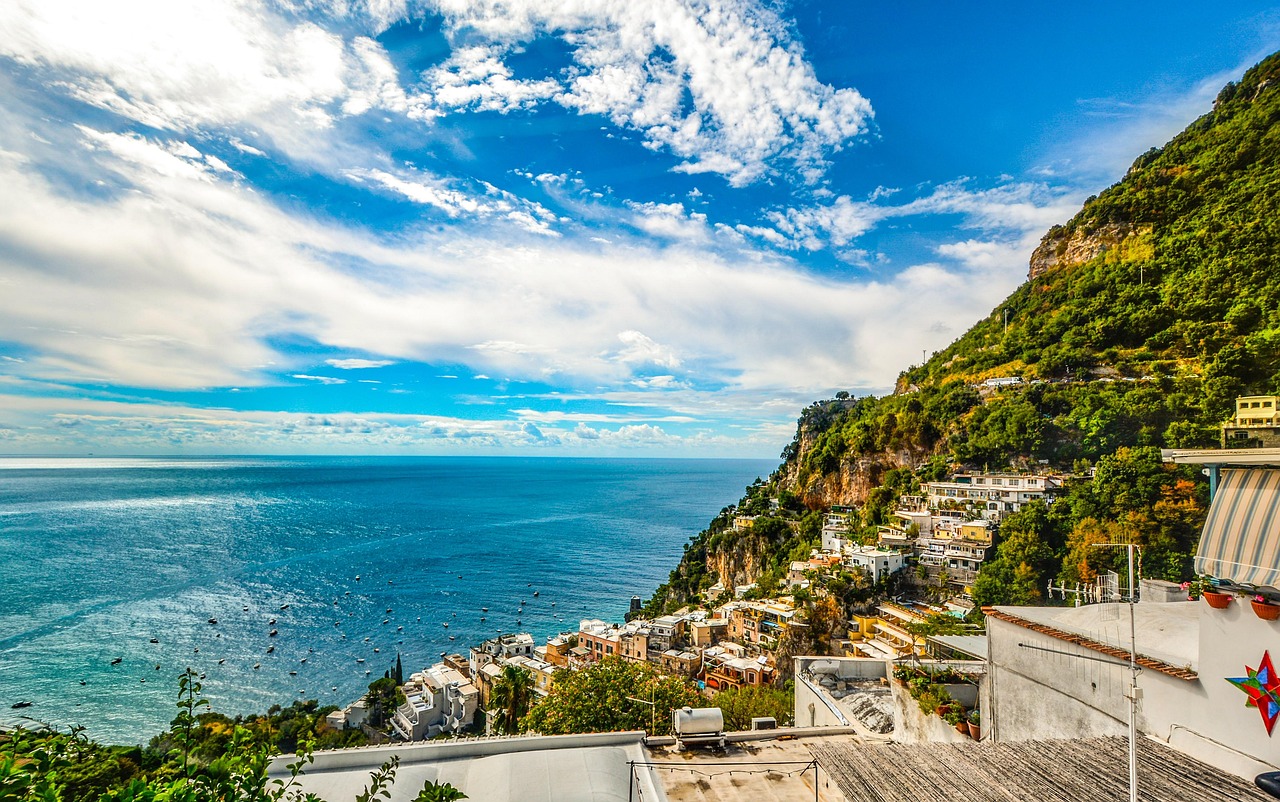
Why Visit Positano in 2026
Positano is the kind of place that doesn’t just look like a postcard – it feels like one. Every time I arrive, usually stepping off a ferry with the sun bouncing off those pastel houses stacked impossibly on the cliffs, I get the same little jolt: “I can’t believe this is real.”
In 2026, Positano is as dazzling as ever, but it’s also a bit wiser. After years of overtourism, there’s more attention on protecting the coastline, improving walking paths, and preserving the town’s small-scale, family-run character. You’ll still find glamorous beach clubs and boutique hotels, but you’ll also find elderly locals chatting in Neapolitan dialect outside the alimentari at dusk, fishermen mending nets in the tiny harbor, and nonnas hanging laundry above narrow stepped alleys.
This guide is written from the perspective of someone who keeps coming back: my first visit was as a broke twenty-something on a backpacking trip; my most recent stay was in spring 2026, when I spent five weeks using Positano as my “office” (laptop powered by espresso and sfogliatelle). I’ll share not just the must-see attractions in Positano, but also the quiet corners, timing tricks, and money-saving habits I’ve learned the hard way.
Whether you’re planning a 3 day itinerary for Positano, a more leisurely 4 days in Positano, or a deep-dive 5 day itinerary for Positano and beyond, this travel guide for Positano will help you design a trip that feels both magical and manageable.
Table of Contents
- Why Visit Positano in 2026
- Positano at a Glance
- Neighborhoods & Areas of Positano
- Top 20 Attractions & Experiences in Positano
- 3–5 Day Itineraries for Positano
- Local Food in Positano: What & Where to Eat
- Nightlife, Entertainment & Cultural Experiences
- Best Day Trips from Positano
- Events & Festivals 2026–2027
- Cultural Etiquette & Local Customs in Positano
- Practical Travel Tips for Positano
- Summary & Best Time to Visit Positano
Positano at a Glance
Positano is a vertical village carved into the cliffs of the Amalfi Coast in Campania, southern Italy. It’s part fishing town, part fashion runway, part beach escape. The town tumbles down from the main road (the SS163 Amalfitana) to Spiaggia Grande, the main beach, with a tangle of stairways and narrow lanes in between.
- Region: Campania, Italy
- Closest major city: Naples (about 1.5–2.5 hours away depending on transport)
- Best for: Romantic escapes, scenic hikes, food lovers, design/fashion, slow coastal living
- Family-friendly? Yes, if you’re okay with stairs and plan mid-day rest time
- Peak season: June–September (busiest in July–August)
- Sweet spot: Late April–early June, late September–mid-October
Positano is compact but steep. You’ll walk, climb stairs, and then climb some more. That’s part of the magic – those views exist because of the verticality. Just pack comfortable shoes and embrace the slow, stair-filled rhythm.
Neighborhoods & Areas of Positano
Positano doesn’t have “neighborhoods” in the big-city sense, but it does have distinct zones that feel different. I tend to describe Positano in layers from the sea upward.
1. Spiaggia Grande & Lower Positano
This is the iconic postcard view: the main beach (Spiaggia Grande), the colorful houses behind it, and the dome of Santa Maria Assunta peeking out from the cluster of buildings. It’s lively, photogenic, and the center of tourist life.
I usually stay up in the middle level and wander down here in the evenings, when the daytrippers have left and the light turns golden. It’s busy but charming, with kids playing on the sand, couples lingering over spritzes, and fishermen prepping their boats for the next morning.
2. Fornillo Quarter
Just around the rocky headland from Spiaggia Grande, Fornillo feels like a softer, more relaxed cousin. A pedestrian path hugs the cliff from the main harbor, passing tiny viewpoints and a few bars, and then suddenly you’re at a wide pebbly beach with more space and fewer crowds.
Fornillo is my go-to when I want to be near the sea but not in the thick of it. The hotels up here have amazing views, and the vibe is more low-key, with simple trattorie and family-run guesthouses.
3. Upper Positano (Chiesa Nuova & Montepertuso Road)
Above the main road (and sometimes above the clouds on misty mornings), upper Positano offers some of the most spectacular panoramas. This is where you’ll find local residential pockets, tiny grocery shops, and a feeling of “real life” beyond the boutiques.
When I stay up here, my mornings begin with watching the town wake up from my terrace and hearing the church bells echo off the cliffs. It’s a bit more of a trek down to the beach, but you’ll save money on accommodation and gain peace and quiet.
4. Montepertuso & Nocelle
Technically separate villages above Positano, Montepertuso and Nocelle are your gateways to the mountains and the famous Path of the Gods. They feel like balcony villages, hovering high over the sea with crazy-beautiful vistas.
When I want to escape the summer crowds, I hop on the local bus up here for lunch and a stroll. The air is cooler, the pace slower, and the restaurants often more affordable. If you’re planning serious hiking, staying a night in Nocelle can be a dream.
Top 20 Attractions & Experiences in Positano
Below are twenty of the best places to visit in Positano – a mix of big-name sights, beaches, hikes, cultural experiences, and quiet corners. I’ve woven in history, significance, and personal anecdotes, plus specific travel tips for Positano so you can actually enjoy them without feeling overwhelmed.
1. Spiaggia Grande (Main Beach & Heart of Positano)
Spiaggia Grande is the stage where Positano performs. The grey pebbles, the neat rows of orange and blue umbrellas, the brightly painted fishing boats – it’s what you’ve seen in every postcard and Instagram photo.
Historically, this was the working harbor where fishermen set out at dawn and returned at dusk. Today, it’s still a launching point – but mostly for ferries to Capri, Amalfi, and Sorrento, plus private boat tours. The fishing boats remain, more as a link to tradition than as the town’s main industry.
On one of my first trips (back when I could only afford the free section of beach), I’d buy a takeaway panino with mozzarella and fresh tomatoes from a tiny shop up the alley and eat it on the pebbles, feet in the water, watching the glamorous crowd at the paid lido next door. Now, I sometimes splurge on a front-row sunbed, but honestly, the view is just as good from the free section – you just need a thicker towel for those pebbles.
- Best time to visit: Early morning (7–9am) for peaceful swims and photos; sunset for golden light and aperitivo.
- Family-friendly? Yes, though the beach is pebbly. Kids love the shallow entry and boat-watching.
- Money-saving tip: Use the free section on the left side (facing the sea) and bring a foldable mat. Buy snacks at the supermarket above rather than at beach bars.
- Romantic tip: Book a late-afternoon sunbed, stay through sunset, then walk straight up to dinner along the beach promenade.
2. Church of Santa Maria Assunta & Iconic Dome
The tiled dome of Santa Maria Assunta might be Positano’s most recognizable architectural feature. Its yellow, green, and blue majolica tiles glint in the sun and pop out in almost every skyline photo.
The church dates back to the 10th century as part of a Benedictine abbey, though it’s been rebuilt and modified over the centuries. Inside, soft light filters through high windows onto a Baroque interior and the famous Byzantine-style icon of the Black Madonna and Child, brought here (according to legend) by 12th-century Benedictine monks or possibly pirates. Legend says a storm at sea calmed only when sailors obeyed a voice from the icon saying “Posa, posa!” (“Put me down!”) – giving Positano its name.
I love slipping into the church mid-day when the beach heat is intense. The temperature drops, and so does the noise. It’s a good place to catch your breath, cover your shoulders, and remember Positano isn’t just a backdrop – it’s a town with deep spiritual and historical roots.
- Dress code: Shoulders and knees covered (carry a light scarf in summer).
- Photography: Usually allowed, but avoid flash and be discreet during services.
- Best viewpoint of the dome: From the steps above the beach or from terraces on the middle level (many cafes have “dome views”).
3. Fornillo Beach: Quieter Escape
Fornillo Beach is where I go when I want sea time without the full circus of Spiaggia Grande. It’s still well-serviced with sunbeds and a couple of laid-back beach clubs, but the scale is smaller and the mood more relaxed.
You reach it via a scenic cliffside path starting from the main harbor. On my first walk there, I kept stopping at every little lookout, stunned at how the colors changed – turquoise shallows near the rocks, deep cobalt blue beyond, and the pastel houses of Positano slowly receding behind me.
The name “Fornillo” comes from old bread ovens (“forni”) that once dotted the area. Today, you’re more likely to find grilled fish than bread, but the tradition of simple, hearty seaside food remains. I’ve had some of my favorite lunches here: grilled sardines, a carafe of house white wine, and nothing on my afternoon agenda except a nap under a beach umbrella.
- Best for: Couples, relaxed families, anyone seeking a slightly calmer beach.
- Access: 10–15 minute walk along the cliff path from Spiaggia Grande; some stairs.
- Hidden tip: If you go early (before 10am), you can sometimes find a free patch even in high season.
4. Sentiero degli Dei (Path of the Gods)
The Path of the Gods is one of Europe’s legendary hikes, and it truly lives up to its name. Running between Bomerano (above Agerola) and Nocelle (above Positano), it traces a balcony-like path along the cliffs, with staggering views over the Amalfi Coast and Capri.
The first time I hiked it, I underestimated both the sun and the number of photos I’d take. It took me far longer than planned because I kept stopping to gape at terraced vineyards, tiny rural chapels, and the way the sea seemed to stretch into forever. There’s something ancient and almost mythic about the route – shepherds still use parts of it, and you can imagine traders and travelers doing the same centuries ago.
- Difficulty: Moderate (trail is well-defined but rocky; exposure to sun; some drop-offs).
- Route tip: Most people hike Bomerano → Nocelle (slightly downhill). From Nocelle, you can walk down to Positano via many steps, or take the local bus.
- Essentials: Sturdy shoes, hat, sunscreen, at least 1.5–2L of water per person, and snacks.
- Family-friendly? With older kids/teens who are used to hiking and not afraid of heights; not ideal for small children.
5. Coastal Boat Tour & Hidden Coves
Seeing Positano from the water is like flipping the town around and viewing it from its best side. The cliffs drop dramatically into the sea, caves and tiny beaches appear around each bend, and the town looks somehow both grand and fragile from this perspective.
On one particularly perfect September afternoon, I joined a small-group boat tour that left Positano mid-morning, hugged the coast past Praiano, and circled Li Galli islands. We swam in hidden coves where the water was so clear I could see my toes in 10 meters of depth. The captain, a local from Praiano, pointed out old watchtowers, stories of Saracen pirate raids, and villas owned by various Italian film stars – all delivered with that wonderfully dry Campanian humor.
- Best for: Couples, groups of friends, photographers, confident swimmers.
- Options: Shared 2–4 hour tours, private charters, sunset cruises.
- Saving tip: Join a shared tour rather than a private boat; book directly at the harbor for better prices.
- Romantic tip: A sunset cruise with a bottle of Prosecco is one of the most romantic things to do in Positano.
6. Arienzo Beach & “300 Steps”
Arienzo is sometimes called the “300 steps beach” (there are roughly that many stairs down from the road). Don’t let that scare you – the walk down is gorgeous, passing fragrant gardens and giving you sneak peeks of the turquoise water below. The walk up is…a workout, but a satisfying one.
Arienzo gets more direct sun later into the afternoon than Spiaggia Grande, so I like coming here when the main beach is already in shade. The water is often a touch clearer, and there’s a mix of paid lido and small free area. On several trips, we packed a small cooler with fruit, cheese, and water, spent the afternoon swimming, and climbed back up just in time for golden hour on the road.
- Best for: Swimmers, sun worshippers, anyone who doesn’t mind stairs.
- Access: On the road toward Amalfi; local bus stop nearby; then stairs down.
- Tip: Wear proper sandals or shoes for the steps; they can be hot and uneven.
7. Marina Grande at Night
By day, Marina Grande is a ferry hub and beach extension. By night, it transforms into one of the most atmospheric spots in town. Lights from the restaurants reflect on the water, music drifts from beach clubs, and the hillside sparkles like a Christmas tree.
On warm evenings I love to grab a gelato, wander the promenade, and watch the last boats come in under a pink sky. Sometimes, if I’m feeling social, I’ll end up at a bar chatting with other travelers and locals; other nights, I’ll just sit on the low wall and let the sound of the waves do the talking.
- Best for: Evening strolls, people-watching, casual drinks.
- Family-friendly: Very – kids run around, couples stroll, everyone gets gelato.
8. The Classic Positano Viewpoints
There are several “wow” viewpoints in Positano that you’ve probably seen in photos. Experiencing them in person – with the smells of lemon blossoms and the sound of scooters in the background – is another thing entirely.
My two favorites: the bend in the main road just west of the town center (near the Chiesa Nuova bus stop) and a little terrace near the top of the main pedestrian stairway that leads down to Spiaggia Grande. I’ve watched countless sunrises and sunsets from these spots, usually with a takeaway espresso or a small pastry in hand.
- Tip for photographers: Early morning for soft light and fewer people; blue hour after sunset for twinkling lights.
- Romantic angle: Proposals happen here constantly – if that’s your plan, consider dawn for privacy.
9. Positano Fashion & Sandal Workshops
Positano has its own fashion identity: breezy linen dresses, hand-embroidered cotton, colorful ceramics, and of course, custom-made leather sandals. In the 1960s, it became known as a bohemian fashion hub, and that spirit lingers in the boutiques lining the narrow lanes.
On one rainy April afternoon, I ducked into a tiny sandal workshop more to escape the drizzle than to shop. An hour later, I walked out with custom sandals fitted exactly to my feet, having chatted with the owner about how his grandfather started the shop after World War II. I still wear those sandals years later, and every time, they bring me back to that day.
- Things to buy: Linen clothing, hand-painted ceramics, custom sandals, limoncello (from reputable shops).
- Saving tip: Compare prices across a few shops; avoid impulse buys right on the main drag if you’re on a budget.
10. Amalfi Coast Cooking Class
One of the most rewarding cultural experiences in Positano is learning to cook like a local. Classes often take place in family kitchens or small agriturismi up in the hills, using produce from their gardens: sun-sweet tomatoes, basil, lemons the size of your fist, and just-caught fish.
During a class I joined in 2024 (and repeated with friends in 2026), we made fresh gnocchi, eggplant parmigiana, and a lemon tiramisù twist. The host, a retired nonna-level cook, shared stories of how recipes changed over generations, from wartime scarcity to today’s abundance. By the time we sat down to eat with local wine, it felt less like a class and more like joining a family lunch.
- Best for: Food lovers, couples, small groups, families with older kids.
- Tip: Book a morning class if you want to enjoy the meal as a long lunch; an evening class can replace dinner.
11. Montepertuso & the “Hole in the Mountain”
Montepertuso is a small village perched above Positano, famous for the large natural hole (“pertuso”) in the mountain looming above it. Legend says the Virgin Mary created the hole in a battle with the devil; science says erosion. Either way, it’s impressive.
I like to come up here for dinner when Positano feels too busy. The bus ride is an adventure in itself, hairpin bends and all, but you’re rewarded with cooler air, sweeping views, and restaurants that feel more local than see-and-be-seen. After dinner, a short walk through the village reveals quiet lanes, shy cats, and the occasional old man on a doorstep eager to practice his English.
- Best for: Evening escape, local dining, quieter village feel.
- Access: Local bus from Positano; limited parking if driving.
12. Nocelle: Balcony Over the Sea
Nocelle feels like a balcony hanging in mid-air above the sea. It’s the end point of the Path of the Gods for many hikers, but it’s also worth visiting even if you’re not trekking. The views over Positano and the coast are immense, the air is fresh, and time moves slowly.
On one visit with friends, we arrived mid-afternoon, legs wobbly from hiking. We sank into chairs at a tiny terrace cafe, ordered lemon granitas, and didn’t say much for a while – just stared at the horizon. It’s that kind of place.
- Best for: Views, sunset drinks, starting/ending hikes.
- Access: Local bus from Positano; some guesthouses for overnight stays.
13. The Stairways & Back Alleys of Positano
One of the simplest but most memorable things to do in Positano is to get lost on purpose. The town is a labyrinth of staircases and narrow alleys, some busy with shops, some utterly quiet and residential.
On an early-morning wander in 2025, I followed a stairway simply because it was shaded and smelled like jasmine. I ended up in a tiny courtyard with a stone fountain, a single bench, and a view straight over the rooftops to the sea. An elderly lady came out to water her plants, smiled, and said, “Che fai qui?” (“What are you doing here?”) – not unfriendly, just surprised. We ended up talking about how the town has changed over her lifetime, from poverty and emigration to luxury destination.
- Tip: Wear good shoes – many steps are irregular and can be slippery when wet.
- Respect: These are people’s homes. Keep noise down, don’t peek into windows, and step aside for locals carrying groceries.
14. Positano Ceramics & Artisan Workshops
Southern Italy has a deep ceramic tradition, and Positano is full of shops selling hand-painted plates, bowls, tiles, and house numbers. While many pieces are made in nearby Vietri sul Mare, you can also find small workshops with on-site artists.
One rainy day, I spent an hour watching a ceramist paint lemons and vines onto a big serving platter. Her brushes were so fine, the lines so confident, it felt almost like calligraphy. We chatted about how certain motifs – lemons, olives, pomegranates – carry symbolic meaning in the region.
- Best buys: Small plates, espresso cups, decorative tiles that are easy to pack.
- Tip: Ask if they can ship larger pieces home; many shops are used to international shipping.
15. La Sponda Curve & Evening Stroll
La Sponda is the curve in the main road where Positano’s classic skyline opens up in front of you. It’s also the name of the elegant area around it, with a few famous hotels and restaurants.
Walking this stretch at dusk is one of my favorite daily rituals in Positano. The air cools, the sky turns pastel, and the town lights slowly flicker on. It’s busy with people snapping photos, but the energy is joyful, not frantic. I’ve walked this curve alone, with friends, and once hand-in-hand with someone special; it always feels cinematic.
- Best for: Evening photos, low-effort high-reward views.
- Tip: There’s limited sidewalk; stay alert, especially with kids, and always walk facing traffic.
16. Beach Clubs & Seaside Aperitivo
Positano’s beach clubs range from simple and charming to full-on glam. Even if you don’t want to rent a sunbed all day, coming for a late-afternoon aperitivo is a fun cultural experience: DJ sets some evenings, clinking glasses, and the sun dropping behind the cliffs.
I’m not a huge party person, but I do love that golden hour moment when everyone seems a little softer, a little happier, faces turned toward the sea with a spritz in hand. It’s one of those “this is why I came” feelings.
- Cost: Daybed rentals vary widely; aperitivo is the budget-friendlier way to experience the scene.
- Tip: Reserve in advance in peak season for popular spots, especially weekends.
17. Li Galli Islands (From the Water)
Li Galli is a tiny archipelago off the coast, made up of three small islands. In Greek mythology, this was home to the Sirens who tried to lure Odysseus. In more recent history, it was owned by Russian ballet dancer Rudolf Nureyev.
You can’t usually land on the islands (they’re privately owned), but boat tours circle them and often stop nearby for a swim. Floating in the clear water, looking back at the clusters of stone buildings and cypress trees, I remember thinking: no wonder myths grew up around this coastline. It does feel otherworldly.
- Best for: Myth lovers, swimmers, anyone on a boat tour.
- Tip: Ask your skipper to tell you the Siren story if they don’t volunteer it – you’ll get a very local version.
18. Sunrise & Sunset from Upper Terraces
The most underrated activity in Positano costs nothing: watching the sky change color. From many upper-level hotels and viewpoints, you can see the first light fill the valley or the last rays slide behind the mountains.
On a spring stay, I made a habit of getting up for sunrise at least twice a week. The town was almost silent; just birds, the occasional scooter, and the distant sound of waves. The houses slowly shifted from blue-grey to pink to their normal pastel tones. It felt like being backstage before the show started.
- Tip: When booking accommodation, prioritize a balcony or terrace if budget allows – it transforms your experience.
19. Local Religious Festivals & Processions
Positano’s soul still beats to the rhythm of the church calendar. The Feast of Santa Maria Assunta on August 15 is the main event, with a procession carrying the Madonna icon through the streets and fireworks over the sea at night. Smaller processions wind through alleys several times a year.
I stumbled onto one such procession in May a few years ago. The streets lined with candles, the smell of incense, the band playing solemnly – it was a reminder that beneath the tourism, this is a community with long-standing traditions. People greeted each other by name, kids ran around in their best clothes, and older women watched proudly from balconies.
- Etiquette: Step aside respectfully, don’t block the path for photos, dress modestly, and keep noise down.
20. Positano by Night: Stairs, Views & Gelato
At night, Positano becomes almost sculptural. The stacked houses form patterns of light and shadow, and the sounds shift from construction and boat engines to laughter and clinking glasses.
My perfect Positano night is simple: dinner on a terrace, a slow walk down through the stairways, a gelato from a favorite spot near the beach, and then a sit on the sand listening to the waves. Once, late in the season, I ended up with a small group of fellow travelers, all of us wrapped in light jackets, talking until after midnight under a sky thick with stars. That mix of intimacy and grandeur is Positano at its best.
- Best for: Everyone – couples, families, solo travelers. The town feels safe and lively but not overwhelming (outside peak August weekends).
3–5 Day Itineraries for Positano
Positano is small, but it’s not a “check it off in a half day” place. The real magic comes when you slow down. Here’s how I’d structure 3 days in Positano, 4 days in Positano, and 5 days in Positano, based on several trips and plenty of trial and error.
3 Day Itinerary for Positano
If you have just 3 days in Positano, focus on the essentials: the main town, a boat perspective, and one hike or neighboring village. Here’s a realistic, experience-rich plan.
Day 1: Arrival, First Views & Spiaggia Grande
Morning: Arrive & Settle In
Most people arrive via ferry from Sorrento, Amalfi, or Naples in season, or by car/bus in the shoulder seasons. If you arrive by sea, your first view will be that unforgettable wall of houses rising from the beach. I still remember my first arrival – backpack heavy, heart racing, camera forgotten in my bag because my eyes wanted to take it in unmediated.
Check into your accommodation (expect stairs; porters can be arranged in advance through many hotels). Drop your bags, change into something light, and resist the urge to immediately photograph everything. Instead, head for a late breakfast or early lunch near the main beach.
Afternoon: Spiaggia Grande & Santa Maria Assunta
Spend your first afternoon getting a feel for the town’s rhythm:
- Walk down to Spiaggia Grande, dip your feet in, and wander the length of the beach.
- Visit the Church of Santa Maria Assunta to cool off and appreciate its history.
- Grab a gelato and start exploring the main lanes up from the beach. Don’t try to see everything – just follow your curiosity.
I like to use this first afternoon to identify where I’ll get coffee in the mornings, where the nearest small grocery is, and which stairway feels like “my” route between the beach and my accommodation.
Evening: Classic View & Dinner with a View
Before sunset, walk up toward the La Sponda curve for that classic amphitheater view of Positano. Take your time – there will be others doing the same, but the energy is cheerful. Then head to a restaurant with a terrace view. I usually book one of the mid-range spots slightly above beach level for night one: not too fancy, but special enough to mark your arrival.
Order seafood pasta, a carafe of local white wine, and let the day catch up with you. After dinner, stroll back down to the beach for a nightcap gelato or a drink by the sea.
Day 2: Coastal Boat Tour & Fornillo Beach
Morning: Boat Tour – The Coast from the Sea
Dedicate your second morning to seeing the coast by boat. Book a shared 2–4 hour tour that departs from the main harbor. Most include swims in coves, a spin near Li Galli islands, and a pass along the coastline past Praiano.
On one May trip, the sea was glassy-calm and the captain let us jump off the boat near a hidden beach reachable only by sea. I remember the shock of cool water after the sun, the echo of our laughter bouncing off the cliffs, and thinking, “This is exactly how I want to remember Positano.”
Bring:
- Swimsuit & quick-dry towel
- Hat & sunscreen (there’s little shade)
- Waterproof pouch for phone
- Small cash tip for the crew
Afternoon: Fornillo Beach
After your boat tour and a quick lunch near the harbor, walk the cliff path to Fornillo Beach. This will be your “do nothing but swim, read, and nap” time. You’ve earned it.
Money-saving move: mix one paid sunbed (if you want comfort) with time on the free section, especially if you’re in a group. Or skip the sunbed altogether, bring a mat, and spend what you save on a leisurely late-afternoon spritz at a beach bar.
Evening: Wander & Casual Dinner
For dinner, choose something more relaxed – a pizzeria or trattoria on the middle level. I like to eat a bit earlier on day two (around 7:30–8pm) to leave time for a slow walk afterward through the stairways, discovering new corners.
Day 3: Path of the Gods or Montepertuso & Local Life
Option A Morning: Path of the Gods Hike
If you’re reasonably fit and not afraid of heights, devote your final morning to the Path of the Gods. Start early (8–9am) to avoid heat and crowds. Take a bus or transfer up to Bomerano, hike to Nocelle, then bus or walk down to Positano.
The hike will take 2.5–4 hours depending on your pace and photo stops. Reward yourself with a big lunch in Nocelle or back in Positano.
Option B Morning: Montepertuso & Village Life
If hiking isn’t your thing, take the local bus up to Montepertuso. Stroll the village, gaze at the rock “hole,” and have a long, lazy lunch at a family-run restaurant with a view. This gives you a sense of daily life above the tourist strip.
Afternoon: Last Swim & Shopping
Use your last afternoon to soak up what you loved most: one more swim at your favorite beach, some last-minute shopping for ceramics or linens, and maybe a coffee at that cafe that felt “yours.”
Evening: Farewell Views
Have a final aperitivo overlooking the sea, toast to your 3 day itinerary for Positano, and promise yourself you’ll be back. Because you probably will.
4 Day Itinerary for Positano
With 4 days in Positano, you can follow the 3-day outline and add a full day trip or deeper cultural experiences.
Day 4 Option A: Day Trip to Amalfi & Ravello
Take a morning ferry from Positano to Amalfi (about 25–30 minutes). Visit the cathedral, wander the alleys, and enjoy a coffee in the main piazza. Then catch a bus or taxi up to Ravello, the serene hilltop town famous for Villa Rufolo and Villa Cimbrone.
Both villas have gardens and terraces that feel like they’re floating above the coast. I remember one visit in October, when the crowds were light and a light haze softened the horizon – it felt almost like being in a painting.
Return to Positano by late afternoon ferry, watching the coastline from a new angle.
Day 4 Option B: Food & Culture Deep Dive
If you prefer to stay close, dedicate your extra day to local experiences:
- Morning cooking class followed by a long lunch.
- Afternoon shopping for ceramics and fashion with time to chat to shop owners.
- A visit to a nearby limoncello producer or small farm (often arranged through classes or hotels).
This kind of day gives you a deeper sense of local customs in Positano and the surrounding area, beyond the beaches and views.
5 Day Itinerary for Positano
With 5 days in Positano, you can properly slow down. Combine all of the above with extra unscheduled time and another day trip.
Day 5 Option A: Capri Day Trip
Take a morning ferry to Capri (about 30–50 minutes depending on boat). Visit the famous Piazzetta, take the chairlift up Monte Solaro, and if seas are calm, consider a boat tour around the island to see the Faraglioni rocks and grottos.
Capri is glamorous and busy, but there are still quiet corners if you wander away from the main drag. I like to find a small cafe in Anacapri, order a coffee, and watch daily life swirl around me.
Day 5 Option B: Absolute Slow Day
Sometimes the best 5 day itinerary for Positano includes a day that has nothing “important” scheduled. Sleep in. Have a long breakfast on your balcony. Read a book on the beach. Take photos of architectural details you missed – wrought-iron balconies, old doors, peeling but beautiful paint. Have a simple dinner of pizza and local wine. Let yourself just be in Positano instead of conquering it.
Local Food in Positano: What & Where to Eat
Positano lives on seafood, lemons, tomatoes, and olive oil. The best meals here tend to be simple, ingredient-driven, and eaten slowly.
Must-Try Dishes
- Spaghetti alle vongole: Spaghetti with clams, garlic, olive oil, and parsley. When done right, it tastes like the sea in the best way.
- Scialatielli ai frutti di mare: Short, thick pasta typical of the region with mixed seafood.
- Insalata caprese: Tomatoes, mozzarella, basil, olive oil – simple but mind-blowing with local ingredients.
- Delizia al limone: Lemon sponge cake with lemon cream; a local dessert specialty.
- Granita al limone: Lemon granita served in half a frozen lemon – refreshing and Instagram-friendly.
Drinks
- Limoncello: Sipped cold after dinner. Try small producers for more nuanced flavors.
- Local white wines: Falanghina, Fiano, and Greco di Tufo from Campania pair beautifully with seafood.
- Negroni Sbagliato or Aperol Spritz: Classic aperitivo choices with a view.
How to Save Money on Food
- Eat main meals at lunch: Many restaurants have better-value lunch menus.
- Use local groceries: Buy fruit, bread, cheese, and cured meats for DIY breakfasts and some lunches.
- Step away from the most obvious spots: One or two streets above the beach often equals lower prices and more local feel.
Nightlife, Entertainment & Cultural Experiences in Positano
Positano’s nightlife is more about atmosphere than all-night clubs (though there are a couple). Think candlelit terraces, live music in bars, and long conversations over wine.
Romantic Evenings
For couples, the classic move is aperitivo at a bar with a view, then a slow dinner and a moonlit beach walk. Many hotels have terrace bars open to non-guests – perfect for a special-occasion drink.
Family-Friendly Nights
Families often gather on Spiaggia Grande in the evenings. Kids play on the sand while parents chat. Gelato is practically a nightly ritual. Small street performances sometimes pop up in peak season.
Cultural Experiences
- Cooking classes and wine tastings.
- Occasional live music nights in bars or hotel lounges (ask locally once you arrive).
- Religious festivals and processions (see events section).
Best Day Trips from Positano
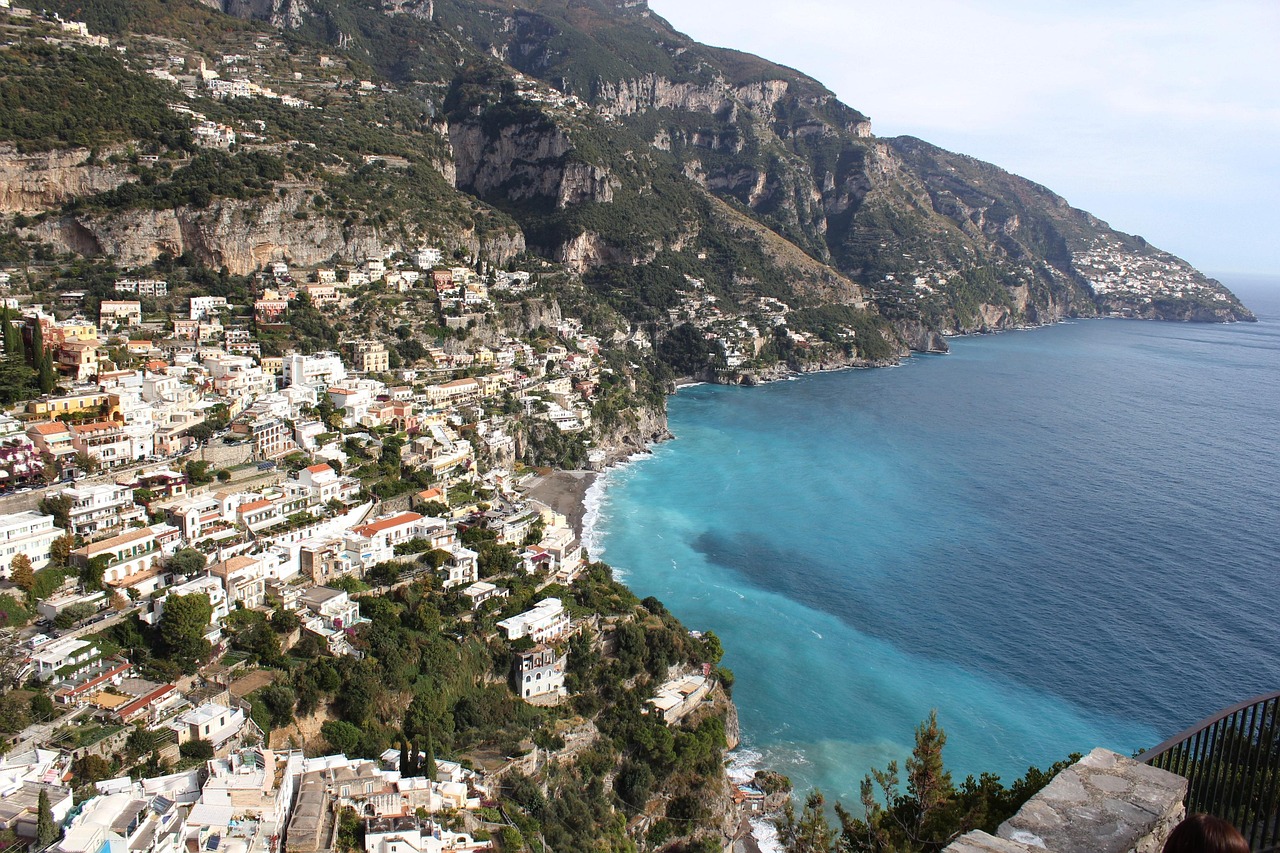
Positano is a perfect base for exploring the Amalfi Coast and beyond. Here are some of my favorite day trips, with practical tips.
Amalfi & Ravello
How to get there: Ferry from Positano to Amalfi (in season), then bus or taxi up to Ravello.
What to do: Amalfi’s Duomo and paper museum; Ravello’s Villa Rufolo and Villa Cimbrone with their famous infinity terraces.
Capri
How to get there: Direct ferries from Positano (April–October, weather permitting).
What to do: Chairlift to Monte Solaro, walk Via Krupp (if open), explore Anacapri.
Sorrento
How to get there: Ferry or bus (ferries are usually more pleasant and scenic).
What to do: Wander the historic center, shop, enjoy more affordable restaurants and nightlife.
Pompeii (Long Half-Day or Full Day)
How to get there: Bus or ferry to Sorrento, then Circumvesuviana train to Pompeii. Or book a direct tour/transfer.
Tip: Start very early and consider a guided tour for context; it’s hot and expansive.
Positano Events & Festivals 2026–2027
Exact dates shift each year, but here are key events to watch for in 2026–2027 (confirm closer to your travel dates):
- Feast of Santa Maria Assunta (Ferragosto) – August 15: Procession, fireworks, music on the beach. The town is packed; book far in advance.
- Positano Premia la Danza – Léonide Massine: Annual dance festival, usually in late summer, honoring the choreographer who loved the coast.
- Various summer music nights: Small concerts and DJ events at beach clubs (June–September).
- Christmas & New Year 2026–2027: Low-key lights, nativity scenes, and a few special dinners; cold but atmospheric.
Cultural Etiquette & Local Customs in Positano
Positano is used to visitors, but it’s still a small Italian town with its own norms.
Dress & Behavior
- Beachwear stays at the beach: Cover up when walking through town; no walking around in just a bikini or bare chest.
- Churches: Shoulders and knees covered; quiet voices; no flash photography during services.
- Noise: Keep late-night noise down in residential stairways; sound carries in the valley.
Dining Customs
- It’s normal to linger; you won’t be rushed out.
- You must ask for the bill (“Il conto, per favore”); it won’t come automatically.
- Coperto (cover charge) is standard and not a scam; tipping is appreciated but modest (round up or 5–10% for great service).
Language & Interaction
- Basic Italian greetings go a long way: “Buongiorno,” “Buonasera,” “Per favore,” “Grazie.”
- Locals are used to English, but they appreciate any effort in Italian.
- Ask permission before photographing people, especially elderly residents or workers.
Practical Travel Tips for Positano (2026)
Getting To & Around Positano
Arrival Options:
- From Naples: Train or bus to Sorrento, then ferry/bus to Positano; or private transfer direct (most comfortable).
- From Rome: High-speed train to Naples, then as above.
Within Positano:
- On foot: The only way to truly move within town – expect many stairs.
- Local buses: Connect upper and lower parts of town and nearby villages (Montepertuso, Nocelle).
- Boats: Seasonal ferries and water taxis along the coast.
Driving & Car Rental
- Driving the Amalfi Coast road is beautiful but stressful: narrow, winding, limited parking.
- If you must rent a car, consider basing yourself outside Positano and visiting by bus/ferry.
- Foreign driver’s licenses from many countries are accepted; some non-EU citizens may need an International Driving Permit – check before you travel.
Money-Saving Strategies
- Travel in shoulder season (late April–early June, late September–October).
- Stay in upper Positano, Montepertuso, or Nocelle for better-value rooms and use the bus.
- Mix restaurant meals with picnic lunches and simpler dinners like pizza.
- Use ferries instead of private boats for transfers along the coast.
SIM Cards & Connectivity (2026)
- Italy has good mobile coverage along the coast, though some cliffside spots are patchy.
- Buy a local eSIM or physical SIM from major providers (TIM, Vodafone, WindTre) in Naples, Salerno, or Sorrento before arriving in Positano.
- Many hotels and cafes have Wi-Fi, but speeds can slow during busy hours.
Visa Requirements
- Italy is in the Schengen Area. Many nationalities can enter visa-free for short stays (usually up to 90 days in 180); check official EU/Italian government sites for current rules.
- From 2025+ the EU’s ETIAS travel authorization system is rolling out for some non-EU visitors; confirm requirements before 2026 trips.
Health & Safety
- Positano is generally very safe; petty theft is rare but always watch belongings in crowded areas.
- Staircases can be slippery when wet; wear practical shoes, especially at night.
- Summer heat is intense; hydrate constantly, use sunscreen, and plan active stuff early or late.
Best Seasons for Different Activities
- April–May: Best for hiking, mild weather, fewer crowds; sea may be cool but swimmable later in May.
- June–mid-July: Great combo of beach weather and not-yet-peak crowds (book ahead).
- Late July–August: Hottest, busiest, most expensive; good for nightlife and full summer buzz, but tough for budget travelers.
- September–mid-October: My favorite: warm sea, softer light, slightly calmer.
- Late October–March: Many hotels/restaurants close; quiet, occasionally stormy; great for contemplative visits, not beach life.
Hidden Tips Only Regulars Know
- Buy a small backpack and always carry water, a light scarf, and a hat. Weather and plans change fast.
- Ask your hotel or host which staircase they recommend for reaching the beach – there’s often a less obvious but less crowded route.
- For sunrise photos, head to a mid- or upper-level terrace: the town is almost empty, and the light is magical.
- When buses are full in high season, walking partway along the road between stops can sometimes get you on at a less crowded point.
Summary & Final Recommendations: When to Visit Positano
Positano is not a “cheap and easy” destination. It can be crowded, expensive, and occasionally logistically frustrating. But it’s also one of the most breathtaking places I’ve ever known – a village that somehow balances everyday life and cinematic beauty on a narrow strip of cliff.
For most travelers, the best time to visit Positano is:
- Late April–early June if you love hiking, cooler temps, and fewer crowds.
- Mid-September–mid-October if you want warm seas, mellow evenings, and a slightly calmer mood.
If your schedule only allows a 3 day itinerary for Positano, you can still experience the essentials: Spiaggia Grande, a boat tour, Fornillo, and either the Path of the Gods or a village visit. With 4 or 5 days in Positano, you’ll be able to layer in cultural experiences, day trips, and – most crucially – unstructured time to simply exist here.
However long you stay, remember: you don’t have to do everything. Choose a few must-see attractions in Positano, leave space for serendipity, and let the town’s stairways, smells, and sea views guide you. The best memories often come from the moments in between the “sights” – a conversation with a shop owner, a quiet church visit, a late swim as the sun drops behind the cliffs.
Positano rewards those who slow down. If you let it, it will get under your skin – and you’ll find yourself, like me, making plans to return before you’ve even left.