Why Visit Puglia? What Makes It Special
I still remember my first arrival in Puglia: it was late May, the air smelled of wild fennel and sea salt, and the evening light turned the olive trees into a silver-gold sea. Since then, I’ve spent many long stays here—slow months in tiny villages, road trips from Gargano down to Santa Maria di Leuca, and countless weekends eating my way through Bari Vecchia. Each visit reminded me that Puglia is not just “the next Tuscany” or “another beach destination.” It’s its own world.
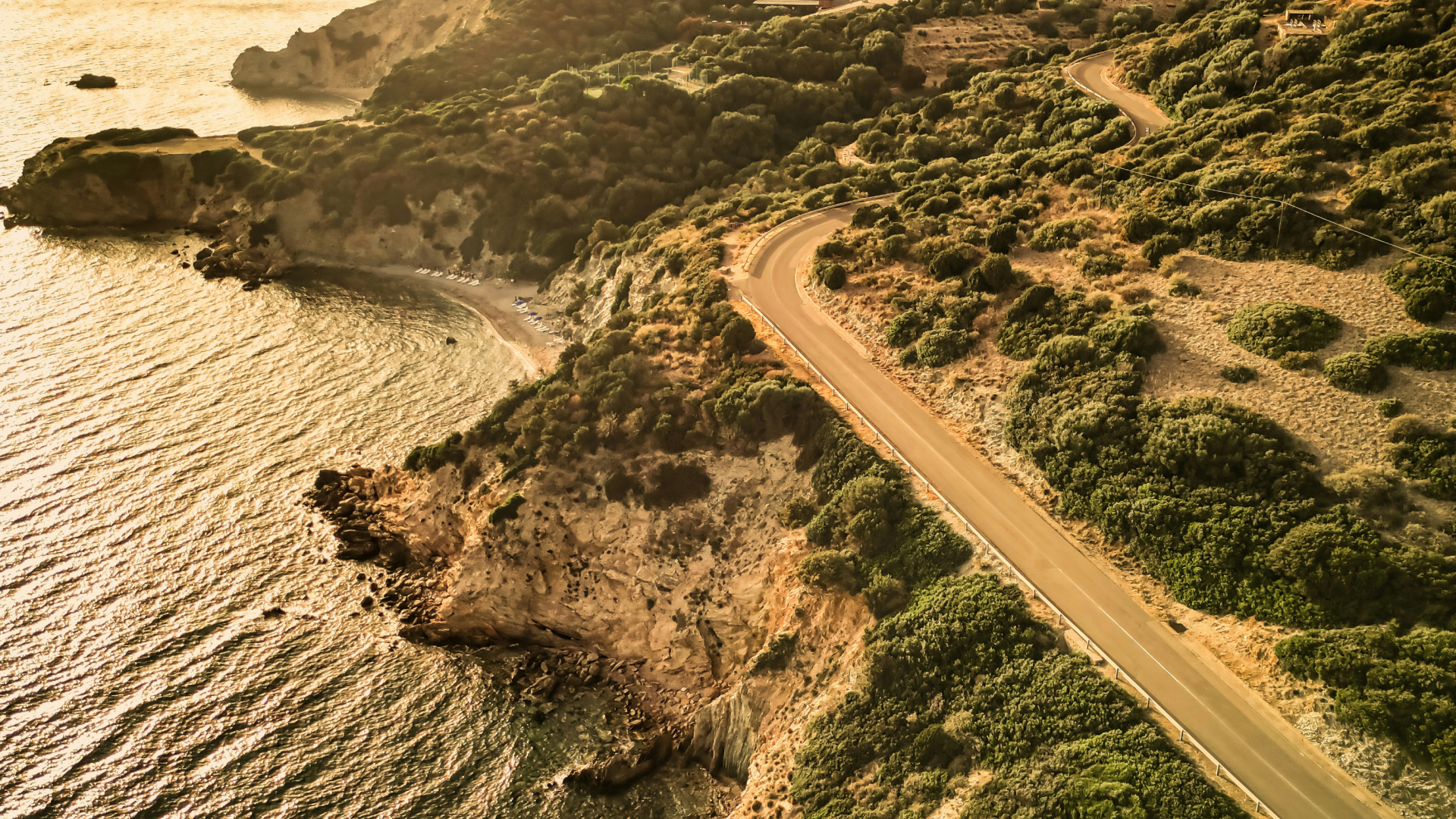
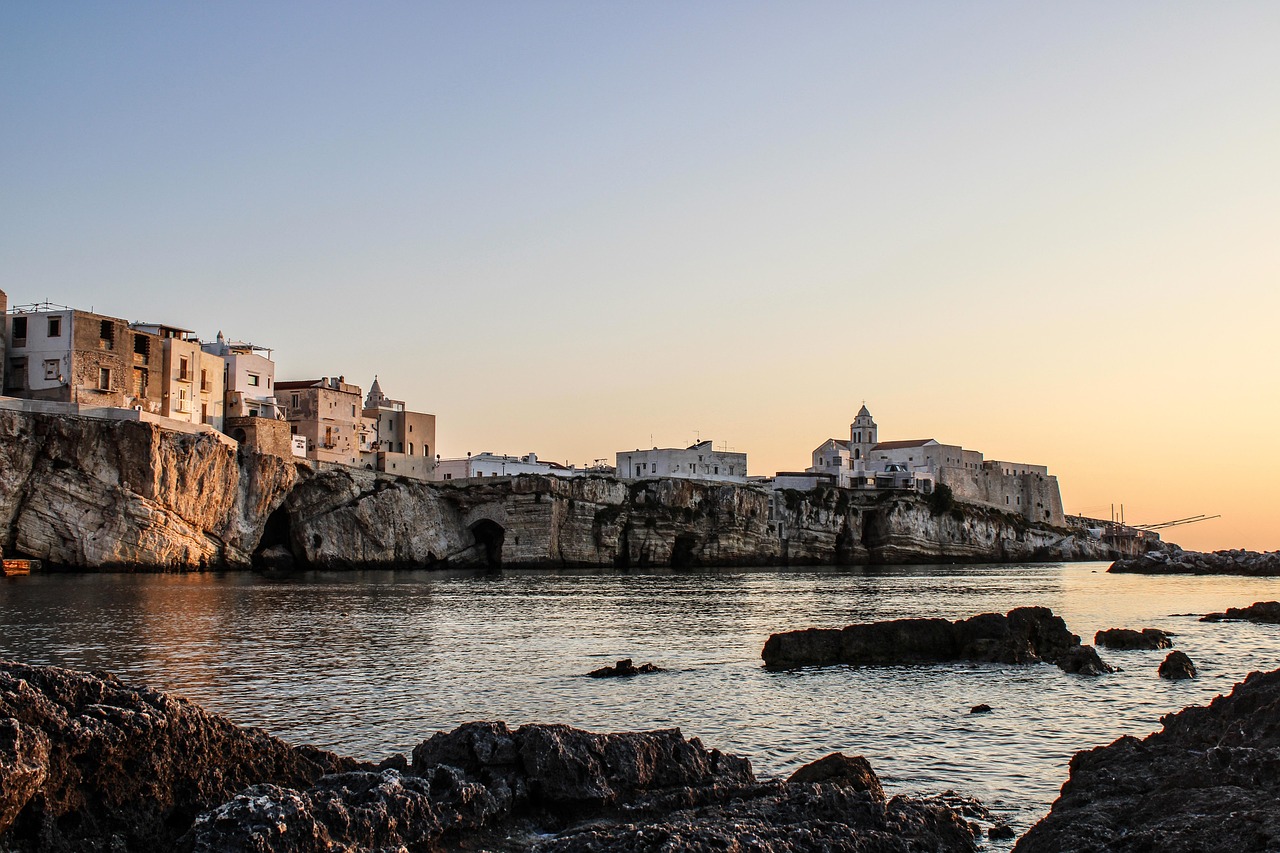
Puglia stretches along the Adriatic and Ionian seas, a long, slender region defined by whitewashed hill towns, ancient olive groves, limestone cliffs, and clear turquoise water. It’s where nonna still makes orecchiette in the alleyways, fishermen fix nets at dawn, and summer nights are filled with live music in tiny piazzas.
What sets Puglia apart:
- Diverse landscapes: Gargano’s forested promontory, Valle d’Itria’s trulli-dotted hills, Salento’s Caribbean-like beaches, and the agricultural plains around Foggia and Taranto.
- Authentic everyday life: Tourism has grown, but many towns still feel deeply local, especially outside August.
- Incredible value: Compared with the Amalfi Coast or Cinque Terre, Puglia is more affordable, especially for food, wine, and accommodation.
- Rich history: Greek, Roman, Byzantine, Norman, Aragonese—every era left a mark in churches, castles, and dialects.
- Slow rhythm: Long lunches, siestas, late dinners, and nightly passeggiata (evening strolls) define the pace.
If you’re considering a 4–7 day itinerary for Puglia, you’ll find that you can combine must-see attractions like Alberobello and Polignano a Mare with hidden gems—small villages, quiet coves, and rural masserie (farm estates) where time seems to have stopped.
Table of Contents
- Why Visit Puglia
- Overview of Puglia: Towns, Landscapes & Best Bases
- 20 Must-See Attractions in Puglia (With Personal Stories)
- Recommended 4–7 Day Itineraries
- Regional Cuisine & Where to Taste It
- Evenings in Puglia: Piazzas, Festivals & Nightlife
- Cultural Etiquette & Local Customs
- Practical Travel Advice: Getting Around, Money-Saving Tips & SIMs
- Best Day Trips & Nearby Destinations
- Seasons, Weather & 2026–2027 Events
- Summary & Final Recommendations
Overview of Puglia: Towns, Landscapes & Best Bases
Puglia is long—over 400 km from north to south—so planning where to base yourself is crucial, especially for a 4 day itinerary for Puglia or a 5 day itinerary for Puglia. Think of the region in four main areas:
1. Gargano & Northern Puglia
In the far north, the Gargano Promontory juts into the Adriatic like a green thumb, cloaked in forest and ringed by beaches.
- Best bases: Vieste (for beaches and boat trips), Peschici (romantic, perched above the sea), Monte Sant’Angelo (spiritual hill town).
- Known for: White cliffs, sea caves, the Foresta Umbra national park, pilgrimage sites.
- Who it suits: Hikers, beach lovers, those seeking an offbeat, less crowded Puglia.
2. Bari & Central Adriatic Coast
This is where many travelers arrive, via Bari’s airport or ferry port. The coast between Trani and Monopoli is dotted with charming towns.
- Best bases: Bari (urban, authentic), Polignano a Mare (dramatic cliffs), Monopoli (relaxed, coastal), Trani (elegant, romantic).
- Known for: Historic ports, Romanesque cathedrals, cliffside views, fresh seafood.
- Who it suits: First-time visitors, families, couples, and anyone without a car (good train links).
3. Valle d’Itria & The Trulli Heartland
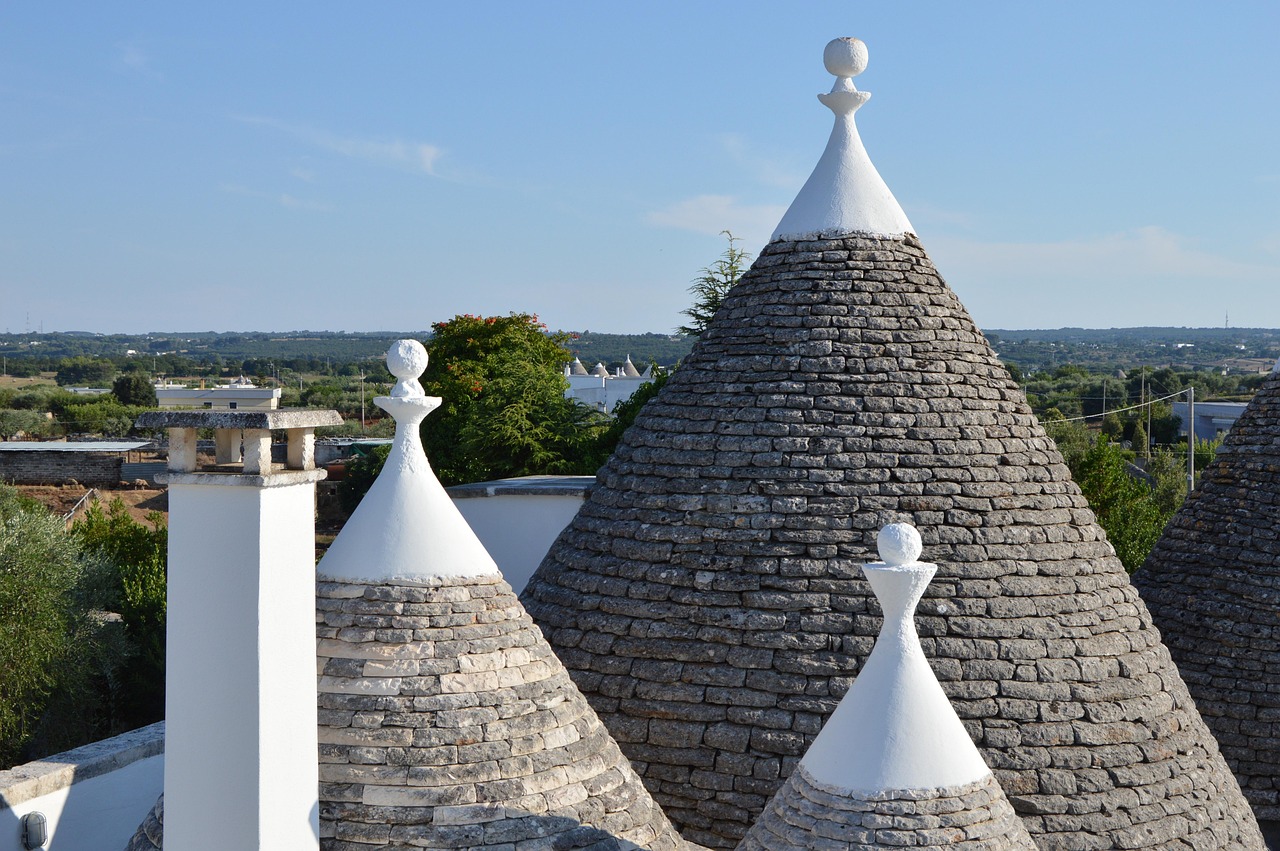
Inland from the Adriatic, rolling hills are dotted with trulli (conical stone houses), vineyards, and white hill towns.
- Best bases: Alberobello (iconic but touristy), Locorotondo (romantic, quiet), Martina Franca (elegant, Baroque), Ostuni (the “white city”).
- Known for: Trulli, vineyards, olive oil, country masserie, slow countryside life.
- Who it suits: Couples, food and wine lovers, families wanting space and pools, photographers.
4. Salento & The Deep South
Salento is the heel of the heel, a sunburnt, music-loving region with two seas (Adriatic and Ionian) and a fiery personality.
- Best bases: Lecce (urban, Baroque, cultural), Otranto (historic seaside), Gallipoli (beachy, lively), Santa Maria di Leuca (remote, end-of-the-world vibes).
- Known for: Golden beaches, clear water, Baroque cities, taranta music, strong traditions.
- Who it suits: Beach lovers, nightlife seekers (in summer), culture travelers, road trippers.
My usual advice: For 4 days in Puglia, base in either the Bari/Polignano area or Lecce and do day trips. For 5–7 days in Puglia, split your time between the coast (Polignano/Monopoli or Lecce/Otranto) and the countryside (Valle d’Itria).
20 Must-See Attractions in Puglia (With Personal Stories & Tips)
Below are twenty of the best places to visit in Puglia, from icons to less-known spots. Each subsection reads like a mini-article: what it is, why it matters, and how it feels to actually be there.
1. Bari Vecchia (Old Town Bari)
Bari was the first place I really “lived” in Puglia. I rented a tiny apartment overlooking a washing-line-filled alley in Bari Vecchia, the old town, and fell asleep every night to clinking dishes and soft chatter from the neighboring balconies.
Why it’s special: Bari Vecchia is a genuine working neighborhood. Grandmas sit in doorways hand-rolling orecchiette, kids play soccer in the piazzas, and fishermen sell their catch at the seafront market. It’s gritty, charming, and incredibly alive.
Highlights & things to do:
- Visit the Basilica di San Nicola, a major pilgrimage site with a serene crypt where pilgrims come from all over Eastern Europe.
- Stroll the Lungomare, Bari’s seafront promenade, at sunset when locals come out for their passeggiata.
- Walk down “Strada delle Orecchiette” (Via Arcobasso area) in the morning to see fresh pasta being made right on the street.
- Explore the Norman-Swabian Castle and its thick, fortress-like walls.
Food tips: I like to start the day with a cornetto and cappuccino at a bar on Piazza Mercantile, then grab a panzerotto (fried turnover stuffed with tomato and mozzarella) from a small bakery for lunch. In the evening, try seafood crudo—raw, just-caught seafood—at a simple trattoria near the port.
How to get there: Bari is a major transport hub with an international airport and central train station. Bari Vecchia is a 15–20 minute walk from Bari Centrale or a short bus/taxi ride.
Personal tip: Don’t just treat Bari as a transit point. Spend at least one night. Walk the back alleys around 9–10 pm when families are out on plastic chairs, kids are still awake, and the whole quarter feels like a single extended home.
2. Polignano a Mare
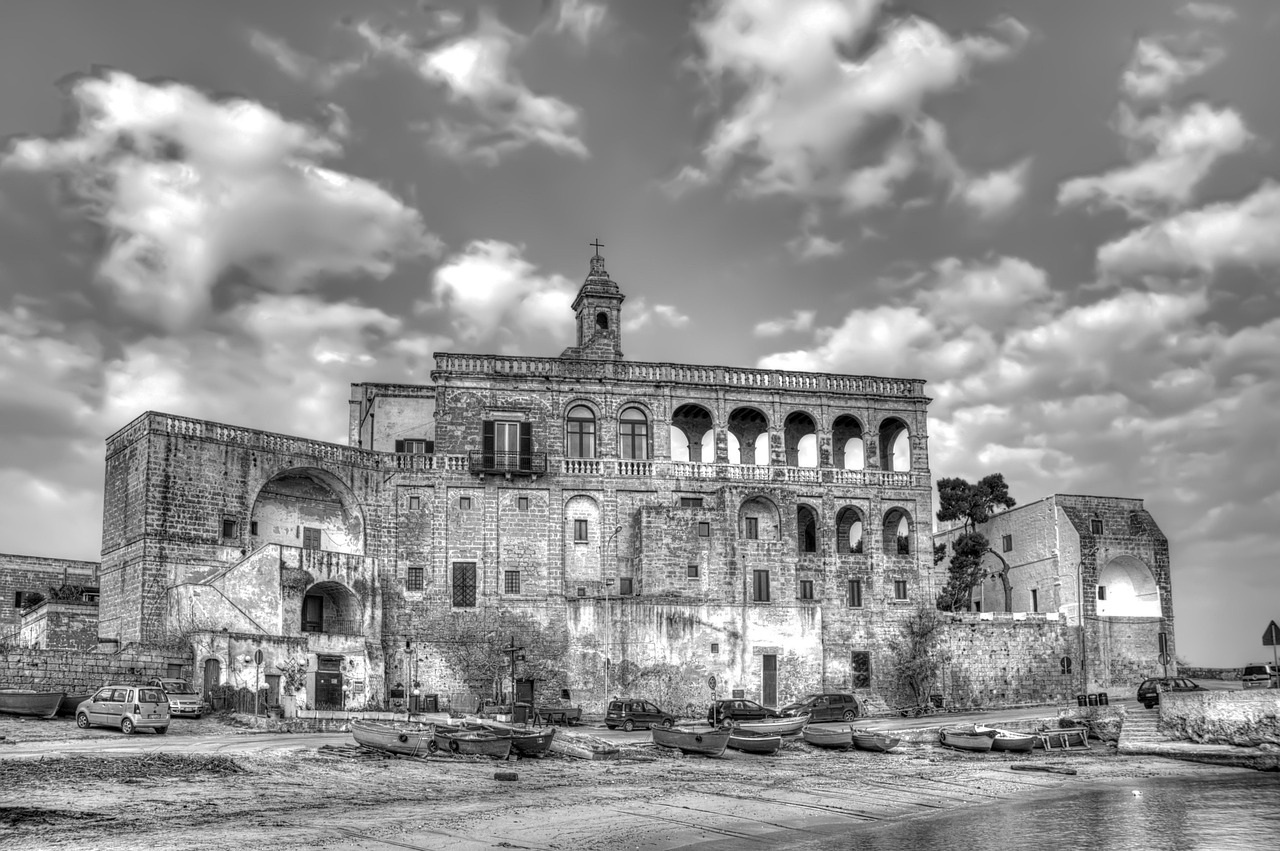
Every time I arrive in Polignano a Mare, I head straight to the cliff edge behind the old town, lean on the whitewashed wall, and just listen to the waves smashing against the rocks. It’s dramatic, romantic, and surprisingly compact.
Why it’s special: Polignano is perched atop limestone cliffs, with houses seemingly hanging over the turquoise water. The small cove of Lama Monachile is one of the most photographed beaches in Puglia.
Highlights:
- Swim at Lama Monachile (pebble beach) early in the morning before it crowds up.
- Take a boat tour of the sea caves—late afternoon is best for light.
- Wander the old town—look for poetry verses painted on staircases and doors.
- Enjoy a gelato with a sea view; I usually grab pistachio and almond and sit on the wall near the main terrace.
Romantic angle: Polignano is perfect for couples—sunset aperitivo on a terrace bar, then a lingering seafood dinner in a cave-like restaurant.
How to get there: 30 minutes by regional train from Bari (frequent, cheap), plus a 10-minute walk into the old town. If you’re doing 4 days in Puglia without a car, Polignano is a great base.
Tip: In high season (July–August), come at sunrise for the beach and plan your cave boat tour for around 5–6 pm to avoid harsh midday sun.
3. Alberobello & The Trulli
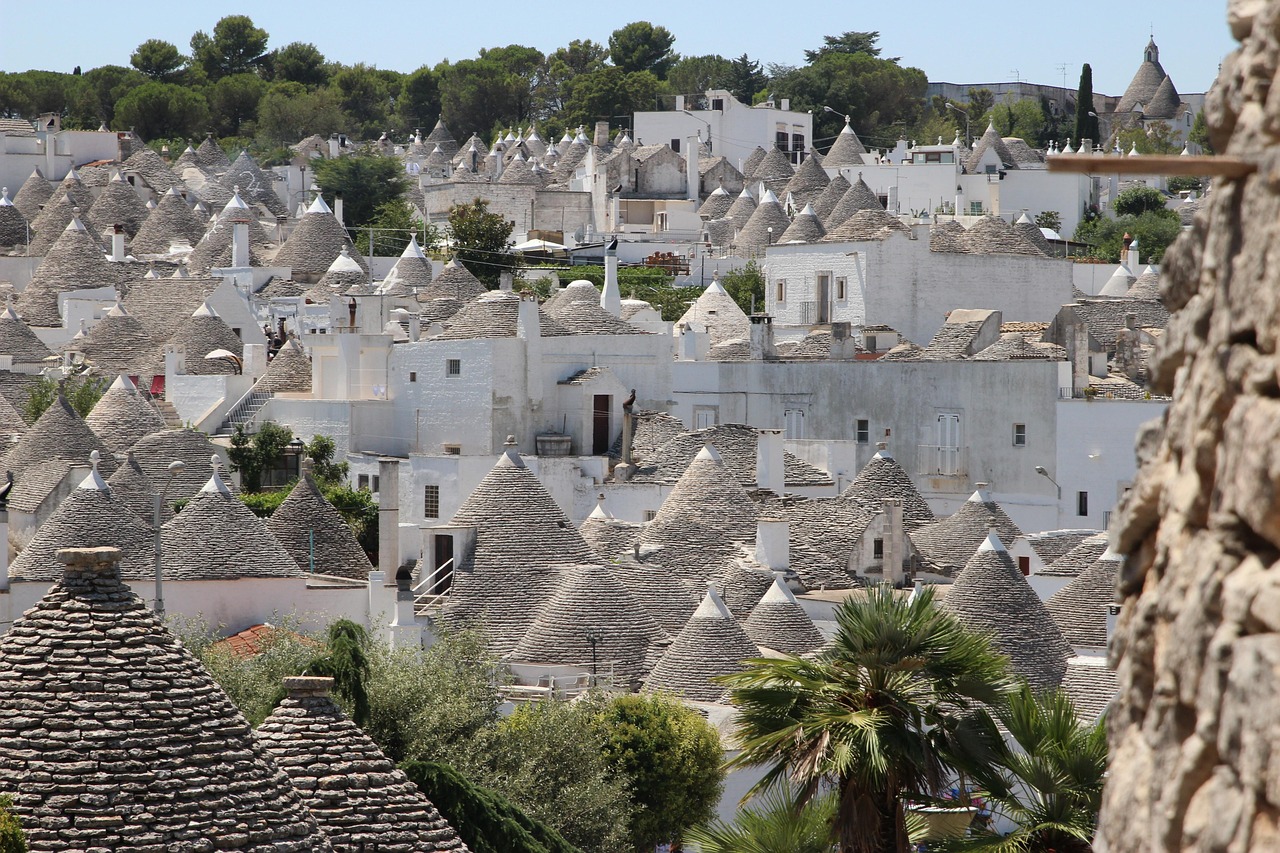
The first time I saw Alberobello from above, it felt almost unreal—hundreds of little stone cones clustered together like a village of beehives. It’s touristy, yes, but still magical if you approach it right.
Why it’s special: Alberobello is a UNESCO World Heritage site thanks to its trulli, conical houses made from limestone with dry stone walls. They developed as a clever way to avoid property taxes centuries ago.
What to do:
- Walk the Rione Monti district (the main trulli zone) early or in the evening when the day trippers are mostly gone.
- Visit a trullo museum to see how people lived in these spaces—tiny but ingenious.
- Climb up to the viewpoint at the top of Monti for a great panorama over the trulli roofs.
Personal experience: On my third visit, I stayed overnight in a small trullo just outside the center. Waking up to the sound of roosters and walking into town before the souvenir shops opened completely changed my view—Alberobello at 7 am is a different world.
Family friendly: Kids are usually fascinated by the fairy-tale houses. Combine a visit with a countryside lunch in a nearby masseria.
How to get there: Trains run from Bari (via Putignano) but can be slow and infrequent; a car is much easier. It’s a great stop on a 5 day itinerary for Puglia that includes Valle d’Itria.
Tip: Don’t spend your entire day just in Alberobello. Pair it with Locorotondo or Martina Franca for a less touristy feel.
4. Ostuni – The White City
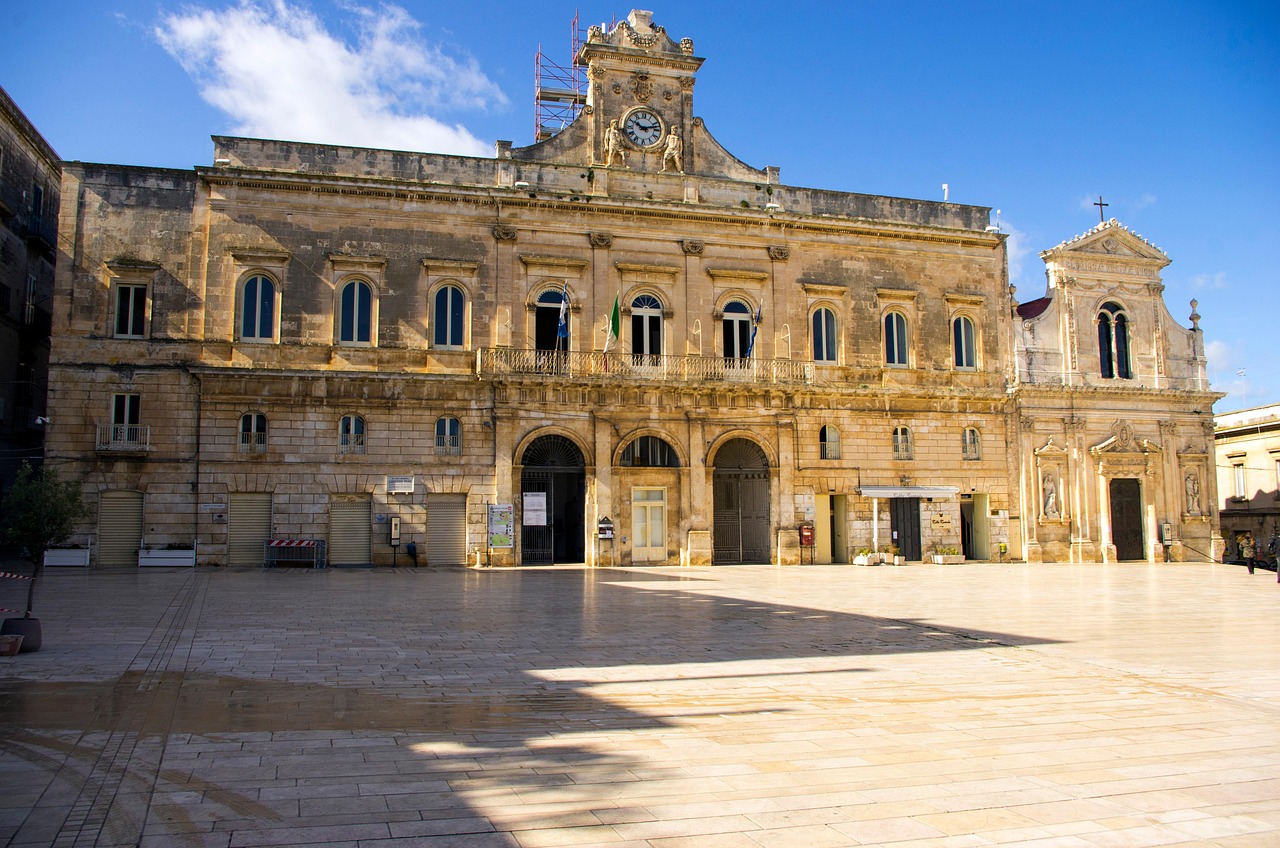
Ostuni is best seen from a distance at first—the whitewashed houses rise from the olive-studded plain like a gleaming ship. I love arriving in late afternoon, just as the walls start to glow warm gold.
Why it’s special: Perched on a hill a few kilometers from the Adriatic, Ostuni’s old town is a maze of white alleys, stairways, and little terraces. From the top, you can see the sea shimmering beyond the endless olive trees.
Highlights:
- Climb up to the Cathedral of Santa Maria Assunta and its rose window.
- Get lost in the alleyways—half the joy is turning a corner and finding a tiny piazzetta with two or three tables set out.
- Head down to the nearby beaches (Pilone, Torre Guaceto reserve) for a swim.
Evenings: In summer, the main piazzas fill with families, street performers, and musicians. I like to sit on the edges of Piazza della Libertà with a spritz and people-watch.
How to get there: Ostuni has a train station on the Bari–Brindisi–Lecce line, but it’s outside town (short taxi or bus ride up the hill). With a car, it’s about 30–40 minutes from both Alberobello and Brindisi airport.
Tip: If you plan a 6 day itinerary for Puglia, spend at least two nights based near Ostuni in a countryside masseria; you’ll be perfectly positioned between Valle d’Itria and the sea.
5. Lecce – The Baroque Florence of the South
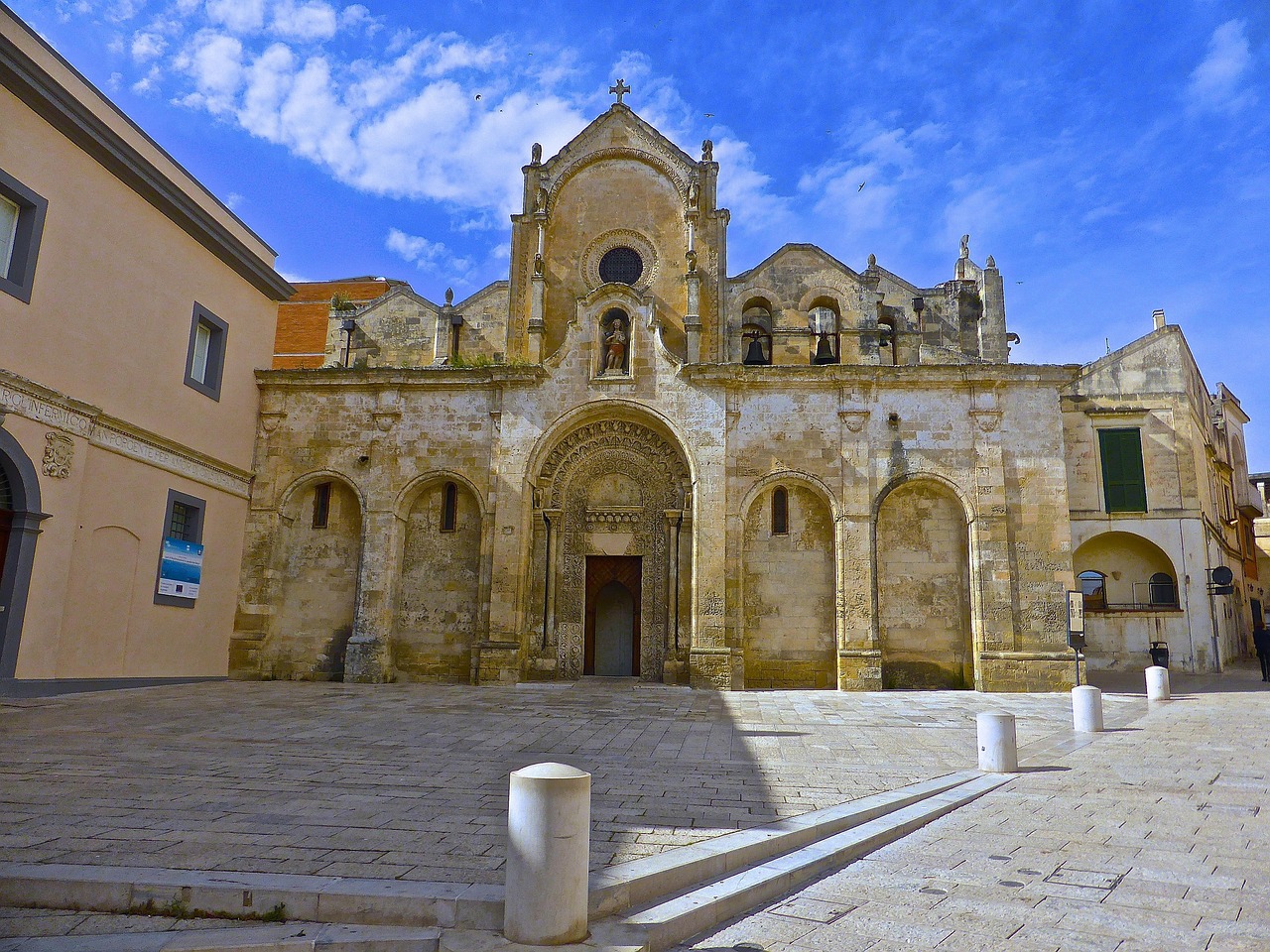
My longest stay in Puglia was a month in Lecce. I rented an old vaulted apartment inside the historic walls and spent my days writing in cafes and my nights wandering from piazza to piazza. Lecce is a city that reveals itself slowly.
Why it’s special: Lecce is famous for its exuberant Baroque architecture, carved in soft golden stone. Churches and palazzi are decorated with angels, fruits, and fantastical creatures. At the same time, it’s a university town with a lively, youthful buzz.
Must-see:
- Piazza del Duomo at night—one of Italy’s most beautiful enclosed squares.
- The Roman Amphitheatre and Piazza Sant’Oronzo, the city’s main civic space.
- The Basilica di Santa Croce, a riot of baroque detail on its façade.
- Workshops making papier-mâché (cartapesta) statues, a local tradition.
Cultural experiences: Check for concerts or theater in the summer; Lecce is a cultural hub for Salento, and there’s often something happening—from classical music to contemporary art shows.
Food: Try rustico leccese (a puff pastry filled with tomato and mozzarella) and pasticciotto (custard-filled pastry) with your morning coffee. For dinner, look for trattorie specializing in cucina povera (peasant cuisine) like ciceri e tria (pasta with chickpeas).
How to get there: Direct trains from Bari and Brindisi; Brindisi airport is the closest. For a 7 day itinerary for Puglia, Lecce makes a great base for 3–4 nights to explore Salento.
Tip: Lecce is lovely year-round but particularly atmospheric from April to June and September to early November—warm evenings, fewer crowds.
6. Otranto
Otranto is where I go when I need to slow down. The old town curls around a calm harbor, and evenings here are all about strolling the sea walls, picking a simple seafood place, and listening to the soft murmur of the waves.
Why it’s special: Otranto is Italy’s easternmost city, facing Albania across the Adriatic. It has a rich, sometimes tragic history (notably the 1480 siege), and its cathedral is one of the most fascinating in Puglia.
Highlights:
- Otranto Cathedral with its extraordinary 12th-century mosaic floor—a sprawling “Tree of Life” full of animals, knights, and mythical creatures.
- The Chapel of the Martyrs, with skulls and bones of those killed in the 1480 siege displayed behind glass—sobering but historically important.
- The Aragonese Castle and ramparts with sea views.
- Nearby beaches like Baia dei Turchi and Alimini, perfect for daytime swimming.
Family friendly: Otranto’s town beach is shallow and calm, great for kids. The old town is largely pedestrian, making it easy to wander with strollers.
How to get there: Regional trains and buses connect Otranto to Lecce, but services are not frequent, especially on Sundays; with a car, it’s a straightforward 40–50 minute drive.
Tip: Stay overnight if you can. Day-trippers leave in late afternoon, and the town becomes much more relaxed and intimate.
7. Gallipoli
My first summer night in Gallipoli felt like stepping into a film—music in the air, crowds swirling around the old city walls, and the smell of grilled fish drifting from every corner.
Why it’s special: Gallipoli’s old town sits on an island connected to the mainland by a bridge. It has a mix of fishermen’s houses, grand churches, and lively bars, plus access to some of Salento’s best sandy beaches.
What to do:
- Circle the old city walls at sunset for views over the harbor and sea.
- Visit the Cathedral of Sant’Agata and the Baroque churches inside the old town.
- Spend the day at nearby beaches like Baia Verde (lively, beach clubs) or more secluded coves further south.
Nightlife: In July and August, Gallipoli is one of Puglia’s main party hubs, with beach clubs and late-night bars. Outside high season, it’s much calmer and more local.
How to get there: Trains from Lecce (often slow and with changes) or by car via good roads. If you’re doing a 6 day itinerary for Puglia focused on Salento, consider 2 nights in Gallipoli after Lecce.
Tip: If you prefer quiet, avoid weekends in peak summer or stay just outside the town and visit for an evening.
8. Matera (Nearby Basilicata Day Trip)
Though technically in Basilicata, Matera is so close to Puglia (and so extraordinary) that it belongs in any serious travel guide for Puglia. The first time I arrived at the main viewpoint at dusk, the cave-city looked like a nativity scene brought to life.
Why it’s special: Matera’s ancient cave dwellings, the Sassi, are a UNESCO site and one of Italy’s most hauntingly beautiful urban landscapes.
Things to do:
- Walk the panoramic paths around the Sassi di Matera and cross to the belvedere opposite for the classic postcard view.
- Visit rock-hewn churches with faded frescoes.
- Stay in a cave hotel if you decide to overnight.
How to get there from Puglia: About 1–1.5 hours by car from Bari or Alberobello. There are buses and local trains from Bari, but driving gives more flexibility. It’s an ideal day trip from Bari in a 4 day itinerary for Puglia if you’re comfortable with an early start.
Tip: Arrive either early morning or late afternoon to avoid midday heat in summer; the stone amplifies the sun.
9. Trani
Trani is one of those places I keep coming back to when I want to remember why I love southern Italy. It’s elegant without being showy, and its cathedral is a masterpiece of understatement.
Why it’s special: Trani’s Romanesque cathedral is perched right at the water’s edge, giving it a rare, almost cinematic setting. The harbor is filled with fishing and pleasure boats, lined with relaxed bars and restaurants.
What to do:
- Visit the Cattedrale di San Nicola Pellegrino, both interior and crypt.
- Stroll the harbor at golden hour, then sit down for an aperitivo.
- Walk through the Jewish quarter and visit restored synagogues.
Romantic angle: Trani is perfect for a romantic overnight. The evening light on the cathedral is unforgettable.
How to get there: On the main train line between Bari and Foggia; 30–40 minutes from Bari by train. It’s an easy half-day trip if you’re based in Bari or Polignano.
Tip: Combine Trani with nearby Castel del Monte (see below) for a full day inland and coastal contrast.
10. Castel del Monte
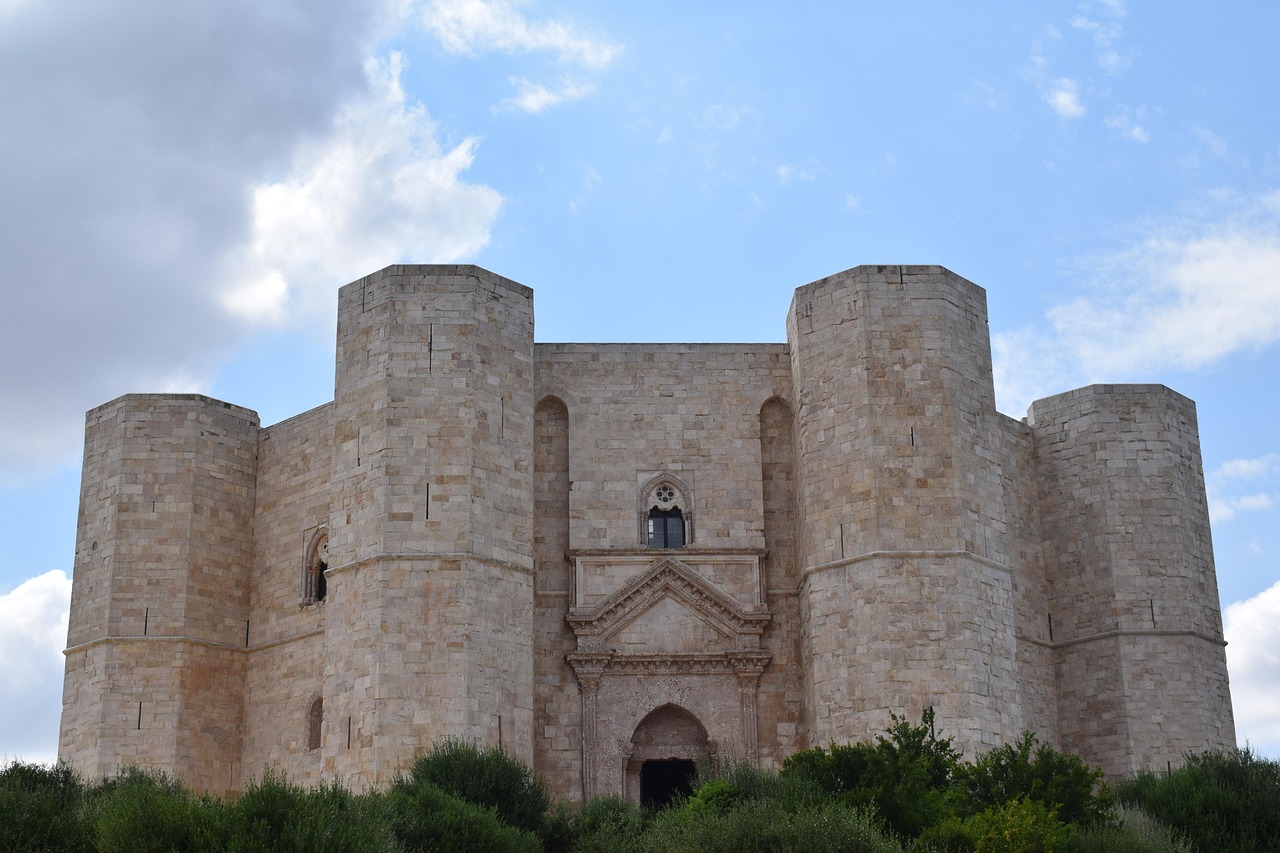
Castel del Monte sits alone on a hill, its perfect octagon shape visible from far away. The first time I visited, fog rolled in as we approached, and the castle appeared suddenly out of the white—mysterious and almost otherworldly.
Why it’s special: Built by Emperor Frederick II in the 13th century, this UNESCO-listed castle is famous for its geometric design and astronomical alignments. No one knows exactly why it was built—hunting lodge, symbol of power, or something more esoteric.
Experience: The inside is relatively bare, but walking through its eight-sided courtyards and halls feels like stepping into a mathematical puzzle. The real magic is outside: circling the structure, watching light and shadow play on the limestone.
How to get there: You’ll realistically need a car; public transport is limited and time-consuming. It’s about 1 hour from Bari or 40 minutes from Trani.
Tip: Time your visit for late afternoon; in summer, the heat is more bearable and the light on the stone is beautiful. Bring water—services on-site are limited.
11. Martina Franca
Martina Franca is my favorite “unexpected” town in Valle d’Itria. Many visitors rush between Alberobello and Ostuni and skip it; I did too on my first trip. When I finally spent a few days there, I realized what I’d been missing.
Why it’s special: Martina Franca’s old town is a network of narrow lanes, white houses, and Baroque palazzi. It feels more lived-in and less polished than some of its neighbors, in a good way.
Highlights:
- Basilica di San Martino and the surrounding piazza.
- Evening passeggiata under the city gates and along the main streets.
- Good-value restaurants serving local meats and wines.
Cultural note: Every summer, Martina Franca hosts a Festival della Valle d’Itria, an opera and classical music festival that draws an international crowd. If you’re here in July/August 2026, check the program.
How to get there: Easy by car from Alberobello, Locorotondo, or Ostuni. There are local trains (Ferrovie del Sud Est) but schedules can be sparse.
Tip: Perfect lunch stop on a countryside driving loop. Parking is easier just outside the historical center—look for blue-lined street parking or paid lots.
12. Locorotondo
Locorotondo is the place I recommend when someone asks for “a quiet, romantic base” in Valle d’Itria. The town’s name (literally “round place”) fits perfectly: the historic center forms a circle on a hilltop, with panoramic views in all directions.
Why it’s special: Whitewashed houses with pitched roofs (cummerse), flower-filled balconies, and a serene, almost hushed atmosphere, especially in the evenings.
What to do:
- Wander slowly through the circular lanes—this is more about mood than must-see sights.
- Enjoy a glass of local Locorotondo DOC white wine at a wine bar on the edge of the town walls.
- Use it as a base to explore nearby trulli countryside by car or bike.
Romantic angle: My favorite memory here is a simple one: a quiet dinner on a small terrace, lanterns swaying in the breeze, and the dark silhouettes of trulli in the fields below.
How to get there: Short drive from Alberobello or Martina Franca. There’s also a local train station (FSE line) a short walk downhill from the town.
Tip: If you’re planning 5 days in Puglia with a focus on Valle d’Itria, consider 2–3 nights in Locorotondo as your countryside base.
13. Monopoli
Monopoli is where I send people who say, “We want somewhere on the sea, but not as busy as Polignano.” It has a charming old town, a pretty harbor, and easy access to small coves.
Why it’s special: Monopoli mixes a working fishing port with a compact, atmospheric old town. It feels more “lived-in” than some others, with locals hanging out in front of their doorways in the evening.
Highlights:
- Walk the seafront walls and visit the small town beaches.
- Explore the Cathedral of Maria Santissima della Madia.
- Enjoy aperitivo by the little harbor as fishing boats bob in the water.
Family friendly: Several small, protected beaches make it good for children. The old town is flat and walkable.
How to get there: Just south of Polignano, on the same coastal train line from Bari. It’s an excellent base for car-free travelers on a 4–6 day itinerary for Puglia.
Tip: Book accommodation inside the old town for atmosphere, but check if they offer parking solutions (see practical section below).
14. Vieste & Gargano Coast
When I finally made it up to Gargano after years of sticking to central and southern Puglia, I regretted not going sooner. Vieste quickly became one of my favorite coastal towns in the region.
Why it’s special: Vieste perches on a rocky promontory surrounded by long sandy beaches and dramatic white cliffs. It’s the perfect base for exploring the Gargano National Park and sea caves by boat.
What to do:
- Take a boat tour along the Gargano coast to visit sea caves and hidden coves.
- Wander the old town uphill, with its alleyways and viewpoints.
- Swim and sunbathe on the long beaches north and south of town.
- Drive into the Foresta Umbra for hiking and cooler air.
Adventure angle: This is where Puglia feels wilder: winding roads, lush forest, and plenty of opportunities for hiking, kayaking, and exploring lesser-known beaches.
How to get there: Gargano is best with a car; public transport is limited and slow. From Bari, it’s about 3–3.5 hours’ drive.
Tip: If you’re planning 7 days in Puglia and want both “classic” Puglia and something off the beaten path, spend 2–3 nights in Vieste at the start or end of your trip.
15. Santa Maria di Leuca – The End of the Heel
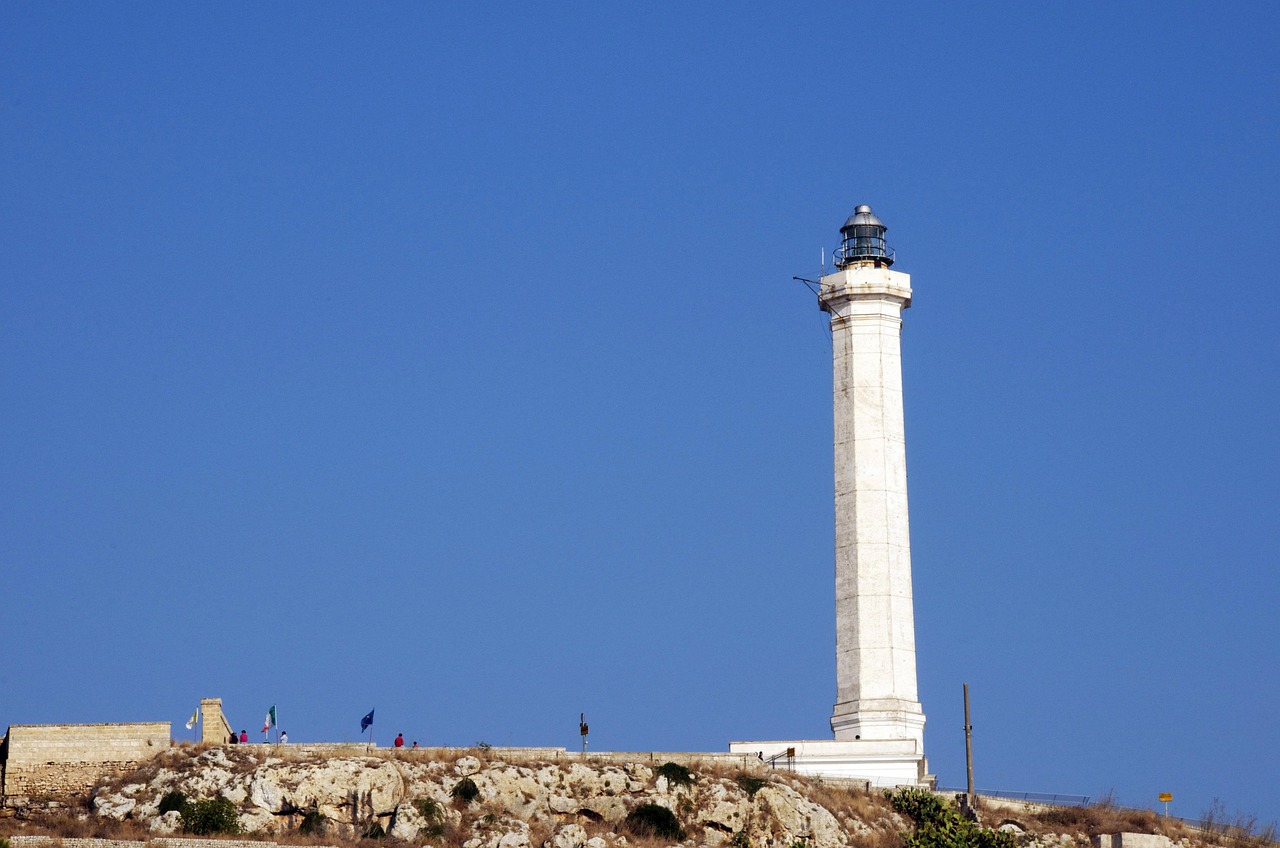
Standing at the lighthouse in Santa Maria di Leuca, watching the Adriatic and Ionian seas meet, you really do feel like you’ve reached the end of the world—or at least the end of Italy.
Why it’s special: This is the southernmost tip of Puglia, where two seas converge. The town itself is small and somewhat understated, but the coastline, villas, and sense of remoteness are special.
Things to do:
- Visit the Sanctuary of Santa Maria de Finibus Terrae and lighthouse.
- Take a boat tour to see the sea caves on both sides (Adriatic and Ionian).
- Swim off rocky platforms and hidden coves.
Personal note: I like coming here on a loop drive from Otranto or Gallipoli, stopping at little coastal towns (Castro, Tricase Porto) along the way.
How to get there: Best by car; roads are good but winding. Allow a full day if doing it as a round-trip from Lecce in your 6 or 7 day itinerary for Puglia.
Tip: Sunset at the lighthouse is atmospheric; bring a light jacket as the wind can be strong even in summer.
16. Grotte di Castellana
On a scorching July afternoon, I escaped into the Grotte di Castellana and felt the temperature drop instantly. The underground world here is vast, silent, and unexpectedly beautiful.
Why it’s special: This cave system is one of Italy’s most impressive, with vast chambers, stalactites, stalagmites, and colorful formations. It’s a great contrast to all the sun-drenched villages.
Experience: Guided tours (mandatory) take you deep underground; the longest route ends in the dazzling “Grotta Bianca” (White Cave). Paths are well-maintained, but there are some steps.
Family friendly: Kids often love the caves, but consider if very young children will be comfortable in dim, enclosed spaces for 1–2 hours.
How to get there: Near Castellana Grotte, about 20–30 minutes by car from Alberobello, Monopoli, or Polignano. There are buses and local trains, but driving is easier.
Tip: Bring a light sweater even in summer; temperatures underground are cool. Book ahead in high season and check for English tour times.
17. Torre Guaceto Nature Reserve
When I need a break from beach clubs and umbrellas, I head to Torre Guaceto—a protected stretch of coastline where the dunes and scrub meet a clean, transparent sea.
Why it’s special: Torre Guaceto is a marine and nature reserve, meaning no big developments, fewer crowds, and a wilder feel. The beach here feels more natural than many others along the coast.
What to do:
- Swim and sunbathe on the long sandy beaches.
- Walk along the dunes and coastal paths.
- Snorkel in the protected waters (bring your own gear).
How to get there: Between Brindisi and Ostuni, easiest with a car. You’ll park in designated lots and either walk or take a shuttle train to the beach area.
Tip: There are usually simple services (snack bar, toilets) near the main access points, but it still feels surprisingly wild—bring water, sun protection, and a bag for your trash.
18. Grotta della Poesia
Grotta della Poesia is one of those places where every postcard is real: an almost perfectly round natural sea pool carved into the rock, connected to the sea via a cave.
Why it’s special: This natural pool near Roca Vecchia is popular with cliff jumpers and swimmers. The turquoise water, the rock arches, and the energy of the place are unforgettable.
Experience: On my last visit, I arrived early and watched locals measuring their jumps, psyching themselves up, and then launching into the water to applause. I stuck to the ladder, but the joy was infectious.
Safety note: Jumps can be dangerous; only attempt if you’re confident, conditions are good, and you’ve seen locals do it safely. For most visitors, climbing down to swim is more than enough.
How to get there: Short drive from Lecce or Otranto. Parking is usually paid, and in high season there may be an entry fee and controlled access.
Tip: Arrive early or late in the day to avoid crowds and the strongest sun. Wear sturdy sandals; rocks can be sharp and slippery.
19. Taranto & The Archaeological Museum
Taranto surprised me. Many travelers skip it entirely, but if you’re interested in ancient history, the MArTA Archaeological Museum is one of the best in Italy for Magna Graecia artifacts.
Why it’s special: Taranto was a major Greek colony, and the museum houses exquisite gold jewelry, ceramics, and sculptures. The city itself is gritty but fascinating, with its old town on an island between two seas.
What to do:
- Visit the MArTA Museum—allow at least 2–3 hours if you like archaeology.
- Walk through the old town (Città Vecchia) to feel the layered history.
- See the Aragonese Castle and waterfront.
How to get there: Train and road connections from Bari and Brindisi. It’s a good stop if you’re driving between central Puglia and Matera or Calabria.
Tip: Taranto is more of a “daytime, museum-focused stop” than a romantic evening destination. Pair it with a countryside stay nearby.
20. Monte Sant’Angelo
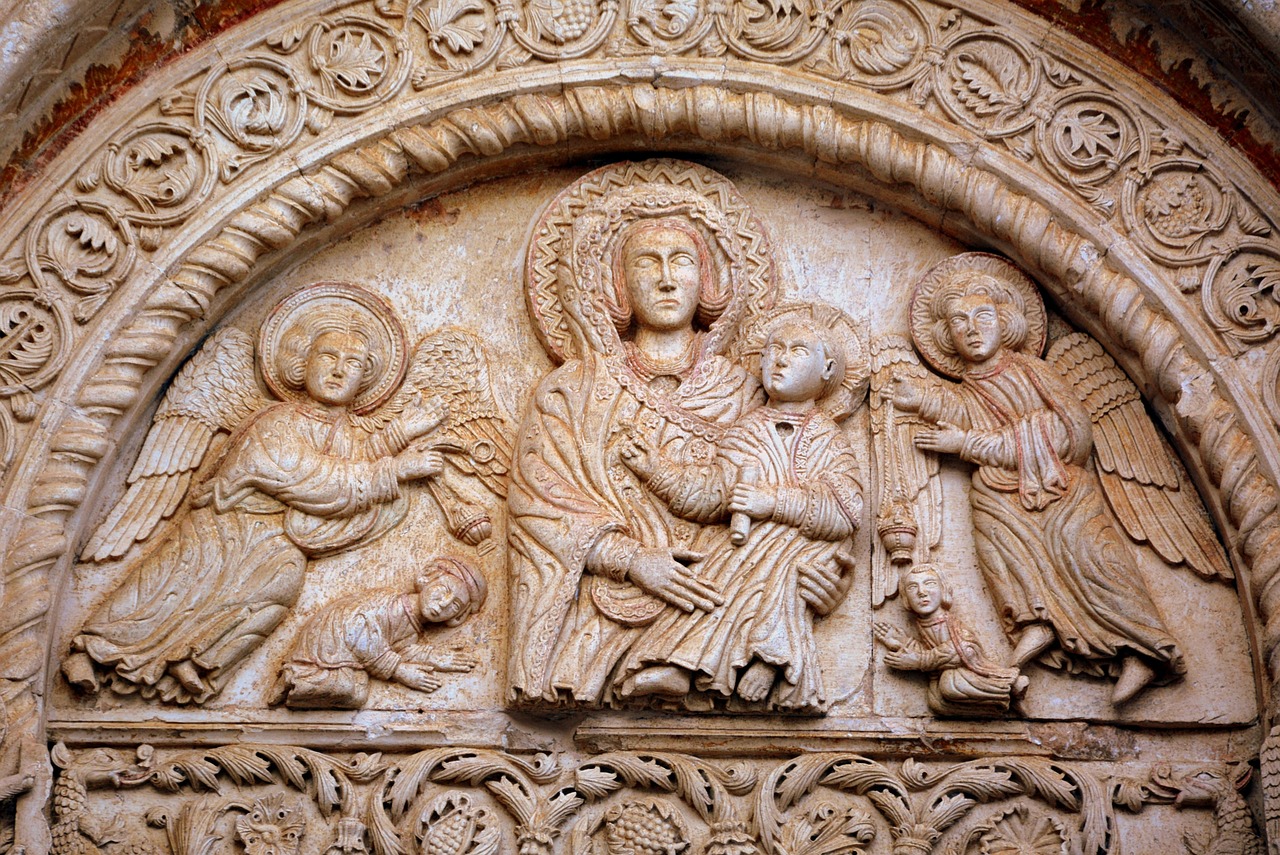
High up on the Gargano mountains, Monte Sant’Angelo feels closer to the spiritual heart of Europe than to the beaches below. Pilgrims have been coming here for centuries.
Why it’s special: The Sanctuary of Monte Sant’Angelo, a UNESCO site, is dedicated to the Archangel Michael and built around a cave where apparitions were reported. Popes, saints, and emperors have all visited.
Experience: The sanctuary is partly underground; you descend a long staircase into the cave-church. Even if you’re not religious, the atmosphere is powerful—candles, silence, and a sense of deep time.
How to get there: Winding mountain roads from Manfredonia or inland Gargano; a car is essential. Combine with a drive through the Foresta Umbra or a visit to San Giovanni Rotondo.
Tip: Even in summer, it can be cooler up here—bring a light layer. Dress respectfully (covered shoulders and knees) for the sanctuary.
Recommended 4–7 Day Itineraries in Puglia
Below are structured itineraries for 4, 5, 6, and 7 days in Puglia. Instead of writing 50,000+ words on each day, I’ll focus on dense, practical guidance and personal experience, while still giving you a vivid sense of how your days can unfold.
4 Day Itinerary for Puglia: Classic Coast & Trulli (No Car Needed)
Best for: First-time visitors, couples, families, and car-free travelers.
Bases: 3 nights in Bari or Polignano a Mare + 1 night in Alberobello (optional overnight) or Valle d’Itria.
Day 1 – Bari Vecchia & Seafront
Arrive in Bari, drop your bags, and head straight into Bari Vecchia. Spend the afternoon wandering the alleys, visiting the Basilica di San Nicola, and easing into Puglian rhythm. In the evening, join the locals on the Lungomare for a slow walk before dinner.
Personal tip: I like to eat my first dinner in Bari at a no-frills trattoria near the old port—grilled fish, simple salads, local white wine.
Day 2 – Polignano a Mare & Monopoli
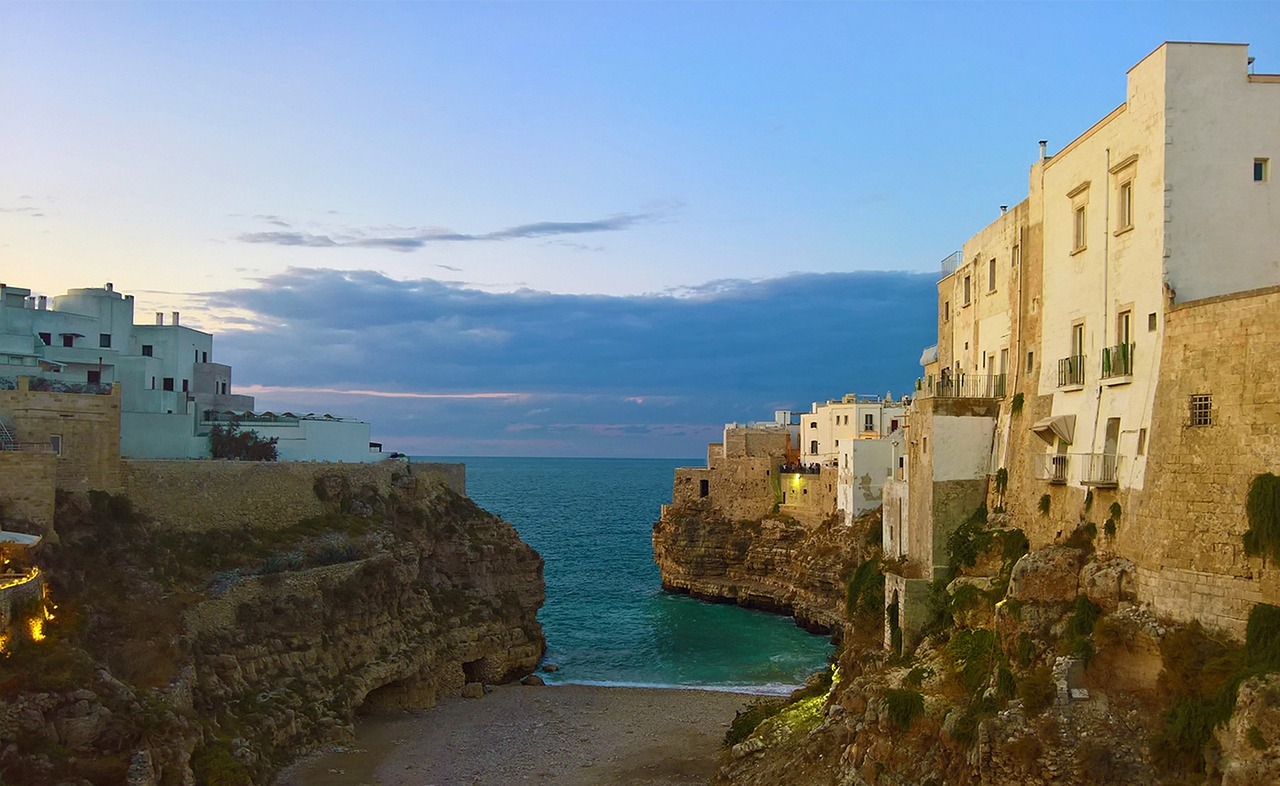
Take a morning train from Bari to Polignano a Mare (30 minutes). Swim at Lama Monachile, explore the old town, and have lunch with a sea view. In mid-afternoon, hop on a short train ride to Monopoli for a gentler, more local seaside atmosphere. Return to Bari in the evening.
Tip: If you fall in love with Polignano’s vibe, you can base there instead of Bari for all four nights; trains still make day trips easy.
Day 3 – Alberobello & Valle d’Itria
Join a guided day tour by minivan to Alberobello and one or two nearby hill towns (Locorotondo or Martina Franca). This is the simplest way to see the countryside without a car. You’ll have time to walk among the trulli, taste local wines, and enjoy a long lunch.
Alternative: If you prefer independence, rent a car for 24 hours and drive yourself (roads are good, just watch for narrow lanes in historic centers).
Day 4 – Trani or Matera (Choose One)
For your final day, pick between:
- Trani: Easy coastal train ride, relaxed, romantic—a perfect soft landing before departure.
- Matera: Longer trip but truly unique. If you fly out of Bari late or the next morning, this is worth the extra effort.
My pick: For a very short first visit, I’d choose Trani—it fits the Puglia story better and keeps travel time low.
5 Day Itinerary for Puglia: Coast, Trulli & Baroque Lecce
Best for: Travelers wanting a taste of both central Puglia and Salento.
Bases: 2 nights in Polignano/Monopoli + 3 nights in Lecce.
Day 1 – Arrival & Polignano a Mare
Arrive Bari/Brindisi, transfer to Polignano or Monopoli. Swim, decompress, and enjoy a slow seafood dinner.
Day 2 – Alberobello & Valle d’Itria Loop (With Car)
Rent a car for the day (pick up in Bari if necessary) and do a loop: Polignano → Castellana Grotte (optional caves) → Alberobello → Locorotondo → Martina Franca → back to coast. Stop for lunch in Martina Franca or Locorotondo.
Day 3 – Train to Lecce & Historic Center
Return rental car, take the train to Lecce (1.5–2 hours from Bari area). Check into a B&B inside the historic center. Spend the afternoon exploring Piazza del Duomo, Santa Croce, and the Roman amphitheater. Evening is for wandering and trying Salento specialties.
Day 4 – Otranto & Coastal Drive
Either join a day tour or rent a car for 24 hours. Drive to Otranto, visit the cathedral and harbor, then continue along the stunning coast road south, stopping at Grotta della Poesia, Castro, and small viewpoints. Return to Lecce by evening.
Day 5 – Lecce Markets, Cooking Class or Winery & Departure
On your final day, do something immersive: a cooking class (making orecchiette, focaccia, and Salento dishes) or a winery visit just outside Lecce. Then head to Brindisi or Bari airport.
6 Day Itinerary for Puglia: Slow Valle d’Itria & Salento
Best for: Couples and families wanting a slower pace, mixing countryside stays and beaches.
Bases: 3 nights in Valle d’Itria (Locorotondo/Ostuni area) + 3 nights in Lecce or Otranto. Car strongly recommended.
Days 1–3 – Valle d’Itria Base
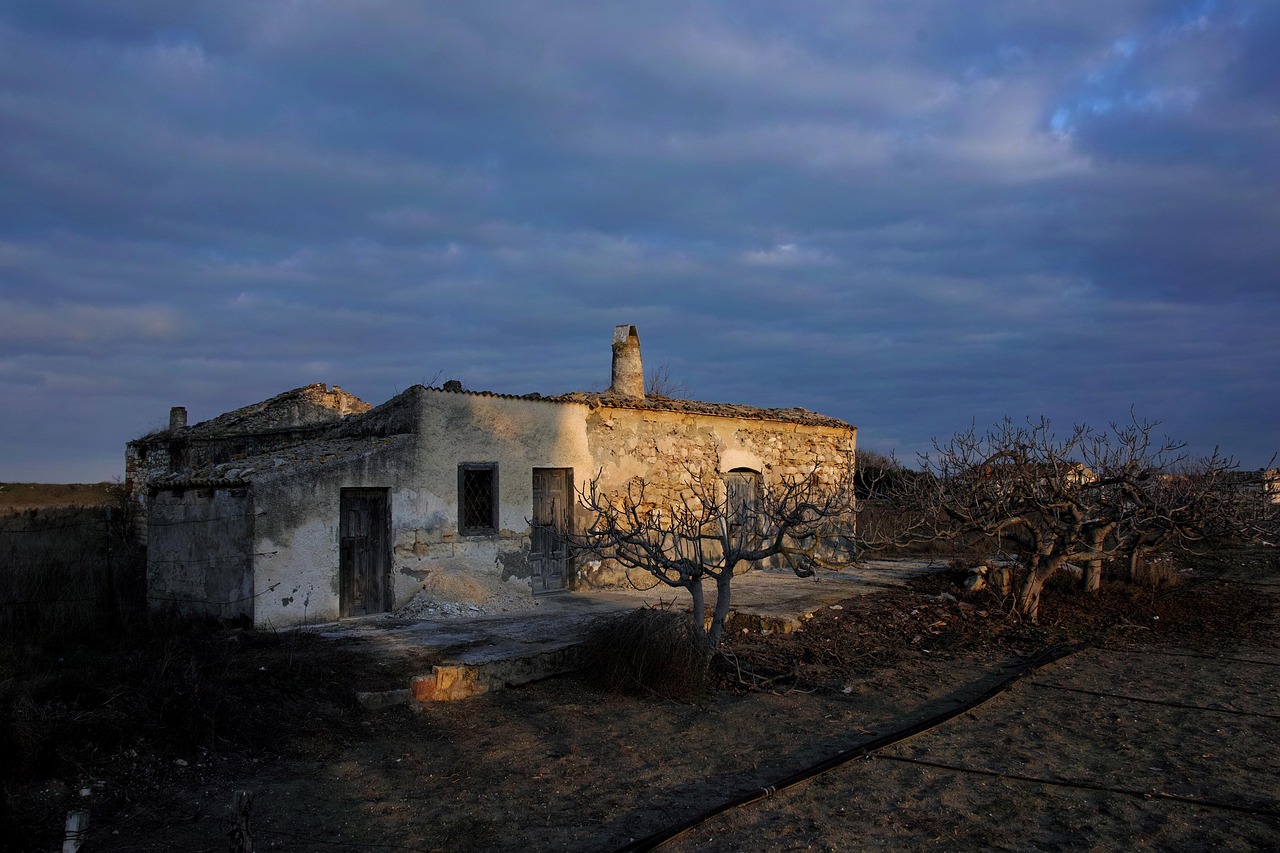
Pick up a car at Bari or Brindisi airport and drive to your chosen masseria or B&B near Locorotondo, Martina Franca, or Ostuni. Over three days:
- Visit Alberobello early or late in the day.
- Stroll Locorotondo and Martina Franca.
- Spend a beach day at Torre Guaceto or near Ostuni.
- Enjoy long, slow meals under pergolas, tasting local wines and olive oils.
Days 4–6 – Lecce & Salento Coast
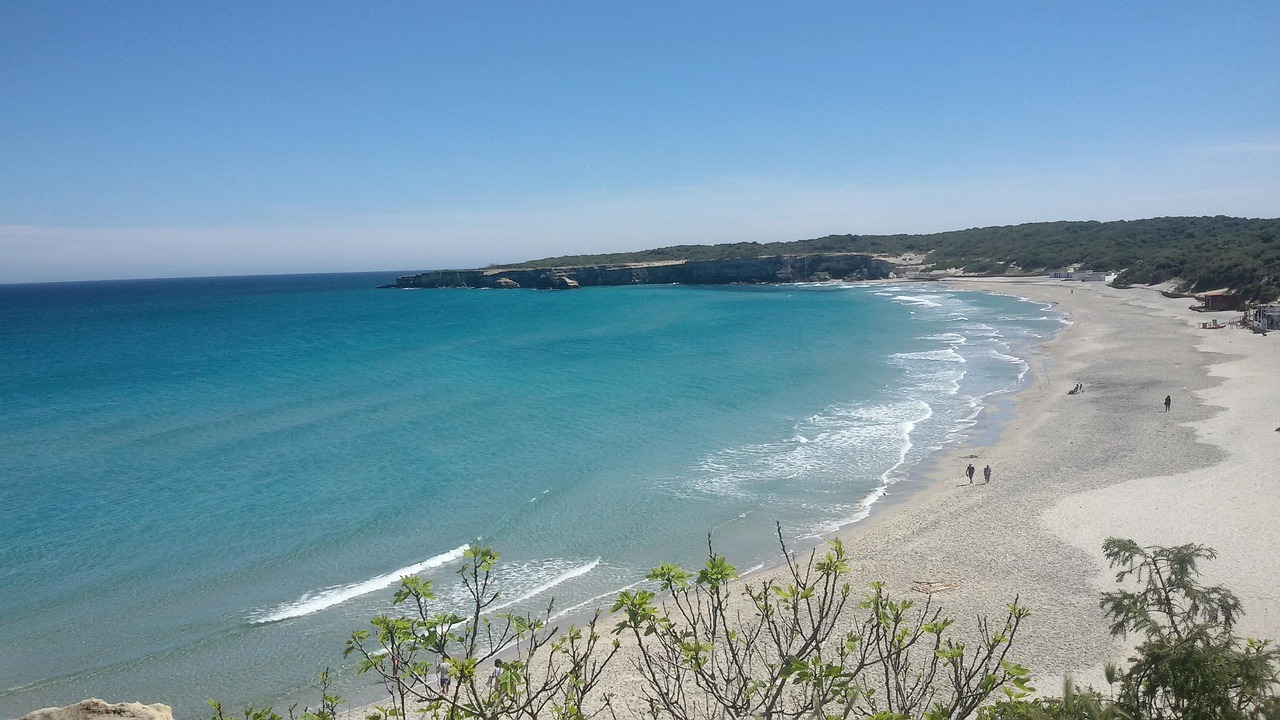
Drive to Lecce or Otranto. Over three days, mix:
- City time: Lecce’s churches, cafes, and evening life.
- Adriatic coast: Otranto, Grotta della Poesia, Baia dei Turchi.
- Ionian coast: A day trip to Gallipoli and nearby beaches.
Return your car at Brindisi or Bari on departure.
7 Day Itinerary for Puglia: From Trani to the Tip of the Heel
Best for: Travelers wanting a full overview without rushing.
Bases: 2 nights Bari/Trani, 2 nights Valle d’Itria, 3 nights Lecce/Salento. Car recommended but possible by train + tours.
Day 1 – Bari & Trani
Arrive in Bari, train to Trani for your first night. Evening by the cathedral and harbor.
Day 2 – Castel del Monte & Bari
Pick up car, visit Castel del Monte, then head to Bari for late afternoon and dinner in Bari Vecchia.
Days 3–4 – Valle d’Itria
Drive to a trulli stay near Locorotondo or Martina Franca. Explore Alberobello, countryside, and maybe the Grotte di Castellana. One evening in Ostuni.
Days 5–7 – Lecce, Otranto & Gallipoli
Drive down to Lecce. Use it as base for day trips to Otranto, Grotta della Poesia, and Gallipoli, plus a lazy beach day in between. Return from Brindisi or Bari.
Local Food in Puglia: What to Eat & Where
Puglian cuisine is rustic, vegetable-forward, and deeply tied to the land and sea. It’s one of the main reasons I keep returning.
Signature Dishes by Area
- All Puglia: Orecchiette con cime di rapa (ear-shaped pasta with turnip tops), fave e cicoria (fava bean purée with chicory), focaccia barese, grilled vegetables, burrata, fresh ricotta.
- Bari area: Panzerotti, raw seafood (crudo), mussels, baked rice/potato/mussel dish (riso, patate e cozze).
- Valle d’Itria: Meat dishes (bombette—small rolled meats), artisan cheeses, white wines (Locorotondo, Martina Franca).
- Salento: Rustico leccese, pasticciotto, ciceri e tria, hearty vegetable stews, Primitivo and Negroamaro wines.
Where to Eat: Agriturismi, Masserie & Trattorie
Agriturismi & masserie: These farm stays often serve fixed menus based on their own produce—homemade pasta, house olive oil, wine from their vines. I’ve had some of my best meals at modest-looking masserie down dusty roads.
Trattorie: Family-run places with short menus that change by season. Look for handwritten boards, crowded tables with locals, and big bowls of vegetables as side dishes.
Markets: In Bari, Lecce, and many towns, morning markets are great for picnic supplies—fresh figs, tomatoes, olives, cheeses, and bread.
Personal Recommendations
- Bari: Try panzerotti from a storefront with a line of locals; eat on the street like everyone else. Near the port, look for simple trattorie with “pesce del giorno” (fish of the day).
- Valle d’Itria: Book dinner at a countryside masseria one evening—ask your host for their favorite, as the best ones aren't always the most advertised.
- Lecce: Follow the locals: if a bar is full of students at 11 pm with everyone eating pasticciotto and drinking coffee, you’re in the right place.
Money-saving tip: At lunch, opt for pranzo di lavoro (fixed-price worker’s lunch) where available—often 2–3 courses plus water and wine for a very reasonable price.
Evenings in Puglia: Piazzas, Concerts & Slow Nights
Evenings are when Puglia truly opens up. From April to October, towns come alive after 8 pm as temperatures drop and everyone heads out for the passeggiata.
Small-Town Piazzas
In places like Locorotondo, Martina Franca, Ostuni, and Trani, evenings mean kids on bikes, older men playing cards, and couples eating gelato on benches. Join in: buy a gelato, stroll aimlessly, and sit when you feel like it.
Festivals & Concerts
Summer brings sagre (food festivals dedicated to a local product), feste patronali (patron saint festivals with fireworks and illuminated arches), and concerts. Salento is famous for its Notte della Taranta, a huge music event celebrating traditional pizzica dance (late August, usually in Melpignano).
Sunset Viewpoints
- Polignano a Mare: Terraces along the cliff edges.
- Ostuni: Viewpoints facing the olive groves and sea.
- Trani: The harbor with the cathedral glowing white.
- Gallipoli: Old town walls looking west over the Ionian.
Cultural Etiquette & Local Customs in Puglia
Understanding a few local customs will make your trip smoother and more enjoyable.
Daily Rhythm
- Siesta: Many shops close roughly between 1–4 pm, especially in smaller towns. Plan sightseeing for mornings and late afternoons.
- Meal times: Lunch 1–2:30 pm, dinner rarely before 8 pm. In Lecce and coastal towns, 9 pm is completely normal.
Dress & Behavior
- Beaches: Beachwear is for the beach; cover up in towns and when entering bars or shops.
- Churches: Cover shoulders and knees, speak softly, and avoid flash photography where signs forbid it.
- Public affection: Hand-holding and modest affection are fine; anything more is frowned upon in small towns.
Interacting with Locals
- Language: English is spoken in touristy areas, less so in small villages. A few Italian phrases go a long way—buongiorno, per favore, grazie.
- Coffee etiquette: Order and drink at the bar for a quick, cheap coffee; sitting at a table often costs more.
- Greetings: A simple “buongiorno” when entering a shop is appreciated; leaving without a “grazie, arrivederci” feels abrupt.
Tipping
Tipping is not as automatic as in some countries. Round up or leave a few euros if service was good in restaurants; for bars and cafes, leaving small change is appreciated but not required.
Practical Travel Advice for Puglia (2026–2027)
Car vs Train vs Bus
Car: A car offers maximum flexibility, especially for Valle d’Itria, Gargano, and rural masserie. Roads are generally good but narrow in old towns.
- Driving distances: Bari–Polignano (35 min), Bari–Alberobello (1–1.15 hr), Bari–Lecce (1.5–2 hr), Lecce–Otranto (40–50 min), Lecce–Gallipoli (40–50 min).
- Rental tips: Pick up at Bari or Brindisi airport to avoid city traffic. Book automatics well in advance; they’re fewer and more expensive.
- Parking: Many historic centers are ZTL (limited traffic zones). Park outside and walk in. Look for white lines (free), blue (paid), yellow (reserved). Always check signs.
Train: Trains connect major towns along the Adriatic (Foggia–Trani–Bari–Monopoli–Brindisi–Lecce) and some inland areas.
- Efficient for a 4 day itinerary for Puglia based in Bari/Polignano or Lecce.
- Regional lines (like Ferrovie del Sud Est) serve Valle d’Itria but can be slow and infrequent.
Bus: Useful for connections where trains don’t go, like some coastal routes in Salento and between smaller towns. Schedules vary by season; check locally or online close to your travel dates.
Visas & Driving Licenses
Visas: Puglia is in Italy and the Schengen Area. Check if your nationality requires a Schengen visa. Many travelers (EU, UK, US, Canada, Australia, etc.) can enter visa-free for short stays, but always verify current rules.
Driving: EU licenses are valid. Non-EU visitors often need an International Driving Permit (IDP) along with their home license—check Italian regulations and your rental company’s requirements before traveling.
SIM Cards & Connectivity
For 2026, Italy continues to have good 4G/5G coverage along the coast and in towns; rural pockets may be patchy.
- Buy a local SIM from providers like TIM, Vodafone, WindTre, Iliad at airports or city shops.
- Bring your passport; registration is required.
- EU residents can usually roam on their home plans without extra fees.
Money-Saving Tips
- Travel in shoulder seasons (late April–June, September–October): lower prices, fewer crowds, great weather.
- Stay in smaller towns vs. ultra-famous hotspots—Monopoli instead of Polignano, Locorotondo instead of Alberobello.
- Have your main meal at lunch when fixed menus are more common.
- Use regional trains for coast-to-coast moves instead of private transfers.
Best Day Trips & Nearby Attractions from Puglia
Matera (from Bari or Valle d’Itria)
As described above, an easy and unforgettable day trip. Budget 1–1.5 hours each way by car, more by public transport.
Basilicata Coast (Maratea) – Longer Excursion
For longer trips (7+ days), consider continuing south from Puglia into Basilicata’s Maratea coast or even Calabria. It’s a few hours’ drive from Taranto or Salento and better as an overnight than a strict day trip.
Gargano Forest & Monte Sant’Angelo (from Vieste)
If you base in Vieste, set aside a day to drive into the Foresta Umbra for hiking and then up to Monte Sant’Angelo for the sanctuary.
Best Seasons to Visit & 2026–2027 Events
When to Go to Puglia
- Spring (April–June): Wildflowers, mild temperatures, fewer crowds. Great for hiking, cycling, and sightseeing. Sea is cool in April, swimmable by late May/June.
- Summer (July–August): Hot, busy, especially mid-August (Ferragosto). Best for beach-focused trips and festivals, but accommodation prices peak.
- Autumn (September–October): Warm sea, harvest season (grapes, olives), quieter towns. Ideal mix of beach and culture.
- Winter (November–March): Quiet, some coastal resorts close or reduce hours. Good for city breaks (Bari, Lecce) and lower prices, but expect some rain and cool temps.
Seasonal Highlights
- Wine harvest: Late August–October, depending on area and grape; Valle d’Itria and Salento wineries may offer harvest activities.
- Olive harvest: October–December; countryside becomes a patchwork of nets and ladders under the trees.
Major 2026–2027 Events in Puglia
Exact dates may shift yearly, but expect:
- La Notte della Taranta 2026 & 2027 (Melpignano, Salento): Late August, one of Italy’s biggest music festivals, focusing on pizzica and world music.
- Festival della Valle d’Itria (Martina Franca): July–August, opera and classical music in charming venues.
- Festa di San Nicola (Bari): Early May, major religious festival with processions and fireworks.
- Local feste patronali & sagre: Every town has its own dates; check local tourism sites closer to your visit in 2026–2027.
Summary: Key Takeaways & Final Recommendations
Puglia rewards those who move slowly. Whether you’re planning 4 days in Puglia or a full 7 day itinerary for Puglia, you don’t need to see everything—choose a couple of bases and sink into local life.
- For short trips (4–5 days), focus on the Bari/Polignano coast + Valle d’Itria, or Lecce + Otranto if you love Baroque cities and beaches.
- For 6–7 days, add both countryside and Salento, and consider a foray to Trani or Gargano.
- Best overall seasons: May–June and September–early October: warm, lively, but not overwhelming.
- Car vs train: Car gives freedom, especially inland, but trains work for a coastal-focused trip.
- Don’t skip the simple pleasures: sitting in a piazza with a gelato, watching the sea from a cliff, or sharing a long lunch under an olive tree.
However long you stay, Puglia has a way of lingering in your memory: the taste of sun-warmed tomatoes, the sound of cicadas in the afternoon, the sight of endless olive groves fading into the sea. And once you’ve been, it’s hard not to start planning your return.