Why Visit Salento?
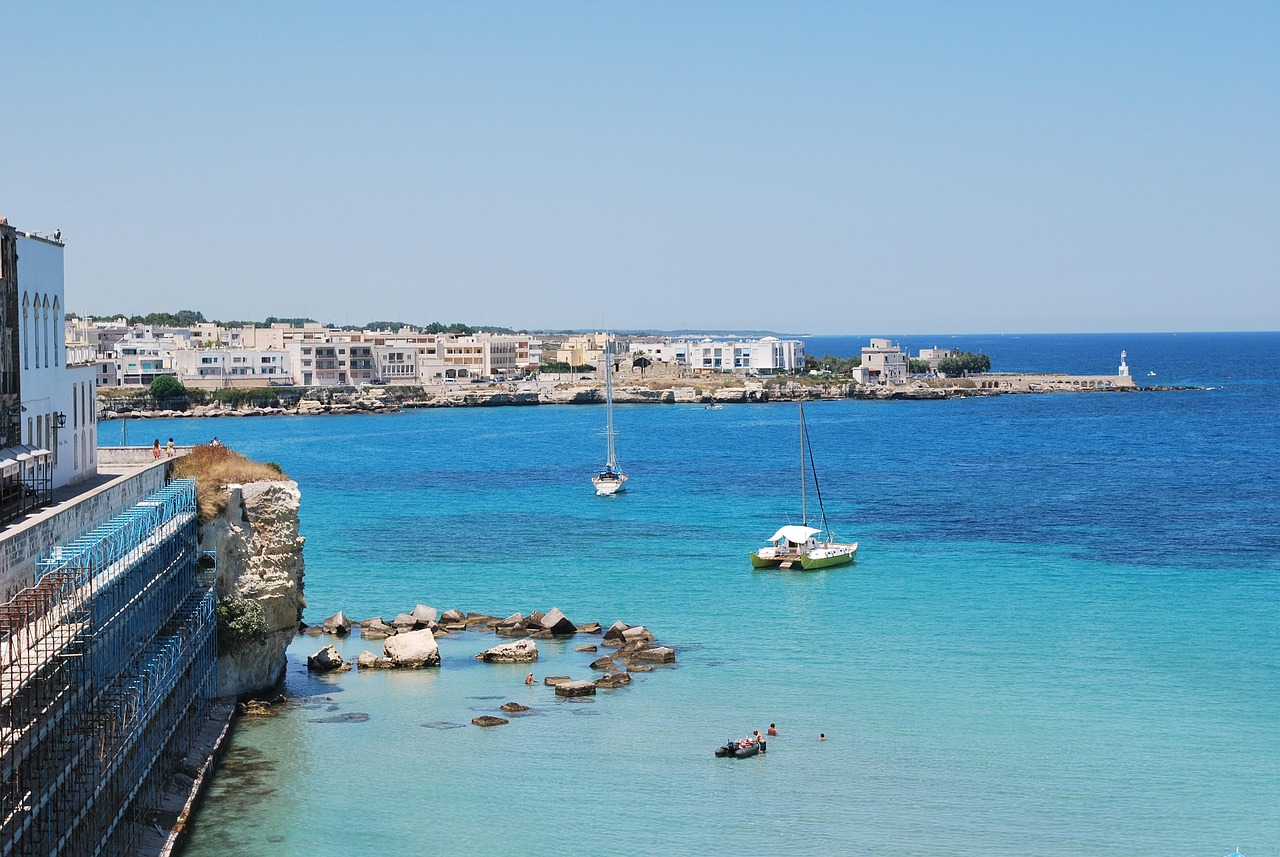
Salento is the sun-drenched tip of Italy’s heel, where the Adriatic and Ionian seas meet and olive groves roll down to whitewashed villages and baroque cities. It’s the part of Puglia that locals whisper about when they talk about “la vera Puglia” — the real Puglia.
What makes Salento special isn’t just its spiagge caraibiche (Caribbean-like beaches) or its ornate churches. It’s the rhythm: slow, warm, stubbornly local. You can swim in translucent coves in the morning, eat seafood that was swimming a few hours earlier, sip wine among ancient olive trees at sunset, then dance the pizzica in a village piazza until midnight.
Over multiple trips — in spring shoulder season, high summer madness, and the mellow October light — I’ve used Lecce as my urban base, slept in a trullo-style farmhouse outside Otranto, and watched storms roll in over Gallipoli’s old bastions. Each time I leave with more notes, more grandmother-recommended trattorie, and more “next time” ideas.
This guide is long and detailed on purpose. Salento isn’t just a list of beaches and baroque facades; it’s a region to live in for a few days. Whether you have a 4 day itinerary for Salento, 5 days in Salento, or a full 7 day itinerary for Salento, I’ll walk you through how to make the most of every day — with personal stories, hidden gems, and practical travel tips for Salento in 2026.
Table of Contents
- Why Visit Salento?
- Overview: Towns, Landscapes & How Salento Fits Together
- Best Bases in Salento
- 20 Must-See Attractions & Towns in Salento
- 4–7 Day Itineraries for Salento
- Local Food in Salento & Where to Eat
- Evenings in Salento: Piazzas, Sunsets & Festivals
- What’s New: Events & Festivals 2026–2027
- Day Trips & Nearby Destinations
- Cultural Etiquette & Local Customs
- Practical Travel Advice for Salento
- Summary & Final Recommendations
Overview: How Salento Fits Together
Geographically, Salento is the southernmost part of Puglia, roughly the area south of the historic town of Ostuni. The region feels like a triangle: Lecce at the top, Otranto on the Adriatic side, and Gallipoli on the Ionian side, with Santa Maria di Leuca at the very tip where the seas meet.
Between those points you’ll find low stone walls, red earth, and millions of gnarled olive trees (some over 1,000 years old), interspersed with tiny villages, masserie (fortified farmhouses), and coastal towers. The Adriatic side is mostly dramatic cliffs and rocky coves; the Ionian is gentler, with sandy beaches and warm, shallow water.
Key Areas & What They’re Known For
- Lecce – Cultural capital, “Florence of the South,” best for architecture, nightlife, and as a transport hub.
- Otranto & Adriatic Coast – History, dramatic cliffs, hiking, and turquoise coves.
- Gallipoli & Ionian Coast – Beaches, sunsets, seafood, and a more festive summer scene.
- Santa Maria di Leuca – The “end of the land” with a lighthouse and sea-meets-sea panoramas.
- Inland Villages (e.g., Specchia, Presicce-Acquarica) – Quiet stone towns, slow life, olive groves and wine.
- Valle della Cupa (around Lecce) – Countryside dotted with masserie and vineyards.
Distances are short: Lecce to Otranto is about 35–40 minutes by car; Lecce to Gallipoli about 30–40 minutes; Gallipoli to Leuca around 50 minutes. This makes Salento perfect for hub-and-spoke exploring: pick a base (or two) and day trip widely.
Best Bases in Salento
Across several trips, I’ve stayed in almost every “obvious” base and a few obscure ones. Here’s how they compare.
Lecce: Best All-Round Base
Lecce is ideal if it’s your first time in Salento or you’re relying on public transport. Trains and buses radiate from here, and the old town is a baroque dreamscape of honey-colored stone. I usually start and end my trips in Lecce — it’s where I return keys, pick up rental cars, and buy last-minute ceramics.
Good for: 4 day itinerary for Salento with no car, culture, nightlife, food, day trips.
Otranto: Adriatic Views & History
Otranto is a whitewashed harbor town that feels like a Greek island on certain evenings: fishing boats bobbing, old men talking in the shade, kids licking gelato along the seafront walls. I love basing here in late May or September for sea views and easy access to the wild Adriatic coastline.
Good for: Couples, families who like rockier beaches, history buffs, hikers.
Gallipoli: Beaches & Sunsets
Gallipoli’s island-like centro storico sits behind thick walls, with labyrinthine lanes, sea views, and some of the best sunsets in Salento. In July and August, it’s lively and sometimes wild; off-season it’s sleepy and atmospheric.
Good for: 5 days in Salento in summer if you’re chasing sea, sand, and aperitivo scenes.
Santa Maria di Leuca: At the End of the Road
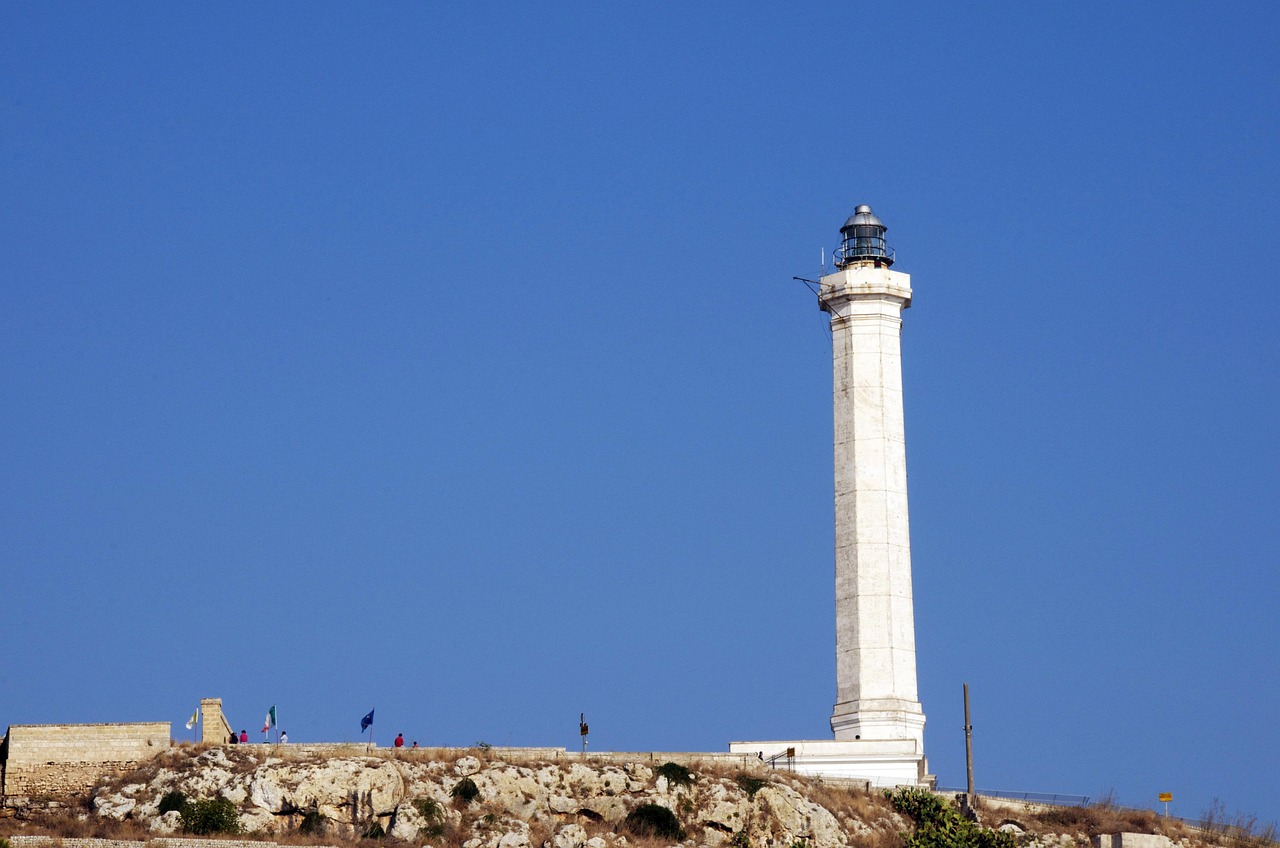
Leuca is the literal end of Italy’s heel, a low-key marina town dominated by a lighthouse and sanctuary. I like coming here for a night on longer trips — waking up at the “end of the land” has a magic of its own.
Good for: Road-trippers, boat trips, a quiet night with big views.
Inland Villages: Specchia, Presicce-Acquarica, Martano
If you’ve got 6 days in Salento or more and a car, spending at least a couple of nights inland is a treat. I’ve stayed in a renovated masseria near Specchia and a small B&B in Martano; both stays slowed me down in the best way.
Good for: Quiet, authenticity, agriturismi, wine, and olive oil tastings.
20 Must-See Attractions & Towns in Salento (with Personal Notes)
Below are twenty of the best places to visit in Salento. Each sub-section weaves together history, what to do, food recommendations, and my own experiences.
1. Lecce: The Baroque Heart of Salento
Lecce is usually my first stop in Salento. Stepping out of the train station into the warm air and walking toward the historic center feels like entering a different tempo. The stone here — pietra leccese — glows a soft gold at sunset and crumbles slightly under your fingertips if you touch the carved facades.
The city’s nickname, “Florence of the South,” comes from its exuberant baroque architecture. Churches explode with cherubs, columns twist, stone flowers bloom out of nowhere. My go-to ritual on arrival is an evening stroll from Porta Napoli down to Piazza del Duomo, then into Piazza Sant’Oronzo where the Roman amphitheater unexpectedly opens at your feet.
Don’t miss:
- Basilica di Santa Croce – The facade is a wild stone tapestry. I’ve stood here with coffee in hand many mornings, always noticing a new detail.
- Piazza del Duomo – Go both in daylight and at night. Around 11 pm in summer, the square quiets and you can almost hear your footsteps echo.
- Roman Amphitheater – Half-buried in the main square, it’s a reminder of Lecce’s ancient past beneath the baroque.
Food I keep returning for: Lecce is where I first fell in love with the pasticciotto — a shortcrust pastry filled with custard. My favorite spot is an old-school bar just off Piazza Sant’Oronzo; order it warm with an espressino freddo (cold espresso with milk foam). In the evenings, I like wandering into the piazzetta behind Santa Croce, where a handful of wine bars pour local Primitivo and Negroamaro.
Getting around: The historic center is pedestrian-friendly. For day trips, regional trains reach Otranto and Gallipoli, and buses fan out to coastal towns in summer.
Family-friendly? Absolutely. Kids love the space in the piazzas and the gelato. The city feels safe and walkable.
Romantic? Undeniably. Evening light on the stone facades is pure romance.
2. Otranto: Fortress on the Adriatic
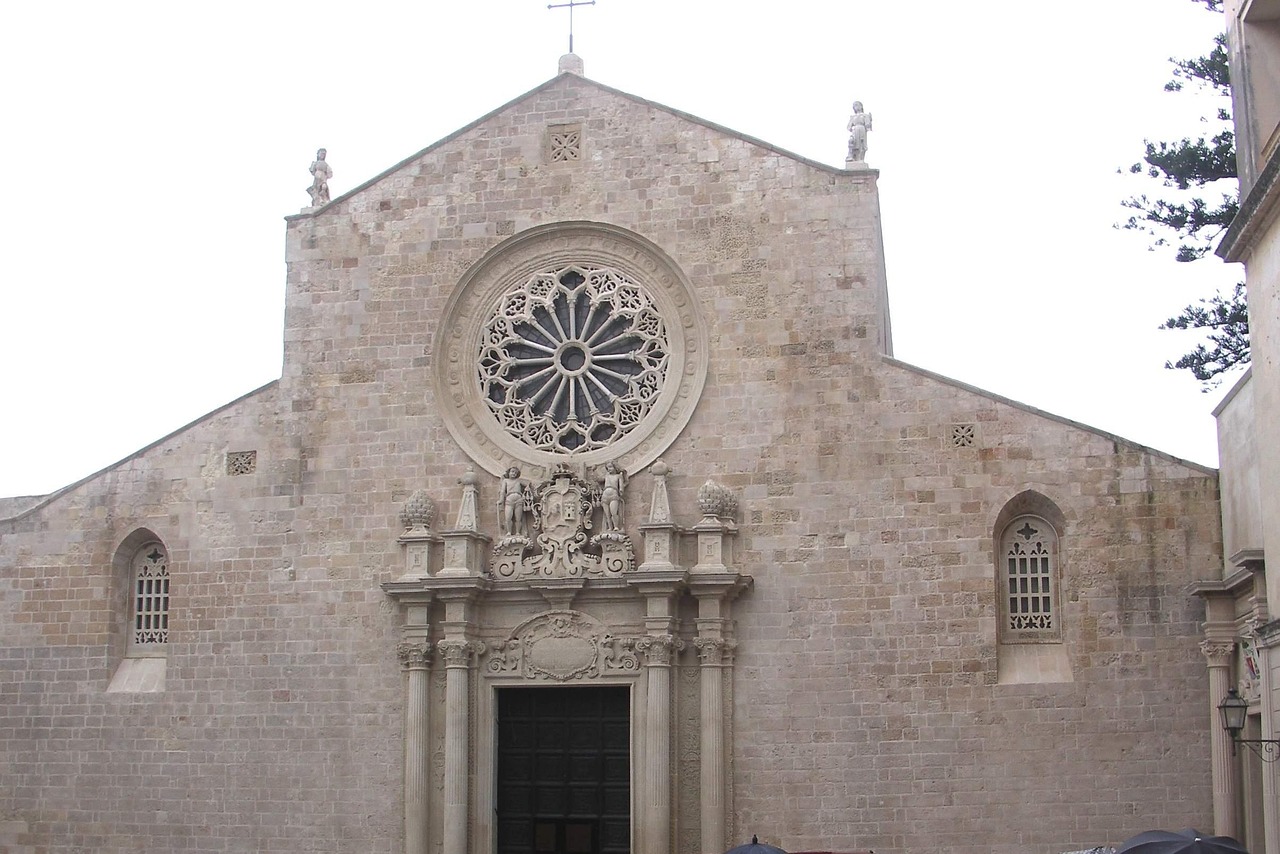
Otranto is where history, sea, and myth collide. I first came here on a blustery April afternoon and watched the waves crash against the old walls, imagining Ottoman ships on the horizon. On later trips in June and September, I swam in the sheltered harbor with kids splashing nearby, the massive Aragonese castle behind us.
Highlights:
- Cattedrale di Santa Maria Annunziata – Inside, a vast 12th-century mosaic sprawls across the floor, depicting a “Tree of Life” packed with animals, knights, and mythical creatures. Spend time tracing the details; I once watched a local guide gently quiz a group of schoolkids about each animal.
- Castello Aragonese – The fortress dominates the town. Inside you’ll find exhibitions (often contemporary art) and access to thick bastions with sea views.
- Harbor & Old Town Lanes – Perfect for an evening stroll. The light on the whitewashed houses just before sunset is spectacular.
Food & drink: For seafood, I often end up at small trattorie tucked along the inner alleyways rather than the seafront. Ask what was caught that morning — grilled mixed fish and cozze alla tarantina (mussels in spicy tomato sauce) rarely disappoint.
Who it’s for: Otranto suits couples (very romantic at night), families (safe harbor beach), and culture seekers. It’s a great base for exploring the surrounding Adriatic coast.
3. Gallipoli: Island of Light & Seafood
Gallipoli’s old town sits on a small island connected to the mainland by a bridge. My first memory here is of wandering into the open-air fish market at dawn, half-asleep, and suddenly being wide awake in a blur of shouting vendors, glistening fish, and sea spray.
Things to do:
- Stroll the Bastions at Sunset – This is my favorite sunset walk in Salento: sea on one side, golden stone on the other, the sky turning orange and pink.
- Visit the Fish Market – Go early (before 9 am) to see it in full swing. It’s raw, loud, and very local.
- Explore the Lanes – The labyrinth of narrow streets hides small churches and workshops. I once stumbled into a tiny family-run olive oil shop here and left with a bottle I still talk about.
Beaches: South of town, the coast opens into a string of sandy beaches like Baia Verde. In July and August, beach clubs pump music and it can be a party scene; in shoulder season it’s relaxed and family-friendly.
Tip: Parking near the old town is limited in peak season. I usually park on the mainland side and walk in.
4. Santa Maria di Leuca: Where Two Seas Meet
The first time I drove to Santa Maria di Leuca, my phone’s map ended in a swirl around the lighthouse, as if unsure where to go next. That’s how it feels in real life: you reach the end of the land, and beyond is only sea.
The sanctuary and lighthouse sit high above the port, with a sweeping staircase and a huge piazza. On clear days, locals say you can see the line where the Adriatic and Ionian meet — in reality it’s more a poetic idea than a sharp border, but the view is unforgettable.
What to do:
- Sanctuary & Lighthouse – Come at golden hour. I once watched a summer storm brewing to the north while the south remained bright; magical light for photography.
- Boat Trip to Sea Caves – From the marina, small boats head to caves along both coasts. Some trips include swimming stops in impossibly blue water.
- Promenade Walk – A gentle, family-friendly evening stroll with gelato stands and kids’ rides in summer.
5. Torre dell’Orso & the Adriatic Cliffs
Torre dell’Orso is one of Salento’s most iconic beaches: a deep crescent of sand framed by pale cliffs, with the Due Sorelle (Two Sisters) rock stacks just offshore. I’ve come here in August chaos and in October calm — two completely different experiences.
Summer reality: In July and August, umbrellas cover the sand in neat rows, and families arrive loaded with coolers and inflatable flamingos. It’s festive but busy; arrive by 9 am if you want parking and space.
Shoulder season joy: In late May or late September, you can find wide patches of sand to yourself, the water still warm, the cliffs glowing in soft light.
Adventurous tip: From the north end, trails continue along the cliffs toward Grotta della Poesia, a natural swimming hole that’s become an Instagram darling. It’s beautiful, but comes with crowds in summer; I prefer early morning or late afternoon visits.
6. Grotta della Poesia: Natural Sea Pool
The first time I saw a photo of Grotta della Poesia, I suspected heavy editing. Then I stood above the limestone ring and saw the water below: clear, deep turquoise, with shafts of light piercing through. It really is that color on the right day.
Swimming & safety: People jump from the rocks into the pool — it’s deep, but always check the spot and the conditions. I’m a cautious jumper; I usually enter from the lower side, where there are natural steps carved into the rock.
When to go: Avoid midday in high summer. I’ve had the best experiences around 8–9 am or after 5 pm, when tour groups thin out.
Family note: Better for older kids and confident swimmers. There are no lifeguards, and the rocks can be slippery.
7. Punta Prosciutto: Caribbean-Style Ionian Beach
If you’re chasing the “Caribbean” in Italy, Punta Prosciutto is where locals point you. The sand is pale and soft, the water shallow and intensely turquoise. On a windless day, it looks almost unreal.
I once spent a full day here in early June with friends, doing nothing more strenuous than walking from towel to sea and back, pausing for fried fish at a rustic beach shack. It’s simple, and that’s the charm.
Practicalities: In peak season, parts of the beach are taken over by lidi (beach clubs) with loungers; there are still free sections, but parking can be tight. Bring shade if you don’t plan on renting an umbrella.
8. Porto Cesareo: Seafood & Shallow Waters
Porto Cesareo is a working fishing town turned low-key resort, famous for its shallow, warm waters and seafood. Families love it: kids can wade far out, and the main promenade fills with strollers and scooters in the evening.
I often stop here for lunch when driving the Ionian coast — a plate of raw and marinated seafood (if you’re into it) or a simple grilled fish, eaten with a carafe of white wine and a harbor view, is my idea of Salento perfection.
9. Otranto–Santa Maria di Leuca Coast Road
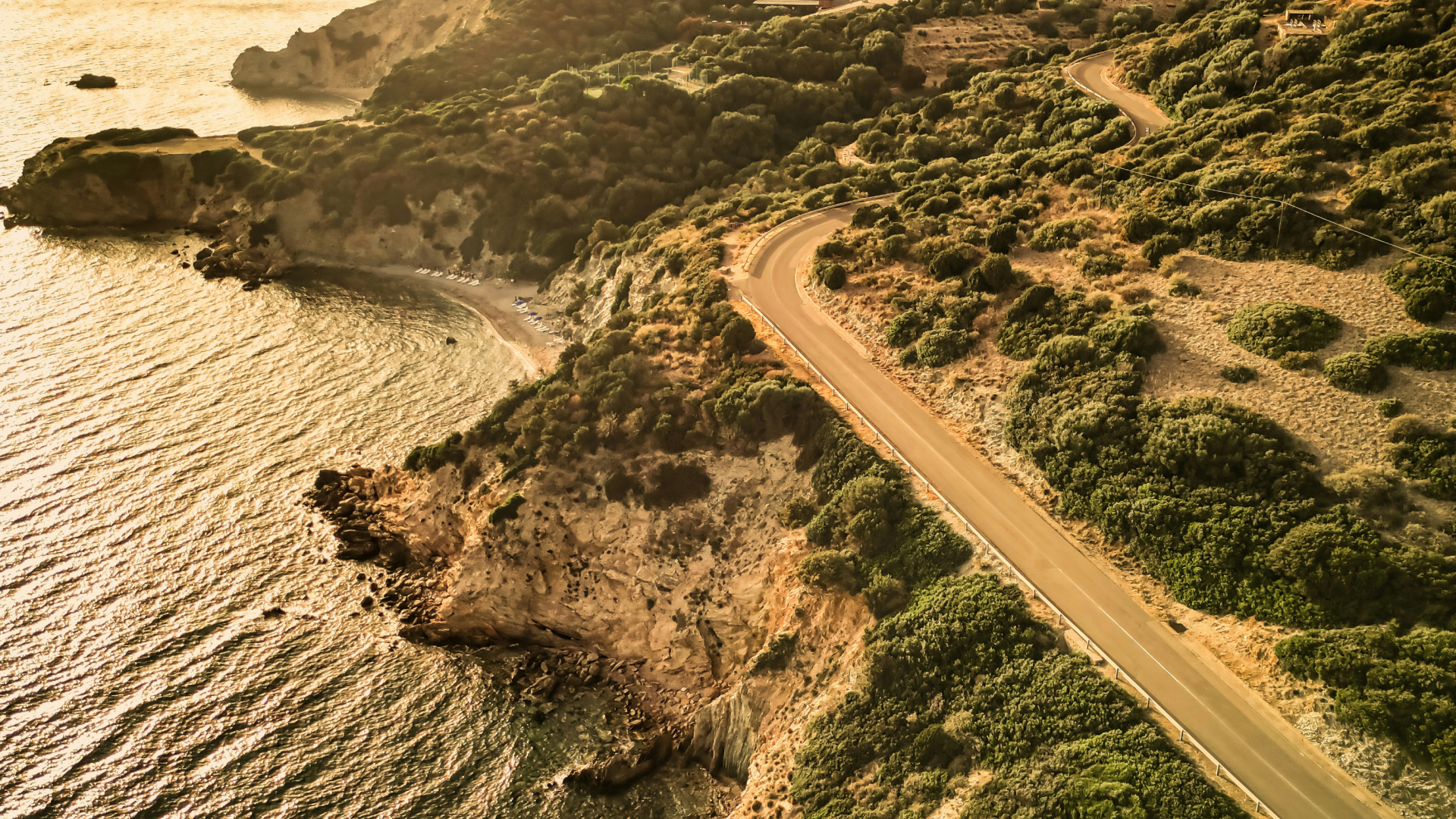
The coastal road between Otranto and Santa Maria di Leuca is one of my favorite drives in Italy. It twists above cliffs, dives into small coves, and passes watchtowers and sea caves. I’ve driven it in a tiny rental Fiat with the windows down and in winter with rain lashing the windshield — both times thrilling.
Stops I love:
- Porto Badisco – A small, rocky inlet with incredibly clear water; quieter than bigger names.
- Santa Cesarea Terme – Known for its Moorish-style villas and thermal baths.
- Castro – A postcard cliffside village with an old town above and harbor below.
- Grotta Zinzulusa – A sea cave you can visit by boat or on guided tours.
Allow a full day for this drive if you plan to swim and linger — it’s not a route to rush.
10. Castro: Cliffside Charmer
Castro is a two-level town: Castro Alta (the historic, fortified part above) and Castro Marina (the harbor below). I like to park halfway up and meander through both.
From the upper town, views stretch across the Adriatic; on very clear days, locals insist you can glimpse Albania. The lanes are quiet, with simple stone houses and a few bars where men nurse espresso and arguments about football.
Down by the harbor, small boats leave for caves nearby, and there’s a swimming area where the water is unimaginably clear and blue. It’s chilly even in summer, but that first jump wakes you right up.
11. Baia Verde & Gallipoli’s South Coast
South of Gallipoli, the coast turns into a run of sandy beaches, dunes, and beach clubs — Baia Verde, Punta della Suina, and beyond. This is where Salento’s summer energy comes to play: music, cocktails, volleyball games, families building sandcastles, teenagers posing at sunset.
I’ve had completely different experiences here depending on the month: in mid-September, I shared Punta della Suina with a handful of locals; in August, I could barely find parking. For a 5 day itinerary for Salento in summer focused on sea and sand, basing near here makes sense.
12. Specchia: Stone Village in the Hills
Specchia often gets overlooked by first-timers, but it’s one of my favorite inland towns. Perched on a low hill, it has a compact old center of white and stone houses, narrow alleys, and a main square that becomes the town’s living room after dark.
I spent three nights in a small B&B here one October. Mornings were for drives through olive groves and visits to coastal towns; evenings were for sipping local wine on the steps of the main church, watching kids play chase around the square while grandparents chatted on benches.
Why go: If you want to feel everyday life in Salento away from the coast, come here for an evening or a night. It’s also a good base for exploring both coasts by car.
13. Presicce-Acquarica: Underground Oil Mills & Noble Palaces
Presicce, now officially merged with nearby Acquarica, has a beautifully preserved historic center with baronial palaces and hidden courtyards. Beneath the main square, you can visit old underground olive oil mills (frantoi ipogei), where workers once labored by lamplight.
A guided visit here gave me a deep appreciation of how central olive oil is to Salento’s story — not just as food, but as fuel and trade.
14. Martano & the Grecìa Salentina
Martano sits in the Grecìa Salentina, a cluster of villages where an ancient Greek-derived dialect, griko, is still spoken by some older residents. The feel here is subtly different: music, signage, and festivals often nod to Greek heritage.
I stayed on the outskirts of Martano at an agriturismo, waking each morning to roosters and the smell of baking bread. Afternoons were for wandering the town’s lanes and sitting in the main square with a spritz. Evenings sometimes brought live pizzica music to tiny bars.
15. Galatina: Frescoes & Pasticiotti
Galatina is an inland gem I always recommend to art lovers. The Basilica di Santa Caterina d’Alessandria has interior frescoes that rival those in Assisi — walls and ceilings completely covered in scenes that feel alive even six centuries later.
This is also one of the claimed birthplaces of the pasticciotto. I dutifully taste-test at each visit, in the name of research. The best I’ve had here was still warm, the custard creamy and not too sweet.
16. Maglie: Everyday Market Town
Maglie doesn’t make many “must-see attractions in Salento” lists, but it’s a solid, lived-in town with good shops and cafes. I like stopping here on rainy days to wander under porticoes, browse clothing and homeware stores, and linger over long lunches.
Market days bring extra energy, with stalls selling everything from cheese to socks. If you’re staying nearby, check the schedule (it usually runs weekly) and go early.
17. Laghi Alimini: Coastal Lakes & Pine Forests
North of Otranto, the Alimini Lakes form a peaceful wetland area behind the dunes. The nearby coast has long sandy stretches and pine forests, popular with families in summer.
I’ve cycled through here on a rented bike, the air smelling of pine and sea, stopping to watch herons standing statue-still in the shallows. It’s a quieter side of Salento’s coast, especially if you leave the main beach accesses and explore side tracks.
18. Valle della Cupa & Lecce’s Countryside Masserie
Just outside Lecce, the countryside spreads into the Valle della Cupa, dotted with masserie — fortified farmhouses, many now turned into agriturismi or boutique stays. Staying in one is one of my favorite cultural experiences in Salento.
I’ve spent evenings here eating under pergolas heavy with vines, the table groaning with dishes made from the farm’s own produce: orecchiette with tomato and ricotta forte, grilled vegetables, homemade liqueurs. Waking up to roosters and the clink of breakfast cups is a different rhythm from town life.
19. Punta Palascia Lighthouse
East of Otranto, Punta Palascia is Italy’s easternmost point, marked by a solitary lighthouse standing over cliffs. On New Year’s Day, people gather here to watch the first sunrise hit Italy.
I drove out one late afternoon in April, parked above, and walked the short path down. There was a strong wind, waves slamming the base of the cliffs, and not another soul in sight. It felt wild and far from everything, despite being only 15–20 minutes from Otranto.
20. Village Piazzas & Pizzica Nights (Various Towns)
More than any single monument, what ties Salento together is its village piazza life. From June to September, almost every town hosts sagre (food festivals) and feste patronali (patron saint celebrations). There are light installations, fireworks, and, most importantly, live music.
I’ve danced the pizzica — Salento’s hypnotic traditional tarantella — in a crowded square in Melpignano during the famous Notte della Taranta, and in tiny, impromptu circles in villages where a band set up on a truck. Even if you don’t know the steps, you’ll be pulled along by the rhythm.
For cultural experiences in Salento, plan at least one evening around a local festival if your dates allow.
4–7 Day Itineraries for Salento (With Personal Stories)
Below are suggested itineraries tailored to 4 days in Salento up to a full 7 days in Salento. I’ve actually done versions of all of these, tweaking them over several trips. Use them as a framework and adjust based on your interests and pace.
4 Day Itinerary for Salento: Highlights Without a Car
This 4 day itinerary for Salento assumes you’re based in Lecce, mostly using trains and buses, with optional day tours. It’s ideal if you want a taste of the region’s best places to visit in Salento without driving.
Day 1: Arrive in Lecce & Baroque Evening
I like to arrive in Lecce around midday, drop my bags, and immediately immerse myself in the old town. Walk through Porta Napoli, then drift without a strict plan: Santa Croce, Piazza Sant’Oronzo, the Roman amphitheater, then Piazza del Duomo around sunset. This first wander lets your internal clock sync to Salento time.
Local food in Salento to try: snack on a rustico leccese (puff pastry filled with béchamel, tomato, and mozzarella) from a bar near the main square; have dinner at a family-run trattoria tucked into an alley, where menus are often hand-written and seasonal.
Day 2: Otranto by Train – Sea, Castle & Cathedral
Catching the morning train from Lecce to Otranto feels like slipping through the countryside: olive trees, low walls, tiny stations where no one gets on or off. Once in Otranto, head straight to the cathedral for the mosaic floor, then the castle ramparts, then the harbor for lunch.
In summer, bring swimwear for a quick dip by the old town beach. In cooler months, linger in cafes instead, watching waves and people. Take an late-afternoon train back to Lecce; the return walk through illuminated baroque streets never gets old.
Day 3: Gallipoli – Island Old Town & Fish Market
On my first 4 days in Salento, I dedicated a day to Gallipoli and never regretted it. Morning train from Lecce, then a short walk to the old island. Explore the lanes, visit the cathedral, then dive into the fish market if you arrive early enough.
Lunch tip: Look for simple places offering frutti di mare pasta or grilled fish. If you’re visiting in summer, consider a couple of hours on a nearby beach before returning to town for sunset on the bastions.
Day 4: Lecce Details & Countryside Taste
Use your last day to dig deeper into Lecce: tour a few more churches, visit artisan workshops (papier-mâché, ceramics), and linger in hidden courtyards. If you want a countryside feel without a car, book a half-day tour to a nearby masseria for an olive oil or wine tasting.
End your 4 day itinerary for Salento with a leisurely dinner and one last pasticciotto on the walk back to your room.
5 Day Itinerary for Salento: Add the Adriatic Cliffs
With 5 days in Salento, you can follow the 4-day plan above and add a dedicated Adriatic coast experience — either by renting a car for a day or joining a small-group excursion.
Day 5: Adriatic Coast – Torre dell’Orso & Grotta della Poesia
I like to pick up a rental car in Lecce early in the morning and drive to Torre dell’Orso before the day heats up. Swim, walk the beach, then continue along the coast road to Grotta della Poesia.
Pack water shoes if you plan on scrambling over rocks, and bring snacks — while there are bars and kiosks in season, they can get crowded. After a couple of swims and cave explorations, continue a bit further along the coast or circle back inland through small villages like Melendugno before returning to Lecce.
6 Day Itinerary for Salento: Two Seas & an Inland Night
Six days in Salento lets you split your time between the Adriatic and Ionian coasts and add a night in an inland village or masseria.
Days 1–3: Lecce & Adriatic (as above)
Follow the earlier days: Lecce, Otranto, Adriatic coast. On Day 3, instead of returning to Lecce, drive inland in the late afternoon to Specchia or Martano and check into a countryside stay.
Day 4: Inland Villages & Wine
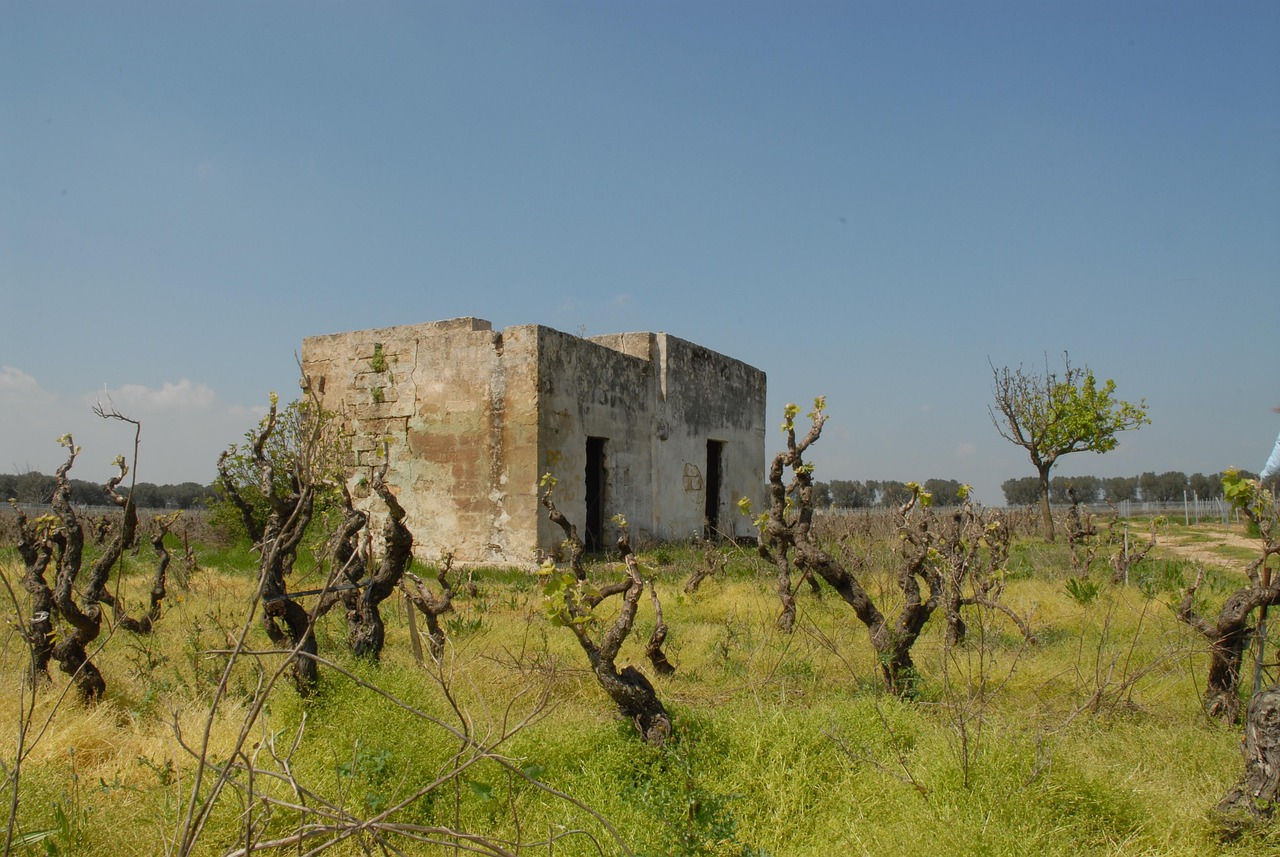
Wake to roosters and the smell of coffee. Spend the day exploring nearby villages — Specchia, Presicce-Acquarica, maybe Galatina for its frescoes — and visit a local winery for tastings of Negroamaro and Primitivo.
Evenings inland are wonderfully low-key: piazza life, pizzica concerts in summer, stargazing in the dark countryside the rest of the year.
Day 5: Ionian Coast & Gallipoli
Drive toward Gallipoli, stopping at beaches like Punta della Suina or Baia Verde for a swim. Check into a place either in Gallipoli’s old town or just south of it. Spend late afternoon exploring the lanes and fish market, then watch sunset from the bastions.
Day 6: Punta Prosciutto & Porto Cesareo, Return
On your last day, head north up the Ionian coast to Punta Prosciutto and Porto Cesareo. Swim, eat seafood, bask in the last of the Salento sun. In late afternoon, drive back to Lecce or directly to Brindisi/Bari if that’s where you’re departing from.
7 Day Itinerary for Salento: Slow Loop of the Heel
A 7 day itinerary for Salento allows for the most balanced, relaxed trip. This is roughly the loop I follow when I have a full week, often with minor variations each year.
Day 1: Arrive Lecce – Settle & Stroll
As in previous itineraries: check in, evening walk, baroque immersion, simple dinner.
Day 2: Lecce Deep Dive
Use this day to explore Lecce more thoroughly: Santa Croce, Duomo, Roman theater, papier-mâché workshops. Grab lunch at a trattoria that locals frequent (check who’s inside — more locals than tourists is a good sign).
Day 3: Train to Otranto – Overnight Stay
Head to Otranto and spend a full day and night there. Evening in Otranto is particularly lovely; the harbor lights, family strolls, and castle silhouette make it feel different from a day trip.
Day 4: Otranto–Leuca Coast Drive
Pick up a rental car in Otranto if possible, then drive the coast road to Santa Maria di Leuca. Swim stops at Porto Badisco, Castro, Santa Cesarea Terme as time and weather allow. Spend the night in Leuca or nearby.
Day 5: Leuca & Inland to Specchia/Martano
Morning in Leuca: lighthouse, sanctuary, optional boat trip. Afternoon drive inland via small roads to Specchia, Presicce, or Martano. Check into a countryside masseria or village B&B.
Day 6: Inland Life & Galatina
Slow morning, then drive to Galatina for Santa Caterina’s frescoes and pastry tastings. Return via another village (maybe Maglie) and enjoy one more quiet evening under Salento’s stars.
Day 7: Ionian Beaches & Gallipoli, Return to Lecce
Drive to the Ionian coast for beach time (Punta Prosciutto or Baia Verde) and lunch in Porto Cesareo or Gallipoli. End the day in Lecce for a final night, returning the car before dinner if convenient.
Local Food in Salento & Where to Taste It
Salento’s cuisine is simple, seasonal, and deeply tied to the land and sea. Dishes are often born of poverty but feel luxurious in their flavor.
Signature Dishes by Area
- Everywhere: Orecchiette with tomato and ricotta forte; ciceri e tria (pasta with chickpeas, some pieces fried); fave e cicoria (pureed fava beans with bitter greens).
- Coastal towns (Otranto, Gallipoli, Porto Cesareo): raw seafood platters, grilled fish, mussels, polpo alla pignata (octopus stew).
- Inland villages: meat-based dishes, hearty pastas, peperonata, wild greens, excellent cheeses.
- Breakfast & snacks: Pasticciotto, rustico leccese, frisella (dried bread ring soaked and topped with tomato and olive oil), puccia (stuffed sandwich bread).
Agriturismi & Masserie
One of the best ways to taste local food in Salento is to book dinner at an agriturismo. Many offer fixed menus based on what’s in season: multiple antipasti, a pasta course, a main, and dessert. I’ve had some of my best meals at long communal tables under vines, with house wine flowing and kids playing nearby.
Markets
Check market days in Lecce, Maglie, Galatina, and Gallipoli. Early morning is best: vendors pile up tomatoes, peppers, eggplants, wild greens, and cheeses. Even if you’re not cooking, it’s a window into local life and great for fruit and picnic supplies.
Saving Money on Food
- Eat your main meal at lunch when some places offer set menus.
- Use bakeries and bars for snacks: rustici, slices of focaccia, puccia sandwiches.
- Avoid the most touristy seafront spots; one street back is usually cheaper and better.
Evenings in Salento: Piazzas, Sunsets & Quiet Rhythms
Evenings are when Salento truly reveals itself. The heat softens, shutters open, and people drift into the streets. This is your time for cultural experiences in Salento that go beyond museums.
Piazza Life
Every town, from Lecce to tiny Specchia, revolves around its main piazza. Between 7 pm and midnight in summer, you’ll see the full cross-section of society: toddlers in strollers, teenagers flirting, grandparents catching up on benches. Order a drink, take a seat, and simply watch.
Sunset Viewpoints
- Gallipoli Bastions – For sea-and-sun ball drops.
- Santa Maria di Leuca Lighthouse – Wide horizon views.
- Adriatic cliffs near Castro – Fiery skies over darkening water.
Summer Festivals & Concerts
From June through early September, look for posters advertising sagre (e.g., Sagra della Cozza, Sagra del Pesce) and local concerts. The biggest event is La Notte della Taranta in Melpignano (usually August), but smaller village events can be more intimate and just as fun.
What’s New: Events & Festivals in Salento 2026–2027
Salento’s core traditions don’t change much, but each year brings new details — updated festivals, food fairs, and cultural events. For 2026–2027, expect:
- La Notte della Taranta 2026 (Melpignano, August): The famous pizzica festival continues to grow, with pre-concert events across the Grecìa Salentina in July and early August.
- Expanded Coastal Shuttle Services (Summer 2026): Local authorities are expected to increase seasonal shuttle buses along both coasts, easing car traffic around popular beaches like Torre dell’Orso and Punta Prosciutto.
- Food & Wine Festivals: Annual autumn wine harvest events around Lecce and in inland towns (September–October) focus on Negroamaro and Primitivo, with tastings and vineyard tours.
- Religious Festivities: Traditional patron saint festivals (e.g., in Lecce, Otranto, Gallipoli) will continue with illuminated arches, fireworks, and processions — dates vary by town, typically between May and September.
Check local tourism sites closer to your travel dates in 2026–2027 for precise calendars, as exact dates can shift slightly year to year.
Day Trips & Nearby Attractions from Salento
While Salento itself can easily fill a week, you’re also within reach of other Puglian highlights.
- Valle d’Itria (Ostuni, Alberobello, Locorotondo): About 1.5–2 hours from Lecce by car. White hill towns and trulli houses. Best as a full-day or overnight trip.
- Taranto: Around 1.5 hours from Lecce. Interesting for its archaeological museum and historic center on an island, though less polished than other destinations.
- Brindisi: Often just an arrival/departure point, but its seafront and Roman column make for a nice half-day if your flight timing allows.
For most travelers, especially on a 4–6 day itinerary for Salento, I recommend focusing your time on the Salento area itself and saving the Valle d’Itria for another trip or a separate base.
Cultural Etiquette & Local Customs in Salento
Salentini are warm, proud, and generally delighted to see visitors who show respect for local life.
Greetings & Politeness
- Use buongiorno (morning/day) and buonasera (evening) when entering shops and cafes.
- A simple grazie and per favore go a long way.
- People may address you with formal Lei initially; mirroring their formality is safe.
Dress & Church Visits
In churches, cover shoulders and avoid very short shorts. A light scarf in your bag solves most issues. Beachwear is for beaches and beach towns; in inland villages and Lecce, a slightly more covered look is appreciated away from the shore.
Meal Times & Pace
Lunch often runs 12:30–2:30 pm, dinner rarely before 8 pm. Many shops close in the afternoon (roughly 1–5 pm) especially in smaller towns. Don’t rush restaurant meals; they’re social occasions.
Tipping
Service is often included; leaving 5–10% or rounding up is appreciated but not obligatory. For exceptional service, a bit more is always welcome.
Practical Travel Advice for Salento
Salento is relatively easy to navigate once you understand the basics of transport, seasons, and logistics.
Getting To & Around Salento
Airports
- Brindisi (BDS): Closest airport to Salento, about 30–40 minutes by train or car to Lecce.
- Bari (BRI): Larger airport, around 1.5–2 hours to Lecce by train.
Car vs Train vs Bus
Car: A car offers maximum flexibility, especially for beaches and inland villages. Roads are mostly good and distances short. Drawbacks: parking in historic centers and on popular beaches in peak season.
Train: Works well for the Lecce–Otranto and Lecce–Gallipoli routes and some inland towns. Slower than in northern Italy but scenic.
Bus: Essential for some coastal stretches and smaller villages, but timetables can be sparse off-season. In summer, extra beach shuttles usually run.
Driving Tips
- Foreign licenses: Many visitors can drive on their home license; some nationalities may require an International Driving Permit. Check your country’s rules before traveling.
- ZTL zones: Historic centers often have restricted traffic areas. Watch for signs and don’t drive past them to avoid fines.
- Parking: White lines are usually free, blue lines pay-and-display, yellow reserved. In summer, arrive early at popular beaches.
SIM Cards & Connectivity
Italian SIMs from providers like TIM, Vodafone, and WindTre are easy to get in Lecce and larger towns. Bring your passport. Coverage is generally good, though some rural pockets still have weaker signals.
Money & Costs
Salento is cheaper than many northern Italian regions, but prices have risen slightly in recent years. You can still eat extremely well at moderate prices if you avoid the most touristy spots.
- Coffee: ~€1–1.50 at the bar.
- Glass of local wine: ~€3–5.
- Trattoria meal: ~€20–35 per person without going overboard.
Visa Requirements
Italy is part of the Schengen Area. Travelers from many countries can enter visa-free for short stays (typically up to 90 days in 180), but requirements change. Always check the latest rules from official sources before your trip.
Best Seasons for Different Activities
- Beach weather: June–September; July–August for the warmest water but biggest crowds.
- Hiking & sightseeing: April–June, late September–October, when temperatures are mild.
- Wine harvest & festivals: September–October, with grape harvests and village celebrations.
- Wildflowers & green countryside: March–May.
Saving Money Over a Multi-Day Trip
- Base in one or two towns (Lecce + coastal base) to avoid frequent accommodation changes.
- Use trains for major hops if you’re nervous about driving and rent a car only for a few specific days.
- Stay in agriturismi or B&Bs slightly outside big-name towns; prices drop quickly a few kilometers inland.
- Pack a refillable water bottle; tap water is generally safe to drink.
Hidden Tips & Little Things I’ve Learned
- Always carry some cash; tiny bars and food stalls at festivals may be cash-only.
- Buy beach shoes — many of the best Adriatic swimming spots are rocky.
- Watch the wind: locals check which coast is calmer (Adriatic vs Ionian) on a given day; ask your host or barista where they’d swim that day.
- In small villages, don’t be surprised if everything closes on Sunday afternoon; plan accordingly.
Summary: Key Takeaways & When to Visit Salento
Salento is a compact but richly layered region: baroque Lecce, fortress Otranto, island-like Gallipoli, the two seas meeting at Leuca, quiet inland villages, and miles of coastline that swing from dramatic cliffs to Caribbean-hued beaches.
If you only have a 4 day itinerary for Salento, base in Lecce and focus on Lecce, Otranto, and Gallipoli, with one coast day. With 5–6 days in Salento, add more coastline and at least one inland night. A 7 day itinerary for Salento lets you loop the heel slowly, balancing sea time with village evenings and masseria dinners.
Best overall months: late May, June, September, and early October — warm seas, lively but not overwhelming, and easier logistics for driving and parking. July and August are for heat lovers and festival chasers; winter is for quiet streets, low rates, and bar conversations with locals.
However you choose to structure your travel guide-inspired journey through Salento, leave room in your days for serendipity: an unplanned swim in a cove you spot from the road, a detour to a village whose name you can’t quite pronounce, a long conversation with the owner of a tiny bar about which pasticciotto is best. That’s where Salento’s magic really lives.