Why Visit Sardinia in 2026
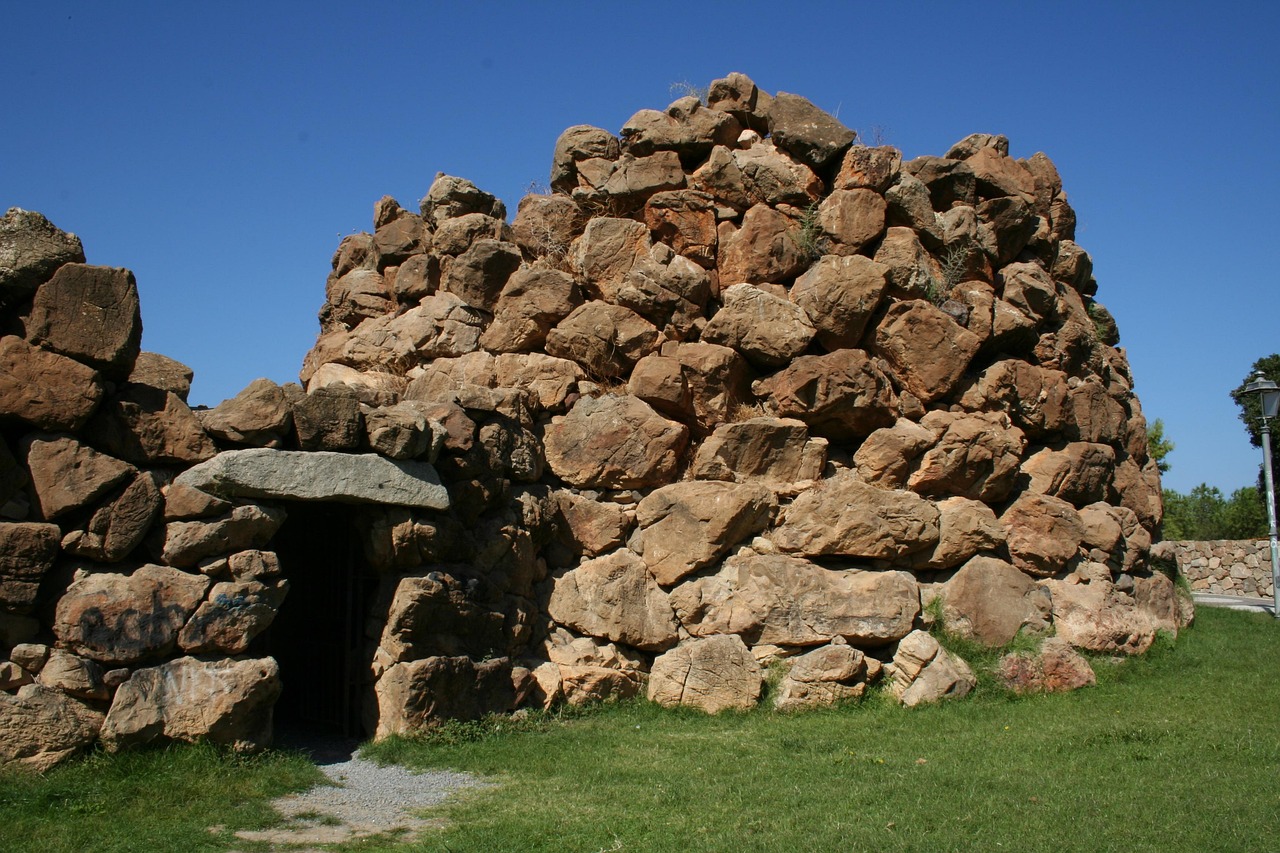
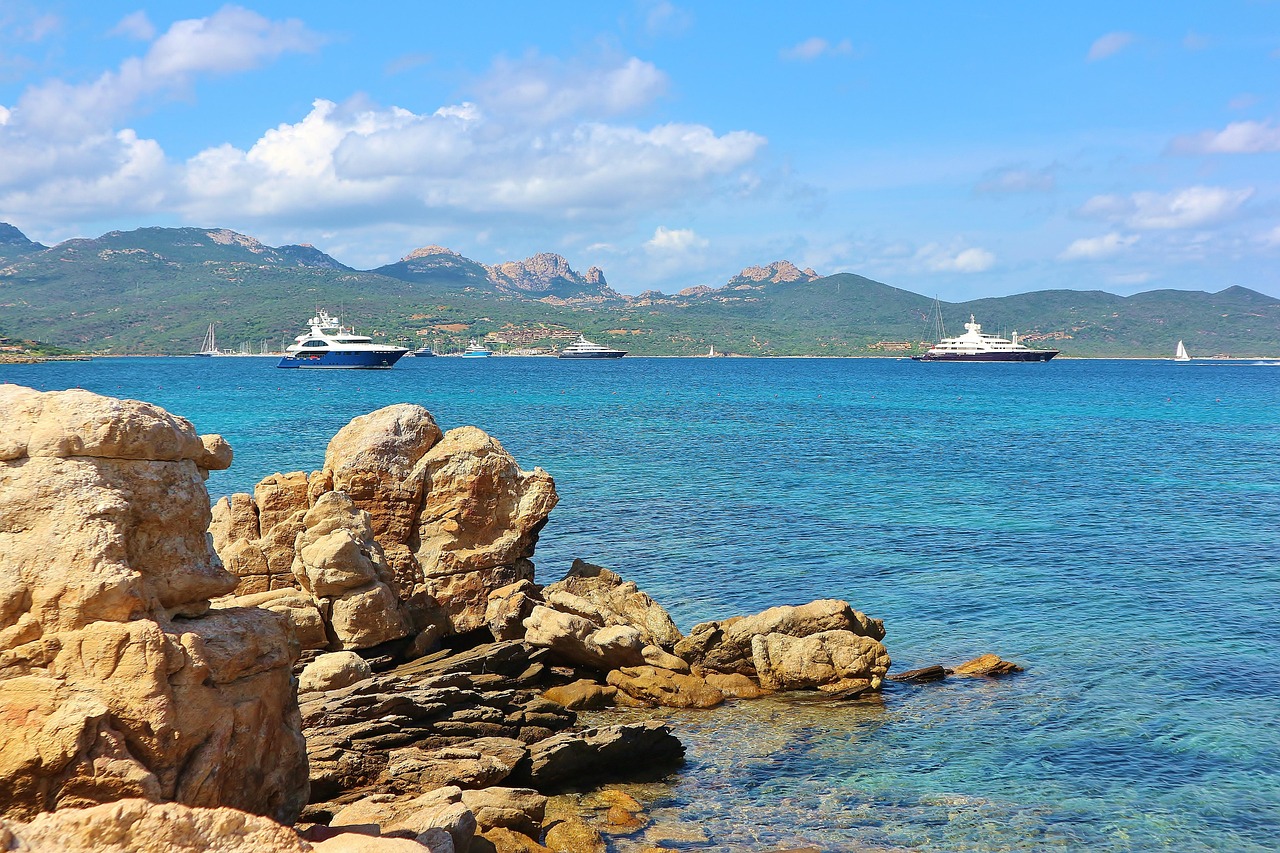
Sardinia is Italy, but not the Italy you think you know. It’s wilder, quieter, and in many ways more ancient. Bronze Age stone towers dot the landscape, shepherds still move flocks across the hills, and tiny fishing towns wake and sleep with the tides. Then, 40 minutes away, you’ll find glamorous marinas and champagne-soaked beach clubs. This contrast is exactly what makes it special.
In 2026, Sardinia is easier than ever to reach thanks to expanded seasonal flights into Olbia and Cagliari, and a renewed push for sustainable, small-scale tourism. Electric rental cars are becoming more common, village festivals are opening their doors to visitors, and several new coastal trails have been waymarked for hikers and bikers.
Come for:
- World-class beaches – Truly Caribbean-looking coves like Cala Goloritzé and Cala Mariolu.
- Characterful towns – From pastel Cagliari to the fortified alleys of Alghero.
- Ancient history – Nuragic sites like Su Nuraxi that predate Rome by millennia.
- Food and wine – From rustic shepherd meals to refined seafood dinners on the harbor.
- Adventure – Sailing, diving, canyoning, hiking, and road-tripping twisting mountain roads.
- Culture – Distinct language, music, festivals, and fiercely proud local identity.
Table of Contents
- Why Visit Sardinia
- How Sardinia Is Laid Out & Best Areas to Stay
- 20 Must-See Attractions in Sardinia (with Personal Notes)
- 3–7 Day Itineraries for Sardinia (With Personal Day-by-Day Stories)
- Eating in Sardinia: Local Food, Wine & Where to Try It
- Island Evenings & Nightlife: From Quiet Villages to Beach Clubs
- Day Trips & Nearby Adventures
- Cultural Etiquette & Local Customs
- Practical Travel Tips & Logistics (2026–2027)
- Summary & Best Time to Visit Sardinia
How Sardinia Is Laid Out & Best Areas to Stay
Sardinia is the second-largest island in the Mediterranean, and its character changes dramatically as you move around it. Planning your base is crucial, especially if you only have 3–7 days in Sardinia.
North-East: Costa Smeralda, La Maddalena & Gallura
Best for: Glamorous beaches, sailing, turquoise coves, luxury resorts, family-friendly calm bays. The Costa Smeralda around Porto Cervo is the island’s most famous stretch of coast: white sand, emerald water, designer boutiques, and sleek yachts. Just offshore, the La Maddalena Archipelago is a protected marine park with some of the most dazzling water I’ve ever swum in.
North-West: Alghero, Stintino & Asinara
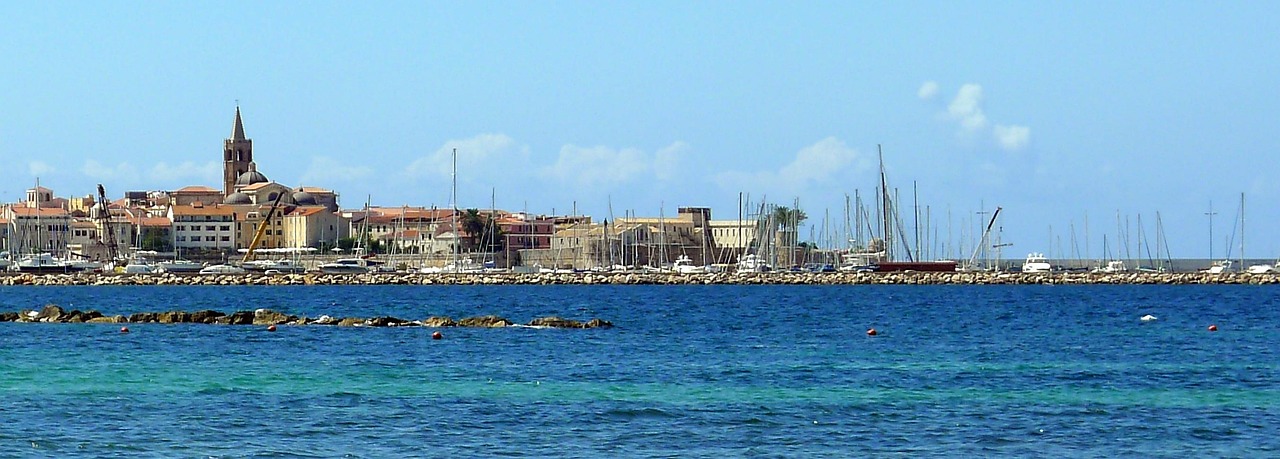
Best for: Historic charm, Catalan influence, sunset promenades, spectacular beaches like La Pelosa, and easy access via Alghero airport. The vibe is more laid-back than the Costa Smeralda, with a strong sense of local life.
East Coast: Gulf of Orosei & Ogliastra
Best for: Adventure, hiking, cliff-framed coves, boat trips, and quieter villages. The Gulf of Orosei is home to Sardinia’s showstopper coves (Cala Goloritzé, Cala Luna, Cala Mariolu). Inland, rugged Supramonte mountains and canyons like Gola di Gorropu attract hikers and climbers.
South: Cagliari, Villasimius & Chia
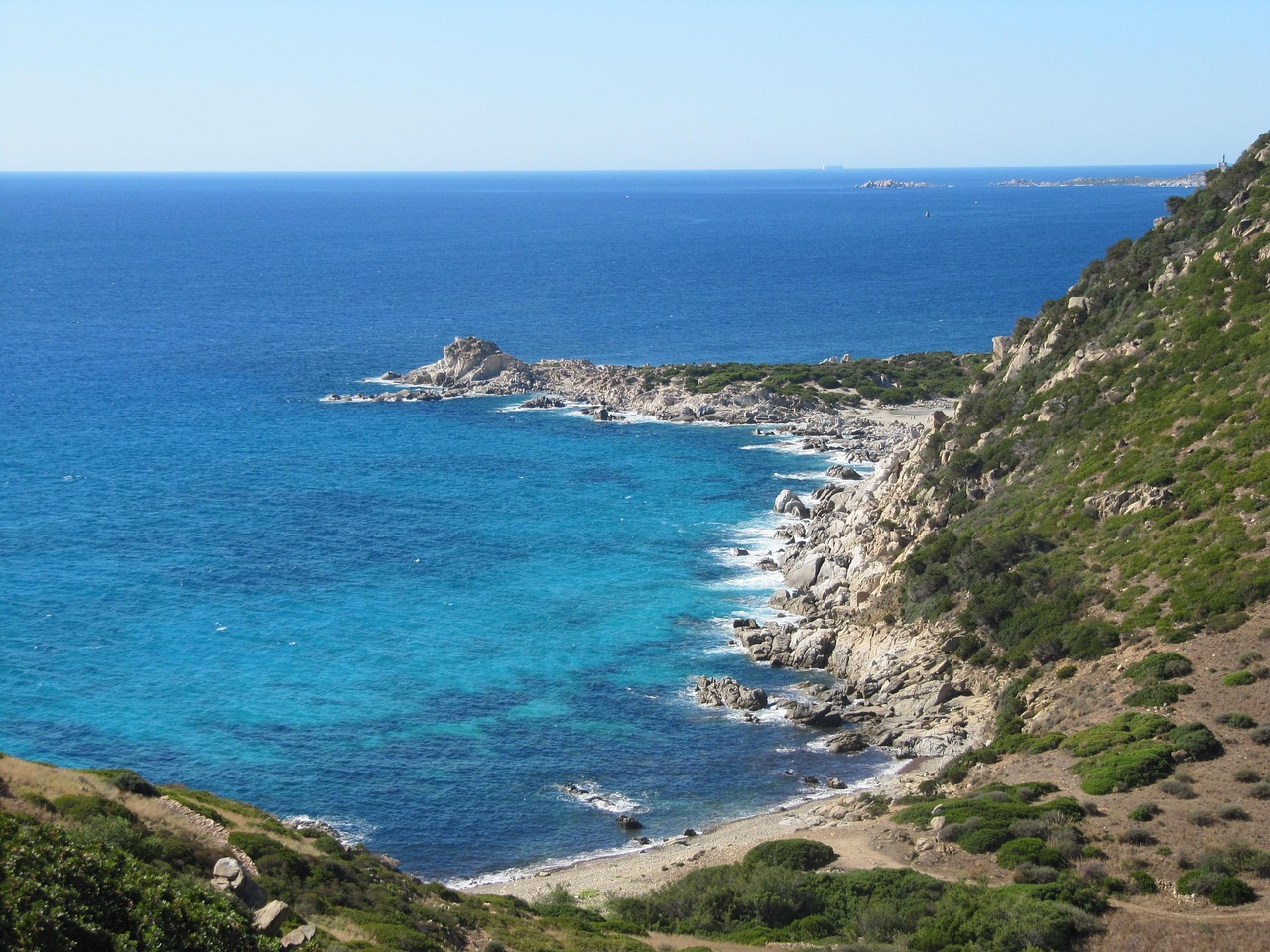
Best for: A mix of city life and beaches, nightlife, easy access, and families. Cagliari, Sardinia’s capital, is a colorful hilltop city with Roman ruins, excellent food, and a lively evening scene. Within an hour or so are some of the island’s best sandy beaches (Chia, Villasimius, Costa Rei).
West Coast: Oristano, Sinis Peninsula & Bosa
Best for: Quiet retreats, traditional villages, birdlife, surf, and wide windswept beaches. The Sinis Peninsula has wild, often empty beaches and important wetlands. Bosa is one of Sardinia’s prettiest small towns, all pastel houses stacked up a hillside above the Temo river.
Interior: Barbagia, Nuoro & Gennargentu
Best for: Culture, traditions, festivals, mountain hikes, and escaping summer crowds. Villages like Orgosolo, Mamoiada, Oliena, and Fonni are the cultural heartland, with strong traditions in crafts, wine, and pastoral life.
20 Must-See Attractions in Sardinia (With Personal Insights)
These are the places I keep returning to. I’ve included a mix of famous landmarks and more intimate spots, all worth weaving into a 3 day itinerary for Sardinia or a longer 7 day itinerary for Sardinia if you can.
1. Cala Goloritzé (Baunei)
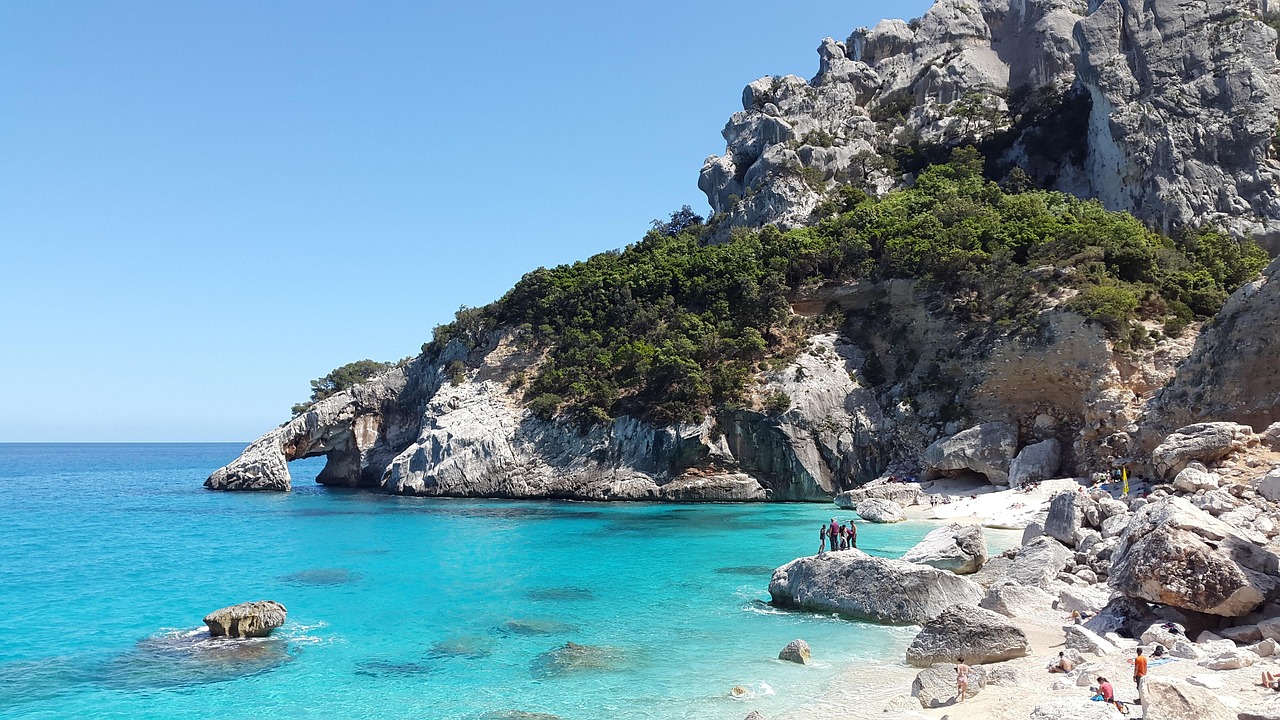
The first time I saw Cala Goloritzé, I’d hiked in before dawn from the Su Porteddu trailhead, guided by stars and the faint clink of goat bells. When the sun finally crested the limestone cliffs and the sea below turned neon turquoise, the entire group fell silent.
Cala Goloritzé is a protected cove accessed either by a moderately challenging hike (about 1.5–2 hours down and a harder climb back up) or by boat to a nearby anchoring area, then swimming. The limestone arch, needle-like pinnacle, and marble-pebble beach make it one of Sardinia’s most photogenic spots.
Tips:
- In high season, access by land is regulated with a daily cap; book permits via the Baunei trekking app.
- Wear proper hiking shoes; the path is steep and slippery in places.
- No services: bring at least 2 liters of water per person and pack out all trash.
If you only have 3 days in Sardinia and love hiking, prioritize this. Start early, and reward yourself with a hearty lunch in Baunei village afterward—my go-to is a simple plate of culurgiones (Sardinian stuffed pasta) and a cold Ichnusa beer.
2. La Maddalena Archipelago National Park
I still remember my first sail through La Maddalena: the boat cut through water so clear you could see starfish on the seabed, and every time we anchored, someone would inevitably say, “This can’t be Europe.”
The archipelago, off Sardinia’s north-east tip, is a cluster of granite islands and islets: Spargi, Budelli, Santa Maria, Caprera, and others. Many beaches are protected, with limited access. The famous pink beach of Budelli (Spiaggia Rosa) is off-limits to stepping onto the sand, but you can float offshore and admire it.
How to visit:
- Join a full-day shared boat trip from Palau or La Maddalena town (budget-friendly, social, family-friendly).
- Rent a small boat (no license needed up to certain engine size) if you’re confident navigating.
- For romance, splurge on a small-group sailing trip with lunch on board.
The islands are ideal for snorkeling; bring your own mask to avoid single-use plastics. On Caprera, I love escaping the crowds for a late-afternoon swim at Cala Coticcio (now permit-controlled—reserve ahead).
3. Cagliari Old Town (Castello & Marina)
Cagliari is where I usually land, bleary from an early flight and instantly revived by a macchiato and a warm brioche at a café near the Marina. The city is built on seven hills, its medieval Castello district perched high above the sea.
Spend at least a day wandering its lanes: the Pisan towers, the Cathedral of Santa Maria, and the bastions with panoramic views. In the evenings, the Bastione di Saint Remy fills with couples, families, and teenagers with guitars, watching the sun sink into the bay.
Don’t miss:
- The Roman Amphitheater, carved partially into the rock.
- The National Archaeological Museum for Nuragic bronzes and artifacts.
- Fresh seafood along Via Sardegna—try fregola ai frutti di mare (toasted pasta with seafood).
Cagliari is perfect as a base if you have 3–4 days in Sardinia and want a blend of urban life and beach time (Poetto beach is a quick bus ride away).
4. Cala Mariolu (Baunei / Gulf of Orosei)
Cala Mariolu is the cove that always makes people gasp when the boat turns the final corner. The water here shifts from light turquoise to deep sapphire, and the “sand” is actually tiny rounded pebbles that don’t stick to your skin.
You can only reach it by boat—either a shared tour from Santa Maria Navarrese or Cala Gonone, or by renting a small dinghy if you’re comfortable handling it. I love arriving on the second or third stop of the day, when the sun is high and visibility for snorkeling is at its best.
Bring reef-safe sunscreen; the water is so clear that reflections can burn you fast. There’s usually a small kiosk boat selling drinks and snacks in high season, but don’t rely on it—pack water and a picnic.
5. Costa Smeralda & Porto Cervo
The Costa Smeralda is where Sardinia goes full jet-set. I’ve done it both ways: once on a shoestring, staying in a simple inland B&B and sneaking peeks at the glam life; and once sharing a villa with friends and pretending we belonged among the superyachts.
Porto Cervo’s marina is lined with high-end boutiques and restaurants; it’s fun for an evening people-watch, especially in August. But the real magic of the Costa Smeralda is its beaches: Liscia Ruja, Capriccioli, Grande Pevero, and the many tiny unnamed coves accessible by dusty side roads.
Budget tip: Park inland and walk to the beaches, bring your own umbrella and snacks, and visit in June or September when prices and crowds are lower.
6. Alghero & Capo Caccia
Alghero feels almost Spanish at times, with its Catalan street names, gothic churches, and seafood-heavy menus. I like to base myself inside the old town walls, where you can smell the sea at night and hear the murmur of people strolling the bastions.
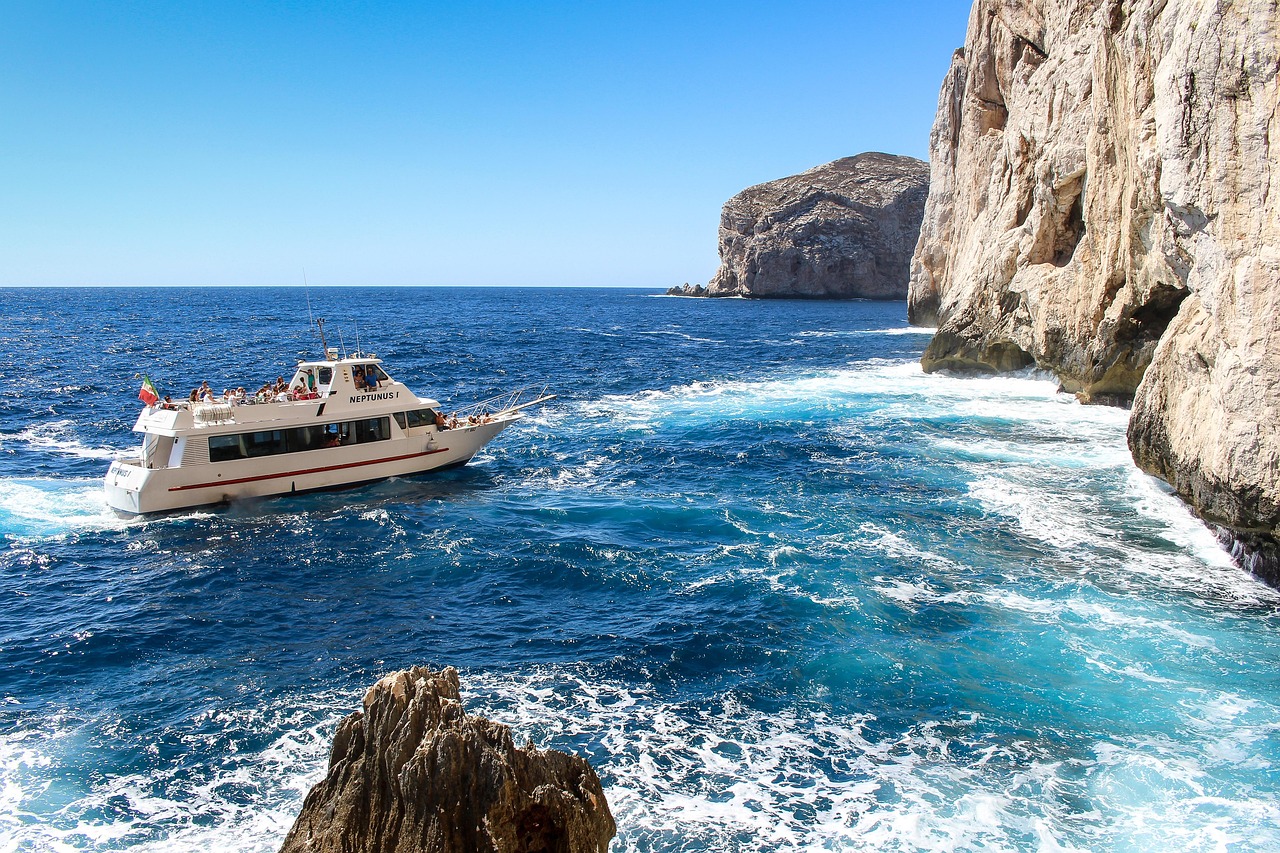
From Alghero, drive or take a bus to Capo Caccia, a dramatic headland with towering cliffs plunging into the sea. The main draw is Neptune’s Grotto, a sea cave reached either by boat or by descending the famous 654-step “Escala del Cabirol” carved into the cliff.
The views from the top at sunset are spectacular—one of my favorite romantic spots on the island.
7. La Pelosa Beach (Stintino)
La Pelosa is the beach that made me realize why Sardinians get offended when people say “it looks like the Caribbean”—because often, it looks better. Shallow, ridiculously clear water, a backdrop of the Asinara island, and a 16th-century tower on a tiny islet offshore.
In recent years, visitor numbers have been strictly limited to protect the fragile dune system. You must reserve your spot online in advance during high season and pay a small fee; beach mats (not towels) are required to protect the sand.
I prefer coming in late September: still warm enough to swim, but less hectic and easier to park.
8. Su Nuraxi di Barumini (UNESCO Nuragic Site)
Driving inland from Cagliari one year in early spring, I watched the landscape shift to rolling green hills and scattered stone structures. Su Nuraxi, near Barumini, is the most famous Nuragic complex on the island and a UNESCO World Heritage Site.
The central tower dates back to the 2nd millennium BC. Walking through the narrow passages, climbing up the stones, and peering into ancient wells is eerie and humbling. Guided tours (compulsory) bring the site to life, explaining how these communities lived long before the Romans.
Combine a visit with lunch in a local agriturismo; one of my most memorable Sardinian meals was here: homemade malloreddus, roast suckling pig, local cheeses, and seadas (fried honey-drizzled pastries).
9. Bosa & Temo River
Bosa is the town I recommend to anyone who says they want “real Sardinia” with a slow pace. Colorful houses climb the hillside up to the Malaspina castle, and the Temo river snakes gently through the valley.
I like to spend an afternoon wandering the narrow lanes, popping into small artisan workshops, then heading to Bosa Marina for a swim and an aperitivo as the sun sets behind the hills.
Don’t leave without trying Malvasia di Bosa, the local sweet wine, in one of the old riverside cellars.
10. Gola di Gorropu (Gorropu Gorge)
Gola di Gorropu is sometimes called Europe’s Grand Canyon. The first time I hiked here, a spring storm had just passed, leaving the air washed clean and the sky an impossible blue.
The hike into the gorge (from the Genna Silana pass or via a longer river route) leads you into a narrow cleft with limestone walls up to 500 meters high. The boulder-hopping inside the gorge is fun but can be tricky; good shoes are essential.
This is an excellent day out for adventurous travelers; in summer, start early to avoid the worst heat.
11. Villasimius & Capo Carbonara Marine Protected Area
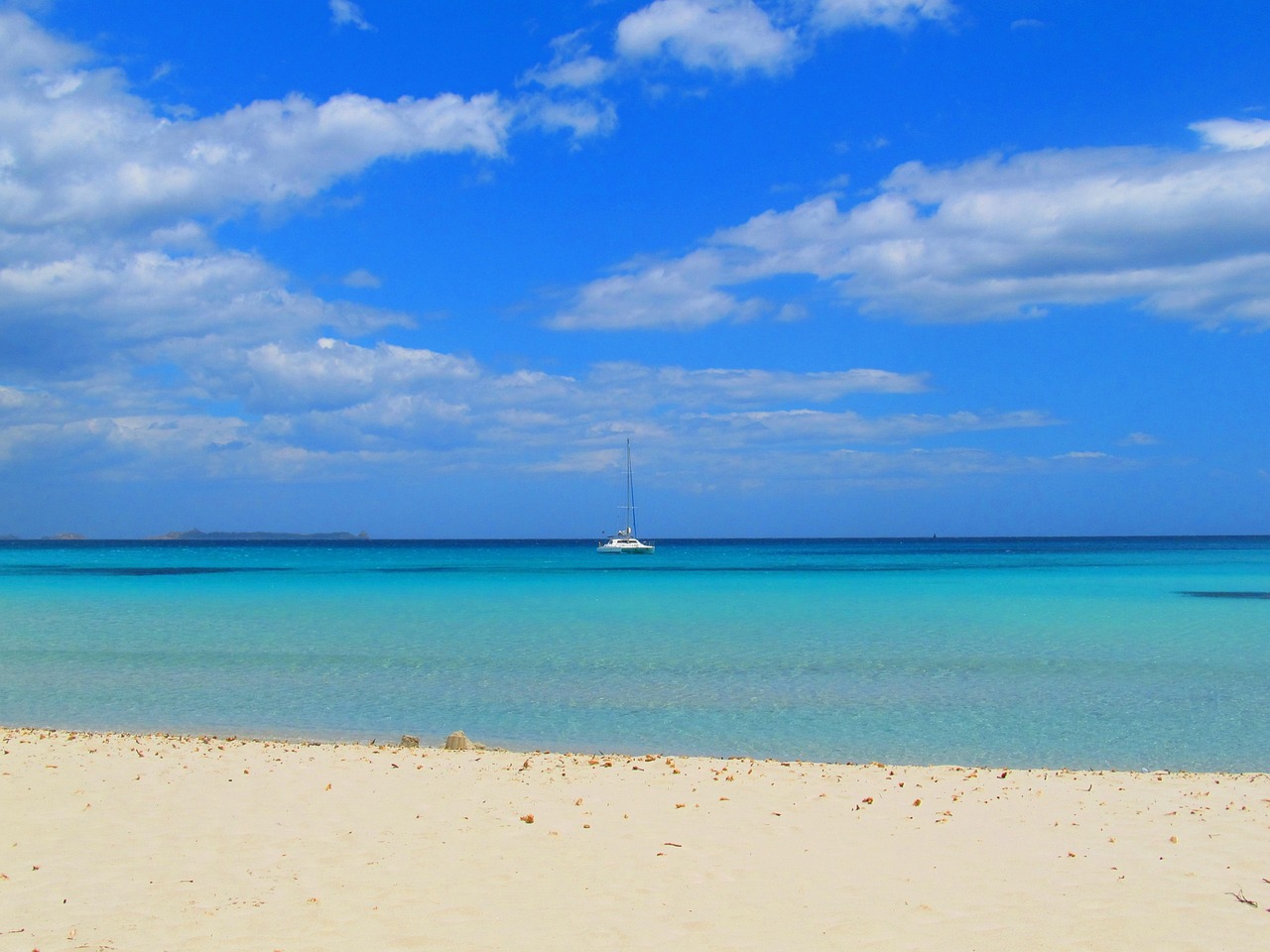
When I crave soft sand, clear water, and easy logistics, I head to Villasimius. About an hour’s drive from Cagliari, it’s a classic summer resort town, but the surrounding beaches are stunning: Simius, Punta Molentis, Porto Giunco, and many smaller coves.
The Capo Carbonara marine protected area is a joy for snorkeling and diving, with seagrass meadows and rocky outcrops teeming with life. Take a boat tour that stops at multiple bays—on my last trip, we spotted dolphins on the way back at dusk.
12. Chia & South-West Dunes
Chia is about as close as Sardinia gets to a desert-island vibe, with dunes, juniper bushes, and wide sandy beaches. Su Giudeu, Cala Cipolla, and Tuerredda are the stars, each with its own character.
I love parking at Cala Cipolla early and watching surfers ride the morning swell, then walking over the headland to Su Giudeu as the day warms up. In shoulder season, you can sometimes have these beaches almost to yourself.
For families, the shallow lagoons behind the dunes are great for kids and for spotting flamingos in certain seasons.
13. Sinis Peninsula & Tharros (Oristano)
The Sinis Peninsula feels like a different world: wide empty beaches, ancient ruins, and a sense of big sky and wind. Tharros, a Phoenician and Roman site perched on a promontory, is one of the most atmospheric archaeological spots in Sardinia.
I like to pair a morning exploring Tharros with an afternoon on Is Arutas or Maimoni beaches, famous for their quartz “rice grain” sand. Don’t pocket the sand—it’s protected, and customs checks have become stricter.
Seafood here is excellent; try bottarga (cured mullet roe) shaved over pasta in Cabras.
14. Orgosolo & Barbagia Villages
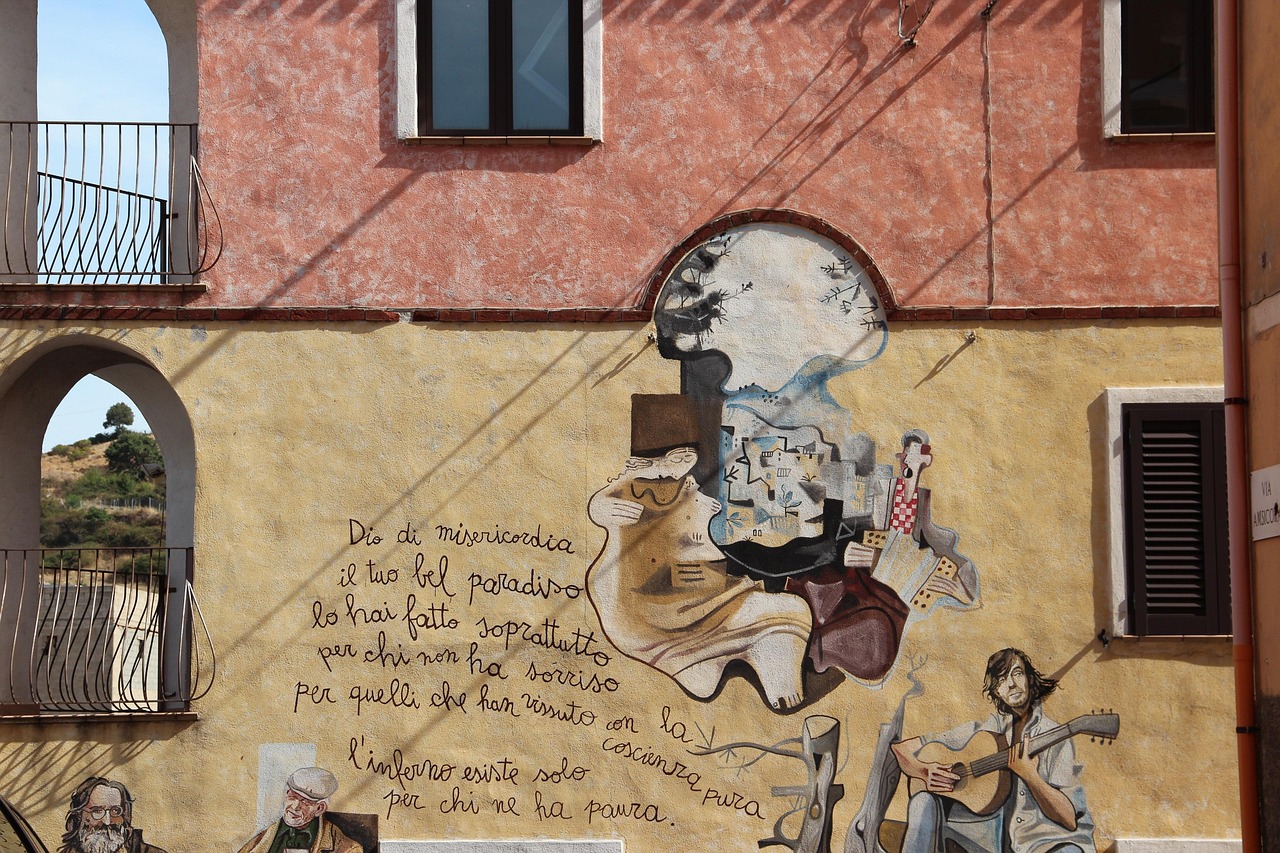
Orgosolo, once known mostly for banditry, is now famous for its murals. Political, poetic, sometimes angry, sometimes tender, they cover the walls of the village and tell stories of struggle, identity, and daily life.
I visited during the Autunno in Barbagia festival series one year, when courtyards open to host food stands, crafts, and tastings. It was one of the most intimate cultural experiences I’ve had in Sardinia—sharing homemade wine and roasted chestnuts with a family in their backyard.
The Barbagia region is ideal if you’re interested in cultural experiences in Sardinia and want to escape the beach crowds.
15. Nuoro & Monte Ortobene / Gennargentu
Nuoro doesn’t make it onto many must-see attractions in Sardinia lists, but I have a soft spot for it. It’s a real working town with literary and artistic roots. The Grazia Deledda museum (for Italy’s first female Nobel Prize-winning writer) is worth a visit.
From Nuoro, drive up Monte Ortobene for views over the surrounding mountains and out toward the sea. On a clear spring day, with wildflowers blooming and the air still cool, it’s easy to understand why so much Sardinian poetry came from this region.
16. Cala Luna & Bue Marino Caves
Cala Luna is one of the Gulf of Orosei’s classic stops: a crescent of pale sand backed by caves that offer welcome shade at midday. I’ve visited by boat from Cala Gonone and also hiked in on a hot September day (the latter is for reasonably fit hikers only).
Nearby, the Bue Marino caves (named after the endangered monk seals that once lived there) can be visited by boat. Stalactites, underground rivers, and mythic stories make this a fun family outing.
17. Castelsardo
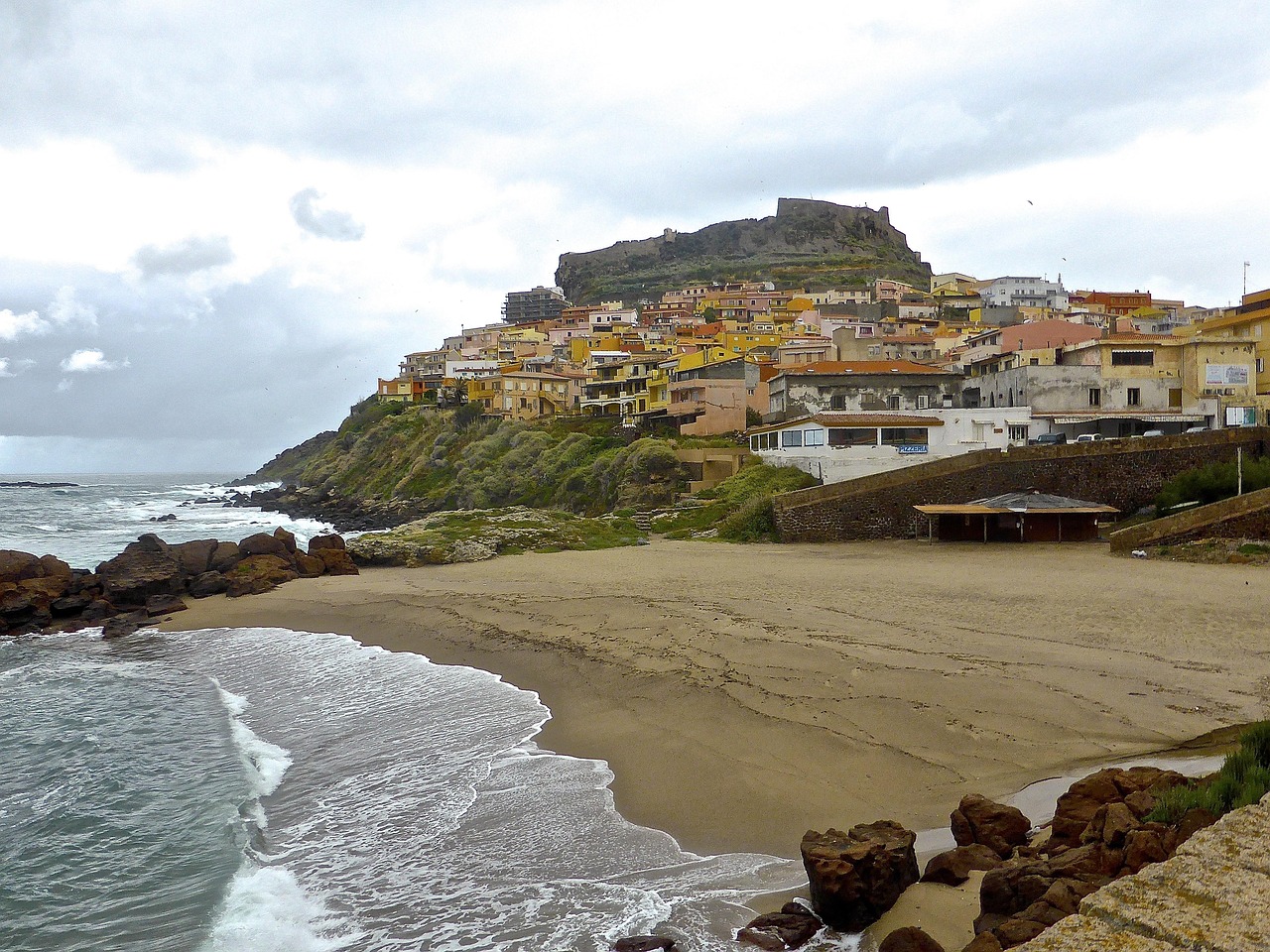
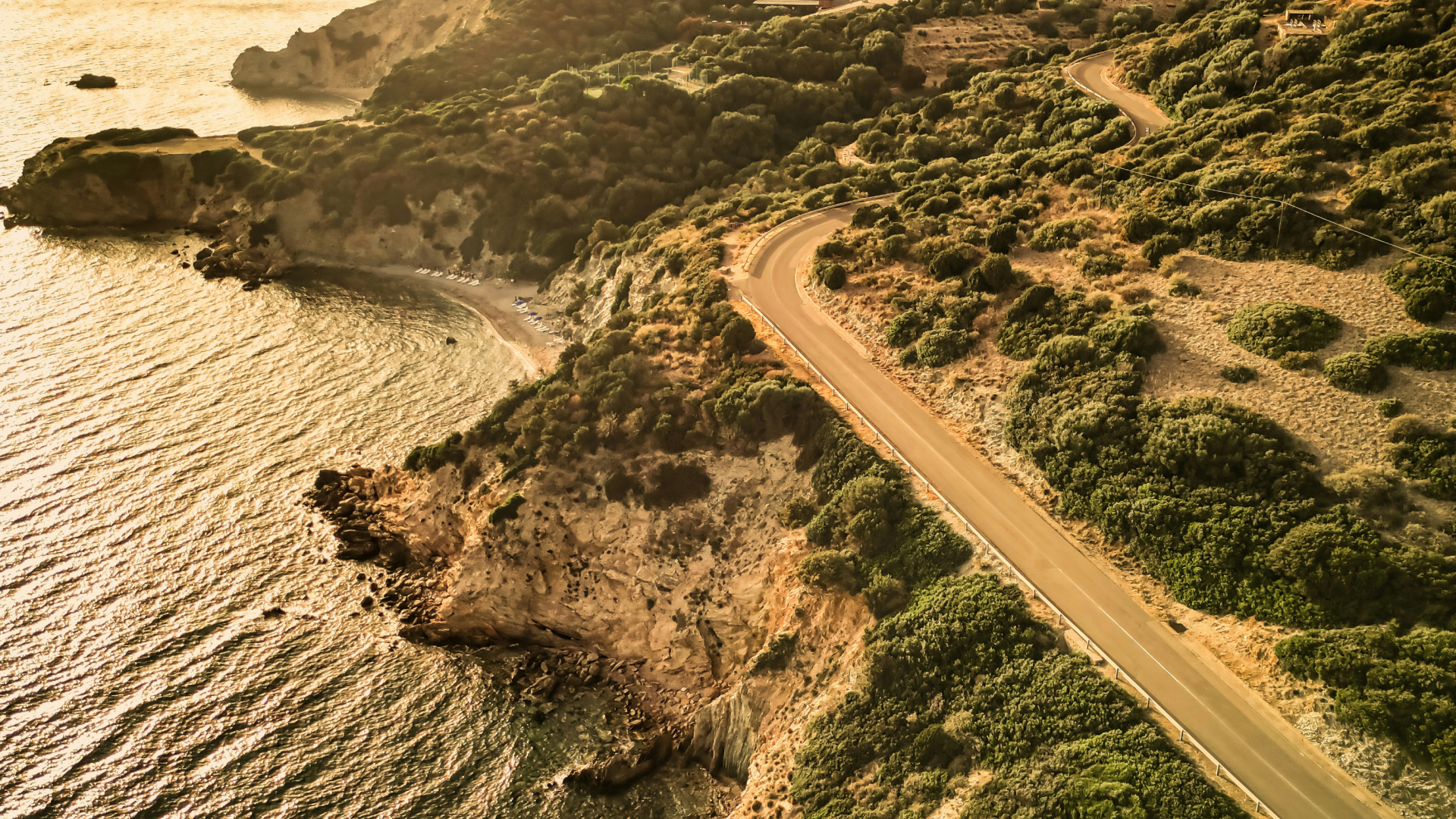
Castelsardo looks like a postcard: a medieval town crowning a rocky promontory above the sea. The approach along the coast road from the west, especially at golden hour, is one of my favorite drives on the island.
Inside the walls, narrow lanes wind up toward the castle, which houses a small but interesting museum of basket weaving—a traditional local craft. From the ramparts, you can see all the way to Corsica on a clear day.
Stick around for dinner: grilled fish, local Vermentino wine, and the twinkling lights of the village reflected in the sea.
18. Asinara National Park
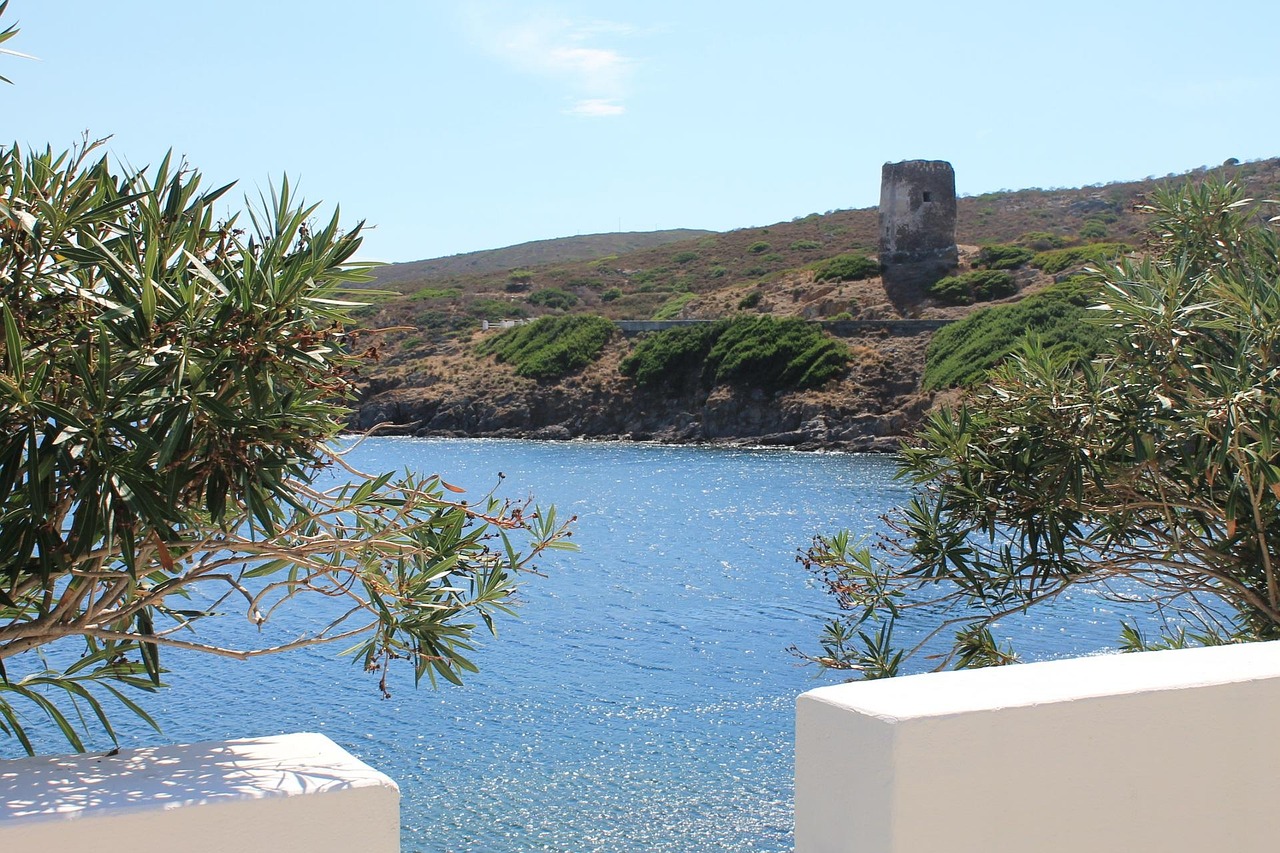
Asinara, once a quarantine station and high-security prison island, is now a wild national park where white donkeys graze and old prison buildings slowly crumble back into the landscape.
Access is via organized excursions from Stintino or Porto Torres. You’ll typically tour by jeep, bike, or small train-like vehicles, stopping at beaches and viewpoints. The sense of emptiness and history here is quite different from the rest of Sardinia’s more developed coasts.
19. Spiaggia di Tuerredda & South-West Hidden Coves
Tuerredda, between Chia and Teulada, is one of those perfect half-moon bays where the water barely has a ripple on calm days. An islet sits just offshore, reachable by a short swim, and the bay is popular with kayakers and SUPs.
In high season, visitor numbers are capped; book parking in advance. I prefer discovering the smaller, unnamed coves along this stretch—ask locals in Teulada or Domus de Maria for their current favorites.
20. Poetto Beach & Molentargius Salt Pans (Cagliari)
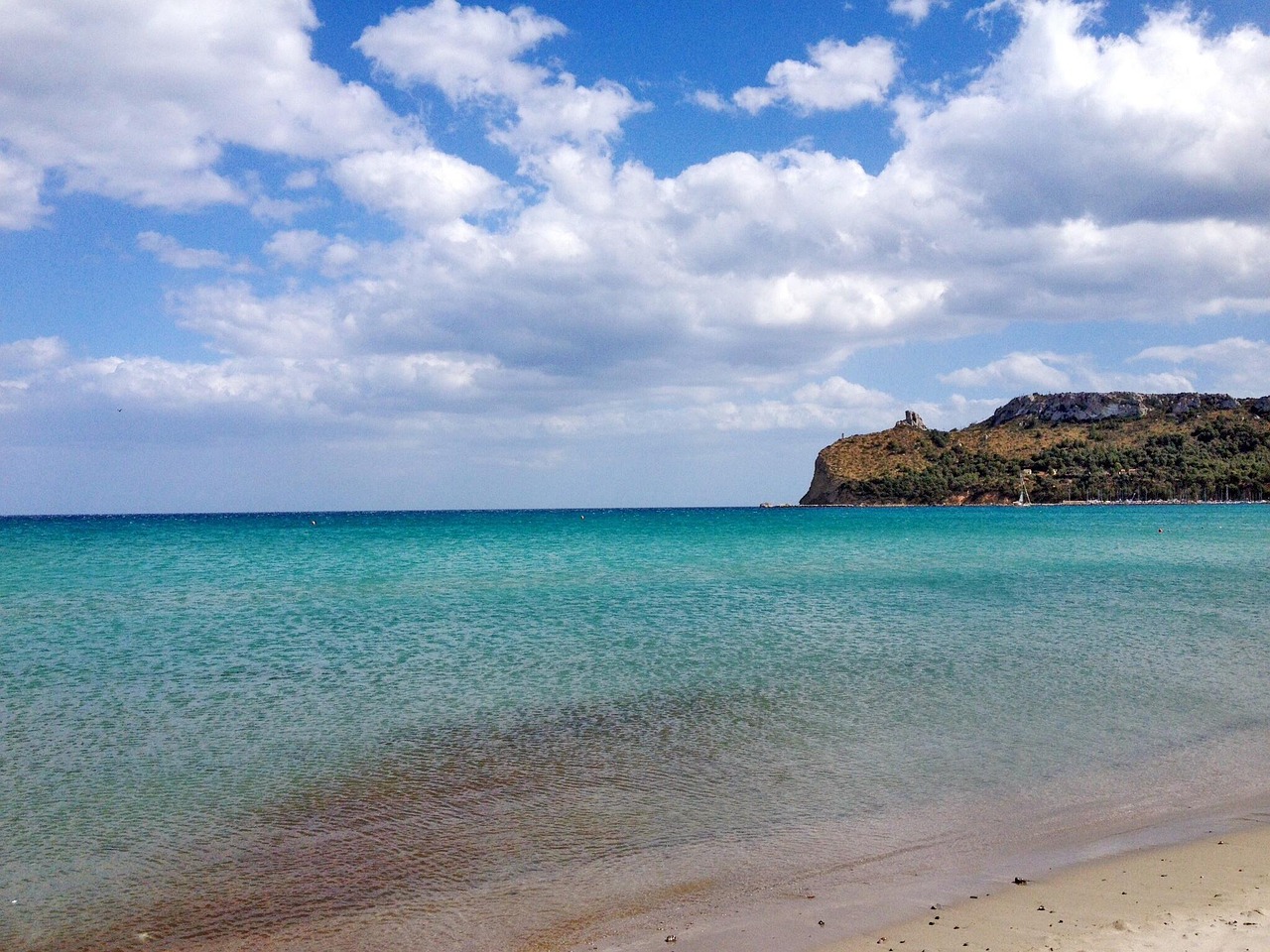
Poetto is Cagliari’s city beach: a long sweep of sand backed by bars, bike paths, and, in summer, lively kiosks serving drinks and snacks late into the night. It’s not the most picturesque beach in Sardinia, but it’s the most convenient and a fun peek into local life.
Just inland are the Molentargius salt pans, home to large colonies of flamingos. Biking around at sunset, with flamingos turning pink in the fading light and the city skyline in the distance, is one of my favorite easy evenings in Cagliari.
3–7 Day Itineraries for Sardinia (With Personal Day-by-Day Stories)
Whether you have 3 days in Sardinia or a full week, you can craft a memorable trip. Below are flexible itineraries I’ve actually followed (or adapted) on various visits. They’re structured so you can expand or contract them: a 3 day itinerary for Sardinia becomes 4, 5, 6, or 7 days by adding the extra sections.
3 Day Itinerary for Sardinia: Cagliari & the Southern Beaches
This is my go-to suggestion for first-timers, especially if you’re flying in and out of Cagliari and want a mix of city, culture, and sea.
Day 1: Cagliari Old Town, Marina & Poetto
Morning: Land in Cagliari, drop your bags at your accommodation in the Marina or Stampace neighborhood, and start with an espresso and pastry. I like Café Svizzero for the people-watching. Then climb up to the Castello district: visit the Cathedral, stroll the ramparts, and dip into the Archaeological Museum for an overview of Sardinia’s deep past.
Afternoon: Take bus PF or PQ to Poetto beach. Walk along the promenade, rent a sunbed if you’re tired from travel, or just sit with your feet in the water. Grab a simple lunch—fried calamari, octopus salad, or a sandwich from a kiosk.
Evening: Back in town, wander Via Roma and the narrow lanes of the Marina. For dinner, look for places where locals are eating; I usually order fregola con arselle (tiny clams) and a glass of Vermentino. Finish with a stroll up to the Bastione di Saint Remy for your first Sardinian sunset.
Day 2: Chia & South-West Beaches
Morning: Pick up a rental car early (reserve ahead in high season). Drive about an hour to Chia. Stop first at Su Giudeu beach—walk over the wooden footbridges, climb the small hill for views, then swim in the shallow lagoon-like bay.
Afternoon: Move on to Cala Cipolla for a more intimate feel. Pack a picnic or eat a simple panino from a seasonal beach bar. For the adventurous, continue along the coast toward Tuerredda.
Evening: Drive back to Cagliari. If you’re not too tired, check out the evening scene in Piazza Yenne or the bars along Via Sulis—nothing too wild, just a relaxed Mediterranean buzz.
Day 3: Barumini & Inland Flavors
Morning: Drive inland to Su Nuraxi at Barumini (about 1–1.5 hours). Take a guided tour, ask questions, and really absorb the age of this place. The guides are often locals with stories passed down through families.
Afternoon: Book lunch in an agriturismo nearby. These farm-based restaurants serve set menus of local dishes: cured meats, cheeses, multiple pasta courses, roast meats, dessert, wine, and coffee. It’s not light eating, but it is a cultural experience in itself.
Evening: Head back to Cagliari for a final stroll and gelato. If your flight is early next morning, stay near the airport; otherwise, enjoy one more night in the city.
4 Day Itinerary for Sardinia: Add Villasimius
To turn the above 3 days in Sardinia into a 4 day itinerary for Sardinia, add:
Day 4: Villasimius & Capo Carbonara
Morning: Drive from Cagliari to Villasimius (about 1 hour). Start at Porto Giunco, climb up to the old tower for one of the best views in southern Sardinia: the lagoon on one side and the turquoise bay on the other.
Afternoon: Join a half-day boat tour in the Capo Carbonara marine area. Snorkel above seagrass meadows and rocky reefs. If you prefer to stay on land, beach-hop between Simius, Campulongu, and Punta Molentis.
Evening: Have dinner in Villasimius town—pizza or seafood, depending on your mood—then either stay the night here or head back to Cagliari.
5 Day Itinerary for Sardinia: Cagliari & Villasimius + Fly to Olbia
With 5 days in Sardinia, you can taste both the south and the north-east. One itinerary I loved:
Days 1–3: As per 3 Day Itinerary (Cagliari & Chia)
Follow the 3 day itinerary for Sardinia described above.
Day 4: Villasimius (as above)
Day 5: Flight or Drive to Olbia & Costa Smeralda Taster
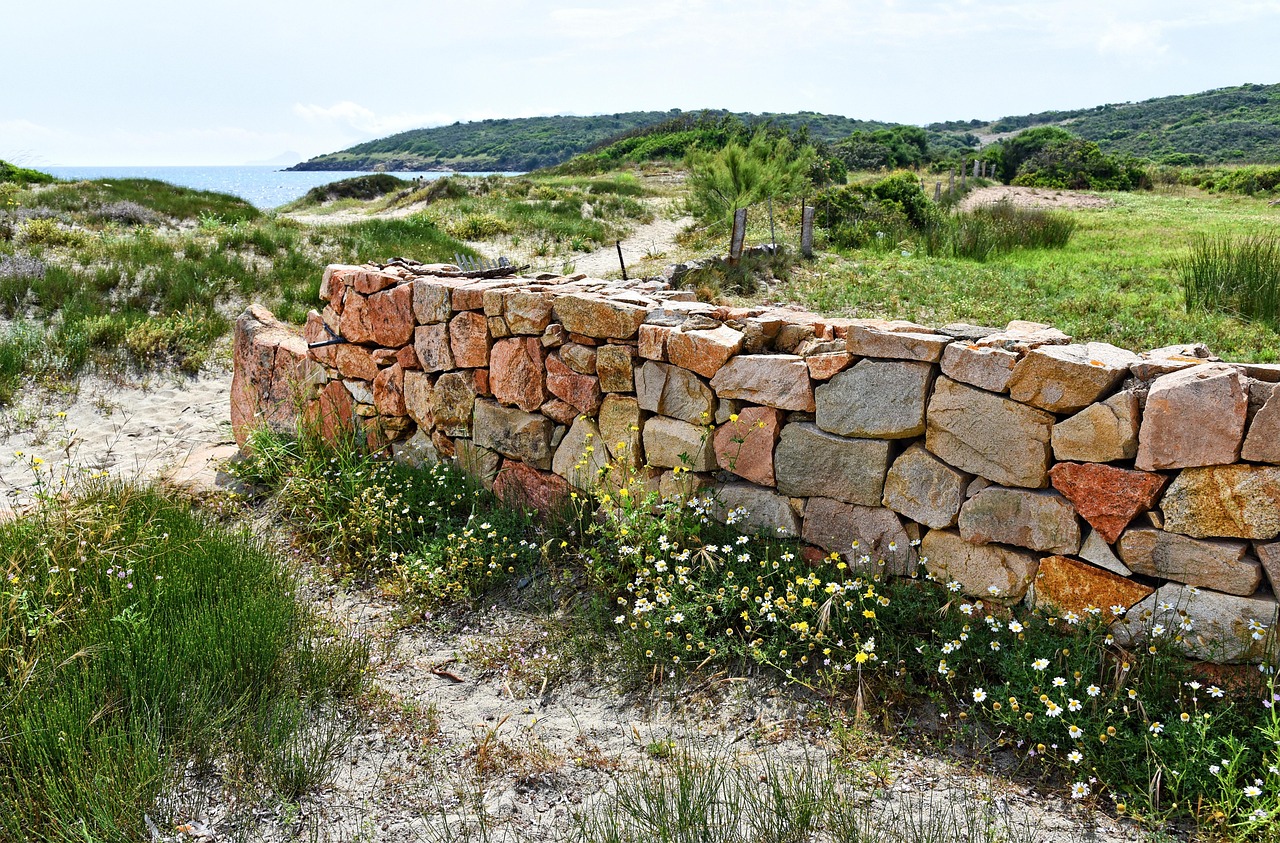
Morning: Either take an early flight from Cagliari to Olbia (often under an hour) or drive the scenic route (3–4 hours). Pick up a rental car in Olbia if you flew.
Afternoon: Head straight to a Costa Smeralda beach: Capriccioli, Romazzino, or Liscia Ruja. Swim, snack, and soak up the “emerald coast” vibe.
Evening: Stroll around Porto Cervo’s marina. Even if you’re not shopping, it’s fun to window-browse and see how the other half holidays.
6 Day Itinerary for Sardinia: Add La Maddalena
A 6 day itinerary for Sardinia lets you add one of my absolute favorite places: the La Maddalena Archipelago.
Days 1–5: As per 5 Day Itinerary
Day 6: La Maddalena Archipelago
Morning: Drive from your Costa Smeralda base to Palau (about 40 minutes from Porto Cervo) and take the short ferry to La Maddalena island. Either bring your car or go on foot and rent a scooter or bike on arrival.
Day: Circle the island on the panoramic road, stopping at beaches along the way (Spalmatore, Bassa Trinità). If you’d rather be on the water, join a full-day boat trip to the smaller islands.
Evening: Have dinner in La Maddalena town (I always seek out a simple trattoria with grilled fish and house wine), then take the ferry back to Palau or stay overnight on the island for a quieter, more local feel.
7 Day Itinerary for Sardinia: Classic Highlights Loop
With 7 days in Sardinia, you can create an unforgettable loop that hits multiple sides of the island. Here’s a version I did with friends, slightly tweaked to make it smoother for 2026.
Day 1: Arrive Olbia & Costa Smeralda
Land in Olbia, pick up a car, and base yourself around San Pantaleo, Porto Cervo, or Cannigione. Spend the afternoon at a nearby beach (Liscia Ruja or Grande Pevero) and ease into island time. Dinner at a simple agriturismo in the hills if you can—this contrast is what makes the region special.
Day 2: La Maddalena Archipelago
As described in the 6 day itinerary above.
Day 3: Drive to Gulf of Orosei via Interior
Morning: Drive inland toward Dorgali or Cala Gonone. Stop in a Barbagia village (Mamoiada, Orgosolo) for a coffee and a wander. The murals and slower pace are a tonic after the glossy coast.
Afternoon: Arrive in Cala Gonone, check into your accommodation, and take a late swim at the town beach, watching the cliffs of the Gulf of Orosei glow orange at sunset.
Day 4: Boat Trip to Cala Mariolu & Cala Luna
Full-day boat trip exploring the coves of the Gulf of Orosei. Swim, snorkel, nap on the pebbles, and eat a simple lunch on board or on the beach. Book this early in high season.
Day 5: Hike Cala Goloritzé or Gorropu Gorge
Choose your adventure: the coastal hike down to Cala Goloritzé (if you’re more into beaches) or Gola di Gorropu (if you prefer canyons and mountain scenery). Either is a highlight for active travelers.
Day 6: Drive to Alghero via Bosa
Morning: Drive west toward the coast and then up to Bosa. Spend a couple of hours exploring the colorful town and riverfront.
Afternoon: Continue along the spectacular coastal road to Alghero—it winds along cliffs with wide sea views. Check into your accommodation inside or just outside the old town.
Evening: Stroll the bastions, eat seafood, and enjoy the mellow, romantic atmosphere.
Day 7: Capo Caccia & Departure
Depending on your flight, visit Capo Caccia and Neptune’s Grotto in the morning, then either fly out of Alghero airport or drive back to Olbia (3–3.5 hours). If you’re leaving from Cagliari, plan a longer last day’s drive.
Eating in Sardinia: Local Food, Wine & Where to Try It
Sardinian food is hearty, simple, and incredibly satisfying. It reflects the island’s pastoral interior and seafaring coasts. Some of my most vivid memories here are of long, slow meals under vine-covered pergolas.
Signature Dishes to Look For
- Pane carasau – Paper-thin crispbread, often served with olive oil or topped and baked as pane guttiau.
- Culurgiones – Plump pasta pockets stuffed with potato, mint, and pecorino, usually served with tomato sauce.
- Malloreddus alla campidanese – Ridged pasta with sausage and tomato sauce.
- Porceddu – Roast suckling pig, slow-cooked over coals and myrtle branches; a must-try at agriturismi.
- Fregola ai frutti di mare – Toasted pearl-like pasta with clams, mussels, and other seafood.
- Bottarga – Cured mullet roe, shaved over pasta or salads, especially around Oristano and Cabras.
- Seadas – Fried pastries filled with fresh cheese and drizzled with honey.
Where to Eat: From Seafood Shacks to Agriturismi
Along the coasts, I gravitate toward unpretentious harbor-side restaurants and beach bars that clearly serve locals as well as visitors. Look for handwritten menus and a short list of daily catches.
Inland, especially around Barbagia, agriturismi (farm stays) are essential. Fixed menus are common: you won’t choose what you eat, but you’ll rarely be disappointed. One night near Oliena, I counted six separate courses before dessert and rolled back to my room full and happy.
Wine & Drinks
- Vermentino di Gallura – Crisp white, perfect with seafood.
- Cannonau – Robust red, associated with longevity; common in Barbagia.
- Carignano del Sulcis – Structured red from the south-west.
- Mirto – Myrtle liqueur served ice-cold after meals.
Island Evenings & Nightlife in Sardinia
Evenings in Sardinia tend to be low-key, focused on strolls, sunset views, and long dinners. But there are pockets of livelier nightlife if you want it.
Best Sunset Spots
- Bastioni, Alghero – Walk the walls and watch the sky blaze over the sea.
- Bastione di Saint Remy, Cagliari – City lights plus distant sea views.
- Cala Goloritzé & Gulf of Orosei cliffs – If you’re still out late on a boat (charters only).
- Chia & south-west beaches – Wide western horizons for fiery sunsets.
Nightlife: From Beach Bars to Clubs
In high season (July–August), Costa Smeralda beach clubs and Porto Cervo bars host DJs and parties that go late. Cagliari has a solid bar scene around Piazza Yenne, Marina, and Via Sulis, popular with students and locals.
In smaller villages, evenings are about a passeggiata (stroll), gelato, and perhaps live music during festivals. I’ve stumbled into impromptu folk concerts in tiny squares more than once.
Family-Friendly Evenings
Most towns have playgrounds near the seafront, and kids stay up late in summer. Beachfront kiosks often have music but remain relaxed; families and couples mix easily.
Day Trips & Nearby Adventures
Once you’re on the island, “day trip” mostly means moving between coastal spots or into the interior. But you can also connect Sardinia with nearby destinations.
Within Sardinia
- From Cagliari: Chia, Villasimius, Barumini, Oristano/Sinis.
- From Olbia: Costa Smeralda, La Maddalena, San Teodoro beaches.
- From Alghero: Capo Caccia, Bosa, Argentiera mining coast.
- From Oristano: Sinis Peninsula, Bosa, inland wine villages.
Beyond Sardinia
- Corsica (France): Ferries from Santa Teresa Gallura to Bonifacio—possible as a long day trip but better as an overnight.
- Italian mainland: Ferries to Civitavecchia (Rome), Livorno, Genoa, Naples; useful for extended road trips.
Cultural Etiquette & Local Customs in Sardinia
Sardinians are warm but reserved at first, and they deeply value respect—for elders, for traditions, and for the land. A few guidelines make a big difference.
Language & Greetings
- Italian is widely spoken; Sardinian (sardu) is a separate language you’ll hear in villages.
- Learn a few basics: buongiorno (good day), buonasera (good evening), per favore (please), grazie (thank you).
- Greet shopkeepers when entering and leaving; a simple “buongiorno” goes a long way.
Dining & Social Norms
- Dinner starts late by many standards: 8–9 pm is normal in summer.
- It’s fine to linger at the table; you’ll usually need to ask for the bill (il conto, per favore).
- Dress is generally casual but neat; beachwear stays on the beach, not in town centers.
Respect for Nature & Heritage
- Do not take sand, pebbles, or shells from beaches—fines are increasingly enforced.
- Stick to marked paths in dunes and protected areas.
- At Nuragic sites and churches, be quiet and respectful; these places are meaningful to locals.
Practical Travel Tips & Logistics for Sardinia (2026–2027)
Best Time to Visit & Weather
Sardinia doesn’t have hurricanes or monsoons, but summer heat and occasional storms are factors.
- May–June: Ideal for hiking, quieter beaches, mild evenings.
- July–August: Hot, busy, best for nightlife and warmest water; book everything early.
- September–early October: My favorite: warm sea, fewer crowds, softer light.
- November–April: Quiet, some hotels/restaurants closed, good for cultural trips and low-key hikes.
How to Get There: Flights & Ferries
Main airports: Cagliari (CAG), Olbia (OLB), Alghero (AHO). In 2026, several low-cost carriers are expanding seasonal routes from major European cities.
Ferries connect Sardinia with Genoa, Livorno, Civitavecchia (Rome), Naples, and Sicily, plus Corsica. Overnight ferries with cabins are comfortable and let you bring your car.
Getting Around: Car, Scooter, Public Transport
- Car rental: The most flexible option and almost essential if you want to explore beaches and villages.
- Scooters: Fun for short coastal hops in summer; less practical for long distances or with luggage.
- Public buses: Connect major towns reasonably well, but rural routes are sparse and infrequent.
- Trains: Limited network (Cagliari–Oristano–Sassari–Olbia main corridor); scenic but slow.
Foreign driver’s licenses from most countries are accepted; if you’re from outside the EU, an International Driving Permit is recommended (and sometimes required by rental agencies).
Money, ATMs & Tipping
Sardinia uses the euro. ATMs are common in towns but scarcer in small villages; withdraw in advance before heading somewhere remote.
- Tipping is modest: round up or leave 5–10% in restaurants if service was good.
- In cafés, leaving small change is appreciated but not obligatory.
- Pay in cash for small amounts; cards are widely accepted in mid-range and up establishments.
SIM Cards, Connectivity & ATMs
Mobile coverage is generally good along coasts and in towns; mountainous interiors can have patchy signal.
- EU visitors often roam on their home plans; check with your provider.
- Non-EU visitors can buy prepaid SIMs from TIM, Vodafone, or WindTre at airports or in larger towns—bring your passport.
- Wi-Fi is common in hotels and many cafés, though speeds vary.
Water Activities & Safety
- Most beaches are safe for swimming, but always check local flags and heed lifeguard advice.
- Currents can be strong around headlands and in the Gulf of Orosei; don’t venture far from shore without a float.
- Jellyfish appear occasionally; stings are usually mild but annoying—vinegar or special creams help.
- Wear reef-safe sunscreen to protect marine life.
Visas & Entry Requirements
Sardinia follows Italy’s and the EU’s Schengen rules. Many nationalities can enter visa-free for short stays; always check current regulations well before departure, especially with ongoing changes to ETIAS for some visitors expected around 2026–2027.
There are no special arrival taxes specific to Sardinia beyond standard Italian/European regulations, though some municipalities levy a small nightly tourist tax collected by accommodations.
How to Save Money in Sardinia
- Travel in shoulder season (June or September) for lower prices and good weather.
- Stay slightly inland rather than directly on the beach.
- Picnic for some lunches—supermarkets have excellent local cheeses, breads, and cured meats.
- Use regional buses for some transfers if you’re not in a rush.
- Book ferries and flights early for better deals.
Major Festivals & Events (2026–2027)
Dates can shift slightly each year, but these are worth planning around:
- Sa Sartiglia (Oristano, Carnival 2026 & 2027): Traditional horse-riding tournament with masked riders.
- Autunno in Barbagia (September–December 2026): Rotating village festivals showcasing food, crafts, and traditions.
- Time in Jazz (Berchidda, August 2026 & 2027): Renowned jazz festival with concerts in villages and nature.
- Sea and Sardinia Regattas (various coasts, 2026–2027): Sailing events that bring extra buzz to harbor towns.
Summary & Final Recommendations
Sardinia rewards unhurried travel. Even a 3 day itinerary for Sardinia can give you a taste of its beaches and cities, but if you can, stretch to a 5 day itinerary for Sardinia or a full 7 days in Sardinia to feel the rhythms of island life.
In 2026, the island is balancing increased popularity with a strong push for sustainability. Choose locally owned accommodations, respect protected areas, and engage with Sardinia beyond its beaches: Nuragic sites, village festivals, and mountain trails are as much a part of its magic as any turquoise cove.
For most travelers, the best time to visit Sardinia is late May–June and September–early October: warm sea, pleasant temperatures, and manageable crowds. Families who need school holidays will still enjoy July, especially on calm, family-friendly coasts like the north-east and south-east.
However you design your 3–7 day itinerary for Sardinia—from romantic coastal drives and hidden gems in Sardinia to cultural experiences in Sardinia’s mountain villages—I hope this travel guide for Sardinia helps you plan a trip that feels both deeply relaxing and quietly adventurous.