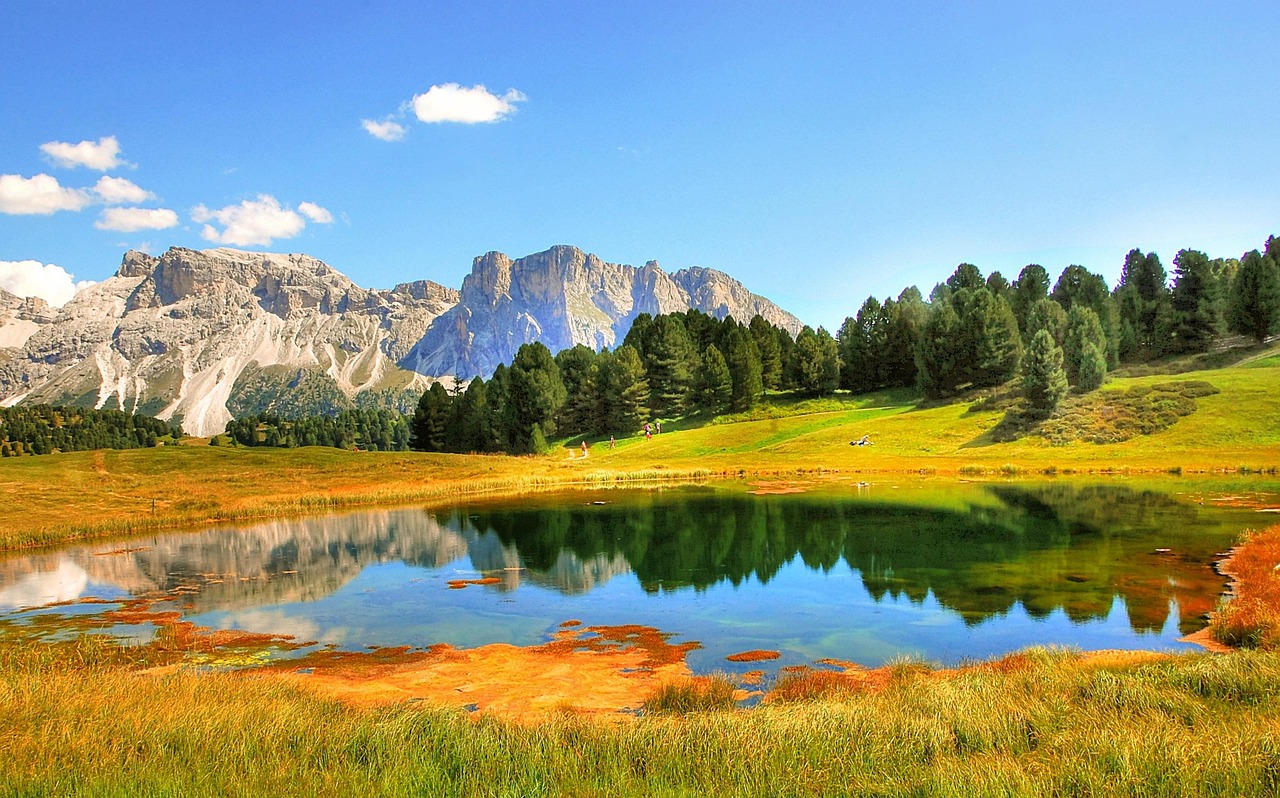
Why Visit South Tyrol?
South Tyrol (Alto Adige / Südtirol) is that rare place where three cultures share one spectacular mountain valley: Italian, Austrian, and Ladin. You hear “Guten Tag” and “Buongiorno” in the same café, eat speck with alpine herbs next to a perfect espresso, and hike through jagged Dolomites before soaking in a spa that feels straight out of Scandinavia.
I’ve been coming here for over a decade—through summer flower meadows, fiery larch forests in October, and deep winter snow. Every time, I end up staying longer than planned. The pace is slow, the food embarrassingly good, and the landscapes… well, you’ll see.
This travel guide for South Tyrol is written like I’d plan a trip for close friends: practical, honest, and packed with my own missteps and favorite hidden spots. You’ll find detailed 4–7 day itineraries, must-see attractions, local food in South Tyrol, cultural experiences, and plenty of travel tips for South Tyrol to help you make the most of every day.
Table of Contents
- South Tyrol at a Glance
- Best Towns to Use as a Base
- 20 Must-See Attractions & Personal Stories
- 4–7 Day Itineraries for South Tyrol
- Food & Wine: Eating Your Way Through South Tyrol
- Evenings in South Tyrol
- Cultural Etiquette & Local Customs
- What’s New in 2026–2027: Events & Festivals
- Day Trips & Nearby Destinations
- Practical Travel Advice for South Tyrol
- Summary & Final Recommendations
South Tyrol at a Glance
South Tyrol is Italy’s northernmost province, wedged between Austria and Switzerland. The Dolomites dominate the east, while rolling vineyards blanket the Adige valley and the western side toward Merano. Most locals are bilingual (German and Italian), with Ladin spoken in some Dolomite valleys.
What ties the region together is an almost obsessive care for quality: immaculate hiking trails, perfectly timed cable cars, punctual buses, and food that’s far better than it needs to be—whether it’s a mountain hut or a Michelin-starred dining room.
Distances look small on the map, but mountain roads are winding. This guide includes realistic driving times, plus when it’s smarter to use public transport.
Best Bases in South Tyrol (And What Each Is Known For)
Bolzano (Bozen): Urban Hub & Easy Access
Best for: first-time visitors, car-free trips, museums, food, easy day trips.
Bolzano is the region’s capital and the most convenient base if you’re arriving by train. I often start my trips here for a night or two, to adjust, buy hiking snacks at the markets, and visit Ötzi at the South Tyrol Museum of Archaeology.
Merano (Meran): Spa Town in a Palm-Fringed Valley
Best for: couples, spa lovers, mild climate, gardens, and easy hikes.
Merano feels almost Mediterranean, with palm trees and a relaxed promenade along the Passer River. It’s a great base for 4–5 days in South Tyrol if you want a mix of hiking, wine, and wellness without changing hotels.
Ortisei / Val Gardena: Dolomite Drama
Best for: hikers, skiers, families who want classic Dolomite views.
Ortisei is one of my favorite places to stay. It’s beautiful without being too precious, with cable cars right from town up to Alpe di Siusi and Seceda. For a 4 day itinerary for South Tyrol focused on the Dolomites, Ortisei is perfect.
Alta Badia (Corvara, La Villa, San Cassiano)
Best for: gourmet travelers, road cyclists, Dolomites enthusiasts.
Alta Badia has some of the best mountain food I’ve ever eaten. It’s also ideal for driving the Sella Passes, doing the Sella Ronda, and exploring Ladin culture.
Bressanone (Brixen) & Val di Funes
Best for: quieter base, photography, families, romantic stays.
Bressanone is a small, elegant town with a baroque cathedral and good train connections. Nearby Val di Funes is one of the most photogenic valleys in the Dolomites—ideal if you want views with less crowds than the big-name spots.
20 Must-See Attractions in South Tyrol (With Personal Notes)
Here are the best places to visit in South Tyrol—iconic sights, hidden gems, and cultural experiences. I’ve revisited most of these multiple times in different seasons; I’ll tell you what changes, what to eat, and how to avoid the worst crowds.
1. Lago di Braies (Pragser Wildsee)
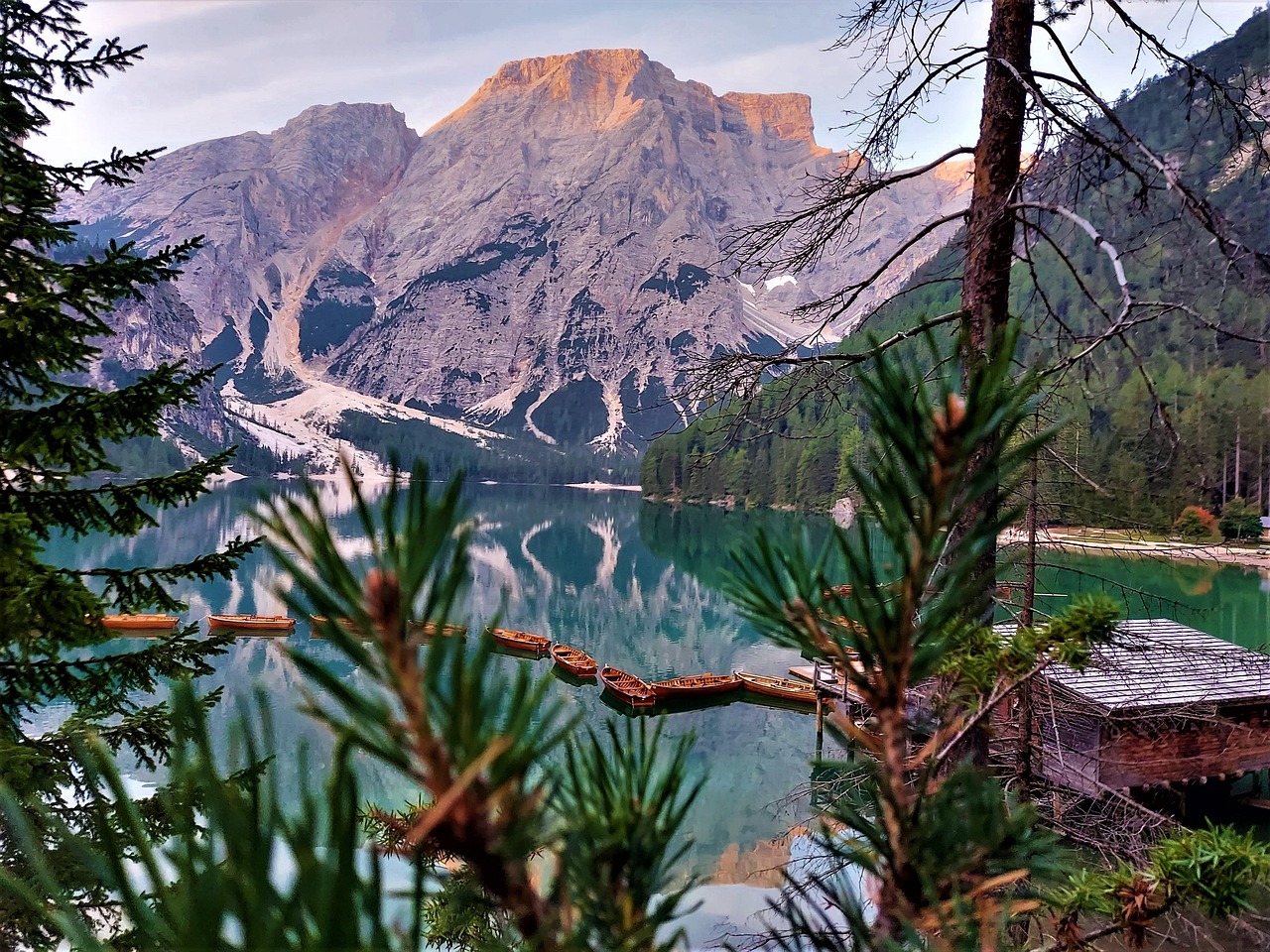
Lago di Braies is the lake you’ve seen a thousand times on Instagram: emerald water, wooden boats, stone peaks rising straight from the shore. In person, it is just as beautiful—and also much busier than photos suggest.
The first time I came (a sunny Sunday in August) I arrived at 10:30 and instantly regretted it. Tour buses, wedding shoots, drones. The second time, I learned: I arrived at 7:00, parked in P3, walked straight to the boat house, and had 30 quiet minutes with the lake almost to myself.
What to do: walk the 3.5 km loop around the lake (counterclockwise for gentler ascents), rent a rowboat for 30 minutes, then have a late breakfast at the hotel terrace overlooking the water.
Tips: In high season, parking lots can close once full. If you’re doing a 4 day itinerary for South Tyrol and want Braies, go on a weekday at dawn. In winter, the frozen lake is magical and much calmer.
2. Tre Cime di Lavaredo (Three Peaks)
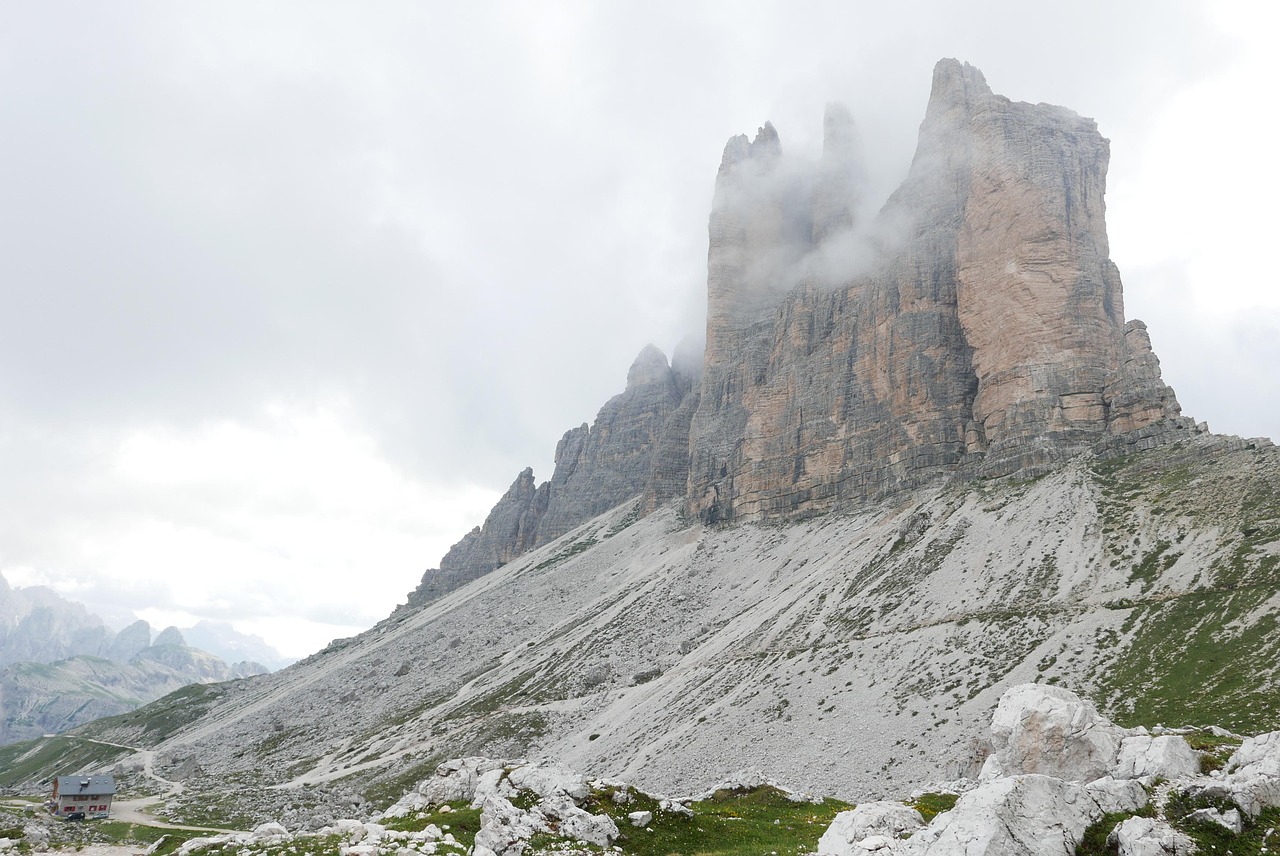
Tre Cime is pure Dolomite drama: three massive limestone towers standing above a lunar plateau. I’ve hiked here in July with wildflowers and in late September with snow dusting the peaks—both unforgettable, but very different.
The standard loop from Rifugio Auronzo to Rifugio Lavaredo and Rifugio Locatelli is about 10 km with moderate ups and downs. If you’re traveling with kids, you can just walk to the first viewpoint near Rifugio Lavaredo and back; it still feels epic.
Getting there: From Dobbiaco or Sesto, drive or take a bus up the toll road to Rifugio Auronzo (toll is steep—budget for it). In peak season, aim to be at the toll gate before 8:00 or use the shuttle bus.
My tip: Stay one night in a rifugio (Locatelli if you can book far in advance) to see sunset and sunrise. The glow on the north faces of Tre Cime at dawn is one of the great sights of the Alps.
3. Alpe di Siusi (Seiser Alm)
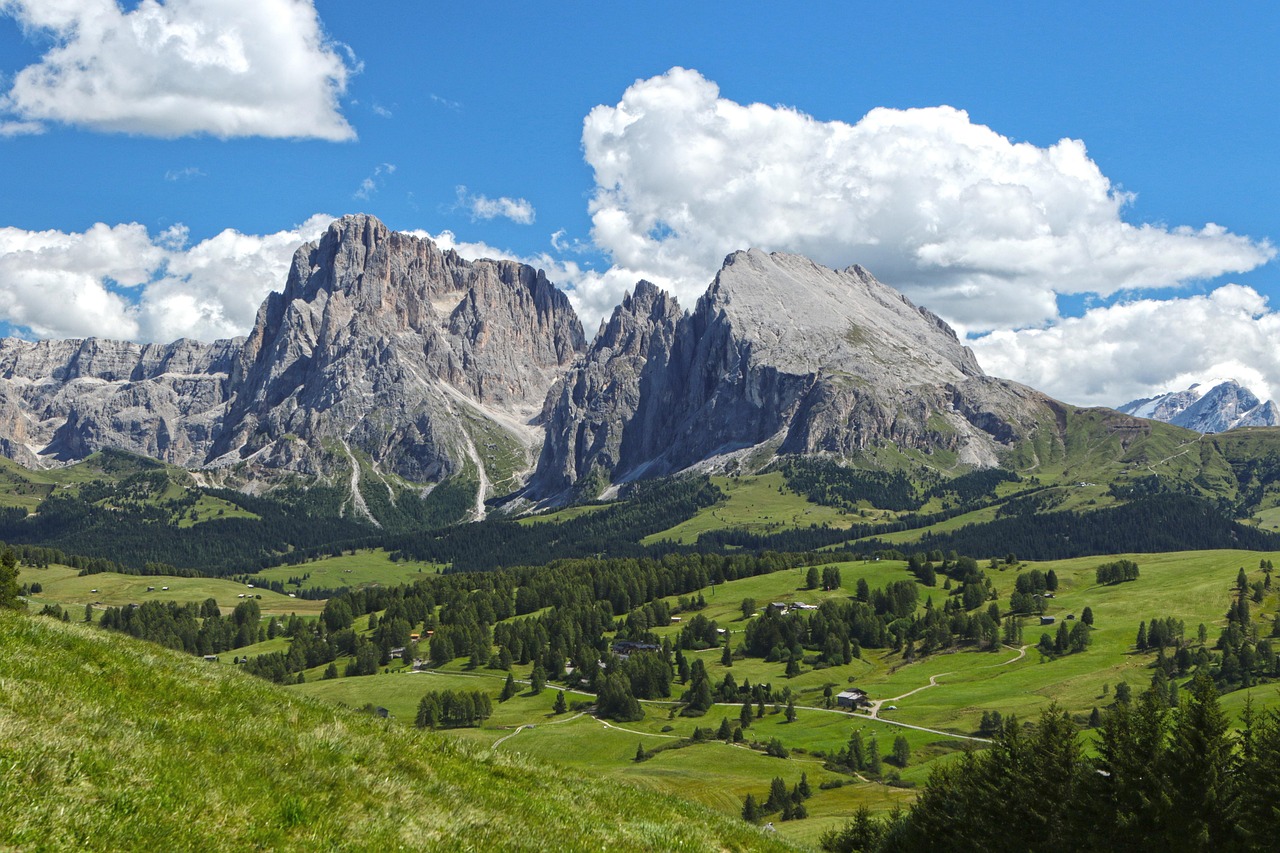
Alpe di Siusi is the largest high alpine meadow in Europe, and it feels like walking inside a postcard: rolling green hills, wooden huts, and the Sassolungo group towering above. I’ve come here for everything from sunrise photography missions to lazy family picnics.
How to visit: In summer, the easiest approach is via the Ortisei–Alpe di Siusi cable car or the Seis/Siusi cable car. Private cars are largely restricted during the day, which keeps the plateau pleasantly quiet.
What I like to do: Take the first cable car up, walk toward Compatsch, then follow gentle trails to Malga Sanon or Gostner Schwaige for a long lunch. Their herb-infused dumplings and homemade syrups are legendary.
Family & romantic notes: This is one of the most family-friendly hikes in the Dolomites, with wide paths and plenty of cows to fascinate kids. For couples, sunset here—with the peaks blushing pink—is hard to beat.
4. Seceda Ridge
Seceda is the spiky, tilted ridge you see on Dolomites posters. It looks intimidating, but you reach it via a cable car from Ortisei in about 20 minutes. I’ve been up there in thick fog and in perfect clarity; both times felt otherworldly.
My routine: Take the first cable car up, walk to the classic ridge viewpoint (10–15 minutes), then continue along the ridge toward Pieralongia. Have lunch at one of the huts (Baita Troier is a favorite) and either loop back or descend on foot toward Santa Cristina if you’re feeling energetic.
Tip for photographers: Afternoon light is often softer on the ridge, but remember the last lift time down. I once misjudged and ended up speed-hiking the descent; not recommended unless you’re very fit.
5. Lago di Carezza (Karersee)
Lago di Carezza is a small, jewel-toned lake at the edge of a dense forest, with the Latemar massif perfectly reflected on calm days. The first time I saw it was on a moody, misty morning; the peaks kept hiding and reappearing like a stage show.
Visiting: There’s a parking area and visitor center along the main road between Bolzano and the Costalunga Pass. The trail around the lake is short and easy—more stroll than hike—making it a good stop on a driving day.
Note: Swimming is not allowed, and there’s a fence to protect the shoreline. Respect it; this little lake is under a lot of pressure from tourism.
6. Val di Funes (Villnöss Valley)
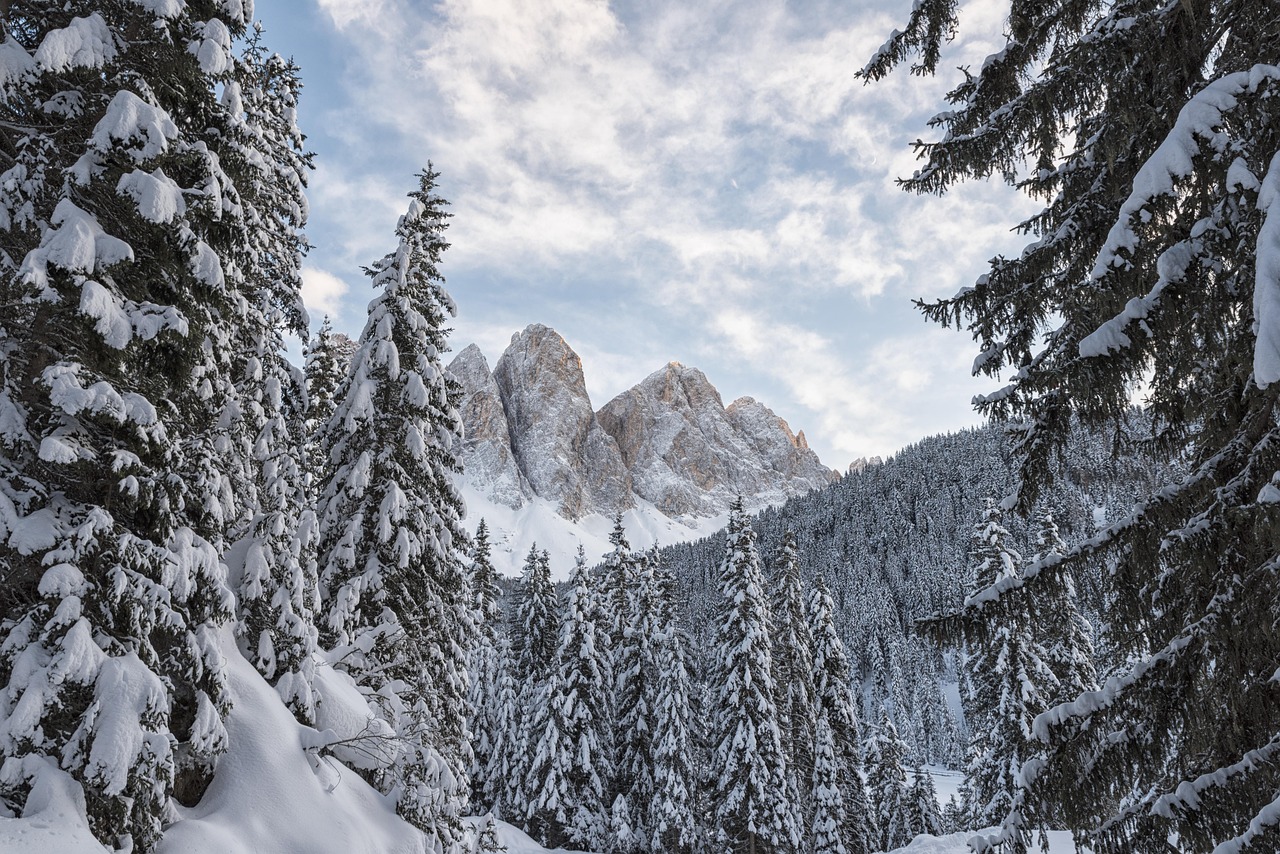
Val di Funes is where I send friends who say they want “Dolomites without the chaos.” The Odle/Geisler peaks rise like teeth above gentle, farm-dotted hills. It’s quieter than the Seiser Alm and Seceda, especially if you stay a night or two.
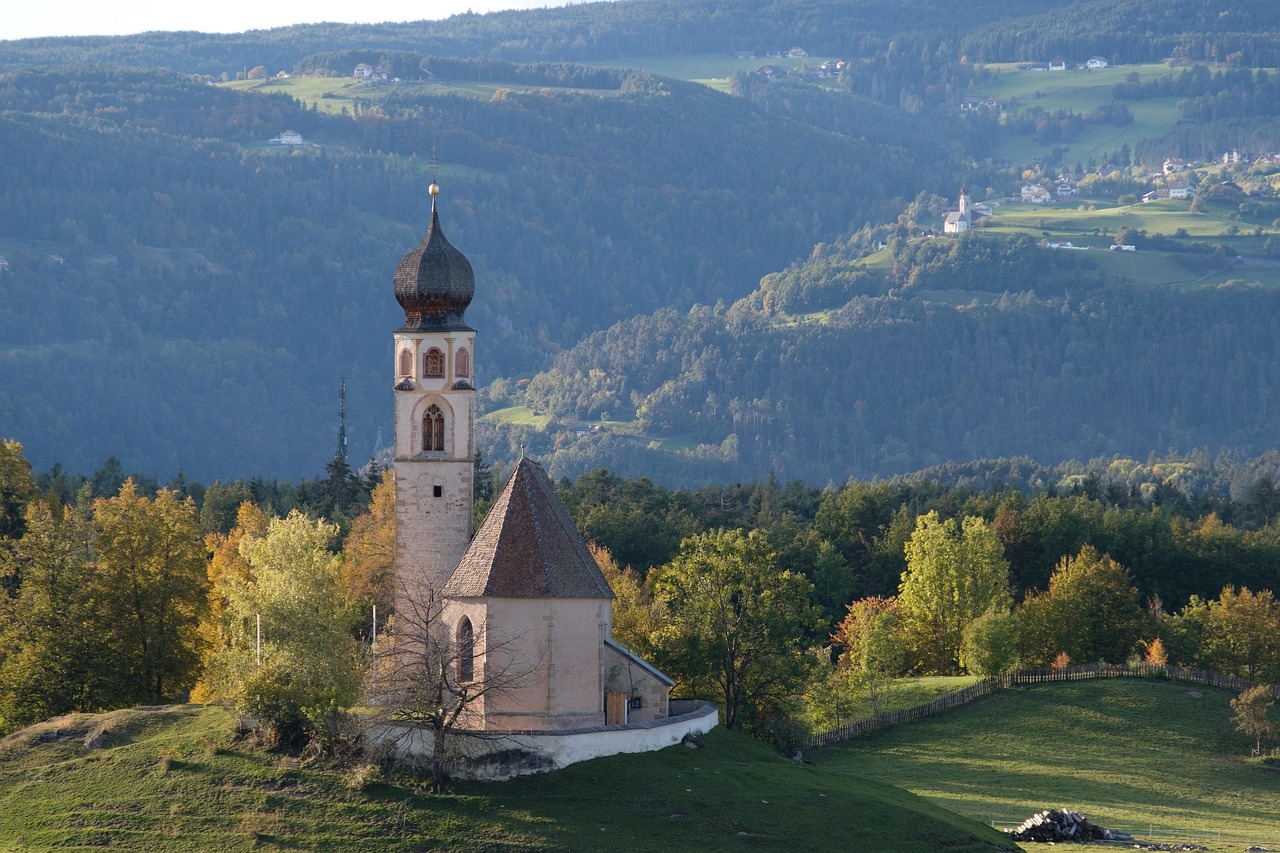
Highlights: The St. Magdalena and St. Johann churches with their classic viewpoints, the Adolf Munkel trail at the base of the Odle, and long lunches at Geisleralm or Dusler Alm.
Personal note: I once got caught in a summer thunderstorm on the Adolf Munkel trail and ended up huddled under the eaves of a closed hut with two German hikers and a very unimpressed farm dog. We shared chocolate and stories until the rain passed; that’s the kind of day this valley gives you.
7. Ortisei (Urtijëi): Heart of Val Gardena
Ortisei is a colorful, tidy village with flower-filled balconies, woodcarving workshops, and three cable cars right from town. When people ask where to base for 5 days in South Tyrol with a focus on hiking, this is usually my first suggestion.
Things to do: Evening strolls along the pedestrian center, aperitivo at one of the café terraces, checking out Ladin handicrafts, and hopping on the funicular to Rasciesa for sunset views.
Family tip: The playgrounds here are excellent, and many hotels are set up for kids (pools, playrooms, kids’ menus). It’s an easy place to do family-friendly hikes by day and relaxed dinners by night.
8. Bolzano Old Town & Markets
Bolzano feels like an Italian town dressed in Tyrolean clothes: arcaded streets, Gothic churches, and markets selling both alpine cheese and Sicilian oranges. I love starting or ending trips here for a dose of city life.
Don’t miss: the daily fruit and veg market on Piazza delle Erbe, the South Tyrol Museum of Archaeology (to meet Ötzi the Iceman), and a glass of Lagrein at a wine bar like Franziskanerstuben.
My ritual: On my last morning before heading home, I always buy a chunk of mountain cheese and a small loaf of Vinschgerl bread here for the train. It makes the journey feel like a picnic.
9. Merano & Terme Merano
Merano is where mountains meet palm trees. The town has a lovely Belle Époque air, with riverside promenades and grand hotels. Terme Merano, the modern thermal baths, are my favorite place to spend a rainy day in South Tyrol.
What to do: Stroll the Tappeinerweg promenade, visit the Kurhaus, then soak in the thermal pools at Terme Merano. In summer, the outdoor lawn is perfect for lazy afternoons; in winter, the steam rising from the pools against snow-covered peaks is cinematic.
Romantic note: If you’re planning 4 days in South Tyrol for a couple’s getaway, base in Merano: one spa day, one hiking day, one vineyard day, one castle/garden day—it works beautifully.
10. Trauttmansdorff Gardens
These botanical gardens just outside Merano are some of the best I’ve visited anywhere. Terraced hillsides showcase plants from all over the world, with themed sections, art installations, and sweeping views of the valley.
Best time: Spring (April–May) for blooms, autumn for color. I once visited in late October when the vineyards below were turning gold—it felt like walking through a painting.
Family tip: There are interactive exhibits, ponds with fish, and plenty of space to roam. Kids usually love it, and adults secretly do too.
11. Kalterer See (Lake Caldaro) & Wine Road
South of Bolzano, vineyards march down to the warm waters of Kalterer See, one of the warmest bathing lakes in the Alps. Around it, the South Tyrolean Wine Road winds through villages like Caldaro, Termeno, and Appiano.
What I like to do: Spend a lazy day swimming or paddleboarding on the lake, then visit a couple of wineries in the late afternoon. Many offer tours and tastings for a small fee; just be sure to book ahead in high season.
Wine lovers: This is Schiava (Vernatsch) and Gewürztraminer country. If you’re basing in Bolzano without a car, you can still reach some wineries by bus or e-bike.
12. Sella Pass & Gardena Pass Scenic Drives
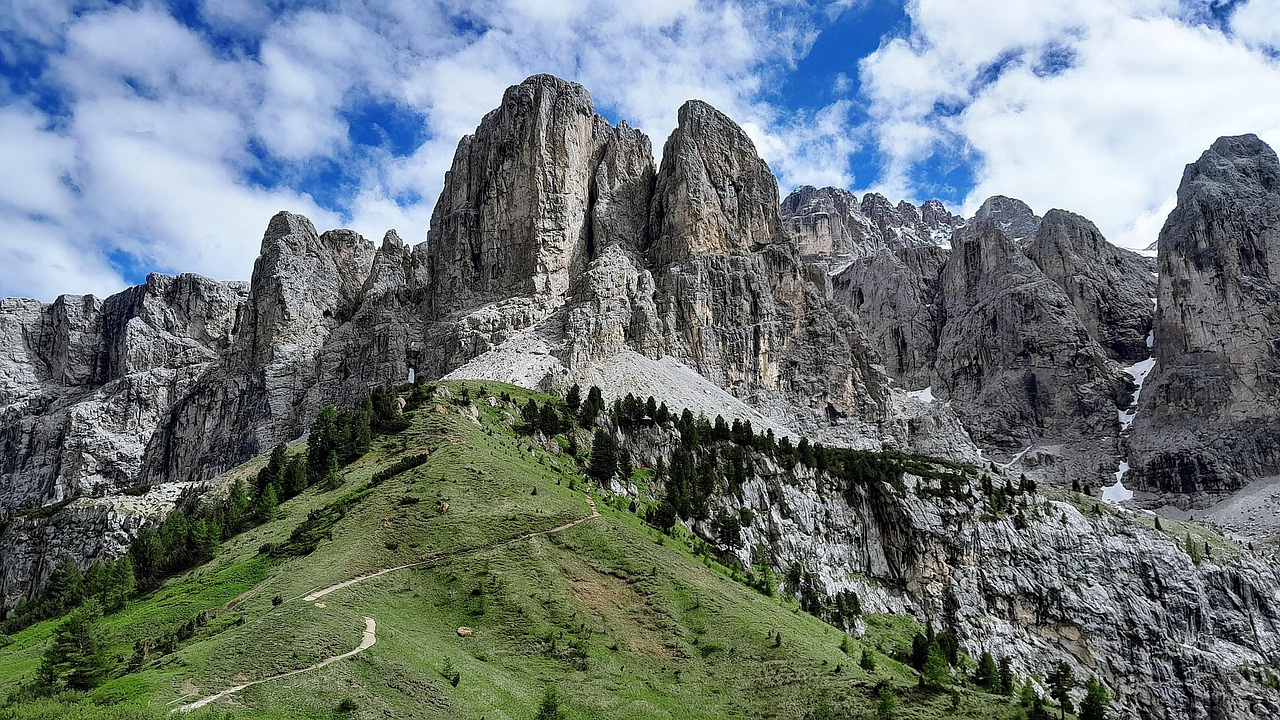
The loop of mountain passes around the Sella massif—Gardena, Sella, Pordoi, and Campolongo—is pure driving and cycling bliss. I’ve done it by car, motorcycle, and road bike; each time the views still take me by surprise.
Driving tips: Start early to avoid traffic and tour buses. In summer, check for “Dolomites Bike Day” closures when roads may be reserved for cyclists for a few hours.
Stops: Short hikes from Gardena Pass, the cable car up Sass Pordoi (“Terrace of the Dolomites”), and coffee stops in Corvara or Arabba.
13. Rosengarten / Catinaccio Group
The Rosengarten massif glows rose at sunset—hence the name. The Latemar and Catinaccio peaks form one of the most beautiful panoramas in South Tyrol, especially from the Niger Pass or the Ciampedie plateau.
Personal favorite: The easy walk from Ciampedie to Rifugio Gardeccia and beyond. I once did it on a hazy summer afternoon and ended up staying for dinner at a hut, walking back under a sky full of stars.
Family & beginner-friendly: Many trails here are wide and not too steep. There are also via ferrata routes for more adventurous climbers.
14. Kronplatz (Plan de Corones)
Kronplatz is a broad, grassy summit that turns into one of South Tyrol’s top ski areas in winter and a hiking/biking destination in summer. It’s also home to two excellent museums: the Messner Mountain Museum Corones and the Lumen Museum of Mountain Photography.
What to do: Take the cable car up from Brunico/Bruneck or Riscone, walk the perimeter trail with 360° views, visit the museums, then have lunch on the terrace of a mountain hut.
Note: Even non-hikers love this one—easy access and big views make it ideal for mixed-ability groups or multigenerational family trips.
15. Dolomiti Panorama from Rasciesa
Rasciesa is the quieter cousin of Seceda. A funicular from Ortisei carries you up to an open plateau with sweeping views across Val Gardena and toward the Odle peaks. I love coming up here for sunset when Seceda feels too busy.
Activity ideas: Gentle hikes along the plateau, picnics with a view, and in winter, sledging down a long, fun toboggan run.
Tip: Bring a light jacket even in summer; the wind can be brisk on the open plateau.
16. Bressanone (Brixen) & Plose
Bressanone is a small, graceful town with pastel façades, arcades, and a lovely cathedral square. It feels less touristy than Bolzano and makes a nice base if you want both culture and easy access to the mountains via Plose.
What to do: Wander the old town, visit the Hofburg Bishop’s Palace and Diocesan Museum, then take the cable car up Plose for hiking with views toward the Dolomites.
Personal note: I spent a December weekend here during the Christmas market season. Sipping hot mulled wine under the cathedral towers while a choir sang carols in German felt like stepping into a snow globe.
17. Stelvio Pass (Passo dello Stelvio)
Technically on the border of South Tyrol and Lombardy, the Stelvio Pass is one of the highest paved mountain passes in the Alps and a pilgrimage for drivers and cyclists. Its 48 hairpin bends on the northern side are legendary.
My experience: I drove it on a clear September morning, starting from Prato allo Stelvio. The climb is intense but exhilarating. At the top, I ate a very average sausage in a bun and didn’t care at all—the view more than compensated.
Tip: Only attempt this drive in good weather, and check that the pass is open (usually late May to October). If you’re not comfortable with hairpins, consider joining a guided drive or simply enjoying the lower sections.
18. Vipiteno (Sterzing)
Vipiteno is a small, colorful town near the Austrian border, with a pretty main street and mountain views framing both ends. It’s a good stop if you’re driving the Brenner route or want a quieter base near ski areas like Monte Cavallo.
What I enjoy: Sitting in a café on the main street with a slice of apple strudel, watching locals run errands and kids ride bikes. It feels very lived-in, not just like a resort.
19. South Tyrol Wine Villages: Caldaro, Termeno, Appiano
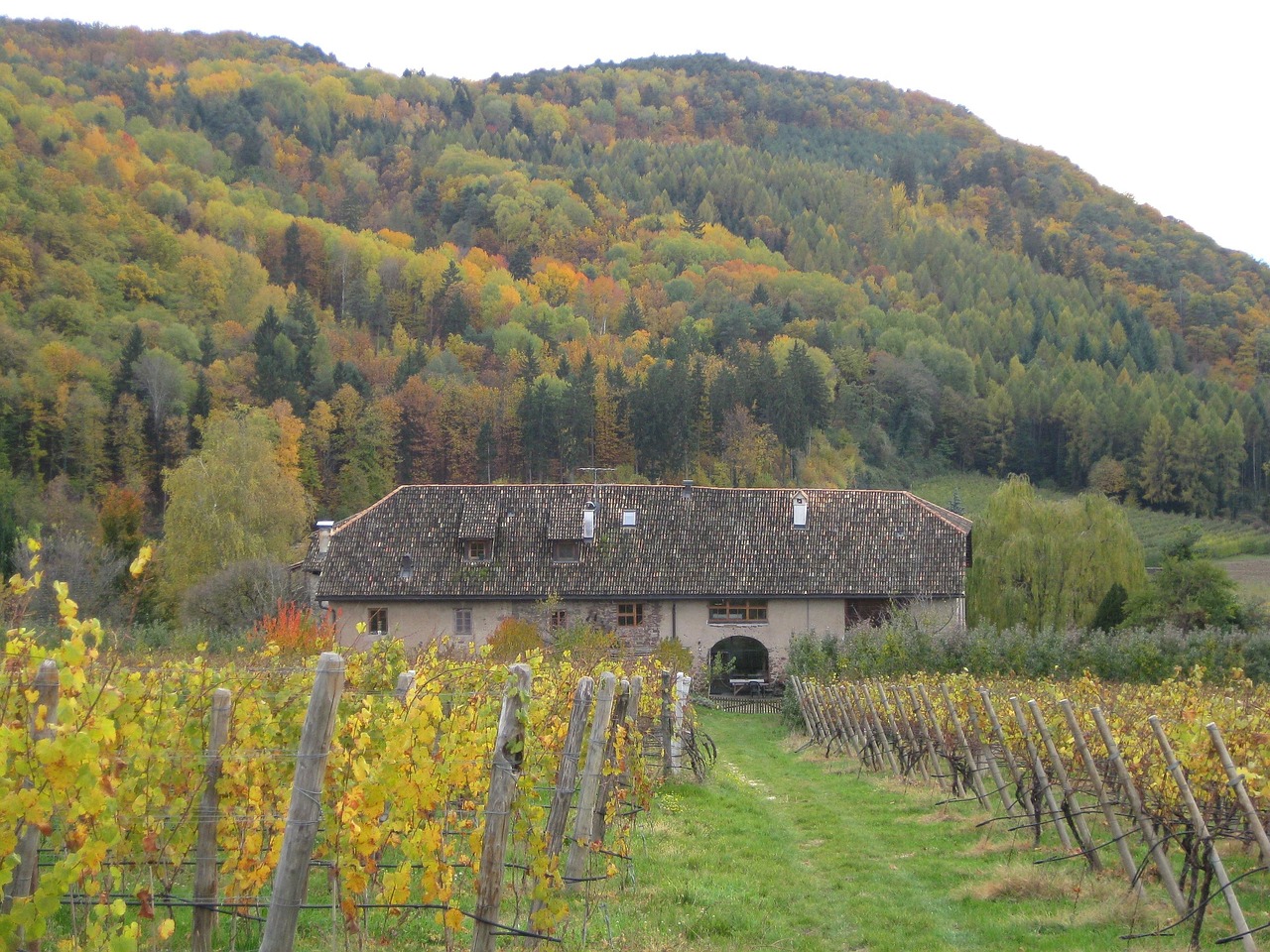
These villages along the Wine Road are all about gentle hills, vineyard views, and slow food. I like to base here for a night or two when I want a break between intense hiking days.
Activities: Wine tastings at local cantine, e-bike rides between villages, long dinners in courtyards lit with fairy lights. Termeno is the original home of Gewürztraminer; Caldaro has beautiful lake access.
20. Alpe di Villandro & Villandro Village
One of my favorite hidden gems in South Tyrol, the Alpe di Villandro is a wide, open plateau with big views but far fewer people than Alpe di Siusi. The village of Villandro below is quiet and charming, with a handful of guesthouses and farms.
Why I love it: It feels like everyday life, not a show village. I’ve had some of my best speck and cheese platters at simple mountain huts up here, often sharing the room with just a few locals and hikers.
Tip: If you’re planning a 6 day itinerary for South Tyrol and want at least one truly off-the-radar day, put this on your list.
4–7 Day Itineraries for South Tyrol (With Personal Day-by-Day Stories)
This section is designed to help you plan 4 days in South Tyrol up to a full 7 day itinerary for South Tyrol. I’ll keep it compact here so you can see the flow; you can easily expand or compress based on your pace.
4 Day Itinerary for South Tyrol: Dolomite Highlights
Best for: first-time visitors, couples, families with older kids, car recommended.
Base: Ortisei (3 nights), Bolzano (1 night).
Day 1 – Arrival & Ortisei Village
I usually arrive in Bolzano by midday train, pick up a rental car at the station, and drive the 45 minutes up Val Gardena to Ortisei. After checking into a guesthouse, I stroll through town: visiting woodcarving shops, grabbing a gelato, and riding the short escalators up to the church square to orient myself.
Dinner is a gentle introduction to local food in South Tyrol: canederli (bread dumplings) in broth, a plate of speck and mountain cheeses, and a glass of Lagrein.
Day 2 – Seceda Ridge
Breakfast early, then walk to the Seceda cable car. I like to be on the first or second lift: the ridge feels more like a private amphitheater then. I spend the morning walking along the ridge, taking photos, and maybe continuing toward Pieralongia.
Lunch at Baita Troier or another hut, then a slow descent and an afternoon spa session if my hotel has one—or just a nap. Evening aperitivo in town feels well deserved.
Day 3 – Alpe di Siusi
From Ortisei, I take the cable car up to Alpe di Siusi. The day is spent on easy trails, stopping for cake and coffee at a hut, watching paragliders launch into the sky. For families, this is a perfect low-stress day; for couples, it’s endlessly romantic.
Back in Ortisei, I try a different restaurant—perhaps one focusing more on Italian-style dishes with a Tyrolean twist.
Day 4 – Lago di Carezza & Bolzano
I check out of Ortisei and drive over the Passo di Costalunga to Lago di Carezza, walking the loop and having a last mountain coffee. Then I continue to Bolzano, drop the car, and spend the afternoon at the archaeology museum meeting Ötzi.
The final evening is a chance to sample more urban-style dining, perhaps with a modern twist on South Tyrolean classics, then an early night before departure.
5 Day Itinerary for South Tyrol: Dolomites & Wine
Best for: couples and friends who want a mix of hiking and vineyards.
Base: 3 nights Ortisei, 2 nights Caldaro/Caldaro.
Day 1–3 – Follow the 4 Day Itinerary Days 1–3
Use the first three days as above: Ortisei, Seceda, and Alpe di Siusi.
Day 4 – Val di Funes Detour & Drive to Wine Country
Check out from Ortisei, drive to Val di Funes for the Adolf Munkel trail or just the viewpoints, then continue down to Caldaro on the Wine Road. Check into a wine hotel or agriturismo.
Day 5 – Kalterer See & Wine Tasting
Spend a slow day swimming or walking around Kalterer See, followed by tastings at family-run wineries. This is a gentler end to 5 days in South Tyrol, letting your legs recover before you move on.
6 Day Itinerary for South Tyrol: Mountains, Spa & Culture
Best for: those wanting balance: hikes, spas, towns.
Base: 3 nights Ortisei, 3 nights Merano.
Day 1–3 – Dolomite Highlights from Ortisei
Use the Seceda and Alpe di Siusi days; on the third day, add an afternoon visit to Val Gardena’s smaller villages (Santa Cristina, Selva) or a short drive up to Gardena Pass.
Day 4 – Transfer to Merano via Bolzano
Check out and drive to Merano, stopping in Bolzano for lunch and a museum visit if you missed it earlier. Arrive in Merano by mid-afternoon, stroll the riverside promenade, and settle into your hotel—ideally one with a pool or spa.
Day 5 – Terme Merano & Trauttmansdorff Gardens
Morning soak at Terme Merano, long lunch in town, then an afternoon wandering Trauttmansdorff Gardens. This is one of the best cultural experiences in South Tyrol for non-hikers.
Day 6 – Tappeiner Promenade & Dorf Tirol
Walk the Tappeinerweg to Dorf Tirol, visit Tirol Castle (with its excellent history museum), and enjoy balcony views over the valley. In the evening, savor a final Tyrolean dinner—perhaps a tasting menu at one of Merano’s finer restaurants.
7 Day Itinerary for South Tyrol: The Full Week Experience
Best for: travelers who want to dive deep but not rush.
Base: 3 nights Ortisei, 2 nights Merano, 2 nights Bressanone or Val di Funes.
Days 1–3 – Ortisei & Dolomite Icons
Follow the pattern: Ortisei arrival, Seceda, Alpe di Siusi. Add a short hike or evening up Rasciesa if you have extra energy.
Day 4–5 – Merano Spa & Wine
Follow the Merano spa and gardens day, then add a second day exploring nearby vineyards or doing a low-elevation hike like the Waalwege (ancient irrigation channels turned into walking paths).
Day 6–7 – Bressanone & Val di Funes
Drive to Bressanone, drop bags, and head out to Val di Funes for an afternoon hike or photo session at the churches. Spend the night back in Bressanone enjoying the quieter evening atmosphere. On your final day, take the Plose cable car for a relaxed hike with big views, then return to Bolzano for departure.
This 7 day itinerary for South Tyrol gives you a little bit of everything: must-see attractions, hidden gems, cultural experiences, and time to actually breathe between them.
Food & Wine in South Tyrol: What to Eat and Where
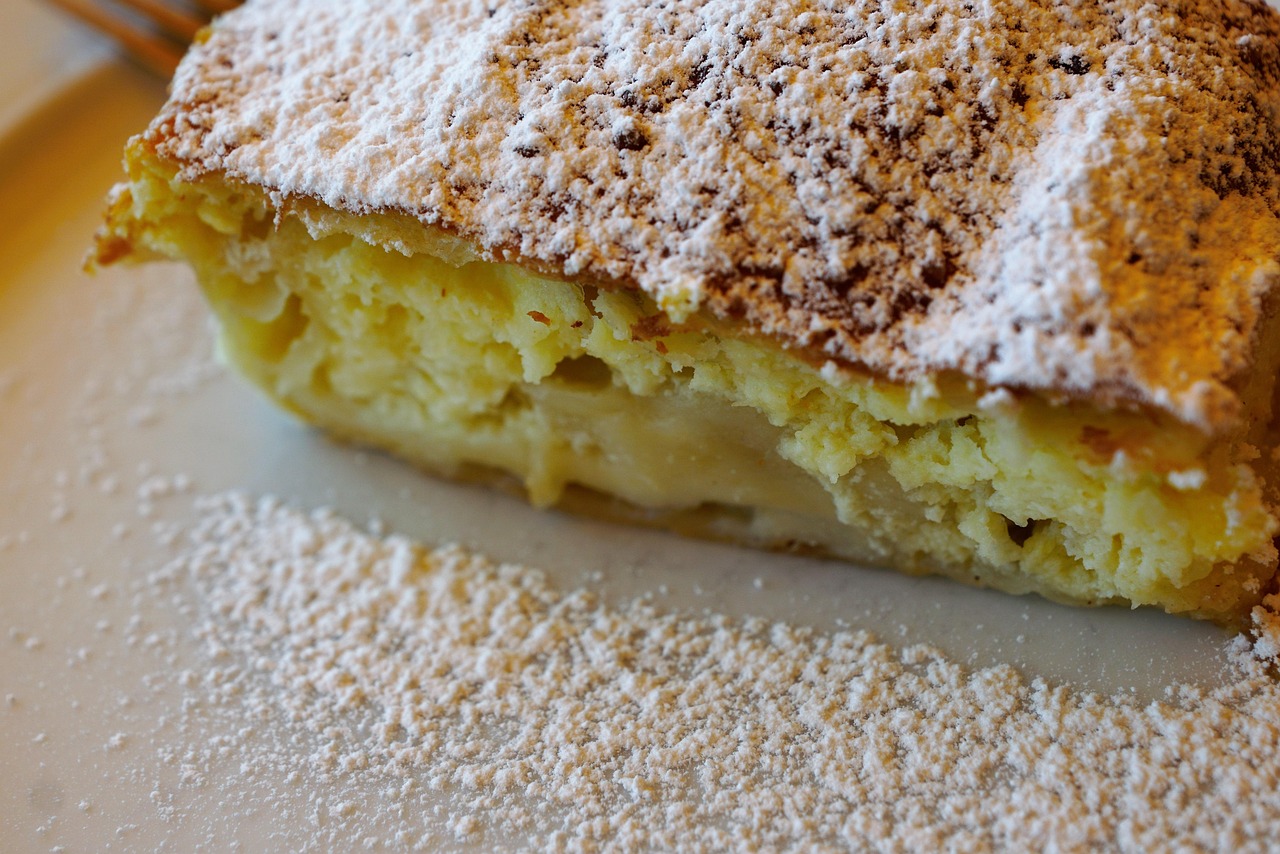
Local food in South Tyrol is a happy marriage of alpine heartiness and Italian finesse. One evening you’re eating knödel in a wooden Stube; the next, handmade tagliatelle with wild mushrooms and a glass of Pinot Bianco.
Signature Dishes to Try
- Speck: Lightly smoked, air-dried ham. Best eaten with Schüttelbrot (crispbread) and cheese.
- Canederli / Knödel: Bread dumplings with speck, cheese, or spinach, served in broth or with butter and sage.
- Schlutzkrapfen: Half-moon ravioli filled with spinach and ricotta, served with brown butter.
- Gulasch: Hearty stew, often with polenta or dumplings.
- Apfelstrudel & Kaiserschmarrn: Austro-Hungarian desserts that taste especially good after a hike.
Where to Taste It
Agriturismi & Farm Stays: In valleys like Val di Funes, Val Venosta, and around Bressanone, farm stays serve their own produce: eggs, milk, cured meats, vegetables, wine. I’ve had some of my best meals here—simple, seasonal, and generous.
Mountain Huts (Rifugi / Almhütten): Don’t underestimate these. Many serve excellent food at fair prices. A plate of canederli and salad at a hut on Alpe di Siusi is one of the region’s great pleasures.
Town Trattorias & Gasthäuser: In Bolzano, Merano, and Bressanone, look for places with both German and Italian names on the menu; they tend to do both traditions well.
Wine Regions & What to Drink
- Oltradige / Überetsch (Caldaro, Appiano): Schiava/Vernatsch (light red), Pinot Bianco, Chardonnay.
- Termeno: Gewürztraminer—aromatic, floral, perfect with spicier food or just sipping at sunset.
- Bolzano area: Lagrein, a dark, spicy red that’s a local favorite.
- Isarco Valley: excellent whites—Sylvaner, Kerner, Grüner Veltliner.
My tip: Many wineries are small and family-run. Call or email ahead for tastings, especially if you’re planning around a tight 4 or 5 day itinerary for South Tyrol.
Evenings in South Tyrol: After the Hikes
Evenings here are quietly social, not wild. After dark, locals fill small-town piazzas and promenades, kids ride bikes in circles, and hikers nurse sore calves over beer and wine.
What Evenings Look Like
- Ortisei: Strolling the pedestrian zone, gelato in hand, listening to occasional brass bands or small concerts in summer.
- Merano: Aperitivo along the Passer River, live music near the Kurhaus, and in autumn, harvest festivals with chestnuts and new wine (Törggelen).
- Bolzano: Wine bars tucked under arcades, students spilling onto sidewalks, occasional open-air performances.
- Villages: Hotel bars, village fêtes, or simply watching the light fade from your balcony.
Seasonal Celebrations
- Autumn (Sept–Nov): Törggelen—traditional evenings in farm taverns with roasted chestnuts, ham, sauerkraut, and new wine. This is one of the most authentic cultural experiences in South Tyrol.
- Advent (Dec): Christmas markets in Bolzano, Merano, Bressanone, and Vipiteno, with lights, mulled wine, and handicrafts.
- Summer: Village music nights, open-air cinema, and harvest festivals in wine regions.
Cultural Etiquette & Local Customs
South Tyrol’s blend of Germanic and Italian cultures comes with its own rhythms and expectations. Understanding a few basics makes travel smoother and more respectful.
Language
Most locals speak German as their first language, Italian as second, and English often fairly well in tourist areas. In Dolomite valleys, Ladin is also spoken. A simple “Guten Tag” or “Grüß Gott” in the mountains goes a long way, as does “Buongiorno” in towns.
Dining Customs
- Reservations: Recommended for popular restaurants, especially in high season and in small villages with limited options.
- Table time: Once you have a table, it’s yours for the evening; you won’t be rushed out.
- Service: It may feel slower than in some countries. Relax; things will come.
- Tipping: Service is usually included. Rounding up or adding 5–10% is appreciated but not mandatory.
On the Trails
- Always greet people you pass (“Hallo,” “Servus,” or “Buongiorno”).
- Stay on marked paths; don’t cut switchbacks or cross meadows without permission.
- Leash dogs near livestock; give cows a wide berth, especially with calves.
- Pack out all trash, including tissues; mountain huts often have limited waste capacity.
Quiet Hours & Sunday Culture
Many villages observe quiet hours at night and on Sunday afternoons. Expect shops (especially small, family-run ones) to close for a midday break and for much of Sunday. Plan grocery runs accordingly.
What’s New in 2026–2027: Events & Travel Scene
Note: Event details can change; always double-check closer to your travel date.
Recurring Highlights Likely in 2026–2027
- Dolomiti Balloon Festival (Dobbiaco / Toblach) – January: Hot-air balloons over snowy peaks; family-friendly, with night glows and tethered rides.
- Sellaronda Bike Day – June & September: Roads around the Sella massif closed to cars for cyclists—fantastic if you ride, avoid those dates if you plan to drive that loop.
- Merano WineFestival – November: One of Italy’s top wine events, with tastings, workshops, and gourmet food.
- Alto Adige Jazz Festival – Summer: Concerts in unique locations—from castles to mountain huts.
- Christmas Markets – Late November to early January: Bolzano, Merano, Bressanone, Vipiteno, and Brunico host atmospheric markets.
In 2026, expect continued focus on sustainable tourism—more shuttle buses to popular trailheads, occasional car restrictions in peak season (especially around Lago di Braies and Tre Cime), and expanded bike infrastructure in wine regions.
Day Trips & Nearby Destinations
From a base in South Tyrol, you can reach several other regions on easy day trips or overnights:
- Trento & Lake Garda (Northern tip): About 1.5–2 hours from Bolzano by car or train. Combine city culture in Trento with a lakeside stroll in Riva del Garda.
- Val di Fassa & Trentino Dolomites: Over passes from Val Gardena or via Bolzano; similar landscapes with a slightly different cultural flavor.
- Innsbruck (Austria): Around 1.5 hours from Bolzano by train; easy day trip for a different alpine city vibe.
- Swiss Engadine: Longer, but doable as a scenic drive via Resia Pass if you’re based in western South Tyrol (Val Venosta).
For most travelers with 4–7 days in South Tyrol, I recommend focusing on the region itself; there’s more than enough to fill your time. Add these extras only if you have a longer stay or specific interests.
Practical Travel Advice for South Tyrol
Getting There
- By air: Nearest major airports are Verona, Venice, Innsbruck, and Munich. Bolzano has a small airport with limited connections.
- By train: Bolzano and Bressanone are on main north–south lines. From there, regional trains and buses reach smaller towns.
Getting Around: Car vs Public Transport
Car: Best for flexible, multi-valley trips and a 5–7 day itinerary for South Tyrol covering Dolomites, Merano, and wine regions. Roads are good but can be narrow and winding; parking inside historic centers is limited, so use garages and follow signs.
Public Transport: Excellent in main corridors (Bolzano–Merano–Bressanone–Brunico) and to major resorts like Ortisei. The Mobilcard or regional guest cards often include buses and some cable cars; ask your accommodation.
Driving & Licenses
- EU/EEA licenses are accepted. Non-EU travelers should carry an International Driving Permit (IDP) alongside their home license.
- Autobahn/Autostrada A22 is toll-based; keep tickets and pay at exits.
- Winter tires or chains may be mandatory in winter; check your rental.
SIM Cards & Connectivity
Major Italian providers (TIM, Vodafone, WindTre, Iliad) offer tourist-friendly data plans. Buy SIMs in Bolzano, Merano, or Bressanone. Coverage is generally good in valleys and towns, weaker in some remote hiking areas.
Money-Saving Tips
- Travel in shoulder seasons (late May–June, September–mid-October) for lower prices and fewer crowds.
- Use guest cards (often included by hotels) for free or discounted public transport and cable cars.
- Stay in apartments or agriturismi and cook breakfast/dinner some nights.
- Lunch at mountain huts; dinners in towns can be pricier.
Visas & Entry
South Tyrol is in Italy and the Schengen Area. EU/EEA/Swiss citizens can enter freely. Many other nationalities (including US, Canada, Australia, UK) can enter visa-free for short stays; check current Schengen rules and any ETIAS requirements that may apply by 2026–2027.
Best Seasons for Activities
- Late May–June: Wildflowers, less heat, some high trails may still have snow.
- July–August: Warmest, busiest; ideal for high-elevation hiking, lakes, and family travel.
- September–mid-October: My favorite: stable weather, fall colors, grape harvest, Törggelen.
- Late October–November: Quieter, some lifts closed, but great for wine and food trips.
- December–March: Ski season, Christmas markets, winter hiking and snowshoeing.
Hidden Tips from Multiple Visits
- Start your days early for popular must-see attractions in South Tyrol (Braies, Seceda, Alpe di Siusi) to avoid crowds and parking issues.
- Always check last lift times if you ride up; hiking down in the dark is rarely fun.
- Carry some cash; small huts and rural guesthouses may not accept cards.
- Pack layers; even in summer, evenings in the mountains can be cool.
Summary: Planning Your South Tyrol Trip in 2026
South Tyrol is a place that rewards both careful planning and happy detours. You can spend 4 days in South Tyrol chasing the biggest icons—Seceda, Alpe di Siusi, Lago di Braies—or stretch to 7 days in South Tyrol and start to feel the slower rhythm of village life, wine country, and spa towns.
For mountain lovers: Base in Ortisei, Val Gardena, or Alta Badia. Focus on the Dolomites: Seceda, Alpe di Siusi, Tre Cime, Val di Funes.
For couples: Split your time between Ortisei (views) and Merano or Caldaro (wine and wellness).
For families: Choose one or two bases with good cable car access—Ortisei, Seis, or Merano—and keep drives shorter.
When to come: For hiking and scenery, late June–early July and September–mid-October are ideal. For snow, December–March. For vineyards and harvest festivals, late September–October.
Whatever you choose, leave room in your schedule for unscripted hours: an extra coffee in a quiet piazza, a second slice of strudel at a mountain hut, a side trail you hadn’t planned to take. Those are the moments that keep pulling me back to South Tyrol, year after year.