Why Visit Spiaggia di Tuerredda – What Makes It Special
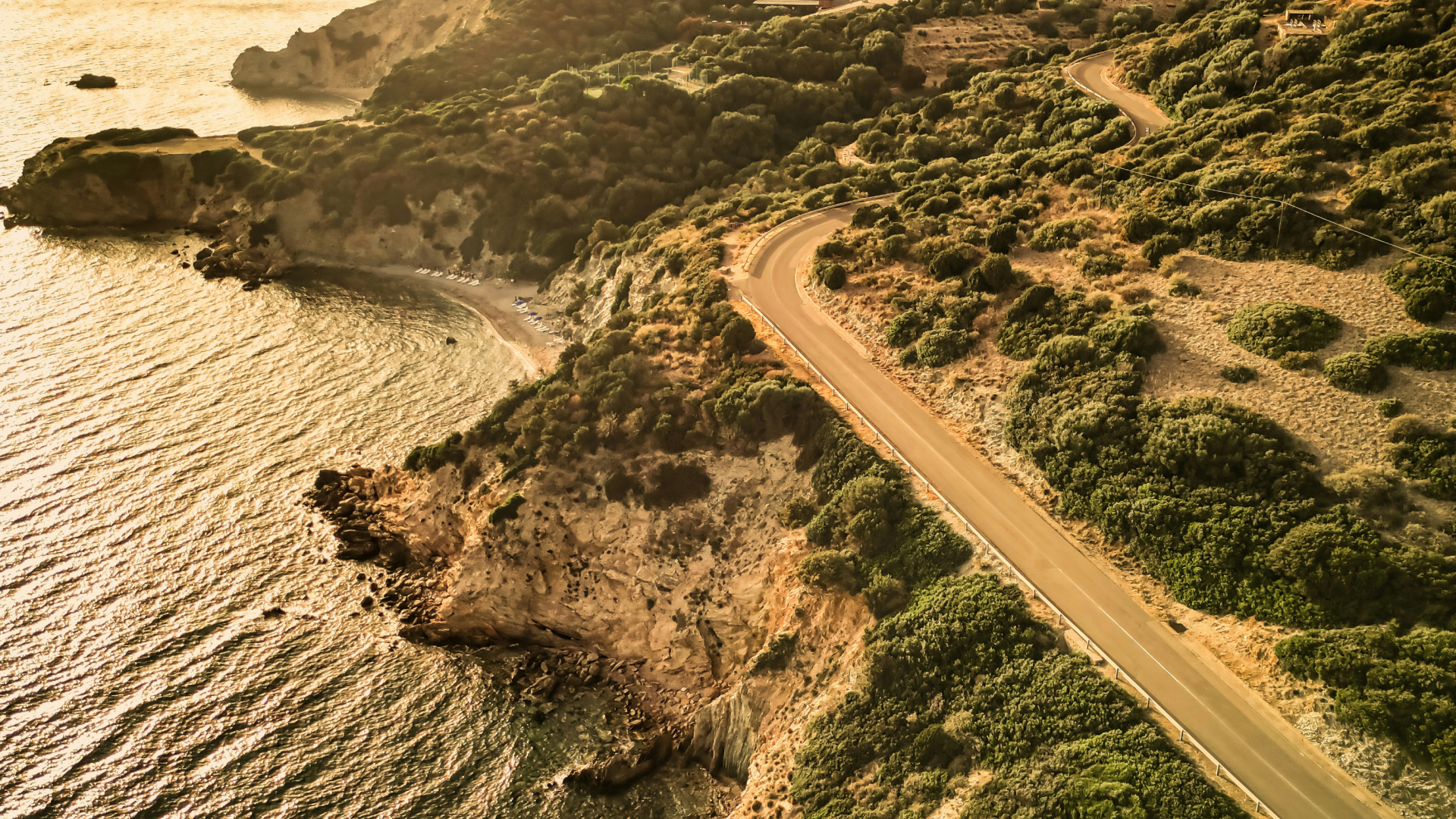
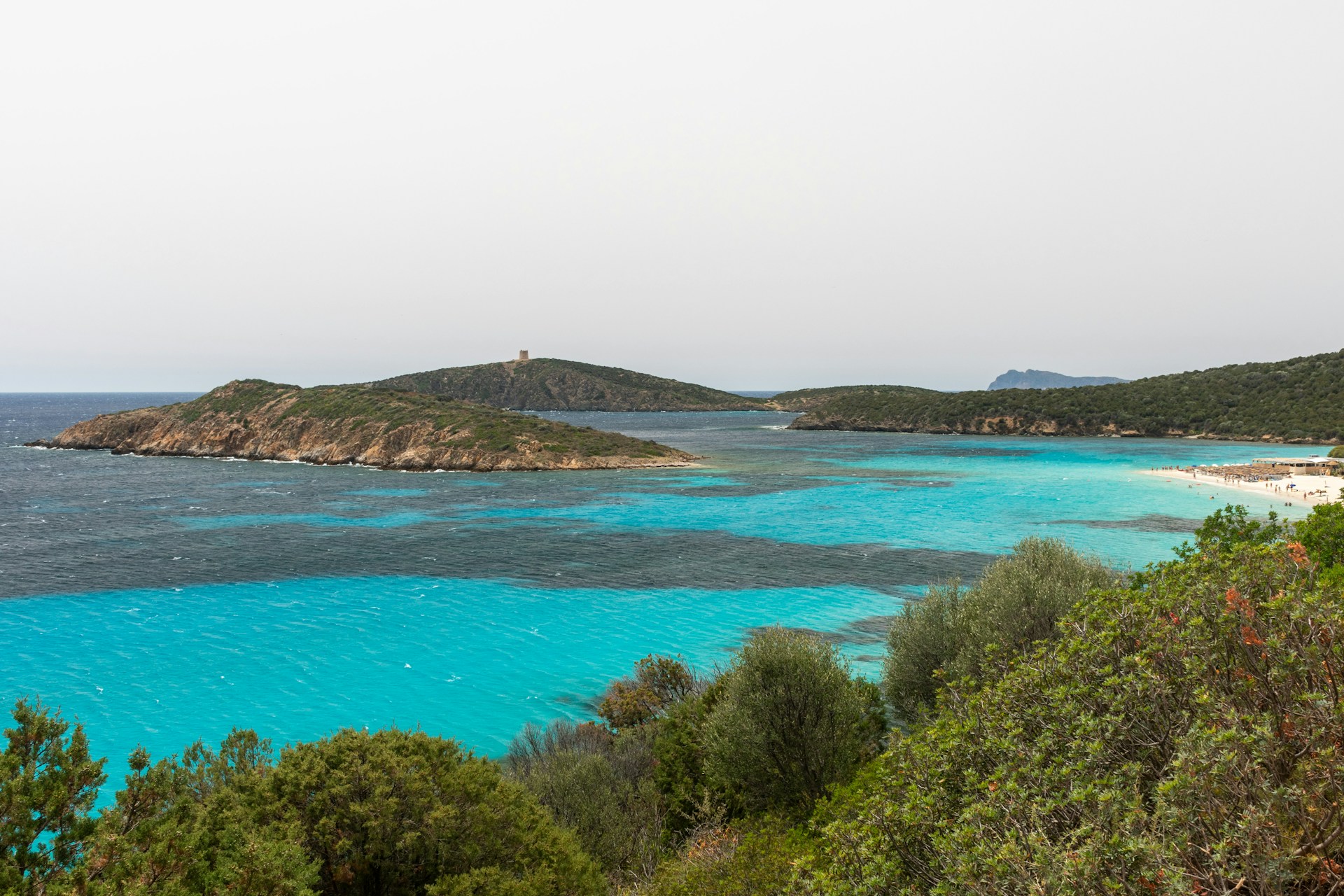
I still remember the first time I saw Spiaggia di Tuerredda from the panoramic bend on the SP71 coastal road. It was early June, the windows were down, and the air smelled faintly of wild rosemary and the sea. Below the road, Tuerredda unfurled like a watercolor: a crescent of pale sand wrapped around a lagoon of impossible turquoise, with the little islet of Isola di Tuerredda anchoring the view. I pulled over, sat on the guardrail, and just stared. I’ve returned almost every year since, in different seasons and with different people, and that first glimpse still gives me the same quiet shock.
Spiaggia di Tuerredda isn’t a town; it’s a beach and a small coastal area between the better-known hubs of Chia and Teulada, on Sardinia’s wild southwestern coast. It’s one of those places that locals whisper about with both pride and protectiveness. In the height of summer, it’s no secret at all – loungers line the shore, and the parking lots fill early – but arrive in late May, September, or even a warm October, and you’ll understand why Tuerredda is regularly called one of the most beautiful beaches in Italy.
This guide is written from the perspective of someone who has swum, eaten, napped, hiked, and occasionally gotten sunburnt here many times. It’s a practical travel guide for Spiaggia di Tuerredda with a strong personal angle: where to find quiet corners even in August, which coves are best for kids or for romantic swims, where the local food in Spiaggia di Tuerredda is genuinely good rather than just scenic, and how to plan a 3, 4, or 5 day itinerary for Spiaggia di Tuerredda without wasting time or money.
If you are looking for:
- Azure, clear water with visibility that makes snorkeling feel like flying
- Soft, pale sand underfoot instead of pebbles
- Short drives to wild, almost empty coves and dramatic headlands
- Family-friendly shallows and adventurous coastal hikes in the same day
- Sunset aperitivo with your feet in the sand, then quiet, starry nights
…then Spiaggia di Tuerredda is worth building your Sardinia trip around, not just dropping by for a photo stop.
Table of Contents
- Why Visit Spiaggia di Tuerredda
- Quick Overview & Orientation
- 1. Spiaggia di Tuerredda (Main Beach)
- 2. Cala Sucrieri
- 3. Cala Cipolla
- 4. Su Giudeu Beach
- 5. Porto Malfatano & Surroundings
- 6. Sa Colonia & Chia Tower
- 7. Cala Antiòca & the Wild West
- 8. Isola di Tuerredda
- 9. Domus de Maria & Hinterland Beaches
- 10. Teulada Coast & Dune di Is Arenas Biancas
- Suggested 3, 4 & 5 Day Itineraries
- Seafood, Beach Bars & Where Locals Actually Eat
- Evenings at Spiaggia di Tuerredda
- Day Trips & Nearby Attractions
- Cultural Etiquette & Local Customs
- Practical Travel Advice & Logistics (2026–2027)
- Beach-Specific Logistics: Safety, Seasons & Sea Conditions
- Events & What’s New in 2026–2027
- Summary & Final Recommendations
Quick Overview & Orientation
Location: Spiaggia di Tuerredda lies on Sardinia’s southwest coast, in the municipality of Teulada, roughly 60 km (about 1 hr 15 min) from Cagliari by car along the SP195 and SP71.
Vibe in 2026: Beautiful but regulated. In recent years the local authorities have introduced daily visitor caps in peak summer, managed parking, and stricter rules about plastic and litter. This has kept Tuerredda gorgeous, but you need to plan.
Who it’s for:
- Couples looking for romantic, photogenic beaches and quiet evenings
- Families who want calm water and small, manageable day trips
- Active travelers who like coastal hiking, snorkeling, SUP, and exploring coves
- Seafood lovers and sunset aperitivo enthusiasts
Who it’s not for: Party-all-night crowds and people who want dense nightlife or big resorts right on the sand. This is more about nature, sea, and slow days.
1. Spiaggia di Tuerredda – The Iconic Main Beach
If you’ve seen dreamy photos tagged “Spiaggia di Tuerredda,” this is where they were taken. The main bay is a gentle arc of sand framed by low, maquis-covered headlands. The water shifts from pale mint near the shore to deep turquoise and then cobalt as it drops off toward Isola di Tuerredda. On calm mornings, it looks like someone ironed the sea.
What It’s Like – My Repeated First Stop
I typically arrive at Tuerredda main beach on my first full morning in the area. In May and September 2025 and again in early June 2026, my ritual has been the same: park just after 8:30, wander down before the kiosks are fully awake, and walk to the far right side of the beach where the sand is a bit narrower and the rock formations start. There, the chatter is muted, the water feels somehow clearer, and you can still look back at the more organized central stretch without being in the thick of it.
Even in peak season, the sea here is remarkably calm, especially earlier in the day. I’ve watched families teach toddlers to float in the shallows, older Sardinian men swim long, steady laps parallel to the shore, and couples renting pedalò boats and disappearing toward the island.
Facilities & Comfort
- Sunbeds & umbrellas: The central section of the beach is concessioned, with rows of sunbeds and umbrellas. They’re not cheap in July–August, but if you’re staying all day, the shade and bar service can be worth it.
- Free beach (“spiaggia libera”): On both ends of the main bay there are sizable stretches of free beach. I almost always choose these, bringing my own lightweight umbrella.
- Bars & food: Two main kiosks/restaurants sit just behind the sand. They’ve improved their menus in 2025–2026, with more local dishes and fewer generic “tourist pasta” offerings.
- Showers & toilets: Basic but functional, for a small fee or included with your lounger rental.
- Rentals: Pedalò, kayaks, SUP boards, and sometimes small transparent-bottom kayaks for snorkeling days.
Best Time of Day & How to Avoid Crowds
My golden window is 8:30–11:00. In these hours, even in August, there is a softness to the light and a calm to the bay that disappears by mid-day. From 11:00 onward, day-trippers from Cagliari and nearby resorts arrive; the car park fills; the water becomes a lively soup of inflatable flamingos and kids learning to snorkel.
If you only have 3 days in Spiaggia di Tuerredda, I recommend dedicating your first morning exclusively to this main beach and then retreating to a quieter cove in the afternoon.
Swimming & Snorkeling
- For families: The shore shelves gently. The left side (looking toward the sea) tends to be the most gently sloping and has fewer rocks in the sand, making it ideal for little ones.
- For confident swimmers: Swim out toward Isola di Tuerredda (but do watch for boat traffic). The water deepens quickly and becomes a rich, enveloping blue.
- Snorkeling: The rocky edges on both sides of the bay are your best bet. Expect seagrass meadows, shoals of small, silver fish, and the occasional octopus if you’re patient and calm.
Food & Drink – A Personal Take
Over multiple visits, the central beach bar has improved. My go-to order is still simple: insalata di polpo (octopus salad) with a glass of chilled Vermentino or a birra Ichnusa non filtrata. It’s not the cheapest food you’ll eat in Sardinia, but I’ve rarely had a bad plate here, and the view more than compensates.
For more authentic, better-value meals, I tend to leave the beach and drive 10–15 minutes to small agriturismi or trattorie inland – more on that in the food section below. This is a key travel tip for Spiaggia di Tuerredda: use the beach kiosks for snacks and drinks, but seek out real meals elsewhere.
Getting There & Parking (2026 Rules)
Tuerredda is most easily reached by car. In 2026, the following still applies:
- Parking: Two main paid parking areas along the SP71. Daily rates vary by season; in August 2025 I paid €10 for the day, while in June 2026 it was €7. Arrive early.
- Capacity limits: On the busiest days, when the lot is full, the beach is effectively “closed” to additional cars. Buses are occasionally allowed, but don’t count on arriving late.
- Public transport: In high season, a handful of buses run from Cagliari to Chia and sometimes further along the coast. Schedules change year to year and are limited; a car or scooter is still the most practical option.
Who Will Love Tuerredda Main Beach
Best for: First-timers, couples, families with kids, and anyone building their 3 day itinerary for Spiaggia di Tuerredda who wants the classic postcard experience.
Less ideal for: Those seeking solitude in July–August. For that, you’ll want the coves described below.
2. Cala Sucrieri – The Quiet Neighbor
Just a short coastal walk west from Spiaggia di Tuerredda lies Cala Sucrieri, a smaller cove that somehow still flies under most visitors’ radar. When I want to escape the bustle of Tuerredda without driving, this is where I go.
The Walk In
From the western end of Tuerredda (the right-hand side when facing the sea), a path leads over low, scrub-covered rocks. It’s not long – about 10–15 minutes – but in the midday heat, it can feel longer, so bring water and proper sandals. The payoff is a small pebble-sand cove with water almost as clear as Tuerredda, but usually with half (or less) the people.
Character & Atmosphere
Cala Sucrieri is more rugged than Tuerredda: fewer facilities, more rocks, a slightly wilder feeling. In late September 2024 and again in June 2026, I spent slow afternoons here reading under a beach umbrella, occasionally interrupted by a curious lizard or a couple of kayakers landing for a swim.
There is no bar, no kiosk, no music – just the lap of the sea and the rattle of pebbles under small waves.
Swimming & Snorkeling
- Water: Very clear, with more rocks and seagrass than Tuerredda main beach, which makes for nice snorkeling.
- Depth: Shelves a bit more quickly, so it’s better suited to confident swimmers and older kids comfortable with deeper water.
- Snorkel tip: Work along the rocky edges to either side. I’ve often seen more fish here than in the main bay, simply because there are fewer people thrashing around in the water.
Practical Tips
- Bring everything: Water, snacks, umbrella, and a bag for your trash. There are no services.
- Footwear: The shore can be pebbly; water shoes are helpful if you’ve got sensitive feet.
- Time of day: Late afternoon is magical, when the sun drops behind the cliffs and the sea turns deeper blue.
Who It’s For
Best for: Couples seeking a more romantic, quiet spot; solo travelers with a book; anyone on a 4 day itinerary for Spiaggia di Tuerredda who wants variety beyond the main bay.
Less ideal for: Families with very young children who need nearby bathrooms or a very gentle, sandy entry.
3. Cala Cipolla – A Pocket of Wild Beauty
Cala Cipolla isn’t technically part of Tuerredda, but it’s close enough – and beloved enough – that it belongs in any serious travel guide for Spiaggia di Tuerredda. You’ll find it a short drive east toward Chia, tucked between pinkish granite boulders and pine trees.
First Impressions & Why I Keep Returning
The first time I walked down the sandy path to Cala Cipolla, I thought: this is what people imagine when they dream “hidden cove in Sardinia.” The beach is small and framed by rocks that look almost sculpted. Behind it, a mini forest of pines offers rare natural shade.
I’ve swum here in choppy spring seas and in absolute glass in October. Each time, there’s a wilder, more elemental feeling than at Tuerredda. On windy days, waves slam into the rocks and spray arcs into the air. On calm days, the water is like blue-green silk.
Facilities & Atmosphere
- Facilities: A small seasonal kiosk sometimes operates near the parking area, but don’t rely on it. On the sand itself, there are no services – this is a bring-your-own-everything situation.
- Shade: The pines behind the beach provide natural shade once the sun is high. In summer, these spots are claimed early by families and groups of friends.
- Vibe: Young locals, couples, a few families, and off-season, plenty of photographers at sunrise and sunset.
Swimming, Surf & Conditions
Cala Cipolla is more exposed than Tuerredda, which means:
- Good for: Playing in the waves on windy days (if you’re a strong swimmer), body-surfing, and dramatic seascape photography.
- Less ideal for: Very small children or anyone nervous in choppy water.
- Surf potential: When a mistral blows, you’ll sometimes see local bodyboarders and surfers here, though Sardinia is not a year-round surf destination. Autumn and winter bring the best swells.
Getting There
Drive toward Chia, follow signs for Su Giudeu and then Cala Cipolla. The last stretch is a dirt track with seasonal paid parking. From the parking, it’s a short sandy walk down to the beach.
My Ritual Here
On a 5 day itinerary for Spiaggia di Tuerredda, I tend to reserve one late afternoon for Cala Cipolla. After the main crowds thin, I walk the rocks on the right side, then sit under a pine with a book. Around golden hour, I wander up toward the old lighthouse on Capo Spartivento for a sweeping view over the entire Chia–Tuerredda coastline.
4. Su Giudeu Beach – Big Skies & Dunes
Su Giudeu is the broad, dune-backed beach that many Sardinians consider their favorite. For travelers basing themselves around Tuerredda, Su Giudeu is a key piece of the puzzle: family-friendly, spacious, and connected to a network of lagoons that are a birdwatcher’s dream.
Space to Breathe
Where Tuerredda feels intimate, Su Giudeu feels expansive. The sand stretches in a long arc, with a small island – Isola Su Giudeu – just offshore. In winter, I’ve walked here for an hour and seen only a handful of people. In summer, it’s busy but rarely claustrophobic, because the beach is so wide.
Family-Friendly & Active
- Kids: The shore is shallow for a long way out, and the sandy bottom is forgiving. Many families who find Tuerredda too crowded base entire days here instead.
- Kite & windsurf: When the wind is right, Su Giudeu and neighboring Chia beaches are dotted with colorful kites. Several local schools offer lessons and rentals.
- Hiking: Trails over the headlands connect Su Giudeu with Cala Cipolla and other coves, offering some of the best coastal walks in the area.
Facilities
Like many Sardinian beaches, Su Giudeu is a mix of concessioned areas (with sunbeds and umbrellas for rent) and free stretches where you can plant your own umbrella. Several seasonal kiosks and bars line the access path, and parking is in large dirt lots behind the dunes (paid in summer).
Why Include It in a Tuerredda Itinerary
In my own 4 days in Spiaggia di Tuerredda, Su Giudeu is usually “day two’s afternoon” – after a calm morning at Tuerredda, we drive over, grab a panino from a kiosk, and spend the rest of the day in the more open, breezy atmosphere here. It’s also one of the best spots nearby for watching the sunset, especially if you climb the small hill at the eastern end.
5. Porto Malfatano – Harbors, Headlands & Hidden Corners
Just west of Tuerredda, the coast folds into a natural harbor: Porto Malfatano. Compared to the “wow” factor of Tuerredda’s colors, Malfatano is quieter and subtler. But spend an afternoon exploring here and you’ll understand why locals speak fondly of it.
The Harbor & History
Porto Malfatano has served as a shelter for sailors since antiquity. Traces of Roman presence and later coastal defenses still mark the headlands. The water here is calm thanks to the protected bay, making it a good fallback if winds or swell make Tuerredda choppy.
Small Beaches & Coves
Rather than a single big beach, Malfatano offers several small inlets and stretches of sand or pebble. Some are easily accessed; others require a short scramble down from the road. On a calm, sunny day, I like to drive slowly around the harbor, pulling over at viewpoints and picking a spot that “feels right” for a swim.
Boats, SUP & Family Days
- Boat trips: Several small operators in the area (often based around Teulada) use Malfatano as a jumping-off point for coastal excursions, including trips further west toward Capo Teulada and the military-restricted coast (with permitted routes).
- SUP & kayak: The calm waters are ideal for beginners and families. I’ve watched kids mastering their first SUP strokes here, wobbling and laughing, in complete safety.
- Picnic-friendly: Many locals bring coolers and set up informal picnics under the sparse trees near the water.
Eating by the Water
A couple of seasonal trattorie and kiosks around Malfatano serve fresh fish, simple pasta, and cold drinks. I have a soft spot for a tiny place tucked above the harbor that has no printed menu – you simply ask what the catch of the day is. One October afternoon, I ate grilled orata (sea bream) with lemon, olive oil, and a side of roasted local potatoes, watching the light fade over the anchored boats. It was one of my best meals of that trip, and it cost less than a more average lunch at Tuerredda’s main bar.
Who It’s For
Porto Malfatano is ideal for travelers on a 5 day itinerary for Spiaggia di Tuerredda who want a softer, more everyday coastal experience: fewer filters, more local life, and a sense of Sardinia as a working sea place, not just a postcard.
6. Sa Colonia & Chia Tower – Sand, History & Panorama
Heading toward Chia from Tuerredda, the coastline becomes a patchwork of beaches, lagoons, and low promontories. Sa Colonia is one of the most accessible and well-equipped beaches here, and above it stands the Torre di Chia, a 16th-century Spanish watchtower with a view that always leaves me quietly stunned.
Sa Colonia Beach
Sa Colonia offers a wide, sandy expanse with shallow waters and a mix of families, couples, and groups of friends. In some ways, it’s more “everyday Sardinian beach” than iconic Tuerredda – which is exactly why I like it for longer stays.
- Facilities: Sunbed rentals, kiosks, beach bars, and convenient parking.
- Family-friendly: Gentle entry, plenty of space for beach games, and quick access to snacks and shade.
- Lagoon backdrop: Behind Sa Colonia lies a lagoon where flamingos and other birds feed, especially in spring and autumn.
The Climb to Torre di Chia
From the eastern end of Sa Colonia, a path winds up toward the Torre di Chia. It’s a short but steepish climb, perhaps 10–15 minutes, and in summer you’ll want a hat and water. The reward is a 360-degree panorama: Tuerredda and Porto Malfatano shimmering to the west, a string of Chia beaches to the east, and the inland hills rolling away in soft blues and greens.
I like to come here either in the early morning or at golden hour. The tower itself is usually closed to entry, but sometimes (especially during local festivals) it’s opened for short guided visits.
Why Include It
For travelers interested in cultural experiences in Spiaggia di Tuerredda and surroundings, the Chia tower offers a tangible link to the area’s strategic past. It’s a reminder that these beaches were once watchpoints against pirates and invaders, not just holiday destinations.
7. Cala Antiòca – The Wild West of the Tuerredda Coast
Further west beyond Porto Malfatano, the coast grows wilder and less touched by tourism. Cala Antiòca is one of several coves in this stretch that feel like the secret side of the Tuerredda area: fewer umbrellas, more rocks, and a sense that the land and sea are left mostly to themselves.
Getting There & The Feel of the Place
Reaching Cala Antiòca requires a car and a willingness to drive slower, smaller roads. The final access may involve a dirt track and a short walk. When I first came here in 2023, I got slightly lost, parked earlier than necessary, and ended up walking along the cliff tops for half an hour. It turned out to be one of the best “wrong turns” of that trip: wind in my face, sea birds wheeling below, and hardly another human in sight.
The cove itself is more pebbly and rocky than sandy, with clear, deep water perfect for a plunge. This isn’t a place to bring a full beach picnic and set up camp all day; it’s more a place for an hour or two of immersion in raw nature.
Swimming & Safety
- For confident swimmers: The water here drops off quickly and can be subject to currents, especially when the mistral is blowing.
- No lifeguards: This is a fully wild spot; you’re on your own judgment.
- Perfect for: A bracing, quiet swim when you’ve had your fill of organized beaches.
Who Will Appreciate It
This is not a “must-see attraction in Spiaggia di Tuerredda” for first-timers on a tight schedule. But if you’re staying 5 days or more, have a car, and crave wildness, it’s a rewarding detour. Couples, photographers, and solitude seekers will probably fall in love with it.
8. Isola di Tuerredda – The Little Island in the Bay
The low, green island you see in all those iconic photos is Isola di Tuerredda. It’s small, uninhabited, and closer than it looks – close enough that strong swimmers and pedalò renters routinely make the crossing in calm conditions.
Reaching the Island
- By swimming: Only recommended for strong, experienced swimmers on calm days, and ideally not alone. It’s roughly a 500–600 m swim from the central part of the beach.
- By pedalò or kayak: Safer and more relaxing. Rental stands on the main beach will happily point you in the right direction.
- By SUP: My favorite way. Standing upright, you get a unique perspective on the colors and clarity of the water beneath you.
On the Island
The island itself is low and rocky, with patches of scrub and a few places to scramble up for a view back to the beach. There are no services, no shade, and no marked paths – and that’s part of the charm. On my first visit, we beached our pedalò on a small rocky ledge, clambered up, and sat for half an hour watching the tiny figures on the sand across the bay, feeling like we were in a different world.
Environmental Respect
Local authorities and residents are increasingly protective of the island’s ecosystem. The key rules are simple:
- Don’t leave any trash – not even organic waste.
- Don’t light fires or use camping stoves.
- Don’t damage vegetation or disturb any nesting birds.
Why It Matters
For many visitors, a paddle or swim to Isola di Tuerredda becomes the highlight of their 3 days in Spiaggia di Tuerredda. It’s an accessible micro-adventure that shifts your point of view – literally – and gives you a sense of the bay as a whole.
9. Domus de Maria & Hinterland Beaches – Beyond the Postcard
Drive 15–20 minutes inland from Tuerredda and the landscape shifts: low hills, cork oaks, and small villages where the rhythm of life is dictated more by agriculture than tourism. Domus de Maria is one such place, and if you’re staying several days, it’s worth getting to know it a little.
The Village
Domus de Maria isn’t a glamorous destination, but it feels real. You’ll find a couple of bars where older men play cards and comment on the football, a small supermarket, a pharmacy, and a handful of agriturismi in the surrounding countryside serving hearty, traditional Sardinian meals.
On more than one trip, I’ve booked accommodation slightly inland near Domus de Maria rather than right on the coast. The trade-off? Fewer sea views, but more quiet nights, easier parking, and better value for money. It’s a smart option if you’re trying to save money in a destination where the best view costs more.
Nearby Quieter Beaches
From Domus de Maria, a network of roads and tracks fans out toward lesser-known coves and small beaches that see mostly local traffic. Many have no names that appear in guidebooks; others are modest extensions of the more famous Chia beaches.
These are the places I go on my “day four” or “day five” in the area, when my only plan is “drive, explore, stop when something looks inviting.” It’s here that I’ve had some of my most peaceful swims, with only a few other people scattered along the sand.
10. Teulada Coast & Dune di Is Arenas Biancas – The Far Edge
West of Porto Malfatano, the coast eventually curves toward the small town of Teulada and, beyond it, the remarkable white dunes of Is Arenas Biancas. Parts of this stretch are within a military area, which has paradoxically kept them wild and undeveloped. Access is regulated and can change, so up-to-date local information is essential.
Teulada Town
Teulada itself is a compact inland town with a pleasant main square, a few good restaurants, and a low-key, authentic atmosphere. It’s a good base for day trips if you want to drive less each day; you’re 20–30 minutes from both Tuerredda and the western beaches.
Dune di Is Arenas Biancas
The dunes here feel almost otherworldly: brilliant white sand sculpted by the wind, meeting turquoise water under a big, empty sky. Access is usually via organized excursions or limited routes open to private vehicles at set times, due to the military presence and environmental protection.
I visited on a guided boat trip out of Teulada, which anchored in a turquoise cove near the dunes. We swam in water so clear it looked shallow even when it wasn’t, then landed on the sand for a short, supervised walk. It felt like sneaking a peek into a protected secret – a reminder that not every beautiful beach needs a road and a bar behind it.
Why It Belongs in This Guide
For travelers with a car and at least 4 or 5 days in Spiaggia di Tuerredda, the Teulada coast and Is Arenas Biancas offer a change of texture: vaster, emptier, and more exposed to the elements. They deepen your understanding of this whole corner of Sardinia, beyond the polished perfection of Tuerredda’s bay.
Suggested 3, 4 & 5 Day Itineraries for Spiaggia di Tuerredda
These itineraries weave together the best places to visit in Spiaggia di Tuerredda and nearby, mixing iconic spots, hidden gems, and local experiences. Treat them as flexible frameworks rather than rigid schedules.
3 Day Itinerary for Spiaggia di Tuerredda – The Essentials
When I only have 3 days in Spiaggia di Tuerredda, I focus on the core: Tuerredda itself, a taste of Chia’s beaches, and one inland evening for authentic food.
Day 1 – Tuerredda Immersion
Morning: Arrive early at Spiaggia di Tuerredda, ideally by 8:30–9:00. Park, walk down, and head to the quieter ends of the beach. Swim, snorkel along the rocks, and simply let your body adjust to “beach time.”
Around mid-morning, rent a pedalò or SUP and make your way toward Isola di Tuerredda. Land, climb a little, and look back at the bay – this visual will anchor your whole trip.
Lunch: Have a light lunch at one of the beach bars – perhaps octopus salad or a simple panino tonno e pomodoro. Don’t overdo it; the afternoon heat can make heavy meals a slog.
Afternoon: As the beach fills up, retreat to the western end or, if you’re up for it, follow the coastal path to Cala Sucrieri for a quieter swim.
Evening: Return to your accommodation, shower off the salt, and drive inland to Domus de Maria for dinner at an agriturismo. Expect generous portions: handmade pasta (often malloreddus in tomato and sausage sauce), slow-roasted meats, and local wine.
Day 2 – Chia’s Big Skies & Towers
Morning: After breakfast, head toward Su Giudeu. Spend the morning enjoying the wide sands, perhaps trying a beginner’s kitesurf lesson if conditions allow.
Lunch: Grab a casual lunch from one of the kiosks behind the beach – grilled fish, salads, or panini. Sit under a shady pergola and watch the beach life drift by.
Afternoon: Walk or drive over to Sa Colonia. Swim a bit, then tackle the short hike up to Torre di Chia for panoramic views. Bring water and a camera.
Evening: Head back toward Tuerredda for a sunset drink. One of my favorite memories is standing at the viewpoint on the SP71 above Tuerredda with a takeaway espresso from earlier and watching the sky melt into oranges and purples.
Day 3 – Porto Malfatano & Slow Coastal Life
Morning: Sleep a little later. After breakfast, drive the short distance to Porto Malfatano. Explore the small inlets around the harbor, picking a spot that feels right for a late-morning swim.
Lunch: Seek out a small trattoria overlooking the harbor. Ask what fish is freshest. This is a good area to try fregola con arselle (tiny pasta with clams), a Sardinian classic.
Afternoon: Either continue exploring Malfatano’s coves or return to Tuerredda for a “greatest hits” final swim. This is also a good slot for a short boat trip, if you find an operator with an afternoon departure.
Evening: For your final night, consider a more upscale dinner at a coastal restaurant with sea views, or, if you’re on a budget, a pizza in a nearby village and a final stroll on the sand under the stars.
4 Day Itinerary for Spiaggia di Tuerredda – Add Depth
With 4 days in Spiaggia di Tuerredda, you can add more coves, more food, and at least one “do nothing” afternoon.
Day 1 – As in the 3-Day Itinerary
Follow the Day 1 plan above: full immersion in Tuerredda, a visit to Isola di Tuerredda, and an inland dinner.
Day 2 – As in the 3-Day Itinerary
Su Giudeu, Sa Colonia, and Torre di Chia, with a sunset viewpoint stop.
Day 3 – Cala Cipolla & Hidden Corners
Morning: Head straight to Cala Cipolla to snag a good spot under the pines. Swim, explore the rocks, and soak in the wilder vibe.
Lunch: Picnic on the beach with supplies from a local supermarket or bakery. A simple spread of bread, cheese, cured meats, olives, and fruit can be as satisfying as a sit-down meal.
Afternoon: Hike the coastal paths linking Cala Cipolla to neighboring coves and viewpoints. If you have energy, continue toward the lighthouse of Capo Spartivento for sweeping vistas.
Evening: Return to your accommodation. If you’re staying inland, this is a good night to explore a different agriturismo or a small village trattoria. Ask locals for their current favorite – restaurant scenes shift slightly each season.
Day 4 – Porto Malfatano & Free-Form Exploration
Morning: Book a half-day boat trip out of Teulada or Porto Malfatano that includes stops at less accessible coves, and possibly the Dune di Is Arenas Biancas, depending on regulations.
Lunch: Often included or improvised on the boat; otherwise, plan a late lunch back on land in Teulada or Malfatano.
Afternoon: Slow drive back along the SP71, stopping at lookouts and perhaps one last swim – I often pick a random small cove west of Tuerredda or a quiet corner of Tuerredda itself in the late afternoon.
Evening: Final dinner with a view: choose somewhere you can see the sea, raise a glass of Vermentino, and start plotting your return.
5 Day Itinerary for Spiaggia di Tuerredda – Settle In
Spending 5 days in Spiaggia di Tuerredda is when you move from “visitor” to “temporary local.” You’ll recognize the bar staff, have a favorite parking strategy, and know exactly where on the sand you like to sit.
Days 1–3 – As Above
Follow the 3-day itinerary, but take things slower. Alternate busy iconic spots with quieter moments.
Day 4 – Wild West: Cala Antiòca & Teulada
Morning: Drive west toward Cala Antiòca and neighboring wild coves. Take your time; this day is about the journey as much as the swims. Park where the road or track allows, then walk the last stretch to whichever cove looks most inviting.
Lunch: Either a picnic or a simple meal in Teulada town. Wander the streets a bit, sit in a bar for a coffee, and notice how different the pace feels compared to the coastline.
Afternoon: If you haven’t already, book a late-afternoon boat trip to see the coast from the water, or simply pick another cove or beach (Malafitano, a quieter section near Teulada) for a final swim.
Evening: Dinner in Teulada or back near your base. This is a good night to seek out a restaurant specializing in grilled fish and shellfish; ask for whatever came in that morning.
Day 5 – Free Day & Favorites
Morning: Use your last day to return to whichever spot captured your heart – for many, that’s Tuerredda main beach in the early hours.
Lunch: Either at the beach bar or at a favorite inland spot you discovered earlier in the trip.
Afternoon: Last swims, last photos, last gelato. I like to take one slow walk along the entire length of Tuerredda, noticing details I may have missed: the way the light hits certain rocks, the sound of the small waves on the shore.
Evening: Pack, then head to a viewpoint for a final sunset. The bend in the SP71 just above Tuerredda is my usual farewell spot. It’s where I silently promise I’ll be back.
Seafood, Beach Bars & Where Locals Actually Eat
The local food in Spiaggia di Tuerredda and surroundings is, unsurprisingly, seafood-heavy near the coast and meat-centric slightly inland. The trick is knowing when to splurge for the view and when to drive ten minutes for something more authentic (and often better).
On-the-Beach Eating
The beach bars at Tuerredda have improved in recent years. You’ll find:
- Seafood salads: Octopus, shrimp, and mixed marinated fish with lemon and olive oil.
- Carpacci: Thinly sliced local fish; ask the server what’s best that day.
- Panini & focacce: Convenient for eating under your umbrella.
- Gelato & granite: Perfect for mid-afternoon sugar and cold.
Prices run higher than inland, as you’re paying for location. I usually limit myself to one or two beach-bar meals per trip, choosing carefully on less crowded days when the kitchen isn’t overwhelmed.
Inland Trattorie & Agriturismi
Drive 10–20 minutes inland toward Domus de Maria or nearby hamlets and you’ll find agriturismi serving set menus or à la carte meals of traditional Sardinian dishes:
- Antipasti misti: A generous spread of local cheeses, cured meats, marinated vegetables, and sometimes small seafood dishes.
- Malloreddus alla campidanese: Ridged pasta in a rich sausage and tomato sauce.
- Porceddu: Slow-roasted suckling pig, crisp-skinned and deeply flavored, usually pre-ordered or part of a set menu.
- Seadas: Fried pastry filled with cheese and drizzled with honey, a typical dessert.
These meals are hearty, social, and often excellent value. They are also a cultural experience in themselves: long tables, local families celebrating, and hosts who are usually happy to chat about their land and recipes.
Where Locals Actually Eat
Locals alternate between the coast and the villages, depending on the day and the occasion. A few patterns I’ve noticed over the years:
- Lunch near the beach on a full sea day, often something simple and quick.
- Dinner inland, especially at agriturismi, for more serious meals and cooler evening air.
- Pizzerias in villages for casual nights out – quality is often high and prices fair.
Sunset Cocktails & Aperitivo
For sunset, several bars along the coast (particularly between Chia and Tuerredda) set out lounges and serve cocktails, wines, and aperitivi plates of snacks. A glass of Vermentino or a spritz with your feet in the sand is one of the small luxuries of this area.
Evenings at Spiaggia di Tuerredda – From Gold to Indigo
The rhythm of Tuerredda changes distinctly after 6 p.m. Families pack up toys; day-trippers begin to file back up to the car park; the light softens, and the sea cools. If you’ve planned well, this is when your day is really just shifting gears.
Sunset on the Sand
On calmer evenings, staying on the beach until the last light is one of my favorite rituals. The lifeguards’ posts close, but small groups linger: couples sharing a bottle of wine (discreetly), friends playing music softly, a few swimmers taking a last dip.
The colors can be astonishing – particularly if there are a few high clouds. I’ve watched skies turn from pale gold to flame orange to deep, velvety purple, with the silhouette of Isola di Tuerredda becoming sharper as the light fades.
Beach Bars & Low-Key Nightlife
This is not a high-octane nightlife destination. A few bars along the coast stay open late in summer, some hosting DJ sets or live music on weekends, but the general tone is relaxed rather than raucous.
- Aperitivo: Early evening drinks with small bites; often the liveliest moment.
- Post-dinner: A final drink on a terrace or in a village square. Locals of all ages stroll, chat, and enjoy the cooler air.
Bonfires & Night Swims
Campfires on the beaches are generally prohibited, for both safety and environmental reasons. Night swims are not officially recommended, especially where there are no lifeguards and limited visibility, but you’ll sometimes see locals wading in up to their waists for a quick cool-down after a hot evening.
Stargazing
One of the underrated pleasures of staying near Tuerredda is the night sky. Away from big city lights, you can see the Milky Way on clear summer nights. I often walk down to a quiet stretch of sand after dinner, lie back, and let my eyes adjust. It’s a simple, profound kind of entertainment.
Day Trips & Nearby Attractions
While most days you’ll likely be reluctant to leave the water, a few day trips from Spiaggia di Tuerredda can add welcome variety.
Cagliari – The Capital
About 1–1.5 hours by car, Cagliari makes an excellent day trip:
- Stroll the historic Castello district with its narrow lanes and views over the port.
- Visit the Roman amphitheatre and the National Archaeological Museum.
- Enjoy urban food: from traditional Sardinian dishes to modern bistros.
I like to do this on a slightly overcast or windy day when beach time is less tempting. Leave early, return after dinner, and you’ll feel you’ve visited another layer of Sardinia.
Nora & Pula
On the way to Cagliari, near Pula, lies the ancient site of Nora, where Roman and earlier ruins lie on a small peninsula jutting into the sea.
- Guided tours explain the mosaics, baths, and temple remains.
- A small beach nearby allows for a post-ruins swim.
- Pula town offers cafes, ice cream, and a pleasant piazza.
Interior Villages & Wine
Drive further inland and you’ll encounter hill towns and vineyards producing strong, characterful wines like Carignano del Sulcis. While large-scale wine tourism isn’t as developed here as in some regions, a few wineries offer tastings by appointment. If you’re a wine lover, it’s worth doing a bit of research and planning a half-day around this.
Cultural Etiquette & Local Customs
Understanding a few basics about Sardinian and Italian customs can make your stay smoother and more respectful.
On the Beach
- Noise: Italians can be lively, but there’s an unspoken line between joyful and obnoxious. Avoid blasting music; use headphones.
- Space: On crowded days, personal space shrinks, but it’s still polite not to set up your umbrella right on top of someone else if you can help it.
- Topless sunbathing: Generally accepted on many Sardinian beaches but not universal. Observe what locals are doing.
- Litter: Absolutely not tolerated. Bins may be few; carry your trash with you.
Dress & Behavior Off the Beach
- In villages and towns, cover up: no walking around in just swimwear.
- In churches and religious sites, shoulders and knees should be covered.
- Greetings are warm; a simple “Buongiorno” (before mid-afternoon) or “Buonasera” goes a long way.
Dining Customs
- Dinner is later than in Northern Europe – often starting around 8–8:30 p.m.
- Tipping is modest; a small round-up of the bill or leaving a few euros is appreciated but not obligatory.
- It’s polite to say “Grazie” and “Per favore” when ordering and to thank staff when you leave.
Language
Italian is the main language, and Sardinian (Sardu) is widely spoken among locals. English is spoken in most tourist-facing businesses, but less so in inland villages. Learning a few Italian phrases will be appreciated.
Practical Travel Advice & Logistics (2026–2027)
Getting There
- By air: Fly into Cagliari Elmas Airport (CAG). From there, rent a car and drive about 1 hr 15–30 min to Tuerredda.
- By ferry: Ferries connect mainland Italy and other ports to Cagliari and other Sardinian harbors. From Cagliari, follow the SP195 and then SP71.
Getting Around – Car, Scooter & Public Transport
- Car rental: Strongly recommended. It gives you maximum flexibility to explore coves, villages, and viewpoints.
- Scooter: An option in good weather for solo travelers or couples, but less comfortable for longer distances or if you have luggage.
- Public transport: Limited. Seasonal buses can get you to Chia; from there, taxis or long walks might be required. Not ideal for a short stay focused on Tuerredda.
Foreign Driver’s Licenses (2026)
EU licenses are valid in Italy. Many non-EU licenses (including UK, US, Canadian, Australian) are generally accepted if accompanied by an International Driving Permit (IDP), which some rental agencies still officially require. Check with your rental company in advance and bring an IDP if in doubt.
Visas
Italy is part of the Schengen Area. Visitors from many countries can enter visa-free for short stays (up to 90 days in a 180-day period). Always check current visa rules and the upcoming ETIAS requirements for your nationality before travel.
Money & Costs
- Currency: Euro (€).
- Cards vs cash: Cards are widely accepted at restaurants, bars, and supermarkets; some small beach kiosks and parking lots may be cash-only.
- Costs: Tuerredda is not the cheapest corner of Sardinia, but by staying slightly inland and eating main meals away from the beach, you can manage costs.
SIM Cards & Connectivity
For good travel advice for Spiaggia di Tuerredda in 2026, think ahead about connectivity:
- Italian SIM: TIM, Vodafone, WINDTRE, and Iliad offer prepaid SIMs with data. You can buy them at the airport or in Cagliari.
- Coverage: Generally good along main roads and towns; can be weaker in some coves or behind hills.
- eSIMs: Increasingly popular; check providers offering Italy coverage before travel.
Where to Stay – Oceanfront vs Inland
- Oceanfront: Boutique hotels, villas, and some small resorts between Chia and Tuerredda. Pros: sea views, walking distance to beaches. Cons: higher prices, more summer noise, and stricter parking.
- Inland villages: Domus de Maria, Teulada, and rural agriturismi. Pros: quieter, more local vibe, better value, easier parking. Cons: you’ll drive 10–20 minutes to the beach daily.
- My preference: For stays of 4–5 days, I often split: a couple of nights near the beach, then a couple inland.
How to Save Money
- Visit in May, June, or September rather than July–August.
- Stay inland and drive in daily.
- Use beach bars mainly for drinks and occasional snacks, not every meal.
- Shop at supermarkets for picnic lunches.
- Book car rental well in advance and compare providers.
Beach-Specific Logistics: Safety, Seasons & Sea Conditions
Sea Conditions, Tides & Swell
The Mediterranean here is generally tide-light – you won’t see dramatic tidal swings. What matters more is wind and swell:
- Mistral (northwest wind): Can bring chop and waves, especially at exposed beaches like Cala Cipolla and Su Giudeu. Tuerredda, being more sheltered, often remains swimmable but can be less glassy.
- Sirocco (southeast wind): Can bring humidity and sometimes jellyfish.
Lifeguard Coverage
- Tuerredda main beach: Usually has lifeguards on duty in high season (roughly June–September), particularly in the central concessioned area.
- Other beaches: Larger ones like Su Giudeu may have lifeguards in season; smaller coves like Cala Sucrieri, Cala Cipolla, and Cala Antiòca generally do not.
Jellyfish, Rip Currents & Marine Life
- Jellyfish: Occasional, particularly with certain wind patterns. Ask locals or lifeguards about conditions; if many jellyfish are present, they’ll often warn swimmers.
- Rip currents: Less common in sheltered bays like Tuerredda, more possible at wilder, open beaches. Observe the water, follow lifeguard advice, and avoid swimming in obviously choppy or channel-like zones if you’re not experienced.
- Sharks: Sightings are extremely rare and not something most locals worry about.
Equipment Rental
- Umbrellas & loungers: Widely available on Tuerredda and larger nearby beaches; you can also buy inexpensive umbrellas at supermarkets.
- Snorkel gear: Often sold in beach shops; bringing your own mask is worthwhile if you love the water.
- SUP, kayaks, pedalò: Rented at Tuerredda and some Chia beaches; check opening times, especially outside peak season.
Sun Safety
The Sardinian sun can be fierce, particularly from late May to early September.
- Use high-SPF sunscreen and reapply often.
- Seek shade during the mid-day hours, especially for children.
- Stay hydrated – keep water with you on the beach.
Parking Strategy
- Arrive early (before 9:30) in July–August to secure a parking spot at Tuerredda.
- Carry cash for parking fees, though some lots now accept cards or apps.
- For quieter spots, expect dirt-road access and be cautious with low-clearance vehicles.
Best Months for Swimming vs Surfing
- Swimming & sunbathing: Late May–early October. July–August offer the warmest water and most reliable sun, but also the biggest crowds.
- Quieter warm seas: June and September – my personal favorites.
- Surf & waves: Autumn and winter bring more swell. This is when experienced surfers and bodyboarders might seek out spots like Cala Cipolla, but the infrastructure is minimal and conditions can change quickly.
Storms & Weather
This part of the Mediterranean is not in a typical hurricane path, but autumn and winter can see strong storms, heavy rain, and rough seas. In summer, sudden thunderstorms can roll through; heed local forecasts and lifeguard or coast guard warnings.
Events & What’s New in 2026–2027
The area around Spiaggia di Tuerredda is not festival-heavy like some larger resorts, but a few recurring events and 2026–2027 trends are worth noting.
Summer Cultural & Food Festivals (Local Villages)
- Domus de Maria summer festivals (2026): Expect food stalls, music, and traditional dance evenings in July and August, usually announced locally via posters and social media.
- Teulada events: Fishermen’s festivals and patron saint celebrations often include communal meals, music, and sometimes boat parades.
Environmental Regulations & Improvements
- Visitor caps at Tuerredda: Continued enforcement of maximum daily numbers in peak months to protect the beach.
- Waste reduction: Ongoing shift away from single-use plastics at beach bars; bring reusable bottles and cups where possible.
- Trail marking: Modest improvements to signage on some coastal paths between Chia and Tuerredda, helping hikers and walkers.
Travel Scene Changes for 2026
- More small, design-forward guesthouses opening inland, catering to travelers who want style without beachfront prices.
- Incremental improvement in bus links in high season, though a car remains highly recommended.
- Growing interest in cultural experiences in Spiaggia di Tuerredda area, such as cooking classes and farm visits in villages near Domus de Maria and Teulada.
Summary & Final Recommendations
Spiaggia di Tuerredda is one of those rare places whose beauty survives its own fame. Even in 2026, with visitor caps, organized parking, and Instagram everywhere, the essential magic remains: the particular shade of turquoise in the bay, the feel of the sand underfoot, the silence in nearby wild coves when you step away from the main crowds.
Key Takeaways
- Plan at least 3 days in Spiaggia di Tuerredda to enjoy the main beach, Chia’s sands, and an inland dinner.
- For depth and variety, 4–5 days in Spiaggia di Tuerredda lets you explore Porto Malfatano, wild coves like Cala Antiòca, and day trips to Teulada or Cagliari.
- Stay slightly inland if you want to save money and experience more local life; stay coastal if sunrise and sunset over the sea are non-negotiable for you.
- Visit in June or September if you can: warm water, gentler crowds, and softer light.
- Use beach bars wisely, but seek serious meals inland where locals eat.
- Respect the environment and local customs: carry out your trash, keep noise low, and dress appropriately off the beach.
If you approach Tuerredda and its surrounding coast with even a little curiosity and care, it will repay you with mornings of luminous water, afternoons of sun-warmed rock, evenings of soft conversation and good food, and nights under a sky that still feels, in 2026, wonderfully dark and full of stars.
And if you’re anything like me, you’ll find yourself leaving with one thought: next time, I’ll stay longer.