Why Visit Tirano, Italy?
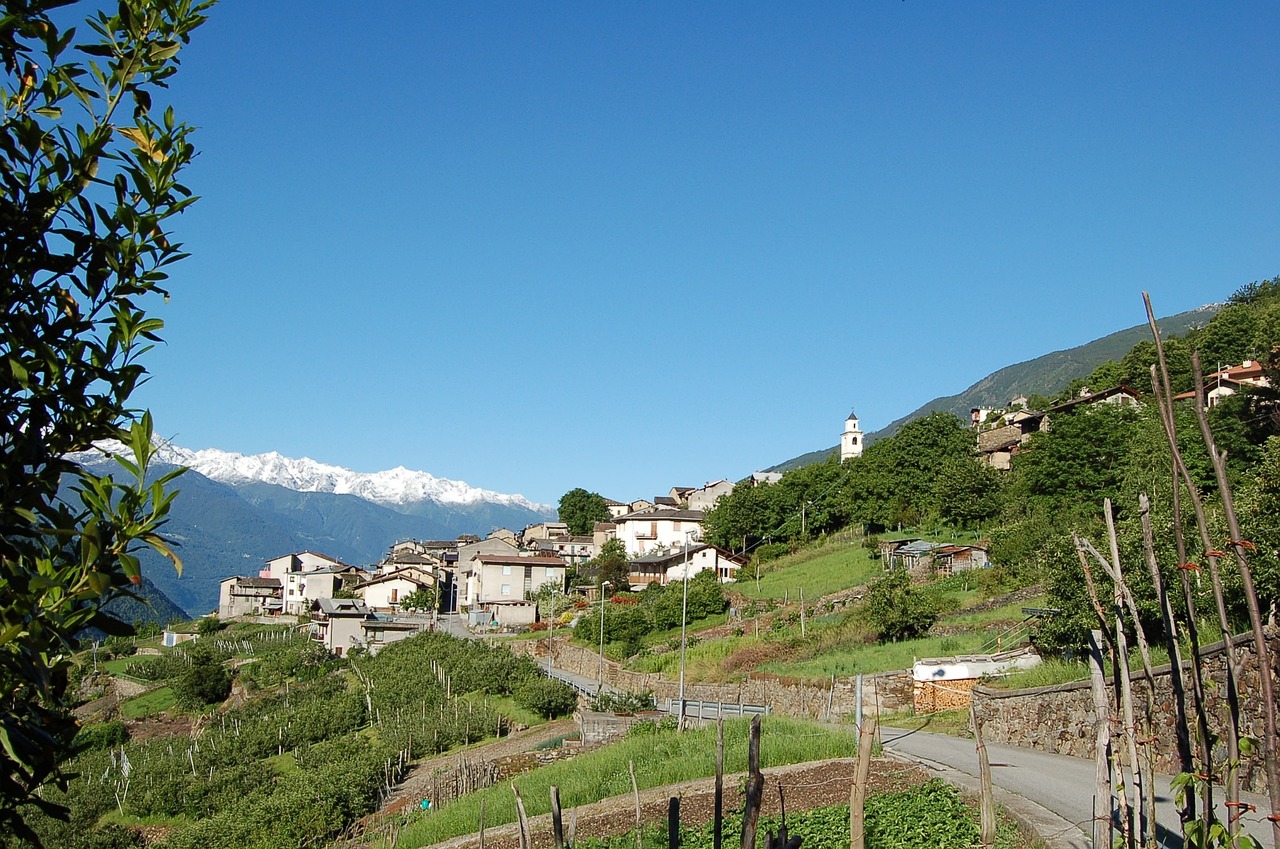
Tucked into the Valtellina valley at the very edge of Lombardy, where Italy brushes against Switzerland, Tirano is one of those places that quietly steals your heart. Most travelers know it only as the starting (or ending) point of the famous Bernina Express, but if you rush through, you miss the soul of a town that still feels authentically Alpine-Italian.
I’ve visited Tirano several times over the last decade, in different seasons – from snowy January mornings when the mountains glow pink at sunrise, to late-September afternoons when the vineyards turn gold. Each time, I’ve stayed a little longer, discovered another hidden trattoria, chatted with another winemaker, and walked another lane lined with centuries-old palazzi I somehow hadn’t noticed before.
What makes Tirano special isn’t a single wow-factor monument, but the combination of:
- Its unique position at the crossroads of Italy and Switzerland, with easy access to mountains, lakes, and historic towns.
- The Bernina railway, a UNESCO World Heritage train line that literally runs through the streets and over high Alpine passes.
- Genuinely local life – this is still a lived-in town, not a stage set; you’ll see grandmas chatting in the piazza and kids biking home from school.
- Hearty mountain cuisine like pizzoccheri, sciatt, and bresaola, paired with surprisingly refined local wines.
- Compact charm – you can walk almost everywhere, making it very manageable for families, couples, and solo travelers.
If you’re planning a 3 day itinerary for Tirano as a side trip from Milan or Lake Como, or stretching it into a 4 or 5 day itinerary for Tirano to include hiking, spas, and day trips, this travel guide will give you all the practical travel advice for Tirano you need – plus the stories and little details only come from actually wandering these streets over and over.
Table of Contents
- Why Visit Tirano
- Tirano at a Glance (2026 Overview)
- 3–5 Day Itineraries for Tirano
- Top 20+ Attractions & Detailed Guides
- Neighborhoods & Areas of Tirano
- Local Food & Drink in Tirano
- Nightlife, Entertainment & Cultural Experiences
- Day Trips from Tirano
- Cultural Etiquette & Local Customs
- Practical Travel Tips for Tirano (Money, SIM, Transport, Seasons)
- Summary & Best Time to Visit Tirano
Tirano at a Glance (2026 Overview)
Region: Lombardy, Italy – province of Sondrio, near the Swiss border.
Population: Around 9,000 residents – small enough to feel intimate, big enough to have everything you need.
Known for: The Bernina Express railway, Madonna di Tirano Sanctuary, vineyards, mountain cuisine, and its position as a gateway to the Alps and Switzerland.
Best for: Couples seeking a romantic, slower-paced escape; families combining mountains with culture; rail enthusiasts; food and wine lovers; hikers and cyclists.
Upcoming 2026–2027 Highlights:
- Bernina Railway Heritage Events (2026): Special anniversary exhibitions and themed trains are planned in both Tirano and Swiss towns along the route.
- Tirano Wine & Autumn Flavors Festival (Sept–Oct 2026 & 2027): Expanded tastings, vineyard tours, and cooking workshops around local specialties like pizzoccheri and Valtellina Superiore wines.
- Valtellina Bike & Hike Week (June 2026 & 2027): Guided tours and family-friendly events, based partly around Tirano as a starting hub.
- Restoration of historic palazzi façades: Several central buildings are undergoing careful restoration; by late 2026, the old town will look even more beautiful and photogenic.
3–5 Day Itineraries for Tirano
I’ve structured these itineraries based on trips I’ve actually taken (and re-taken) over the years. They’re designed so you can mix and match depending on whether you have 3 days in Tirano, 4 days in Tirano, or a full 5 day itinerary for Tirano. Each day mixes must-see attractions in Tirano with hidden gems, local food, and cultural experiences.
3 Day Itinerary for Tirano: Classic Highlights & Bernina Magic
Day 1 – First Taste of Tirano: Old Town, Sanctuary & Local Flavors
Whenever I arrive in Tirano, I like to drop my bag at the hotel and immediately walk – not towards the train station like most people, but into the old town. Your first day will ground you in Tirano’s history, architecture, and flavors.
Morning: Piazza Cavour & Historic Center
Start at Piazza Cavour, Tirano’s main square. Grab a cappuccino and brioche at a local bar (Bar Cavour is a solid option), and watch the rhythm of local life unfold: older men arguing about football, shopkeepers pulling up shutters, the occasional cyclist weaving through.
From here, wander the narrow streets towards the Palazzi Salis and Merizzi. I still remember the first time I stepped into Via Salis early on a misty autumn morning – the stone arches and faded coats-of-arms above doorways felt like stepping back into a Renaissance painting.
- Walk slowly; look up at balconies, carved stone windows, and wrought-iron railings.
- Duck into any open courtyards – many palazzi still hide quiet gardens and frescoes.
- Visit a small bakery to pick up local bread for later (ask for “pan di segale” – rye bread).
Late Morning: Palazzo Salis
Palazzo Salis is one of Tirano’s most impressive buildings, and it’s worth a full visit instead of a quick photo. The guided tours (usually Italian, sometimes with English summaries) take you through frescoed halls, creaking wooden floors, and a surprisingly elegant garden hidden behind the stone façade.
On my second visit, I joined a small group tour where the guide, a local art history student, pointed out details I never would have noticed on my own: tiny allegorical figures hidden in ceiling frescoes, and scratches on the stone steps where generations of boots wore them down.
- Tip: Check opening hours ahead; they’re often seasonal and may close at lunchtime.
- Family-friendly: Older kids with some interest in history or art usually enjoy the dramatic rooms and stories about noble families.
Lunch: Traditional Valtellina Cuisine
For your first meal, dive straight into local food in Tirano. Look for a trattoria or osteria serving:
- Pizzoccheri: Buckwheat pasta with cabbage, potatoes, and melted local cheese – comforting and filling.
- Sciatt: Deep-fried cheese-filled buckwheat fritters; dangerously addictive.
- Bresaola: Air-dried beef, sliced thin and often served with lemon and olive oil.
On one winter trip, I ate pizzoccheri for three meals in a row – no regrets. Do note it’s heavy, so you might want a walk afterwards.
Afternoon: Sanctuary of Madonna di Tirano
Walk (about 10–15 minutes) or take a quick local bus down the straight, tree-lined avenue to the Sanctuary of Madonna di Tirano, a masterpiece that looks like a lacework of stone against the mountain backdrop. This is where a Marian apparition was reported in 1504, and the church became a major pilgrimage site.
Inside, the Baroque interior is lavish: gilded altars, carved wooden choir stalls, and an organ that curls almost sculpturally into the air. I like visiting mid-afternoon when the sun slants through the windows and lights up the dust motes – there’s a hushed, golden light that makes even non-religious visitors pause.
- Romantic: Sit together quietly near the back, then walk hand-in-hand along the avenue as the bells ring the hour.
- Phototip: The best view is from slightly across the railway tracks, where you can frame the sanctuary with the mountains behind.
Evening: Stroll Along the Adda River
As the light softens, cross to the Adda riverfront. A gentle riverside walk helps digest that pizzoccheri and gives you wide views of the town and terraced vineyards. Locals come here to jog, walk dogs, or simply linger on benches.
Finish the day with a glass of Valtellina Superiore or Sforzato (a powerful local red wine) at a wine bar in the center. Ask for small local cheese and salumi plates – they’re often cheaper and more authentic than full tourist menus.
Day 2 – The Bernina Express & Swiss Alps Adventure
Day two is the reason many people come to Tirano at all: the legendary Bernina railway, one of the most scenic train rides in the world. But instead of treating it like a simple there-and-back, I recommend making it your full-day Alpine adventure.
Morning: Departure from Tirano Station
Tirano actually has two stations side by side: the Italian FS station and the Swiss Rhaetian Railway station. You want the RhB station for the Bernina line. Even if you’re not a train nerd, there’s something magical about watching the red carriages slide into the station with the mountains behind.
- Tip: Book your Bernina Express seats in advance (especially in summer and weekends). For more flexibility and more local feel, consider regional trains on the same line – they’re less crowded and you can hop on/off.
- Budget tip: Regional trains are cheaper and allow stops; you can still enjoy identical scenery.
On the Train: Tirano to Ospizio Bernina / St. Moritz
Leaving Tirano, the train literally runs through the streets and past the sanctuary before starting its climb. I still get a thrill when the train curves around the famous Brusio spiral viaduct, a stone loop built to gain altitude gently – cameras and phones always come out here.
As you climb, vineyards give way to forests, then larch trees, and finally bare rock and ice at the Bernina Pass. In winter, everything is buried under snow; in summer, the turquoise lakes of Lago Bianco and Lago Nero shimmer under a deep blue sky.
- Try to sit on the right side leaving Tirano for the best views on the ascent.
- Bring snacks and water; the journey is about 2–2.5 hours each way.
Midday: St. Moritz or Alp Grüm / Diavolezza
Most people go all the way to St. Moritz, and it’s fun to stroll around the lake, window-shop luxury boutiques, and maybe treat yourself to Swiss chocolate. On my first Bernina trip, I did exactly that, enjoying the contrast between down-to-earth Tirano and glitzy St. Moritz.
On later trips, I preferred stopping at Alp Grüm or taking the cable car at Diavolezza for closer contact with glaciers and hiking trails. Families with kids often love getting out to play in snow at higher elevations, even in late spring.
- Adventure option: In summer, hike a short stretch between stations (e.g., from Alp Grüm down towards Cavaglia) and catch a later train.
- Romantic: Picnic by Lago Bianco with a simple spread you bought in Tirano – bread, cheese, bresaola, fruit.
Return: Golden Hour Ride Back to Tirano
Plan your return so that you’re descending back into Italy as the light turns warm. I’ve done the route in both directions and several seasons; late afternoon light over the vineyards and stone villages is my favorite.
Back in Tirano, choose a simple pizzeria or trattoria near the center for dinner. After a full day of Alpine air, you’ll sleep deeply.
Day 3 – Vineyards, Walks & Hidden Corners
With the big-ticket sights done, your third day is about slowing down and savoring Tirano as a place to live in, not just to check off. This is where the town really shines.
Morning: Vineyard Walks & Wine Tasting
Above Tirano, vineyards climb the steep slopes in neat terraces supported by stone walls – a landscape that’s as much a cultural artifact as a natural one. I like to start early and follow small lanes up through the vines.
- Ask your hotel or tourist office for a simple vineyard walking map; some trails are signposted.
- Wear shoes with good grip; the cobbles and paths can be slippery if damp.
Many small producers offer tastings by appointment. On one spring visit, I spent a late morning in a tiny family-run cantina just above town. The owner, whose grandfather planted some of the oldest vines, poured generous glasses of Nebbiolo-based wines while telling stories of harvests in the 1960s and the hard work of maintaining the dry-stone terraces.
Even if you don’t drink much, learning about how wine shapes life here is a cultural experience in itself.
Lunch: Agriturismo or Mountain Hut
Look for an agriturismo (farm-based restaurant) in the hills above Tirano or in a nearby hamlet. You’ll often get fixed menus featuring local cheeses, cured meats, polenta, and seasonal dishes. Portions are hearty; on one July day, I ate my body weight in polenta and had to nap in the grass afterwards.
Afternoon: Hidden Lanes, Churches & Gelato
Back in town, spend the afternoon following your curiosity. Some of my favorite “hidden gems in Tirano” are tiny:
- Small, often-quiet churches with simple frescoes and creaky wooden pews.
- A narrow alley that suddenly opens onto a view of the mountains.
- Shops selling local products: buckwheat flour, mountain honey, herbal grappa.
I always make time for a stop at a gelateria. Try flavors like chestnut, local berry, or even wine-infused sorbets if available.
Evening: Sunset View & Farewell Dinner
For your last evening, climb (or drive) a bit up the slope to catch sunset over Tirano – the town lights twinkling on as the sky deepens. It’s a lovely romantic moment, but I’ve also sat here solo, feeling a deep contentment at having gotten to know this place beyond the train station façade.
Finish with one last dinner of Valtellina specialties. If you haven’t tried taroz yet (a mashed potato, bean, and cheese dish), this is your moment.
4 Day Itinerary for Tirano: Add Hiking & Thermal Relaxation
If you have 4 days in Tirano, add a day focused on nature and relaxation. I like to use this as a “breather” day between train adventures and deeper exploration.
Day 4 – Bormio Thermal Baths or Valposchiavo Hikes
You have two main options for day four, depending on whether you prefer hot water or mountain trails.
Option 1: Day Trip to Bormio & Thermal Baths
About 1–1.5 hours by bus from Tirano lies Bormio, famous for its ancient Roman thermal baths and skiing. Several spa complexes offer everything from simple pools to elaborate wellness circuits with mountain views.
- Family-friendly: Some spas are more suited to families; check age restrictions before you go.
- Romantic: Evening sessions in outdoor hot pools under the stars can be unforgettable.
I spent a chilly November day here once, soaking in hot mineral water while snowflakes started falling. By the time I rode the evening bus back to Tirano, my muscles were jelly and I slept like a rock.
Option 2: Valposchiavo & Lakeside Walking
Take a regional train up the Bernina line just one or two stops into Switzerland (e.g., Poschiavo or Le Prese) and walk along the lakes or through villages. The Valposchiavo valley has a distinct character – Swiss but with Italian influences, tidy but warm.
On a late spring visit, I walked from Le Prese along the lakeshore trail, passing cows with bells and small chapels, then caught a later train back. It’s easy, scenic, and perfect for a low-stress day.
5 Day Itinerary for Tirano: Slow Travel & Deeper Culture
With 5 days in Tirano, you can really slip into local rhythms. Build on the 3 and 4 day itineraries and add a day of deeper cultural exploration and perhaps a second, less-touristed day trip.
Day 5 – Markets, Local Crafts & Another Side of Valtellina
Morning: Market Day (Check Local Schedule)
Like many Italian towns, Tirano has regular outdoor markets where locals buy food, clothes, and household items. If your fifth day aligns with a market morning, wander the stalls:
- Sample local cheeses and cured meats.
- Pick up fresh fruit for snacks or a picnic.
- Chat (in your best basic Italian) with vendors about products.
These markets are one of my favorite cultural experiences in Tirano – no glossy brochure can replace the smell of roasting chickens, the sound of lively bargaining, and the sight of nonnas evaluating cabbage like art critics.
Afternoon: Small Museums & Craft Shops
Spend your last afternoon ducking into smaller museums (such as local history or ethnographic exhibits if open) and artisan shops. Look for:
- Wood carving or stone craftsmanship inspired by the surrounding mountains.
- Textiles and wool items – scarves, socks, and blankets for Alpine winters.
- Food products to take home: buckwheat flour, polenta mixes, jams.
Evening: Final Night, Favorite Places
On longer stays, I often end up returning to a café or restaurant that particularly charmed me earlier in the trip. You’ll probably have “your” spot by now, where the staff recognizes you with a nod. That’s when you know Tirano has shifted from destination to a small piece of your own travel story.
Top Attractions in Tirano: 20+ Detailed Highlights
Below you’ll find deeper dives into more than 20 of the best places to visit in Tirano and its immediate surroundings – not just the what and where, but the why and how, with practical tips and personal impressions.
1. Sanctuary of Madonna di Tirano
Why go: Tirano’s spiritual and architectural centerpiece; a must-see attraction in Tirano for travelers of any faith.
History & Significance: Built after a Marian apparition in 1504, the sanctuary stands at the point where the Virgin is said to have appeared to a local resident, urging the end of a devastating plague. Construction began soon after, blending late Gothic and early Renaissance elements with later Baroque interior decoration.
The tall bell tower, intricate stonework, and octagonal dome create a silhouette that’s visible from incoming trains, making it one of Tirano’s most iconic landmarks.
What I love: Sitting quietly inside during a weekday afternoon – the coolness, the soft lamp light, and the occasional local slipping in to light a candle. It’s a reminder that this isn’t just a historic monument; it’s a living place of devotion.
- Practical tips: Dress modestly (shoulders covered, no very short shorts); photography may be restricted in certain areas.
- Getting there: 10–15 minute walk from the historic center along Viale Italia; easy and flat.
- Family-friendly: Kids tend to be fascinated by the ornate organ and statues, so explain the basics of church etiquette (quiet voices, no running).
2. Bernina Express & Bernina Railway Line
Why go: UNESCO World Heritage railway line; one of Europe’s great train journeys, and a core reason to build any travel guide for Tirano around rail experiences.
History & Significance: Completed in the early 20th century, the Bernina line connects Tirano with St. Moritz across the Alps using only adhesion (no rack-and-pinion), climbing to over 2,200 meters without cogwheels. The engineering is remarkable: tunnels, bridges, and the unique Brusio spiral viaduct all allow the train to gain altitude within a relatively short distance.
Personal experience: I’ve ridden the line in all four seasons. Winter brings snow-draped forests and frozen lakes; summer offers alpine flowers and hikers waving from trails; autumn paints the larch trees gold. Every season feels like a different journey, even on the same tracks.
- Reserved Bernina Express vs regional trains: The former has panoramic windows and audio commentary; the latter has more local charm, lower prices, and flexibility to hop on/off.
- Family & romance: Families appreciate the smooth ride and frequent “wow” moments; couples can share headphones for the commentary and plan a special lunch in St. Moritz.
- Budget tip: Check for Swiss passes or combination tickets if you’re doing multiple train trips.
3. Palazzo Salis
Why go: Best preserved noble residence in Tirano; offers a glimpse into the town’s prosperous past.
History: Built by the wealthy Salis family, who played important roles in local politics and trade, this palazzo showcases the kind of wealth that flowed through Valtellina when it was an important transit route between northern and southern Europe.
My visits: The first time I visited, I rushed through, treating it like just another museum. On a later trip, I lingered in each room, letting the guide’s stories about family intrigues and social customs sink in. The difference was night and day; with context, the frescoes and furniture felt alive.
- Don’t miss: The garden in back – a tranquil space that contrasts with the more formal interiors.
- Language: Tours are mostly Italian; ask for written summaries in English if available.
4. Historic Center & Piazza Cavour
Why go: The heart of daily life in Tirano; best place for people-watching and feeling the town’s pulse.
The historic center is compact but dense: stone lanes, small piazzas, and façades that tell of centuries of trade and piety. Piazza Cavour anchors everything – in the morning, it’s about coffee; by late afternoon, spritzes and conversation.
Personal ritual: My favorite routine is an early morning walk, when the light hits the upper stories of buildings and shopkeepers sweep their doorsteps. It’s the quiet side of a town that can feel busier when day-trippers arrive for the Bernina Express.
- Architecture lovers: Look for coats-of-arms, carved stone portals, and ironwork on balconies.
- Photographers: Early and late light are best; midday can be harsh with strong contrasts.
5. Tirano Vineyards & Wine Terraces
Why go: A landscape shaped by human hands over centuries; essential to understanding local food and culture.
These terraced vineyards are built on steep slopes supported by dry-stone walls. Maintaining them is labor-intensive, which is why local wine is not the cheapest – but it’s deeply expressive of place.
My experience: Walking through the terraces in harvest season (late September/early October) is magical: the smell of crushed grapes in the air, small tractors buzzing up impossible slopes, workers singing softly as they pick.
- Safety: Stay on marked paths; don’t damage walls or vines.
- Wine tasting: Book ahead with cantine; some offer simple tastings, others full tours.
6. Adda River & Riverside Walks
Why go: Open views, fresh air, and an easy, flat walk suitable for all ages.
The Adda River is the same river that eventually flows through Lake Como. Here in Tirano, it’s a lively mountain river, sometimes gentle, sometimes roaring after rain.
Best moments: I like coming here at sunset, when locals stroll and the mountains reflect in the water. In summer, it’s cooler than the built-up center; in winter, the air feels sharp and clean.
- Family-friendly: Good for strollers and small bikes, but keep an eye on kids near the water.
- Joggers: This is the best place for a morning run if you’re trying to offset polenta overindulgence.
7. Nearby Hamlets & Hill Villages
Why go: Quiet, traditional life and wide views with minimal tourist infrastructure.
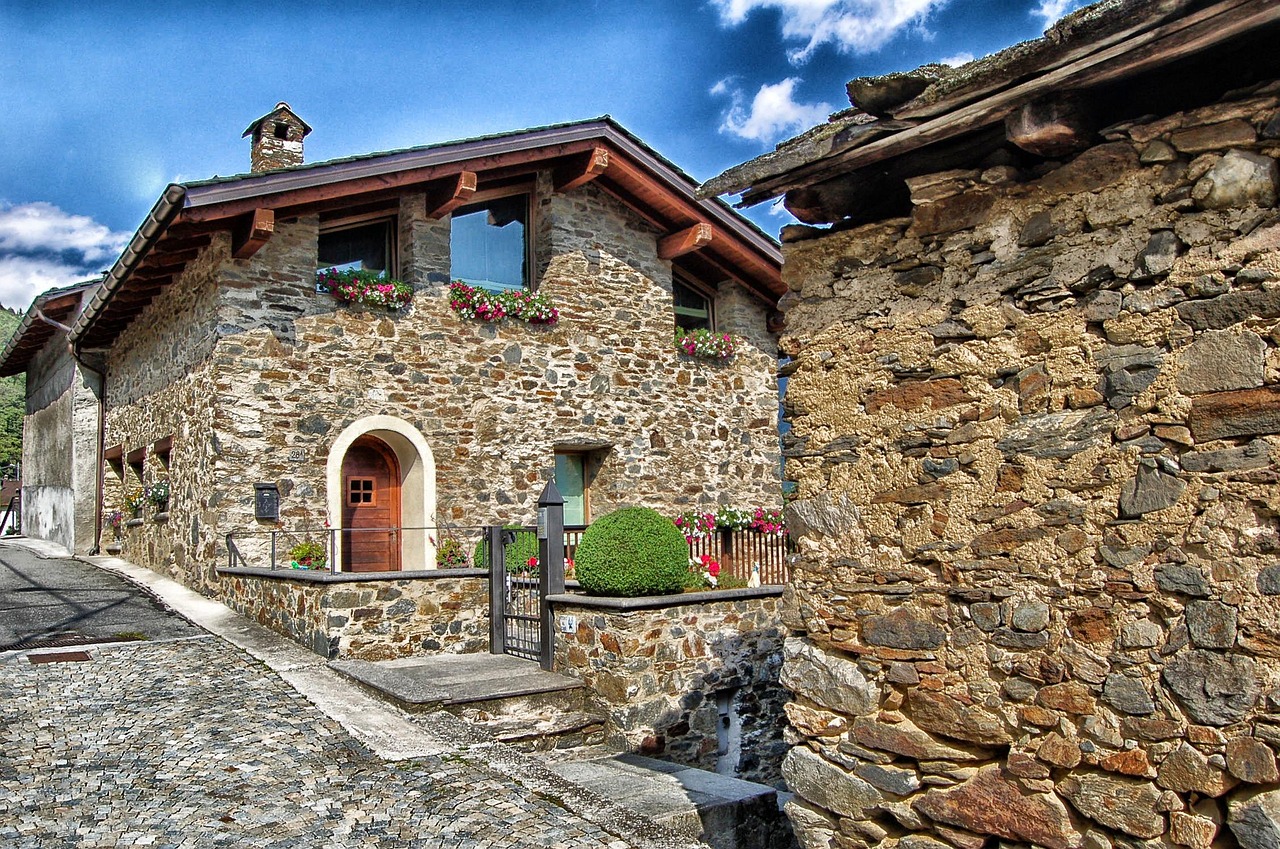
Small villages perched above Tirano offer a slower pace and a glimpse of how people have lived in this valley for generations. Stone houses, wooden balconies, small chapels – it’s all very photogenic without feeling staged.
Personal tip: Ask locals (or your accommodation host) which village they recommend – each has its own character, and your host will often suggest a place meaningful to them.
8. Lesser-Known Churches & Chapels
Why go: Intimate spaces that reveal local faith and art beyond the grand sanctuary.
Scattered through Tirano and nearby hamlets are small churches with faded frescoes, carved wooden altars, and simple stone exteriors. They’re rarely crowded; often, you’ll be alone.
On one rainy afternoon, I ducked into a tiny chapel just to get out of the drizzle and ended up sitting there for half an hour, listening to raindrops on the roof and tracing the outlines of centuries-old paintings with my eyes.
9. Bernina Railway Street Section
Why go: It’s a unique sight: trains sharing space with cars and pedestrians like a scene from a toy town.
Just outside the Swiss station and near the sanctuary, the Bernina line runs at street level. Watching the train roll slowly along the road, bells ringing and lights flashing, never stops delighting me.
Phototip: Stand well clear of tracks and follow local safety cues; never block or approach moving trains.
10. Local History & Ethnographic Corners
Why go: To put names, dates, and stories to the buildings and landscapes you’re seeing.
While Tirano doesn’t have huge blockbuster museums, small collections and exhibits (sometimes in historic buildings) tell the story of Valtellina’s agriculture, trade, and daily life.
On a particularly hot summer afternoon, I slipped into a small local exhibit mainly to cool down and ended up engrossed in old photographs of farmers building the vineyard terraces by hand.
11. Culinary Experiences: Cooking Classes & Tastings
Why go: Food is culture in Valtellina; learning to cook it is a form of cultural immersion.
Several agriturismi, restaurants, or local associations occasionally offer pizzoccheri or Valtellina cuisine cooking classes. Rolling buckwheat pasta by hand and layering it with cabbage and cheese gave me a visceral appreciation for the region’s hearty, pragmatic cooking.
- Tip: Ask your accommodation or tourist office about current offerings; they change seasonally.
- Family-friendly: Older kids often love kneading dough and making pasta shapes.
12. Tirano Festivals & Cultural Events
Why go: Live the town’s communal life with music, food, and processions.
From religious processions linked to the Sanctuary to harvest festivals celebrating wine and chestnuts, Tirano’s events add color and depth to any visit.
2026–2027 Highlights:
- Autumn Food & Wine Festivals: Street stalls, open cellars, and special menus in restaurants.
- Bernina Railway Celebrations: Photo exhibitions, guided railway history walks, and occasional vintage trains.
I stumbled into a small wine festival one October evening: the streets filled with locals, live folk music, children running between stalls, and the smell of roasted chestnuts. It felt like being welcomed into a neighborhood party rather than attending a tourist show.
13. Walking & Cycling Trails Around Tirano
Why go: To balance rich food with fresh air and to see Tirano from different viewpoints.
Marked walking and cycling paths follow the river and climb into the hills. Some are suitable for families, others for more serious hikers and cyclists.
My favorite: A loop that starts along the river, crosses into quiet farmland, then curls back via a small village with a panoramic view over Tirano’s roofs.
14. Valposchiavo (Swiss Side Trip from Tirano)
Why go: A culturally rich valley just over the border, easily reached by train.
Valposchiavo has its own identity, with Italian-speaking Swiss communities, well-kept villages, and lakes. It’s like flipping a switch from Italy to Switzerland in under an hour.
Personal note: I often treat this as “another neighborhood of Tirano” rather than a separate destination, hopping over for a few hours and then returning for dinner in Italy.
15. Bormio & the Stelvio Road (Day Trip)
Why go: Alpine drama at its finest – switchback roads, high passes, and thermal baths.
From Tirano, buses take you up the valley to Bormio, a historic town with Roman roots and a famous ski area. In summer, the Stelvio Pass road opens, drawing cyclists and drivers to its dizzying hairpins.
On one summer visit, I joined a small group drive up the Stelvio and then soaked in Bormio’s thermal waters in the afternoon – a perfect combination of adrenaline and relaxation.
16. Connection to Lake Como (Colico & Beyond)
Why go: Easy onward travel to one of Italy’s most famous lakes, making Tirano a great part of a broader northern Italy itinerary.
The railway from Tirano runs directly down the Valtellina valley to Colico on Lake Como. It’s entirely feasible to do a day trip from Tirano to the lake or to use Tirano as a stop between Switzerland and the Italian lakes.
17. Wine Cellars & Cantine
Why go: To taste the valley in a glass and talk directly with the people who make it.
Visits range from simple tastings in rustic cellars to polished experiences with elaborate pairings. I prefer the former: stone-walled rooms, old barrels, and winemakers in work clothes rather than suits.
Tip: Don’t feel pressure to buy cases of wine; a bottle or two is appreciated, but most hosts understand travelers’ luggage constraints.
18. Agriturismi (Farm Stays & Restaurants)
Why go: Stay or dine where much of your food is grown or raised on-site.
In the hills around Tirano, agriturismi offer both accommodation and meals. I once spent two nights at a small farmhouse with just four rooms, waking up to cowbells and breakfasting on homemade yogurt and jam.
This is slow travel at its best, ideal if you’re on a 5 day itinerary for Tirano and want at least one night “in the countryside” without actually going far.
19. Mountain Huts & Rifugi
Why go: For hikers and adventure seekers, rifugi offer both shelter and hearty food with spectacular views.
While more classic in higher parts of Valtellina, some rifugi can be reached within a reasonable drive and hike from Tirano. Hot polenta on a terrace with a mountain panorama is one of those “this is why I travel” moments.
20. Evening Streets & Nighttime Atmosphere
Why go: To experience Tirano when day-trippers have gone and the town belongs to locals again.
Night in Tirano is not about loud clubs or wild parties; it’s about soft lights on old stone, the clink of glasses in wine bars, the murmur of conversation in narrow lanes.
My favorite memory: Walking home after a late dinner, hearing someone practicing the accordion behind an open window, the sound drifting out into a quiet street.
Neighborhoods & Areas of Tirano
Tirano is small, but each area has its own flavor. Understanding these “micro-neighborhoods” helps you choose where to stay and what to explore.
- Historic Center (Centro Storico): Narrow lanes, palazzi, Piazza Cavour, most atmospheric in early morning and evening. Best for travelers who like being able to walk everywhere and value character over modern convenience.
- Sanctuary Area (Madonna di Tirano): Centered around the sanctuary and Bernina street-level section. A bit quieter at night; good if you’re focused on the railway and want easy access to the Swiss station.
- Riverside (Along the Adda): More open space, residential buildings, and walking paths. Good for families and runners, and often slightly cheaper accommodation.
- Hill Slopes & Vineyards: Above the town, scattered houses, agriturismi, and small hamlets. Ideal if you have a car or don’t mind steep walks and want peaceful views.
- Station Area: Around the Italian FS station; practical for late arrivals/early departures, though less charming than the old town.
Local Food & Drink in Tirano
Food in Tirano is hearty, rooted in mountain life, and perfect after long walks or cold days. Even in summer, locals happily tuck into rich dishes.
Must-Try Dishes
- Pizzoccheri: Short buckwheat tagliatelle cooked with potatoes, cabbage or chard, and layered with butter and local cheese. It’s the signature dish – order at least once.
- Sciatt: Bite-sized buckwheat fritters filled with melting cheese, usually served on a bed of salad. Great as a starter to share.
- Bresaola: Air-dried beef, often served carpaccio-style with lemon, olive oil, and maybe shavings of local cheese.
- Taroz: Mashed potatoes with beans and cheese; simple but deeply satisfying.
- Polenta: Served with stews, sausages, or melted cheese – a staple of Alpine cuisine.
- Local cheeses: Try Bitto, Casera, and other Valtellina varieties, often sold at markets or small shops.
Local Wines & Drinks
- Valtellina Superiore DOCG: Nebbiolo-based reds (locally called Chiavennasca) with elegance and structure.
- Sforzato di Valtellina: A powerful red made from partially dried grapes – excellent with rich meat dishes or aged cheese.
- Grappa: Often produced locally; some infused with herbs or fruits from the mountains.
Where to Eat & Drink (Types of Places)
- Trattorie & Osterie: Best for traditional local dishes; often family run, with seasonal menus.
- Agriturismi: For farm-to-table experiences and set menus highlighting local products.
- Wine Bars (Enoteche): Great for tasting multiple wines by the glass with small plates; also budget-friendly if you make a meal of snacks.
- Cafés & Pasticcerie: Perfect for pastry breakfasts and afternoon coffee breaks.
Money-Saving Food Tips
- Opt for set lunch menus (menu del giorno), which are cheaper than à la carte.
- Share starters like sciatt and then split a main if you’re not too hungry – portions are generous.
- Buy picnic supplies from markets or supermarkets and eat in a park or by the river; even with wine, it’s inexpensive.
Nightlife, Entertainment & Cultural Experiences in Tirano
Nightlife in Tirano is low-key and social rather than wild. Think wine bars, cafés, and occasional live music rather than clubs.
Evening Options
- Wine Bars & Cafés: Linger over a glass of Valtellina wine, spritz, or amaro; many places spill onto sidewalks in warmer months.
- Gelato Walks: Families and couples alike stroll with cones through the old town after dinner.
- Local Events: During festivals or special weekends, you might find outdoor concerts, folk dancing, or extended hours for wine tastings.
Cultural Experiences
- Religious Processions: Linked to the Sanctuary, especially around Marian feast days – powerful and photogenic, but be respectful.
- Food & Wine Festivals: Tastings, cooking demos, and street food; a great way to try many local specialties at once.
- Railway & History Exhibitions: Occasional displays about the Bernina line and Valtellina’s past.
Day Trips & Nearby Attractions from Tirano
Tirano makes an excellent base for exploring both Italy and Switzerland. Here are some of the best day trips:
- Bernina Pass & St. Moritz: As detailed above – classic Alpine railway adventure.
- Valposchiavo (Poschiavo, Le Prese): Short hops on the Bernina line for lakeside walks and Swiss village charm.
- Bormio & Stelvio Pass: For thermal baths, skiing (in winter), and dramatic mountain driving (summer).
- Sondrio & Middle Valtellina: Larger town down the valley with additional cultural sites and vineyards.
- Lake Como (Colico): Easy train ride; connect to ferries for a taste of the lake region.
Practical tip: For most of these, public transport (train/bus) is sufficient if you plan around schedules. A car offers more freedom but is not strictly necessary.
Cultural Etiquette & Local Customs in Tirano
Understanding local customs helps you connect more easily and avoid unintentional faux pas.
Everyday Etiquette
- Greetings: A simple “Buongiorno” (good day) or “Buonasera” (good evening) goes a long way in shops and cafés.
- Quiet in Churches: Keep voices low, dress modestly, and avoid phone use inside; ask before taking photos.
- Table Manners: Don’t rush meals; coffee is quick, but lunch and dinner are meant to be savored.
- Tipping: Not obligatory but appreciated – round up or leave a small amount if service was good.
Local Rhythms
- Riposo (Midday Break): Some shops close for lunch/afternoon; plan shopping for morning or late afternoon.
- Sunday: Quieter, with more focus on family and church; some businesses closed.
- Festivals: During religious processions, step aside respectfully; don’t push for photos.
Dress & Behavior
- Comfortable but neat clothing is fine; sportswear is common for hikers but less so in town at dinner.
- Public drunkenness is frowned upon; locals drink but rarely overdo it in public spaces.
Practical Travel Tips for Tirano (2026–2027)
Getting To & Around Tirano
By Train:
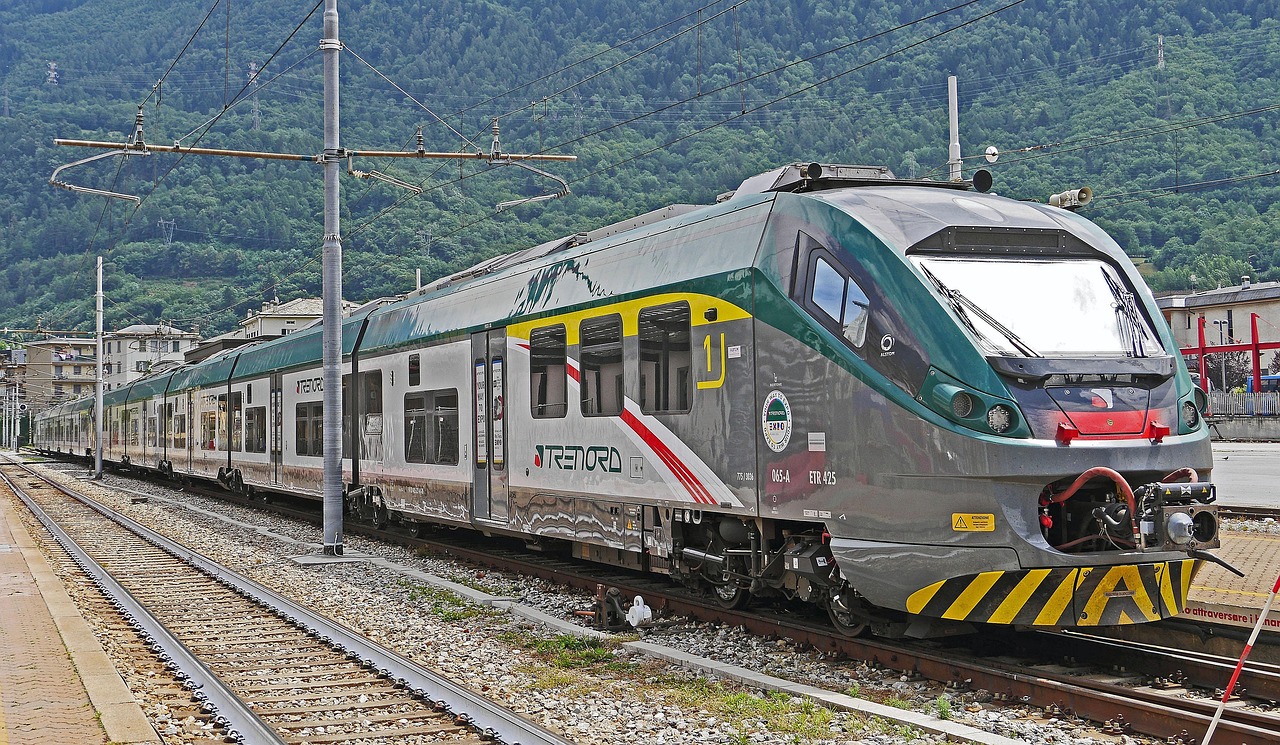
- Direct regional trains from Milan via Lecco and Sondrio (about 2.5–3 hours).
- Direct trains from Colico (Lake Como) down the Valtellina valley.
- Bernina line trains to/from St. Moritz and intermediate Swiss destinations.
By Car:
- Scenic but winding mountain roads; winter driving requires snow tires or chains.
- Parking is available but can be limited in the historic center; many accommodations have parking or can advise.
Within Tirano:
- The town is very walkable; most attractions are within 10–20 minutes on foot.
- Local buses connect Tirano with nearby villages and Bormio; check current timetables.
- Taxi services exist but are fewer than in big cities; arrange in advance if needed early/late.
Car Rental & Foreign Licenses
- Major rental offices are more common in larger cities; you may pick up a car in Milan or Sondrio and drive to Tirano.
- Most visitors from outside the EU/EEA should carry an International Driving Permit (IDP) alongside their home license when driving in Italy in 2026–2027.
- Always check your rental company’s policy; some require an IDP regardless of nationality.
Money & Costs
- Currency: Euro (€) in Tirano (Italy), Swiss Franc (CHF) over the border; many places near the border take cards widely.
- ATMs are available in town; cards accepted in most hotels, restaurants, and larger shops.
- Tirano is generally cheaper than major Italian cities or Swiss resorts, especially for food and accommodation.
SIM Cards & Connectivity
- For EU travelers, roaming within the EU typically remains straightforward; confirm with your provider.
- Non-EU visitors can buy Italian prepaid SIM cards (TIM, Vodafone, WindTre, Iliad) in larger towns or at airports before arriving in Tirano.
- 2026–2027: eSIM options are increasingly common; consider purchasing an Italy or Europe eSIM online before arrival.
- Coverage in Tirano is generally good; in remote mountain areas, signal may be weaker.
Visas & Entry Requirements
- Tirano is in Italy, part of the Schengen Area. Travelers from many countries can enter visa-free for short stays; others need a Schengen visa.
- From 2026, the EU is expected to implement ETIAS (travel authorization) for some visa-exempt nationals; check the latest requirements before your trip.
- If you plan to cross into Switzerland (e.g., on the Bernina line), ensure your visa or visa-free status covers both Schengen and Switzerland as required.
Best Seasons to Visit Tirano
- Spring (April–June): Mild weather, blossoming valleys, good for hiking without extreme heat. Some higher passes may still have snow in early spring.
- Summer (July–August): Warm to hot in the valley, perfect for high-altitude hikes and lake trips; also the busiest and pricier period.
- Autumn (September–October): My personal favorite – vineyards turn gold, food festivals abound, comfortable temperatures, and ideal for both a 3 day itinerary for Tirano and longer stays.
- Winter (November–March): Quiet, with possibility of snow in Tirano and guaranteed snow at higher elevations. Great for combining Bernina Express with skiing (Bormio, Swiss resorts) and for a cozy, romantic stay.
Saving Money in Tirano
- Choose local guesthouses or agriturismi instead of large hotels.
- Use regional trains instead of the Bernina Express panorama coaches if your budget is tight.
- Eat main meals at lunch with fixed-price menus; go simpler at dinner with pizza or panini.
- Take advantage of free activities: walking the old town, riverside, vineyards, and small churches.
Hidden Tips Only Regular Visitors Tend to Know
- Early & late are magic: Plan your old town exploration for early morning or after 5pm when day-trippers thin out.
- Market days: Check with your accommodation which day is market day – it changes the feel of the whole town and is worth planning around.
- Festival overlap: If your dates are flexible, try to align your trip with a food or wine festival; the atmosphere is fantastic and you’ll taste more for less.
- Ask locals for viewpoints: People are often happy to point you to their favorite sunset spots above town – these are rarely in guidebooks.
Summary: Key Takeaways & Final Recommendations
Tirano may appear modest on a map, but it’s a rich base for 3, 4, or 5 days of culture, food, and alpine adventure. Whether you’re crafting a 3 day itinerary for Tirano around the Bernina Express and the sanctuary, or a leisurely 5 day itinerary for Tirano including vineyards, hikes, day trips, and thermal baths, this small border town rewards those who slow down.
Best seasons:
- Autumn (Sept–Oct) for food, wine, and golden vineyards.
- Late spring & early summer (May–June) for hiking and milder weather.
- Winter (Dec–Feb) if you love snow, cozy meals, and combining Tirano with skiing and a snowy Bernina ride.
If you come only to board the Bernina train and leave, you’ll have seen a stunning railway. If you stay a few nights – tasting pizzoccheri, walking the river at sunset, listening to church bells from your window – you’ll have met a town with its own quiet, enduring charm. And that, for me, is what makes Tirano worth more than just a quick stop: it’s a place that still feels real, lived-in, and ready to welcome curious travelers who take the time to look a little closer.