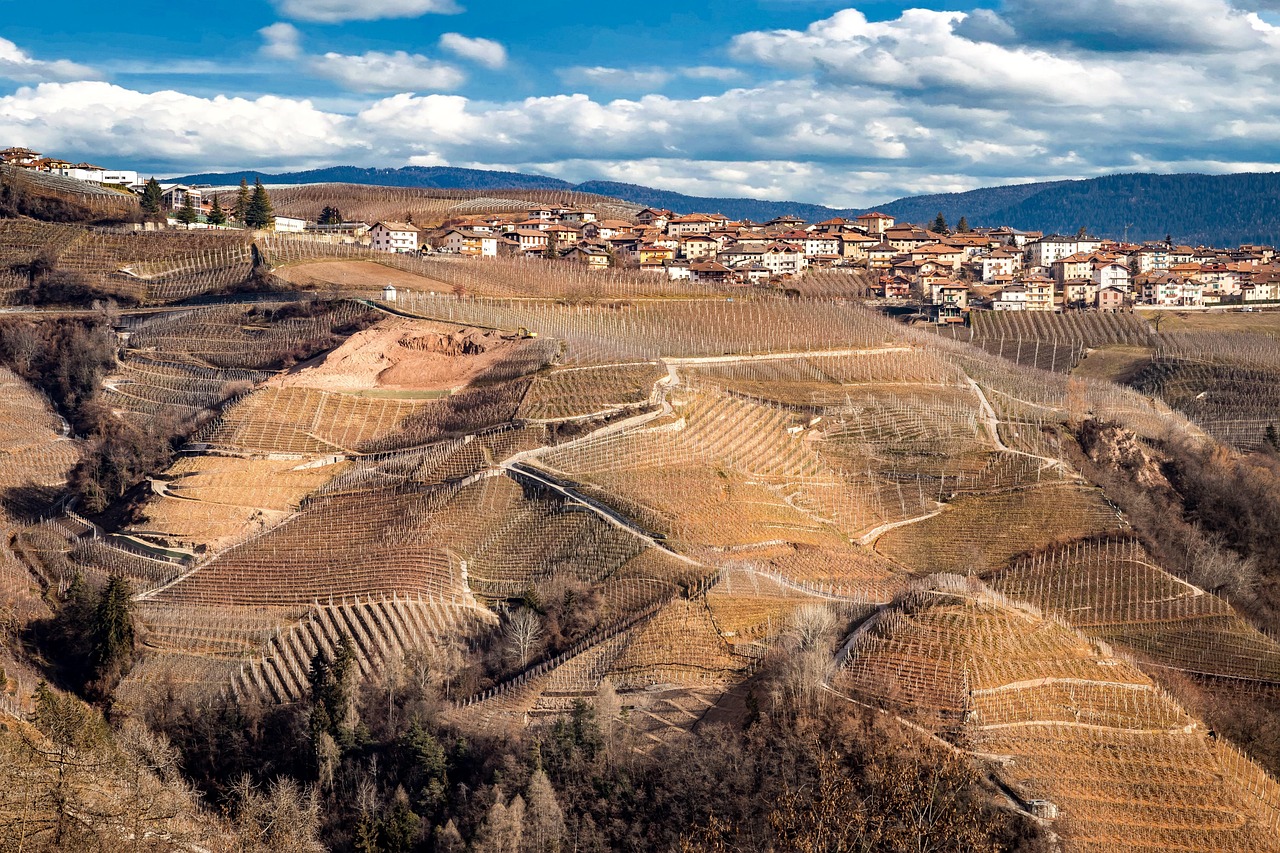
Why Visit Trento?
If you only know Italy as Rome–Florence–Venice, Trento feels like a secret someone finally let you in on. Tucked between the Dolomites and the Adige River, it’s a city where Alpine crispness meets Italian warmth: frescoed palaces, mountain silhouettes at every corner, and a food culture that happily borrows the best from both Italy and Austria.
I’ve been returning to Trento for over a decade—winter ski weekends, lazy late-summer escapes, and one unforgettable New Year’s Eve in the main square. What always strikes me is how livable it feels: walkable, bike-friendly, full of students and locals who still use the piazzas as their living room.
Trento is perfect if you’re looking for:
- History without the crowds: Council of Trent, medieval castles, Renaissance frescoes—usually without the shoulder-to-shoulder tour groups.
- Nature at your doorstep: A cable car from downtown to a panoramic village, easy access to Dolomite hikes, lakes, vineyards, and ski resorts.
- Food that surprises: Canederli and speck next to perfect espresso; mountain cheeses, polenta, wild game, and excellent local wine (hello, Trentodoc sparkling).
- Family-friendly calm: Safe streets, parks, kid-friendly museums, and lakes nearby.
- Romantic corners: Piazza Duomo at blue hour, riverside walks, vineyard sunsets, cozy wine bars.
- Affordable Italy: Compared to the big-name cities, Trento is kinder to your budget—especially on food, accommodation, and activities.
This 2026 travel guide for Trento is structured to help you plan 3, 4, or 5 days in Trento, but also to work if you’re just dropping in for a quick overnight. I’ll share the must-see attractions in Trento, my favorite hidden gems, and a very honest take on local customs, cultural experiences, and travel tips for Trento.
Table of Contents
- Why Visit Trento?
- 3–5 Day Itineraries for Trento
- 20+ Must-See Attractions & Personal Stories
- Neighborhoods & Areas of Trento
- Local Food in Trento & Where to Eat
- Nightlife & Cultural Experiences
- Best Day Trips from Trento
- What’s New: Events 2026–2027
- Cultural Etiquette & Local Customs
- Practical Travel Advice for Trento
- Summary & Best Time to Visit Trento
How Many Days in Trento? 3, 4, and 5 Day Itineraries
If you’re planning 3 days in Trento, you can comfortably see the city’s historic core and one or two nearby highlights. 4 days in Trento lets you add a proper mountain or lake day. With a full 5 days in Trento, you can weave in wine country, small villages, and more relaxed wandering.
Below you’ll find my recommended itineraries, written as if I’m walking alongside you. Adjust them depending on your pace, season, and interests.
3 Day Itinerary for Trento
This 3 day itinerary for Trento focuses on the city’s essentials, a taste of the mountains, and one classic castle. It’s ideal for first-timers and works well for couples, families, or solo travelers.
Day 1: Historic Trento & Piazza Life
I always tell friends: don’t rush your first morning. Trento reveals itself best at a walking pace.
- Morning – Piazza Duomo & Cathedral: Start at Piazza Duomo, the heart of Trento. Grab a cappuccino at a café on the square and just watch the city wake up. Then visit Trento Cathedral (Duomo di San Vigilio). Go down to the archaeological area under the church to see early Christian remains—it’s my favorite “hidden” layer of the city.
- Late Morning – Palazzo Pretorio & Diocesan Museum: Step into the Museo Diocesano Tridentino in Palazzo Pretorio. Even if you’re not a “museum person,” the frescoed halls and views over the square are worth it.
- Lunch – Simple Local Trattoria: Choose a trattoria near Via Oss Mazzurana and order canederli (bread dumplings) with melted butter and sage, plus a glass of local Teroldego red wine.
- Afternoon – Wander the Old Town: Stroll Via Belenzani, admiring the painted façades. Peek into side streets; some of my favorite photos of Trento’s architecture came from detours down random alleys.
- Sunset – Adige River Walk: Cross one of the bridges and walk along the river. In summer, this is where locals jog, walk dogs, and cycle.
- Evening – Aperitivo in the Square: Join the locals for an aperitivo back in Piazza Duomo or at a wine bar in the center. A spritz or a glass of Trentodoc with a plate of snacks is the perfect way to end your first day.
Day 2: Castles & Science
On your second day, combine Trento’s most famous castle with one of Italy’s best science museums—great for families and curious adults.
- Morning – Buonconsiglio Castle: Head early to Castello del Buonconsiglio, Trento’s landmark fortress. Leave at least 2–3 hours. Don’t miss the Ciclo dei Mesi frescoes in Torre Aquila; they’re like a medieval Instagram feed of seasonal life.
- Lunch – Castle Area: Nearby osterie serve hearty mountain dishes. In cooler months, I go for polenta with venison or mushrooms.
- Afternoon – MUSE Science Museum: Walk (or take a quick bus) to MUSE – Museo delle Scienze, housed in a striking Renzo Piano–designed building. The suspended skeletons and interactive exhibits make it brilliant for kids; the sections on Alpine ecosystems and climate are genuinely fascinating.
- Evening – Modern Trento & Dinner: Explore the modern Le Albere district around MUSE, then head back into the old town for dinner. Try a place that does both pizza and regional dishes if you’re traveling with picky eaters.
Day 3: Mountains Above the City – Sardagna or Monte Bondone
You can’t say you’ve truly seen Trento without looking down on it from above.
- Option 1 – Sardagna Cable Car (easy, half-day): Take the Trento–Sardagna cable car from near the river (operates most of the year; check hours in winter). In a few minutes you’re on a panoramic terrace above the city. It’s an easy, family-friendly outing, with short walks and a bar where you can linger over coffee or a Spritz.
- Option 2 – Monte Bondone (full-day, active): If you have a full day and want a taste of the Dolomites without a long transfer, head to Monte Bondone. In winter, it’s a ski area; in summer, it’s hiking, biking, and wildflower meadows. Buses connect from Trento (especially in high season).
- Evening – Farewell Stroll & Gelato: Back in town, stroll once more through the center and reward yourself with gelato—pistachio and local berry flavors are my go-tos.
4 Day Itinerary for Trento
For a 4 day itinerary for Trento, follow the 3-day plan and add one full day exploring either a lake or wine country.
Day 4: Lake or Wine Country Escape
- Option 1 – Lake Garda (Riva del Garda): Take a train or bus to Riva del Garda. Spend the day walking the lakeside promenade, exploring the old town, or even trying windsurfing. Families can take a boat trip; couples might prefer a long lakeside lunch.
- Option 2 – Piana Rotaliana Wine Country: Head north into the Piana Rotaliana, home of Teroldego and other Trentino wines. Many wineries welcome visitors for tastings (book ahead). Cycling through the vineyards is one of my favorite summer activities.
5 Day Itinerary for Trento
With 5 days in Trento, you can slow down and layer in more hidden gems in Trento and a second day trip.
Day 5: Villages, Forts, or Another Mountain Day
- Option 1 – Pergine & Valsugana: Take the train east toward Pergine and the Valsugana. Explore a smaller town, walk along one of the lakes, and enjoy a quieter side of Trentino.
- Option 2 – Forts of Trentino: History fans can visit one of the Austro-Hungarian forts in the region (like Forte Cadine near Trento), learning about the First World War and the region’s borderland past.
- Option 3 – Another Day on Monte Bondone: If you fell in love with the mountain air, go back—try a different trail, or, in winter, another day of skiing.
The rest of this guide dives much deeper into each attraction and experience so you can customize your own perfect 3, 4, or 5 day itinerary for Trento.
20+ Must-See Attractions in Trento (with Personal Stories & Tips)
These are the best places to visit in Trento, from iconic landmarks to small surprises. I’ve organized them roughly from most famous to more off-the-beaten-path, but don’t feel you have to tick them all off; Trento rewards slow, curious wandering.
1. Piazza Duomo & Neptune Fountain
Why it’s special: This is Trento’s living room—ringed with frescoed palazzi, anchored by the cathedral, and watched over by the baroque Neptune Fountain. Every time I arrive in Trento, I drop my bags and walk straight here.
History & significance: Since medieval times, Piazza Duomo has been Trento’s civic and religious center. The 18th-century Neptune Fountain became a city symbol; during festivals, you’ll sometimes see costumed parades and concerts right here.
My experience: One January, I sat at a café under outdoor heaters, wrapped in a blanket, sipping hot chocolate so thick it almost held the spoon upright. Snow dusted the rooftops, and the square felt like a film set. In September, I’ve seen it packed with students celebrating the start of university term, guitars and laughter echoing off the stone.
Tips for visitors:
- Best time: Early morning for quiet photos; late afternoon for people-watching; evening for aperitivo.
- Family-friendly: Kids can run safely in the pedestrianized square, but keep an eye near the fountain steps.
- Romantic: Come at blue hour when the sky turns deep indigo and the buildings glow golden.
2. Trento Cathedral (Duomo di San Vigilio)
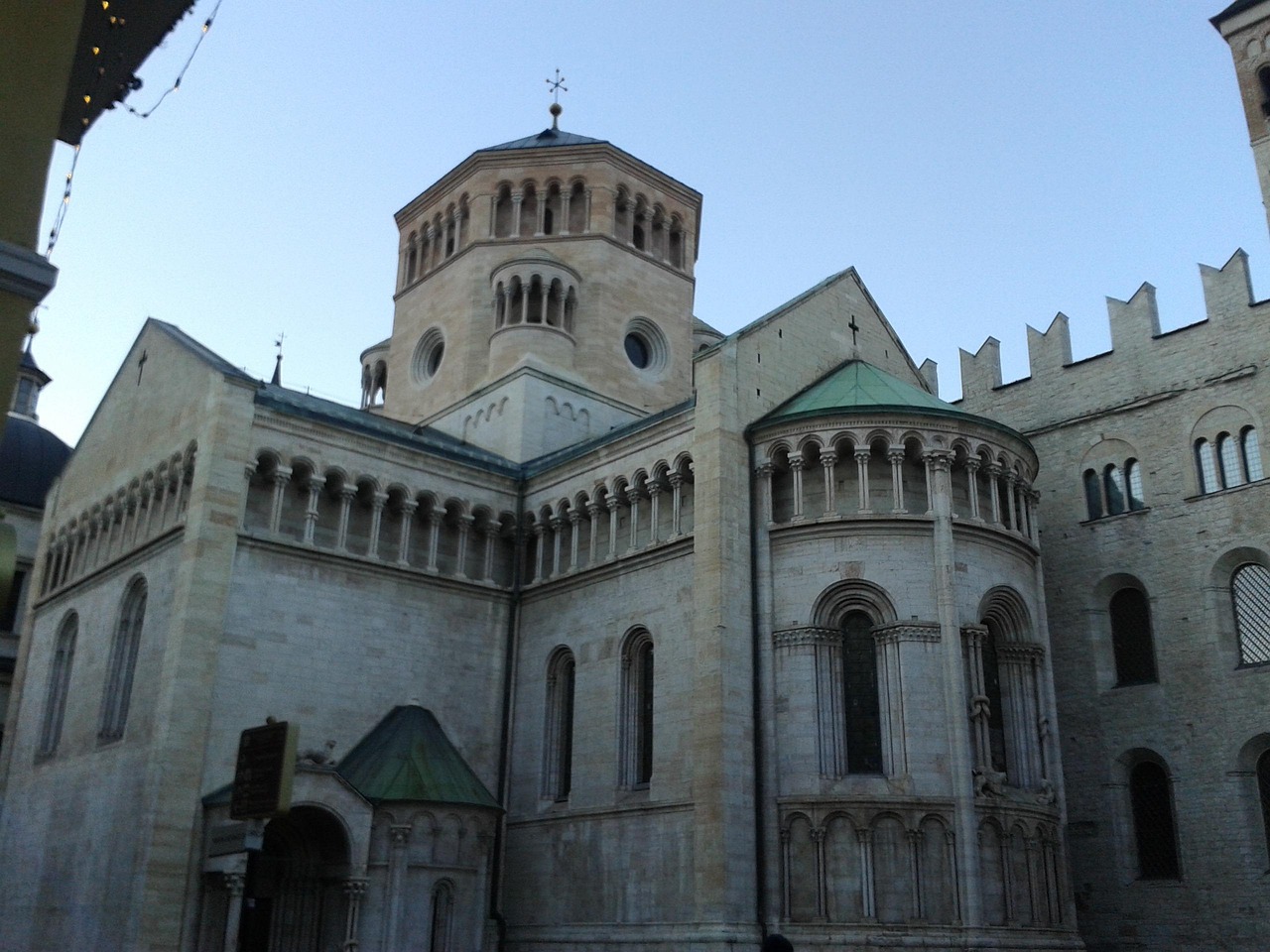
Why it’s special: Beyond its Romanesque beauty, this is where the historic Council of Trent took place (1545–1563), a turning point in Catholic history.
History & significance: Built over an early Christian basilica, the cathedral’s layered history is literally visible if you visit the archaeological area beneath. The Council met here and in adjacent buildings, shaping the Counter-Reformation and influencing art, music, and education across Europe.
My experience: I still remember the hush underground, looking at the remains of mosaics and old walls, feeling the centuries stack up. On one visit in 2024, I stumbled into a choir rehearsal—voices filling the nave, candles flickering. It felt like a free private concert.
Tips for visitors:
- Dress code: Shoulders covered, no super-short shorts; it’s an active place of worship.
- Don’t miss: The crypt and archaeological area; check posted times for visits.
- Photography: Be discreet, especially if a service is in progress.
3. Castello del Buonconsiglio
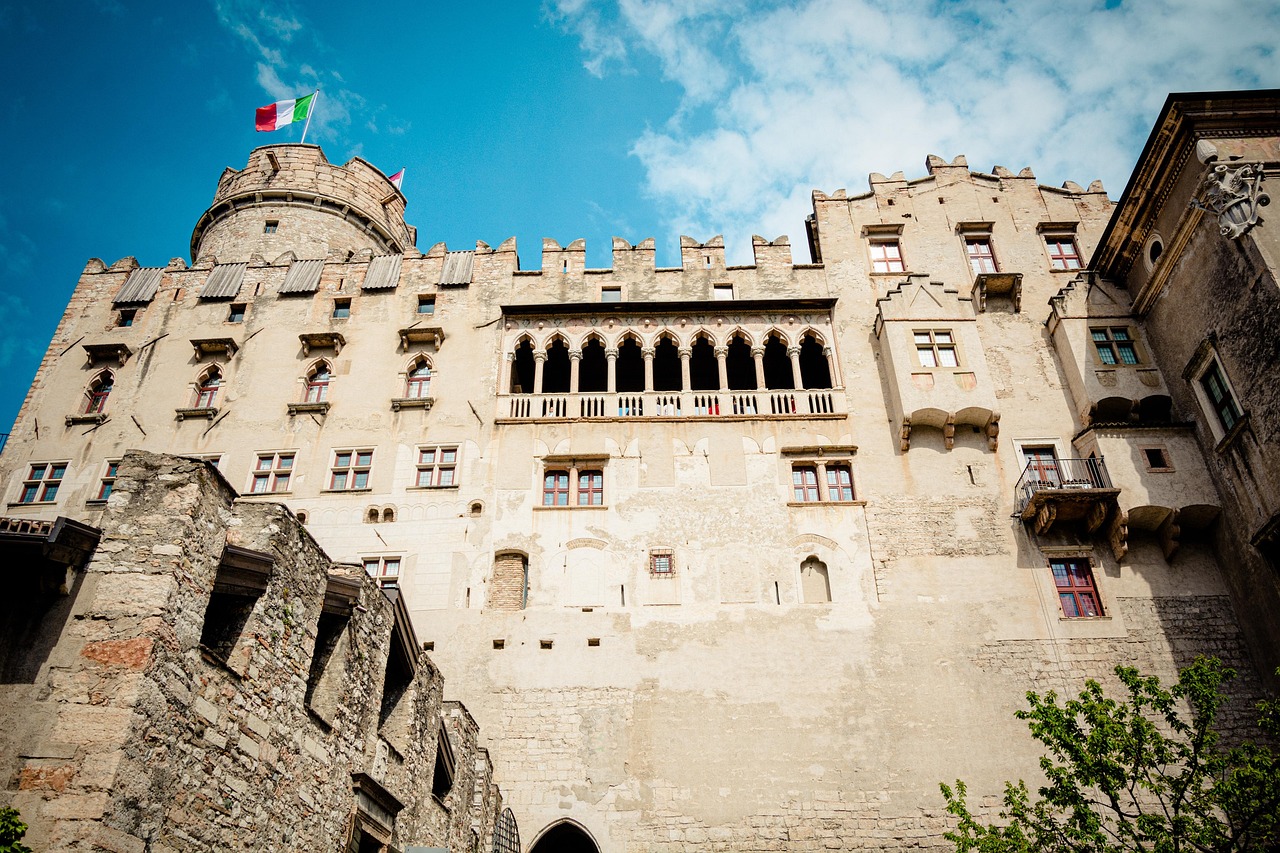
Why it’s special: Trento’s castle is not just one building but a complex of towers, loggias, gardens, and frescoed halls. It’s the city’s single most important historic monument.
History & significance: From the 13th to the 18th century, Buonconsiglio was the residence of the Prince-Bishops who ruled Trento. Over time, each era added something: medieval fortifications, Renaissance loggias, baroque details. The jewel is Torre Aquila, with its Ciclo dei Mesi frescoes—month-by-month scenes of medieval life, invaluable to historians for their detail.
My experience: I’ve visited at least five times. The first, I rushed; the second, I slowed down, sitting in the courtyard garden with a notebook, listening to the fountain and church bells. In 2022, I took my niece—she loved the tower and the “secret” stairways. We played a game spotting the funniest details in the frescoes (a noble slipping on ice in the winter scene won).
Practical tips:
- Time needed: 2–3 hours minimum; more if you like art and history.
- Tickets: There’s often a combined ticket with other city museums; ask at the desk.
- Family-friendly: Yes—lots of space to roam, occasional special exhibits for kids.
- Seasonal note: In summer, the gardens are lovely; in winter, parts can be chilly inside, so bring a layer.
4. MUSE – Museo delle Scienze
Why it’s special: Designed by Renzo Piano, this glass-and-steel science museum is as much about the building as the exhibits. It’s a must for families and science lovers.
What to expect: Multiple floors connected visually by an open atrium, with suspended dinosaur skeletons and animals. Exhibits cover Alpine ecosystems, geology, climate change, and more, with plenty of hands-on experiments.
My experience: The first time I went, I intended to “quickly check it out” and ended up staying over three hours. I lost track of time in the section about glaciers and climate change, which feels particularly poignant when you can literally see the mountains out the window. On a rainy autumn day in 2023, it was packed with local families—kids racing between experiments while parents sipped coffee in the café.
Tips:
- Great for: Rainy days, families, science and nature enthusiasts.
- Tickets: Consider buying in advance during high season or weekends.
- Time needed: 2–4 hours depending on your interest level.
5. Trento–Sardagna Cable Car & Viewpoint
Why it’s special: In a few minutes, you’re lifted from city streets to a panoramic balcony over Trento and the Adige Valley.
My experience: My favorite memory is a summer evening ride. The cable car rose just as the city lights flickered on. At the top, couples were leaning on the railing with glasses of wine, kids were playing near the viewpoint, and the mountains turned purple in the fading light.
Tips:
- Best time: Late afternoon into sunset; mornings can be hazier.
- Seasonality: Check maintenance closures, often in off-season.
- Accessibility: Easier than a full mountain hike; suitable for most visitors.
6. Monte Bondone
Why it’s special: Trento’s “home mountain” offers skiing, snowshoeing, and sledding in winter; hiking, mountain biking, and wildflowers in summer. It’s the outdoor playground locals actually use.
My experience: I’ve skied Bondone on “local days” when you’ll barely hear a foreign language. In summer, I’ve hiked the Viote plateau, picnicking among wildflowers with a view of distant peaks. Once in early June, a surprise storm rolled in—within 20 minutes, the blue sky turned steel-gray, reminding me how quickly mountain weather shifts.
Tips:
- Getting there: Buses from Trento (more frequent in winter and high summer).
- Family-friendly: Yes—gentle slopes and kids’ areas in winter; easy trails in summer.
- Gear: You can rent skis and snowboards on the mountain.
7. Adige River Walks & Bridges
Why it’s special: The Adige gives Trento breathing room. Paths along the river are perfect for walks, runs, and bike rides.
My experience: In late spring, I like to run along the river in the early morning. The city is quiet, the water moves steadily beside you, and the mountains catch the first light. On lazy afternoons, I’ve strolled with gelato, stopping on bridges to watch rowers and kayakers glide by.
Tip: If you rent a bike, this is one of the safest and most scenic routes—flat and mostly separated from traffic.
8. Via Belenzani & Frescoed Palaces
Why it’s special: This elegant street north of Piazza Duomo is lined with Renaissance palaces whose facades are literal works of art.
My experience: I’ve walked Via Belenzani in rain, snow, and blazing sun. One of my quiet joys is noticing how the colors of the frescoes change with the light—muted pastels on cloudy days, almost glowing on clear evenings. It’s easy to rush past; slow down and look up.
Tip: Many visitors snap one photo and move on. Instead, walk the street twice—once on each side—to appreciate different details.
9. Museo Diocesano Tridentino
Why it’s special: Located in Palazzo Pretorio, this museum quietly holds centuries of religious art and artifacts, plus lovely views over Piazza Duomo.
My experience: I ended up here on a hot July afternoon, looking for air conditioning, and stayed for the collection. The textiles and illuminated manuscripts surprised me the most. From one window, I watched people moving through the square below, tiny in the sun, while I stood in a cool, frescoed hall.
Tip: Combine this with a cathedral visit; they complement each other historically and thematically.
10. Church of Santa Maria Maggiore
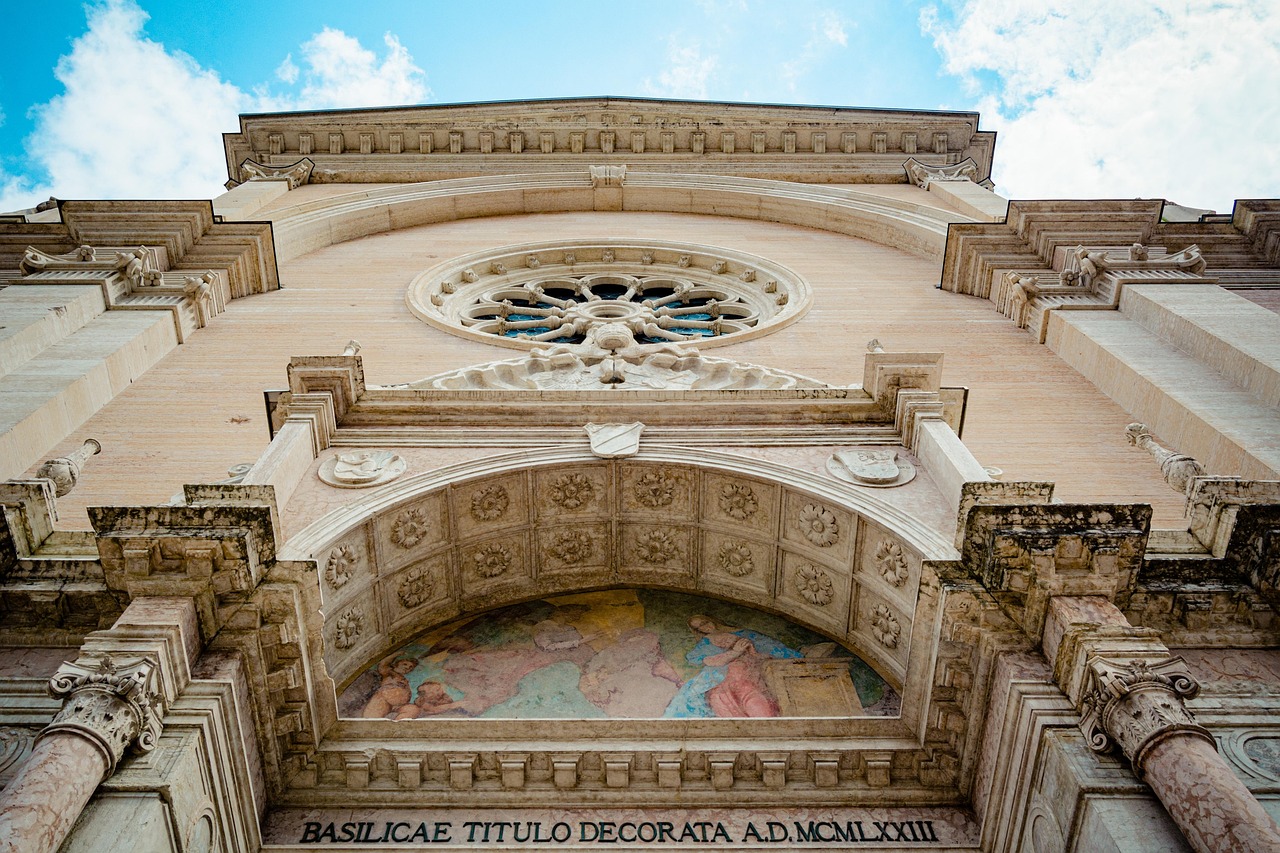
Why it’s special: Less imposing than the cathedral, this church is intimately tied to the Council of Trent and holds its own quiet charm.
My experience: I ducked in once during a summer storm. The rush of rain outside made the interior feel even more peaceful. A small sign explained the church’s role in the Council of Trent—a reminder that big historical events happened in very human-sized spaces.
11. Underground Roman Tridentum (S.A.S.S.)
Why it’s special: Beneath modern Trento, you can walk through the remains of Roman streets, houses, and mosaics.
My experience: For history lovers, this is gold. I’ve gone twice: once with a guide, once alone. With a guide, the site came alive—stories of shopkeepers, families, and soldiers. Alone, it felt more meditative, like walking through a ghost city.
Tip: Wear something warm; even in summer, underground areas can be cool and slightly damp.
12. Le Albere District & Contemporary Trento
Why it’s special: This eco-friendly district around MUSE shows Trento’s modern side—green spaces, canals, contemporary architecture.
My experience: I once stayed in an apartment here for a week. Mornings meant jogging along the river, afternoons working in a café, evenings watching families and students use the public spaces. It feels very different from the old town but still distinctly Trentino in its scale and materials.
13. Trento Fiere & Seasonal Markets
Why it’s special: Trento’s fairgrounds and seasonal markets—especially at Christmas—are central to local life.
My experience: The Trento Christmas Market is one of my favorite winter experiences: wooden stalls, mulled wine, local crafts, and food like strauben (fried dough) dusted with sugar. If you’re here in late November or December, this is a must.
14. Parks & Green Spaces (Parco delle Albere & Beyond)
Why it’s special: For a city of its size, Trento is generous with green spaces—parks that give locals room to breathe and visitors places to rest.
My experience: On warm afternoons, I often grab a takeaway sandwich and sit in a park, watching kids chase each other, students study, and dogs rule the grass. It’s an easy way to feel the city’s rhythms.
15. Forte Cadine (World War I Fort)
Why it’s special: This Austro-Hungarian fort just outside Trento brings to life the region’s role as a frontier in the First World War.
My experience: I visited on a gray day that suited the mood. Walking the tunnels and gun positions, you get a sobering sense of what it meant for this beautiful landscape to be a battlefield. Panels are well done, even if you don’t know much about the period.
16. Basilica di San Lorenzo
Why it’s special: Less visited than the cathedral, this Romanesque church is a calm, atmospheric stop for architecture lovers.
My experience: I’ve often found it almost empty. The simplicity of the stone arches and the filtered light make it a good place to sit and rest your feet—and your mind—between busier sights.
17. University Quarter & Student Life
Why it’s special: Trento is a university city, and the presence of students keeps it lively and surprisingly cosmopolitan.
My experience: I love grabbing a cheap lunch or espresso near the university buildings; the energy is different, more informal. Notice the posters for concerts, talks, and student events—sometimes they’re open to the public.
18. Trento Local Markets
Why it’s special: Weekly markets (often in and around Piazza Duomo or other central squares) are where you see everyday Trentino life in full color.
My experience: I’ve bought everything from strawberries in late spring to mountain cheeses and cured meats. Vendors are usually happy to give samples if you show genuine interest and attempt a few Italian phrases.
Tip: Markets are also a great budget breakfast or picnic option—grab fruit, bread, and cheese and you’re set.
19. MART Rovereto (Easy Day Trip)
Why it’s special: Technically in nearby Rovereto (about 20–30 minutes by train), the MART museum is one of Italy’s leading modern and contemporary art museums.
My experience: I’ve made several half-day trips here from Trento. The building itself—domed, airy, opening onto a central piazza—is part of the appeal. Exhibits are well-curated, and the town of Rovereto is pleasant to wander afterwards.
20. Valsugana & The Lakes (Caldonazzo & Levico)
Why it’s special: East of Trento, the Valsugana valley hides two beautiful lakes—Caldonazzo and Levico—popular with local families and still relatively low-key compared to Lake Garda.
My experience: I’ve swum in both on hot July afternoons. The water is refreshing but not icy, and the surrounding hills feel gentler than the drama of the Dolomites. Paddleboard rentals, pedal boats, and simple lakeside trattorie make this ideal for a relaxed day.
Tip: Easy to reach by train from Trento; look for stops named after the lakes.
Neighborhoods & Areas to Explore in Trento
Historic Center (Centro Storico)
This is where you’ll likely stay and spend most of your time: cobbled lanes, Renaissance palaces, small shops, and the main things to do in Trento packed into a walkable grid.
- Vibe: Lively but not chaotic, with a mix of locals, students, and visitors.
- Best for: First-timers, evening strolls, café hopping, architecture lovers.
- Local tip: Explore side streets parallel to the main shopping axis; prices drop and authenticity rises.
Le Albere & MUSE District
A newer neighborhood south of the center, built on former industrial land.
- Vibe: Modern, airy, with a focus on sustainability and public space.
- Best for: Contemporary architecture, science museum visits, riverside runs.
- Local tip: Good place to find apartment rentals if you like quiet evenings.
San Martino & Piedicastello
Across the river from the center, these areas feel more residential and authentic.
- Vibe: Everyday Trento—bakeries, small bars, families, and older residents.
- Best for: Seeing local life, cheaper eats, quiet walks.
- Local tip: Some of my favorite budget-friendly trattorie are here; menus often aren’t translated, which I count as a good sign.
Hillside Villages (Sardagna, Povo, Cognola)
Perched above Trento, these villages offer views, fresh air, and a different pace.
- Vibe: Quiet, residential, with vineyards and gardens.
- Best for: Half-day escapes, sunset views, wine tastings (in some cases).
- Local tip: If you have a car or don’t mind uphill buses, staying up here can be magical in summer.
Local Food in Trento: What to Eat & Where
Trentino’s cuisine is hearty, seasonal, and influenced by both Italian and Central European traditions. Here are key dishes and drinks to try during your 3–5 day itinerary for Trento, plus some saving-money tips I’ve learned the hard way.
Must-Try Dishes
- Canederli: Bread dumplings, often with speck (smoked ham) or cheese, served in broth or with melted butter and sage. Comfort food, especially in winter.
- Polenta: Cornmeal staple, served soft or grilled, often with stews, sausages, or mushrooms.
- Speck: Lightly smoked cured ham, typically sliced thin; great on boards or in sandwiches.
- Game dishes: In colder months, look for venison, wild boar, or hare stews.
- Strangolapreti: Spinach and bread dumplings, often with sage butter—a vegetarian-friendly option.
- Local cheeses: Try Vezzena, Puzzone di Moena, and others from nearby valleys.
Drinks
- Trentodoc: Traditional-method sparkling wine, crisp and elegant. Perfect for a celebratory aperitivo.
- Teroldego Rotaliano: A robust local red, particularly good with meat dishes.
- Marzemino: Another regional red, famously praised by Mozart.
- Grappa: Distilled from grape pomace; best sipped slowly after dinner.
Where to Eat (Types of Places)
- Osterie & Trattorie: For traditional dishes and daily specials. I look for handwritten menus and lots of Italian being spoken.
- Enoteche (Wine Bars): Great for tasting local wines with small plates; ideal for couples.
- Pasticcerie: Bakeries for breakfast pastries and afternoon sweets.
- Pizzerie: Many do both pizza and regional dishes—handy with kids.
Saving Money on Food
- Lunch deals: Look for menu del giorno (daily fixed menus) at lunchtime—often 2–3 courses at a fair price.
- Self-catering: Supermarkets and markets have excellent bread, cheese, and cured meats; perfect for picnics.
- Coffee etiquette: Drinking at the bar is cheaper than sitting at a table. A quick espresso at the counter is how locals do it.
Nightlife & Cultural Experiences in Trento
Trento isn’t a party capital, but it has a relaxed, sociable nightlife centered around aperitivo, wine bars, and student hangouts.
Evening Rituals
- Aperitivo hour: Roughly 6–8 pm. Bars serve drinks with small snacks; some places are generous enough that you can almost make a light dinner out of it.
- Wine bars: Try an enoteca for Trentodoc and local reds. Staff are usually happy to recommend something based on your taste.
Family-Friendly Evenings
Families often stroll through the center after dinner, grabbing gelato and letting kids run around Piazza Duomo. MUSE sometimes hosts evening events suitable for children; check their schedule.
Cultural Experiences
- Concerts & theater: The city’s main theaters and halls host classical concerts, jazz, theater, and more. Posters and the tourist office can point you to what’s on.
- Festivals: Wine festivals, Christmas markets, and summer cultural events can easily become highlights of your stay.
Best Day Trips from Trento
Riva del Garda & Lake Garda
Why go: A dramatic mix of lake and mountains, with a mild climate and plenty of outdoor activities.
What to do: Lakeside walks, boat trips, old town exploration, cycling, windsurfing, or just lounging with a spritz.
Getting there: Train or bus from Trento (allow 1–1.5 hours each way, depending on route).
Piana Rotaliana Wine Region
Why go: Rolling vineyards, small towns, and some of the region’s best Teroldego.
What to do: Wine tastings (book ahead), bike rides, winery lunches.
Rovereto & MART
Covered above in the attractions section, Rovereto is an easy cultural day trip for art and history.
Valsugana & Lake Levico/Caldonazzo
Also mentioned earlier, these lakes make for relaxing summer day trips with swimming and gentle walks.
What’s New: Events & Trends in Trento 2026–2027
Note: Always double-check dates closer to your trip—schedules can change.
- Trento Film Festival (2026 & 2027): Usually in late April/early May, this historic mountain and exploration film festival brings screenings, talks, and outdoor events. It’s one of the most distinctive cultural experiences in Trento.
- Festival dell’Economia: An early summer festival of economics and social issues, with talks and debates around the city. Even if you don’t attend, the city feels extra lively.
- Christmas Markets (2026 & 2027): From late November through early January, Trento transforms with lights, stalls, and events—great for families and romantics.
- Ongoing sustainable tourism initiatives: Trentino continues to invest in bike lanes, eco-friendly transport, and protected natural areas, making it ever more appealing for slow and responsible travel.
Cultural Etiquette & Local Customs in Trento
Trento is relaxed and welcoming, but a few local customs will help you blend in and avoid awkward moments.
General Behavior
- Greetings: A simple “Buongiorno” (morning/day) or “Buonasera” (evening) goes a long way in shops and cafés.
- Quiet in churches: Speak softly, dress modestly, and avoid phone calls inside.
- Queuing: Lines are generally respected, though at busy bar counters you may need to be politely assertive.
Dining Customs
- Table time: Once you’ve got a table, it’s generally yours for the evening; no one rushes you.
- Water: Tap water is safe, but restaurants typically serve bottled. Ask for “acqua naturale” (still) or “frizzante” (sparkling).
- Tipping: Not mandatory. Round up or leave a few euro if service was good.
Coffee Etiquette
- Cappuccino: Traditionally a morning drink; locals rarely order it after lunch.
- At the bar vs table: Cheaper at the counter; table service usually costs a bit more.
Dress & Appearance
Trentini tend to dress neatly but not overly formal. In winter, stylish coats and scarves; in summer, practical but put-together. Athletic wear is for the trail, not for dinner in town.
Practical Travel Advice for Trento (2026)
Getting To & Around Trento
- By train: Excellent connections to Verona, Bolzano, Innsbruck, and beyond. This is my preferred way to arrive.
- By car: The A22 motorway runs nearby. Parking in the center is limited and often paid; consider park-and-ride options.
- Within the city: You can walk almost everywhere in the historic core. Buses cover suburbs and Monte Bondone.
- Bikes: Trento is bike-friendly, especially along the river; rentals are available.
Public Transport & Car Rental
- Tickets: Buy bus tickets at tabacchi (tobacco shops), machines, or via local apps where available. Validate on board.
- Car rental: Not necessary if you’re focusing on city and major day trips, but useful for exploring remote valleys or multiple villages in a day.
- Foreign driver’s licenses: EU licenses are accepted. Non-EU visitors often need an International Driving Permit alongside their license; check your country’s rules.
Saving Money in Trento
- Accommodation: Book early for summer and Christmas. Consider staying slightly outside the core for better deals.
- City cards: Trentino often offers regional cards that include transport and museum discounts—ask your accommodation or the tourist office.
- Meals: Make lunch your main meal with fixed menus; go simpler at dinner if you’re watching your budget.
SIM Cards & Connectivity (2026)
- eSIMs: Many travelers now use international eSIMs; they work well in Trento.
- Local SIMs: Major Italian carriers (TIM, Vodafone, WindTre, Iliad) have shops in larger towns and cities; bring your passport to register.
- Wi‑Fi: Available in most hotels, many cafés, and public buildings; speed is usually good.
Visa Requirements
Trento is in Italy, part of the Schengen Area. Visa rules depend on your nationality:
- EU/EEA/Swiss citizens: No visa needed; travel with ID/passport.
- Many non-EU nationals: Short stays (up to 90 days in 180) may be visa-free; others require a Schengen visa. Check official Italian or EU government sites before travel.
Best Seasons to Visit Trento (By Activity)
- Spring (April–June): Mild weather, blooming valleys, fewer crowds. Great for walking, early hiking, and city sightseeing.
- Summer (July–August): Warm to hot in the city, cooler in the mountains. Ideal for lakes and hiking; also peak season.
- Autumn (September–October): Perhaps my favorite: grape harvest, fall colors, comfortable temperatures, and wine festivals.
- Winter (December–March): Christmas markets, skiing on Monte Bondone, cozy evenings. Cold but atmospheric.
Hidden Tips & Small Things That Make a Big Difference
- Start early: Mornings are peaceful and photogenic; you’ll have major sights almost to yourself outside of peak months.
- Learn a few phrases: Even basic Italian (“per favore”, “grazie”, “buongiorno”) is appreciated.
- Check opening hours: Some shops still close at midday; many restaurants close one day a week.
- Weather layers: Even in summer, evenings can be cool, especially near the river or in the hills.
Summary: Key Takeaways & When to Visit Trento
Trento is one of those places that quietly wins you over. It doesn’t shout; it invites. After multiple visits across seasons, here’s what I’d emphasize:
- For 3 days in Trento: Focus on the historic center, Buonconsiglio Castle, MUSE, and one mountain viewpoint (Sardagna or Monte Bondone).
- For 4 days in Trento: Add a day trip to Lake Garda or the Piana Rotaliana wine region.
- For 5 days in Trento: Layer in a second day trip (lakes, Rovereto & MART, or Valsugana) and slow down to enjoy markets, parks, and neighborhood wandering.
- Best seasons:
- Spring & autumn: Ideal balance of weather, crowds, and prices.
- Summer: Best for lakes and hiking; book ahead.
- Winter: Magical if you love Christmas markets and skiing.
Whether you come for the mountains, the history, the local food in Trento, or simply to experience a smaller Italian city at its own pace, Trento rewards curiosity. Build your own version of the 3, 4, or 5 day itinerary for Trento from this guide, leave room for serendipity, and you’ll likely find yourself, as I did, planning your return before you’ve even left.