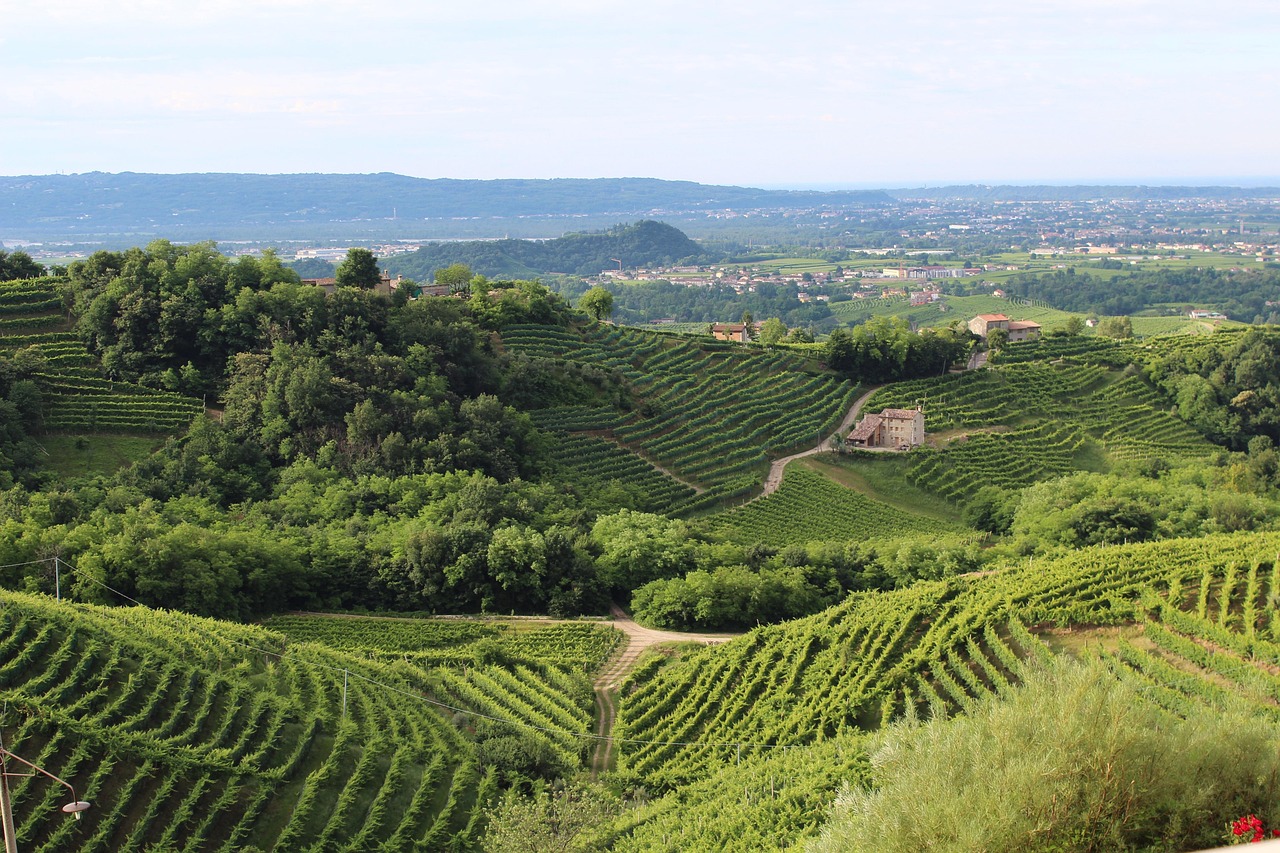
Why Visit Veneto in 2026
Veneto is the region that quietly spoils you for everywhere else in Italy. Yes, Venice is here, but Veneto is much more than its famous lagoon: gentle Prosecco hills, tiny frescoed villages, Palladian villas, the Dolomites blazing pink at sunset, and a coastline where Italians themselves go on holiday. I’ve been coming back to Veneto for over a decade, and every trip somehow manages to feel both familiar and new.
What makes Veneto special is contrast. In a single day you can sip a morning espresso in a medieval university city, hike a forested gorge in the afternoon, and finish with cicchetti (Venetian tapas) on a canal at dusk. It’s also a region where you can travel deeply and locally: agriturismi (farm-stays), family-run trattorie, and small-town piazzas are part of daily life, not curated experiences.
For 2026–2027, Veneto is especially worth considering: Venice continues to refine its sustainable tourism policies, new hiking and cycling routes are opening in the Prosecco hills and Dolomites, and several major cultural events are on the calendar (including the 2026 Winter Olympics nearby in Cortina and the continuing celebrations tied to Venice Biennale years).
Table of Contents
- Why Visit Veneto
- Overview of Veneto: Towns, Landscapes & Best Bases
- 20 Must-See Attractions in Veneto (With Personal Stories)
- 4–7 Day Itineraries in Veneto (With Daily Personal Narratives)
- Regional Cuisine & Where to Eat in Veneto
- Evenings in Veneto: Piazzas, Festivals & Nightlife
- Major Events & Festivals in 2026–2027
- Day Trips & Nearby Destinations
- Cultural Etiquette & Local Customs in Veneto
- Practical Travel Tips: Transport, SIM, Money-Saving & More
- Best Time to Visit Veneto
- Summary & Final Recommendations
Overview of Veneto: Towns, Landscapes & Best Bases
Veneto stretches from the Adriatic Sea in the east to the Dolomites in the north, bound by Trentino-Alto Adige and Lombardy to the west and Friuli-Venezia Giulia to the east. The diversity is astonishing: lagoon, plains, hills, and mountains, stitched together by rivers like the Brenta, Piave, and Adige.
Key Areas & What They’re Known For
- Venice & the Lagoon – Canals, art, history, island life (Murano, Burano, Torcello), world-famous events.
- Verona & Lake Garda (eastern shore) – Roman arena, Romeo & Juliet lore, wine (Valpolicella, Soave), lakeside towns like Lazise and Malcesine.
- Prosecco Hills (Valdobbiadene & Conegliano) – UNESCO-listed vineyard landscapes, wine roads, cycling and walking routes.
- Padua & Euganean Hills – University city, Giotto frescoes, thermal spas (Abano & Montegrotto), volcanic hills with vineyards and castles.
- Vicenza & Palladian Villas – Renaissance architecture, Palladio’s villas scattered across the countryside.
- Treviso & the Northern Plains – Canals, markets, radicchio and tiramisù, gateway to the Prosecco zone.
- Dolomites (Cortina d’Ampezzo & Belluno province) – Alpine hikes, skiing, dramatic rock formations, lakes like Misurina and Sorapiss.
- Adriatic Coast (Chioggia, Sottomarina, Jesolo, Caorle, Bibione) – Sandy beaches, family-friendly resorts, fishing traditions.
Best Bases in Veneto
Over multiple trips, I’ve used different “home bases” depending on my focus:
- Venice – Best for first-timers, art lovers, and lagoon exploration. Great without a car.
- Verona – Ideal for a 4 day itinerary for Veneto or 5 days in Veneto focused on wine, Lake Garda, and romantic city breaks.
- Padua – Affordable base with excellent train connections to Venice, Vicenza, Verona, Bologna.
- Treviso – Quieter, charming canals, good for Prosecco hills and Venice side trips.
- Cortina d’Ampezzo – For mountain lovers, hiking and skiing. Perfect for a summer 6 day itinerary for Veneto.
- Asolo or Bassano del Grappa – Small-town charm, good for a slower, “local life” trip.
For a first visit, I often recommend splitting time between Venice (2–3 nights) and an inland base like Verona, Padua, or Treviso (2–4 nights), depending on whether you prefer lakes, art cities, or hills and wine.
20 Must-See Attractions in Veneto (With Personal Stories)
Below are twenty of the best places to visit in Veneto, each with a mini “sub-guide” drawn from several trips between 2014 and 2025. These aren’t just lists—they’re the places where I’ve gotten lost, eaten too much, and come back with stories.
1. Venice Historic Center & Grand Canal
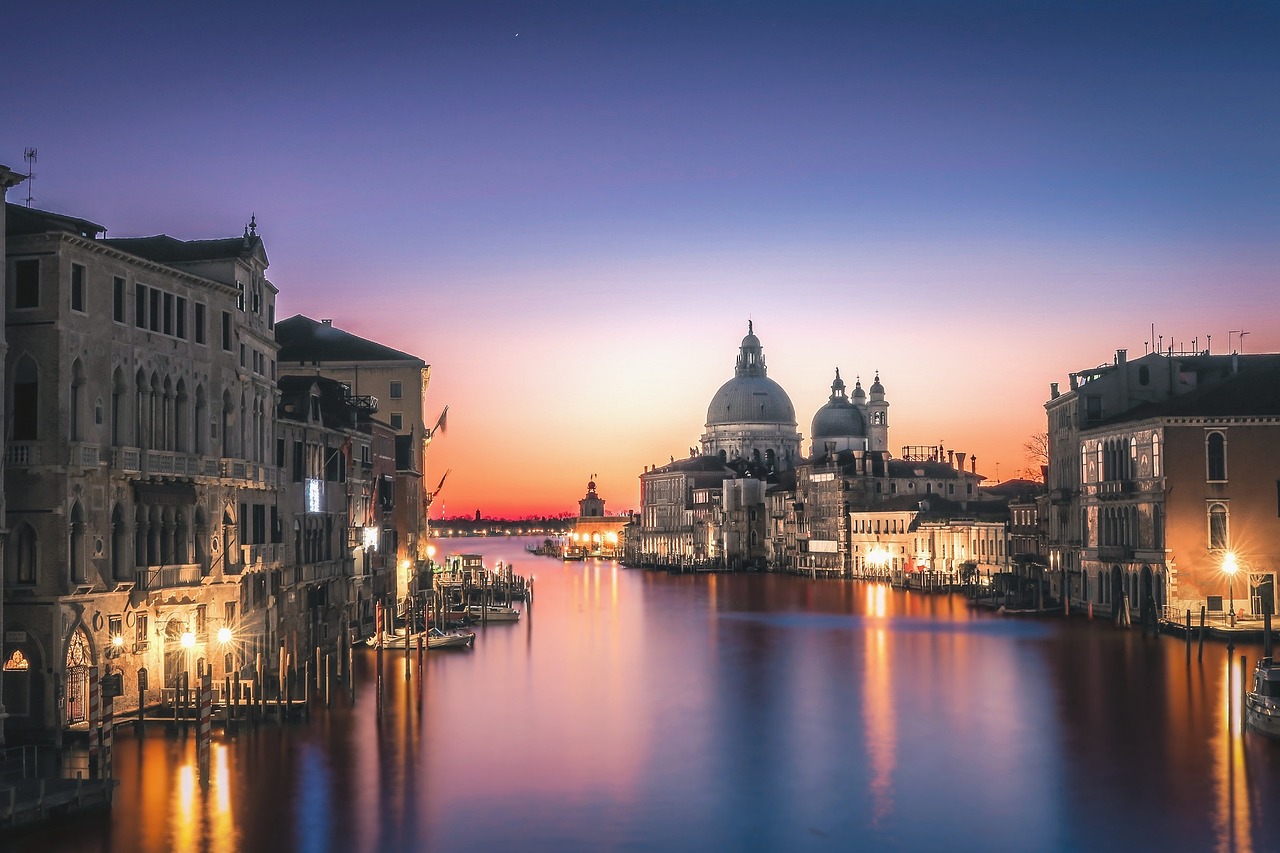
Venice is where I usually start or end my Veneto journeys. My first arrival was by train on a foggy November morning. Stepping out of Santa Lucia station to see the Grand Canal materialize out of the mist felt like walking into a painting I’d known all my life but never quite believed was real.
Spend at least two full days here, ideally three. The must-see sights—the Grand Canal, St. Mark’s Basilica, Doge’s Palace—are iconic for a reason.
- What I love to do: Take the vaporetto (water bus) Line 1 from Piazzale Roma to San Zaccaria just before sunset. It’s the cheapest “cruise” in town and still my favorite way to feel the city unfold.
- Food tip: In Cannaregio, I always stop at a bacaro (Venetian wine bar) for cicchetti—tiny snacks like baccalà mantecato (creamed cod) on toasted bread, or polpette (meatballs). Order an ombra (small glass of wine) and stand at the counter like a local.
- Family-friendly: Ride the vaporetto, climb the Campanile of San Giorgio Maggiore (less crowded than St. Mark’s) for views, feed pigeons in a quieter piazza like Campo Santa Margherita.
- Romantic: Night walks in Dorsoduro or around the Zattere promenade, away from crowds, are magical.
Getting there: Venice is reachable by high-speed train from Milan, Florence, Rome, and by bus or train from other Veneto cities. From Marco Polo Airport, take the Alilaguna boat, water taxi, or bus to Piazzale Roma.
2. St. Mark’s Basilica & Piazza San Marco (Venice)
My first time entering St. Mark’s was on a rainy weekday in late October. The queue was short, the air smelled faintly of wax and damp stone, and when the lights came on to reveal the gold mosaics, the entire basilica seemed to glow from within.
History & significance: Built over centuries from the 11th century onward, the basilica was the private chapel of the Doge before it became Venice’s cathedral. Its Byzantine-influenced mosaics, the Pala d’Oro altarpiece, and the horses of San Marco (replicas on the facade; originals inside) tell the story of a maritime republic at the crossroads of East and West.
- Tip: Book skip-the-line tickets and, if possible, choose a guided evening visit when the mosaics are illuminated. It’s far less rushed.
- Dress code: Shoulders and knees covered; bring a light scarf for summer visits.
- Photography: Often restricted inside; check current rules and be respectful.
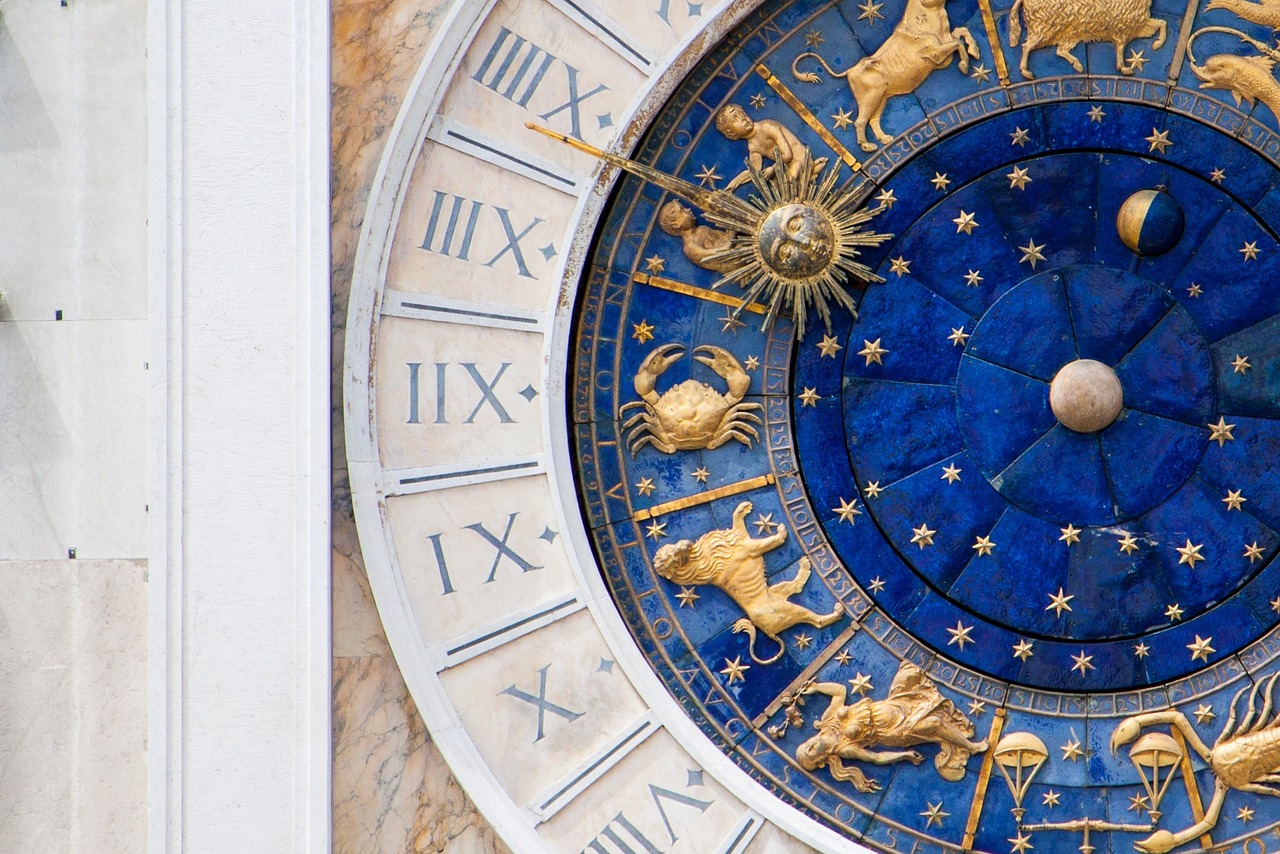
Piazza San Marco itself is touristy but still worth lingering, especially early morning or very late at night. I like to stand under the clock tower and listen to the echo of footsteps as the day’s last crowds drift away.
3. Doge’s Palace & Bridge of Sighs (Venice)
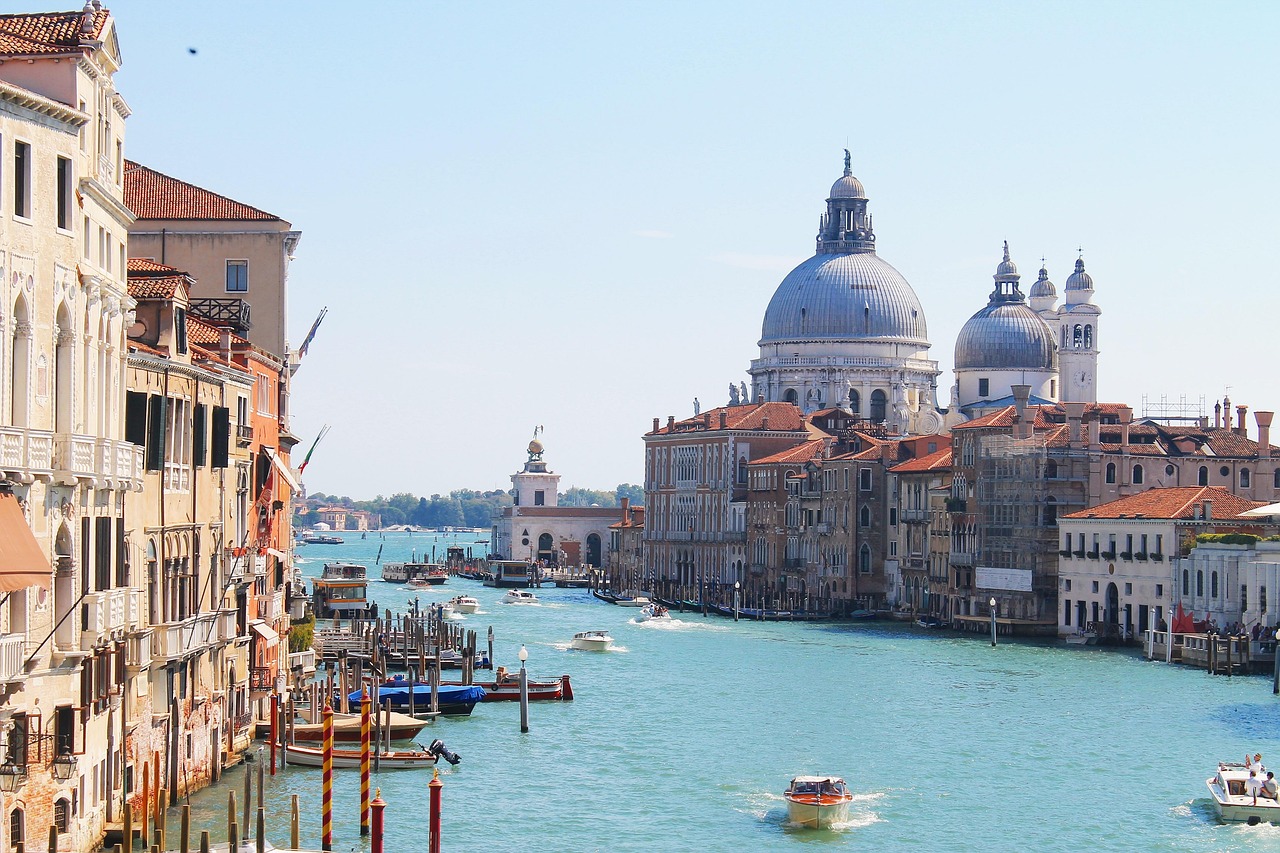
The Doge’s Palace is where the power of the Venetian Republic becomes tangible. I still remember standing in the Sala del Maggior Consiglio, trying to imagine 2,000 nobles debating foreign policy under Tintoretto’s massive Paradise painting.
The Bridge of Sighs connects the palace to the old prisons. Crossing it on the “Secret Itineraries” tour, you feel the atmosphere shift from grandeur to confinement.
- When to go: Morning slots tend to be quieter. For kids, the prison cells and secret passages are a surprising hit.
- Photography tip: For that classic exterior shot of the Bridge of Sighs, go to the Ponte della Paglia just east of the palace.
4. Murano, Burano & Torcello (Venetian Lagoon Islands)
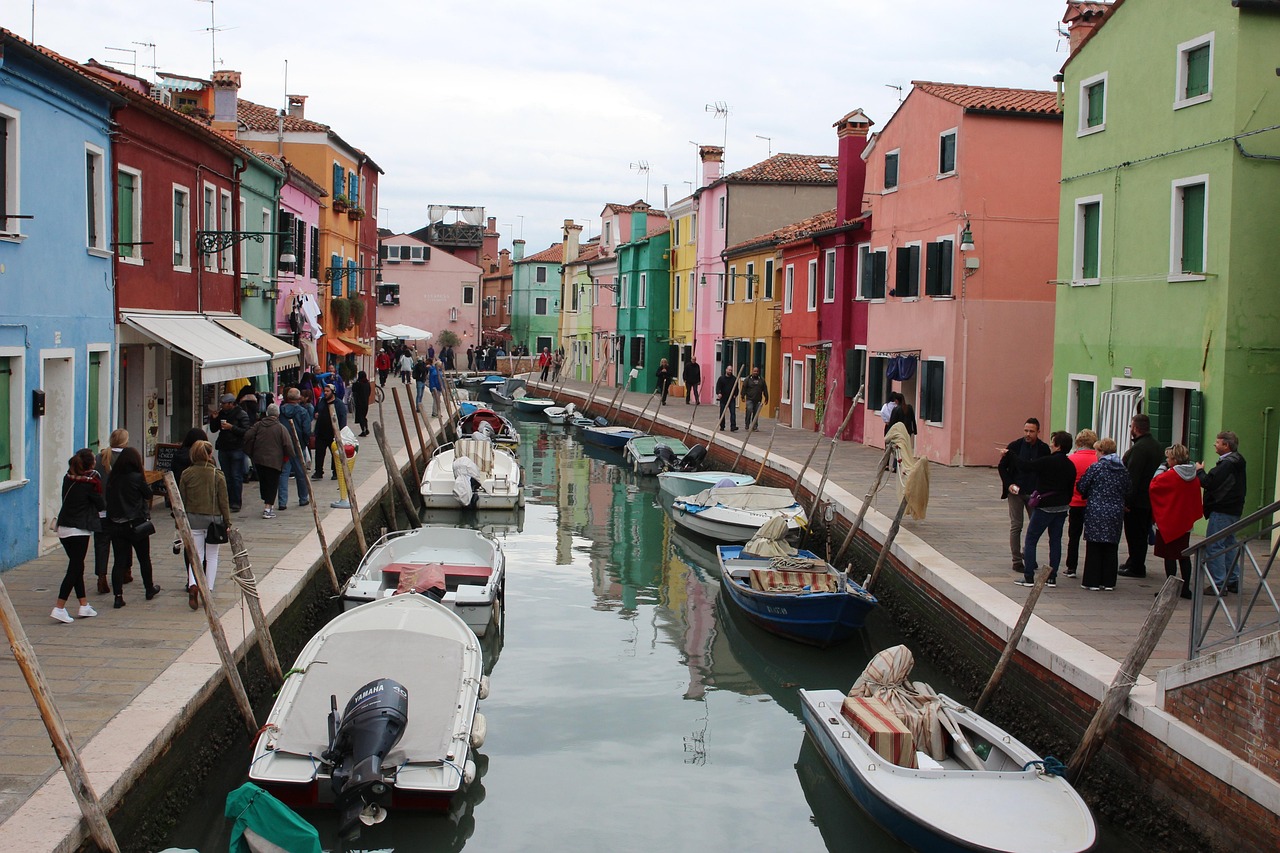
Whenever Venice feels too crowded, I escape to the islands. One winter, after a foggy morning in the city, I hopped on a vaporetto and watched the palazzi recede as the lagoon opened up around us—grey, quiet, almost meditative.
- Murano – Famous for glass. I like visiting a small, family-run furnace early in the morning to watch glassblowers work before the tour groups arrive.
- Burano – A riot of color. I usually wander away from the main canal, where laundry lines and cats add to the village charm. Try risotto di go (goby fish risotto) if you find it on a menu.
- Torcello – Sparse, atmospheric, with a 7th-century church. Climb the campanile for big-sky lagoon views.
Family-friendly: Kids love the boat rides and Burano’s colors. Bring snacks; food options can be limited in off-season.
5. Verona Historic Center & Arena
Verona is my “comfort city” in Veneto. I’ve visited in every season: baking July afternoons, misty November evenings, crisp March mornings when the Adige River runs fast and green. It’s romantic, but it’s also a real, working city.
Arena di Verona: This Roman amphitheater predates the Colosseum and is beautifully preserved. The first time I attended an opera here—Aida, under a clear summer sky—the entire crowd lit candles during the overture. Even if you’re not an opera fan, it’s goosebump territory.
- Must-do: Stroll from Piazza Bra through Via Mazzini to Piazza delle Erbe. Climb Torre dei Lamberti for a 360° view; sunset is ideal.
- Food: Try pastissada de caval (horse meat stew, a local specialty—skip it if that’s not your thing) and risotto all’Amarone. I like pairing it with a glass of Valpolicella Ripasso.
- Romantic: Yes, there’s Juliet’s balcony. I go early morning if I go at all; otherwise, I prefer the quiet Roman theater area across the river.
Verona is a superb base for 4 days in Veneto focused on culture and wine, with day trips to Lake Garda and Valpolicella.
6. Lake Garda (Eastern Shore: Malcesine, Garda, Lazise)
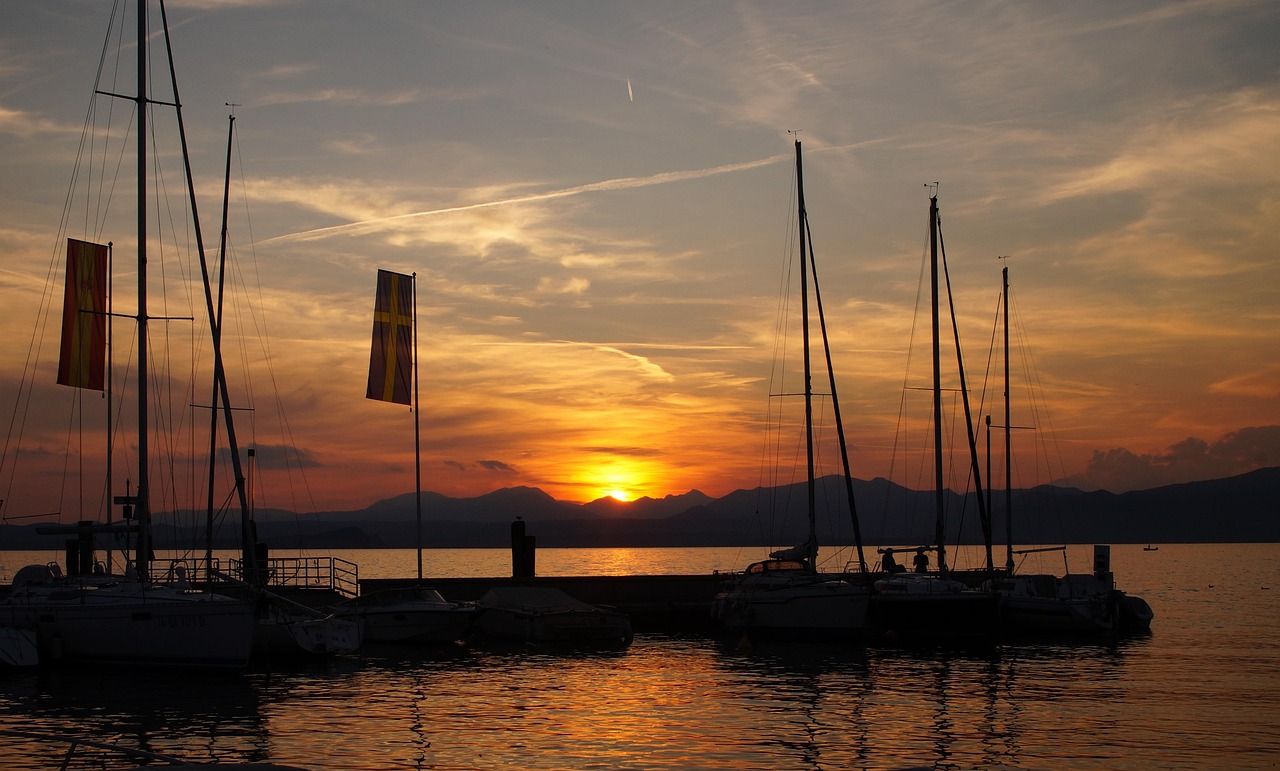
My first glimpse of Lake Garda’s eastern shore was from the bus between Verona and Malcesine: olive groves, cypresses, and the lake stretching like an inland sea. The breeze smelled faintly of pine and water.
- Malcesine – Cobblestone lanes, a castle, and the cable car up Monte Baldo. On a clear day, the views are jaw-dropping, and there are easy family-friendly walks along the ridge.
- Garda – A relaxed lakeside promenade, perfect for evening strolls and gelato.
- Lazise – Walled town, small harbor, and good family resorts nearby.
Adventurous: Windsurfing and sailing are big here, especially closer to Torbole (just over the border in Trentino, but easy to reach).
Getting there: From Verona, buses run regularly along the eastern shore. With a car, the lakeside road is scenic but can be slow in peak summer.
7. Padua (Padova) & the Scrovegni Chapel
Padua is a city I sometimes recommend as a cheaper, less touristy base than Venice. It’s lively, thanks to one of Europe’s oldest universities, and its markets and piazzas feel very local.
Scrovegni Chapel: Giotto’s 14th-century fresco cycle is, in my view, one of the great masterpieces of Western art. You get a timed slot, and they regulate the air carefully; the first time I went, I walked out in stunned silence, the blue of the vaulted ceiling still shimmering behind my eyes.
- Other highlights: Basilica of St. Anthony (a major pilgrimage site), Prato della Valle (one of Europe’s largest squares), and the botanical garden (UNESCO-listed).
- Food: I like to sit under the porticoes near Piazza delle Erbe with a spritz and a plate of tramezzini (soft sandwiches) and just people-watch.
8. Vicenza & Palladian Architecture
Vicenza feels quietly elegant. My first visit was on a grey January day; even without blue skies, the pale stone of the palazzi glowed softly.
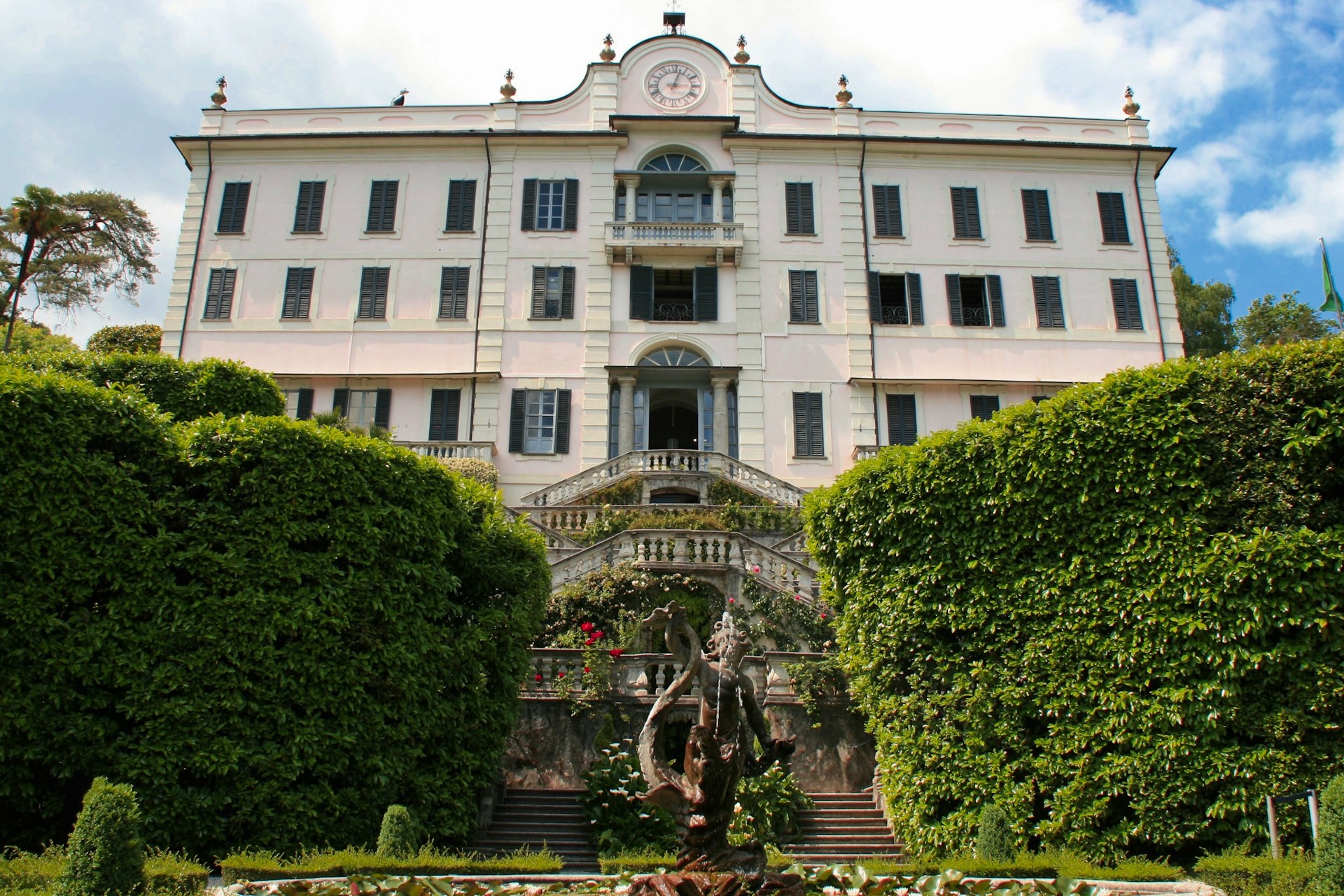
Palladio’s legacy is everywhere: the Basilica Palladiana in Piazza dei Signori, the Teatro Olimpico (an indoor theater with a stunning trompe-l’oeil stage set), and villas like La Rotonda just outside town.
- Tip: Buy a combined ticket that covers the main Palladian sites; plan at least a half day, ideally a full day if you include a villa visit.
- Evening: The loggia of the Basilica Palladiana sometimes hosts events or exhibitions; check local listings.
9. Prosecco Hills (Valdobbiadene & Conegliano)
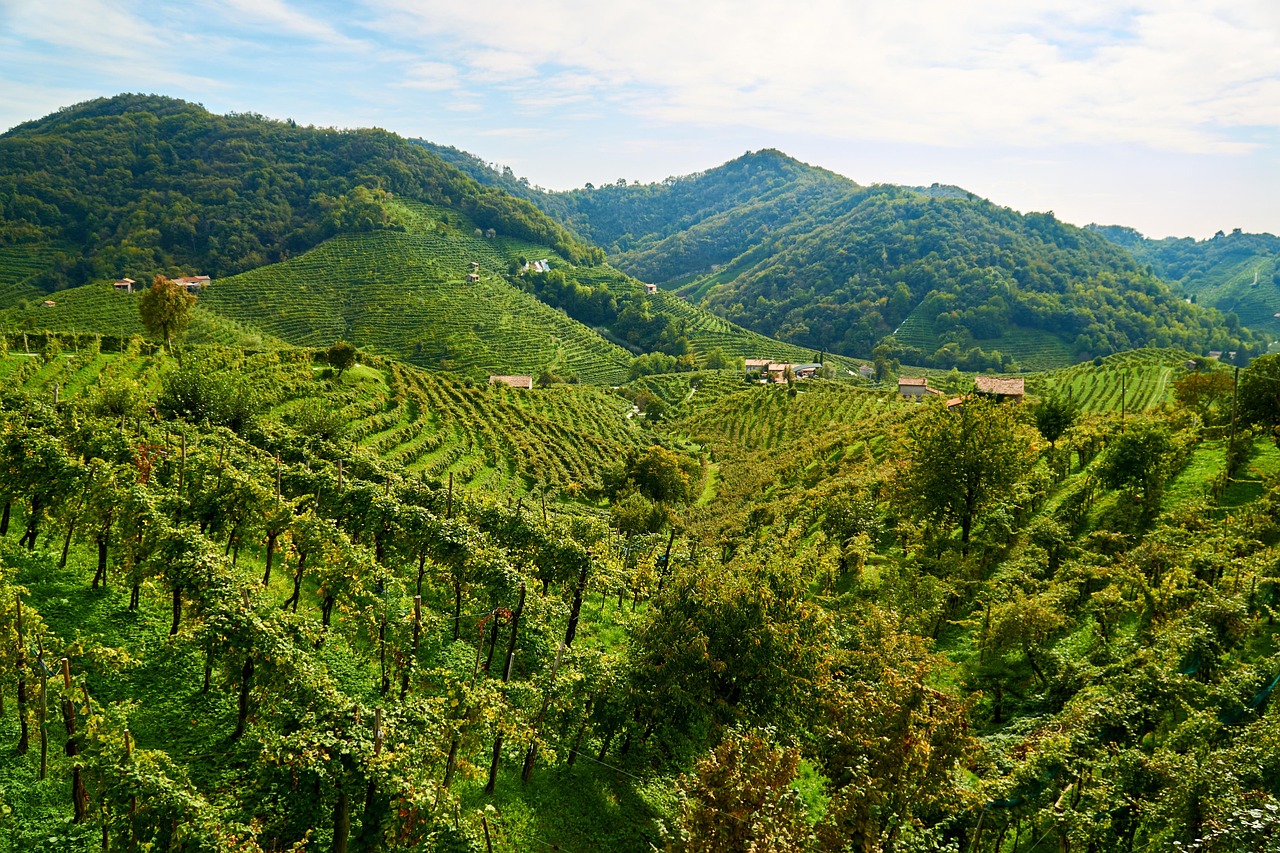
I fell in love with the Prosecco hills on a misty spring morning, driving a narrow lane lined with vineyards and cherry trees in bloom. The hills roll and fold in a way that invites slow travel: you want to stop at every bend.
This UNESCO-listed landscape is best explored slowly: by car, e-bike, or on foot along signposted trails like the “Anello del Prosecco.”
- What to do: Visit small wineries for tastings (book ahead), walk between hamlets, and linger over simple lunches of cheese, salumi, and seasonal vegetables.
- Romantic: Golden-hour drives and terrace tastings are hard to beat. I once watched a thunderstorm roll in across the hills from a covered balcony, glass in hand—unforgettable.
- Family-friendly: Some agriturismi welcome kids and have animals, gardens, and easy walks nearby.
10. Dolomites & Cortina d’Ampezzo
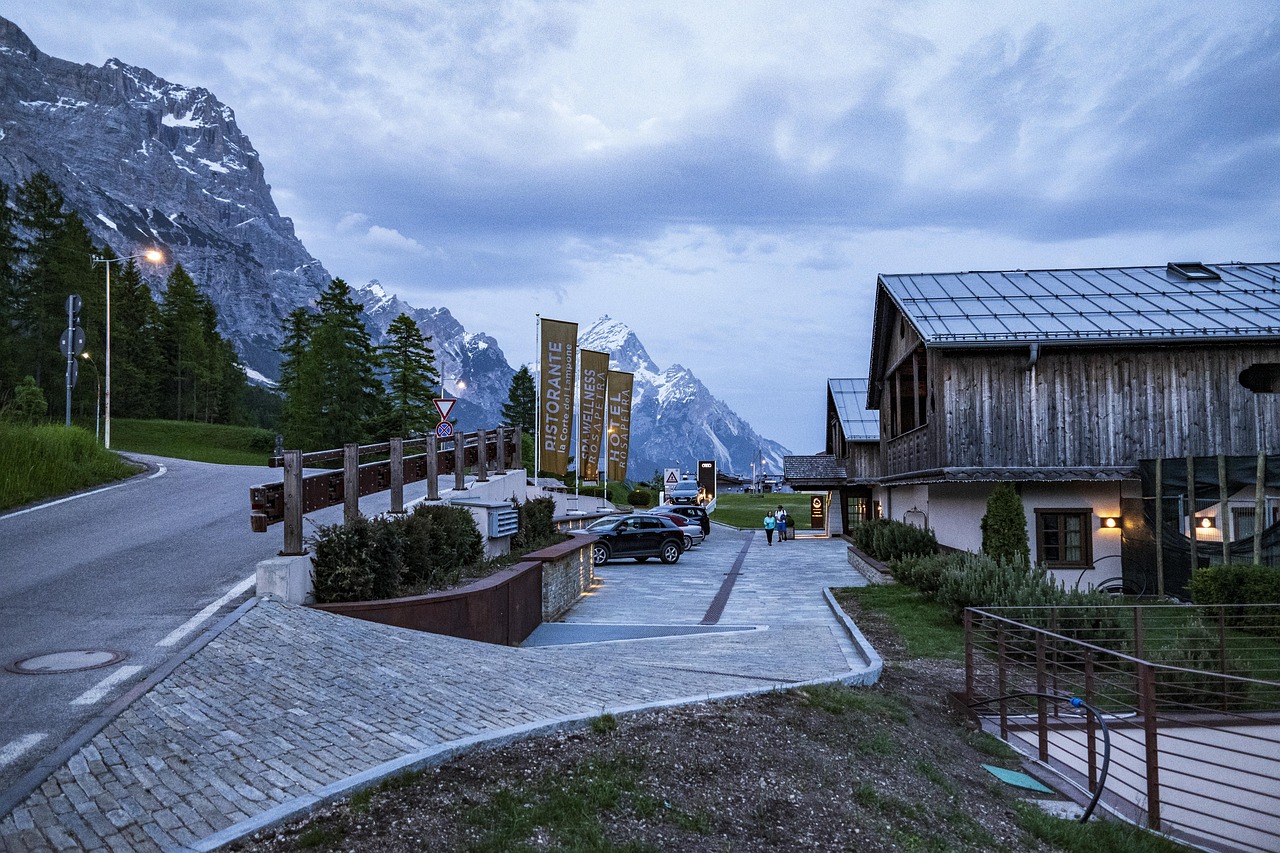
The Dolomites are where Veneto changes character completely. Driving up from the plains, you suddenly see pale rock towers erupt from dark forests, especially near Cortina d’Ampezzo, Veneto’s chic mountain town.
My first hike here was around the Tre Cime (technically in South Tyrol, but commonly combined with a Cortina base). We started early, the rock faces glowing pink in the alpenglow, cowbells clinking somewhere below.
- Summer: Hikes to lakes like Sorapiss or Misurina, via ferrata routes for the adventurous, mountain biking.
- Winter: Skiing and snowboarding; Cortina is gearing up post-2026 Winter Olympics with improved infrastructure.
- Family-friendly: Short hikes, cable car rides, and alpine huts serving hot chocolate and strudel.
11. Treviso
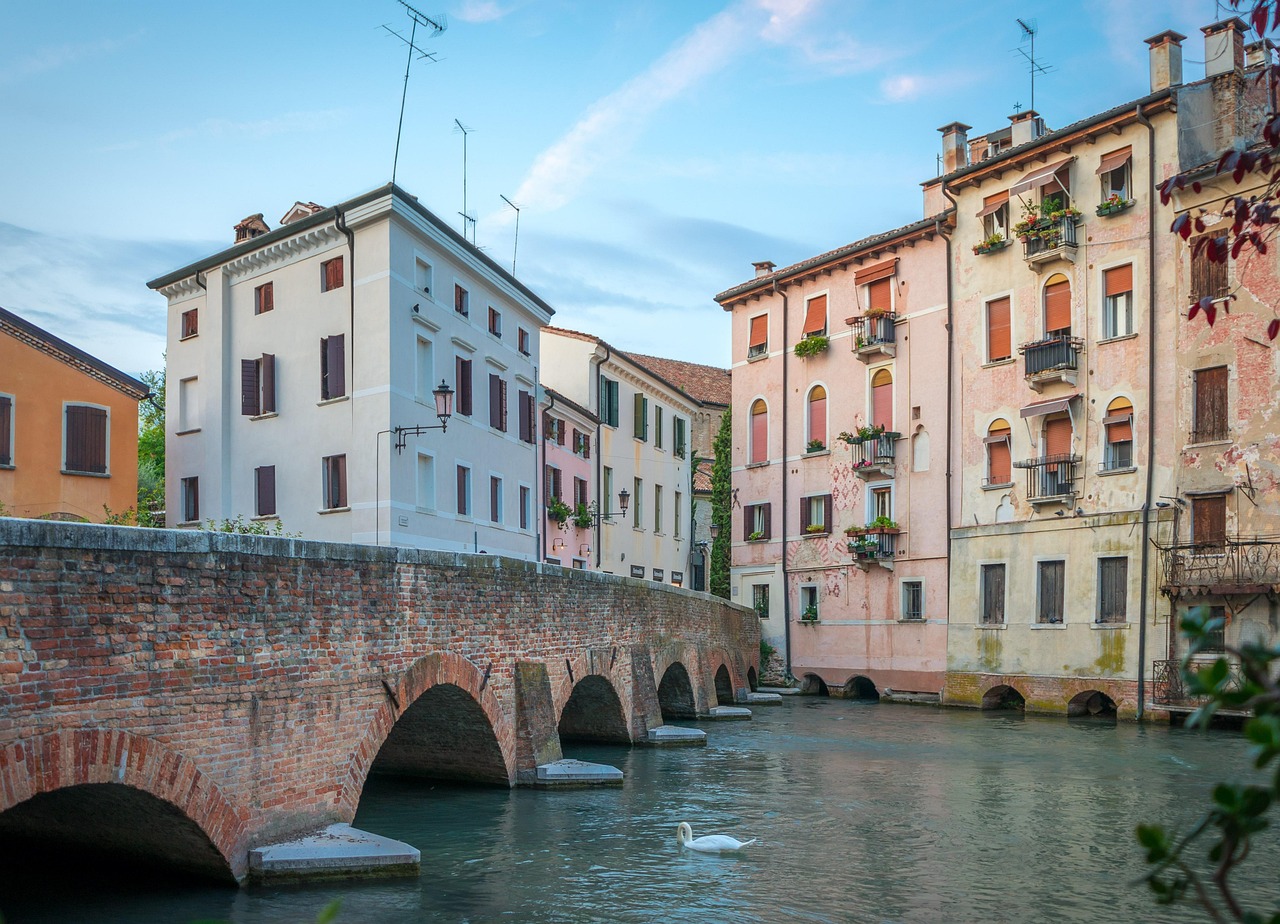
Treviso is sometimes called “little Venice” because of its canals, but that undersells it. I like Treviso for its market mornings and relaxed, lived-in feel. It’s where I first had a tiramisù that made every other version seem like a rough draft (Treviso claims to be its birthplace).
- Highlights: Pescheria (fish market on a tiny island), frescoed facades, and the city walls.
- Food: Don’t leave without trying tiramisù and radicchio di Treviso in season (often grilled or in risotto).
12. Euganean Hills & Thermal Spas (Abano & Montegrotto Terme)
South of Padua, the Euganean Hills rise gently from the plain, a cluster of extinct volcanic cones covered in vineyards, olive groves, and chestnut woods. I spent a rainy November weekend here once, darting between spa pools and hillside walks.
- Abano & Montegrotto Terme: Known for thermal water and mud treatments. Many hotels have large pools; day passes are often available.
- Villages: Arquà Petrarca (medieval village where the poet Petrarch lived), Monselice with its castle and pilgrimage route.
- Activities: Wine tasting (Colli Euganei DOC), easy hikes and bike routes.
13. Chioggia & Sottomarina
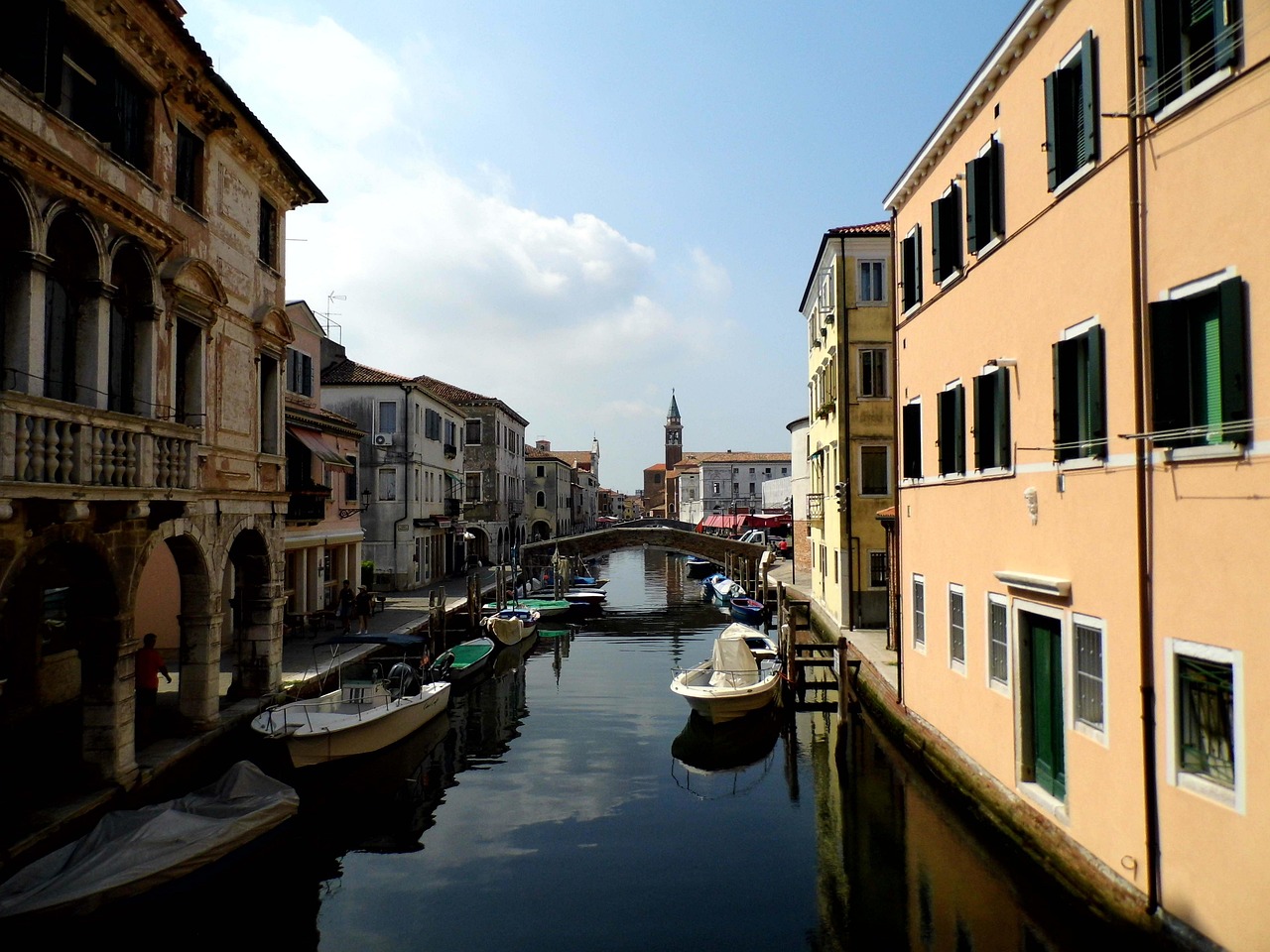
Chioggia is sometimes called “little Venice,” but unlike Treviso, this one actually does feel like a more down-to-earth cousin of the lagoon city, complete with canals, fishing boats, and laundry strung above narrow streets.
I like arriving on a market day: stalls overflowing with fish, vegetables, and local chatter. Sottomarina, just across the bridge, offers a long sandy beach popular with families.
- Food: This is the place for super-fresh seafood. Look for mixed fried fish (fritto misto) and spaghetti alle vongole (clams).
- Family-friendly: Beach days at Sottomarina; shallow water and lots of facilities.
14. Asiago Plateau
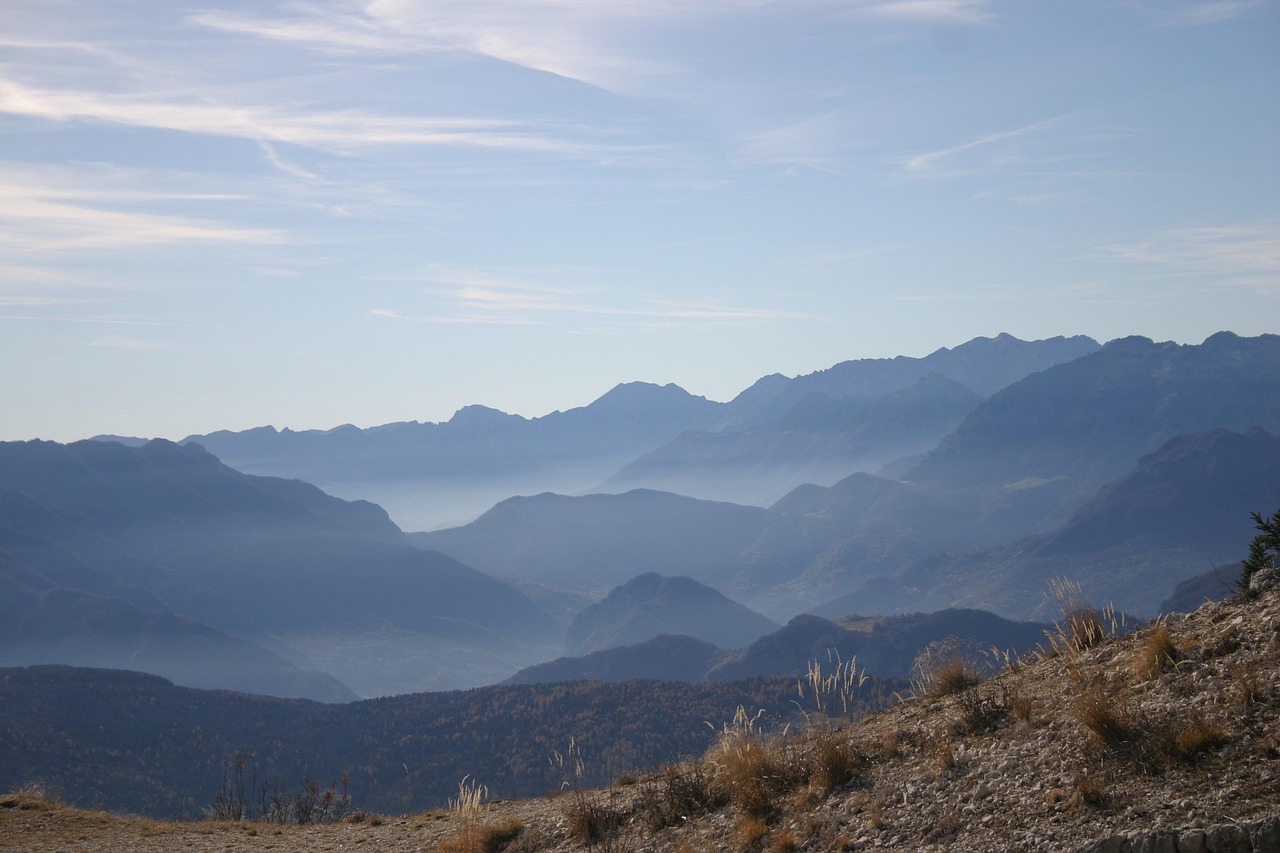
The Asiago plateau is all wide meadows, forests, and WWI history. I visited on a late-summer weekend, staying at a family-run hotel where breakfast included three different local cheeses—Asiago in all its forms, of course.
- Activities: Easy hikes, cycling, cross-country skiing in winter, WWI memorials and open-air museums.
- Food: Asiago cheese tastings, mountain honey, and hearty alpine dishes.
15. Bassano del Grappa & Asolo
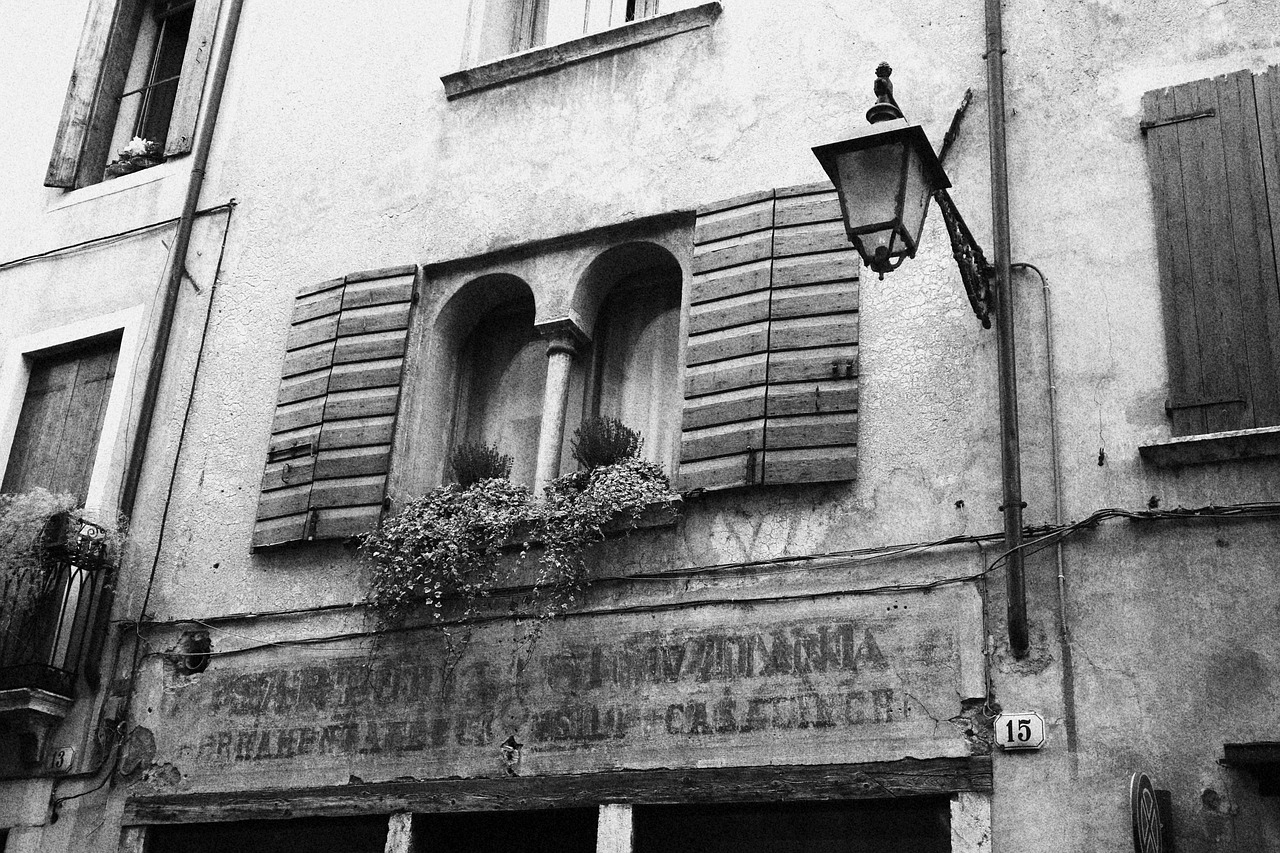
Bassano del Grappa stole my heart with its covered wooden bridge over the Brenta River and its sunset light. I still remember leaning on the railing with a plastic cup of grappa from the historic distillery at the bridge’s end, watching the water turn gold.
- Bassano: Ponte degli Alpini, ceramics, grappa distilleries. The riverside walk is beautiful at dusk.
- Asolo: A hilltop town nicknamed the “city of a hundred horizons.” Quiet, romantic, great as a base for a slower trip.
16. Soave
Soave is one of my favorite small towns in Veneto: walled, compact, surrounded by vineyards that produce the white wine of the same name. One autumn afternoon, I walked up to the castle as harvesters moved between rows, the smell of crushed grapes in the air.
- What to do: Walk the walls, visit the castle, and taste Soave wine at local cantine. Many are within walking distance of the center.
- Access: Short trip from Verona by car or bus; easy half-day or day trip.
17. Montagnana
Montagnana is a perfectly walled medieval town that feels almost like a movie set. I arrived on a hot July afternoon and walked the quiet, shadowed arcades until I found a butcher recommended by a friend, selling the famous local prosciutto.
- Highlights: Town walls (among the best-preserved in Europe), cathedral, and cured ham.
- Food: Prosciutto di Montagnana is sweet, delicate—fantastic with local white wine.
18. Valpolicella Wine Region
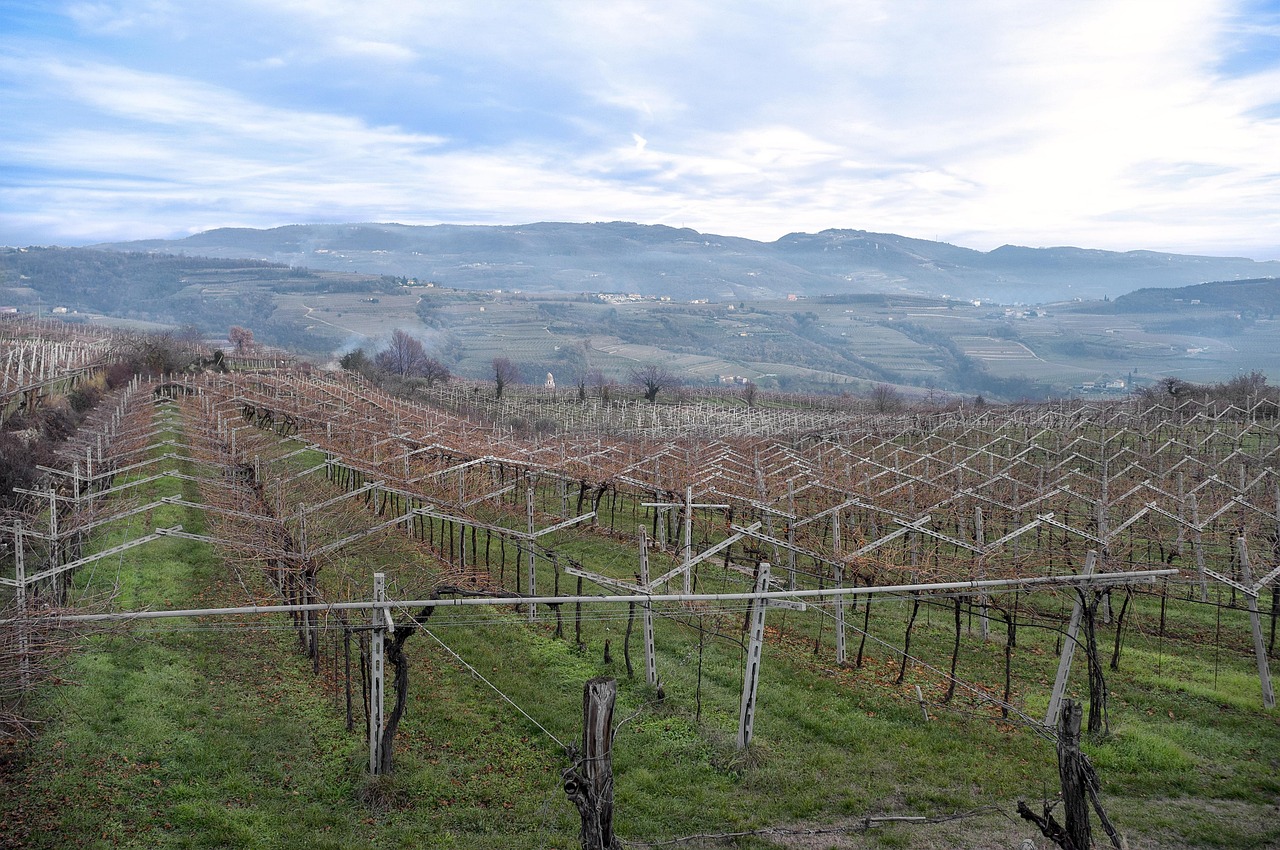
Valpolicella is Amarone country: a hilly wine zone north of Verona where grapes are partially dried to concentrate flavors. One October morning, I visited a family-run winery where bunches of grapes rested in airy lofts, slowly shriveling into sweetness.
- What to taste: Valpolicella Classico, Ripasso, Amarone, and Recioto (a sweet dessert wine).
- Experiences: Vineyard tours, lunches in country trattorie, gentle walks between villages.
19. Dolomiti Bellunesi National Park
Less famous than the Cortina area but wilder and quieter, Dolomiti Bellunesi National Park is where I go when I want mountains without crowds. On a September hike, we saw more chamois than people.
- Activities: Hiking, wildlife watching, exploring small villages like Feltre.
- Tip: A car helps here; public transport is more limited.
20. Venetian Villas of the Brenta Riviera
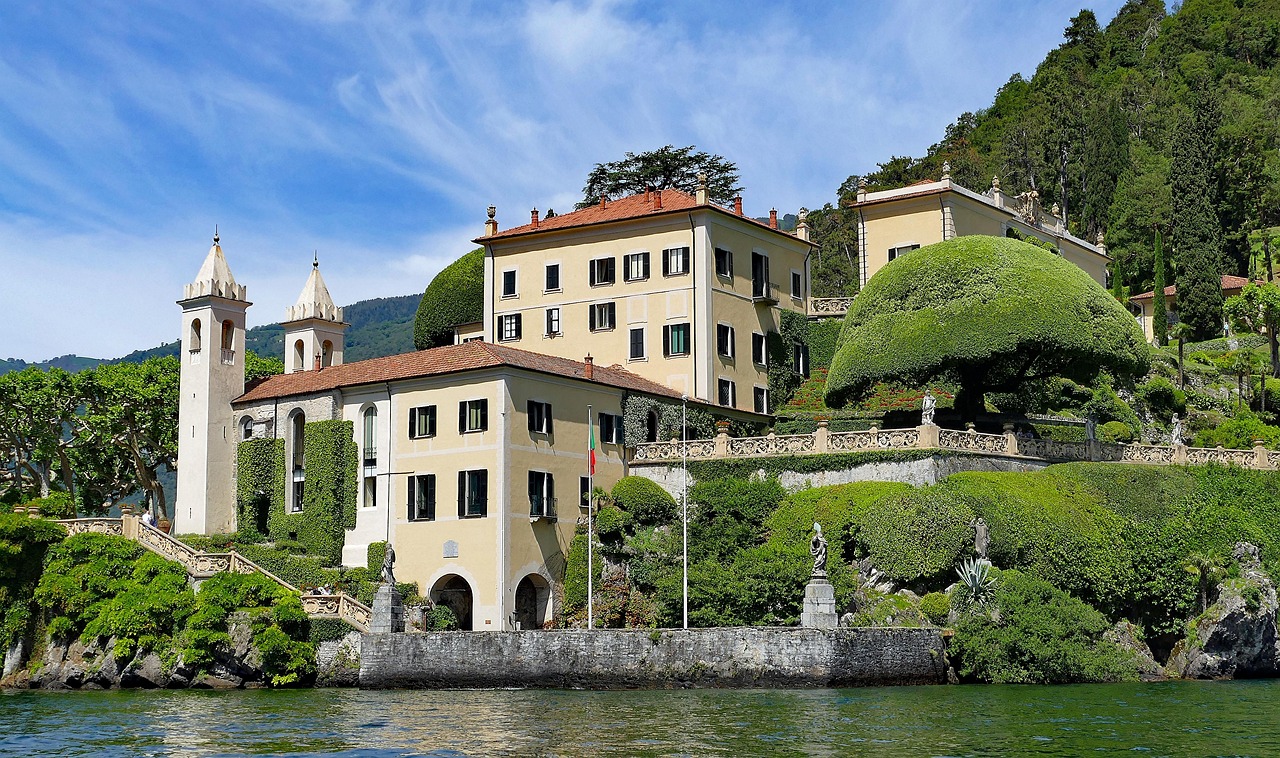
Between Venice and Padua, the Brenta Canal is lined with grand villas once used as summer residences by Venetian nobility. I once took the slow cruise boat, stopping to tour a couple of villas and imagining what it must have been like to arrive by barge in silk and powdered wigs.
- Highlights: Villa Pisani, Villa Foscari (La Malcontenta), and smaller, lesser-known villas.
- How to visit: By car, bike, or on organized boat cruises that include villa entries.
4–7 Day Itineraries in Veneto (With Personal Stories)
Below are flexible itineraries for 4 days in Veneto up to 7 days in Veneto. Each day blends must-see attractions with hidden gems in Veneto and local experiences. I’ll outline them more succinctly here than in a full book-length narrative, but you can easily expand or contract days to suit your pace.
4 Day Itinerary for Veneto: Venice & Verona Highlights
This 4 day itinerary for Veneto is perfect for first-time visitors who want Venice and Verona with a taste of local food and culture.
Day 1 – Venice: First Glimpse of the Lagoon City
Arrive in Venice by train or boat if you can—that first view of the Grand Canal sets the tone. Drop your luggage at your hotel or apartment (I prefer staying in Cannaregio or Dorsoduro for a slightly quieter vibe) and dive straight into the city.
- Walk from the station through Cannaregio, stopping at a bacaro for cicchetti.
- Cross the Rialto Bridge and visit the old market area; it’s lively in the morning, quieter later but still evocative.
- End your day around Campo Santa Margherita with a simple dinner: grilled fish or seafood pasta, and a carafe of local white.
Personal note: I love getting “lost” this first day—turn off your map for a couple of hours and see where the alleys take you.
Day 2 – Venice: St. Mark’s, Doge’s Palace & Lagoon Light
Today is for the major must-see attractions in Veneto that cluster around St. Mark’s.
- Early-morning coffee in a side-street bar; head to St. Mark’s Basilica for an early slot.
- Tour the Doge’s Palace and Bridge of Sighs, ideally with a “Secret Itineraries” ticket.
- Afternoon vaporetto ride down the Grand Canal; hop off around Accademia to explore Dorsoduro.
- For sunset, head to the Zattere promenade or take a quick hop to Giudecca for views back to the main islands.
Tip: Book all major tickets in advance; Venice in 2026 continues to experiment with visitor management and day-tripper fees, so check the latest rules.
Day 3 – Verona: Roman Stones & Evening Spritz
Take a morning train from Venice to Verona (about 1 hour 10 minutes). Drop your bags and walk to the historic center.
- Visit the Arena; climb to the top rows for a city panorama.
- Wander through Piazza Bra, Via Mazzini, Piazza delle Erbe, and up to the river.
- Cross the Ponte Pietra and, if you have energy, climb to Castel San Pietro for sunset over the city.
- Dinner in a traditional osteria—look for hand-written menus and a good selection of Valpolicella wines.
Day 4 – Valpolicella or Lake Garda, Then Departure
On your last day, choose between wine or water:
- Valpolicella: Join a half-day wine tour or hire a driver; taste Amarone, enjoy countryside views.
- Lake Garda: Train or bus to Peschiera, Lazise, or Malcesine for lakeside strolling and lunch.
Return to Verona for your onward train or flight. If you can, stay one more night—Verona at dusk is worth lingering for.
5 Day Itinerary for Veneto: Venice, Verona & Prosecco
This 5 day itinerary for Veneto adds a day in the Prosecco hills to the classic Venice–Verona combo.
Day 1–2 – Venice (as above)
Follow the Venice days from the 4-day plan.
Day 3 – Treviso & Prosecco Hills
Take an early train to Treviso; explore its canals and have lunch. In the afternoon, pick up a rental car or join a tour into the Prosecco hills (Conegliano–Valdobbiadene).
- Check into an agriturismo with vineyard views; many offer home-cooked dinners.
- Evening wine tasting on a terrace, watching the light fade over the hills.
Day 4 – Prosecco Hills Slow Day
Spend the day walking or driving between small villages and viewpoints.
- Visit 2–3 small wineries (book ahead, especially weekends).
- Take a short signed hiking loop; stop at a farmhouse trattoria for lunch—look for dishes with wild herbs or seasonal mushrooms.
Day 5 – Verona & Departure
Drive or train to Verona for a half-day city visit before onward travel. If your flight is from Venice, you can reverse the loop: start in Verona, end in Venice.
6 Day Itinerary for Veneto: Art Cities, Hills & Lake
For a 6 day itinerary for Veneto, I like to add Padua and a proper Lake Garda day.
Day 1–2 – Venice
As per the 4-day plan, including a lagoon island half-day if you can.
Day 3 – Padua & Euganean Hills
Train from Venice to Padua (~30 minutes). Book your Scrovegni Chapel slot ahead and plan around it.
- Morning: Scrovegni Chapel and nearby museums.
- Lunch: Market area around Piazza delle Erbe.
- Afternoon: Tram or car to the Euganean Hills; check into a spa hotel or agriturismo.
- Evening: Thermal pools and a slow dinner.
Day 4 – Euganean Hills Villages & Wine
Visit Arquà Petrarca, Monselice, and a couple of Colli Euganei wineries. Easy walks or bike rides between towns if the weather is good.
Day 5 – Verona
Train or drive to Verona, explore the historic center, and enjoy a leisurely evening.
Day 6 – Lake Garda Day Trip
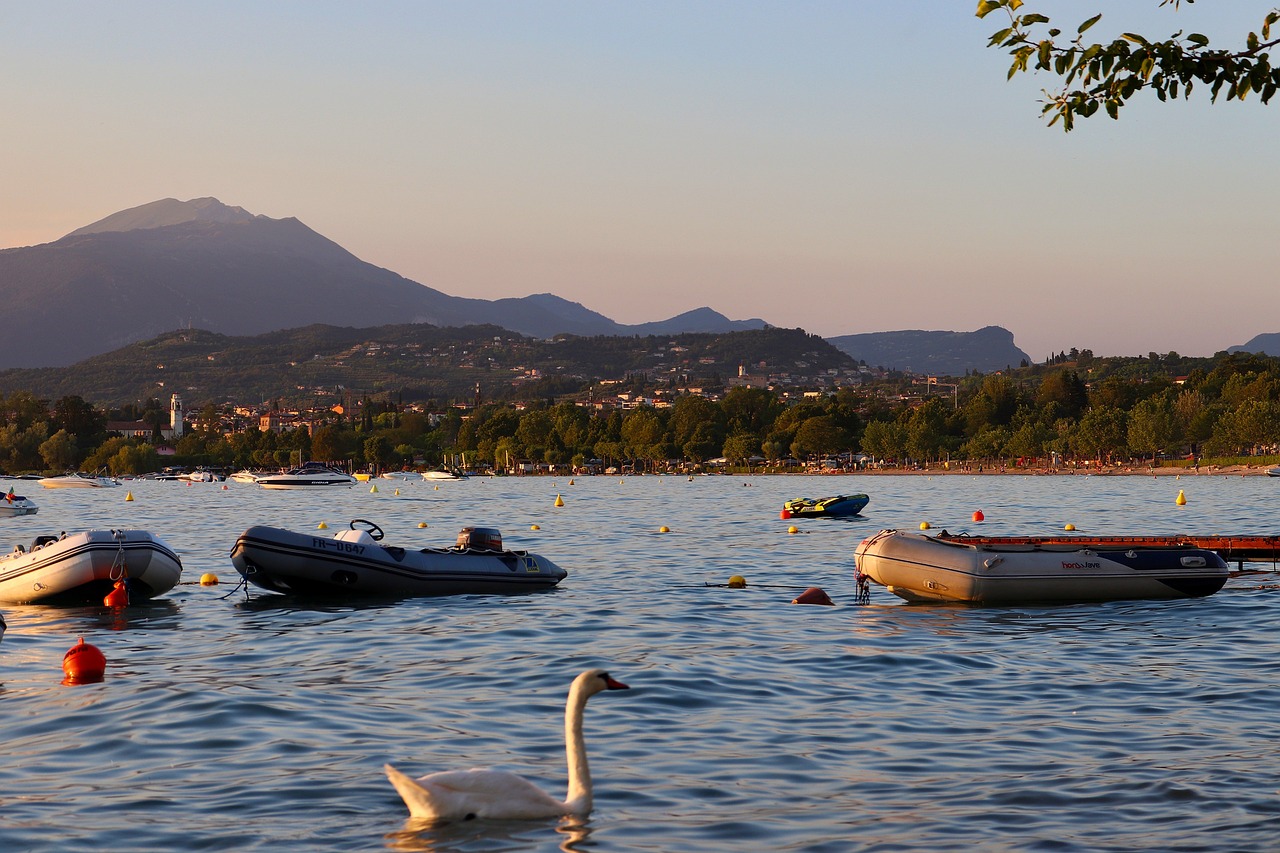
From Verona, take a bus or drive to Lazise, Garda, or Malcesine. Walk the lakeside promenade, take a boat between towns, and—if in Malcesine—ride the cable car up Monte Baldo for views.
Return to Verona for your last night. If you’re traveling with kids, you can also consider Gardaland (large theme park near Peschiera) as a family-friendly alternative.
7 Day Itinerary for Veneto: From Lagoon to Dolomites
This 7 day itinerary for Veneto is my favorite “grand tour” version, combining Venice, an art city, wine country, and the Dolomites.
Day 1–2 – Venice
Follow the Venice plan, including a lagoon island excursion on Day 2 afternoon if possible.
Day 3 – Padua
Train to Padua; visit Scrovegni, St. Anthony’s Basilica, and Prato della Valle. Stay overnight in Padua or a nearby village.
Day 4 – Prosecco Hills
Morning train to Treviso, then car or transfer into the Prosecco area for vineyard life and tastings. Night in an agriturismo.
Day 5–6 – Dolomites (Cortina d’Ampezzo)
Drive north to Cortina (allow 2.5–3.5 hours depending on route). Spend two days hiking or, in winter, skiing. Choose one easier hike (like Lake Misurina or a short alpine meadow walk) and one more ambitious outing if you’re fit.
- Evenings: Stroll through Cortina’s center, enjoy a hearty mountain dinner (canederli dumplings, polenta with mushrooms, apple strudel).
Day 7 – Verona or Venice Departure
Drive back down via Belluno toward Venice or via the Brenner corridor toward Verona, depending on your flights. If you have a late departure, you can squeeze in a quick stop in Vicenza or Bassano del Grappa en route.
Regional Cuisine & Where to Eat in Veneto
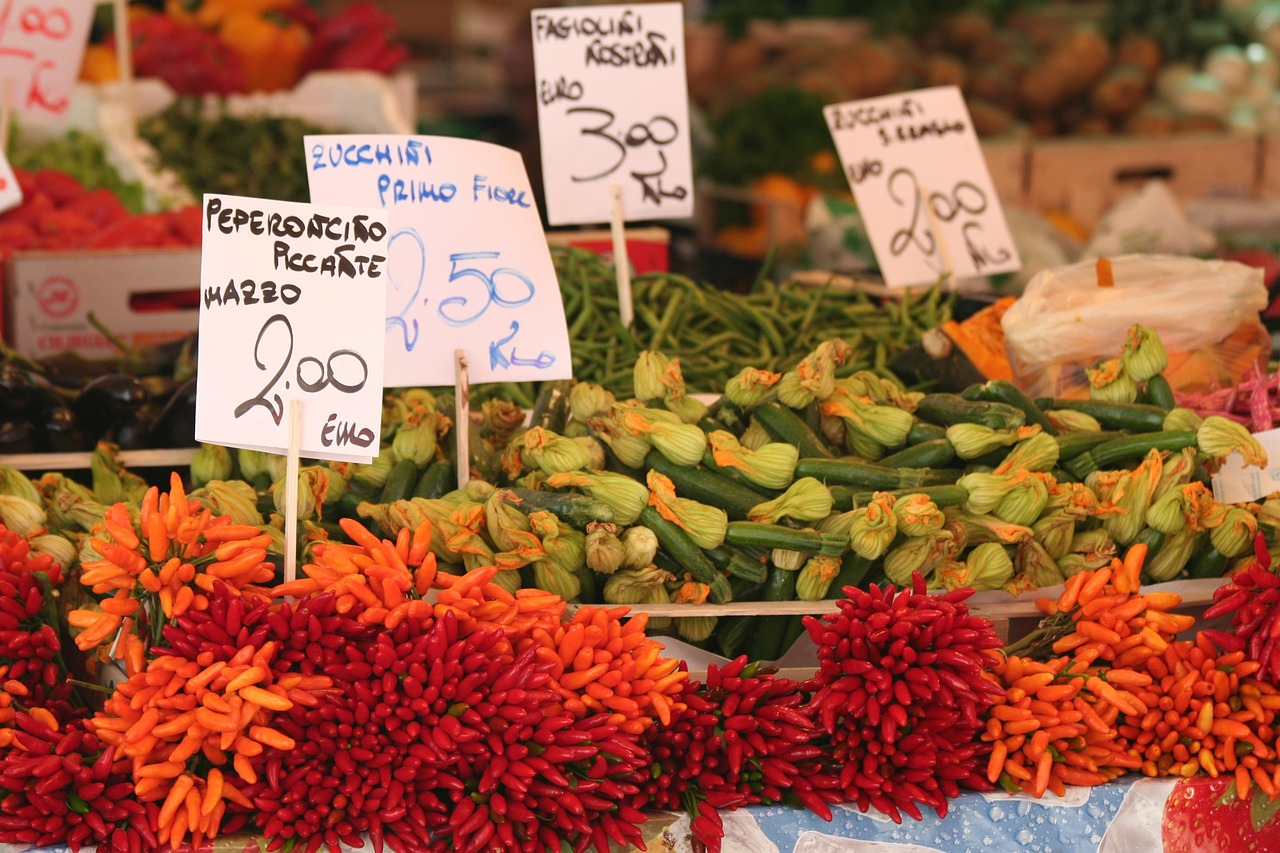
Veneto’s food reflects its geography: lagoon, plains, and mountains all contribute. Eating here is a cultural experience in itself—one of the most rewarding cultural experiences in Veneto.
Signature Dishes by Area
- Venice & Lagoon: Sarde in saor (sweet-and-sour sardines), baccalà mantecato, risotto al nero di seppia (squid ink), fegato alla veneziana (liver and onions), cicchetti in bacari.
- Verona & Valpolicella: Risotto all’Amarone, pastissada de caval, gnocchi, bollito misto with pearà sauce.
- Padua & Euganean Hills: Bigoli pasta with duck ragù, dishes with local herbs, Colli Euganei wines.
- Treviso & Prosecco: Tiramisù, radicchio di Treviso (grilled, in risotto, or salads), Prosecco DOCG.
- Dolomites & Asiago: Polenta with cheese or mushrooms, canederli (bread dumplings), speck, Asiago cheese.
- Coast (Chioggia, Jesolo): Frittura di pesce (mixed fried seafood), spaghetti alle vongole, seafood risottos.
Agriturismi, Trattorie & Local Markets
Some of my most memorable meals in Veneto have been in agriturismi—farm-stays where the menu is short, seasonal, and deeply local.
- Agriturismi: In the Prosecco hills, Euganean Hills, and around Verona, look for agriturismi that serve dinner to guests and sometimes the public. Expect simple rooms, hearty food, and generous breakfasts.
- Trattorie & Osterie: Family-run spots where menus change daily. Ask for the piatto del giorno or daily specials.
- Markets: Rialto Market (Venice), Treviso’s Pescheria and produce markets, Padua’s daily market around the Palazzo della Ragione.
My Personal Food Habits in Veneto
On a multi-day trip, I usually splurge on one special dinner (Venice or Verona), then lean into trattorie and agriturismi for the rest. A typical day might look like:
- Breakfast: Espresso and pastry at the bar, standing up.
- Lunch: Light—cicchetti, a panino, or a salad.
- Dinner: Multi-course meal with wine; often the main social event of the day.
Evenings in Veneto: Piazzas, Festivals & Nightlife
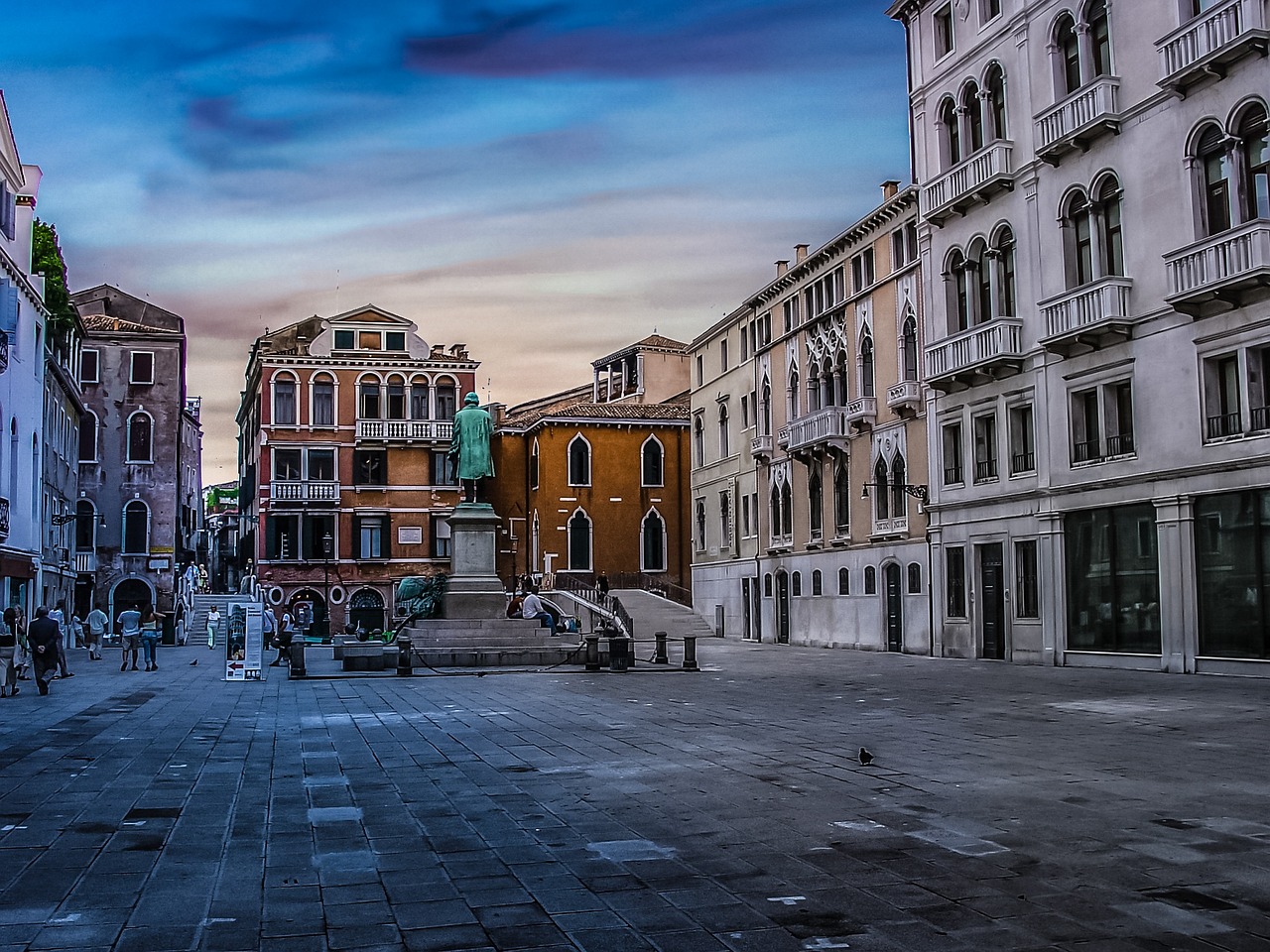
Evenings are when Veneto slows down and shows its softer side. In big cities like Venice and Verona, you have theater, concerts, and lively bars. In smaller towns, the piazza becomes the living room.
Piazza Life
In places like Padua, Treviso, and Bassano del Grappa, I love sitting at an outdoor table with a spritz (Veneto claims this drink) and watching families stroll, kids play, and older locals chat. The rhythm is gentle, especially outside peak tourist months.
Seasonal Festivals & Local Concerts
- Summer: Outdoor concerts in Verona’s Arena, local sagre (food festivals) in villages celebrating everything from cherries to polenta.
- Autumn: Harvest festivals in wine regions, chestnut feasts in the hills.
- Winter: Christmas markets in Verona, Bassano, and other towns; quieter evenings perfect for long dinners.
Ask at your accommodation about any sagra or village celebration nearby—these are often the most authentic cultural experiences you can have, with live music, dancing, and very local food.
Major Events & Festivals in Veneto, 2026–2027
Dates can shift year to year; always confirm closer to your travel dates. For 2026–2027, here are key events to plan around:
- Venice Carnival (Carnevale di Venezia) – Typically February. Masks, costumes, balls, and a very busy city—book far ahead.
- Venice Biennale (Art & Architecture) – The biennial cycles continue; 2026 is expected to be an Architecture Biennale year, with events spilling into 2027.
- Verona Opera Festival – Summer 2026–2027 in the Arena. A must for music lovers.
- Local Wine Festivals – Prosecco, Valpolicella, Soave, and Colli Euganei all host harvest-time events (September–October).
- Winter Sports Events in Cortina – Post-2026 Winter Olympics, expect ongoing competitions and improved mountain infrastructure.
Day Trips & Nearby Destinations from Veneto
Veneto makes a great base for exploring northeastern Italy. With efficient trains and highways, you can easily venture beyond the region for a day or two.
- Bologna – About 1h 30m from Venice or 1h from Padua by train. Foodie heaven with porticoes and medieval towers.
- Trento & South Tyrol – Alpine cities with Austro-Italian culture; good for mountain and wine lovers.
- Ferrara & Ravenna – Renaissance city and Byzantine mosaic capital, respectively, both reachable with some planning by train.
- Trieste – Elegant port city on the Adriatic, about 2 hours from Venice by train.
From a practical standpoint, if you have 6 days in Veneto or more and a rail pass, these day trips are easy to fold into your plans.
Cultural Etiquette & Local Customs in Veneto
Understanding local customs in Veneto helps you blend in and enjoy richer interactions.
Greetings & Social Norms
- Use a polite “Buongiorno” (until late afternoon) or “Buonasera” when entering shops or cafés.
- In more formal settings, address people as Signore or Signora until invited to use first names.
- Queuing is more of a loose concept at some bars; hold your spot at the counter and make gentle eye contact with staff.
Dining Etiquette
- It’s normal to linger over meals; no one will rush you out.
- Cappuccino after breakfast is unusual; locals switch to espresso later in the day.
- Tipping is modest: round up or leave 5–10% if service was excellent.
- In bacari (Venice wine bars), you often order at the counter and eat standing; this is part of the culture.
Dress & Church Visits
Veneto is fairly relaxed, but in churches (including St. Mark’s and St. Anthony’s), cover shoulders and knees. A light scarf works well in summer.
Environmental & Local Sensitivities
- Venice, in particular, is very sensitive to overtourism. Avoid littering, respect residential areas at night, and follow any rules about sitting on steps or bridges.
- In the mountains, stick to marked trails and take your rubbish with you.
Practical Travel Tips for Veneto
This section covers the nuts and bolts of a multi-town trip: transport, money, SIM cards, visas, and how to save money on your travel guide for Veneto adventures.
Getting Around: Train vs Car vs Bus
- Trains: Excellent between major cities (Venice, Verona, Padua, Vicenza, Treviso). For a city-focused 4 or 5 days in Veneto, trains are sufficient.
- Buses: Fill in gaps, especially to smaller towns and Lake Garda’s eastern shore.
- Car: Very useful for Prosecco hills, Euganean Hills, Dolomiti Bellunesi, and rural areas. Not recommended inside Venice (cars stop at the mainland or Tronchetto). In historic centers like Verona or Vicenza, watch for ZTL zones (restricted traffic zones) and plan parking on the outskirts.
Driving distances: Venice–Verona ~120 km (~1h 30m), Verona–Lake Garda (east shore) ~30–40 km, Verona–Valpolicella ~20–30 km, Venice–Cortina ~160–170 km (2.5–3.5h depending on traffic).
Car Rental & Foreign Licenses
- Major rental agencies are at Venice Marco Polo Airport, Verona Airport, and train stations in big cities.
- Non-EU drivers often need an International Driving Permit alongside their home license; check current rules before traveling.
- Automatic cars can cost more and sell out in peak season; book ahead if you don’t drive manual.
SIM Cards & Connectivity
- Italian providers like TIM, Vodafone, and Wind Tre offer prepaid SIMs with data. Bring your passport to register.
- Coverage is good in cities and towns, patchier in deep mountain valleys.
- If you’re from the EU, your home plan may already include roaming.
Visa Requirements
Italy is part of the Schengen Area. Depending on your nationality, you may need a Schengen visa to enter. Many travelers (including from the EU, UK, US, Canada, Australia) can enter visa-free for short stays, but rules can change—always check with your nearest Italian consulate or official government sources before traveling.
Money-Saving Tips
- Stay in Padua, Treviso, or Mestre and day-trip into Venice to save on accommodation.
- Choose lunch as your “big meal” and go simpler at dinner—many restaurants offer good-value lunch menus.
- Use regional trains instead of high-speed ones where time allows; they’re cheaper.
- Buy water in supermarkets and refill bottles; tap water is generally safe.
- Consider agriturismi instead of hotels in rural areas; they often include generous breakfasts and sometimes dinners.
Best Seasons by Activity
- Spring (April–June): Wildflowers in hills, ideal for city sightseeing, moderate crowds.
- Summer (July–August): Beach weather on the Adriatic and Lake Garda; hot in cities; busiest in Venice and mountains.
- Autumn (September–October): Wine harvest, food festivals, beautiful light, cooler temperatures—my favorite time for a 6 or 7 day itinerary for Veneto.
- Winter (November–March): Misty, atmospheric Venice; Christmas markets; skiing in the Dolomites. Some rural attractions may have shorter hours.
Best Time to Visit Veneto
For most travelers, the sweet spots are May–June and September–early October. You’ll have comfortable temperatures, longer days, and a good balance of open attractions without peak crowds.
- If you’re focused on Venice and art cities, consider late March–April or November for a quieter experience (bring layers and expect some rain).
- If you’re planning to hike in the Dolomites, aim for late June–September, checking that trails and lifts are open.
- For beaches and Lake Garda swimming, late June–early September is warmest, though July–August are busiest.
Summary & Final Recommendations
Veneto is one of those regions that rewards both first-timers and repeat visitors. A short 4 day itinerary for Veneto can give you Venice and Verona; with 5–7 days in Veneto, you can add wine hills, thermal spas, lakes, or mountains and start to feel the region’s deeper rhythms.
If it’s your first trip, I’d suggest:
- 4 days: 2 in Venice, 2 in Verona (with a Lake Garda or Valpolicella half-day).
- 5 days: Venice, Verona, and a night in the Prosecco hills.
- 6–7 days: Venice, Padua/Euganean Hills, Prosecco or Valpolicella, and at least 2 nights in the Dolomites.
Whichever route you choose, give yourself time to sit in small-town piazzas, linger over cicchetti, and follow that side road into the vineyards. Veneto isn’t just a checklist of things to do in Veneto; it’s a place to sink into—a region where art, landscape, and daily life overlap in a way that’s quietly, persistently unforgettable.