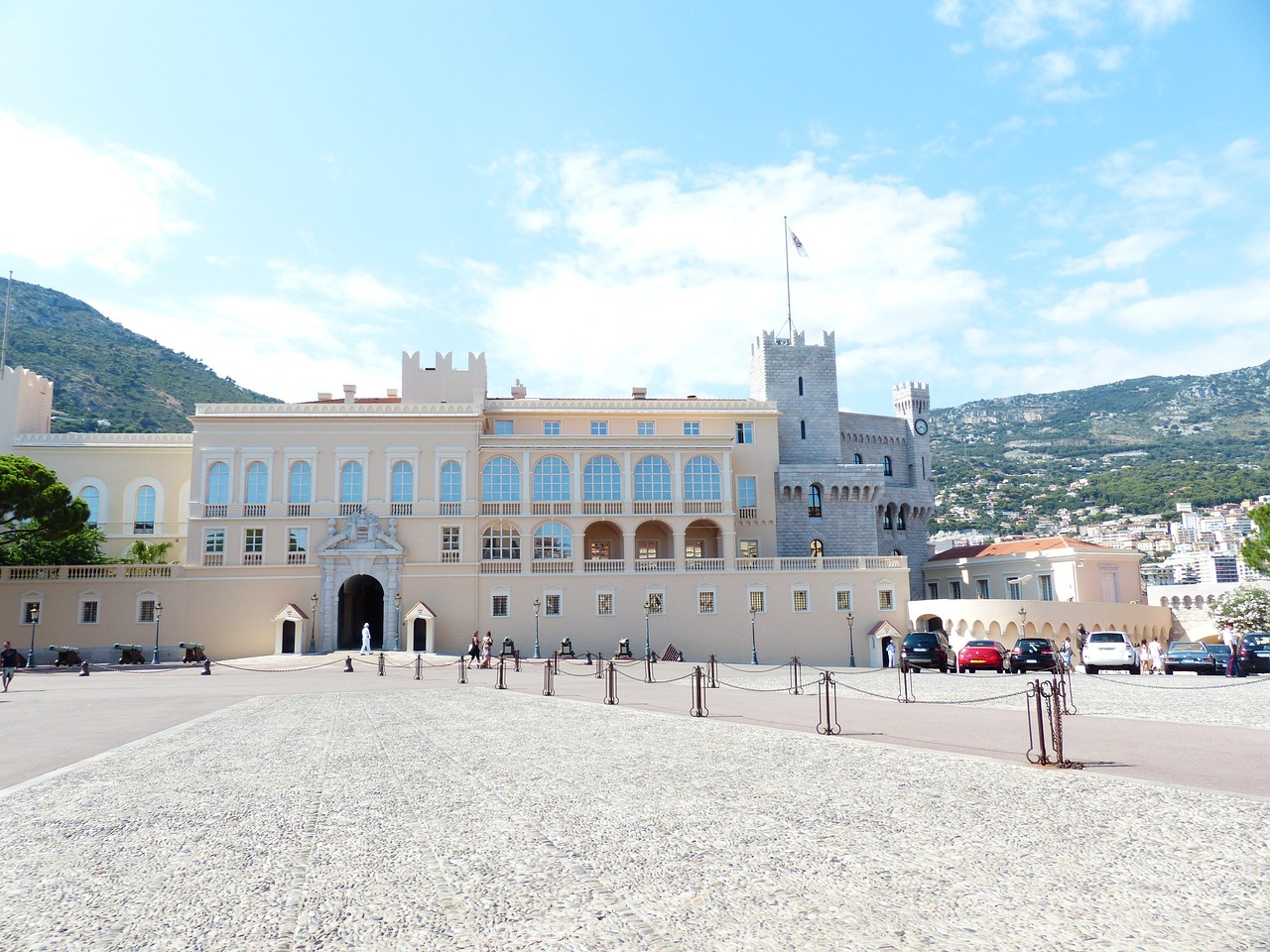
Why Visit the Prince’s Palace of Monaco?
Most travelers come to Monaco for the Formula 1 glitz, luxury yachts, and the casino in Monte-Carlo. But the soul of Monaco resides up on the Rock, in and around the Prince’s Palace. The palace is both an official residence and an evolving museum of Monegasque history, layered with centuries of sieges, renovations, diplomatic intrigue, and domestic life.
The palace and its surrounding quarter offer:
- A living palace – still the home of the Grimaldi family, not a frozen relic.
- Atmospheric medieval streets – narrow lanes, pastel facades, laundry lines, and cats sunning themselves on stone steps.
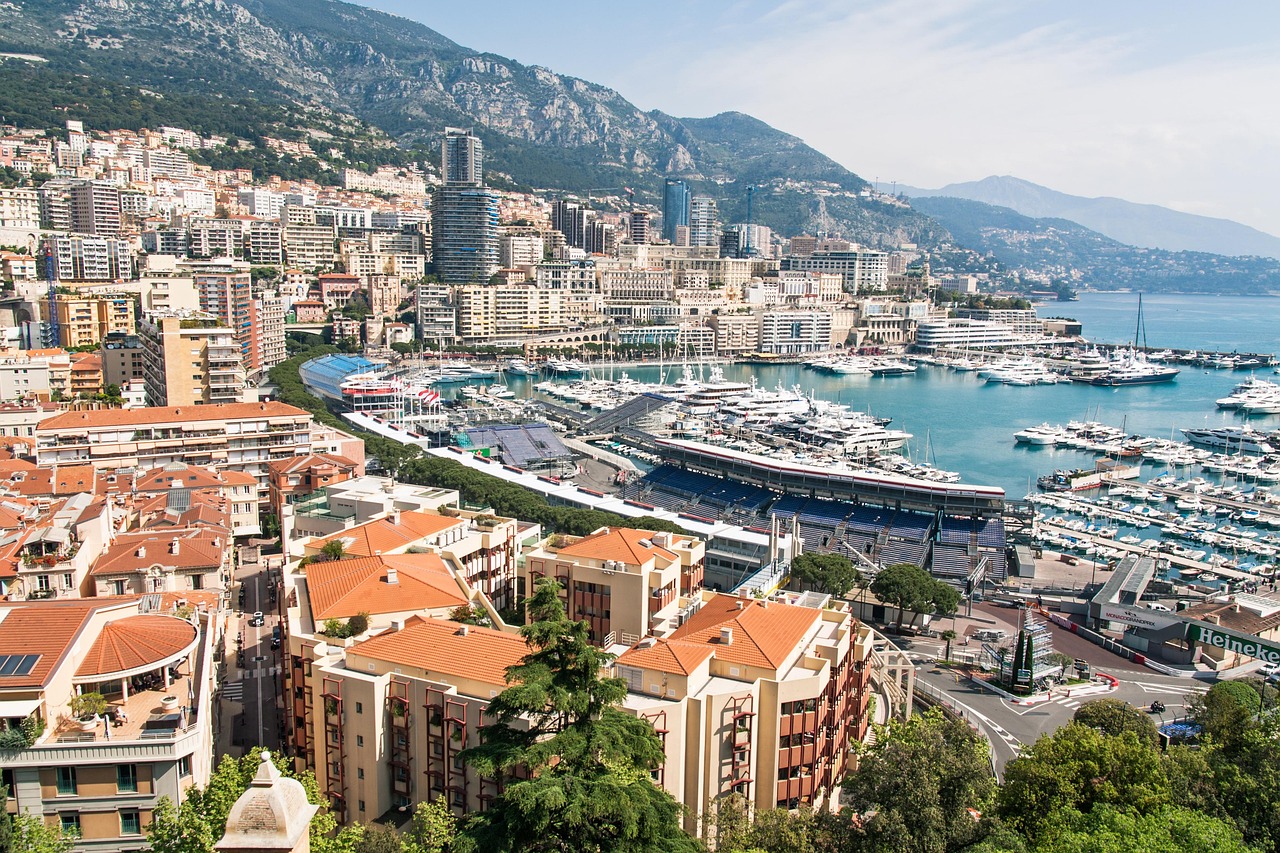
- Panoramic views – some of the finest in the Mediterranean, over Port Hercules, Monte-Carlo, and Fontvieille.
- Family-friendly experiences – changing of the guard, wax museum, oceanography-themed explorations nearby.
- Romantic evenings – soft-lit ramparts, quiet squares, and sea breezes after the day-trippers have gone.
- Cultural depth – chapels, cannons, royal collections, and a distinctive Monegasque identity that is often overshadowed by the Riviera’s broader glamour.
In 2026, the palace is more visitor-friendly than ever, with refreshed visitor routes, enhanced multilingual audio guides, and a growing calendar of cultural events that spill gradually from the palace down through the old town.
Table of Contents
- Why Visit the Prince’s Palace of Monaco?
- Understanding the Rock and Palace Layout
- Key Quarters, Monuments & Sites Around the Prince’s Palace
- 1. The State Apartments of the Prince’s Palace
- 2. Place du Palais & Changing of the Guard
- 3. Saint-Martin Gardens & Cliffside Walks
- 4. Monaco-Ville Old Town Lanes
- 5. Monaco Cathedral & Royal Tombs
- 6. The Ramparts & Viewpoints
- 7. Fontvieille Terraces & Sculpture Trail
- 8. Oceanographic Museum & Seaward Terraces
- 9. Chapel of Mercy & Procession Routes
- 10. Palace Collections & Side Museums
- 11. The Palace by Night
- 12. Beyond the Rock – Port Hercules & Monte-Carlo from the Palace
- Itineraries: 2–4 Days Around the Prince’s Palace
- Local Food in Prince’s Palace Quarter
- Evenings Around the Prince’s Palace
- Cultural Etiquette & Local Customs
- Events & What’s New in 2026–2027
- Day Trips & Nearby Attractions
- Practical Travel Tips & Logistics
- Summary & Best Seasons to Visit
Understanding the Rock and Palace Layout
The Prince’s Palace sits atop Le Rocher, a 62-meter-high headland that juts into the Mediterranean. This is the old town of Monaco, officially called Monaco-Ville, and it predates the high-rises of Monte-Carlo by centuries.
Think of the Rock as a long, narrow plateau:
- Eastern flank: Faces Port Hercules and Monte-Carlo. This side offers the classic harbor-and-casino view, best from the palace ramparts.
- Western flank: Faces Fontvieille, Monaco’s “new land” built on reclaimed sea, with marinas, residential blocks, and a more local rhythm.
- Southern tip: The Oceanographic Museum and sea-battered cliffs.
- Central spine: The palace itself, the cathedral, and a network of narrow streets with small restaurants, houses, and craft shops.
Over the centuries, the Rock’s layout has shifted from fortress to courtly residence to a hybrid of sovereign office and tourist magnet. You can still trace these layers:
- Medieval fortifications: Cannons, bastions, and thick walls ringing the palace square.
- Renaissance and Baroque touches: Loggias, frescoes, and the palace’s refined State Apartments.
- 19th–20th century growth: Streets widened just enough for early cars, squares reshaped to host ceremonies, terraces extended for public gardens.
- 21st century layers: Security cameras are discrete, glass-and-steel visitor entrances tucked into older walls, LED lighting that bathes stone in soft evening tones.
My favorite way to experience this chronology is to start at one of the lower gates, walk up through a historic staircase, and let the centuries reveal themselves as you climb.
Key Quarters, Monuments & Sites Around the Prince’s Palace
1. The State Apartments of the Prince’s Palace
The first time I toured the State Apartments, a Mistral wind was whipping whitecaps below the Rock, but inside the palace, everything felt hushed and still. The contrast between the roaring sea outside and the velvet-draped calm within is one of the great pleasures of visiting.
The palace has grown organically since the 13th century, with new wings, loggias, and decorative schemes layered over older fortifications. During the 2020s, sections were carefully restored, so by 2026 the color palette feels vivid without being gaudy; frescoes are sharp, and gilding is subtle rather than flashy.
Highlights Inside
- Hercules Gallery: A long gallery with frescoes of Hercules’ labors; look for tiny details in the painted armor and landscapes. On a recent visit, I spent a full half hour here with the audio guide paused, simply taking in the ceiling.
- Blue Room & Throne Room: Used for official ceremonies. The throne itself is more modest than you might expect, but the chandeliers and tapestries surrounding it are spectacular.
- Palatine Chapel: A small, luminous space where religious ceremonies for the princely family have taken place for generations.
- Courtyard with the double staircase: You’ll see this on entry or exit; its geometric stone paving and elegant steps are quintessentially Monegasque.
Practical Tips
- Opening season: Typically April–October, with exact 2026 dates confirmed closer to spring. In winter, the palace interior is usually closed to the public.
- Tickets: Combined tickets with the Oceanographic Museum or other attractions are often good value; buy online to avoid queues, especially when cruise ships are in port.
- Timing: Arrive right at opening (usually 10:00) or late afternoon to avoid group tours. I favor late afternoon when the light slants warmly across the square as you exit.
- Dress & etiquette: Smart-casual is fine, but avoid beachwear, bare chests, or overly revealing outfits; this is a working royal residence.
- Photography: Interior photography is generally not allowed. Respect this; guards are polite but firm, and it keeps the experience calm.
Every time I revisit, I notice something new: a carved lion tucked into a cornice, a barely visible paint layer. Don’t rush; this is the centerpiece of any travel guide for the Prince’s Palace of Monaco.
2. Place du Palais & Changing of the Guard
Place du Palais is where the Rock opens up: a wide, pale stone square ringed with cannons, looking east over the harbor and west toward Fontvieille. In the mornings, especially on cooler days outside peak season, the square smells faintly of the sea and gunmetal from the cannons.
Changing of the Guard
Every day at 11:55, the Compagnie des Carabiniers du Prince performs the changing of the guard in front of the palace. It isn’t a bombastic spectacle; it’s precise, measured, and relatively short (about 10 minutes), which makes it ideal for families with children.
- Arrive by 11:30 for a front-row view in high season.
- Stand slightly to the right as you face the palace for the most photogenic angle.
- Be respectful: no shouting, no blocking pathways, and keep kids from climbing on cannons during the ceremony.
My Favorite Times on the Square
My favorite moment here is actually in the evening, when the square empties and the palace façade glows in warm light. On one winter evening in 2025, I stood nearly alone on the square, wind pushing in from the sea, listening to the muffled sounds of cutlery from a small restaurant in the old town behind me. The Rock can feel almost like a village then, far from the superyachts below.
Practical Tips
- Family-friendly: Kids love the cannons and the ceremony; just keep a hand on toddlers near the square’s edges.
- Accessibility: The square itself is flat and paved; the main challenge is the uphill walk to reach it (more on that later).
- Best light for photos: Morning for clear harbor views; blue hour for magical shots of the lit-up palace.
3. Saint-Martin Gardens & Cliffside Walks
If the palace is Monaco’s stage, the Saint-Martin Gardens (Jardins Saint-Martin) are its backstage refuge. On the south side of the Rock, these gardens cascade down towards the sea, weaving between pine trees, succulents, and Mediterranean shrubs. Benches in the shade are perfectly placed for reading or simply watching the changing color of the water below.
On hot summer days, this is where I escape. The gardens’ paths slip under trees and along stone walls; at certain corners, the wind funnels upwards, bringing a cool spray of sea salt. You can trace the line of the cliffs down to the sea and, if you look closely, spot cormorants drying their wings on rocks.
Garden Highlights
- Views of the Oceanographic Museum: The museum sits on the cliff edge like a ship; the gardens offer the best low-angle views of this architectural marvel.
- Statues & memorials: Scattered through the greenery, they tell quieter stories of Monaco’s maritime past and scientific endeavors.
- Botanical variety: Look for agaves, aloe, and hardy Mediterranean plants adapted to sea winds and sun.
Tips
- Ideal for families: Safe paths, plenty of shade, and space for kids to roam a little.
- Romantic spot: Late afternoon walks here are peaceful and intimate, especially outside July–August.
- Bring a water bottle—there are a few fountains, but in summer you’ll be grateful for extra water.
4. Monaco-Ville Old Town Lanes
Step away from the palace square and in seconds you’re plunged into the old town lanes of Monaco-Ville. These are my favorite streets in the principality: narrow, pastel-colored, with green shutters and tiny balconies that seem to float above the cobbles.
On my most recent visit in early 2026, I spent a full morning walking with no agenda. I passed schoolchildren in navy uniforms, watched a grandmother sweeping her doorstep, and listened to the overlapping sounds of Italian, French, and the softer vowels of Monégasque.
Streets Not to Miss
- Rue Basse & Rue Comte Félix Gastaldi: Lively, with small restaurants and souvenir shops. Tourist-oriented but still charming if you duck into side alleys.
- Rue des Remparts: Runs along the eastern edge of the Rock with lookout points over Port Hercules.
- Hidden stairways: Look for narrow flights of steps between houses; they connect different levels of the Rock and often lead to small viewpoints or quiet benches.
Eating & Shopping Like a Local
While there are plenty of postcard stands and gelato shops, there are also a few spots that feel rooted in local life:
- Small family-run restaurants with just a few tables and chalkboard menus—often serving barbajuans (stuffed fritters), socca (chickpea pancake), and simple fish dishes.
- Artisan boutiques selling ceramics, handmade soaps, and local food products, often run by people who grew up on the Rock.
- Mini-markets where residents pick up daily essentials; step inside for a snapshot of everyday Monaco.
Wander without headphones; you’ll pick up snippets of local gossip and the soundscape of a tiny, densely layered community.
5. Monaco Cathedral & Royal Tombs
The Cathedral of Our Lady Immaculate, usually called Monaco Cathedral, stands a short walk from the palace, its white stone façade both imposing and serene. This is where the princely family attends major religious services and where many of its members, including Prince Rainier III and Princess Grace, are buried.
Inside, the cool air smells faintly of incense and stone. On my last visit, I watched a small group of locals lighting candles in a side chapel; outside, a tour group chattered, but inside the hush was almost complete.
What to Look For
- Royal tombs: The simple marble tombs of Prince Rainier III and Princess Grace are at the rear. Visitors often leave flowers; keep conversation quiet and movements respectful here.
- Altarpiece & organ: The cathedral’s organ is a marvel, and during certain services or evening concerts, its sound fills the nave.
- Roman-Byzantine style: Note the rounded arches and decorative stonework that set it apart from French Gothic cathedrals you may know.
Etiquette & Practicalities
- Dress modestly: Shoulders covered, no beachwear, hats off inside.
- Photography: Allowed in many areas, but without flash and never during a service.
- Mass times: Attending a service can be a powerful cultural experience; check the cathedral’s schedule posted near the entrance.
6. The Ramparts & Viewpoints
The ramparts around the Prince’s Palace are where Monaco’s defensive past meets its modern postcard identity. From here, you get the views that fill travel magazines: the curve of Port Hercules, the casino-topped skyline, and the mountains backing the Riviera.
I have a ritual: each time I arrive on the Rock, I walk the eastern ramparts first, starting near the palace square and heading towards the old town, stopping at each gap in the stone to lean out (safely) and drink in the changing angle.
Best Spots
- Over Port Hercules: See the full sweep of the harbor and, if you’re lucky, a racing yacht slipping out to sea.
- Toward Monte-Carlo: Spot the casino, the Fairmont hairpin of the F1 circuit, and terraced buildings climbing the hillside.
- Sunset over Fontvieille: From the western side, the setting sun turns the sea and buildings gold and pink.
These views are especially dramatic after rain, when the air is crystal clear and the mountains seem close enough to touch.
7. Fontvieille Terraces & Sculpture Trail
On the western side of the Rock, a series of terraces tumbling toward Fontvieille offer a completely different perspective: instead of old stone and cannons, you see modern marinas, gardens, and the curved lines of contemporary architecture.
A short walk from the palace square, you’ll find several lookout points with benches. On one breezy afternoon in late 2025, I sat here with a takeaway coffee, watching a local sailing school maneuver dinghies in and out of the harbor while the last rays of light slid off the cliff face.
Sculpture & Greenery
Below, in Fontvieille, a sculpture trail winds among landscaped gardens. While not strictly part of the palace complex, it’s visually linked; the Rock looms above, and you can trace your earlier walking route along the upper walls.
For families, combining a palace visit with a stroll through these gardens offers kids a change of pace and space to run on flat ground.
8. Oceanographic Museum & Seaward Terraces
Although not part of the palace itself, the Oceanographic Museum is intrinsically tied to the Rock and to Monaco’s identity, and it lies only a short, scenic walk from the palace square along the spine of Monaco-Ville.
The museum clings to the cliff like a white stone ship. Its aquariums, exhibitions on marine science, and rooftop terrace make it one of the top family-friendly things to do in Prince’s Palace of Monaco’s orbit.
Why Include It in a Palace-Focused Visit?
- Shared history: Prince Albert I was a pioneering oceanographer; the museum reflects the princely family’s scientific interests.
- Architecture: From the palace ramparts, you see the museum from above; from its terraces, you look back up at the Rock.
- Practical combo: Combined tickets with the palace are common, and the walk between them is scenic and manageable.
Tips
- Buy a combo ticket if you plan to visit both the museum and the palace interiors in one or two days.
- Allow at least 2 hours for the museum, more with curious kids.
- The rooftop is a must for views and often has seasonal installations or events.
9. Chapel of Mercy & Procession Routes
The Chapel of Mercy (Chapelle de la Miséricorde) is a small, easily missed gem in Monaco-Ville, but it holds deep significance for locals. Home to the Confrérie des Pénitents Noirs, it plays a central role in the Good Friday procession, when hooded penitents carry statues through the old town.
I once stumbled upon a rehearsal evening, the doors slightly ajar, with soft singing and the shuffle of feet echoing out onto the street. It was a reminder that, behind the palace pomp, Monaco retains traditions and devotions that predate tourism.
Visiting Tips
- Opening hours can be irregular; check posted times or ask locally.
- Dress respectfully and keep voices low.
- If you’re in Monaco during Holy Week, the Good Friday procession is one of the most powerful cultural experiences in Prince’s Palace of Monaco’s orbit.
10. Palace Collections & Side Museums
Beyond the main State Apartments, the palace complex from time to time hosts temporary exhibitions and, in recent years, has showcased parts of the princely collections: vintage cars, artwork, archival photographs, and ceremonial objects.
In 2024–2025, a rotating exhibition of historic carriages and state vehicles drew small, fascinated crowds; in 2026, expect curated shows tied to anniversaries or major events, often announced in spring.
These spaces are ideal on overly hot or rainy days, offering both shelter and a deeper dive into Monegasque history beyond the palace rooms themselves.
11. The Palace by Night
At night, the Prince’s Palace is transformed. Carefully placed lighting turns the stone walls honey-gold, picks out the rhythm of the loggias, and leaves just enough shadow to maintain mystery. In summer 2025, I joined a small evening guided tour of the Rock, ending at the palace square under a crescent moon; it remains one of my favorite experiences in Monaco.
Evening tours in 2026 are expected to expand, sometimes with a focus on history, sometimes on ghost stories and legends, and occasionally timed with sound-and-light shows for special events.
Why Go After Dark?
- Day-trippers and cruise passengers are gone; the Rock feels more like a village again.
- Temperature is milder in July–August.
- Photographers get dramatic contrast shots of lit stone against dark sky.
12. Beyond the Rock – Port Hercules & Monte-Carlo from the Palace
While this guide focuses on the palace and the Rock, you cannot ignore what lies below. From the palace ramparts, you can see Port Hercules to the east and Fontvieille to the west; the Rock is, in many ways, the balcony of Monaco.
On my usual routine, I walk the Rock in the morning, descend via stairways or elevators to the harbor by midday for lunch, then climb (or ride) back up in the late afternoon. This rhythm lets you experience the full verticality of Monaco without exhausting yourself.
You’ll see the F1 circuit laid out like a scale model below, the bobbing masts of yachts, and the constantly shifting pattern of traffic and pedestrians. From above, Monaco’s density feels almost playful—like a toy city—yet it is anchored by the timeless solidity of the palace behind you.
Itineraries: 2–4 Days Around the Prince’s Palace
Whether you have 2 days in Prince’s Palace of Monaco’s orbit or a full 4 day itinerary for Prince’s Palace of Monaco and the Rock, planning your days around the palace will give your visit structure and depth. Below I’ve sketched three itineraries based on my own repeat visits—each day includes a mix of major sights, hidden corners, and practical pacing.
2 Day Itinerary for Prince’s Palace of Monaco
If you only have 2 days in Prince’s Palace of Monaco and its surroundings, focus on the core: palace interiors, the old town, and the most emblematic viewpoints.
Day 1 – First Encounter with the Rock
I like to start early. On a spring trip in 2026, I arrived around 8:30, when the air was still cool and the only people on the Rock were dog walkers and delivery drivers.
- Morning: Climbing to the Palace & Old Town Orientation
- Arrive at Place d’Armes at the base of the Rock and take the historic Rampe Major staircase up. It winds under trees and between walls, gradually revealing the sea and harbor through gaps.
- Pause at intermediate viewpoints; these transitional moments—between city and palace—are often my favorites.
- Reach Place du Palais in time to stroll the square before the crowds gather.
- Late Morning: Palace Interior & Changing of the Guard
- Book an entry slot between 10:00 and 10:30 for the State Apartments. Take the audio guide; it’s genuinely informative without overwhelming you.
- Spend about 60–90 minutes inside, then exit in time for the 11:55 changing of the guard.
- Stand to the right of the palace as you face it for the best view of the soldiers marching and the band playing.
- Lunch: Local Food in the Old Town
- Slip into the lanes behind the square and choose a family-run restaurant with a short menu. Order barbajuans, socca, or a simple grilled fish.
- Yes, prices are higher than inland France or Italy, but in Monaco-Ville you can still find places that feed locals—look for menus in French and Italian, not just English.
- Afternoon: Cathedral & Ramparts
- Walk to the Cathedral, visit the royal tombs, and sit for a quiet moment in a pew.
- Continue along the eastern ramparts, stopping at each lookout over Port Hercules; these are the must-see views in any travel guide for Prince’s Palace of Monaco.
- Grab a gelato or coffee from a small café in the old town lanes.
- Evening: Blue Hour on the Square
- Stay on the Rock until after sunset. Watch as the palace and harbor lights blink on.
- If available, join a guided evening walk. Otherwise, make your own, circling back through quiet lanes where locals lean from balconies to chat.
Day 2 – Gardens, Oceanographic Museum & Seaward Views
On your second day, lean into the maritime side of the Rock and the palace’s relationship with the sea.
- Morning: Saint-Martin Gardens
- Arrive mid-morning and enter the Saint-Martin Gardens from near the cathedral or the museum end.
- Follow the paths along the cliff edge, stopping at benches for long looks at the Mediterranean below.
- If you’re traveling as a couple, this is one of the most romantic spots near the palace; for families, it’s a forgiving space for kids to burn energy.
- Late Morning & Afternoon: Oceanographic Museum
- Head to the Oceanographic Museum. Even if you’re usually “not a museum person,” the aquariums and rooftop views are irresistible.
- Allocate at least 2 hours; more if you or your children are fascinated by marine life.
- Have lunch either in the museum café (for convenience and views) or back in the old town for a more local feel.
- Late Afternoon: Western Terraces & Fontvieille Views
- Return to the palace square, then wander toward the western terraces overlooking Fontvieille.
- Watch the sun slide toward the horizon; on clear days, the sky turns layered pink and orange.
- Evening: Descent to Port Hercules
- As dusk deepens, descend from the Rock via staircases or elevators down to Port Hercules.
- Look back up at the illuminated Prince’s Palace; it seems almost suspended above the harbor—a fitting farewell after 2 days in Prince’s Palace of Monaco’s sphere.
3 Day Itinerary for Prince’s Palace of Monaco
With 3 days in Prince’s Palace of Monaco and surroundings, you can slow down and add more hidden gems, evening experiences, and perhaps a short venture to the nearby quarters below the Rock.
Day 1 – Deep Dive into the Palace & Old Town
Follow the Day 1 scheduling from the 2-day itinerary but stretch it out:
- Spend longer in the State Apartments, perhaps doing a second pass through your favorite rooms.
- Take time to sit on the palace square and simply watch—children chasing pigeons, guards rotating, locals crossing the square on their errands.
- Explore more side streets in Monaco-Ville, noting architectural quirks: carved lintels, tiled doorways, small shrines.
Day 2 – Maritime Monaco & Gardens
Repeat the Oceanographic Museum and Saint-Martin Gardens focus from the 2-day plan, but add:
- A detour through the Chapel of Mercy and any open small chapels or oratories.
- A slow coffee in a café favored by locals (ask which places stay open year-round, not just in high season).
Day 3 – Layers of History & Modern Monaco Below
On your third day, explore how the palace and the Rock relate to the urban Monaco below.
- Morning: Ramparts & Port Hercules
- Do a full circuit of the accessible ramparts, taking photos of the harbor and Monte-Carlo from multiple angles.
- Descend to Port Hercules via stairs and elevators; wander along the quays, looking back up at the Rock where you stood earlier.
- Afternoon: Fontvieille & Sculpture Trail
- Walk or bus to Fontvieille, explore its marina and sculpture-dotted gardens.
- Find a café with a terrace; you’ll likely be surrounded more by residents than tourists here.
- Return to the Rock via bus or elevator, watching as the palace slowly reappears above you.
- Evening: Palace Night Atmosphere
- Join a night tour if available in 2026, or create your own: walk the palace square, the cathedral, and the ramparts at night.
- Pay attention to how sound carries—voices, footsteps, the low hum from the harbor below—this is the intimate Monaco most visitors miss.
4 Day Itinerary for Prince’s Palace of Monaco
A 4 day itinerary for Prince’s Palace of Monaco and its surroundings allows you to settle into a rhythm, with mornings on the Rock and afternoons exploring nearby coastal towns or different angles of Monaco.
Day 1 – Palace & Old Town Essentials
Follow the core palace and old town day from previous itineraries but move even more slowly; add time to sit, sketch, or journal on the palace square or ramparts.
Day 2 – Museums, Gardens & Cultural Depth
Combine the Oceanographic Museum, Saint-Martin Gardens, and any palace-side exhibitions into a full cultural day. Consider timing a visit to the cathedral during a short organ recital or service.
Day 3 – Port Hercules, F1 Circuit Walk & Monte-Carlo
This day stretches beyond the strict palace area but remains anchored visually to the Rock.
- Walk part of the Formula 1 circuit around Port Hercules; look up regularly to keep the palace in sight.
- Dip into Monte-Carlo for a contrast: the casino square, luxury boutiques, and Belle Époque architecture.
- Return to the Rock late afternoon for a decompressing stroll among its older stones.
Day 4 – Day Trip & Evening Return to the Palace
On your fourth day, take a day trip (see options in the Day Trips section—Eze, Menton, or Villefranche-sur-Mer are excellent choices) and return in the late afternoon.
- As you arrive back in Monaco, head straight up to the Rock to catch golden hour on the palace walls.
- Enjoy a final dinner in the old town, choosing a restaurant you’ve passed several times and been curious about—familiarity is one of the gifts of staying multiple days.
Four days spent regularly circling back to the palace will leave you with a surprisingly nuanced understanding of this small but layered place.
Local Food in Prince’s Palace of Monaco & Where to Eat
Food on the Rock is more varied than you might expect, and while you can certainly find upscale options, the old town around the palace hides small, family-run restaurants that feel like an extension of someone’s dining room.
Traditional Dishes to Try
- Barbajuans: Deep-fried turnovers filled with chard, ricotta, and herbs. They’re the unofficial snack of Monaco; grab them as a starter or from takeaway counters.
- Socca: Chickpea flour pancake, originally from Nice but beloved here—crispy at the edges, soft within.
- Pissaladière: Caramelized onion tart with anchovies and olives, another Riviera classic.
- Fresh fish & seafood: Grilled sea bream, octopus salads, and seafood platters are common on menus.
- Barbagiuan-inspired modern dishes: Some chefs reinterpret the classic fritter in contemporary ways; ask about “modern Monegasque” specials.
Atmospheric Streets for an Evening Meal
Look for restaurants tucked along Rue Basse, Rue Comte Félix Gastaldi, and adjoining alleys. Many have a handful of tables outdoors, where you can eat under strings of lights with neighbors chatting above you from windows.
My rule of thumb: if I hear mostly French or Italian spoken at tables, I sit down. If I hear only English and see laminated menus with flags, I keep walking, unless the place has a particularly inviting feel.
Where to Stay: On the Rock vs. Below
There are relatively few accommodations directly on the Rock; most visitors stay in Monte-Carlo, La Condamine, or Fontvieille. But if you can, consider a stay in or near Monaco-Ville:
- Staying on or near the Rock: Magical early mornings and late nights, when you have the palace area almost to yourself. You’ll hear church bells and distant waves, not traffic.
- Staying down in Monte-Carlo or La Condamine: More hotel options, easy access to trains and buses, and you can treat the Rock as your morning or evening “escape.”
Whichever you choose, plan for regular walks up and down. The narrow historic streets of Monaco-Ville become familiar quickly; you’ll learn which staircases are steeper, which have the best views, and where to pause for breath.
Evenings Around the Prince’s Palace of Monaco
Evenings on the Rock are when the palace quarter truly breathes. After the day-trippers and tour buses leave, Monaco-Ville feels like the small town it once was, with local families heading home, children on scooters in the square, and a soft glow from windows.
Lit-Up Monuments & Night Atmosphere
- The palace façade glows golden, with shadows emphasizing its arches and loggias.
- The cathedral stands out in sharp relief, its white stone luminous against the dark sky.
- The ramparts and cannons take on a cinematic quality, especially under a crescent moon.
Take two walks to appreciate the contrast:
- Late afternoon into sunset: Watch the color shift on the stone and the sea.
- Late night: Around 22:00–23:00 (later in summer), when the last diners head home and you might find yourself alone on sections of the ramparts, with only the hum of the harbor below.
Evening Tours & Performances
In summer, look out for:
- Guided night walks of the Rock, sometimes themed around legends or historical episodes.
- Occasional open-air concerts in nearby venues, with the palace and sea as a backdrop.
- Special sound-and-light shows for national events, projected onto palace walls or nearby buildings.
Ask at the tourist office in Monaco-Ville or check the official palace website for 2026–2027 schedules.
Cultural Etiquette & Local Customs
Monaco is cosmopolitan yet rooted in its own traditions. Around the palace, where the royal family lives and works, it’s especially important to be mindful.
Respecting the Palace & Religious Sites
- Dress modestly in the palace interior and cathedral: shoulders covered, no beachwear, hats off.
- Quiet voices in churches and during the changing of the guard.
- No drones: Flying drones near the palace and Rock is prohibited for security reasons.
- Photography rules: Obey signs; interior palace photos are usually banned, but exterior shots are welcome.
Everyday Customs
- Greet shopkeepers with a polite “Bonjour” or “Bonsoir”; it sets the tone.
- Service is professional but not obsequious; patience is appreciated.
- Tipping is not obligatory but rounding up or leaving 5–10% for good service is common.
Local Events & Observances
- National Day (Fête Nationale) on 19 November: The Rock is decorated with flags; ceremonies involve the palace and cathedral.
- Religious processions from the Chapel of Mercy or cathedral: Step aside respectfully, don’t block the route, and avoid intrusive photos of participants’ faces.
Events & What’s New in 2026–2027
Monaco continues to refine how visitors experience the Rock and the Prince’s Palace. While specific programs are announced closer to the date, here’s what to expect for 2026–2027 around the palace area:
- Enhanced multimedia guides for the State Apartments, with more languages and children’s versions, expected from the 2026 season.
- Seasonal temporary exhibitions in palace-associated spaces, often highlighting royal collections or Monaco’s maritime history.
- Expanded schedule of evening tours of Monaco-Ville in high season (June–September), some focusing on legends of the Rock, others on architecture.
- Ongoing restoration works on sections of the fortifications and façades; these are carefully staged to minimize disruption but may temporarily affect access to specific viewpoints—always check current notices.
- Regular National Day (November 19) and religious celebrations centered on the palace and cathedral, with flags and decorations throughout the old town.
Day Trips & Nearby Attractions from the Palace
One of the best things about basing yourself near the Prince’s Palace is how quickly you can escape to other Riviera jewels, then return in the evening to your now-familiar Rock.
Eze – The Eagle’s Nest Above the Sea
Eze, a medieval hilltop village 20–30 minutes from Monaco by bus, is a natural pairing with the palace: stone lanes, sweeping sea views, and an exotic garden at the top.
- Getting there: Bus from Monaco-Ville or the lower town, or train plus uphill walk.
- What to do: Wander lanes, visit the exotic garden, have lunch with a view, then return to Monaco for sunset on the Rock.
Villefranche-sur-Mer – Colorful Harbor Town
This pastel harbor town is about 15 minutes by train from Monaco. Its relaxed atmosphere contrasts with Monaco’s intensity.
- Swim in the bay, wander the citadel, then ride back and climb to the palace for evening views.
Menton – Gardens & Citrus
Menton, on the Italian border, is 15–20 minutes by train. Its old town and gardens make an easy, rewarding day trip.
- Visit a garden, stroll the old town, perhaps eat Italian-influenced dishes, then return for an after-dark walk around the palace.
Practical Travel Tips & Logistics
Getting Around the Prince’s Palace Area
- On foot: The Rock is compact but steep. Wear comfortable walking shoes with good grip; cobbles can be slippery when wet.
- Public elevators & escalators: Monaco has an impressive network of vertical transport. Use them to reduce climbing from the harbor or lower town to the Rock—maps at bus stops and tourist offices show their locations.
- Buses: Local buses connect Monaco-Ville with Monte-Carlo, Fontvieille, and the train station. They’re clean, frequent, and a good way to avoid uphill hikes in summer heat.
- Cars: Avoid driving up to the Rock; parking is limited and unnecessary. Park in lower garages and come up by foot or elevator.
Saving Money
- Combined tickets: Look for palace + Oceanographic Museum combos—often cheaper than buying separately.
- Lunch vs. dinner: Eat your main meal at lunch in the old town; some menus are better value at midday.
- Water: Carry a refillable bottle; many fountains provide potable water, especially in cooler months.
SIM Cards & Connectivity
- Monaco uses its own network operators, but EU roaming often works seamlessly if you’re coming from another European country.
- Short-term visitors can buy SIM cards in Monaco or nearby French towns; coverage on the Rock is excellent.
- Most cafés and museums offer Wi-Fi, but signal can be patchy inside thick stone walls.
Visa Requirements & Driving Licenses
- Monaco follows the Schengen framework for most nationalities; check your specific requirements before travel.
- Foreign driving licenses are generally accepted for short stays; an International Driving Permit can be useful but is not always required—verify with your rental agency if you plan to drive.
Accessibility on the Rock
- Many areas of the palace surroundings are paved and reasonably flat, but reaching them involves steep routes.
- Public elevators and some accessible bus routes can reduce the climb, but certain viewpoints and narrow lanes remain challenging for wheelchairs or limited mobility.
- Inside the palace, accessibility features have been improved, but check current provisions if you require specific assistance.
Historic-Area Etiquette & Rules
- Archaeological-site respect: Don’t climb on cannons, walls, or barriers, even for photos.
- Trash: Use bins; wind can carry even small bits of litter over the cliffs and into the sea.
- Noise: The old town is residential; keep noise down late at night, especially in narrow lanes where sound amplifies.
Best Seasons & Weather Considerations
- Spring (March–May): My favorite time: mild temperatures, fewer crowds, gardens green and blooming. Ideal for long walks on the Rock.
- Summer (June–August): Busy and hot, but evenings are glorious. Plan palace visits early morning or late afternoon; use shaded gardens mid-day.
- Autumn (September–November): Warm seas, softer light, and calmer streets. National Day in November adds a cultural highlight.
- Winter (December–February): Quieter, cooler, and sometimes rainy. Palace interiors may be closed to visitors, but the Rock itself is atmospheric and peaceful.
Summary & Final Recommendations
The Prince’s Palace of Monaco is far more than a single attraction; it’s the anchor of an entire historic quarter, a lived-in village of stone lanes, chapels, and terraces suspended above the Mediterranean. Whether you follow a 2 day itinerary for Prince’s Palace of Monaco, linger for 3 days in Prince’s Palace of Monaco’s orbit, or commit to a full 4 days in Prince’s Palace of Monaco and its surroundings, the key is to return repeatedly to the Rock at different times of day.
Visit the State Apartments to understand the principality’s ceremonial heart; walk the ramparts morning and evening for changing light; descend to the harbors to see the palace as a watchful presence above it all. Eat in small, family-run restaurants in Monaco-Ville, listen for local languages, and respect the quiet customs of this tiny but proud state.
For most travelers, the best seasons to visit are spring and autumn, when temperatures are gentle and crowds manageable. Summer brings long evenings and energy, winter brings introspective calm. In every season, the palace and its Rock remain constant: a stone outcrop of history, ritual, and everyday life, waiting to be explored at walking pace.