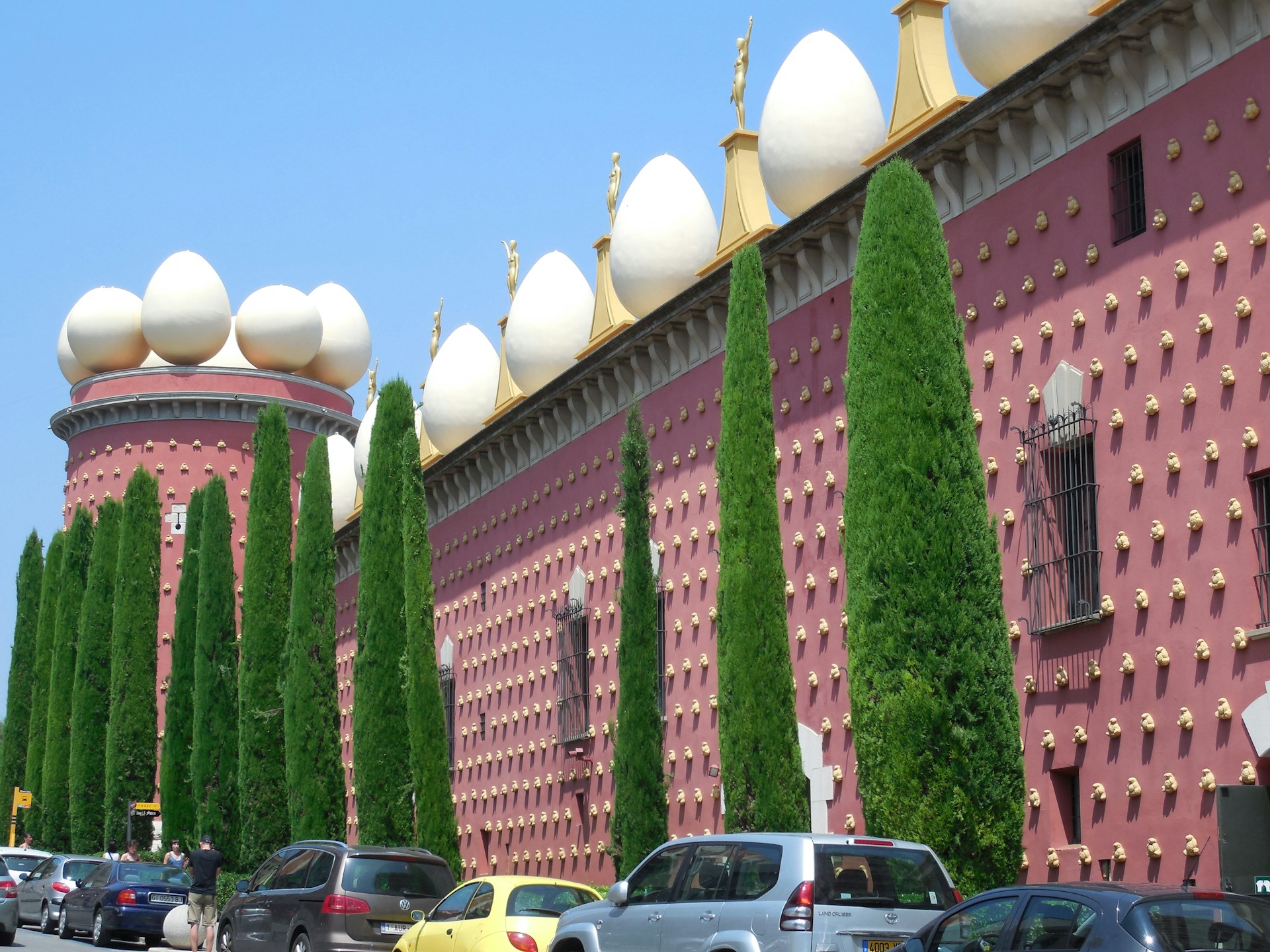
Why Visit Figueres?
Figueres is one of those places that many travelers see only as a quick stop on the way from Barcelona to the Costa Brava or to France. That’s a shame. I’ve been coming back to Figueres for over a decade—first as a day-tripper chasing Dalí, then as a slow traveler staying a week at a time—and it has quietly become one of my favorite small cities in Spain.
Yes, Figueres is famous as the birthplace of Salvador Dalí, and the Dalí Theatre-Museum is absolutely a must-see. But once you step out of the museum and wander into the old streets, linger in its cafés, and climb up to the fortress above town, you realize this is a lived-in Catalan city with a stubbornly authentic character.
You come here for surreal art, medieval fortifications, and sunny squares; you stay for the slow evening strolls, the affordable tapas, the easy day trips to the Costa Brava, and the relaxed pace that Barcelona often can’t offer anymore. Figueres is big enough to feel lively, small enough to cross on foot, and close enough to the Pyrenees and the Mediterranean that weekend plans can flip from beach to mountains depending on the clouds.
This 2026 travel guide for Figueres is written as if I’m walking beside you: where to get the best morning coffee, which street to take at sunset, how to use Figueres as a base for 3, 4, or 5 days, and what cultural nuances matter in this proud corner of Catalonia.
Table of Contents
- Why Visit Figueres?
- Figueres at a Glance (2026 Snapshot)
- Neighborhoods & Areas to Explore
- 20 Must-See Attractions in Figueres
- 3–5 Day Itineraries for Figueres
- Local Food in Figueres: What & Where to Eat
- Nightlife, Entertainment & Cultural Experiences
- Events & Festivals in 2026–2027
- Day Trips from Figueres
- Cultural Etiquette & Local Customs
- Practical Travel Advice for Figueres
- Summary & Best Time to Visit Figueres
Figueres at a Glance (2026 Snapshot)
Region: Alt Empordà, Catalonia, Spain
Population: ~45,000
Language: Catalan (primary), Spanish widely spoken; English is common in tourism settings
Best for: Art lovers, history buffs, families, couples on a romantic escape, slow travelers, and anyone using the high-speed train line between Barcelona and France.
Ideal stay: 3–5 days in Figueres works beautifully: 2 days for the city, 1–3 days for surrounding villages, wineries, and the Costa Brava.
Getting there: High-speed trains (AVE/AVANT) from Barcelona and Girona to Figueres-Vilafant station; regional trains to Figueres city station; easy road access by AP-7.
Neighborhoods & Areas to Explore in Figueres
Figueres is not huge, but it has distinct pockets that feel surprisingly different. Over multiple trips I’ve stayed in all of these areas; each has its own rhythm and is worth walking through even if you don’t sleep there.
1. Barri Vell (Old Town)
This is where you’ll spend most of your time: narrow lanes, stone façades, and the city’s main squares. The Dalí Theatre-Museum, La Rambla, and many cafés and shops are here. It’s busy by day, mellow at night, and entirely walkable.
Stay here if: You want to walk everywhere and feel in the middle of things. Most “things to do in Figueres” are within a 10-minute stroll.
2. Around Castell de Sant Ferran
On the hill above town, the area around the fortress is quieter and more residential. It’s a pleasant place for an early-morning or late-afternoon walk, with open views toward the Pyrenees when the air is clear.
Stay here if: You like calm evenings, don’t mind a 15–20 minute walk (or quick taxi) into the center, and want to be near hiking paths that start around the fortress.
3. Station Area (Estació Figueres & Figueres-Vilafant)
The blocks around both train stations are more functional than pretty, but they’re practical if you’re coming and going a lot. The Figueres-Vilafant AVE station is a bit outside the main core; there’s a regular bus and taxis into town.
Stay here if: You’re using Figueres as a base for day trips by train (Girona, Barcelona, Perpignan) and want quick station access over old-town charm.
4. Peripheral Districts & Local Barrios
Neighborhoods like Horta Capallera or Parc Bosc are more local, with playgrounds, small bars, and fewer tourists. I like wandering through in the late afternoon when families are out and the day cools down.
Stay here if: You find a good apartment deal and want a more “local life” feel, but still within walking distance (20–25 minutes) of the center.
20 Must-See Attractions in Figueres (With Personal Notes)
Here are the best places to visit in Figueres, ordered from iconic to quietly special. For each one, I’ll include what it is, why it matters, and how it felt to be there—plus practical tips like when to go and where to eat nearby.
1. Dalí Theatre-Museum (Teatre-Museu Dalí)
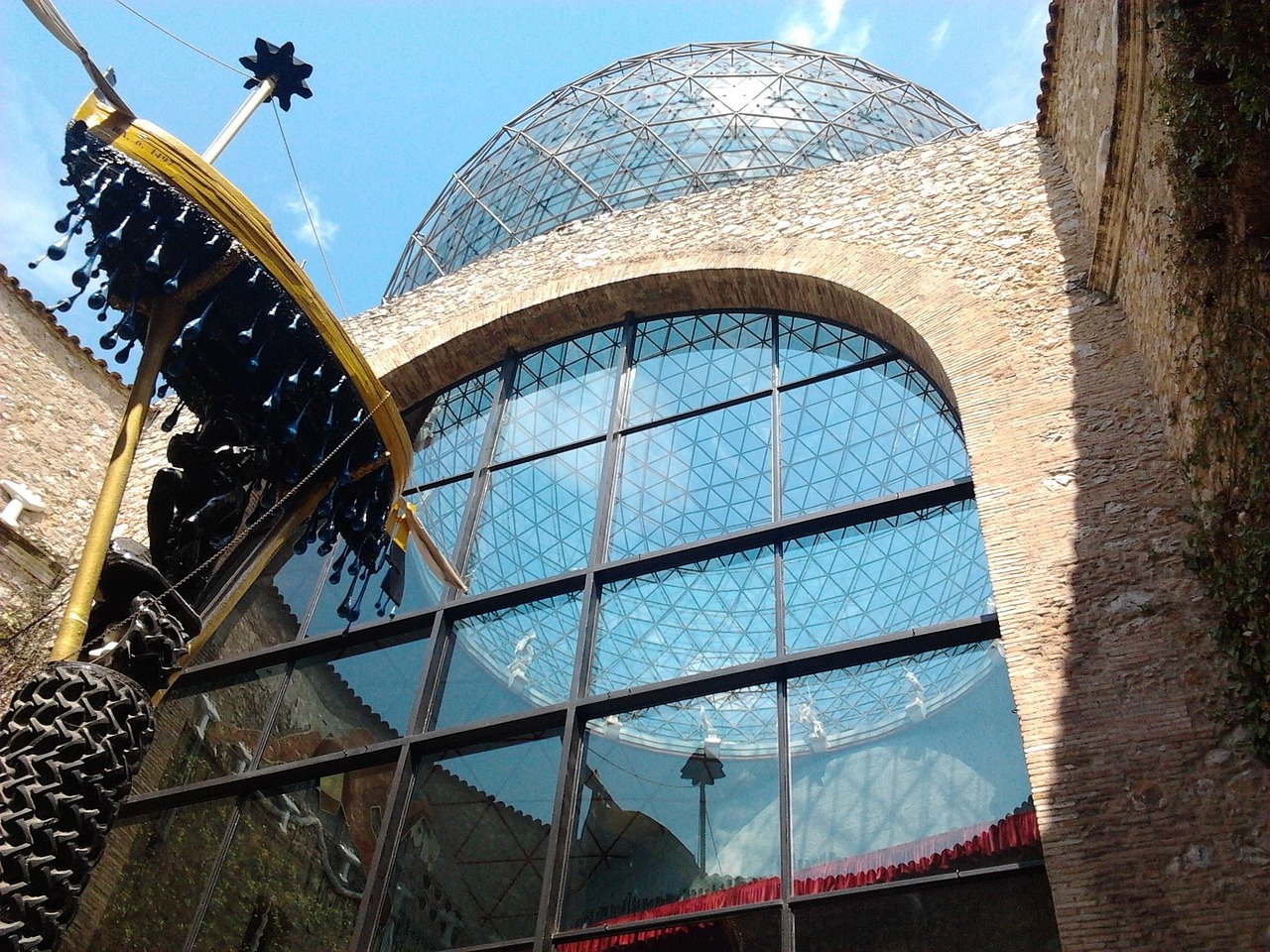
If you know one thing about Figueres, it’s this place: a former theatre transformed by Salvador Dalí into a kind of surrealist cathedral. I still remember my first time stepping into the main courtyard, staring up at the glass dome, almost dizzy from sensory overload.
Why it’s special: Dalí personally designed this museum on the ruins of the old municipal theatre, destroyed in the Civil War. It’s often described as the world’s largest surrealist object. It houses a huge collection of his works—from early pieces to late experiments—and feels like walking through the inside of his mind.
Highlights I never skip:
- The Mae West Room with its famous optical illusion—you climb a small staircase to see the face come together.
- The Palau del Vent ceiling, where Dalí paints himself and Gala floating overhead.
- The jewelry section downstairs; even non-art lovers are stunned by these delicate, glittering designs.
Practical tips:
- Book tickets in advance online, especially from April–October. Slots do sell out.
- Go early morning (first entry) or late afternoon—midday is packed with tour groups.
- Photography is allowed without flash; take your time, sit occasionally, and let it sink in.
- Allow at least 2–3 hours, more if you’re an art lover.
Food nearby: I usually head to a nearby bar for a simple menú del día afterward; the museum is intense and I need a break. Around Carrer Girona and La Rambla you’ll find plenty of options.
2. Dalí Jewels (Dalí Joies)
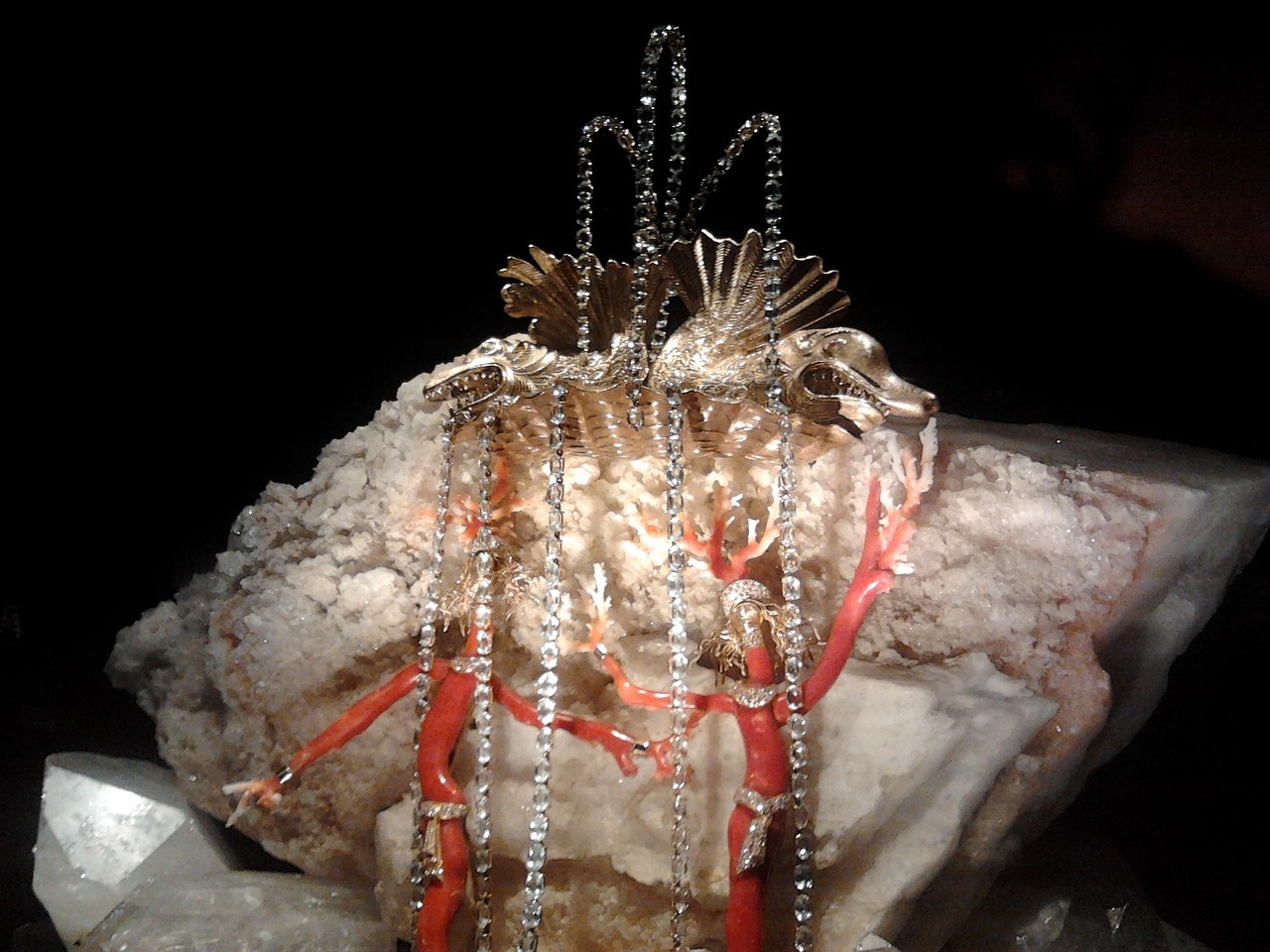
Technically part of the Dalí Theatre-Museum complex, the Dalí Jewels gallery deserves its own mention. It’s a small, dimly lit space showing Dalí’s jewelry designs in gold, precious stones, and enamel.
Why go: Even friends who don’t care for painting have told me this was their favorite part. The pieces are exquisite and surreal—hearts that actually beat mechanically, tiny details you need to lean in to appreciate.
Tip: Save this for the end of your museum visit; it’s calmer and a good way to decompress from the crowds upstairs.
3. Toy Museum of Catalonia (Museu del Joguet de Catalunya)
Like many people, I first ducked into the Museu del Joguet to escape a sudden summer storm. I ended up staying over an hour, wandering through childhoods from the 19th century to the late 20th.
What to expect: Shelves and cases full of dolls, miniature trains, board games, and tin toys. There’s a nostalgic charm that’s especially fun if you’re traveling with kids or grandparents.
Why it’s more than “just toys”: It’s actually a social history of Catalonia and Spain—what children played with, how materials changed, how war and prosperity affected design.
Tip: It’s an excellent family-friendly activity and a good backup for a rainy day. Combine it with a stroll along La Rambla.
4. Castell de Sant Ferran
The massive Castell de Sant Ferran is one of Europe’s largest bastion fortresses. From below, it looks big; once inside, it feels endless. The first time I joined a guided visit, I was shocked at the scale of the underground water cisterns.
History & significance: Built in the 18th century to defend against French incursions, it has served various military roles over the centuries and was a strategic point during the Spanish Civil War. It’s now partially open to the public.
How to visit:
- You can explore the outer ramparts and some interior areas on foot with a standard ticket.
- For a deeper experience, book the guided 4x4 and inflatable boat tour of the moats and cisterns—this feels a bit adventurous and is great for older kids and adults.
When to go: Late afternoon in spring or autumn offers beautiful light and less heat. In summer, go early; there’s limited shade.
Getting there: A 20–25 minute walk uphill from the center, or a short taxi ride if it’s hot or you’re with small children.
5. La Rambla de Figueres
La Rambla is the city’s elegant central boulevard, where you’ll pass through multiple times a day without even trying. When I stay in Figueres, I usually start and end my day here—morning coffee on a terrace, then a slow passeig after dinner.
Why it matters: It’s less touristy than Barcelona’s famous Rambla, and much more local. You’ll see kids on scooters, elderly couples arm in arm, and the occasional street musician.
What to do:
- Sit at a café terrace and people-watch.
- Check out the modernist façades and balconies above street level.
- In December, browse seasonal markets or Christmas stalls.
6. Plaça de l’Ajuntament & Town Hall
This central square, framed by the Ajuntament (Town Hall), has a civic feel. It’s where public events and occasional performances take place. I like crossing it at night when the façades are lit and the air finally cools down.
Tip: It’s a good navigational reference: from here, small streets radiate out toward the Dalí Museum, La Rambla, and the commercial area.
7. Plaça de la Palmera / Plaça de la Boqueria
A smaller, cozier square, often half in shade, where locals gather at café tables. I’ve had some of my favorite impromptu conversations here, chatting with older residents about how Figueres has changed.
Good for: A quick coffee or vermut, especially around midday or early evening when the square is lively.
8. Church of Sant Pere (Església de Sant Pere)
Just across from the Dalí Museum, the Church of Sant Pere is where Salvador Dalí was baptized. Many people rush past it to get to the museum, but it’s worth stepping inside for a few quiet minutes.
Architecture & feel: A Gothic church with later additions, it’s not the most ornate in Catalonia, but I love the sense of local continuity—you’re standing where generations of Figuerencs marked their major life moments.
Tip: Drop in after your museum visit; the calm inside contrasts nicely with the surreal chaos next door.
9. Empordà Museum (Museu de l’Empordà)
This under-visited museum tells the story of the Empordà region through archaeology, art, and local history. The region is full of stories—Greek and Roman settlements, medieval counts, smugglers near the French border—and this is where you see that context.
Why I like it: On one trip, I spent a rainy morning here and came out with a much deeper appreciation for the landscapes I’d been driving through. It’s a nice counterbalance to Dalí’s spotlight.
Tip: Check current temporary exhibitions; they sometimes feature local contemporary artists.
10. Parc Bosc Municipal
When you need trees and fresh air, head to Parc Bosc. It’s a wooded park on a slight hill, with walking paths, benches, and playgrounds.
Why go: It’s a good spot to decompress if you’ve had a heavy museum day, or if kids in your group need to burn some energy. I often bring a book and sit here in the late afternoon.
Tip: Combine it with a visit to Castell de Sant Ferran if you’re in the area.
11. Dalí’s Birthplace (Casa Natal de Salvador Dalí)
On Carrer Monturiol you’ll find the building where Dalí was born. It’s a regular residential building with plaques and occasional small displays. Don’t expect a big museum here; instead, think of it as a quick pilgrimage stop for fans.
Why I stop by: It grounds Dalí in a real street, in a real town. I like imagining him as a child running down to La Rambla or to school.
12. Carrer Monturiol & Modernist Architecture
Carrer Monturiol is my favorite street in Figueres for an aimless stroll. It’s home not only to Dalí’s birthplace but also to some lovely Modernista architecture: wrought iron balconies, curved windows, decorative façades.
Do this: Walk the street slowly, looking up rather than into shop windows. Take photos of details: tiles, doors, doorknockers.
13. Figueres Municipal Market (Mercat Municipal)
Any time I’m in Figueres on a weekday morning, I make time for the Mercat Municipal. It’s where you feel the city’s daily heartbeat: locals shopping for produce, fishmongers shouting orders, the smell of cured ham and cheese.
What to try:
- Local Empordà cheeses and embotits (cured sausages).
- Seasonal fruit—peaches, cherries, or figs depending on the month.
- If available, local anchovies or olives from the region.
Budget tip: Grab bread, cheese, and fruit here and you’ve got a picnic lunch for a fraction of restaurant prices.
14. Museum of Technology of the Empordà (Museu de la Tècnica de l’Empordà)
This slightly eccentric museum houses old typewriters, sewing machines, early appliances, and all kinds of mechanical gadgets. One rainy afternoon I wandered in on a whim and found myself oddly fascinated.
Why go: If you like design, engineering, or the history of everyday objects, it’s a fun detour. It also tends to be very quiet—almost like a private visit.
15. Plaça Catalunya & Commercial Streets
Just off La Rambla, Plaça Catalunya and the surrounding streets form the commercial core of Figueres: clothing shops, bakeries, and bars. It’s not an “attraction” in the classic sense, but it’s where you feel the city as it is today.
Tip: Use this area to stock up on anything you forgot at home or to hunt for local products to take back—olive oils, wine, or Catalan sweets.
16. Sant Pau Neighborhood & Local Bars
On the edge of the center, the Sant Pau area has small plazas, neighborhood bars, and fewer tourists. I like to drift through in the early evening and pop into a bar for a caña (small beer) and a tapa.
Hidden gem: Some of the best and cheapest tapas I’ve had in Figueres were in anonymous-looking neighborhood bars here. If a place is full of locals, you’re usually in good hands.
17. Figueres Street Art & Murals
Figueres has a small but growing collection of street art, especially in side streets around the center and near more industrial edges. It’s not a graffiti capital, but you’ll find some creative murals.
Tip: Keep your eyes open when walking between major sights—you’ll often find unexpected works at the ends of alleys or on side walls.
18. Municipal Theatre El Jardí
Teatre Municipal El Jardí is a handsome early-20th-century theatre where you can catch concerts, plays, and local events. I’ve seen a jazz concert here and a traditional Catalan performance; both nights made me feel like part of the city rather than an outsider.
Tip: Check the programme before your trip (the city website lists events). Seeing a show here is an easy way to add a cultural experience to your stay.
19. Sant Sadurní de l’Heura Chapel & Outskirts Walks
On the outskirts and nearby countryside, small chapels like Sant Sadurní (and others in surrounding villages) invite short walks or bike rides. On one spring visit, I rented a bike and pedaled out past farmhouses and fields to a tiny chapel, sitting alone on a bench listening to birds.
Why go: For a taste of rural Empordà without committing to a long hike. Ask your accommodation for the easiest routes.
20. Local Wineries & Wine Tasting Spots
While most wineries are technically outside Figueres, the city is a convenient base for exploring the DO Empordà wine region. A few wine shops in town offer tastings that showcase local reds, whites, and rosés (including the deliciously dry rosats).
Tip: If you don’t have a car, ask at a local bodega or tourist office about organized half-day winery tours; several depart from Figueres.
3–5 Day Itineraries for Figueres (With Personal Stories)
Whether you have 3 days in Figueres, are planning a 4 day itinerary for Figueres, or stretching to a 5 day itinerary for Figueres, you can weave together art, history, food, and day trips without rushing. Below are flexible plans based on how I usually structure my own stays.
3 Day Itinerary for Figueres
With 3 days in Figueres, you can see the essentials without feeling rushed. This is the sweet spot if you’re combining Figueres with Barcelona or the Costa Brava.
Day 1 – Dalí Immersion & Old Town Wanderings
I like to dedicate my first full day entirely to the heart of Figueres: Dalí and the Barri Vell.
Morning: Start with a simple breakfast on La Rambla. I usually order a café amb llet and a croissant or pa amb tomàquet. Take a few minutes to watch the city wake up, then walk over to the Dalí Theatre-Museum for your pre-booked morning slot.
Inside, give yourself permission to move slowly and backtrack. The first time I visited, I rushed through and realized later I’d missed entire rooms. Now, I loop the courtyard twice to catch details I’d missed—like the tiny figures balanced on the roofline.
After the main museum, head into the Dalí Jewels section. It’s calmer and cooler, literally and figuratively, and feels almost meditative compared to the busy galleries.
Lunch: By the time you exit, your brain will be full. I usually walk a few blocks away from the museum to avoid the most touristy places and find a spot offering a menú del dia—a 2–3 course lunch with bread and a drink for a moderate price.
Afternoon: Step into the Church of Sant Pere across from the museum for a quiet moment. Then wander through the old town streets: Carrer Monturiol (spotting Dalí’s birthplace), Plaça de l’Ajuntament, and down to La Rambla again. This is where you really start to get a sense of Figueres beyond Dalí.
If you still have energy, spend an hour at the Empordà Museum or simply sit at a terrace with an afternoon vermut.
Evening: For your first night, choose a restaurant in the old town and linger. In Catalonia, dinner is rarely before 8:30–9:00 pm. Afterward, join the locals for a stroll along La Rambla—this nightly passeig is one of my favorite “cultural experiences in Figueres.”
Day 2 – Castles, Parks & Neighborhood Life
Morning: After breakfast, set off toward Castell de Sant Ferran. If it’s summer, leave early to avoid walking uphill in full sun. I like to approach by foot from the center; you pass residential streets and get a feel for daily life.
At the fortress, decide whether you want just the basic visit or the more in-depth tour. The 4x4/moat tour is particularly fun if you’re after a small adventure—clambering into inflatable boats on the water feels almost surreal under these huge stone walls.
Lunch: You can picnic near the castle (if you stocked up at the Municipal Market earlier) or head back down into town for a more substantial meal.
Afternoon: Wander over to Parc Bosc, find a shady bench, and relax. On one visit, I sat here with a book and ended up chatting with an elderly couple about how the park had changed since their childhood.
Later, circle back into the Sant Pau neighborhood or other residential areas, stopping at a local bar for a beer and a tapa. This is where you’ll hear mostly Catalan around you and see fewer maps and guidebooks on tables.
Evening: If there’s a performance on, catch a show at Teatre El Jardí. Otherwise, try another restaurant—perhaps focusing on local Empordà dishes—and end the night with a walk through softly lit streets of the Barri Vell.
Day 3 – Markets, Toys & Slow City Life
Morning: Time your morning to coincide with the Municipal Market being lively (usually weekdays and Saturday mornings). Wander the stalls, buy some fruit for the day, and snack on whatever looks irresistible.
Then head to the Toy Museum of Catalonia. Even if you’re not usually a museum person, this place has a way of drawing you in. On my last visit, I saw a child pointing excitedly at a toy car from the 1970s while his grandfather explained how he’d had the same one.
Lunch: Treat yourself to a longer lunch today—maybe trying a restaurant you spotted on Day 1 or 2. Ask for local wine recommendations (DO Empordà) by the glass.
Afternoon: This is your time for any hidden gems in Figueres you haven’t seen yet: the Museum of Technology, more modernist architecture on Carrer Monturiol, or a self-guided street art walk. Or simply sit in a square with a coffee and savor the fact that you’re not rushing anywhere.
Evening: For your last night, pick a bar that looks lively but not touristy and let the evening unfold. I tend to order a small selection of tapas and just graze slowly, watching the city say goodnight to itself.
4 Day Itinerary for Figueres
Adding a fourth day lets you include a short excursion outside the city and dive a bit deeper into local surroundings.
Day 4 – Countryside Walks or Winery Visit
With 4 days in Figueres, I like to use the extra time to breathe beyond the city.
Option 1: Countryside & Chapels
Rent a bike or set out on foot for a half-day loop into the rural outskirts. Ask your accommodation or the tourist office for a simple route to a nearby chapel like Sant Sadurní or similar. You’ll pass fields, farmhouses, and maybe a tractor or two.
On one trip, I did this in late spring, when the air smelled of wildflowers and the Pyrenees were still dusted with snow in the distance. I brought a picnic of bread, cheese, and fruit from the market and ate it under a tree.
Option 2: Wine Tasting
If you’re more into wine than walking, arrange a half-day DO Empordà wine tour from Figueres. You’ll visit one or two wineries, learn how the Tramuntana wind shapes the vines, and taste local varieties.
Evening: Whichever option you choose, return to Figueres for a relaxed dinner. If it’s a weekend, you may find more live music in bars or at Teatre El Jardí.
5 Day Itinerary for Figueres
A 5 day itinerary for Figueres gives you room to settle in, explore at a slower pace, and add a full day trip to the coast or nearby villages. This is my favorite way to experience the city.
Day 4 – Full Day Trip: Coast or Medieval Village
Option 1: Costa Brava (Roses, Cadaqués, or Llançà)
Catch a morning bus or drive to a coastal town on the Costa Brava. From Figueres, Roses is one of the easiest by public transport; Cadaqués is a bit farther but deeply tied to Dalí’s life.
Spend the day by the sea: walking the promenade, swimming if it’s warm enough, and eating fresh seafood. In summer, I love ending the day with a sunset drink by the water before heading back to Figueres.
Option 2: Medieval Villages (Peralada, Besalú)
If you prefer stone streets to sand, head to a nearby medieval village like Peralada or Besalú (slightly farther but stunning). Wander cobbled lanes, visit small churches, and feel how different the pace is from the city.
Return to Figueres in the evening, tired in the best way.
Day 5 – “Live Like a Local” Day
By Day 5, you probably have your favorite café and a sense of how the city flows. I like to keep this day unstructured:
- Sleep in and have a late breakfast at your favorite spot.
- Return to any attraction you loved (often the Dalí Museum or the market) to see it with more familiarity.
- Shop for local products to take home: olive oil, wine, sweets, or crafts.
- Take a final long walk through all your favorite streets—La Rambla, Carrer Monturiol, the plazas.
In the evening, book a nice final dinner, perhaps somewhere you saved for last. Toast with a glass of Empordà wine and make a small promise to yourself to come back.
Local Food in Figueres: What & Where to Eat
Figueres is a wonderful place to eat well without blowing your budget. The cuisine blends Catalan traditions with influences from the nearby sea and mountains.
Must-Try Dishes & Flavors
- Pa amb tomàquet: Toasted bread rubbed with ripe tomato, drizzled with olive oil and salt. Simple, perfect, everywhere.
- Botifarra amb mongetes: Grilled Catalan sausage with white beans—hearty and satisfying.
- Suquet de peix: Fish stew common along the Costa Brava; you’ll find variations in Figueres too.
- Escalivada: Roasted peppers, eggplant, and onions, often served with anchovies or tuna.
- Crema catalana: Similar to crème brûlée, with a caramelized sugar top and a hint of citrus or cinnamon.
Where to Eat in Figueres (Personal Picks)
I won’t list every single restaurant (places change, chefs move), but here are types of spots I consistently seek out:
- Traditional Catalan restaurants around the old town for hearty lunches with menú del dia.
- Modern tapas bars near La Rambla and side streets, good for grazing on small plates.
- Neighborhood bars in Sant Pau or residential areas for cheap, tasty, no-frills tapas and a local vibe.
Money-saving tip: Make lunch your “big” meal with a menú del dia. At night, share tapas and a bottle of wine; you’ll spend less than on two full mains and still leave satisfied.
Drinks to Try
- DO Empordà wines: Local reds, whites, and rosés are excellent value.
- Vermut: Aromatized wine, often taken as an aperitif with olives and chips.
- Cava: Catalan sparkling wine, perfect for celebrations or just because it’s Thursday.
Nightlife, Entertainment & Cultural Experiences in Figueres
Nightlife in Figueres is more about bars and terraces than big clubs. It’s a city where friends meet for a drink and a chat rather than an all-night party hub.
Evening Patterns
Local rhythm usually goes like this:
- 7–9 pm: Aperitif time—vermut, beer, or wine with a small tapa.
- 9–11 pm: Dinner, often leisurely.
- After 11 pm: Drinks at bars; some stay open late on weekends.
Where to Go at Night
- Old Town & La Rambla: For terraces, tapas bars, and a casual drink with people-watching.
- Near Teatre El Jardí: For a pre- or post-show drink and a bit more buzz on event nights.
- Residential Barrios: For very local bars where you might be the only visitor from abroad.
Cultural Experiences
- Teatre Municipal El Jardí: Check for concerts, plays, and festivals.
- Local festivals & castells: If you’re lucky, you might catch human tower performances or Sardana dances during major celebrations.
Events & Festivals in Figueres (2026–2027)
Each year, Figueres hosts a rotation of events; exact dates vary, so always confirm closer to your trip. For 2026–2027, here are recurring highlights to watch for:
- Festes de la Santa Creu (May): Figueres’ main annual festival, with parades, concerts, fireworks, and often castellers (human towers). The city feels extra alive; I try to time at least one trip around it.
- Summer concert cycles (June–August): Open-air performances in squares and sometimes up at Castell de Sant Ferran.
- Christmas markets & Three Kings (December–January): Seasonal stalls, lights along La Rambla, and a lively Three Kings parade on January 5.
- Occasional Dalí-related exhibitions: Special shows at the Dalí Theatre-Museum or Empordà Museum that dive deeper into specific themes or periods of Dalí’s work.
Day Trips from Figueres
Figueres is perfectly placed for exploring northern Catalonia. Here are easy and rewarding day trips:
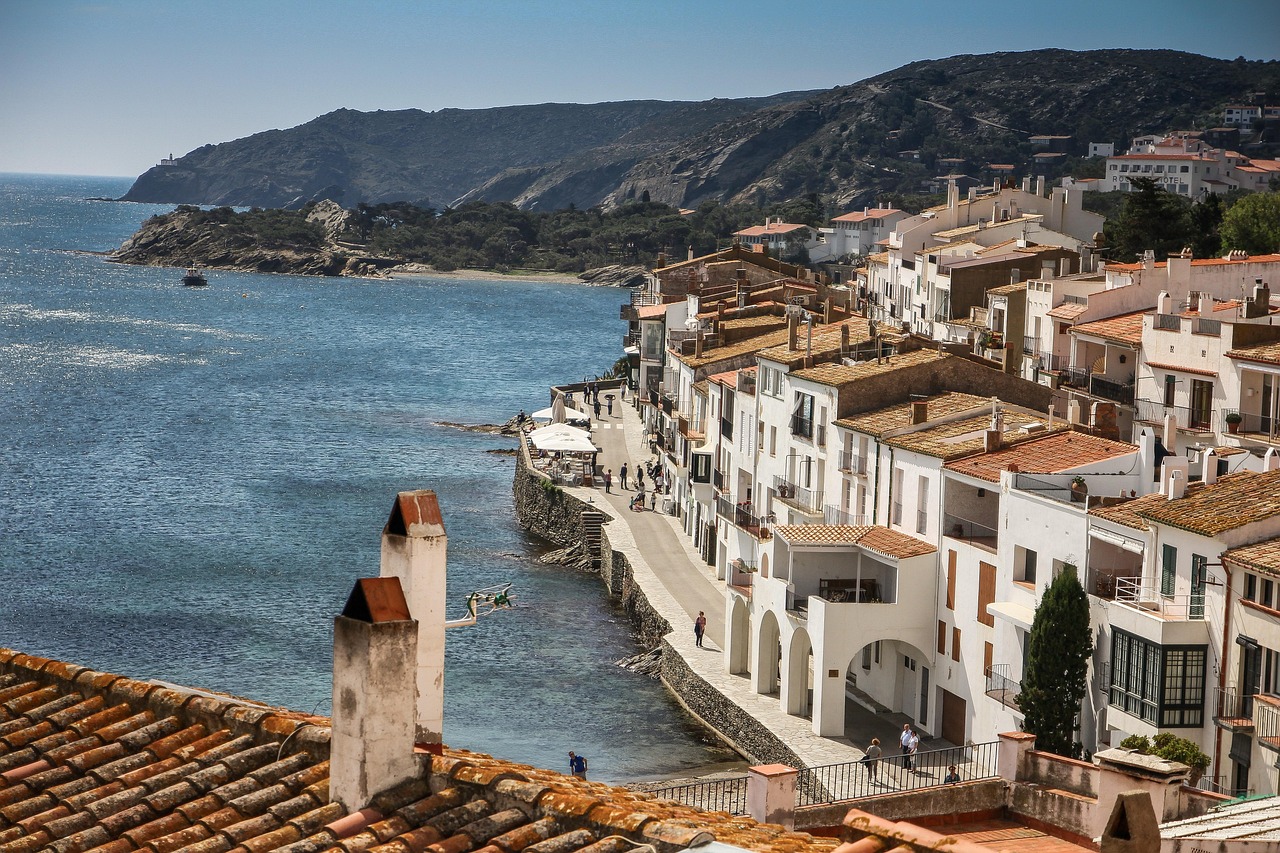
1. Cadaqués & Portlligat (Dalí’s Seaside World)
Why go: Whitewashed houses, rocky coves, and the house where Dalí lived and worked for years. It’s like stepping into one of his coastal paintings.
Getting there: Drive (about 1 hour) or bus with a change in Roses or another town depending on the schedule. The last stretch is winding; bring motion sickness meds if you’re prone.
2. Roses & The Gulf of Roses
Why go: Beach time, seafront walks, and a mix of modern resort town with historic remains.
Getting there: Direct buses from Figueres; about 30–40 minutes.
3. Peralada
Why go: A pretty medieval village with a castle, wine, and in some years a summer music festival.
Getting there: Short drive; check local buses or consider a taxi if you don’t have a car.
4. Girona
Why go: Stunning old town, Roman walls, and one of Catalonia’s most atmospheric cathedral squares.
Getting there: Frequent regional and high-speed trains; 25–35 minutes.
5. Besalú
Why go: A perfectly photogenic medieval bridge and village; one of the best-preserved small towns in Catalonia.
Getting there: Bus via Girona or direct routes depending on season; driving is easiest.
Cultural Etiquette & Local Customs in Figueres
Figueres is in Catalonia, and locals are proud of their culture and language. A little awareness goes a long way.
Language & Identity
- Catalan first: Street signs, menus, and casual conversation will often be in Catalan. Spanish is also widely spoken.
- Greeting in Catalan (like “Bon dia” for good morning) earns genuine smiles.
- Avoid calling Catalan a “dialect”—it’s its own language.
Dining & Social Norms
- Meal times: Lunch 1:30–3:30 pm; dinner 8:30–10:30 pm or later.
- Tipping: Not obligatory but appreciated. Rounding up or leaving 5–10% for good service is common.
- Noise: Streets and bars can be noisy, but locals appreciate quiet in residential buildings at night.
General Courtesy
- Say “hola / bon dia” when entering small shops.
- Dress modestly if visiting churches; bare shoulders are usually fine, but avoid beachwear.
- Be mindful of political graffiti or flags; this region has a complex relationship with Spanish politics.
Practical Travel Advice for Figueres (2026)
Here’s everything you need to make your trip smooth: how to get there, get around, stay connected, and save money.
How to Get to Figueres
- By train: High-speed AVE/AVANT to Figueres-Vilafant from Barcelona, Girona, and beyond; regional trains to the central Figueres station.
- By bus: Regional buses connect Figueres with nearby towns and coastal resorts.
- By car: AP-7 motorway; parking is available in and around the center, some paid, some free farther out.
Getting Around Figueres
- On foot: The city center is compact; most must-see attractions in Figueres are within a 10–20 minute walk.
- Local buses: Connect the AVE station, center, and some neighborhoods.
- Taxis: Useful for the fortress if you don’t want to walk uphill, or for late-night returns.
- Car rental: Handy for day trips to villages and the coast, though not necessary for the city itself.
Money-Saving Tips
- Use menú del dia for lunch—great value.
- Shop at the Municipal Market for picnic supplies.
- Stay slightly outside the main squares for cheaper accommodation.
- Walk instead of taking taxis whenever possible; distances are short.
SIM Cards & Connectivity (2026)
- Major providers: Movistar, Orange, Vodafone, and low-cost brands.
- Buy a prepaid SIM at airports, large phone shops, or supermarkets in Figueres; you’ll need your passport.
- EU residents can usually roam without extra charges; check your plan.
Visa & Entry Requirements
- Figueres is in Spain, a Schengen Area country.
- EU/EEA/Swiss citizens can travel with ID card or passport.
- Many non-EU citizens can stay up to 90 days in 180 without a visa; others require a Schengen visa. Always check current rules before traveling.
Driving & Foreign Licenses
- Most foreign licenses are accepted for short stays; some nationalities may need an International Driving Permit alongside their license—check in advance.
- Driving is on the right; seatbelts required; speed limits strictly enforced.
Best Seasons & Weather
- Spring (March–May): Ideal for walking and day trips; mild temperatures and fewer crowds.
- Summer (June–August): Warm to hot, especially in July–August; great for combining Figueres with the Costa Brava, but expect more visitors.
- Autumn (September–November): Pleasant temperatures, harvest season in the vineyards, and a calmer feel.
- Winter (December–February): Cooler, sometimes rainy, but still milder than northern Europe; good for quieter museum visits.
Hidden Tips Only Regular Visitors Tend to Know
- Book Dalí Museum early in the day and avoid peak weekend late-morning slots.
- Look up: Many of the best architectural details are on upper floors, not at eye level.
- Ask for recommendations in Catalan or Spanish (“On em recomana sopar?” / “¿Dónde me recomienda cenar?”); locals often light up and share true favorites.
- Use Figueres as a base for both sea and mountains; check the forecast and decide spontaneously—distances are short here.
Summary: Key Takeaways & Best Time to Visit Figueres
Figueres is far more than a Dalí detour. It’s a compact Catalan city where art, history, and everyday life blend in a way that rewards anyone who stays more than a few hours.
If you’re planning 3 days in Figueres: Focus on the Dalí Theatre-Museum, Castell de Sant Ferran, the Toy Museum, and slow explorations of the old town, markets, and squares.
With 4 days in Figueres: Add a countryside walk or a winery visit and let yourself sink more into local rhythms.
With 5 days in Figueres: Use the city as a base for at least one big day trip—to the Costa Brava, Girona, or a medieval village—while still enjoying unhurried time in town.
Best seasons: For most travelers, spring (April–June) and autumn (September–October) hit the sweet spot of comfortable weather, manageable crowds, and full cultural calendars. Summer is perfect if you’re combining Figueres with beaches and don’t mind heat; winter suits those who prefer quiet museums and lower prices.
Come for the surrealism, stay for the slow evenings on La Rambla, the clink of glasses in small bars, and the feeling that you’ve stepped into a corner of Catalonia that still lives mainly for itself, not for tourism. That, in the end, is what makes Figueres special.