Why Visit Cadaqués in 2026
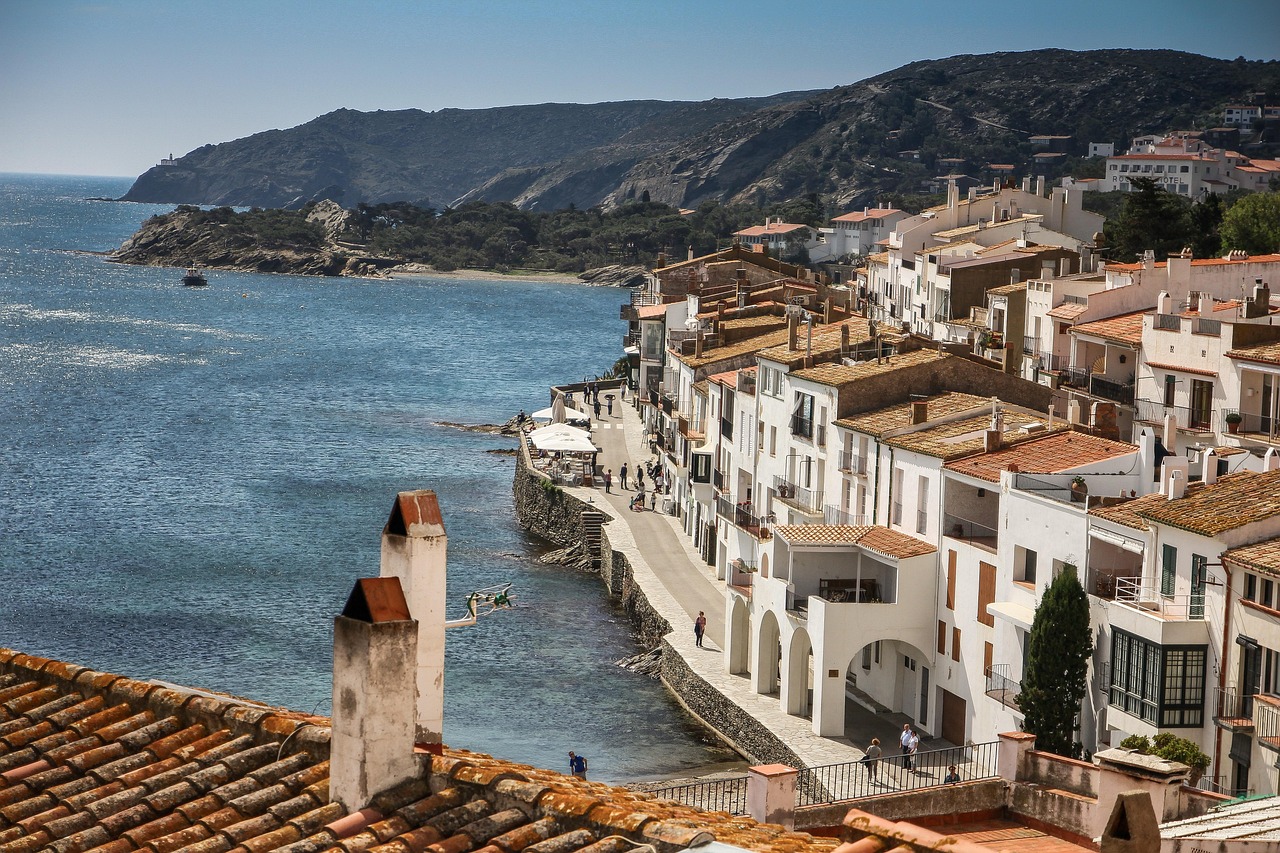
Cadaqués is the kind of place people whisper about rather than shout from the rooftops. Tucked into a protected bay at the edge of the Cap de Creus Natural Park, this whitewashed fishing village has somehow resisted the overdevelopment that has transformed much of the Costa Brava. Think stone lanes polished by centuries of footsteps, blue-shuttered houses spilling with bougainvillea, and the sound of small waves tapping at the hulls of bobbing boats.
I’ve been visiting Cadaqués regularly for over a decade, staying in everything from simple pensions above tapas bars to a rented fisherman’s house on the waterfront. Every time I arrive—usually by the winding mountain road from Roses—the first glimpse of the white town against the dark hills still makes my stomach flip. It feels like you’ve reached the last small secret before the world turns into open sea.
In 2026, Cadaqués is especially worth considering for your next trip because:
- It’s compact but endlessly walkable: Perfect for a 3–5 day itinerary, with enough to fill your days but not so much that you feel rushed.
- It offers a mix of art and nature: Salvador Dalí’s spirit is everywhere, but so are hiking trails, secluded coves, and sea-kayaking routes.
- It’s family-friendly and romantic: Safe streets, calm waters, and plenty of quiet corners for couples, plus easy beaches and boat trips for kids.
- It’s a gateway to Cap de Creus: One of Spain’s wildest coastal landscapes, ideal for hikers, photographers, and people who like their sea with a bit of drama.
- 2026–2027 events: A refreshed Dalí museum experience, expanded summer music series, and sustainable tourism initiatives that keep the town’s soul intact.
If you’re looking for a place where your biggest decisions are whether to swim before or after your second coffee, whether to have anchovies or calamari with your vermut, and whether to watch sunset from the rocks or a boat, Cadaqués belongs on your list.
Table of Contents
- Cadaqués at a Glance & Neighborhoods
- 20 Must-See Attractions & Hidden Gems
- Suggested 3, 4 & 5 Day Itineraries
- Local Food in Cadaqués & Where to Eat
- Nightlife, Entertainment & Cultural Experiences
- Major Events in 2026–2027
- Day Trips from Cadaqués
- Cultural Etiquette & Local Customs
- Practical Travel Tips & Money-Saving Advice
- Summary & Best Time to Visit Cadaqués
Cadaqués at a Glance & Neighborhoods
Cadaqués isn’t a big city with skyscrapers; its “skyline” is a cluster of white houses rising from the bay, anchored by the solid silhouette of the church of Santa Maria. The town gently climbs from the seafront up into the rocky hills of the Cap de Creus peninsula.
The Old Town (Casco Antiguo)
This is where you’ll probably spend most of your time, and where I always stay when I can. Narrow stone alleys, irregular staircases, and tiny squares open suddenly to reveal glimpses of the sea. At night, with the warm light spilling from galleries and wine bars, it feels like a stage set.
- Best for: First-time visitors, couples, anyone who wants to be in the middle of everything.
- Highlights: Santa Maria church, seafront promenade, most restaurants and shops.
- Vibe: Lively in summer evenings, quiet in the early morning and outside peak season.
Port d’Alguer & Es Llané
To the west of the old town, Port d’Alguer curves into a photogenic bay with fishing boats and stone beaches. Es Llané is a slightly wider area with low houses and easy access to the water. I love walking here in the late afternoon when the light turns the walls golden.
- Best for: Families, swimmers, sunset strolls.
- Highlights: Calm beaches, classic boat views, quiet lanes.
Portlligat
A short walk east over a small hill brings you to Portlligat, a tiny bay that gained global fame as the home of Salvador Dalí. It still feels like a satellite village of Cadaqués, with just a few houses and the white cluster of the Dalí house-museum overlooking a horseshoe of boats.
- Best for: Art lovers, early-morning swimmers, kayakers.
- Highlights: Dalí House-Museum, sheltered bay, starting point for coast walks.
Cap de Creus Area
Beyond Portlligat, the landscape grows increasingly wild as you move into the Cap de Creus Natural Park. Here, the “neighborhoods” are coves and capes: Portlligat, Cala Jugadora, Cala Culip, and finally the lighthouse at Cap de Creus itself. When I need a reset, I hike out here alone and sit on the rocks watching the wind sculpt the sea.
- Best for: Hikers, photographers, adventurous swimmers, couples seeking solitude.
- Highlights: Dramatic cliffs, hidden coves, surreal rock formations.
Residential Hills & Outskirts
Up the slopes behind the old town are clusters of villas and small hotels with sweeping views over the bay. This area is quieter at night and can mean a bit of a climb, but waking up with a balcony view over the white roofs of Cadaqués is hard to beat.
- Best for: Longer stays, families, travelers seeking calm.
- Highlights: Views, peace, and often better parking.
20 Must-See Attractions & Hidden Gems in Cadaqués
Below are the best places to visit in Cadaqués, from the iconic Dalí sites to tiny chapels, coves, and viewpoints locals tend to keep to themselves. I’ve visited each of these multiple times over the years; where useful, I’ll share exactly how I like to experience them.
1. Salvador Dalí House-Museum (Casa-Museu Salvador Dalí, Portlligat)
Dalí’s house in Portlligat is the single most famous attraction in the area, and for good reason. It’s not a grand museum but an intimate, eccentric home facing a quiet bay—exactly the kind of place you’d expect a surrealist to build and rebuild over decades.
The first time I visited, I booked the earliest slot on a calm spring morning. The sea was glass, and you could hear the clinking of boat masts as we waited outside the white gate, olive trees casting dappled shade. Groups are kept small, so you never feel rushed or crowded.
Inside, each room flows into the next like a dream: narrow corridors, unexpected staircases, and windows framing the bay like paintings. My favorite corner is the library, with its curved seating and shelves, and the simple bedroom with two twin beds pushed together—Dalí was superstitious about sleeping in the same bed twice.
Outside, the iconic egg sculptures overlook the pool, which feels like a 1960s movie set abandoned between takes. The garden terraces are full of little surprises: sculptures, seats, and odd angles from which to watch the boats of Portlligat.
- History & significance: Dalí bought a small fisherman’s hut here in 1930 and gradually expanded it into a labyrinthine home-studio. He lived and worked here for most of his life, calling Portlligat his “true home.”
- Practical tips:
- Book tickets online well in advance, especially from June–September; slots often sell out days ahead.
- Allow at least 1.5 hours including garden time; more if you like to linger and photograph details.
- The road from Cadaqués is walkable (about 15–20 minutes) but has some hills; wear good shoes and bring water in summer.
- Family, romantic, or adventurous?
- Family: Kids often love the quirky details (giant eggs, stuffed animals, the pool), though very young children may get restless with the guided format.
- Romantic: A gentle early-morning stroll from Cadaqués to Portlligat combined with the visit is perfect for couples.
2. Church of Santa Maria (Església de Santa Maria)
Santa Maria dominates the Cadaqués skyline, its solid white form rising above a tangle of roofs. I make a point of climbing up here on my first evening in town every trip—it’s the quickest way to get your bearings and feel the rhythm of the place.
The walk up is steep but short, via stepped alleys lined with stone houses. When you reach the small square in front of the church, the view will genuinely stop you: the bay, the curve of the promenade, and the hills of Cap de Creus behind. I’ve watched thunderstorms roll in from here, sunsets set the water on fire, and early-morning fishermen heading out as the sky turns pink.
Inside, the baroque altarpiece is surprisingly elaborate for such a small town: gilded and intricate, it glows softly in the filtered light. I like going in during the hottest part of the day when the stone walls are cool and the silence is punctuated only by footsteps and the occasional creak of a pew.
- History: The current church was built in the 16th century on the site of an earlier temple. Its robust design reflects a time when this coast was vulnerable to pirate raids.
- Best time to visit:
- Early evening for the view and golden light.
- Midday in summer to escape the heat and crowds.
- Tip: Respect local customs: dress modestly (shoulders covered) if you enter during a service, and keep voices low. Weekend evenings often host small concerts; check posters in the square.
3. Cadaqués Waterfront & Seafront Promenade
If Dalí’s house is the mind of Cadaqués, the waterfront is its heart. This curve of small beaches, low white houses, and bobbing boats is where everything eventually leads: children playing on the pebbles, couples lingering over coffee, old men discussing the wind direction.
I usually start the day here with a cortado at one of the cafés facing the bay, watching the town wake up. Fishing boats come and go, and the light shifts constantly on the white facades. In summer evenings, the promenade fills with people strolling—paseo style—licking gelato or sipping vermut.
There’s no single “must-see” spot; the joy is in wandering slowly from one end to the other, cutting up into the side alleys when something catches your eye. Stone jetties make good spots to sit and dangle your feet; I’ve written entire articles perched on the edge of one, laptop balanced on my knees, occasionally distracted by the sound of kids learning to paddleboard.
- Family-friendly:
- Shallow areas near the central beaches are good for supervised kids.
- Bring water shoes; the beaches are mostly pebbly rather than sandy.
- Romantic: Share a bottle of local Empordà wine at a waterfront terrace at sunset and just let the evening unfold.
- Tip: Prices are a bit higher by the water. For budget meals, eat a street or two back, then return to the promenade for a drink.
4. Cap de Creus Lighthouse & Natural Park
Cap de Creus feels like the end of the world—in the best possible way. The road from Cadaqués twists through bare, rocky hills that look almost lunar, with flashes of turquoise sea in the distance. When you reach the lighthouse, perched above a tangle of cliffs and coves, it’s easy to understand why this landscape obsessed Dalí.
I like to arrive in the late afternoon when the heat has eased but the light is still strong. From the lighthouse, several trails fan out along the cliffs, offering views of twisted rock formations and tiny inlets far below. If you’re comfortable with mildly rugged paths, pick a direction and just walk; the official signposted routes are helpful, but half the fun is in exploring the side tracks (within reason and respecting protected areas).
On my last visit, I packed a simple picnic—bread, tomatoes, local cheese, and olives—and found a flat rock overlooking a narrow cove. A couple of kayakers paddled below, their bright boats tiny against the dark water, and the wind came in strong gusts smelling of salt and herbs.
- How to get there:
- By car or scooter from Cadaqués (about 15–20 minutes). The road is narrow and winding; drive cautiously.
- By hike: several marked trails lead from Cadaqués or Portlligat out into the park; allow half or a full day.
- Best for: Hikers, photographers, adventurous couples, and anyone who appreciates wild landscapes.
- Tip: It can be very windy. Bring a light jacket even in summer, plenty of water, and good shoes. Avoid the hottest midday hours in July and August.
5. Cala Jugadora & Nearby Coves
Cala Jugadora is one of those places you feel slightly guilty talking about, because part of its charm is that it remains relatively quiet compared to easier-access beaches. It’s a small inlet nestled among rocks, with water that goes from transparent turquoise to deep blue a few meters from the shore.
The first time I swam here, the water was so clear I could see every detail of the sea floor: ripples in the sand, patterns of light on the stones, tiny fish weaving around my legs. There’s no sand to speak of—just rocks—so I spread my towel on a flat slab and used my backpack as a pillow, listening to the gentle slap of waves.
- Access: Reachable on foot via trails from the lighthouse or from trails leaving Portlligat/Cadaqués. Paths can be rocky and uneven; wear good sandals or hiking shoes.
- Facilities: None. No bathrooms, no bars. Bring all you need and pack out your trash.
- Tip: Go early in the day in high season to find a good spot on the rocks. A mask and snorkel are highly recommended.
6. Es Llané Beaches
Just a short stroll west from the center, Es Llané is one of my favorite “everyday” swimming spots in Cadaqués. It’s close enough to be convenient but far enough from the most central promenade to feel slightly more local.
There are actually two small beaches—Es Llané Gran and Es Llané Petit—separated by a rocky outcrop. Families tend to settle in for the day with umbrellas and coolers, while teenagers gather on the rocks with speakers and snacks. I often come here for a quick dip before dinner, when the sun is low and the water feels like silk.
- Family-friendly: Yes. The entry to the water is gradual in some spots, though pebbles and rocks make water shoes useful.
- Tip: If you walk a little further along the coastal path from Es Llané, you’ll find quieter rocky platforms that are great for sunbathing and jumping into deeper water.
7. Port d’Alguer Bay
Port d’Alguer is the bay that often appears in classic paintings and postcards of Cadaqués: a curve of stone beach dotted with small boats, framed by white houses and the church above. It’s also one of the most atmospheric corners of town, especially early in the morning or out of season.
On a misty winter visit, I walked here before breakfast. A few fishermen were already mending nets on the shore, their conversations low and rhythmic. The sea was gray-blue and almost perfectly flat, the boats floating like sleeping animals.
- Best for: Photography, quiet contemplation, kids playing with pebbles and collecting shells.
- Tip: This bay gets beautiful reflected light in the late afternoon. If you’re into photography, bring a camera and play with different angles from the beach and surrounding steps.
8. Old Town Alleys & Carrer des Call
The old town of Cadaqués is a labyrinth of narrow alleys, staircases, and tiny squares. While there’s no single “main street” you must see, Carrer des Call and the lanes around it are where I often lose (and happily refind) myself.
Here, stone paving stones are worn smooth, and houses seem to grow organically from the rock. Blue shutters, potted geraniums, and tiny balconies create a collage of details you’ll want to photograph constantly. I like to wander with no map, choosing whichever alley looks prettiest and seeing where it leads.
- Tip: Wear shoes with decent grip. The polished stones can be slippery, especially after rain or when walking downhill.
- Romantic angle: In the evening, when lamps come on and voices echo softly off the walls, this is one of the most atmospheric places for an aimless walk with someone you care about.
9. Cadaqués Art Galleries & Workshops
Dalí may be the headline act, but Cadaqués has long attracted a whole constellation of artists. Over the years, I’ve stumbled into tiny galleries and studios where painters, photographers, and sculptors quietly work, often with doors open to the street.
Some of my favorite finds have been small, affordable prints of local scenes by lesser-known artists. One watercolor of Portlligat hangs above my desk; every time I see it, I can almost smell the sea air.
- Where: Scattered across the old town and waterfront. Look for handwritten signs, open doors, and displays of work on the street.
- Tip: If you’re genuinely interested, don’t be shy about stepping in and chatting. Many artists are happy to talk about their work, and buying directly from them supports the local creative scene.
10. Es Sortell & Coastal Path Toward Sa Conca
From the eastern side of town, a coastal path leads toward Es Sortell and beyond. It’s less polished than the central promenade, with rocky sections and small steps, but that’s precisely its charm. I often follow it without any plan, stopping to sit on flat rocks or to dip my feet in the water from a low jetty.
Along the way, you’ll pass small inlets, fishermen’s huts, and houses that seem to cling to the rocks. The view back toward Cadaqués changes constantly as you move: sometimes the church dominates, sometimes the cluster of houses, sometimes just the curve of the bay.
- Best for: Low-key exploration, photography, short evening strolls after dinner.
- Tip: In summer, bring a swimsuit and towel; there are several spots where you can climb down for a refreshing swim.
11. Portlligat Bay
Portlligat isn’t only about Dalí’s house. The bay itself is a calm, sheltered curve dotted with small boats, encircled by low hills. Even if you’re not visiting the museum, it’s worth the short walk from Cadaqués.
I like to come here early, before most visitors arrive, when the water is smooth as glass and the only sounds are seagulls and the soft creaking of moored boats. There’s something timeless about watching someone row out slowly to check their nets as the first light hits the white walls of Dalí’s house.
- Best for: Peaceful swimming, launching kayaks, quiet photography.
- Tip: Bring a light picnic and sit on the low wall or rocks at the water’s edge. It’s a perfect pause before or after the Dalí visit.
12. Boat Trips & Kayaking Along the Coast
Seeing Cadaqués and Cap de Creus from the water changes everything. The coastline here is jagged and intricate, full of small caves, arches, and coves you’d never see from land. I’ve done both organized boat trips and independent kayak outings; each has its charm.
On a small-group boat tour one late summer afternoon, we cruised past the lighthouse, stopped to swim in a turquoise cove, and listened to the captain’s stories about storms and shipwrecks. Another time, I rented a kayak with a friend and paddled silently along the cliffs, close enough to hear the waves echo inside tiny sea caves.
- Options:
- Short scenic boat tours from the main waterfront (family-friendly, low effort).
- Half-day or sunset cruises, sometimes including swims and drinks.
- Kayak rentals (with basic instruction) for more active travelers.
- Tip: Book in advance in July–August, especially for sunset trips. Bring a light waterproof layer; the wind can pick up even on sunny days.
13. Cap de Creus Hiking Trails
If you enjoy hiking, Cap de Creus is a playground. Trails range from easy coastal paths to more challenging routes across rocky ridges. I’ve hiked to hidden coves where we swam alone in crystalline water, and along high ground where the wind was strong enough to lean into.
One of my favorite routes is from Cadaqués to the lighthouse, taking a slightly inland path out and the coastal route back. It’s a full day if you stop to swim and linger, but every bend brings a new view of twisted rocks and glittering sea.
- Best season: Spring (April–June) and autumn (September–October) when temperatures are mild and skies often clear.
- Tip: Trails are marked but not always perfectly. Download offline maps, carry water and sun protection, and let someone know your approximate route if hiking solo.
14. Local Beaches in Town (Platja Gran, Platja d’es Poal, Platja des Pianc)
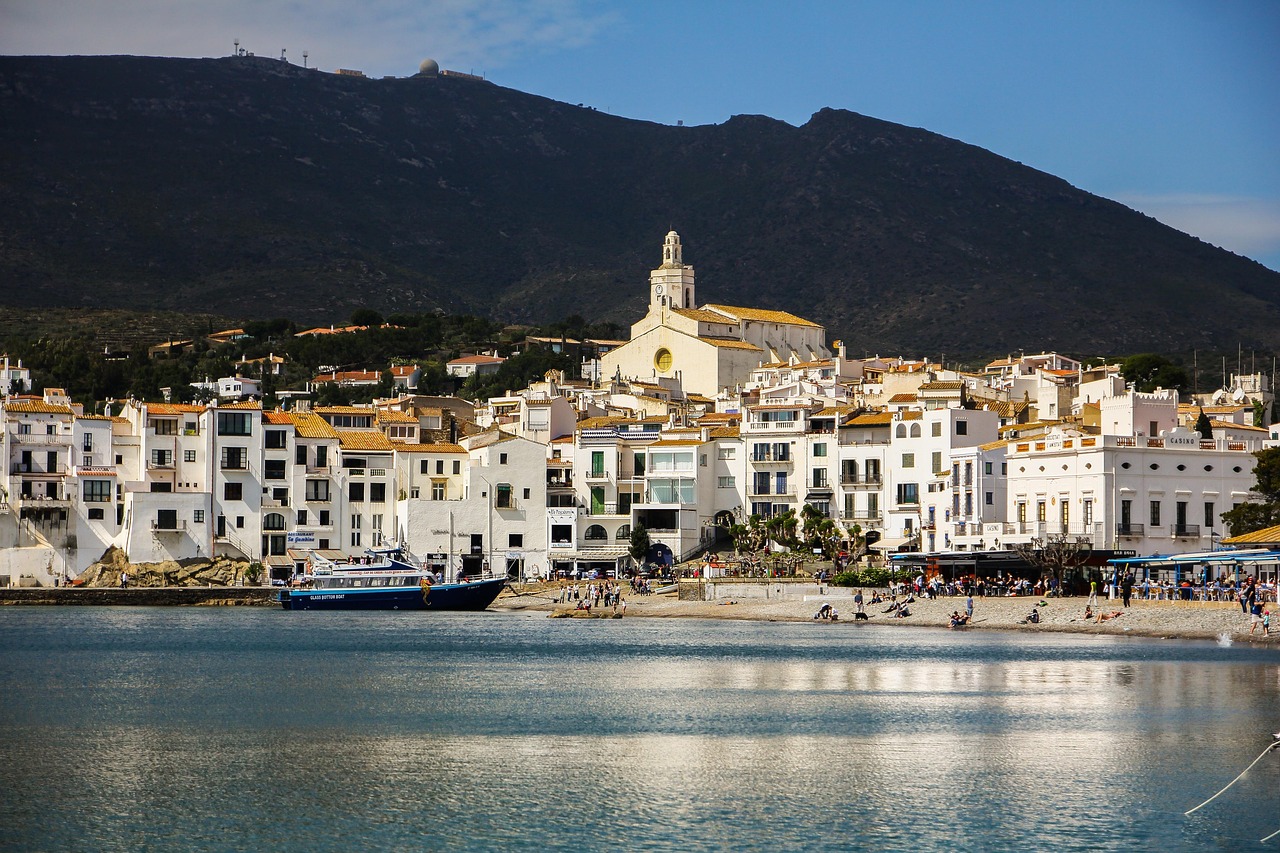
Within the town itself, several small beaches dot the waterfront: Platja Gran near the center, Platja d’es Poal and Platja des Pianc a short walk away. None are huge or sandy in the classic sense, but that’s part of Cadaqués’ character. These are working, living beaches, where boats share space with swimmers.
On summer mornings, I like to take a quick dip at Platja des Pianc before the town fully wakes up, then wander up for breakfast. Later in the day, these beaches fill with a mix of locals and visitors, kids jumping from low walls, grandparents minding bags and chatting on benches.
- Family-friendly: Yes, with supervision. Calm waters most days; bring water shoes.
- Tip: For a less crowded experience in peak season, swim early or late, and use these beaches more as quick refreshers than full-day hangouts.
15. Cadaqués Viewpoints (Miradors)
Part of Cadaqués’ charm is how it looks from slightly above: a scatter of white cubes pouring down to a calm bay, framed by dark hills. Over the years, I’ve made a game of finding new vantage points, whether from residential streets climbing the hill or from paths just outside town.
One particularly rewarding viewpoint is along the road that snakes down from Roses. If you’re arriving by car, there’s a small pull-off where many people stop for their first panoramic photo. On foot, you can reach similar views by climbing toward the outskirts of town behind the church.
- Best time: Late afternoon or just after sunrise for soft, angled light.
- Tip: If staying in hillside accommodation, make a ritual of watching the town lights come on at dusk from your balcony.
16. Local Markets & Food Shops
While Cadaqués doesn’t have a giant daily market like some larger towns, it does have a handful of excellent food shops and occasional street markets. Shopping here is as much about the experience as the products.
I love going to the small fishmongers early, seeing what the sea offered up last night: gleaming sardines, prawns, small local fish. Pair that with tomatoes from a greengrocer, a round of goat cheese, and a bottle of Empordà wine from a tiny wine shop, and you have a perfect picnic or apartment dinner.
- Look for: Anchovies, local olive oil, cured sausages, goat and sheep cheeses, and small-batch wines.
- Tip: Ask shopkeepers for recommendations; they usually know which fishermen or farms supplied today’s goods.
17. Es Baluard & Coastal Fortifications
Es Baluard is a small fortified viewpoint near the western side of town, overlooking the bay. It’s easy to miss if you don’t know to look for it, but it offers a slightly different angle on the waterfront and a sense of Cadaqués’ more defensive past.
I stumbled upon it on a windy winter day, following a set of steps out of curiosity. Standing on the low stone walls, I could imagine watchmen scanning the horizon for pirate sails centuries ago.
- Best for: Quick photos, a quiet pause, watching the play of light on the water.
- Tip: Combine with a stroll to Es Llané for a leisurely loop.
18. Small Chapels & Hermitages
Scattered around Cadaqués and the surrounding hills are small chapels and hermitages, reminders of quieter, more isolated times. Some are simple white boxes with crosses; others are slightly more elaborate, with small bell towers and stone steps.
On one spring hike, I followed a dusty track toward a small white chapel I’d spotted from town. The door was locked, but the silence around it felt almost as sacred as any interior might have. Lizards darted between stones, and you could hear the distant murmur of the sea.
- Tip: Ask locals or your accommodation about nearby hermitages; some are reachable via short walks and reward you with both tranquility and views.
19. Cadaqués Festivals & Cultural Events Spaces
Cadaqués’ cultural life pulses most visibly in its festivals and concerts, many of which take place in improvised or open-air venues: the church square, the waterfront, small cultural centers. I’ve stumbled into free concerts I hadn’t planned for, simply by following the sound of music.
From traditional Sardana dances to contemporary jazz, the town’s spaces transform when filled with people and sound. In 2026, the municipality is expanding its summer arts program, with more events spread across smaller spaces to avoid overcrowding.
- Tip: Check posters on noticeboards near the waterfront and church, and ask at the tourist office for updated schedules.
20. Hidden Rock Platforms & Swim Spots
Some of my best Cadaqués memories are not from named beaches but from nameless rock platforms along the coast where you can slide into deep, clear water. These aren’t official attractions; they’re small pockets of daily life used by locals who know where the rock is flat enough for a towel and the water deep enough for a safe jump.
Walking the coastal paths in either direction from town, keep an eye out for well-worn access points or ladders. I have a favorite spot west of Es Llané where the water is just the right depth, and the rock ledge catches the late afternoon sun. I won’t give exact GPS coordinates—that’s part of the magic—but if you’re curious and respectful, you’ll find your own.
- Adventurous: Yes. Only for confident swimmers and sure-footed walkers.
- Tip: Never jump into water if you can’t clearly see the bottom and check for boats. Go with someone else, and avoid in rough seas.
3, 4 & 5 Day Itineraries for Cadaqués (With Personal Stories)
Below are flexible itineraries based on how long you have. Use them as a framework for your own 3 day itinerary for Cadaqués, 4 days in Cadaqués, or 5 days in Cadaqués, and adjust based on weather and energy levels.
3 Day Itinerary for Cadaqués
If you have 3 days in Cadaqués, focus on the essentials: the old town, Dalí, and a taste of Cap de Creus. Here’s how I like to structure it.
Day 1 – First Impressions & Old Town Atmosphere
Whenever I arrive in Cadaqués, I try not to book anything structured for the first day. This is your time to slow down, decompress from the journey, and let the town’s rhythm seep in.
- Morning:
- Arrive and check in. If you’re staying in the old town, be prepared to walk a bit with your luggage; many streets are pedestrian-only.
- Stroll along the waterfront from Platja Gran to Port d’Alguer, stopping for a coffee at a terrace with a view of the church.
- Afternoon:
- Wander the old town alleys with no fixed route—Carrer des Call and the streets above the church are a good starting point.
- Visit Santa Maria church for the view and the cool interior.
- Swim at one of the town beaches (Platja des Pianc is a favorite) to shake off travel fatigue.
- Evening:
- Dinner at a traditional Catalan restaurant tucked into the old town. Look for grilled fish, suquet de peix (fish stew), and local wines.
- After dinner, join the promenade stroll; gelato in hand is practically mandatory.
Day 2 – Dalí & Portlligat
The second day of your 3 days in Cadaqués belongs to Dalí and the quiet magic of Portlligat.
- Morning:
- Walk to Portlligat (15–20 minutes). Enjoy the changing views back toward Cadaqués.
- Visit the Salvador Dalí House-Museum at your pre-booked time.
- Afterward, linger on the shore of Portlligat Bay; swim if the weather permits.
- Afternoon:
- Take a relaxed lunch back in Cadaqués or at a simple spot near Portlligat.
- Optional: rent a kayak from Portlligat and paddle along the coast for a couple of hours, exploring small coves.
- Evening:
- Sunset drink at a waterfront bar. The light on the white houses as the sun dips is unforgettable.
- Dinner featuring local seafood—anchovies are a must-try here.
Day 3 – Taste of Cap de Creus
Your final day in this 3 day itinerary for Cadaqués should bring you into the wild beauty of Cap de Creus.
- Morning & Afternoon:
- Head to Cap de Creus lighthouse by car, taxi, or a long hike.
- Explore the trails around the lighthouse and down toward coves like Cala Jugadora.
- Swim in a sheltered cove and enjoy a simple picnic or a meal at the lighthouse café (check seasonal opening).
- Evening:
- Return to Cadaqués, shower off the salt and dust, and enjoy a final dinner. I always choose somewhere with outdoor seating to savor the last evening air.
4 Day Itinerary for Cadaqués
With 4 days in Cadaqués, you can slow the pace even more and add extra coastal exploration.
Day 1 – Settle In & Seafront Stroll
Follow Day 1 from the 3-day plan: arrive, explore the old town and waterfront, and ease into the Cadaqués rhythm.
Day 2 – Dalí & Portlligat (Extended)
Use the Day 2 plan above, but with more time after your Dalí visit for a longer kayak trip or a slow lunch overlooking Portlligat Bay.
Day 3 – Cap de Creus & Hiking
Instead of driving both ways, consider hiking one direction between Cadaqués and Cap de Creus. On one spring trip, I hiked out in the cool morning air, spent midday around the lighthouse, then returned by car with friends I’d arranged to meet. The mix of effort and reward felt perfect.
- Option A: Hike from Cadaqués to Cap de Creus via inland paths, return by arranged ride or taxi.
- Option B: Drive to Cap de Creus, hike local loops to coves like Cala Jugadora, and return by car.
Day 4 – Hidden Coves & Free Day
Your final day in this 4 day itinerary for Cadaqués is intentionally unstructured. Use it to follow your nose and revisit what you loved or discover new corners.
- Walk the coastal path toward Sa Conca or Es Sortell, stopping at small swim spots.
- Browse art galleries and pick up a piece to remember the trip.
- Sit in a café with a book, occasionally looking up to watch the changing light on the bay.
On one late-September visit, I spent my last day doing almost nothing “productive”—just swimming, reading, and chatting with the owner of a wine shop about local vintages. It ended up being my favorite day of the trip.
5 Day Itinerary for Cadaqués
With 5 days in Cadaqués, you can really live here for a moment: repeat favorite swims, chat with locals, and even take a day trip further afield. This is my ideal 5 days in Cadaqués structure.
Day 1 – Arrival & Orientation
Same as Day 1 above: waterfront walks, old town wandering, early night if you’re tired from travel.
Day 2 – Dalí, Portlligat & Slow Afternoon
As in the 3- and 4-day itineraries, but give yourself permission to nap in the afternoon or sit in a shady square just watching life unfold.
Day 3 – Cap de Creus Adventure
Dedicate a full day to hiking, coves, and wild coastline, with time built in for a long swim and rock-side sunbathing.
Day 4 – Day Trip (Cadaqués as Base)
On Day 4, I like to take a break from the bubble of Cadaqués and see the surrounding region, then come “home” to Cadaqués in the evening. Good options include:
- Roses: Larger beach town with a long sandy beach, good for families and a change of scene.
- Figueres: Visit the Dalí Theatre-Museum for a very different side of Dalí than Portlligat.
- Empordà villages: Medieval inland towns like Peralada or Castelló d’Empúries (if you have a car).
Day 5 – “Live Like a Local” Day
Your final day in this 5 day itinerary for Cadaqués is about doing what locals do:
- Have a slow breakfast in a bar where people greet each other by name.
- Shop for picnic supplies in small food shops and eat on a quiet stretch of waterfront or rocks.
- Take one last swim at your favorite spot.
- End with a farewell drink at sunset, making mental notes of what you’ll do “next time.”
Local Food in Cadaqués & Where to Eat
Eating in Cadaqués is a joy, especially if you like seafood and simple, honest Mediterranean flavors. Here’s what to seek out and how to save money while still eating well.
Must-Try Dishes & Drinks
- Fresh fish & seafood: Grilled whole fish, calamari a la plancha, and prawns are staples. Ask what’s local and in season.
- Anchovies: The Costa Brava is famous for them. Try them marinated in vinegar or salted and served with bread and tomato.
- Suquet de peix: A traditional Catalan fish stew with potatoes and a rich, garlicky broth.
- Pa amb tomàquet: Bread rubbed with tomato, olive oil, and salt. Often served alongside everything else.
- Local wines: Empordà reds, whites, and rosés are underrated and excellent value.
- Vermut: Pre-meal vermouth on ice with an orange slice and an olive is a beloved ritual.
Where to Eat (Types of Places)
Rather than listing specific restaurants that may change by 2026, here’s how I approach eating in Cadaqués:
- Waterfront terraces: Ideal for a special dinner or sunset drink. Slightly pricier, but the view is part of what you’re paying for.
- Old town taverns: My favorite for hearty, traditional dishes. Look for menus in Catalan or Spanish first rather than only English.
- Tapas & wine bars: Great for grazing and trying different flavors without a huge bill.
- Bakeries & cafes: Perfect for budget-friendly breakfasts (coffee + pastry) and simple lunches.
How to Save Money on Food
- Eat your main meal at lunch: Some places offer better-value lunch menus; evenings can be more expensive.
- Self-cater breakfast: If you have a fridge, buy yogurt, fruit, and pastries instead of eating out every morning.
- Picnics: Grab bread, cheese, cured meats, and tomatoes from shops and picnic by the sea.
- Share plates: Many dishes are generous; sharing several plates is common and social.
Nightlife, Entertainment & Cultural Experiences in Cadaqués
Evenings in Cadaqués
Don’t expect wild clubs or all-night raves; Cadaqués nightlife is more about slow dinners, conversations, and a few lively bars that stay open late in summer.
- Seafront bars: Ideal for a pre-dinner vermut or post-dinner cocktail with the sound of waves as your soundtrack.
- Wine bars: Intimate spaces where you can sample local Empordà wines by the glass and chat with owners who know their producers personally.
- Live music: In summer, bars and small venues often host live bands or DJs; check posters and ask locals what’s on.
Cultural Experiences
- Church concerts: Classical or choral performances in Santa Maria offer spine-tingling acoustics.
- Art openings: Galleries sometimes host evening vernissages; if you see an invite, just wander in—wine and conversation usually included.
- Festivities: Local festivals bring processions, firecrackers, and traditional dances; see the events section for 2026–2027 highlights.
Major Events & Festivals in Cadaqués (2026–2027)
Exact dates can shift year to year, but these recurring events are expected in 2026–2027. Check closer to your travel date for confirmed schedules.
- Festa Major de Cadaqués (August): The main local festival, with parades, fireworks, live music, and traditional Sardana dances in the square. Great for families and anyone who wants to see Cadaqués at its most festive.
- Summer Music Series (June–September 2026–2027): Open-air concerts ranging from jazz to classical, part of a growing cultural program focused on quality over quantity.
- Dalí-Themed Cultural Weeks: Special exhibitions, film screenings, and talks celebrating Dalí’s connection to Cadaqués and Portlligat, with some programming refreshed in 2026.
- Local Regattas & Maritime Events: Small sailing and traditional boat events that are fun to watch from the waterfront.
Day Trips & Nearby Attractions from Cadaqués
Figueres & the Dalí Theatre-Museum
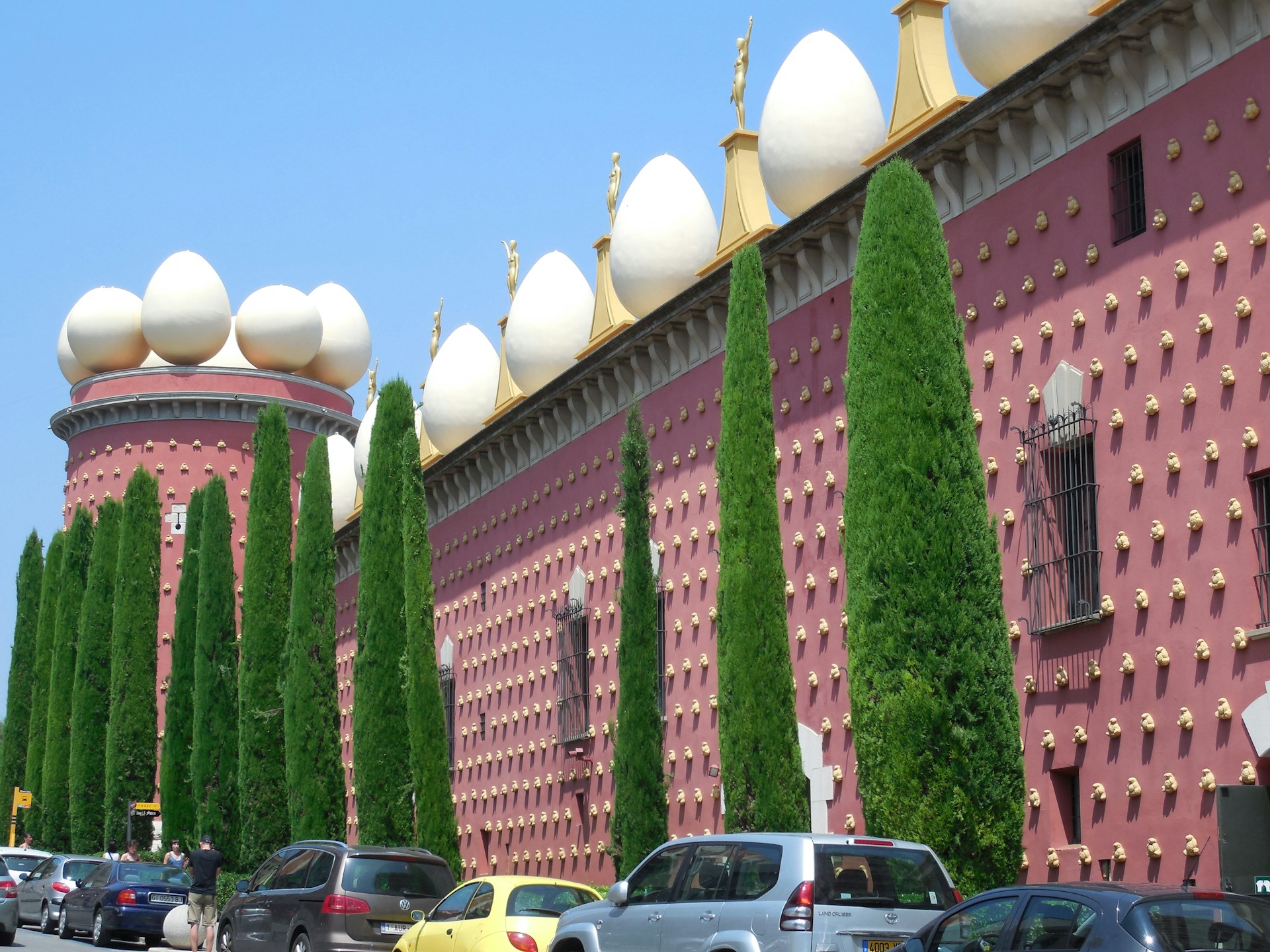
If Portlligat is Dalí’s private world, Figueres is his grand stage. The Dalí Theatre-Museum is a surreal, immersive experience built in a former theater, about 1–1.5 hours from Cadaqués (drive or bus + transfer).
- Best for: Art lovers and curious minds who enjoyed Portlligat and want to go deeper.
- Tip: Go early, then return to Cadaqués for a peaceful evening by the sea.
Roses
Roses offers a long sandy beach and a more typical resort-town feel. It’s not as charming as Cadaqués, but it’s good for a change of pace and easier swimming for kids who prefer soft sand.
Empordà Inland Villages
If you have a car, exploring inland medieval villages like Castelló d’Empúries or Peralada makes for a rich contrast: stone streets, old churches, and quiet squares far from the sea breeze.
Cultural Etiquette & Local Customs in Cadaqués
General Behavior
- Quiet streets: Many old town streets are residential. Keep noise down at night, especially after 11 pm.
- Dress: Beachwear is for the beach. In town, throw on a shirt or dress over your swimsuit.
- Language: Catalan and Spanish are both spoken. A simple “Bon dia” (Catalan) or “Buenos días” (Spanish) goes a long way.
Dining Customs
- Meal times: Lunch often starts around 1–2 pm, dinner rarely before 8 pm, and later in high summer.
- Tipping: Not obligatory but appreciated. Rounding up or leaving 5–10% for good service is common.
- Reservations: Recommended in summer, especially for popular seafront spots.
Respect for Nature
- Cap de Creus: Stay on marked trails where requested, don’t disturb wildlife, and pack out all trash.
- Beaches & coves: No loud music in small coves; remember others come for peace.
Practical Travel Advice for Cadaqués (2026)
Getting There
- Nearest major airports: Girona (GRO) and Barcelona (BCN). From there, train or bus to Figueres or Roses, then bus or taxi to Cadaqués.
- Road access: A winding mountain road leads from Roses to Cadaqués. Beautiful but curvy—if you get car sick, sit in front and look at the horizon.
Getting Around Cadaqués
- On foot: The best and most common way. Distances are short, but expect hills and steps.
- Car: Useful for exploring beyond Cadaqués, but parking in town can be challenging and paid in high season.
- Scooter/bike: Scooters can be handy; bikes less so due to steep hills and narrow streets.
SIM Cards & Connectivity
- SIM options: Major Spanish providers (Movistar, Orange, Vodafone) and virtual operators (Lowi, Pepephone) work well in the region.
- eSIM: In 2026, many travelers opt for international eSIMs purchased online before arrival.
- Wi-Fi: Most hotels and many cafes offer reliable Wi-Fi, though speeds can dip when the town is full.
Money & Costs
- Currency: Euro (€).
- Cards: Widely accepted, though it’s wise to carry some cash for small purchases.
- Saving money:
- Visit in shoulder season (May–June, September–October) for better prices.
- Stay slightly uphill or a few minutes’ walk from the seafront for more affordable lodging.
- Use self-catering for some meals if you have a kitchen.
Visas & Entry Requirements
- Schengen rules: Spain is part of the Schengen Area. Many nationalities can visit visa-free for short stays (typically up to 90 days in any 180-day period). Check official sources for up-to-date requirements.
- ETIAS (planned for non-EU visitors): Keep an eye on current regulations; by 2026, some non-EU travelers may need to complete an online travel authorization before arrival.
Driving & Foreign Licenses
- Foreign driver’s licenses: Many are accepted in Spain for short stays, but an International Driving Permit (IDP) is recommended if your license is not in Roman script or you’re staying longer.
- Road conditions: The road to Cadaqués is paved but narrow and very curvy. Drive slowly and avoid distractions.
- Parking: Expect paid lots at the edge of town in high season; walking from there is part of the experience.
Best Seasons for Different Activities
- Spring (April–June): Ideal for hiking, photography, and a quieter vibe. Water is still cool but swimmable for many.
- Summer (July–August): Best for swimming and nightlife, but also busiest and hottest. Book well in advance.
- Autumn (September–October): My favorite time: warm seas, fewer crowds, and soft light.
- Winter (November–March): Very quiet, some businesses closed, but magical if you like solitude and dramatic skies.
Hidden Tips from Repeat Visits
- Swim early or late to have town beaches mostly to yourself.
- Carry a small flashlight or phone light at night; some alleys are charmingly dim.
- When in doubt, follow locals at lunchtime—tiny spots filled with local families are usually the best bet.
- For sunsets, consider a short walk out of town in either direction along the coast to find a quieter rock to sit on.
Final Thoughts & Best Time to Visit Cadaqués
Cadaqués is not a “do everything” destination; it’s a “feel deeply” place. After multiple trips over the years, what I remember most are not big checklists but small, vivid scenes: the way morning light hits the church, the taste of salted anchovies with a cold beer, the shock of clear water around my ankles on a hot day, the echo of footsteps in a quiet alley at night.
For most travelers, a 3 day itinerary for Cadaqués is enough to see the essentials, 4 days in Cadaqués lets you exhale and explore more coves, and 5 days in Cadaqués gives you time to settle into a gentle routine and maybe add a day trip. Whatever you choose, try to leave space in your schedule—this is a place that rewards wandering and unplanned moments.
Best overall time to visit: Late May–June and September–early October, when the sea is welcoming, the Cap de Creus trails are comfortable, and the town is lively but not overwhelmed. If you’re drawn to solitude and don’t mind cooler weather, a winter or early spring visit can be quietly unforgettable.
However you shape your travel guide for Cadaqués into reality, arrive ready to slow down, swim often, eat well, and let this small white town at the edge of Spain work its way under your skin. It tends to stay there.