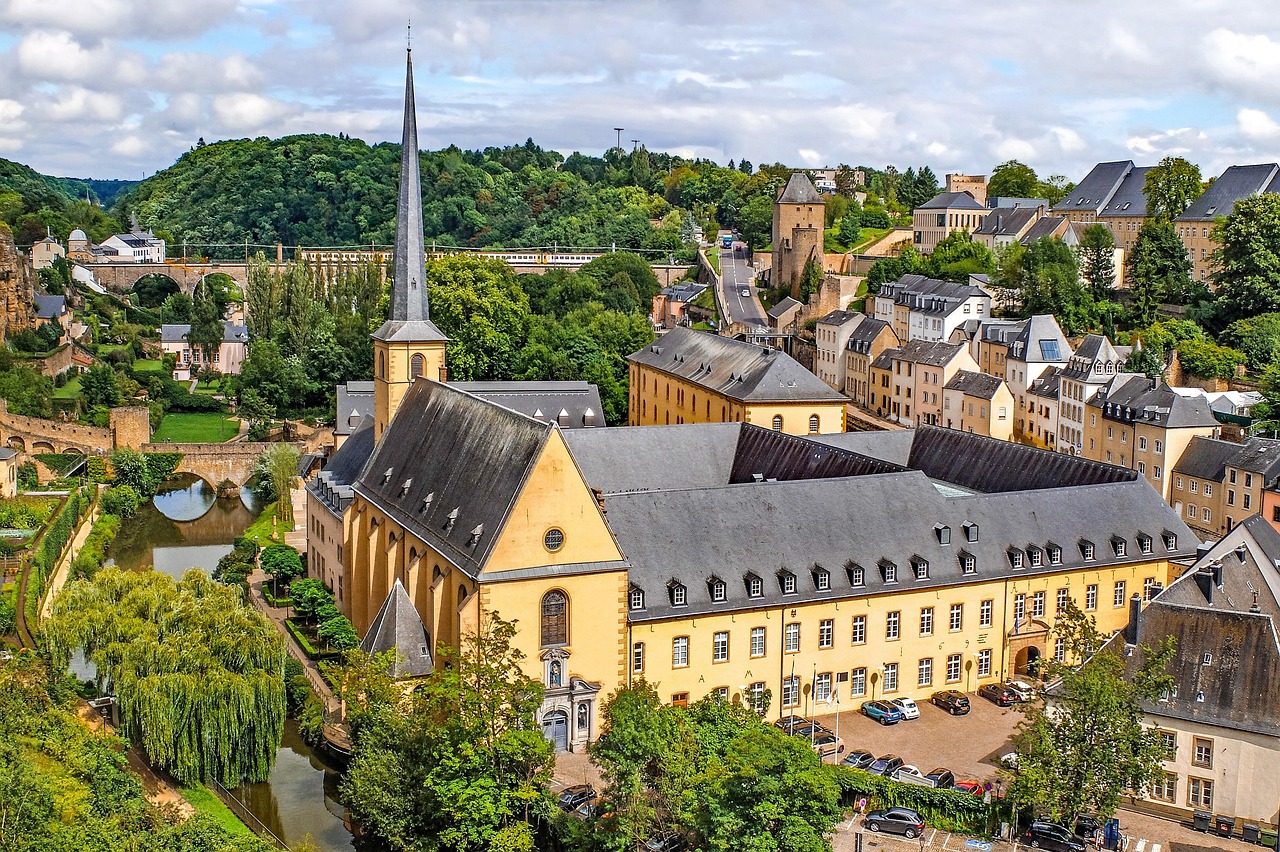
Why Visit Luxembourg City?
Luxembourg City is one of those places that most people vaguely know from maps, EU headlines, or bank brochures—but almost no one considers for a vacation. That’s exactly why I love it. It’s a capital where you can walk medieval fortifications in the morning, sip coffee in a cobbled square at lunch, hike a river valley in the afternoon, and finish the day with Michelin-level food in a cozy wine bar.
I’ve been coming to Luxembourg City regularly for more than a decade—sometimes for work in the EU quarter, sometimes for long, lazy weekends. Every time, the city surprises me: a new café in Grund, a pop-up jazz stage under the casemates, a festival spilling across the Old Town. It’s small enough to feel intimate yet cosmopolitan enough that you’ll hear French, German, Luxembourgish, English, and Portuguese in a single tram ride.
If you’re planning 3 days in Luxembourg, a 4 day itinerary for Luxembourg, or even a deeper 5 day itinerary for Luxembourg, this guide is written like I’m handing you my personal notes—where I actually go, what I order, how I save money, and the little things locals never think to explain.
By the end, you’ll know the best places to visit in Luxembourg, the tastiest local food in Luxembourg, and the most authentic cultural experiences in Luxembourg, along with practical travel tips for Luxembourg and local customs that will keep you from feeling like a clueless tourist.
Table of Contents
- Why Visit Luxembourg City?
- Quick Overview & How This Guide Works
- 20 Must-See Attractions in Luxembourg City
- Suggested Itineraries (3–5 Days in Luxembourg)
- Neighborhoods & Areas to Explore
- Local Food & Drink: What and Where to Eat
- Nightlife, Entertainment & Cultural Experiences
- Best Day Trips from Luxembourg City
- Cultural Etiquette & Local Customs
- Practical Travel Tips & Money-Saving Advice
- What’s New & Upcoming Events 2026–2027
- Summary & Best Time to Visit Luxembourg
Quick Overview & How to Use This Travel Guide
This is a deep-dive travel guide for Luxembourg, focused on the capital city. It’s long because Luxembourg rewards slow travel. You don’t need to do everything, but you do need to know what’s worth your time.
- If you want a 3 day itinerary for Luxembourg, focus on the core Old Town, Grund, Kirchberg, and one day trip.
- For 4 days in Luxembourg, add more museums, hikes, and evening cultural experiences.
- For 5 days in Luxembourg, you can mix city life with multiple day trips into the countryside.
Below you’ll find detailed write-ups of at least 20 major attractions—each one treated like its own mini-article with history, my personal experiences, and concrete tips on visiting. Later sections tie these into flexible itineraries so you can mix and match based on your interests, whether you’re traveling with kids, a partner, friends, or solo.
20 Must-See Attractions & Experiences in Luxembourg City
These are the must-see attractions in Luxembourg that I return to again and again. I’ll start with the icons and then move into the quieter spots that feel like true hidden gems in Luxembourg.
1. Bock Casemates & Old Fortifications
The Bock Casemates are the spine of Luxembourg City’s history—a warren of underground tunnels carved into the rock, once part of one of Europe’s most formidable fortresses. The first time I stepped inside, it felt less like a tourist attraction and more like sneaking into the city’s subconscious.
Originally developed in the 17th century under Spanish rule and expanded by the French and Austrians, these fortifications earned Luxembourg the nickname “Gibraltar of the North.” Much was dismantled after the 1867 Treaty of London, but the casemates remained, now a UNESCO World Heritage Site.
My experience: I like to go right at opening time on a weekday. One misty October morning, I had entire corridors to myself. Standing at one of the lookout windows, the Alzette valley below was quiet except for church bells drifting up from Grund. It’s here that you really grasp how the city is built on layers of rock, history, and politics.
What to do:
- Walk the tunnels slowly; there are multiple viewpoints over the river and the lower town.
- Combine your visit with the Chemin de la Corniche (“Europe’s most beautiful balcony”) just above.
- Families: kids tend to love the “castle-like” tunnels, but note there are stairs and uneven floors.
Practical tips: Wear decent shoes; it can be damp and slippery. In peak summer, pre-book timed tickets if possible or arrive early to avoid queues. The Bock is also a highlight of any 3 days in Luxembourg—don’t skip it.
2. Chemin de la Corniche – Europe’s Most Beautiful Balcony
The Chemin de la Corniche is a pedestrian promenade that clings to the edge of the old city ramparts, overlooking the Alzette valley, Grund, and the Abbey of Neumünster. At sunset, it’s hands-down my favorite place in Luxembourg.
My experience: I’ve watched the seasons change from this balcony: spring blossoms spilling down the valley, summer festivals echoing from Grund, autumn leaves blazing on the opposite slope, and quiet winter evenings when the lights in the lower town feel like a Christmas card. One July evening, a busker played soft jazz while couples leaned against the wall with takeaway wine—a surprisingly romantic moment for such a modest city.
When to go: Early morning for solitude, late afternoon for the best light, and blue hour for photography. If you’re designing a 4 day itinerary for Luxembourg, plan to walk the Corniche at least twice—once by day and once by night.
Photo tip: Walk the full length; the best shot isn’t at the busiest spot but slightly further along toward the Bock Casemates, where you can frame the bridge, church steeples, and terraced houses.
3. Grund – The Storybook Lower Town
Grund is the fairy-tale heart of Luxembourg City: a river curling past pastel houses, stone bridges, and steep rocky cliffs. It looks like something out of an illustration, yet it’s also a real neighborhood with bars, restaurants, and families running daily errands.
My experience: I tend to end up in Grund on my first evening. One particularly memorable night, I met a friend at a tiny wine bar along the Alzette, and we watched the cliffs slowly glow orange as the streetlights came on above us. Later, we walked back uphill via the public elevator to the Plateau du St-Esprit, watching the nightlife wake up below us.
What to do in Grund:
- Wander the riverside path; stop at one of the terraces for a glass of Luxembourgish Crémant.
- Visit Neumünster Abbey for exhibitions or concerts (more on this below).
- Use the public elevator between Grund and the upper town—it’s free and a fun “ride with a view.”
Family-friendly: The riverside paths are stroller-friendly, though some cobbles can be bumpy. Kids love watching ducks and exploring under the bridges.
4. Grand Ducal Palace
Right in the center of the Old Town, the Grand Ducal Palace is where Luxembourg’s Grand Duke works and officially resides. With its ornate façade and guard in front, it looks like a Disney castle done in Renaissance style—but it’s very much a working palace.
History & significance: The building dates back to the 16th century and has served various administrative roles. It became the official residence of the Grand Duke in the late 19th century. Today, it embodies the country’s constitutional monarchy and continuity.
My experience: I like to pass by several times during a stay. One summer, I lucked into an English-language guided tour during the seasonal opening (usually July–August). Walking through the gilded halls and seeing the state rooms felt pleasantly low-key compared to larger European palaces—less crowds, more time to actually look.
Tips for visiting:
- Tours are only offered in summer; book ahead online if you’re here in July/August.
- Even if you don’t tour inside, come by for the changing of the guard and to admire the façade details.
- Combine your stop with a coffee at nearby Place d’Armes.
5. Place d’Armes & the Old Town Squares
Place d’Armes is the social living room of Luxembourg City. Lined with cafes, brasseries, and a bandstand, it’s where locals meet for after-work drinks, families gather during festivals, and Christmas markets pop up in winter.
My experience: I have a ritual: first afternoon in town, I grab a table, order a café crème or a glass of local Riesling, and just people-watch. One December, I sat under heat lamps as the Christmas market swirled around me—children queuing for hot chocolate, office workers clutching mulled wine, and a brass band attempting “Jingle Bells” in three languages.
Nearby squares to explore:
- Place Guillaume II (“Knuedler”): Larger, often used for markets and events, with the City Hall and equestrian statue.
- Place Clairefontaine: Quieter, with a statue of Grand Duchess Charlotte and a more reflective vibe.
These squares are essential stops on any 3–5 day itinerary for Luxembourg; you’ll pass through them repeatedly, and that’s part of the charm.
6. Notre-Dame Cathedral
Luxembourg’s Notre-Dame Cathedral is a blend of late Gothic and Renaissance with a calm, almost introspective interior. It’s less overwhelming than its French namesake and feels more like a local place of worship than a tourist magnet.
History: Built in the early 17th century as a Jesuit church, it became the city’s cathedral in 1870. It houses the tombs of members of the Grand Ducal family and the venerated statue of Our Lady of Luxembourg.
My experience: I like to step inside on hot summer days; the thick stone walls provide natural air conditioning. One April, I stumbled into a rehearsal for an organ concert, and the sound filled the nave in a way that made the whole trip feel suddenly very grand and very small at the same time.
Tips: Respect services and ceremonies; dress modestly. It’s an easy add-on if you’re walking between the Old Town squares and the Corniche.
7. Neumünster Abbey (Centre Culturel de Rencontre Neumünster)
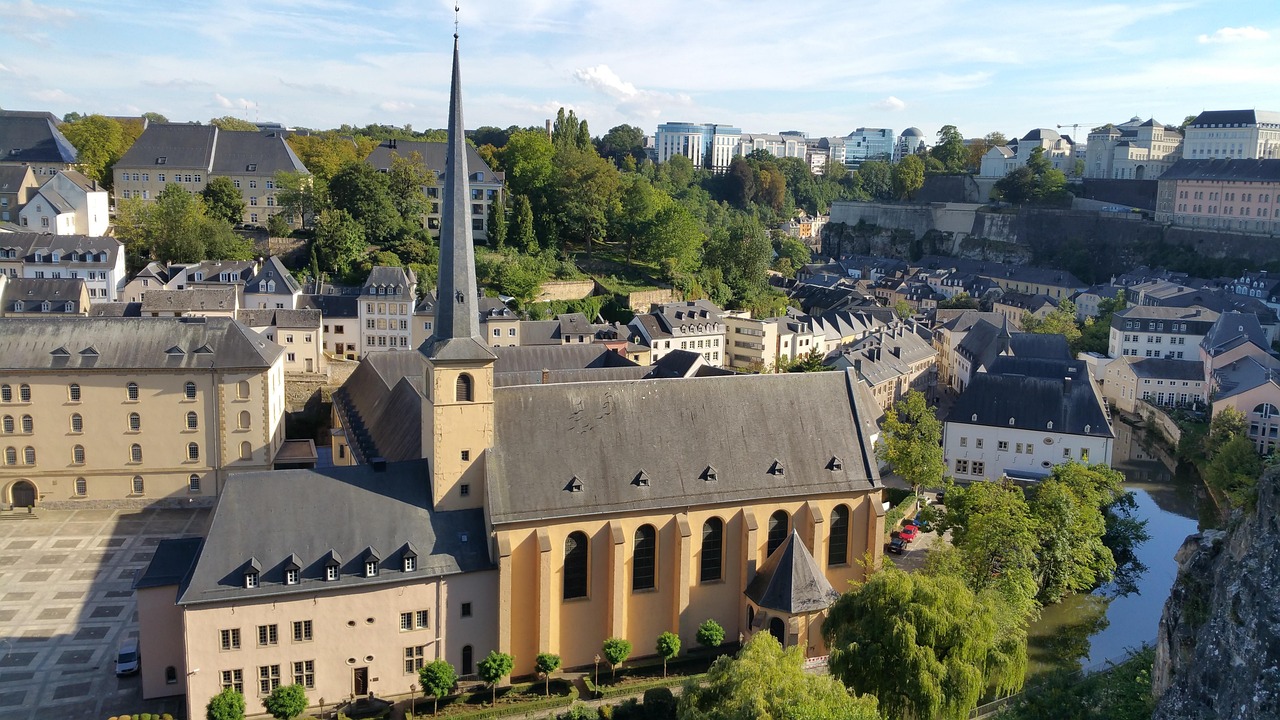
Neumünster Abbey sits in Grund like a serene anchor at the bottom of the cliffs. Once a Benedictine abbey, later a prison, it’s now a vibrant cultural center with exhibitions, concerts, and festivals.
My experience: One of my favorite summer memories is sitting in the courtyard for an open-air jazz concert, the cliffs rising around us like a natural amphitheater. Another time, I ducked into a contemporary art exhibition to escape a sudden rainstorm and ended up staying for two hours.
Why it’s special: The contrast between the quiet river, the weight of history, and the modern art inside creates a unique cultural experience. It’s a great example of how Luxembourg reuses its historic buildings instead of turning them into static museums.
Tips: Check the program ahead of your trip; many events are free or inexpensive. Families will appreciate the open courtyard and occasional kids’ workshops.
8. MUDAM – Musée d’Art Moderne Grand-Duc Jean
MUDAM is Luxembourg’s flagship modern art museum, perched on the Kirchberg plateau in a glass-and-stone structure designed by I. M. Pei (of Louvre Pyramid fame). It stands on the former Fort Thüngen site, with remnants of the old fortress integrated into the grounds.
My experience: I like to go on quiet weekday mornings. One winter visit, I had whole galleries basically to myself. After an hour of installations and video art, I stepped into the café, which looks out over the grounds and the city beyond. It’s an unexpectedly soothing place to journal or plan the rest of the day.
For art lovers: Exhibitions tend to be thoughtful rather than blockbuster, with a mix of international and local artists. Audio guides and bilingual labels make it accessible even if you’re not a modern art expert.
Tips: Combine with the nearby Musée Dräi Eechelen (below) and a wander through the EU quarter. If you’re doing 4 days in Luxembourg or more, this is a must.
9. Musée Dräi Eechelen – Fortress, History & Views
Right next to MUDAM, in the restored Fort Thüngen, lies the Dräi Eechelen Museum. It focuses on the history of Luxembourg’s fortress and the city’s evolution from a fortified town to a modern capital.
My experience: This is where the city’s complicated past clicked for me. Exhibits trace how different European powers shaped Luxembourg’s identity, how the fortress was dismantled, and how that led to today’s financial and political hub. Plus, the views from the grounds are underrated: you get a dramatic angle on the city and the valley.
Tips: If you’re short on time, even a 45-minute visit is worthwhile. History buffs could easily spend two hours here.
10. Kirchberg Plateau & EU District
Kirchberg is Luxembourg’s modern face: sleek glass offices, EU institutions, tram lines, and contemporary housing. It’s where big decisions about Europe quietly happen—yet it also has parks, shopping, and cultural venues.
My experience: I’ve had several work trips based in Kirchberg, and I’ve grown strangely fond of its blend of bureaucratic seriousness and everyday life. Early mornings, you see joggers on manicured paths, while in the evenings, office towers slowly empty into wine bars and sushi spots.
What to see:
- The European Court of Justice and other EU buildings (exteriors only).
- Contemporary architecture along Avenue John F. Kennedy.
- Shopping at Auchan or the more upscale Royal Hamilius back in the center.
Even if politics isn’t your thing, it’s worth riding the tram to Kirchberg at least once for a different perspective on the city.
11. Pfaffenthal Panoramic Elevator
This glass elevator links the upper city (Parc Pescatore area) with the Pfaffenthal district in the valley below, offering sweeping views through its transparent walls. It’s part public transport, part thrill ride.
My experience: On my first ride, I shared the cabin with a group of teenagers and an elderly couple—everyone fell silent as we glided down the cliff, then burst into chatter as soon as the doors opened. It’s especially impressive at night when the city is lit up.
Tips: It’s free and runs frequently. Use it as a scenic way to connect walking routes between the upper town, Pfaffenthal, and Kirchberg (via the tram). If you’re afraid of heights, stand at the back and avoid looking straight down.
12. Pétrusse Valley & Parks
The Pétrusse Valley slices through the city like a green canyon, with lawns, trees, and walking paths under towering viaducts. It’s where locals jog, picnic, and let kids run off steam.
My experience: On longer stays, I make a point of walking through the valley daily. One summer, I grabbed a takeaway bretzel (pretzel) and ate it on a bench while watching a group of students rehearse a dance routine beneath the Adolphe Bridge. It’s a peaceful way to reset between museums and sightseeing.
Family-friendly: Plenty of space for kids, and shaded paths for strollers. In recent years the city has added play areas and better lighting.
13. Adolphe Bridge & City Views
The Adolphe Bridge is an emblem of Luxembourg—a graceful stone arch connecting the city center with the Gare district over the Pétrusse Valley. Built in the early 1900s, it’s both an engineering landmark and a symbol of national identity.
My experience: I love crossing it on foot or by bike. The pedestrian and cycle path is slightly below traffic level, giving you panoramic views without the noise. Sunset here can be dramatic, with the sky reflecting off the valley’s trees.
Tip: Use the bridge as part of a walking route between the Old Town and the train station area. It’s also a great photo spot for the city’s layered topography.
14. Luxembourg City Museum (Lëtzebuerg City Museum)
This museum, nestled in historic buildings off a narrow Old Town street, tells the story of the city from its earliest fortifications to its modern role. The architecture is a surprise: sleek glass elevators inside centuries-old walls.
My experience: I recommend visiting early in your trip. One rainy morning, I spent a few hours here and came away with a much better sense of how Luxembourg ended up as both tiny and powerful. The model of the fortress alone is worth the visit.
Tips: Exhibits are multilingual; check for temporary shows as well. Great for a cloudy or cold day and for history buffs.
15. National Museum of History and Art (MNHA)
MNHA, located in the Old Town’s Fish Market area, is Luxembourg’s main museum for archaeology, decorative arts, and fine arts. It’s surprisingly large, with multiple underground levels.
My experience: I once ducked in “just for a quick look” and emerged three hours later. The Roman mosaics and medieval artifacts are impressive, but I’m particularly fond of the sections on 19th–20th century Luxembourgish art, which show how the country saw itself through rapid change.
Tip: If you’re traveling on a budget, note that general admission is often free or low-cost. It’s a smart stop for an overcast afternoon during longer stays.
16. Gare District & Avenue de la Liberté
The Gare district, centered around the main train station, feels more urban and gritty than the Old Town—though still very safe by global standards. It’s a mix of commuters, budget hotels, Asian restaurants, and nightlife.
My experience: I often stay near the station when I know I’ll be taking early trains. Mornings here feel very different from the touristy Old Town: commuters grabbing coffee, buses fanning out to all corners of the country, and the station’s clock tower framing the scene like something from a railway poster.
What to see:
- Walk up Avenue de la Liberté to the city center, admiring grand early 20th-century buildings.
- Explore international eateries (especially good for budget-friendly Asian food).
- Catch buses or trains for day trips.
17. Clausen – Riverside Bars & Nightlife
Clausen, just downstream from Grund, is a historic quarter that’s become one of the city’s nightlife hubs, with bars and restaurants filling old industrial and brewery buildings along the river.
My experience: My most memorable Clausen night involved a craft beer bar, an impromptu conversation with a group of EU interns, and a late walk back under the stars with the cliffs looming above. It’s busy on weekends but never reaches the chaos of larger European party scenes.
Tips: Great for an evening out if you like a lively but manageable vibe. If you’re planning a romantic trip, start with dinner here and then walk back through Grund.
18. Philharmonie Luxembourg
On the Kirchberg plateau, the Philharmonie is a striking modern concert hall with a forest of white columns around a curved glass façade. It’s one of the best places for classical, jazz, and world music in the region.
My experience: I try to catch at least one performance per longer stay. The acoustics are superb, and the crowd is a fascinating mix of diplomats, locals, and music students. One autumn evening, I attended a piano recital, then stepped out into the cool night to see the city lights twinkling beyond the plateau—it felt like a scene from a European art film.
Tips: Book tickets in advance, especially for big-name guests. Dress is smart casual; no need for formal wear unless you want to.
19. City Parks: Parc Municipal & Parc Pescatore
Luxembourg City’s parks are woven between its plateaus and valleys. Parc Municipal stretches along the northern edge of the center, with lawns, flowerbeds, and playgrounds, while Parc Pescatore offers views down to Pfaffenthal and a quiet break from the city.
My experience: I’ve had some of my best Luxembourg picnics here—local cheese, bread, and a bottle of Crémant on a sunny afternoon. In spring, the parks are full of blossoms; in autumn, they’re carpeted with leaves and children kicking them into the air.
Family-friendly: Perfect for letting kids unwind. Safe, clean, and easily accessible.
Suggested Itineraries: 3–5 Days in Luxembourg City
These itineraries are based on how I actually structure my trips. Think of them as flexible frameworks rather than rigid schedules. Mix and match depending on your pace and interests.
3 Day Itinerary for Luxembourg – First-Time Visitors
If you only have 3 days in Luxembourg, focus on the essentials: Old Town history, valley charm, and at least one countryside or castle experience.
Day 1: Old Town, Fortifications & Grund
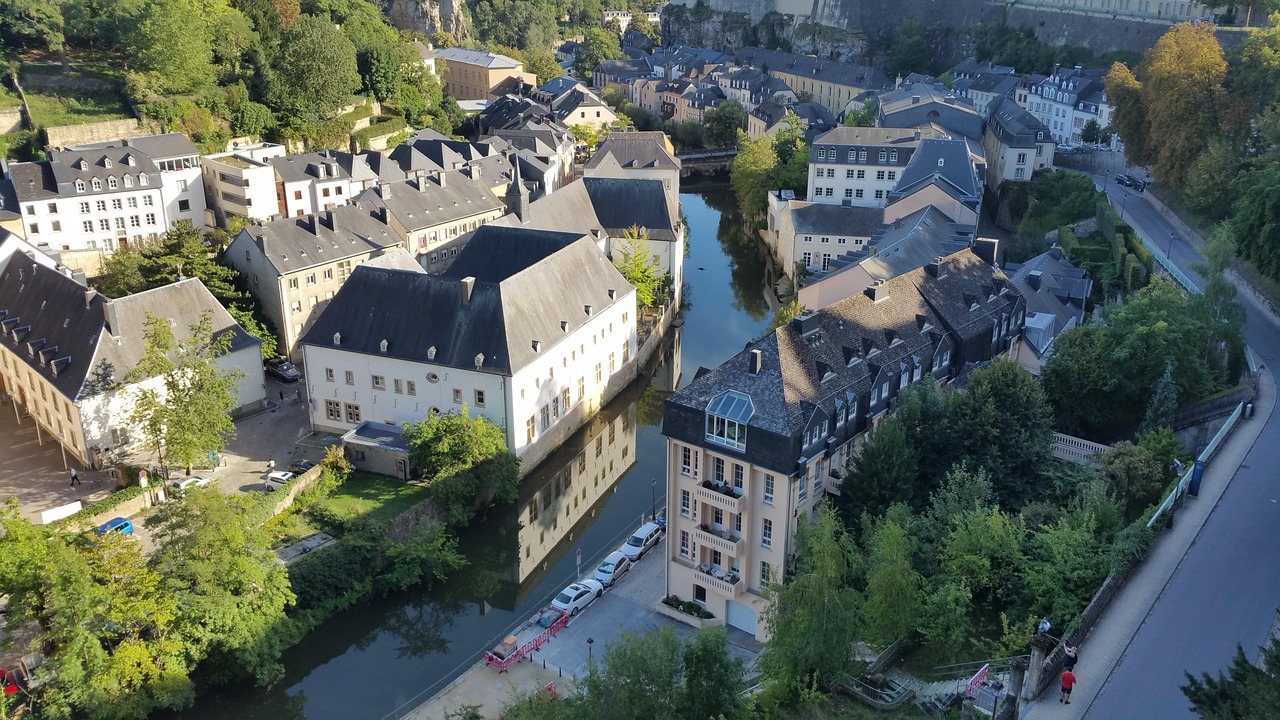
Start at Place d’Armes with a slow breakfast. Wander through the Old Town: visit the Grand Ducal Palace, Notre-Dame Cathedral, and the main squares. In the afternoon, explore the Bock Casemates and walk the Corniche. As the light softens, descend into Grund for dinner by the river. If you still have energy, stroll to Neumünster Abbey and see if there’s an evening event.
Personal flow: I usually keep this first day gentle. Jet lag plus steep hills can be a rough combination, so I prioritize walking over museum-hopping and end the day with a long riverside meal.
Day 2: Museums, Pétrusse Valley & Adolphe Bridge
Begin at the Lëtzebuerg City Museum to get your historical bearings, then head to MNHA for art and archaeology. After a leisurely lunch in the Fish Market area, walk down into the Pétrusse Valley, loop under the Adolphe Bridge, and come back up near the city center. Late afternoon, cross the Adolphe Bridge for views and explore the Gare district a bit, perhaps grabbing dinner near the station or along Avenue de la Liberté.
Day 3: Kirchberg & Countryside Taste
Take the tram to Kirchberg in the morning, visit MUDAM and the Dräi Eechelen Museum, and admire the EU district’s architecture. In the afternoon, either:
- Stay in the city, riding the Pfaffenthal elevator and exploring Pfaffenthal’s quiet streets, or
- Take a half-day trip to a nearby castle or the Moselle wine region (see day trips below).
Finish with a special dinner back in the Old Town or a concert at the Philharmonie if the schedule aligns.
4 Day Itinerary for Luxembourg – Deeper Exploration
With 4 days in Luxembourg, you can add more cultural experiences, parks, and a full day trip.
Day 1: Old Town Highlights & Evening in Grund
Follow the 3-day Day 1 outline, but take your time—add café stops, detours down side alleys, and a longer wander along the Corniche.
Day 2: Museums & Parks
Combine the City Museum and MNHA with a more leisurely exploration of Parc Municipal and Parc Pescatore. Pack a picnic or grab takeaway from a bakery. In the evening, check what’s on at Neumünster Abbey or catch a film in VO (original version) at a local cinema.
Day 3: Kirchberg, Philharmonie & Nightlife in Clausen
Do Kirchberg in more detail: MUDAM, Dräi Eechelen, a long lunch, then a rest at your hotel. In the evening, head back to Kirchberg for a concert at the Philharmonie, or drop down into Clausen afterward for drinks by the river.
Day 4: Full Day Trip (Castles or Nature)
Devote this day to one of the classic day trips—Vianden Castle, the Müllerthal “Little Switzerland” hiking area, or the Moselle wine valley—then come back to the city for a relaxed final dinner.
5 Day Itinerary for Luxembourg – Slow Travel & Hidden Corners
With 5 days in Luxembourg, you can truly slow down. This is my favorite rhythm for a long weekend plus extra days.
Day 1–3: Follow the 3 Day Itinerary
Use the 3-day plan above as your foundation, but stretch things out: add extra museum time, longer cafés, and more walks through the valleys.
Day 4: Day Trip & Cultural Evening
Take a full day trip (Vianden, Esch-sur-Sûre, or Müllerthal). Return in time for an evening at Neumünster Abbey, the Philharmonie, or a local festival depending on the season.
Day 5: Hidden Gems, Neighborhood Wandering & Shopping
Spend your last day revisiting favorites and exploring the spots you’ve been walking past all week: side alleys in the Old Town, overlooked viewpoints, and smaller galleries. Do some shopping on Grand Rue or in the Royal Hamilius complex, then enjoy a slow farewell dinner in a neighborhood you haven’t eaten in yet—perhaps Pfaffenthal or the quieter upper parts of Grund.
Neighborhoods & Areas to Explore in Luxembourg City
Ville Haute (Upper Town / Old Town)
Historic core, main squares, government buildings, and many of the city’s must-see attractions. Great for first-time visitors, sightseeing, and cafés.
Grund & Clausen
Picture-perfect valley districts along the Alzette. Grund is quieter and more residential; Clausen leans more toward nightlife. Both are packed with character.
Pfaffenthal
Less touristy valley neighborhood reachable via the Pfaffenthal elevator or funicular from Kirchberg. Feels like a small town under the cliffs, with older houses and a slower pace.
Kirchberg
Modern EU and business district. Worth visiting for its architecture, museums (MUDAM, Dräi Eechelen), shopping centers, and the Philharmonie.
Gare District
Train station area with a more urban feel: budget and mid-range hotels, international restaurants, and gateway to public transport.
Local Food in Luxembourg: What to Eat & Where
Luxembourgish cuisine reflects its position between France and Germany, with a dash of Belgian and local twists. Portions are hearty, flavors comforting, and seasonal produce shines.
Must-Try Dishes
- Judd mat Gaardebounen: Smoked pork collar with broad beans—rich and deeply satisfying.
- Bouneschlupp: Green bean soup often with potatoes and bacon; perfect on a chilly day.
- Gromperekichelcher: Crispy potato fritters, often sold at markets and festivals; my go-to street snack.
- Kniddelen: Soft dumplings typically served with bacon and cream sauce.
- Quetschentaart: Plum tart, especially in late summer and early autumn.
Drinks
- Crémant de Luxembourg: Local sparkling wine that rivals many Champagnes at a friendlier price.
- Moselle wines: Riesling, Pinot Gris, and Auxerrois from the nearby Moselle valley.
- Local beers: Look for Bofferding, Diekirch, and various craft brews.
Where I Like to Eat (Examples)
I tend to rotate between a few categories:
- Traditional brasseries in the Old Town: For classic dishes like Judd mat Gaardebounen and Bouneschlupp.
- Riverside spots in Grund: Perfect for long, relaxed dinners with wine and valley views.
- Budget-friendly Asian in the Gare district: Great for balancing out heavier Luxembourgish meals.
- Wine bars: To sample Moselle wines and Crémant by the glass with small plates.
Money-saving tip: Look for menu du jour (daily set menus) at lunchtime—excellent value compared to à la carte dinners.
Nightlife, Entertainment & Cultural Experiences
Luxembourg City’s nightlife is more intimate than wild: think wine bars, cozy pubs, jazz clubs, and occasional big nights in Clausen.
Evening Ideas
- Romantic: Sunset walk along the Corniche, dinner in Grund, then a quiet drink overlooking the river.
- Family-friendly: Early dinner followed by an evening stroll in the Pétrusse Valley or Old Town squares; ice cream stops recommended.
- Adventurous: Craft beer tour through Clausen and the Gare district, or a late concert at Neumünster Abbey or the Philharmonie.
Cultural Experiences
- Concerts at the Philharmonie (classical, jazz, world).
- Exhibitions and performances at Neumünster Abbey.
- Local festivals and markets (see events section below).
Best Day Trips from Luxembourg City
One of Luxembourg City’s biggest advantages is its proximity to stunning countryside and castles. Even on a short trip, consider at least one day out.
Vianden Castle
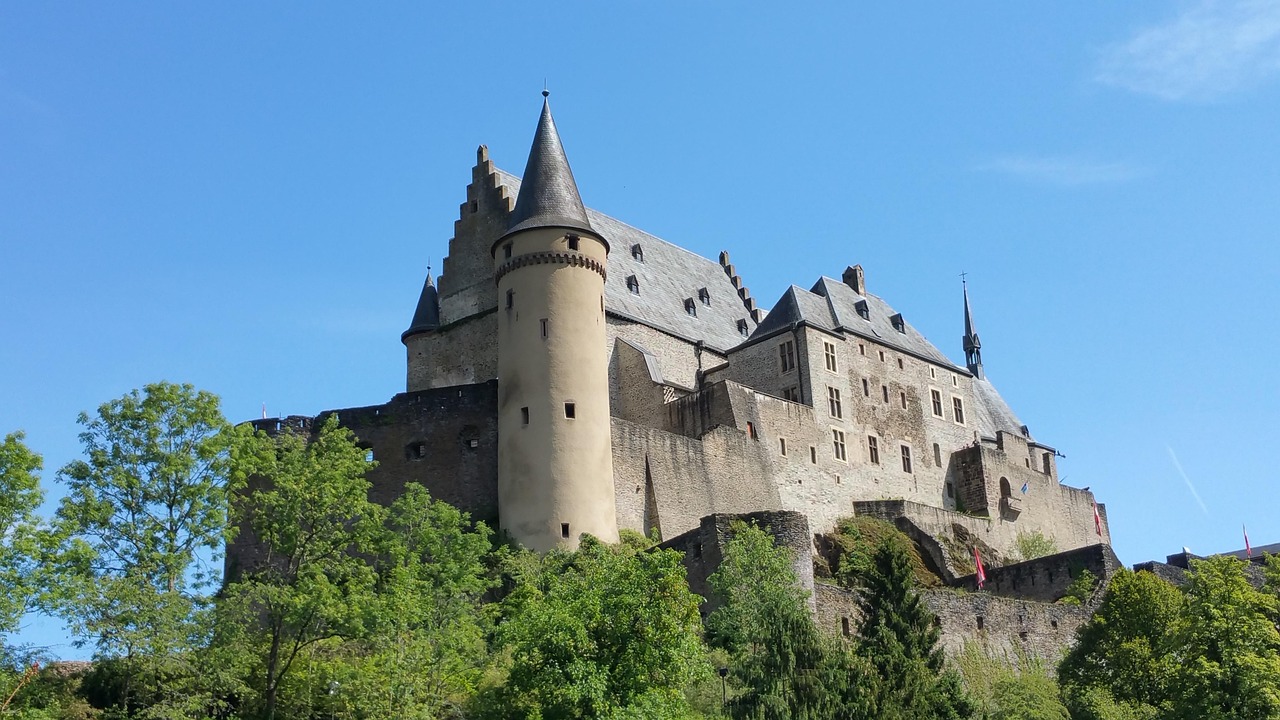
Perched high above the town, Vianden Castle looks like something Hollywood would design—except it’s real. Restored from ruin in the 20th century, it’s now one of Europe’s most photogenic castles.
Getting there: Train from Luxembourg City to Ettelbruck, then bus to Vianden (journey about 1.25–1.5 hours; free with Luxembourg’s nationwide free public transport policy).
What to do: Tour the castle, wander the medieval streets, and, if you’re not afraid of heights, take the chairlift for panoramic views. I like to have a late lunch in town, then stroll along the river before heading back.
Müllerthal – Luxembourg’s Little Switzerland
Known as “Little Switzerland,” Müllerthal is a landscape of sandstone rock formations, forests, and winding trails. It’s a paradise for hikers and nature lovers.
Getting there: Buses from Luxembourg City to Echternach or other trailheads (again, free public transport). From Echternach, multiple trails branch out.
My experience: I’ve done both short 2–3 hour loops and full-day treks. The rock formations feel almost otherworldly, with narrow passages, mossy overhangs, and hidden viewpoints. Pack good shoes and layers.
Moselle Valley – Wine Country
The Moselle River forms part of Luxembourg’s border with Germany, and its slopes are lined with vineyards producing excellent whites and Crémant.
Getting there: Train or bus to towns like Remich, Grevenmacher, or Schengen.
What to do: Wine tastings, river walks, and leisurely lunches. It’s a particularly good choice for a relaxed, romantic day trip.
Cultural Etiquette & Local Customs in Luxembourg
Luxembourg is multilingual, multicultural, and fairly formal in public. A few simple habits go a long way.
Language
Luxembourgish, French, and German are official languages; English is widely spoken in the city.
- Start interactions with a polite greeting: “Bonjour” (French) or “Moien” (Luxembourgish).
- Most staff in hotels, restaurants, and museums will switch to English smoothly.
Behavior
- Quiet, respectful manners in public transport and museums are appreciated.
- Queues are respected; don’t cut in line.
- In restaurants, tipping around 5–10% is polite but not mandatory; many locals simply round up.
Dress
Smart casual works almost everywhere. For high-end restaurants or concerts at the Philharmonie, slightly dressier outfits blend in better, but there’s no strict code.
Practical Travel Tips for Luxembourg City
Getting Around
- Public transport: As of 2026, all public transport in Luxembourg is free nationwide—trams, buses, and second-class trains. You can just hop on and off.
- Walking: The center is very walkable, but expect hills and stairs between plateaus and valleys.
- Bike & e-scooters: Available in parts of the city; great for flatter areas like Kirchberg.
- Car rental: Useful for deeper countryside exploration, but not needed within the city. Parking in the center can be expensive.
Saving Money
- Use free public transport for day trips—it’s a huge budget saver.
- Opt for lunch menus instead of dinners at pricier restaurants.
- Stay near the Gare district or in Pfaffenthal for slightly better hotel deals than the Old Town.
- Enjoy free or low-cost attractions: parks, Corniche, valleys, most churches, and many museums on certain days.
SIM Cards & Connectivity
EU visitors can usually roam on their regular plans. For others, prepaid SIMs are available from local providers at the airport, train station, and in phone shops in town. Wi-Fi is common in hotels, cafes, and public spaces.
Visa Requirements & Driving Licenses
- Luxembourg is part of the Schengen Area. Check if you need a Schengen visa based on your nationality.
- Short-stay visitors from many countries (e.g., US, Canada, UK, Australia) can enter visa-free for up to 90 days in 180 days.
- Foreign driving licenses from most countries are accepted for tourists; an International Driving Permit is recommended if your license isn’t in Roman script.
Best Seasons for Activities
- Spring (April–June): Ideal for walking the city, parks, and first hikes in Müllerthal. Blossoms and moderate temperatures.
- Summer (July–August): Festivals, open-air concerts, and long days. Can be busy but never overwhelming compared to big capitals.
- Autumn (September–October): Wine harvest in the Moselle, vibrant foliage in valleys and parks—my personal favorite time.
- Winter (November–February): Christmas markets, cozy cafés, museums; weather can be grey, but crowds are minimal.
What’s New & Upcoming Events 2026–2027
Luxembourg’s calendar evolves every year, but some recurring highlights and trends for 2026–2027 include:
- Winterlights 2026: The city’s Christmas festival with markets, lights, and events across the Old Town and parks.
- Printemps Musical: Spring music events and concerts, often featuring international artists.
- National Day (June 23): Fireworks, parades, and festivities—if you’re in town, plan around crowds and book accommodation early.
- Ongoing museum expansions & exhibitions: MUDAM and MNHA regularly host major temporary exhibitions; check their 2026–2027 programs before you travel.
The city continues to invest in pedestrian and cycling infrastructure, especially around Kirchberg and the valleys, making it even more pleasant to explore on foot or bike by 2026–2027.
Summary & Final Recommendations
Luxembourg City is small, layered, and quietly fascinating. It rewards travelers who like to walk, look closely, and let a place reveal itself over a few days rather than racing through a checklist of things to do in Luxembourg.
For a first visit, plan at least 3 days in Luxembourg to cover the essentials. If you can stretch to 4 days in Luxembourg or a full 5 day itinerary for Luxembourg, you’ll be able to mix city, castles, wine country, and hiking without rushing.
Best time to visit: Late spring (May–June) and early autumn (September–October) strike the ideal balance of weather, events, and manageable crowds. Summer is lively and festival-filled; winter is calm, atmospheric, and especially charming around the Christmas markets.
Come for the fortress views and storybook valleys; stay for the layers of history, multilingual culture, excellent food, and the sense that you’ve discovered a European capital that most travelers only ever pass through. Luxembourg City isn’t about ticking off icons—it’s about feeling at home in a place that quietly connects half of Europe from a rock above a river.