Why Visit Restonica Valley?
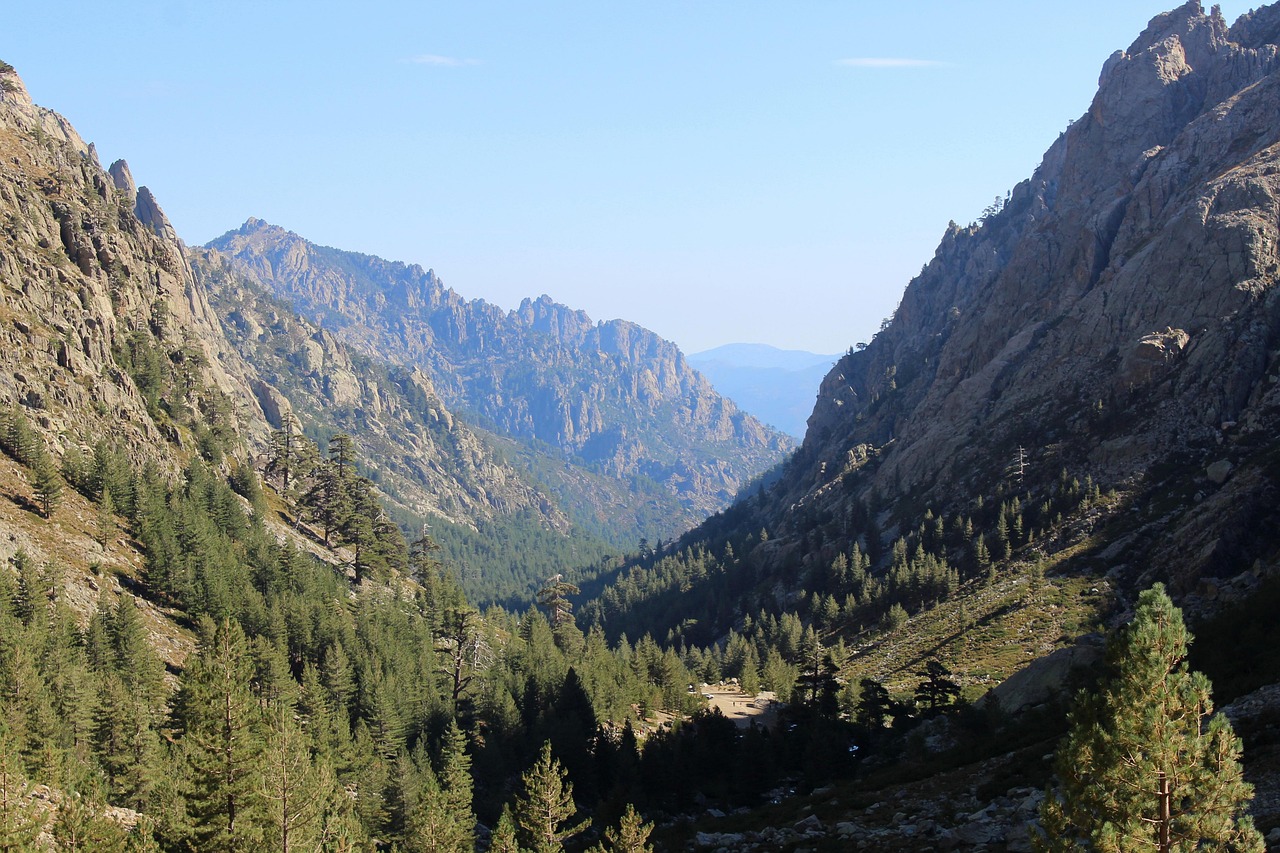
If you’ve ever wondered what the wild heart of Corsica looks like once you leave the beaches behind, it’s the Restonica Valley. Just above the town of Corte, a narrow mountain road winds into a granite world of turquoise pools, pine forests, and serrated peaks that feel more like the Alps than a Mediterranean island. It’s where Corsicans go when they want to cool off, hike hard, or remind themselves that they live on what they call “l’île de beauté” – the island of beauty.
I’ve been coming to Restonica regularly since the late 2010s, spending long weeks here in early summer and again in the quieter shoulder seasons. I’ve seen the valley under snow in April, bursting with wildflowers in June, and burnished gold in October. Each visit reinforces the same truth: Restonica is not a quick photo stop; it’s a place that rewards lingering, getting up early, and talking to the people who serve your coffee or your fiadone.
This 2026 travel guide is written for travelers who want more than a cursory hike to a lake. It’s for those planning a 4–7 day itinerary for Restonica Valley, looking for hidden gems, local food, cultural experiences, and practical travel tips. Whether you’re visiting with your family, a partner, or a group of trail-hungry friends, you’ll find detailed suggestions for how to structure your days, where to eat, and how to stay safe in real mountains that just happen to rise straight out of the Mediterranean Sea.
Restonica Valley at a Glance
The Restonica Valley (Vallée de la Restonica) begins just outside the historic university town of Corte, roughly in the center of Corsica. From there, the D623 snakes up the gorge alongside the Restonica River, climbing from about 450 m to over 1,300 m at the upper car parks near the trailheads for the famous lakes Melo and Capitello.
This is a high mountain environment: jagged ridges over 2,000 m, cirque lakes that hold snow into July after heavy winters, and sudden storms that can rip across the ridges even on an otherwise sunny day at the coast. It’s also a place of pastoral history – shepherds, transhumance paths, chestnut groves – that still flavors how people move and eat here.
Seasons & When to Come
- Late April–May: Melting snow, some trails still partially snow-covered above 1,700–1,800 m. Great for photography, early wildflowers, and solitude; expect snow patches towards Lac de Capitello and the high passes.
- June–early July: My favorite time. Wildflowers, full river pools, generally stable weather, and most trails open. Still quieter than peak August holidays.
- Mid July–August: The busiest. All routes are open, lakes are accessible, water warm enough for bold swims. Expect crowds at Lac de Melo mid-day; start early.
- September–October: Clear light, cooler days, fewer people. Larch and beech forests turn gold. Some refuges reduce services later in the season; nights can be cold.
- November–March: Quiet, often snowy above 1,200 m. Occasional road closures higher up. More for experienced hikers, snowshoeing, and those comfortable in mountain winter. Many seasonal eateries close.
Itineraries: 4–7 Days in Restonica Valley
Below are flexible, story-driven itineraries drawn from my own recent stays. Use them as templates for your own 4 days in Restonica Valley or to build up to 7 days in Restonica Valley. I’ll anchor each day in specific hikes, swims, and meals, with options for families, couples, and adventure-seekers.
4 Day Itinerary for Restonica Valley
This 4 day itinerary for Restonica Valley is ideal if you’re short on time but want the “classic” highlights: river pools, Lac de Melo, an introduction to Corte, and at least one panoramic ridge walk. Think of it as the essential snapshot – you’ll leave wanting to come back.
Day 1 – Arrival in Corte & First Taste of the Valley
I like to arrive in Corte by mid-afternoon, whether by train from Bastia or Ajaccio, or by rental car. The first time I came by train I remember pressing my forehead against the window as the line climbed through ever-wilder gorges – it was the perfect prelude to Restonica.
Check into a small guesthouse or hotel in or just above the center. Staying in Corte rather than immediately up the valley gives you access to cafés, evening strolls, and the citadel, plus an easier arrival day.
- Stroll the Old Town: Wander up the narrow lanes to the Citadelle de Corte. The late afternoon light over the Tavignano and Restonica valleys is pure magic. Pause at the lookout by the Belvedere – this is your first “big mountain” view of the trip.
- Museum of Corsica: If you have the energy, visit the museum inside the citadel. It gives context on Corsican identity and history, which will color your experience in the valley.
Dinner: On my last visit in 2025, I ended my first evening at a small restaurant just below the citadel, with a terrace facing the mountains. Order civet de sanglier (wild boar stew) if it’s on the menu, or a simple plate of charcuterie (local cured meats) and brocciu cheese. This is your first encounter with local food in Restonica Valley – rich, mountain fare built for people who walk uphill a lot.
Tip: Go to bed early. You’ll want an alpine start tomorrow.
Day 2 – Classic Hike to Lac de Melo & Alpine River Pools
This is the day where Restonica usually hooks people for life. I remember my first ascent to Lac de Melo: the sky was that improbable Corsican blue, marmots were whistling from boulder fields, and I felt a little stunned that such wildness existed just an hour from the sea.
- Morning: Drive or take a taxi up the D623 to the Grotelle car park (around 1,370 m). In peak summer, arrive before 8:00–8:30 to find parking and avoid the bulk of hikers. In 2026, the town continues to reinforce paid parking and a shuttle system on the busiest days, so bring cash or card.
- Hike to Lac de Melo (Lac de Melo, ~1,711 m): The trail begins gently across wooden footbridges, then climbs through pine woods and granite slabs. Allow 1–1.5 hours up at a relaxed pace. Families with active children usually manage fine; just take care near the final rockier sections.
At the lake, I like to walk around to quieter spots on the far shore, away from the main arrival boulder. On a calm morning, the reflection of the surrounding cirque is perfect. Even in July, the water is ice-cold, but I’ve watched some brave souls (and occasionally been one of them) take a quick, shrieking dip.
Optional Extension to Lac de Capitello (1,930 m): If you’re feeling strong and the weather is settled, continue another 45–60 minutes up steep, sometimes chain-assisted sections to Lac de Capitello. The lake is wedged high in a rocky bowl, often holding snow into early summer. On my last June trip, we kicked steps across a small remaining snowfield – hiking poles were invaluable.
Lunch: Picnic by the lake (always pack out what you pack in), or descend back to the bergerie near Grotelle for simple mountain fare: omelette au brocciu, cheeses, and rustic bread.
Afternoon: On the way down the valley, stop at one of the signed lay-bys and access paths to the river. There are countless turquoise pools carved into the granite – some shallow and safe for children, others deeper for proper swimming. On my second trip, we spent an entire afternoon hopping from pool to pool, finding shaded rocks and tiny waterfalls that never make it to Instagram.
Evening: Back in Corte, find a casual place with outdoor seating. Order fiadone (a Corsican cheesecake made with brocciu) and a small glass of local muscat to celebrate your first full day.
Day 3 – Ridge Walk & Hidden Shepherd Paths
By your third day, your legs have adjusted and your eyes have re-calibrated to mountain distances. This is a good moment to explore a slightly less famous route – one of the hidden gems in Restonica Valley.
One of my favorite days starts from a mid-valley parking area and follows old shepherd paths to balconies above the river. You won’t see as many cairns or signs as on the Melo trail, but that’s part of the charm.
- Morning: Drive partway up the valley and park near one of the smaller bergeries (ask locally or at your accommodation for current trail suggestions; in 2025 a few signs were refreshed, making navigation a bit easier). Follow paths that climb above the road, traversing through pine and beech forest.
- Views: After 1–2 hours, you reach terraces where the valley opens below you, the river a silver thread far down, and snow-specked peaks rising ahead. This is where I like to stop, brew a small coffee with my camping stove, and just listen. Apart from the distant clang of sheep bells, it’s often silent.
Lunch: Picnic on the ridge or descend to a bergerie for charcuterie and local wine. Do ask if they’re open before counting on a full meal, especially outside July–August.
Afternoon Option – Family-Friendly: Families might choose a shorter morning walk and then a long afternoon at the river. Bring inflatable toys for the kids, and a paperback for yourself. The combination of mountain air and running water has a way of resetting everyone’s mood.
Evening: Join the local early-evening promenade in Corte, especially around Place Paoli. It’s informal people-watching at its best. For dinner, try a restaurant that focuses on grilled meats – lamb and veal from the interior are excellent here.
Day 4 – Tavignano Valley or Cultural Deep Dive
On your last day, you can either:
- Explore the Tavignano Valley – a parallel valley that leaves from Corte itself and feels wilder and quieter than Restonica, or
- Dig deeper into culture and history in Corte, with time for cafés, the museum, and maybe a second visit to your favorite river pools.
When I’m with friends who are strong hikers, we walk several hours up the Tavignano trail toward the Bergerie de l’Alzeta. It’s a different angle on the interior, with long views and a sense of traveling an old route used by shepherds long before tourism.
If I’m with family, we usually opt for a slower day: a late breakfast in town, the museum if we skipped it on Day 1, and then a “greatest hits” afternoon back up Restonica, revisiting our favorite river bend or café.
However you spend it, this wraps your 4 days in Restonica Valley with a balance of must-see attractions and quieter corners you’ll remember just as vividly.
5 Day Itinerary for Restonica Valley
A 5 day itinerary for Restonica Valley gives you room to slow down. I recommend using the 4-day plan above as a base, then adding one “deep mountain” day – often a foray toward Monte Rotondo or another high pass – plus an extra half-day to simply sit, swim, and savor.
On my last 5-day stay, that extra day became my favorite: we hiked only in the morning, then lingered for hours over lunch at a riverside inn, watching shadows crawl down the cliffs as afternoon thunderstorms built up far away.
For detailed day-by-day suggestions, you can expand Day 3 into a more ambitious summit or high pass (see the Peaks & Passes section) and add a dedicated romantic evening in Corte with a sunset walk and a special dinner featuring local wines from Patrimonio and Ajaccio.
6 Day Itinerary for Restonica Valley
With 6 days in Restonica Valley, you can really start to feel like a temporary local: repeating your favorite café, greeting the same baker in the morning, recognizing hikers you passed the day before on a different trail.
I like to break a 6 day itinerary into two halves: three days based in Corte, exploring both Restonica and Tavignano, and then three days staying higher up the valley at a small inn or gîte, so you can walk straight from your door into the mountains at dawn.
Use the extra days to attempt one of the signature peaks or passes like Bocca alle Porte, explore a lesser-known lake, or take a full-day side trip to the Niolo region or the GR20 sections that intersect the valley. The in-depth places section below outlines options with altitudes, difficulty, and tips.
7 Day Itinerary for Restonica Valley
A 7 day itinerary for Restonica Valley is my personal sweet spot. A week lets you mix hard days and soft days, big peaks and tiny bars, and you have enough time to adapt to the mountain rhythm: early hikes, slow lunches, siestas, and evenings under very dark skies.
Over seven days, I usually:
- Spend 2–3 days on the “classics” (Melo, Capitello, Tavignano, river pools)
- Dedicate 2–3 days to higher, more challenging objectives (Monte Rotondo, Bocca Soglia, or high traverses)
- Reserve 1–2 days for culture and day trips – perhaps down to the coast for a swim, or to another central village
In the following sections, we’ll dive into individual peaks, valleys, passes, and villages so you can customize each extra day according to your style, whether that’s pushing altitude or lingering over another slice of chestnut cake.
Peaks, Valleys, Passes & Villages – 15 In-Depth Places
Here are at least 15 of the best places to visit in Restonica Valley and its immediate surroundings, described not just as names on a map, but as places I’ve walked, eaten, and occasionally shivered in the rain. Each subsection includes altitude, character, accessibility, and tips for bases in different seasons.
1. Lac de Melo (Lac de Melo, 1,711 m)
Best for: Iconic alpine lake hike, family-friendly adventure, first-time visitors.
Altitude & Access: At 1,711 m, reachable via a well-marked trail from the upper Restonica road (Grotelle car park, ~1,370 m). 1–1.5 hours of steady climbing. In early season, lingering snow can make the final section slippery.
I’ve been to Lac de Melo in all moods: clear and mirror-calm, whipped by wind, wrapped in cloud so thick the far shore vanished. It’s never disappointed. The amphitheater of peaks around it gives you that classic “high mountain” feeling while still being doable for newcomers to alpine hiking.
When to Go: June to October is best. In May or early June, the snow line can be just above the lake; bring gaiters and poles. In late October, you might find icy patches on the boulders in the morning – I once watched a hiker with city sneakers inch nervously down a frosty rock slab. Don’t be that person.
Tips: Start early to have the lake relatively quiet and in good light. Pack a light jacket – even in August the breeze can be cool. Families should keep younger children close on the last rocky stretch and around the shore.
Best Base: Corte for overall services, or a small inn higher in the valley if you want a shorter drive to the trailhead.
2. Lac de Capitello (1,930 m)
Best for: Strong hikers, dramatic cirque scenery, snow into summer.
Altitude & Access: At 1,930 m, Lac de Capitello sits about 45–60 minutes above Melo, on a steeper, rockier trail with fixed chains in some sections. Not ideal for very young children or those with a fear of heights.
The first time I made it up here, in early July, snow still banked up behind the lake. A group of French hikers had hauled up a small inflatable boat and took turns paddling short, wobbling laps across the inky water. It felt absurd and wonderful in equal measure.
Seasonality: Expect snow patches into June in big snow years, and occasional afternoon storms in high summer. Always check the sky before committing to the final push – lightning is no joke at this altitude.
Best Base: Corte or a valley inn; attempt on a day when you’re well-rested. Pair with a leisurely afternoon at the river on your descent.
3. The Restonica River & Its Swimming Pools
Best for: Families, couples, anyone who likes cold, clear water and granite sunbathing slabs.
Altitude & Access: The river follows the valley from around 450 m near Corte to well over 1,300 m up-valley. Dozens of short paths lead down from the road to pools of all sizes.
I’ve lost count of the afternoons I’ve spent here, dipping in and out of the water, reading on warm rocks, watching dragonflies. My favorite spots are a little walk from the most obvious lay-bys – 10–15 minutes along the river can be enough to feel alone.
Safety: Watch for slippery rocks and sudden depth drops. After heavy rain or rapid snowmelt, the current can be deceptively strong. Don’t jump from rocks you haven’t checked beforehand, and keep an eye on children; the water is shockingly cold even on a hot day.
Best Base: Anywhere along the valley or in Corte. This is your go-to for rest days or short excursions after a morning hike.
4. Corte – The Historic Mountain Town (450–500 m)
Best for: Culture, history, evenings out, and central base for Restonica and Tavignano.
Altitude & Access: Around 450–500 m, easily reached by train or road from Bastia (north) or Ajaccio (south). Corte is the natural base for exploring Restonica Valley.
Corte has just enough bustle to feel alive but still remembers that it’s a mountain town. The citadel perched on its rocky outcrop, narrow lanes, and university presence give it a slightly bohemian edge. I’ve spent whole days here when the weather up-valley was too stormy, happily moving between cafés, the museum, and short outlook walks.
What to Do:
- Visit the Museum of Corsica in the citadel
- Walk to viewpoints over the Restonica and Tavignano valleys
- Explore small boutiques selling knives, chestnut products, and local crafts
- Enjoy evening apéro in the main squares
Best Season: Year-round. In winter, it’s much quieter but still functioning; in summer, it buzzes but rarely feels overwhelmed.
5. Tavignano Valley
Best for: Quieter day hikes, multi-day treks towards remote refuges, more solitude than Restonica.
Altitude & Access: The Tavignano River also starts above Corte, with a well-known trail leaving right from the town’s edge. You can walk a gentle hour out-and-back, or commit to a 5–7 hour day toward distant bergeries.
Every time Restonica feels too busy, I head to Tavignano. On a June weekday, I once walked for two hours without seeing another person, then shared a simple lunch at a remote bergerie with the shepherd and his dog.
Best Base: Corte; no need to drive, which makes this an excellent choice if you’re car-free.
6. Monte Rotondo (2,622 m)
Best for: Strong, experienced hikers seeking a big summit day with huge views.
Altitude & Access: At 2,622 m, Monte Rotondo is one of Corsica’s highest peaks. The usual trailhead is accessible by car from the main road between Corte and Ajaccio, not far from Restonica. This is a very long day: 9–11 hours return for most hikers.
My first Rotondo attempt ended in retreat at about 2,200 m when afternoon storms exploded faster than forecast. I went back two summers later with a 4:30 a.m. start, a clear forecast, and more respect for the mountain. The summit panorama takes in the spine of Corsica, from Monte Cinto to Monte d’Oro, and on clear days, distant glimpses of the sea.
Seasonality: Snow can linger well into June; microspikes or even crampons may be necessary early in the season. Not recommended in unstable weather or for those without solid mountain experience.
Best Base: Corte; aim to be back in town in time for a well-earned feast and maybe an extra dessert.
7. Bocca alle Porte (High Pass Above Capitello)
Best for: Ambitious hikers, linking valleys, tasting a piece of the GR20 atmosphere.
Altitude & Access: Bocca alle Porte sits above the Melo–Capitello cirque, reached by extending the Capitello hike onto steeper, rougher ground. Expect a full-day outing if starting from the Restonica road.
Climbing to Bocca alle Porte feels like graduating from valley tourist to mountain insider. On my last visit, we shared the narrow pass with a couple of GR20 thru-hikers, dusty and exhilarated. The views down into neighboring basins are dizzying.
Seasonality & Safety: Only in stable, snow-free conditions (usually mid-July to mid-September). This is real mountaineering terrain in shoulder seasons; don’t push it if there’s snow or ice.
Best Base: A combination of Corte and, if possible, one night at a nearby refuge to shorten the approach.
8. Bergerie de Grotelle Area
Best for: Rustic mountain dining, access to Melo and Capitello, classic Restonica atmosphere.
Altitude & Access: Around 1,370 m at the end of the Restonica road. This cluster of stone buildings and meadows feels like an alpine hamlet at the edge of the wild.
I always linger here either before or after lake hikes. The smell of woodsmoke, the clang of cutlery, and the sound of the river combine into a sensory shorthand for “Restonica” in my memory.
What to Eat: Simple omelettes, brocciu-based dishes, charcuterie, sometimes beignets (fritters). Don’t expect gourmet plating; do expect hearty portions and friendly, no-nonsense service.
Best Season: Late spring to autumn; snow and road closures can limit access in winter.
9. Mid-Valley Inns & Gîtes (800–1,100 m)
Best for: Staying slope-side, river sounds at night, cutting driving time.
Altitude & Access: A series of small inns, gîtes, and family-run hotels dot the mid-section of the Restonica road, generally between 800 and 1,100 m. They offer direct or near-direct access to the river and short trails.
Spending a few nights in one of these places changes your relationship with the valley. You wake to cool air and birdsong, not car noise, and can slip down to the river before breakfast. On my longest stay, I spent a full week in a simple room above a restaurant, writing at a terrace table between hikes.
Seasonality: Many open from May to October only; book well ahead for July–August. Good for both families (easy river access) and couples (romantic evenings by the water).
10. High Refuges & GR20 Junctions
Best for: Multi-day treks, starry nights, feeling the GR20 culture.
Altitude & Access: While Restonica doesn’t host the busiest GR20 refuges directly in the valley floor, several high refuges and shelters are within long-day or multi-day reach. They typically sit between 1,500 and 2,000 m, built of stone or wood, basic but atmospheric.
Spending a night in a refuge is a different kind of luxury: you carry only what you need, share long tables with other hikers, and step outside after dinner into air so clear the Milky Way looks almost solid.
Services: Expect simple dorms, blankets (though I still bring a light sleeping bag liner), hearty meals, and limited showers. Many now accept card payments but don’t rely on it; cash is still wise.
Best Season: Late June to September. Refuges may be unstaffed outside core season, becoming just shelters.
11. Monte d’Oro (2,389 m)
Best for: Experienced hikers, panoramic summit day, combining mountains with train travel.
Altitude & Access: Monte d’Oro rises near the Vizzavona pass, reachable by train from Corte. It’s technically outside the strict Restonica Valley, but close enough to be a natural day trip for peak collectors.
I added Monte d’Oro to a Restonica-based trip almost on a whim, taking the morning train and following the well-worn trail from Vizzavona. The mix of forest, rocky ridge, and airy summit made it one of my standout days of that year.
Best Base: Corte, using the train to avoid parking hassle at Vizzavona in summer.
12. Surrounding Interior Villages
Best for: Cultural experiences, quiet strolls, village cafés.
Altitude & Access: Numerous villages within a 30–60 minute drive from Corte sit between 500 and 900 m, perched on hillsides or tucked into valleys.
I like to devote at least half a day of a longer Restonica stay to exploring one or two of these villages – walking the narrow lanes, visiting tiny churches, and sitting over an espresso on a shaded terrace. It’s a different rhythm from the hiking crowd in Restonica itself.
Best Season: Spring and autumn, when village life is at its most “everyday” and not dominated by summer visitors.
13. The Restonica Road (D623) & Viewpoints
Best for: Scenic drives, short viewpoint walks, photography.
Altitude & Access: Climbing from around 450 m to over 1,300 m, the D623 is narrow, twisting, and occasionally nerve-wracking for those unused to mountain driving.
I’ve driven this road in blazing sun, fog thick enough to hide the next bend, and once in a sudden June hailstorm that turned everything white in minutes. Go slow, use pull-outs to let others pass, and don’t be bullied into driving faster than you’re comfortable.
Viewpoints: Various lay-bys offer stellar views up and down the valley. I keep a mental list of my “storm-watching” spots where I can sit in the car and watch clouds boil over peaks.
14. High Meadows & Summer Pastures
Best for: Gentle walks, picnics, photography, children.
Altitude & Access: Scattered above the main road and around bergeries, these meadows host grazing animals in summer and explode with flowers in June.
Some of my favorite photos from Restonica are not of peaks, but of these meadows: pink thrift dotting the grass, cows and sheep grazing, children playing while parents sip coffee nearby.
Best Season: Late May through July for wildflowers; late summer for lazy, golden evenings.
15. Canyoning Spots & Adventure Sections
Best for: Adventure seekers, groups of friends, older teens.
Altitude & Access: Professional guides in Corte offer canyoning trips in sections of the Restonica or nearby rivers, usually between 600 and 1,200 m in altitude.
Sliding down polished rock chutes and jumping into clear pools with a helmet on is a different kind of intimacy with the valley. I joined a guided trip one hot August day, and the combination of adrenaline and chilled water left me giddy – and very ready for a heavy Corsican dinner.
Requirements: Comfort in water, moderate fitness, no severe fear of heights. Always go with a licensed guide; flash floods are a real risk and local knowledge matters.
Mountain Dining & Local Food in Restonica Valley
Mountain food in Restonica is built around charcuterie, brocciu cheese, chestnuts, and grilled meats. It’s unapologetically hearty, which feels justified after a 1,000 m climb.
Refuges & Bergeries
High refuges and bergeries typically serve:
- Soups thick with lentils or beans
- Pasta or polenta with wild boar or sausage
- Omelettes with brocciu and herbs
- Simple desserts like fiadone or chestnut cake
Meals are social. You sit at communal tables, chat with neighbors in a mix of French, Corsican, and whatever languages hikers bring with them. I often leave with at least one new trail recommendation scribbled on a napkin.
Alpine Inns & Riverside Restaurants
Along the Restonica road, small restaurants with terraces over the river are perfect for long lunches. I have a soft spot for places that still cook over wood fire; grilled lamb with rosemary eaten within sound of the river is, to me, summer distilled.
Coffee, Pastries & Simple Pleasures
In Corte, mornings start at the bakery. Look for:
- Canistrelli: Crunchy biscuits often flavored with anise, lemon, or almonds
- Chestnut cake: Dense, slightly sweet, excellent with coffee
- Fiadone: Light, tangy cheesecake made from brocciu
I like to buy a selection, pack them into my daypack, and make mountain pastry breaks a regular part of my hiking rhythm.
Saving Money on Food
Restonica is not cheap, but there are ways to manage costs:
- Stay in self-catering apartments in Corte and cook some dinners
- Make lunch your main meal – many restaurants have better-value lunch menus
- Picnic frequently with market-bought bread, cheese, and fruit
Evenings in Restonica Valley
Evenings are when Restonica shows its romantic side. The day-trippers have gone, the rocks cool, and the sky darkens fast once the sun ducks behind the ridges.
Après-Hike Traditions
Instead of après-ski, think après-hike:
- A cold Pietra (the local chestnut beer) on a terrace in Corte
- A glass of rosé by the river at a mid-valley inn
- Simple card games or journaling by headlamp in a refuge
Village Bars & Fondue Nights
Some restaurants in Corte and the valley lean into alpine comfort food on cool evenings: fondue-style cheese dishes, baked pastas, or slow-cooked meats. I remember one October night when rain hammered on the windows, and we lingered over a bubbling pot of melted cheese, grateful to be warm and dry.
Stargazing
Light pollution is minimal. Even if you’re staying in Corte, a short drive or walk out of town reveals a sky bright with stars. On clear August nights, meteor showers are common; I’ve lain on still-warm rocks by the Restonica River, counting shooting stars until late.
Seasonal Festivals
Corte and the surrounding region host various cultural and music events through summer and autumn. In 2026, expect an emphasis on traditional Corsican polyphonic singing (paghjelle) and local produce festivals – ask at the tourist office for up-to-date schedules.
Day Trips & Nearby Attractions
Restonica is central enough that a week here can include variety beyond the valley.
Coastal Escape
With a car, you can drive to the west coast in 1.5–2 hours, depending on the specific beach. A dip in the warm sea after days of cold mountain water makes for a delightful contrast.
Vizzavona Forest & Waterfalls
Accessible by train from Corte, Vizzavona offers shaded forest walks and waterfalls, ideal for families or hot days. Combine with a short section walk on the GR20 for bragging rights.
Niolo Region & High Plateaus
A longer drive but rewarding: wide basins ringed by high peaks, old churches, and another angle on Corsica’s interior culture and cuisine.
Cultural Etiquette & Local Customs
Corsicans are proud of their island, language, and traditions. Restonica is no exception; if anything, the mountain setting intensifies that sense of identity.
Language
French is widely spoken; Corsican (corsu) is also common, especially among older locals. A few words go a long way:
- Bonghjornu – Hello (in Corsican)
- Bonasera – Good evening
- Per piacè – Please
- Grazie – Thank you
Respect for Place
Restonica is both a recreational area and a living landscape of pastoralism. Show respect by:
- Closing gates behind you
- Not disturbing livestock or guard dogs
- Keeping noise low in small villages and refuges, especially at night
- Never leaving litter, including tissues and food scraps
Dining Customs
Meals tend to be unhurried. It’s considered normal to linger. Don’t expect to rush in and out in 30 minutes during dinner; if you’re in a hurry, choose a bar or café rather than a sit-down restaurant.
Photography
Always ask before photographing people, especially older locals or shepherds at work. Many will say yes, some will prefer not; both responses deserve respect.
Practical Travel Advice & Mountain Logistics
Getting There & Around
By Air: Fly into Bastia, Ajaccio, or sometimes Calvi. From there, drive or take public transport to Corte.
By Train: The narrow-gauge train connects Bastia, Corte, and Ajaccio. It’s scenic and practical, though not always frequent; check 2026 schedules in advance.
Car Rental: Offers maximum flexibility in Restonica. Book early for July–August. Foreign driver’s licenses from most countries are accepted; an International Driving Permit is useful but not always required for EU/UK travelers. Non-EU visitors should check current regulations for 2026.
Public Transport in the Valley: The D623 road has no regular public bus, but in high season there are often shuttle services from Corte to upper parking areas on busy days. Taxis are available but should be booked ahead.
SIM Cards & Connectivity
Corsica is well covered by the main French networks (Orange, SFR, Bouygues). Buy a prepaid SIM at the airport or larger towns. Coverage in the valley is patchy; expect dead zones, especially up high. Download offline maps before heading out.
Visa Requirements (2026)
Corsica is part of France and the Schengen Area. EU/EEA/Swiss citizens travel freely. Many other nationalities receive 90 days visa-free within Schengen; others require a Schengen visa in advance. Check official sources based on your passport well before travel.
Altitude & Acclimatization
Restonica’s typical hiking altitudes (1,300–2,000 m) are moderate but can still leave sea-level visitors a bit breathless. Spend a day or two on lower hikes before tackling big summits like Monte Rotondo.
Avalanches, Storms & Seasonal Closures
In winter and early spring, avalanche risk exists on steep slopes and couloirs above the valley. Road closures can occur above certain points after snowstorms or during maintenance. In 2026, authorities continue to monitor traffic and environmental impact; check Corte’s tourist office or local news for closure updates.
Summer storms can build rapidly in the afternoon. Plan big hikes early, aiming to be off exposed ridges by early afternoon, especially in July–August.
Gear & Clothing
- Boots: Sturdy hiking boots with good grip; avoid smooth-soled trainers on rocky trails.
- Layers: Base layer, insulating layer, and wind/waterproof shell, even in summer.
- Extras: Hat, sunscreen, sunglasses, trekking poles, small first-aid kit.
- Shoulder Season: Microspikes or light crampons, gaiters, and gloves may be necessary.
Mountain Rescue & Insurance
France has professional mountain rescue, but helicopter operations are expensive if you’re not properly insured. Make sure your travel insurance explicitly covers hiking at the altitudes you plan, and, if relevant, activities like canyoning.
Carry a charged phone, know the local emergency numbers (112 works EU-wide), and share your day’s plan with someone at your accommodation.
Cable Cars & Lift Pass Strategy
Unlike some Alpine regions, Restonica has no major cable cars or ski lifts. Access is on foot or by road. This keeps the valley wilder but means you earn most of your views the old-fashioned way.
Best Seasons by Activity
- Hiking: Late May–October (earlier at lower elevations, later for high passes depending on snow)
- Wildflowers: May–June at lower levels, June–July higher up
- River Swims: June–September (earlier dips possible for the brave)
- Fall Color: Late September–October in forests and valleys
- Snow Activities: December–March for snowshoeing and winter hiking (with care and experience)
What’s New: Restonica Valley 2026–2027
As of 2026, several trends and events shape travel in Restonica Valley:
- Enhanced Shuttle Services: On peak summer weekends, an expanded shuttle system between Corte and upper Restonica is planned to reduce car pressure. Check timings in town.
- Trail Maintenance & Signage: Ongoing work to improve waymarking on some secondary trails while still preserving the wild feel.
- Local Festivals (2026–2027): Expect annual music and cultural festivals in Corte in summer, with specific dates announced each spring. Many events highlight Corsican music, food, and crafts.
- Environmental Measures: Continued emphasis on Leave No Trace principles, with possible restrictions on wild camping in sensitive high-altitude areas. Always confirm current rules before bivouacking.
Summary & Final Recommendations
Restonica Valley is where Corsica sheds its beach image and reveals itself as a true mountain island: granite cirques, cold lakes, meadows, and a culture shaped as much by altitude as by the sea.
If you’re planning 4 days in Restonica Valley, focus on Lac de Melo, river pools, Corte, and perhaps a first venture into Tavignano. For 5–6 days, add a high pass, a refuge night, or a day trip to Vizzavona or the coast. With 7 days in Restonica Valley, you can attempt major peaks like Monte Rotondo, linger in villages, and truly settle into the valley’s rhythm.
Best seasons: June and September remain my top choices – long days, good trail conditions, and fewer crowds than mid-summer. July–August are perfect if you thrive on warmth and don’t mind sharing the classics. Spring and autumn offer quieter, moodier experiences for those comfortable with variable weather.
However long you stay, come with sturdy boots, an appetite for rich mountain food, and enough flexibility to follow the weather and the advice of the people who live here. Restonica rewards curiosity and respect – and it has a way of calling you back long after you’ve left the valley road behind.