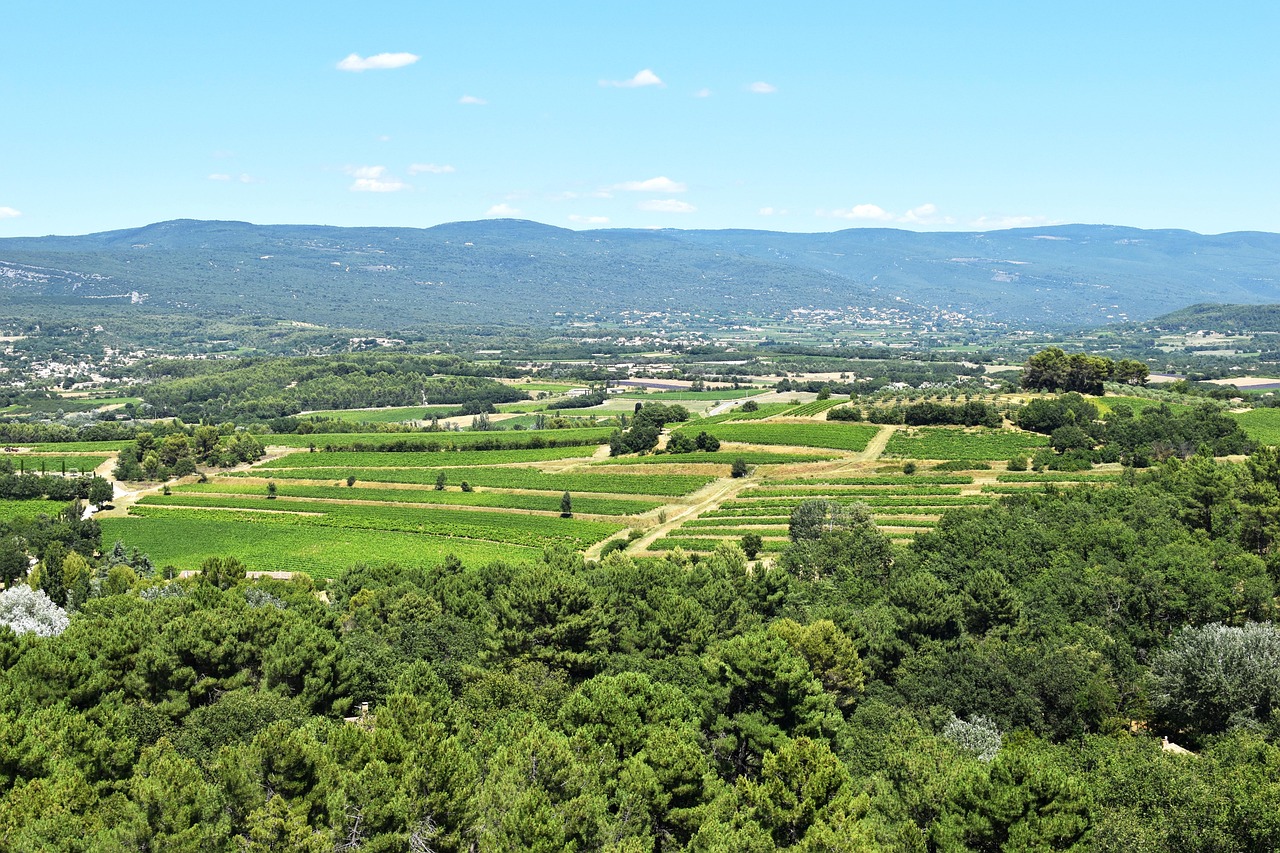
Why the Luberon Scenic Route Belongs on Your Next France Itinerary
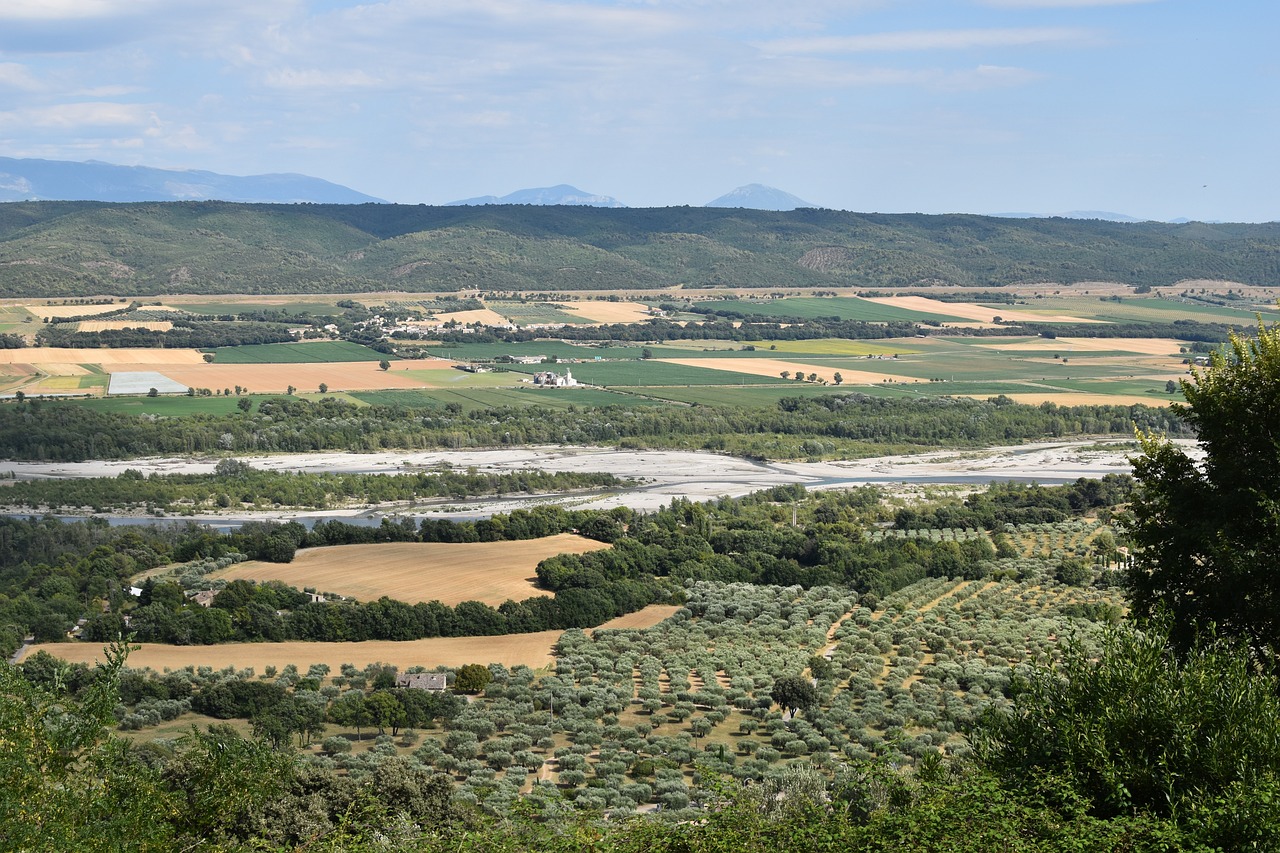
I’ve been driving the Luberon Scenic Route for more than a decade now, usually in a slightly dusty hatchback with a baguette on the back seat and the windows down to let in the smell of wild thyme. Even after all these years, there are still corners of this landscape that stop me mid-sentence: a ridge of limestone cliffs glowing rose at sunset, a village bell tolling over a valley of lavender, or a stretch of empty road where you can see all the way to Mont Ventoux on a clear day.
When people ask me where to go after Paris, I usually say, “Head south, rent a car, and give the Luberon at least a week.” This isn’t a single, officially signposted “Luberon Scenic Route” like a national park drive; it’s a network of D-roads (departmental roads) threading through the Luberon Regional Natural Park in Provence. Over time, I’ve stitched together my own favorite sequence: a loop that links Gordes, Roussillon, Bonnieux, Lacoste, Ménerbes, Oppède-le-Vieux, Lourmarin, Cucuron, Ansouis, Saignon, Apt, Fontaine-de-Vaucluse, L’Isle-sur-la-Sorgue, and a handful of places that never make the postcards but absolutely should.
This guide is my personal 2026 travel guide for the Luberon Scenic Route: not just a list of stops, but a lived-in road trip, broken into 10 legs you can adapt (or stretch to the full 14-leg itinerary if you have more time). I’ll share where I actually stay, where I refuel both car and stomach, what’s changed recently, and how to weave in romantic sunsets, kid-friendly river swims, and a bit of adventure without turning the trip into a race.
Table of Contents
- 1. Overview: How the Luberon Scenic Route Fits Together
- 2. 7–14 Leg Itineraries for the Luberon Scenic Route
- Leg 1 – L’Isle-sur-la-Sorgue to Fontaine-de-Vaucluse & the Foot of the Luberon
- Leg 2 – Climbing to Gordes & Abbey of Sénanque
- Leg 3 – Ochre Country: Roussillon & the Colorado Provençal
- Leg 4 – Bonnieux, Lacoste & the Balcony Roads
- Leg 5 – Ménerbes, Oppède-le-Vieux & Vineyard Detours
- Leg 6 – Lourmarin, Cucuron & the Southern Luberon Plain
- Leg 7 – Ansouis, Grambois & Quiet Village Life
- Leg 8 – Saignon, Apt & the Lavender Plateau
- Leg 9 – Backroads, Cedar Forests & Panoramic Passes
- Leg 10 – Return Loop: Markets, Antique Hunts & Final Views
- 3. Deep Dive into 18+ Major Stops & Viewpoints
- 4. Eating & Sleeping Along the Luberon Scenic Route
- 5. Evenings on the Road in the Luberon
- 6. Day Trips & Nearby Attractions from the Route
- 7. Cultural Etiquette & Local Customs
- 8. Route-Specific Logistics & Driving Advice
- 9. Practical Tips: Money-Saving, SIM Cards, Visas & More
- 10. What’s New in 2026–2027: Festivals & Upcoming Changes
- 11. Summary & Final Recommendations
1. Overview: How the Luberon Scenic Route Fits Together
Think of the Luberon Scenic Route as a generous loop running along the northern and southern flanks of the Luberon massif, with a few spurs up to plateaus and down to river valleys. Most travelers start near Avignon or Aix-en-Provence; I usually begin in L’Isle-sur-la-Sorgue because it eases you from urban Provence into rural pace via canals and cafés.
The route, as I drive it most years, looks like this:
- Start: L’Isle-sur-la-Sorgue or Avignon, joining the D25 / D901 towards Fontaine-de-Vaucluse.
- Climb via the D2 to Gordes, with a spur to Abbaye de Sénanque.
- Continue east to Roussillon and the ochre cliffs; optional detour to Rustrel / Colorado Provençal.
- Cross the northern ridge via Bonnieux and Lacoste, skimming balcony roads overlooking the Calavon Valley.
- Follow the D3/D109 to Ménerbes and Oppède-le-Vieux, with wine-tasting and short hikes.
- Drop to the southern side: Lourmarin, then east to Cucuron and Ansouis.
- Climb again towards the plateau above Apt, with Saignon perched on its rock.
- Take a more adventurous back route via Forêt des Cèdres (Cedar Forest) or scenic passes depending on vehicle and season.
- Loop back towards L’Isle-sur-la-Sorgue, timing it for the Sunday market if you can.
You can compress this into a 7 leg itinerary for the Luberon Scenic Route if you’re short on time, or expand it into a 14 leg itinerary for Luberon Scenic Route if you want to settle into village rhythms. In this guide I’ll lay out a detailed 10 leg itinerary for Luberon Scenic Route first, then show how to adapt it into 7, 8, 9, 11, 12, 13 or 14 legs depending on your pace.
2. Itinerary: 7–14 Legs of the Luberon Scenic Route
All of the 7 legs of Luberon Scenic Route, 8 legs of Luberon Scenic Route, 9 legs of Luberon Scenic Route, 10 legs of Luberon Scenic Route, 11 legs of Luberon Scenic Route, 12 legs of Luberon Scenic Route, 13 legs of Luberon Scenic Route, and 14 legs of Luberon Scenic Route share the same backbone; you simply decide how often you want to stop and how long to linger. Below is my deeply road-tested 10-leg version, with personal notes from drives between 2019–2025 and a fresh check-in in early 2026.
Leg 1 – L’Isle-sur-la-Sorgue to Fontaine-de-Vaucluse: Easing into the Luberon
Distance: ~12 km
Driving time: 20–25 minutes (plus half a day exploring)
Best for: Gentle start, antique hunting, family-friendly strolls.
I like to arrive in L’Isle-sur-la-Sorgue on a Saturday evening, sleep above the river, and wake to the swirl of the Sunday market. In 2026, the town is still the beating heart for antique lovers; dealers from all over Europe come here, and you’ll see everything from 1920s enamel signs to mid-century chairs stacked on the pavements.
On my last trip, I stayed at a small B&B two minutes from the waterwheels. The owner, Martine, reminded me of something I tell every guest now: “Don’t rush to the hilltop villages. Let your eyes adjust here first.” She’s right. L’Isle-sur-la-Sorgue isn’t technically in the Luberon proper but is the soft entrance to the region.
Morning in L’Isle-sur-la-Sorgue
Start early: by 9 a.m. the flea market is in full swing. If you’re road-tripping, resist the urge to buy bulky treasures unless you have a big boot; I limit myself to small things like old jam jars or postcards. For coffee, I return again and again to the café terraces along the canal near the church, where you can watch locals negotiate over copper pots.
Food-wise, a reliable bet is a fougasse (olive-studded bread) from a boulangerie near the main bridge. Grab it for the road; it will be your mid-morning snack as you walk in Fontaine-de-Vaucluse.
The Short Drive to Fontaine-de-Vaucluse
Leaving town, pick up the D25 towards Fontaine-de-Vaucluse. The road hugs the Sorgue River, olive groves on one side, plane trees arching overhead. It’s not a dramatic drive, but it feels like loosening a belt after the city. I often stop at a small riverside lay-by halfway, just for a photo of the green river winding away.
Arriving in Fontaine-de-Vaucluse
Fontaine-de-Vaucluse is a village shouldered by cliffs, famous for its mysterious deep spring that feeds the Sorgue. In early spring 2025, after heavy rains, I saw the spring at its most powerful: a surging, turquoise cauldron foaming under the limestone. In late summer 2023, by contrast, the water sat much lower, calmer, but the walk was still beautiful.
Park in the main pay parking (come with coins or a card), then wander upriver. Children love the clear water and the old paper mill museum, which does short demos. Couples might prefer to continue up to the viewpoint above the spring; it’s a short, slightly steep path but worth it for the view back over the village.
Where to eat: I have a soft spot for riverside restaurants that, while touristy, have terraces right over the water. Order trout if it’s on the menu, and a carafe of rosé if you’re not driving further that day. Otherwise, a picnic on the riverbank with market spoils from L’Isle-sur-la-Sorgue is perfect.
Overnight: You can stay in Fontaine-de-Vaucluse, but I usually either spend a second night in L’Isle-sur-la-Sorgue or push on at the end of the afternoon to a rural gîte between here and Gordes, setting up for Leg 2.
Leg 2 – Climbing to Gordes & the Abbey of Sénanque
Distance: ~18 km from Fontaine-de-Vaucluse via D57 / D2
Driving time: ~30–40 minutes plus stops
Best for: Iconic villages, romantic views, sunrise/sunset photography.
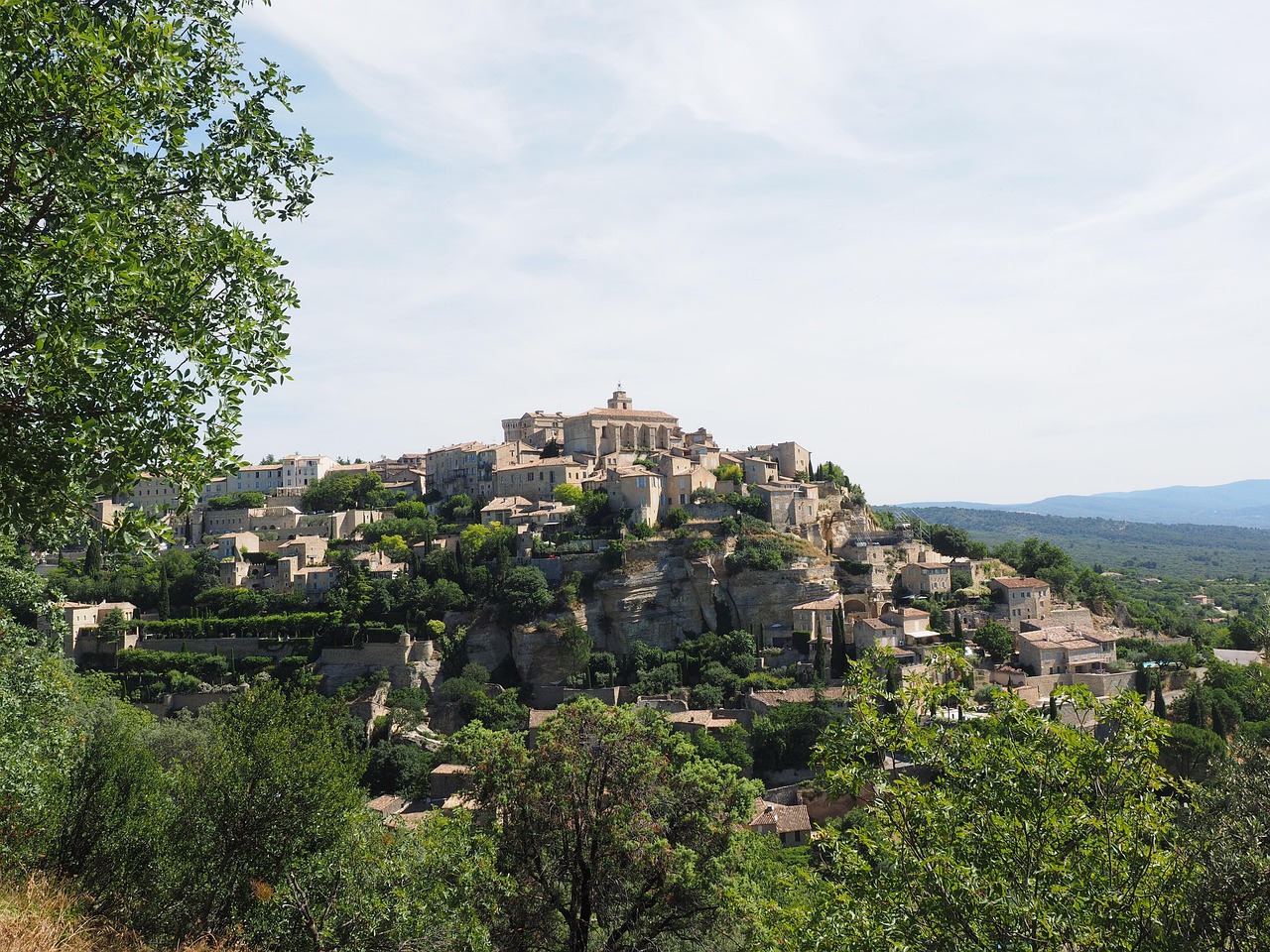
Gordes is the Luberon’s pin-up: a tumble of pale stone houses clinging to a hill, often photographed in impossibly golden light. Because of that, it can feel overrun in July and August. My way around this is simple: visit early or late, and approach from the “wrong” side.
The Drive Up: A Signature Viewpoint
From Fontaine-de-Vaucluse, follow signs to Gordes, and just before you crest the hill, there’s a famous roadside pull-off with the classic view back towards the village. It’s busy, but every time I stop here, someone offers to take my photo, and I end up playing photographer in return. I’ve stood here in October drizzle and June haze; the village never quite looks the same twice.
Wandering Gordes
Inside the walls, Gordes is a knotted mass of alleys. I like to park on the lower levels and walk up; it means fewer stairs on the way back. In the main square, order a coffee and sit as long as you can justify. Locals pass through quickly; most of the people lingering are visitors, noses in guidebooks about things to do in Luberon Scenic Route.
On my last visit in 2025, a new small gallery had opened just off the square, showcasing local photographers’ work. It’s a nice antidote to the souvenir shops and a reminder that there’s still an artistic pulse here, not just tourism.
Abbaye de Sénanque: Lavender & Silence
From Gordes, take the narrow D177 down into a secluded valley: the road snakes between oak woods and limestone, and suddenly the Abbaye de Sénanque appears, grey stone surrounded by lavender fields (usually in bloom late June to mid-July). This is one of the must-see attractions in Luberon Scenic Route, and it’s as photogenic as the postcards suggest.
I’ve visited Sénanque when the lavender is purple and buzzing and also in November when the fields are bare and mist hangs in the valley. Both are beautiful, but in different ways. In high season, book ahead for the guided tour inside the abbey; the monks still live here, and the cloister’s quiet is a reminder that the Luberon isn’t just a playground.
Tip: Shoulders covered, voices low. If you’re with kids, explain beforehand that this is a working monastery; I’ve seen families manage it beautifully by turning it into a “quiet treasure hunt” for carved details in the stone.
Overnight: I like staying in a countryside B&B within a 10-minute drive of Gordes. It lets you drive back to the Gordes viewpoint for sunset without worrying about parking, then retreat to a terrace with a glass of wine as the sky fades.
Leg 3 – Ochre Country: Roussillon & the Colorado Provençal
Distance: Gordes to Roussillon ~12 km; Roussillon to Rustrel (Colorado Provençal) ~25 km
Driving time: ~45–60 minutes in total, plus half to full day walking
Best for: Colorful landscapes, family hikes, photography, geology lovers.
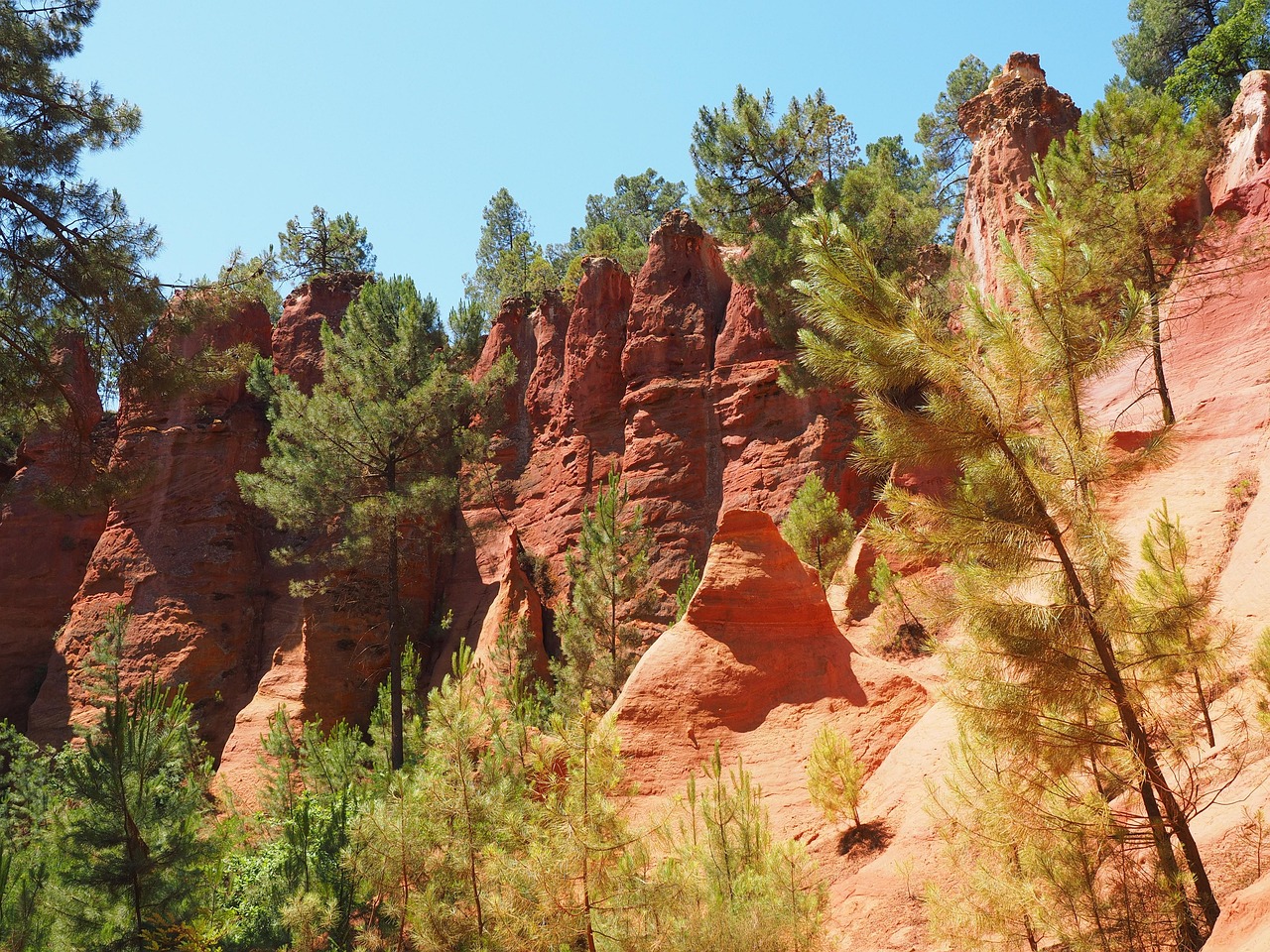
When I first drove from Gordes to Roussillon, I expected another pretty stone village. I didn’t expect to feel like I’d been teleported to Arizona. The ochre deposits here have been mined for centuries, and the cliffs around Roussillon are striated in oranges, reds, and golds.
Roussillon: The Ochre Village
Approaching from Gordes, the village appears like a rust-red crown. Park just outside the center (pay parking), then wander through the lanes up to the main church square. The façades are painted in ochre tones; even the shutters seem to have absorbed the earth’s color.
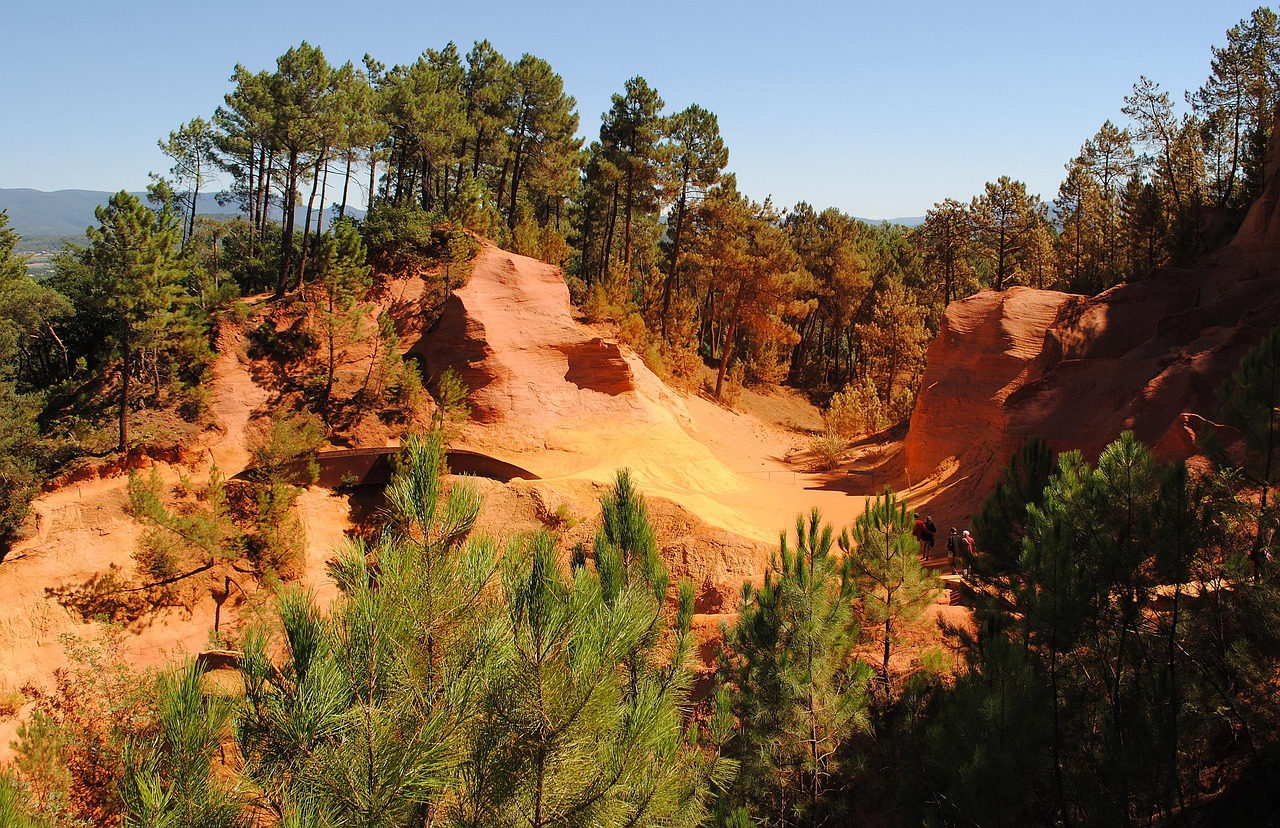
Ochre Trail (Sentier des Ocres): This is a paid, well-maintained loop (two options: short ~30 min, long ~60 min). I recommend the longer loop if you can; the extra section feels wilder. On my last walk in autumn 2024, the pine needles on the ground were fragrant, and the cliffs glowed in low light. Wear old shoes; the ochre dust stains. Kids usually love this trail – it’s one of the most family-friendly things to do in Luberon Scenic Route.
Food: For lunch, grab a table on a terrace with a valley view. I once spent a blissful hour with a plate of daube provençale (slow-cooked beef stew) and a glass of red from nearby vineyards, sketching the skyline in my notebook.
Colorado Provençal (Rustrel): A Deeper Dive into Ochre
From Roussillon, it’s a short but scenic drive east to Rustrel. The road crosses the Calavon Valley, fields giving way to forested hills. The Colorado Provençal is a former ochre quarry turned into a walking area, and it’s more expansive than Roussillon’s trail.
There are multiple marked circuits; on my 2025 visit I did the “Belvédère” loop, which climbs to a viewpoint overlooking the entire ochre amphitheater. It’s a moderate walk; not ideal in full midday heat in July. Come early or late, carry water, and be prepared for no shade in sections.
Romantic angle: Couples will appreciate the way the light shifts in late afternoon. I once watched a proposal here – he fumbled the ring slightly in the ochre dust, and we all held our breath until he found it.
Overnight: Either base yourself in Roussillon (quieter at night once day-trippers leave) or nearby Bonnieux to set up for Leg 4’s balcony roads.
Leg 4 – Bonnieux, Lacoste & the Balcony Roads Over the Valley
Distance: Roussillon to Bonnieux ~12 km; Bonnieux to Lacoste ~6 km
Driving time: ~30–40 minutes plus time for stops
Best for: Romantic strolls, sunrise/sunset vistas, literary history.
The leg between Roussillon and Bonnieux is where the Luberon Scenic Route starts to feel like an aerial balcony. You’re driving along the northern slopes of the Luberon with the wide Calavon Valley spread below, and ahead, little stone villages clinging to ridges.
Bonnieux: Stone Terraces & Cedar Views
Bonnieux is tall – the village rises in terraces, crowned by a church and a cedar tree. I like to park low, then wind upwards through narrow streets, peeking into courtyards. On cool mornings, the bakery in the lower square is irresistible; their pain aux noix (walnut bread) has fueled many of my hikes.
From the top, you can see Lacoste opposite, and if the air is clear, Mont Ventoux beyond. In 2022, a new small viewpoint terrace was added with benches – my favorite spot for a quiet read between drives.
Lacoste: Castle Ruins & Art Installations
From Bonnieux, take the D36 or the smaller back road that threads vines and olive groves (check your GPS; both are lovely, but the smaller one has pull-offs for photos). Lacoste is dominated by a castle once owned by the infamous Marquis de Sade; now it’s associated with fashion designer Pierre Cardin, who has supported restoration and art installations.
I remember one summer evening in 2023 when I arrived just as an outdoor sculpture exhibition was opening. Contemporary pieces were scattered around the medieval stone. It was slightly surreal – and that’s exactly what I love about Lacoste.
Romantic tip: Time your visit for late afternoon and stay through blue hour. The view back to Bonnieux with lights flickering on is one of the most romantic in the Luberon Scenic Route road trip itinerary.
Family note: Steep streets and some unfenced drops near the castle; small kids need close supervision.
Overnight: Bonnieux has a good mix of B&Bs and small hotels. If you prefer a more lived-in village feel, Bonnieux is a better base than Lacoste, which is quieter and more scattered.
Leg 5 – Ménerbes, Oppède-le-Vieux & Vineyard Detours
Distance: Bonnieux to Ménerbes ~10 km; Ménerbes to Oppède-le-Vieux ~9 km
Driving time: ~30–40 minutes plus stops
Best for: Wine-tasting, literary tourism, gentle hikes.
Peter Mayle’s “A Year in Provence” made Ménerbes famous, and you can still feel echoes of that era: British voices at café tables, expatriates comparing renovation war stories. But it’s also, fundamentally, a French working village.
Ménerbes: Between Vines & History
Arriving from Bonnieux, you drop slightly in elevation and then climb a promontory topped by Ménerbes. Park near the entrance and wander through the long main street. There are small galleries, a corkscrew museum (yes, really), and a handful of restaurants.
Local food: Try a lunch menu featuring tapenade, goat cheese from nearby farms, and a glass of Luberon AOC red. In 2024 I had an unforgettable tomato tart here, the sort of dish that seems simple until you realize how perfect every ingredient is.
Vineyard Detours
Between Ménerbes and Oppède-le-Vieux, the road is flanked by vineyards. Many domains welcome visitors for tastings; some are signposted from the D3, others require a bit of research. I tend to favor small, family-run estates, where you’ll likely meet the winemaker. Call ahead if you’re visiting outside high season or on a Sunday.
Driving tip: Spit or share tastings if you’re the driver. Distances may be short, but the roads are narrow and occasionally patrolled.
Oppède-le-Vieux: Ruins & Quiet Charm
Oppède-le-Vieux is one of my personal hidden gems in Luberon Scenic Route, although it’s more discovered now than when I first came in 2011. The “new” village of Oppède lies on the plain; the “old” village is a partially ruined hilltop settlement a short walk from the main car park.
The climb up is shaded and manageable; at the top you’ll find ruins of a castle and a church, plus a viewpoint looking out over vines and olive trees. I like to come here in late afternoon; once, in 2022, I shared the whole top with just two German hikers and a very friendly cat.
Overnight: Some lovely rural stays lie between Ménerbes and Oppède, ideal if you want dark skies and quiet nights. Otherwise, base in Ménerbes or return to Bonnieux.
Leg 6 – Crossing to the Southern Luberon: Lourmarin & Cucuron
Distance: Oppède-le-Vieux to Lourmarin via a pass ~30–35 km; Lourmarin to Cucuron ~9 km
Driving time: 45–60 minutes plus stops
Best for: Village café life, castle visits, film locations, mellow evenings.
This leg is where the road trip really feels like a journey: you cross from the northern to the southern side of the Luberon massif, usually via the Combe de Lourmarin – a scenic gorge road that winds between cliffs and forest.
The Pass: Combe de Lourmarin
Leaving the vineyard plain, the road begins to climb and narrow. It’s twisty but not technically difficult; just take it slowly and enjoy the way the light filters through the trees. There are a couple of small pull-offs with views back over the valley. I like to stop, switch off the engine, and listen: cicadas in summer, birds in spring, sometimes just the wind.
Lourmarin: Café Terraces & a Renaissance Château
Lourmarin unfurls as you exit the gorge: a spread-out village with a striking château at its edge. It’s one of the best places to visit in Luberon Scenic Route for evenings: lively but not overwhelming, with good restaurants and a Friday market that’s one of my personal favorites.
Château de Lourmarin: This Renaissance castle hosts concerts and exhibitions. In 2026, a series of jazz evenings is planned for June and July; book ahead if you’re a music lover. I spent a magical night here in 2023, listening to a saxophone echo off the stone walls as the sun went down.
Food & drink: The central square is ringed with cafés – perfect for people-watching. Try a tarte tropézienne or just a simple ice cream on hot days. For dinner, reserve a table in one of the small bistros tucked in the side streets instead of directly on the main square; you’ll eat better for the same price.
Cucuron: The Reflecting Pool Village
A short hop east on the D27 brings you to Cucuron. Its centerpiece is the étang – a large rectangular pond shaded by immense plane trees, surrounded by cafés. If you’ve seen the film “A Good Year,” you’ll recognize it.
One June evening, I arrived just as locals were setting up for an open-air cinema night on the square. Children ran laps around the pond while older couples played pétanque nearby. This is the Luberon at its most lived-in and sociable.
Family-friendly: Kids adore feeding the ducks and running around the square. Just watch little ones near the water’s edge.
Overnight: I often choose Cucuron or Lourmarin as a two-night base in the southern Luberon, especially if I want to slow the pace and do day trips without packing the car each morning.
Leg 7 – Ansouis, Grambois & Quiet Southern Villages
Distance: Cucuron to Ansouis ~8 km; Ansouis to Grambois ~10 km (optional loop)
Driving time: 30–40 minutes plus wandering
Best for: Off-the-beaten-path charm, castle visits, slow travel.
Many visitors never stray this far east on the southern side, which is exactly why I love it. The landscape opens out into rolling farmland and vineyards, dotted with smaller, quieter villages.
Ansouis: Castle & Panoramas
Ansouis is anchored by its castle, perched above stone houses. The castle is privately owned but offers guided visits on certain days; check the current schedule in 2026 as it sometimes changes with events.
I remember a visit in spring 2022 when wisteria draped over half the village. The owner of a tiny épicerie insisted I try the local goat’s cheese, “just to compare” with others I’d had. She was right; it was creamier, with a faint floral note.
Grambois: Time Capsule Village
Grambois is small and easily explored in an hour or two, but it feels suspended in time. Its main square and old lanes have been used as a film location more than once. I often come here when I need a dose of quiet: sit at the lone café, drink a citron pressé, and listen to the murmur of locals.
Hidden gem: Just outside Grambois, a short unmarked track (ask locals or your host) leads to a low hill with a 360-degree view of the Luberon to the north and Sainte-Victoire to the south. It’s my go-to spot for a solitary sunset.
Overnight: Either return to Cucuron/Lourmarin or find a rural stay near Ansouis for deeper countryside immersion.
Leg 8 – Back to the Northern Side: Saignon, Apt & the Lavender Plateau
Distance: Ansouis to Apt via D37/D22 ~35 km; Apt to Saignon ~5 km
Driving time: 45–60 minutes plus stops
Best for: Market shopping, lavender fields (in season), sweeping panoramas.
From the southern plains you’ll swing back up towards the northern flank, passing orchards and field after field of vines. The town of Apt isn’t as picturesque as the hilltop villages, but it’s the Luberon’s practical hub and has one of the region’s best markets.
Apt: The Workaday Hub with a Great Market
Apt’s Saturday market is legendary: stalls wind through the old streets, selling everything from olives and saucisson to ceramics and textiles. This is where I stock up for the rest of the trip – dried lavender, candied fruit (a local specialty), and picnic supplies.
Parking tip: Arrive early and be prepared to walk a bit; follow the temporary signs for market parking. Don’t leave valuables in the car; petty theft is rare but not unknown.
Saignon: Eagle’s Nest Over the Valley
From Apt, it’s a short but steep climb to Saignon, one of my personal favorites. The village curls around a dramatic rock outcrop; from the top, you can see the whole valley and the Luberon ridge opposite.
On a clear evening in 2021, I watched a thunderstorm skirt the horizon from here, lightning flickering silently miles away. It felt like being in a watchtower.
Lavender plateau: East and north of Saignon lie small roads towards the plateau around Auribeau and beyond. In late June and early July, this is where you’ll find some of the best lavender fields without the crowds of Valensole. Drive slowly, stop only where it’s safe, and remember fields are private property; stick to tracks and field edges.
Overnight: Saignon has a few characterful guesthouses; Apt offers more budget options but less charm. I usually choose Saignon for the dawn and dusk views.
Leg 9 – Cedar Forests, Scenic Passes & Hidden Trails
Distance: Variable loops from Apt/Saignon via Forêt des Cèdres and back ~40–60 km
Driving time: 1.5–2 hours plus hikes
Best for: Light hiking, picnics, cooler air in summer, adventurous detours.
This leg is less about villages and more about the land itself. The Forêt des Cèdres (Cedar Forest) high on the Luberon ridge is a beloved local escape in summer: cooler, shaded, and threaded with walking paths.
Driving Up to the Cedar Forest
From Bonnieux or Apt, follow signs towards the Cedar Forest. The final stretch is a narrow mountain road; it’s paved but with some drop-offs and tight corners. I’ve driven it in a compact car without issues in all seasons except after winter storms, when fallen branches sometimes partially block the way. In 2026, the park authority has improved signage and added a small overflow car park for peak summer weekends.
Walking & Picnicking
There are several marked loops from the main parking area, ranging from 30 minutes to a few hours. Families often choose the shorter educational trail with interpretive panels (in French, but with drawings). Couples and solo travelers might prefer one of the longer loops that lead to viewpoints over the Durance Valley.
I like to bring a picnic – cheese from Apt, bread from Bonnieux, fruit from a roadside stand – and eat on a fallen trunk with sunlight dappling through cedar needles.
Vehicle suitability: Regular cars are fine; large RVs will find some sections tight. Check local updates in winter; after heavy snow (rare but possible), access may be temporarily closed.
After your forest detours, you can either return to your base or continue along ridge or balcony roads back towards Bonnieux or Ménerbes, linking into previous legs.
Leg 10 – Return Loop: Markets, Antiques & Final Views
Distance: Apt or Bonnieux back to L’Isle-sur-la-Sorgue ~40–50 km via various options
Driving time: 1–1.5 hours plus final stops
Best for: Last-minute shopping, photography, reflective final drive.
On this final leg, I like to leave some flexibility. If it’s a Sunday, I’ll aim to end in L’Isle-sur-la-Sorgue’s market again, perhaps staying a last night to decompress before catching a train or flight. If it’s another day, I might detour through Goult or Cabrières-d’Avignon, two villages less visited but worth a stroll.
Goult has a restored windmill and a network of calades (stone-paved lanes); it’s one of my “if you have time” suggestions. Cabrières-d’Avignon is a good lunch stop, with a shady square and a few straightforward restaurants.
As you roll back down to the Sorgue Valley, the road widens and the pace of life seems to quicken. I often feel a twinge of melancholy here; the Luberon Scenic Route has a way of making even a week feel like the briefest pause. This is when I pull over for one last photo of an empty road ahead, line of plane trees and the mountains receding in the rear-view mirror.
Adapting the Route: 7–14 Leg Itineraries for the Luberon Scenic Route
The 10-leg itinerary above is my “goldilocks” version, but you can easily adapt it into:
- 7 leg itinerary for Luberon Scenic Route: Combine Legs 1–2, 3–4, 5–6, and 7–8, keep 9 and 10 separate. This suits a one-week trip with 1–2 nights per base.
- 8 leg itinerary for Luberon Scenic Route: Combine 1–2 and 7–8; keep all others separate.
- 9 leg itinerary for Luberon Scenic Route: Combine only 7–8 or 1–2, depending on where you want more time.
- 11 leg itinerary for Luberon Scenic Route: Split Leg 3 (Roussillon and Colorado Provençal on separate days) or Leg 6 (Lourmarin and Cucuron separately).
- 12 leg itinerary for Luberon Scenic Route: Add distinct nights in Gordes and Roussillon, plus separate days for forest hiking and lavender plateau exploring.
- 13 leg itinerary for Luberon Scenic Route: Give full-day treatment to Ménerbes, Oppède-le-Vieux, and vineyard tours as one leg; add a dedicated Goult/Cabrières leg.
- 14 leg itinerary for Luberon Scenic Route: Slow travelers’ dream: multiple nights in three bases (say, L’Isle-sur-la-Sorgue, Bonnieux, Lourmarin) with day-trip legs filling the gaps.
Whichever version you choose, the essence of this travel guide for Luberon Scenic Route is the same: keep your driving distances modest, linger in markets and on terraces, and leave space for serendipity.
3. Deep Dive into 18+ Major Stops & Viewpoints
Below are detailed portraits of key towns, villages, and natural sites along the Luberon Scenic Route. Many are already woven into the itinerary legs, but this section lets you zoom into each place when planning what to do.
1. L’Isle-sur-la-Sorgue – Canals, Antiques & Sunday Rituals
Why go: Waterwheels turning in clear canals, vibrant antique fairs, and a lively Sunday market make this the ideal gateway to the Luberon Scenic Route.
History & vibe: Once a hub for silk and paper mills powered by the Sorgue, the town reinvented itself in the 20th century as an antiques center. Today, old warehouses host antique dealers, and the riverbanks are lined with cafés. It’s busier and glossier than when I first came, but on weekday evenings it still feels like a real town.
Personal tip: On my 2025 visit, I rented a simple bike and followed the river upstream for an hour. It was a lovely way to shake off jetlag before getting behind the wheel.
2. Fontaine-de-Vaucluse – The Deep Spring
Why go: A dramatic karst spring feeding the Sorgue, riverside walk, kid-friendly attractions.
History & significance: The source has fascinated visitors for centuries, including poet Petrarch, who lived here in the 14th century. Modern hydrological studies still haven’t fully mapped the network of underground galleries feeding the spring.
Local custom: You’ll see coins tossed into the pool; while not strictly “traditional,” it’s become a small ritual. If you want to make a wish, do it discreetly and avoid throwing anything but a simple coin.
3. Gordes – The Iconic Hilltop Village
Why go: Possibly the most photographed village in Provence, with commanding views and a handsome château.
History & significance: Settled since Roman times, Gordes was a strategic stronghold in the Middle Ages. In the 20th century it attracted artists like Marc Chagall and Victor Vasarely, and later became a magnet for second homes and upscale tourism.
Personal anecdote: In early March 2024, I walked Gordes almost alone under a soft mist. Without the summer crowds, the stone lanes echoed only with my footsteps and the occasional scooter. It felt like meeting a celebrity without the entourage.
4. Abbaye de Sénanque – Lavender & Monastic Silence
Why go: Iconic lavender-framed façade, serene cloister, insight into Cistercian life.
History: Founded in the 12th century, the abbey is one of the three “sister” Cistercian abbeys of Provence. It has survived wars and secularization, and today a small community of monks still lives here, cultivating lavender and making honey.
Etiquette: Dress modestly (shoulders and knees covered), keep voices low, and refrain from photographing monks. Photography of the buildings and fields is fine, but drones are not allowed.
5. Roussillon – Village in Ochre
Why go: A riot of terracotta, orange, and gold, both in cliffs and house façades.
History: Ochre has been extracted here since at least the 18th century, used as a pigment in paints worldwide. Mining declined in the 20th century, but the landscape it left behind is now a protected and cherished attraction.
Personal tip: If you’re a photographer, come twice if you can – once in harsh midday sun to capture the saturated colors, once in late afternoon for softer shadows and moodier tones.
6. Colorado Provençal (Rustrel) – The Wild Ochre Amphitheater
Why go: Larger, more rugged ochre formations than Roussillon, with multiple walking routes.
Significance: The site showcases the industrial history of ochre extraction and its impact on the landscape. Erosion and human activity have sculpted chimneys, ridges, and amphitheaters of color.
Safety tip: Stay on marked paths; the ground can be unstable and easily eroded. In summer, go early to avoid heatstroke risk.
7. Bonnieux – Terrace Village with Wide Horizons
Why go: Stone terraces, excellent base for exploring both sides of the Luberon, far-reaching views.
Personal favorite: A bakery on the lower square has become my ritual stop; I’ve watched three different bakers pass through over the years, but the quality stays high. Their olive fougasse is the best post-hike snack I know.
8. Lacoste – Castle, Art & Shadowed Alleys
Why go: Atmospheric alleys, castle ruins with art installations, cross-valley views to Bonnieux.
History: The castle, once owned by the Marquis de Sade, fell into ruin and was later purchased by Pierre Cardin, who has supported cultural events and partial restoration. In summer, open-air performances and exhibitions are sometimes held here.
9. Ménerbes – Literary Village Between Vines
Why go: “A Year in Provence” fame, lovely views, wine and truffle culture.
Personal memory: In 2019 I joined a small truffle-themed lunch here in winter: scrambled eggs with shaved truffle, local red wine, and a slow afternoon that smelled of earth and indulgence.
10. Oppède-le-Vieux – Half-Ruined, Fully Atmospheric
Why go: Partly abandoned medieval village, scenic ruins, tranquil lanes.
Travel tip: Wear sturdy shoes; the path to the top is cobbled and uneven. Bring water in summer; services in the upper part are minimal.
11. Lourmarin – Southern Gateway & Café Culture
Why go: Excellent Friday market, chic but relaxed atmosphere, Renaissance château.
Notable residents: Writer Albert Camus is buried here; a simple grave in the village cemetery, often adorned with pebbles and notes.
12. Cucuron – The Plane-Tree-Shaded Étang
Why go: Famous pond square, film location, mellow evenings.
Food tip: In warm months, book a table on the terrace around the étang for dinner as the sky darkens; the reflections of plane trees and lights in the water are pure romance.
13. Ansouis – Castle Village in the Vines
Why go: Less-crowded hilltop village with an imposing castle and vineyards all around.
Local food: Don’t leave without trying fresh goat cheese from a nearby farm, drizzled with local honey – a perfect example of simple, local food in Luberon Scenic Route.
14. Grambois – Quiet Stone Labyrinth
Why go: Tiny, tranquil, and largely untouched by mass tourism.
Hidden gem: The view from the edge of the village over the valley at dusk, when swallows dip and the bells toll, is among my favorite “nothing much is happening” moments.
15. Apt – Market Town & Candied Fruit Capital
Why go: Practical hub with large Saturday market, good for stocking up and people-watching.
Specialty: Candied fruit (fruits confits) has been made here for centuries; visit a traditional shop for samples.
16. Saignon – Rock Citadel with Wide Views
Why go: Dramatic rock outcrop, charming lanes, sweeping views.
Personal ritual: Every time I stay in Saignon, I wake before dawn at least once to climb the rock and watch the sky lighten over Apt and the Luberon. It’s almost always just me, a couple of birds, and the sound of a distant tractor.
17. Forêt des Cèdres – Cedar Forest on the Ridge
Why go: Shaded hikes, picnic spots, cooler temperatures, expansive views.
Adventure angle: Mountain bikers and trail runners love this area; many trails are shared-use. Check local maps or apps and practice trail courtesy.
18. Goult – Under-the-Radar Hilltop with Windmill
Why go: Less famous but deeply charming, with a restored windmill and an authentic village feel.
Hidden tip: Follow the signed parcours patrimonial (heritage walk) through lanes, past terraced gardens, and up to the windmill for a low-key but rewarding stroll.
4. Eating & Sleeping Along the Luberon Scenic Route
The Luberon is generous to those who like to eat and sleep well. Still, in high season, poor planning can leave you hungry at odd hours or facing “complet” signs at every inn.
Where to Eat: From Roadside Snacks to Long Lunches
- Roadside bakeries & cafés: Every larger village has at least one bakery and café; these are your lifeline for breakfast and picnic supplies. I rarely leave a village without a baguette and some cheese.
- Market picnics: Apt (Sat), Lourmarin (Fri), L’Isle-sur-la-Sorgue (Sun), and Gordes (Tues) markets are perfect for assembling picnics: olives, tapenade, fresh fruit, cold cuts. I keep a small knife and reusable container in the car.
- Lunch vs dinner: In France, lunch is often the best-value meal; many restaurants offer a set menu du jour that’s cheaper than evening à la carte. On the Luberon Scenic Route, I prefer a big lunch and lighter evening meal on a terrace or in my accommodation.
- Local dishes: Look for daube provençale, ratatouille, aïoli, grilled lamb, and goat cheese salads. In winter, hearty stews and truffle dishes appear on menus.
Where to Sleep: B&Bs, Inns, and Rural Gîtes
Accommodation ranges from farm stays to design hotels. I tend to favor:
- Village B&Bs: Ideal if you want to stroll to dinner and soak up evening atmosphere (Gordes, Bonnieux, Lourmarin, Roussillon, Saignon).
- Rural gîtes: Self-contained apartments or houses, often attached to farms or family homes. Great for families or longer stays; you’ll need a car to reach restaurants.
- Small hotels & inns: Usually in larger villages or towns; more services but sometimes less personal than B&Bs.
Booking tips (2026): July–August and school holidays book out months in advance, especially in Gordes and Lourmarin. Shoulder seasons (May–June, Sept–Oct) offer better value and more last-minute wiggle room. In winter, some places close entirely; check dates.
Fuel, Charging & When to Push On vs Overnight
Fuel: There are fuel stations in L’Isle-sur-la-Sorgue, Apt, and near larger towns on the periphery. Within the hilltop village cluster, petrol stations are rarer; I top up whenever I pass a station with reasonable prices, especially before weekends and holidays.
EV charging (2026): Charging infrastructure is improving. You’ll find public chargers in Apt, L’Isle-sur-la-Sorgue, and increasingly in village car parks (Bonnieux, Lourmarin are adding more in 2026). Check current apps (Chargemap, PlugShare) before relying on them.
When to push on: I drive after dark only between larger towns on well-marked roads. The charm of the Luberon Scenic Route is in the scenery; driving winding lanes at night is tiring and less safe. If I’m tired mid-afternoon, I call it a day and find a local B&B rather than pushing to the “next planned stop.”
Budgeting: For a mid-range trip in 2026, expect:
- Accommodation: €90–€180 per night for two in B&Bs/hotels, less for gîtes in low season.
- Meals: €15–€25 per person for lunch menus; €25–€40 per person for dinner in a decent restaurant.
- Fuel: Depends on car, but the loop itself is not long; budget more for detours and side trips.
5. Evenings on the Road in Luberon Scenic Route
Evenings are when the Luberon exhales. Day-trippers drain away, shutters close against the last heat, and church bells mark the hours more audibly.
Small-Town Main Streets After Dark
Bonnieux, Lourmarin, and Roussillon are my favorite evening bases. Their main streets stay lightly animated until about 11 p.m. in summer, with enough restaurants and wine bars to give you choice without turning rowdy.
Route-Side Bars & Live Music
On certain summer nights, you’ll stumble upon:
- Jazz evenings at Château de Lourmarin (June–July 2026 schedule).
- Occasional live music in village squares during festivals (check local posters for fête votive listings).
- Wine bar terraces in Ménerbes and Gordes hosting acoustic sets.
Star-Camping & Night Skies
Wild camping is officially restricted in the Luberon Regional Natural Park, but there are campsites and some gîtes that allow you to lay out loungers and watch the sky. The plateau above Saignon and rural areas near Ansouis have impressively dark skies on moonless nights.
Where to Pause vs Blow Through
- Definitely pause overnight: L’Isle-sur-la-Sorgue (for Sunday), Gordes or Bonnieux, Lourmarin or Cucuron, Apt/Saignon pair.
- Can be enjoyed in an evening stop but don’t require a night: Roussillon, Ménerbes, Oppède-le-Vieux, Lacoste.
6. Day Trips & Nearby Attractions from Luberon Scenic Route
Once you’re established on the Luberon Scenic Route, you’re within striking distance of several worthwhile day trips:
- Avignon: 40–60 minutes from L’Isle-sur-la-Sorgue. Papal Palace, pont d’Avignon, city buzz. Ideal rest-day from rural roads.
- Mont Ventoux: 1.5–2 hours from northern Luberon bases. Classic drive or cycle for those wanting a bigger mountain challenge.
- Valensole Plateau: 1.5–2 hours east. Famous lavender fields (crowded in July); the Luberon’s own fields are quieter, but Valensole is grander in scale.
- Gorges du Verdon: 2.5–3 hours one way – ambitious but possible if you’re based on the eastern side and start early.
- Aix-en-Provence: About 1 hour from Lourmarin area. Elegant streets, Cezanne history, good shopping and dining.
For each, I recommend making it a full-day excursion with an early start and returning before dark, especially if you’re on smaller roads.
7. Cultural Etiquette & Local Customs
Provence is relaxed but rooted in certain customs. A few things go a long way:
- Greetings: Always say “Bonjour” (daytime) or “Bonsoir” (evening) when entering shops, cafés, or starting an interaction. Add “Madame/Monsieur” if you can.
- Language: Even a little French is appreciated. “S’il vous plaît” (please) and “Merci, au revoir” (thank you, goodbye) are basics.
- Market etiquette: Don’t handle produce without permission; point or ask. Queues can be loose; pay attention to who arrived before you.
- Driving manners: On narrow roads, locals may drive confidently. If someone comes up behind you, pull into a lay-by when safe and let them pass; it’s appreciated.
- Noise: Villages are residential. Keep noise down after 10–11 p.m., especially when leaving restaurants.
- Dress: Casual is fine, but beachwear is out of place away from pools. In churches and abbeys, cover shoulders and avoid very short shorts.
- Tipping: Service is included, but rounding up or leaving a few euros for good service is customary.
8. Route-Specific Logistics & Driving Advice
Which Direction to Drive (and Why)
I usually recommend starting in the northwest (L’Isle-sur-la-Sorgue/Avignon) and looping clockwise: northern flank first, then southern, then back. This builds drama gradually and saves the more relaxed southern side for when you’ve hit your “village saturation” and want café life.
Realistic Daily Distance & Pacing
Distances on the Luberon Scenic Route are short; 40–60 km per day is ample. With photo stops, village walks, and meals, you’ll rarely want to be in the car more than 1–2 hours total per day.
Vehicle Suitability
- Regular car: Ideal. Compact or mid-size is best for parking and narrow lanes.
- 4x4: Not necessary; roads are paved. Could be useful if you plan off-piste adventures beyond the main route.
- RV/campervan: Possible but challenging in some villages; check campsite availability and avoid tiny alleys.
- Motorcycle: Fantastic option in good weather; pack for sudden wind on ridges.
- Cycling: Luberon is a popular cycling region; roads are narrow but generally well-surfaced. Share the road courteously.
Seasonal Considerations & Closures
- Spring (March–May): Wildflowers, cooler temperatures, some rain. Perfect for hiking. Abbaye de Sénanque’s fields are green until late June.
- Summer (June–August): Lavender, sunflowers, long days, and crowds. Start early, siesta midday, and drive in mornings and evenings.
- Autumn (Sept–Oct): Harvest time, grape picking, golden light, fewer tourists – arguably the best season.
- Winter (Nov–Feb): Some restaurants and accommodations close; roads usually clear, but occasional snow or ice at higher elevations. Cedar Forest access can be limited after storms.
Breakdowns & Roadside Assistance
Most rental cars in France include roadside assistance. Keep the emergency number handy. Mobile coverage is generally good but can be patchy in remote valleys; in a breakdown, stay with the car if you’re safe and wait for help rather than walking blind around blind bends.
Permits & Border Crossings
The Luberon Scenic Route lies entirely within France’s Provence region; there are no international borders or special permits. Parking is pay-and-display in many village car parks; keep coins or a card.
9. Practical Tips: Money-Saving, SIM Cards, Visas & More
How to Get Around
Car rental: The most flexible way to drive the Luberon Scenic Route. Rent from Avignon TGV, Marseille, or Aix-en-Provence. Book an automatic if you’re not comfortable with manual; many village approaches involve hill starts.
Public transport: Buses connect some towns (e.g., Apt to Avignon), but frequencies are limited and not ideal for a multi-stop scenic route. Combine public transport with occasional taxis if you can’t drive, and base in Apt or L’Isle-sur-la-Sorgue for best connections.
Saving Money
- Travel in shoulder season for lower accommodation rates.
- Make lunch your main restaurant meal; picnic or cook for dinner.
- Stay in one base longer and do day trips to cut check-out/check-in time and cleaning fees on gîtes.
- Use local markets instead of tourist shops for gifts (soaps, textiles, food items).
SIM Cards & Connectivity (2026)
SIM options: French providers like Orange, SFR, Bouygues, and Free offer prepaid SIMs. For a week or two, I usually pick up an Orange Holiday SIM at a major station or airport, which includes EU-wide data and calls.
Coverage: Good in towns, valleys, and along main roads. Patchy in some forested or remote ridge areas; download offline maps for your Luberon Scenic Route road trip itinerary.
Visas & Driving Licenses
Visas: France is in the Schengen Area. Many nationalities can stay 90 days within 180 days visa-free; others need a Schengen visa. Check up-to-date requirements with official sources before travel.
Driving licenses: EU/EEA licenses are accepted. For many non-EU visitors, your home license is accepted if in Roman script; some rental agencies also request an International Driving Permit (IDP). It’s wise to obtain an IDP if you’re from outside the EU.
Road Rules & Safety
- Drive on the right.
- Seatbelts mandatory for all.
- Speed limits: 50 km/h in villages, 80–90 km/h on rural roads unless signed otherwise. Fines are automated and can be sent to rental agencies.
- Alcohol limit is low; safest approach is not to drink at all if driving.
10. What’s New in 2026–2027: Festivals & Upcoming Changes
2026–2027 brings a few notable developments and events relevant to travelers along the Luberon Scenic Route:
- Expanded EV Charging: Additional public charging points are being installed in Lourmarin, Bonnieux, and Gordes in 2026 as part of a regional initiative.
- Abbaye de Sénanque Visitor Management: To protect both the monks’ privacy and the lavender fields, new timed-entry slots and stricter drone bans are being implemented for the 2026 summer peak.
- Lourmarin Jazz Evenings 2026–2027: The château’s summer jazz series continues, with programs typically announced in spring. Expect Friday or Saturday concerts in June–July.
- Village Festivals: Each village has its own fête votive or summer celebration, with music, markets, and sometimes fireworks. Dates vary annually but usually fall between late June and mid-August. Look for posters as you drive.
- Tour de France & Cycling Events: On years when the Tour de France passes near the Luberon or Mont Ventoux (check 2026–2027 routes), expect some road closures and lively roadside atmosphere.
11. Summary & Final Recommendations
The Luberon Scenic Route isn’t about racking up kilometers; it’s about accumulating small, vivid moments: the smell of baking bread in a Bonnieux alley at 7 a.m., the way light hits the ochre walls in Roussillon, the quiet concentration of a market vendor arranging apricots, the hush of the Sénanque cloister, the shimmer of heat above a lavender field in July.
Key takeaways:
- Allow at least a week; two is better if you want to explore fully using a 10, 12, or even 14 legs of Luberon Scenic Route plan.
- Base yourself in 2–3 villages (e.g., L’Isle-sur-la-Sorgue, Bonnieux or Gordes, and Lourmarin or Cucuron) and explore in loops.
- Drive slowly; the best stops on Luberon Scenic Route are often unplanned viewpoints and small cafés.
- Shop markets, eat local food in Luberon Scenic Route villages, and respect the pace of life; you are passing through other people’s everyday world.
- Choose your season: lavender and crowds in summer, harvest and golden light in autumn, flowers and mild weather in spring, quiet and introspective visits in winter.
If you treat the Luberon not as a checklist but as a landscape to inhabit briefly – taking time for both must-see attractions in Luberon Scenic Route such as Gordes and Sénanque, and hidden gems in Luberon Scenic Route like Grambois or a random vineyard lane at sunset – you’ll leave with more than photos. You’ll leave with a sense memory of light, scent, and road that will tug you back, as it does me, year after year.