Why Visit Luberon Regional Nature Park?
I’ve lost count of how many times I’ve crossed the Luberon ridges at dawn, watching the sky turn apricot above stone villages and lavender fields. Yet, every season, this corner of Provence still surprises me. The Luberon Regional Nature Park (Parc naturel régional du Luberon) isn’t just one landscape; it’s a mosaic of ochre canyons, cedar forests, limestone cliffs, vineyards, orchards, and medieval villages that feel suspended in time.
Unlike France’s headline national parks, the Luberon is where everyday Provençal life and wild nature intermingle. You can hike a rocky ridge in the morning, taste organic goat cheese on a farm at lunch, wander a Renaissance château in the afternoon, and sip rosé under plane trees at sunset. The park’s villages—Gordes, Roussillon, Bonnieux, Lourmarin, Ménerbes, and more—are the “best places to visit in Luberon Regional Nature Park” for culture lovers, while its gorges, cedar forests, and limestone plateaus are a playground for hikers and families.
In 2026, the Luberon is also more accessible and better organized than ever: shuttle links to key villages, new waymarked family trails, upgraded cycling routes, and a strong focus on slow, sustainable tourism. This travel guide for Luberon Regional Nature Park is written so you can plan anything from a 3 day itinerary to 5 days in Luberon Regional Nature Park—with enough depth to feel like you’ve lived here, even if only for a few days.
Table of Contents
- 1. Overview of Luberon Regional Nature Park
- 2. Key Zones & Gateway Towns
- 3. 15 Essential Trails, Viewpoints & Zones (Deep-Dive)
- 4. 3–5 Day Itineraries (With Personal Stories)
- 5. Where to Eat & Drink – Local Food in Luberon Regional Nature Park
- 6. Where to Stay & How to Get Around
- 7. After Dark: Stargazing & Quiet Experiences
- 8. Cultural Experiences & Local Customs
- 9. Events & Festivals 2026–2027
- 10. Day Trips & Nearby Attractions
- 11. Practical Travel Advice & Park Logistics
- 12. Hidden Tips & Money-Saving Strategies
- 13. Summary & Best Seasons to Visit
Overview of Luberon Regional Nature Park
The Luberon Regional Nature Park stretches across roughly 185,000 hectares in northern Provence, spanning the departments of Vaucluse and Alpes-de-Haute-Provence. It’s anchored by two main limestone mountain ranges—the Petit Luberon and Grand Luberon—and framed by the Durance River to the south and the Monts de Vaucluse to the north.
What makes it special is the layering of human and natural history: dry-stone bories (shepherd huts) hiding among thyme and rosemary, terraced vineyards and olive groves climbing hillsides, 12th-century abbeys tucked into valleys, and bright ochre cliffs that look like a painter’s palette. Officially a regional nature park (rather than a national park), it’s a lived-in landscape: 77 communes fall within its boundaries, and you’re never far from a bakery, a market, or a café terrace.
For travelers, that means the best things to do in Luberon Regional Nature Park often blend nature and culture: hiking between villages, tasting wines after a morning trail, visiting small museums after a ridge walk, and picnicking with local cheeses in the shade of a centuries-old oak.
Key Zones & Gateway Towns
Core Landscape Zones
- Petit Luberon Ridge: The western limestone ridge above Cavaillon, Oppède-le-Vieux, and Ménerbes. Cliffy, wild, and perfect for panoramas and vultures spotting.
- Grand Luberon & Mourre Nègre: The eastern ridge, softer in shape but wilder in feel, with the 1,125 m summit of Mourre Nègre offering sweeping views to the Alps.
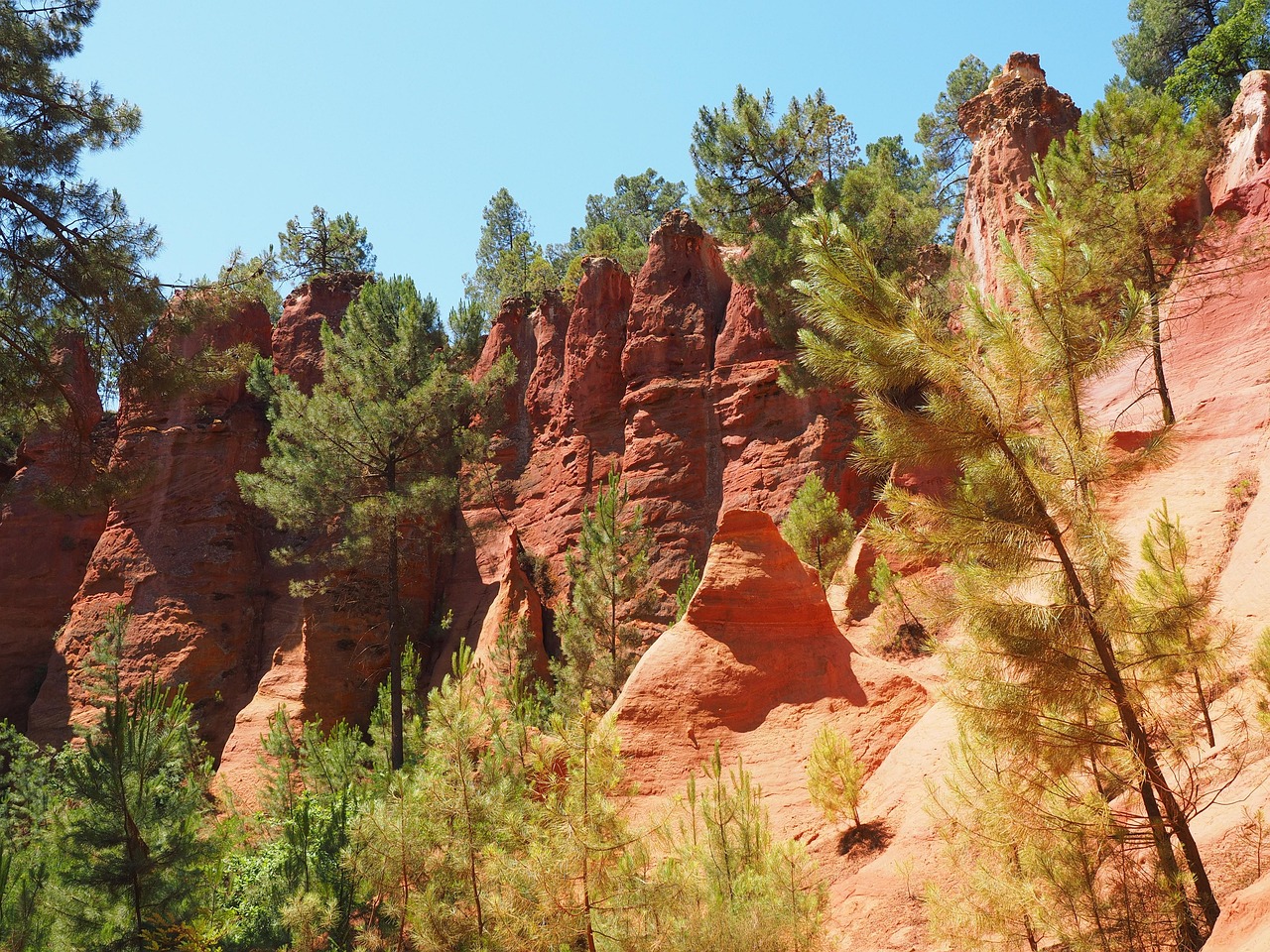
- Colorado Provençal & Ochre Country: Around Rustrel and Roussillon, where iron-rich sands create orange, red, and gold “canyons” and hoodoos.
- Cedar Forest of Bonnieux: A planted but enchanting Atlas cedar woodland on the northern slopes of the Petit Luberon, with easy family walks.
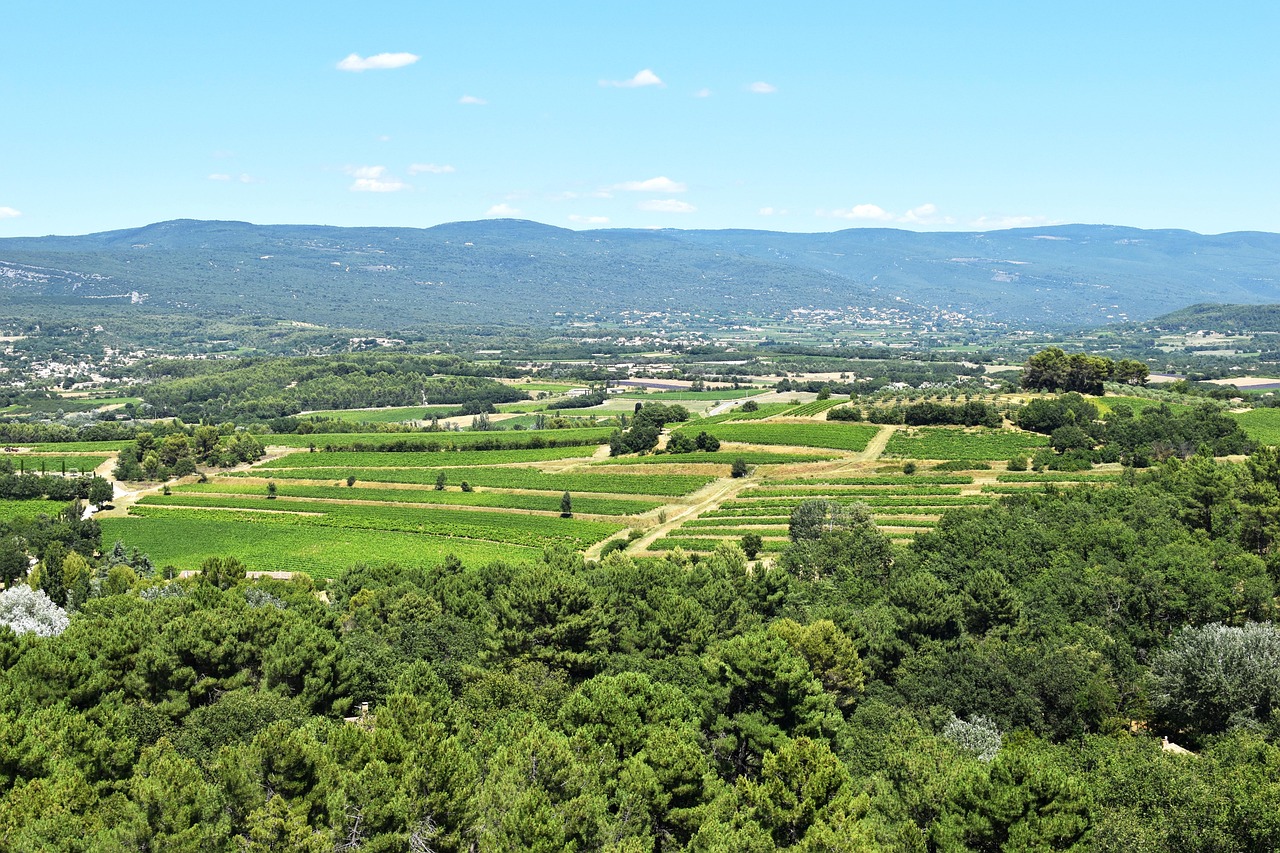
- Calavon Valley & Vineyards: The agricultural heart—a patchwork of vines, orchards, and bike-friendly lanes linking Apt, Bonnieux, Roussillon, and beyond.
Gateway Towns & Bases
- Apt: The practical base in the center of the park, with supermarkets, Saturday markets, bike rentals, and bus connections. Good if you’re car-free.
- Cavaillon: Western gateway with a train station (Avignon and Marseille connections), access to the Petit Luberon crest, and a less-touristy vibe.
- Manosque & Forcalquier: Eastern bases just outside the park, useful if you’re combining Luberon with Verdon Gorge or the Valensole lavender plateau.
- L’Isle-sur-la-Sorgue: Technically just outside the park, but an excellent base for antique lovers with easy access to the northwestern Luberon villages.
15 Essential Trails, Viewpoints & Zones in Luberon Regional Nature Park
Below are fifteen of the must-see attractions in Luberon Regional Nature Park—the places I return to year after year. Each subsection includes my own experience, tips, and how they fit into a 3 day itinerary for Luberon Regional Nature Park or a longer trip.
1. Gordes & the Belvedere Viewpoint
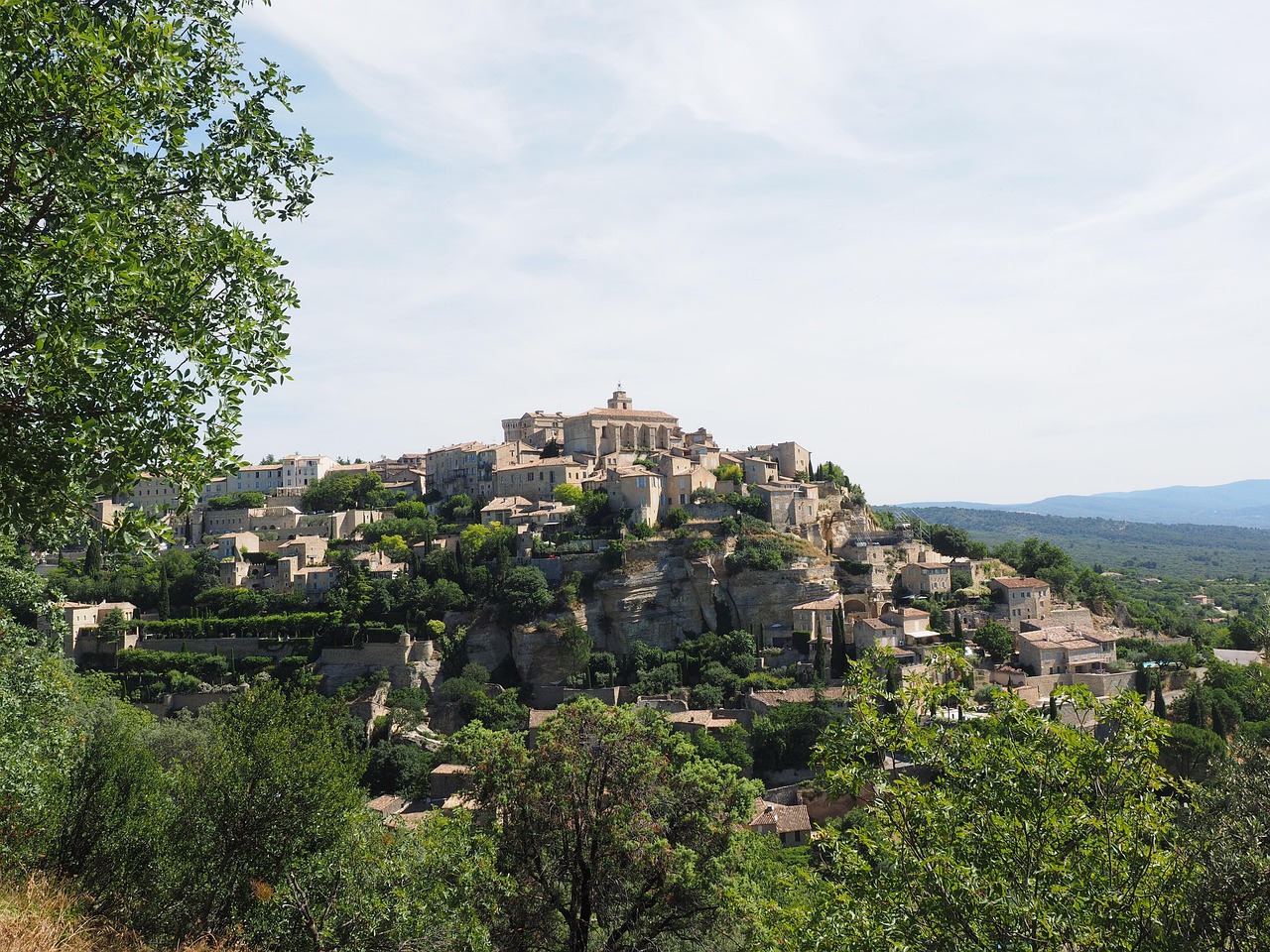
Rounding the final curve of the D2 road and seeing Gordes rising from the rock still gives me goosebumps. The village seems to grow out of the cliff: stone houses, a Renaissance château, church tower, all layered above the valley. It’s one of the most iconic viewpoints in Luberon Regional Nature Park, and for many visitors, their first “wow” moment.
I usually time my visits for early morning or golden hour. In summer 2025, I arrived at 7:15 a.m., when the only sounds were swallows and a distant tractor. I parked in the small lay-by before entering the village from the north (you’ll see it on the bend, often with photographers setting up tripods). From here, the view of Gordes is textbook: the village silhouetted, the Luberon ridge in the background, and the valley stretching toward Roussillon.
Gordes itself is more about wandering than ticking off sights. I like to climb up through the back lanes, away from the main square, and peek into hidden courtyards. The château offers exhibitions and a quick dive into local history, but my favorite “attraction” is a slow coffee on the square, watching delivery vans squeeze past café tables.
Family-friendly: Short walks, gelato stands, and plenty of benches. Avoid midday heat with kids in July–August. Romantic: Come at sunset, then dine on a terrace overlooking the valley.
Getting there: By car, follow D2 from Cavaillon or Apt. In high season 2026, a seasonal shuttle (navette estivale) is expected to connect Gordes with nearby villages and park-and-ride lots—check the park website closer to your visit.
What to eat: I often grab a simple lunch—salade de chèvre chaud with local goat cheese and a glass of Luberon rosé. For picnics, there’s a small grocery and bakery; buy a fougasse (olive bread), fruit, and cheese and picnic outside the village on one of the low stone walls (just remember Leave No Trace: pack out everything).
2. Roussillon & the Ochre Trail (Sentier des Ocres)
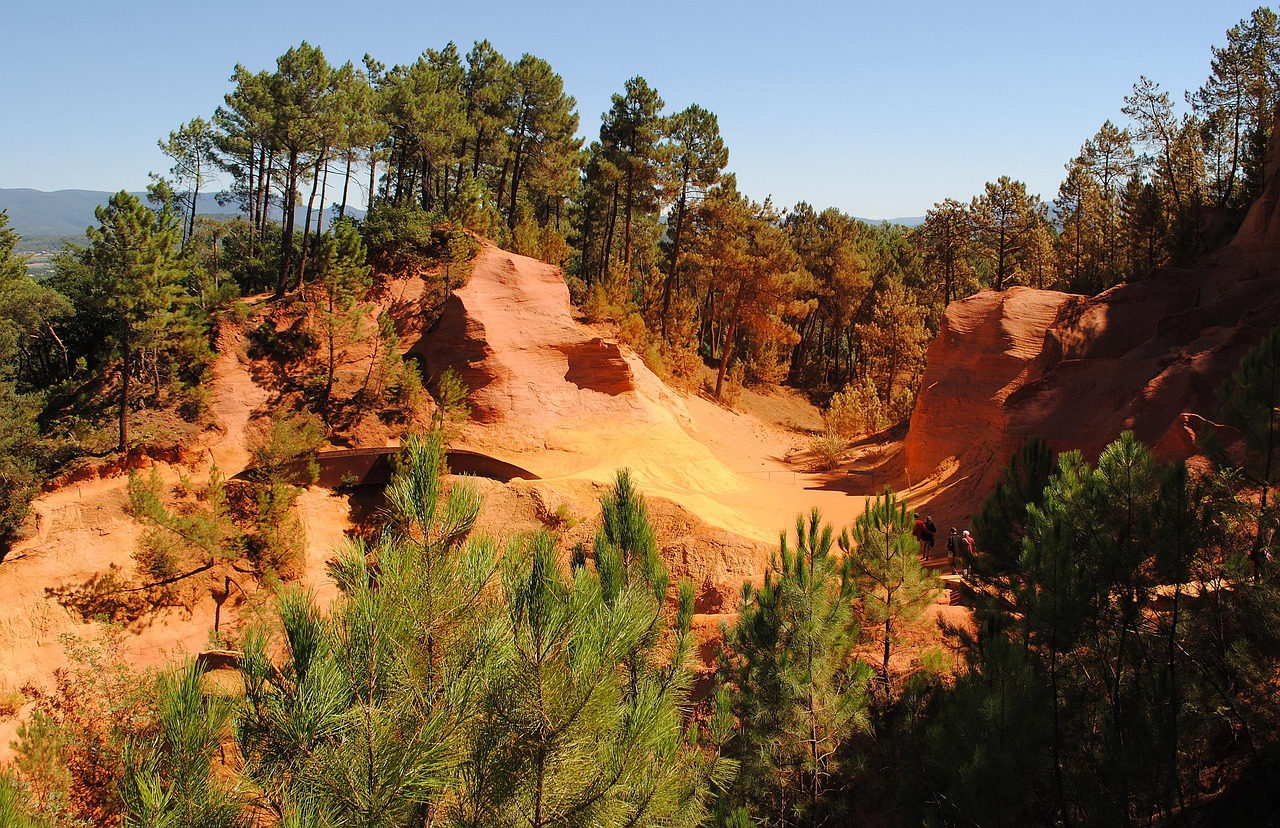
If Gordes is about stone and sky, Roussillon is all color. Walking the Sentier des Ocres is like stepping into a painter’s box: oranges, reds, yellows, and deep rust cliffs surrounded by pines. The iron-rich sands here were heavily mined until the mid-20th century; now, carefully laid wooden walkways loop through the formations.
I’ve walked both circuits—the short 30-minute loop and the longer 50-minute one—multiple times, including once in a light autumn drizzle that brought out the colors even more intensely. The trail is easy enough for most families (though there are steps), and kids love the “Martian landscape.” Wear old shoes; the ochre dust happily dyes white sneakers forever.
History & significance: Ochre extraction shaped the economy and architecture of the area. You can still see the powders in local art shops, and many house façades echo the warm pigments. Interpretive signs along the trail explain the geology and mining history in French and English.
Timing tip: Arrive at opening time (especially July–August) to enjoy the quietest experience and cooler temperatures. In 2026, pre-booking timeslots may be piloted on peak weekends—again, check ahead.
Where to eat: After the trail, I like to climb back into the village and order an apricot tart from one of the cafés lining the main square, or a simple plat du jour with terrace views.
3. Sénanque Abbey & Lavender Fields
The first time I descended the narrow road to Abbaye Notre-Dame de Sénanque, it was just after sunrise in late June. Mist lingered low in the valley, and the rows of lavender were still gray-green in the half light. By the time I reached the viewpoint above the abbey, the sun had tipped over the ridge, igniting the purple rows and the pale stone of the Cistercian monastery.
The abbey is still home to a small community of monks, so you’re visiting a living spiritual site, not a museum. Guided tours (French, with audio guides in several languages) take you through the cloister, church, and monastic rooms, explaining Cistercian life and the abbey’s turbulent history—from Wars of Religion to the French Revolution.
Lavender season: Typically from late June to mid-July, with some variation. In 2025, the bloom peaked around the first week of July. For 2026, expect similar timing, but remember: nature doesn’t follow check-in dates.
Respectful visiting: Dress modestly, keep voices low, and never step into the lavender fields or cross barriers for photos. Drones are forbidden. I’ve watched more than one overzealous influencer get politely but firmly corrected by staff.
Getting there: Access is via a narrow winding road from Gordes; drive slowly and use passing places. Parking is limited. In high summer, I strongly suggest arriving before 9:00 a.m. or after 5:00 p.m. to avoid the midday crush.
Food: There’s a small shop selling lavender products and monastic goods. For proper meals, I usually head back to Gordes or picnic under trees along the approach road (well away from fields and traffic).
4. Colorado Provençal (Rustrel Ochre Canyon)
If Roussillon is a gentle introduction to ochre, Colorado Provençal near Rustrel is its wild cousin. Quarry-scarred hills, towering orange cliffs, and mushroom-like hoodoos create a mini-canyon that feels almost Western American—hence the name.
I’ve hiked the main circuits here in every season. My favorite visit was a crisp November afternoon, when low sun cast long shadows and I had entire stretches of the trail to myself. In high summer, I recommend starting as early as possible and carrying plenty of water; shade is limited in the canyon sections.
Several marked loops (ranging from 40 minutes to 2.5 hours) wind through the old quarries, forests, and ridges. The “Sahara” and “Colorado” sectors showcase the most dramatic colors. Families often stick to the shorter loop, while photographers and hikers push deeper.
Practical tips: There’s a paid parking area and a snack bar at the entrance (open seasonally). Dogs are allowed on leash. Again, the ochre stains—avoid your favorite white linen.
Why go: For landscape photographers and geology fans, this is one of the best places to visit in Luberon Regional Nature Park. It also anchors many 4 day itineraries focused on the eastern park.
5. Cedar Forest of Bonnieux (Forêt des Cèdres)
On summer afternoons when the valley bakes, I escape to the Cedar Forest of Bonnieux. Planted in the 19th century with Atlas cedars, this high forest on the Petit Luberon’s north slope is a cool, resin-scented refuge with easy, well-marked trails.
One July, when friends visited with two small children, we spent a lazy half-day here: walking the short interpretive loop (strollers possible on some sections), picnicking on stone tables, and napping in dappled light. The kids collected pinecones while we listened to the wind in the branches. It’s maybe the most family-friendly outing in the park.
The forest is also a gateway to longer hikes along the Petit Luberon crest. On clear days, small clearings offer glimpses across the Calavon valley to Gordes and Roussillon.
Access: From Bonnieux, a narrow road climbs up to a large parking area. In high season 2026, expect increased signage and possibly a small kiosk with maps and local products at weekends (an initiative the park has been trialing).
Food: There’s no café in the forest. Bring a picnic from Bonnieux: baguette, saucisson, tomatoes, fruit, and a thermos of coffee or chilled water.
6. Ménerbes & Petit Luberon Ridge Paths
Ménerbes is my favorite hilltop village to linger in—quieter than Gordes, with a slightly bohemian air and excellent wine. Perched like a ship’s prow over the valley, it’s also a gateway to some of the best ridge walks on the Petit Luberon.
One autumn weekend, I based myself in a small guesthouse here and spent two days exploring the crest trails. From Ménerbes, paths climb through scrub, past old bories and terraces, eventually reaching the limestone plateau. Once on top, the landscape opens: cliffs to the south, deep folds of forest, griffon vultures riding thermals.
Difficulty: The climb from valley to ridge is moderate, with some rocky sections. Good shoes and 1.5–2 liters of water per person in warmer months are essential.
Village pleasures: Back in Ménerbes, I like to visit the small Corkscrew Museum (Musée du Tire-Bouchon) at Domaine de la Citadelle and taste wines afterward. In the village proper, small galleries and a handful of intimate restaurants make it ideal for a romantic evening.
7. Oppède-le-Vieux & Calavon Valley Terraces
Oppède-le-Vieux feels like a secret, even as more visitors discover it each year. It’s an older, partially ruined village set on a rocky promontory, with the “new” Oppède down in the valley. Cobbled lanes wind past restored houses and ivy-covered façades, leading up to a church and castle ruins.
I first came here on a hazy March afternoon, with almond trees just beginning to bloom. The village was almost empty. As I climbed to the church, swallows circled the bell tower and the Calavon valley unfolded below, a patchwork of fields and vines.
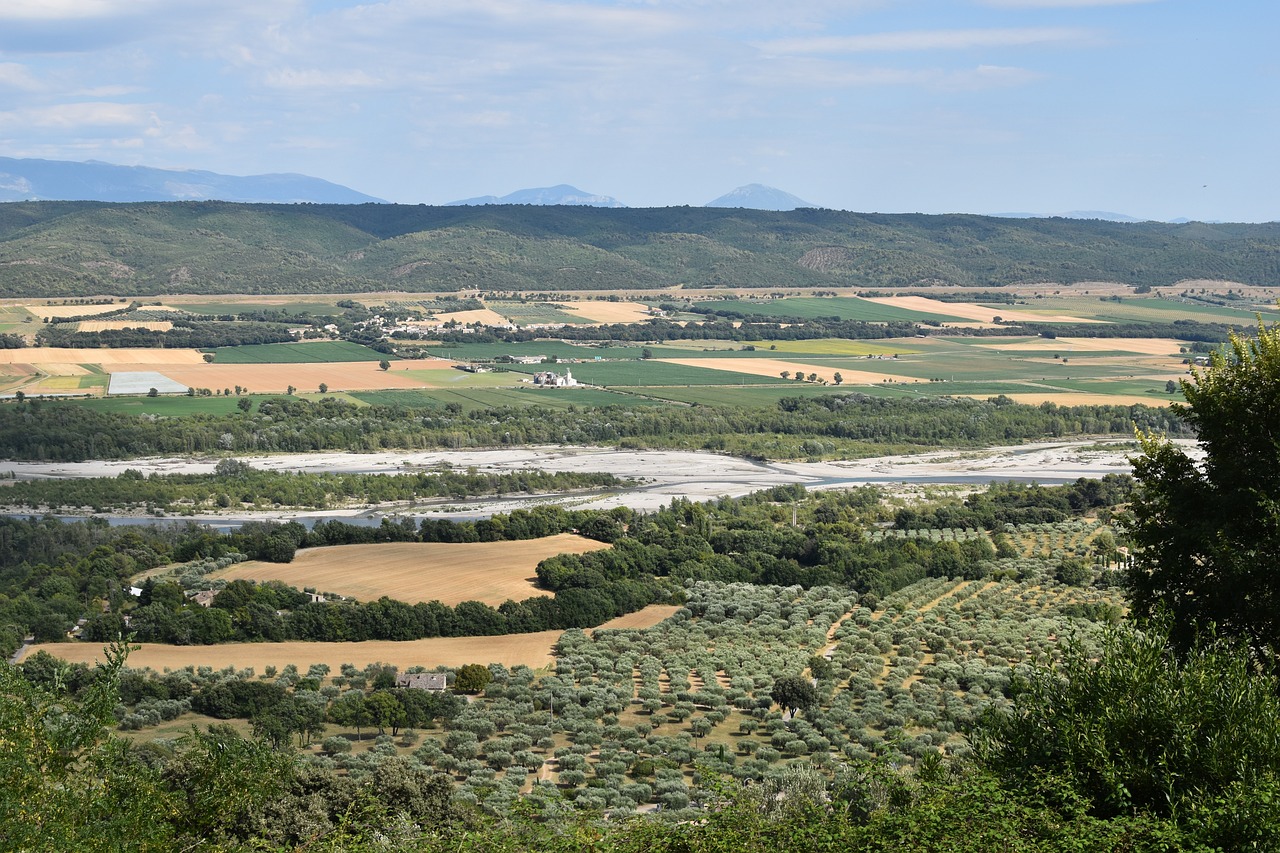
Several walking loops start from the lower parking area, weaving through terraced farmland, olive groves, and up into the village. The Calavon valley terraces trail reveals centuries of human adaptation: stone walls, irrigation channels, and abandoned farm buildings slowly reclaimed by nature.
Family-friendly: The village itself is manageable for older kids who can handle some steep cobbles. The lower valley paths are easy and shaded in parts.
Food: A couple of charming cafés and a small restaurant in the village square offer simple but satisfying Provençal dishes. I like to linger with a café crème under the plane trees.
8. Calavon Greenway (Véloroute du Calavon)
Not every day in the Luberon needs to involve rocky climbs. The Véloroute du Calavon is a converted railway line running roughly east–west through the valley, linking Apt with nearby villages along a mostly flat, traffic-free path. It’s perfect for families, casual cyclists, and anyone who wants to soak up the landscape at an easy pace.
On my most recent ride in spring 2025, I rented an e-bike in Apt and pedaled west toward Bonnieux and Goult, stopping to photograph poppy fields and orchard blossoms. The greenway is wide, well signed, and dotted with picnic tables.
Access: Bike rentals are easy to find in Apt and several villages; e-bikes make even small detours up to hilltop villages more manageable. In 2026, expect further extensions and better signposting as the park continues its soft mobility initiatives.
Tip: Combine the greenway with short detours up to Goult (a lovely, less-visited village) or to farmers’ markets on certain days. Bring panniers or a backpack for your market haul.
9. Mourre Nègre Summit (Grand Luberon High Point)
When I crave a full day of hiking, I head east to the Grand Luberon and the Mourre Nègre, the park’s highest point at 1,125 meters. The summit itself is rounded and relatively unremarkable, but the 360-degree view is anything but: on clear days you can see Mont Ventoux, the Alps, the Durance valley, and the shimmer of distant plains.
My favorite route starts from Auribeau, climbing steadily through oak and pine before emerging onto the open ridge. It’s not technically difficult, but it’s a substantial hike—plan for 4–6 hours round trip depending on your fitness and exact route.
Best season: Spring and autumn. Summer can be scorching, and winter sometimes brings snow and ice. In hot months, start very early and carry plenty of water.
Why go: This is one of the top things to do in Luberon Regional Nature Park for hikers who want a sense of vastness and solitude. I’ve spent long lunch breaks here watching raptors glide and clouds drift over the Alpilles and Ventoux.
10. Fort de Buoux & Aiguebrun Gorge
For history, drama, and a touch of adventure, the Fort de Buoux and nearby Aiguebrun Gorge are unbeatable. The ruined fortress sits atop a rocky outcrop, surrounded by cliffs popular with rock climbers. Below, the Aiguebrun River cuts a shaded gorge—a rare running stream in this dry landscape.
The first time I climbed to the fort, I followed the narrow stone staircase hidden in the rock, emerging onto a high platform with vertiginous drops on three sides. The site has been occupied since prehistoric times, and its medieval and early modern history is intertwined with the Wars of Religion; it was a stronghold for Huguenots before being destroyed in the 17th century.
Hike & swim combo: I like to combine a visit to the fort with a walk along the Aiguebrun, starting from the Auberge des Seguins (which makes a lovely lunch stop) and following the shady path upstream. In late spring, when water levels permit, kids can paddle and build dams in the stream.
Safety: The fort includes steep drops and some unprotected edges—keep children close and wear decent shoes. In wet weather, stone steps can be slippery.
11. Lourmarin & Southern Luberon Vineyards
Lourmarin feels a touch more Italian than some Luberon villages—light, open, and gently sloping rather than dramatically perched. Its Renaissance château (partly 15th-century, partly 16th-century) anchors the scene, and the village streets are lined with boutiques, cafés, and galleries.
I often stop here on long drives across the southern Luberon, especially on Friday mornings for the weekly market. The arcaded square hums with stallholders selling cheeses, charcuterie, spices, and textiles. Grab a slice of fougasse and a cup of coffee, then wander up to the château for a dose of history and sweeping views over olive groves and vines.
Vineyards: The southern slopes between Lourmarin, Cucuron, and Ansouis are dotted with wineries (domaines) producing AOC Luberon wines. Many welcome visitors for tastings; just call ahead or check opening hours. I like to plan an afternoon loop: one or two tastings, a short vineyard walk, then back to Lourmarin for dinner on a terrace.
Romantic factor: High. Cobblestone streets, candlelit restaurants, and live music on summer evenings make it a favorite for couples.
12. Gorges de la Véroncle (Advanced Hike)
Not all trails in the Luberon are gentle. The Gorges de la Véroncle, near Gordes, offer a more adventurous route through a narrow limestone gorge, passing old mill ruins and featuring some scrambly sections and ladders.
On a cool October day, I joined local friends for the full loop. We descended into the gorge, following the dry riverbed, sometimes clambering over boulders, sometimes ducking under overhangs. Rusted metal ladders and carved steps took us past former mill sites, where you can still see channels and waterworks carved into the rock.
Difficulty: This route is for fit, sure-footed hikers comfortable with some exposure and using hands to steady themselves. It’s not suitable for very young children or anyone with vertigo.
Seasonal considerations: Avoid after heavy rain or when storms are forecast, as flash flooding is possible. In high summer, start early to avoid oven-like conditions in the gorge.
13. Plateau de Saint-Saturnin-lès-Apt & Windmills
Above the village of Saint-Saturnin-lès-Apt, a small plateau holds the ruins of a castle, restored windmills, and a reservoir—all with grand views over the northern Luberon and Mont Ventoux. It’s one of those places that rarely feels crowded, even in August.
I like to climb up just before sunset. The path from the village is short but steep in parts, zigzagging past old walls and chapels. At the top, I sit near the windmills and watch the light move across the valley. In spring, the surrounding scrub bursts with wildflowers; in autumn, the air smells of thyme and dried grasses.
Family-friendly: Yes, for kids who can manage a short uphill walk. There’s space to run around safely near the windmills.
Food: The village has a few cafés and bakeries; grab supplies beforehand if you want a plateau picnic.
14. Étang de la Bonde (Lakeside Relaxation)
Though technically just on the southeastern edge of the park, Étang de la Bonde is a beloved local escape, especially in summer. This man-made lake, fringed with reeds and trees, offers swimming, sunbathing, and shaded cafés—an ideal rest day in a longer 5 day itinerary for Luberon Regional Nature Park.
On a heatwave day in August 2024, I escaped here with a book and a picnic. I swam in the cool, green water, then dozed under a tree, waking occasionally to watch dragonflies and paddleboarders. The atmosphere is relaxed and family-oriented; you’ll share the shore with locals from nearby villages.
Facilities: Designated swimming area, seasonal lifeguards, basic toilets, and a couple of restaurants/bars. Some sections of the shore are private—respect signage.
Tip: Bring water shoes if you have sensitive feet; some spots are pebbly.
15. Luberon Night Skies & Plateau de Claparèdes
The Luberon is not a certified Dark Sky Reserve, but away from bigger towns, the night skies can be astonishing. One of my favorite stargazing spots is the Plateau de Claparèdes, between Saignon and Bonnieux—a quiet, open area dotted with lavender fields and low stone walls.
On a new moon night in August 2023, I came up here with a local astronomy group. We lay on blankets, watched the Milky Way emerge, and traced constellations while cicadas and distant dogs provided the soundtrack. The Perseid meteor shower streaked overhead, and someone produced a thermos of herbal tea and a packet of navettes (local biscuits).
Stargazing tips: Bring a headlamp with red light mode, warm layers even in summer, and insect repellent. Check moon phases before planning your night; darker skies mean more visible stars.
In 2026, the park plans to expand its astronomy evenings and night walks, especially in summer—keep an eye on the official events calendar.
3–5 Day Itineraries for Luberon Regional Nature Park (With Personal Stories)
Below are suggested itineraries for 3 days in Luberon Regional Nature Park, 4 days in Luberon Regional Nature Park, and a fuller 5 days in Luberon Regional Nature Park. Each is based on how I actually host friends and family when they visit. I’ll sketch the structure here, then expand on each day with stories, tips, and options.
Suggested Overview
- 3-Day Itinerary: Highlights focus – Gordes, Roussillon, Sénanque, ochre country, and one ridge or cedar forest walk.
- 4-Day Itinerary: Adds Colorado Provençal, Buoux/Aiguebrun, and more village time.
- 5-Day Itinerary: Full immersion – includes Mourre Nègre or a longer hike, vineyard touring around Lourmarin, and a dedicated stargazing night.
3 Day Itinerary for Luberon Regional Nature Park
Day 1 – Gordes, Sénanque Abbey & Roussillon Ochre
I often start first-time visitors with this classic loop; it’s the postcard Luberon, but with a few tweaks you can keep it from feeling like a bus tour.
Morning in Gordes: Arrive early—by 8:30 a.m. if you can. Park just below the village center (paid parking zones are clearly marked). Walk up to the château, then meander through back alleys instead of sticking to the main axis. I like to stop at a café on the square for a croissant and coffee with a view toward the valley.
After breakfast, walk back out along the northern road for the iconic belvedere photo of Gordes. Morning light is soft, and you’ll share the view with a few photographers and local dog walkers instead of a crowd.
Late morning at Sénanque Abbey: From Gordes, drive down to the abbey, aiming for a late-morning tour. On one June visit, I joined the 11:00 a.m. guided tour; afterward I spent half an hour in silence in the cloister garden, just listening to bees in the lavender. Remember to cover shoulders and avoid loud chatter.
Lunch tip: Either picnic on the way back up (look for small lay-bys with shade; never trample private fields) or head to a simple bistro in Gordes for a salad or omelette.
Afternoon in Roussillon: Drive 20–25 minutes east to Roussillon. Visit the Sentier des Ocres mid-afternoon when the light sculpts the cliffs (but avoid the very hottest hours in July–August). I like to do the longer loop, then sit on the upper terraces of the village with a cold drink and watch the light change on the ochre façades.
Dinner: Choose between Gordes and Roussillon. Gordes has more fine-dining options; Roussillon tends to be a bit more relaxed and arty.
Day 2 – Bonnieux Cedar Forest & Ménerbes Ridge
This day balances easy forest walks and a taste of the wilder Petit Luberon, plus two of my favorite villages.
Morning: Cedar Forest of Bonnieux – Drive up to the Forêt des Cèdres by 9:30 a.m. Walk one of the short circuits (30–60 minutes), stopping at viewpoints and reading the interpretive panels. If you’re traveling with kids, let them lead the way; the paths are well defined.
Midday in Bonnieux: Head down into the village and climb to the upper church for a superb panorama of the Calavon valley. In April 2025, I watched a storm roll across the valley from here, the light slicing through clouds over Roussillon’s ochre cliffs.
Have lunch at a café terrace—Bonnieux has a few excellent bistros that champion local ingredients. I often order a plat du jour featuring seasonal vegetables and goat cheese.
Afternoon: Ménerbes & Petit Luberon path – Drive 15–20 minutes to Ménerbes. Wander the village, then, if you have the energy, take one of the signposted walking paths that lead out into vineyards and up toward the lower slopes of the Petit Luberon. Even a 1–2 hour out-and-back gives you a sense of the landscape without committing to a full ridge hike.
Evening: Stay in Ménerbes or nearby. I like to book a small guesthouse with a terrace view and have a slow dinner—think lamb with thyme, ratatouille, and a glass of Luberon red.
Day 3 – Buoux, Aiguebrun Gorge & Apt Market (or Colorado Provençal)
On your last day, choose between a history-and-gorge combo around Buoux or a deeper plunge into ochre at Colorado Provençal.
Option A: Buoux & Aiguebrun Gorge – Start at the Fort de Buoux in the morning to avoid heat and crowds. Explore the ruins, then descend to the Aiguebrun valley for a shaded walk and lunch at Auberge des Seguins (booking recommended in high season). This is a classic, slightly off-the-beaten-path hidden gem in Luberon Regional Nature Park.
Option B: Colorado Provençal – Drive to Rustrel and spend the morning hiking one or two of the loops in Colorado Provençal. Have a picnic under the pines near the parking area or find a simple lunch in Rustrel or nearby villages.
Afternoon in Apt: If it’s a Saturday, don’t miss the Apt market, which runs into early afternoon. It’s one of the liveliest in Provence, with stalls selling candied fruit (a local specialty), cheeses, olives, and textiles. Pick up edible souvenirs and snacks for your onward journey.
4 Day Itinerary for Luberon Regional Nature Park
With 4 days, you can follow the 3-day plan and add an extra day focused on the eastern Luberon or on a longer hike.
Day 4 – Colorado Provençal & Saint-Saturnin-lès-Apt
Morning: Explore Colorado Provençal, taking time to follow the longer loop and pause at viewpoints. Bring snacks and plenty of water; shade is intermittent.
Afternoon: Drive to Saint-Saturnin-lès-Apt. Stroll the village, then hike up to the plateau, reservoir, and windmills for late-afternoon light. This quiet, expansive landscape is a perfect counterpoint to the busy ochre site.
Evening: Dine in Saint-Saturnin or back in Apt, which has a handful of good bistros and wine bars.
5 Day Itinerary for Luberon Regional Nature Park
Five days let you slow down and integrate more genuine cultural experiences in Luberon Regional Nature Park—markets, wineries, small museums, and evenings under the stars.
Day 5 – Lourmarin, Southern Vineyards & Night Sky
Morning: Drive to Lourmarin for the market (Friday is best) or a quiet stroll if it’s another day. Visit the château, then linger over a long coffee as the village wakes up.
Afternoon: Tour one or two nearby wineries, with a simple picnic between tastings. Many domaines have grassy corners or picnic tables; always ask permission, buy a bottle, and pack out your waste.
Evening & night: After dinner—either in Lourmarin or back near Bonnieux—head up to the Plateau de Claparèdes or another dark, open spot for stargazing. In summer 2026, look for scheduled astronomy events or park-led night walks focusing on nocturnal wildlife and constellations.
Where to Eat – Local Food in Luberon Regional Nature Park
Food in the Luberon is about freshness and simplicity: goat cheese from nearby hills, tomatoes still warm from the sun, olive oil from the next valley, and wines that taste of thyme and stone.
In-Park Picnics & Casual Bites
- Markets: Apt (Saturday), Lourmarin (Friday), Gordes (Tuesday), and Bonnieux (Friday) are ideal for stocking picnic supplies—cheeses, charcuterie, fruit, olives, bread.
- Picnic spots: Cedar Forest of Bonnieux (tables provided), banks of the Aiguebrun (respect private land and fire bans), plateau above Saint-Saturnin, and designated areas near Colorado Provençal.
- Ranger-station snacks: A few visitor centers and parking areas sell basic drinks and packaged snacks, but don’t rely on them for full meals.
Village Restaurants & Bistros
Across the Luberon, you’ll find everything from simple workers’ cafés to Michelin-starred dining.
- Gordes & Roussillon: Higher-end, with panoramic terraces. Expect Provençal classics with modern twists.
- Bonnieux & Ménerbes: A mix of creative bistros and traditional kitchens—my favorite places for slow dinners after hikes.
- Apt: More everyday eateries, bakeries, and pizzerias, plus a few standout bistros at lower prices than the hilltop darlings.
- Lourmarin: Lively dining scene, from tapas-style wine bars to refined restaurants with courtyards.
Specialties to Try
- Picodon & other goat cheeses from the Luberon and nearby Drôme.
- Tapenade (olive paste) on toast, aïoli with fish and vegetables, and ratatouille.
- Fougasse (flatbread with olives or herbs), cavaillon melon (in season), and candied fruits from Apt.
- Luberon AOC wines—rosé in summer, reds and whites year-round.
Money-Saving Eating Tips
- Opt for lunch menus (formule midi) rather than dinner; you’ll often get 2–3 courses for less.
- Alternate restaurant meals with market picnics to stretch your budget.
- In high season, book dinners 1–2 days ahead in the most popular villages to avoid last-minute pricey options.
Where to Stay & How to Get Around
Accommodation Options
- Village gîtes & apartments: Ideal for 4–5 day stays; you can cook, shop at markets, and feel like a temporary local. Bonnieux, Ménerbes, and Roussillon all have excellent options.
- Chambres d’hôtes (B&Bs): Often family-run, with generous breakfasts and insider tips. Great for couples and solo travelers.
- Hotels: More common in Apt, Lourmarin, and around Cavaillon. Ranges from simple 2-star to luxury spa hotels with pools.
- Campgrounds: Several are scattered around the park, often near rivers or villages. In summer, they’re a budget-friendly base for families; book ahead for July–August.
How to Get Around
The Luberon is best explored by car or bike. Public transport exists but is limited and slow.
- Car rental: Easiest from Avignon TGV, Marseille, or Aix-en-Provence. Non-EU drivers should carry an International Driving Permit along with their home license.
- Driving tips: Roads are narrow and winding; drive defensively and be patient behind cyclists. Parking in hilltop villages can be tight—arrive early or later in the day.
- Public transport: Regional buses connect Apt with Cavaillon, Avignon, and some villages, but frequencies are low. Feasible for patient, flexible travelers with a base in Apt.
- Bikes & e-bikes: Excellent for the Calavon Greenway and gentle valley routes. E-bikes make shorter hill climbs realistic for most people.
After Dark & Quieter Experiences
Evenings in the Luberon are when the crowds thin and the air softens. Some of my most cherished moments here have been after sunset—listening to crickets, watching the last light on stone walls, or lying on my back under a skyful of stars.
Sunset Viewpoints
- Upper church in Bonnieux.
- Belvedere outside Gordes.
- Windmills above Saint-Saturnin-lès-Apt.
Stargazing & Night Programs
- Plateau de Claparèdes: Wide-open skies with minimal light pollution.
- Park-led night hikes: In summer, rangers sometimes organize walks focusing on bats, owls, and nocturnal insects.
- Astronomy evenings: Local astronomy clubs host public nights with telescopes—events are usually listed on village notice boards and the park website.
Quiet Village Evenings
After dinner, stroll through villages like Ménerbes or Lourmarin. In shoulder seasons, you may find yourself almost alone under the street lamps, with only the scent of jasmine and the sound of your footsteps on cobblestones.
Cultural Experiences & Local Customs
The Luberon is not an open-air museum; it’s a living region where people work, go to school, and shop. A bit of cultural awareness goes a long way in making your stay smoother and more rewarding.
Etiquette Basics
- Greetings: Always say “Bonjour” (morning/day) or “Bonsoir” (evening) when entering shops, cafés, or speaking to locals. It’s essential politeness in France.
- Language: Many people in the tourist trade speak some English, but a few French phrases—“s’il vous plaît,” “merci,” “excusez-moi”—are appreciated.
- Meal times: Lunch is typically 12:00–14:00. Many restaurants close mid-afternoon and reopen around 19:30 for dinner. Don’t expect to sit down for a full hot meal at 16:00.
- Markets: Don’t handle produce excessively; let the seller choose, or ask politely if you’d like to pick your own.
Religious Sites
At places like Sénanque Abbey, dress modestly (covered shoulders, no beachwear), speak softly, and respect restricted areas. Photography may be limited inside churches—check signs.
Rural Life & Private Property
- Many paths cross or border farmland. Close gates, stick to marked trails, and don’t pick fruit without permission.
- Lavender and sunflower fields are often working fields, not Instagram sets. Never trample crops for a photo.
Events & Festivals 2026–2027
While dates can shift slightly year to year, here are key events expected in 2026–2027:
- Apt Saturday Market (all year): The weekly anchor of local life—larger in spring–autumn, but worth visiting year-round.
- Lourmarin Music Evenings (summer 2026): Classical and jazz concerts in and around the château.
- Gordes & Roussillon Cultural Programs (summer): Outdoor theater, art exhibitions, and night markets.
- Wine Harvest Events (September–October 2026): Many domaines host harvest tastings, vineyard walks, and special menus.
- Stargazing Nights (August 2026 & 2027): Around the Perseid meteor shower, local astronomy groups and the park co-organize public observation evenings.
- Christmas Markets (December 2026): Smaller than in big cities, but charming—especially in Apt, Lourmarin, and L’Isle-sur-la-Sorgue.
Day Trips & Nearby Attractions
If you’re basing yourself in the Luberon for a week or more, a few nearby destinations make excellent day trips.
- Avignon: About 1–1.5 hours from central Luberon. Visit the Palais des Papes, Pont d’Avignon, and vibrant markets.
- Mont Ventoux: The “Giant of Provence,” beloved by cyclists. Stunning views and alpine flora at the summit.
- Verdon Gorge: A longer day (2–2.5 hours each way) but unforgettable—kayaking, hiking, and jaw-dropping canyon views.
- Valensole Plateau: In late June–mid-July, carpets of lavender fields; combine with a Verdon or Manosque visit.
- L’Isle-sur-la-Sorgue: Antiques, canals, and a famous Sunday market; easy to pair with Fontaine-de-Vaucluse.
Practical Travel Advice & Park Logistics
Entrance Fees & Permits
As a regional nature park, the Luberon itself has no general entrance fee. However:
- Certain sites (Colorado Provençal, Sentier des Ocres, Fort de Buoux, Sénanque Abbey tours) charge individual entry or parking fees.
- Some sensitive areas or events may require advance reservations, especially in high season.
Seasonal Closures & Weather
- Summer (June–August): Hot, often 30–35°C in afternoons. Some forested areas may close during extreme fire risk days—check local alerts.
- Spring (April–May): Ideal for hiking and wildflowers. Occasional rain, but trails usually in good condition.
- Autumn (September–October): Lovely light, grape harvest, and warm days with cooler nights.
- Winter (November–March): Quiet, some businesses close or reduce hours. Higher ridges (Mourre Nègre) may see snow or ice.
Altitude & Wildlife
Altitudes are modest (mostly 200–1,100 m), so altitude sickness isn’t an issue. Wildlife includes wild boar, foxes, many bird species, snakes (generally shy; give them space), and abundant insects in summer.
- Ticks: Wear long trousers in tall grass and check for ticks after hikes.
- Wild boar: Rarely seen by day; don’t feed or approach if encountered at dusk.
Leave No Trace
- Stay on marked routes, especially in fragile ochre and scrubland environments.
- Pack out all trash; public bins can be scarce on trails.
- No open fires; respect seasonal fire bans strictly.
Connectivity & SIM Cards
- Cell coverage: Good in and around villages, patchy in deep gorges and some forested ridges.
- SIM options: In 2026, eSIMs from major European providers (Orange, SFR, Bouygues) are easy to purchase online. Physical SIMs are available in larger towns (Apt, Cavaillon, Avignon) at phone shops or supermarkets.
- Most cafés and accommodations offer Wi‑Fi, though speeds can vary.
Driving & Visas
- Visas: The Luberon is in France’s Schengen area. Most non-EU visitors can stay 90 days in 180 without a visa; check current rules for your nationality.
- Foreign licenses: EU licenses are valid. Many non-EU visitors (e.g., from the US, Canada, Australia) can drive with their home license plus an International Driving Permit—confirm before travel.
- Parking strategy: Use official car parks at village entrances and walk in. Avoid trying to drive into medieval cores with narrow lanes.
What to Pack
- Light, breathable clothing; a warm layer for evenings.
- Sun hat, sunglasses, and high-SPF sunscreen.
- Sturdy walking shoes or light hiking boots.
- Refillable water bottle (or hydration bladder) and small daypack.
- Small first-aid kit, tick remover, and blister plasters.
- Headlamp for night walks or stargazing.
Summary & Best Seasons to Visit Luberon Regional Nature Park
The Luberon Regional Nature Park is a place that rewards unhurried travel. Whether you follow a packed 3 day itinerary focused on icons like Gordes, Roussillon, and Sénanque, or stretch to a 5 day itinerary for Luberon Regional Nature Park with ridge hikes, vineyard visits, and stargazing, you’ll leave with the scent of thyme in your clothes and stone villages imprinted in your memory.
Best seasons by interest:
- Hiking & cycling: April–June, late September–October.
- Lavender & sunflowers: Late June–mid-July (expect higher prices and more crowds).
- Wildflowers: April–May.
- Stargazing: Summer new moons (July–August), plus clear autumn nights.
- Quiet village life & budget-friendliness: March, November, and early December (with some closures).
If there’s one piece of travel advice for Luberon Regional Nature Park I’d insist on, it’s this: build space into your days. Leave time to follow an unmarked path between stone walls, to accept a spontaneous wine tasting, or to sit under a plane tree and watch village life go by. That’s where the real Luberon—the one we who live here love—reveals itself.