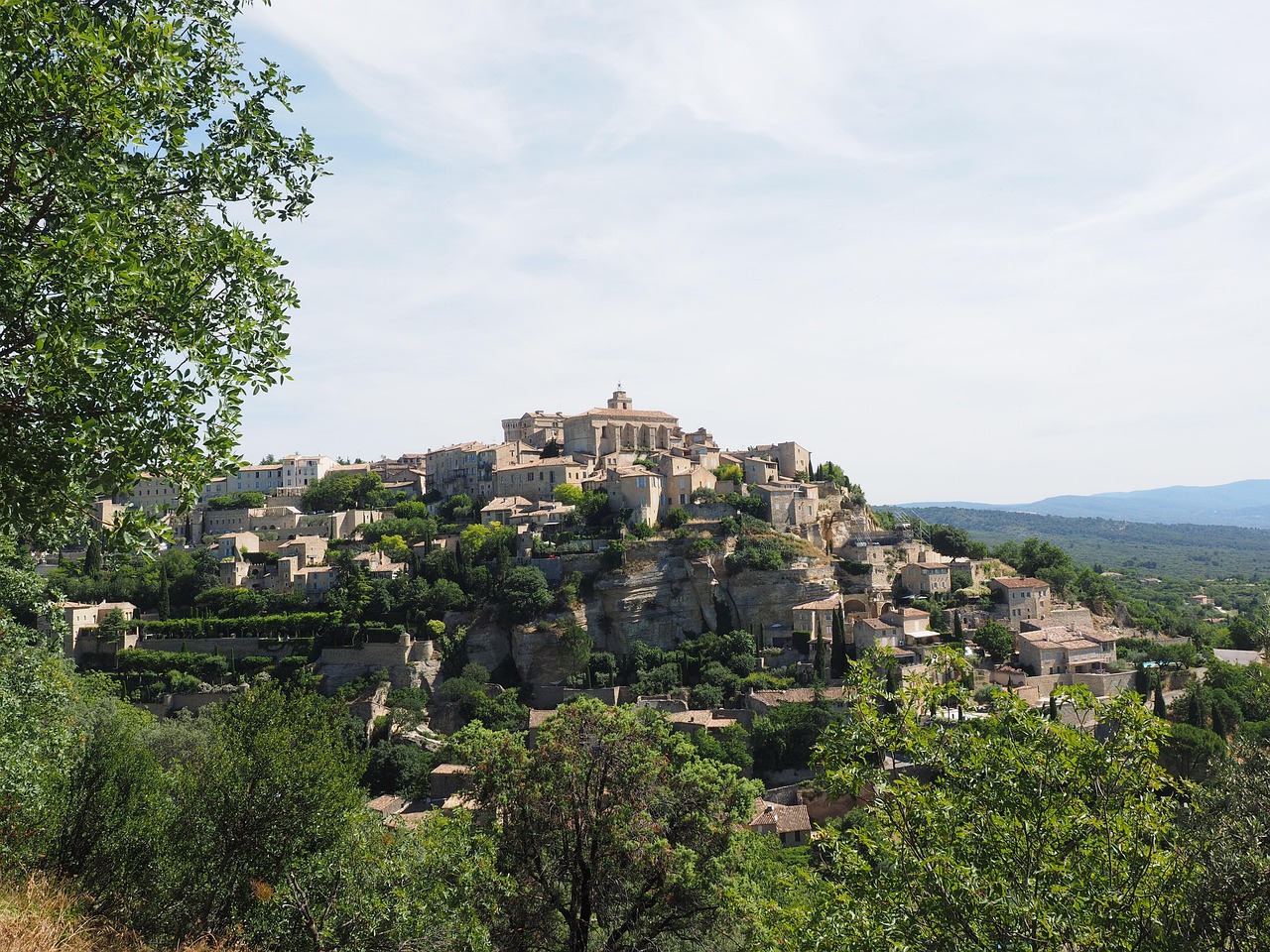
Why Visit Grand Luberon?
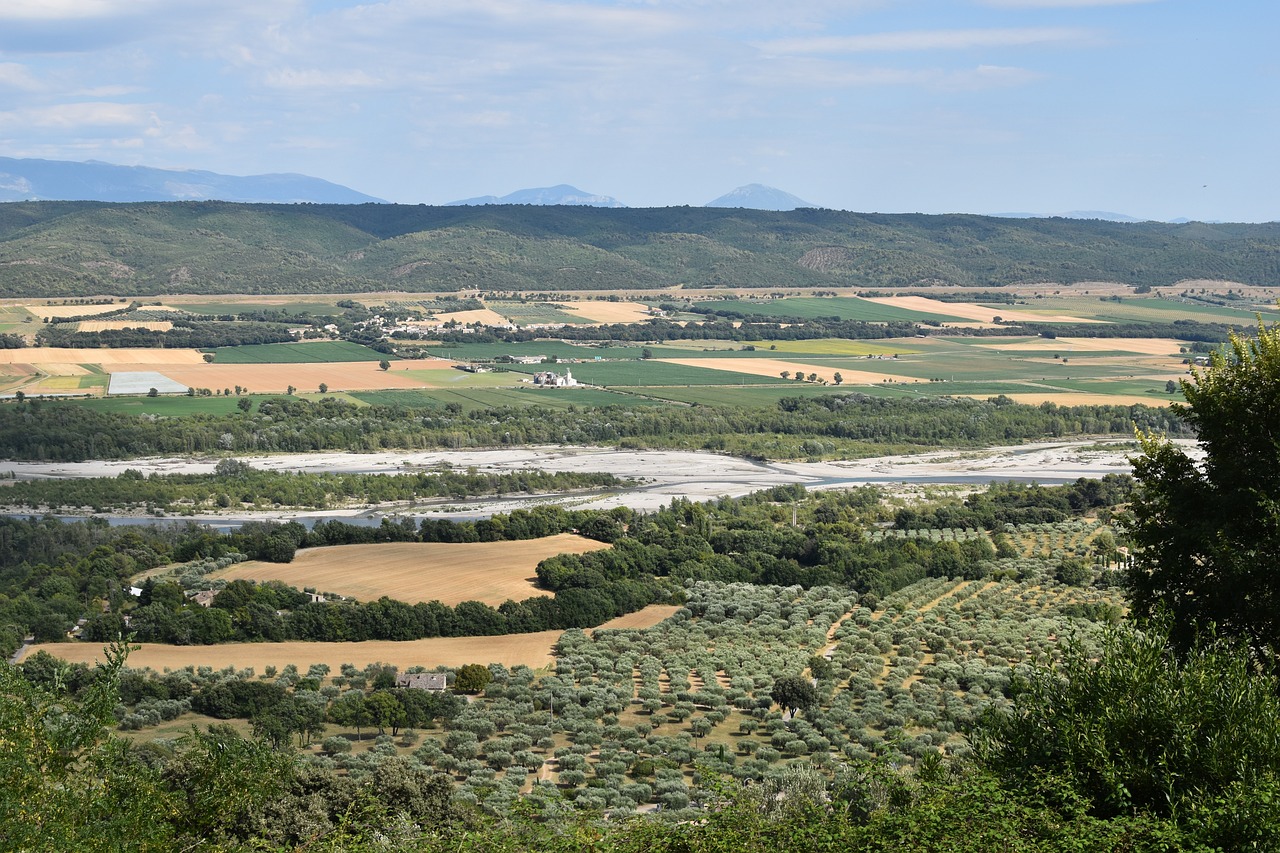
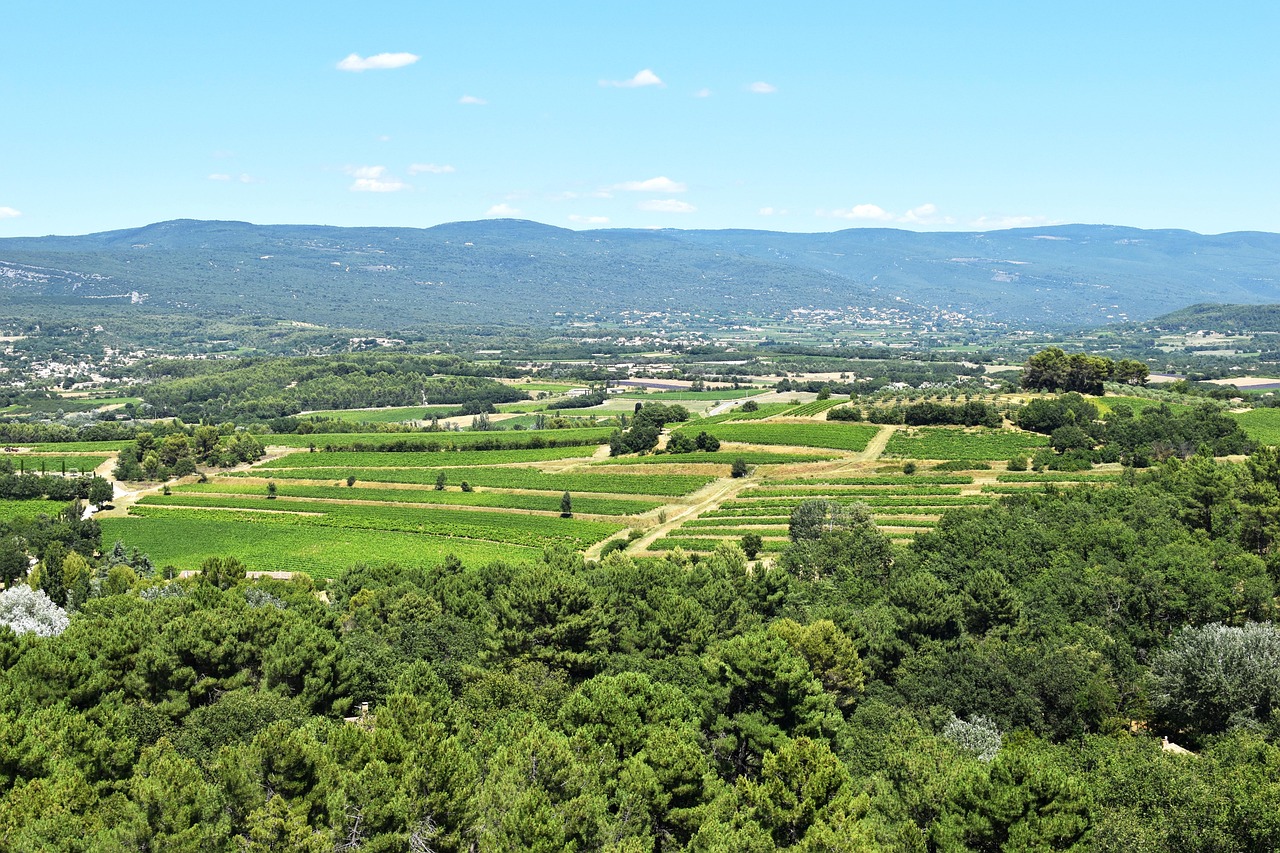
If you’ve only ever known Provence as lavender postcards and rosé by the pool, Grand Luberon will gently, and then completely, overturn your expectations. Rising like a long, forested whale-backed ridge between the Durance valley and the ochre villages of the Petit Luberon, this quieter eastern massif is the Luberon’s wilder, more contemplative side.
Over the past decade, I’ve returned to Grand Luberon in every season: crunching over frost on the summit ridge in January, wading through waist-high wildflowers in May, and sharing late-summer picnics with local families on breezy limestone plateaus. It’s never the same twice, but it’s always distinctly itself: pine and oak forests, limestone cliffs, stone villages, and a pace of life that remains stubbornly, beautifully slow.
What makes Grand Luberon special is the contrast. One hour you’re sipping an espresso under plane trees in Cereste, and the next you’re alone on a sun-bleached crest at nearly 1,100 m, watching vultures circle over the valley of the Calavon. Grand Luberon is close enough to Aix-en-Provence and Avignon for an easy escape, but just far enough that tour buses rarely bother. It’s ideal if you want:
- Hikes and viewpoints without alpine technicality or crowds.
- Stone villages that are lived in year-round, not just for summer rentals.
- Local food – truffle omelettes, goat cheese, olive oil, and honest Provençal cooking.
- Family-friendly rambles and short walks, plus adventurous ridge hikes and bike routes.
- Romantic evenings under stars, with cicadas as the only soundtrack.
This 2026 travel guide to Grand Luberon is written as I wish someone had written it for me years ago: long-form, opinionated, and grounded in real days spent on its trails, in its bistros, and in the shade of its old stone farmhouses. Whether you’re planning a 4 day itinerary for Grand Luberon or stretching it to a full week, you’ll find detailed daily plans, hidden gems, and practical travel tips for Grand Luberon throughout.
Grand Luberon Overview: Geography, Seasons & Character
The Grand Luberon massif stretches roughly east–west for about 30 km, with its highest point, Mourre Nègre, topping out at about 1,125 m. It’s not the jagged Alps – think more of a long, wooded backbone of limestone, with steep northern slopes dropping towards the Calavon valley and gentler southern slopes rolling into vineyards and orchards.
Best seasons:
- Spring (April–June): My personal favorite – wildflowers, clear views, cool temperatures for hiking. Lavender fields in nearby plateaus start to stir late June.
- Summer (July–August): Hot in the valleys, but the crest stays breezy; early-morning and late-afternoon hikes are glorious. Expect more visitors, but still fewer than in the Petit Luberon.
- Autumn (September–November): Golden oaks and vineyards, warm days, cool nights. This is the secret season for long walks and truffle menus.
- Winter (December–March): Quiet, introspective, with occasional dustings of snow. Some days you’ll have entire ridges and viewpoints to yourself.
For a 4–7 day itinerary for Grand Luberon, you’ll likely base yourself in one or two of the main villages – Apt, Cereste, Bonnieux, Lourmarin, or Saignon – and then radiate outwards to peaks, passes, and hidden valleys.
15 Peaks, Valleys, Passes & Villages – In-Depth Local Profiles
Below are fifteen of the best places to visit in Grand Luberon, combining peaks, valleys, passes, and villages. I’ve grouped them by type but written them as personal mini-essays – the way I’d tell you about them over a glass of wine in the village square.
1. Mourre Nègre (1,125 m) – The Roof of Grand Luberon
Mourre Nègre is the highest point of Grand Luberon, a long, rounded summit marked by an antenna mast that you can spot from miles away. It’s not a dramatic spike so much as the culmination of a steady climb through pines and scrub, rewarding you with 360-degree views that sweep from the Sainte-Victoire to the Alps on clear days.
The first time I hiked to Mourre Nègre, it was a crisp October morning. I left from the tiny hamlet of Auribeau around 8 a.m., when the sun was just beginning to stripe the vineyards with gold. The path wound upward through holm oak and juniper, and within an hour I’d left all sounds of the road behind. On the summit ridge, a cold wind arrived out of nowhere, and I ended up sharing a thermos of coffee with an older couple from Apt who’d been climbing it every year on their wedding anniversary.
Altitude & accessibility: 1,125 m; hikes are moderate rather than technical. Popular routes start from Auribeau, Castellet, or the Col du Pointu. You’ll gain around 600–700 m of elevation depending on your start point; count 3–5 hours round-trip.
Best for: Day hikes, sunrise or sunset views, family outings with older kids (10+). In summer, go early to avoid heat; in winter, bring an extra layer for the exposed summit.
Seasonal tip: In May and early June, the ridge is lined with wild thyme and delicate orchids – I always bring a small field guide and end up stopping more than I hike. In January, you might catch frost patterns on the low grasses, but trails can be muddy after rain.
Where to base: Apt is the most practical base, especially if you don’t have a car. If you do, Auribeau and Castellet offer a deeper countryside feel – stone farmhouses, narrow lanes, and a sense that time has paused.
Food & personal ritual: My post-hike tradition is to drive back down to Apt and stop at the Saturday market (if it’s the weekend) for a slice of pissaladière and a paper cone of olives. In 2024, I discovered a tiny café just off the main square, Café du Pin, which does a tart citron that rivals anything in Aix.
2. Vallée du Calavon – The Working Heart of the North Side
The Calavon valley runs along the northern flank of Grand Luberon, a patchwork of vineyards, orchards, and small industrial zones that at first glance seem unromantic. But this is the valley that feeds the upland villages, and if you drive its back roads instead of the main artery, it reveals its charm slowly: an old stone bridge reflected in irrigation channels, a line of cherry trees in blossom, a farmer selling eggs from an unmanned roadside stall.
I’ve cycled this valley countless times, often using it as a “rest day” route between tougher climbs into the massif. One April, I followed the Véloroute du Calavon, a car-free bike path along a former railway. The morning fog clung low over the fields, and as it lifted, the whole face of Grand Luberon appeared, streaked with limestone cliffs and dark folds of forest.
Altitude & accessibility: 200–300 m; essentially flat. The valley is crossed by the D900 road, with easy access to Apt, Rustrel, Saint-Martin-de-Castillon, Cereste, and smaller hamlets.
Best for: Cycling, easy family walks, market visits, and as a “base corridor” to reach trailheads. It’s also where you’ll find larger supermarkets and services, which matters on longer stays.
Villages to explore: Apt (main town, lively market), Cereste (more below), Saint-Martin-de-Castillon (beautiful hilltop profile), and the understated hamlet of La Loubière, where I once spent an entire afternoon talking about truffles with a retired hunter under his fig tree.
3. Col du Pointu – Gateway to the Crest
The Col du Pointu (about 720 m) is one of the key passes crossing the massif. The first time I drove it was on a rainy November afternoon, the kind where clouds cling to the trees and every curve feels like a step deeper into the forest. When the road finally broke into a small clearing at the pass, the world felt hushed – just the sound of rain on leaves and a distant cowbell.
Altitude & accessibility: About 720 m. The paved D33 road climbs from the north (near Apt) and from the south (towards Vitrolles-en-Luberon). In winter, it can be temporarily closed or icy after snowfalls, but closures are usually short.
Best for: Scenic drives, quick access to ridge hikes (including toward Mourre Nègre), picnic stops, and photography. It’s also a good jumping-off point for mountain biking.
Personal tip: There’s a small pull-out area on the eastern side with space for a few cars. On clear evenings, it’s one of my favorite impromptu sunset spots – I keep a blanket and a thermos in the car for exactly that reason.
4. Cereste – A Village at the Threshold
Cereste sits where the Luberon begins to feel truly wild in the east. It’s a village that many drivers speed past on their way to more famous names, but I’ve spent enough slow afternoons here to know better. There’s a crooked main street, an old stone gate, and a handful of cafés where old men still argue about politics under plane trees.
Altitude & character: Around 370 m, with a slightly rougher, more “lived-in” feel than the polished hilltop villages further west. This is a real community: children walking to school, a small grocery, and a bar-tabac that doubles as a local information hub.
Best for: A base for budget-conscious travelers, hikers wanting quick access to eastern Grand Luberon trails, and anyone who prefers authentic village life over curated charm.
What I love here: On my last visit (May 2025), I stayed in a simple stone gîte on the upper edge of the village. Every morning, I’d walk down for a coffee at Le Café de la Gare, watching delivery vans thread impossibly narrow streets. Afternoons were for hikes into the hills, evenings for quiet dinners – goat cheese salad, lamb with thyme, a carafe of local red.
Nearby hikes & activities:
- Paths up to the eastern crests of Grand Luberon, often deserted compared to the Mourre Nègre area.
- Easy family walks along old tracks lined with dry-stone walls; in spring, I’ve spotted wild orchids within 20 minutes of the village.
- Exploring small, ruined hamlets that the forest is slowly reclaiming – a sobering glimpse into rural depopulation.
5. Apt – Market Town & Practical Base
Apt is not a showpiece village; it’s a working town of about 12,000 residents. But its Saturday market is one of the best in Provence, and from a practical perspective, it’s an ideal base for exploring things to do in Grand Luberon.
Altitude & accessibility: Roughly 240 m, in the Calavon valley. Well connected by bus to Avignon and Cavaillon, and by roads to most Grand Luberon trailheads.
Why stay in Apt:
- Affordable accommodation compared to hilltop villages.
- Full services: supermarkets, pharmacies, bike rentals, outdoor shops.
- Central location for both north- and south-side excursions.
Market mornings: My ritual on long stays: wake early Saturday, join the flow into the old center, and wander between stalls piled with goat cheese, olives, candied fruits (a local specialty), and textiles. In 2023, I met an old farmer selling just three things – eggs, walnuts, and a strong, almost bitter olive oil that completely redefined my idea of the ingredient.
Family-friendly note: Apt is good with kids: playgrounds, wide squares, and easy access to short walks along the Calavon bike path. Combine a market morning with an afternoon splash in a nearby river or lake, and you have a perfect low-key day.
6. Vallon de Sainte-Anne – A Shady Green Corridor
Hidden between more obvious destinations lies the Vallon de Sainte-Anne, a narrow, tree-lined valley that feels secret even in high season. The first time I walked here, it was July, the rest of the region baking under the sun. In this valley, though, the air was cool, the path soft underfoot, and the only sound the murmur of water over stones.
Altitude & accessibility: 300–600 m, depending on how high you go. Access is usually via small roads from Apt or nearby hamlets, followed by footpaths.
Best for: Shady summer hikes, birdwatching, and quiet picnics. Families with younger kids love it for the gentle gradients and opportunities to paddle.
Personal tip: Bring a proper picnic rather than relying on finding services nearby. My favorite memory here is a long lunch of baguette, fresh chèvre, tomatoes, and apricots, feet in the stream, with not another person in sight.
7. Bonnieux – Balcony Over the Luberon
Bonnieux clings to the slopes of the Petit Luberon, but it’s an important base for exploring the eastern stretches towards Grand Luberon proper. It’s also, simply, beautiful: stone houses stacked on a steep hill, cypress trees pointing skyward, and a church perched high above it all.
Altitude & character: About 425 m at the village center, climbing higher as you head up. It’s more polished and tourist-facing than Cereste, but still retains a strong local community.
Best for: Romantic stays, travelers who like a bit more buzz (restaurants, galleries) while still being close to nature. Easy access to driving routes that link to the Grand Luberon crest.
My Bonnieux ritual: I like to arrive late afternoon, check into a small chambre d’hôtes, and then climb slowly through the old streets to the upper church just before sunset. From there, the layered ridges of Luberon stretch away, the sky turning a soft mauve that always reminds me why I keep coming back.
Food: Several bistros in the lower part of the village offer menus that spotlight local food in Grand Luberon: lamb with rosemary, pumpkin soups in autumn, fresh goat cheeses, and wines from nearby vineyards.
8. Lourmarin – Literary Village at the Southern Gate
Lourmarin, with its Renaissance château and tangle of café-lined lanes, sits just south of the main Luberon range. It’s not technically “in” Grand Luberon, but as a base and cultural counterpoint, it’s invaluable.
Altitude & accessibility: Around 200 m, easy drives from Aix-en-Provence and Marseille. Perfect start or end point for a week loop.
Best for: Couples, culture lovers, slow travelers. It’s one of my favorite spots for an “arrival day” – stroll the village, visit the château, and adjust to the Provence rhythm before tackling the massif.
Personal anecdote: In June 2022, I spent an afternoon writing notes for this very guide at a café table on the main square. An elderly woman at the next table saw my maps and began pointing out “shortcuts” over the Luberon she’d driven for decades. One of them, a tiny back road over a minor pass, led me to a picnic spot with perhaps the best view I’ve ever had of the Grand Luberon’s southern slopes.
9. Saignon – Silent Sentinel Above Apt
Saignon perches on a rocky outcrop above Apt, its stone houses wrapped around a central square with a fountain and a few lazy cats. It’s the village I retreat to when I want to remember why I first fell for this region.
Altitude & character: Around 480 m. The village is small, with narrow lanes and several viewpoints out over the Calavon valley and towards the Grand Luberon crest.
Best for: Quiet stays, writers, photographers, and anyone needing a deep exhale. There are a couple of guesthouses that feel like staying in a friend’s home.
What to do:
- Climb to the Rocher de Saignon for panoramic views – a gentle hike, family-friendly with supervision.
- Take the old paths down towards Apt or across towards other hamlets; in spring, I’ve walked for hours seeing more butterflies than people.
10. Auribeau – Tiny Hamlet, Big Horizons
Auribeau is little more than a cluster of stone houses, a church, and vistas that go on forever. If you want to stay “on the mountain” without being isolated in a high refuge, this is your place.
Altitude & accessibility: Around 600 m, reached by a winding road from Apt or Saignon. The elevation means cooler nights and quick access to ridge paths, including routes toward Mourre Nègre.
Best for: Hikers, couples seeking solitude, and anyone who wants to step out the door and be on a trail in minutes.
Personal note: In September 2023, I rented a small stone house here for a week. Afternoons were for hiking; evenings for reading on the terrace as the lights came on in the valley far below. One night, an impromptu apéro with neighbors – a retired Parisian couple and a local shepherd – turned into a midnight lesson in Provençal dialect.
11. Vitrolles-en-Luberon – South-Side Stronghold
On the southern slopes of Grand Luberon, Vitrolles-en-Luberon clings to a rocky spur like a small fortress. It sees far fewer visitors than Lourmarin or Bonnieux, which is precisely why I keep returning.
Altitude & character: About 620 m, with steep lanes and homes that seem to grow out of the rock itself.
Best for: Travelers with a car who want to explore the southern faces of the massif, including lesser-known passes and ridges. The village itself is quiet; nightlife here is the sound of wind and church bells.
Hiking tip: From Vitrolles, you can access trails that climb quickly to the crest. In late October 2025, I walked one such route at dawn and had the surreal experience of watching a sea of fog fill the Durance valley while the peaks rose clear above it.
12. Col de la Mort d’Imbert – A Name, a View, a Story
Despite its ominous name (“Pass of Imbert’s Death”), the Col de la Mort d’Imbert is more about expansive views than danger nowadays. The name likely recalls an old local legend – ask around in nearby villages and you’ll hear multiple versions.
Altitude & accessibility: Around 600 m. Accessed by narrow mountain roads; check conditions in winter.
Best for: Scenic drives, photo stops, and connecting hiking routes across the massif. I often use it as a mid-hike landmark on longer ridge traverses.
Personal anecdote: One windy March afternoon, I stopped here to stretch my legs and ended up watching a shepherd move his flock across the road, dogs weaving expertly among the sheep. We exchanged a few words – his accent thick, my French clumsy – and then he was gone, the bells fading into the pines.
13. Plateau des Claparèdes – Dry-Stone Walls & Lavender
Just north of Bonnieux, the Plateau des Claparèdes is a high, gently undulating landscape of lavender fields, truffle oaks, and endless dry-stone walls. While technically on the Petit Luberon side, it visually and culturally connects to the Grand Luberon massifs further east.
Altitude & character: 500–700 m. Open, airy, with big skies and long, low horizons.
Best for: Easy cycling, scenic drives, and sunset walks. In late June and early July, lavender fields glow purple; come at dawn or dusk to avoid crowds and midday heat.
Hidden gems: Keep an eye out for bories – ancient dry-stone huts once used by shepherds. On one late-afternoon walk, I took shelter in one during a sudden summer storm, the scent of wet stone and lavender unforgettable.
14. Gorges de l’Aye – Small, Secret Canyon
The Gorges de l’Aye are not grand in the alpine sense, but they offer a slice of wildness that belies their modest scale. Narrow limestone walls, a small stream, overhanging trees – it’s a place that feels hidden in plain sight.
Altitude & accessibility: 300–500 m. Access can involve rough tracks; best with a car and decent hiking shoes.
Best for: Half-day explorations, families with adventurous kids (supervised), and anyone who enjoys cool, enclosed spaces after open ridges.
Personal tip: Avoid after heavy rains due to slippery rocks. In August, it’s a lovely reprieve from the heat; bring water shoes if you don’t mind wading.
15. Rustrel & the Colorado Provençal – Ochre Wonderland
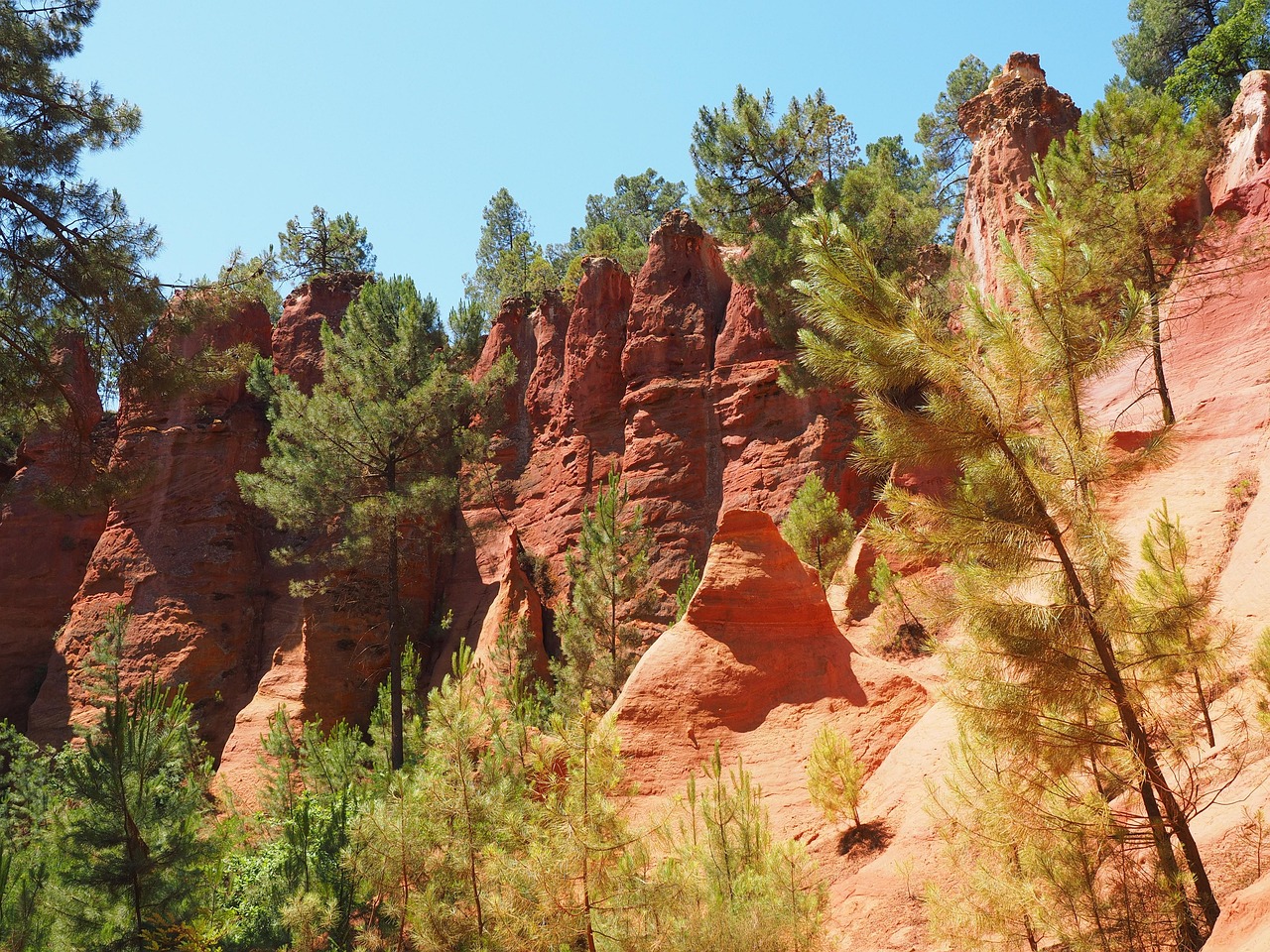
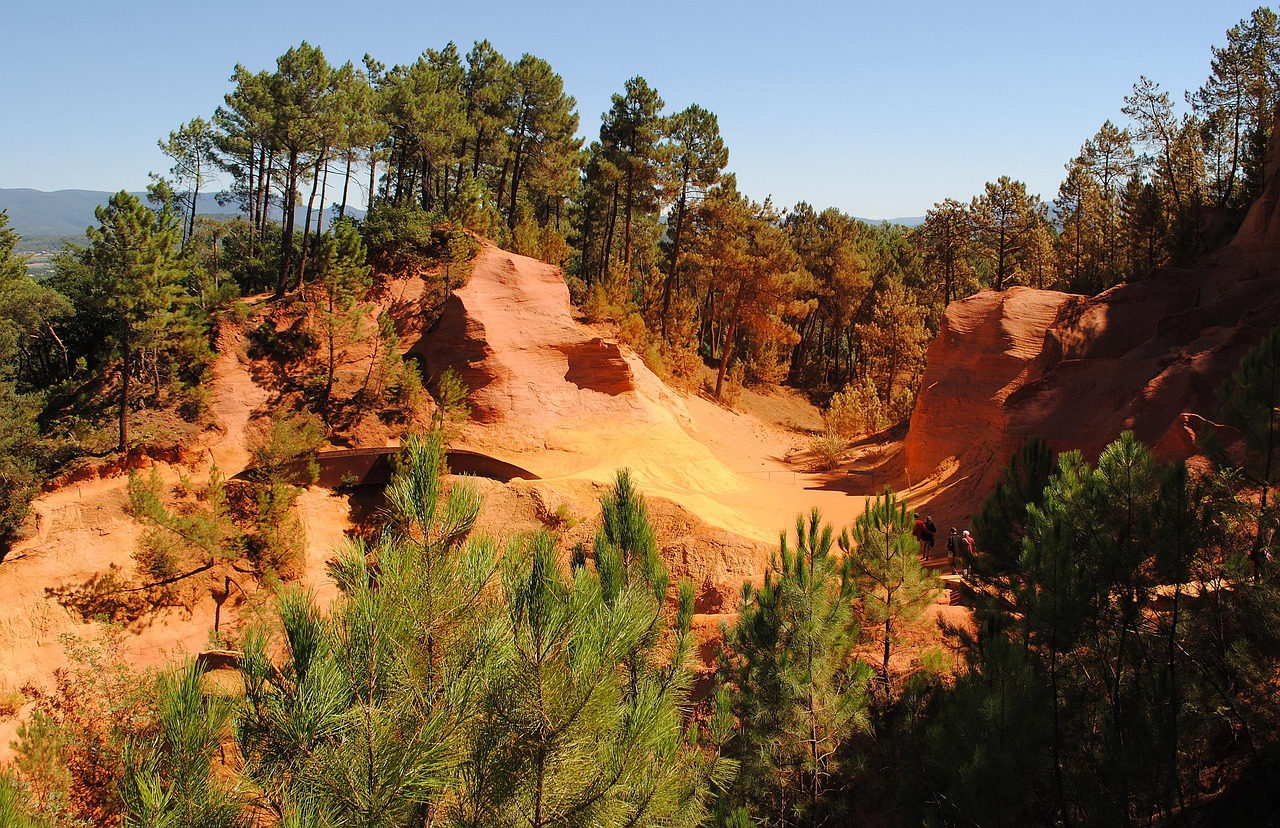
On the northern lower slopes of the massif, near Rustrel, lies the Colorado Provençal – a surreal landscape of ochre cliffs and sculpted hills that look more like the American Southwest than Provence. Strictly speaking, it’s more about sand than summit, but it’s an essential stop in any comprehensive travel guide for Grand Luberon.
Altitude & accessibility: 300–400 m. Paid parking, well-marked trails of varying lengths. It can get busy in high season; arrive early or late for a quieter experience.
Best for: Families, photographers, and anyone wanting a change of scenery from green forests and grey limestone.
Personal memory: One December afternoon, I walked the longer loop almost alone, the low sun making the ochre glow as if lit from within. The contrast between these fiery hills and the blue-grey silhouette of Grand Luberon in the distance is something I still think about when I’m far away.
4–7 Day Itineraries for Grand Luberon (With Personal Stories)
The following itineraries are designed to help you plan 4 days in Grand Luberon, a 5 day itinerary for Grand Luberon, or stretch up to a full week. I’ll sketch the structure here with personal commentary and key stops for each day; you can expand or contract depending on your energy and interests.
4 Day Itinerary for Grand Luberon – “First-Timers’ Highlights”
This 4 day itinerary for Grand Luberon gives you a balanced taste: one big summit, one ochre wonderland, one village day, and one flexible finale.
Day 1 – Arrival via Lourmarin & Southern Slopes
I like to arrive from the south if possible – there’s something about watching Grand Luberon slowly rise behind the gentler Durance valley that feels like a reveal. Start in Lourmarin for a relaxed lunch: a salad with warm goat cheese, a glass of rosé, and your first people-watching session of the trip.
After lunch, stroll the village and visit the château. Then drive north over one of the smaller passes towards the southern flanks of Grand Luberon, perhaps aiming for Vitrolles-en-Luberon as a viewpoint stop. By late afternoon, continue to your base – for a short trip, I recommend staying in or near Apt, which gives you flexibility for the next days.
Evening: Check in, then wander Apt’s old streets. If it’s a Saturday, dive straight into the evening market atmosphere; otherwise, find a bistro that does a simple daube provençale (beef stew) or grilled lamb with thyme.
Day 2 – Mourre Nègre Summit Day
Dedicate your second day to the highest point: Mourre Nègre. Have an early breakfast in Apt or your guesthouse, then drive up to Auribeau or Col du Pointu depending on the route you’ve chosen.
The climb is steady but not punishing. Take your time – this is about savoring the forest, the changing light, the first glimpses of distant peaks. On my last spring ascent, I stopped a dozen times just to inhale the scent of pine and thyme mixed in the sun.
Pack a proper picnic to enjoy on or just below the summit. You’ll see why: on clear days, the view seems to pull you in every direction at once.
Afternoon: Descend gently; the downhill is harder on knees than lungs. Back in the valley, I like to stop in Saignon for a drink on the square – a perfect contrast to the airy solitude of the ridge.
Evening: Back in Apt, explore a different restaurant. Ask for a cheese plate featuring local chèvre and finish with a glass of marc or a herbal liqueur if you’re not driving.
Day 3 – Colorado Provençal & Villages
Time to shift gears. Head to Rustrel and the Colorado Provençal. Arrive early to beat both heat and crowds. Choose one of the marked circuits – the shorter is fine with kids, the longer lets you explore more shapes and viewpoints.
The ochre stains your shoes and your memory; I always end up taking too many photos and then choosing just one or two that capture the joy of color against Provence’s big sky.
Lunch: Picnic or a simple meal in Rustrel. Then drive or cycle back along the valley, detouring to Saint-Martin-de-Castillon or other small villages for a wander.
Late afternoon: If energy permits, an easy, shaded walk in the Vallon de Sainte-Anne is a perfect antidote to the exposed ochre. If not, find a terrace in Apt or Saignon and let time slow.
Day 4 – Flexible Finale: Crest, Plateau, or Market
Your final day depends on your departure time and interests:
- Option 1 – Plateau des Claparèdes: Easy walking or cycling among lavender (June–July) and dry-stone walls, with a leisurely lunch in Bonnieux.
- Option 2 – Short crest walk: From a nearby pass, do a half-day loop on the ridge for a final farewell to the massif.
- Option 3 – Deep-dive into Apt: If your visit overlaps Saturday, devote the morning entirely to the market, then wander side streets, museums, and bakeries.
Whichever you choose, try to end your 4 days in Grand Luberon with one last viewpoint – a place where you can look back at the ridgeline and quietly promise yourself you’ll return.
5 Day Itinerary for Grand Luberon – “Peaks & Villages”
With 5 days in Grand Luberon, you can keep all of the above and add more depth to villages and hidden valleys.
Day 1–3: Follow the first three days of the 4-day itinerary (arrival via Lourmarin, Mourre Nègre summit, Colorado Provençal & villages).
Day 4 – Eastern Grand Luberon & Cereste
Shift your base eastward to Cereste or its surroundings. This side of the massif is quieter, with less traffic and more subtle charms. Spend the morning relocating and settling in, then walk one of the shorter circuits into the eastern foothills.
On one May afternoon, I followed a loop that climbed out of Cereste through terraced olive groves, crossed a low ridge with views back towards Mourre Nègre, and dropped through a tiny ravine filled with birdsong. I didn’t meet another hiker all day.
Evening: Dinner in Cereste – look for menus featuring local lamb, seasonal vegetables, and chèvre. Ask what’s in season; in autumn, you may be lucky enough to find dishes flavored with truffles from nearby oak groves.
Day 5 – Gorges & Southern Vistas
Devote your final day to a more adventurous hike, perhaps combining the Gorges de l’Aye with a climb to a southern viewpoint near Vitrolles-en-Luberon. It’s a day for those who prefer footpaths to cafés; bring plenty of water and snacks.
In the afternoon, drive a scenic loop over one of the passes (Col du Pointu or Col de la Mort d’Imbert) for one last sweeping look at the massif. Evening back in Cereste or Apt, depending on next-day travel plans.
6 Day Itinerary for Grand Luberon – “Slow Trails & Local Life”
A 6 day itinerary for Grand Luberon lets you slow down enough to feel the rhythm of local life.
Day 1–4: Use the 4-day plan as a backbone, but stretch some days:
- Add a second walk or extra café time in Lourmarin on Day 1.
- On Day 2, build in a detour to Saignon either before or after Mourre Nègre.
- On Day 3, linger longer in Rustrel and nearby hamlets.
- On Day 4, choose both a crest walk and a village lunch if energy allows.
Day 5 – Market Immersion & Cultural Encounters
Dedicate a full morning to the Apt Saturday market if timing permits. Shop as locals do: buy fruit from one stall, cheese from another, bread from a third. Learn the names of the producers; they’ll remember you if you return the following week.
In the afternoon, visit a local winery or olive oil mill in the Calavon valley – many offer tastings and short tours. These encounters are some of the best cultural experiences in Grand Luberon, grounding the beautiful landscapes in real livelihoods.
Day 6 – Free Day: Choose Your Own Adventure
On my longest stays, I always keep one day unscheduled. Let weather, mood, and local tips guide you. Possibilities include:
- A long ridge hike from one pass to another, using two cars or a taxi.
- A “village hop” day, stringing together Bonnieux, Saignon, Cereste, and small hamlets.
- A “reading and coffee” day in a quiet village, walking only as far as your feet feel like going.
This is often the day that becomes your most personal story from the trip.
7 Day Itinerary for Grand Luberon – “A Week on the Ridge”
With 7 days in Grand Luberon, you can combine all of the above and still have room for true idleness – which, in Provence, is almost a cultural requirement.
Structure I recommend:
- Nights 1–3: Base in or near Apt.
- Nights 4–5: Shift to Cereste or an eastern hamlet like Auribeau.
- Nights 6–7: Finish in a more polished village like Bonnieux or Lourmarin for a soft landing.
Use the 6-day outline, then add one extra “do nothing” day in your final village – sleep late, buy a novel in French even if you can’t fully read it, and let the church bells mark the hours for you.
Mountain Dining & Village Food Culture
“Mountain dining” in Grand Luberon isn’t about high-altitude refuges with bunk beds and crampons at the door; it’s more about stone farmhouses turned into tables d’hôtes, village bistros, and a few simple inns perched high on the slopes.
What to eat:
- Goat cheese (chèvre): Fresh, ash-coated, or aged; often served with olive oil and herbs.
- Lamb & game: Slow-cooked lamb with thyme, wild boar stews in autumn.
- Truffles: Winter and early spring bring truffle menus; Cereste and surrounding areas are quietly truffle-rich.
- Soups & stews: Soupe au pistou in summer, hearty vegetable stews in winter.
- Pastries & coffee: Croissants and pain au chocolat for trail fuel; tiny village cafés that serve as social hubs.
Refuges & inns: While there are no high alpine rifugi in the Italian sense, a few countryside inns offer what feels like mountain refuge hospitality: long communal tables, set menus, and a mix of hikers, locals, and the occasional lost cyclist. Ask locally; these places often don’t advertise much online.
Money-saving tip: Have your main meal at lunchtime. Many restaurants offer a menu du jour that’s excellent value. In the evenings, picnic with market finds on your terrace or at a viewpoint, especially in summer.
Evenings in Grand Luberon: Après-Hike, Bars & Stargazing
Evenings in Grand Luberon are quieter than in big resorts. Think more apéro than après-ski, more stargazing than clubbing.
Après-hike traditions: A glass of rosé or pastis on a village square, small bowls of olives or tapenade, and long, meandering conversations. In Apt, the cafés around the old town fill with a mix of hikers, locals, and tired market vendors. In smaller villages, you may only have one bar-tabac – but that’s often where the best stories live.
Fondue & hearty nights: Though this isn’t the Alps, some restaurants do hearty cheese dishes in winter – raclette-style grills or gratins that feel like a Provençal take on alpine comfort food.
Stargazing: Light pollution is low once you leave the valley towns. On clear nights, I like to drive up toward a pass (Col du Pointu is a favorite), park safely, and step out into a world of stars. Bring a blanket and a thermos; the silence and the sky are their own show.
Seasonal village events: Summer brings open-air concerts, village fêtes, and occasional night markets. Ask at the local office de tourisme or check posters in village squares – that’s still how many events are advertised.
Events & Festivals in 2026–2027
While Grand Luberon doesn’t have huge international festivals, it participates in the rich Provençal calendar. Dates can shift slightly year to year; check closer to your trip, but for 2026–2027 you can expect:
- Apt Saturday Market (All Year, 2026 & 2027): Every Saturday, 8 a.m.–1 p.m. A weekly “event” in its own right.
- Fête de la Musique (June 21, 2026 & 2027): Live music on streets and squares across the region, including Apt and some villages.
- Lavender Season (Mid-June to Late July, 2026 & 2027): Not a single festival, but many small events and open days across the Plateau des Claparèdes and surrounding areas.
- Local Village Fêtes (Summer 2026 & 2027): Each village – Cereste, Saignon, Vitrolles-en-Luberon – usually has a summer fête with music, dancing, and communal meals.
- Truffle Markets (Winter 2026–2027): In nearby towns (such as Richerenches and Carpentras), plus smaller, more discreet markets closer to Grand Luberon.
In 2026, there is also increased focus on eco-tourism initiatives in the Luberon Regional Natural Park, including trail restoration projects and guided nature walks that visitors can join; ask at local tourist offices for current programs.
Day Trips & Nearby Attractions from Grand Luberon
If you’re based in Grand Luberon for a week, a few day trips broaden the palette:
- Gordes & Abbaye de Sénanque: Famous hilltop village and lavender-framed abbey, about 45–60 minutes from Apt. Go early to avoid crowds.
- Aix-en-Provence: Elegant city of fountains, about 1–1.5 hours from the southern flanks. Perfect for a culture-and-shopping day.
- Verdon Gorge: A longer day (2 hours+ one way) but unforgettable – turquoise river, towering cliffs, and numerous hikes and viewpoints.
- Mont Ventoux: For cyclists and summit collectors, the “Giant of Provence” is within a day’s reach, combining well with a loop through the Vaucluse villages.
For each, start early, check parking options in advance, and consider bringing snacks to avoid pricier tourist-zone lunches.
Cultural Etiquette & Local Customs in Grand Luberon
Understanding local customs in Grand Luberon makes your trip smoother and your encounters warmer.
- Greetings: Always say “Bonjour” (daytime) or “Bonsoir” (evening) when entering shops, cafés, or small spaces. It’s not optional; it’s basic politeness.
- Language: A few French phrases go a long way. Many people speak some English, especially in tourist-facing roles, but starting in French is appreciated.
- Meal times: Lunch is typically 12–2 p.m.; dinner 7:30–9:30 p.m. Don’t expect full menus at 4 p.m. outside of tourist hotspots.
- Markets: Touch produce only after indicating your choice; often vendors will select items for you. Ask before taking close-up photos of people.
- Quiet hours: Rural areas can be very quiet at night. Keep noise down after 10 p.m., especially if staying in a village with thin stone walls.
- Trail etiquette: Greet fellow hikers, yield space on narrow paths, and respect closures around sensitive areas or during fire risk periods.
In all my visits, I’ve found locals reserved at first but warmly responsive when you show curiosity and respect – ask about someone’s olive harvest or cheese, and you may end up with an impromptu tasting.
Logistics & Travel Advice for Grand Luberon
Getting There & Around
Nearest airports: Marseille Provence (MRS), Avignon, and Nice (further). From there, rent a car or combine trains and buses to reach Apt or other bases.
Public transport: Buses connect Apt to Avignon, Cavaillon, and some nearby towns, but schedules can be sparse, especially on Sundays. Once in the villages, service is limited; a car makes life easier.
Car rental & driving: International visitors can generally drive with a valid license plus an International Driving Permit (recommended). Roads in the massif are narrow and winding; drive slowly, especially at night, and watch for cyclists.
Money-Saving Strategies
- Stay in Apt or Cereste rather than the most famous hilltop villages.
- Self-cater part of the time using market produce; picnic lunches with a view trump many restaurant meals.
- Travel in shoulder seasons (April–May, September–early November) for lower accommodation costs.
- Use free or low-cost hikes and viewpoints as your main “attractions.”
Connectivity & SIM Cards
France has good mobile coverage overall, though signal can falter in deep valleys. For visitors:
- Consider an eSIM from major providers or a physical SIM from Orange, SFR, or Bouygues.
- Most cafés and accommodations offer Wi-Fi, though speeds vary in rural areas.
Visas & Entry
As of 2026, France is part of the Schengen Area. Many nationalities can visit visa-free for short stays (up to 90 days in 180), but always check current requirements. A valid passport with sufficient validity is essential.
Best Seasons by Activity
- Hiking & wildflowers: April–June, September–November.
- Lavender & fields: Late June–mid July.
- Cycling: Spring and autumn; summer mornings and evenings.
- Quiet contemplation: Winter months, outside Christmas–New Year.
Mountain-Specific Logistics: Weather, Gear & Safety
Altitude & Acclimatization
With the highest point around 1,125 m, altitude sickness is not an issue in Grand Luberon. What matters more is heat, sun exposure, and wind on the crests.
Weather & Seasonal Hazards
- Summer: High heat in valleys; hike early or late. Fire risk can lead to trail or forest closures – always heed local notices.
- Autumn: Generally stable, but sudden storms can bring heavy rain; trails may become slippery.
- Winter: Occasional snow and ice on higher paths and passes; some roads may close briefly after heavy falls.
- Spring: Variable; beautiful but sometimes muddy trails.
Gear Recommendations
- Footwear: Sturdy hiking shoes or boots with good grip; trails are rocky in places.
- Layers: Even in summer, a light windproof layer for the crest; in winter, hat and gloves.
- Sun protection: Hat, sunglasses, high-SPF sunscreen – there’s little shade on some ridges.
- Water: At least 1.5–2 liters per person for half-day hikes in warm weather; more in mid-summer.
- Crampons: Usually not necessary; in rare icy spells, consider light traction devices if attempting higher paths.
Mountain Rescue & Insurance
Dial 112 for emergencies, including mountain rescue. Though the terrain isn’t extreme, accidents and heat exhaustion can happen. Consider travel insurance that covers hiking and rescue costs.
Cable Cars & Lifts
Unlike the Alps, Grand Luberon has no cable cars or ski lifts on its main massif. All elevation is earned on foot or by bike, contributing to its quieter feel.
Summary & Final Recommendations
Grand Luberon is where Provence tilts towards the sky: forests and ridges, stone villages and markets, lavender and ochre all holding space for one another. It’s not a place of instant, postcard perfection; it’s a place that seeps in gradually – on a cool morning climb to Mourre Nègre, a slow coffee in Cereste, a sunset seen from a forgotten pass.
Key takeaways:
- Base in Apt or Cereste for flexibility; add a night or two in a hilltop village for romance.
- Plan at least a 4 day itinerary for Grand Luberon; a week lets you truly exhale.
- Hike in spring or autumn for ideal weather; visit in early summer for lavender; come in winter for solitude and truffles.
- Embrace markets, picnics, and simple meals as core experiences, not just budget tricks.
Above all, leave space in your plan. The best things to do in Grand Luberon often aren’t in any brochure: a chat with a cheesemaker in Apt, a detour down an unsigned track that leads to an unexpected view, a long pause on a crest where the only sound is wind in the pines.
If you let it, Grand Luberon will slow you down – and in 2026, that might be the greatest luxury of all.